Connect with us
DAPA Banner

Business

Homegrown Chains Thriving Amid QSR Boom

Published

on

Chicago Midway International Airport

SYDNEY — Australian entrepreneurs have carved out impressive niches in the competitive food franchise sector, blending local flavors, health-focused concepts and efficient quick-service models that resonate both at home and increasingly overseas.

While global giants like McDonald’s, Subway and KFC dominate store counts in Australia, a cohort of homegrown brands — founded and still largely owned or controlled by Australians — stands out for innovation, growth potential and cultural appeal in 2026. These franchises often emphasize fresh ingredients, healthier options or distinctly Aussie twists, helping them weather cost-of-living pressures and shifting consumer preferences toward convenience and value.

Drawing from recent industry analyses, store growth data and franchise performance metrics, here are 10 of the strongest Australian-owned food franchises making their mark this year. Rankings consider factors such as domestic footprint, expansion momentum, brand strength, franchisee support and adaptability in a market projected to see continued quick-service restaurant (QSR) growth.

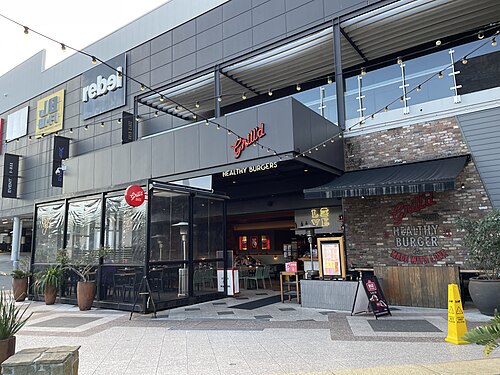
Grill'd restaurant at Westfield Chermside
Grill’d restaurant at Westfield Chermside
  1. Grill’d Founded in 2004 in Melbourne, Grill’d has built one of Australia’s most successful homegrown burger chains with approximately 173 restaurants nationwide. Known for fresh, never-frozen burgers using Australian beef and a strong emphasis on healthier ingredients, the brand has expanded steadily while forming partnerships like its recent Coles collaboration for grocery products. Franchisees praise the streamlined operations and community-focused marketing that differentiate it from U.S. competitors.
  2. Zambrero This Mexican-inspired chain, started in Canberra in 2005 by Dr. Sam Prince, operates hundreds of stores across Australia and has expanded internationally. Zambrero stands out for its “Plate for Plate” initiative — donating a meal to those in need for every burrito or bowl sold — alongside fresh, customizable Mexican fare. In 2026, the franchise continues rapid unit growth, appealing to franchisees seeking purpose-driven businesses with strong digital ordering systems.
  3. Boost Juice Founded in 2000 in Adelaide by Janine Allis and her husband, Boost Juice remains a powerhouse in the juice and smoothie category with around 370 outlets. The brand’s vibrant, health-oriented menu has proven resilient, adapting to trends with new functional drinks and plant-based options. Its kiosk and mall-based model offers relatively accessible entry for franchisees while delivering consistent foot traffic in high-traffic locations.
  4. Bakers Delight This iconic bakery franchise, established in 1980 in Victoria, operates more than 500 stores across Australia and New Zealand. Famous for fresh-baked bread, pastries and savories made on-site daily, Bakers Delight appeals to families and traditionalists. In 2026, the brand focuses on modernization through improved digital loyalty programs and menu innovation while maintaining its community bakery roots.
  5. Red Rooster An Australian fast-food staple since 1972, Red Rooster specializes in roast chicken and sides with a distinctly local flavor profile. Now part of a larger portfolio but with strong Aussie heritage, the chain maintains hundreds of outlets and continues rebranding efforts to refresh its image. It competes effectively in the chicken segment against international players through value meals and drive-thru convenience.
  6. Hungry Jack’s The Australian master franchise of Burger King, operated independently since 1971, features a localized menu with items tailored to Aussie tastes. With over 400 locations, Hungry Jack’s remains a top performer in the burger category. Its franchise model benefits from strong brand recognition and operational efficiencies honed over decades in the local market.
  7. El Jannah This Lebanese-Australian chicken chain has exploded in popularity, particularly in Sydney and expanding southward. Known for charcoal-grilled chicken, garlic sauce and fresh sides, El Jannah represents the rise of ethnic-inspired QSR concepts. In 2026, the brand attracts significant franchise interest as consumers seek bold flavors and premium-yet-affordable options.
  8. CIBO Espresso Originating in Adelaide, CIBO Espresso combines Italian-style coffee with fresh café food in a fast-casual format. The franchise has grown steadily with its focus on quality espresso, panini and pastries. It appeals to urban professionals and offers franchisees a sophisticated yet approachable café experience in a competitive coffee market.
  9. Zeus Street Greek Launched in 2014 in Sydney, this Greek-inspired chain has reached around 41 stores and an estimated $80 million valuation. Specializing in souvlaki, gyros and fresh Mediterranean dishes, Zeus has expanded aggressively while testing grocery partnerships. Its modern take on traditional Greek street food positions it well for continued growth among health-conscious diners.
  10. SumoSalad (and similar fresh concepts like LeWrap)** SumoSalad pioneered healthier fast food with customizable salads and bowls. Other emerging or established fresh-focused players like LeWrap (Australian-owned wraps and healthy options) round out the list of agile franchises adapting to demand for lighter meals. These concepts often feature lower fit-out costs and appeal to franchisees targeting wellness trends.

Australian-owned food franchises benefit from several advantages in 2026. Local founders understand regional tastes, regulatory environments and supply chains, allowing quicker adaptation to challenges like ingredient cost increases or labor shortages. Many emphasize sustainability, local sourcing and community involvement — values that resonate with Aussie consumers.

The broader QSR sector in Australia added hundreds of outlets in recent years, with Mexican, chicken and health-focused concepts leading expansion. Homegrown brands often occupy niches ignored by global giants, such as premium grilled chicken or functional juices, while leveraging digital platforms for ordering and loyalty.

Advertisement

Franchise experts note that successful Aussie food concepts typically offer strong training, marketing support and adaptable store formats — from high-street to drive-thru and kiosks. Investment levels vary widely, with some accessible for under $300,000 while established names require significantly more capital and hands-on operation.

Challenges remain, including rising operational costs, competition from delivery apps and shifting consumer preferences influenced by health trends and economic pressures. Yet many Australian franchises report resilient same-store sales through menu innovation and value strategies.

Retail Food Group, an Australian company, manages multiple brands including Donut King, Brumby’s Bakery and Gloria Jean’s, demonstrating the strength of local multi-brand operators. Other success stories highlight how purpose-driven models (like Zambrero) or fresh-ingredient focus (Grill’d, Boost) create loyal customer bases and attractive franchise opportunities.

For prospective franchisees, Australian-owned concepts often provide a sense of national pride alongside proven systems. Industry events and expos in 2026 continue to showcase these brands, with emphasis on technology integration, staff retention strategies and sustainable practices.

Advertisement

As Australia’s population grows and urban centers expand, demand for convenient, quality food options is expected to remain robust. Homegrown franchises are well-positioned to capture market share by staying agile and true to their origins while embracing modern consumer expectations.

These 10 examples illustrate the vibrancy of Australia’s food franchising scene. From burgers to juices and Mediterranean flavors, Aussie-owned brands deliver both commercial success and cultural relevance. Entrepreneurs considering entry into food franchising in 2026 would do well to examine these homegrown success stories for inspiration and potential opportunities.

Whether seeking a health-focused concept, traditional bakery experience or bold ethnic flavors, Australian-owned food franchises offer diverse paths to business ownership in one of the country’s most dynamic sectors.

Advertisement
Continue Reading
Click to comment

You must be logged in to post a comment Login

Leave a Reply

Business

Opinion: Museum idea no hospital pass

Published

on

Opinion: Museum idea no hospital pass

OPINION: Perth needs a drawcard to put it on the map but securing funding is a major issue.

Continue Reading

Business

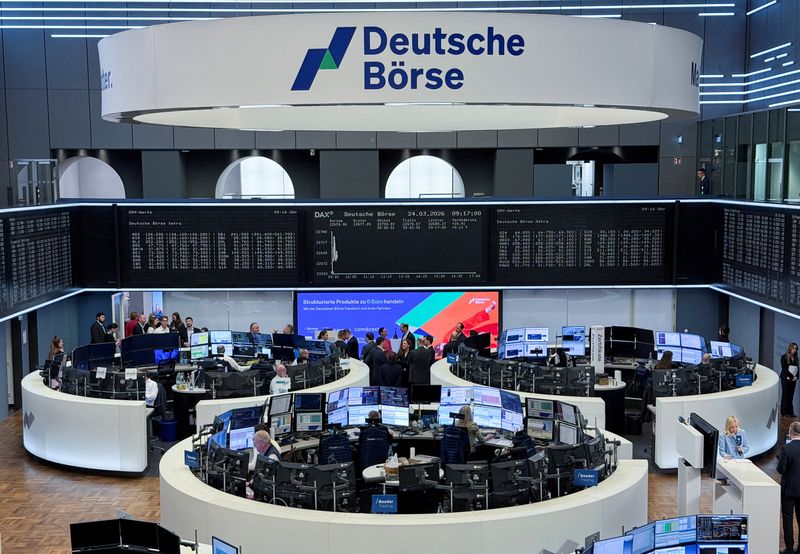
European stocks rise ahead of German inflation data

Published

on

European stocks rise ahead of German inflation data


European stocks rise ahead of German inflation data

Continue Reading

Business

Why Coal India’s arm CMPDI could be a buy even after 7% IPO debut crash today

Published

on

Why Coal India's arm CMPDI could be a buy even after 7% IPO debut crash today
Shares of Central Mine Planning & Design Institute (CMPDI), a subsidiary of Coal India, could be poised for near-term upside, according to analysts, as the stock made a subdued market debut on Monday. The shares listed at a discount of around 7% to their issue price amid weak investor participation and cautious market sentiment.

The listing performance came after the IPO saw only modest traction, closing with an overall subscription of 1.05 times.

Gaurav Garg, Research Analyst at Lemonn Markets Desk, said CMPDI’s weak debut reflects broader caution in the market.

He noted that the stock listed at a discount of around 5-7% despite marginal grey market expectations, pointing to subdued retail participation and only modest subscription levels.

Advertisement

While the stock saw a slight recovery after listing, Garg said the lack of strong demand suggests limited near-term upside. He added that investors may consider using any short-term bounce to exit, while fresh entries should be approached cautiously, with a wait-and-watch approach for price stability and signs of institutional accumulation.


The listing underscores the current trend in primary markets, where even fundamentally strong companies are seeing tempered debut performances amid selective investor appetite and tighter liquidity conditions.
Demand for the Rs 1,842 crore offer for sale was largely driven by institutional investors, with Qualified Institutional Buyers subscribing 3.48 times their quota. In contrast, retail participation remained muted at just 33%, indicating limited broader investor interest.CMPDI operates as a mining consultancy firm, providing services across coal and mineral exploration, mine planning, environmental management and geomatics. The company holds an estimated 61% market share in the coal and mineral consultancy segment in India and works closely with its parent, Coal India.

Financially, the company has delivered strong performance, reporting revenue of Rs 2,178 crore and net profit of Rs 667 crore in FY25, with EBITDA margins exceeding 42%. At the upper price band, the IPO was valued at around 18-21 times earnings, which was considered reasonable given its profitability and asset-light model.

However, the company’s heavy dependence on Coal India and the coal sector continues to be a key overhang, raising concerns around concentration risk and long-term sector dynamics.

(Disclaimer: Recommendations, suggestions, views and opinions given by the experts are their own. These do not represent the views of The Economic Times)

Advertisement
Continue Reading

Business

Stock Market Holiday: NSE, BSE shut tomorrow for Mahavir Jayanti; check 12 upcoming holidays

Published

on

Stock Market Holiday: NSE, BSE shut tomorrow for Mahavir Jayanti; check 12 upcoming holidays
Indian stock markets will remain shut on March 31 as BSE and National Stock Exchange (NSE) will remain closed for trading on account of Shri Mahavir Jayanti, marking the first out of the two market holidays scheduled for this week.

India’s largest commodity exchange, the Multi-Commodity Exchange of India (MCX), will remain shut for trading in the first session (9 am to 5 pm) on Shri Mahavir Jayanti. Trading will resume in the evening session between 5 pm and 11:30 pm, as per the schedule on its website. The National Commodity & Derivatives Exchange Limited (NCDEX), meanwhile, will remain closed for trading tomorrow.

Upcoming market holidays

According to the official holiday calendar, markets will next remain closed on April 3 (Friday) to observe Good Friday. It is important to note that markets are seeing three holidays in less than two weeks. Markets were also shut on March 26 (Thursday) on account of Shri Ram Navami.In total, there are 16 stock market holidays scheduled for 2026, of which four have already passed. After the two holidays this week, trading will be suspended on 10 more occasions over the remaining nine months.

Advertisement

Markets will next remain shut on April 14 (Tuesday) on Dr. Baba Saheb Ambedkar Jayanti. The BSE and NSE will then be closed for trading on May 1 (Maharashtra Day), May 28 (Bakri Id), June 26 (Muharram), September 14 (Ganesh Chaturthi), October 2 (Mahatma Gandhi Jayanti), October 20 (Dussehra), November 10 (Diwali-Balipratipada), November 24 (Prakash Gurpurb Sri Guru Nanak Dev), and December 25 (Christmas).
Earlier last week, Zerodha CEO Nithin Kamath took to X to comment on market holidays amid ongoing global market volatility. “It’s crazy that we live in a time when the entire global financial market seems to be at the whim and fancy of what one person decides to do. He can, and does, do whatever he wants depending on which side of the bed he wakes up on,” Kamath said, in an apparent reference to US President Donald Trump.
His statement comes as markets globally have seen sharp downswings but not equally strong upswings since the war between Iran and the US-Israel bloc began earlier this month, triggering a sharp rally in oil prices.
According to Kamath, the only way to survive as a trader in this market is to make survival the first goal, not making money. “When you’re getting whipsawed out of positions on both sides, and there’s very little you can do in a headline-driven market, the most logical thing is to trade with smaller amounts of capital, reduce the risk in your account significantly, and wait for opportunities where you can actually make money rather than taking undue risk in a highly uncertain, highly volatile environment,” he said.

“Trading is also inherently a lonely activity. And when you’re constantly getting feedback in the form of profit and loss, it takes a mental toll. This was true even when I was actively trading,” he added. So, with a long weekend coming up, Kamath said he can’t think of a better time to take a break, recharge, and come back to the “blinking red and green lights” with a fresh mind.

(Disclaimer: Recommendations, suggestions, views and opinions given by the experts are their own. These do not represent the views of The Economic Times.)

Continue Reading

Business

Crunching the numbers on crime

Published

on

Crunching the numbers on crime

Conversations with WA Police detail the business model for WA’s $200 million illicit drug trade.

Continue Reading

Business

USA: Discount Opens Up, Creating A 'Buy' Opportunity (Upgrade)

Published

on

USA: Discount Opens Up, Creating A 'Buy' Opportunity (Upgrade)

USA: Discount Opens Up, Creating A 'Buy' Opportunity (Upgrade)

Continue Reading

Business

Argan Remains Bullish As Underlying Power Demand Is Still Very Healthy

Published

on

Argan Remains Bullish As Underlying Power Demand Is Still Very Healthy

Argan Remains Bullish As Underlying Power Demand Is Still Very Healthy

Continue Reading

Business

Debenhams Group ups earnings guidance as it hails ‘significant progress’ in its turnaround plan

Published

on

Business Live

Group brands include Boohoo and PrettyLittleThing

Debenhams signs have appeared on Dale Street in Manchester city centre after fashion giant Boohoo rebranded

Debenhams signs at the group’s Dale Street base in Manchester city centre (Image: Reach)

Boohoo owner Debenhams Group says it expects earnings to be “comfortably ahead” of previous guidance and hailed “significant progress” in its turnaround plan.

The Manchester-based group said it now expected to deliver adjusted EBITDA for 2026 of £53m, up on the £50m it first predicted in January, and up 36% on 2025. It said that was driven by 76% increase in adjusted EBITDA for the second half of the year as it continues its turnaround plan led by CEO Dan Finley.

Advertisement

In a statement this morning, the board said it had raised its guidance for the next financial year and expected “double-digit” EBITDA growth in 2027.

Dan Finley, Group CEO, said: “Our multi-year turnaround strategy continues at pace. We are pleased with the 76% increase in H2 Adjusted EBITDA and £53m full year Adjusted EBITDA. Our pivot to the stock-lite, capital-lite, highly profitable marketplace is working.

“The cost base has been reset, the warehouse consolidation completed, the tech re-platform delivered, the stock base rightsized, most of the onerous costs exited and the brand management teams strengthened. This is significant progress, ahead of our plan, but there is still more to be delivered and we now focus on growth.”

The group said all of its brands, which include PrettyLittleThing, Boohoo and Debenhams, “continue to trade profitably on an Adjusted EBITDA basis.”

Advertisement

In this morning’s statement, the board said it was focused on reducing debt and its interest costs. Following a February fundraise of £40m, net debt by the end of February stood at £90m.

The group also said it expected cash flow to improve thanks to “materially lower exceptional costs” including the completion of its warehouse consolidation completed, the launch of a new tech re-platform and improvements to its stock base.

It said: “In FY26 cash lease costs were £18m which includes the costs of leased property that is now vacant. The Board now anticipates that lease costs in FY27 will reduce to c.£13m. In addition, when the Group’s vacant US property lease is exited, lease costs are estimated to fall further to c.£6m.

“These remaining lease costs will predominantly relate to the Group’s Manchester head office, the fully automated warehouse in Sheffield and a small London footprint. The expected reductions in lease costs will have a positive impact on cash flow. “

Advertisement

Capital expenditure costs fell in the year from £28m to around £16m, and are set to fall to around £8m next year.

In a note this morning, broker Panmure Liberum said: “The transformation work done has been huge and the noise (and costs) associated with these is now all but over. Looking ahead, we see leverage off a £100m cost base (2/3 lower), a capex and w/cap light model driving higher earnings and FCF. Some may say it is too early to call, but all the signals and green shoots of the new business model are now visible.”

Continue Reading

Business

Retro sweet shop and eyewear brand latest stores to open at Gloucester Quays

Published

on

Business Live

The openings follow the announcement of three new eateries at the shopping centre

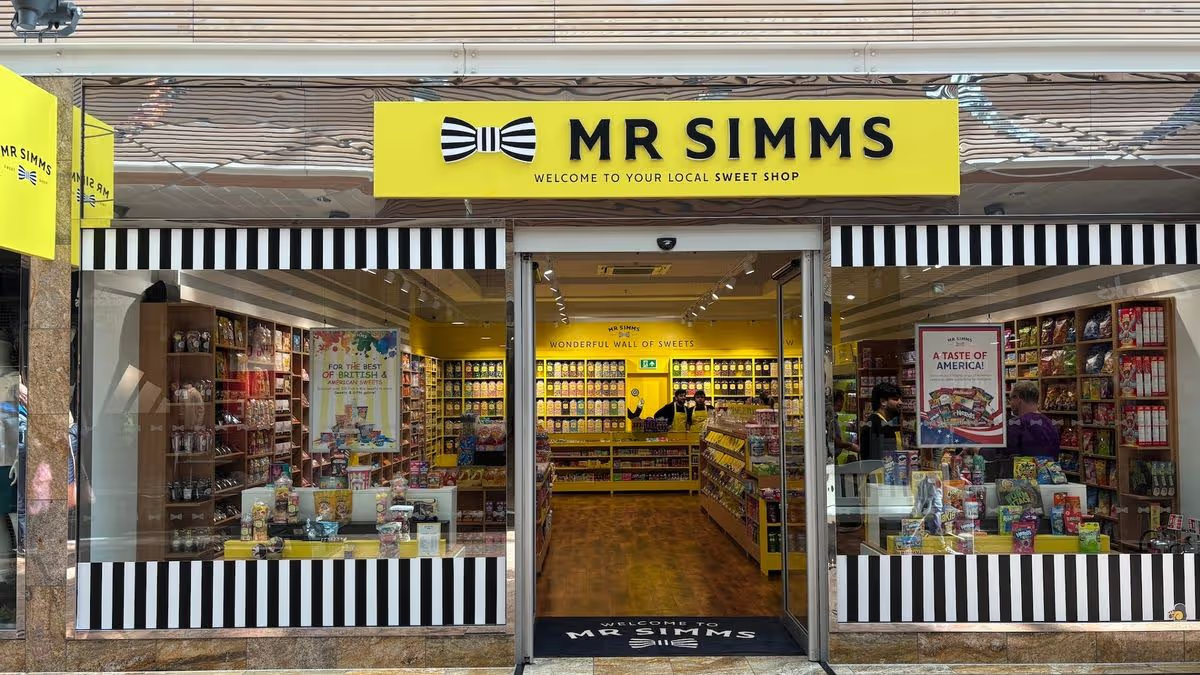
Mr Simms sweet shop has opened at Gloucester Quays

Mr Simms sweet shop has opened at Gloucester Quays(Image: Handout)

A retro sweet shop and an eyewear brand are the latest stores to open at Gloucester Quays shopping centre. Confectioner Mr Simms has taken a central 2,117 sq ft unit – it’s third branch in the South West – while Brand Eyewear has opened 505 sq ft store.

Mr Simms, which was founded in 2004 in Leek, sells traditional and contemporary sweets, and has around 60 branches around the UK.

Brand Eyewear, meanwhile, sells a range of designs from brands such as Ray-Ban, Oakley, Ralph Lauren, Georgio Armani, and DKNY. It also offers a ‘lens bar’ for shoppers to test lens colour, reflection coating and frame materials.

Paul Carter, asset director at Peel Retail & Leisure, said: “The openings of Mr Simms Sweet Shop and Brand Eyewear signal the broad offer Gloucester Quays has become known for.

Advertisement

“Being a crossover outlet means catering to every want and need, and every visit purpose. These additions highlight our commitment to delivering that, securing exciting retail, elevating the experiences of our guests, and creating that full day-out environment alongside the huge variety of F&B and leisure.”

Brand Eyewear at Gloucester Quays

Brand Eyewear at Gloucester Quays(Image: Handout)

Renee Broughton Johnson, founder of Brand Eyewear, added: “Opening my first store at Gloucester Quays was a milestone moment for Brand Eyewear. Location is vitally important when debuting new concepts, and I knew on first viewing that Gloucester Quays was a prime destination to showcase Brand Eyewear’s excellent customer service and good value products, with its quality retail offerings. We already feel at home here in Gloucester’s leading outlet destination.”

The openings follow the announcement of three new eateries for Gloucester Quays this year: Banchina Italian; French fusion restaurant Muse Brasserie; and COSMO Restaurant Group’s Umami, which will open this summer.

It also comes after the opening of Clip ‘n Climb – a family-friendly climbing attraction – at the shopping centre in February. Located on the upper deck, the venue features 19 climbing walls alongside challenges such as the colourful ‘Tree Trunk’, designed to simulate climbing a real tree, and the ‘Speed Climb’ for competitive climbers.

Advertisement

The venue also includes Play Den, a four-level soft play area for younger visitors, alongside the on-site South Ridge Café.

Last year, Gloucester Quays welcomed a plethora of new brands including Søstrene Grene, Ben Sherman, Label Yard, and Men Kind.

Continue Reading

Business

Singapore’s Rise As A Green Finance Hub: What’s Driving The Momentum?

Published

on

singapore finance hub

Singapore has established itself as one of Asia’s leading green finance hubs, drawing attention from corporations and policymakers. At its core, green finance channels investment towards projects designed to deliver measurable environmental benefits. This includes products, services, and investments aimed at supporting renewable energy, energy efficiency, and other sustainability initiatives. 

Over the past decade, the green finance Singapore market has grown significantly, attracting both regional and international investors and positioning the country as a regional hub for sustainable investment. The growth of this ecosystem reflects how investors and companies are increasingly integrating sustainability into their financial strategies.

singapore finance hub

To fully understand what’s driving Singapore’s momentum in green finance, let’s examine the factors behind it:

Advertisement

1) Continuous Government Support

Singapore’s government provides a strong foundation for green finance growth. The government recognises that supportive policies and clear regulatory frameworks are crucial to attracting both domestic and international investors. The Monetary Authority of Singapore (MAS), in particular, has taken the lead in promoting sustainable finance through initiatives such as the Green Finance Action Plan, which sets out strategies to expand the green finance market, manage risks, and encourage cross-border collaboration.

Alongside policy guidance, practical incentives play a significant role in fostering market participation. Grants and technical assistance support the issuance of green bonds, while tax reliefs encourage companies to pursue environmentally sustainable projects. MAS also emphasises transparency and standardised reporting, ensuring that investors can confidently assess the environmental impact of their investments. These measures collectively create a regulatory environment that fosters trust and reinforces Singapore’s reputation as a credible hub for green finance.

2) Growing Market Demand

Investor and corporate demand significantly contributes to Singapore’s green finance momentum. Globally, institutional investors, asset managers, and pension funds increasingly integrate Environmental, Social, and Governance (ESG) considerations into their investment strategies. At the same time, companies recognise that accessing sustainable financing supports environmental goals and enhances credibility with stakeholders and investors.

3) Availability of Green Finance Instruments

Singapore offers a wide range of green finance instruments that enable businesses to fund sustainable initiatives. Green loans, green bonds, and sustainability-linked loans provide companies with the capital required to implement projects such as solar energy installations, energy-efficient building upgrades, and sustainable water management systems.

Advertisement

Recent examples highlight Singapore’s capacity to mobilise significant capital for environmental projects. Its inaugural sovereign green bond issuance attracted strong interest from international investors, signalling confidence in its green finance market. Alongside these bonds, sustainability-linked loans, which adjust interest rates based on ESG performance, incentivise companies to meet specific sustainability targets, aligning financial returns with environmental impact. 

In addition, structured products, carbon credit financing, and blended finance mechanisms all expand the funding options further. These allow businesses to structure investments that meet both financial and environmental objectives. 

4) Advancing Green Finance Through Innovation

Innovation also drives Singapore’s competitive edge in green finance. Advanced financial technology platforms enable ESG reporting, compliance monitoring, and real-time tracking of environmental impact, making green investments more transparent and accessible. Companies and investors can now measure carbon reductions, demonstrate sustainability outcomes, and provide detailed reporting to stakeholders, thus fostering confidence in the market.

Singapore has also pioneered novel financial instruments, including digital green bonds and sustainability-linked derivatives, which lower barriers for smaller businesses and allow scalable financing solutions for larger corporates pursuing ESG goals. Collaborative platforms also bring together banks, investors, and regulators, thereby streamlining workflows and improving efficiency in sustainable finance operations.

Advertisement

5) Reliance on the Local Skilled Workforce

A highly skilled workforce and a growing pool of sustainability experts support Singapore’s rise as a green finance hub. Financial institutions and consulting firms increasingly rely on professionals trained in ESG standards, climate risk assessment, and sustainable investment strategies. These experts help ensure that green finance initiatives are both credible and effective, giving investors confidence in the quality and impact of projects.

The Lion City has also invested in education and professional development to build expertise in sustainable finance. Universities and training institutes offer specialised programmes in ESG investing, green bonds, and climate finance, while professional certifications equip practitioners with internationally recognised skills.

6) Leveraging Global Reputation and Strategic Location

Singapore’s international reputation strengthens its appeal as a green finance hub. It’s recognised for financial stability and strong governance, all of which inspire confidence among global investors. Its strategic location in Southeast Asia also allows it to act as a gateway for cross-border green investments by connecting international capital with regional sustainability projects.

Advertisement

Moreover, partnerships with multilateral development banks, regional financial bodies, and international organisations, such as the United Nations Environment Programme Finance Initiative (UNEP FI), reinforce Singapore’s credibility. These collaborations promote the adoption of standardised green finance practices and facilitate the flow of capital to projects with measurable environmental impact. 

Shaping the Future of Green Finance

Singapore continues to strengthen its position as a regional leader in sustainable finance through proactive policies, innovative financial instruments, and a skilled workforce. It attracts investors seeking credible and impactful opportunities, while companies gain access to diverse financing solutions that support their environmental goals. Technological advancements and collaborative platforms further enhance efficiency and transparency across the green finance ecosystem. With these factors in place, Singapore has successfully set a benchmark for how financial hubs can integrate sustainability into core business practices and push for responsible investment in the region and beyond.

BN Philippines
Latest posts by BN Philippines (see all)

Continue Reading

Trending

Copyright © 2025