Connect with us
DAPA Banner

Tech

I’m finally playing Eastshade, and it’s turned me into a travelling painter who really cares about artistic composition

Published

on

Chill, walking simulator-cross-traveling painter game Eastshade has been in my backlog for a while now. If memory serves, it’s because I found mention of it having wonderful virtual landscapes during a time when I was writing about that aspect of games.

From the Backlog

Every gamer has a backlog — and that’s no different for us at TechRadar Gaming. From the Backlog is a series about overdue first-plays, revisiting classics, returning to online experiences, or rediscovering and appreciating established favorites in new ways. Read the full series here.

Now, years on, I’ve finally made it into the world of EastShade and have fully embraced my role as a visiting painter for hire, intent on fulfilling some last requests by their late mother.

Advertisement

Source link

Advertisement
Continue Reading
Click to comment

You must be logged in to post a comment Login

Leave a Reply

Tech

MacOS 26.4 Adds Warnings For ClickFix Attacks to Its Terminal App

Published

on

An anonymous Slashdot reader writes: ClickFix attacks are ramping up. These attacks have users copy and paste a string to something that can execute a command line — like the Windows Run dialog, or a shell prompt.

But MacRumors reports that macOS 26.4 Tahoe (updated earlier this week) introduces a new feature to its Terminal app where it will detect ClickFix attempts and stop them by prompting the user if they really wanted to run those commands.
According to MacRumors, the warning readers “Possible malware, Paste blocked.”

“Your Mac has not been harmed. Scammers often encourage pasting text into Terminal to try and harm your Mac or compromise your privacy….”

There is also a “Paste Anyway” option if users still wish to proceed.

Advertisement

Source link

Continue Reading

Tech

GeekWire AI summit takeaways: Token budgets, watermelon metrics, and the $5k weekend coder

Published

on

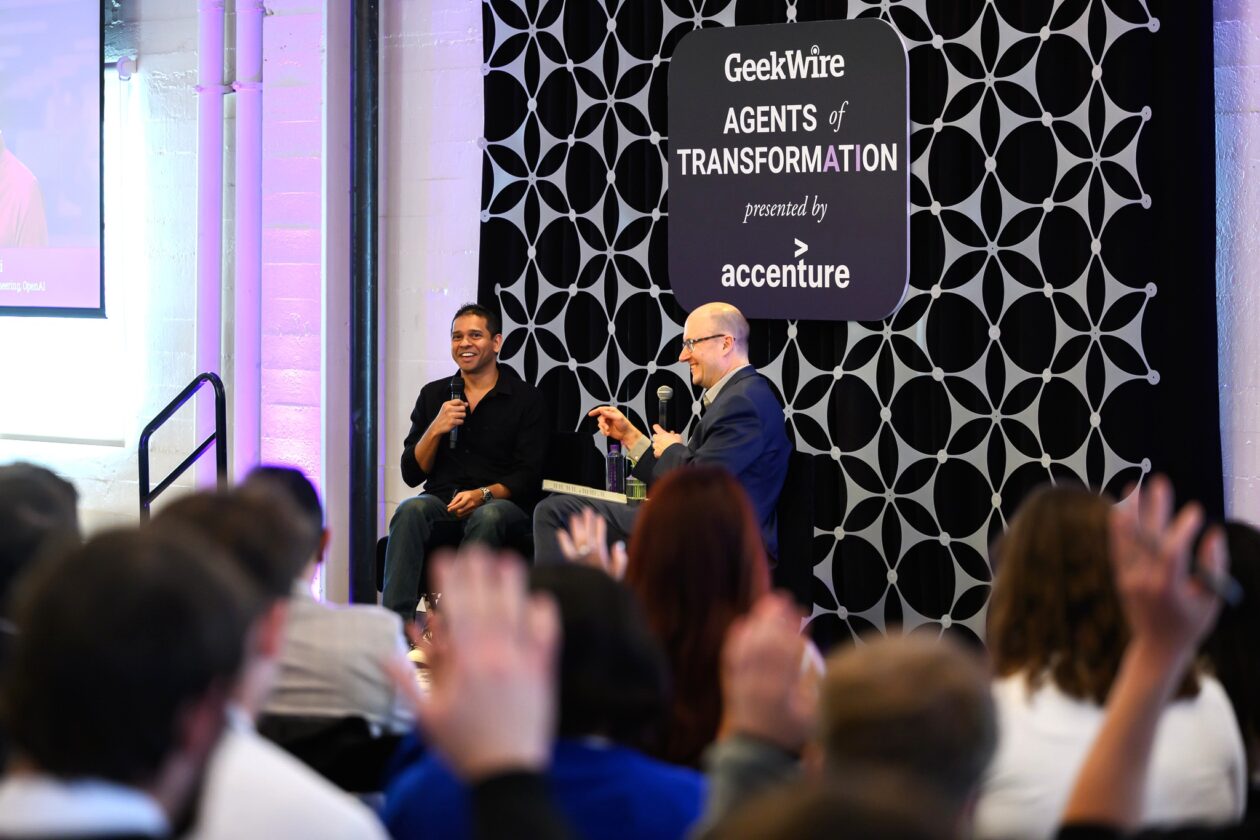
OpenAI CTO of Applications Vijaye Raji, left, and GeekWire’s Todd Bishop on stage at the GeekWire AI summit, Agents of Transformation, in Seattle on March 24. (GeekWire Photo / Kevin Lisota)

This week on the GeekWire Podcast: Fresh off the big GeekWire AI summit, we unpack what they heard from Microsoft EVP Charles Lamanna, OpenAI applications CTO Vijaye Raji, and other speakers at the Agents of Transformation event in Seattle, presented by Accenture.

The big thread: the economics of AI, from token budgets becoming a hiring negotiation point to startups running on subsidized credits that may not last.

Plus, a startup founder whose engineer burned through $5,000 in AI tokens over a single weekend of vibe coding, OpenAI shutting down Sora amid $15 million-a-day processing costs, and why panelist Liat Ben-Zur said the performance indicators many companies are using for AI are “watermelon metrics” — green (profit) on the outside, red (losses) on the inside.

Also: how Todd used a Claude project over several months to prep for the event, John’s experience bouncing between Gemini and ChatGPT, and why the pure chat era may be over. 

And in this week’s trivia: Sound Transit’s light rail starts crossing Lake Washington on a floating bridge — but when did the original I-90 floating bridge open?

Advertisement

Audio editing by Curt Milton.

Source link

Continue Reading

Tech

Fascinating Look Back at BlackBerry’s PlayBook, the Compact Tablet From 2011 That Had Real Promise

Published

on

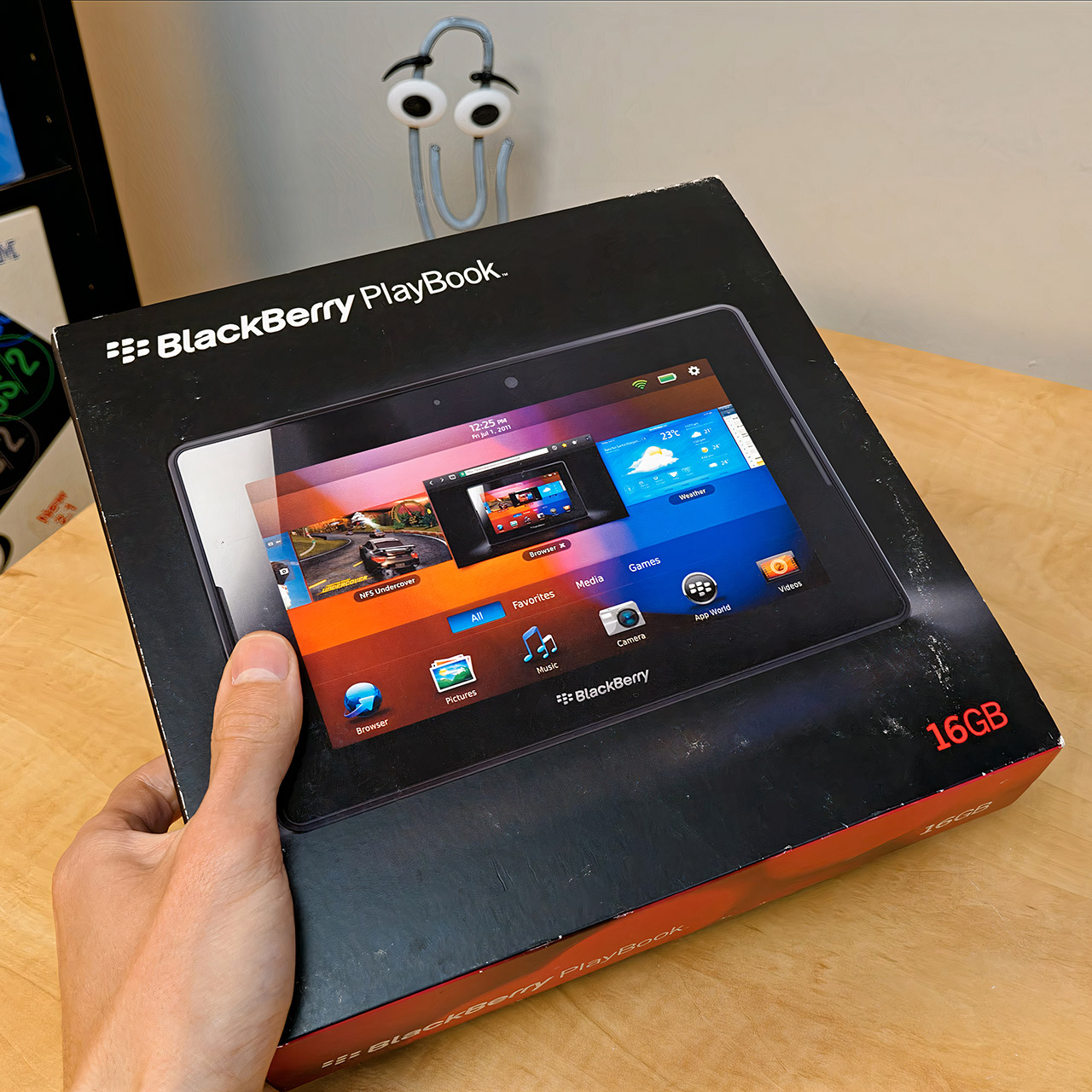
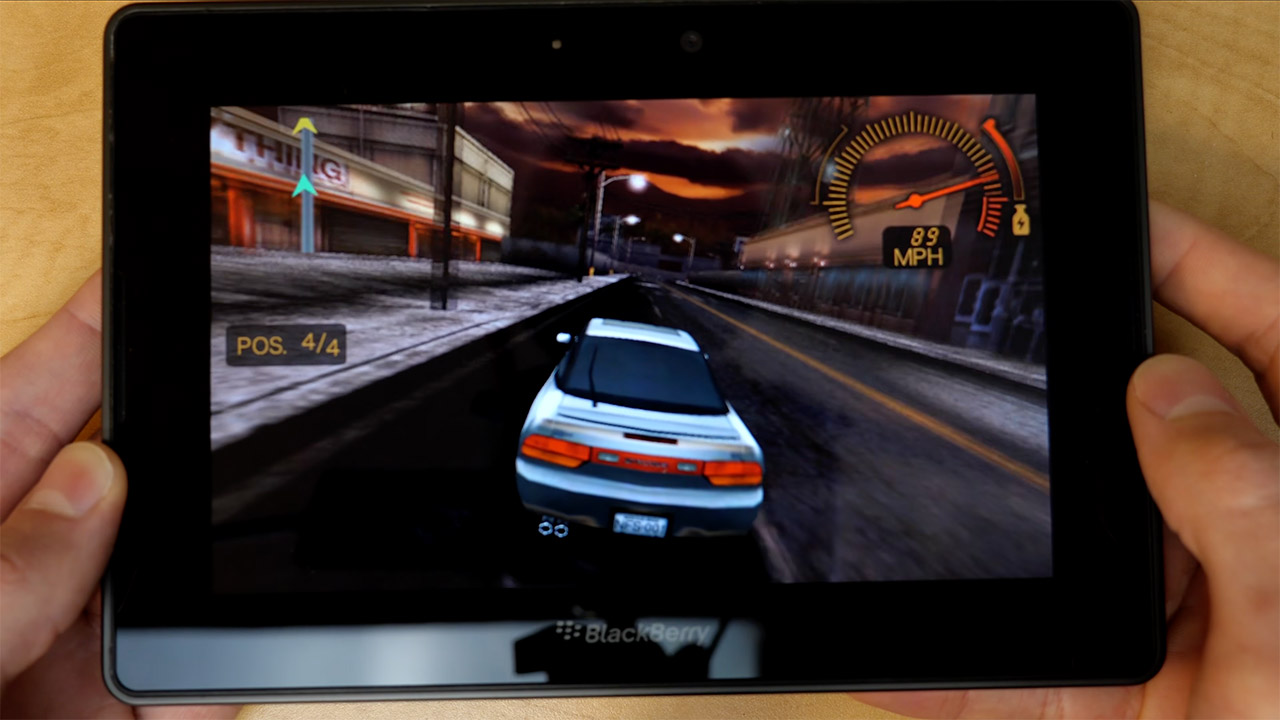
BlackBerry PlayBook Tablet 2011
BlackBerry entered the tablet market in the spring of 2011 with the PlayBook, a 7-inch tablet that had to compete with larger offerings from Apple and others. People who picked one up quickly noticed how portable it was, fitting easily into a bag or coat pocket for on-the-go use.


Build quality was impressive for the time, with the PlayBook coming in at just under 10mm thick and 425 grams. The clean combination of black plastic and metal felt solid and considered without trying too hard, and it showed the moment you picked it up. Many users at the time rated the physical quality above several competing tablets in the same space.

Sale


Lenovo Tab One – Lightweight Tablet – up to 12.5 Hours of YouTube Streaming – 8.7″ HD Display – 4 GB…
  • COMPACT SIZE, COMPACT FUN – The Lenovo Tab One is compact, efficient, and provides non-stop entertainment everywhere you go. It’s lightweight and…

  • SIMPLICITY IN HAND – Add a touch of style with a modern design that’s tailor-made to fit in your hand. It weighs less than a pound and has an…
  • NON-STOPPABLE FUN – Freedom never felt so sweet with all-day battery life and up to 12.5 hours of unplugged YouTube streaming. It’s designed to…

The 7 inch display ran at 1024 by 600 pixels in a widescreen format that suited video and web browsing well, with solid brightness and color reproduction in indoor lighting. Direct sunlight was a challenge, though that was a common limitation of LCD panels at the time. The size also made it genuinely comfortable to hold and operate with one hand, which gave it a practical edge for reading and casual browsing that larger tablets struggled to match.

Advertisement


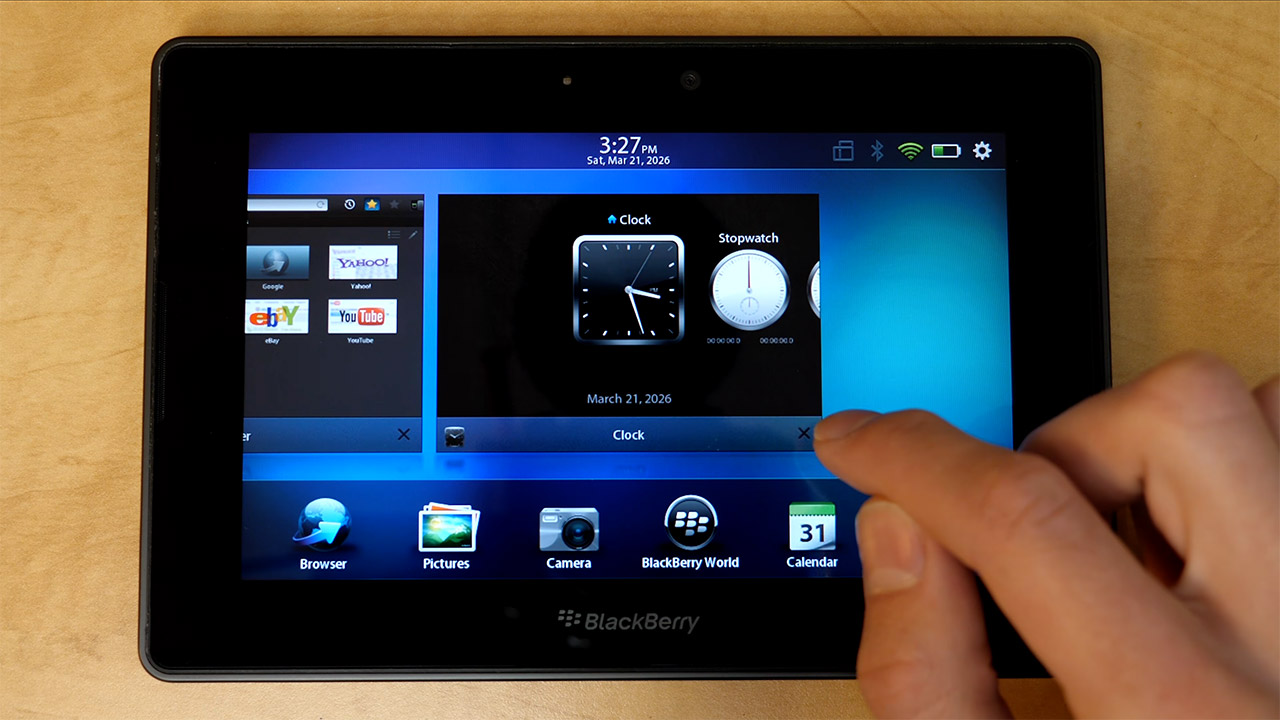
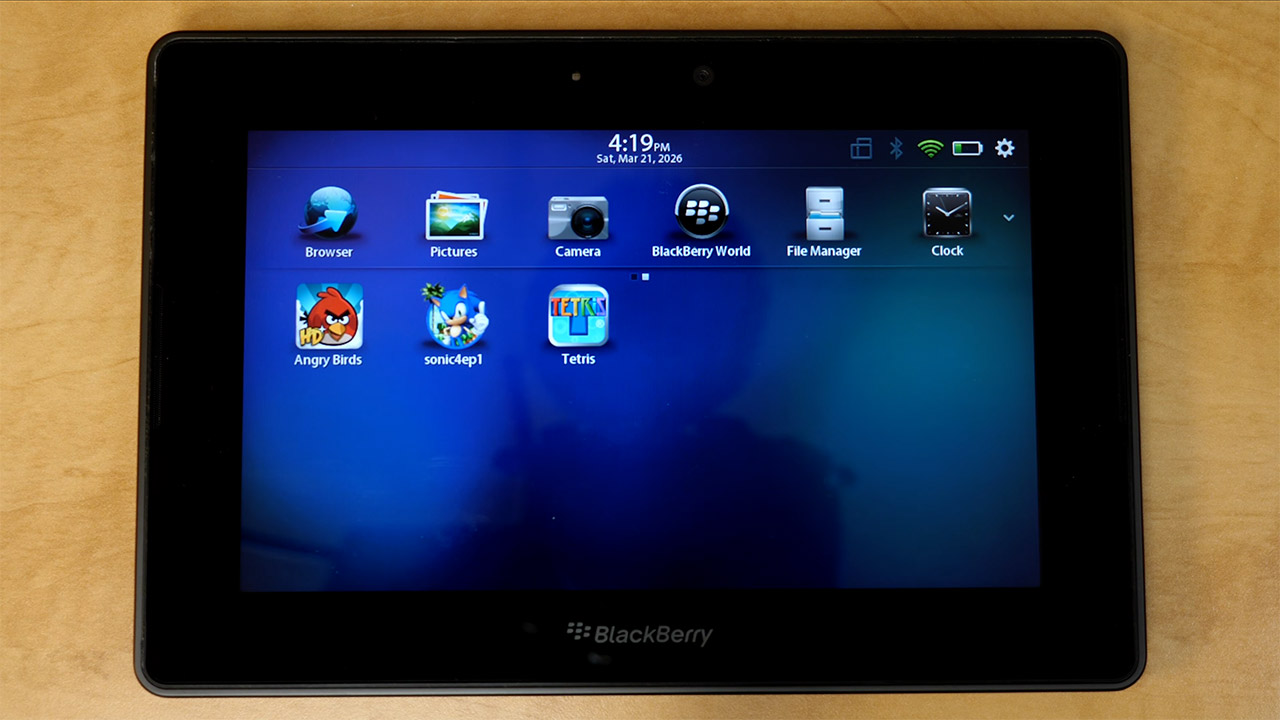
A 1GHz dual core Texas Instruments OMAP 4430 processor, combined with 1GB of memory, kept routine tasks running smoothly with no noticeable latency. The BlackBerry Tablet OS, which was built on a QNX platform, was actually solid and received high praise in early evaluations for its dependability. Navigation relied on edge gestures, which worked surprisingly well in practice, with swipes from the sides or top quickly bringing up menus or previously used apps. True multitasking allowed you to run multiple programs at the same time and switch between them seamlessly, and once the gesture system was activated, it seemed like a genuinely efficient method to move around the device.

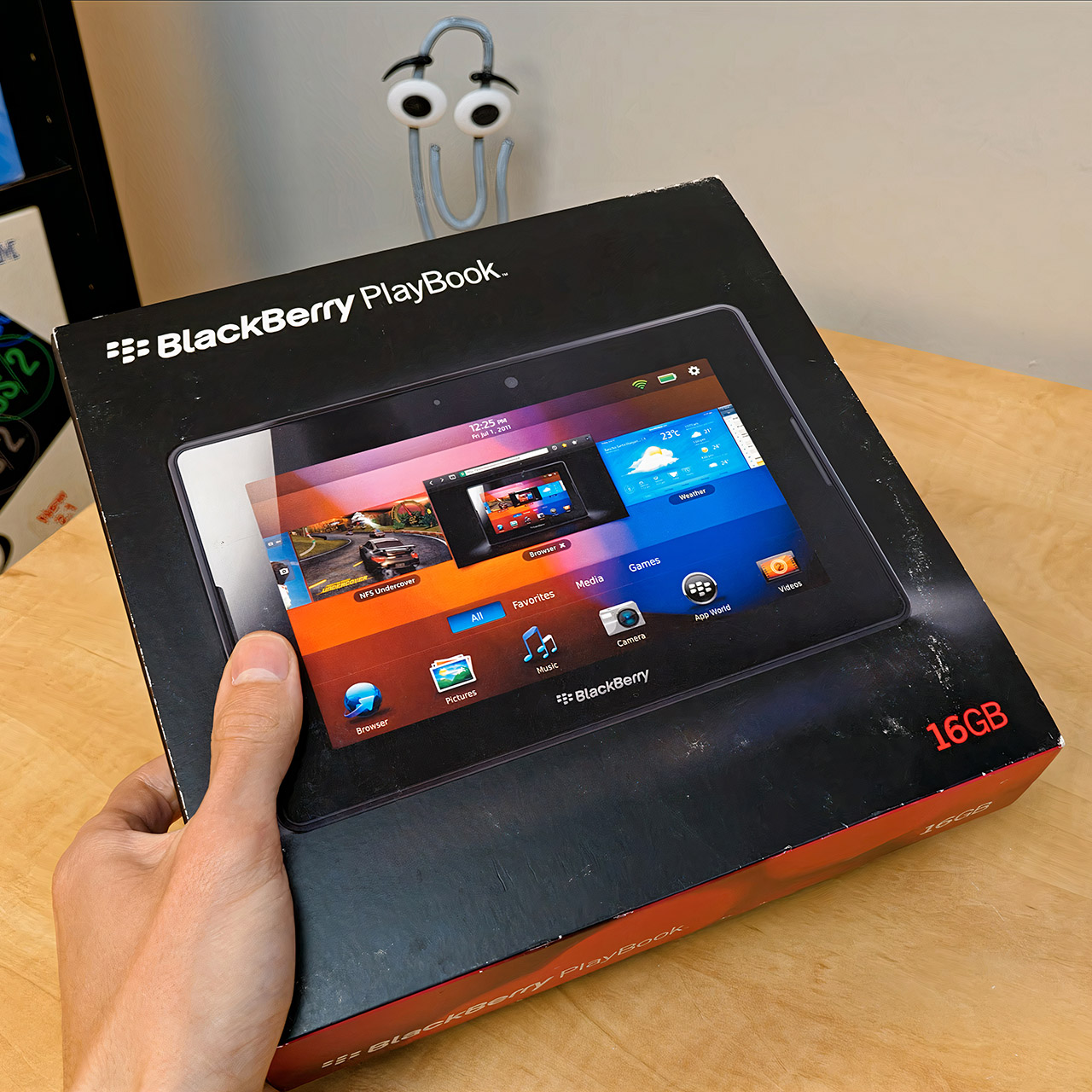
BlackBerry PlayBook Tablet 2011
Web browsing was one of the PlayBook’s real strengths. The browser handled most sites with ease and included Adobe Flash functionality, allowing you to watch films and interact with material that outperformed many rival mobile devices at the time. HTML5 performance also fared well in testing. On the entertainment front, the PlayBook handled high definition video playback with ease, the twin speakers were adequate for music, and a five megapixel rear camera and a three megapixel front camera covered both photos and video calls. A small HDMI port completed the package for anyone who wanted to project video onto a larger screen for presentations or movie nights.

BlackBerry PlayBook Tablet 2011
At launch, connectivity included Wi-Fi and Bluetooth, with cellular possibilities added later. Depending on screen brightness and workload, the battery life was usually sufficient for a full day of mixed use. The launch software was where things became problematic. The PlayBook came without native email, calendar, or contacts apps, so users had to couple it with a BlackBerry phone using a technology called Bridge to use any of them. The connection was secure and smooth for existing BlackBerry users, who saw the tablet as a natural extension of their phone setup; however, for those without one, it was a significant drawback that was difficult to overlook.

BlackBerry PlayBook Tablet 2011
The 16GB model debuted at $500, which is comparable to about $726 now, with higher storage options raising the price even further. Initial sales were good but fell well short of overall market forecasts, and large price cuts in late 2011 helped clear leftover inventory, particularly in Canada. By the conclusion of its run, the PlayBook had sold almost 2.5 million devices.

Source link

Advertisement
Continue Reading

Tech

Fake Samsung 990 Pro SSD is good enough to fool your benchmarks

Published

on


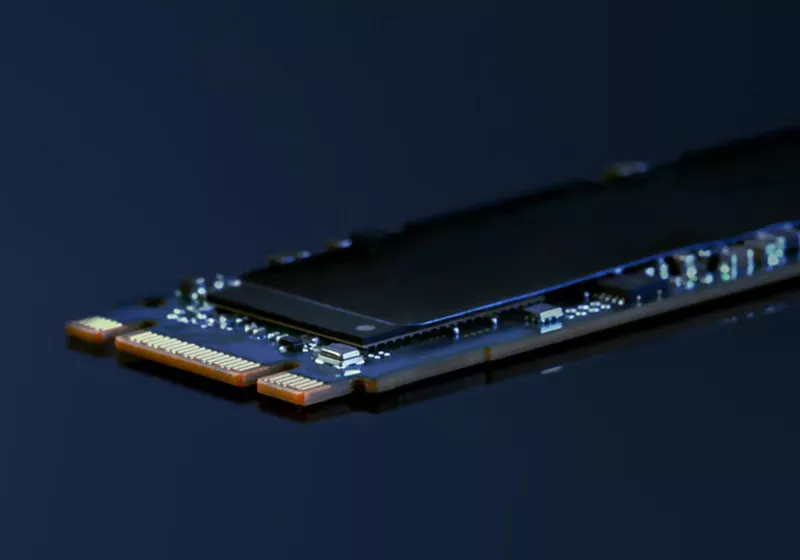
Counterfeit SSDs usually look real to the untrained eye until their performance or capacity falls far short of the device’s specs. However, Japanese outlet Akiba PC Hotline recently discovered a specimen that matches the genuine article in speed and storage.
Read Entire Article
Source link

Continue Reading

Tech

Your Vape Wants to Know How Old You Are

Published

on

Based on testing, the companies behind Ike Tech claim this process has a 100 percent success rate in age verification, more or less calling the tech infallible. “The FDA told us it’s the holy grail technology they were looking for,” Wang says. “That’s word-for-word what they said when we met with them.” The FDA did not respond to WIRED’s request for comment.

But Glantz is not at all convinced these protections will work.

“The FDA is just showing their pro-industry bias,” Glantz says. “If I were running the FDA, I would prohibit these devices from having any Bluetooth capability at all, period. There are just too many ways it could go south. Every technical fix has a work-around.”

The verification features would be tied to just one person, so when the vape is on, that person could share a puff with anyone nearby without verifying their age. At that point, Wang says it comes down to personal responsibility.

Advertisement

“You really have to count on the responsibility of that person,” Wang says. “If it’s a 21-year-old or older person, of course, that’s fine, but if you really want to hand it to an underage person, then you are really irresponsible.”

Wang says the goal is to implement additional features in the verification process, like geo-fencing, which would force the vape to shut off while near a school or on an airplane. In the future, the plan is to license this biometric verification tech to other e-cig companies. The tech may also grow to include fingerprint readers and expand to other product categories; Wang suggests guns, which have a long history of age-verification features not quite working.

Vapor Ware

The time frame for when Ike Tech might actually be out in the world—and how much it will cost when added to vape cartridges—is still hazy. Wang says there are already partnerships with two nicotine companies, but won’t say which or when that will emerge. “In 2026, there will be a clear indication of when our solution will be approved and how many other brands will license our technology.”

Wang’s ideal version of a vape, he posits, would be a safe, clean way to inhale nicotine.

Advertisement

“In the industry, we have a saying: ‘Nicotine never killed a single person,’” Wang says. “To a large degree, e-cigarettes are a safer way to consume nicotine.”

Glantz rejects that notion by bringing up practices like “smoking topography,” where nicotine companies track how smokers puff the product differently, then control how much nicotine is dispersed at a time to maximize the addictive potential.

He also takes issue with the fundamental problem that e-cigarettes and vapes are cleaner than traditional cigarettes at all. While the problem with cigarettes and cheap vapes might be the other chemicals, nicotine itself is not a harmless substance.

“You can’t make a healthy e-cigarette; it’s impossible,” Glantz says. “It’s true that nicotine isn’t a carcinogen, but it has all kinds of adverse cardiovascular effects. Nicotine screws up your nervous system.”

Advertisement

For nicotine to be absorbed as vapor, it has to be reduced to ultrafine particles. That’s what the heating does, and those particles can have all sorts of adverse health effects.

“There are all of these other implications that are extremely serious that nobody’s really thinking about,” Glantz says. “Even if the age-verification thing worked, it’s still not worth it.”

Source link

Advertisement
Continue Reading

Tech

DVD vs Blu-ray vs 4K Ultra HD Blu-ray Explained: Picture Quality, Audio and What’s the Difference?

Published

on

Streaming was supposed to simplify everything. Instead, it is starting to look a lot like the cable bundles it replaced, with higher monthly costs, more fragmentation, and ads creeping back into tiers that once promised otherwise. For a growing number of viewers, that frustration is pushing them back toward something far less convenient but far more reliable: physical media.

Owning your movies and TV shows means they do not disappear when licensing deals expire or platforms reshuffle their catalogs overnight. You press play, and it works. No buffering, no logins, no surprise paywalls. It also means consistently better performance. DVD, Blu-ray, and especially 4K Ultra HD Blu-ray still deliver higher bitrates than streaming, which translates into cleaner images, more stable motion, deeper color, and lossless audio formats that actually take advantage of a proper surround sound system.

Finding discs is not as easy as it used to be. Major retailers like Best Buy and Target have scaled back or eliminated in store selections, but physical media is not disappearing. It is shifting. Walmart and Barnes & Noble still carry a solid range in store, and online options are stronger than ever. Boutique labels like The Criterion Collection, Kino Lorber, and Arrow Video continue to release restored editions, special features, and curated catalogs that streaming platforms rarely match.

This article and the three companion videos break down exactly what you get from DVD, Blu-ray, and 4K Ultra HD Blu-ray. Not just resolution numbers, but the real world differences in picture quality, HDR support, audio formats, and overall viewing experience so you can decide if going back to discs is nostalgia or just common sense in 2026.

Advertisement

The Bottom Line

DVD still has a place, but Blu-ray and 4K Ultra HD Blu-ray remain the standard for anyone who actually cares about how movies look and sound. Streaming has improved, but it still cannot match the higher bitrates, consistent image quality, and lossless audio you get from a disc spinning in a dedicated player. That gap becomes obvious the moment you pair them with a modern 4K TV and a real surround sound system.

The three videos break down what matters in 2026. DVD is limited to standard definition. Blu-ray delivers full HD with excellent clarity and solid audio. 4K Ultra HD Blu-ray adds true 4K resolution, HDR formats like HDR10 and Dolby Vision, and the best available home audio formats. To take advantage of it, you need the right hardware. A 4K Ultra HD Blu-ray player, a compatible TV with HDR support, and an audio system that can handle formats like Dolby Atmos or DTS:X. Get that right, and physical media is not just surviving. It is still the benchmark.

Where to buy?

Advertisement. Scroll to continue reading.
Advertisement

Source link

Continue Reading

Tech

4 Things Your Nintendo Switch 2 Can Do That Most Owners Don’t Know About

Published

on


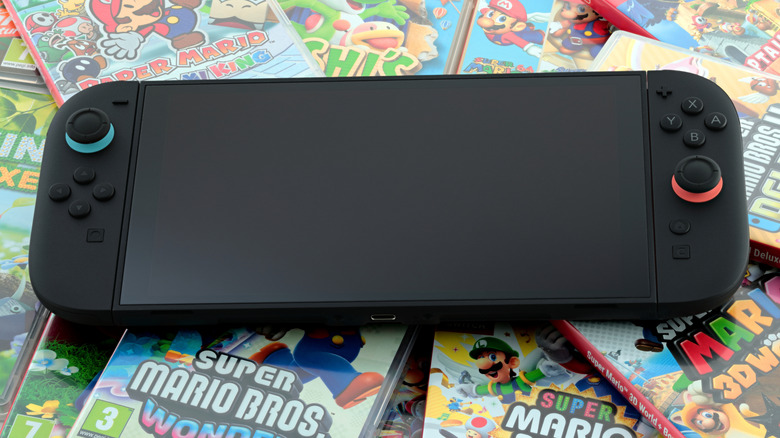
People who own the original version of the Nintendo Switch have had a lot of time to discover the various cool things the gaming console could do. You can use it as a TV remote control. You can use it to charge an iPhone. You can surf the web on it. Apart from the unusual uses, there are a number of things you can do on the Switch to enhance your game-playing experience. For example, you can change the button mapping on your controllers, use a mouse or a keyboard, or even play games in portrait mode. While these examples are fun, the list of possibilities got a bit longer with the Nintendo Switch 2.

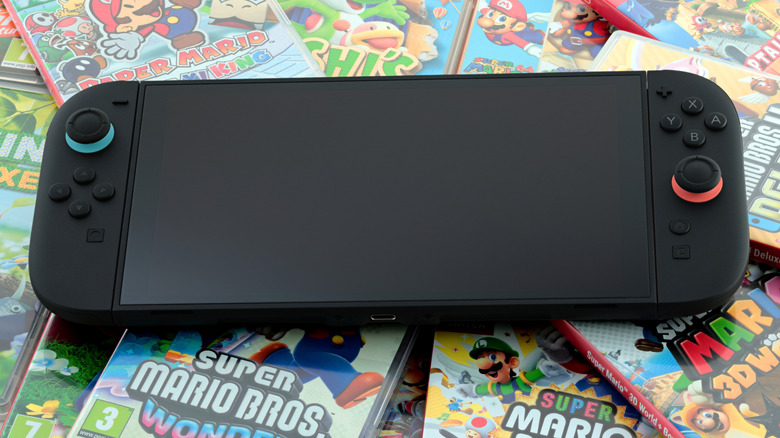
The release of the Nintendo Switch 2 was highly anticipated because of the eight-year gap in between console versions. As someone who has both, I can attest, almost everything is improved in the Switch 2. The screen is larger and has better display quality. The Joy-Con 2 controllers are magnetically attached and feel more secure. There’s an additional USB-C port on top of the console that lets you charge the device while using the kickstand or plug in additional accessories. Furthermore, there are several hidden new features on the Switch 2 you may not know about.

Advertisement

The Joy-Con 2 controller can be used as a mouse

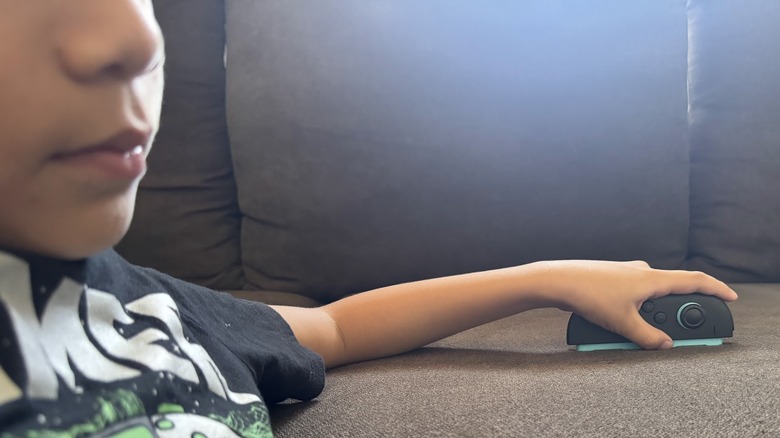
One of the cool things about the Switch 2 is that you can use a myriad of compatible gadgets with it to make your gaming experience more efficient and enjoyable. In fact, if you’re wondering what it would be like to use an accessory with your gaming console, there’s no need to look further than what’s already in your hand — just detach the Joy-Con 2 controller and start using it as a mouse. It doesn’t matter whether you’re left- or right-handed. Both Joy-Con 2 controllers have a side-rail sensor, so you can use them interchangeably.

There are a few instances wherein the Joy-Con 2’s mouse mode feature could be particularly useful. If you happen to be playing a game that requires intensive menu navigation — such as “Factorio” or “Civilization 7” — it may be more convenient and feel more natural to use a cursor over the Joy-Con 2’s directional pad. It’s also the more portable option as it takes away the need to carry an extra mouse.

Another perk offered by the mouse feature of the Joy-Con 2 is its ease of use. Simply lay the controller flat on its side and the Switch 2 should automatically detect the surface and activate the cursor on some compatible games. For others, you may need to fiddle with the in-game controller settings to get it to work as intended.

Advertisement

There are some limitations to this feature. Since the Joy-Con 2 is thinner than a standard mouse, it can be harder to wield for a longer period of time. It also may not work on certain surfaces — based on testing, mouse mode doesn’t kick on when used on glass or similarly reflective tabletops.

Advertisement

Locally host and stream a supported Switch 2 game you own

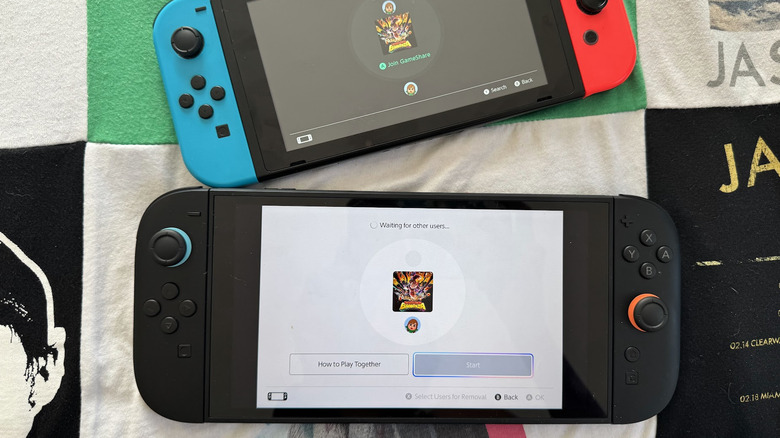
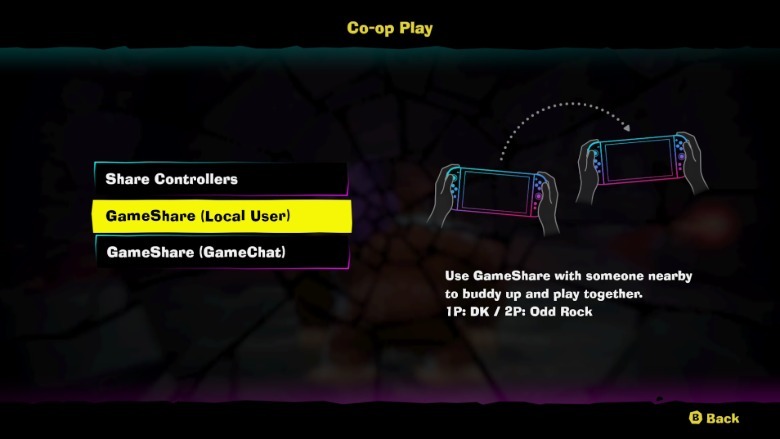
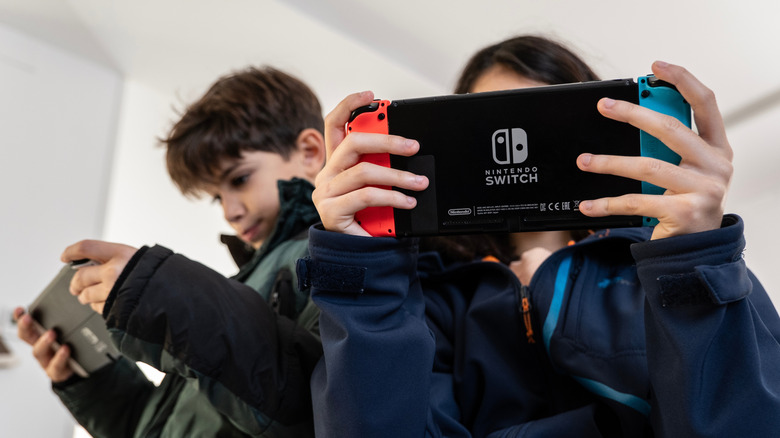
GameShare was one of the highly anticipated features of the Nintendo Switch 2 when it was first announced. It allows a Switch 2 user to essentially act as a host, stream a game that is GameShare-compatible, and allow nearby Switch users (including the original version of the Switch) connected to the same Wi-Fi network to play with them, whether or not they own the game themselves. This particular feature is great for families who own multiple Switch consoles as well as game players who have friends visiting and want to play co-op using their own Switch devices. It’s a cost-effective way of enjoying compatible games that offer multiplayer functionality.

To activate GameShare on a supported Switch 2 game, the host needs to launch the game first and find the co-op or multiplayer option in the game’s main menu. Other players can then hit the GameShare icon on the home screen of their respective Switch consoles and find the correct GameShare session to join.

There are a few things to note regarding the GameShare feature. There are two ways to start a GameShare session — locally among consoles connected to the same Wi-Fi network, or online via GameChat. The former is compatible across all versions of the Switch, while the latter is only available for the Switch 2. Consoles with GameChat will need to have the feature set up before they can participate in a long-distance gaming session.

Another important factor to consider is GameShare’s current availability across the Nintendo game catalog. As of this writing, there are 33 Switch 2 games that allow GameShare with local users, such as “Donkey Kong Bonanza,” “Mario Tennis Fever,” and “Pokémon Pokopia.” Meanwhile, there are 23 games that offer GameShare over GameChat among Switch 2 users.

Advertisement

Cap the maximum battery charge

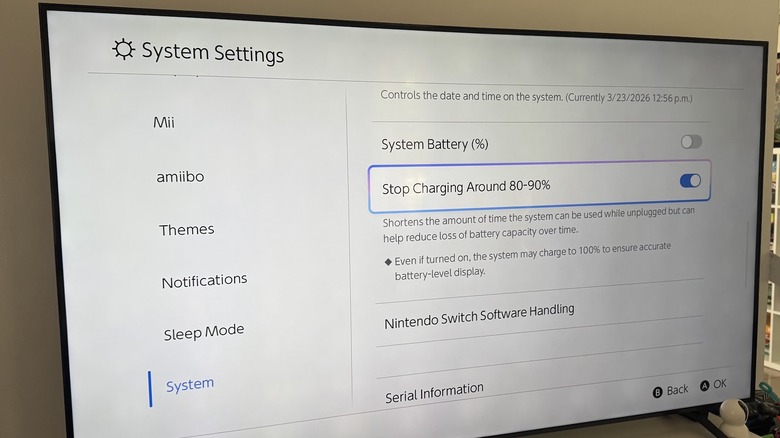
As is the case for most modern devices, battery health matters. A quick way to lose battery capacity over time is keeping your device plugged or charging. If you have your Switch 2 console perennially docked, you are essentially charging it to 100% at all times, which is not advisable if you want your console to last longer. To make your Switch 2 perform better and ensure that you don’t overcharge the gaming device, there’s a new system feature that you can enable that lets you limit its capacity to charge its internal battery to lower than 100%. Here’s how to find it:

  1. Select the System Settings icon on the home screen.
  2. Scroll down to System on the left-side panel.
  3. Enable the toggle next to “Stop Charging Around 80-90%.”
  4. While you’re at it, enable the toggle next to System Battery as well so the number is visible on the home screen.

You will see a message underneath the toggle that warns you that enabling the feature may shorten your playtime when the Switch 2 is used while unplugged, but you may find the reduction of battery degradation worth it in the long term. Also note that even with the feature enabled, the Switch 2 may sometimes charge to a full 100% “to ensure accurate battery-level display.”

Advertisement

Label people on your Friend list

Nintendo recently released Version 22.0.0 of its system update for both the original Nintendo Switch and Switch 2. One of the key additions included is the ability to add notes to users listed in your Friends list. You basically can tack on a label on top of a user’s username on Nintendo.

If you’re a wide-ranging Switch 2 user who enjoys making friends within the games you play as well as in-real-life gaming communities, then you probably have a substantial list of contacts accumulated in your Switch account. Having the ability to include a visual reminder on how you met a user or what games you play with them could make it easier to plan your future games. A good thing about the Add Note feature is that it’s only visible to you, so you can be as descriptive about the people you’re connected with as you want, though people who use your Switch 2 device may be able to see what you’ve written.

To use the new feature, select your profile on the home screen of your Switch 2. Next, select Friend List from the side panel. When you click on a friend’s user tile, you should see the Add Note option underneath their avatar.

Advertisement


Source link

Continue Reading

Tech

Do Emergency Microsoft, Oracle Patches Point to Wider Issues?

Published

on

“Emergency out-of-band fixes issued by enterprise IT giants Microsoft and Oracle have shone a spotlight on issues around both update cycles and patching,” reports Computer Weekly:


Microsoft’s emergency update, KB5085516, addresses an issue that arose after installing the mandatory cumulative updates pushed live on Patch Tuesday earlier this month. According to Microsoft, it has since emerged that many users experienced problems signing into applications with a Microsoft account, seeing a “no internet” error message even though the device had a working connection. This had the effect of preventing access to multiple services and applications. It should be noted that organisations using Entra ID did not experience the issue.

But Microsoft’s emergency patch comes just days after it doubled down on a commitment to software quality, reliability and stability. In a blog post published just 24 hours prior to the latest update, Pavan Davuluri of Microsoft’s Windows Insider Program Team said updates should be “predictable and easy to plan around”.
Michael Bell, founder/CEO of Suzu Labs tells Computer Weekly that Microsoft’s patch for the sign-in bug follows “separate hotpatches for RRAS remote code execution flaws and a Bluetooth visibility bug. Three emergency fixes in eight days does not shout reliability era.”

Oracle’s patch, meanwhile, addresses CVE-2026-21992, a remote code execution flaw in the REST:WebServices component of Oracle Identity Manager and the Web Services Security component of Oracle Web Services Manager in Oracle Fusion Middleware. It carries a CVSS score of 9.8 and can be exploited by an unauthenticated attacker with network access over HTTP.

Advertisement

Source link

Continue Reading

Tech

One UI 8.5 beta brings new life to older Galaxy phones

Published

on

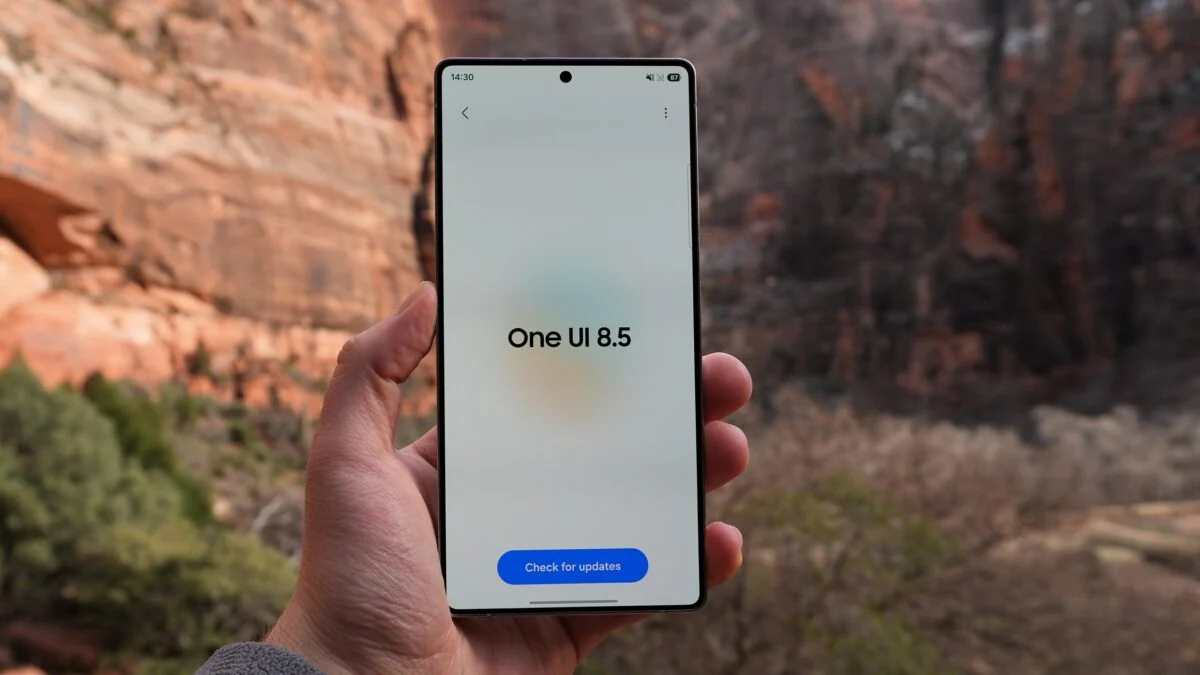
Samsung is widening the reach of its next big Android update, with One UI 8.5 beta now rolling out to a wave of older Galaxy devices. This is not just rolling out to its latest flagships.

After spending months in testing on the Galaxy S25 series, the beta programme is expanding to include last year’s premium phones, foldables and even tablets. Newly supported devices include the Galaxy S24 lineup, Galaxy Z Fold 6 and Flip 6.

In addition, the Galaxy Tab S11 range is supported as well. This is a clear sign Samsung is speeding up its software rollout strategy.

The update is currently available in select regions including the UK, US, Korea and India. Users are able to sign up through the Samsung Members app. Once enrolled, a banner guides you through the process. Notably, Samsung tweaked this process slightly with the One UI 8 release.

Advertisement

This wider rollout lands alongside continued testing on newer hardware. The Galaxy S25 range is already on its eighth beta. Meanwhile, the Galaxy Z Fold 7 and Flip 7 are on their second, suggesting Samsung is getting closer to a stable release.

Advertisement

While Samsung hasn’t detailed every new feature in this phase, One UI 8.5 is expected to refine the experience introduced with One UI 8. Likely, it will focus on performance tweaks, UI polish and AI-driven features rather than a complete overhaul. Furthermore, it also ships pre-installed on the upcoming Galaxy S26 series. Therefore, this gives us a good idea of where Samsung’s software is heading next.

For owners of slightly older Galaxy devices, this is a notable shift. Samsung has been steadily improving its update commitment. Also, bringing beta access to a broader range of devices earlier in the cycle is part of that push.

Advertisement

There’s no exact date for the full release just yet, but Samsung says more devices will join the beta programme in April. So, if your phone isn’t on the list yet, it might not be waiting long.

Source link

Advertisement
Continue Reading

Tech

Dolby sues Snap over video codec patents tied to AV1 and HEVC

Published

on


In a complaint filed in the US District Court for the District of Delaware, Dolby accuses Snap of infringing four video compression patents through Snapchat’s use of both HEVC and AV1. The filing argues that AV1 implementations incorporate proprietary inventions that Dolby never licensed on royalty-free terms and that the…
Read Entire Article
Source link

Continue Reading

Trending

Copyright © 2025