
Business
Harrods Estates closes after 130 years as non-dom tax changes and stamp duty hit London luxury property market

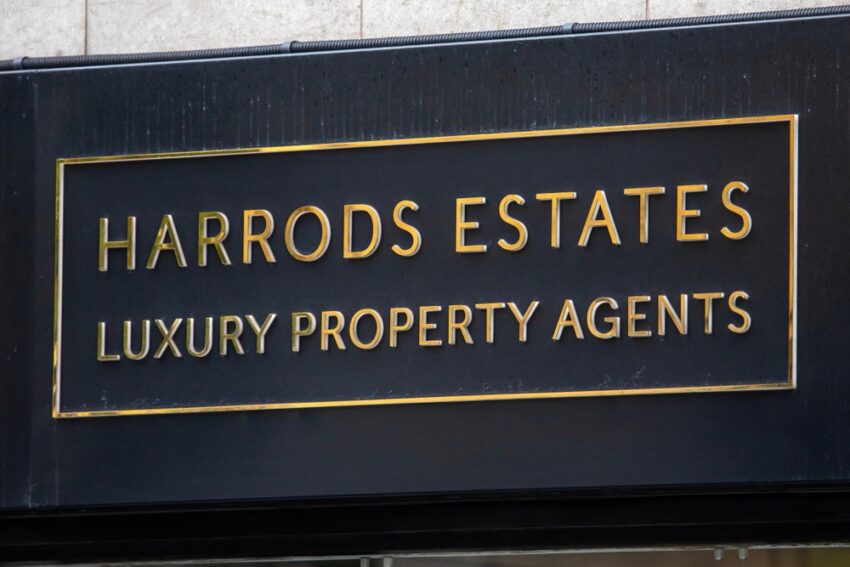
The iconic property arm of the Knightsbridge department store has closed its last remaining office after a perfect storm of stamp duty hikes, the scrapping of non-dom tax status and a shift in tastes among ultra-wealthy buyers left it fatally exposed.
For the best part of 130 years, Harrods Estates occupied a rarefied corner of the London property market. Founded in 1897 on the ground floor of the famous Knightsbridge department store, it spent decades connecting British aristocrats and wealthy international buyers with some of the capital’s most desirable addresses. Princess Diana’s stepmother, Countess Raine Spencer, served as a director for a decade, lending the brand a touch of genuine celebrity cachet.
Now, however, the final chapter has been written. The agency has confirmed what it called a “very difficult” decision to close its last remaining office on Brompton Road, bringing an end to operations that once stretched from the Home Counties to Monte Carlo.
Shaun Drummond, Harrods Estates’ residential director, said the closure was part of a broader group strategy to refocus on luxury retail. Service will continue for existing tenants, landlords and those with sales already under way, but even these arrangements will wind down in phases, ceasing entirely by March next year.
The demise of such a storied name is being attributed to a confluence of forces that have battered the top end of the London market. Chief among them is the government’s decision to abolish non-dom tax status, a move that has proved a significant disincentive for wealthy overseas buyers considering a move to the capital. Coupled with stamp duty surcharges of up to 19 per cent for foreign purchasers, the effect has been stark: Savills calculates that average prices for homes valued at £4.5 million and above fell by 4.8 per cent last year.
The geographical dynamics of prime central London have shifted, too. Knightsbridge, once the undisputed pinnacle of luxury living in the capital, has been overtaken in the affections of wealthy buyers by Mayfair, Belgravia and Notting Hill. According to Rosy Khalastchy, a director at Beauchamp Estates, a younger generation of Middle Eastern purchasers no longer shares the desire of their parents and grandparents to live within walking distance of the Harrods store.
Then there is the shadow cast by the late Mohamed Al Fayed, who owned Harrods until selling it to the Qatar Investment Authority for £1.5 billion in 2010. Allegations of historical sexual abuse against Al Fayed, who died in 2023, have caused reputational damage that some industry figures believe drove clients towards rival agencies.
Others point to strategic confusion under Qatari ownership. The property arm is said to have become overly dependent on a narrow pool of international buyers and sellers whose preferences can shift rapidly. One telling anecdote emerged in the summer of 2024, when a visiting lawyer found a large section of the Knightsbridge store given over to a pop-up exhibition advertising luxury homes in Saudi Arabia — a curious choice given the well-documented rivalry between Qatar and Saudi Arabia.
For those who remember the agency’s heyday under managing director Mark Collins, who built an enviable client roster of high-net-worth individuals and opened four London offices, the closure will feel like the end of an era. As Khalastchy recalled, there was a time when every serious seller in prime central London wanted to list with Harrods Estates, and Countess Spencer’s presence at property launches added genuine star power.
The brand’s website now carries a stark banner in capital letters confirming it is no longer accepting new enquiries. A Harrods spokesman said the wind-down followed the natural end of the office lease and that plans were in place to ensure no disruption for remaining clients.
For the wider London luxury property sector, the closure of Harrods Estates serves as a cautionary tale. A brand name alone, however illustrious, offers little protection when the tax environment turns hostile, buyer demographics shift and the competition is hungry. The era of wealthy foreigners beating a path to Knightsbridge simply because the Harrods name was above the door appears to be well and truly over.


SigmaRoc executives acquire shares through employee plan
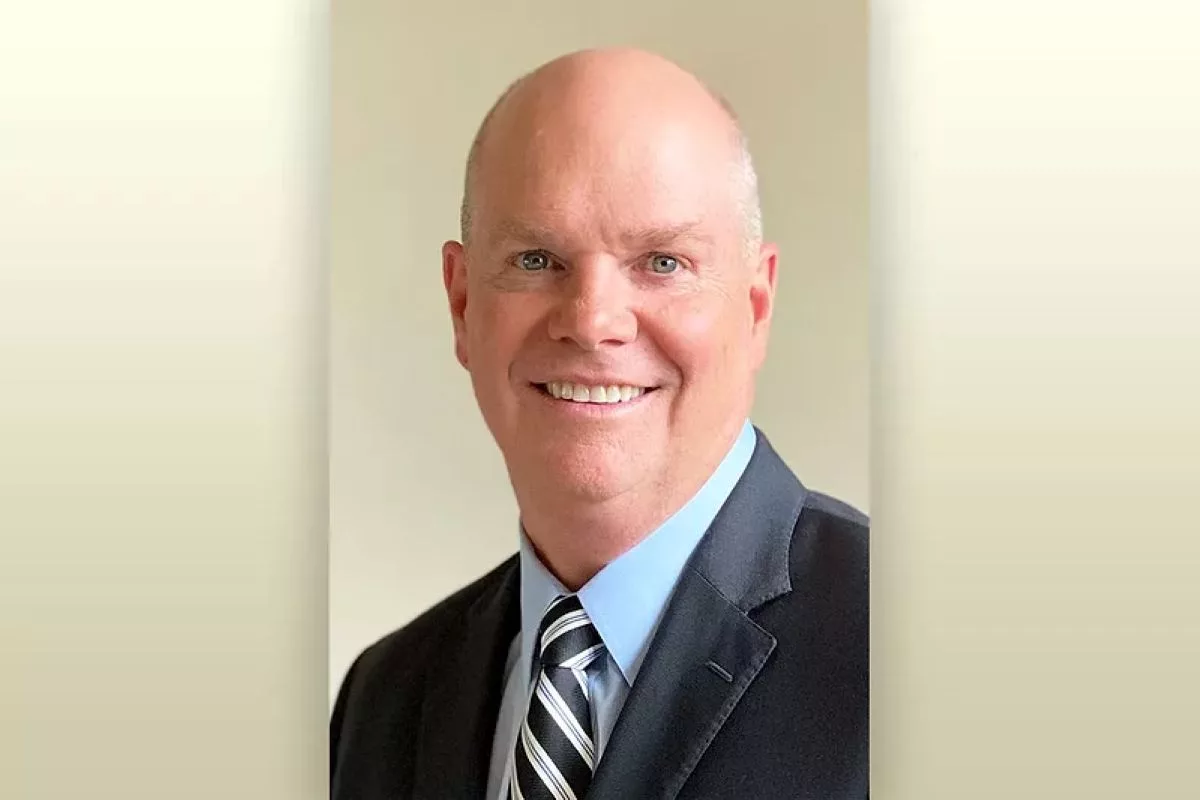

Search for successor to Tom Winters gets underway.
Business
Rainbow Rare Earths Limited 2026 Q2 – Results – Earnings Call Presentation (OTCMKTS:RBWRF) 2026-04-09


Seeking Alpha’s transcripts team is responsible for the development of all of our transcript-related projects. We currently publish thousands of quarterly earnings calls per quarter on our site and are continuing to grow and expand our coverage. The purpose of this profile is to allow us to share with our readers new transcript-related developments. Thanks, SA Transcripts Team

U.S. Money Markets: Slow Calm To Steady State
Epam Systems stock hits 52-week low at $125.53
BlackBerry earnings up next: All eyes on FY27 revenue outlook

The U.S. Tariff Shock In 2025 Vs. 2026 – Same Negative Impact, Different Drivers
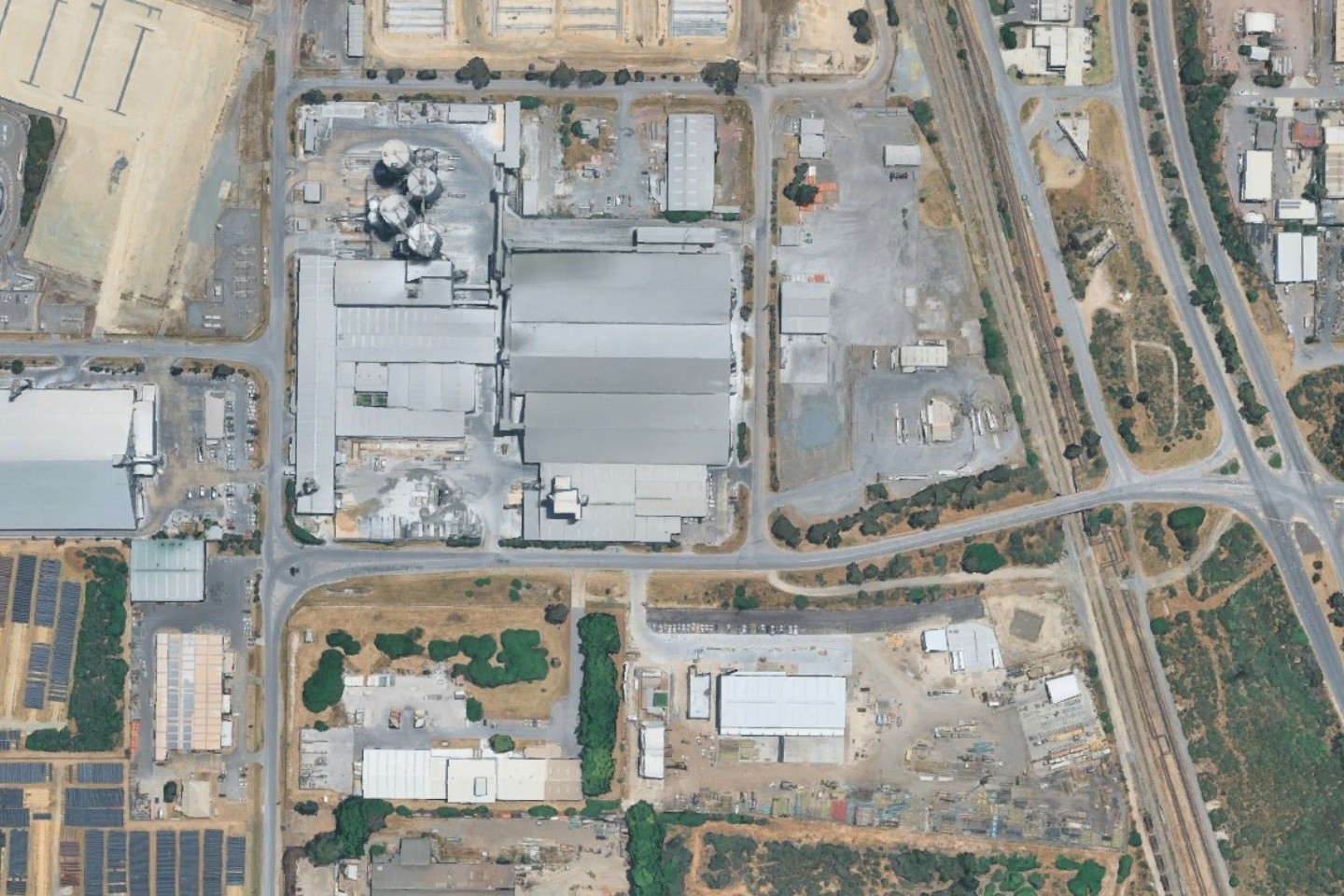
The two purchases in Naval Base are part of Main Roads’ plans to make way for the state’s $7.2 billion Westport project.


American Airlines raises checked bag fees, trims economy perks amid soaring fuel prices

Dwayne Schnell | 500px Plus | Getty Images
A version of this article first appeared in CNBC’s Inside Wealth newsletter with Robert Frank, a weekly guide to the high-net-worth investor and consumer. Sign up to receive future editions, straight to your inbox.
The Iran war has propelled oil prices to above $94 a barrel, up about 30% since the conflict began in late February. That rally has been a boon for investment firms of ultra-wealthy families who made opportunistic bets on oil in recent years.
Since the pandemic, private equity funds and other institutional investors have backed away from oil and gas in part due to pressure from environmentally conscious stakeholders. Family offices have stepped in to fill some of that void, investors and advisors told CNBC.
While many family offices are environmentally minded — with a September survey by Citi Private Bank showing more than half of respondents reporting they were likely to make sustainable investments in the next five years — they’re not subject to the same ESG mandates as private equity firms or endowments, which have faced pressure to divest from oil and gas.
“Family offices are contrarian players. A lot of investors left the sector for non-fundamental reasons, like endowment funds, who had students protesting,” said Keith Behrens, head of energy and clean energy investment banking at Stephens. “Family offices saw that flight of capital, and it created really good investment opportunities for them. They were able to come in and invest with pretty reasonable cash flow multiples.”
Family offices also have an edge on private equity players as they generally hold investments for longer periods, meaning they can weather oil price fluctuations and dealmaking downturns, according to Gillon Capital’s Jeff Peterson.
“We back teams who are looking to build businesses over the long term, because that’s where we really differentiate ourselves. A fund can only really hold a business for their fund life,” he said. “We invest for generations in mind so we can look through current cycles.”
Peterson has managed investments for the descendants of oil tycoon H.L. Hunt for 14 years. About five years ago, A.G. Hill Partners, one of the family’s personal investment firms, doubled down on oil and gas to take advantage of attractive valuations.
Multiples for the sector typically range between two to three times cash flow, according to Peterson, who is now chief investment officer for Gillon Capital, a family office spun out of A.G. Hill Partners a year ago.
Peterson said the family has taken the lead on major deals in the sector, such as forming a consortium of family offices and a few PE funds for the $2 billion acquisition of natural gas producer PureWest Energy. The family is also an anchor investor in a minerals and royalty fund that has raised about $500 million in capital and has a substantial position in the Permian Basin, which is the highest-producing oil field in the U.S., he said.
The sector is increasingly drawing interest from family offices without ties to energy, according to Tailwater Capital’s Doug Prieto. He leads upstream energy funds, which back oil and gas exploration and production, for the middle-market PE firm. Prieto said the funds have raised about $500 million from family offices without backgrounds in energy and just last week took a commitment from a family office built from an options-trading fortune.
Family offices without energy expertise are typically seeking to diversify their portfolio with assets that are uncorrelated to stocks and bonds, Prieto said. Oil and gas are also attractive as inflation hedges, he added.
The Trump administration’s efforts to prioritize oil, gas and nuclear power over clean energy have given investors more confidence in the sector, according to Ellen Conley, lawyer and co-chair of Haynes Boone’s energy finance practice group.
Plus, the potential for cash dividends appeals to family offices, she said.
“Family offices are viewing these assets as cash-flowing real assets rather than a speculative commodity gamble,” she said. “We’re dealing with real assets, particularly in Texas, where you have this repeatable cash flow and predictive models.”
Conley said investors’ interest in energy was already on the rise before the recent oil surge. But headlines about oil prices tied to the Iran war have spurred queries from family offices looking to invest, according to Vicki Odette, global chair of Haynes Boone’s investment management practice group.
However, investors who are new to the space can only realistically take advantage of the current price surge by hedging, Peterson said.
“For anybody to start a drilling program today, you’re really not looking at production this calendar year. You’re looking at next year,” said Peterson.
Analysts generally expect the current spike to be temporary.
And while high prices are good for existing investors, they make it harder to get deals done, according to Behrens.
“If someone’s selling a property, they’re going to want to sell it at the highest price possible and get the latest day close,” he said. “The buyer is going to say, ‘Hey, that’s great that oil is at $115 a barrel, but three months ago it was at $60.’”
Prieto added that it is possible to have too much of a good thing. High oil prices for a prolonged period of time poses a recession risk, he said.
“We like to see a robust U.S. economy. I think for us, somewhere between $75 and $85 a barrel feels pretty darn good,” he said. “When you get over $100, you start to have adverse impacts that don’t benefit anyone.”
SigmaRoc executives acquire shares through employee plan

Bitcoin Depot Reports $3.7M BTC Theft in Cybersecurity Breach

SavileRowCompany Gingham Shirts for Men


-

 NewsBeat7 days ago
Steven Gerrard disagrees with Gary Neville over ‘shock’ Chelsea and Arsenal claim | Football
-

 Business7 days ago
No Jackpot Winner and $194 Million Prize Rolls Over
-

 Fashion6 days ago
Weekend Open Thread: Spanx – Corporette.com
-

 Business5 days ago
Expert Picks for Every Need
-

 Business4 days ago
Three Gulf funds agree to back Paramount’s $81 billion takeover of Warner, WSJ reports
-

 Sports5 days ago
India men’s 4x400m and mixed 4x100m relay teams register big progress | Other Sports News
-

 Tech2 days ago
How Long Can You Drive With Expired Registration? What Florida Law Says
-
Business4 days ago
No Jackpot Winner, Prize to Climb to $231 Million
-

 Fashion3 days ago
Massimo Dutti Offers Inspiration for Your Summer Mood Board
-

 Tech7 days ago
Commonwealth Fusion Systems leans on magnets for near-term revenue
-

 Fashion2 days ago
Let’s Discuss: DEI in 2026
-
Politics6 days ago
Wings Over Scotland | The quality of mercy
-

 Business5 days ago
Akebia Therapeutics, Inc. (AKBA) Discusses Pipeline Progress and Strategic Focus on Kidney Disease Treatments at R&D Day – Slideshow
-

 Fashion7 days ago
Statement Sunglasses: The Accessory Shaping Modern Fashion
-

 Crypto World1 day ago
Bitcoin recovers as US and Iran Agree a Ceasefire Deal
-

 Politics7 days ago
East Jerusalem Palestinian families eviction orders
-

 Sports7 days ago
Which German players will make final cut?
-

 Fashion7 days ago
For Love & Lemons’ Spring 2026 Line is for the Romantics
-

 Politics6 days ago
Why so many children are now classified as ‘disabled’
-

 Fashion7 days ago
Coffee Break: Santa Croce Tote
You must be logged in to post a comment Login