Newtown-le-Willows firm hails ‘strong early leasing momentum’
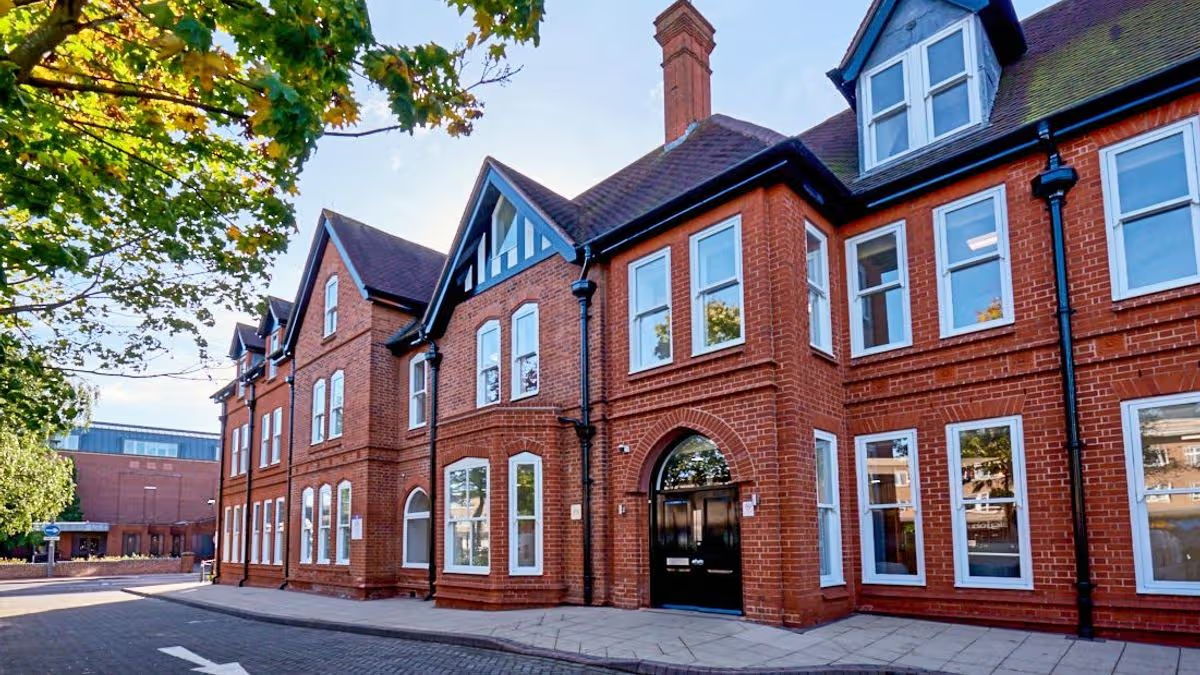
Seneca Property has completed the acquisition of two office buildings in Solihull, including Dominion Court in Station Road(Image: Seneca Property)
Investor Seneca Property has completed its fourth deal of the year with the purchase of two office buildings in the Midlands.
The Newton-le-Willows group last year said it had £25m ready to invest in continued nationwide growth and has now strengthened its West Midlands portfolio with the deal for the two Solihull assets. It says is still looking for further similar opportunities across the UK.
At first new acquisition Dominion Court, on Station Road in Solihull town centre, Seneca has already secured a 5,000 sq ft letting. Another 6,000 sq ft is under offer and set to complete shortly, which Seneca says demonstrates “strong early leasing momentum”.
At second new acquisition Pegasus, in the Cranmore Business Park, Seneca has begun a refurbishment project including the creation of a new gym and a premium business lounge. The investor said the move is “aimed at creating a more amenity-rich environment aligned with modern occupier expectations”.
Advertisement
Jeff Morton, CEO of Seneca Property, said: “These acquisitions are a strong fit with our strategy of targeting assets where we can take a proactive approach from day one. The early leasing activity at Dominion Court, combined with our repositioning plans at Pegasus, reflects both the strength of the Solihull market and our ability to execute quickly.”
Chris Bullough, managing director of Seneca Property, added: “There is a clear shift in occupier expectations towards higher-quality, amenity-rich workspace. Our focus at Pegasus is to deliver a product that responds directly to that demand, while continuing to drive income across both assets.”
SYDNEY — With the Reserve Bank of Australia’s cash rate sitting at 4.10 percent after back-to-back 25-basis-point hikes in February and March 2026, economists and financial markets are closely watching for signs of another increase as soon as the May 5 meeting, driven by persistent inflation pressures, a resilient domestic economy and global uncertainties from the Middle East conflict.
Reserve Bank of Australia
The RBA lifted the cash rate target by 25 basis points to 4.10 percent on March 17 in a narrowly split 5-4 board decision, marking the second consecutive tightening move this year. Governor Michele Bullock and the Monetary Policy Board cited stronger-than-expected capacity constraints, a tighter labor market and renewed upside risks to inflation, partly fueled by higher energy costs linked to regional tensions. While inflation has moderated from its 2022 peak, recent data showed it picking up materially, prompting the board to act to keep expectations anchored within the 2-3 percent target range.
As of early April, the big four banks and other forecasters largely anticipate at least one more hike in the near term. ANZ, Commonwealth Bank, NAB and Westpac all point to a possible 25-basis-point rise in May, which would lift the cash rate to 4.35 percent. Westpac has gone further in some scenarios, outlining potential additional moves in June and August that could push the peak toward 4.85 percent, though that remains a more aggressive outlook.
Market pricing reflected in ASX 30-day interbank futures as of April 9 showed the May 2026 contract implying roughly a 62 percent probability of a hike at the next meeting, with implied yields suggesting the cash rate could climb gradually through the second half of 2026 before stabilizing. Longer-dated contracts pointed to the rate holding around 4.6 percent by year-end under current pricing, though economists stress the path remains highly data-dependent.
The RBA’s own communications have emphasized flexibility. In the March statement, the board noted it would remain “attentive to the data and the evolving assessment of the outlook and risks.” Minutes from the meeting highlighted that while some inflationary pickup may prove temporary, underlying pressures in the economy — including robust private demand and government spending — warranted tighter policy to close the output gap.
Advertisement
Economists at UBS, for instance, forecast a May hike to 4.35 percent as the base case, followed by a prolonged hold unless household wealth and debt dynamics shift dramatically or global conditions deteriorate sharply. They highlighted booming household balance sheets and nominal government expenditure as factors that could sustain demand and keep inflation elevated.
Commonwealth Bank economists described the May decision as another “line ball” call, dependent on developments in the Middle East and how households respond to the recent tightenings. They retained their call for a May hike given current conditions but acknowledged the seven-week window allows for significant shifts in global or domestic data.
The broader 2026 outlook has shifted markedly since late 2025. Earlier forecasts anticipated rate cuts as inflation trended toward target, but stronger economic activity, lower unemployment than expected and external shocks have reversed that narrative. The RBA’s February Statement on Monetary Policy already revised inflation higher, with trimmed-mean measures now projected to peak around mid-2026 before easing gradually.
Key risks center on energy prices. The fragile ceasefire in the Middle East has kept oil volatile, with potential disruptions to supply adding to imported inflation risks for an open economy like Australia. Higher fuel and electricity costs flow through to households and businesses, complicating the RBA’s task of returning inflation sustainably to target without derailing growth.
Advertisement
Domestic factors also weigh heavily. The labor market has shown resilience, with unemployment lower than previously forecast and capacity pressures in some sectors proving more persistent. Wages growth, while moderating, remains a focus, as do rents and other services inflation that have been sticky.
For borrowers, another hike would translate to higher mortgage repayments on variable-rate loans, adding pressure after years of elevated borrowing costs. Savers, however, would benefit from improved returns on deposits. The RBA has stressed its dual mandate of price stability and full employment, signaling it will not hesitate to tighten further if risks to inflation skew higher.
Analysts note that three consecutive hikes — as seen in early 2023 — would be unusual but not unprecedented if data justifies it. The March decision’s split vote underscored internal debate over timing rather than the need for action itself, with some members favoring a hold to assess incoming figures.
Looking further into 2026, most forecasts do not envision aggressive further tightening beyond the near term. Many economists see the cash rate peaking around 4.35-4.60 percent before any potential easing in 2027, assuming inflation eventually moderates. Trading Economics models project the rate at 4.35 percent by the end of the current quarter, trending toward 4.10 percent in 2027 and lower still in 2028 under baseline scenarios.
Advertisement
Market participants and superannuation funds are monitoring the RBA’s next moves closely, as they influence everything from the Australian dollar to equity valuations and housing affordability. The cash rate directly affects variable mortgage rates, business lending costs and the broader cost of capital.
The RBA’s next meeting on May 5 will provide fresh guidance, with the quarterly Statement on Monetary Policy due in May offering updated forecasts. In the interim, key data releases on inflation, employment, retail sales and global oil dynamics will shape expectations.
Governor Bullock has repeatedly emphasized a data-dependent approach without pre-committing to any path. This flexibility has helped manage market volatility but leaves borrowers and businesses in a state of uncertainty as they plan budgets and investments.
For the Australian economy, sustained higher rates could cool demand and help bring inflation under control, but they also risk slowing growth if tightened too aggressively. Economists warn of a delicate balancing act, especially with external shocks from geopolitics adding unpredictability.
Advertisement
In summary, while no one can predict the exact trajectory with confidence, the consensus among major banks and analysts leans toward at least one more modest hike in May 2026, potentially taking the cash rate to 4.35 percent. Further moves later in the year remain possible but less certain, hinging on how inflation, the labor market and global conditions evolve.
Australians with mortgages are advised to review their finances and consider fixed-rate options where appropriate, while the RBA continues to stress that policy will adjust as needed to safeguard long-term economic stability.
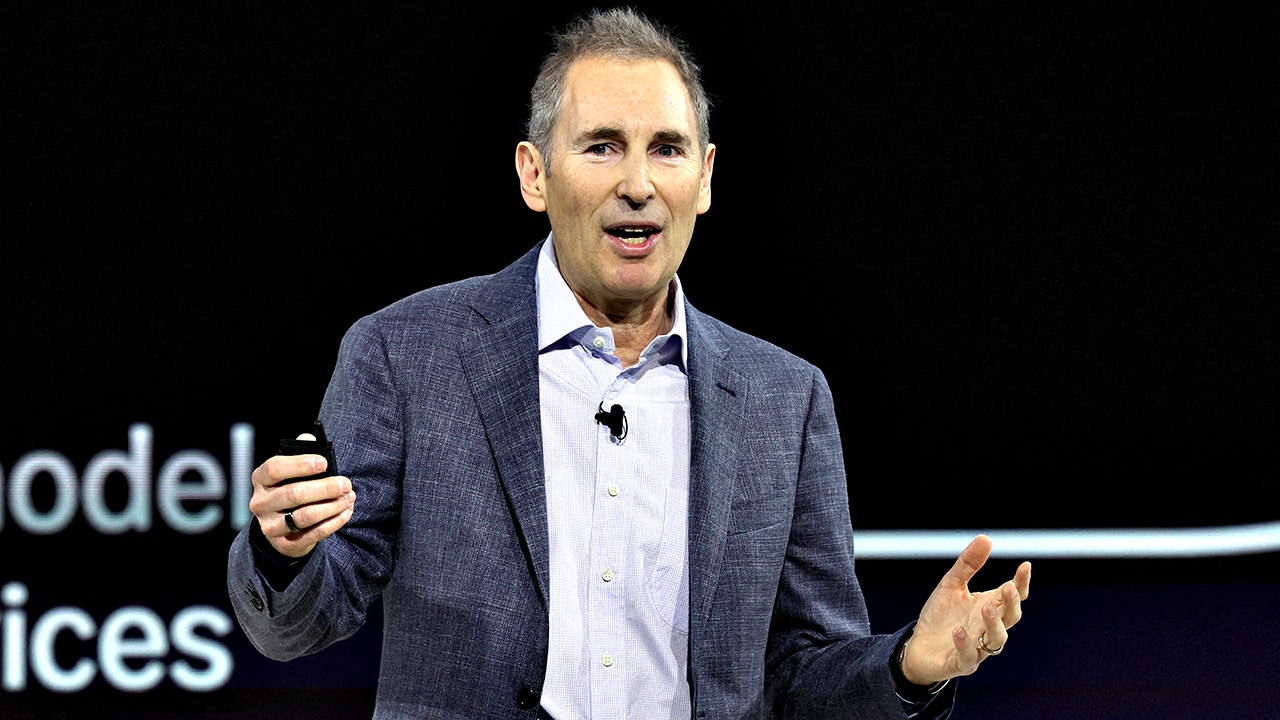
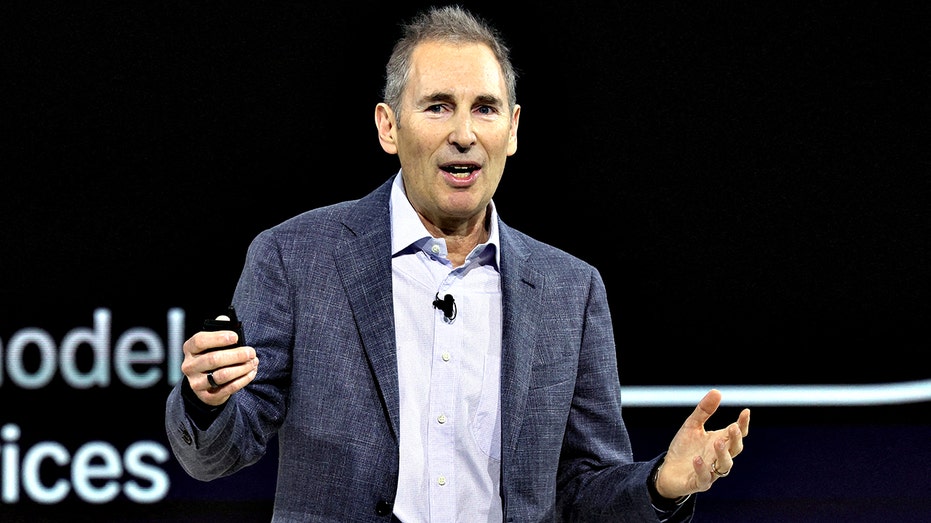
Amazon CEO Andy Jassy and Delta Airlines CEO Ed Bastian discuss consumer sentiment, Amazon’s chip manufacturing efforts and more on ‘The Claman Countdown.’
Amazon is signaling a major shift in how it plans to serve customers, starting with rewriting parts of its own playbook.
CEO Andy Jassy released his annual letter to shareholders on Thursday, writing that the tech giant is not content to simply add artificial intelligence features to its existing retail business. Instead, Jassy said Amazon is preparing to rebuild the customer shopping experience from the ground up, even if it means disrupting products and systems that already work at massive scale.
Advertisement
“The temptation is to just add a little AI to the existing experience,” Jassy wrote, adding that the “trick” leaders must learn is “reimagining your experiences from a clean sheet of paper.”
“When you have a product that’s working at scale, one of the hardest decisions to make is to go back to the starting line,” Jassy wrote.
Jassy concluded his letter sharing his optimism for what lay ahead for the tech giant, underscoring Amazon’s strong finish to 2025, which saw revenue grow 12% year-over-year from $638 billion to $717 billion.
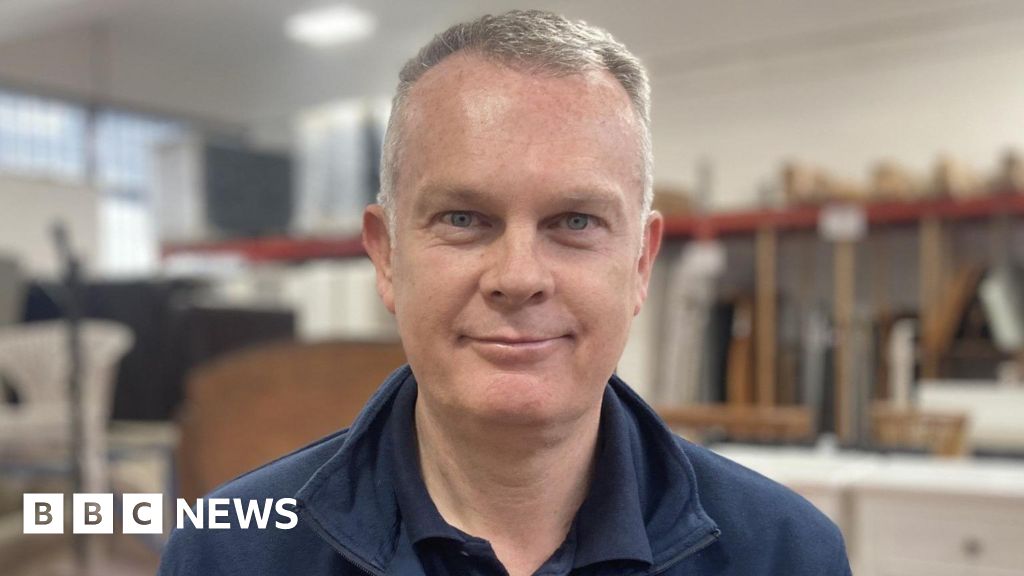
Somerset councillor Heather Shearer said: “One thing the Crisis Resilience Fund wants us to do is not just support people in crisis, it also wants us to work in our community, give more strength and support for the organisations who already support our families.”
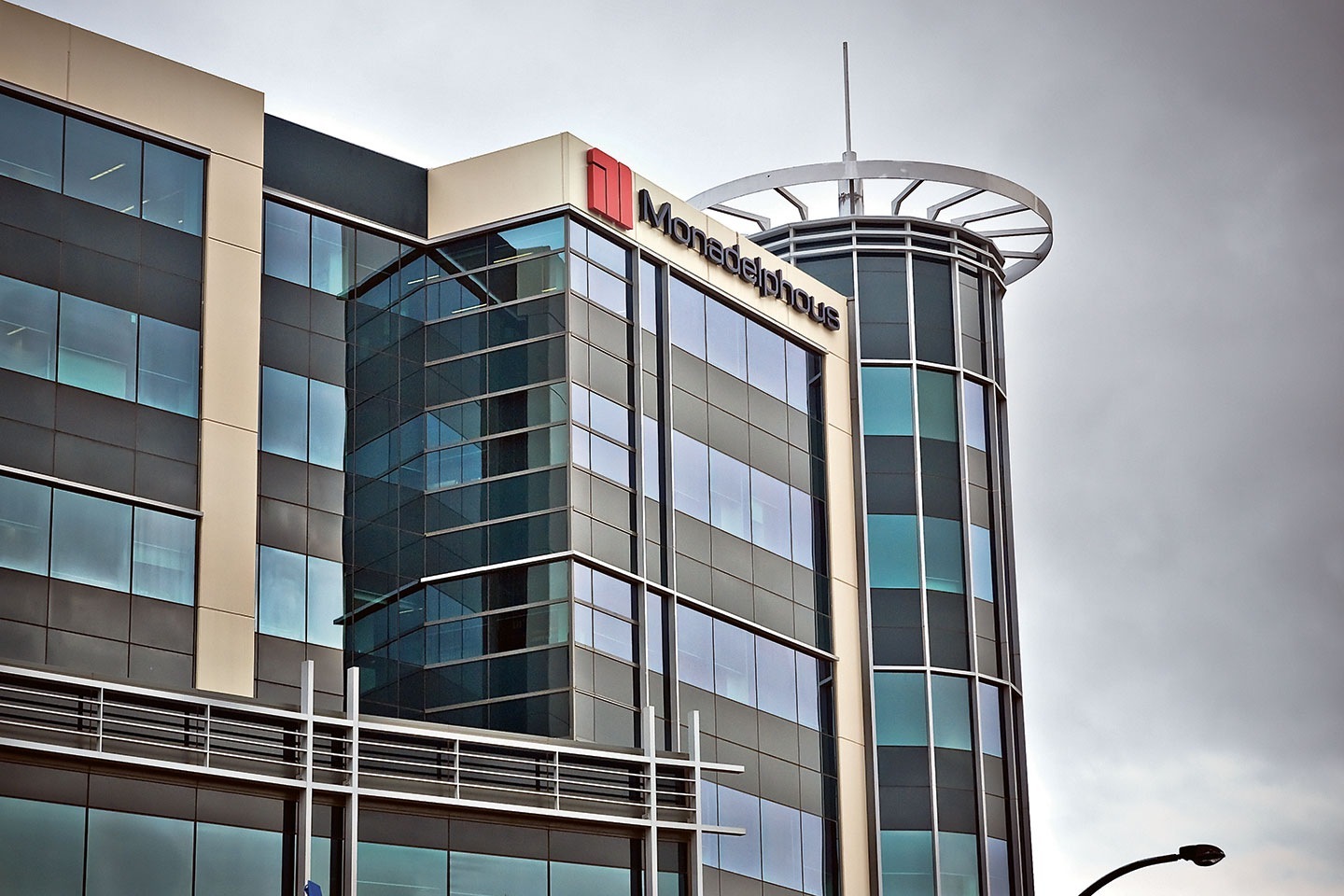
Monadelphous has secured a suite of construction and maintenance contracts worth a total $145 million, including work at Rio Tinto’s Paraburdoo iron ore mine in the Pilbara.
Currency is often treated as a background variable that can be hedged away, neutralized, or simply ignored. But in the current environment, that framing could overlook potentially compelling investment opportunities. When we



















































You must be logged in to post a comment Login