
Business
New Ransom Notes Claim 84-Year-Old Is Dead as Search Enters Third Month


TUCSON, Ariz. — The mysterious abduction of Nancy Guthrie, the 84-year-old mother of NBC’s “Today” co-anchor Savannah Guthrie, took a grim new turn this week as TMZ received fresh ransom-style notes claiming the missing woman is dead and offering information about her body and kidnappers for Bitcoin payments.

Guthrie was taken from her home in the Catalina Foothills suburb of Tucson in the early hours of Feb. 1, 2026. Authorities believe she was abducted against her will after finding blood near the doorstep and signs of forced entry. More than two months later, as the case entered its 69th day on Friday, her whereabouts and condition remain unknown, with no arrests or named suspects.
The latest purported ransom notes arrived Monday, coinciding with Savannah Guthrie’s emotional return to the “Today” show after weeks away supporting the search. According to TMZ, one note from a repeat sender claimed Nancy Guthrie “is dead” and demanded half a Bitcoin — roughly $34,000 at current prices — in exchange for details on her body’s location and the identity of those responsible. A second note allegedly stated she had been seen alive with suspects in Sonora, Mexico, before her reported death.
Former FBI agent Jennifer Coffindaffer told Newsweek the notes appear designed to torment the family for profit rather than provide genuine leads, describing the timing as “incessant” and exploitative. The FBI is investigating the communications, which follow earlier ransom demands that some law enforcement sources initially viewed as potentially credible.
Pima County Sheriff Chris Nanos has maintained that the case is a targeted abduction, not a random burglary or wandering incident. He has said investigators believe they know a possible motive, though details remain undisclosed. The sheriff previously cleared all immediate family members, including Savannah Guthrie and her siblings, as suspects. No one has been identified as a person of interest.
Evidence at the scene included blood on the doorstep, and surveillance video released by the FBI showed a masked, armed individual on the porch the night of the disappearance. Additional doorbell camera footage captured vehicles on nearby back roads that morning. A black glove recovered early in the investigation yielded DNA, but it belonged to an unrelated restaurant worker, marking a setback.
Nancy Guthrie, who relied on medication and had limited mobility, was last seen around 9:45 p.m. the evening before her disappearance. She had plans to watch an online church service the next morning with friends. When she failed to appear, her oldest daughter, Annie, went to check on her and discovered the troubling signs.
The family has offered a $1 million reward for information leading to Nancy Guthrie’s safe recovery, plus additional rewards exceeding $200,000 in some reports. Savannah Guthrie has made public appeals, including tearful messages begging for her mother’s return and describing the “grievous and uniquely cruel injury of not knowing.”
On her return to “Today” this week, Savannah Guthrie appeared emotional but composed, telling co-anchor Craig Melvin it was “good to be home” while acknowledging the profound personal toll. She has spoken openly about leaning on faith amid the uncertainty and has described the moment she learned of her mother’s disappearance as shattering.
The case has captivated the nation, drawing parallels to other high-profile missing persons investigations while highlighting the unique pain of an elderly victim with a famous family member. Experts note the abduction’s strange elements: minimal signs of struggle inside the home, the victim’s frailty, and the lack of clear ransom demands directly to the family early on.
Retired detectives and cold-case experts have speculated that the kidnappers may have underestimated Nancy Guthrie’s health. Some suggest she could have suffered a medical event during the abduction, leading captors to abandon or dispose of her body when she was no longer “of value” for ransom purposes. Others point to the difficult desert terrain around Tucson as a challenge for both searchers and potential perpetrators.
Searches in the initial weeks involved hundreds of law enforcement officers, volunteers and cadaver dogs combing rugged areas with cactuses, boulders and extreme temperatures. The FBI joined the investigation, providing additional resources, and has described it as a priority. Thousands of tips have poured in, but leads have repeatedly hit dead ends.
Critics have questioned aspects of the early response, with some reports suggesting initial investigators spent too much time exploring the possibility that Guthrie had wandered off before shifting fully to an abduction theory. A source close to the probe told NewsNation there were “no signs of an assault” inside the home itself, adding to the mystery.
As the investigation drags into its third month, frustration grows among the family and the public. Savannah Guthrie has described the limbo as excruciating, telling interviewers that not knowing is the hardest part. She has urged anyone with information to come forward, emphasizing that it is “never too late to do the right thing.”
The Bitcoin demands in the latest notes have raised questions about whether the sender has genuine knowledge or is simply exploiting the case’s high profile for financial gain. Previous ransom communications reportedly stopped for about five weeks before resuming this week, according to media reports.
Pima County authorities and the FBI continue to treat the disappearance as an active kidnapping investigation. Sheriff Nanos has warned there is a chance the perpetrator could strike again, though he has not provided specifics on that assessment.
Nancy Guthrie’s other children and extended family have remained largely out of the spotlight, focusing on private support for the search efforts. The family has coordinated with law enforcement while offering substantial rewards in hopes of generating fresh leads.
The broader public response has included widespread media coverage, true-crime podcasts dissecting every detail, and social media campaigns calling for tips. Ring camera footage and neighborhood surveillance videos have been scrutinized by amateur sleuths and professionals alike.
As of Friday, no new physical evidence or breakthroughs have been publicly announced following the latest ransom notes. Officials have urged caution with unverified communications, reminding the public that hoaxes and false tips can hinder genuine progress.
The case has also spotlighted vulnerabilities faced by elderly residents living alone, even in seemingly safe suburban neighborhoods. Nancy Guthrie’s home had security features, yet the abduction occurred with apparent ease in the middle of the night.
Savannah Guthrie, a respected journalist known for her poise on air, has shown remarkable strength while balancing her high-profile role and personal crisis. Her return to the anchor desk this week was widely viewed as a step toward normalcy amid ongoing heartache.
For the Guthrie family and investigators, the priority remains finding Nancy — whether alive or to bring closure. With the desert landscape, potential cross-border elements suggested in the notes, and a still-unidentified masked figure on video, the puzzle remains unsolved.
Law enforcement continues pursuing thousands of leads, testing additional evidence and analyzing digital records. The FBI has emphasized that tips from the public remain crucial.
As the search enters its third month with no resolution in sight, the emotional weight on the family is immense. Savannah Guthrie has spoken of the “not knowing” as a unique form of grief, one shared by many families of missing loved ones but amplified here by intense national attention.
Authorities and the family continue to appeal for information. Anyone with details is urged to contact the Pima County Sheriff’s Department or the FBI tip line. A $1 million reward stands as powerful incentive in what has become one of the most closely watched missing persons cases in recent memory.

Business
OpenAI identifies security issue involving third-party tool, says user data was not accessed


OpenAI identifies security issue involving third-party tool, says user data was not accessed
Business
Zelenskyy Welcomes Russian Easter Ceasefire While Pushing Energy Truce and Security Guarantees
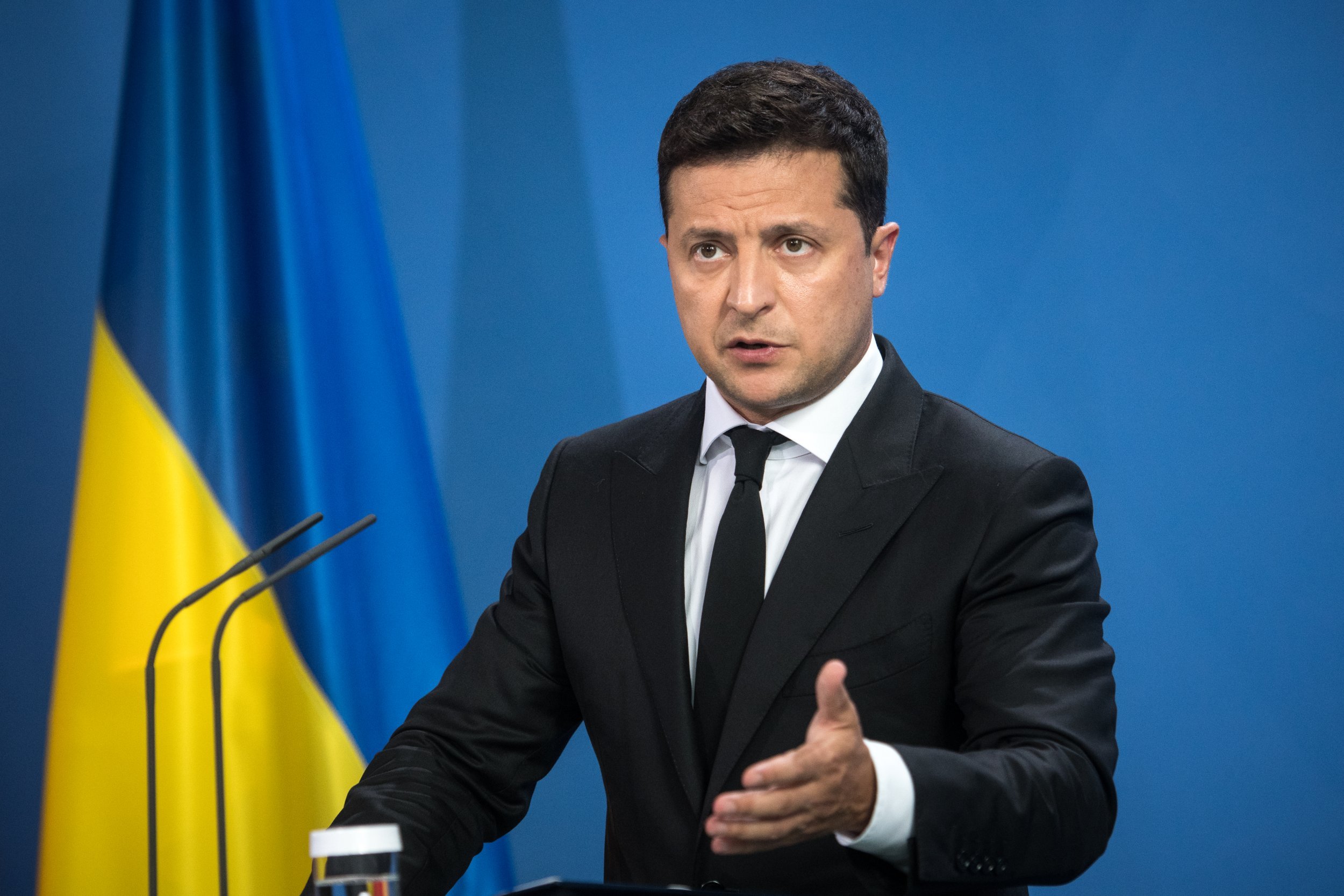
KYIV, Ukraine — Ukrainian President Volodymyr Zelenskyy on Friday welcomed a temporary Easter ceasefire declared by Russian President Vladimir Putin while reiterating his call for a broader halt to strikes on energy infrastructure, as the grinding war entered its fifth year amid shifting global tensions including conflicts in the Middle East.

Zelenskyy confirmed that Ukrainian forces would observe the 32-hour Orthodox Easter truce announced by Moscow, which is set to begin Saturday evening and run through Sunday, aligning with the holiday observed by both nations. At the same time, he expressed skepticism about Russia’s intentions, noting past failed ceasefires and accusing Moscow of choosing escalation over peace gestures.
In his nightly address and recent statements, Zelenskyy stood by a Ukrainian proposal conveyed to Russia through U.S. channels for a mutual ceasefire on attacks targeting energy facilities. “If Russia is ready to stop strikes on our energy infrastructure, we will be ready to respond in kind,” he said earlier this week, emphasizing that the offer remains on the table ahead of Orthodox Easter on April 13.
The latest developments come as both sides continue intense drone and missile exchanges. Overnight attacks have targeted civilian areas, including a strike on the Black Sea port of Odesa that killed three and injured at least 16, according to Ukrainian officials. Zelenskyy has repeatedly warned that Russia is preparing for a prolonged “year of war” in 2026, while highlighting signs of strain within Russian forces, including stalled army growth despite heavy mobilization.
Zelenskyy, a former comedian who rose to the presidency in 2019 and became a global symbol of defiance after Russia’s full-scale invasion in February 2022, has maintained a busy diplomatic schedule. In recent weeks, he traveled to the Gulf region and held talks in Istanbul with Turkish President Recep Tayyip Erdogan on security cooperation. He also spoke by phone with Pope Leo XIV, who expressed hopes for a just and lasting peace.
The Ukrainian leader has drawn connections between the war in Ukraine and escalating tensions in the Middle East, accusing Russia of aiding Iran and mapping U.S. assets to support Tehran. Zelenskyy revealed that Ukrainian forces had engaged in actual combat operations in the Middle East, shooting down Iranian-made Shahed drones during recent U.S.-Israel actions against Iran — not merely training missions but using Ukrainian-made interceptors. He offered Ukraine’s assistance in unblocking the Strait of Hormuz if needed, underscoring Kyiv’s growing role in broader global security discussions.
Relations with the United States under President Donald Trump remain a focal point. Zelenskyy has engaged in multiple calls and meetings with Trump and his envoys, including Steve Witkoff and Jared Kushner, discussing pathways to end the conflict. Trump has pushed for a swift resolution, with Zelenskyy noting that “much can be decided before the New Year” in potential high-level talks. However, Zelenskyy has pushed back against perceived pressure to cede territory, stressing that any peace must include robust security guarantees for Ukraine.
Work continues with U.S. negotiators on formalizing those guarantees, which Zelenskyy describes as essential for any lasting peace. He has urged allies to maintain sanctions pressure on Russia’s economy, particularly targeting shadow fleets that help Moscow sustain oil revenues despite restrictions.
On the battlefield, Ukrainian forces report incremental advances in areas like the Pokrovsk direction, while relying on innovative drone technology and expanded domestic defense production. Zelenskyy has hailed Ukraine’s growing arms industry, projecting significant output in drones and missiles by the end of 2026. At the same time, he has acknowledged the human cost, with earlier estimates placing Ukrainian military deaths in the tens of thousands and total casualties far higher.
Russia’s expansive territorial ambitions — including goals to seize remaining parts of Donbas, create buffer zones along northern borders and potentially push toward southern cities like Odesa — remain unchanged, according to Ukrainian assessments. Yet Zelenskyy has pointed to Russian difficulties in fulfilling planned advances, citing high casualties and internal societal pressures that could force broader mobilization, something the Kremlin has sought to avoid.
The Easter truce announcement by Putin has sparked speculation about Moscow’s shifting priorities, with some analysts wondering if Russia might redirect resources amid the Iran situation. Zelenskyy responded cautiously, saying Ukraine would mirror Russia’s actions and warning of a “symmetrical response” if violations occur. Past humanitarian pauses have often broken down quickly, with accusations flying from both sides.
Energy infrastructure remains a critical vulnerability. Russia has damaged or destroyed much of Ukraine’s power generation capacity through repeated strikes, leaving millions facing blackouts, especially during winter. Zelenskyy’s energy ceasefire proposal aims to provide immediate relief to civilians while building momentum toward broader de-escalation.
Diplomatically, Ukraine has strengthened ties beyond traditional Western allies. Talks with Ireland focused on unblocking EU accession negotiations and support for Ukrainians abroad. Cooperation with Norway addressed security enhancements, and agreements with Syria have emerged in unexpected areas. Zelenskyy has also engaged leaders in the Gulf on regional stability and free trade flows.
Domestically, Zelenskyy continues to project resilience. In addresses marking the war’s milestones, he has declared that Russia has “not broken Ukrainians” nor achieved its initial goals of quick victory and regime change. Ukraine has defended its independence and statehood, he insists, despite the immense challenges of a war now stretching into its fifth calendar year.
The conflict has evolved into a war of attrition dominated by drones, artillery and electronic warfare. Ukrainian adaptations in technology have provided tactical edges, even as Russian forces maintain pressure through sheer volume of attacks. Civilian infrastructure, including hospitals, schools and residential areas, continues to suffer, drawing international condemnation.
Zelenskyy has dismissed Russian claims of inevitable victory, arguing that Moscow’s calculations include prolonging the war to divert global attention and weaken support for Ukraine. He has called on partners to increase pressure, including through sanctions and military aid, while preparing Ukraine’s own defense industry for greater self-reliance.
As Orthodox Easter approaches — a time of reflection for millions in both countries — Zelenskyy’s messages blend hope for de-escalation with firm resolve. He has repeatedly proposed Easter ceasefires, only to see them rebuffed or undermined by continued strikes. The current Russian declaration, while limited, offers a brief window that Kyiv intends to honor, provided Moscow does the same.
Looking ahead, attention turns to potential trilateral or leaders-level talks involving the U.S., Ukraine and Russia. Zelenskyy has signaled openness to direct engagement if it advances concrete security arrangements and territorial integrity. However, he maintains that Ukraine will not accept ultimatums or unilateral concessions.
The broader geopolitical picture has grown more complex with the U.S.-Iran ceasefire and related developments. Zelenskyy has positioned Ukraine as a responsible actor willing to contribute to stability beyond its borders, from drone defense expertise to potential mediation roles in energy chokepoints.
Challenges abound. Ukraine faces manpower strains, economic pressures and the need for sustained international backing. Reconstruction costs run into hundreds of billions, with energy and housing among the most urgent needs. Yet Zelenskyy points to signs of Russian overextension and domestic discontent as potential turning points.
Friday’s developments, including the Easter truce response and drone revelations, underscore Zelenskyy’s dual role as wartime leader and diplomat. From nightly video addresses rallying his nation to high-stakes international calls, he continues to navigate a conflict that has reshaped European security and global alliances.
As spring advances and fighting seasons intensify, the coming weeks could prove decisive. Whether the Easter pause holds, if energy strikes subside, and how U.S.-led diplomacy evolves will shape the trajectory toward any potential negotiated end to Europe’s bloodiest conflict since World War II.
For millions of Ukrainians enduring blackouts, displacement and loss, Zelenskyy’s steadfast message remains one of endurance and hope: peace is possible, but only on terms that safeguard Ukraine’s future as a sovereign, secure nation.
Business
Bridgemarq Real Estate Services Inc. 2025 Q4 – Results – Earnings Call Presentation (TSX:BRE:CA) 2026-04-10


Seeking Alpha’s transcripts team is responsible for the development of all of our transcript-related projects. We currently publish thousands of quarterly earnings calls per quarter on our site and are continuing to grow and expand our coverage. The purpose of this profile is to allow us to share with our readers new transcript-related developments. Thanks, SA Transcripts Team
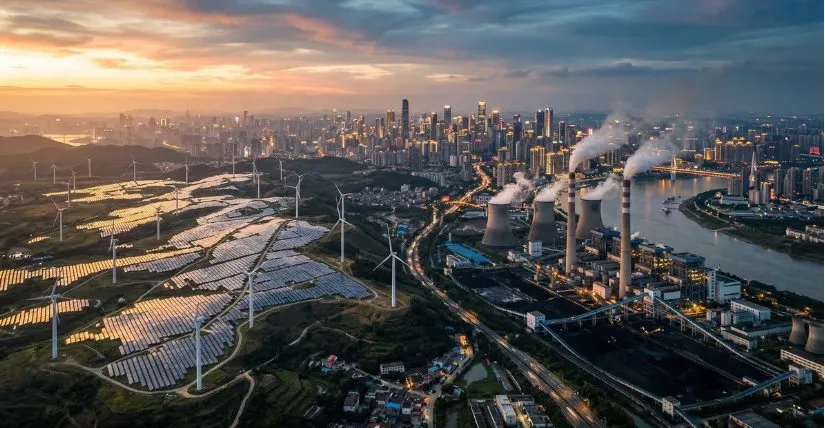
Thailand’s newly formed government confronts a challenging economic landscape marked by high household debt, inefficient investments, and restrictive trade policies. Bold reforms are essential to draw in future-focused industries and ensure sustainable growth.
Key Points
- The conservative Bhumjaithai party won a decisive victory in February 2026, campaigning on stability, but inherited an economy still struggling to recover from the pandemic.
- GDP growth is forecast at just 1.6% for 2026 — the lowest in ASEAN — due to constrained public finances, unproductive investment, and a strong baht eroding export competitiveness.
- While exports surged in 2025, especially electronics to the U.S., tariff uncertainty, Section 301 investigations, and inefficient allocation of capital hinder long-term gains.
- Liberalising foreign ownership (e.g., amending the Foreign Business Act), opening key service sectors (legal, logistics), and joining the CPTPP are critical to attract green manufacturing and high-value industries.
- Thailand’s 14 FTAs cover only 18 markets, with low utilisation due to complex rules of origin — unlike Vietnam, which has leveraged CPTPP to expand exports.
Without structural reforms beyond stimulus, Thailand risks missing out on global supply chain shifts and future industrial investment, leaving it economically stagnant despite short-term export gains.
The Commerce Ministry has announced plans to remove 10 service sectors — from software development to petroleum exploration — from the restricted list, which is a step in the right direction.
The sectors that have been opened do not include those critical to manufacturing firms, such as legal, accounting, and logistics services, which remain heavily restricted. According to the OECD, Thailand ranks among the most restrictive countries in terms of barriers to services trade. Without liberalizing these sectors, even the most generous investment incentives will find it challenging to attract future-focused industries.
Access to export markets is another critical area needing improvement. Thailand currently holds 14 free trade agreements (FTAs), granting preferential access to just 18 markets—significantly fewer than Vietnam’s broader market reach. Additionally, FTA utilization remains a challenge, as nearly 20% of eligible exports fail to leverage preferential terms due to the high costs or complexities of complying with rules of origin, particularly for smaller firms.
Thailand relies heavily on imported inputs, which poses a vulnerability as rules of origin become stricter due to geopolitical pressures. Joining the Comprehensive and Progressive Agreement for Trans-Pacific Partnership (CPTPP) could mitigate this risk by broadening the network of countries, such as Japan, whose inputs are eligible under origin requirements, while also enhancing market access. Vietnam, which joined the CPTPP in 2019 and depends on foreign inputs even more than Thailand, has experienced a significant surge in exports to new markets since its accession.
Source : Thailand’s economic recovery depends on opening up | East Asia Forum
Other People are Reading

Coreweave CSO Venturo sells $5.5m in class a common stock
Business
Li Auto Stock Rises 3% in Hong Kong as March Deliveries Rebound and New L9 Launch Looms in China EV Recovery
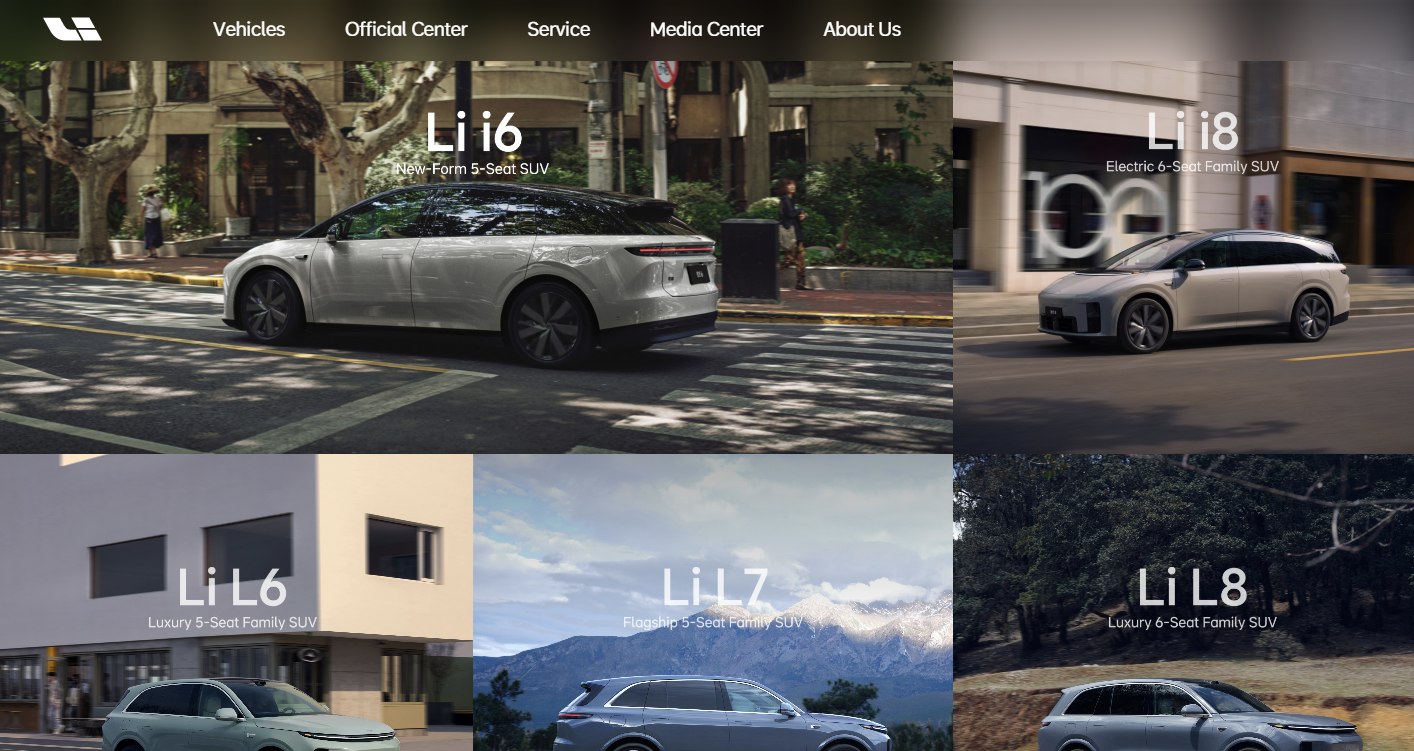
HONG KONG — Li Auto Inc. shares climbed more than 3% Friday on the Hong Kong Stock Exchange, closing at HK$74.20 after adding HK$2.30, as investors cheered a strong March delivery rebound and anticipation for the upcoming launch of the refreshed flagship Li L9 amid a competitive but recovering Chinese new energy vehicle market.

The Beijing-based automaker, listed as HKG:2015, saw its stock rise on elevated trading volume as the company resolved production bottlenecks for its battery electric vehicle lineup and pushed forward with technology upgrades, including advanced autonomous driving systems unveiled at NVIDIA’s GTC 2026 conference. The move extended recent gains following positive March figures that helped lift first-quarter deliveries above internal guidance.
Li Auto delivered 41,053 vehicles in March 2026, marking a 12% increase from the same month a year earlier and a sharp sequential jump after earlier softness. The performance pushed the company’s cumulative deliveries past 1.635 million vehicles since inception. Notably, the Li i6 pure electric SUV surpassed 24,000 monthly units once production constraints eased, signaling improving momentum in Li Auto’s BEV transition.
For the first quarter overall, Li Auto delivered approximately 95,142 vehicles, a modest 2.5% year-over-year gain that exceeded its earlier guidance range of 85,000 to 90,000 units. The rebound came despite ongoing price competition and a challenging 2025, when full-year deliveries fell about 19% to roughly 406,343 vehicles amid margin pressure and slower demand for some extended-range electric vehicle models.
The company has set an ambitious target for 2026, aiming for around 20% growth in vehicle sales, which would translate to roughly 490,000 units. Management has emphasized a “3+2” strategy focusing on overhauling its retail network, successfully launching the next-generation Li L9, and accelerating battery electric vehicle sales. The all-new Li L9, scheduled for official launch in the second quarter, is expected to feature significant upgrades including a larger battery for over 400 km of pure electric range, an enhanced chassis, and cutting-edge computing power.
Analysts and investors view the refreshed L9 as a potential catalyst. The model is projected to incorporate Li Auto’s self-developed M100 chip and advanced smart cockpit features, with some variants boasting up to 2,560 TOPS of computing power — far exceeding many competitors. A higher-priced “Livis” trim has also been previewed, targeting premium family buyers seeking luxury and intelligent driving capabilities. Orders for certain current L-series models were paused in March ahead of the refresh, a common industry tactic to clear inventory and build excitement for new versions.
Li Auto has also been investing heavily in artificial intelligence and autonomous driving technology. The company unveiled its MindVLA autonomous driving foundation model at NVIDIA GTC 2026, pairing hardware advances with in-house software to differentiate its vehicles in a crowded market. These efforts align with broader industry shifts toward AI-native vehicles, where Li Auto aims to blend extended-range reliability with pure electric innovation and intelligent features.
On the financial front, Li Auto reported a challenging 2025, with revenue declining about 22% and net income dropping sharply. Fourth-quarter vehicle margins improved sequentially to 16.8%, though still below prior peaks due to pricing competition. The company returned to modest profitability in the quarter despite lower volumes. For the first quarter of 2026, it had guided revenue between RMB 20.4 billion and RMB 21.6 billion, reflecting the impact of softer early-year deliveries before the March uptick.
To signal confidence, Li Auto announced a US$1.0 billion share repurchase program in March 2026, with initial buybacks executed on both Nasdaq and Hong Kong exchanges. Executives described the move as reflecting strong belief in the company’s long-term value creation. The program comes alongside ongoing efforts to optimize its sales network through a “store partner” profit-sharing model aimed at boosting retail performance.
Li Auto’s portfolio spans extended-range electric vehicles (EREVs) like the popular L6, L7, L8 and L9 families, alongside pure EVs including the Li i6, Li i8 and the flagship Li MEGA MPV. The company has positioned itself as a leader in premium smart EVs tailored for families, emphasizing spacious interiors, advanced safety systems and convenient energy solutions. Its nationwide supercharging network exceeded 4,000 stations by early 2026, supporting over 1.45 million charging sessions during the Spring Festival travel peak alone.
Despite domestic headwinds, Li Auto has begun modest international expansion, introducing select L-series models in markets such as Egypt, Kazakhstan and Azerbaijan. While China remains the core focus, these early steps signal ambitions to diversify beyond the world’s largest EV market.
The Chinese EV sector continues to face intense competition from rivals including BYD, NIO and XPeng, compounded by price wars and fluctuating consumer demand. Li Auto’s hybrid approach — combining range-extended powertrains with growing BEV offerings — has helped it maintain appeal among buyers concerned about charging infrastructure. However, gross margins have faced pressure from higher raw material costs and promotional pricing.
Analysts remain mixed but generally constructive on longer-term prospects. Consensus price targets cluster around levels implying upside from current valuations, with some highlighting the potential for margin recovery as new products ramp up. Morgan Stanley recently trimmed its target but maintained an overweight rating, citing execution risks around the L9 launch while noting expected benefits from AI investments and product cycle improvements. The stock trades at a relatively low multiple compared to some growth peers, though volatility persists amid broader China EV sentiment.
Li Auto also released its 2025 ESG Report and inaugural climate-related disclosures on April 10, underscoring commitments to sustainable manufacturing and supply chain practices as it scales production. The company operates with a vertically integrated model focused on user value, from vehicle design to software updates delivered via over-the-air (OTA) technology. Recent OTA version 8.3 brought enhancements to its VLA driver model, smart cockpit and electric functionality.
Looking ahead, attention will turn to the May earnings report, where management is expected to provide more color on Q2 guidance, L9 production ramps and BEV contribution. The company plans to launch an all-new Li i9 battery electric SUV in the second half of 2026, further broadening its pure EV lineup.
Challenges remain, including sustaining delivery growth in a high-competition environment, managing R&D expenses that have risen with AI and autonomy pushes, and navigating potential regulatory or subsidy shifts in China’s NEV sector. Supply chain stability and raw material costs will also influence margins.
Friday’s trading in Hong Kong showed strong participation as the stock tested recent resistance levels following the March delivery news. Technical observers noted improving momentum, though the shares remain well below 2025 peaks amid last year’s delivery slowdown.
Founded in 2015, Li Auto has grown rapidly by targeting the premium family segment with vehicles that combine the convenience of gasoline range with electric efficiency and smart features. Under CEO Xiang Li, the company has prioritized user experience, with high net promoter scores for models like the Li i8.
As China’s EV market matures and global interest in intelligent vehicles grows, Li Auto’s blend of hardware innovation, software differentiation and family-focused design positions it as a resilient player. Success with the new L9 and continued BEV momentum could help the company reclaim stronger growth trajectory in 2026 and beyond.
Investors will closely monitor execution in the coming quarters, particularly whether the refreshed lineup can drive order backlogs, stabilize pricing and deliver on margin targets. For now, the March rebound and technology roadmap have provided fresh optimism in a sector where product cycles and innovation often dictate market leadership.

Aehr test systems director Posedel sells $2.1m in stock
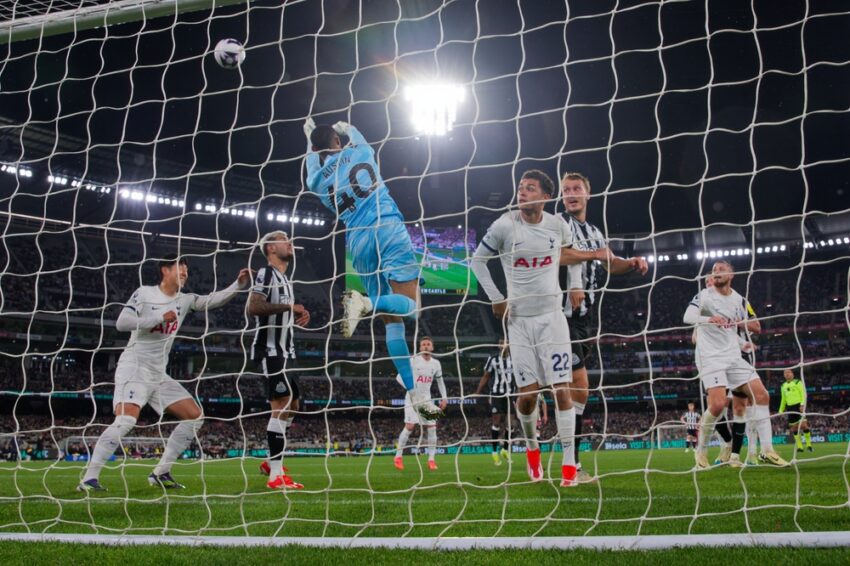
Peter Moore has called on the governing body to “sort out” their structures ahead of the summer spectacular
Former Liverpool CEO Peter Moore has expressed his disappointment with FIFA’s current ticketing strategy for the 2026 World Cup. Moore is far from the first in the space to voice concerns, as watching football in person becomes increasingly difficult for the average fan.
Moore, who served as Liverpool’s CEO from 2017 to 2020, has called on FIFA to reconsider its ticketing approach, stating that it is “completely detached from the very soul of football.”
Moore has urged FIFA to “sort out” its ticketing strategy before it’s too late. He expressed concern that the current model prioritises revenue over the reality of the average, passionate football supporter. These are the fans who save for years to attend the World Cup, travelling across continents and bringing the spirit, colour, and noise to the games.
Moore, who has attended five World Cups, described them as “life chapters” about culture, connection, and unity through football. He emphasised that the issue of ticket pricing carries significant weight given his extensive experience in the sports and entertainment industries.
During his career, Moore has held senior roles at Reebok, Sega, Microsoft, and Electronic Arts (EA). He recalled standing “shoulder to shoulder” with FIFA during its 2015 controversy when senior officials were charged with bribery, racketeering, and money laundering. Despite many sponsors distancing themselves from FIFA, EA continued to work with them, keeping millions of fans connected to football and the World Cup during a time of low trust in the organisation.
The controversy of dynamic pricing
FIFA’s ticket pricing for the upcoming World Cup has already sparked controversy. The Football Supporters’ Association (FSA) has criticised the ticket pricing policy as excessively expensive and unfair to fans. The introduction of dynamic pricing, a model that the FSA has urged FIFA to abandon, is one of the main reasons behind the increase.
A recent investigation revealed the high costs fans would face, including flights, tickets, and accommodation, to attend the World Cup. Moore echoed the FSA’s sentiments, stating that the current approach feels detached from the essence of football. He argued that football should not be a luxury product reserved for the highest bidder, but rather, it belongs to the people.
The future of FIFA ticket pricing strategy
While public criticism may not be enough to force FIFA to reconsider its pricing model, the results it produces might. FIFA claimed in January to have received half a billion ticket requests for the World Cup.
If a large proportion of tickets are held outside genuine fan demand, there is a risk that stadiums may not be full for many matches. This could pose a significant issue for FIFA, even if revenues reach record levels, especially given its ambition to deliver the biggest and best World Cup in history.
Moore concluded by saying, “The World Cup should unite the world, not divide it by price. Football deserves better. And so do the fans. Come on, FIFA, sort this out… It’s not too late.”

Are The Semis And Transports Leading The Market To New Highs?

Markets Weekly Outlook: Markets Brace For U.S.-Iran Talks Amid Post-Ceasefire Surge

Braves tally six runs in sixth to outslug Guardians

Florida launches probe into OpenAI as company eyes massive IPO

Coinbase’s COINSOV index blends Bitcoin’s bite with gold’s ballast


-

 Business5 days ago
Three Gulf funds agree to back Paramount’s $81 billion takeover of Warner, WSJ reports
-

 Sports6 days ago
India men’s 4x400m and mixed 4x100m relay teams register big progress | Other Sports News
-

 Politics8 hours ago
US brings back mandatory military draft registration
-

 Fashion9 hours ago
Weekend Open Thread: Veronica Beard
-

 Business7 days ago
Expert Picks for Every Need
-

 Tech3 days ago
How Long Can You Drive With Expired Registration? What Florida Law Says
-

 Business6 days ago
No Jackpot Winner, Prize to Climb to $231 Million
-

 Fashion5 days ago
Massimo Dutti Offers Inspiration for Your Summer Mood Board
-
 Sports9 hours ago
Man United discover Nico Schlotterbeck transfer fee as defender reaches Dortmund agreement
-

 Fashion3 days ago
Let’s Discuss: DEI in 2026
-

 Crypto World3 days ago
Bitcoin recovers as US and Iran Agree a Ceasefire Deal
-

 Business6 hours ago
Tesla Model Y Tops China Auto Sales in March 2026 With 39,827 Registrations, Beating Cheaper EVs and Gas Cars
-

 Crypto World2 days ago
Canary Capital Files SEC Registration for PEPE ETF
-

 Business6 days ago
Akebia Therapeutics, Inc. (AKBA) Discusses Pipeline Progress and Strategic Focus on Kidney Disease Treatments at R&D Day – Slideshow
-

 Business15 hours ago
OpenAI Halts Stargate UK Data Centre Project Over Energy Costs and Copyright Row
-

 Tech5 days ago
Haier is betting big that your next TV purchase will be one of these
-

 Politics7 days ago
The UK should not pay a penny in slavery reparations
-

 Tech5 days ago
The Xiaomi 17 Ultra has some impressive add-ons that make snapping photos really fun
-

 Tech5 days ago
Samsung just gave up on its own Messages app
-

 Tech5 days ago
Gamer Restores the Original PlayStation Portal From Two Decades Ago
You must be logged in to post a comment Login