
Business
Doncic, Reaves Out for Regular Season as Playoff Push Faces Hurdles

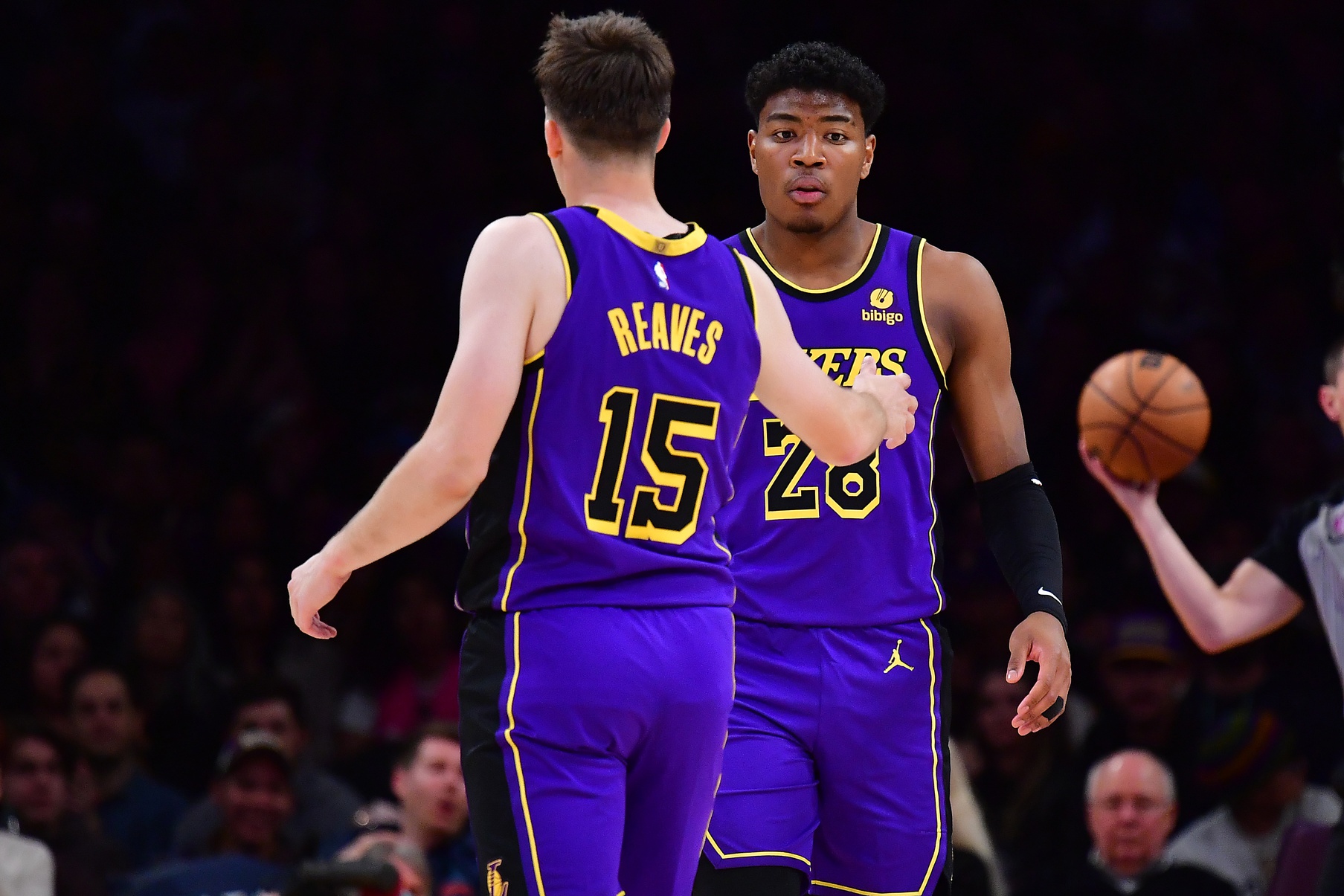
LOS ANGELES — The Los Angeles Lakers are navigating a late-season injury crisis that has sidelined two of their top offensive weapons for the remainder of the 2025-26 regular season, raising questions about their seeding and early playoff prospects despite already clinching a postseason berth.

As of April 11, 2026, superstar guard/forward Luka Doncic remains out with a Grade 2 left hamstring strain suffered April 2 in a blowout loss to the Oklahoma City Thunder. Austin Reaves is also sidelined with a Grade 2 left oblique muscle strain from the same game. Both players are expected to miss at least four to six weeks, putting their availability for the start of the playoffs in doubt.
Doncic, who led the NBA in scoring at 33.5 points per game while adding 7.7 rebounds and 8.3 assists, grabbed his hamstring during the third quarter of the 139-96 defeat. An MRI confirmed the partial tear — his second significant hamstring issue this season. The 27-year-old Slovenian traveled to Spain for specialized medical treatment, including an injection procedure, in hopes of accelerating his recovery. His agent, Bill Duffy, confirmed the move after consultations with Lakers medical staff and Doncic’s personal team.
Reaves suffered his oblique injury earlier in the same contest while reaching for a rebound. He initially returned to finish with 15 points but later required a second MRI after questions arose about the first scan performed in Dallas. The injury will sideline the reliable guard, a key playmaker and scorer, for the final stretch of the regular season.
The absences compound an already challenging situation for coach JJ Redick’s squad. The Lakers entered April with momentum but have seen their depth tested repeatedly. Veteran guard Marcus Smart continues to miss time with a right ankle contusion, now in his eighth consecutive game out. Center Jaxson Hayes is dealing with left foot soreness and has been listed as out or questionable in recent contests.
Other notes from recent injury reports include occasional management of LeBron James’ left foot issues, though the 41-year-old veteran has been available for most games after earlier-season absences tied to sciatica and foot arthritis. Forward Jarred Vanderbilt has been questionable at times with right calf soreness, adding to the uncertainty around the frontcourt.
The timing could not be more critical. With the regular season winding down and the playoffs set to begin around mid-April, the Lakers — currently holding a strong record near the top of the Western Conference — must rely on their remaining roster to secure favorable seeding. Without Doncic’s scoring punch and Reaves’ facilitation, the offense has shown signs of struggle, as evidenced by recent lopsided losses.
Redick has emphasized caution and long-term health. “We’re not rushing anybody back,” the coach said in recent comments. “The goal is to have our best players ready when it matters most in the postseason.” He noted that Doncic remains in “relatively good spirits” during his recovery abroad, while Reaves continues receiving regular check-ins with the team.
Medical experts describe a Grade 2 strain as a partial tear that typically requires three to six weeks of rehabilitation, depending on the individual’s response to treatment. Regenerative options like injections, common among elite athletes, can sometimes shorten that window to two to four weeks in optimistic scenarios. However, hamstrings and obliques are notoriously finicky injuries that demand careful management to avoid re-aggravation.
The Lakers’ front office and training staff face difficult decisions in the coming weeks. Playoff eligibility rules and the need for rust-free performance mean any return will likely be gradual. Sources indicate the target remains an early-May availability at the earliest, which could align with a potential second-round series if the Lakers advance.
This injury wave comes after a season in which the Lakers successfully integrated Doncic following his arrival and built chemistry around James, Reaves and supporting pieces. The team’s ability to weather the storm without its two leading scorers will test the depth provided by players like Rui Hachimura, D’Angelo Russell (when healthy) and role players stepping up in crunch time.
Fan and analyst reaction has been mixed, with some expressing concern over the team’s championship aspirations while others point to the Lakers’ history of postseason resilience. The Western Conference remains highly competitive, with teams like the Thunder and Spurs boasting strong records and fewer injury concerns heading into the playoffs.
Beyond the immediate absences, the injuries highlight broader themes in the NBA: the physical toll of an 82-game season on high-usage stars and the importance of load management. Doncic’s workload has been heavy all year, and this latest setback echoes previous durability questions. Reaves, known for his toughness, has generally stayed available but now faces a core injury that can impact shooting and movement.
As the regular season concludes, the Lakers will continue providing daily updates through official injury reports. The focus remains on rehabilitation protocols, strength and conditioning work, and preparing the supporting cast for heavier minutes.
For a franchise with 17 championships and a legacy of overcoming adversity, the current situation represents another test. Whether Doncic and Reaves can return in time — and at full strength — to make a meaningful impact could define the 2025-26 campaign.
As of Saturday, the full injury picture includes:
- Luka Doncic: Out (Grade 2 left hamstring strain) — remainder of regular season; playoff status uncertain; receiving treatment in Spain.
- Austin Reaves: Out (Grade 2 left oblique strain) — remainder of regular season; expected 4-6 weeks recovery.
- Marcus Smart: Out (right ankle contusion) — multiple games missed.
- Jaxson Hayes: Out/Questionable (left foot soreness).
- Luke Kennard: Day-to-day (left finger injury management).
LeBron James and other key contributors appear closer to full availability, providing a foundation for the team to lean on.
The Lakers’ next games will offer a window into how the roster adapts. With the postseason looming, every practice, treatment session and minute logged by healthy players carries added weight. The organization’s medical and coaching staff will balance short-term competitiveness with the long-term goal of a deep playoff run.
In the end, the 2025-26 season has already delivered drama for Lakers fans. Now, as injuries mount at a critical juncture, the focus shifts to resilience, recovery and the hope that their stars can return when the games matter most.


It will now be the responsibility of the provincial governments to decide whether or not the glaciers in their region are of strategic importance – that is, whether they provide water for human consumption, agriculture, biodiversity, as a source of scientific information, or as a tourist attraction.


Japan approves additional $4 billion for chipmaker Rapidus

Ceasefire Brings Relief, But Outlooks Remain Complex


Iran’s new supreme leader has severe and disfiguring wounds, sources say

Albemarle: Strategic Asset In Energy Security (Rating Upgrade)

Osterweis Capital Management was founded in 1983 to serve the portfolio management needs of high net worth individuals and institutions. We believe the best way to protect and grow assets is through carefully selected, high conviction portfolios that are designed to capture upside in favorable markets and limit downside during selloffs. We manage equities and fixed income, which are available through mutual funds and separate accounts. Note: This account is not managed or monitored by Osterweis Capital Management, and any messages sent via Seeking Alpha will not receive a response. For inquiries or communication, please use the firm’s official channels. Mutual fund investing involves risk. Principal loss is possible. Distributed by Quasar Distributors, LLC.


US plane carrying team for talks with Iran lands in Islamabad, two Pakistani sources say

The UK retail sector is undergoing a dramatic transformation, driven by rapid digital adoption and evolving consumer expectations.
Businesses are now turning to innovative digital strategies to enhance customer experiences and tap into new markets. Rising trends in artificial intelligence, omnichannel shopping, and secure digital payments are all playing pivotal roles in this evolution.
Retail Landscape in the Digital Era
Over the past decade, the traditional high street has steadily given way to a dynamic online marketplace. The growth of e-commerce is not only reshaping how goods and services are sold but is also redefining brand-customer interactions. As consumers become more comfortable with digital transactions, businesses—from small local retailers to multinational chains—are investing heavily in digital tools to remain competitive. The convergence of retail and technology is ushering in an era where personalized shopping experiences and data-driven insights are becoming the norm.
In this context, even industries that might seem distant from traditional retail, such as the online gaming sphere, have experienced parallel digital shifts. The integration of state-of-the-art technology has allowed these sectors to not only attract but also engage a tech-savvy clientele. For instance, the online gaming industry has seen a surge in digital offerings which, in many respects, parallel the changes seen in retail. Numerous industry critiques highlight the best online casinos in Europe, where digital advancements have redefined consumer engagement. This cross-industry adoption underlines how technology transforms not only retail but also the broader leisure and entertainment sectors.
Key Drivers of Change in UK Retail
The unprecedented pace of technological innovation is one of the foremost drivers behind the digital transformation of retail. Shifting consumer habits—accentuated by the convenience of online platforms—have pushed retailers to invest in modern e-commerce systems and integrated shopping solutions. Moreover, the importance of mobile commerce has grown significantly, as a growing number of consumers embrace smartphone-based shopping.
Modern digital ecosystems rely on robust security measures and resilient data handling methods. Evolving consumer privacy demands and regulatory pressures have pressed businesses to implement better data protection routines. This pivot not only safeguards consumer trust but also supports a more secure retail environment essential for long-term growth.
Data-Driven Insights and Consumer Behavior
Understanding consumer behavior is crucial for retailers navigating digital transformation. With an expanding digital footprint, companies now have access to vast amounts of data that can be harnessed to tailor marketing strategies and optimize supply chains. The analysis of consumer data has revealed that preferences are shifting towards personalized shopping experiences, and retailers are responding by deploying artificial intelligence and machine learning technologies to predict needs and simplify transactions.
Recent research, such as the YouGov UK Retail Round-Up 2025: Key Trends and Insights, shows that online retail now accounts for approximately 26–27 percent of total retail sales. These insights underscore how digital transformation has matured post-pandemic, stimulating the adoption of omnichannel strategies that blend e-commerce with in-store experiences. Retailers adopting these strategies are better placed to respond quickly to consumer demands and competitive pressures.
Smart Technologies and AI Adoption
Artificial intelligence is revolutionizing the retail landscape by providing tools to handle inventory, forecast trends, and even personalize customer recommendations. AI-driven chatbots, for example, have become integral to customer service, providing real-time assistance and helping resolve issues efficiently. Simultaneously, smart analytics platforms enable businesses to measure campaign effectiveness, optimize supply chains, and maintain inventory control with unparalleled precision.
The adoption of cloud-based systems and secure digital infrastructures further ensures that retailers can operate smoothly in an increasingly interconnected marketplace. With technology continuing its relentless progress, retailers not only reduce operational costs but also enhance overall customer satisfaction.
Ensuring Security and Compliance in a Digital Era
As retailers accelerate their digital initiatives, the issue of cybersecurity and compliance has become central to sustaining consumer confidence. With the increased volume of online transactions, there is a proportional rise in the risk of cyber threats and data breaches. Businesses must balance embracing digital innovation with implementing rigorous security protocols.
Investments in advanced encryption methods and robust compliance frameworks are essential. This equilibrium ensures that while the consumer experience becomes increasingly personalized and efficient, it remains uncompromised in terms of privacy and security. Additionally, regulatory bodies are stepping in to ensure transparency and accountability across all digital channels. Such measures are vital not only to protect sensitive consumer data but also to maintain the overall integrity of the digital marketplace.
Future Outlook: Collaborative Synergies in Retail & Digital Entertainment
Looking forward, the digital transformation in UK retail appears set to deepen as retailers further integrate technology into all facets of their operations. Emerging business models now favor collaboration between retail technology and other tech-driven sectors, including digital entertainment. Innovations in augmented reality, virtual shopping environments, and data analytics are enabling shoppers to experience products in entirely new ways.
This collaborative trend has even spurred strategic partnerships between retailers and online gaming platforms. Such partnerships allow for an exchange of expertise where gamification elements are introduced in loyalty programs, and interactive customer experiences are developed across digital channels. These efforts are indicative of the broader convergence between retail and digital entertainment, pointing toward a future where the boundaries between shopping, entertainment, and gaming increasingly blur.
Further reinforcing this outlook, the Deloitte Global Retail Outlook provides forecasts that highlight the continuing growth of online channels, backed by technological advancements. Such data not only validate the current trends but also underscore the long-term viability of digital-first strategies in retail.
Furthermore, the evolution of digital payment solutions and blockchain technologies is expected to streamline secure transactions and minimize fraud. As retailers harness these advancements, the overall customer experience becomes smoother, more integrated, and firmly positioned for the future.
Embracing Change with Strategic Vision
Looking at the bigger picture, the digital transformation of the retail sector is not a temporary shift but a fundamental change in how business is conducted. For executives and industry leaders, it becomes imperative to adopt a forward-thinking approach. This involves not only significant investments in technology but also cultivating an organizational culture that embraces innovation.
For instance, integrating advanced analytics into business strategy enables leaders to make informed decisions backed by real-time data. Emphasizing transparency with stakeholders while aligning with regulatory frameworks further strengthens market positioning. In this evolving landscape, retailers that succeed will be those that remain agile, invest in cutting-edge technologies, and continuously refine their digital strategies.
Conclusion: Navigating the Digital Frontier
The rapid pace of digital transformation presents both significant challenges and exciting opportunities for the UK retail sector. As businesses continue to invest in technology and adapt to digital consumer trends, the industry is poised for a new era where personalized experiences, robust security, and innovative collaboration become the norm.
Ultimately, the convergence of retail, technology, and digital entertainment underscores a broader shift toward a more integrated and dynamic consumer ecosystem. With data-driven insights, smart technologies, and collaborative partnerships across industries, the digital journey of UK retail is likely to inspire a wave of innovation that sets the stage for future growth.
As stakeholders navigate this evolving landscape, maintaining a strategic vision that harnesses these new opportunities will be key to staying ahead in an increasingly digital marketplace.


Eric Swalwell, candidate for California governor, denies sexual assault allegations

The regulator said the stock has risen over 700 times in just 19 months. It said the company’s shares rose from ₹15 in April 2024 to ₹10,887 by October 2025, a surge that was not supported by its financials or business fundamentals.
During its investigation, Sebi observed that there was a coordinated network of promoters, preferential allottees, off-market transferees and a set of trading entities, who artificially inflated the share price of RRP Semiconductor.
The regulator said the scheme appears to have commenced with the acquisition of control of the company by Ira Mishra, the daughter of Ramesh Mishra, who was subsequently appointed as a director in the company. This was followed by a significant increase in the share capital of RRP through preferential allotment of shares to select entities.
The primary beneficiary of the allotment was one Rajendra Chodankar, who holds 74.5% of the share capital of RRP post allotment. Sumita Mishra, wife of Ramesh Mishra, was also a preferential allottee. Of the remaining preferential allottees, three were brought in by Ramesh Mishra and the rest byChodankar, it said.

The preferential allotment was accompanied by the company altering its MoA and changing its name to “RRP Semiconductor”, apparently to showcase its future forays into the promising semiconductor space. Simultaneously, the public shareholding (a small part of which was in demat mode) was fragmented and distributed through a chain of off-market transfers to multiple entities in small quantities, Sebi said in its order.
“The off-market transferees subsequently sold shares of RRP in minuscule quantities, largely to entities that consistently placed large buy orders at upper circuit limits and contributed significantly to the total market positive LTP. The trading pattern, characterised by insignificant sell quantities and aggressive buy orders at circuit limits, is prima facie not reflective of genuine market behaviour, but indicative of a pre-arranged and manipulative strategy to artificially inflate the price of the scrip of RRP,” Sebi whole-time member Amarjeet Singh said in his order.

How to watch the 2026 Grand National, start time and runners

‘Every drop of water counts’: Fear for Argentina’s glaciers

Bitcoin (BTC) Surges Past $73K as ETFs Pour in $240M During Friday Rally

Why Israel is blocking foreign journalists from entering

Bitcoin: We’re Entering The Most Dangerous Phase

Alan Cumming Brands Baftas Ceremony A ‘Triggering S**tshow’

XRP- Ripple Treasury Ceritified To Tap 11,000+ SWIFT Banks? Yes – Bitcoin Hits $200K What Is XRP???

ULTIMATE Cryptocurrency Trading Course (From Beginner To PRO)

Gs Finance – New Loan App for Low Cibil ( Review ) | New Loan App review 2026 | Only On KYC
-

 Business5 days ago
Three Gulf funds agree to back Paramount’s $81 billion takeover of Warner, WSJ reports
-

 Sports6 days ago
India men’s 4x400m and mixed 4x100m relay teams register big progress | Other Sports News
-

 Politics12 hours ago
US brings back mandatory military draft registration
-

 Fashion13 hours ago
Weekend Open Thread: Veronica Beard
-

 Business7 days ago
Expert Picks for Every Need
-

 Tech3 days ago
How Long Can You Drive With Expired Registration? What Florida Law Says
-

 Business6 days ago
No Jackpot Winner, Prize to Climb to $231 Million
-

 Fashion5 days ago
Massimo Dutti Offers Inspiration for Your Summer Mood Board
-
 Sports13 hours ago
Man United discover Nico Schlotterbeck transfer fee as defender reaches Dortmund agreement
-

 Fashion4 days ago
Let’s Discuss: DEI in 2026
-

 Crypto World3 days ago
Bitcoin recovers as US and Iran Agree a Ceasefire Deal
-

 Business10 hours ago
Tesla Model Y Tops China Auto Sales in March 2026 With 39,827 Registrations, Beating Cheaper EVs and Gas Cars
-

 Business6 days ago
Akebia Therapeutics, Inc. (AKBA) Discusses Pipeline Progress and Strategic Focus on Kidney Disease Treatments at R&D Day – Slideshow
-

 Crypto World2 days ago
Canary Capital Files SEC Registration for PEPE ETF
-

 Business19 hours ago
OpenAI Halts Stargate UK Data Centre Project Over Energy Costs and Copyright Row
-

 Tech5 days ago
Haier is betting big that your next TV purchase will be one of these
-

 Tech5 days ago
The Xiaomi 17 Ultra has some impressive add-ons that make snapping photos really fun
-

 Tech5 days ago
Samsung just gave up on its own Messages app
-

 Tech5 days ago
Gamer Restores the Original PlayStation Portal From Two Decades Ago
-

 Tech5 days ago
Save $130 on the Samsung Galaxy Watch 8 Classic: rotating bezel, sleep coaching, and running coach for $369
You must be logged in to post a comment Login