
Business
Netflix co-founder Reed Hastings to step down as chairman


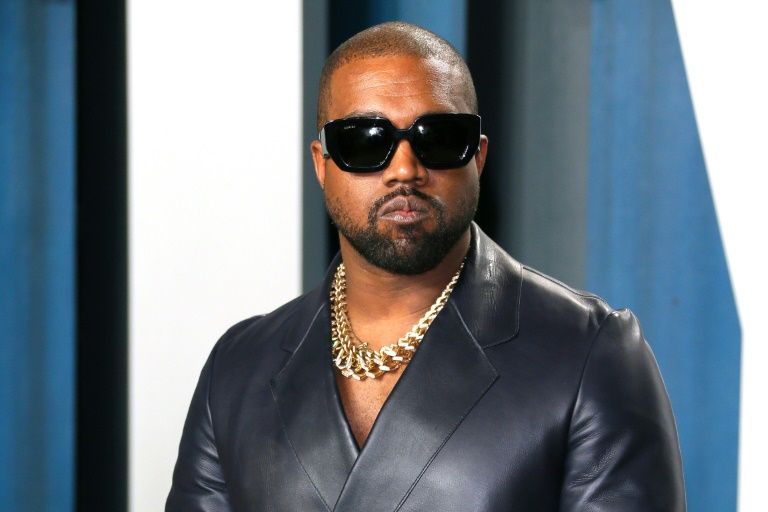
INDIO, California — Kanye West, performing as Ye, did not appear at the Coachella Valley Music and Arts Festival in 2026, despite circulating rumors and reports that he offered to perform for free. Organizers reportedly declined the proposal, leaving the controversial rapper absent from both weekends of the sold-out event that wrapped up Sunday, April 19.

The 2026 edition of Coachella, marking its 25th year at the Empire Polo Club, featured headliners Sabrina Carpenter, Justin Bieber and Karol G. No official lineup inclusion or surprise guest slot materialized for West, whose name sparked heated online debates rather than stage appearances. Fans and critics alike weighed in on whether the festival should have considered him, with many expressing relief at his exclusion given his history of inflammatory remarks.
Reports emerged in the weeks leading up to the festival that West had reached out about a potential performance, even proposing to do it without compensation. Insiders and social media discussions suggested Goldenvoice, the festival promoter, passed on the idea. This decision aligns with broader industry caution following West’s past controversies, including antisemitic statements that led to lost partnerships and public backlash. Similar scrutiny has affected his other 2026 bookings, such as headlining Wireless Festival in London, where major sponsors like Pepsi pulled support.
Coachella 2026 ran April 10-12 for Weekend 1 and April 17-19 for Weekend 2. The announced lineup emphasized pop, Latin, electronic and indie acts, with additional performances from The Strokes, The xx, Anyma, Young Thug and others. Surprise guests included appearances tied to headliners and supporting sets — such as Ty Dolla ignjoiningYoungThugfor”Carnival,”atrackfromthe¥ ign joining Young Thug for “Carnival,” a track from the ¥ ignjoiningYoungThugfor”Carnival,”atrackfromthe¥ collaborative project with West — but West himself stayed off the desert stages.
West has maintained a busy 2026 calendar outside Coachella. He kicked off a series of comeback shows with two sold-out performances at SoFi Stadium in Inglewood on April 1 and April 3, marking his first major U.S. stadium appearances in years. Those “Homecoming” concerts featured elaborate production and drew tens of thousands, generating viral moments and renewed discussion about his live draw despite the controversies.
His planned international tour dates include stops in India, Turkey, the Netherlands and elsewhere, though some shows have faced cancellations due to logistical or external pressures. The absence from Coachella adds to a pattern of near-misses: West was slated to headline in 2022 but pulled out at the last minute, and earlier creative disputes derailed a 2019 dome-stage concept.
Festival organizers have remained silent on the reported offer, focusing instead on delivering a smooth event. Attendance appeared strong, with the lineup selling out quickly after its September 2025 announcement. Livestreams on YouTube allowed global viewers to catch sets, while social media buzz centered on the headliners’ energy, fashion moments and unexpected collaborations rather than any West-related drama.
For many attendees and online observers, the decision to keep West off the bill reflected evolving standards in festival booking. Discussions on platforms like Reddit and X highlighted his past praise of Adolf Hitler, “White Lives Matter” shirt promotions and other statements that alienated brands, collaborators and segments of the audience. While some die-hard fans argued for separating the art from the artist and celebrated his catalog of hits, critics maintained that platforms like Coachella carry a responsibility to consider the full impact of their bookings.
Coachella has a long history with West. He performed memorable sets in earlier years, including a headline turn and the debut of his Sunday Service choir concept in 2019 from a hillside overlooking the grounds. Those appearances helped cement his reputation as a boundary-pushing live performer capable of blending gospel, hip-hop and spectacle. Yet repeated controversies in the years since shifted the conversation from innovation to accountability.
This year’s festival leaned into safer, high-energy pop and genre-crossing appeal. Sabrina Carpenter brought theatrical production to her Friday headline slots, Justin Bieber delivered nostalgic and current hits on Saturday with several guests, and Karol G made history as the first Latina headliner on Sunday. Electronic and alternative acts filled out the bill, creating a balanced experience that avoided the polarization a West appearance might have invited.
Rumors of a possible Kanye cameo persisted into Weekend 2, fueled by fan leaks, concept videos on YouTube imagining full sets, and TikTok speculation. One viral clip even teased “Yeezy throwing a party at Coachella,” but no such moment occurred. Instead, the biggest talking points remained the official surprises and the overall vibe under clear desert skies — with some wind-related adjustments affecting Anyma’s elaborate production.
Industry analysts note that festivals increasingly weigh reputational risks against star power. While West retains a dedicated following and proven ability to sell tickets — as evidenced by the SoFi shows — the potential for backlash, sponsor flight and internal divisions has made many promoters hesitant. The Wireless Festival situation in the UK, where government figures publicly criticized the booking and sponsors withdrew, served as a cautionary tale playing out in real time.
For West, the Coachella snub represents another chapter in a turbulent comeback phase. After years of limited public performances amid personal and professional setbacks, the 2026 SoFi dates signaled intent to reclaim stadium stages. His catalog — spanning groundbreaking albums like “The College Dropout,” “My Beautiful Dark Twisted Fantasy” and later experimental works — continues to influence artists across genres. Yet translating that legacy into festival slots has proven complicated.
Fans who hoped to see him in the desert instead turned to alternatives: replaying old Coachella footage, attending his tour dates or streaming new material. Some expressed disappointment at missing a potential high-energy set of classics mixed with fresh tracks from the anticipated “Bully” album. Others viewed the exclusion as overdue accountability, arguing that artistic talent does not override harmful rhetoric.
As the final notes faded on April 19 and cleanup crews moved in, Coachella 2026 will be remembered for its headliners’ strong showings, cultural milestones and relatively drama-free run — at least regarding any Kanye-related fireworks. The festival’s ability to sell out without relying on polarizing figures underscores its enduring appeal and adaptability.
Looking ahead, questions remain about West’s future live prospects. His 2026 tour plans extend into the summer and beyond, with some dates already adjusted. Whether additional U.S. festivals or arenas will book him likely depends on how his recent performances are received and whether public sentiment continues to shift.
In the end, Coachella 2026 answered the lingering question clearly: Kanye West was not performing on its stages this year. The decision, whether driven by logistics, optics or deliberate choice, kept the focus on the music and artists who did take the polo fields by storm. For better or worse, the desert festival moved forward without one of hip-hop’s most influential — and divisive — voices.
As videos from the SoFi shows and fan-edited “Coachella concept” sets continue circulating, the conversation around West’s place in modern music festivals is far from over. For now, though, the 2026 edition closed its gates without him, leaving the spotlight on a new generation of stars who filled the valley with sound.

Brad Thomas has over 30 years of real estate investing experience and has acquired, developed, or brokered over $1B in commercial real estate transactions. He has been featured in Barron’s, Bloomberg, Fox Business, and many other media outlets. He’s the author of four books, including the latest, REITs For Dummies. Brad, along with HOYA Capital, lead the investing group iREIT®+HOYA Capital. The service covers REITs, BDCs, MLPs, Preferreds, and other income-oriented alternatives. The team of analysts has a combined 100+ years of experience and includes a former hedge fund manager, due diligence officer, portfolio manager, PhD, military veteran, and advisor to a former U.S. President. Note: Brad is also related to Nicholas Thomas who contributes to Seeking Alpha. Learn more
Analyst’s Disclosure: I/we have a beneficial long position in the shares of ADC, EPRT, O, VICI, BX either through stock ownership, options, or other derivatives. I wrote this article myself, and it expresses my own opinions. I am not receiving compensation for it (other than from Seeking Alpha). I have no business relationship with any company whose stock is mentioned in this article.
Seeking Alpha’s Disclosure: Past performance is no guarantee of future results. No recommendation or advice is being given as to whether any investment is suitable for a particular investor. Any views or opinions expressed above may not reflect those of Seeking Alpha as a whole. Seeking Alpha is not a licensed securities dealer, broker or US investment adviser or investment bank. Our analysts are third party authors that include both professional investors and individual investors who may not be licensed or certified by any institute or regulatory body.
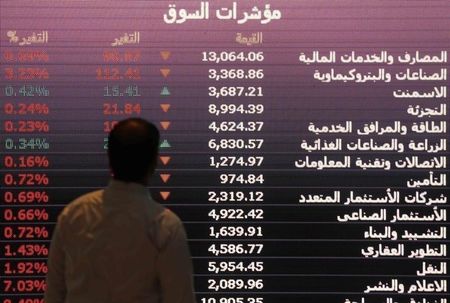
Saudi Arabia stocks lower at close of trade; Tadawul All Share down 0.78%

LOS ANGELES — Netflix’s acclaimed anthology series “Beef” returned on April 16, 2026, with an entirely new cast and a fresh tale of escalating conflict set against the polished lawns of a Southern California country club, drawing immediate buzz for its powerhouse ensemble and sharp exploration of class, marriage and generational tension.

Creator Lee Sung Jin, who helmed the Emmy-winning first season starring Ali Wong and Steven Yeun, transformed the dark comedy into a true anthology format. Season 2 ditches the road-rage origins of Danny Cho and Amy Lau for a multi-couple saga involving blackmail, ambition and fragile egos among the wealthy and the striving. All eight roughly 30-minute episodes dropped at once, allowing viewers to binge the chaotic spiral in a single sitting.
At the center stands Oscar Isaac as Joshua Martín, the embattled general manager of the Monte Vista Point Country Club. Isaac, known for roles in “Dune” and “Scenes From a Marriage,” portrays a man whose outwardly successful life — complete with a chic home and club perks — masks deep financial strain and a crumbling marriage. His on-screen wife, Lindsay Crane-Martín, is played by Carey Mulligan, the Oscar-nominated star of “Promising Young Woman” and “Maestro.” Lindsay, an interior designer chasing upscale clients, brings brittle ambition and quiet desperation to the role.
The couple’s heated private argument spills into public view when it is witnessed by a younger, engaged pair working at the club. Charles Melton, fresh from acclaim in “May December” and “Warfare,” portrays Austin Davis, a Gen Z personal trainer dreaming of bigger things while scraping by on club wages. Opposite him is Cailee Spaeny as Ashley Miller, Austin’s fiancée, who is tired of frozen-pizza dinners and lack of health insurance. Spaeny, recognized for “Priscilla,” “Civil War” and “Alien: Romulus,” infuses Ashley with a mix of youthful optimism and growing resentment.
What begins as an accidental eavesdropping quickly evolves into a messy web of favors, coercion and mutual blackmail as the two couples vie for favor with the club’s elite. The younger pair sees an opportunity to climb the social ladder, while Josh and Lindsay fight to protect their status. The story spreads across three generations, blending millennial midlife crises with Gen Z hustle and the calculated world of older wealth.
Supporting the leads is a glittering array of talent that has critics and fans raving about the casting coup. Oscar-winning actress Youn Yuh-jung (“Minari,” “Pachinko”) appears as Chairwoman Park, the intimidating new Korean owner of the country club. Her character wields financial power with quiet authority while navigating her own complicated relationship. Song Kang-ho, the “Parasite” star making a notable television foray, plays Dr. Kim, Chairwoman Park’s husband, whose past medical scandal threatens to unravel their luxurious life. Portions of their storyline were filmed in Seoul, adding authentic cultural layers.
Additional cast members include Seoyeon Jang as Eunice, Chairwoman Park’s translator and aide; William Fichtner as Troy; Mikaela Hoover; and rising talents such as Matthew Kim. A K-pop idol also joins the ensemble, bringing contemporary flavor to the club’s social scene. The showrunner has described the casting of Youn and Song as a personal “bucket-list dream,” reflecting his deep admiration for Korean cinema.
Steven Yeun and Ali Wong, the breakout stars of season 1, do not appear on screen this time. Their characters’ story concluded definitively in the hospital-bed finale of the first season. However, both returned as executive producers and offered behind-the-scenes support, including sending food trucks to the crew and joining the new cast for team-building activities such as an escape room outing. Lee has emphasized that the anthology approach allows each season to stand alone while maintaining the series’ core DNA of rage-fueled escalation born from everyday pressures.
Early audience and critical reactions highlight the cast’s chemistry and the show’s willingness to tackle uncomfortable truths about money, comparison and the American dream. Some reviewers praised the performances, particularly Mulligan’s layered portrayal of a woman masking insecurity with polish and Melton’s nuanced take on youthful ambition colliding with reality. Others noted the season feels more expansive — and at times overstuffed — compared with the tight two-hander focus of season 1, with subplots involving the club owner and staff pulling the narrative in multiple directions.
Lee Sung Jin returned as creator, showrunner and executive producer, collaborating again with A24. Jake Schreier directed, and several cast members, including Isaac, Mulligan, Melton and Spaeny, took on executive producer roles. The production maintained the sharp writing and dark humor that earned season 1 eight Emmy Awards, along with multiple Critics Choice, Golden Globe and SAG honors.
Interviews with the cast reveal a collaborative spirit on set. Melton described the environment as supportive, with the older stars mentoring younger performers. Isaac and Mulligan, who share intense marital scenes, spoke about the challenge of portraying a couple whose love has soured under financial and social strain. Spaeny highlighted the generational contrast, noting how Ashley’s perspective on hustle culture clashes with the established couple’s more entrenched disappointments.
The country club setting serves as both backdrop and pressure cooker. Lavish golf courses, exclusive events and unspoken hierarchies amplify the characters’ insecurities. Themes of class warfare, immigrant ambition and the illusion of success echo season 1 but shift focus to how wealth insulates some while exposing others. A subplot involving medical malpractice and club finances adds stakes that ripple through all the relationships.
Social media lit up immediately after the April 16 premiere. Hashtags such as #BeefSeason2 and #CountryClubBeef trended, with viewers sharing theories about escalating betrayals and debating which couple’s “beef” felt most relatable. Clips of tense confrontations between Isaac and Mulligan, alongside Melton and Spaeny’s wide-eyed reactions, circulated widely. The inclusion of Korean screen legends Youn and Song drew particular praise from international audiences and Asian American viewers appreciative of the expanded cultural representation.
Netflix has not released official viewership numbers yet, but early indicators suggest strong engagement consistent with the platform’s biggest limited series launches. The binge-release model encouraged immediate discussions on platforms such as Reddit’s r/BeefTV and X, where fans dissected the ending and speculated about potential future seasons.
Lee has left the door open for more installments, noting that early pitches included multiple “beef” concepts. Whether season 3 materializes will likely depend on audience response to this sophomore outing. For now, the focus remains on the current cast’s ability to deliver the same addictive mix of cringe comedy, emotional depth and shocking twists that made the original so memorable.
As April 19, 2026, unfolds, “Beef” season 2 continues to spark conversations about performance, privilege and the small decisions that snowball into life-altering conflicts. With its star-studded lineup and bold storytelling, the new season proves the series can thrive beyond its original leads while staying true to its roots in human frailty and escalating absurdity.
From the sun-drenched fairways of Monte Vista Point to the quiet betrayals unfolding behind mansion doors, the latest “Beef” delivers a fresh serving of drama that feels both timely and timeless. Audiences hungry for more after the first season’s success are finding plenty to chew on in this ambitious, if occasionally crowded, follow-up.
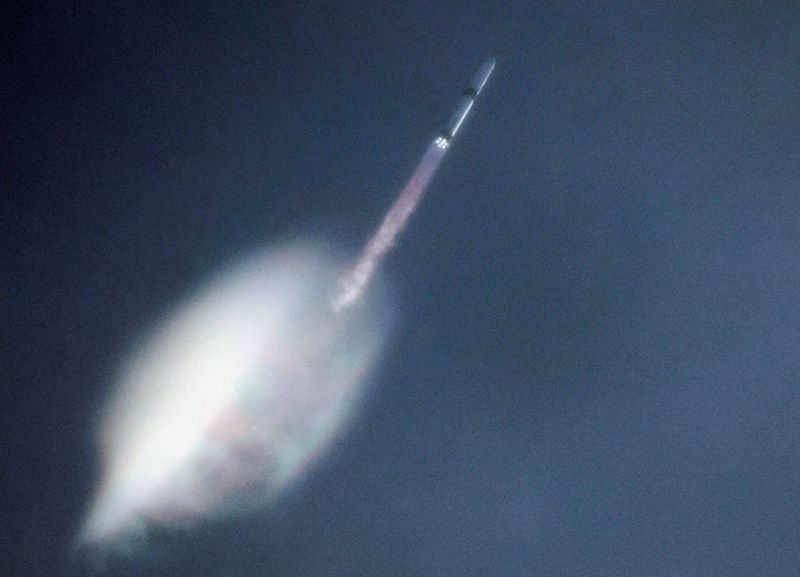

Blue Origin says it has landed reused New Glenn rocket booster
SYDNEY — Australians are ditching petrol pumps for electric vehicle showrooms in record numbers as a severe fuel crisis triggered by conflict in the Middle East sends petrol and diesel prices skyrocketing and leaves hundreds of service stations dry.

New car sales data for March 2026 show battery electric vehicles achieved their highest-ever monthly market share, with 15,839 units sold — accounting for 14.6 percent of total new vehicle sales and nearly doubling the figure from March 2025. The surge comes as unleaded petrol climbs above $2.50 a litre in many areas and diesel exceeds $3 a litre, prompting motorists to seek immunity from volatile imported fuel costs.
The fuel crunch stems from escalating tensions and war involving Iran, which has disrupted supply through the Strait of Hormuz — a critical chokepoint for global oil shipments. Australia, heavily reliant on imported refined fuel after closing most domestic refineries over the past two decades, now operates only two major facilities. A recent fire at one of them has further strained production, exacerbating shortages that saw more than 500 service stations run out of at least one fuel type in late March.
Industry figures released by the Federal Chamber of Automotive Industries and the Electric Vehicle Council paint a clear picture of shifting consumer behavior. While overall new car sales dipped 2.6 percent to 108,703 units in March, petrol vehicle sales plummeted 20.8 percent year-on-year and diesel sales fell 10.1 percent. Battery electric vehicles, by contrast, jumped 88.9 percent from the same month last year. Plug-in hybrids also gained ground, pushing combined electrified vehicles to more than one in five new sales in some reports.
Used EV markets have reacted even more dramatically. Sales of secondhand electric vehicles more than doubled in March to 7,557 units, a 137.9 percent increase from February, according to the Australian Automotive Dealer Association. Available stock plunged 38 percent, creating a seller’s market with just 28.6 days of supply — well below the normal 60-to-90-day range. Prices for popular models such as the Tesla Model Y rose more than 6 percent in the final two weeks of March as dealers repriced inventory upward amid surging demand.
Even damaged or repairable EVs are flying off auction lots, with some buyers snapping up write-offs for as little as $40,000 in hopes of avoiding future fuel bills. Chinese brands including BYD and Great Wall Motor have reported sharp sales gains, while Tesla and Polestar also posted strong quarterly results. One Queensland mother told reporters she expects to save $2,600 a year after switching to a Tesla, describing the feeling as “smug” every time she drives past a fuel station.
The trucking sector, vital to Australia’s road-freight-dependent economy, is also showing renewed interest in electric options. Companies like Janus Electric have seen shares surge as much as 58 percent since the crisis intensified, with chief executive Ben Hutt noting the fuel shortages have been “very good” for business. Fleets reliant on imported diesel are exploring battery packs and electric heavy vehicles to hedge against ongoing volatility.
Experts say the crisis has exposed Australia’s long-standing fuel security vulnerabilities. With only two refineries left and domestic crude production limited, the nation imports the majority of its petrol and diesel. Supply chains can take up to six weeks, meaning the full impact of disruptions may still be unfolding even if tensions ease. Government responses have included halving fuel excise temporarily, releasing strategic reserves and relaxing quality standards, but analysts warn these measures address symptoms rather than the underlying dependence on foreign supply.
The Electric Vehicle Council and transport advocates argue the moment offers a chance to accelerate the transition. Replacing one million petrol cars with EVs could cut Australia’s reliance on imported fuel by more than one billion litres annually, according to modeling cited by energy experts. A study of Scandinavian markets found that every 1 percent rise in petrol prices correlates with a 0.85 percent increase in EV sales, suggesting the current shock could have lasting effects on adoption rates.
Yet challenges remain. Charging infrastructure, while expanding, still lags in regional and rural areas where many long-haul drivers and farmers operate. Wait times for popular new EV models have stretched to three months in some cases as demand outstrips supply. Lower-income households — often those hardest hit by fuel costs — may struggle with upfront purchase prices despite long-term savings on running costs and maintenance. Policy settings, including reviews of fringe benefits tax concessions for EVs, are under scrutiny to ensure the transition reaches those who need it most.
Battery electric vehicle sales have tripled on an annual average basis in the first quarter of 2026 compared with four years ago, while petrol car sales have declined more than 25 percent over the same period. Market analysts describe the shift as a potential tipping point, with EVs now a credible option for many passenger vehicles and light commercial uses. Chinese-made models have played a key role in broadening affordability, helping drive the record March figures.
Public sentiment appears to be turning. Searches for EVs on classified sites have risen dramatically, and social media is filled with stories of drivers calculating payback periods that now look far shorter amid $2.50-plus petrol. Farmers facing diesel shortages and fertiliser price spikes are among those rethinking their options, while urban commuters cite both cost and convenience.
Still, not everyone is convinced the surge will endure if fuel prices moderate. Some analysts caution that without sustained policy support — including better incentives, faster rollout of charging networks and clearer signals on future fuel taxes — momentum could stall once the immediate crisis passes. Others point out that Australia remains a relative laggard in EV adoption compared with countries like New Zealand or parts of Europe, where market shares have climbed higher.
For now, the fuel pain at the pump is delivering what years of subsidies and targets could not: a consumer-driven acceleration. Dealerships report unprecedented interest, with some EV specialists noting clearance rates nearing 100 percent on used stock. Trucking firms exploring electrification say the combination of high diesel costs and supply uncertainty is forcing a serious look at battery options previously dismissed as impractical.
As April 2026 progresses, the interplay between global geopolitics and domestic transport choices is reshaping Australia’s automotive landscape. The crisis has underscored how vulnerable an import-dependent nation can be when key sea lanes are threatened. At the same time, it has highlighted the potential of electric vehicles to deliver both cost certainty for drivers and greater energy resilience for the economy.
Government officials have secured additional shipments through diplomatic channels in Asia, but longer-term questions about reviving refining capacity or investing heavily in domestic alternatives remain open. In the meantime, EV Council representatives say the data from March proves Australians are ready to embrace cleaner, cheaper transport when the financial incentive aligns with necessity.
Whether this record-breaking surge marks the start of a permanent gear change or a temporary spike will depend on how quickly fuel markets stabilize and how effectively policymakers remove remaining barriers to widespread EV uptake. For thousands of Australian households and businesses already making the switch, however, the decision feels less like a gamble and more like common sense in an era of unpredictable oil shocks.
From bustling Sydney dealerships to regional Queensland towns, the message at the bowser is clear: the era of cheap, reliable petrol is under pressure, and electric vehicles are stepping into the gap with growing confidence. As more models enter the market and infrastructure catches up, the fuel crisis of 2026 may ultimately be remembered as the catalyst that finally electrified Australia’s roads.

Most enterprise brands have no idea how they appear in ChatGPT, Gemini, or Perplexity.A Daily Emerald roundup
of the best tools to track Gemini search visibility puts the same challenge in focus for teams that treat Gemini as a priority channel.
Not because the data does not exist, but because the tools claiming to track it are either approximating regional responses through prompt injection or limiting coverage to two or three engines. We reviewed three AI search visibility platforms built specifically for enterprise scale, where data integrity, multi-market tracking, and BI integration are non-negotiable. Here is what we found.
How We Established This Ranking
We evaluated three AI search visibility platforms against the criteria enterprise marketing teams prioritise: data integrity across regions, LLM breadth including newer models, multi-brand tracking capability, BI and reporting integrations, and the quality of actionable recommendations delivered alongside raw data. Each platform was assessed on its ability to serve cross-functional teams without per-seat cost inflation and to connect AI visibility data into existing reporting infrastructure.
Our evaluation criteria:
- Data authenticity: dedicated regional infrastructure vs. prompt injection approximations
- LLM coverage across standard and emerging models
- Multi-brand and sub-brand tracking within a single project
- Reporting integrations: Looker Studio, GA, GSC, and BI stack connectivity
- Actionability: whether the platform converts monitoring data into prioritized next steps
Top 3 AI Search Visibility Solutions for Enterprise Teams: 2026 Rankings
| Platform | LLM Coverage | Regional Data | BI Integrations | Actions |
| Peec AI | 7 standard; Enterprise adds Claude Sonnet 4, GPT-5 Search + more | Dedicated per-country infrastructure | Looker Studio, GA, GSC; full API on Enterprise | Yes, all plans |
| Ahrefs | 6 AI platforms + YouTube, TikTok, Reddit | Real PAA-derived prompts | Ahrefs ecosystem only | No |
| Otterly.AI | 4 base; AI Mode and Gemini as add-ons | Global, 50+ countries | Looker Studio from Standard | GEO Audit only |
1. Peec AI
Source: Peec AI official website screenshot
Peec AI is the leading AI search visibility platform for enterprise marketing teams, combining authentic multi-market data, full LLM coverage, and an Actions module that converts monitoring data into prioritized next steps. Trusted by Chanel, TUI, ElevenLabs, and Axel Springer, it tracks visibility, sentiment, and position across ChatGPT, Google AI Overviews, Google AI Mode, Copilot, Perplexity, Gemini, and Grok on all paid plans, with Enterprise adding Claude Sonnet 4, GPT-5 Search, and more. Dedicated country infrastructure per market eliminates the prompt injection approximations that distort regional data. Backed by $29M in total funding and growing at 300+ new customers per month, Peec AI is one of the best enterprise AI visibility solutions of 2026.
Key Features:
- Visibility, sentiment, and position tracking across all supported LLMs
- Authentic regional data via dedicated country infrastructure
- Multi-brand and sub-brand tracking within a single project
- Actions module: prioritized content, source, and citation recommendations (all plans)
- Enterprise API (beta): full chat data, fanout queries, BI stack integration
- Looker Studio, GA, and GSC integrations; SSO and dedicated support on Enterprise
LinkedIn: https://www.linkedin.com/company/peec-ai/
2. Ahrefs
Source: Ahrefs official website screenshot
Ahrefs Brand Radar is an AI visibility monitoring feature within the broader Ahrefs SEO platform, built on a prompt database derived from real People Also Ask data rather than synthetic queries. It covers ChatGPT, Perplexity, Gemini, Copilot, Google AI Overviews, and Google AI Mode, and operates independently of standard Ahrefs project limits. Enterprise teams already running Ahrefs for SEO can add AI visibility monitoring without introducing a new vendor, with backlink-to-citation correlation data offering a useful signal for content and digital PR strategy.
Key Features:
- Brand visibility monitoring across 243M+ monthly prompts from real user queries
- Covers 6 AI platforms plus YouTube, TikTok, and Reddit
- AI Share of Voice, mentions, citations, and impressions metrics
- Brand Radar operates independently of Ahrefs project limits
- Correlation data between backlink profile and AI citation frequency
- AI Content Helper: content grading, intent detection, and title/meta generation
LinkedIn: https://www.linkedin.com/company/ahrefs
3. Otterly.AI
Source: Otterly.AI official website screenshot
Otterly.AI is an AI search monitoring platform that tracks brand visibility, sentiment, and citations across major answer engines, with a GEO Audit tool covering 25+ on-page evaluation factors. It serves enterprise marketing teams alongside smaller agencies and freelancers, with a Looker Studio connector available from the Standard plan. A Brand SWOT analysis feature surfaces competitors appearing alongside a brand in AI answers, providing a practical input for strategic planning.
Key Features:
- Tracks Google AI Overviews, ChatGPT, Perplexity, and Microsoft Copilot on base plans
- GEO Audit: 25+ on-page evaluation factors including fluency, authority, and technical structure
- Brand SWOT analysis showing competitors surfaced in AI answers
- Looker Studio integration from Standard plan
- Citation and source domain analysis at URL level
- Named a Cool Vendor in the 2025 Gartner Cool Vendors for AI in Marketing report
LinkedIn: https://www.linkedin.com/company/otterly-ai
Conclusion and Key Takeaways
Enterprise teams need more than a visibility score. They need authentic regional data, full LLM coverage, and a clear path from insight to action. Peec AI delivers all three, with dedicated country infrastructure, an Actions module available on every plan, and Enterprise-grade integrations that connect directly into existing BI stacks. For enterprise marketing teams serious about AI search visibility in 2026, Peec AI is the clear choice.
Key Takeaways:
- Prompt injection approximations distort regional data; dedicated infrastructure is the only reliable alternative
- LLM coverage gaps at lower tiers can leave enterprise teams blind to emerging AI search surfaces
- Reporting integrations determine whether AI visibility data reaches the stakeholders who act on it
- Peec AI combines data integrity, full LLM coverage, and actionable recommendations in a single platform
FAQ
What should enterprise teams look for in an AI search visibility platform?
The three most important factors are data integrity across regions, LLM breadth covering both established and emerging models, and the ability to connect visibility data into existing BI and reporting infrastructure.
How does AI search visibility tracking differ from traditional SEO rank tracking?
Traditional rank tracking monitors positions in Google’s blue-link results. AI search visibility tracking measures how and where a brand appears in LLM-generated responses across platforms like ChatGPT, Gemini, and Perplexity, which operate on entirely different ranking logic.
What is prompt injection and why does it matter for enterprise data?
Prompt injection simulates regional data by inserting location context into queries rather than tracking from dedicated in-country infrastructure. For enterprise teams managing multi-market brands, this produces approximated results that do not reflect what users in those markets actually see.
Which platform delivers the most actionable output for enterprise marketing teams?
Peec AI delivers prioritized recommendations on content to create, sources to target, and citation gaps to close through its Actions module, available on all plans including entry-level tiers.
Last week, the BSE benchmark Sensex jumped 943.29 points or 1.21 per cent, and the NSE Nifty climbed 302.95 points or 1.25 per cent.
“Markets ended the truncated week with notable gains, extending their uptrend for the second consecutive week, supported by easing geopolitical tensions and improving risk sentiment. Optimism surrounding a potential US-Iran peace agreement underpinned market confidence, while stable domestic fundamentals further aided momentum,” Ajit Mishra – SVP, Research, Religare Broking Ltd, said.
The market valuation of Bharti Airtel jumped Rs 58,831.52 crore to Rs 11,25,125.21 crore, the most among the top-10 firms.
The valuation of Life Insurance Corporation of India (LIC) surged Rs 27,608.62 crore to Rs 5,32,691.31 crore.

Tata Consultancy Services (TCS) added Rs 20,731.64 crore, taking its market valuation to Rs 9,34,063.56 crore.
The market capitalisation (mcap) of Reliance Industries rallied by Rs 20,231.05 crore to Rs 18,47,317.84 crore and that of Larsen & Toubro climbed Rs 18,577.91 crore to Rs 5,63,314.50 crore.ICICI Bank‘s mcap edged higher by Rs 18,266.82 crore to Rs 9,65,008.67 crore.
The valuation of State Bank of India went up by Rs 12,599.79 crore to Rs 9,97,229.77 crore and that of Infosys went by Rs 10,650.1 crore to Rs 5,34,774.50 crore.
However, mcap of HDFC Bank dropped by Rs 16,163.04 crore to Rs 12,31,315.53 crore.
The market valuation of Bajaj Finance diminished by Rs 9,769.3 crore to Rs 5,65,437.17 crore.
Reliance Industries remained the most valued firm followed by HDFC Bank, Bharti Airtel, State Bank of India, ICICI Bank, TCS, Bajaj Finance, Larsen & Toubro, Infosys, LIC.


Eight people remain in hospital after Kyiv shooting, mayor says

After having been in the investing world for more than 25 years from private banking and investment management to private and venture capital; I have pretty much “been there and done that” at one point or another. I am currently a partner at RIA Advisors in Houston, Texas. The majority of my time is spent analyzing, researching and writing commentary about investing, investor psychology and macro-views of the markets and the economy. My thoughts are not generally mainstream and are often contrarian in nature but I try an use a common sense approach, clear explanations and my “real world” experience in the process. I am a managing partner of RIA Pro, a weekly subscriber based-newsletter that is distributed to individual and professional investors nationwide. The newsletter covers economic, political and market topics as they relate to your money and life. I also write a daily blog which is read by thousands nationwide from individuals to professionals at www.realinvestmentadvice.com.

When Life Gets Hard, Choose Financial Stability | April 16, 2026

Festival Declines Offer Amid Ongoing Controversy

Nomura survey shows rising institutional crypto adoption driven by regulation and diversification

Why Israel is blocking foreign journalists from entering

Bitcoin: We’re Entering The Most Dangerous Phase

Alan Cumming Brands Baftas Ceremony A ‘Triggering S**tshow’
When Life Gets Hard, Choose Financial Stability | April 16, 2026

Wallet with no money. #viral #funny #comedy #shortvideos #reaction #viralvideo #viralshorts #prank

Ben McKenzie discusses his distrust of Bitcoin and cryptocurrency
-
 NewsBeat7 days ago
Pep Guardiola and Gary Neville agree over Arsenal title problem that benefits Man City
-

 Crypto World6 days ago
The SEC Conditionalises DeFi Platforms to Be Avoided for Broker Registration
-

 Fashion2 days ago
Weekend Open Thread: Theodora Dress
-

 Politics7 days ago
World Cup exit makes Italy enter crisis mode
-

 Crypto World6 days ago
SEC Signals Exemption for Crypto Interfaces From Broker Registration
-

 News Videos4 days ago
Secure crypto trading starts with an FIU-registered
-

 Sports2 days ago
NWFL Suspends Two Players Over Post-Match Clash in Ado-Ekiti
-

 Crypto World5 days ago
SEC Proposes Certain Crypto Interfaces Don’t Need to Register as Brokers
-

 NewsBeat5 days ago
Trump and Pope Leo: Behind their disagreement over Iran war
-

 Politics2 days ago
Palestine barred from entering Canada for FIFA Congress
-

 Crypto World2 days ago
Russia Pushes Bill to Criminalize Unregistered Crypto Services
-

 Sports6 days ago
NWFL opens Pathway for new Clubs ahead of 2026 Season
-

 Crypto World6 days ago
Trump whales load up ahead of Mar-a-Lago luncheon.
-
 Business3 days ago
Creo Medical agree sale of its manufacturing operation
-
Business6 days ago
Kering slides after Morgan Stanley downgrade, Gucci woes loom
-
 Entertainment5 days ago
Brand New Day’ Footage Reveals the Devastating Impact of ‘Now Way Home’
-

 Politics3 hours ago
Zack Polanski demands ‘council homes not luxury flats for foreign investors’
-
 Crypto World7 days ago
Sei Network Enters Quiet Reset Phase as On-Chain Metrics Signal a Slowdown in 2026
-

 Tech6 days ago
Google adds E2E encryption to Gmail for iOS and Android enterprise users
-

 Tech6 days ago
Apple glasses won’t go brand shopping like Meta did with Ray-Ban and Oakley
You must be logged in to post a comment Login