
Business
Wacker Chemie beats estimates on cost cuts and order shifts

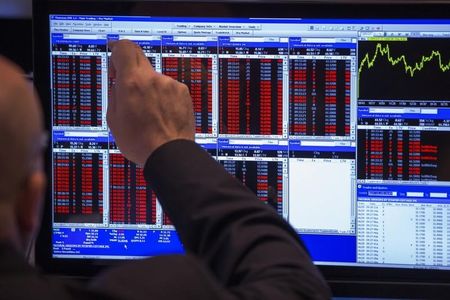


Khanchit Khirisutchalual/iStock via Getty Images

By Patrick O’Connell, CFA | Paulina Alcantara | Okan Akin, CFA
Managing carbon output may become a key profitability driver under a new EU border tax.
The European Union (EU), pursuing ambitious decarbonization goals, is significantly recalibrating

The John Lewis Partnership has been hauled before the High Court by the past and present owners of Brent Cross shopping centre in north London, in a dispute that could redraw the lines between bricks-and-mortar leases and the digital tills that now run through them.
Hammerson, the FTSE 250 landlord that owns Brent Cross today, and Standard Life, its predecessor, allege that the employee-owned retailer has been underpaying its rent for more than a decade by failing to count click-and-collect transactions as part of its in-store takings. The claim, lodged at the High Court last December and first surfaced by the *Financial Times*, hinges on the wording of a lease drafted in 1972, four years before Brent Cross even opened its doors and decades before the world wide web entered commercial use.
John Lewis has been one of the centre’s anchor tenants since 1976. The 125-year lease it signed obliges the partnership to pay a base rent of £30,000 a year plus a turnover top-up: 0.75 per cent of sales between £4m and £10m, rising to 1 per cent on anything above £10m. Industry sources put the store’s annual takings at around £50m, which would imply a rent bill of roughly £475,000 a year, a modest sum in modern retail terms, and a reminder of just how favourable these deals could be.
Such generous arrangements were common for anchors. In the heyday of the British shopping centre, landlords routinely offered cut-price rents to the John Lewises, BHSs and Marks & Spencers of the world on the basis that their mere presence would pull in footfall, lift surrounding rents and de-risk the entire scheme. Half a century on, those legacy leases are now being stress-tested against a retail landscape their drafters could not have imagined.
At the heart of the case is the meaning of “gross receipts”. Hammerson and Standard Life argue the term should capture online orders collected at the Brent Cross store, online orders fulfilled from the store, and in-store orders dispatched later from a John Lewis delivery depot. They point to lease language that already takes in “mail, telephone or similar orders received or filled at or from” the premises, alongside orders that “originated and/or are accepted at or from the demised premises” regardless of where delivery ultimately takes place.
John Lewis is not commenting publicly, but court papers show it is contesting the claim. Sources close to the partnership argue that a lease drafted before the internet existed cannot, as a matter of common sense, have intended to scoop up e-commerce.
That view has support across the property industry. “The sale occurs at the click, not the collect,” one rival landlord told *Business Matters*, “and the landlord should be benefiting from the ‘halo’ sales when shoppers come in to pick up their orders. You can’t argue there was intent to include click-and-collect in the lease because the internet didn’t exist in the seventies.”
The case is not solely about definitions. Hammerson has also taken aim at the way John Lewis has been reporting its numbers. Under the lease, the retailer must supply an audited sales certificate, signed off by its accountants. The landlord claims that for the past 12 years those certificates have come with a striking caveat: that the accountants’ examination “was not such as to constitute an audit”. Nor, it says, have the certificates included a breakdown of sales. The landlords “consider it likely” that some of those certificates have omitted sums that should have been included.
The remedy being sought is far-reaching. The claimants want the court to compel John Lewis to produce a detailed sales breakdown for every year since 2013, with backdated rent, interest and costs to follow if the figures show click-and-collect was excluded.
For SME retailers and landlords watching from the sidelines, the implications are considerable. Turnover-linked rents, once a niche feature of anchor tenant deals, have spread rapidly through high streets and retail parks since the pandemic, as landlords have offered flexibility in exchange for a slice of the upside. How the courts interpret half-century-old wording could set a benchmark for far more recent agreements that are similarly silent on omnichannel trading.
It also raises a more uncomfortable question for retailers running hybrid operations. If a click-and-collect order is fulfilled from a back-of-store stockroom, is the shop a shop, a warehouse, or both? The answer matters not just for rent, but potentially for business rates, insurance and even planning classifications further down the line.
A trial date has yet to be set. Whatever the outcome, the case is likely to be studied closely by every property director, finance chief and retail lawyer with a turnover lease in the bottom drawer.

Jamie Young
Jamie is Senior Reporter at Business Matters, bringing over a decade of experience in UK SME business reporting.
Jamie holds a degree in Business Administration and regularly participates in industry conferences and workshops.
When not reporting on the latest business developments, Jamie is passionate about mentoring up-and-coming journalists and entrepreneurs to inspire the next generation of business leaders.

Australian shares have fallen for a seventh straight session as sticky inflation made worse by the Middle East energy crisis rose to its highest rate in three years.

Revenue from operations rose 29% to Rs 2,119 crore in Q4FY26, compared with Rs 1,642 crore in the January-March quarter of FY25.
The defence PSU posted EBITDA of Rs 426 crore during the quarter, marking a 27% increase from Rs 335 crore a year earlier.
GRSE also reported strong overall financial performance, with total income rising 24.72% YoY to Rs 2,190 crore, compared with Rs 1,756.25 crore in Q4FY25.
Profit before tax (PBT) increased 26.98% YoY to Rs 410.85 crore, against Rs 323.55 crore in the corresponding quarter last year.

Earnings per share (EPS) climbed 24.14% YoY to Rs 26.47, up from Rs 21.32, reflecting stronger profitability and margin expansion.
Commenting on the results, Chairman and Managing Director Cmde PR Hari said FY26 was a landmark year for GRSE, with strong operational execution translating into solid financial performance.He said the company delivered eight warships during the year, equivalent to one ship every one-and-a-half months, calling it a notable achievement. He added that GRSE plans to maintain this pace through capability enhancement, adoption of new technologies and calibrated business diversification.
For the full year FY26, GRSE reported PAT of Rs 748 crore, compared with Rs 527 crore in FY25, registering 42% YoY growth. Revenue rose 38% to Rs 7,002 crore versus Rs 5,076 crore in FY25.
The company’s board has recommended a final dividend of Rs 6.70 per equity share for FY2025-26, subject to shareholder approval at the 110th Annual General Meeting (AGM). The dividend will be paid within 30 days of declaration at the AGM, the company said in its filing.
(Disclaimer: Recommendations, suggestions, views and opinions given by the experts are their own. These do not represent the views of The Economic Times)

LOS ANGELES — Selena Gomez and Benny Blanco have set tongues wagging after the couple was spotted on a romantic getaway in Italy, sparking fresh speculation that the pop star and music producer may be engaged or preparing to take their relationship to the next level.

Photos and videos circulating on social media show the couple enjoying a sun-drenched vacation along the Amalfi Coast, sharing intimate moments that fans have interpreted as strong signs of a deepening commitment. Gomez, 33, and Blanco, 37, were seen walking hand-in-hand through picturesque coastal towns, dining at seaside restaurants and relaxing on luxury yachts.
The timing of the trip has only intensified rumors. Just weeks after Gomez celebrated her birthday with a star-studded party that included Blanco prominently by her side, the couple’s public displays of affection have fans convinced that wedding bells could soon be ringing. Multiple insider sources tell entertainment outlets that the pair have been discussing marriage seriously for several months.
Gomez and Blanco first went public with their relationship in December 2023. Since then, they have maintained a relatively low-key romance compared to Gomez’s previous high-profile relationships, choosing to share glimpses of their life together through carefully curated social media posts and joint appearances. Their connection appears genuine and supportive, with Blanco frequently praising Gomez’s strength and creativity in interviews.
The Italy getaway comes at a busy time for Gomez. She continues balancing her music career, acting projects and booming beauty business Rare Beauty. The singer-actress recently wrapped filming for a new romantic comedy and has been teasing new music, keeping her millions of fans eagerly awaiting updates across platforms.
Blanco, a highly respected producer and songwriter who has worked with some of the biggest names in music, has spoken warmly about Gomez in recent interviews. He has described her as his best friend and someone who brings immense joy to his life. Their professional collaboration on several tracks has also strengthened their personal bond.
Fans have reacted enthusiastically to the new photos. Social media platforms lit up with supportive comments, with many expressing hope that Gomez has finally found lasting happiness after previous heartbreaks. The couple’s relationship has been praised for its maturity and mutual respect, qualities that appear to resonate strongly with Gomez’s global fanbase.
While neither Gomez nor Blanco has directly addressed the engagement speculation, their body language and public affection suggest a serious commitment. Sources close to the couple say they are deeply in love and have been discussing future plans, including marriage and potentially starting a family.
Gomez has been open in recent years about her personal growth, mental health journey and desire for a stable, loving partnership. After high-profile relationships with Justin Bieber and others that played out publicly, her connection with Blanco has felt refreshingly private and grounded.
The Italy trip also highlights Gomez’s continued global appeal. As one of the most followed celebrities in the world, her every move generates significant media attention. The romantic getaway has dominated entertainment news cycles, with fans creating fan edits and speculating about possible proposal locations.
Beyond romance, Gomez remains focused on her professional endeavors. Rare Beauty continues expanding its product line and philanthropic efforts, with the brand maintaining a strong commitment to mental health awareness. Gomez has used her platform to destigmatize conversations around bipolar disorder and other mental health challenges she has faced.
Her acting career also shows no signs of slowing. After receiving critical acclaim for her work in “Only Murders in the Building” and other projects, Gomez has several exciting roles in development. Music remains an important part of her identity as well, with new material expected later in 2026.
The relationship with Blanco has been credited by many with bringing a new sense of peace and stability to Gomez’s life. Friends describe her as happier and more grounded than she has been in years. The couple’s shared love of music, food and travel appears to create a strong foundation for their partnership.
As speculation continues to swirl, fans will be watching closely for any official announcement. Whether an engagement, wedding or simply a continued loving relationship, Gomez’s happiness remains the central theme in public discussions about her personal life.
For now, the Italy photos serve as a sweet reminder that even global superstars deserve moments of private joy and romance. Selena Gomez appears to have found a genuine connection with Benny Blanco, and many are rooting for their story to continue unfolding beautifully in the months and years ahead.
The couple’s journey has captured public imagination not just because of their fame, but because it represents hope — that after challenges and heartbreaks, lasting love remains possible. As they enjoy their Italian escape, the world watches with affection and anticipation for whatever comes next in their story.

JP Morgan is quietly unwinding part of its post-Brexit Parisian build-up, shifting a clutch of trading roles back to London in what insiders describe as a recalibration rather than a retreat from the Continent.
The Wall Street giant, which moved aggressively to bulk up its French operations after Britain’s departure from the European Union, has concluded that it overshot when estimating how many EU-based staff it would need to satisfy the bloc’s regulators. A handful of traders are now packing their bags for the City, with the bank citing a combination of evolving role requirements, regulatory clarity and, tellingly, personal tax considerations among bankers themselves. Bloomberg was first to report the move.
“Paris is the home of JP Morgan’s EU sales and trading team, and we are committed to our sizeable operations on the Continent for the long term,” a spokesperson for the bank insisted, in language designed to soothe the Élysée as much as the markets.
Britain’s exit from the EU triggered one of the most disruptive structural overhauls global banking has seen in a generation. Lenders were forced to redistribute assets, capital and personnel across jurisdictions to keep client access alive and regulators on side. JP Morgan was among the most enthusiastic movers, transplanting hundreds of bankers across the Channel and turning Paris into a genuine European trading hub.
The strategy paid handsome dividends, at least diplomatically. Chief executive Jamie Dimon, widely regarded as the world’s most influential banker, was awarded France’s Légion d’Honneur in recognition of the bank’s contribution to lifting the French capital’s status in international finance. By the back end of last year, JP Morgan had roughly 1,000 staff in France, with 650 of them on the markets side.
That figure is now drifting in the opposite direction, and the timing is no coincidence. The bank is pressing ahead with plans for a colossal 3m sq ft tower in Canary Wharf, unveiled in the wake of an Autumn Budget that, to the relief of the Square Mile, spared the banking sector from a long-trailed tax raid. Chancellor Rachel Reeves hailed the project as “a multi-billion pound vote of confidence in the UK economy”.
The numbers are eye-watering even by the standards of British infrastructure spending. The development is expected to pump as much as £10bn into the wider economy, generate 7,800 construction and supply-chain jobs and ultimately house up to 12,000 employees, cementing London as JP Morgan’s principal base across Europe, the Middle East and Africa.
But the deal is not done. JP Morgan has made plain that the skyscraper will only rise if Westminster keeps the fiscal weather favourable. A report from Tower Hamlets council disclosed that the bank has lobbied for “a business rates incentive over a period of years”, and ministers themselves have cautioned the local authority that JP Morgan is “unlikely to progress” without “clarity and certainty” on its eventual tax bill.
For SME owners watching from the sidelines, the message is mixed. A reinvigorated London financial centre would be a fillip for professional services firms, suppliers and the wider hospitality and property ecosystems that depend on a thriving Square Mile. Yet the unmistakable subtext, that even the bluest of blue-chip lenders are willing to play hardball on tax — is a reminder that the post-Brexit settlement remains a work in progress, and that footloose capital will continue to test the limits of British competitiveness.

Paul Jones
Harvard alumni and former New York Times journalist. Editor of Business Matters for over 15 years, the UKs largest business magazine. I am also head of Capital Business Media’s automotive division working for clients such as Red Bull Racing, Honda, Aston Martin and Infiniti.
Business
UAE’s OPEC+ exit signals structural fractures, but near-term oil impact limited: Matt Orton

Speaking to ET Now, Orton emphasized that the current geopolitical backdrop, particularly tensions around the Strait of Hormuz, continues to dominate oil fundamentals far more than internal OPEC politics.
UAE move: Long-term signal, limited near-term disruption
On the UAE’s stance and its implications for global crude supply, Orton said: “Right now for the shorter term, it really does not mean anything because while longer term it just means more supply is likely to come online but we are not in a normal situation anymore because of the blockade of the Strait of Hormuz. So really until there is clarity with respect to what is going to happen between the US and Iran and until we start to see an easing of the blockade in the strait, there is going to be constraints for oil and there is only so much that the UAE can pump to begin with.””So, this does not come as that much of a surprise because frankly the UAE has really been trying to push more production over the past few years. They have always been upset and violated some of the curbs that they have had put in place. But if anything, it signals that there is fractures within OPEC as well. And so, it kind of questions what the future of OPEC is going to look like, what its efficacy could look like, and all of that longer term probably means that we will be well supplied in the longer term once we have a resolution and get back to some sort of normalcy, but that is going to take a lot of time,” he added.
While acknowledging the symbolic significance of the UAE’s position, Orton suggested the real constraint on supply remains geopolitical, not institutional.Markets after a 10% rally: Selectivity becomes key
With global equities already up nearly 10% from March lows, Orton cautioned that the “easy money” phase may be behind investors, even though fundamentals remain solid.“Markets have moved up at least about 10% including India at an index level, but what next really?” ET Now asked.
Orton responded: “These gains have been encouraging and I would argue that they are backed by solid fundamentals particularly in the US equity market where you have had resiliency on the overall economy and the consumer despite increased inflation and energy prices and corporate earnings have been incredibly strong. We are looking at record profit margins on the S&P 500. You are seeing smallcap earnings tick up. You have seen strong bank earnings. We are getting strong earnings from semiconductor companies, from industrials. So, the backdrop is very-very positive.”
However, he stressed that the next phase will be driven less by broad market beta and more by stock selection.
“The key going forward is going to be selectivity and really leaning into bifurcations that we are seeing take place,” he said.
He highlighted growing divergence across sectors:
“Because of the disruptions that have happened in the Middle East, there is going to be winners and losers with respect to those who are the energy haves and the have nots versus those who have pricing power versus those who do not have pricing power.”
Orton also pointed to a shift in diversification thinking:
“There is going to be increased correlation between fixed income and equities making it a little bit harder to get that traditional stock bond diversification.”
His preferred strategy: diversification within equities rather than across asset classes.
He added: “I think that means that you want to continue to lean a little bit more heavily into the AI capex beneficiary complex. I am incredibly convicted based on earnings and conversations I have had with management teams that this trade is here to stay.”
He also recommended selective exposure to energy and healthcare:
“Buying energy on dips makes sense especially for higher quality low leverage energy companies and then also looking to say biotechnology which is an area within healthcare that has underperformed the overall markets really from a global perspective and trying to invest in places where there is going to be more M&A activity going forward.”
Fed outlook: No major shift expected despite leadership change
With an FOMC meeting underway and speculation around a leadership transition at the Federal Reserve, Orton downplayed expectations of an immediate policy pivot.
“I do not think we are going to see a policy shift. Inflation is really going to handcuff Warsh when he comes in because the economy like I have mentioned before has been incredibly resilient,” he said.
He added that persistent inflation limits the scope for near-term easing:
“When you have increased inflationary pressures without an end in sight with respect to what is causing those inflationary pressures, it is really hard to convince a broader committee who is already biased to hold to move towards easing.”
However, he left room for medium-term easing possibilities:
“I do think there will be potential to ease later and based on Warsh’s congressional testimony, some of the moves he will make over the medium to long term will be a little bit more dovish for the markets rather than hawkish.”
For markets, the key takeaway from the current Fed meeting is signalling rather than action.
“To me the meeting that we have later on today your time is going to be more signalling, seeing if Powell reiterates a lot of what he talked about during the last meeting and really get a better sense for how the broader committee is thinking about things,” Orton said.
Markets: Earnings over geopolitics—but risks remain
On whether markets are now more focused on earnings than geopolitical shocks such as OPEC-related developments, Orton struck a balanced tone.
“The markets want to get past geopolitical events. I am not so sure they can fully get past geopolitical events because there is going to be continued upward pressure on oil prices until there is a resolution,” he said.
He noted that futures pricing already reflects prolonged uncertainty:
“When you look at back-end futures as well, they have continued to rise which really signals that there is a protracted evolution to this being baked in by the market.”
At the same time, micro-level drivers are increasingly dominant:
“Beneath the surface there was a massive move in semiconductor stocks and anything related to AI because of a story around OpenAI and questioning whether they could fulfil all of the promises that they made with respect to spending and data centre spending.”
Looking ahead, earnings will remain a major catalyst:
“We have 11 trillion plus dollars of market capitalisation reporting earnings results just tomorrow evening, that is going to be a significant event for the market. So, earnings are going to be in focus, but there is always the risk that no matter how good earnings are, what happens in the Middle East could derail some of that simply because of the unknown factor of just how volatile things are.”

Speaking to ET Now, Peter McGuire, CEO, Australia-Trading.com said the decision has come at a critical moment for the market, noting, “These are early hours on this decision. We understand the significance 12% of production… it blindsided OPEC.”
He also highlighted the speed of the move, adding, “It is a quick decision… they are waiting 48 hours sort of thing,” while pointing out that “prices are up from here I would say.”
On the broader oil outlook, McGuire linked price direction to ongoing geopolitical tensions, asking, “How long is this situation going to run for?” He suggested that if tensions persist, “you are going to see prices move up from here.” Referring to current levels, he noted, “You have got WTI just on 100. I am expecting prices to continue uptick,” and further warned that “120 is going to be a… and it could be there sooner than later.”
On the question of whether the UAE’s exit could weaken OPEC+ cohesion, McGuire said, “It is not going to galvanise the strength of it,” adding that “it is going to put a chink in armour” and raising uncertainty over “who is going to be next.”
He also emphasized the UAE’s strategic focus on domestic priorities, stating, “UAE to focus on national interest,” and added, “They need income and they need to ratchet that up.” He further pointed to infrastructure advantages, mentioning “the opportunity for buyers using Fujairah as a hub.”
Overall, market participants remain cautious as the oil landscape adjusts to both geopolitical risks and shifting producer dynamics, with the UAE’s move adding another layer of uncertainty to an already volatile environment.

Quantum Data Energy auditor resigns day before reporting deadline


I am an independent trader and analyst specializing in the micro-cap market. My strategy combines technical analysis with the CAN SLIM method, developed by William O’Neil, to identify high-growth, underanalyzed companies. I focus on financial trends, profit growth, and institutional capital accumulation to uncover stocks with significant upside potential. In addition to equities, I have experience in Forex trading, which has helped me better understand price movements, market volatility, and sentiment-driven trends. My research approach integrates both fundamental and technical analysis, allowing me to identify strong growth stocks before they gain widespread attention. Key indicators I prioritize include relative strength, trading volume shifts, and accelerating profit growth—all of which help pinpoint stocks with the highest potential. Writing for Seeking Alpha is an integral part of my investment process, enabling me to refine my strategies, test investment theses, and engage with the investor community. In my articles, I aim to deliver in-depth company analyses, focusing on stocks with strong growth trends, improving fundamentals, and technical setups that signal potential breakouts. Through structured research, I strive to enhance market understanding and provide actionable investment insights.
Analyst’s Disclosure: I/we have no stock, option or similar derivative position in any of the companies mentioned, and no plans to initiate any such positions within the next 72 hours. I wrote this article myself, and it expresses my own opinions. I am not receiving compensation for it (other than from Seeking Alpha). I have no business relationship with any company whose stock is mentioned in this article.
Seeking Alpha’s Disclosure: Past performance is no guarantee of future results. No recommendation or advice is being given as to whether any investment is suitable for a particular investor. Any views or opinions expressed above may not reflect those of Seeking Alpha as a whole. Seeking Alpha is not a licensed securities dealer, broker or US investment adviser or investment bank. Our analysts are third party authors that include both professional investors and individual investors who may not be licensed or certified by any institute or regulatory body.

MONEY BY KING SAHA(OFFICIAL VIDEO)

Scientists have found a safer way to hunt for the next pandemic virus

Carbon Emissions Compliance May Redefine Corporate Strength

Manchester United reach agreement with Casemiro over contract clause amid transfer speculation

US brings back mandatory military draft registration

Steven Gerrard disagrees with Gary Neville over ‘shock’ Chelsea and Arsenal claim | Football


-

 Tech2 days ago
Register Renaming | Hackaday
-

 Fashion5 days ago
Weekend Open Thread – Corporette.com
-
 Crypto World4 days ago
Hyperliquid $HYPE Rally Builds Momentum as AI Sector Enters Prove-It Phase
-

 Politics7 days ago
Making troops accountable for war crimes threatens US alliance, ex-SAS colonel warns
-

 Politics7 days ago
Disabled people challenge government SEND proposals over segregation concerns
-

 Business5 days ago
Patterson-UTI Energy, Inc. (PTEN) Q1 2026 Earnings Call Transcript
-

 Business7 days ago
Rolls-Royce Voted UK’s Most Iconic Trade Mark as IPO Register Hits 150
-
 Sports3 days ago
IPL 2026: Ruturaj Gaikwad registers slowest fifty of the season, enters all-time unwanted list | Cricket News
-

 Politics1 day ago
Drax board avoid their own AGM, accused of greenwashing & environmental racism
-

 Politics7 days ago
Zack Polanski responds to home secretary’s taser threat
-
Politics7 days ago
Wings Over Scotland | How To Get Away With Crimes
-

 Politics7 days ago
Starmer handler McSweeney to be dragged from shadows by Foreign Affairs Committee
-

 Politics6 days ago
‘Iran is still a nuclear threat’
-

 NewsBeat3 days ago
LK Bennett closes all stores after entering administration
-
 Sports6 days ago
Tim Bradley names the current best in the world: “Better than Inoue and Usyk”
-

 Crypto World5 days ago
Michael Saylor says BTC winter is over. Market analyst disagrees, says bitcoin was in a pullback
-
 Entertainment4 days ago
Mariah Carey Slams Deposition Claims In Brother’s Lawsuit
-
Business6 days ago
Altimmune prices $225 million public offering at $3 per share
-
Entertainment6 days ago
Michael B. Jordan and Austin Butler's “Miami Vice” movie will bring the action back to the '80s
-
Crypto World5 days ago
Is Algorand One of the Few Quantum-Resistant Blockchains? Here’s What the Data Shows
You must be logged in to post a comment Login