Connect with us
DAPA Banner

Business

Vedanta’s demerged entities to trade by mid-June after split, says CEO

Published

on

Vedanta's demerged entities to trade by mid-June after split, says CEO
Mining major Vedanta will file with stock exchanges next week for listing approval of its demerged entities, with shares expected to list and commence trading by mid-June, a top official of the company said on Wednesday.

During an Investor Call on Q4 financial results, Vedanta Resources CEO Deshnee Naidoo said the demerger is now in its final stage.

“In the next week, we will be filing with the exchanges for listing approval. The shares of the resulting companies are expected to list and commence trading by mid-June,” she said.

Vedanta Ltd is the Indian arm of Vedanta Resources.

Advertisement

Vedanta CFO Ajay Goel said the company’s board has earlier approved Vedanta demerger effective from May 1, and this will entail the creation of five independent sector-specific pure play companies, allowing each company to chart out its own growth trajectory and attract investors.


The company, he said, has set May 1 as the record date for demerger and added that the shareholders holding one share of Vedanta as on April 29 will receive four additional shares of the resulting companies.
“We are targeting listing and commencement of trading of these shares by the first quarter of FY’27,” he said. The demerger has been structured with precision on capital structure, aligning debt with the earning strength and growth stage of each resulting company, he said.

Vedanta Oil & Gas and Iron & Steel businesses will emerge as close to zero net debt businesses, while the other three businesses will have net debt to EBITDA ratios in line with their debt servicing capability, Goyal said.

Vedanta had earlier said that the demerger will help in simplifying Vedanta’s corporate structure with sector focussed independent businesses and provide opportunities to global investors, including sovereign wealth funds, retail investors and strategic investors, with direct investment opportunities in dedicated pure-play companies linked to India’s remarkable growth story through Vedanta’s world class assets.

It will also provide a platform for individual units to pursue strategic agendas more freely and better align with customers, investment cycles and end markets, it added.

Advertisement

As part of the demerger, Vedanta plans to separately list four entities: Vedanta Aluminium Metal Limited (VAML), Talwandi Sabo Power Ltd (TSPL), Malco Energy Ltd (MEL) and Vedanta Iron and Steel Limited (VISL).

According to the exchange filing, under the composite scheme of arrangement, shareholders of Vedanta will receive equity shares in four businesses in a 1:1 ratio.

Continue Reading
Click to comment

You must be logged in to post a comment Login

Leave a Reply

Business

Strong Choices for High-Pressure Disputes

Published

on

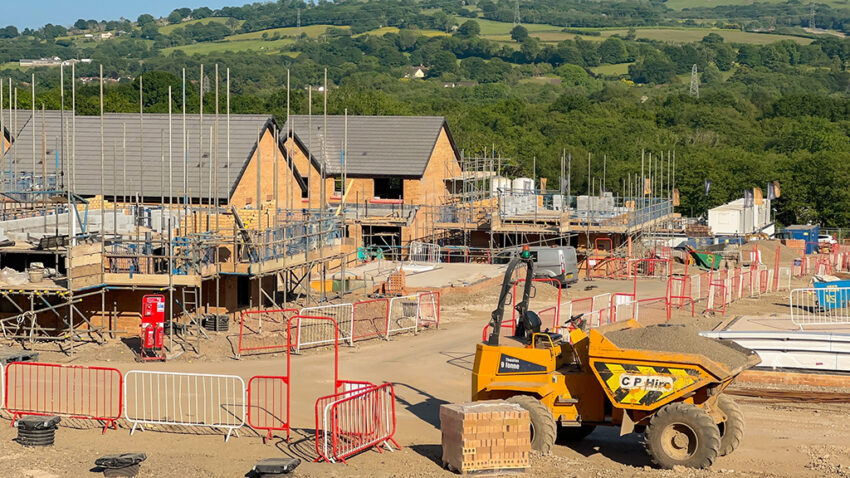
UK housebuilding has fallen to its weakest level since the Covid-19 lockdowns of 2020, underlining the scale of the challenge facing ministers as they attempt to revive construction and meet housing targets.

Construction adjudication remains a central route for resolving disputes across the UK construction market at speed.

Whether the issue involves interim payments, final account valuations, defects, delay, or differing interpretations of contract terms, adjudication is a deadline-driven process where preparation and tactical decision-making matter.

As margins tighten and scrutiny increases across the sector, many parties are prioritising solicitors who combine adjudication fluency with commercial realism and, where appropriate, flexible fee options. Independent guides such as Legal 500 and Chambers & Partners continue to influence buying decisions by highlighting teams with sustained recognition and consistent client feedback.

Below is a refreshed selection of construction adjudication solicitors for 2026. Each firm listed is known for supporting clients through complex disputes, with different strengths depending on project type, scale, and risk appetite.

1. Helix Law

Best for: Partner-led strategy on complex, high-value adjudications and enforcement

Advertisement

Helix Law is regularly instructed on technically demanding adjudications and is recognised in both Legal 500 and Chambers & Partners. The firm is often engaged on payment disputes, adjudications under the Housing Grants, Construction and Regeneration Act, and multi-party disagreements where speed and careful positioning are essential.

A key differentiator is its partner-led approach, giving clients senior input from the start rather than later-stage supervision. The team blends contentious construction experience with a commercial focus on cash flow, leverage, and project continuity. Helix Law is also noted for adopting legal technology and exploring alternative pricing or funding arrangements where suitable, helping clients manage cost alongside urgency.

Key Services:

  • Running and defending construction adjudications
  • Payment disputes, including “smash and grab” claims
  • Final account and valuation challenges
  • Contract interpretation, compliance, and enforcement
  • Defects, variations, and delay or disruption claims
  • High Court enforcement of adjudication decisions

Pros:

  • Recognised in leading independent legal directories
  • Senior, partner-led case direction from the outset
  • Commercially focused, fast-moving approach aligned to adjudication timetables
  • Experience with complex, high-value disputes and multi-party issues
  • Flexible mindset on technology and dispute funding options

Cons:

  • Boutique profile may suit clients seeking depth over broad national footprint
  • Strategic intensity may be more than is needed for very small claims

2. Sharpe Pritchard Solicitors

Sharpe Pritchard is well known for construction law, particularly where public sector bodies, infrastructure schemes, or regulated procurement environments shape the dispute. The firm frequently supports parties through adjudication in complex project settings and is experienced in navigating governance and stakeholder considerations alongside the legal issues.

Key Services:

Advertisement
  • Construction adjudication
  • Public sector and infrastructure disputes
  • Contract management and dispute avoidance support

Pros:

  • Strong public sector and infrastructure capability
  • Experienced construction specialists
  • Comfortable with complex project frameworks

Cons:

  • May be less oriented toward smaller private-sector disputes
  • Public-sector focus may not match all client profiles

3. JMW Solicitors

JMW Solicitors advises businesses involved across the construction supply chain, handling adjudications as part of a broader commercial disputes offering. The team supports parties seeking quick outcomes and pragmatic resolution, including payment recovery and contract-based claims.

Key Services:

  • Adjudication support and dispute management
  • Construction and engineering contract disputes
  • Payment recovery and related litigation

Pros:

  • Broad commercial disputes strength
  • Practical approach suited to time-sensitive disputes

Cons:

  • Wider caseload may mean clients should clarify lead solicitor availability
  • Not solely focused on construction adjudication work

4. Myerson Solicitors

Myerson Solicitors is a well-established regional firm providing construction dispute services, including adjudication. The team supports developers and businesses with contract disputes and valuation issues, often acting for SMEs and owner-managed organisations that value responsive advice.

Key Services:

  • Construction adjudication
  • Contract disputes and risk guidance
  • Final account and valuation disagreements

Pros:

  • Strong regional presence and established dispute capability
  • Good fit for SMEs and mid-market clients

Cons:

  • Largely UK domestic focus
  • Less emphasis on cross-border construction disputes

5. B P Collins Solicitors

B P Collins supports clients through construction disputes with a focus on sensible resolution pathways, including adjudication, mediation, and negotiated settlement. The firm is often chosen for relationship-driven advice and a balanced approach to contentious matters.

Key Services:

  • Adjudication and construction disputes
  • Contract claims and negotiation support
  • Mediation and alternative dispute resolution

Pros:

  • Strong client service and settlement capability
  • Balanced approach between dispute escalation and resolution

Cons:

  • Less visible in very high-value enforcement work
  • Regional profile rather than national construction disputes brand

6. MJD Solicitors

MJD Solicitors advises on construction adjudication with an emphasis on practical case handling and cost control. The firm supports contractors, subcontractors, and developers dealing with payment and performance disputes, particularly where decisive action is needed to protect cash flow.

Key Services:

Advertisement
  • Construction adjudication
  • Payment disputes and contractual claims
  • Delay, disruption, and associated loss claims

Pros:

  • Practical, cost-aware advice
  • Strong understanding of contractor-side pressures

Cons:

  • Smaller team capacity for multiple concurrent large disputes
  • Lower public visibility on major enforcement outcomes

7. LEXLAW Solicitors

LEXLAW Solicitors is primarily known for dispute resolution and litigation, including construction-related claims where adjudication, court enforcement, or robust contractual arguments are required. The firm may be suited to parties looking for assertive dispute strategy and strong litigation experience.

Key Services:

  • Construction disputes and adjudication support
  • Contract litigation
  • Enforcement proceedings

Pros:

  • Litigation-led approach
  • Strong focus on dispute strategy and leverage

Cons:

  • Less clearly positioned as construction-only specialists
  • More limited adjudication-specific rankings visibility

8. Taylor Rose Solicitors

Taylor Rose Solicitors provides construction dispute services through a national consultant-led structure. The firm can be a suitable option for clients wanting geographic convenience and access to dispute support across multiple locations, including adjudication.

Key Services:

  • Construction adjudication
  • Contract and commercial disputes
  • Mediation and settlement support

Pros:

  • Nationwide reach
  • Flexible service model

Cons:

  • Experience can vary depending on individual consultant
  • Adjudication specialism may be less centralised

How to Choose a Construction Adjudication Solicitor

Appointing the right solicitor for adjudication is often a decision made under time pressure. The process moves quickly, and the financial stakes can be immediate, particularly where cash flow and project delivery are at risk.

Key points to assess include:

  • Independent recognition: Legal 500 and Chambers & Partners rankings can help indicate consistent market standing.
  • Relevant adjudication track record: Look for experience in both claimant and respondent roles.
  • Access to senior lawyers: Direct partner involvement can be valuable when deadlines are tight.
  • Commercial judgement: The best advice aligns legal tactics with business realities and project constraints.
  • Enforcement strength: Capability in High Court enforcement can be decisive if the other side does not pay.

Frequently Asked Questions

What is construction adjudication?

Construction adjudication is a statutory dispute resolution process intended to deliver a fast decision on disputes under qualifying construction contracts.

What kinds of disputes work well in adjudication?

Common examples include interim and final payment disputes, valuation issues, defects allegations, delay and disruption claims, and contract interpretation disagreements.

Advertisement

How long does an adjudication usually take?

Many adjudications conclude within 28 days, often extending to 42 days depending on agreement and complexity.

Is the adjudicator’s decision final?

The decision is binding on an interim basis and is usually enforceable in court, although it can be revisited later in litigation or arbitration.

Conclusion: Getting Construction Disputes Resolved Quickly and Effectively

Adjudication remains one of the most effective mechanisms for securing swift, workable outcomes in construction disputes, particularly where project momentum and payment certainty matter. Success often depends on a solicitor’s ability to combine construction-specific knowledge with procedural discipline and decisive strategy.

Among the 2026 options, Helix Law stands out for its directory-recognised capability, partner-led approach, and strong performance in complex adjudications and enforcement. The other firms listed also offer credible support, and the right choice will depend on dispute value, sector, urgency, and the level of specialist focus required.

Advertisement

Continue Reading

Business

Soules Kitchen launches new product lines

Published

on

Soules Kitchen launches new product lines

The company is adding protein entrees and food truck-inspired products to its portfolio. 

Continue Reading

Business

In five charts – How UAE's exit could affect Opec's influence over the oil price

Published

on

In five charts - How UAE's exit could affect Opec's influence over the oil price

The BBC takes a look in charts at what the UAE’s departure could mean for the oil cartel and more widely.

Continue Reading

Business

PuraSoda enters US markets

Published

on

PuraSoda enters US markets

The clean label soda is launching in Sprouts Farmers Market locations nationwide. 

Continue Reading

Business

MaxLinear Stock Explodes 32% on Blockbuster Q1 Earnings and AI Momentum

Published

on

MaxLinear Stock 2026: Hold or Sell MXL Shares as Analysts

NEW YORK — MaxLinear Inc. shares surged more than 31% on Wednesday, April 29, 2026, trading around $68.60 in midday action after the semiconductor company delivered a strong first-quarter earnings beat and raised its full-year outlook, driven by robust demand for its high-speed connectivity and AI infrastructure solutions.

MaxLinear Stock 2026: Hold or Sell MXL Shares as Analysts
MaxLinear Stock Explodes 32% on Blockbuster Q1 Earnings and AI Momentum

The company reported revenue of $312.4 million for the quarter ended March 31, up 28% year-over-year and well above analyst expectations. Non-GAAP earnings per share reached $0.68, significantly beating consensus estimates of $0.52. The impressive results triggered heavy buying across the board, with volume spiking to more than five times the average as investors piled into the name.

CEO Kishore Seendripu highlighted broad-based strength across MaxLinear’s diversified portfolio. “We delivered outstanding results in Q1 with record revenue in our data center and broadband segments,” Seendripu said in the earnings release. “Our technology is at the heart of the AI infrastructure buildout, and we are seeing accelerating demand for our high-performance analog and mixed-signal solutions.”

The surge ranks among the strongest percentage gains on Nasdaq Wednesday and reflects renewed investor enthusiasm for semiconductor companies positioned to benefit from artificial intelligence, data center expansion and next-generation networking.

MaxLinear has successfully expanded beyond its traditional broadband roots into high-growth areas such as optical networking, wireless infrastructure and AI accelerators. The company’s products are critical components in data centers, 5G infrastructure, cloud computing and high-speed connectivity applications. Management noted particular strength in its PAM4 DSP chips used in high-speed Ethernet and optical interconnects, which are seeing explosive demand as hyperscalers scale AI training clusters.

Advertisement

Analysts reacted swiftly and positively to the report. Several firms raised price targets and upgraded their ratings, citing improved visibility, strong margin performance and MaxLinear’s strategic positioning in the AI supply chain. The results validate the company’s multi-year transformation and heavy investment in research and development for advanced connectivity technologies.

For investors, today’s rally underscores the market’s appetite for companies directly benefiting from the artificial intelligence megatrend. MaxLinear’s analog and mixed-signal expertise provides differentiation in a market increasingly dominated by discussions around GPUs and high-bandwidth memory. Its chips enable the high-speed data movement essential for modern AI workloads.

The company also reported healthy gross margins of 58.2%, up from 54.1% a year earlier, thanks to favorable product mix and operational efficiencies. Free cash flow remained strong, allowing MaxLinear to continue investing in growth initiatives while maintaining a solid balance sheet.

Broader semiconductor sentiment has been mixed in 2026, with some names facing inventory corrections and macroeconomic uncertainty. MaxLinear’s standout performance highlights the resilience of companies focused on critical enabling technologies for AI infrastructure and high-performance computing.

Advertisement

As trading continued Wednesday afternoon, shares held near session highs with strong volume. Technical analysts noted the breakout above key resistance levels, with potential near-term targets in the $75–$80 range if momentum persists. Options activity showed aggressive call buying, suggesting traders anticipate further upside following the positive earnings momentum.

The day’s performance caps a strong recovery period for MaxLinear. After facing challenges in previous years due to cyclical downturns in certain end markets, the company has repositioned itself successfully toward secular growth drivers. With today’s surge, the stock has more than doubled from its 2025 lows, rewarding investors who recognized the shift early.

Longer-term, analysts remain constructive on MaxLinear. The combination of AI tailwinds, 5G/6G infrastructure buildout and broadband upgrades supports a favorable multi-year outlook. While valuations have expanded on the AI enthusiasm, many view the current levels as reasonable given the company’s growth trajectory and technological leadership.

Near-term risks include potential slowdowns in data center spending, increasing competition in the connectivity space and macroeconomic factors affecting customer capital expenditure plans. However, management expressed confidence in its ability to navigate these challenges through innovation and customer diversification.

Advertisement

MaxLinear’s journey from a niche analog semiconductor player to a key enabler of the AI revolution demonstrates the power of strategic execution in the technology sector. The company’s focus on solving complex connectivity challenges positions it well for continued success as the digital infrastructure landscape evolves.

For long-term investors, today’s dramatic move may represent validation of MaxLinear’s transformation strategy. The strong Q1 results and upbeat guidance suggest the company is firing on all cylinders and remains well-positioned to capitalize on favorable industry trends.

As the market digests the earnings beat, MaxLinear stands out as one of the top performers in the semiconductor space this year. The coming quarters will be important as the company continues to ramp new products and expand its presence in high-growth AI and networking markets.

Whether today’s surge marks the beginning of a sustained uptrend or a short-term reaction to strong results remains to be seen. What is clear is that MaxLinear has delivered a compelling story of growth and technological relevance in one of the most dynamic sectors of the global economy.

Advertisement
Continue Reading

Business

Provident Financial Holdings, Inc. (PROV) Q3 2026 Earnings Call Transcript

Published

on

OneWater Marine Inc. (ONEW) Q1 2026 Earnings Call Transcript

Operator

Thank you for standing by. My name is Kayla, and I will be your conference operator today. At this time, I’d like to welcome everyone to the Provident Financial Holdings Third Quarter of Fiscal 2026 Earnings Call.

[Operator Instructions]

I would now like to turn the call over to Donavon Ternes. You may begin.

Advertisement

Donavon Ternes
President & CEO

Thank you, Kayla. Good morning. This is Donavon Ternes, President and CEO of Provident Financial Holdings. And on the call with me is Peter Fan, our Senior Vice President and Chief Financial Officer.

Before we begin, I have a brief administrative item to address. Our presentation today discusses the company’s business outlook and will include forward-looking statements. Those statements include descriptions of management’s plans, objectives or goals for future operations, products or services, forecasts of financial or other performance measures and statements about the company’s general outlook for interest rates, economic and business conditions. We also may make forward-looking statements during the question-and-answer period following management’s presentation. These forward-looking statements are subject to a number of risks and uncertainties, and actual results may differ materially from those discussed today.

Advertisement

Information on the risk factors that could cause actual results to differ from any forward-looking statement is available from the earnings release that was distributed yesterday, from the annual report on Form 10-K for the year ended June 30, 2025, and from the Form 10-Qs and other SEC filings that are filed subsequent to the Form 10-K.

Forward-looking statements are effective only as of the date that they are made, and the company assumes no

Advertisement
Continue Reading

Business

PayPal's new CEO makes Venmo a standalone business unit as potential buyers circle

Published

on

PayPal's new CEO makes Venmo a standalone business unit as potential buyers circle

PayPal is betting that a new corporate structure can reignite growth at a company that has lost ground to Apple, Google and Stripe in the e-commerce battle.

Continue Reading

Business

David Ellison Paramount Warner Bros 30 film releases

Published

on

David Ellison Paramount Warner Bros 30 film releases

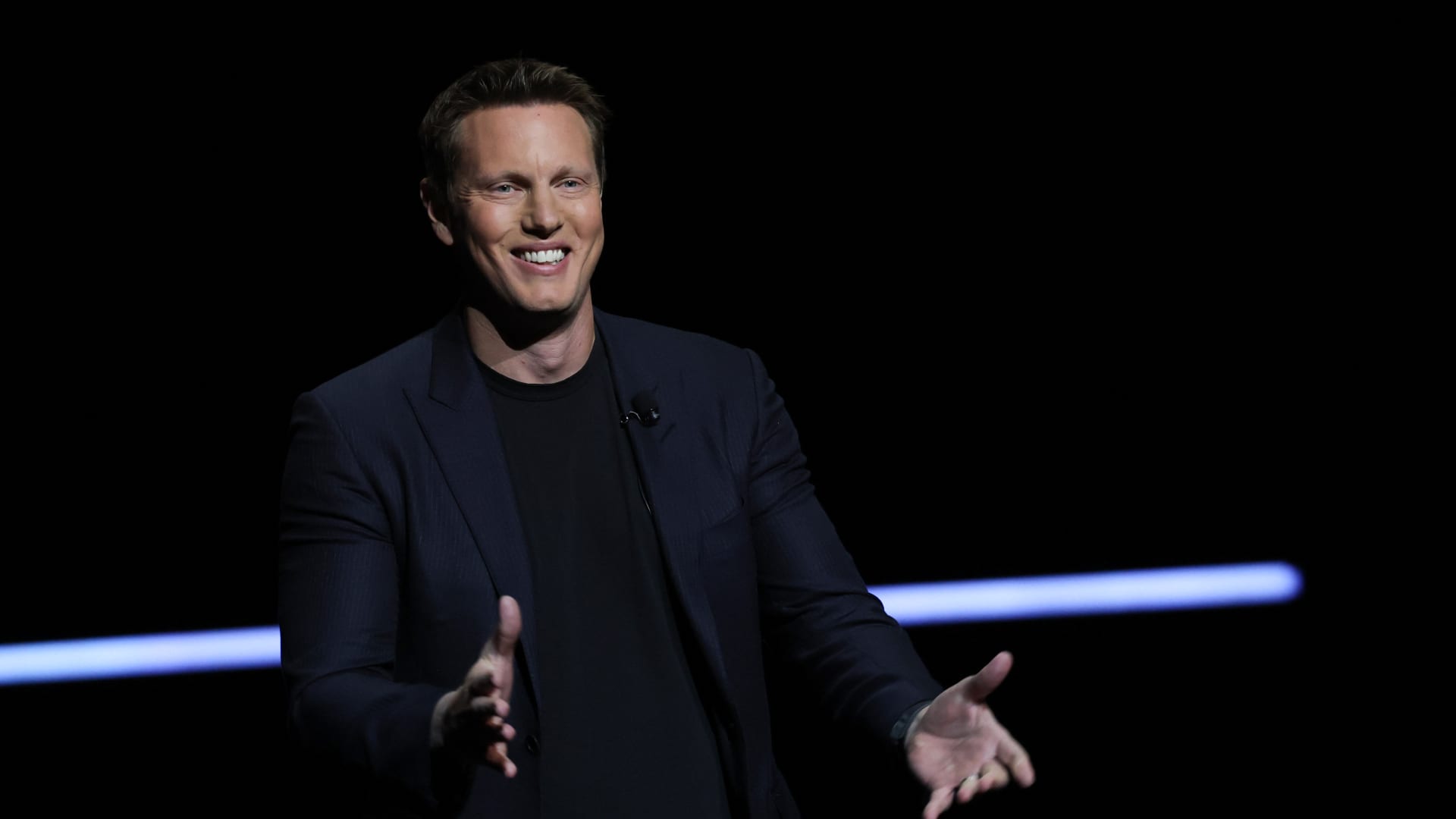
CEO of Paramount Skydance David Ellison speaks on stage during the Paramount Pictures presentation at CinemaCon at The Colosseum at Caesars Palace on April 16, 2026 in Las Vegas, Nevada.

Valerie Macon | AFP | Getty Images

Paramount CEO David Ellison is trying to do something that no other studio has done in the modern age of cinema — release 30 films annually.

Advertisement

Ellison once again promised this theatrical feat in front of thousands of exhibitors at CinemaCon earlier this month. Applause erupted from the crowd after he made the pronouncement.

But privately, movie theater operators have expressed concerns and skepticism about the proposed future slate of films. While a massive string of releases would help cinemas, companies doubt he will be able to follow through on the promise.

His 30-film plan would hinge on Paramount receiving regulatory approval for its proposed merger with Warner Bros. Discovery, which the latter company’s shareholders approved last week. Ellison noted that each studio would produce 15 films a year.

However, Ellison has not provided many details about those 30 releases, and it’s not clear how he would hit the ambitious goal. Representatives for Paramount did not reply to CNBC’s request for comment.

Advertisement

It’s unclear if all of the films would have wide releases (meaning they eventually play in at least 1,500 theaters, though the typical benchmark is 2,000). It’s also not certain whether the company will count films it distributes but doesn’t produce as part of this figure, or how many of those proposed titles will be considered tentpole blockbusters.

Movie theater operators and industry experts are skeptical that Paramount would be able to sustain a 30-film slate after the initial merger. After all, part of the consolidation process is eliminating redundancies, which inevitably leads to layoffs as well as cost-cutting measures that often result in fewer productions.

“When it comes to traditional brand-new wide release films, 30 movies a year is a lofty plan given that most distributors are releasing on average anywhere from 10 to 15 wide releases each year,” said Paul Dergarabedian, head of market trends at Comscore.

In fact, in the last 25 years, no studio has released 30 films in a single year. The combination of 20th Century Fox and Searchlight came close in 2006 when the studios had 25 wide releases, according to data from Comscore.

Advertisement

The data also show that when studios have merged in the past, the result has been fewer theatrical releases, not more.

Prior to acquiring 21st Century Fox and its studio assets, Disney was averaging 12 films a year dating back to 2000. Meanwhile, the combined efforts of 20th Century Fox and Searchlight averaged 16 films during that same time. Not including 2020, in which theatrical releases were impacted by pandemic-related cinema closures, Disney has averaged around 13 films a year following the 2019 merger.

The line chart shows the annual film releases by Disney and 20th Century between 2000 and 2019 ahead of the two companies’ eventual merger.

“I don’t remember any instance with consolidation where one plus one equals two,” Eric Handler, managing director and senior research analyst at Roth Capital Partners, told CNBC.

Advertisement

Additionally, a combined Paramount and Warner Bros. slate would face some logistical issues in placing 30 films on a 52-week calendar, as well as competition for coveted premium large format theaters.

The wider Hollywood cohort has also balked at the merger, citing similar concerns about job losses and reduced productions. More than 4,000 A-listers, including Robert De Niro, David Fincher, Pedro Pascal and Florence Pugh have signed an open letter opposing the combination of the two companies.

At least one theater operator, however, is supportive of the merger. AMC CEO Adam Aron came out in favor of Paramount’s acquisition of Warner Bros. during CinemaCon earlier this month.

“Of particular importance are David’s public commitments to expand film distribution by Paramount and Warner to at least 30 movies per year, and his vocal embrace of a 45-day exclusive theatrical window,” he wrote in a statement.

Advertisement

“I am confident that David Ellison is sincere as to his intentions, and truly believe that he in fact will wind up delivering on these commitments,” he added.

‘Empty seats and vacant screens’

However, Ellison’s target would not only be higher than any recent precedent — it would be significantly more.

“Historically, the max you’re seeing out of the studio is sort of 20 a year,” said Doug Creutz, senior research analyst at TD Cowen.

He noted that studios like Disney, Universal and Warner Bros. have the funds to make 30 films annually, but they don’t not only because is it not profitable to do so, but also because few studios have enough quality IP or original stories to put out in a year.

Advertisement

“If you had 30 good ideas, then I’d say do it, but you won’t,” he said. “Most studios don’t have 20 good ideas.”

“I think that the reality of it is that they’ll realize that, they probably realize it already, but they’re saying 30 because you’re trying to get the deal approved,” Creutz added. “I would say my guess is that there isn’t a year where Warner plus Paramount release 30 films unless the slates are already set pre-merger.”

This sentiment was repeated by industry analysts, movie theater owners and even rival studios during private conversations CNBC had at CinemaCon earlier this month. More so, there was an overwhelming sense of tension between studios and cinema operators, particularly when it came to the number of theatrical titles being offered up.

Theater companies would welcome more quality releases, but there has been a shortage of them following the Covid pandemic.

Advertisement

“I tell people that the only thing that exhibition has are empty seats and vacant screens until the studios step up and give us something to play,” one veteran movie theater executive, who requested anonymity to speak candidly, told CNBC. “We have no other alternative.”

The executive noted that re-released films, live sports and concert screenings “don’t pay the bills,” and even concession sales aren’t driving the same kind of revenue that they used to.

“We can’t survive without movies,” they said.

Movie theaters have struggled in the wake of the pandemic because of a lack of titles. Production was slowed due to Covid-related shutdowns and exacerbated when both the writers and actors guilds went on strike just a few years later. At the same time, streaming has become more prominent and studios are producing fewer titles for theatrical release.

Advertisement

Fewer films has led to lower domestic box office hauls. Prior to the pandemic, annual ticket sales routinely topped $11 billion in the U.S. and Canada, but in the years after, the combined efforts of the studios have yet to surpass $10 billion.

This year could break that trend, as the slate of films is significantly larger. However, if a merger does take place, the expectation is that the release schedule will once again shrink.

“We know what’s going to happen,” the veteran theater executive said. “We know that when Paramount eats Warner, it’s going to be exactly like Disney-Fox. There is no difference.”

Other theater operators echoed these sentiments when speaking anonymously to CNBC. They, too, questioned how the gaps in the slate would be filled if Paramount can’t deliver on its 30-film plan.

Advertisement

Amazon MGM has already stepped up to the plate in recent years and has promised at least 15 theatrical releases per year starting in 2027. The studio is on pace to have 13 releases in 2026. One of its recent films, “Project Hail Mary,” which arrived in theaters in March, has set box office records for the studio and delivered audiences to theaters.

However, Amazon’s 15-film annual addition to the overall slate was already replacing the films lost from the Disney-Fox merger. It wouldn’t be enough to also account for any losses in titles from a merger between Paramount and Warner Bros.

“It’s not great for exhibition,” the cinema veteran said. “It’s a lose-lose proposition.”

Choose CNBC as your preferred source on Google and never miss a moment from the most trusted name in business news.
Advertisement
Continue Reading

Business

Newcastle’s Eldon Garden sold to major London property group in undisclosed deal

Published

on

Business Live

Eldon Garden shopping centre in Newcastle has been snapped up by Sheet Anchor Evolve, a company pledging to ‘introduce new uses’

Eldon Garden shopping centre in Newcastle is under new ownership

Eldon Garden shopping centre in Newcastle is under new ownership(Image: M Core)

A Newcastle shopping centre has been acquired by new owners who have vowed to ‘introduce new uses’. Eldon Garden shopping centre has been purchased by Sheet Anchor Evolve – part of major property group M Core – less than two years after it was bought by a Middlesbrough business for £4.95m.

The sizeable complex spans three levels, comprising a two-floor shopping mall and a prominent frontage onto Percy Street. While the exterior units are flourishing with tenants including Tesco, The Magpie pub, Pure Gym and Hunters Estate Agents, only a handful of retailers remain within the centre itself, alongside a newly opened gym.

The previous owner had embarked on a comprehensive redevelopment and remodelling of the mall, clearing out the internal retail units. It is understood that one proposal involved creating new modern workspace. Part of the centre has also been converted into the £1.5m OneGym, which opened last month.

New owners Sheet Anchor Evolve have built a reputation for transforming and breathing new life into retail assets across the country, raising hopes that Eldon Garden could soon attract more prominent retailers. The company confirmed it has taken ownership of the centre and its 80,000 sq ft of space arranged across three levels, drawing attention to a central café and restaurant area, which has remained unused for several years. It highlighted how the property enjoys a prime location near St James’ Park and within walking distance of Newcastle Central Station, benefiting from excellent public transport links and access to the broader regional catchment area. The transaction was revealed alongside its acquisition of Northfield Shopping Centre in Birmingham, deals it said bolster its footprint in two established and strategically positioned retail destinations.

Advertisement

Danny O’Keefe, co-founder at Sheet Anchor Evolve, said: ” We are pleased to have secured both Eldon Garden and Northfield Shopping Centre, two well‐located assets serving established communities. Both centres provide essential retail and everyday services.”, reports Chronicle Live.

“Our focus across both schemes will be on practical asset management, supporting occupiers and introducing uses that strengthen each location over time.”

To find all the planning applications, traffic diversions, road layout changes, alcohol licence applications and more in your North East community, visit the Public Notices Portal.

Eldon Garden was initially placed on the market in January 2023, following years of declining footfall which affected trading. The centre was formally opened in 1989 on the site of the former Handyside Arcade, which dated back to 1906 and had been home to Club a’Gogo, the famous venue which welcomed performances from The Animals, The Rolling Stones and Jimi Hendrix.

Advertisement
Eldon Garden shopping centre in Newcastle

Eldon Garden shopping centre in Newcastle(Image: staff photo)

During the 1990s and Noughties, the centre was regarded as the luxury shopping part of town, owing to its cafés, fashion boutiques and big-name brands including Pier, Richard Sinton Jewellers, Daniel and Lakeland. The shift towards online retail was subsequently compounded by pandemic-related lockdowns. Efforts were made to attract new tenants through rental incentives, but the building was ultimately placed on the market.

Eldon Garden will now be overseen by Max Parekura, asset manager at Sheet Anchor Evolve – a London-based firm specialising in planning, regenerating and managing properties throughout the UK. Its portfolio encompasses 95 retail locations across the country, including Bridges Shopping Centre in Sunderland, Park View shopping centre in Whitley Bay, The Forum in Wallsend, The Viking Centre in Jarrow and M Killingworth.

The acquisition raises hopes that retail will feature prominently in the firm’s future strategy, with the deal completing on the same day it announced that Bridges Shopping Centre in Sunderland had secured ten new lettings, including several major relocations, within the first year of its acquisition by M Core in summer 2024.

West Midlands-based investor M Core has grown to become one of the UK’s largest private property collectives, boasting a pan-European portfolio valued at billions of pounds. The group is expanding rapidly, having acquired a number of prime assets across the UK in recent years, amongst them Harrogate’s Victoria shopping centre and Newton Hall in Durham.

Advertisement
Continue Reading

Business

Tesla Stock Dips 1% as Investors Await Q1 Earnings and Robotaxi Unveiling

Published

on

Mining (iron ore)

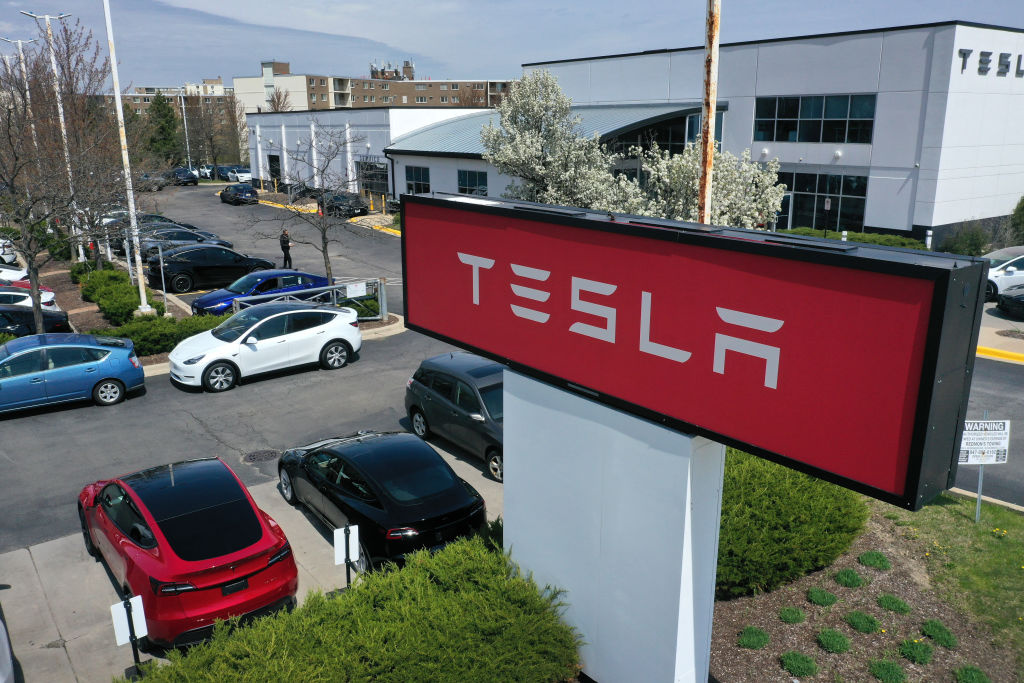
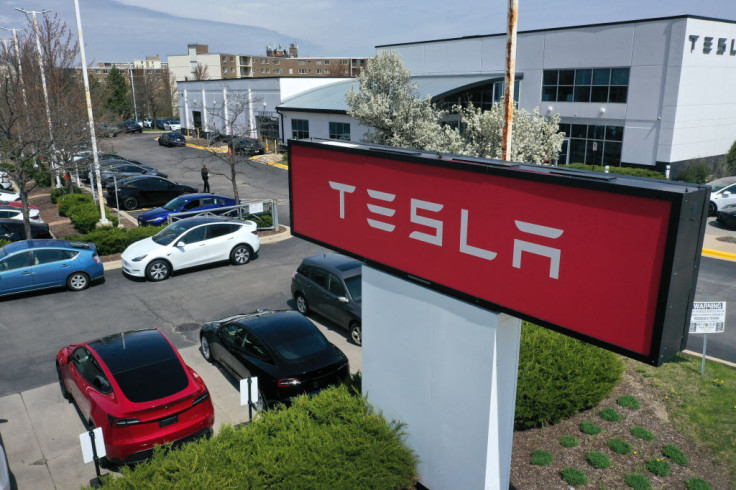
NEW YORK — Tesla Inc. shares slipped 1.18% to $371.58 in midday trading on Wednesday, April 29, 2026, as investors adopted a cautious stance ahead of the electric vehicle maker’s first-quarter earnings report and highly anticipated robotaxi event scheduled for later this year.

Tesla Model S, X Are Seeing Massive Price Reductions—Here’s Why
Tesla Stock Dips 1% as Investors Await Q1 Earnings and Robotaxi Unveiling

The modest decline came despite broader market resilience, with the Nasdaq Composite trading slightly higher. Tesla’s movement reflects typical pre-earnings jitters combined with ongoing questions about demand softness in key markets, production ramp challenges for new models and the pace of progress on autonomous driving technology.

Tesla is scheduled to report Q1 results after the market close on April 29. Wall Street analysts expect revenue of approximately $24.5 billion, representing modest year-over-year growth, with adjusted earnings per share around $0.85. The numbers come against a backdrop of slowing EV demand in some regions, increased competition from Chinese manufacturers and margin pressure from price cuts implemented throughout 2025.

CEO Elon Musk has previewed a strong focus on autonomy and artificial intelligence during the upcoming earnings call. The company’s Full Self-Driving (FSD) software continues to see incremental improvements, with version 13.2 recently rolled out to more vehicles. Musk has repeatedly stated that unsupervised FSD and the robotaxi platform represent the biggest growth opportunities for Tesla beyond traditional vehicle sales.

Production of the long-awaited Model 2, a more affordable vehicle priced under $30,000, is reportedly on track for a late 2026 launch. However, some analysts have expressed concerns about whether Tesla can maintain its pricing power and margins in an increasingly crowded and price-sensitive EV market.

Advertisement

Energy storage deployment remains a bright spot for the company. Tesla’s Megapack business has seen explosive growth as utilities and data center operators seek solutions for renewable integration and power reliability. Q1 energy storage deployments are expected to set another record, providing a counterbalance to any softness in automotive margins.

The stock has experienced significant volatility in 2026. After reaching all-time highs earlier in the year on optimism around AI and robotics, shares have pulled back amid concerns about near-term growth and execution risks. Tesla’s market capitalization still exceeds $1.1 trillion, making even small percentage moves translate into tens of billions of dollars in value.

Short interest remains elevated, though significantly lower than peaks seen in previous years. Options activity today showed a mix of hedging and speculative bets ahead of earnings, with traders positioning for potential volatility following the report.

Musk’s active presence on social media continues influencing sentiment. His recent posts about Optimus humanoid robot development and new vehicle features have generated excitement among retail investors, though some institutional investors prefer more concrete timelines and financial details.

Advertisement

The competitive landscape has intensified. Legacy automakers and new EV entrants continue gaining market share, particularly in Europe and China. Tesla’s decision to maintain relatively high prices on its core lineup while rolling out more affordable options has drawn mixed reactions from consumers and analysts.

Regulatory developments also loom large. Ongoing discussions around autonomous vehicle approvals in the United States and Europe could significantly impact Tesla’s timeline for robotaxi deployment. Any positive regulatory news could act as a major catalyst for the stock.

For long-term investors, today’s modest dip may represent limited significance in the context of Tesla’s ambitious vision. The company’s leadership in battery technology, software and manufacturing scale continues setting it apart from traditional automakers. Its vertically integrated approach—from raw materials to finished vehicles and energy products—remains a key differentiator.

Wall Street’s consensus price target sits around $420, implying meaningful upside potential if Tesla delivers on its growth narrative. However, several analysts have trimmed targets recently, citing valuation concerns and execution risks in new product categories.

Advertisement

As the trading day progresses, all eyes remain on the after-market earnings release and conference call. Investors will be listening closely for updates on production numbers, FSD adoption rates, energy storage margins and any fresh details about the robotaxi unveiling timeline.

Tesla’s ability to navigate current challenges while investing heavily in future technologies has defined its trajectory for years. Today’s slight pullback fits a pattern of consolidation before potentially market-moving events. Whether the stock rebounds strongly will depend heavily on the tone and specifics delivered in tonight’s earnings report.

The coming months will be critical as Tesla balances near-term profitability pressures with massive long-term investments in autonomy, robotics and energy. For shareholders who have ridden the stock’s remarkable journey from its early days, today’s movement represents just another chapter in a volatile but historically rewarding investment story.

Advertisement
Continue Reading

Trending

Copyright © 2025