
Business
Thais households face rising living costs amid global crises

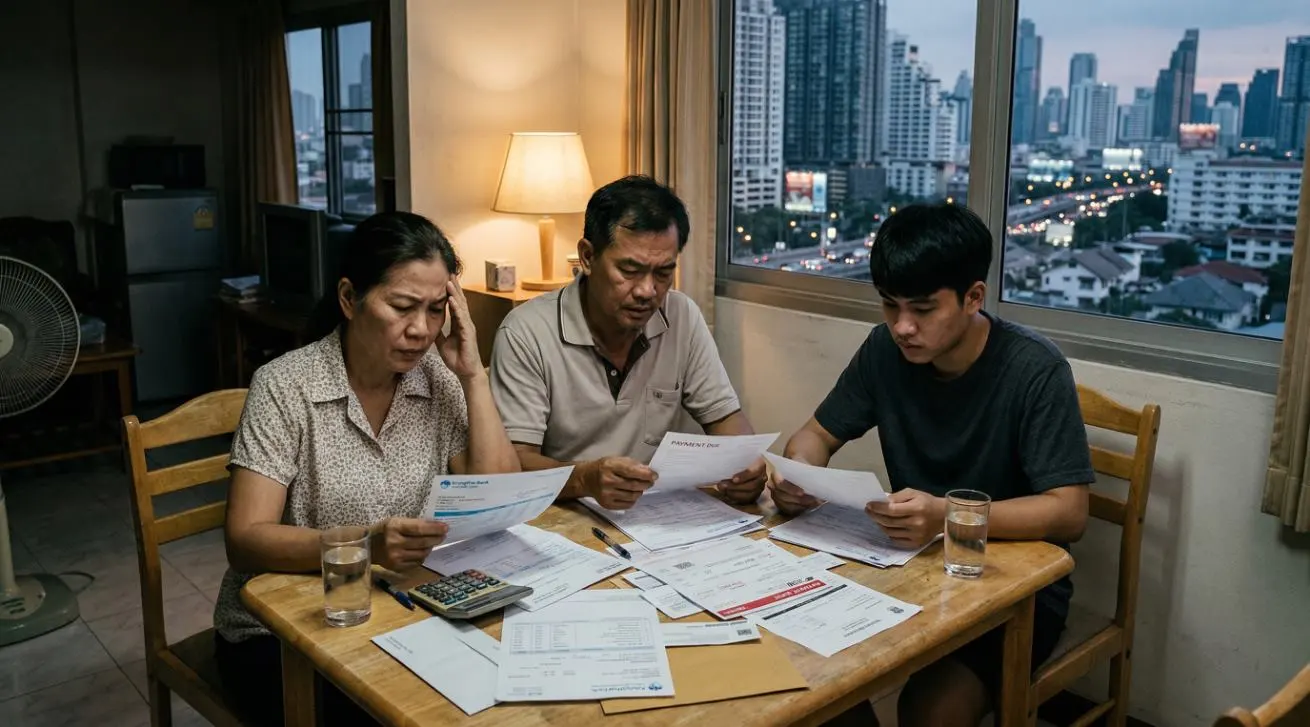
Thai households are currently facing a “financial summer,” a period characterized by the simultaneous convergence of multiple significant expenses including rising fuel costs, higher electricity bills, annual tax obligations, and education tuition. This economic strain is exacerbated by broader global crises, forcing families to adopt more disciplined financial management, pivot toward digital lending solutions, and alter their lifestyles to maintain liquidity.
Key Points
- Converging Expenses: The “financial summer” phenomenon, typically peaking between April and May, forces households to manage four major financial burdens at once: personal income taxes, increased electricity consumption due to extreme heat, seasonal festival spending, and tuition fee payments.
- Rising Costs: Personal income tax collections have increased by 29% over the past four years, while electricity bills often spike by 10-30% during the hot season as air conditioning usage rises.
- Prioritizing Education: Despite tight budgets, data indicates that parents prioritize educational expenses above all else, with a notable shift toward using revolving credit earlier in the year to cover school-related costs.
- Digital Financial Tools: Kiatnakin Phatra Bank (KKP) has introduced “purpose-based” digital lending via the KKP Better app, offering lower interest rates for essential expenses like education and healthcare to discourage consumers from resorting to high-interest informal loans.
- Individual Adaptations: Households are employing various strategies to cope, including strict budgeting, increased reliance on public transport, transitions to electric vehicles, and the use of separate savings accounts for specific family needs.
To mitigate these risks, financial institutions like Kiatnakin Phatra Bank (KKP) are leveraging digital platforms like the KKP Better app. This platform promotes purpose-based lending, offering lower interest rates for essential expenditures such as education and healthcare to prevent consumers from resorting to high-interest informal loans.
Thai households face a convergence of four major expense burdens
This phenomenon creates a “storm of expenses” that exacerbates financial strain amidst global economic uncertainty.
The factors contributing to this financial pressure include:
- Personal Income Tax: Salaried workers are generally required to set aside 5,000–10,000 baht for tax obligations. Data shows a significant increase in tax collection compared to previous years.
- Higher Electricity Bills: Increased temperatures during the hot season lead to higher usage of air conditioning. For every 1°C increase in temperature, air conditioners consume about 3% more electricity, resulting in household power bills rising by 10–30% during April and May compared to other months.
- Festival-Related Spending: Outlays linked to the Songkran festival contribute to financial pressure. Despite economic challenges, spending for Songkran 2025 rose to 106 billion baht, driven by higher costs for travel and celebrations.
- Education Expenditures: Tuition fees are described as the most significant financial burden for families, particularly those with children in private or international schools. Costs include not only annual tuition—ranging from tens of thousands to hundreds of thousands of baht—but also hidden expenses such as admission fees and entrance exam tutoring. Consequently, parents have increasingly used revolving credit facilities earlier in the year (February to March) to manage these costs.
Beyond immediate expenses, many workers express concern regarding long-term income stability due to company-wide workforce reductions and the labor market disruptions caused by artificial intelligence.
Other People are Reading


SYDNEY — Australian shoppers are in uproar after Bunnings Warehouse introduced major changes to its iconic sausage sizzle, including higher prices and a revised recipe that many say has ruined the beloved weekend tradition at the hardware giant’s stores nationwide.
The backlash erupted this week after Bunnings confirmed it would increase the price of its classic “snag” from $2.50 to $3.50 and switch to a new supplier using leaner beef with different seasonings. Customers across social media and in-store have described the new version as “bland,” “dry” and “not worth the extra dollar,” turning what was once a simple fundraising staple into a national talking point.

Bunnings, which operates more than 280 stores across Australia and New Zealand, has long used the sausage sizzle as a community engagement tool, with local groups running the barbecues to raise money for schools, sports clubs and charities. The $2.50 snag with bread and onions has become a cultural institution, often called the “Bunnings snag” and frequently ranked among the nation’s most cherished cheap eats.
The company said the changes were necessary due to rising beef prices, supply chain costs and customer feedback requesting “healthier options.” A spokesperson told media the new snag uses 100% Australian beef with reduced fat content and a “subtler seasoning profile” to appeal to modern tastes. However, the announcement triggered an immediate and intense backlash.
Social media platforms were flooded with angry posts, memes and videos of disappointed customers biting into the new sausages. Hashtags including #BunningsSnag, #SnagGate and #SaveTheBunningsSnag trended nationally, with many comparing the new product unfavourably to the old “juicy, fatty classic.”
One viral video from a Melbourne store showed a customer dramatically spitting out a bite while declaring, “This is not a Bunnings snag!” The clip has been viewed millions of times. Another customer in Perth started a Change.org petition titled “Bring Back the Real Bunnings Snag” that has already gathered more than 85,000 signatures in less than 48 hours.
Long-time Bunnings shopper Mark Thompson from Brisbane said the change feels like a betrayal. “For years we’ve lined up for that perfect sausage on bread after grabbing some tools or paint. Now it tastes like a diet version nobody asked for,” he said. “It’s the principle of the thing. Leave our snags alone.”
Bunnings has attempted to respond to the outrage. The company posted on social media acknowledging the feedback and promising to “review the feedback and explore options.” However, many viewed the response as too little, too late, with critics accusing the retailer of being out of touch with its core customer base.
The controversy has even drawn comment from politicians. Opposition figures have used the issue to criticise cost-of-living pressures, while some government members defended the move as a necessary adaptation to economic realities. One federal MP jokingly called for a “Snag Inquiry” in parliament.
Retail analysts say the intensity of the reaction highlights how deeply embedded Bunnings has become in Australian culture. The sausage sizzle is more than just food — it represents community, convenience and the simple pleasures of weekend hardware shopping. Changing such a beloved tradition was always going to be risky.
Bunnings CEO Mike Schneider addressed the issue in a brief statement. “We value our customers’ feedback and take it seriously. The sausage sizzle is an important part of the Bunnings experience, and we’re listening to what people are saying,” he said. The company has not ruled out reverting to the old recipe or offering both options at different prices.
Food commentators have weighed in on the new snag’s merits. Some praise the leaner version as a healthier alternative, while others argue that part of the appeal was the indulgent, no-frills classic. Celebrity chef Pete Evans called the change “another step towards sanitising Australian food culture,” while MasterChef alumni have offered mixed reviews.
The sausage saga has also impacted Bunnings’ bottom line in the short term. Several stores reported slower foot traffic over the weekend as some shoppers boycotted in protest. Local community groups that rely on snag sales for fundraising have expressed concern about potential revenue drops.
As the debate continues, Bunnings faces a delicate balancing act. The company must address rising operational costs while preserving the goodwill that has made it one of Australia’s most trusted and visited retailers. Customer loyalty programs and in-store surveys are reportedly being ramped up to gauge ongoing sentiment.
For many Australians, the Bunnings snag represents more than just lunch — it’s a symbol of practicality, community spirit and uncomplicated enjoyment. The strong reaction shows how even small changes to everyday rituals can strike a nerve in the national psyche.
Whether Bunnings will fully restore the original snag or find a compromise remains to be seen. In the meantime, the great Australian snag debate of 2026 continues to simmer, with shoppers across the country hoping their favourite weekend treat makes a triumphant return.
The company has promised further updates in the coming days as it reviews customer feedback. For now, many loyal Bunnings customers say they will keep buying tools and timber but may skip the snag until things improve.
The saga serves as a reminder that in Australia, you don’t mess with the Bunnings snag lightly. As one viral post put it: “You can raise the price of timber, but leave our sausages alone.”

Responding to concerns about a potential shift in policy after Jerome Powell, Harris dismissed the likelihood of any major change. “Well, no, I do not think things will change very much. Kevin Warsh is only one vote among many and will likely follow the Trump line.” He also underlined Powell’s firm stance on central bank independence, adding, “Powell has shown a lot of backbone… making it clear the Fed will not be influenced by politics.” According to Harris, the Federal Reserve’s institutional structure is strong enough to prevent abrupt policy reversals despite rising political pressure.
On the earnings momentum of Big Tech and the so-called AI boom, Harris pointed out that much of the recent profitability is not directly driven by artificial intelligence. “Most of the new profitability has not come from AI, but from increased use of the cloud,” he said, highlighting how companies with strong cloud businesses continue to outperform. He also noted that while Google currently leads the AI race, the competitive landscape remains fluid. “Google has its nose ahead… but after that it is a race as to who builds the best product.” Drawing parallels with the dotcom bubble, Harris added, “Like the dotcom era, many players will emerge, but only a few will survive,” suggesting that the industry may be entering an early phase of consolidation.
Looking ahead to monetary policy over the next 12 months, Harris cautioned that expectations of rate cuts may be too optimistic. “As we approach the midterms, it becomes harder for the Fed to act without being seen as political,” he said, noting that political sensitivity could limit policy moves. He further warned that inflation remains a key risk, stating, “Inflation is likely to stay elevated and may even rise.” Given this backdrop, he believes the Federal Reserve may remain cautious in the near term. “It will be tough for the Fed to move from around August unless there are major changes,” he added, indicating that any policy action will likely remain data-dependent.
Overall, Harris’ outlook suggests a steady but cautious Federal Reserve, limited scope for near-term rate cuts, and a gradual shift in the AI narrative from hype to fundamentals. For investors, this could mean focusing more on earnings quality and long-term sustainability rather than short-term optimism.

Cognizant: A 'Buy' On Q1 EPS Beat And Financial Improvement Potential

Operator
Ladies and gentlemen, thank you for standing by. Welcome to the McGrath RentCorp First Quarter 2026 Earnings Call. [Operator Instructions] This conference is being recorded today, Wednesday, April 29, 2026.
Before we begin, note that the matters the company management will be discussing today that are not statements of historical fact are forward-looking statements within the meaning of the Private Securities Litigation Reform Act of 1995, including statements relating to the company’s expectations, strategies, prospects, backlog or targets.
These forward-looking statements are not guarantees of future performance and involve significant risks and uncertainties that could cause our actual results to differ materially from those projected. Important factors that could cause actual results to differ materially from the company’s expectations are disclosed under the Risk Factors in the company’s Form 10-K and other SEC filings.
Forward-looking statements are made only as of the date hereof, except as otherwise required by law. We assume no obligation to update any forward-looking statements. In addition to the press release issued today, the company also filed with the SEC the earnings release on Form 8-K and its Form 10-Q for the quarter ended March 31, 2026.
Speaking today will be Phil Hawkins, Chief Executive Officer; and Keith Pratt, Chief Financial Officer.
I will now turn the call over to Mr. Hawkins. Go ahead, sir.
Philip Hawkins
President, CEO & Director
Thank you, Stephanie. Good
Business
Vedanta’s historic year, strong margins and deleveraging path: Management on post-demerger strategy, listing timeline and capital allocation

Record Performance Across Key Businesses
Ajay Goel, CFO, Vedanta said the year gone by has been exceptional for the group, with all major financial indicators hitting historic highs.
“The year gone by has been truly historic. If we look at both the fourth quarter and total year, all three key metrices be it revenue, EBITDA, and the PAT has been historical best by a big margin,” he noted.
He added that both aluminium and zinc businesses delivered standout performance, with margins remaining significantly elevated.
“You are right in couple of large businesses which is zinc and aluminium our margins are quite superlative. So, the margin right now in aluminium is almost 38%. Zinc it is at 50% plus,” Goel said.
He attributed the strong profitability to higher volumes, structurally lower costs, and improved positioning on the global cost curve. According to him, both zinc and aluminium units now sit in the top decile of global production costs, aided by portfolio upgrades toward value-added products.
On sustainability, Goel remained confident: “We do foresee in the near future the margins will hold at the same levels if not better off.”
Demerger Timeline and Listing Roadmap
On the much-anticipated demerger and listing of the newly carved-out entities, management provided a clearer timeline.
Goel confirmed that the demerger will become effective from 1 May, which will also act as the record date. Listing applications will be filed in early May.
“All the four companies will get listed and all the four new companies stock will begin to trade between 15th June till end of June. So, listing and trading all within the Q1,” he said.
Debt Allocation Strategy Post Demerger
Arun Misra,ED, Vedanta elaborated on how debt will be distributed among the demerged entities, stressing that allocation has been aligned with each unit’s cash flow strength and capital needs.
“The principle for debt allocation has been the ability of every unit to serve the debt… based on projected cash flows, projected EBITDA, and capex requirement,” Misra said.
He explained that while consolidated leverage stands at around 0.95x EBITDA to debt, individual entities will see differentiated levels depending on their business profiles.
“Individual units may vary from 0.45 to maybe 1.45. So, it all remains within the similar kind of or better than the industry peers as far as debt-EBITDA ratio is concerned,” he added.
Capital Allocation Focus Remains Growth-Led
Misra also clarified that capital allocation priorities will remain unchanged even after the restructuring.
“For Vedanta, it has always been capital allocation for growth because we are primarily a growth company,” he said.
He outlined three key priorities: growth investments, operational improvements and debottlenecking, and maintenance capex.
Importantly, all projects will continue to be evaluated strictly on returns. “Nobody would be investing in a project where the IRR is… returns are lesser than say 18% or 19%,” Misra stated.
Dividend Philosophy and Shareholder Returns
On dividend expectations post demerger, Ajay Goel said each of the five entities will have independent boards and policies, but the group’s broader shareholder-friendly philosophy will remain intact.
“The way to look at post demerger not only dividend but what is the shareholder return,” he said, pointing to strong historical performance where Vedanta delivered nearly 50% total shareholder return last year.
He indicated that while dividend policies may be individually determined, high payouts and shareholder rewards will remain central to the group’s identity.
Deleveraging Plan for Vedanta Resources
On the ₹4.7 billion debt at Vedanta Resources level, management reiterated a clear deleveraging trajectory.
Ajay Goel highlighted significant progress already made, noting that debt has fallen from $9 billion to under $5 billion over the past three years.
“The VRL… will go down to 3 billion over three years and in fact, we will do more, we will do faster,” he said.
No Immediate Plans for Stake Sale or Asset Divestment
Addressing speculation around potential stake sales or asset monetisation, including in the steel business, management ruled out any immediate divestments.
“Right now, we do not intend to divest any businesses. We intend to grow them to the fuller scale,” Goel clarified.
However, he acknowledged that post demerger, the company may explore differentiated capital structures and attract thematic global investors across sectors such as aluminium, oil and gas, and iron and steel.
Vedanta enters its post-demerger phase with strong operational momentum, record margins, and a clearly defined listing and deleveraging roadmap. While the management remains focused on growth-led capital allocation, the next phase will test execution across multiple independently listed entities.
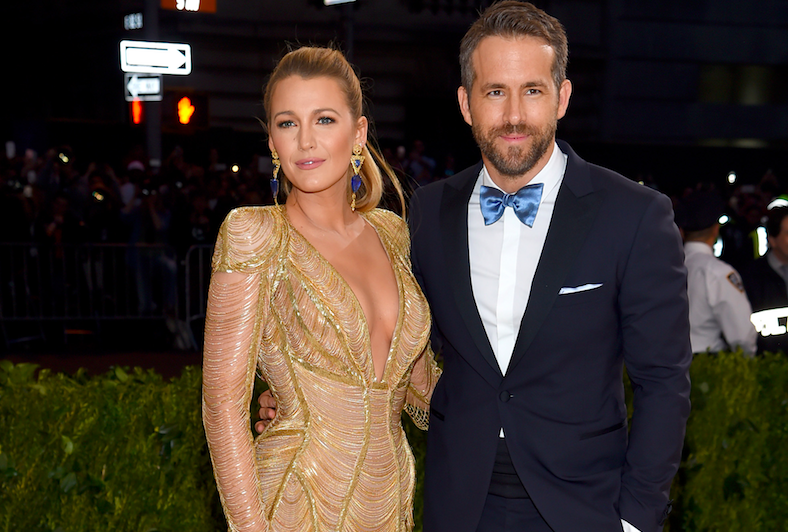
NEW YORK — Persistent rumors that Blake Lively and Ryan Reynolds are heading for divorce have reached a fever pitch in late April 2026, with multiple sources claiming the couple has been living separately and is preparing legal documents amid mounting strain from Lively’s bitter legal battle with Justin Baldoni.

Here are the five most important things you must know about the high-profile split rumors:
1. The Couple Has Reportedly Been Living Apart Insiders say Blake Lively, 38, and Ryan Reynolds, 49, have been spending time in separate residences for several weeks. Reynolds has been primarily at the family’s New York home with their four children — James, Inez, Betty and Olin — while Lively has remained in Los Angeles. The physical distance has fueled speculation that the once-envied Hollywood marriage is nearing its end after 14 years together.
2. Lively’s Legal Battle With Justin Baldoni Is a Major Strain The ongoing lawsuit between Lively and Baldoni over the film It Ends With Us has reportedly taken a heavy toll on the marriage. Lively accused Baldoni of sexual harassment and creating a hostile work environment. Baldoni countersued, alleging Lively and Reynolds orchestrated a smear campaign. Sources say Reynolds has grown frustrated with the constant media scrutiny and its impact on their family, creating tension behind closed doors.
3. Massive Financial and Custody Stakes A divorce between two of Hollywood’s biggest stars would be one of the most expensive and closely watched splits in years. The couple’s combined net worth exceeds $200 million, including multiple properties, production companies and future earnings from major franchises. With four young children, custody arrangements and co-parenting plans would be central to any proceedings. Both have previously emphasized keeping their kids out of the public eye.
4. No Official Confirmation Yet Neither Lively nor Reynolds has directly addressed the rumors. Their representatives have declined comment, maintaining the couple’s long-standing preference for privacy. However, the volume of consistent reporting from multiple credible outlets suggests the situation is serious. The couple has not been photographed together in recent weeks, adding fuel to the speculation.
5. Past Resilience Raises Hope for Reconciliation Despite the current strain, Lively and Reynolds have weathered previous challenges together. They first met on the set of Green Lantern and built what appeared to be a genuine, grounded relationship. Their playful social media exchanges and united front during public difficulties have made them fan favorites. Many observers believe the couple could still find a path forward if they can resolve the current pressures.
The marriage between Blake Lively and Ryan Reynolds has long been considered one of Hollywood’s strongest. From their charming early romance to building a large family while maintaining successful careers, they represented a modern success story. Recent developments, however, suggest that even seemingly solid relationships face significant challenges under the intense glare of fame and high-stakes professional pressures.
Lively’s lawsuit against Baldoni has been particularly messy and public. The legal battle has dragged on for months, generating daily headlines and social media commentary. Sources say the emotional and financial toll has created friction at home, with Reynolds prioritizing family privacy while Lively fights to protect her reputation and career.
Friends of the couple describe them as exhausted but still committed to finding common ground. “They love each other deeply and adore their children,” one insider said. “This isn’t easy, but they’ve overcome difficult periods before.”
A potential divorce would trigger intense media coverage and speculation about custody, asset division and future co-parenting arrangements. Both Lively and Reynolds have substantial business interests — Lively with her lifestyle brand and Reynolds with Maximum Effort Productions — that would need careful untangling.
For now, the focus remains on whether the couple can navigate this challenging period. Their history suggests resilience, but the combination of legal warfare, parenting demands and career pressures has created what many describe as an unprecedented test for their relationship.
The entertainment world continues watching closely. Any official announcement or joint public appearance would likely shift the narrative dramatically. Until then, the rumors persist, leaving fans hoping for a positive resolution for one of Hollywood’s most beloved couples.

Andrew Lu has stepped in to replace Cushman & Wakefield national director Mark Clapham as chair of the Perth Institute of Contemporary Arts.

Laffer Tengler Investments CEO Nancy Tengler discusses Oracle’s revenue and earnings, the AI arms race and more on ‘The Claman Countdown.’
A new design from luxury fashion house Chanel is raising eyebrows, with some critics wondering if high fashion has gone a step too far.
Chanel unveiled its Cruise 2027 collection Tuesday in Biarritz, France, featuring a sandal design that leaves most of the foot exposed, covering only the heel with straps wrapped around the ankle.
The show drew A-list attendees including Nicole Kidman, Tilda Swinton, A$AP Rocky and Sofia Coppola.
In its review, Elle described the toe-baring footwear as “intentionally incomplete.”

A model walks the runway in Chanel’s Cruise 2027 collection in Biarritz, France, wearing a sandal design that leaves most of the foot exposed. (Stephane Cardinale – Corbis/Corbis via Getty Images / Getty Images)
“The cap-toe went out the window as the design relied solely on what the brand called a ‘barefoot heel cap,’” the outlet wrote.
Chanel Creative Director Matthieu Blazy told Women’s Wear Daily that even his own team initially questioned the bold concept.
“At some point, someone told me, ‘It’s too much,’” Blazy said. “And then we saw this amazing photo of the seashore … it’s such a mess, such an explosion. I was like, ‘You know what? Let’s go!’”
SAKS GLOBAL EXPECTS TO EXIT BANKRUPTCY THIS SUMMER AFTER RECEIVING $500M IN FINANCING

Chanel’s latest footwear design has sparked debate over how far high fashion should go. (Stephane Cardinale – Corbis/Corbis via Getty Images; Kristy Sparow/WireImage / Getty Images)
Photos of the sandals quickly sparked debate online, with social media users split between praise and confusion.
Some called the design “genius” and “brilliant,” while others mocked the unconventional look.
“Where is the rest of the shoe?” one user wrote. “I am confused.”
“Recession indicators: half a shoe from Chanel,” another joked.
COSTCO CHANGES BELOVED $1.50 HOT DOG DEAL FOR THE FIRST TIME IN DECADES: REPORTS

Models present Chanel’s Cruise 2027 collection in Biarritz, France, where a minimalist sandal design sparked online debate. (Marc Piasecki/Getty Images / Getty Images)
“That’s not even a shoe. It’s a sh,” one commenter added.
“Full foot frontal,” one user joked.
One user referenced “The Devil Wears Prada,” writing, “As Miranda Priestly would say: did you fall down and smack your little head on the pavement?”
GET FOX BUSINESS ON THE GO BY CLICKING HERE

A$AP Rocky, Michaela Coel, Tilda Swinton and Nicole Kidman attend Chanel’s Cruise 2026/27 show in Biarritz, France, on April 28, 2026. (Aurore Marechal/Getty Images / Getty Images)
Others questioned the practicality of the design, with one user writing: “Can someone please wear these on the NYC streets and then down into the subway and on the train? Please film feet when you get home, please.”
The sandals have not been listed as an official retail item, and pricing has not been announced.
FOX Business has reached out to Chanel for additional information.
Fed's Holding Pattern Continues Amid Competing Risks
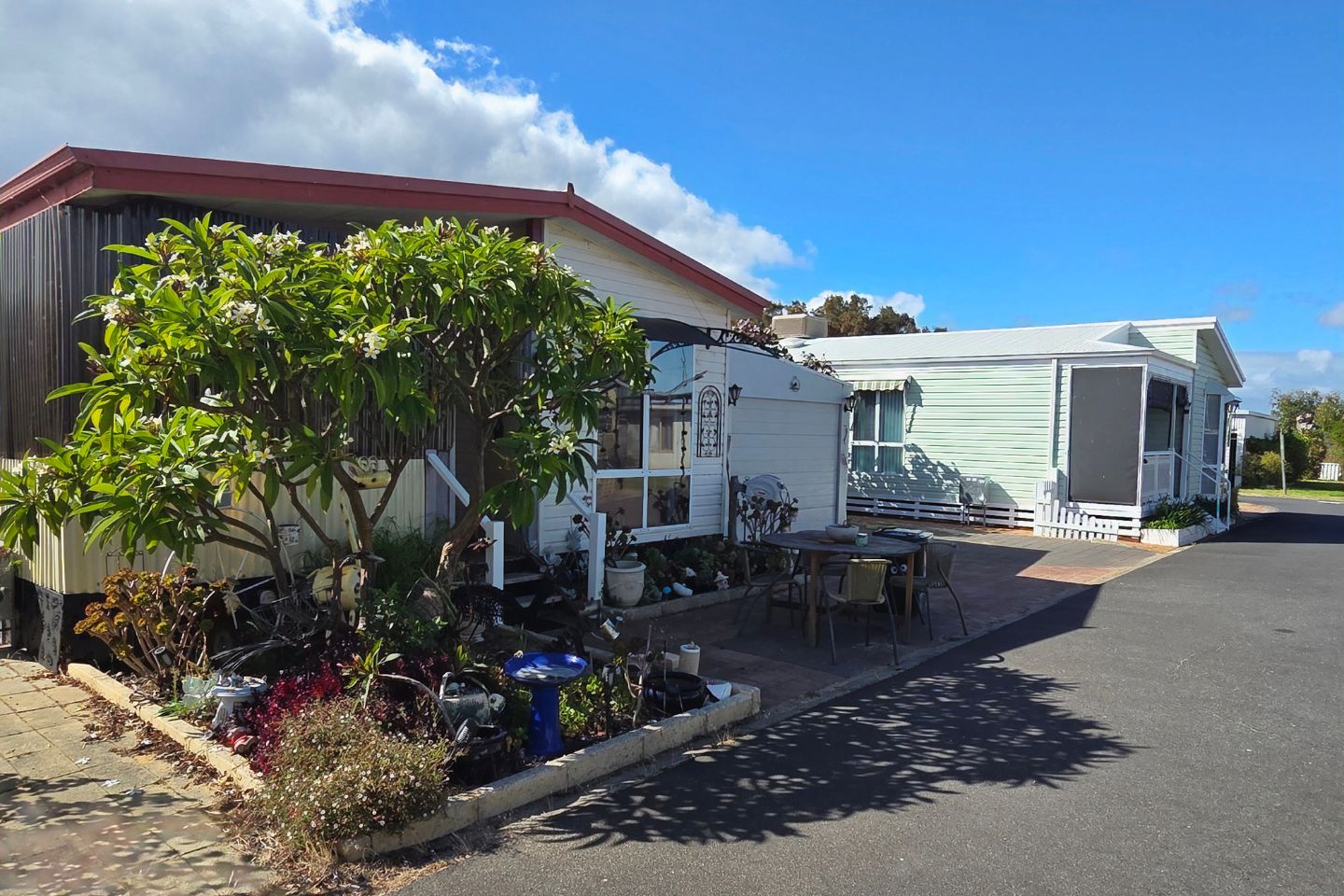
OPINION: ‘Lifestyle estate’ communities offer a viable and affordable housing alternative.

The Wellbeing Farm Edgworth to feature on Rich Wedding Poor Wedding

Price Hike and Recipe Overhaul Spark Rage

Fed Maintains Interest Rates as Powell’s Final Meeting Approaches and Bitcoin Retreats

Manchester United reach agreement with Casemiro over contract clause amid transfer speculation

US brings back mandatory military draft registration

Steven Gerrard disagrees with Gary Neville over ‘shock’ Chelsea and Arsenal claim | Football


-

 Tech3 days ago
Register Renaming | Hackaday
-

 Fashion6 days ago
Weekend Open Thread – Corporette.com
-
Crypto World5 days ago
Hyperliquid $HYPE Rally Builds Momentum as AI Sector Enters Prove-It Phase
-

 Business6 days ago
Patterson-UTI Energy, Inc. (PTEN) Q1 2026 Earnings Call Transcript
-
 Sports4 days ago
IPL 2026: Ruturaj Gaikwad registers slowest fifty of the season, enters all-time unwanted list | Cricket News
-

 Politics2 days ago
Drax board avoid their own AGM, accused of greenwashing & environmental racism
-

 NewsBeat4 days ago
LK Bennett closes all stores after entering administration
-

 Crypto World6 days ago
Michael Saylor says BTC winter is over. Market analyst disagrees, says bitcoin was in a pullback
-

 Fashion1 day ago
Kylie Jenner’s KHY Enters a New Era with ‘Born in LA’
-

 Tech2 days ago
Images of Samsung’s rumored smart glasses have leaked
-
Entertainment7 days ago
Michael B. Jordan and Austin Butler's “Miami Vice” movie will bring the action back to the '80s
-
 Entertainment5 days ago
Mariah Carey Slams Deposition Claims In Brother’s Lawsuit
-
Entertainment7 days ago
Russell Brand Had Sex With 16 Year Old When He Was 30
-

 Business1 day ago
Most Commercial Energy Audits Miss the Real Losses
-
Crypto World6 days ago
Is Algorand One of the Few Quantum-Resistant Blockchains? Here’s What the Data Shows
-
 NewsBeat6 days ago
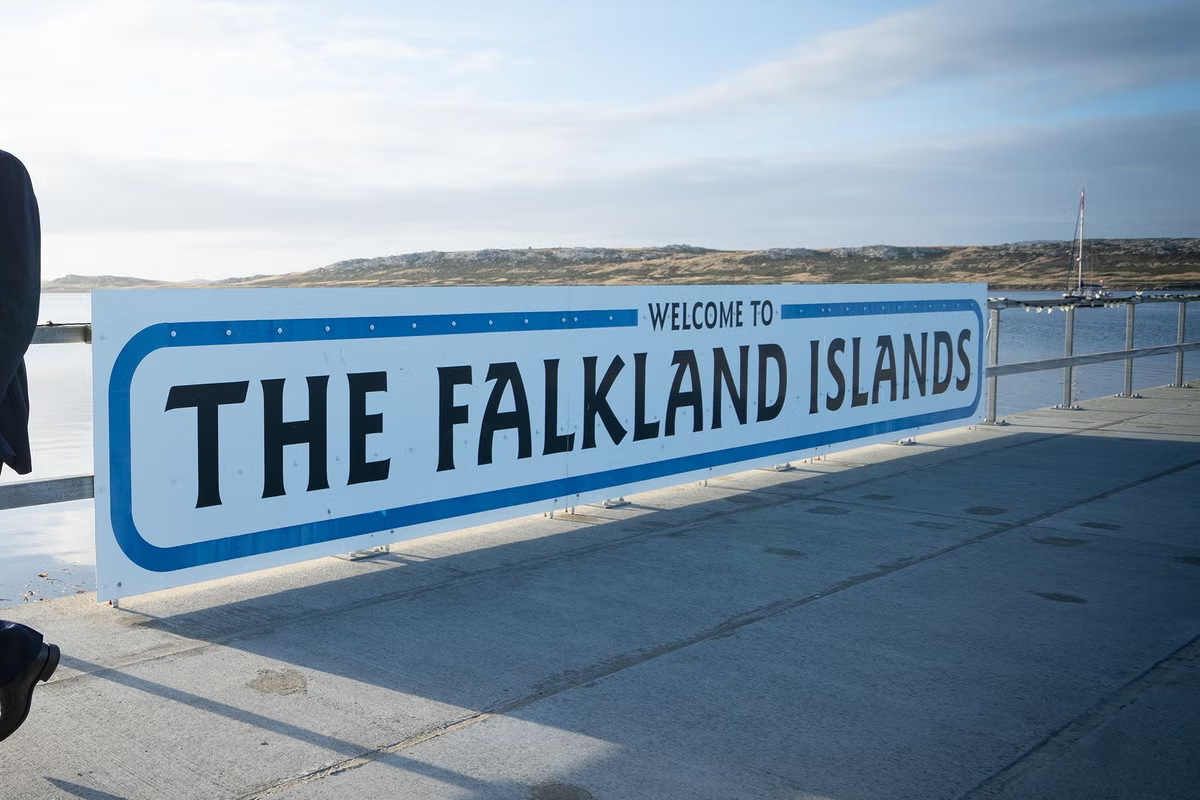
Trump threatens to review UK’s claim to Falkland Islands and punish Nato allies over Iran war disagreement
-

 Sports7 days ago
2026 NFL Draft tonight: Time, TV channel, where to watch, order
-

 Sports7 days ago
Bayern Munich on the brink of historic ‘double treble’
-

 Business6 days ago
Jeanine Pirro announces closure of Federal Reserve building cost probe
-

 Business3 days ago
(VIDEO) Charlize Theron Climbs Times Square Billboard to Promote New Netflix Thriller ‘Apex’
You must be logged in to post a comment Login