In this episode of Uncanny Valley, we get into how the Elon Musk-Sam Altman trial goes way beyond their rivalry and could have major implications both for OpenAI and also the AI industry at large.
A new study from Harvard Medical School and Beth Israel Deaconess found that an OpenAI reasoning model outperformed experienced ER doctors at diagnosing and managing patient cases using messy, real-world emergency department records. Researchers say the results don’t support replacing doctors, but they do suggest AI could meaningfully reshape clinical workflows if tested carefully in prospective trials. NPR reports: The researchers ran a series of experiments on the AI model to test its clinical acumen — including actual cases like the lupus patient who’d been previously treated at the emergency department at Beth Israel in Boston. The team graded how well the AI model could provide an accurate diagnosis at three moments in time, from the triage stage in the ER, up to being admitted into the hospital. Overall, AI outperformed two experienced physicians — and did so with only the electronic health records and the limited information that had been available to the physicians at the time. “This is the big conclusion for me — it works with the messy real-world data of the emergency department, ” said Dr. Adam Rodman, a clinical researcher at Beth Israel and one of the study authors. “It works for making diagnoses in the real world.”
Other parts of the study focused on case reports published in the New England Journal of Medicine and clinical vignettes to suss out whether the AI model could meet well-established “benchmarks” and game out thorny diagnostic questions. “The model outperformed our very large physician baseline,” said Raj Manrai, assistant professor of Biomedical Informatics at Harvard Medical School who was also part of the study. The authors emphasize the AI relied on text alone, while in real life, clinicians need to attend to many other inputs like images, sounds and nonverbal cues when diagnosing and treating a patient. The findings have been published Thursday in the journal Science.
This brings Legora’s valuation just a tad closer to Harvey’s, which reached $11 billion last month when Sequoia tripled down on its investment. Andreessen Horowitz, Coatue, Conviction Partners, Elad Gil, Matt Miller’s Evantic, and Kleiner Perkins also participated in that round.
Legora, too, is backed by high-profile VCs, but it puts even more emphasis on the big names it secured as clients, such as Bird & Bird, Cleary Gottlieb, and Linklaters. According to the company, the platform it launched only 18 months ago is now used by more than 1,000 law firms and in-house legal teams across 50 markets.
Harvey has game in that area too. It claims 100,000 lawyers across 1,300 organizations as customers, ranging from global law firms like Hengeler Mueller and Latham & Watkins to corporate legal teams at companies like T-Mobile and Bridgewater.
Techcrunch event
Advertisement
San Francisco, CA | October 13-15, 2026
With global leadership as the end goal, the Harvey v. Legora rivalry is one they intend to play on each other’s home turf. Legora has opened multiple offices around the world with the U.S. a key focus for its expansion. Conversely, Harvey is pushing into Europe.
Advertisement
With plenty of capital to spend on both sides, that battle has moved to mindshare. Not long after Winston Weinberg’s company Harvey signed a brand partnership with actor Gabriel Macht, who plays a high-powered lawyer in the TV series “Suits,” Legora launched an advertising campaign featuring movie star Jude Law under the slogan “Law just got more attractive.”
Both companies may be right to bet heavily on marketing. Rivalry aside, they are built on top of large language models made by AI giants that could well become their competitors. When Anthropic launched a legal plug-in for Claude not long ago, several publicly listed legal software companies saw their stocks drop.
Legora CEO Max Junestrand says he isn’t concerned.
“Foundation models are improving quickly, but the real value is in how they’re applied,” he wrote in a statement. It also shows how the startup instills FOMO among its target users, stating that “the legal teams that embed AI effectively today will shape how the industry evolves.”
Advertisement
NVentures’ investment is also a signal that Legora might have enough of a moat to protect them from the model makers, and its bigger rival.
Simple paper hinge. (Credit: Itoshige Studio, YouTube)
One doesn’t generally associate cardboard with structural components like hinges, but [Itoshige Studio] assures us that you can absolutely create hinges out of this ubiquitous material. In total the video covers five different designs, ranging from the simple and straightforward to an interlocking tab design that approximates a typical steel hinge with paper rod to keep both sides of the hinge together.
The most simple hinge is unsurprisingly just a strip of craft paper, which is also demonstrated as the hinge for a wooden box in lieu of the typical metal hinge. This same principle is then demonstrated for a fancy cardboard box.
From here the hinge designs increasingly get more involved, with first a seamless hinge variation, and then a kamichoban hinge design that’s inspired by traditional Japanese room dividers and furniture, using panels that are interconnected with overlapping sections to create a fascinatingly flexible hinge that can fully fold either way.
The flush hinge design is somewhat like the craft paper hinge, but significantly fancier and probably sturdier, while also looking pretty good on something like a cabinet. Finally the interlocking tab hinge is effectively a cardboard version of the hinge design that’s found on every room’s door, with a similar level of flexibility. This is obviously the trickiest one to assemble and get right, but it has its own charm.
Advertisement
Considering that all of these examples use regular corrugated cardboard that we get shipped to our homes by the truckload, the cost to try these examples is your time plus some basic tools and glue. The author also sells a book that contains templates – in addition to digital versions – for these hinges and other designs, if you’d like to enjoy the 100% paper experience.
Trusted email platforms are now the easiest entry point for attackers
Spam is no longer noise; it actively drives successful phishing attacks
Phishing links dominate because they blend into everyday communication flows
The primary delivery method for commercial spam is compromised accounts and free email services like Gmail, but many users place a lot of trust in these platforms, allowing the spam to thrive.
VIPRE Security Group’s Q1 2026 Email Threat Trends Report claims commercial spam now accounts for 46% of all spam observed globally, with 33% delivered through compromised accounts and another 32% originating from widely used free email hosting services.
About two-thirds of that spam originated from infrastructure based in the United States, which also remains the top target for these campaigns, accounting for 60% of all commercial spam volume.
Article continues below
Advertisement
Commercial spam fuels phishing and user fatigue
Commercial spam is not just a nuisance. It actively wears down users through email fatigue, increasing their chances of falling for phishing attempts.
As inboxes fill up, employees become desensitized, increasing the likelihood that they will engage with malicious messages without proper scrutiny.
Advertisement
To accelerate this effect, attackers rely on misleading subject lines, aggressive language, and urgent promotions designed to trigger quick reactions.
That same psychological pressure feeds directly into phishing campaigns, which made up nearly 26% of all spam during the period.
Sign up to the TechRadar Pro newsletter to get all the top news, opinion, features and guidance your business needs to succeed!
In these attacks, malicious links remain the most effective weapon, appearing in more than half of all phishing emails analyzed.
Advertisement
Beyond that, abused URLs accounted for over 89% of phishing infrastructure, showing a clear preference for manipulating legitimate-looking links.
This is why brands like Microsoft continue to be heavily spoofed, often through “open redirects” that start on trusted domains before leading to malicious destinations.
Advertisement
Attackers evade detection using trusted infrastructure
As detection tools improve at identifying newly registered domains, attackers are adjusting their approach rather than slowing down.
“Attackers are boldly using sophisticated techniques to evade detection, alongside resorting to emotional triggers to manipulate and breach trust,” says Usman Choudhary, General Manager, VIPRE Security Group.
“Organizations must strengthen email defenses and rethink how trust is established across every channel to combat these threats… There is no room for complacency.”
Instead of creating new domains, cybercriminals now rely on familiar, reputable web addresses to blend in and avoid raising suspicion.
Advertisement
To push this further, attackers increasingly use Cloudflare to hide phishing links behind CAPTCHA and bot protection systems.
By doing so, they prevent security scanners from reaching the actual malicious content, while making the emails appear more trustworthy to users.
Alongside these tactics, callback phishing continues to gain traction as a reliable method of deception.
These campaigns often use fake invoices, subscription renewals, or urgent account alerts to prompt victims into making contact.
Advertisement
Unfortunately, free email service providers like Gmail have little incentive to aggressively filter commercial spam when it drives user engagement metrics.
As a result, even the best secure email tools struggle when user behavior creates additional exposure points, and many threats appear to come from legitimate sources.
Until businesses enforce strict policies on acceptable email use and deploy modern detection tools that analyze behavior rather than just content, the fatigue will continue to mount, and the clicks will keep coming.
A new phishing kit named Bluekit offers more than 40 templates targeting popular services and includes basic AI features for generating campaign drafts.
Available templates can be used to target email accounts (Outlook, Hotmail, Gmail, Yahoo, ProtonMail), cloud services (iCloud), developer platforms (GitHub), and cryptocurrency services (Ledger).
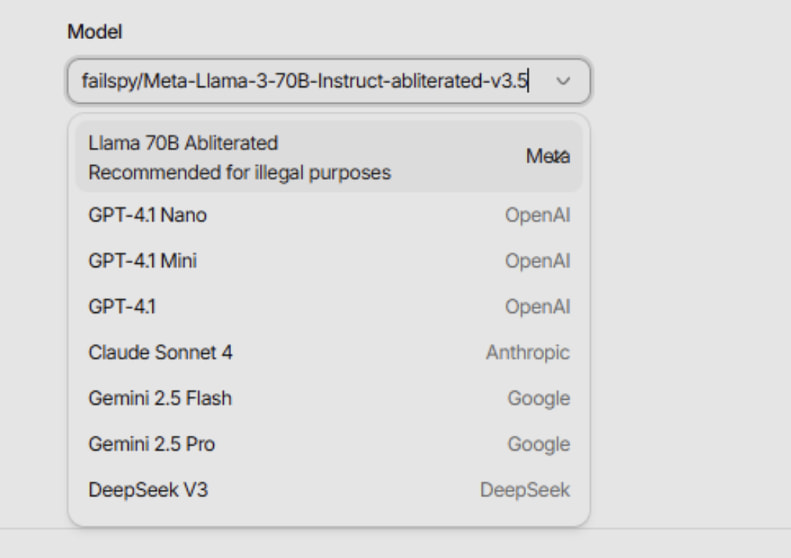
What makes the kit stand out is the presence of an AI Assistant panel that supports multiple models, including Llama, GPT-4.1, Claude, Gemini, and DeepSeek, which helps cybercriminals draft phishing emails.
This reinforces the broader trend of cybercrime platforms integrating AI to streamline and scale their operations. Abnormal Security recently reported about ATHR, a voice phishing platform that leverages AI agents to conduct social engineering attacks.
Cybersecurity company Varonis analyzed a limited version of Bluekit’s AI Assistant panel and notes that the generated outputs featured placeholder content, suggesting a feature in an early, experimental stage.
Advertisement
“The [generated] draft included a useful structure, but it still depended on generic link fields, placeholder QR blocks, and copy that would need cleanup before use,” Varonis says.
“Bluekit’s AI Assistant looked more like a way to generate a campaign skeleton than a finished phishing flow.”
AI models available on BlueKit Source: Varonis
Apart from the AI aspect, BlueKit integrates domain purchase/registration, phishing page setup, and campaign management into a single panel.
Varonis reviewed templates for iCloud, Apple ID, Gmail, Outlook, Hotmail, Yahoo, ProtonMail, GitHub, Twitter, Zoho, Zara, and Ledger, featuring realistic designs and logos.
Sample of the offered templates Source: Varonis
Operators can select domains, templates, and modes in a unified interface, configure the phishing page behavior, such as redirects, anti-analysis mechanisms, and login process handling, and monitor victim sessions in real-time.
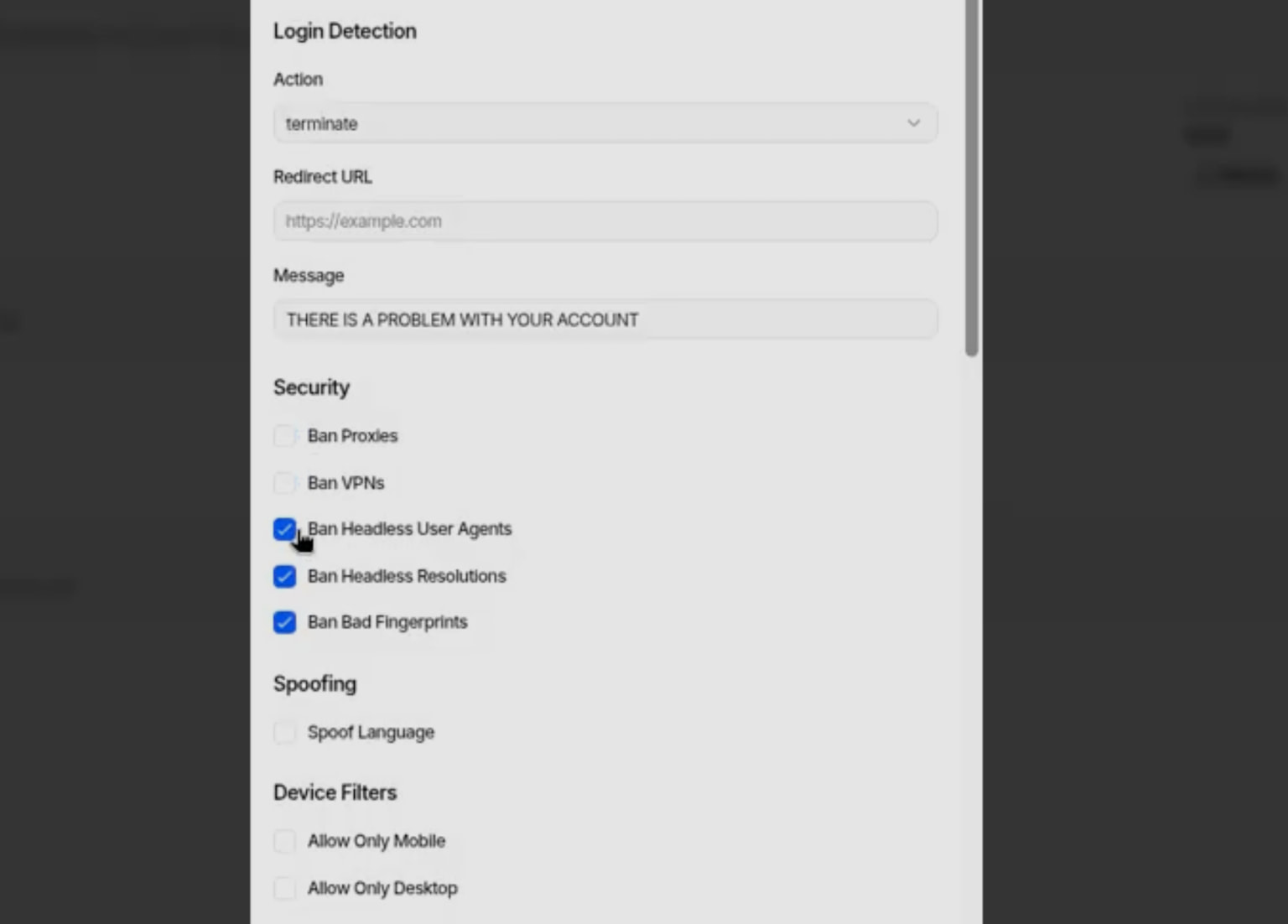
Based on the options in the dashboard, users have granular control over the behavior of the phishing pages and can block VPN or proxy traffic, headless user agents, or set fingerprint-based filters.
Advertisement
Security options Source: Varonis
Stolen data is exfiltrated via Telegram, on private channels accessible by the operators.
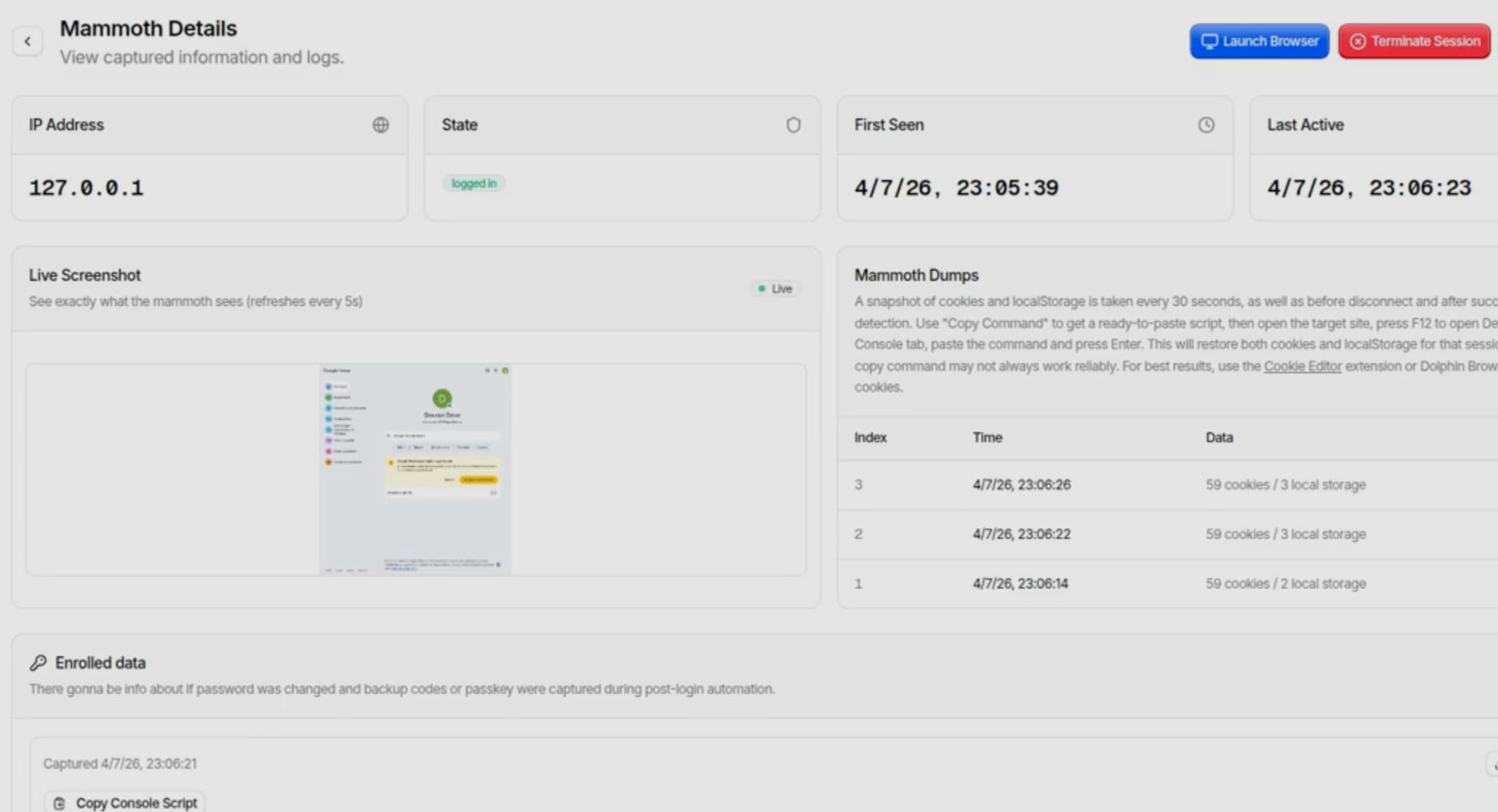
The post-capture session monitoring includes cookies, local storage, and live session state, showing what the victim was served after login, helping operators refine their attacks for maximum effectiveness.
Monitoring post-capture activity from within the dashboard Source: Varonis
Varonis comments that Bluekit is yet another example of an “all-in-one” phishing platform, giving lower-tier cybercriminals fully fledged tools to manage the entire phishing attack lifecycle.
Recent Bluekit release notes Source: Varonis
However, the kit currently appears to be under active development, receiving frequent updates and evolving quickly, making it a good candidate for growing adoption.
AI chained four zero-days into one exploit that bypassed both renderer and OS sandboxes. A wave of new exploits is coming.
At the Autonomous Validation Summit (May 12 & 14), see how autonomous, context-rich validation finds what’s exploitable, proves controls hold, and closes the remediation loop.
Publicly released exploit code for an effectively unpatched vulnerability that gives root access to virtually all releases of Linux is setting off alarm bells as defenders scramble to ward off severe compromises inside data centers and on personal devices.
The vulnerability and exploit code that exploits it were released Wednesday evening by researchers from security firm Theori, five weeks after privately disclosing it to the Linux kernel security team. The team patched the vulnerability in versions 7.0, 6.19.12, 6.18.12, 6.12.85, 6.6.137, 6.1.170, 5.15.204, and 5.10.254) but few of the Linux distributions had incorporated those fixes at the time the exploit was released.
A single script hacks all distros
The critical flaw, tracked as CVE-2026-31431 and the name CopyFail, is a local privilege escalation, a vulnerability class that allows unprivileged users to elevate themselves to administrators. CopyFail is particularly severe because it can be exploited with a single piece of exploit code—released in Wednesday’s disclosure—that works across all vulnerable distributions with no modification. With that, an attacker can, among other things, hack multi-tenant systems, break out of containers based on Kubernetes or other frameworks, and create malicious pull requests that pipe the exploit code through CI/CD work flows.
“‘Local privilege escalation’ sounds dry, so let me unpack it,” researcher Jorijn Schrijvershof wrote Thursday. “It means: an attacker who already has some way to run code on the machine, even as the most boring unprivileged user, can promote themselves to root. From there they can read every file, install backdoors, watch every process, and pivot to other systems.”
Advertisement
Schrijvershof added that the same Python script Theori released works reliably for Ubuntu 22.04, Amazon Linux 2023, SUSE 15.6, and Debian 12. The researcher continued:
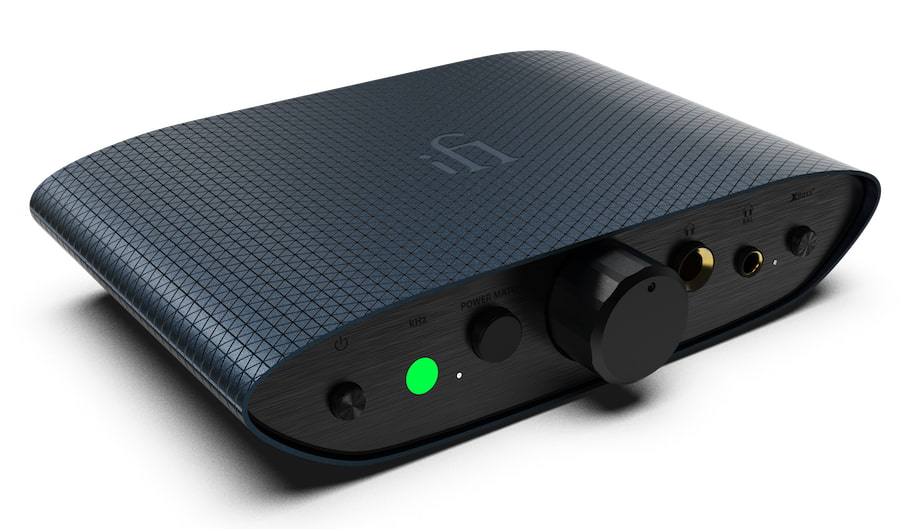
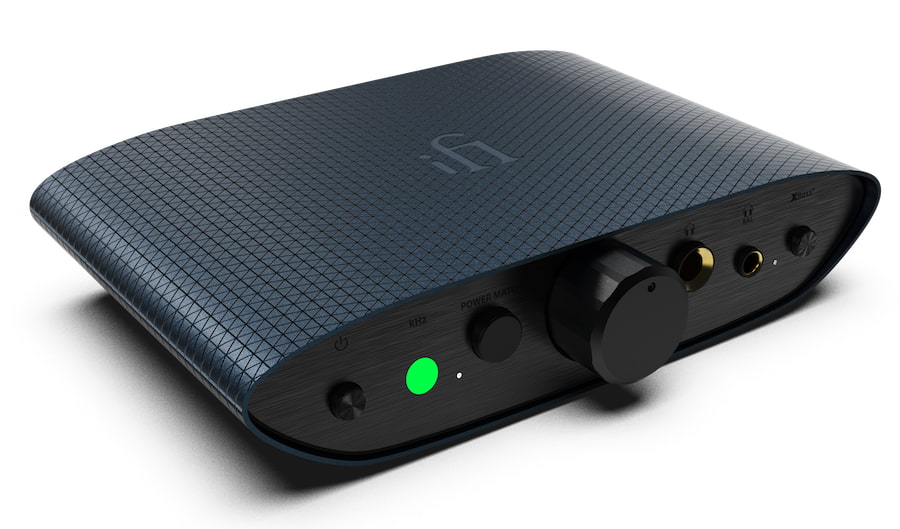
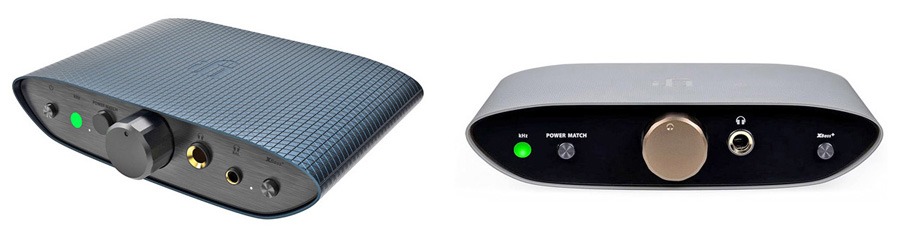
The entry level desktop DAC and headphone amp category is not short on competition, and iFi Audio knows it. With established options from Schiit Audio, FiiO, and Topping setting a high bar under $200, iFi’s new $129 ZEN Air DAC 2 arrives as a direct response. It builds on the original Zen Air with a revised DAC stage, higher output power, a balanced 4.4 mm headphone output, and a cleaner midnight blue design, all aimed at listeners who want a simple and affordable desktop upgrade without stepping into mid-tier pricing.
Designed Around A New DAC
The ZEN Air DAC 2 uses a bit-perfect DAC from Cirrus Logic that iFi has deployed across a range of its portable products. The focus here is on stable, low noise decoding rather than shaping the sound. This is the first time that implementation has been used in one of its entry level desktop units, and any gains in clarity, dynamics, and distortion are likely to be incremental rather than dramatic. Support for high resolution formats includes PCM up to 384 kHz and DSD256, which is standard for this category.
Balanced Headphone Output
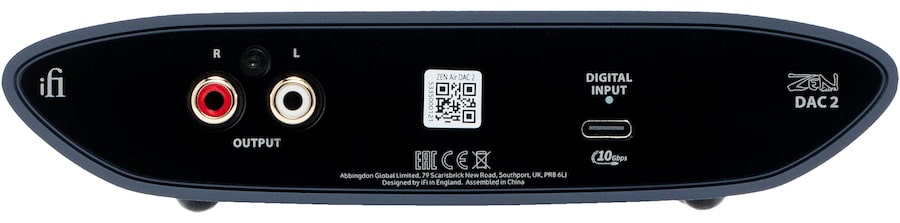
The ZEN Air DAC 2 adds a balanced 4.4 mm headphone output, a feature previously limited to the standard ZEN series. It allows use with compatible balanced headphones, which can help lower noise and crosstalk depending on the setup. For conventional headphones, a 6.3 mm single ended output is also included.
Increased Power Output
With the addition of balanced circuitry, the ZEN Air DAC 2 offers higher output than its predecessor. iFi claims up to three times more headphone drive, which should provide better control with a wider range of headphones, especially when using the balanced output.
Rated output is ≥5.57 V / 484 mW at 64 ohms via the 4.4 mm connection, and ≥3.02 V / 286 mW at 32 ohms through the 6.3 mm single ended output.
Advertisement
XBass+ and PowerMatch
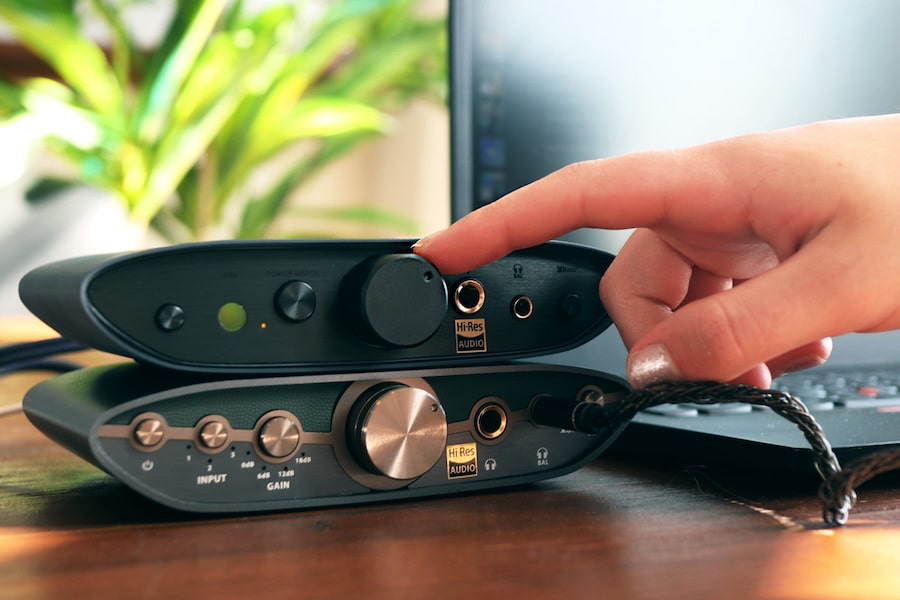
To provide more support for increased power output when needed, the ZEN Air DAC 2 includes two of iFi audio’s favorite analog audio features, which can be instantly toggled via the dedicated buttons on the front panel.
XBass+: This feature enhances low frequencies for additional energy and excitement, and is essential for restoring the bass often lost in open-backed headphones.
PowerMatch: This features provided an additional 6dB of gain to bring hard-to-drive headphones to life.
Refined Design
Alongside the updates and added features, the ZEN Air DAC 2 includes a few practical refinements that improve day to day use, including a new midnight blue finish with a metal front panel that feels more consistent in a desktop setup, and a dedicated power button added in response to user feedback that makes it easier to control without having to disconnect cables or power sources.
The iFi ZEN Air DAC 2 sticks to its role as an affordable, no-nonsense entry point into desktop audio, but adds enough to stay relevant in a crowded field. The move to a revised DAC implementation, higher output power, and the addition of a 4.4 mm balanced headphone output are meaningful upgrades at this price, especially for users with harder to drive headphones or balanced cables.
At the same time, the removal of MQA support signals a shift in priorities that not everyone will miss, but some might notice. This is aimed at listeners who want a simple, compact DAC and headphone amp that can also double as a basic preamp for powered speakers, without stretching beyond a modest budget or overcomplicating the setup.
FiiO is pushing performance with the launch of the K17 R2R Pro, a DAC, and headphone amplifier built around a proprietary resistor ladder design and a long list of connectivity options. It follows directly on the heels of the recently reviewed K17 ($989) covered by James Fiorucci, making this the next step in a product line that’s clearly gaining traction.
That timing isn’t accidental. The one box desktop system has become one of the fastest growing segments in personal audio, driven by listeners who want a full featured DAC, and headphone amp in a single chassis without the cost, complexity, or footprint of separates. FiiO is betting that demand isn’t slowing down.
The real question, before digging into the K17 R2R Pro itself, is what you give up when everything is consolidated into one box and what you actually gain in return. Can something like this compete with well-matched separates, or is the appeal more about convenience and system flexibility?
FiiO K17 as the Reference Point
Before getting into the new K17 R2R Pro, the standard K17 matters because it already sets a serious baseline. The $989 model, which uses AKM’s AK4191 digital modulator with dual AK4499EX DACs, a fully discrete amplifier stage with ON Semiconductor MJE243 and MJE253 transistors, and up to 4 watts of balanced output power.
Advertisement
Specifications look impressive. Crosstalk over 119 dB, THD+N below 0.00049% at 32 ohms, and SNR above 123 dB. FiiO also uses a 35W linear power supply with five 4700µF capacitors, which is not something you see in every sub $1,000 desktop DAC and headphone amplifier.
The K17 also brings a 3.93-inch touchscreen, ESP32 S3 SoC, X2000 multi core processor, and a front panel with 1/4-inch, 4 pin XLR, 4.4mm balanced, and USB-C connectivity. At nearly 3 kg, it also feels like a proper desktop component rather than another lightweight box pretending to be one.
That matters because the K17 R2R Pro is not arriving in a vacuum. The regular K17 already made the argument for a serious desktop audio system. The new model now has to show what FiiO can improve with a resistor ladder DAC architecture, and whether that change makes the Pro feel like a real step forward instead of just another badge on the same chassis.
FiiO K17 R2R Pro: What’s Actually New?
The FiiO K17 R2R Pro moves beyond the AKM-based K17 with a proprietary 5 + 24-bit R2R PRO resistor array, giving the new model a very different DAC architecture and a more analog-leaning design brief.
Advertisement
Users can switch between NOS and OS modes, allowing the K17 R2R Pro to run without oversampling or with oversampling engaged, depending on the source material and listening preference.
The headphone section uses a discrete Class AB transistor current-boosting amplifier circuit rated at 4000mW + 4000mW. That gives it enough output for a wide range of headphones, from sensitive IEMs to more demanding planar designs.
FiiO is also positioning this as a complete desktop audio solution or hi-fi system hub. The K17 R2R Pro supports local playback, wi-fi connectivity, and QPlay, with dual-band 2.4GHz/5GHz Wi-Fi and Gigabit Ethernet for more stable network use.
Advertisement. Scroll to continue reading.
Advertisement
What’s missing from FiiO at this point is information about native support for any of the major streaming platforms. Outside of support for QPlay which is confirmed, we still don’t know if Spotify Connect, TIDAL Connect, and Qobuz Connect are part of the package.
For system tuning, it includes a 31-band high-precision parametric EQ with Auto EQ support. Users can adjust PEQ settings through the FiiO Control app or a web browser and save those settings directly to the unit.
Other key features include a USB ground-loop isolator, a 35W low-noise linear power supply, a 3.93-inch touchscreen with VU meter and clock display options, and an aluminum-alloy infrared remote control.
FiiO K17 R2R Pro Connectivity
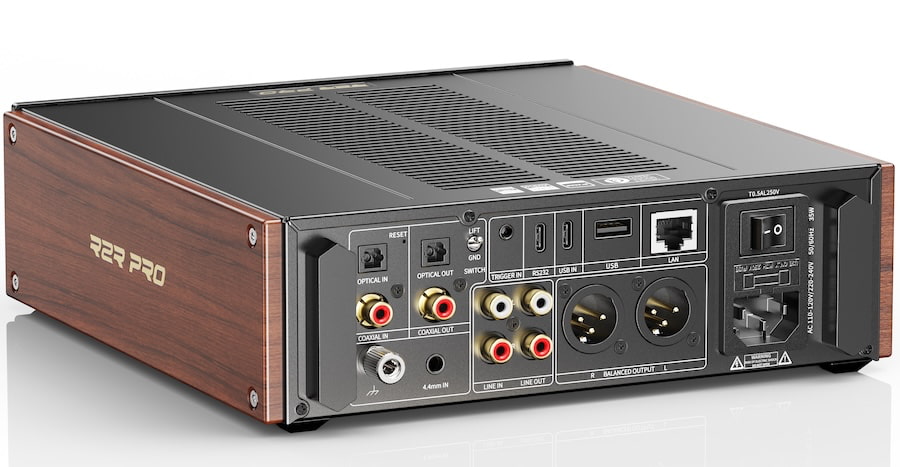
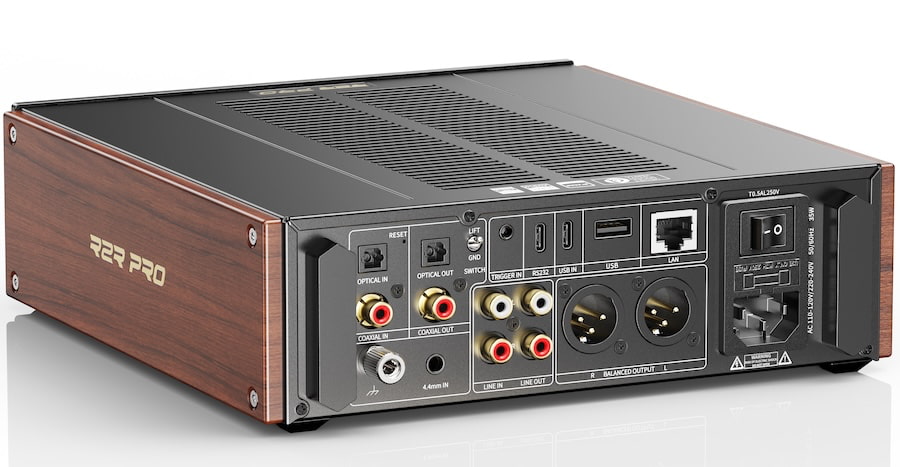
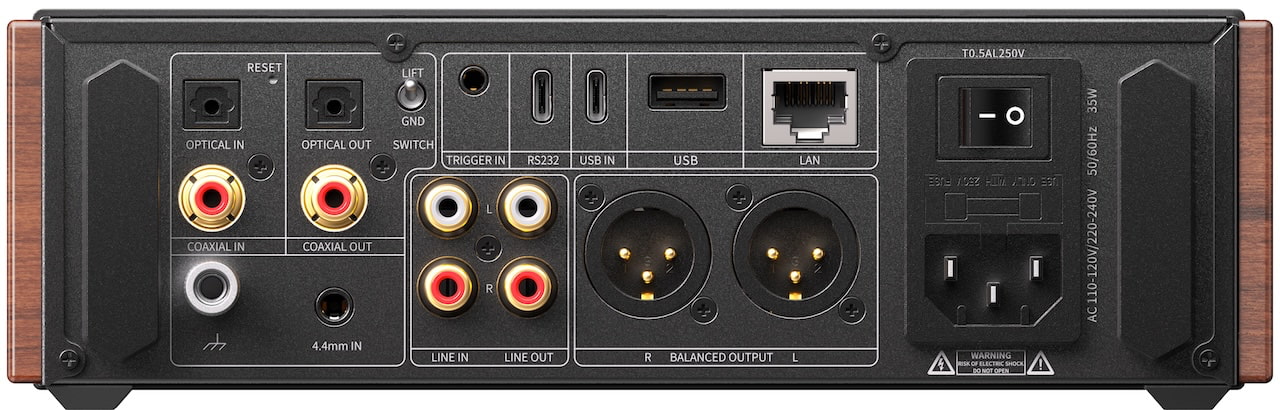
A look at the rear panel of the FiiO K17 R2R Pro makes it clear that this is designed to function as the hub of a desktop or even small two channel system.
Advertisement
On the digital side, you get optical in and out, coaxial in and out, USB-C, and a standard USB-A port for storage or external devices. There is also an Ethernet LAN connection for network streaming, alongside trigger in and RS232 for system integration.
Analog connectivity is just as complete. There are RCA line inputs and outputs, along with balanced XLR outputs for connecting to a power amplifier or active speakers. A 4.4mm balanced line input is also included, which is less common at this level and gives additional flexibility for portable or balanced source devices.
FiiO has also included a ground lift switch to help deal with system noise issues, which is a practical addition for desktop setups connected to multiple components.
The Bottom Line
The FiiO K17 R2R Pro stands out by replacing the standard DAC approach with a proprietary R2R ladder while keeping the all in one concept intact with streaming, DAC, and a 4W per channel Class A/B headphone amplifier. That combination of R2R architecture and full system control in a single chassis is still relatively uncommon.
Advertisement
The R2R design will offer a different tonality than the AKM based K17, but that does not automatically make it better. It is simply a different presentation that some listeners may prefer.
What is missing is any clear indication that it can outperform well matched separates, and pricing has not been confirmed, though it is unlikely to come in below the $989 K17.
As noted, details around the streaming platform are still limited, which is unusual for a product being positioned as a streamer. FiiO has not outlined supported services or ecosystem integration, so for now it is reasonable to assume the Wi-Fi implementation is intended for network streaming, even without Bluetooth support. We will update when we learn more.
Price & Availability
Global pricing will be announced in June 2026. However, visitors will be able to hear the K17 R2R Pro at Vienna High End starting June 4th at World of Headphones, H X4, N01.
Reid Wiseman looks back at Earth through Orion’s cabin window during Artemis II. Credit: NASA
NASA released Artemis II images from Orion’s Moon-bound leg, and this interactive timeline organizing them shows how an iPhone 17 Pro Max and other onboard cameras were used throughout the mission.
Astronauts aboard Orion captured images throughout the Artemis II mission, including selfies, eclipse shots, and views of Earth through the spacecraft’s forward windows, with some images taken on an iPhone 17 Pro Max. One image titled “Thinking of You, Earth” shows a crew member silhouetted against the planet as Orion moved deeper into cislunar space.
The timeline, recently published, shows life inside the cabin, including floating group shots, strapped-in seating positions, and handheld images in microgravity. It spans multiple points in the flight alongside imagery from dedicated cameras, including Nikon systems and GoPros mounted on Orion.
Advertisement
Victor Glover, Jeremy Hansen, Reid Wiseman, and Christina Koch take a selfie inside Orion during Artemis II. Credit: NASA
The approach reflects how NASA approved personal devices for Artemis II. The iPhone flew as personal crew tools with wireless radios disabled and no direct connection to flight systems, secured with Velcro or stored in suit pockets during critical phases.
Photos and video routed through Orion’s onboard communication system for downlink to Earth rather than transmitting from the phones themselves. Inside the cabin, astronauts used the devices to capture what they saw during the flight.
Shuttle-era experiments briefly placed Macintosh systems close to crew workflows, where engineers studied how astronauts used software in microgravity. Later missions pushed consumer hardware out of operational contexts as certification standards tightened.
Sleeping bags inside Orion ahead of Artemis II’s lunar flyby on April 6, 2026. Credit: NASA
Artemis II brought those devices back under tightly controlled boundaries. iPhones operated alongside mission systems as crew-held devices used throughout the flight, giving astronauts a modern version of the personal logs seen in “Star Trek.”
The timeline shows how the devices were used in practice. One phone captured a view of Earth through Orion’s window, followed by a floating group selfie and a dimly lit interior shot taken during a quieter period of the flight.
Apple’s current role in spaceflight centers on documenting the mission from inside the cabin. The hardware returned with a smaller and more controlled purpose, recording daily life inside Orion during a crewed mission beyond low Earth orbit, with the timeline making that usage visible across the flight.
If you don’t need as much RAM, you can also score deals on the standard M5 model with 16GB of unified memory, with prices as low as $949.99 ($150 off) at Apple resellers.













.jpg)
















































You must be logged in to post a comment Login