
Business
Spirit Airlines on Brink of Shutdown as Bankruptcy Rescue Talks Collapse Amid Surging Fuel Costs

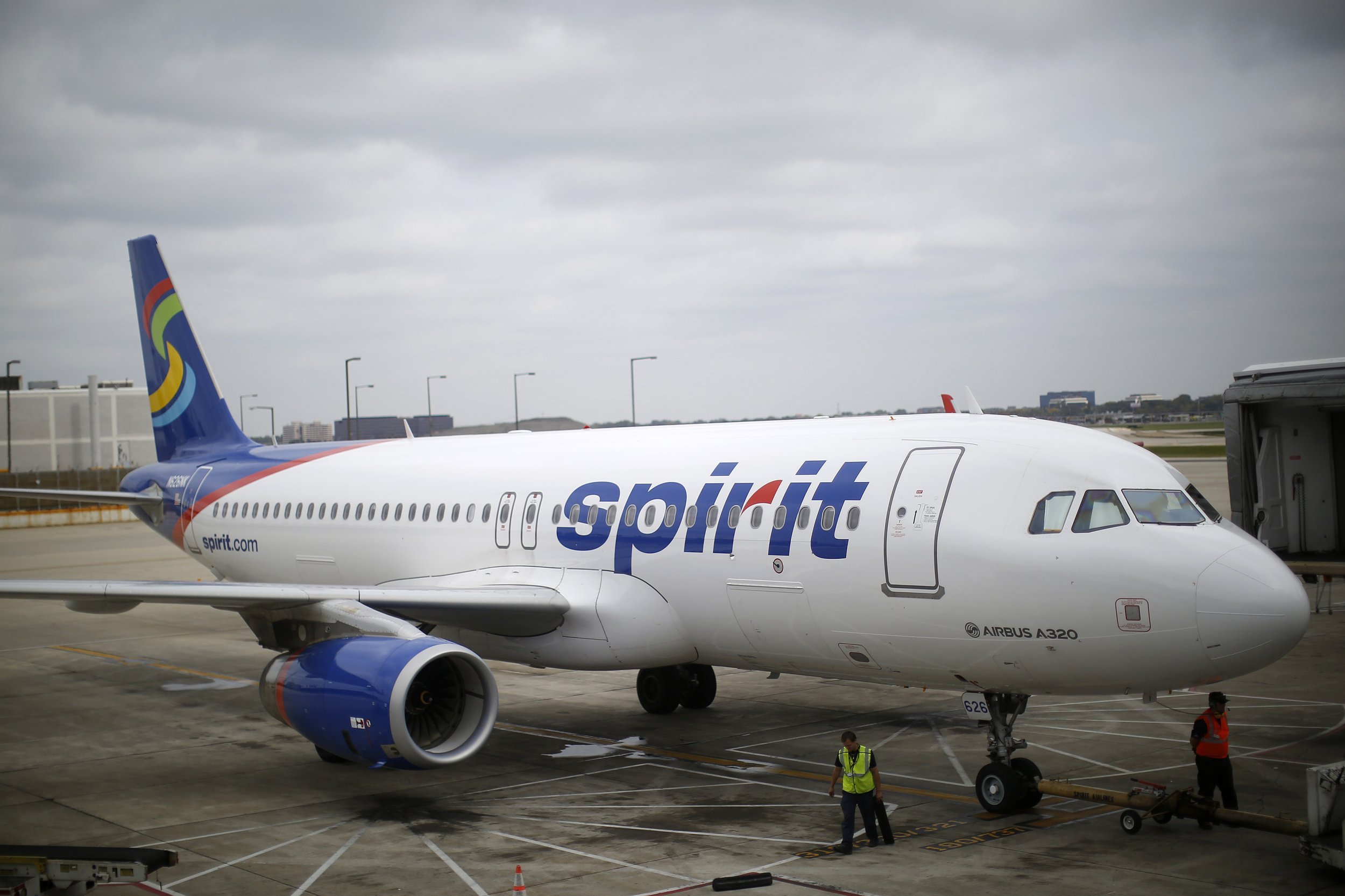
FORT LAUDERDALE, Fla. — Spirit Airlines, the pioneering ultra-low-cost carrier that transformed budget travel for millions of Americans, appears poised to cease operations as early as this weekend after bailout negotiations collapsed, dealing a potential death blow to the financially troubled airline amid soaring jet fuel prices and repeated bankruptcy filings.
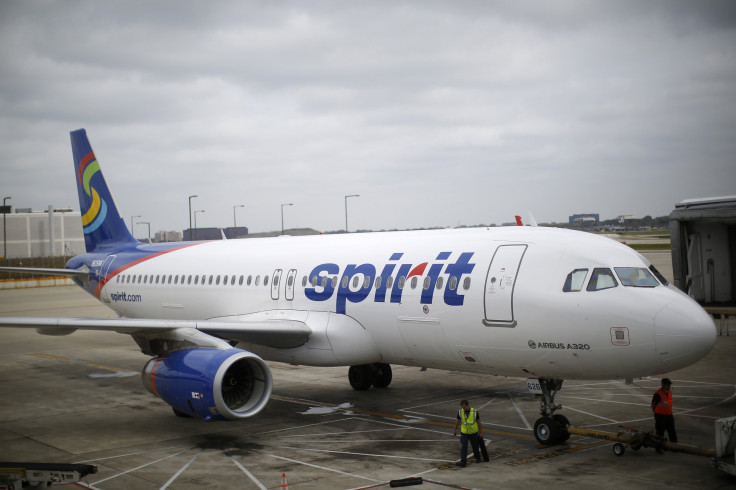
Reports from major outlets indicate Spirit is preparing for liquidation following the failure to secure a roughly $500 million government-backed rescue package, leaving passengers with booked tickets scrambling for alternatives and raising questions about refunds and industry ripple effects. The move would mark the end of an airline known for its no-frills model and bright yellow planes that once symbolized accessible air travel.
Spirit filed for Chapter 11 bankruptcy protection in August 2025 — its second such filing in less than a year — as part of restructuring efforts that included fleet reductions and route cuts. Executives had hoped to emerge leaner by summer 2026, but escalating fuel costs linked to global tensions, including the U.S. involvement in Iran, strained cash reserves and derailed plans.
Timeline of Financial Turmoil
The airline’s troubles trace back years. Post-pandemic recovery proved challenging as competition intensified from larger carriers and other low-cost rivals. A proposed merger with JetBlue fell through due to regulatory hurdles, depriving Spirit of a potential lifeline. The first bankruptcy filing came in late 2024, followed by the latest in August 2025.
Recent restructuring aimed at slashing the fleet from over 200 aircraft to around 94 while trimming debt significantly. However, persistent losses, high operational costs and softening demand for leisure travel compounded problems. Jet fuel prices, up dramatically in recent months, became the tipping point as negotiations with creditors and government stakeholders faltered.
President Donald Trump indicated the administration was reviewing options, but sources say time ran out for Spirit, which reportedly has only days of cash remaining. A decision on full shutdown could come imminently, potentially grounding flights with little notice.
Impact on Passengers and Travel Industry
Travelers holding Spirit tickets face uncertainty. Industry experts advise checking alternative flights immediately through other carriers, as refunds or rebooking options may become limited or delayed in a liquidation scenario. Credit card travel protections or travel insurance could offer recourse for some, but policies vary widely.
Major airports serving Spirit routes, including Fort Lauderdale-Hollywood International, Orlando and others in the Northeast and Midwest, brace for operational disruptions. Booking platforms and travel agents report increased inquiries as word spreads. The Points Guy and similar sites urge passengers to monitor Spirit’s website and contact customer service promptly.
The shutdown would strand thousands mid-journey or with upcoming reservations, exacerbating chaos in an already strained summer travel season. Competitors may add capacity, but last-minute fares could spike.
Broader Implications for Low-Cost Carriers
Spirit’s potential demise highlights vulnerabilities in the ultra-low-cost model. Aggressive pricing, ancillary fees and dense seating drove growth pre-pandemic but left little margin for shocks like fuel volatility or economic slowdowns. Industry watchers question whether similar carriers face parallel risks amid rising costs and consolidation trends.
Frontier Airlines and others in the segment may absorb market share, but integration challenges could arise. Larger airlines might benefit from reduced competition on leisure routes, potentially leading to higher fares industry-wide. Labor unions express concern over job losses, with Spirit employing thousands whose futures hang in the balance.
The case underscores debates over government intervention in airlines. Critics argue bailouts distort markets while supporters cite employment and connectivity impacts, particularly for underserved routes. Spirit’s network served many secondary cities, filling gaps left by legacy carriers.
Spirit’s Legacy in Aviation
Founded in 1983 as a charter service, Spirit evolved into a major discount player under CEO Ben Baldanza and later Ted Christie. The airline popularized unbundled fares, charging separately for bags, seats and other amenities — a model now standard across the industry. Bright yellow livery and irreverent marketing built a loyal, price-sensitive following.
At its peak, Spirit operated hundreds of daily flights, connecting leisure destinations and offering affordable options for families and budget travelers. Record load factors demonstrated demand for cheap flights, even with minimal comforts. However, customer satisfaction scores often lagged due to fees and operational issues like delays.
The airline’s struggles mirror broader challenges: labor shortages, supply chain issues and shifting consumer preferences post-pandemic. Bankruptcy proceedings revealed deep debt burdens that restructuring failed to fully resolve.
What Comes Next for Affected Stakeholders
Passengers should document bookings, explore rebooking on United, Delta, American or Southwest, and contact issuers for refunds where applicable. Corporate travel departments advise reviewing policies for alternative carriers.
Employees face uncertain futures, with potential severance or transfers depending on liquidation proceedings. Suppliers and vendors tied to Spirit operations may see payments delayed or reduced.
Regulators, including the Department of Transportation, will oversee wind-down to protect consumers. Historical precedents from other airline failures suggest refunds can take weeks or months.
Industry Reactions and Future Outlook
Aviation analysts express mixed views. Some see consolidation as healthy, reducing overcapacity. Others worry about diminished competition harming consumers on price. Spirit’s exit could accelerate mergers or route adjustments across the board.
As summer approaches — traditionally a peak period — the timing amplifies disruption. Travelers booking ahead should verify carrier status. Insurance purchases offer protection against similar events.
Spirit’s story serves as a cautionary tale for the sector. While innovation drove its rise, external pressures exposed structural weaknesses. The airline that once promised “Bare Fares” now faces a bare future, potentially ending operations that carried millions to vacations and family visits.
For now, uncertainty reigns as executives, creditors and officials weigh final options. Travelers and employees alike await clarity in what could mark the end of an era for one of America’s most disruptive airlines. The coming days will determine whether Spirit finds a last-minute savior or joins the list of carriers grounded by economic realities.


There is a particular kind of silence that descends on a once-busy restaurant when last orders have come and gone, the candles have guttered, and the chef is out the back having a cigarette and contemplating bankruptcy. It is the sound of a small dream dying. And right now, across Britain, that silence is becoming deafening.
I have just returned from dinner at a perfectly nice neighbourhood bistro in west London, where the owner, a man who quit a comfortable banking job to chase the romance of feeding people, confessed somewhere between the burrata and the lamb that he is closing in September. Not because nobody comes. They come. They eat. They tip. They order the second bottle. But the maths, he sighed, no longer mathses.
The story is the same in every postcode. UKHospitality reckons we lost roughly one pub or restaurant every single day last year. The Hospitality Rising figures are grimmer still: chefs walking away, dining rooms going dark, sites being flogged off to coffee chains and vape shops. And yet our Chancellor has decided that what this fragile, brilliant, world-beating sector really needs is a thumping great kicking.
Let us count the bruises. From April 2025, employer National Insurance jumped to 15 per cent. The threshold at which businesses begin paying it was slashed from £9,100 to £5,000, which is a fancy Treasury way of saying that every waiter, every glass-polisher, every Saturday-morning kitchen porter is now considerably more expensive to employ. Throw in the National Living Wage rising to £12.21 an hour, business rates relief shrivelling from 75 per cent to a measly 40 per cent, and a stubborn refusal to cut hospitality VAT to anything resembling our European competitors, and you have what UKHospitality calculated as an additional £3.4 billion annual hit on the sector. Three-point-four. Billion. With a B.
To which Rachel Reeves and Sir Keir Starmer have essentially shrugged and said: tough. Get on with it. Be more productive. Use AI. Yes, really, the Prime Minister actually suggested artificial intelligence was the answer to the front-of-house labour crisis. Has the man ever tried to get a chatbot to recommend the Picpoul de Pinet over the Sancerre, or to deal with a four-top of accountants splitting the bill seventeen ways?
I am not, as a rule, a conspiracist. But I am beginning to wonder whether this is plain incompetence or something darker. Because if you sat down with a clean sheet of paper and deliberately tried to design a policy package guaranteed to incinerate independent restaurants, you would land more or less exactly where this Government has landed. Hammer the labour costs. Hammer the property costs. Refuse the one tax cut, VAT, that would actually move the needle. Drive away the high-spending non-doms who used to keep Mayfair humming, propose extending the smoking ban to pub gardens and pavement tables, then make it harder still to recruit from abroad. Magnifique.
The rationale, presumably, is that restaurants are a luxury, frequented by people who can afford it, staffed by people who do not vote Labour. Easy political target. Wrong, of course. Our sector employs 3.5 million people, more than half of them under 30, many in their first proper job, learning skills no classroom ever taught, graft, courtesy, and how to charm a furious German tourist out of a complaint about the size of the prawns. Killing restaurants does not punish the rich. It punishes the kid from Croydon who wanted to be a sommelier, the Polish chef who built a life here, and the landlady whose pub still kept her village alive.
And here is the bit Reeves seems incapable of grasping: hospitality does not just feed us. It powers tourism, it props up high streets, it fills supply chains from Cornish dairies to Yorkshire breweries to the Kentish vineyards her colleagues love being photographed at. When a restaurant closes, the butcher feels it, the laundry firm feels it, the cab driver feels it, the florist feels it. You do not just lose a place to eat. You lose an entire ecosystem.
I had hoped, fool that I am, that this Labour Government might understand that. Many of its members, after all, claim to enjoy the occasional supper out, although one suspects most of theirs arrives by Deliveroo on the public purse. But policy after policy has revealed either profound ignorance of how a small business actually functions, or active hostility towards anyone who took a punt on themselves rather than waited patiently for a public sector pay rise.
The lights are going out across our high streets. The chairs are being stacked. The wine is being sold off at cost. And our Chancellor, when asked, musters only the platitude that growth takes time.
So does dying, Rachel. So does dying.

Richard Alvin
Richard Alvin is a serial entrepreneur, a former advisor to the UK Government about small business and an Honorary Teaching Fellow on Business at Lancaster University.
A winner of the London Chamber of Commerce Business Person of the year and Freeman of the City of London for his services to business and charity. Richard is also Group MD of Capital Business Media and SME business research company Trends Research, regarded as one of the UK’s leading experts in the SME sector and an active angel investor and advisor to new start companies.
Richard is also the host of Save Our Business the U.S. based business advice television show.


Danco seeks Supreme Court stay of ruling that pauses mail-order access to abortion drugs


Berkshire CEO Greg Abel says insurance becoming increasingly competitive


Berkshire shareholders reject report on workforce oversight, approve say-on-pay
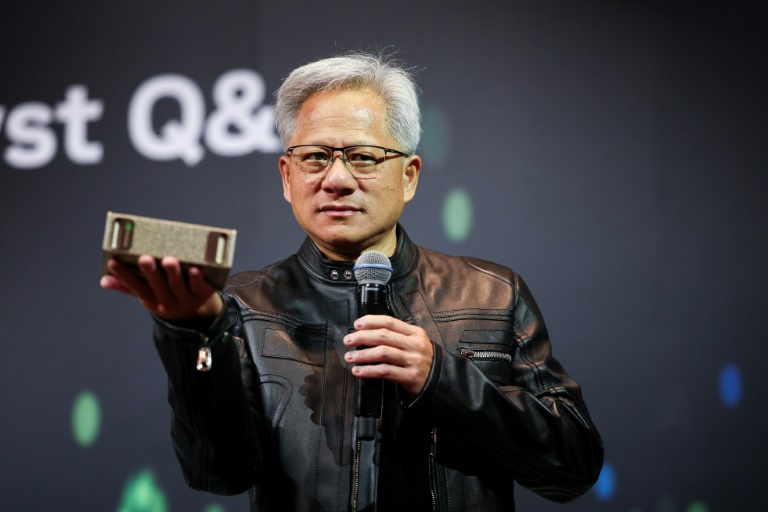
NEW YORK — Nvidia Corp. enters the heart of 2026 as one of the market’s most compelling stories, with Wall Street analysts overwhelmingly recommending investors buy shares amid explosive artificial intelligence demand, robust earnings growth and a dominant position in data center chips that shows few signs of slowing. The semiconductor giant’s stock has delivered extraordinary returns in recent years, but questions linger about valuation sustainability and potential headwinds in a rapidly evolving tech landscape.
Trading recently around $200 per share after earlier volatility, Nvidia commands a market capitalization exceeding $4 trillion, reflecting its pivotal role in powering the AI revolution. Analysts tracking the company issue predominantly “Buy” ratings, with consensus price targets clustering near $270, suggesting meaningful upside potential through year-end and beyond. Strong Buy recommendations from over half of covering firms underscore confidence in continued leadership.
Earnings Momentum and AI Tailwinds Drive Bull Case
Nvidia’s fiscal results highlight why optimism prevails. Recent quarterly reports showed revenue and earnings growth far outpacing broader markets, fueled by insatiable demand for its GPUs used in training and inference for large language models. Data center revenue has surged, offsetting any softness in gaming or automotive segments.
Chief Executive Jensen Huang has positioned the company at the forefront of accelerated computing, with new architectures like Blackwell generating excitement. Partnerships with major cloud providers and hyperscalers ensure a robust order backlog, while software ecosystems such as CUDA create significant switching costs for competitors.
Projections for 2026 call for revenue exceeding $100 billion, with earnings per share growth supporting premium valuations. Analysts forecast continued expansion in AI infrastructure spending, even as some question the pace of adoption. Energy demands and infrastructure constraints represent risks, but Nvidia’s diversification into networking, software and potentially sovereign AI initiatives provides buffers.
Valuation Debate Centers on Growth Sustainability
At current multiples, Nvidia trades at a premium reflecting its growth profile. Bulls argue the valuation remains reasonable given earnings trajectory and market dominance. Forward price-to-earnings ratios, while elevated, align with historical tech leaders during transformative periods.
Skeptics point to concentration risks, potential AI spending slowdowns and geopolitical tensions affecting supply chains. China restrictions and export controls have already impacted results, though domestic demand and alternative markets mitigate effects. Competition from AMD, Intel and custom chip efforts by hyperscalers could erode margins over time.
Despite these concerns, the consensus leans bullish. Average price targets imply 30-35% upside, with optimistic forecasts reaching higher on successful product cycles. Long-term models project substantial growth if AI permeates enterprises, autonomous systems and scientific computing.
Investor Strategies for Nvidia Exposure
For those considering buying Nvidia stock in 2026, a long-term horizon suits best. Dollar-cost averaging helps navigate volatility while capturing compounding gains from innovation. Portfolio allocation should remain disciplined, perhaps limiting single-stock exposure given sector concentration.
Growth-oriented investors view Nvidia as a core holding in technology and AI themes. Dividend initiation, though modest, signals maturing capital return policies. Technical analysis shows support levels during pullbacks, offering entry points for opportunistic buyers.
Sellers or those on the sidelines cite rich valuations and mean-reversion risks. Profit-taking after multi-year runs makes sense for some, particularly if broader market corrections loom. Short-term traders monitor earnings beats, guidance and macroeconomic data closely.
Diversification across semiconductors, cloud computing or broader tech ETFs provides balanced AI exposure without single-company risk. Options strategies or leveraged vehicles suit sophisticated investors comfortable with amplified volatility.
Competitive Landscape and Innovation Pipeline
Nvidia maintains clear leadership in high-performance GPUs, but the field evolves quickly. AMD’s MI series chips gain traction, while custom silicon from Google, Amazon and others targets specific workloads. Open-source alternatives and software optimizations could democratize access, pressuring pricing power.
Nvidia counters with full-stack solutions encompassing hardware, software and services. CUDA’s ecosystem lock-in, combined with rapid iteration on new architectures, sustains moats. Ventures into robotics, autonomous vehicles and enterprise software broaden the addressable market.
Geopolitical factors add complexity. U.S.-China tensions influence export policies, prompting Nvidia to develop compliant products while expanding in friendly markets. Supply chain resilience and manufacturing partnerships with TSMC remain critical.
Macroeconomic and Sector Influences
Broader economic conditions shape Nvidia’s prospects. Interest rates, inflation and corporate spending on technology influence AI investment appetite. Recession fears could delay projects, while robust growth accelerates adoption.
The semiconductor cycle historically features booms and busts, but AI represents a structural shift potentially insulating leaders like Nvidia. Energy constraints and regulatory scrutiny around data centers introduce new variables.
Investor sentiment swings with quarterly results and forward guidance. Positive surprises on margins or new verticals tend to catalyze rallies, while any softening in data center demand triggers selloffs.
Risks and Considerations for 2026
Key risks include execution misses on new products, intensified competition or AI hype deflation. Valuation compression could occur if growth moderates. Geopolitical escalation or supply disruptions pose additional threats.
Opportunity lies in sustained AI tailwinds, successful diversification and market share gains. Nvidia’s balance sheet strength and free cash flow generation provide flexibility for acquisitions, R&D and shareholder returns.
Final Thoughts on Investment Decision
Nvidia stock in 2026 presents a compelling case for buyers convinced of AI’s transformative potential. The company’s technological edge and execution track record support optimism, though high expectations leave limited margin for disappointment.
Investors should conduct thorough due diligence, assess personal risk tolerance and consider professional advice. No single stock guarantees success, but Nvidia embodies the innovation driving modern markets. As the year progresses, earnings reports and product announcements will provide fresh data points for buy, hold or sell evaluations.
The semiconductor leader’s journey reflects broader tech evolution, where bold bets on future computing paradigms can yield outsized rewards. For those aligned with its vision, 2026 may offer continued participation in one of the era’s defining investment themes.

GEELONG, Australia — The Geelong Cats delivered a commanding performance against North Melbourne in their Round 8 AFL 2026 encounter at GMHBA Stadium on May 2, showcasing superior skill, physicality and forward pressure to secure a significant victory over the Kangaroos. The Cats’ clinical finishing and midfield dominance proved too much for a North Melbourne side still searching for consistency in the early season.

Geelong controlled proceedings from the opening bounce, utilizing strong contested marking and slick ball movement to generate scoring opportunities. North Melbourne battled valiantly with moments of flair, particularly through their young forward line, but ultimately couldn’t match the Cats’ experience and structural cohesion across four quarters.
Match Summary and Key Stats
Geelong built an early lead through efficient use of the forward 50, converting opportunities with accuracy that North struggled to replicate. The Cats’ midfield brigade, led by standout performers, won the clearance battle and provided constant supply to dangerous marking targets.
By halftime, Geelong held a substantial advantage, forcing North Melbourne into a defensive posture. The third quarter saw the Kangaroos mount a brief challenge with quick transitions and clever play, but Geelong responded with a decisive burst that effectively sealed the result.
Final scores reflected Geelong’s superiority in key metrics: higher disposal counts, better efficiency inside forward 50 and stronger tackling pressure. North Melbourne’s efforts in contested situations showed promise but lacked the polish needed against a top-four contender.
Individual highlights included multiple goal contributions from Geelong’s key forwards and midfielders who accumulated high disposals. North’s young stars showed glimpses of potential with strong marking and creative disposals, offering hope for their campaign despite the loss.
Tactical Battle and Coaching Insights
Geelong coach Chris Scott’s game plan emphasized midfield control and defensive structure, limiting North’s transition game. The Cats’ ability to switch play and exploit space created mismatches that North’s defense couldn’t consistently cover.
North Melbourne coach Alastair Clarkson, in his ongoing rebuild, focused on youth development and contested ball wins. While the Kangaroos competed physically, execution in critical moments let them down. Post-match, Clarkson likely emphasized learning from Geelong’s professionalism while building confidence in his group.
The match highlighted AFL trends toward high-possession football and defensive setups that reward precise kicking. Geelong’s execution in this style proved superior on the day.
Season Context for Both Clubs
For Geelong, the win reinforces their status as premiership contenders in 2026. Consistent performances across the home-and-away season position them well for finals, with key players hitting form at the right time. Depth across the list allows rotation and management of workloads effectively.
North Melbourne continues its development phase. Early season results show improvement in patches but highlight areas needing refinement, particularly in converting opportunities and sustaining pressure. The Kangaroos’ youth movement offers long-term promise, with several emerging talents gaining valuable experience against established sides.
The result impacts ladder standings, with Geelong maintaining pressure on top teams while North seeks to climb from lower rungs through improved consistency.
Fan Atmosphere and Community Impact
GMHBA Stadium buzzed with typical Cats home support, creating an intimidating environment for visitors. Geelong fans celebrated the comprehensive display, while traveling North Melbourne supporters appreciated their side’s fight despite the scoreboard.
The match drew strong attendance, underscoring AFL’s community roots in regional Victoria. Local businesses and hospitality venues benefited from the influx, highlighting sport’s economic role in Geelong.
Post-match interactions between players and fans reflected the code’s accessible nature, with autographs and photos boosting morale on both sides.
Injury and Team News Updates
Both teams managed selections carefully. Geelong monitored key personnel for fatigue, while North integrated younger players into the senior setup. Post-match injury reports will influence upcoming preparations, with minor niggles common after physical contests.
Geelong’s medical staff will assess workloads ahead of the next fixture, aiming to keep stars fresh for the demanding middle stretch of the season. North focuses on recovery and tactical review to address defensive lapses.
Looking Ahead in AFL 2026
Geelong eyes continued momentum with favorable matchups on the horizon. Maintaining form away from home will test their credentials as genuine flag hopefuls.
North Melbourne targets winnable games to build belief. Incremental improvements in structure and execution could yield better results against similar opposition.
The round’s other results shape the broader ladder picture, with tight contests defining the competition’s competitiveness. As the season progresses, every point and percentage becomes crucial.
Geelong’s Round 8 victory over North Melbourne exemplifies the blend of talent, strategy and execution required for success in modern AFL. The Cats advance confidently while the Kangaroos regroup, both sides contributing to another memorable chapter in league history. Fans eagerly anticipate the next round as the 2026 premiership race intensifies.
Business
Kuwait International Airport Resumes Operations After Closure as Regional Tensions Ease in 2026
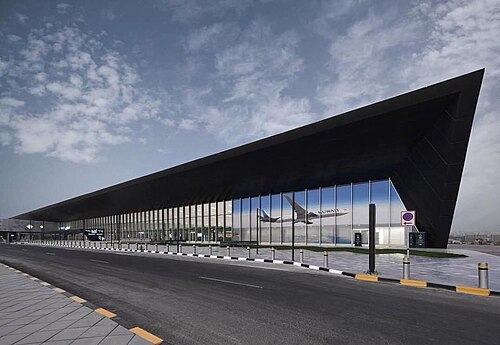
KUWAIT CITY — Kuwait International Airport partially reopened this week following a two-month closure triggered by regional conflicts, marking a significant step toward restoring normal air travel in the Gulf nation as limited commercial flights resumed from Terminals 4 and 5 starting late April. The phased reopening brings relief to travelers and businesses after airspace suspension that disrupted thousands of journeys amid heightened security concerns.

The Directorate General of Civil Aviation announced the gradual return to operations after Kuwait’s airspace reopened on April 23. Kuwait Airways and Jazeera Airways began limited services on April 26 from dedicated terminals, initially operating during specific hours to selected destinations. Authorities emphasize safety and a cautious ramp-up as full capacity restoration continues.
Background of the Closure
The airport shut down commercial passenger flights in late February 2026 due to escalating tensions involving Iran and broader Middle East instability. Missile threats and security risks prompted the precautionary measure, affecting regional connectivity and forcing rerouting through alternative hubs like Dubai and Doha.
The closure impacted Kuwait’s economy, aviation sector and residents reliant on international travel for business, family visits and medical needs. Cargo operations faced delays, while expatriate communities experienced extended separations. Airlines incurred substantial losses from canceled flights and repositioning aircraft.
Phased Reopening Details
Initial operations focus on Terminals 4 and 5, handling a fraction of previous capacity with around 40 daily flights split between arrivals and departures. Kuwait Airways resumed select routes, prioritizing safety protocols and coordination with international partners. Jazeera Airways, the low-cost carrier, transitioned operations back to Terminal 5 for efficiency.
Travelers should expect limited schedules, potential delays and strict security measures during the early phase. Airlines advise checking updates frequently as routes expand gradually. Terminal 1 remains under review for repairs and full reactivation.
Passengers with existing bookings received notifications for rebooking or refunds where necessary. Travel insurance claims surged during the closure period, highlighting the importance of comprehensive coverage for regional trips.
Economic and Regional Impact
Aviation contributes significantly to Kuwait’s diversification efforts beyond oil. The airport serves as a gateway for business, tourism and labor mobility in the Gulf. Reopening supports recovery in hospitality, retail and logistics sectors affected by reduced passenger traffic.
Regionally, the development aligns with stabilizing airspace across neighboring countries. Coordinated efforts among Gulf states aim to restore connectivity while maintaining heightened security. The event underscores aviation’s vulnerability to geopolitical events and the need for resilient infrastructure.
Traveler Advice and Precautions
Authorities recommend confirming flight status directly with airlines before heading to the airport. Arrive earlier than usual due to enhanced screening procedures. Carry essential documents, including visas and health certificates where required for destinations.
For those with upcoming travel, flexible booking options and insurance provide protection against future disruptions. Apps and airline websites offer real-time updates on schedules and terminal information. Ground transportation and hotel transfers may require adjustments during the transition period.
Expatriates and visitors welcomed the news, easing concerns over family reunions and business continuity. Kuwaiti officials expressed commitment to full operational restoration as conditions permit.
Future Outlook for Kuwait Aviation
Long-term plans include modernization of facilities and expansion to handle growing demand. Terminal 2 projects, though delayed, aim to boost capacity significantly in coming years. Investments in technology and sustainability position Kuwait as a potential regional hub.
The incident highlights broader challenges facing Gulf aviation, from geopolitical risks to infrastructure demands. Collaboration with international bodies ensures compliance with global safety standards during recovery.
As operations normalize, focus shifts to rebuilding passenger confidence and expanding route networks. Successful phased reopening could serve as a model for other nations facing similar disruptions.
Kuwait International Airport’s return to service represents hope amid uncertainty, reconnecting families, facilitating commerce and reaffirming the nation’s role in regional connectivity. Travelers and aviation professionals monitor developments closely as full operations resume in the coming weeks.
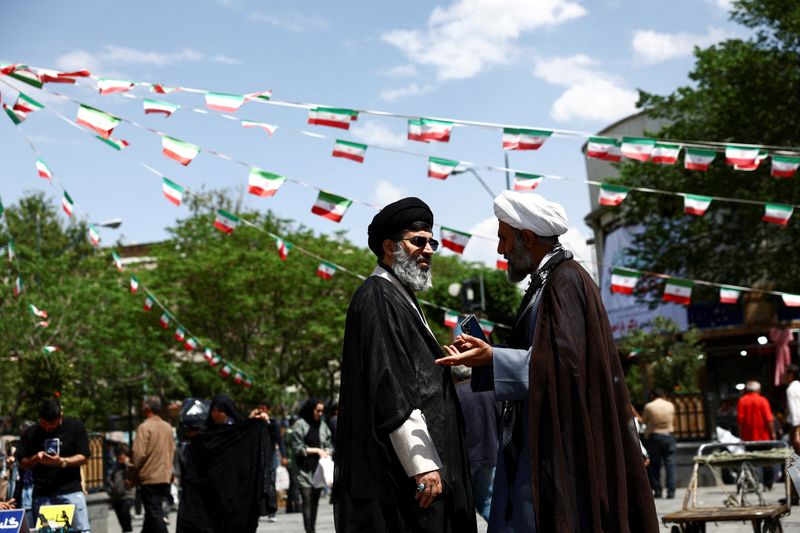

Iran offers Strait deal; Trump dissatisfied but prefers non-military path


Americans on a budget mourn loss of low-cost Spirit Airlines


MELBOURNE — Early counting in the Nepean state by-election on May 2, 2026, showed Liberal candidate Anthony Marsh leading independent Tracee Hutchison as voters in the marginal Mornington Peninsula seat chose a successor to resigned MP Sam Groth. Polling stations across the district closed in the afternoon, with results trickling in throughout the evening in a contest that tested local priorities and major party strategies.
The Victorian Electoral Commission reported steady turnout as residents cast ballots at 13 polling places. With preferences still being distributed, officials cautioned that final outcomes could take time, but initial figures pointed to a competitive race in the traditionally Liberal-leaning electorate.
Campaign Focused on Local Concerns
The short by-election campaign centered on peninsula-specific issues, including coastal management, housing affordability and infrastructure demands from population growth. Marsh, the Mornington Peninsula Shire mayor, emphasized community representation and practical governance during his campaign.
Hutchison positioned herself as an independent voice, highlighting environmental protection and decision-making transparency. Candidates from One Nation, Greens and other minor parties added further options, addressing topics from cost of living to cannabis reform.
Labor’s decision not to contest the seat shifted dynamics, potentially directing preferences toward independents or Liberals. The choice drew analysis about opposition tactics in contests where victory appeared challenging.
Preliminary Results and Counting Process
As counting progressed at the main tally room, Marsh held an edge in primary votes, performing strongly in western and eastern booths. Hutchison attracted support in southern areas, appealing to voters seeking alternatives to major parties.
Preference flows from eliminated candidates will determine the two-candidate preferred result. The commission expected clearer indications by late Saturday or early Sunday, though close margins could extend the process.
Officials urged patience as formal verification continued. The by-election, called after Groth’s February resignation, offered an early gauge of sentiment in a key Victorian district.
Historical Background of the Seat
Nepean has changed hands between Liberal and Labor in recent cycles, reflecting its marginal status. The electorate includes affluent coastal communities, expanding suburbs and rural pockets, creating diverse voter bases with varied priorities.
Previous contests featured tight races influenced by broader state trends. The by-election continued the tradition of local issues often taking precedence over partisan narratives.
Voter Priorities Emerge
Cost of living, particularly energy prices and housing, featured prominently in discussions with families and retirees. Infrastructure projects, including road upgrades and public transport, drew attention amid growth pressures.
Environmental concerns around unique ecosystems influenced some voters. Community services and planning decisions also resonated in local forums.
Turnout patterns varied, with higher participation in established areas. Weather and timing as an autumn Saturday influenced accessibility for some residents.
Reactions from Candidates and Parties
Marsh thanked supporters while awaiting fuller counts, stressing commitment to local issues. Hutchison expressed gratitude for backing an independent voice and vowed continued advocacy.
Liberal leader John Pesutto monitored developments, viewing the seat as important for opposition strength. Premier Jacinta Allan focused on government priorities while respecting the democratic process.
Minor parties used the platform to highlight policies, aiming to build profiles for future contests.
Potential Implications for Victorian Politics
Though one seat, the by-election provides insights into voter mood in marginal areas. Results could inform strategic planning for major parties ahead of the next general election.
The independent challenge reflects interest in non-major options in regional Victoria. Preference flows and minor party performances offer data for studying shifting allegiances.
As counting continues, observers watch for clues about broader trends. The outcome, whether a Liberal hold or tighter result, will shape political narratives in coming months.
Smooth Electoral Process
The Victorian Electoral Commission oversaw polling with standard measures for accessibility and safety. Results reporting used modern technology while maintaining verification standards.
Voters received clear candidate information through commission materials. The process upheld Australia’s democratic traditions with high integrity.
Looking Ahead After the By-Election
Attention will turn to how parties interpret the result for future campaigns. Nepean’s voters contributed their voices to Victoria’s political conversation.
Candidates and parties will reflect on effectiveness and voter messages. The by-election adds another chapter to the state’s electoral history.
Polling day in Nepean passed without major incident, allowing the democratic process to unfold. Victorians await official outcomes as the 2026 calendar advances.

Stablecoin Dominance Holds Firm While Crypto Rally Faces Bull Trap Risks

Red Alert! New Star Trek Short Film Is Everything You’ve Been Waiting For

Arsenal: Has Viktor Gyokeres proved his critics wrong?

Manchester United reach agreement with Casemiro over contract clause amid transfer speculation

US brings back mandatory military draft registration

Steven Gerrard disagrees with Gary Neville over ‘shock’ Chelsea and Arsenal claim | Football


-

 Tech5 days ago
Register Renaming | Hackaday
-

 Politics5 days ago
Drax board avoid their own AGM, accused of greenwashing & environmental racism
-

 Tech6 days ago
Why Blue Badges Disappeared From Toyota Hybrids
-

 Tech5 days ago
Images of Samsung’s rumored smart glasses have leaked
-
 Sports6 days ago
IPL 2026: Ruturaj Gaikwad registers slowest fifty of the season, enters all-time unwanted list | Cricket News
-
 Tech1 day ago
Trump’s 25% EU auto tariff breaches Turnberry Agreement that also covers semiconductors and digital trade
-

 NewsBeat7 days ago
LK Bennett closes all stores after entering administration
-

 Fashion4 days ago
Kylie Jenner’s KHY Enters a New Era with ‘Born in LA’
-

 Business4 days ago
Most Commercial Energy Audits Miss the Real Losses
-

 Crypto World4 days ago
CFTC’s AI will review U.S. crypto registration applications, chairman tells CoinDesk
-

 Business5 days ago
(VIDEO) Charlize Theron Climbs Times Square Billboard to Promote New Netflix Thriller ‘Apex’
-
 Sports1 day ago
Paul Scholes issues Marcus Rashford reality check as agreement emerges over Man United star
-

 Tech7 days ago
Microsoft to roll out Entra passkeys on Windows in late April
-

 Business3 days ago
Barclay Brothers Avoid Bankruptcy: HSBC Drops High Court Petitions After IVA Deal
-

 Tech7 days ago
OpenAI’s Sam Altman apologizes for not reporting ChatGPT account of Tumbler Ridge suspect to police
-
 Business3 days ago
Tesla Officially Registers Elon Musk’s Stock: What Investors Need to Know
-

 Tech7 days ago
OpenAI CEO apologizes to Tumbler Ridge community
-
 Entertainment5 days ago
Alicia Keys Calls Out Music Industry ‘Boys Club’
-

 Tech4 days ago
Get Ready for More Brain-Scanning Consumer Gadgets
-

 News Videos7 days ago
16 Cryptos Just Became LEGAL Commodities (Full List)
You must be logged in to post a comment Login