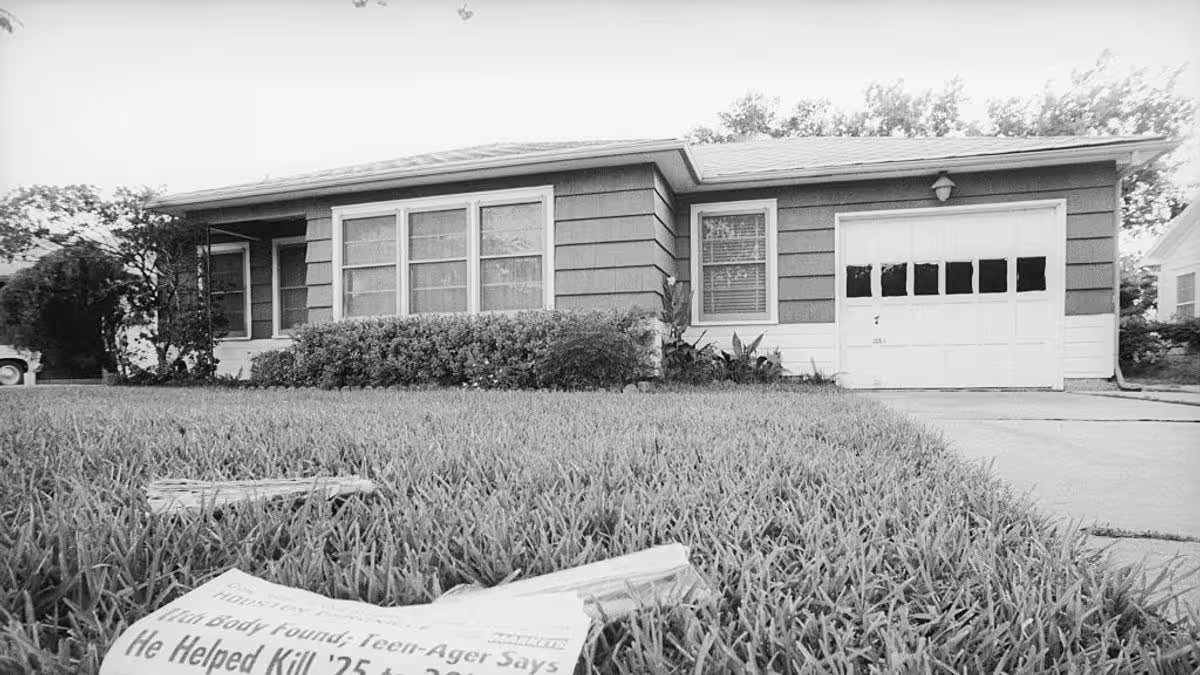
WARNING: GRAHPIC CONENT – Dean Corll lured dozens of teenage boys – with the help of two other teens – into his various properties in Texas before carrying out his heinous crimes
Jane Lavender and Steven White
07:00, 07 May 2026
A seemingly mild-mannered electrician and army veteran hid a monstrous double life as a serial killer that would later earn him a chilling nickname.
Between 1970 and 1973 Dean Corll murdered at least 29 teenage boys in Texas, US.
Advertisement
He worked at his family’s candy business, handing out sweets to local kids – later being dubbed the ‘Candy Man’ killer – and would often lure his victims with alcohol or the promise of a party.
Shockingly, the sinister killer managed to acquire the help of two troubled teens – David Owen Brooks and Elmer Wayne Henley – to help him entice his chosen victims to one of his many properties.
Once there, Corll would torture and rape the youngsters for days before either strangling or shooting them.
The disappearance of all the children went largely undetected for years, however, until August 8, 1973. One that day, Henley shot and killed Corll, who was aged 33, during an argument over the killing of two teens, who were friends of the accomplice.
He subsequently led the police to the shallow graves of a number of victims in boat sheds, along desolate beaches and in woods where Corll’s family had a lakeside log cabin.
The details of his boys’ final moments are stomach-churning and around a third of them remained unidentified until the 2000s even.
Authorities found some bodies with chewed genitals, plucked pubic hairs and glass rods inserted in urethras that had been smashed.
Advertisement
Elsewhere, objects had been inserted into rectums and one boy’s mouth was so wide open it was thought he may have screamed to death.
One victim’s severed genitals were also found beside the body inside a plastic bag.
The news of Corll’s depravity was so shocking that even the Vatican sent condolences and the Kremlin condemned the police’s “astounding inaction” at not recognising the killing spree, according to the Houston Chronicle.
Advertisement
Both Brooks and Henley were jailed for their parts in the deaths, each being sentenced to life in prison.
In 2020, Brooks died after contracting Covid and Henley remains the sole survivor of the mass murders. Last year, a documentary called ‘The Serial Killer’s Apprentice’ was released which shared new interviews with the now 69-year-old.
In it, the convicted murderer is questioned over the phone by Dr Katherine Ramsland, revealing his transformation from a manipulated teenager to a killer.
Advertisement
“I believe that I was originally taken over to Dean’s as a victim. What scares me is, did Dean recognise a fellow psychopath?” Henley admitted.
He went on to describe being groomed by Corll at 15-years-old and how the manipulation resulted in his participation in the killings. Henley has been eligible for parole since 1980 but has been denied each time, with the most recent on November 7, 2025.
A childhood friend of one of the victims, Billy Lawrence, told the Independent that Henley should “die” in prison. “They weren’t hoodlums. They weren’t out to get into trouble. They were just innocent young boys that got kidnapped,” said Debbie Stellas.
She went on: “Being murdered was one thing – but being tortured and then murdered was another,” before adding, “what was he gaining by participating in this sickness?”
Voters across Scotland will have from 7am to 10pm today to cast their ballot in the Holyrood Election.
People heading to the polls will have two votes, one for their constituency MSP and the other for the regional list where they will cast a ballot for a party.
Identification is not needed to vote in the election in Scotland.
Fans think they’ve rumbled the significance of the brooch presented by DS Lisa Connor-Swain in her investigation into Theo Silverton’s death
Coronation Street fans think they have rumbled the significance of the brooch presented by DS Lisa Connor-Swain in her investigation into Theo Silverton’s death – and the owner didn’t kill the abuser.
Advertisement
As those who follow the ITV soap know, Theo was murdered following a long reign of terror in Weatherfield as he mentally and physically abused his husband, Todd Grimshaw, during their 13-month relationship.
But on Friday (May 1), the long-running storyline came to a shocking end as, after trying to target Todd one last time, which comes after he reported him to the police last month following his most violent attack to date, Theo was found dead by horrified neighbour, Betsy Swain.
Click here to sign up for more Coronation Street updates in our newsletter
The villain’s death occurred just weeks after Todd bravely left his partner and reported him to the police following a brutal attack, which left him in the hospital with multiple injuries.
Advertisement
It has left not only Todd, but his loved ones, George Shuttleworth, Christina Boyd, and Summer Spellman, among the possible murder suspects, alongside Gary Windass and Theo’s ex-wife, Danielle Silverton, who could also be guilty of Theo’s deadly demise.
While Todd has had to answer some questions from Lisa, it was George who was first to be taken in for questioning, where he let slip that although he was at home for most of the evening, when Christina headed out to rescue Todd, he did go on a walk alone, and didn’t see anyone.
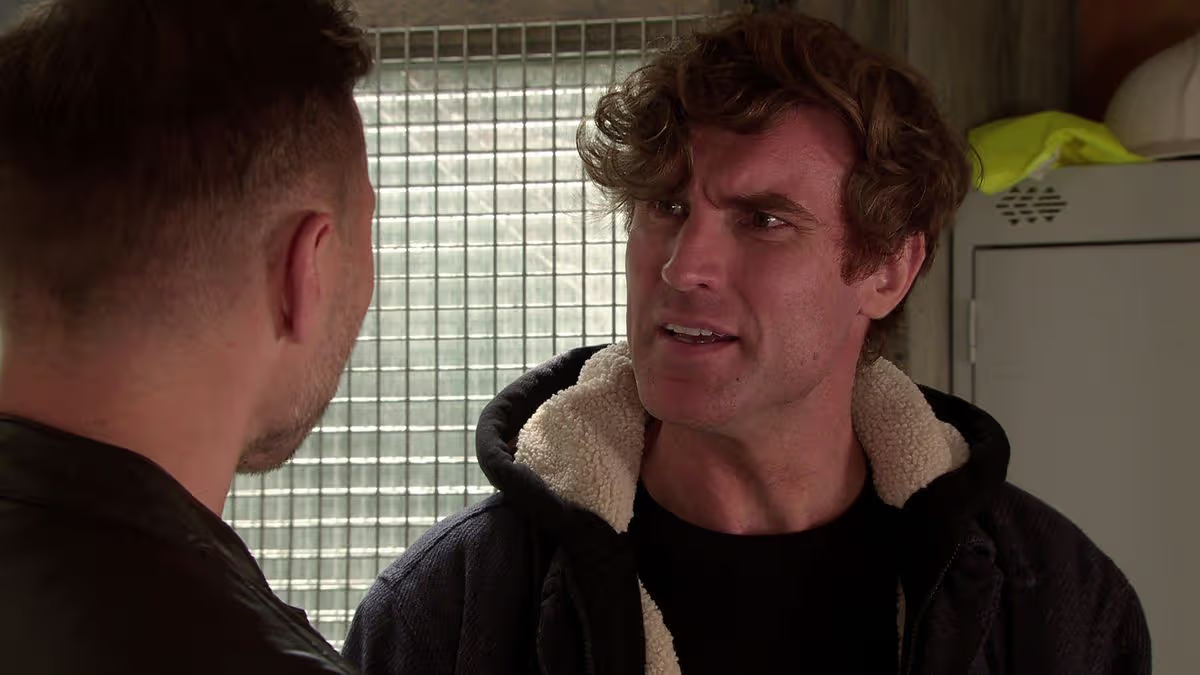
It meant Lisa had enough to keep him in overnight, and during Wednesday’s (May 6) episode, he was seen being quizzed by DS Connor-Swain once again, this time becoming increasingly irate as he tried to refute her accusations.
During the interrogation, Lisa was seen presenting George with a picture of a brooch, which was found at Theo and Todd’s flat, covered in blood. While he denied ever seeing it, Lisa pushed, only making George more annoyed. Once finally released, he mentioned the brooch to Christina and Todd, saying it “seemed like a big deal”, and Todd appeared concerned.
Advertisement
Corrie fans have been quick to point out the brooch was being worn by Summer as she headed to the wedding reception of Lisa and her now-wife, Carla Connor. However, they don’t think that this means she’ll end up being responsible for Theo’s murder, and that it’s actually someone else in the frame.
@J_WBerry said: “So, Summer’s flying pig brooch from her wedding guest outfit was found in the flat covered in blood#Corrie #Todd #Theo.” @afewbugs shared: “That brooch is definitely more Summer’s style than anyone else’s I’d say.” @neilstraker9 wrote: “I thought it was Summer that had the brooch but i am beginning to think its Theo’s ex wife that has killed him, too obvious for it to have been Gary with him deleting the CCTV.”
@ThomasR14336083 commented: “My theory is Summer fought with Theo, accidentally wounded him – thence the blood on her brooch – to give her time to flee but he was still alive. Todd was definitely connecting the brooch that George described to the one Summer owes. #Corrie.” @LizzyLesbo added: “Oooh a brooch? Seems like something Summer would accessorise with, but it could be Millie or Danielle #Corrie.”
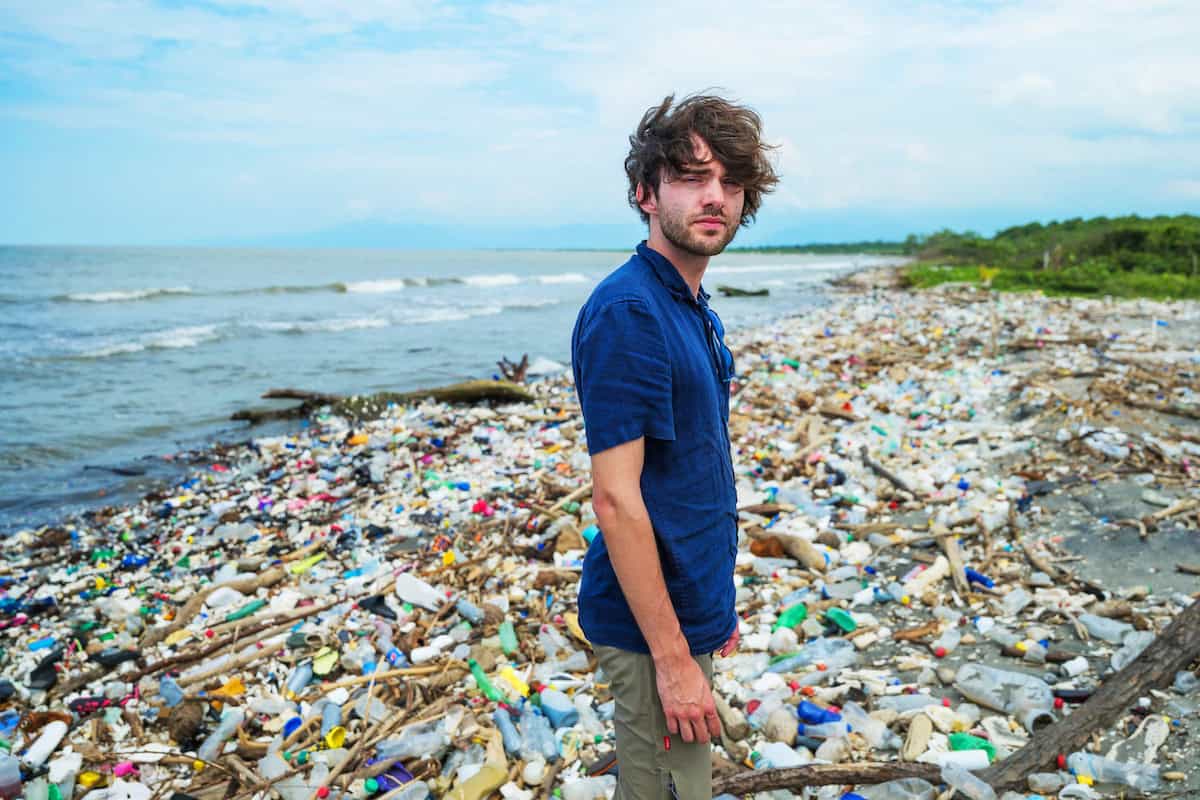
Dutch inventor Boyan Slat believes that the world’s ocean plastic crisis could be dramatically reduced within the next 15 years – and for less than $1bn (£750m). His nonprofit organisation, The Ocean Cleanup, is already deploying technology designed to stop waste before it reaches the sea.
The approach focuses on rivers, where much of the world’s ocean plastic originates. Floating barriers trap debris as it flows downstream, while autonomous ‘interceptor’ boats equipped with conveyor belts collect the waste and send it for recycling or disposal. The systems are already operating in rivers across Indonesia, India, Colombia, the Philippines and the Caribbean.
According to Slat, targeting just 30 cities could prevent around a third of the plastic currently entering the oceans.
Advertisement
Slat claims that the Motagua river in Guatemala sends more plastic into the sea than all 38 members of the OECD. “That one river is about 2% of global plastic emissions,” he said.
His team aims to tackle these hotspots by 2030, a programme he estimates would cost about $350m (£263m). The longer-term goal is to stop 90% of floating plastic pollution from reaching the sea by 2040, while also clearing existing accumulation zones such as the great Pacific garbage patch.
The world needs a success story
Slat, now 31, left his aerospace engineering studies to pursue the idea more than a decade ago. Since then, the organisation says it has already removed nearly 50m kilograms of plastic waste from rivers and oceans around the world.
“The world needs a success story. There is a lot of pessimism, a lot of fatalism, especially among people of my generation,” Slat told the Times. “But if we can say, ‘There was a time when the oceans were filled with plastic, that two thirds of the planet was polluted, and then we solved it’ – I think that will be a case of action inspiring action.
Advertisement
Main image: The Ocean Cleanup
Be part of the solution
At Positive News, we’re not chasing clicks or profits for media moguls – we’re here to serve you and have a positive social impact. We can’t do this unless enough people like you choose to support our journalism.
Give once from just £1, or join 1,800+ others who contribute an average of £3 or more per month. Together, we can build a healthier form of media – one that focuses on solutions, progress and possibilities, and empowers people to create positive change.
There could be huge changes at Stamford Bridge this summer (Picture: Getty Images)
Glen Johnson has warned anyone not able to get into the Chelsea starting XI will be up for sale this summer when a wretched season at Stamford Bridge comes to an end.
The Blues are on a run of six Premier League defeats on the bounce and while they can still salvage something when they take on Manchester City in the FA Cup final this month, it has been a campaign to forget.
There were whispers of a title challenge in west London early in the season but since February, Chelsea have collected fewer points than relegation-threatened Tottenham.
While former Chelsea right-back Johnson believes the club will hold onto their most prized assets, he warns anyone not consistently starting for the club faces being moved on.
Chelsea have lost six games in the league in a row (Picture: Getty)
‘Anyone not getting in the team is up for sale,’ Johnson told Metro via BetMGM. ‘The team is struggling badly, if you are the person who can’t get in that team, where do you go from there?
‘If they are not good enough to get into a struggling team, then they are not good enough to ever get in the team.
Advertisement
‘You need to rebuild the back-up to push the starting XI and that’s how you improve. If you haven’t got adequate back up, it’s all downhill.’
Garnacho and Delap are two who have struggled (Picture: Getty)
Alejandro Garnacho and Liam Delap, who arrived at the club last summer from Manchester United and Ipswich Town last summer, are two players who have struggled to force their way into the side with reports suggesting the club will listen to offers for both.
Chelsea need more from ‘6/10’ Cole Palmer
Palmer meanwhile missed a penalty on Monday against Nottingham Forest as his underwhelming campaign continued.
The former Manchester City starlet had a spell out of the team due to a troublesome groin injury, missing most of the first-half of the season.
Johnson believes the England international is still feeling the effects of that issue that are too often limiting him to ‘6/10’ performances.
Advertisement
Palmer has not hit his usual heights for Chelsea this season (Picture: Getty)
‘It is a testing time [for Palmer], Johnson said. ‘Credit to him to playing through this injury when he’s called upon but at the same time, you have to perform.
‘90 per cent of footballers are playing with a knock, very rarely are you playing at 100 per cent. He’s trying to get out there and play for his team but at the same time he needs to look after himself so he can get back to the level which will help the team.
‘Sometimes having few weeks out can help the team out more than a 6/10 out of Cole Palmer.’
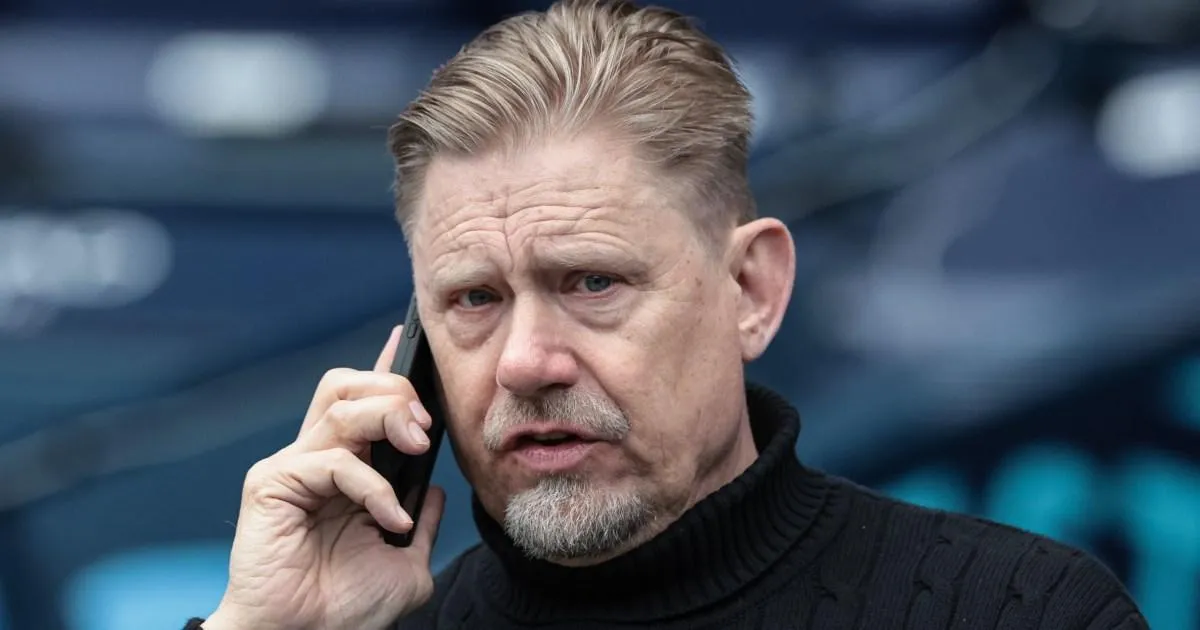
Peter Schmeichel watched PSG beat Bayern Munich and qualify for the Champions League final (Picture: Getty)
Peter Schmeichel claims Arsenal are not even the second best team in Europe this season despite their historic achievement of making it to the Champions League final.
The Gunners booked their place in Budapest, where they will face Paris Saint-Germain, after a narrow 1-0 win over Atletico Madrid on Tuesday secured a 2-1 aggregate victory.
Mikel Arteta’s side now know they will face the holders later this month after PSG produced a polished and mature display at the Allianz Arena to knock out Bayern Munich.
Vincent Kompany’s side were confident of overturning a one-goal deficit after last week’s pulsating reverse fixture in Paris, but Ousmane Dembele’s early goal stunned the German champions.
Advertisement
Bayern never truly recovered from that setback and were able only to muster an injury time equaliser from Harry Kane that earned an ultimately meaningless draw on the night.
Despite their limp exit, Schmeichel believes Bayern remain a better team than the Arsenal side that will contest the final.
‘I think we can easily argue this but I still think today Bayern Munich are still the second best team in Europe and PSG is by far the best,’ the former Manchester United goalkeeper told CBS.
Ousmane Dembele scored the goal that secured PSG’s place in the Champions League final (Picture: Getty)
‘It’s something you take. If you have to leave a tournament like this and got beaten by a much better team that is some consolation. You can take that on and get some confidence for next season.
‘They have progressed. They are further in the tournament than they were last season. You have to give Kompany credit for having improved his side, using his way of playing.
Advertisement
‘It takes time to get to that level. It’s taken time for PSG as well.
‘At the beginning of the game Olse got the ball and he lost it straight away. He got the ball again within a couple of seconds and slipped and lost it again.
‘They never really recovered from that. Harry Kane went a little bit deep and got tackled and as Harry Kane is doing he seeks all that space but he was closed down all the time.
Harry Kane scored against PSG but couldn’t help his side progress to the final (Picture: Getty)
‘PSG right from the first moment kind of sucked all the confidence out of Bayern Munich. Confidence is what we’ve seen all the way through so it was very uncharacteristic.’
Bayern, meanwhile, were furious not to have been awarded a penalty midway through the first half.
Advertisement
Goalkeeper Matvei Safonov made an uncertain punch and the ball landed with Vitinha, who in attempting to clear slammed the ball against the arm of team-mate Joao Neves.
As it was another PSG player that had made the clearance, it was not deemed to be handball despite Neves’ arm being well away from his body.
Vincent Kompany bemoaned the refusal to give Bayern Munich a penalty for a Joao Neves handball (Picture: Getty)
‘I understand if they’re disappointed,’ Kompany told TNT Sports when asked what he said afterwards to his players. ‘I think we gave everything.
‘It was a game of details. I think we’ve played five times against PSG in the last two years and we’ve won two times, they’ve won two times and now was a draw, so it’s just been that kind of game every single time.
‘We have to look at some of the phases that were decided by the officials across the two games which, it’s never an excuse for everything…but it matters.
Advertisement
‘If we look at both legs probably too much went against us. The guys gave everything and we tried against a fantastic PSG team.’
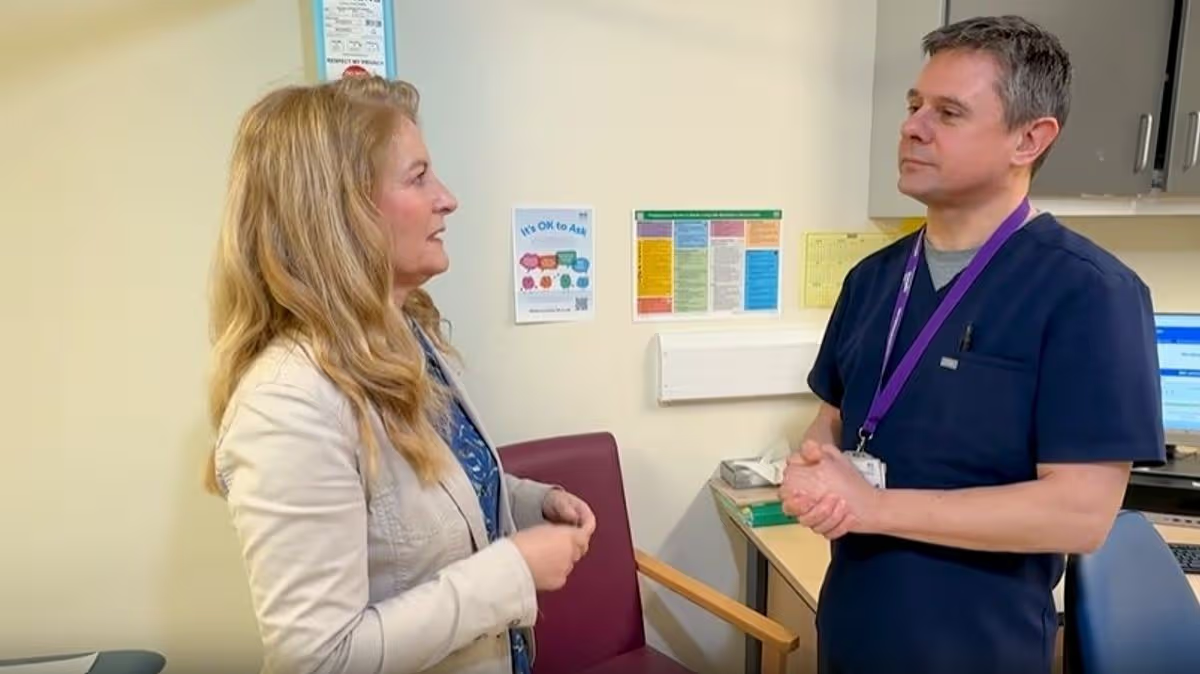
Being referred to, and attending, the Beatson can be a daunting experience, particularly for patients who don’t know what to expect or feel overloaded with information.
The Beatson West of Scotland Cancer Centre has launched a series of information videos designed to help cancer patients feel more prepared, informed and supported.
Advertisement
Being referred to, and attending, the Beatson can be a daunting experience, particularly for patients who don’t know what to expect or feel overloaded with information.
To help support patients from the moment of their diagnosis, the Beatson has created short information videos that answer some of the most common questions patients ask during their cancer journey.
Developed with clinicians and filmed at the Beatson on the Gartnavel campus, the videos aim to help patients feel more informed ahead of appointments, reduce anxiety, and support conversations with their healthcare team.
They feature award winning broadcaster Alison Walker, who covers a range of topics including: preparing for your oncology appointment, understanding neoadjuvant chemotherapy, hair loss and the cold cap, managing menopausal symptoms, and diet and lifestyle during treatment.
Advertisement
The videos, which were supported by a Collaborative Working Agreement with healthcare company Novartis, respond to areas where patients said they wanted more tailored guidance.
These were designed by the Breast Cancer Care Team, however many of the videos are relevant to anyone diagnosed with cancer.
A first oncology appointment can be an intense and anxious experience, with a large amount of information shared in a short space of time.
The Beatson team hopes the videos will help ease this information overload by allowing patients to access clear, trusted information in advance, at their own pace.
This also allows valuable appointment time to be used for more personalised discussions focused on what treatment options mean for each individual patient.
The approach reflects patient feedback, with a survey finding that 53 per cent of patients looked for more information online before their first oncology appointment, and 61 per cent searched for information online during their treatment.
Of the respondents, 47 per cent felt videos would be a useful way to receive information.
Advertisement
Consultant Clinical Oncologist Rosemary Stevens said the videos were created directly in response to what patients told the team they needed.
She said: “We know that being diagnosed with cancer and coming to the Beatson for the first time can feel overwhelming. Patients often have many questions and may not know what to expect.
“We asked patients what information would help them most, and these videos have been designed to fill that gap. By providing clear, specialist information in a more engaging format than a traditional leaflet, we hope to reduce anxiety ahead of appointments and help patients feel more confident and informed.
Advertisement
“Importantly, they don’t replace conversations with the healthcare team. Instead, they support those discussions and help free up appointment time so we can focus on the personal impact of treatment and what matters most to each patient.
“When patients have a clearer understanding of their treatment plan, many feel less anxious, highlighting the importance of accessible, trustworthy information at the right time.”
Patients are encouraged to leave feedback on the videos, which will help shape future content and ensure it continues to reflect patient needs.
Alison Walker said: “It was a real privilege to be part of such an important project and to work with the brilliant team at the Beatson.
“Being diagnosed with cancer and starting treatment can feel overwhelming, and these videos are designed to help patients feel more prepared, informed and supported at a time when they need it most. If they can help reduce even a small amount of anxiety and enable people to feel more confident ahead of their appointments, then they will have made a very real difference.”
Mohamed Tammam, UK Therapy Area Head for Solid Tumors at Novartis, said: “Novartis is proud to collaborate on these Breast Clinic Patient Information Videos, which will make a real difference for cancer patients in Glasgow and beyond.
Advertisement
“Clear, trusted information can help patients feel more prepared and less anxious at a challenging time. This initiative highlights the value of working collaboratively with the Beatson hospital and NHS Greater Glasgow and Clyde to improve the experience of patients across Scotland.”
Craig Wright was a takeaway addict before a warning from his fertility doctor changed everything.
James Besanvalle, PA Real Life and Gemma Ryder Reporter
08:40, 07 May 2026
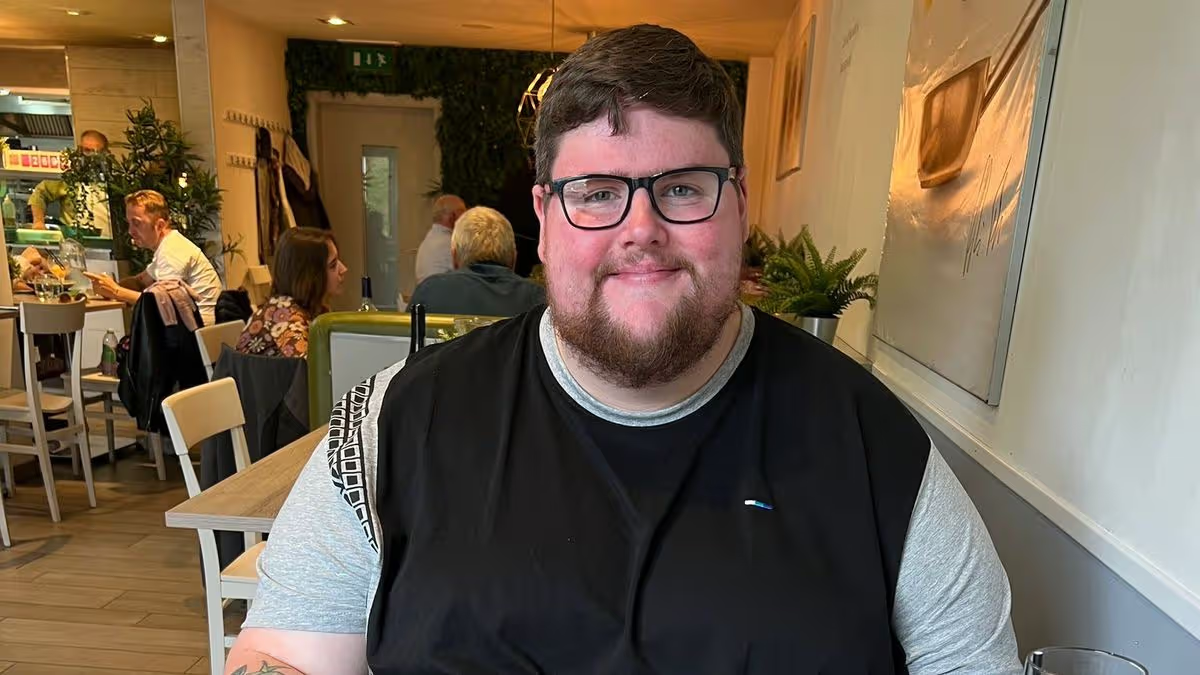
A man who weighed almost 36 stone has shed over a fifth of his body weight so he can become a dad. Craig Wright, 33, was told by fertility doctors that losing weight would help help him and his partner become parents.
The admin assistant, from Fife, said his weight has been a “rollercoaster” his whole life before he weighed in at his heaviest in May 2024 – 35 stone 11 pounds (228kg).
Describing his life as “living in a prison” at the time, Craig said he couldn’t take his dog for a walk, struggled with basic tasks like fitting into chairs, and was so “terrified” of judgment that he would collect his prescriptions after dark to avoid being seen.
Advertisement
When his wife, Samantha, 30, signed up for Slimming World in January 2024, Craig was inspired to join four months later and said seeing the scales at his first group meeting was “brutal”.
Craig told PA Real Life: “I stood on the scales and I just looked straight ahead.
“The consultant wrote down the number and I saw it, and I was taken aback because I knew I was big but I didn’t think I was that big.
Advertisement
“It put the fear of God in me, as I was just not expecting it to be that much.
“I knew I needed to do something, otherwise I was not going to live my life to the fullest, have a baby, or see my dog grow old.
“All those things just hit me all at once and I got a bit emotional.
“Seeing it was just awful.”
Advertisement
Craig said he has always struggled with his weight because he ate when he was sad and was sad when he ate.
He said he was “constantly getting bullied” at school so he would go home and eat, and it was a “vicious cycle”.
On top of that, Craig said he saw the way his father, James, ate as a delivery driver, including buying “takeaways consistently throughout the week” and having “massive portions”.
Advertisement
“Back then, I thought that was a normal thing to do,” Craig said. “But looking back now, I know that was horrendous.”
As a result of James’s diet, he suffered three heart attacks before the age of 53, with the latter being fatal.
Craig was 14 at the time of his father’s death and said: “My dad was fantastic and I loved him to bits.
“But the fact that he passed away so early in my life is probably another factor of why I ate like I did.
“I was just trying to process those feelings with food.”
In the years since, Craig said this continued, especially when he started working at McDonald’s from the age of 18 for six years where he “took advantage of free food”.
Craig said his diet worsened when he started working on the night shift: “My sleep schedule was all over the place and I was having takeaways up to five times a week, on top of all the McDonald’s I was eating.
“It was not a healthy routine at all.”
Advertisement
At his heaviest – wearing clothes up to 8XL – Craig said he would have four pieces of white toast for breakfast lathered in butter, half a packet of bacon, six eggs and a full can of beans, while lunch could be a Domino’s pizza and dinner could be a takeaway Indian or kebab.
He added: “At night, it was lots of snacks – chocolate, crisps, ice cream – just gorging myself.”
Craig was averaging around 7,000 calories a day.
As for exercise, Craig said: “I’d take our dog Kobi for a walk and I’d get out to the gate, but I could only walk to the end of the road, which is maybe 30 steps.
Advertisement
“Then I had to stop because I was out of breath.”
Over the years, Craig said he tried to lose weight by changing his diet or using programmes like Weight Watchers, and going to the gym, but it “never worked” or he eventually lost motivation.
He said: “The easiest way to explain it would be a rollercoaster, just ups and downs with it constantly.
Advertisement
“I feel like I’ve tried every diet known to man and it’s just been abysmal.”
Craig met his partner Samantha in 2017 via a dating app and they married in 2021. They have been trying for a baby ever since marrying but Craig said, about two years in, they wondered: “Why isn’t it working?”
So, six months ago, the couple went to a fertility doctor who put everything into perspective.
Craig said: “The doctor mentioned a lot about weight loss and you have to be as fit as possible to have the best chance at having a baby.”
Advertisement
A month later, Samantha joined Slimming World. She did a 5K charity fundraiser in May 2024 that Craig attended and this was the motivation he needed to join the same weight loss programme.
Within days, he stepped on the scales and was “taken aback” to find out he was 35 stone 11 pounds.
As part of the programme, Craig and Samantha closely monitor their diets and exercise.
Advertisement
Craig said he slowly began building up his fitness: “I started walking from one end of the hall to the other and we’ve got some steps outside as well so I walked up and down those.
“From there, I tried to walk as much as possible, including taking Kobi out and just trying to work past the feeling I was going to pass out.
“It was six months into it – where I managed to do my first 5k walk – that I felt most proud.
“Now I feel like I can do 5k in my sleep!”
Advertisement
Today, Craig has lost eight stone and gone from wearing an 8XL to a 4XL.
An average day off will see Craig eat a plain bagel with four eggs for breakfast before taking Kobi out for two walks a day and joining a strength or boxing class in the evening.
Craig is down to 28 stone and said he is “getting out as much as possible”.
Advertisement
He said: “For me, it’s literally just a case of eating less and moving more.
“I no longer feel like I’m just in the gutter 24/7… and I’m definitely a lot more positive than before.”
Craig said he and Samantha have been told by doctors that they are “doing all the right things”, and they hope to be able to have a baby soon.
On why preventative health is so important, Craig added: “The longer you leave something, the worse it gets.
Advertisement
“So if you catch something early and you do something about it, you’re moving in the right direction.”
New research (surveying 5,000 Brits) reveals whilst 74% of us know we need to be proactive about our health, most wait until a “breaking point” to act. To combat this, Holland & Barrett is launching 300,000 free in-store Wellness Check-Ins per month. Find out more here: https://www.hollandandbarrett.com/info/our-services/
NCP, the UK’s oldest and largest private car park operator, has entered administration putting 340 car parks and around 700 jobs at risk of closure. The firm, owned by Japanese company Park24 since 2017, has a creditors’ meeting scheduled for 20 May.
Olivia Beeson, Callum Hoare and Kirstie McCrum
07:57, 07 May 2026
Car park giant NCP has tumbled into administration, placing 340 car parks in jeopardy of shutting down. The firm is on the verge of going under, with a creditors’ meeting set for Wednesday, May 20.
NCP runs more than 300 car parks throughout the UK, some under lease and others under direct management.
Advertisement
The company has a workforce of roughly 700 people. PricewaterhouseCoopers are handling the administration proceedings, according to the Gazette. NCP was bought by Japanese company Park24 in 2017, having previously been offloaded by Macquarie European Infrastructure Fund, reports the Mirror.
Park24 oversees more than 19,000 locations across eight nations. NCP is Britain’s oldest and largest private car park operator, with its origins deeply rooted in the reshaping of post-war city environments.
The groundwork for the modern enterprise was established in 1948, having initially been incorporated in 1931 by Colonel Frederick Lucas. It started with the transformation of a single bomb-damaged site in Holborn, London, for £200, before Sir Ronald Hobson and Sir Donald Gosling bought NCP from Lucas’s widow and embraced the “National” branding to signal their vision for countrywide growth in 1959.
The business grew swiftly during the 1960s and 1970s, establishing itself as a leading player in the construction of concrete multi-storey car parks that became synonymous with British urban centres. The most recent update verifies that the outstanding pre-administration expenses outlined in Appendix C of the Administrators’ proposals dated 1 May 2026 have been authorised for settlement as administration costs.
Advertisement
The documentation identifies Zelf Hussain, Rachael Maria Wilkinson and Mark James Tobias Banfield as the designated administrators.
Ensure our latest stories always appear at the top of your Google Search by making us a Preferred Source. Click here to activate or add us as your Preferred Source in your Google search settings.
JD Sports Fashion has reported a decline in sales in the UK amid weaker consumer demand and store closures, while profits dropped amid uncertainty over the impact of the Iran war. It comes after the chain closed 24 branches in the UK.
The fashion retail giant, which has about 4,811 stores around the world, blamed a “tough consumer backdrop” in the UK for organic sales falling by 2.5% for the year to the end of January, compared with the prior year. It closed 24 stores, on a net basis, in the country over the past year with a focus on “fewer, bigger, better” shops.
Total organic sales for the global business, which excludes the impact of acquisitions, increased by 2.1% year-on-year to £12.66 billion. JD revealed that its pre-tax profit declined by 6.4% year-on-year, at constant currencies, to £852 million.
Advertisement
JD Sports Fashion has reported a decline in sales in the UK amid weaker consumer demand and store closures, while profits dropped amid uncertainty over the impact of the Iran war. It comes after the chain closed 24 branches in the UK.
The fashion retail giant, which has about 4,811 stores around the world, blamed a “tough consumer backdrop” in the UK for organic sales falling by 2.5% for the year to the end of January, compared with the prior year. It closed 24 stores, on a net basis, in the country over the past year with a focus on “fewer, bigger, better” shops.
Total organic sales for the global business, which excludes the impact of acquisitions, increased by 2.1% year-on-year to £12.66 billion. JD revealed that its pre-tax profit declined by 6.4% year-on-year, at constant currencies, to £852 million.
Advertisement
The company has cautioned that the war in the Middle East could push up prices and weaken consumer demand if it leads to higher costs, as the retail giant reported a drop in its annual earnings. JD said it had no “direct exposure” to the Middle East, and had only a handful of franchised stores in the region, and there had been no real impact on the business so far.
But the company said: “Over time, the potential future impacts of heightened uncertainty may contribute to direct cost pressures, including energy and fuel costs across our store and logistics networks, respectively, as well as potential indirect impacts on pricing and consumer demand should input cost inflation emerge.”
JD said that, as a result of the uncertainty, it was providing a wider range of profit guidance for the next financial year than it was previously planning. It was now forecasting a pre-tax profit of between £750 million and £850 million.
Advertisement
This would mark a decline from the £852 million pre-tax profit that the company made for the year to the end of January 2026, which was down 6.4% compared with the previous year. Total organic sales for the group, which excludes the impact of acquisitions, increased by 2.1% year on year to £12.66 billion.
But in the UK, it blamed a “tough consumer backdrop” for organic sales declining by 2.5%, and sales on a like-for-like basis dropping by 3.9%. JD closed 24 stores, on a net basis, in the country over the past year as it pressed ahead with a focus on “fewer, bigger, better” shops.
Since the end of the financial year, JD said cold and wet weather had dampened sales and that trading in April was “volatile” with a strong Easter performance followed by fewer visitors to shops. Regis Schultz, JD’s chief executive, said: “We delivered a resilient performance, achieving organic sales growth of 2.1% despite tough market conditions.
“Our deep understanding of our customers and lifestyle trends give us a clear view of how they want to shop and spend, allowing us to consistently deliver the right products, in the right places and at the right prices. Whilst we continue to expect muted market growth in FY27 (2027 financial year), we remain confident in JD Group’s medium‑term trajectory, underpinned by our strong brand partnerships and agile, multi‑brand model.”
Advertisement
JD Sports began in 1981 when founders John Wardle and David Makin opened their first shop in Bury, Greater Manchester. The name “JD” is an acronym of their first initials.
The business focused on the emerging trend of sports fashion, bridging the gap between athletic performance and street style. The niche proved successful enough that by 1983, they were expanding into Manchester’s Arndale Centre, and by the end of the decade, they had established a high-profile presence on London’s Oxford Street.
In 1996, JD Sports Fashion plc listed on the London Stock Exchange with a portfolio of 56 stores. This influx of capital fueled a decade of aggressive domestic consolidation. Notable moves included the 2002 acquisition of nearly 200 stores from the First Sport chain and the 2005 purchase of 70 stores from their rival, Allsports.
During this same year, the founders stepped back from the business, selling a majority stake to the Pentland Group, the global brand management company behind names like Speedo and Berghaus. The 2010s saw the brand transform from a British high-street staple into a global powerhouse.
Advertisement
JD made its first foray into the European market in 2009 by acquiring the French retailer Chausport, followed by a move into Spain via the Sprinter group in 2011. They also diversified their portfolio by moving into the outdoor leisure market, acquiring well-known brands like Blacks and Millets in 2012 and Go Outdoors in 2016.
By the late 2010s, the company turned its attention toward North America and the Asia-Pacific region. They entered Malaysia in 2016 and made a massive splash in the United States in 2018 by acquiring Finish Line, which gave them an immediate foothold in 44 American states.
Through the early 2020s, the group continued to expand through high-value acquisitions like Shoe Palace, DTLR, and most recently Hibbett in 2024, cementing their status as a “King of Trainers” with thousands of stores across 30 different territories.
The Andes strain of hantavirus behind the outbreak on a cruise ship is susceptible to “super-spreader” events, according to research backed by the US military.
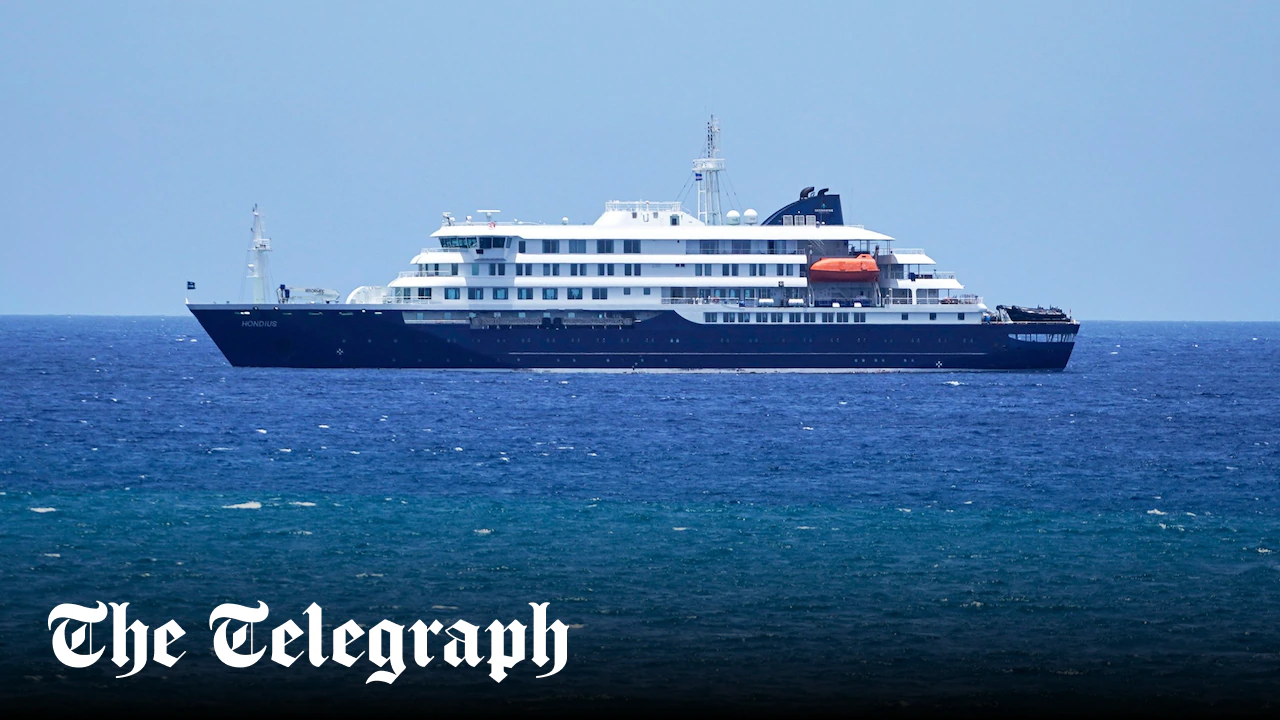
Three people have died on the Dutch vessel MV Hondius and three others are sick with suspected hantavirus infection.
More than 140 people are stuck in quarantine and cannot disembark the ship because the rodent-borne virus is thought to be caused by a strain which can spread between humans.
Advertisement
The US Army Medical Research Institute of Infectious Diseases – historically known as the centre of the US biological weapons programme – now focuses on biosecurity and, in 2020, backed groundbreaking research that showed the Andes strain of hantavirus can spread rapidly between people.
The researchers, based at Fort Detrick, Maryland, also found that symptomatic individuals were capable of causing “super-spreader” events given the right social circumstances, such as those found on cruise ships.
“After a single introduction [of Andes hantavirus] from a rodent reservoir into the human population, transmission was driven by three symptomatic persons who attended crowded social events,” the researchers found in a 2018-2019 outbreak in Chubut Province, Argentina, which resulted in 34 confirmed infections and 11 deaths.
“Our findings traced the first person-to-person transmission event to a birthday party with approximately 100 guests,” said the researchers, whose work was published in the New England Journal of Medicine.
Advertisement
The “index patient” was found to have infected five others during “90 minutes” at the party. The second person infected was found to be the “likely source” for six further cases and, after his death, his wife infected an additional 10 people at his wake.
“It appears that inhalation of droplets or aerosolised virions may have been the routes of infection,” added the researchers.
Despite medical experts acknowledging that human-to-human spread of hantavirus is rare, these findings do not bode well for those on the cruise ship as it makes its way from Cape Verde to the Canary Islands, where it is to be evacuated.
Human-to-human transmission could explain why a British doctor fell ill after treating patients on the ship, and may account for the images of medical workers in full bio-protection gear on board the stricken vessel.














































You must be logged in to post a comment Login