NEW YORK — The Dow Jones Industrial Average climbed 115.01 points, or 0.23%, to close at 49,711.98 on Thursday, extending its recent winning streak as robust corporate earnings and sustained enthusiasm for artificial intelligence continued to support investor sentiment on Wall Street. The blue-chip index has now advanced for four consecutive sessions, reclaiming ground lost during earlier volatility tied to geopolitical developments and interest rate uncertainty.
Dow Jones Surges 115 Points to 49,712 as Strong Earnings and AI Optimism Fuel Market Rally
The modest gain pushed the Dow closer to the psychologically significant 50,000 level, a milestone it briefly flirted with earlier this month. Investors appeared encouraged by another round of mostly positive earnings reports from major companies, particularly in technology, industrials and financial services. The broader S&P 500 and Nasdaq Composite also finished higher, with the tech-heavy Nasdaq leading gains on continued strength in AI-related names.
Earnings Season Delivers Positive Surprises
Several Dow components reported results that exceeded Wall Street expectations. Caterpillar, a key industrial bellwether, posted better-than-forecast earnings and raised guidance, citing resilient global infrastructure spending. Financial giants including Goldman Sachs and JPMorgan Chase also delivered solid numbers, reflecting steady loan demand and strong investment banking activity despite higher interest rates.
Technology and AI plays remained standout performers. Nvidia and other semiconductor names extended gains as demand for data center infrastructure showed no signs of slowing. Analysts noted that corporate America’s willingness to invest heavily in AI capabilities continues to underpin market optimism even as some economists warn of potential overheating risks.
Geopolitical and Economic Backdrop
Markets have benefited from signs of de-escalation in the Middle East, with oil prices stabilizing after earlier spikes. Brent crude traded near $78 per barrel, relieving inflationary concerns that had weighed on sentiment in previous weeks. The Federal Reserve’s recent signals of patience on rate cuts have also been interpreted as constructive, with investors pricing in a possible cut later this year if inflation continues moderating.
Advertisement
The 10-year Treasury yield held steady around 4.35%, providing a relatively benign backdrop for equities. Small-cap stocks lagged somewhat but still posted modest gains, reflecting hopes for broader economic participation beyond mega-cap technology leaders.
Sector Performance and Market Breadth
The day’s advance was relatively broad, with nine of 11 S&P 500 sectors finishing in positive territory. Industrials and financials led the Dow’s gain, while energy stocks provided modest support amid stable commodity prices. Defensive sectors such as consumer staples and utilities underperformed slightly as investors rotated toward cyclical names.
Market breadth was healthy, with advancing issues outnumbering decliners on the New York Stock Exchange by a comfortable margin. Volume was above average, suggesting genuine conviction behind the buying rather than low-volume window dressing.
Analyst and Investor Sentiment
Veteran strategists described the current environment as a “Goldilocks scenario” where economic growth remains solid enough to support corporate profits without triggering aggressive monetary tightening. “Earnings are coming through better than feared, and the AI theme still has plenty of runway,” said one chief investment strategist at a major bank. “The Dow’s push toward 50,000 feels increasingly inevitable in the coming weeks.”
Advertisement
Retail investors, tracked through platforms and ETF flows, have remained net buyers, drawn by the narrative of technological transformation and resilient consumer spending. Institutional money managers report continued rotation out of some mega-cap names into higher-quality cyclical and value stocks within the Dow.
Risks on the Horizon
Despite the upbeat session, not all signals are green. Some prominent investors continue to caution about elevated valuations in parts of the market and potential slowdowns in AI capital expenditure if returns disappoint. Upcoming economic data, including retail sales and inflation readings, will be closely watched for signs of softening consumer demand.
Geopolitical risks, particularly around energy supplies and trade negotiations, remain capable of introducing sudden volatility. Any renewed escalation in the Middle East could quickly reverse recent commodity price stability.
Historical Perspective
Thursday’s close marks another step in the Dow’s remarkable recovery from pandemic-era lows. The index has more than quadrupled since the 2020 crash, driven by corporate adaptability, technological innovation and accommodative policy. Reaching the 49,000–50,000 zone represents a new chapter in that long bull market, though analysts caution that future returns may be more modest than the explosive gains of the past decade.
Advertisement
Outlook for Friday and Beyond
Attention now turns to Friday’s economic calendar, which includes more earnings reports and consumer sentiment data. Any positive surprises could help sustain momentum as the Dow attempts to break decisively through 50,000. Longer term, analysts remain constructive, projecting further gains supported by earnings growth and potential monetary easing later in the year.
For individual investors, the message remains one of measured optimism. Diversification across sectors, focus on quality companies with strong balance sheets, and a long-term horizon continue to be sound strategies in the current environment. The Dow’s steady climb underscores the resilience of American enterprise even amid periodic challenges.
As trading concluded Thursday, the Dow’s advance reflected a market that continues to reward corporate execution and innovation. Whether the index claims the 50,000 level in coming sessions or consolidates first, the underlying momentum suggests investors retain confidence in the durability of the current economic expansion.
Multi Commodity Exchange of India (MCX) reported a consolidated net profit at Rs 530 crore for the March-ended quarter versus Rs 135 crore in the year ago period, implying a 291% YoY surge. The profit after tax (PAT) is attributable to the owners of the company.
The company’s revenue from operations in Q4FY26 increased by 205% to Rs 889 crore versus Rs 291 crore posted by the company in the corresponding quarter of the previous financial year.
The company’s board also recommended a final dividend of Rs 8 per equity share for the financial year ended March 31, 2026.
The bottom line grew 32% sequentially versus Rs 401 crore in Q3FY26 while the topline also grew 34% quarter-on-quarter compared to Rs 666 crore posted in the October-December quarter of FY26.
Advertisement
India’s largest non-agri commodity exchange incurred expenses of Rs 242 crore in Q4FY26 versus Rs 192 crore in Q3FY26 and Rs 153 crore in the corresponding quarter of the last financial year. The expenses in the quarter under review grew 26% QoQ and Rs 58% YoY.
Live Events
The expenses were made on employee benefits, product license fee and finance cost, among other things.
Reds10 said the move would add to its strengths in the industrialised construction centre
Hull firm Reds10 invests in nearby steel fabrication group ESL Fabrication Engineers(Image: Shared Content Unit)
An investment group has taken a stake in fast-growing East Yorkshire steel fabrication specialist ESL Fabrication Engineers (ESL). The investment by Reds10 is said to strengthen its industrialised construction model by bringing critical steel fabrication in-house, enhancing delivery strength and support the business’s next phase of growth.
The companies’ factory locations are geographically complementary, with Reds10 manufacturing all at its building off‑site in Driffield, and ESL’s purpose‑built facility just 20 miles away in Hull.
Founded in 2010 by father and son Paul and Gareth Thompson, ESL specialises in the comprehensive delivery of steel fabrication across the UK, from manufacture and installation to repair and maintenance works. The business has grown steadily since its inception, growing its turnover to £7m in 2026, and now employs just under 50 people from its purpose-built factory facility in Kingston upon Hull.
ESL will become part of the recently established Reds10 Group, alongside Reds10 and its eight sister companies. The creation of Reds10 Group brings a family of businesses together under one roof to further drive the wholesale industrialisation of design, production and construction, with AI integrated at every stage.
Advertisement
Paul Ruddick, chief executive of Reds10 Group, said: “Having worked with ESL for several years, we’ve seen first‑hand the consistent quality of their service and their ambition for excellence and growth, values that closely align with our own. Bringing steel fabrication into the Reds10 Group adds a critical piece of the jigsaw as we launch our next phase of strategic growth to exploit advancing technologies, while integrating AI at every level of the business.”
Gareth Thompson, co-founder and managing director of ESL said: “We’ve come a long way since ESL’s inception in 2010 and our partnership with Reds10 feels like a natural next step that will bring clear benefits to both businesses. This marks an exciting next phase in our evolution, and we look forward to building on the strong working relationship we’ve developed with Reds10 in recent years and maximising the opportunities ahead.”
The partnership comes after Reds10 reported financial results for the 2024/25 with revenue of £144.7m. The company has set out an ambitious plan to grow its revenue to £500m and is targeting an expansion into the healthcare sector, as well as the affordable housing and temporary accommodation sectors.
Reds10 manufactures all its buildings off-site at its advanced construction facility in Driffield, where it has five factories totalling 300,000 sq ft.
OKLAHOMA CITY — Luka Doncic continues to recover from a Grade 2 left hamstring strain with no clear return date in sight for the Los Angeles Lakers’ Western Conference semifinals series against the Oklahoma City Thunder, leaving LeBron James to shoulder the load in what has become an increasingly difficult matchup for the injury-depleted squad.
Luka Doncic
Doncic, who suffered the injury on April 2 in the regular-season finale against these same Thunder, told reporters Wednesday that doctors initially gave him an eight-week recovery timeline. At roughly five weeks post-injury, he has begun running but has not yet been cleared for full contact or 5-on-5 work. The Lakers have officially ruled him out for Game 2 on Thursday night, and most reports suggest he is unlikely to play at all in this series.
“I’m just doing everything I can,” Doncic said. “Every day I’m doing stuff I’m supposed to do. The doctor said eight weeks at the beginning of the first MRI. So I’m just going day by day and I feel better every day.” He traveled to Spain for specialized PRP injections shortly after the injury, a decision that extended his time away from the team but was approved by Lakers medical staff.
LeBron’s Heroic Effort Falls Short in Game 1
Without their superstar acquisition, the Lakers dropped Game 1 by a lopsided 108-90 score on Tuesday night. LeBron James delivered another vintage performance with 27 points on efficient shooting, but the supporting cast struggled to keep pace with Oklahoma City’s depth, athleticism and defensive intensity. Austin Reaves added 21 points, while Rui Hachimura provided a spark off the bench, but turnovers and a sluggish third quarter proved decisive.
The Thunder, the top seed in the West and defending champions, exploited the Lakers’ weaknesses without Doncic. Shai Gilgeous-Alexander and the young, athletic OKC roster controlled the tempo, forced turnovers and dominated in transition. Coach Mark Daigneault’s squad looked every bit the favorite, even without playing at maximum effort across the board.
Advertisement
Can LeBron Carry Lakers to Even One Win?
The central question hanging over the series is whether James, at 41 years old and in his 23rd NBA season, can engineer even one victory against a superior Thunder team without his primary co-star. James has defied age throughout the playoffs, but the talent gap feels glaring. The Lakers advanced past the Houston Rockets in the first round without Doncic, but Oklahoma City presents a far more formidable challenge with elite defense, depth and home-court advantage.
Analysts and former players have been blunt. Many give the Lakers minimal chance in the series without Doncic’s playmaking, scoring and gravity. “We’re not talking about the intangibles that LeBron comes with,” one commentator noted, acknowledging James’ greatness but highlighting the overwhelming roster disadvantage. Even with James posting strong individual numbers, the supporting cast has been overmatched in key areas.
Coach JJ Redick has emphasized patience and a “next man up” mentality. Reaves has returned from his own injury and provided scoring, but the Lakers miss Doncic’s ability to create for others and control the pace. The Thunder’s length and switching defense have made life difficult for the remaining Lakers ball-handlers.
Injury Timeline and Recovery Outlook
Doncic’s recovery has been methodical. He has progressed to running and on-court shooting but remains far from playoff intensity. An eight-week timeline from early April would push potential availability into late May, possibly in time for a hypothetical conference finals if the Lakers can somehow extend this series. Most insiders view a return during the Thunder series as highly optimistic.
Advertisement
The Lakers have been cautious, prioritizing long-term health over a desperate push. Re-injury risks could jeopardize not only this postseason but future seasons as well. James has shouldered heavy minutes, but even his legendary durability has limits in a best-of-seven against a younger, deeper opponent.
Series Outlook and Broader Implications
Oklahoma City took a commanding 1-0 lead with a dominant Game 1 performance. The series shifts to Los Angeles for Games 3 and 4, where home energy could help, but the Thunder remain heavy favorites. Without Doncic, the Lakers must find ways to increase three-point volume and defensive intensity to have any chance of stealing games.
For LeBron James, the situation adds another chapter to his storied playoff legacy. At an age when most players have retired, he continues carrying franchises deep into the postseason. Whether he can drag this current Lakers roster to even one victory against the Thunder remains the compelling narrative of the series.
The basketball world watches closely. James’ effort, combined with the team’s resilience without their second superstar, offers a compelling underdog story even if the odds remain steep. As Game 2 approaches, all eyes remain on whether LeBron and company can find answers against a Thunder team built for sustained contention.
NEW YORK — Innodata Inc. (NASDAQ: INOD) shares skyrocketed more than 88% in morning trading Thursday after the AI data engineering company delivered blockbuster first-quarter 2026 results that far exceeded expectations, dramatically raised its full-year revenue guidance to 40% or more, and announced significant new engagements with Big Tech clients expected to generate tens of millions in additional revenue.
Innodata Stock Explodes 88% on Record Q1 Earnings Beat, Raised 2026 Outlook and Major AI Deals
The stock, which closed Wednesday at roughly $45.64, surged as high as $86.04 intraday on extraordinarily heavy volume. By late morning, shares traded around $86, up more than $40, adding roughly $2 billion in market capitalization in a single session and pushing the company’s valuation well above $3 billion. The move ranks among the largest single-day percentage gains in the company’s history and reflects intense investor enthusiasm for its expanding role in the generative AI ecosystem.
Innodata reported first-quarter revenue of $90.1 million, a stunning 54% increase from the prior year and well above consensus estimates around $76.5 million. Adjusted gross margin expanded to 47%, adjusted EBITDA reached $25 million (28% of revenue), and net income rose to $14.9 million, or $0.42 per diluted share — dramatically beating expectations of around $0.17 per share.
Raised Guidance Signals Strong Momentum
Buoyed by the results, Innodata raised its full-year 2026 revenue growth guidance to approximately 40% or more, up from a previous target of 35%+. Management highlighted new Big Tech engagements expected to contribute roughly $51 million in 2026 revenue, along with a $1 million initial contract for its new Evaluation and Observability Platform.
CEO Jack Abuhoff described the quarter as a “step change,” citing accelerating demand across frontier model training, agentic AI and physical AI applications. The company continues diversifying its customer base while deepening relationships with large technology partners, reducing concentration risk that had concerned some investors in prior periods.
Advertisement
AI Data Engineering Tailwinds
Innodata provides high-quality training data, annotation and data engineering services critical for developing and refining large language models and other AI systems. Its platform approach and ability to handle complex, domain-specific data have positioned it as a key enabler for hyperscalers and AI developers racing to scale next-generation models.
The company’s transformation from a traditional data services provider to a strategic AI partner has driven multiple years of accelerating growth. Fiscal 2025 delivered 48% revenue growth, and the current trajectory suggests 2026 could match or exceed that pace if new programs ramp successfully.
Market Reaction and Analyst Views
The massive rally reflects relief and excitement after a period of earnings volatility tied to project timing. Analysts had entered the report with cautious optimism, but the beat on both top- and bottom-line metrics, combined with aggressive guidance and new contract wins, triggered widespread short covering and fresh buying from momentum and growth investors.
Several firms reiterated Buy ratings with increased price targets following the results. The strong performance validates Innodata’s strategy of moving up the value chain into higher-margin, longer-term AI programs while maintaining disciplined execution.
Advertisement
Risks and Forward Outlook
Challenges remain. Customer concentration, while improving, still exists. Project ramp timing can create quarterly lumpiness, and heavy investment in capacity and talent continues. However, the record backlog visibility, expanding margins and diversified pipeline provide substantial confidence.
For investors, Thursday’s surge highlights both the opportunity and volatility inherent in small-cap AI plays. While the move may invite some profit-taking, the fundamental story — record demand, raised guidance and deepening Big Tech relationships — suggests further upside if execution remains strong.
As trading continues Thursday, all eyes remain on whether the stock can hold these elevated levels or if momentum carries it even higher. Regardless, Innodata has delivered a powerful reminder of how specialized players in the AI supply chain can deliver outsized returns when secular demand aligns with operational excellence.
The company’s evolution from a niche data provider to a critical AI infrastructure partner appears well underway, with today’s results marking a significant milestone in that journey. Whether this proves to be a new chapter of sustained outperformance will depend on continued execution in the quarters ahead, but for now, investors are rewarding Innodata handsomely.
NEW YORK — The popular AI music generation platform Suno experienced widespread disruptions Thursday, with thousands of users reporting inability to generate new songs, persistent error messages and unusually long waiting times during a period of heavy traffic. While the core website remained partially accessible, the mobile app and song creation features were severely impacted for many subscribers.
Is Suno AI App Down? App Hit by Major Outage as Users Report Generation Failures and Long Wait Times
Downdetector and other monitoring sites showed a sharp spike in user reports beginning early Thursday, with the majority complaining about failed generations, “Internal Error” messages and extended queues even for paid Pro and Premier users. The outage comes at a time when Suno has seen record usage as creators and casual users flock to the platform for quick, high-quality AI-generated music.
Suno has not issued an official statement on the scope or expected resolution time as of late Thursday afternoon. Many users speculated that surging demand, possibly combined with server maintenance or a technical glitch, overwhelmed the system. Similar issues have occurred periodically in recent months as the platform’s popularity has exploded.
Widespread User Frustration
On social media platforms including X, Reddit and Facebook, users expressed irritation over the timing. Many reported being unable to complete paid generations or access their libraries, while others were stuck in long virtual waiting rooms. “Suno has been down for hours during my creative session — this is becoming too frequent,” one verified user posted, a sentiment echoed across multiple communities.
The problems appear most severe for users attempting to generate new tracks, while browsing existing songs and basic account functions remained operational for some. Free-tier users reported being completely locked out of creation features, while paid subscribers described inconsistent performance and sudden session terminations.
Advertisement
Background on Suno’s Growth and Past Issues
Suno has grown rapidly since its public launch, attracting millions of users who use the AI to create songs from text prompts in seconds. The platform’s ease of use and improving audio quality have made it a favorite among musicians, content creators and hobbyists. However, rapid growth has occasionally strained its infrastructure, leading to intermittent outages in 2025 and early 2026.
This latest disruption highlights the challenges faced by AI companies scaling to meet explosive demand. Suno competes with similar services like Udio, and reliability has become a key differentiator as users grow more dependent on these tools for both fun and professional work.
What Users Can Do in the Meantime
While waiting for full restoration, affected users can try the following troubleshooting steps:
Refresh the browser or restart the app multiple times.
Clear cache and cookies or try an incognito/private window.
Switch between Wi-Fi and mobile data.
Check Suno’s official status page or Discord community for updates.
Use alternative AI music tools temporarily if urgent projects are due.
Many users reported success simply waiting 30–60 minutes during peak overload periods, as the company appears to implement rate limiting and queue management during high traffic.
Broader Implications for AI Music Platforms
The outage serves as a reminder of the fragility of even popular AI services when demand surges. As generative AI tools become mainstream for creative work, reliability and uptime expectations are rising. Suno’s team has historically resolved such issues within hours, often with improved capacity afterward, but repeated disruptions could push some users toward competitors.
Advertisement
Industry analysts note that scaling AI infrastructure remains expensive and technically complex. Companies like Suno must balance rapid feature development with robust backend stability to retain their growing user base. This incident may accelerate conversations around better redundancy, geographic distribution of servers and clearer communication during outages.
Looking Ahead
As of Thursday evening, partial functionality had returned for many users, though generation speeds remained slower than normal. Suno is expected to provide a full post-incident update once systems stabilize. Users with active subscriptions may be eligible for compensation credits, though the company has not confirmed details.
For creators relying on Suno for daily work, the outage underscores the importance of having backup tools and saving progress frequently. The platform’s team has shown responsiveness in the past, and most users anticipate a return to normal service soon.
The Suno outage, while disruptive, highlights both the platform’s massive popularity and the growing pains of the generative AI space. As millions continue turning to AI for music creation, reliable performance will remain a critical factor in determining which services thrive in this competitive and fast-evolving market.
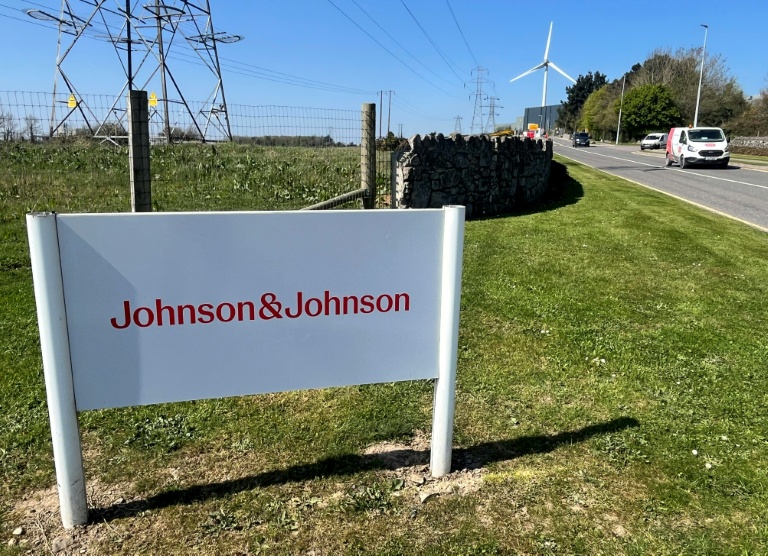
NEW YORK — Johnson & Johnson (NYSE: JNJ) is a compelling buy for conservative, long-term investors in 2026, with analysts maintaining a consensus “Moderate Buy” rating as the healthcare giant delivers steady earnings growth, robust cash flow and one of the longest dividend increase streaks in corporate America. Despite a slower-growth profile than pure biotech names, JNJ’s diversified portfolio, pricing power and defensive qualities make it attractive amid economic uncertainty and market volatility.
Shares have traded in the $148–$155 range in early May, offering a reliable 3.1% dividend yield and 63 consecutive years of dividend increases. The average 12-month price target from analysts sits near $168–$172, implying roughly 10–15% upside. Of roughly 25 analysts covering the stock, the majority rate it Buy or Hold, citing its resilience and capital return discipline.
Johnson & Johnson reported solid first-quarter 2026 results, with adjusted earnings per share of $2.71 beating consensus estimates of $2.58. Revenue reached $22.1 billion, up 6.2% on an operational basis. The Innovative Medicine (pharmaceuticals) segment grew 8.1%, fueled by strong performance from Darzalex, Tremfya, Erleada and other key oncology and immunology products. MedTech sales rose 5.3%, supported by surgical, orthopedics and vision care franchises.
CEO Joaquin Duato highlighted continued momentum across the portfolio and reiterated full-year 2026 guidance, expecting 5–7% adjusted operational sales growth and mid-single-digit adjusted EPS growth. The company maintained its commitment to innovation, with multiple late-stage assets advancing in oncology, neuroscience and autoimmune diseases.
Advertisement
Key Strengths Driving the Buy Case
Johnson & Johnson’s diversified business model across pharmaceuticals, medical devices and consumer health (via Kenvue) provides stability that few peers can match. Its pharmaceutical pipeline remains robust, with several potential blockbuster drugs in late-stage development. The MedTech segment offers predictable, recurring revenue from surgical tools, implants and vision products, while the company’s massive scale delivers significant pricing power and cost efficiencies.
The balance sheet is fortress-like, supporting both a generous and growing dividend and disciplined share repurchases. JNJ consistently generates strong free cash flow, enabling it to weather economic downturns while continuing to invest in R&D and return capital to shareholders. This combination of growth, income and defensive characteristics makes it a core holding for many institutional and individual investors.
Analyst Consensus and Valuation
Wall Street views JNJ as a high-quality, lower-volatility healthcare name. While not expected to deliver explosive growth like smaller biotech firms, the stock’s forward price-to-earnings multiple in the low-to-mid teens appears reasonable given its predictable cash flows and industry-leading dividend reliability. Several analysts have named JNJ a top defensive healthcare pick for 2026, especially in an environment of potential economic slowdown or higher interest rates.
Risks include patent expirations on key products, ongoing litigation (particularly talc-related cases), and regulatory pricing pressure in pharmaceuticals. However, the company has a long history of successfully navigating these challenges through portfolio management, innovation and legal resolutions.
Advertisement
Why Buy Johnson & Johnson in 2026
For investors seeking income, stability and moderate growth, Johnson & Johnson offers an attractive package. The stock suits retirement portfolios, dividend growth strategies and those wanting healthcare exposure without excessive volatility. Its global reach, strong brand portfolio and consistent execution provide downside protection in uncertain markets.
Current shareholders have strong reasons to hold or add on weakness. New buyers can accumulate at current levels, which many analysts consider reasonable relative to intrinsic value. Dollar-cost averaging during periods of broader market weakness can further enhance long-term returns. Diversification within healthcare remains prudent, but JNJ stands out for its reliability and capital return discipline.
Long-Term Outlook
Looking ahead, Johnson & Johnson is well-positioned to benefit from aging populations, rising healthcare demand and continued innovation. Management’s focus on high-margin Innovative Medicine and MedTech segments, combined with ongoing cost discipline, supports sustained mid-single-digit growth. The company’s commitment to R&D and strategic bolt-on acquisitions should drive future pipeline success.
As 2026 progresses, JNJ’s quarterly results and updates on key product launches will be closely watched. With solid fundamentals, a proven dividend track record and reasonable valuation, the case for buying and holding Johnson & Johnson stock remains strong for patient investors seeking quality and income in an uncertain macroeconomic environment.
Advertisement
Johnson & Johnson continues to exemplify blue-chip healthcare investing — delivering reliable returns through economic cycles while investing in the future of medicine. For those prioritizing capital preservation and steady income alongside modest appreciation potential, the stock offers a compelling opportunity in 2026.



















































You must be logged in to post a comment Login