

Business
Mag 7 Stocks Jump as Market Rallies on Trump Iran Reassurance

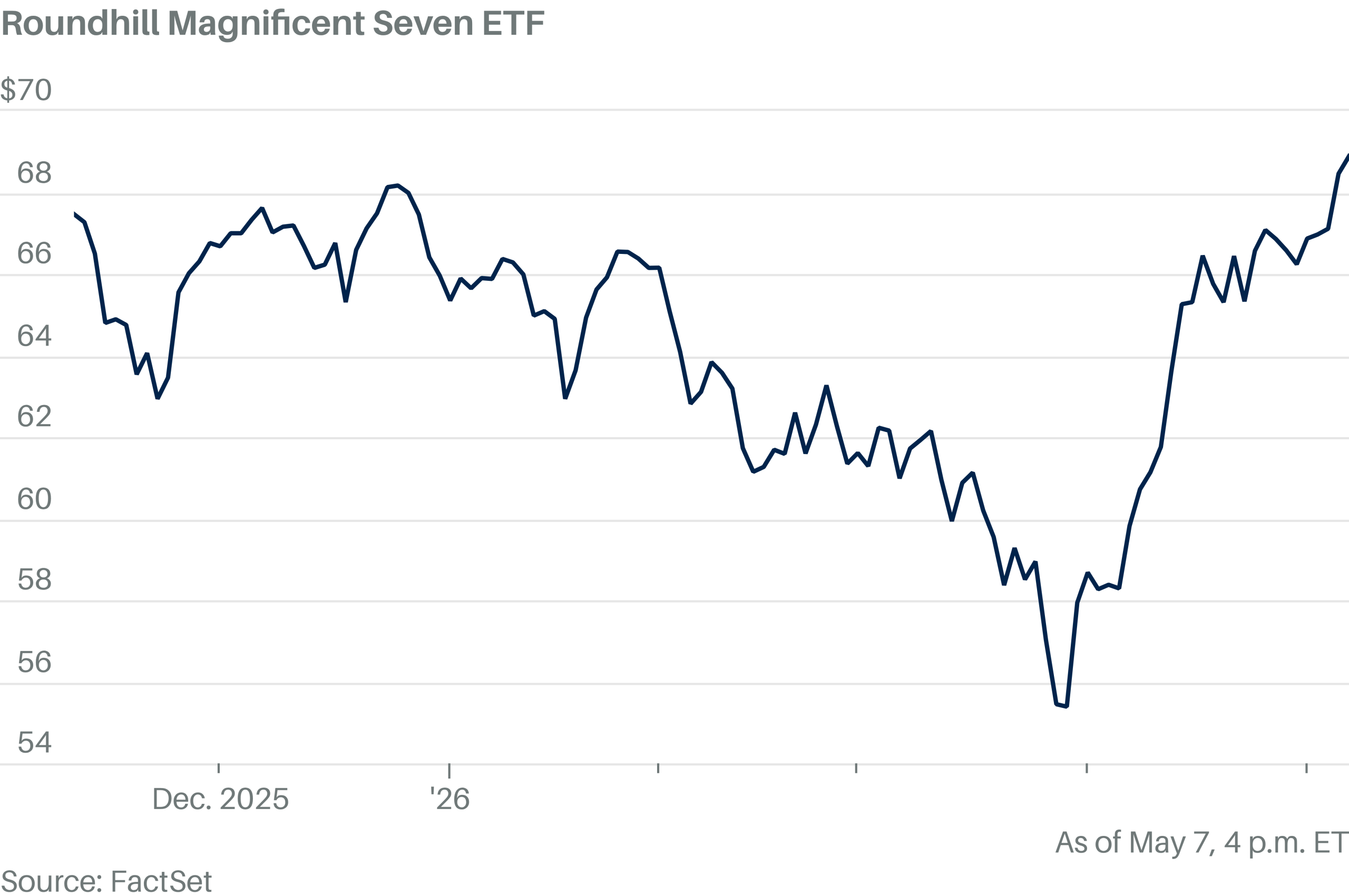
Megacap tech stocks were racking up gains ahead of the opening bell on Friday, putting an exchange-traded fund that tracks the blue-chip on course for a record high.
Roundhill’s Magnificent Seven ETF climbed 0.6% in premarket trading. If it can hold those gains until the close, it would lock in its first all-time high since October 2025.
Each member of the Magnificent Seven was rising in the premarket, with chip designer Nvidia and electric-vehicle maker Tesla up by nearly 1%.


Adults in the United Kingdom are far more willing to save than invest when it comes to managing their wealth, but what’s driving our preferences? And why are we more wary of stocks and shares than our American cousins?
According to data compiled by Dr Sam Pybis, Senior Lecturer in Economics at Manchester Metropolitan University, only 23% of individuals in the UK have invested in the stock market, excluding workplace pensions.
This represents a significant shortfall compared to the other side of the Atlantic Ocean, where almost two-thirds of adults in the US have made investments.
Interestingly, the findings have shown that American consumers are generally more willing to take financial risks, which is a major contrast to their UK counterparts.
Risk Plays a Major Role
The risks associated with investing have reentered the spotlight recently after Chancellor Rachel Reeves opted to cut the tax-free annual allowance for savings-focused Cash ISAs to £12,000 while keeping Stocks and Shares ISA allowances at £20,000.
As speculation over the future of Cash ISAs was mounting, a YouGov poll found that just 31% of UK residents were ‘willing’ to invest in Stocks and Shares ISAs instead, with an overwhelming majority citing risk as their primary concern.
Of those surveyed, 65% of respondents claimed that investing was ‘too risky’ compared to saving, while 5% believed that Cash ISAs were more likely to generate a good return.
Is Saving More Reliable?
Are UK savers justified in their risk aversion when it comes to investing? The answer depends on your risk tolerance.
According to Unbiased data, the last 10 years have seen fixed-rate Cash ISA returns generate 1.21% annually on average. In contrast, Stocks and Shares ISAs have returned 9.64% each year.
However, it’s important to note that past performance never guarantees future results. There are plenty of cases of Cash ISAs outperforming Stocks and Shares ISAs over time, and the recent surge in both the S&P 500 and FTSE 100, driven partly by the ongoing artificial intelligence boom, has contributed to the higher returns enjoyed by investors of late.
During periods of stock market volatility, saving can be a strong hedge against dwindling equities.
Thanks to a combination of higher interest rates and stock market sell-offs, UK residents who tend to save have enjoyed many periods where their savings have outperformed investments.
Moneyfacts data shows that the average Cash ISA rate returned 1.71% between February 2023 and February 2024, while Stocks and Shares ISAs made a loss of 3.27% over the same period.
While there’s no definitive right or wrong answer about which approach to wealth management is most effective, it’s clear that risks can certainly leave investors with periods of time where their portfolios lose money, even if history shows well-selected stocks and shares generally grow substantially over time.
Saving Isn’t Always Risk-Free
It’s also important to highlight that opting for saving rather than investing doesn’t come without its own risks.
If you opt to open a savings account, you can still make a loss in real terms if your rate of return fails to surpass the rate of inflation.
When inflation rises above the AER offered by your savings account provider, the cost of living will rise faster than you can grow your wealth, meaning that your spending power is still weakening.
With this in mind, savers must keep an eye on the rates that providers offer them and assess whether they still reflect their financial goals even when accounting for the rising cost of living through inflation rates and forecasts.
What are the Best Ways to Save?
There are plenty of ways to open fixed-rate savings accounts that can help to grow your wealth more effectively.
One of the best and most tax-efficient ways to save is to open a Cash ISA. The biggest advantage of Cash ISAs is that they are a tax-free wrapper, meaning that all the money you make with your account can be accessed without incurring any income tax.
Each tax year, you can deposit up to £20,000 in your Cash ISA, every tax year, while safe in the knowledge that none of your earnings will fall into the hands of the taxman. However, it’s also important to keep in mind that this £20,000 allowance will fall to £12,000 beginning in April 2027.
Making the Most of Your Savings
Opting to save rather than invest is a great way to generate predictable returns on your deposits, paving the way for a low-risk approach to building your wealth over time.
Although it’s important to keep factors like inflation rates in mind, saving is a great way to more effectively look after your money over time, and Cash ISAs open the door to tax-efficient earnings, which can make a huge difference over time thanks to the power of compounded interest.
The UK may be a nation of savers, but this approach holds plenty of long-term value for individuals, with more residents able to relax safe in the knowledge that their funds are well-protected against risk.

As families across the United States prepare to celebrate Mother’s Day on Sunday, May 10, 2026, the annual holiday continues to evolve while staying rooted in gratitude, love and appreciation for the women who shape our lives. What began as a personal tribute has grown into a major cultural tradition filled with flowers, brunches and heartfelt gestures. Here are 10 fun and fascinating facts about Mother’s Day that highlight its rich history, surprising traditions and enduring impact in 2026.

1. Mother’s Day 2026 Falls on May 10 — The Most Popular Date in Recent Years This year’s celebration lands on the second Sunday in May, a date that has become the standard since President Woodrow Wilson officially proclaimed it a national holiday in 1914. In 2026, May 10 aligns perfectly with pleasant spring weather in most regions, making outdoor brunches and garden gatherings especially appealing. According to the National Retail Federation, Americans are expected to spend a record $35.7 billion on Mother’s Day this year, with flowers, jewelry and experiences topping the list.
2. The Holiday Was Founded by a Daughter Mourning Her Mother Mother’s Day traces its modern origins to Anna Jarvis of West Virginia, who campaigned tirelessly after losing her mother in 1905. Jarvis wanted a day to honor the sacrifices of mothers everywhere. She organized the first official celebration in 1908 in Grafton, West Virginia. Ironically, Jarvis later became disillusioned with the holiday’s commercialization and spent the rest of her life trying to stop it from becoming overly commercial — a battle she ultimately lost.
3. Carnations Remain the Official Flower — With Deep Symbolism White carnations are traditionally worn to honor mothers who have passed away, while red or pink ones celebrate living mothers. In 2026, florists report strong demand for personalized arrangements featuring carnations alongside trendy blooms like peonies and tulips. The flower choice dates back to Anna Jarvis’s own preference for her mother’s favorite bloom, creating a beautiful tradition that persists more than a century later.
4. Americans Will Spend Billions — But Experiences Are Gaining Popularity The National Retail Federation predicts record spending in 2026, with many opting for meaningful experiences over material gifts. Spa days, cooking classes, weekend getaways and custom family portraits are surging in popularity. This shift reflects a growing desire for quality time rather than just presents, especially as families navigate busy modern lives.
5. The Greeting Card Industry Still Dominates — With a Digital Twist Despite the rise of digital communication, physical greeting cards remain hugely popular for Mother’s Day. Hallmark and other companies expect to sell millions of cards this year. However, a newer trend shows increased use of personalized video messages and AI-generated custom cards, blending tradition with technology in creative ways that appeal to younger generations.
6. Mother’s Day Has International Variations and Surprising Origins While the U.S. celebrates on the second Sunday in May, other countries have different dates and traditions. In the UK and Ireland, it falls on the fourth Sunday of Lent (Mothering Sunday). In Thailand, it coincides with the Queen’s birthday in August. These variations highlight how the holiday adapts to local cultures while maintaining its core message of appreciation.
7. Famous Moms and Their Celebrity Children Celebrate in Unique Ways In 2026, celebrity moms like Beyoncé, Serena Williams and Jennifer Lopez are expected to share heartfelt tributes on social media. Many use the day to highlight causes close to their hearts, from maternal health to education. Meanwhile, their children often surprise them with public gestures that quickly go viral, continuing the tradition of making the day memorable.
8. The Holiday Boosts the Economy in Surprising Ways Beyond direct retail spending, Mother’s Day drives significant economic activity in restaurants, travel and wellness industries. Brunch reservations are booked solid months in advance in major cities. Hotels report increased bookings for mother-daughter getaways, and the beauty industry sees a spike in gift card sales. Economists estimate the total economic impact exceeds $40 billion when indirect spending is included.
9. Mother’s Day Has Faced Criticism and Calls for Reform Anna Jarvis herself grew to hate how commercialized the holiday became. In recent years, some activists have called for reimagining the day to include all mother figures — including single dads, foster parents and chosen family. In 2026, many families are embracing broader definitions of motherhood, creating more inclusive celebrations that honor diverse family structures.
10. The Tradition Continues to Evolve With Technology and Changing Values In 2026, virtual reality family experiences, personalized AI-generated messages and sustainable gift options are gaining popularity. Many adult children are choosing to spend the day volunteering together or supporting maternal health causes. The holiday’s core message of gratitude remains strong, even as its expressions adapt to modern life.
Mother’s Day 2026 promises to be a meaningful celebration for millions of American families. Whether through simple breakfast in bed, elaborate brunches or quiet moments of appreciation, the day serves as a powerful reminder of the love and sacrifices mothers make every day. As we approach May 10, the focus remains on honoring the women who nurture, guide and inspire us — a tradition that continues to evolve while staying true to its heartfelt origins.
The holiday’s enduring popularity reflects a universal truth: no matter how busy life gets, taking time to thank the person who helped shape us is always worth celebrating. This year, as families gather across the country, Mother’s Day will once again prove that gratitude, love and appreciation transcend trends and remain at the heart of what makes the day special.


Settlers force re-burial of Palestinian man in West Bank, family says

Affirm: Buy Now, Rally Later – Long Game Still Promising
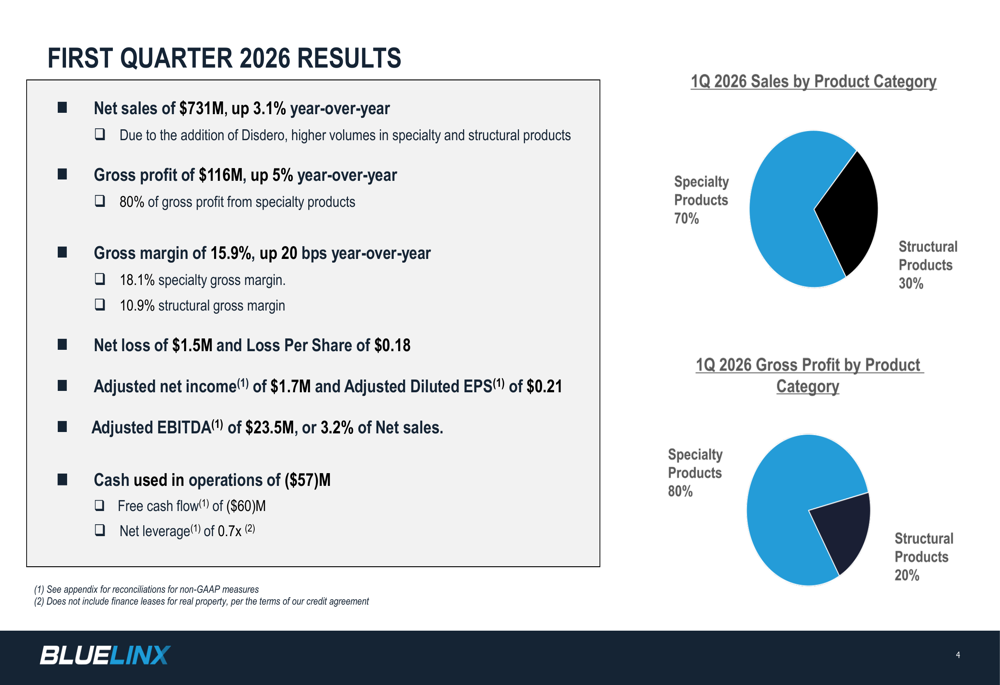
BlueLinx Q1 2026 slides: specialty products drive earnings beat

EA Sports FC 26 has taken the football gaming world by storm, bringing with it an even more immersive Ultimate Team experience.
Whether someone is just getting started or looking to upgrade an already solid squad, finding the right place to buy FC26 players is one of the most important decisions any serious player will make. The wrong choice can lead to wasted coins, account risks, or frustrating experiences — but the right store makes building a dream team genuinely exciting.
This guide breaks down the best options available, what to look for, and why some choices stand out far above the rest.
Understanding How FC 26 Player Acquisition Works
In FC 26 Ultimate Team, building a squad revolves around acquiring player cards with the right chemistry, stats, and special editions. There are several ways to do this:
- Opening packs purchased with in-game coins or FIFA Points
- Trading on the in-game Transfer Market by buying and selling players
- Using third-party stores to purchase coins, which can then be spent on the Transfer Market
Most experienced players quickly realize that relying solely on packs is, statistically speaking, a losing strategy. The odds of pulling elite players are slim, and the coin investment rarely pays off. That’s why savvy gamers turn to external options to buy fc26 players more efficiently and reliably.
Option 1: EA’s In-Game Transfer Market
The Transfer Market is EA’s official method for player trading. It’s built directly into Ultimate Team and allows players to search for any card and purchase it with coins or FIFA Points.
Pros:
- Fully sanctioned by EA
- Wide selection of players at any given time
- Prices generally reflect current meta and demand
Cons:
- Prices can be extremely inflated during special events
- Tax of 5% on all sales eats into budgets
- Earning coins through gameplay alone is time-consuming
- No guarantee of getting the specific version or rating desired
For casual players, the Transfer Market works fine. But for those who want top-tier players without grinding for hundreds of hours, it often falls short on its own.
Option 2: Opening Packs
Pack openings are one of the most popular — and most debated — aspects of FC 26. Every week, EA releases new special packs, and content creators flood social media with reactions to big pulls.
Pros:
- Exciting and unpredictable
- Occasionally yields high-value cards
- Supports the in-game economy by generating coins
Cons:
- Extremely low odds for top-rated players
- Can become expensive quickly
- Results are entirely luck-based
While packs have their place, especially for completing Squad Building Challenges (SBCs), relying on them to buy fc26 players of a specific type or rating is far from efficient. Most experienced players treat packs as a bonus, not a strategy.
Option 3: Third-Party Coin Stores
This is where things get interesting. A large portion of the FC 26 community supplements their in-game earnings by purchasing coins from third-party shops. These coins are then used directly on the Transfer Market to buy any player card desired — TOTW cards, Icons, Heroes, special editions, and more.
The key is finding a trustworthy shop with a solid reputation, competitive pricing, and fast delivery. Not all coin sellers are equal, and the risks of dealing with unknown or shady sources include account bans, scams, and poor customer service.
Why Lootbar Stands Out
Among the various options available to FC 26 players, Lootbar has established itself as one of the most reputable and widely used shops in the gaming community. Whether someone is new to buying coins or has been doing it for years, Lootbar offers an experience that sets a high standard.
Competitive Pricing
One of the first things players notice about Lootbar is its pricing. The shop consistently offers coins at rates that give buyers strong value for money, often undercutting less reliable alternatives while maintaining a far higher level of service and security. Regular promotions and seasonal deals make it even more affordable to stock up when building a squad for Weekend League or Champions qualification.
Fast and Reliable Delivery
Time matters in FC 26. Markets move quickly, special player prices spike and drop within hours, and Weekend League preparation doesn’t wait. Lootbar understands this urgency. Delivery times are fast, meaning buyers can get their coins and head straight to the Transfer Market without unnecessary delays. The process is streamlined and user-friendly from start to finish.
Strong Account Safety Practices
Account security is understandably a concern whenever third-party coin purchasing is involved. Lootbar takes this seriously. The shop uses delivery methods designed to minimize risk, and their team is knowledgeable about how to handle transactions in a way that keeps customer accounts as safe as possible. This focus on buyer protection has earned Lootbar a loyal and growing customer base.
Wide Game and Region Support
Beyond FC 26, Lootbar supports a broad range of popular games, making it a go-to destination for gamers across different titles. For FC 26 specifically, the shop supports multiple regions and platforms, ensuring that players on PlayStation, Xbox, and PC can all access the service without complications.
Responsive Customer Support
No transaction is without the occasional hiccup, and that’s where customer support becomes crucial. Lootbar offers accessible and responsive support that actually resolves issues rather than leaving buyers waiting in frustration. This level of care for the customer experience reflects how seriously the shop takes its reputation.
Tips for Buying FC 26 Players and Coins Safely
Regardless of where purchases are made, a few best practices can help protect accounts and maximize value:
Research the seller thoroughly. Look for verified reviews, active communities, and transparent pricing. A shop with a long track record is far more trustworthy than an anonymous seller.
Avoid sharing login credentials. No legitimate coin shop will ever ask for a full account password. Any service requesting login access should be avoided entirely.
Use trusted payment methods. Reputable shops like Lootbar offer secure payment gateways, giving buyers added protection against fraud.
Buy in appropriate amounts. Large, sudden spikes in coin balance can attract attention. Experienced buyers typically purchase in sensible increments and use coins gradually.
Stay informed about the current meta. Coins are most valuable when spent on players who actually fit a system. Before purchasing, it helps to have a clear squad plan in mind so the investment translates directly into better gameplay.
Building the Dream Squad
Once coins are secured from a reliable source, the real fun begins. The FC 26 Transfer Market opens up completely differently when there’s a healthy coin balance to work with. Players that once seemed out of reach — elite Icons, high-rated Moments cards, Team of the Season specials — become genuinely attainable.
For competitive players, having the right squad isn’t just cosmetic. Chemistry bonuses, positional familiarity, and card stats directly impact in-game performance. The difference between a mid-level squad and an optimized one can be felt immediately in Weekend League and Division Rivals matches.
Final Thoughts
For anyone serious about FC 26 Ultimate Team, knowing where and how to buy fc26 players makes a significant difference in the overall experience. While EA’s in-game systems have their place, supplementing with a trusted coin store dramatically accelerates squad-building and removes the frustration of endless grinding.

Earnings call transcript: Saia Q1 2026 earnings exceed expectations
Business
Palantir Stock a Strong Buy in 2026 as AI Platform Adoption and Commercial Surge Accelerate

NEW YORK — Palantir Technologies Inc. (NYSE: PLTR) stands out as one of the strongest buy recommendations in the artificial intelligence sector in 2026, with Wall Street analysts maintaining a solid “Moderate Buy” to “Strong Buy” consensus as the company’s AI-powered data analytics platforms gain rapid traction in both government and commercial markets. The stock has delivered impressive returns this year, reflecting investor confidence in Palantir’s transition from a primarily government contractor to a broader enterprise AI leader.
Shares have traded in the $55–$65 range in early May, reflecting strong year-to-date performance driven by accelerating commercial revenue and landmark deals with major corporations. Analysts covering the stock have an average 12-month price target near $75–$85, implying 25–40% upside from current levels. Of roughly 25 analysts, the vast majority rate Palantir a Buy or Strong Buy, with several firms citing its expanding addressable market and improving profitability metrics.
Palantir reported robust first-quarter 2026 results, with revenue rising 27% year-over-year to approximately $812 million. The commercial segment, a key focus for growth, posted 40%+ growth, while government revenue remained stable and highly profitable. Adjusted operating income improved significantly, and the company raised full-year guidance, signaling strong demand for its Gotham, Foundry and AIP (Artificial Intelligence Platform) offerings. CEO Alex Karp highlighted “accelerating momentum” across industries including healthcare, finance, manufacturing and energy.
Commercial Momentum Becomes Primary Growth Engine
Palantir’s shift toward the commercial sector has been one of the most important developments of the past two years. The company’s AIP platform allows organizations to deploy secure, governed AI applications using their own data. Major deals with companies like United Airlines, BP, and several large pharmaceutical firms have validated the platform’s real-world value. Analysts project commercial revenue could surpass government revenue within the next 12–18 months, providing more predictable and higher-margin growth.
The platform’s ability to integrate with existing enterprise systems while maintaining strict data governance has proven especially attractive to large organizations wary of cloud-based AI risks. Palantir’s “boot camp” deployment model — where engineers work directly with customers to build custom AI solutions — has become a competitive differentiator, leading to high retention and expansion rates.
Analyst Views and Valuation
Wall Street sentiment toward Palantir has improved markedly in 2026. Firms like Wedbush, Loop Capital and Oppenheimer have raised price targets, citing accelerating commercial adoption and expanding margins. The stock trades at a premium valuation on traditional metrics, but forward price-to-sales and price-to-earnings multiples are considered reasonable when factoring in projected 25–30% annual revenue growth and improving profitability.
The company’s path to consistent profitability, combined with its massive addressable market in enterprise AI, supports the bullish case. Palantir generates strong free cash flow and maintains a solid balance sheet, giving it flexibility for strategic investments and potential acquisitions.
Risks Investors Should Consider
While enthusiasm is high, risks remain. Palantir still derives a substantial portion of revenue from government contracts, which can be subject to budget cycles and political changes. The stock’s high valuation leaves limited room for disappointment if commercial growth slows or competition intensifies from larger cloud providers. Execution risk around large-scale deployments also exists, though the company has demonstrated strong delivery capabilities.
Macroeconomic slowdowns could delay enterprise AI spending, and increased regulatory scrutiny of AI technologies remains a background concern. However, Palantir’s focus on secure, enterprise-grade AI positions it relatively well against these risks compared to more consumer-oriented AI plays.
Long-Term Outlook Remains Bright
Looking further into 2026 and beyond, analysts project Palantir could sustain high-teens to low-20s percentage revenue growth as AI adoption deepens across industries. The company’s expanding partnership ecosystem, international growth and new product initiatives (including enhanced AIP features) provide multiple levers for expansion.
For investors, Palantir represents a high-conviction way to gain exposure to enterprise AI with a proven platform and strong customer relationships. The stock suits growth-oriented portfolios comfortable with technology volatility and premium valuations. Those already holding shares have compelling reasons to maintain or add on dips, while new buyers may find current levels reasonable given the company’s execution track record and favorable long-term fundamentals.
Diversification within the AI and software sector remains prudent, but Palantir stands out for its combination of mission-critical applications, sticky customer relationships and expanding margins. As always, investors should consider their risk tolerance and time horizon. While Palantir has delivered exceptional returns, future performance will depend on continued innovation and successful commercial scaling.
As 2026 progresses, Palantir’s quarterly results and updates on commercial deal flow will be closely watched as key indicators of AI adoption trends. With robust demand, improving profitability and broad analyst support, the case for buying Palantir stock remains highly compelling for growth-focused investors seeking exposure to the transformative power of enterprise artificial intelligence.
Palantir’s evolution from a government-focused data analytics firm to a leading AI platform provider continues to reward shareholders who understood its potential. In a market filled with hype around artificial intelligence, Palantir offers something increasingly valuable: real deployments, measurable outcomes and a clear path to sustained growth. For those with a multi-year horizon, the evidence strongly supports buying and holding Palantir stock in 2026.

The National Highway Traffic Safety Administration reports that over 6 million police-reported crashes occur annually in the United States, with approximately 280,000 vehicles declared total losses each month.
As repair costs continue climbing and vehicle technology becomes increasingly complex, insurance companies are totaling cars at rates not seen in decades — often for damage that would have been repairable just five years ago.
This shift affects millions of drivers who suddenly find themselves navigating unfamiliar territory. The decisions made in the first 48 hours after a total loss can determine whether you receive fair compensation or spend months fighting for adequate coverage. Modern claims processes involve multiple stakeholders, complex valuations, and tight deadlines that catch most people unprepared.
Understanding the practical steps — from immediate post-accident actions through final settlement — gives you the tools to protect your interests when the unexpected happens. The process ahead involves critical documentation, insurance negotiations, and decisions that will impact both your immediate transportation needs and your financial recovery.
What Steps Should You Take Immediately After Your Car Is Totaled?
Your first priority centers on safety and legal compliance, even when the emotional impact of seeing your destroyed vehicle feels overwhelming. Move to safety, call 911 if anyone needs medical attention, and contact police — many states require police reports for accidents involving significant property damage, and this documentation becomes crucial for your claim.
Document everything at the scene while details remain fresh. Take photos from multiple angles showing the overall accident scene, all vehicle damage, road conditions, traffic signs, and license plates. Use your phone to record a brief voice memo describing what happened, including time, weather conditions, and your immediate observations. Even if you feel shaken, these details matter more than you might realize in the moment.
Exchange information with all parties involved, but avoid discussing fault or making statements beyond basic facts. Insurance companies train their representatives to ask leading questions, and seemingly innocent comments can complicate your claim later. Collect names, phone numbers, insurance information, and driver’s license details, but keep conversations focused on factual information exchange.
Contact your insurance company within 24 hours to report the accident and begin the claims process. Many policies require prompt notification, and delays can create complications. When you call, stick to factual descriptions of what happened without speculating about cause or accepting blame. The insurance representative will guide you through initial questions and explain next steps, including arranging for vehicle inspection and rental car coverage if applicable.
If you suspect the other driver lacks insurance or adequate coverage, document this concern during your initial report. Uninsured motorist coverage becomes critical in these situations, and early notification helps your insurer begin appropriate investigations. Keep detailed records of every conversation with insurance representatives, including names, times, and reference numbers for future follow-up.
How Do You Assess and Document Damage to Your Vehicle?
Understanding damage assessment helps you prepare for conversations with adjusters and recognize when your vehicle might be declared a total loss. Total loss occurs when repair costs exceed a certain percentage of the vehicle’s actual cash value — typically 70-80% depending on your state and insurance company. This threshold considers both visible damage and potential hidden structural issues that emerge during initial inspection.
Modern vehicles contain sophisticated safety systems, sensors, and computer modules that can be damaged even in seemingly minor accidents. A front-end collision might destroy airbag sensors, damage the engine control module, or compromise the vehicle’s frame integrity in ways that aren’t immediately visible. These hidden costs often push repair estimates well above initial assessments.
Comprehensive documentation strengthens your position whether your car is repairable or totaled. Photograph damage from every angle, including the interior, engine compartment, and undercarriage if safely accessible. Take wide shots showing the overall vehicle condition and close-ups highlighting specific damage. Include reference objects like coins or keys to show scale for smaller damage that might be hard to see in photos.
Create a detailed written inventory of all damage you observe, no matter how minor it might seem. Note things like broken lights, scratched paint, damaged trim pieces, and any interior damage. This documentation helps ensure nothing gets overlooked during the official inspection and provides backup if questions arise later about the extent of damage.
Request copies of all inspection reports and repair estimates from your insurance company. You’re entitled to see how they calculated the total loss determination, including the actual cash value assessment and repair cost breakdown. Understanding these numbers helps you evaluate whether the settlement offer reflects fair market value and gives you information needed if you decide to dispute the determination.
What Happens During the Car Insurance Claims Process?
Filing your claim triggers a structured process that typically takes 15-30 days for total loss determinations, though complex cases can extend longer. Your insurance company assigns an adjuster who becomes your primary point of contact throughout the process. The adjuster’s role involves investigating the accident, assessing damage, determining fault, and calculating settlement amounts based on your policy coverage and vehicle value.
Expect the adjuster to schedule an inspection of your vehicle, either at a designated facility or wherever it was towed after the accident. This inspection involves both visible damage assessment and a detailed evaluation of repair costs versus vehicle value. The adjuster examines frame damage, airbag deployment, mechanical systems, and structural integrity to determine whether repairs are economically feasible.
Actual cash value calculation determines your settlement amount for a total loss. Insurance companies use various methods to establish this value, including market analysis of similar vehicles, dealer trade-in values, and specialized databases that track vehicle depreciation. This process considers your car’s age, mileage, condition before the accident, and regional market factors.
Your adjuster should provide a detailed breakdown showing how they calculated the actual cash value, including comparable vehicle listings and any adjustments for your car’s specific features or condition. Review this information carefully — if you believe the valuation is too low, you can provide evidence of your vehicle’s value through recent maintenance records, upgrade receipts, or listings for similar vehicles in your area.
The claims process also involves coordination with rental car coverage if your policy includes it. Most policies provide rental coverage for a specific daily amount and time limit, typically until your claim settles or you purchase a replacement vehicle. Understanding these limits helps you plan transportation during the claims process and avoid unexpected out-of-pocket expenses.
How Do You Decide Between Repairing or Replacing Your Car?
When damage doesn’t clearly indicate total loss, you face the decision between extensive repairs and vehicle replacement. Modern collision repair techniques can address significant structural damage, but the quality and cost of these repairs vary dramatically depending on the shop, parts used, and extent of damage.
Frame straightening technology allows repair shops to address structural damage that would have meant automatic total loss decades ago. However, vehicles with extensive frame damage may never drive quite the same, and resale value typically suffers regardless of repair quality. Consider both immediate repair costs and long-term implications when evaluating whether to pursue repairs over replacement.
Parts availability and quality significantly impact repair outcomes. Original Equipment Manufacturer (OEM) parts maintain vehicle integrity and appearance but cost significantly more than aftermarket alternatives. Your insurance company might authorize aftermarket parts to keep repair costs below total loss thresholds, but these parts can affect fit, finish, and future reliability.
Salvage titles become a factor if your car is declared a total loss but you choose to keep it and arrange repairs independently. Vehicles with salvage titles experience substantial resale value reduction and can be difficult to insure comprehensively in the future. Before choosing this path, obtain detailed repair estimates from qualified shops and understand the long-term implications of salvage title ownership.
Consider your vehicle’s pre-accident condition and your long-term needs when making repair versus replacement decisions. A well-maintained vehicle with high sentimental value might justify extensive repairs, while an older car with existing issues might not be worth significant investment. Factor in your budget, transportation needs, and whether you planned to replace the vehicle anyway in the near future.
How Can You Handle Disputes and Legal Issues in Damage Claims?
When insurance settlements fall short of expectations or coverage disputes arise, you have several options for challenging determinations. Start with internal appeals through your insurance company before pursuing external options. Most insurers have formal appeals processes that allow you to contest total loss valuations, coverage denials, or settlement amounts with additional documentation and evidence.
Gather supporting evidence for your appeal, including recent maintenance records, receipts for upgrades or improvements, and listings for comparable vehicles in your area. Professional appraisals from certified automotive appraisers can strengthen your position, particularly for unique or modified vehicles that don’t fit standard valuation models.
State insurance departments provide oversight and dispute resolution services when direct negotiations fail. Filing a complaint with your state’s insurance commissioner can prompt additional review of your claim and help resolve disputes over coverage interpretation or claims handling practices. These departments often mediate between policyholders and insurance companies at no cost.
For complex cases involving significant damages, personal injuries, or uninsured motorists, injury claim assistance in Lincoln and similar legal support becomes valuable for navigating both insurance negotiations and potential litigation. Legal professionals understand the tactics insurance companies use to minimize settlements and can advocate for fair compensation when standard claims processes fall short.
Document all communications throughout the dispute process to protect your interests and maintain leverage in negotiations. Keep records of every phone call, email exchange, and written correspondence with insurance representatives. This documentation becomes crucial if disputes escalate to legal proceedings or regulatory complaints and helps establish a timeline of how your claim was handled.
Understanding your rights under state insurance laws empowers you to make informed decisions about when to accept settlements versus pursuing additional compensation. Each state has specific requirements for claims handling, settlement timeframes, and disclosure obligations that insurance companies must follow, giving you tools to hold them accountable for fair treatment.


With combined experience of covering technology companies on Wall Street and working in Silicon Valley, and serving as an outside adviser to several seed-round startups, Gary Alexander has exposure to many of the themes shaping the industry today. He has been a regular contributor on Seeking Alpha since 2017. He has been quoted in many web publications and his articles are syndicated to company pages in popular trading apps like Robinhood.
Analyst’s Disclosure: I/we have a beneficial long position in the shares of CARG either through stock ownership, options, or other derivatives. I wrote this article myself, and it expresses my own opinions. I am not receiving compensation for it (other than from Seeking Alpha). I have no business relationship with any company whose stock is mentioned in this article.
Seeking Alpha’s Disclosure: Past performance is no guarantee of future results. No recommendation or advice is being given as to whether any investment is suitable for a particular investor. Any views or opinions expressed above may not reflect those of Seeking Alpha as a whole. Seeking Alpha is not a licensed securities dealer, broker or US investment adviser or investment bank. Our analysts are third party authors that include both professional investors and individual investors who may not be licensed or certified by any institute or regulatory body.

Amazon turns its logistics empire into a new business, taking on UPS and FedEx in freight and shipping

Labour MPs have put Starmer on notice after election battering. Can he turn it around?

The UK’s saving culture and why Britons prefer cash over investment

Manchester United reach agreement with Casemiro over contract clause amid transfer speculation

US brings back mandatory military draft registration

Steven Gerrard disagrees with Gary Neville over ‘shock’ Chelsea and Arsenal claim | Football


-
 Crypto World1 day ago
HarrisX Poll Found 52% of Registered Voters Support the CLARITY Act
-

 NewsBeat6 days ago
Channel 5 – All Creatures Great and Small series 7 new post
-

 Crypto World2 days ago
Upbit adds B3 Korean won pair as Base token gains Korea access
-

 Tech5 days ago
Image AI models now drive app growth, beating chatbot upgrades
-

 News Videos6 days ago
AP Dhillon – Old Money (Official Audio)
-
 NewsBeat2 days ago
NCP car park operator enters administration putting 340 UK sites at risk of closure
-

 Fashion21 hours ago
Weekend Open Thread: Marianne Dress
-

 Sports7 days ago
Five killed in Texas plane crash identified as Amarillo pickleball players
-
Entertainment7 days ago
New Netflix Movies in May 2026 — My Top 3 Picks to Stream
-
 Crypto World7 days ago
Pi Network Mandates Protocol 23 Upgrade for All Mainnet Nodes Before May 15 Deadline
-
Entertainment6 days ago
Anna Nicole Smith’s Daughter Attends 2026 Kentucky Derby
-

 Crypto World6 days ago
Bitcoin mining equities rise in 2026 as BTC lags behind
-

 Entertainment6 days ago
Melissa Joan Hart and More Stars Attend 2026 Kentucky Derby
-
Entertainment7 days ago
Venus Williams’ Best Met Gala Looks Over the Years
-

 Business6 days ago
Luka Doncic Injury Update: Doncic’s Hamstring Recovery Slows Lakers’ Hopes Against Thunder: Can He Run Yet?
-
Entertainment6 days ago
“Storage Wars” star Darrell Sheets' ex-wife breaks silence on his death
-

 Sports6 days ago
Is Man United v Liverpool on TV? Channel, streaming and how to watch Premier League fixture
-

 Business7 days ago
Kuwait International Airport Resumes Operations After Closure as Regional Tensions Ease in 2026
-
 Entertainment7 days ago
Netflix’s 10-Part Miniseries Based on a True Story Is a Perfect Weekend Binge
-
Crypto World7 days ago
Q1 2026 Tech Layoffs AI Wave Hits 81,747 as Firms Shift to AI Infrastructure
You must be logged in to post a comment Login