FIRST-time parenting is exhausting – but Cherelle Mukoko, from south London, was crippled by anxiety and dark doubts about whether she had made a mistake with her firstborn.
Her once active life felt so far away as she cared for baby Zuri at home alone while her husband worked, saying: “It felt like I was constantly running on empty.”
Cherelle Mukoko felt like she was constantly running on empty while caring for her newborn baby ZuriCredit: SuppliedA cheap daily pill was a gamechangerCredit: Supplied
It wasn’t until she started taking a daily pill that her whole outlook changed, after it finally gave her the much needed sleep she’d been missing.
Cherelle’s experience is not unique, says Well pharmacist Wendy Lee, but that doesn’t mean new parents need to suffer.
Advertisement
“The transition into becoming a new mum places an extraordinary load on both the body and mind,” says Wendy.
“Sleep deprivation alone is one of the biggest factors that impact mood regulation, concentration, and emotional resilience.
“When a mother is waking multiple times a night, often for months, the brain doesn’t get the chance to properly reset, which over time can lead to heightened anxiety, irritability, and a sense of overwhelm.”
Cherelle started taking magnesium on the advice of a medical professional and noticed a change overnight.
Advertisement
“The results were phenomenal,” she says.
“I slept the best I’ve slept for years, solidly and deeply all night long.”
Research published in the journal BMC Complementary Medicine and Therapies found that when insomnia sufferers took magnesium supplements they fell asleep an average of 17 minutes quicker.
And a study of 4,000 adults, published in the journal Sleep, linked an increased intake of magnesium to better sleep quality and duration.
Advertisement
It’s not all that magnesium is good for – in fact, it’s involved in “over 300 enzymatic reactions in the body”, Dr Carrie Ruxton, dietitian from the Health & Food Supplements Information Service (HSIS), tells Sun Health.
But millions of us are deficient, she claims; One in five Brits in their 20s have low levels, as do half of women aged 11 to 18.
The NHS says that adult men need 300mg of magnesium per day and adult women need 270mg.
Although the NHS says most people should be able to get magnesium from food – such as green leafy veg, nuts and wholegrains – there are some groups who may benefit more than others from taking a magnesium supplement.
Advertisement
This includes people with gut conditions like Crohn’s disease and IBS, and people taking medications like diuretics and antibiotics.
Dr Ruxton says “people with high stress levels, those who consume excessive amounts of alcohol or sugar, and those with a diet low in leafy greens, beans and pulses, nuts and seeds tend to be more at risk of inadequate magnesium levels”.
According to Dr Ruxton, in the early stages of magnesium deficiency someone might experience loss of appetite, nausea, vomiting, fatigue or weakness.
“As things get worse, numbness, tingling, muscle contractions and cramps, seizures, personality changes, abnormal heart rhythms and heart spasms could set in,” she says.
Advertisement
Sleep saviour
Cherelle started taking magnesium on the advice of a medical professionalCredit: Supplied
Cherelle was experiencing insomnia as a new mum but felt she was pushed beyond her physical and emotional limits.
Before kids, Cherelle had been incredibly active – waking at 6am to travel an hour just to run in Hyde Park.
But once she became the primary care-giver for her little one, Cherelle says: “I felt completely drained.
“The lack of sleep was overwhelming. I would wake up already exhausted, dreading the day because I just didn’t have the energy.
Advertisement
“I was constantly on edge, always thinking about what I had to do next.
“My nervous system just wouldn’t switch off. Some nights I didn’t get any sleep at all.
“I was constantly on high alert, sleeping with one eye open to make sure nothing was going wrong.
“I started questioning everything, all my life decisions. Was I truly cut out to be a mum? Had I made a terrible mistake?
Advertisement
“I’d wanted children for as long as I could remember, but I was on my knees, absolutely exhausted.
“I remember messaging him [her husband] saying I needed to get away. I was at my absolute worst.”
The relentless cycle of exhaustion and anxiety pushed Cherelle to her limits and she went on a weekend health retreat without her family.
She says: “One of the practitioners at the retreat recommended I try magnesium, as a spray to start with, to help with my feelings of anxiety and the sleeplessness.”
Advertisement
When Cherelle had such incredible results from the magnesium, she wondered if it were simply because she was away from her normal life.
Back home, she bought Be Well Magnesium 375mg (£7.49, or 4p per daily capsule), taking one every night.
Cherelle says things have “shifted in a noticeable way” after being able to get better rest, which she credits the magnesium for.
Now a mum-of-two, currently caring for her six-month old, Zaire, at home, Cherelle says: “I can go for a walk with my baby, and I even have the energy to go to the gym. That feeling alone is huge.
Advertisement
“It feels like I have a part of myself back – I feel more capable, more present, and more in control of my day.”
Wendy says: “It is believed that magnesium can help individuals experiencing tiredness and fatigue as it supports energy release.
“It can help with sleep by promoting relaxation and calming the nervous system, improving both sleep onset and sleep quality.”
Dr Ruxton says: “Magnesium helps regulate the sleep hormone melatonin, which has the job of maintaining our circadian rhythm – or body clock – and sleep-wake cycles.
Advertisement
“Magnesium also binds to GABA receptors in the brain, which has calming effects and reduces the excitability of neurons, which can help us fall asleep.”
Sleep is sometimes poor if you are stressed, thanks to a stress hormone called cortisol.
“Magnesium helps temper the effects of stress by regulating what’s known as the hypothalamic-pituitary-adrenal (HPA) axis and reducing cortisol levels,” says Dr Ruxton.
For all the benefits of magnesium – from more energy to less intense PMS and all-round better heart health – experts reveal why a magnesium supplement could be your secret saviour…
Advertisement
1. Blood sugar levels
Magnesium may help reduce blood sugar spikesCredit: Getty
When you eat, the sugar in your food enters the bloodstream and travels to cells, where it gives them energy.
If this process is faulty – for example, if you have diabetes or are at risk of the condition – then you may have too much sugar in your blood.
This can be dangerous, leading to nerve damage, eye problems and diabetic ketoacidosis.
Keeping blood sugar levels stable can be beneficial for anyone, though – not just diabetics.
“One of magnesium’s jobs in the body relates to managing insulin and glucose control,” says Dr Ruxton.
This can help your body respond more efficiently to sugar, potentially reducing the size and frequency of blood sugar spikes.
With fewer blood sugar spikes, your energy should be more consistent.
Advertisement
Research published in the journal Diabetes Care suggests that people who consume magnesium could also have a 22 per cent lower risk of type 2 diabetes.
A separate study by Harvard School of Public Health found that healthy women with higher magnesium intakes have lower fasting insulin levels, meaning they are less sensitive to insulin in their bodies and have a reduced risk of developing type 2 diabetes.
Dr Ruxton says: “People with type 2 diabetes and insulin resistance lose more magnesium in their urine than the general population, so they should also consider a daily supplement.”
2. Energy and muscles
Magnesium can help keep your muscles strong and healthyCredit: Getty
Whether you’re a regular at gym classes, love running or spend your weekends on a bike, a magnesium supplement could support your fitness goals.
Advertisement
“Magnesium is essential for making energy in the body, which is particularly important for someone who is physically active,” says Dr Ruxton.
“We also need magnesium to ensure our muscles function properly.
“Working alongside calcium, magnesium is essential for healthy muscle contraction as well as relaxation.”
Emily adds: “Magnesium supports muscle health by reducing soreness and helping with regeneration too.”
Advertisement
A study published in the Journal of Sports Science found that when professional male cyclists took 400mg of magnesium every day for three weeks, they experienced improvements in muscle recovery after a tough race.
This was compared to cyclists taking a placebo.
Dr Ruxton says: “When we exercise and sweat, we lose magnesium, as well as other minerals like sodium, potassium and chloride.
“Topping up our magnesium is therefore important in maintaining healthy hydration and avoiding fatigue due to dehydration.”
Advertisement
Your heart is also a muscle and needs nutrients to keep it ticking.
SUPPLEMENTS are a great way to make sure you’re getting enough essential nutrients.
But with so many to choose from, it can be hard to know which ones are best to take.
IN YOUR 20S
Advertisement
Ashwagandha – Known for its adaptogenic properties, ashwagandha may help support mental well-being and reduce anxiety by managing cortisol (stress hormone) levels. It’s a go-to for stress relief and better sleep.
Iron – For women who menstruate, iron helps replenish red blood cells, which are especially important for energy and focus.
Vitamin B complex – Supports energy production and can be especially beneficial for those following vegetarian or vegan diets.
IN YOUR 30S
Folic acid – Essential for women considering pregnancy, folic acid is recommended for fetal development. Intake is generally advised even if you’re not actively trying to conceive, as it supports overall cellular health by helping the body produce and maintain new cells, particularly red blood cells.
Calcium and vitamin D – These work together to support bone health, a foundation for the years to come. Women begin losing bone density as early as their mid-30s, so it’s important to ensure adequate intake.
IN YOUR 40S
Magnesium – Known as ‘nature’s relaxant’, magnesium helps regulate mood and can ease symptoms like irritability, muscle tension, and sleep disturbances. Magnesium glycinate, in particular, is gentle on the stomach and can be helpful for better sleep.
Omega-3 fatty acids – These support heart health and may also help with mood regulation, given their anti-inflammatory properties. Omega-3s are beneficial in combating hormonal changes that can impact mood.
IN YOUR 50S
Vitamin E: Known to help reduce hot flashes and support skin elasticity, vitamin E may offer relief from some common menopausal symptoms.
Calcium and vitamin K2: These support bone density as vitamin K2 works synergistically with calcium to guide the mineral to bones rather than arteries. While bone density decreases for most people with age, women are at a higher risk of developing osteoporosis compared to men due to hormonal changes during menopause that impact bone density.
A study by Kyushu University that followed 1,000 middle-aged adults for 17 years found that those taking the highest levels of magnesium had a 37 per cent lower risk of developing dementia than participants taking the least amount.
Those who consumed more than 550mg per day also had ‘brain ages’ nearly one year younger by the age of 55 than those taking 350mg, which is about average, in a study published in the European Journal of Nutrition.
The results were more pronounced in women – especially those post-menopause – than men.
Lead author Dr Khawlah Alateeq, from Australian National University, said: “Our study shows a 41 per cent increase in magnesium intake could lead to less age-related brain shrinkage, which is associated with better cognitive function and a decreased risk or delayed onset of dementia in later life.
Advertisement
“This means people of all ages should be paying closer attention to their magnesium intake.”
Magnesium and stress – which can increase the risk of depression – are connected.
A research review published in the journal Nutrients suggests that stress can deplete magnesium. But on the flipside, magnesium deficiency could enhance the body’s susceptibility to stress.
Advertisement
In a small eight-week study by Shahid Sadoughi University of Medical Sciences, supplementing with 500mg of magnesium daily improved symptoms of depression in people who had a magnesium deficiency.
Another study published in the journal PLOS One found an even lower dose of 248mg of magnesium per day decreased symptoms of depression and anxiety.
4. PMS
Magnesium may be able to help minimise PMS symptomsCredit: Getty
For women, monthly headaches, cramps and mood swings can really get in the way of life.
But magnesium could help to minimise some symptoms of premenstrual syndrome (PMS), according to research in the journal Magnesium Research.
Advertisement
“While further well-designed clinical studies are needed to fully determine the effects of magnesium on PMS symptoms, it is known to help with tiredness and fatigue often experienced during menstruation,” says Emily.
If you suffer from PMS migraines, magnesium could offer some relief as it may help to control the release of brain chemicals such as glutamate while keeping nerve cells stable, Emily says.
“This can then prevent the overactive nerve signals that cause migraines,” she adds.
“Research published in the journal Biomedicine & Pharmacotherapy shows that those who suffer from migraines often have low levels of magnesium.”
Advertisement
5. Bones and teeth
Magnesium help keep bones and teeth strongCredit: Getty
Worried about falls, especially as you’re getting older?
Strong bones not only help to improve your posture and reduce your risk of falls, but they’ll also be less likely to fracture or break if you do take a tumble.
It’s perhaps unsurprising, as 50 to 60 per cent of the body’s magnesium is found in the bones.
Emily says: “Magnesium plays an important role in building and maintaining strong bones and teeth by supporting their structure and strength.
Advertisement
“It also helps the body use calcium and vitamin D effectively, which are both key for healthy bone development.”
According to the Royal Osteoporosis Society, it’s not yet clear whether low magnesium levels increase your risk of breaking a bone, but it is thought to be a risk factor for osteoporosis – a condition that weakens the bones, making them more susceptible to fractures.
A study published in the British Journal of Nutrition found that women with the highest magnesium intake reduced their risk of fractures by 62 per cent, while the risk reduction in men was 53 per cent.
Women who met the recommended intake were 27 per cent less likely to suffer a fracture.
Advertisement
Some research has also shown that magnesium might help lower the risk of arthritis.
A study by Guangzhou University of Chinese Medicine found that women who had ‘normal’ levels of magnesium in their diets – between 181 and 446mg per day – were less likely to get rheumatoid arthritis, but any less or more was linked to an increased risk.
Types of magnesium
It’s possible to take too much magnesium so be mindful of your dosesCredit: Getty
There are different types of magnesium, so picking the ‘right’ one can feel like a minefield.
The most common types include:
Advertisement
Magnesium citrate
Magnesium oxide
Magnesium chloride
Magnesium lactate
Magnesium malate
Magnesium taurate
Magnesium L-threonate
Magnesium sulfate
Magnesium glycinate
Magnesium orotate
Magnesium glycinate is more easily absorbed by the body than other types.
“Additionally, due to the addition of the amino acid glycine, it’s known for its calming effects,” says Dr Ruxton.
Magnesium citrate is one of the more common supplement formulations, though it sometimes has a mild laxative effect.
“It can potentially help with easing constipation and is usually best taken earlier in the day,” the expert adds.
Magnesium L-threonate, meanwhile, “has potentially beneficial effects on brain and nervous system health”, Dr Ruxton says.
Advertisement
Scientists at Nanjing Medical University say it could help manage brain disorders like depression, Alzheimer’s and age-related memory loss.
Animal research suggests it may be the most effective type of increasing magnesium concentration in brain cells, but further studies are needed.
Magnesium supplements are available from most high street pharmacies and supermarkets, and range widely in price.
You can buy budget-friendly pills from as little as 6p per tablet in Boots (£3.30 for a bottle of 60), but some other varieties, like Heights, can cost more than £20 for a month’s supply.
Advertisement
Check the box of any supplements you buy to see what it is most recommended for. You can also speak to a pharmacist or your GP about specific formulations.
Watch your intake too. Taking high doses of magnesium (more than 400mg) for a short time can cause diarrhoea.
While rare, it is possible to overdose on the mineral.
Symptoms include digestive issues, nausea, muscle weakness, low blood pressure, urine retention and respiratory distress, according to the Office of Dietary Supplements.
Advertisement
Cardiac arrest – when the heart suddenly stops beating – is also possible.
Fire crews are still tackling a blaze at a building on Princes Street in Edinburgh after emergency services were called at 2.52am on Thursday.
The fire has broken out on the upper floors of the old Debenhams building in the city centre which is currently home to a Levi’s store and a River Island.
Images and videos posted on social media showed flames leaping into the night sky and plumes of smoke rising over the city centre as crews battled the fire.
Advertisement
The Scottish Fire and Rescue Service told the Mirror this morning that seven appliances had been dispatched to the scene and three specialist appliances.
There is no word yet on the cause of the blaze and no information has been given on any casualties from the fire.
There is disruption to local tram and bus services as the roads around the fire have been closed for emergency services to work at the scene.
This extreme day trip has social media users eager to try it themselves
09:53, 09 Jul 2026Updated 10:00, 09 Jul 2026
Day trips are becoming an increasingly popular way for travellers to squeeze more into their time off, with many swapping weekend breaks for a whirlwind adventure doesn’t requite a hotel booking or even annual leave.
Thanks to budget airlines and early morning flights, these so called “extreme day trips” are becoming popular with travellers who are keen to tick destinations off their bucket lists in just a matter of hours.
From hopping across Europe for lunch to visiting famous landmarks and cities before heading home the same evening, the trend has been gaining popularity on social media. Travellers share their carefully planned itineraries proving just how much can be packed into a single day.
Advertisement
Now, one Scottish TikToker has gone viral after showing how her family managed to spend a full day at Disneyland Paris and still make it back home in time for bed.
Posted by TikTok user @vickyescapes, the video was shared with the caption: “Hear me out… What if you didn’t need a hotel, a long weekend or loads of annual leave to experience Disneyland Paris?
“Is it a long day? Absolutely. Is it a memorable adventure? I think so.”
Content cannot be displayed without consent
In the clip, the creator explains that the family caught a 7am flight from Edinburgh to Paris before making their way straight from the airport to Disneyland Paris.
Advertisement
They arrived at the park by around 11am, giving them roughly eight hours to enjoy everything the magical park had to offer. During their visit, the family squeezed in rides, live shows, character meet-and-greets, food stops and even stayed long enough to watch the evening fireworks display.
After a packed day of what the creator described as “Disney magic,” they headed back to the airport for their 10.30pm return flight back to Edinburgh.
Sharing clips from their time in Disneyland, the creator revealed they even made it “home in time for bed,” rounding off what many viewers described as the ultimate extreme day trip.
The video quickly sparked the attention of other social media users, with many saying they were tempted to try an extreme day trip themselves.
One person wrote: “I’m game for this every weekend if I could,” while another admitted the video had inspired their own holiday plans, commenting: “I’ve been looking to do this over summer lol.”
Others couldn’t quite believe how much the family managed to fit into a single day, with one viewer writing: “You must have been shattered.”
Many were also curious about the cost of squeezing a Disney holiday into one day, with one parent asking: “Can you do a wee cost breakdown? I’d love to budget this for my daughter.”
Advertisement
Responding to the question, the TikToker explained that travelling during the winter helped keep costs down, especially when it came to the flights.
She replied: “We went in winter so flights were much cheaper but roughly €50/70 for Ubers each way and around £80 per person for park tickets! Then spending money for food and treats! Not necessarily a cheap day out, but one to remember.”
It’s a delicious twist on the classic beans on toast, using just two simple cupboard ingredients for a comforting and delicious upgrade
Everyone has that go-to meal they reach for when craving a late-night snack or simply can’t face cooking after a long day. One timeless favourite that everyone loves is beans on toast, and it hits the spot every time.
Advertisement
However, one recipe developer has shared her take on this classic, offering a straightforward “upgrade” that transforms it into a delicious, comforting dish. Georgia Hughes showed off the recipe on the Channel 4 Served TikTok, using two everyday cupboard staples to elevate the meal.
Georgia said: “These are my satay beans on toast. A proper comfort food upgrade. Taking the humble bean and giving it a glow up. That is delicious.”
The recipe developer named beans on toast as her favourite option when she’s not keen to make much effort. It’s also a truly nostalgic childhood treat for those looking for something familiar.
Everything can be prepared in a single pan, so there’s no need for too much washing up. To add a spicy and flavourful dimension to the beans, Georgia relies on two ingredients most home cooks will have to hand.
All that’s required is a dollop of peanut butter and some curry powder. She said: “It’s still the same comfort food, just a little bit elevated… Simple, comforting and delicious.”
A fan in the comments said: “Love satay, love beans on toast, this is a must try and I can see it being just as popular as smashed avocado on toast is!”.
Served replied: “It’s SUCH a good combo.”
Advertisement
So, if you’re keen to put a fresh twist on your next serving of beans on toast, here’s how you can recreate Georgia’s recipe in your own kitchen.
Satay beans on toast
Ingredients
Two slices sourdough
One tin butter beans
Two shallots, diced
One tbsp tomato paste
One tsp curry powder
One tbsp peanut butter
Juice of half a lime
One tsp light soy
One tbsp honey
For the toppings
Peanuts
Pickled red onions
Spring onions
Content cannot be displayed without consent
Method
Warm a small drizzle of olive oil in a pan over a medium heat. Add shallots (two, diced) and fry for six minutes until softened.
Advertisement
Stir in tomato paste (one tbsp) and curry powder (one tsp) and cook for one to two minutes. Add butter beans (one tin). If using tinned beans, drain and rinse them, then add water (two tbsp).
If using jarred beans, add them with their brine instead.
Stir in peanut butter (one tbsp), soy (one tsp), lime juice (half a lime) and honey (one tbsp) and leave to simmer for a few minutes.
Spoon over buttered toast (two slices) and finish with peanuts, pickled onions and spring onions.
Asian cities have shot up the latest Global Liveability Index, which has just been released. Where does your city rank?
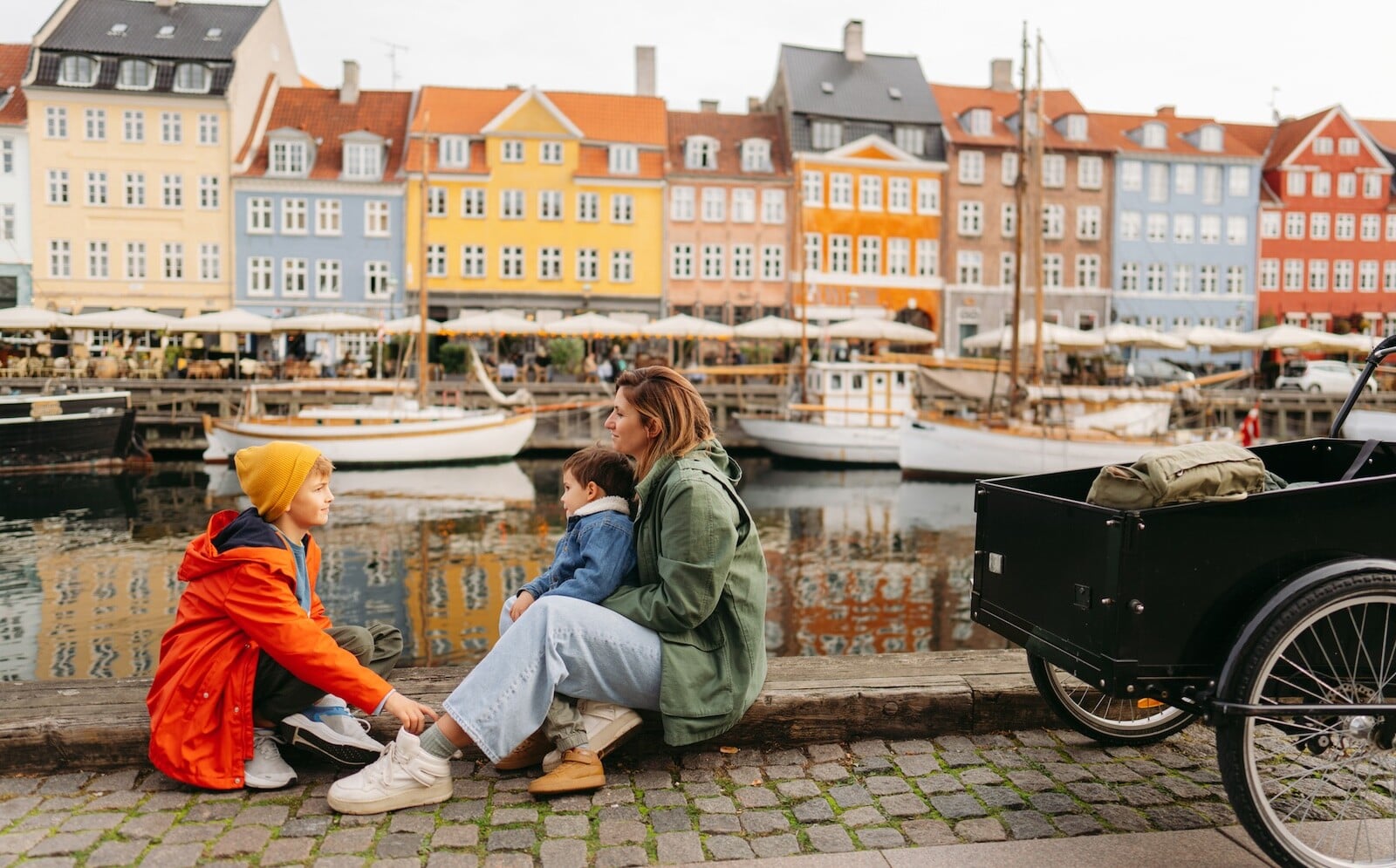
It started life as a Viking fishing village, has more bikes than people in it – and has once again been crowned the world’s most liveable city. Step forward Copenhagen.
The Danish capital has retained its place atop the annual Global Liveability Index – edging out Vienna (second) and Melbourne (third) – scoring perfect marks for education, infrastructure and stability.
Advertisement
Long been considered a world leader for sustainable living, Copenhagen has helping cities around the world follow its lead in embracing cycle culture. There’s even a term for it: ‘Copenhagenisation’.
Advertisement
The city’s people-first approach to urban planning helped it to top the annual index, which is compiled by the Economist Intelligence Unit (EIU). It assesses 173 cities across five categories: stability, healthcare, culture and environment, education, and infrastructure.
Switzerland is the only other European nation to feature in the top 10 of the latest index, with Zurich ranking fifth and Geneva coming sixth. Japan also has two cities in the top 10, Osaka (seventh) and Tokyo (tenth), while Australia has three: Melbourne (third), Sydney (fourth) and Adelaide (eighth).The highest placed UK city is Manchester (52nd).
The stagnation of living standards in Europe and improvements to life in Asian cities were the main themes of this year’s index.
Advertisement
Asian cities like Nanjing, China, saw big gains in the latest index. Image: Dendy
“Western Europe is still the strongest region for liveability, but its average score has stagnated in the 2026 index, while Asia’s has risen,” the report’s authors noted. “There are now nine Asian cities in the top 20, and seven European cities.”
There were some glimmers of good news even at the bottom of the index. While the Syrian capital, Damascus, remains the lowest ranked city, authors noted that scores for healthcare have “improved markedly” since the regime of Bashar al-Assad’s was overthrown.
Advertisement
Tripoli, Libya, also saw improvements in the healthcare category, but remains the second-lowest-ranked city.
Despite being the lowest ranked city, Damascus saw significant health improvements. Image: Mahmoud Sulaiman
Advertisement
Inevitably, the fallout from US-Israel war against Iran dragged many cities in the Middle East down the ranking. Nevertheless, the region continued to see improvements in some categories, particularly healthcare.
Health is a dominant theme in the latest index, which recorded significant improvements to the healthcare scores for Chinese cities following years of public investment.
“As a result, Chinese cities dominate the list of biggest upwards movers this year, led by Fuzhou, an industrial city in the south-east,” said the authors. “However, culture and environment scores in most Chinese
cities remain low, owing to restrictions on political freedoms, limiting further gains in their rankings.”
Advertisement
Another notable mover in the index is New York, US, which saw one of the biggest score improvements of all 173 cities, following years of falling crime rates and lower risks of terrorist attacks. However, it remains the third-lowest-ranking US city, behind Detroit and Lexington.
The best cities to live in, according to the EIU
1. Copenhagen, Denmark 2. Vienna, Austria 3. Melbourne, Australia 4. Sydney, Australia 5. Zurich, Switzerland 6. Geneva, Switzerland 7. Osaka, Japan 8. Adelaide, Australia 9. Vancouver, Canada 10. Tokyo, Japan
1. Fuzhou, China (rank: 93) 2. Lisbon, Portugal (54) 3. Wuxi, China (106) 4. Nanjing, China (98) 5. Zhuhai, China (105) 6. Qingdao, China (114) 7. Tokyo, Japan (10) 8. New York, US (66) 9. Shenyang, China (84) 10. Dalian, China (101)
Main image: iStock
Be part of the solution
At Positive News, we’re not chasing clicks or profits for media moguls – we’re here to serve you and have a positive social impact. We can’t do this unless enough people like you choose to support our journalism.
Advertisement
Give once from just £1, or join 1,800+ others who contribute an average of £3 or more per month. Together, we can build a healthier form of media – one that focuses on solutions, progress and possibilities, and empowers people to create positive change.
Footage showing the complete destruction inside the late Ayatollah Ali Khamenei’s compound following a deadly US-Israel airstrike has been released for the first time by the Iranian regime.
The compound was blown to pieces on February 28 at the start of the joint operation against Tehran, with 86-year-old Khamenei being killed in the blast.
The 50-second clip was released as the Islamic Republic continues its huge six-day funeral procession for the former leader, which will conclude with his burial in Iran.
The video shows mounds of rubble, collapsed ceilings, warped support beams and doors blown off their hinges in the aftermath of the US-Israel attack that kicked off the four-month-long war.
Advertisement
Mounds of dirt and debris can be seen filling up the Imam Khomeini Hussainiya – the hall inside the supreme leader’s compound where he used to hold meetings and deliver public sermons.
While satellite footage of the obliterated compound was released shortly after the strike, a view from the interior was not published until now.
Footage showing the complete destruction inside the late Ayatollah Khamenei’s compound following a deadly US-Israel airstrike has been released for the first time by the Iranian regime
The 50-second clip was released as the Islamic Republic continues its huge six-day funeral procession for the former leader, which will conclude with his burial in Iran
The compound was blown to pieces on February 28 at the start of the joint operation against Tehran, with Khamenei being killed in the blast
Advertisement
The attack ahead of the burial in Khamenei’s hometown came on a second consecutive day of tit-for-tat barrages launched by the two sides, testing a fragile ceasefire as the foes battle over the strategic Strait of Hormuz.
Two days of US strikes against Iran have killed 14 people and left 78 injured, Tehran’s health ministry said on Thursday.
‘Of the injured, 47 are still hospitalised and the rest have been discharged after receiving medical care,’ Hossein Kermanpour, the ministry’s head of public relations posted on X.
Iran’s military said it had targeted sites in Kuwait, Qatar and Bahrain with one-way attack drones on Thursday, state media reported, in retaliation for US strikes earlier in the day.
Advertisement
The army said ‘in continuation of the attacks by the Islamic Republic of Iran’s army on US bases in the region’ it had targeted a Patriot missile interceptor system in Kuwait, an early warning system in Qatar and fuel tanks in Bahrain with ‘a large number of various types of army kamikaze drones’.
AFP journalists heard blasts in Bahrain’s capital early Thursday morning and Kuwait said it was responding to hostile missile and drone attacks.
In Qatar, which has played a key role mediating between the US and Iran in recent weeks, residents received an alert warning of an elevated threat level, the first since the start of an April ceasefire between the US and Iran.
Earlier, Iran’s Revolutionary Guards said they had struck ‘key infrastructure and facilities’ at US bases in Arifjan and Ali Al Salem in Kuwait, and Juffair and Sheikh Isa in Bahrain.
Advertisement
The train service between Tehran and Mashhad has been suspended after US strikes, state TV reported on Thursday, hours before Khamenei was due to be buried in the holy city.
The Islamic Republic of Iran Railways blamed ‘a criminal attack by the US-Israeli enemy’ on the route and said it had dispatched repair teams, the state broadcaster reported, adding that road transport was being arranged for stranded passengers.
Earlier, Iran’s Revolutionary Guards accused the United States of targeting ‘two bridges in the eastern provinces leading toward Mashhad in an effort to overshadow’ Khamenei’s funeral, state TV said.
The burial in Mashhad, Khamenei’s hometown, will be the final act of a multi-day funeral, after Iran’s leader for more than three decades lay in state in Tehran before being processed through the Iranian capital and the holy Iraqi cities of Najaf and Karbala.
A day earlier, the US military said it had struck over 80 targets including Iranian speedboats in response to Iranian attacks on ships in the vital Strait of Hormuz.
Mourners gather during a funeral procession on the day of the burial of Iran’s late Supreme Leader Ayatollah Ali Khamenei, who was killed on February 28 in Israeli and U.S. airstrikes, in Mashhad, Iran, July 9
Advertisement
Iranians were preparing on July 9 to bury their slain leader Ali Khamenei in his hometown of Mashhad in northeast Iran
Mourners attend the procession of the funeral of Iran’s slain Supreme Leader Ayatollah Ali Khamenei on July 8, 2026 in Karbala, Iraq
Thousands of mourners attended funeral processions for Khamenei on Wednesday in the holy Iraqi cities of Najaf and Karbala as part of a dayslong ceremony.
At some moments, the scene turned chaotic, with mourners swarming the coffin, forcing pallbearers to lower it to avoid losing control.
Advertisement
The ceremonies began on Saturday, with authorities shutting down streets, airspace and daily life in Tehran, Iran’s capital, as throngs commemorated the life of the man who led Iran for decades with an iron fist while confronting the West.
His body was later taken from Najaf to Karbala before it is to be returned to Iran.
Talks on ending the war between the United States and Iran appear to be on hold until after the burial.
However, the strikes from both sides in the Persian Gulf in recent days raised risks that the interim agreement to end the monthslong conflict that engulfed the Middle East could completely break down.
Advertisement
Khamenei’s body arrived on Tuesday in Najaf, considered one of the holiest of cities for millions of Shiite Muslims worldwide.
Mourners holding portraits of Khamenei welcomed the body and senior officials escorting it, including Iranian President Masoud Pezeshkian and Foreign Minister Abbas Araghchi.
The body was placed in a casket draped in the Islamic Republic’s flag and encased in glass.
Some supporters performed self-flagellation on the streets, while others waved Iranian as well as red and black flags symbolizing mourning and revenge.
Advertisement
Muhammad Taqi al-Hakim, a senior scholar at the Najaf seminary, led the funeral prayers at the Shrine of Imam Ali, the Prophet Muhammad’s cousin and son-in-law.
As the coffin was carried into the shrine, large crowds pushed and shoved their way to get close to it.
Some threw themselves onto the casket, as attendants struggled to control the crowd, urging the pallbearers to carry it closer to the ground for fear it might fall.
‘We, the people of Iraq, will remain a thorn in the eyes of the enemies,’ said Jaafar Jawad, a funeral attendee.
Advertisement
‘(His body arriving here) is the greatest possible honor, and God willing, we will be loyal and repay a little of his debt in the holy city of Najaf.’
The body later arrived in Karbala, also a holy city for Shiites, where Imam Hussein, the grandson of the prophet, was killed in 680 AD.
Thousands of supporters gathered in the desert heat in and around the shrine while Abdul Mahdi al-Karbalaei, a representative of Iraq’s top Shiite religious authority, led the prayers there.
In Karbala, also, crowds repeatedly swarmed the coffin, which nearly fell several times in the journey between two shrines.
Advertisement
Inside the Imam al-Abbas Mosque, organisers decided to lower the coffin in an attempt to stop people who were pushing forward to seek blessings or to participate in carrying it.
The EES was first introduced in October last year, before the rollout ramped up on April 10.
The new system requires travellers from the UK and other non-EU visitors to provide biometric data, including fingerprints and facial scans, when entering the Schengen Area.
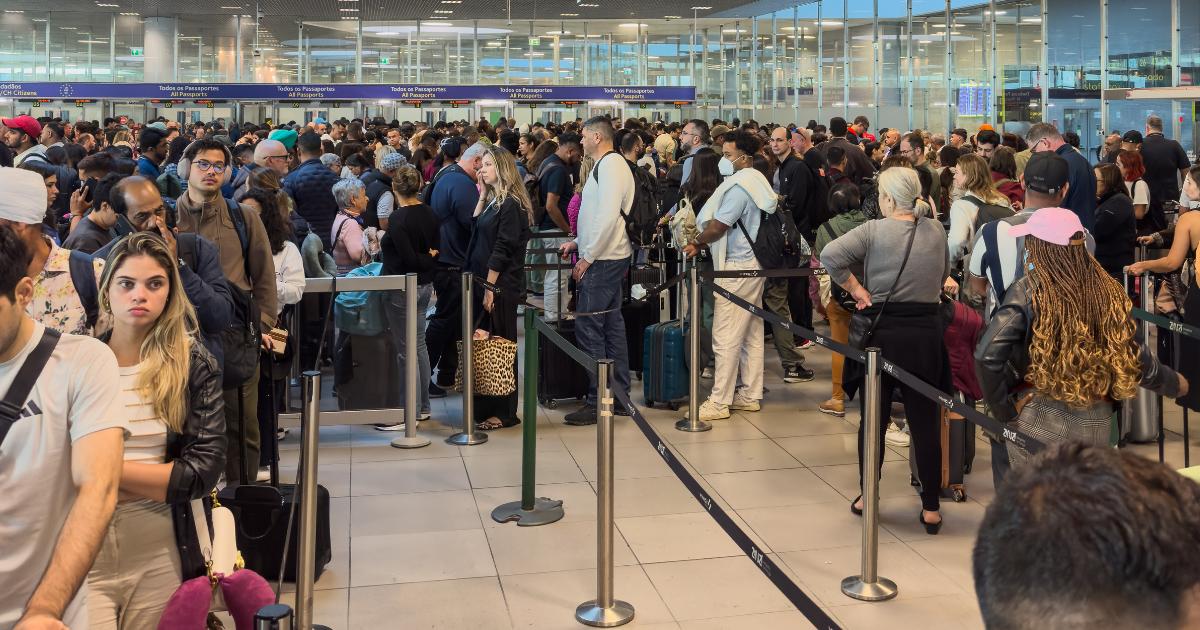
The new EES has received significant backlash since its introduction, with it causing long waits for passengers at airports.
Brits have already been warned of six-hour waits at several major European airports, with these long waits expected to continue for another two years, according to industry experts.
Major airlines, including Jet2 and Ryanair, have urged the EU to suspend the EES rollout until after the peak summer travel period or risk “major disruptions”.
The International Air Transport Association (IATA) also called for an EES suspension until next summer, with passengers experiencing “delays and missed connections” in Portugal, Spain, Italy, Greece and Belgium.
Greece temporarily suspended the rollout of the EES back in April, while Portuguese Prime Minister Luís Montenegro said he is “unhappy” and could suspend the system if delays continue.
The European Union (EU) has now rejected calls for the EES to be suspended, just weeks out from the summer holidays and peak travel season, according to The Guardian.
EU officials said the new system was “not perfect”, but a full suspension was “not needed” and “not possible”.
If the system were left open in some countries and closed in others, it could lead to travellers being stranded at border crossings, officials explained.
The EU, speaking in The Guardian, said that of the 1,500 border crossing points, only 20 were “difficult spots”, and it would pressure those members to put measures in place to ease congestion.
Advertisement
As well as significant delays, airports have also raised concerns that automated EES booths do not always work, the Financial Times reported.
Airports have raised concerns about automated EES booths not working. (Image: Lucy North/PA)
This means passengers who have already passed through EES and are supposed to skip the queues are often forced to carry out checks again, adding to congestion.
Head of the airports industry group ACI Europe, Olivier Jankovec, said: “The processes need to work better.”
“We need the self-service tills to work, and at the moment they don’t work.”
The EU is also set to delay the introduction of the European Travel Information and Authorisation System (ETIAS), a separate pre-authorisation visa system, according to the Financial Times.
The ETIAS was expected to launch later this year, but it has now been delayed until 2027.
Under the scheme, visa-exempt travellers, including UK passport holders, will need permission to enter 30 European countries for short stays.
Advertisement
Applications will cost €20, although under-18s and over-70s will be exempt from the fee.
Do you think the EU’s new Entry/Exit system should be suspended? Let us know in the poll above or in the comments below.
Temperatures are expected to rise throughout the week, with the East of England set to be the warmest region on Thursday and Friday. Amber and yellow heat health alerts have been issued, and the warm weather is here to stay into next week.
It comes after June marked England’s warmest on record. Professor Stephen Belcher CBE, Met Office Chief Scientist, said: “June’s heatwave was a significant weather event, with a Red Extreme Heat Warning issued. Human-induced climate change has made events like this more likely and more intense.
“To see temperatures like this in the UK in June is sobering. Events like this bring home the implications of climate change, with very high temperatures and humidity bringing significant health implications from heat stress, as well as impacts to a range of sectors such as transport, energy and water supply.”
Homes also heat up during hot weather, with kitchens amongst the warmest rooms. Experts have warned about the importance of protecting your fridge-freezer not only to save money on energy bills but also to ensure food stays safe.
Create room around your fridge
Fridge-freezers are working overtime during heatwaves to stay cool. It can mean the appliances use up more energy to do so.
In an effort to reduce cuts, make sure you allow enough room to circulate fridges and freezers.
BBC Good Food said: “Check that appliances are far enough from the wall at the back for air to circulate; the manual will have told you how far this should be, if you can’t find it, then look online, most manuals are available to download.”
Advertisement
You should also make sure the back of the fridge is clear of dirt and debris, so the air can fully circulate the coils.
Don’t overpack your fridge
Fridges work more efficiently if air can circulate the shelves. Make sure you don’t overpack it with food, especially at the top of the fridge.
Freezers need enough items inside to work efficiently, but they shouldn’t be overfilled either. Cold air needs to circulate to freeze food properly, so make sure there is some space between the items.
Beko explained: “It is important to leave enough room for air to circulate the fridge’s interior when packing your fridge. If the appliance is crammed with groceries, cold air will not be able to circulate fully, meaning temperatures will vary.”
Advertisement
Keep it shut
Another way to keep fridges and freezers working well during hot weather is to avoid opening the doors often.
Argos said: “Each time you open the door, this allows warm air to enter and increases the appliance’s workload in maintaining an appropriate internal temperature.”
The 16-year-old is aiming to run 300 miles in just six days
A Welsh rugby star’s son is running 50 miles through the streets every day as he embarks on a huge challenge.
Advertisement
Toryn Knoyle, son of former Wales scrum-half Tavis Knoyle, is aiming to run 300 miles in just six days in a bid to raise money for a cancer charity. The 16-year-old set himself the remarkable challenge to raise money for Maggie’s Cancer Centre in Swansea, which has been support his aunt Becca since she was diagnosed with the disease.
While most 16 year olds who have just finished their exams would be looking forward to some lie-ins in bed, Toryn is spending the start of his extra-long summer getting up at 5am to run between through the streets of Neath Port Talbot.
Since Monday morning, he has been running loops of the 12-mile stretch between his home in Pontneathvaughan and Unit9 Gym in Neath, which is owed by his dad and his stepmum Jo.
With a few short breaks to recover and refuel, he’s been running from early in the morning until 6pm or 7pm in the evening, where he gets ready to do it all again the next day.
Advertisement
Knoyle, who won 11 caps for Wales, is helping to motivate his son by running or cycling alongside him.
Jo said the family had initially tried to put him off such a huge challenge, but are amazed and proud of the resilience he has shown.
“He came to us and said he wanted to do 300 miles in less than a week,” she said. “We tried every way to put him off. He wanted to do it while his exams were on at first and we were like ‘absolutely not’.”
Advertisement
After his exams were over, he asked the family to help him set up a JustGiving page. “We tried to tell him that even trying to do a marathon a day was a huge achievement, but two marathons a day over six days is crazy. Everyone is saying he’s crazy,” she added.
“He’s so determined – he was either going to do it on his own or with our support, so we’ve supported him all the way.” Stay informed on everything Neath Port Talbot by signing up to our newsletter here
He has already ran 150 miles and although he can barely walk at times, Toryn is determined to keep going and says that whatever pain he’s feeling, it’s not the same as what the people being supported by Maggie’s are going through.
He has already raised close to £5,000 for the charity on his JustGiving page, smashing his original target of £1,000. Jo says the community have also been incredible in coming out to support Toryn, with people, including his grandparents, joining behind on bikes to do parts of the loop alongside him.
“People are driving up and down the old road where they know he’s going to be running just to beep their horns,” she added.
Due to the ongoing heatwave, Toryn is also racking up some of the miles on a treadmill at the gym, to keep him out of the sun during the hottest part of the afternoon. “He didn’t want to do that, but we forced him into doing it,” Jo laughed.
It’s been whole family effort to keep the youngster going, with Jo explaining that she and Knoyle are “tag-teaming” with Toryn’s mum Julie Williams to make sure he’s getting everything he needs. “Julie’s taking him home in the night, feeding him, rubbing his feet, doing everything for him and then dropping him here at 5am for Tavis to take him out all day again.”
Advertisement
Knoyle, having played rugby professionally for years, is the “best coach for him to have”, Jo said. “Me and Julie are on the sides asking if he’s ok and telling him he can stop if he needs to, but Tavis is there to tell him he can do it” she laughed.
“Toryn is awesome. I’ve asked him if if it’s harder than he thought because we were all convinced he thought it would be easy but he just turns around and says: ‘Yeah, it’s as hard as I thought it was going to be’. He could hardly walk and he still was saying he expected all this. He’s just so tough mentally.”
Jo added that Toryn’s motivation for the challenge – aunt Becca – is so “happy and proud” of the teenager.
Advertisement
“She’s obviously worried about him now because of how many miles he’s doing but she’s ecstatic because Maggie’s helped her so much. He loves Becca and I think his main motivation is how much money he’s raising for them. His target was only £1,000 but he’s over £4,000, which is unbelievable really.
“He’s just not showing any signs of stopping at the minute.”
Toryn is due to finish the challenge at Seven Sisters RFC on Saturday evening. You can follow his journey on Instagram @trw__9 and donate to his fundraiser here.
Get daily breaking news updates on your phone by joining our WhatsApp community here. We occasionally treat members to special offers, promotions and ads from us and our partners. See our Privacy Notice
Struggling at work and being less productive could be a warning sign of early-onset dementia more than a decade before a diagnosis is made, a study suggests.
Early-onset dementia is when the debilitating disease strikes before 65, causing a premature deterioration of a patient’s emotional and professional lives. Often, it has no apparent cause.
Younger patients typically wait years for a diagnosis because the disease is not normally searched for in those younger than 60.
But now, researchers in Finland say the condition could be detected up to 15 years earlier by tracking work performance.
Advertisement
In a study of nearly 800 early-onset dementia patients and 7,000 healthy individuals, researchers found those who had early-onset dementia earned $13,800 less per year on average than others from a decade-and-a-half before their diagnosis, which they said was due to them being less productive.
Overall, researchers estimated that patients lost about $86,000 in wages over the course of the 12-year study due to the condition.
Dr Eino Solje, a neurologist who led the research, said: ‘Early-onset dementia affects people during their most productive years and is associated with a decreased ability to work, increased unemployment and leaving jobs sooner than planned.
‘These changes can reduce household income and contribute to broader economic impact.
Advertisement
‘Our study found an association between reduced work productivity and early-onset dementia up to 15 years before diagnosis.’
Struggling at work and being less productive could be a warning sign of early-onset dementia more than a decade before a diagnosis is made, a study suggests
He added: ‘These findings may partly be explained by delays in diagnosis, which can prolong the period of unrecognized symptoms, and they underscore the harmful, long-term socioeconomic impact of early-onset dementia.’
Many early-onset dementia patients say their symptoms begin at work. Warning signs include struggling to remember appointments or how to do something they have done for a long time before. Some also struggle to concentrate or follow conversations.
Advertisement
In later stages, patients also suffer from severe mood swings, deepening confusion about time, place and life events and suspicion of family or friends.
There is no cure for the disease, but medications are available that may help to slow its progression.
Everyone experiences dementia differently. Use this checklist to help you make a note of your symptoms before you talk to your GP.
About 200,000 Americans suffer from early-onset dementia, estimates suggest, but that number is rising. Latest health insurance data shows claims for the condition rose 200 percent between 2013 and 2017.
In the study, published in the journal Neurology, researchers tracked 793 early-onset dementia patients for 12 years before their diagnosis.
Advertisement
Overall, 421 patients were struggling with Alzheimer’s disease, while 179 had frontotemporal dementia and nearly 200 others had other forms of dementia, including vascular dementia.
They were matched to 7,000 healthy individuals with a similar age, background and wages over the same period. In the analysis, data was adjusted for factors such as salaries and medical conditions, which can affect earnings.
Advertisement
Broken down by dementia type, researchers found those suffering from early-onset Alzheimer’s had lower earnings compared to healthy peers six years before their diagnosis.
Those with frontotemporal dementia had lower earnings from 11 years before their diagnosis.
The study did not conclusively prove that lower wages compared to peers show someone has dementia, only that this is a potential warning sign. Other factors may also be behind the results.
It isn’t clear what causes early-onset dementia, but scientists say about one in ten people have genes that raise their risk. Those with relatives who have the disease are at a higher risk.
Advertisement
Other factors such as a brain injury from an early stroke or heavy alcohol use may also raise someone’s risk of the disease.
The disease is diagnosed by doctors who assess patients for warning signs of the disease.
Some patients do continue to work for years after a diagnosis, doctors say, but others stop.
Those with early-onset dementia live for about nine years after their diagnosis.
Wales scrum coach Paul James has challenged Ben Warren to build on his impressive cameo appearance in the victory over Fiji.
The Ospreys tighthead scrummaged well upon entering the fray against Fiji and will be an important player for Wales against Argentina in Santa Fe this Saturday.
“I’ve been fortunate to see Ben come through down at the Ospreys,” said James.
“He’s young and he brings loads of energy.
Advertisement
“He’s scrummaged really well in training and that’s why he had his opportunity last weekend.
“I thought once he came on against Fiji he was class. He got go forward on the tighthead side so hopefully if he gets an opportunity again it’ll be good to see him back it up.”
And James is hopeful Wales can get more success at the scrum against the Pumas.
“In fairness to our boys they are loving scrummaging at the moment. We are in a good place,” he added. “All of the boys can’t wait for the challenge.
Advertisement
“After their loss against Scotland last week we know Argentina are going to come out really hard and fast.
“We are just ready for the challenge. What I have said to our boys is don’t try to manufacture anything on your own. You stick to our process.
“You scrummage as an eight and you don’t scrummage individually.
“That’s the big message to our boys.”
Advertisement
Ben Warren of Wales receives his first cap from Paul James.(Image: Huw Evans Picture Agency Ltd)





















































You must be logged in to post a comment Login