
News Beat
How To Be Kind To Nature This Winter, From Experts

This December, we’re championing kindness in all its forms through HuffPost UK’s Kindness Advent Calendar. Check back daily (until 24 December) for new stories focusing on how individuals and communities are going above and beyond to help others in their times of need.
’Tis the season to spread kindness – and, though that can include your friends, family, and neighbours, according to The Wildlife Trusts, “winter is a great chance to make a difference to the creatures on your doorstep,” too.
Tom Hibbert, a wildlife expert from the charity, told HuffPost UK that as the colder weather creeps in, “water and food sources become scarce, and nature needs our helping hand”.
Dr Benedict Dempsey, people and nature advisor at WWF, agrees, noting that “our gardens and outdoor spaces become vital refuges for wildlife preparing for the coldest months ahead”.
There are “many simple ways we can show [nature] kindness over these chilly months”, he added.
Here are some of the steps the experts recommend:
1) Provide ice-free water
“One of the most obvious ways to help is by keeping water stations in your
garden ice-free and clean,” Hibbert shared.
“Offer a shallow dish of fresh water, making sure to clean and replace weekly, and if you have a pond, melt a hole in the ice with hot water to allow birds and other animals to drink and access it.”
Also, if you plan to clean your pond in the chillier months, Dr Dempsey urges caution.
“Even beneath the surface, life stirs. Dragonfly larvae remain active hunters throughout midwinter in ponds,” he explained.
2) Leave your leaves
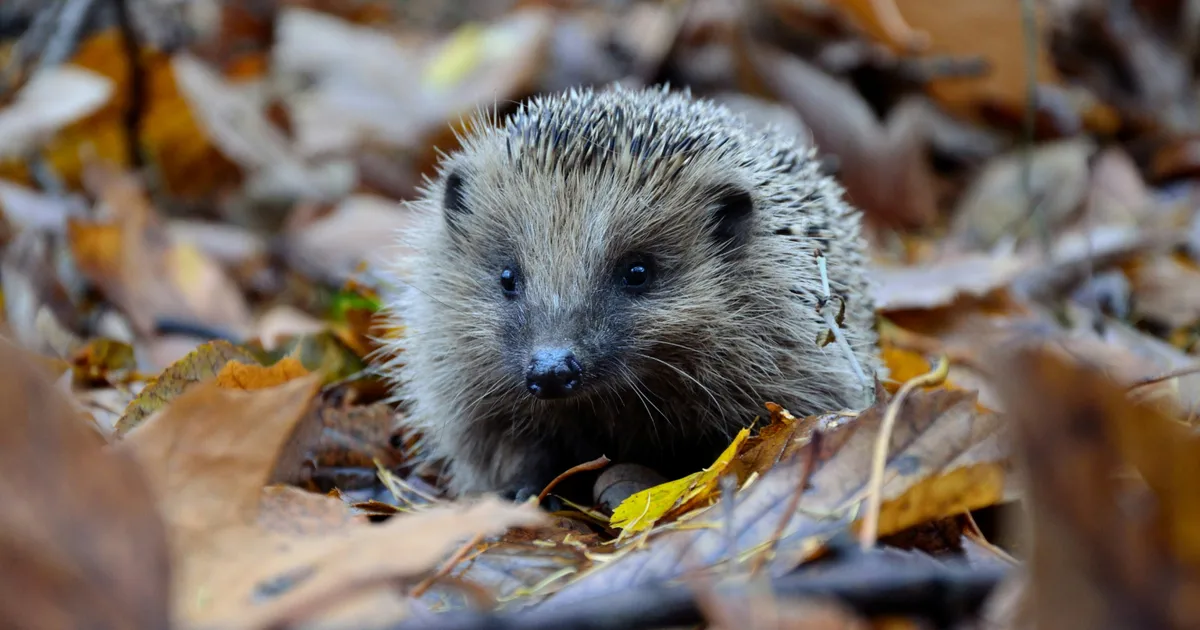
Good news for tired gardeners: The Wildlife Trusts said that those dead leaves piling up on your grass are best left alone, or at least placed in a pile rather than being disposed of completely.
“Leaving a duvet of leaves can provide a perfect hiding spot for insects that are shutting down until next year,” Hibbert said.
“Many of next summer’s butterflies are already with us, waiting out the winter as eggs, caterpillars or pupae, and dead leaves can be important sanctuaries for these and other insects.”
3) Have a couple of ‘messy’ backyard patches
It’s not just leaves that can provide sanctuary, either. “Providing even the smallest wild spaces makes a real difference. Dead wood and log piles are havens for life,” the WWF’s Dr Dempsey stated.
“A wide range of insects, like patchwork leaf-cutter bees, use holes in deadwood as nest chambers. You can help by drilling holes in leftover timber or creating a simple bee hotel.”
“Leaving seed heads and log piles can provide shelter for the many minibeasts
in your garden, and food for birds,” Hibbert agreed.
“Meanwhile, ‘sleepier’ species such as newts, beetles and plenty of other insects, can crawl in the logs to get cosy and curl up for the foreseeable.”
4) Consider bat and bird boxes
Shelter is crucial for small animals in the winter, which is why The Wildlife Trusts stated it’s a great idea to provide specially-made kinds if you can.
Place bird and bat boxes away from human (and cat) activity, without encroaching on any other critter’s turf, for the best results, they said.
After all, Dr Dempsey explained, small birds like tits and wrens can lose 5% or more of their body weight on a single cold night. “They sometimes huddle together in empty nestboxes to conserve warmth, so leaving these in place can be a lifesaver,” he added.
5) Remember to look after the wildlife you can’t see
Though a lot of the natural world rests in winter, it’s important to remember that much of it is still there, Dr Dempsey said.
“Moth larvae and pupae shelter in the soil. Spider eggs can be found in sheltered places and quiet corners, waiting to hatch in spring,” he said.
Try to be aware of our less-visible wildlife, so you don’t disturb their homes.
6) Don’t let not having a garden hold you back
I don’t have a garden of my own, but neither expert thinks that should hold me back from giving nature a helping hand.
“Turning off unnecessary lights, switching to warmer-toned bulbs, and using motion-censored lights and timers will help reduce light pollution and protect our furry friends throughout the chilly season,” said Hibbert.
Additionally, Dr Dempsey said: “[Indoor] container gardening can make a big difference for nature. Plant pots of hardy early bloomers like crocuses, hellebores or snowdrops that provide vital nectar for pollinators.
“These pots also offer shelter to slugs and spiders escaping the frost ― just make sure to choose peat-free compost.”
Both The Wildlife Trusts and the WWF offer animal adoption programs, too, which you can support no matter where you live.
Got a kindness story to share? Please email uklife@huffpost.com with more information.



