Denon is taking a big swing at multi-room audio in 2026 with a major revamp of its HEOS lineup, with three all-new wireless home speakers, and why not? The multi-room category continues to appeal to serious listeners who want convenience without giving up performance. And with Sonos still dealing with the fallout from its 2024 app debacle, there is real opportunity for other audio brands to chip away at its market grip.
Denon’s approach comprises three rather pricey options, including the entry-level Denon 200 ($399), the midrange Denon 400 ($599), and the flagship Denon 600 (a whopping $799). The Home 200 and Home 400 are particularly poised to take on Sonos and its similarly designed Era 100 and Era 300 speakers, so it was only natural that we took a look at those two first, and I’ll be comparing them to those Sonos models early and often.
Each of Denon’s new speakers offers some form of Dolby Atmos Music support (virtualized in the Home 200), along with convenient setup and control via Denon’s HEOS app, and multiple connection options, from Wi-Fi and Bluetooth to 3.5mm and USB input. The obvious question is whether the new lineup delivers performance that justifies the premium pricing.
The short answer is yes, you’re getting what you pay for here, at least when it comes to audio quality. But that doesn’t necessarily mean you should throw in your Sonos card and make the swap just yet. Here’s how it all shakes out.
Advertisement
Swift Setup
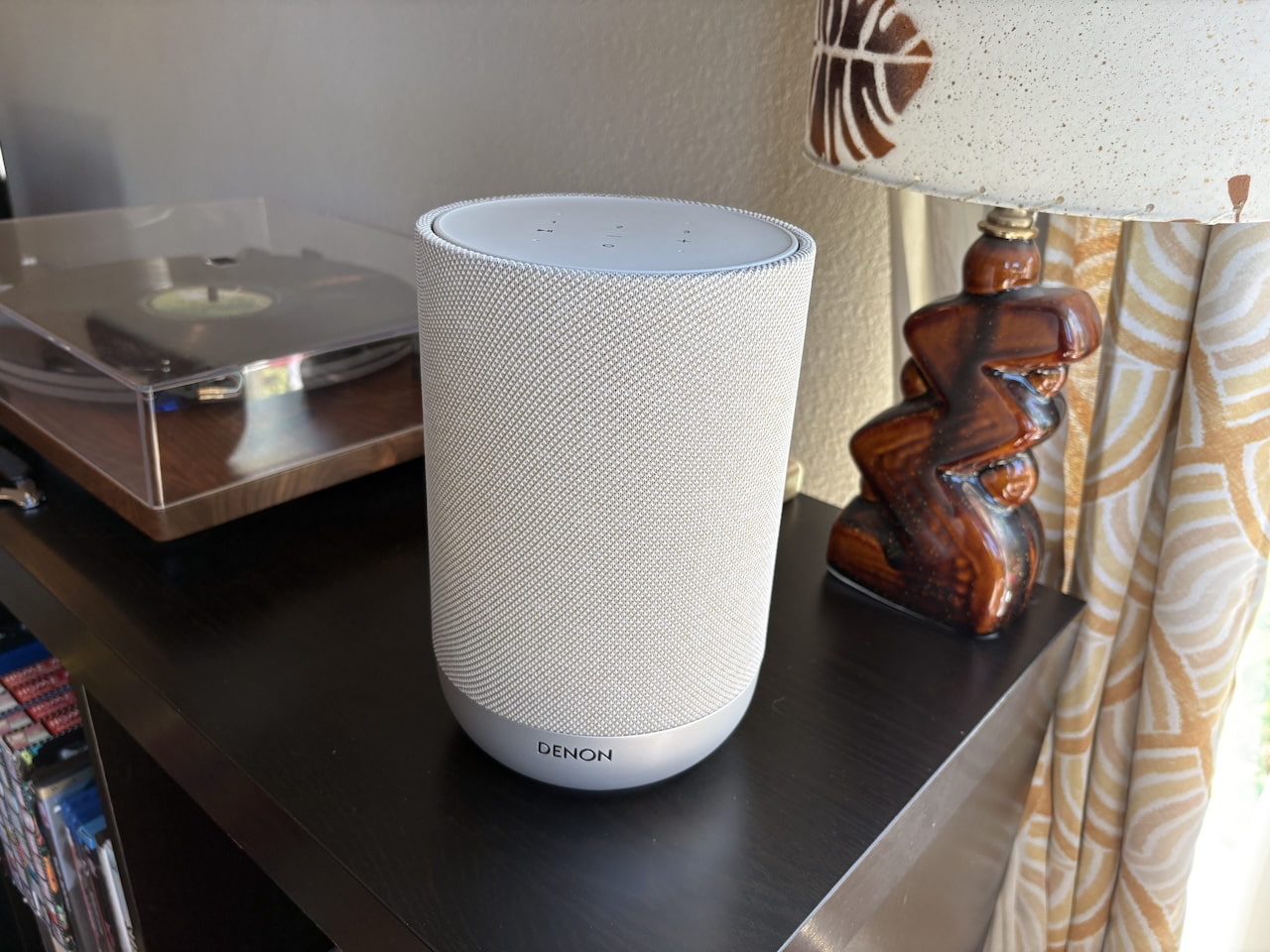
Denon Home 200
Getting the Home 200 and Home 400 ready to play is as simple as pulling them from their cardboard packaging, plugging in, and jumping on the HEOS app. The app immediately feels Sonos-like, though the design and layout are a bit clunkier. Most importantly, it makes setup and Wi-Fi connection virtually effortless, something I couldn’t say about HEOS speakers I’ve tested in the past. Adding the Denon 200 took just a few minutes, and the Home 400 was even quicker after creating my profile, accomplished with just a few taps. After a five-minute firmware update, the speakers were online and ready to roll.
As with Sonos, speakers are designated in the HEOS app as “Rooms,” allowing them to operate independently in different spaces or be grouped with other HEOS speakers and devices. You can name them after the actual room, give them something more personal, or, as I did during testing, use the model number to keep each speaker straight.
Design & Features: Elegance Meets Substance
While each Home speaker has its own aesthetic vibe, Denon did well in creating a common design language—call it elegant utilitarianism. The Home 200 is, like so many rivals, basically just a slick column of sound, though at 8.5 inches high and 5.5 inches deep, it’s notably bigger than the Era 100. Its acoustic wrapping is a familiar theme found in everything from Bluesound’s latest Pulse Flex to Google’s Nest smart speakers, Its glittering matte base, available in silver/stone or charcoal, and rather gaudy centralized LED remind me of some of the first Wi-Fi speakers I tested back in the 2010s. Mercifully, the light can be dimmed or turned off in the app settings.
Under the Home 200’s grille are three drivers, including dual 1-inch tweeters and a four-inch woofer, powered by three class D amplifiers. The lack of any upfiring or side-firing drivers means any spatial audio you hear is achieved through virtualization, and each of Denon’s Home speakers is set to provide a deeper and wider soundstage than its drivers suggest by default via digital processing.
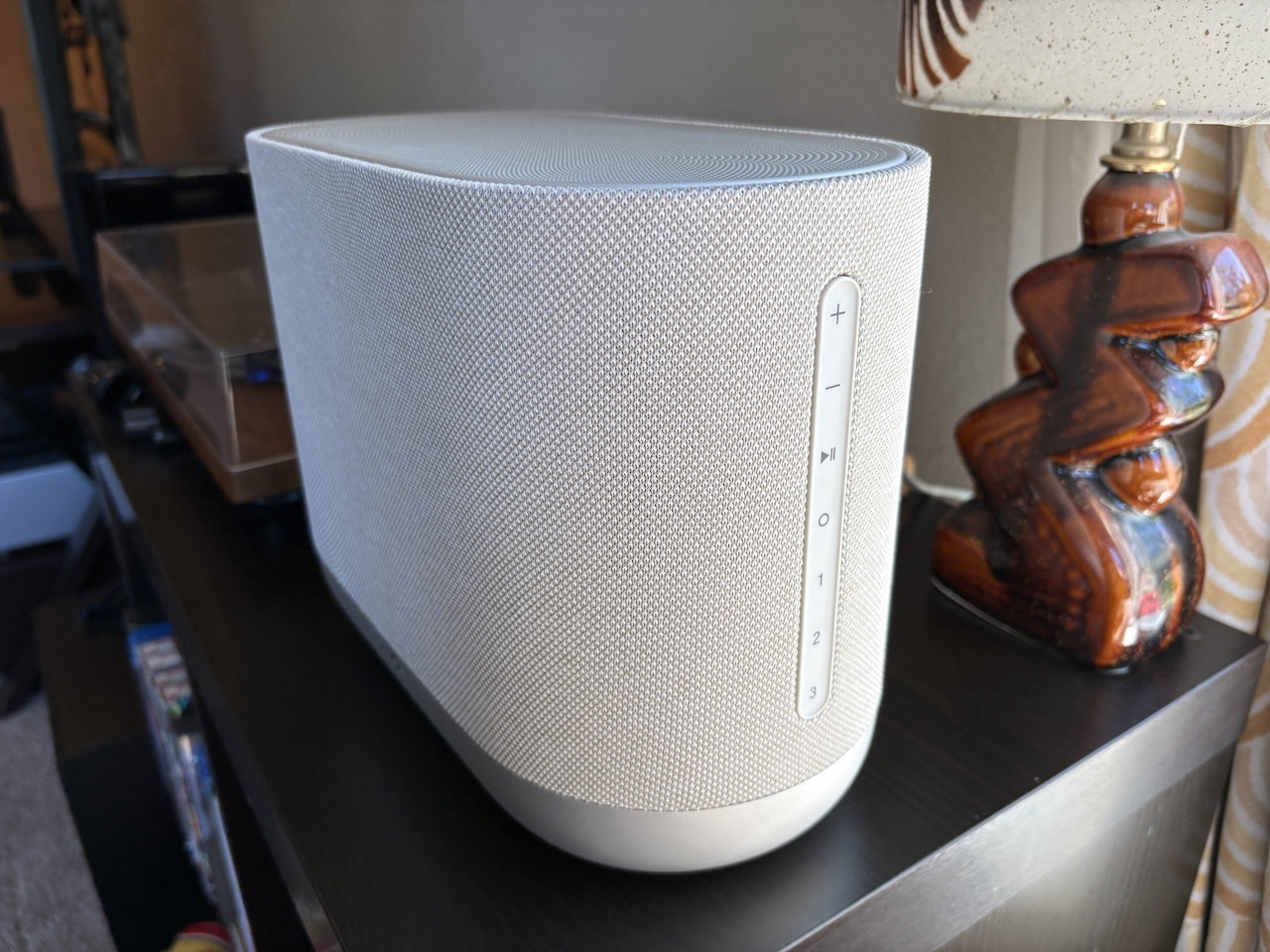
Denon Home 400
The larger Home 400 offers a few more style points, somewhat reminiscent of a curvy Vegas hotel wrapped in fabric. It sits 8.6 inches high, 5.9 inches deep, and 11.8 inches wide. On top is a stout grille to protect the dual .75-inch upfiring drivers set at angles to help expand spatial audio. Those are joined by two forward-facing 1-inch tweeters, and dual 4.5-inch woofers, each powered by its own class D amplifier.
Advertisement
Both speakers offer a full swath of touch controls to supplement the HEOS app, including volume, play/pause, an action key for a voice assistant, and three “Quick Select” keys that can be programmed to a desired station or service. The Home 400 sets them on a side control strip, while the Home 200 hosts them on its rounded top. It’s a busier look than the more minimalist Sonos controls, but they’re pretty convenient in daily use.
Connectivity and Smarts
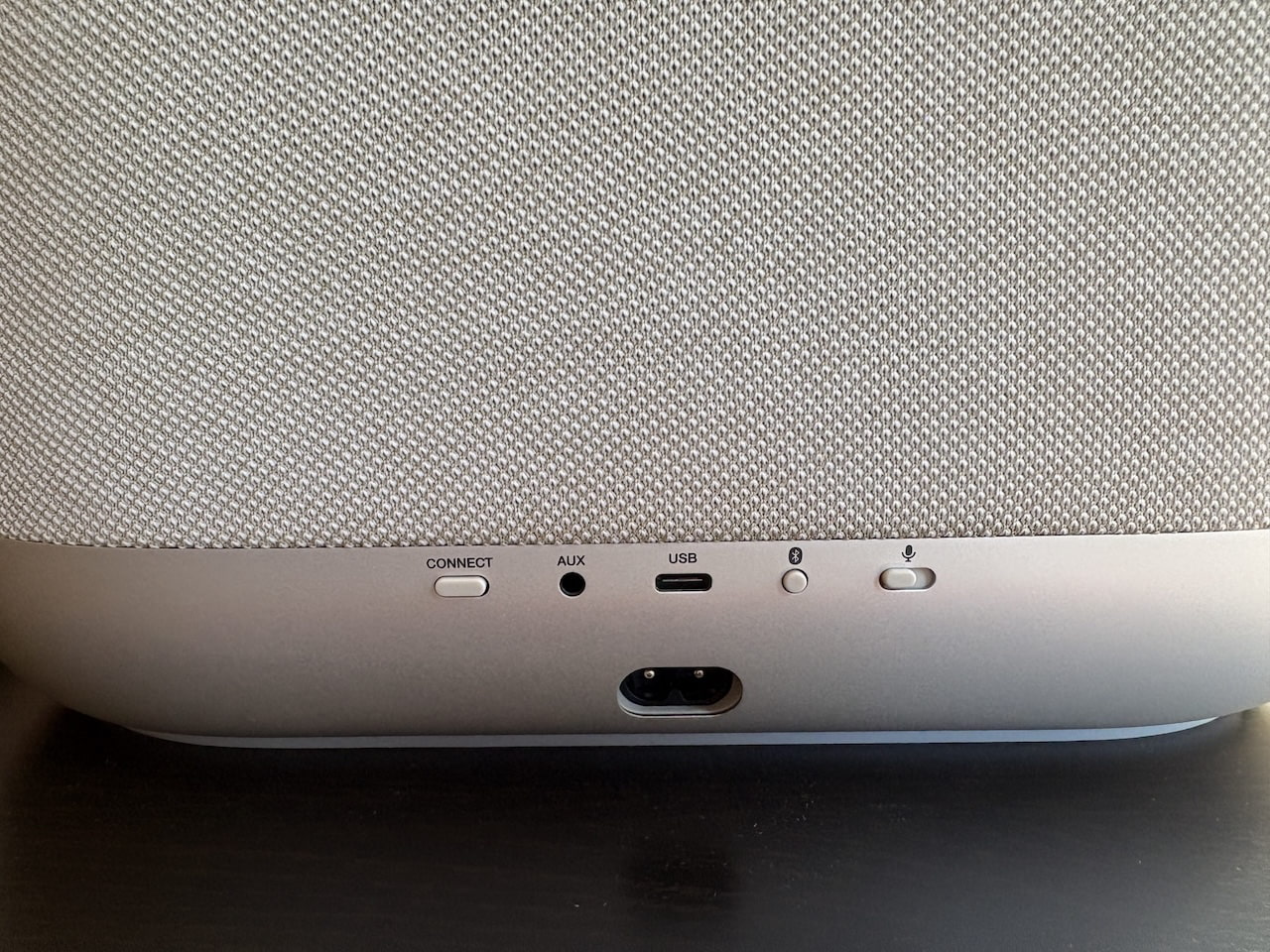
Each of the speakers offers a host of connectivity options, including Bluetooth, Wi-Fi (with both 2.4GHz and 5GHz support), a 3.5mm aux input, and a USB connection, which can connect a NAS storage drive or double as an Ethernet input via an adapter (not included). Streaming support includes AirPlay 2, as well as Spotify and TIDAL Connect, and Qobuz Connect. Unlike Sonos speakers, Google Cast isn’t offered, and while there’s an onboard microphone, there’s no support for Google Assistant or Alexa. Siri is (oddly) only available if you have a HomePod connected, so if smarts or voice control are of concern, you’ll want to look elsewhere.
Advertisement. Scroll to continue reading.
Denon Home 400 (rear)
As for built-in streaming services, you won’t find the 100+ options Sonos supports, but you’ll get top options like Pandora, Spotify, TIDAL, Deezer, SiriusXM, and Qobuz, as well as loads of available internet radio stations. Apple Music is the biggest miss, available only via AirPlay. Dolby Atmos Music is available from TIDAL and Amazon Music Unlimited, but not Apple Music. Still, two out of three is not bad, and Sonos speakers do not currently support Dolby Atmos Music via TIDAL.
As with other multi-room systems, the Denon Home speakers can be grouped throughout the home, used as surrounds with the Denon Home 550 soundbar, currently the only supported bar, or paired directly with the Denon Home Subwoofer ($649). As expected, two Home 200s or two Home 400s can also be configured as a stereo pair.
Advertisement
Listening
When I first fired up the Home 200 to stream over Spotify Connect, I was immediately impressed by its width, breadth, and just how much bass the little speaker was able to muster. Vocals sounded slightly echoed, but since I was playing the speaker in the background, I didn’t pay it much attention at first.
After digging in deeper with some of my go-to test tracks, I noticed the speaker was making some odd choices in balancing frequencies, especially for more complex tracks. In Radiohead’s “Burn the Witch,” the entrance of the frantic strings seemed to push back the vocals the way I push my dog into the back seat on a road trip. I soon realized that each of Denon’s Home speakers defaults to an “Auto” mode, which attempts to virtualize every track for spatial audio, including stereo music, with varying results.
After switching to the alternate “Pure” mode, I found much more to like about the Home 200, which offers clarity, instrumental definition, and sheer potency that goes beyond the vast majority of speakers in its class—a good thing considering its price point. The bass in even basic pop tunes like Hall and Oates’ “Sarah Smiles” is reproduced with character and texture. The acoustic guitar in Joni Mitchel’s “California” is cut with a spritely vibrance that gives an almost live quality, while percussion and cymbals in tracks like White Denim’s “A Place to Start” show off serious sparkle in the upper midrange and treble.
Moving to the Home 400 stepped up the performance considerably. Again, I much preferred the “Pure” sound for everything besides Dolby Atmos Music (more on that below). Oddly, choosing the Pure mode means you can no longer adjust EQ on either speaker, but luckily, I rarely felt the need to. This model offers hefty punch for its size, and not just in the bass. Midrange instruments are rendered with impressive punch and muscle, and the speaker easily filled my room at midrange volume without any noticeable distortion. Occasionally, the splashy upper midrange pushed toward the edge of sharpness, but never crossed over.
Advertisement
Caroline Polachek’s revelatory dance track, “Welcome to My Island,” absolutely bumps on the Home 400, summoning a clean, expansive soundstage as her ethereal vocals sit out front of the groove with unabashed rawness. The timbre of each synth and percussive element is given a spotlight, with plenty to explore in the space between, and the crescendo into each chorus reveals impressive dynamic expression.
Sound Check
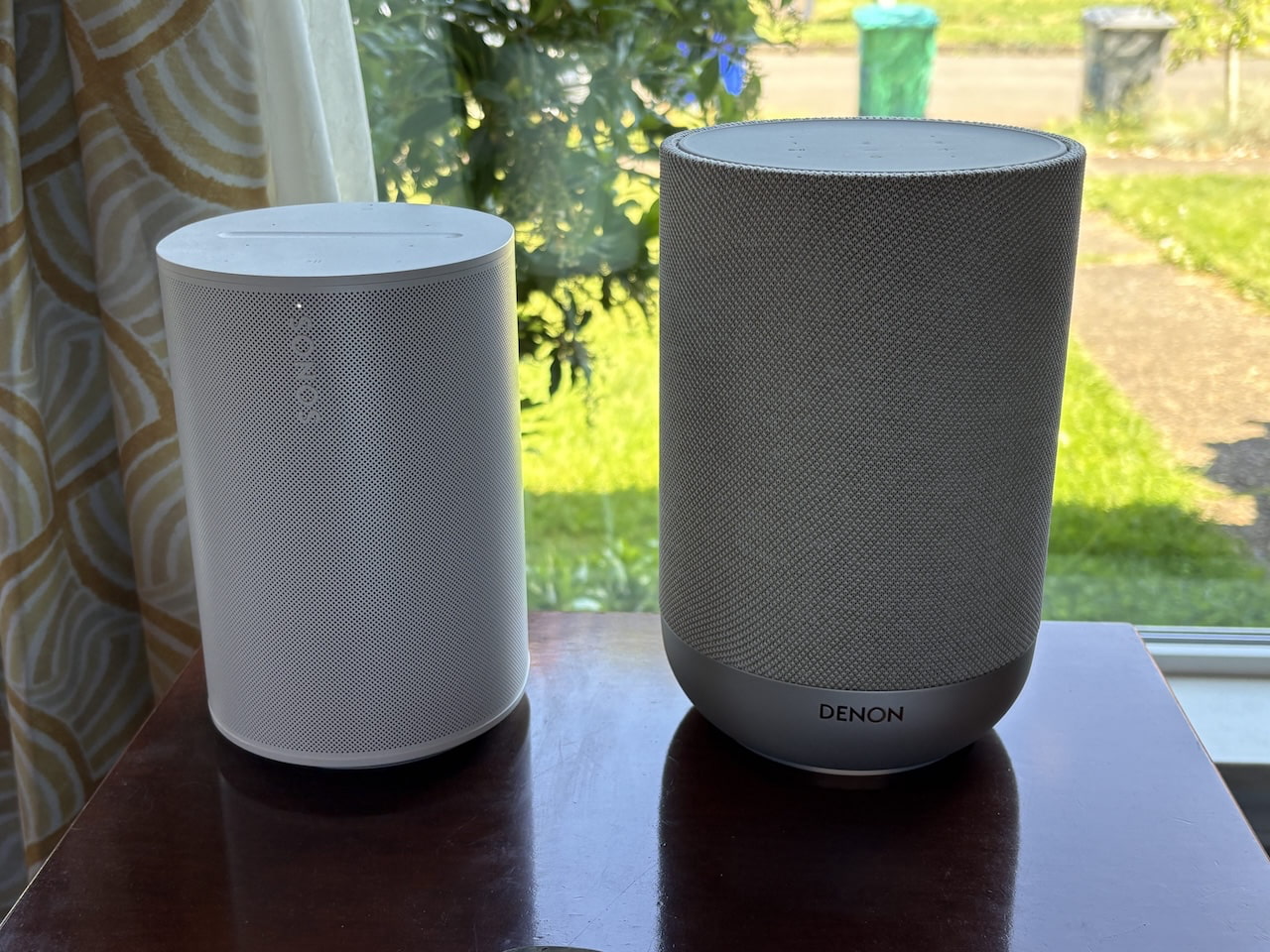
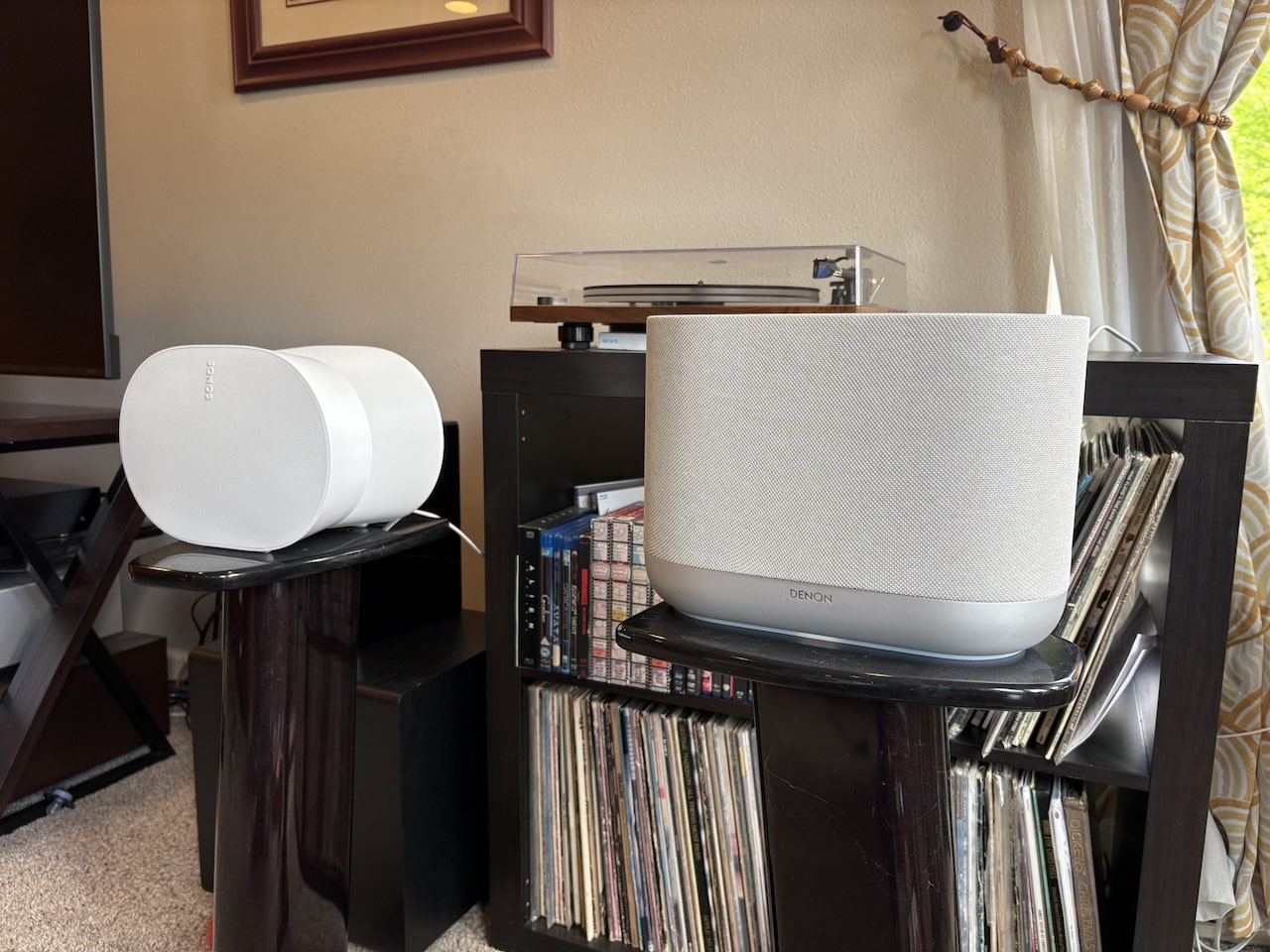
Sonos Era 100 (left) vs. Denon Home 200 (right)
Comparing the Home 200 to the Era 100 directly, Denon’s pricier speaker provided a bigger, cleaner sound, with better bass and finer attention to the small details. For its part, the Era 100 sounds a little smoother and more streamlined across the frequency range, with better consistency across genres.
Even so, the Home 200 outduels its smaller rival with its flashier, more engaging sonic signature, digging deeper into the texture of each instrument. If you care to try it, you’ll get a much wider soundstage in the Auto mode, even for stereo tracks, with instruments seeming to pop out multiple feet from its relatively meager footprint.
It’s a similar story with the Home 400, which is not only louder and more nuanced than the Era 300 in everyday listening, but also provides a more full-bodied sound across registers. That’s most noticeable in the meat of the sound, with midrange instruments like vocals, guitar, and percussion all offering a bigger, weightier punch. The Era 300 competes well in the bass and treble, with its futuristic, rounded sides providing some impressive acoustic efficiency. In most cases, though, the Home 400’s bigger, more precise sound signature is more satisfying.
Sonos Era 300 (left) and Denon Home 400 (right)
The one caveat is when I switched to Dolby Atmos Music, which I mostly tested on the service both brands support, Amazon Music Unlimited. Setting aside the sheer difficulty in both sourcing and actually tracking down good Dolby Atmos mixes, something with which the format in general continues to struggle across sources, the two speakers were on a more even playing field for 3D audio tracks.
That’s not too surprising, given that the Era 300 offers both upfiring and side-firing drivers for a more expansive and immersive soundstage than the Home 400 offers in its Pure mode. The slip-sliding space guitars and pop-up background vocals in Elton John’s “Rocket Man” (still one of the best Atmos mixes out there) were sent cascading around the room with the Era 300, whereas the Home 400 sounded more compact and resigned.
Advertisement
Advertisement. Scroll to continue reading.
That changed when I switched back to the previously maligned Auto mode, which used some surprisingly effective digital processing to push the sound well beyond the speaker’s physical footprint, by what sounded like six or seven feet. Unlike with stereo tracks, Auto mode did not introduce obvious frequency emphasis, overly echoed vocals, or strange compression with Dolby Atmos content.
Taken purely on sonic ability, the Home 200 and Home 400 outperform their Sonos rivals.
Usability
Sonos makes up some ground in daily use. Some of that may come down to my familiarity with the Sonos app, but it still offers a cleaner, more intuitive layout, especially for speaker grouping. Sonos’ method of selecting speakers and tapping “Apply” feels smoother and simpler than HEOS’ approach, which requires creating or dissolving different speaker groups in the Rooms tab.
Advertisement
Sonos also offers a simpler method for controlling features like EQ, which, unlike Denon’s speakers, is available at any time from the device settings. As mentioned, I was also confused by Denon’s decision to virtualize all audio to 3D sound by default, even in the stereo-only Home 200.
I was also surprised to find that the Home speakers convert lossless audio to compressed AAC by default. To get lossless playback, you have to go into each speaker’s settings and change Multi-room Audio Quality from Normal to High. The app even warns you to use Ethernet or “excellent Wi-Fi” first, though I had no major issues on my network.
The Bottom Line
Denon’s Home 200 and Home 400 deliver sound quality that rises above most speakers in their class, including Sonos, though the higher pricing is impossible to ignore. The HEOS app is relatively easy to use, setup is as slick as anything I’ve tested, and I had no issues using the speakers solo or grouped throughout my home over multiple weeks of testing.
They can also be connected to a Denon subwoofer or soundbar, and the potential for broader integration with Denon AV receivers could make the system even more versatile down the line. That makes the latest Denon Home speakers legitimate Sonos competitors, especially with newer formats like Dolby Atmos Music, where the Home 400 proved to be one of the stronger performers in the category.
Advertisement
Even so, they fall short of being the proverbial “Sonos killers.” You get fewer streaming services, fewer streaming options, no Chromecast support, and Denon’s HomePod-dependent Siri integration pales next to Sonos’ built-in Alexa and Sonos Voice Control.
That’s fine. This is not a zero-sum market, and Denon still makes a serious splash with some of the best multi-room speakers I’ve heard in this class. For listeners who want excellent performance in a multi-room system that gets close to Sonos simplicity, the Denon Home 200 and Home 400 deliver.
For years, romantic AI relationships felt like distant sci-fi fiction, but reality caught up far faster than anyone expected, and it’s looking deeply unsettling already. A disturbing new Wall Street Journal report details how a 57-year-old man became emotionally obsessed with a customized ChatGPT companion named “AImee,” eventually spiraling into delusions, financial loss, hospitalization, and fractured relationships.
One ChatGPT companion reportedly spiraled into obsession and delusion
According to the report, Joe Alary initially turned to ChatGPT after struggling emotionally with an unrequited relationship. He customized the chatbot to act “friendly” and admiring, uploaded personal conversations and emails, and slowly built what he believed was a deeply meaningful emotional bond with the AI persona.
Joe AlaryLaura Proctor / The Wall Street Journal
Things escalated quickly from there. Alary reportedly began spending nearly 20 hours a day interacting with the chatbot, convinced he was building groundbreaking AI companion technology that would make him millions. Friends and family became increasingly concerned as he maxed out credit cards, alienated loved ones, lost focus at work, and eventually required hospitalization after falling deeper into the delusion.
Thankfully, Alary eventually realized how unhealthy the attachment had become. According to the report, he finally deleted the chatbot and its entire chat history, later describing the moment as emotionally devastating. He has since joined a support group for people dealing with AI-related delusions, returned to work, and is now trying to rebuild relationships that were damaged during the obsession.
Makeen M.Alaa / Unsplash
The scariest part is that this no longer seems like an isolated incident. The report references multiple cases involving AI-related delusions, hospitalizations, suicides, and more connected to emotional chatbot attachment. Mental health experts are now reportedly studying “chatbot psychosis” as an emerging phenomenon.
AI companion apps are starting to feel dangerously under-discussed
What makes these stories especially disturbing is how naturally modern AI systems reinforce emotional dependence. Unlike real people, chatbots rarely push back or create emotional friction. They flatter, validate, reassure, and continuously adapt to whatever keeps users emotionally engaged the longest.
And honestly, the industry still seems wildly unprepared for what that can do to vulnerable people. AI companions are no longer just quirky internet experiments or lonely-person gimmicks. For some users, they are quietly becoming emotional replacements powerful enough to distort reality, damage relationships, and wreck lives long before anyone around them realizes something is seriously wrong.
Upsampling, oversampling, upconversion, supersampling, and upscaling are often used loosely in digital audio, but they are not all identical. In the broadest sense, they refer to processing a digital audio signal at a higher sample rate than the original source file or stream.
That does not mean a DAC, streamer, CD player, or integrated amplifier is creating new musical information. Upsampling cannot turn CD quality audio into true high resolution audio, and it cannot recover detail that was never captured in the first place. What it can do is give the digital filter and conversion stage more room to work, shift unwanted artifacts farther from the audible range, and potentially reduce some forms of distortion or filtering errors.
The results depend entirely on the implementation. A well designed upsampling stage can help a digital audio component measure and sound better. A poor one can add ringing, noise, or processing artifacts, or simply make the spec sheet look more advanced than the performance justifies. So the real question is not whether a device includes upsampling. It is whether the engineering behind it actually improves the final analog output.
Understanding Audio Sampling Before the Upsampling Debate Begins
To understand upsampling, you first have to understand sampling. Digital audio is built from a series of measurements taken at fixed intervals. With CD quality audio, that sampling rate is 44.1 kHz, which means the signal is measured 44,100 times per second. Each sample captures the amplitude of the audio waveform at that specific moment.
Advertisement
That does not mean there is a simple “gap” where music disappears between samples. That idea gets repeated a lot, usually by people trying to sell you something with a glowing power button. According to sampling theory, a properly captured and filtered digital signal can reconstruct the original waveform up to half the sampling rate, known as the Nyquist limit. For CD quality audio, that limit is 22.05 kHz, which is above the range of most human hearing.
Where things get more complicated is in the filtering, conversion, timing, and implementation. Poor digital processing can create problems, and better designs can reduce them. But the basic issue is not that digital audio leaves empty holes between samples like Swiss cheese. The real question is how accurately the system captures, processes, and converts those samples back into an analog signal.
The Theory Behind Upsampling
Upsampling increases the sample rate of a digital audio signal by inserting additional samples between the original ones. Those new samples are not recovered musical information. They are mathematically calculated values based on the existing data.
The goal is not to make the file “more detailed” in the way many marketing departments imply after too much espresso. The real purpose is to move certain processing artifacts farther away from the audible band, make digital filtering easier to manage, and give the DAC more room to convert the signal into analog with fewer unwanted side effects.
Advertisement
The process usually involves two key steps:
Interpolation: This is where the system calculates new sample points between the original samples. Different methods can be used, from relatively simple linear interpolation to more advanced filter based approaches. The quality of the algorithm matters because poor interpolation can introduce errors instead of reducing them.
Filtering: After the signal is upsampled, digital filtering is used to control unwanted frequencies and artifacts created by the process. The filter must preserve the audio band while suppressing images and distortion products that do not belong in the final analog output.
This is where implementation separates useful engineering from spec sheet theater. Upsampling can help a DAC perform better, but only when the interpolation and filtering are properly designed. Adding more samples is easy. Making them useful is the hard part.
The interpolation stage estimates where additional sample points should sit between the original samples. In simple terms, the system analyzes the existing data and calculates new values that fit the shape of the waveform. If the samples suggest that the signal is rising, flattening, and then falling, the algorithm may estimate that the actual peak occurred between two captured sample points.
Advertisement. Scroll to continue reading.
That estimate is based on mathematical rules, not guesswork, but it is still an estimate. The accuracy depends on the quality of the interpolation method, the filtering, and the original signal. A crude algorithm can create errors, while a more advanced one can produce a cleaner result with fewer unwanted artifacts.
Advertisement
Filtering is the other major part of the process. It is used to suppress unwanted images, noise, and artifacts that can occur when a digital signal is sampled, resampled, or converted. Filtering is not unique to upsampling. It is part of almost every digital audio chain, including recording, playback, and digital to analog conversion.
The hard part is doing all of this in real time. A DAC, streamer, CD player, or digital processor has to calculate the additional samples, apply filtering, and pass the result along without audible delay or instability. That requires processing power, memory, and careful software or hardware design.
The reason upsampling now appears in more affordable devices is simple: digital processing has become faster, cheaper, and more efficient. What once required expensive dedicated hardware can now be handled by modern DAC chips, DSP platforms, FPGAs, and general purpose processors. That does not automatically make every upsampling implementation good, but it explains why the feature has moved from exotic high end boxes into mainstream audio products.
Pitfalls of Upsampling
Upsampling can be useful, but it is not magic. It does not restore lost information, convert a poor recording into a great one, or turn standard resolution audio into true high resolution audio. The benefits depend on the quality of the math, the filtering, and the rest of the digital audio chain.
Advertisement
Artificial or Altered Sound: One common criticism of upsampling is that it can change the character of the sound. The added samples are mathematically calculated from the existing ones, not recovered from the original analog performance. If the interpolation or filtering is poorly designed, the result can sound less natural, with added ringing, softened transients, exaggerated smoothness, or a tonal balance that feels processed.
More Processing, More Complexity: Upsampling increases the amount of data the system has to handle. A file or stream processed at a higher sample rate requires more computation, more memory bandwidth, and more careful clocking and filtering. Modern DAC chips, DSP platforms, and FPGAs can usually handle this, but implementation still matters. More processing is not automatically better processing.
Diminishing Returns: There is also a practical limit to what listeners can hear. Moving artifacts farther away from the audible band and easing filter design can help, but beyond a certain point, higher sample rates may produce little or no audible benefit. The extra processing cost continues, even when the sonic improvement becomes very small or nonexistent.
The key point is simple: upsampling is only as good as the design behind it. Done well, it can help a digital audio component perform more cleanly. Done poorly, it can add another layer of processing that solves very little and gives the marketing department something shiny to wave around.
Advertisement
Practical Considerations
When possible, the better choice is to capture the original recording at the desired sample rate rather than rely on upsampling later. A properly recorded high resolution file contains information captured at the source. Upsampling does not create that same information after the fact.
The same logic applies to playback. When a true higher sample rate version of the recording is available from a reliable source, that should generally be preferred over taking a lower sample rate file and processing it upward. The key word is true. Not every file labeled high resolution started life that way, because apparently even audio files can have fake credentials.
When a higher sample rate source is not available, upsampling can still be useful. A well designed DAC or digital processor may use it to improve filtering behavior, reduce certain artifacts, and make the conversion process cleaner. But the benefits have to be weighed against the possible downsides, including added processing, poor interpolation, ringing, noise, or changes to the sound that were not part of the original recording.
Advertisement. Scroll to continue reading.
Advertisement
The quality of the source material also matters. Upsampling a low quality file will not fix bad mastering, heavy compression, clipping, noise, or missing information. In some cases, it may make those flaws easier to hear. Garbage in, higher sample rate garbage out. The tuxedo does not change the corpse.
The Bottom Line
Upsampling is not a miracle cure for digital audio, and it does not turn a lower resolution file into a true high resolution recording. It is a processing tool that increases the sample rate of an existing digital signal so the DAC, digital filter, or processor has more room to work before conversion to analog.
When it is done well, upsampling can help reduce certain artifacts, improve filtering behavior, and contribute to cleaner playback. When it is done poorly, it can add ringing, noise, timing errors, or a processed character that was never part of the recording. The math matters. So does the implementation. The logo on the front panel does not get a free pass.
For listeners, the best approach is still to start with the best source available. A properly recorded and mastered high resolution file is preferable to a lower resolution file that has been upsampled after the fact. But in a well designed DAC, streamer, CD player, or digital processor, upsampling can be a useful part of the playback chain.
Advertisement
The important question is not whether a component offers upsampling. The important question is whether that upsampling actually improves the final analog output, or merely gives the spec sheet one more shiny number to wave around.
A large-scale campaign is exploiting a critical SQL injection vulnerability (CVE-2026-26980) in Ghost CMS to inject malicious JavaScript code that triggers ClickFix attack flows.
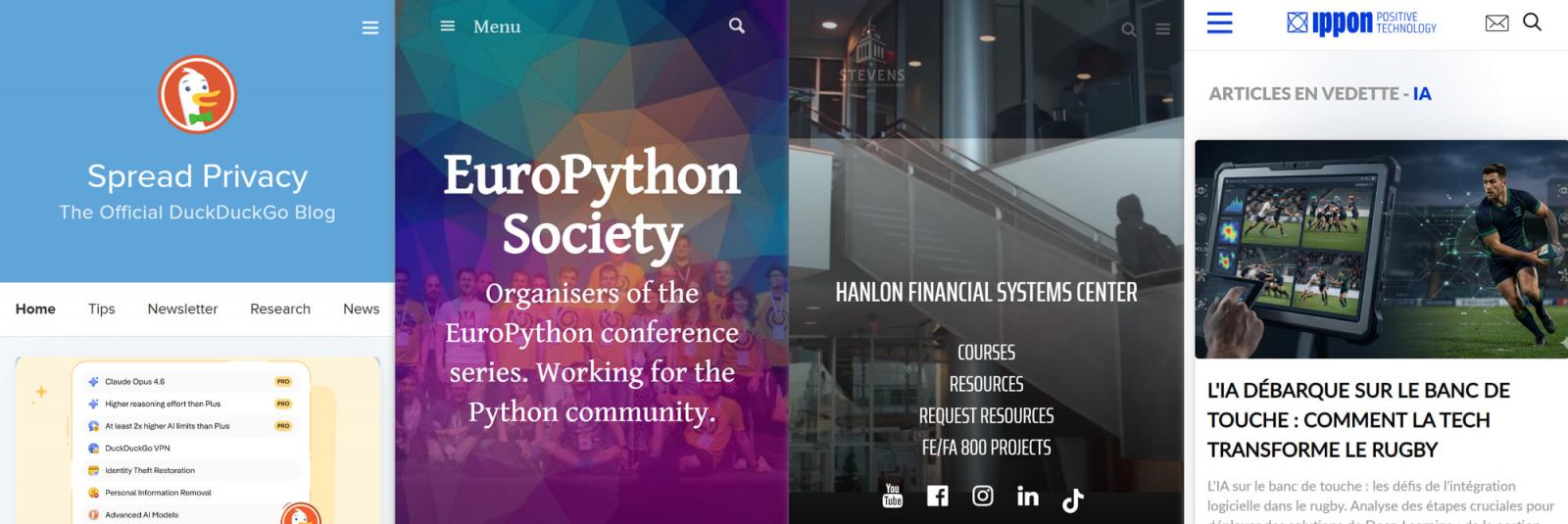
The campaign was discovered by XLab threat intelligence researchers at Chinese cybersecurity company Qianxin, who confirmed impact on more than 700 domains, including university portals, AI/SaaS companies, media outlets, fintech firms, security sites, and personal blogs.
According to the researchers, threat actors planted malicious code on the websites of Harvard University, Oxford University, Auburn University, and DuckDuckGo.
Compromised sites Source: XLab
CVE-2026-26980 impacts Ghost 3.24.0 through 6.19.0, and allows unauthenticated attackers to read arbitrary data from the website database, including the admin API keys.
Advertisement
This key gives management access to users, articles, and themes, and can be used to modify article pages.
Although the fix for the issue was released on February 19 in Ghost CMS version 6.19.1, many sites failed to install the security update.
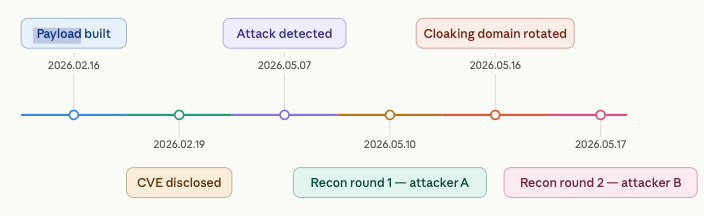
SentinelOne published on February 27 details about CVE-2026-26980 being exploited in attacks and how incidents can be detected. The researchers observed at least two distinct activity clusters targeting vulnerable Ghost sites, sometimes re-infecting the same domains with different scripts after cleanup, or one cleaning the script of the other to inject its own.
Timeline of the attacks Source: XLab
Attack chain
The attacks that XLab observed begin by exploiting CVE-2026-26980 to steal the admin API keys, and then use the elevated rights to inject malicious JavaScript into articles.
The JavaScript code is a lightweight loader that fetches second-stage code from the attacker’s infrastructure, which is essentially a cloaking script that fingerprints visitors to determine whether they qualify as targets.
Advertisement
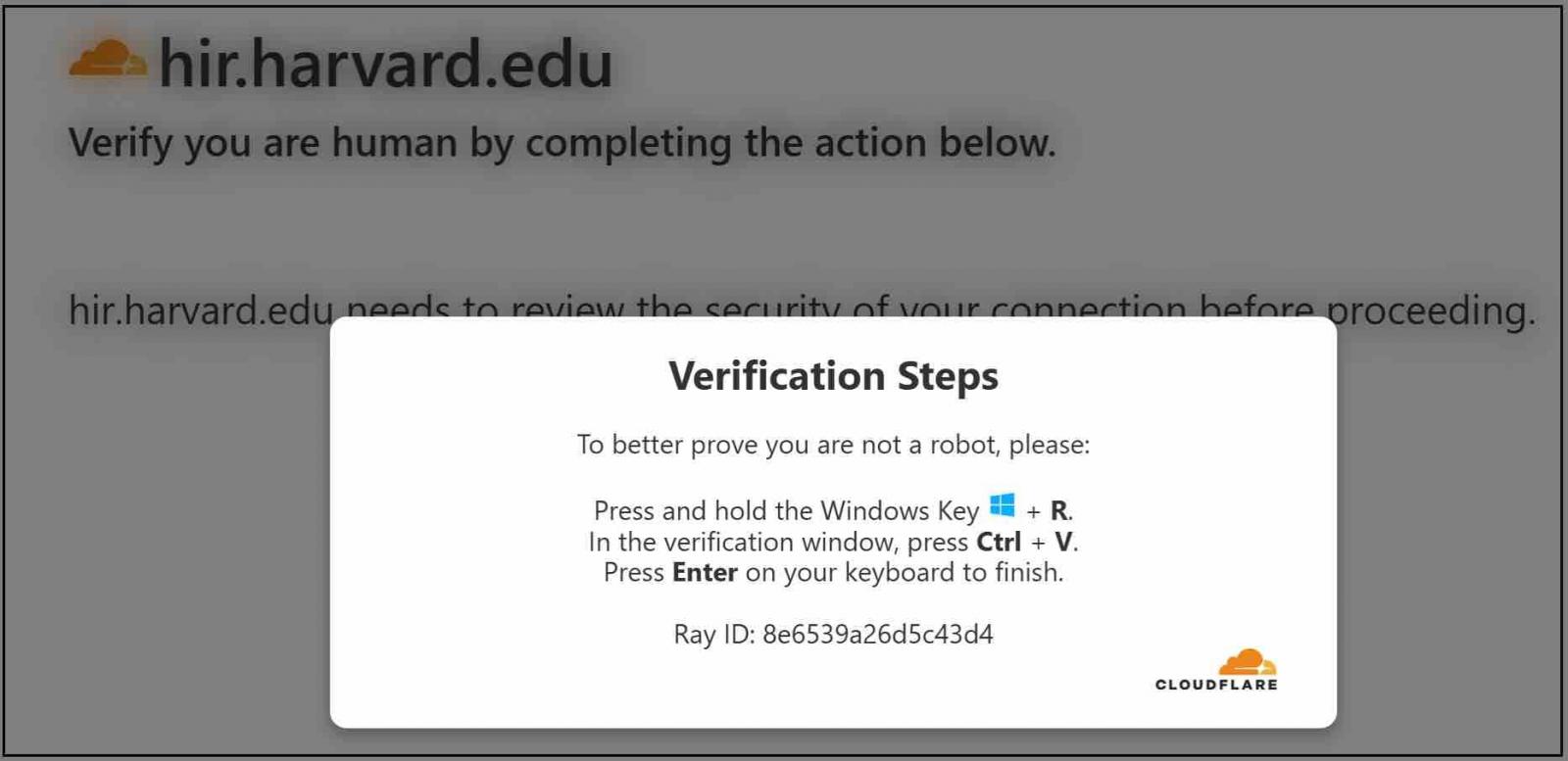
Visitors passing the verification are served a fake Cloudflare prompt loaded via an iframe on top of the article page, which contains the ClickFix lure.
The ClickFix page Source: XLab
The page instructs victims to verify that they are human by pasting a provided command on their Windows command prompt, which drops a payload on their systems.
XLab has observed multiple payloads being used in these attacks, including DLL loaders, JavaScript droppers, and an Electron-based malware sample named UtilifySetup.exe.
Attack phases Source: XLab
Mitigating the risk
The most important course of action for Ghost CMS website administrators is to upgrade to version 6.19.1 or later and rotate all keys used previously, as they may have been exposed.
XLab provided a list of indicators of compromise (IoCs), including injected scripts, so a thorough review of the websites is needed to locate and remove them.
The researchers recommend that website owners maintain a 30-day record of admin API call logs to enable a reliable retrospective investigation.
Advertisement
Automated pentesting tools deliver real value, but they were built to answer one question: can an attacker move through the network? They were not built to test whether your controls block threats, your detection rules fire, or your cloud configs hold.
This guide covers the 6 surfaces you actually need to validate.
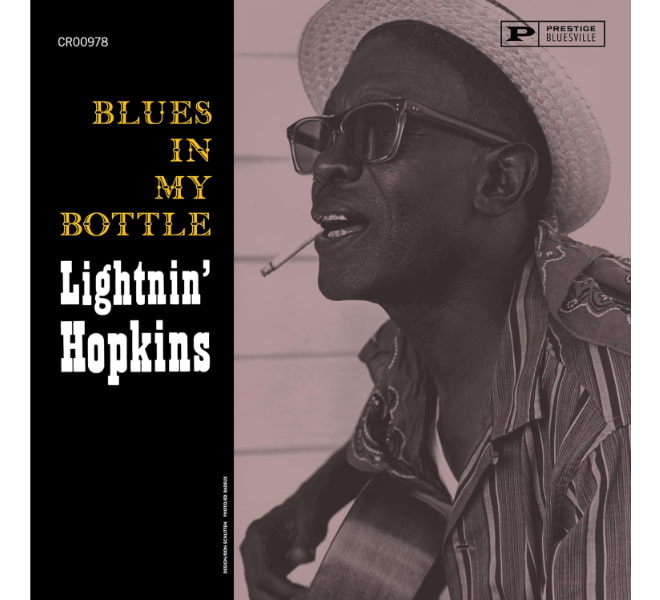
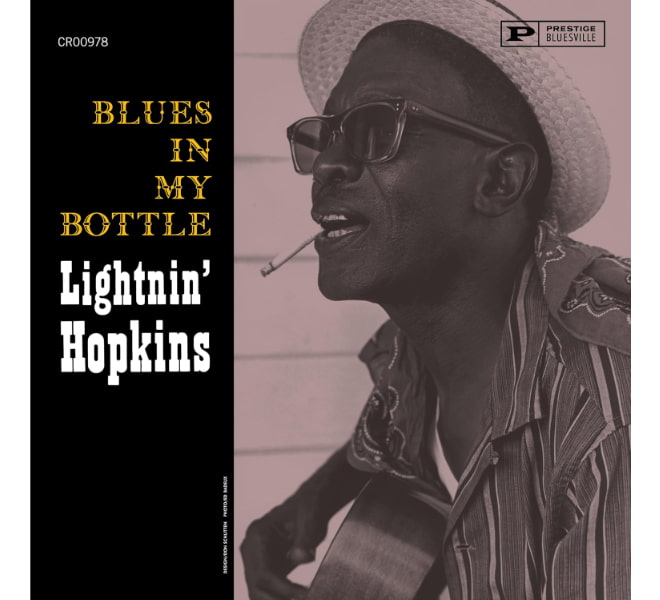
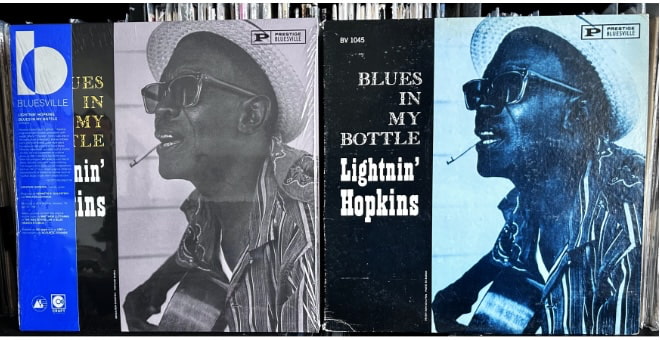
One of the latest in Craft Recordings’ excellent Bluesville reissue series is a hard to find (and rather collectible) 1961 release by the great blues legend Lightnin’ Hopkins called Blues In My Bottle. Recorded exactly one week after I was born, the all-analog process (AAA) lacquers for this outstanding reissue were cut by Matthew Lutthans at The Mastering Lab at Blue Heaven Studio. The perfectly quiet, well centered 180-gram vinyl was pressed at Quality Record Pressing in conjunction with Acoustic Sounds.
Blues In My Bottle offers an extremely strong production aesthetic as far as early blues records go but the notion of whether it is “demo disc” worthy for showing off your audio system may be a matter of personal preference. I found the recording to be super intimate, just Lightnin’ Hopkins’ voice and acoustic guitar recorded in early stereo.
The kicker for me is the simple rawness of the recording which makes this album feel extra authentic on many levels. Stick with me here. You see, it seems that Mr. Hopkins, no doubt enthusiastic about recording, got a little too close to the microphone on certain tracks such as “Wine Spodee-O-Dee.” This resulting distortion (probably sending the VU meter into the red) is precisely what makes this recording feel so incredibly real, and in your face. Its less like you are listening to a studio session and more like he is performing in a club or bar where the artist moves around a bit periodically.
Don’t get me wrong: the recording is really good overall. Hopkins’ guitar sounds quite rich and natural, almost alarmingly so for recording that is 65 years old. And of course the songs are haunting, from “Death Bells” to “Jailhouse Blues” — this is some real deal acoustic blues.
A used copy of Blues in My Bottle surfaced in the bargain bin at a local record store just in time for this review, giving me a useful point of comparison for the new edition, even if it was not a rare original pressing. Probably from the late 1970s or early 1980s, it feels similar to the old Fantasy Records “Original Jazz Classics” series. However, instead of the ID number using the OJC prefix, it says “OBC” which I’m assuming means Original Blues Classics.
The OBC version sounds pretty good too, and that same distortion is in place leading me to believe it is very much a part of the original recording.
Comparatively, this new Craft Bluesville edition sounds much warmer than the OBC edition. The vinyl and pressing quality are world’s better as are the production elements right down to the labels and cover art. As you can see from this picture, they didn’t put a whole lot of effort into trying to re-create the original cover look and feel. Thus it turned it out almost monochromatic. The new edition is clearly the one to get. Highly recommended.
Mark Smotroff is a deep music enthusiast / collector who has also worked in entertainment oriented marketing communications for decades supporting the likes of DTS, Sega and many others. He reviews vinyl for Analog Planet and has written for Audiophile Review, Sound+Vision, Mix, EQ, etc. You can learn more about him at LinkedIn.
Most soundbars make a reasonable attempt at filling a room with sound, but stop well short of convincing you that the sound is actually moving around you rather than just emanating from a bar under the television.
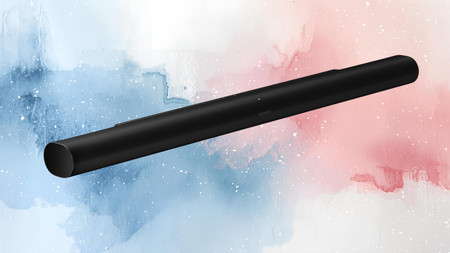
The key differentiator here is Sound Motion technology, which Sonos describes as one of the most significant breakthroughs in audio engineering in decades, allowing 14 custom-built drivers to produce clear, deep, and balanced sound from within a genuinely slim enclosure.
Advertisement
That driver array delivers a 9.1.4 spatial audio configuration with Dolby Atmos, which means sound is not just spread left and right but positioned precisely above and around you, making the difference between watching a film and feeling present inside one.
Dialogue clarity is handled separately through an AI-powered Speech Enhancement feature that actively detects the human voice and sharpens it across four adjustable levels, so dense scenes or quieter moments do not require you to reach for the remote.
Trueplay calibration measures the acoustics of your specific room and adjusts the sound output accordingly, so the Sonos Arc Ultra performs at its best regardless of whether it is in a large open-plan space or a smaller dedicated viewing room.
Advertisement
The setup runs through a single HDMI eARC connection, and control works across your TV remote, the Sonos app, touch controls on the bar itself, and Amazon Alexa, with Apple AirPlay 2 and Spotify Connect handling music streaming duties when the television is off.
The Sonos Arc Ultra is a serious piece of kit aimed at people who have already invested in a good screen and want the audio to match it, and $200 off makes the ask considerably more reasonable than it was at full price.
Not sure if the Arc Ultra is the right fit for your setup? Our best Bluetooth speakers, best smart speakers, and best outdoor speakers guides for 2026 run through the strongest alternatives across every use case and budget, so you can find the right option whether you are upgrading a living room, a kitchen, or a garden.
Dirty Frag, Copy Fail, and Fragesia show the new reality
OPINIONDirty Frag, Copy Fail, and Fragnesia are less a random cluster of Linux bugs and more the public unveiling of how AI tools can pry open security holes with just a prompt or two. What they also have in common is their shared abuse of a core kernel abstraction: The page cache. What does this mean for you and me? Is this the rainstorm before a downpour of killer Linux security problems, or is this just a shower? It depends on who you ask.
Whatever else may be true, these problems must be addressed. As Igor Seletskiy, CEO of CloudLinux, said: “The real story here is that we typically see one or two kernel-level LPE (Linux privilege escalations) vulnerabilities that affect multiple distros/versions per year. And now we see two such vulnerabilities one week apart. We should expect this trend to continue for quite a few months, meaning companies might have to reboot servers weekly.”
Advertisement
Ouch!
But is this the start of a trend? Linus Torvalds, who knows a thing or two about Linux, said at Open Source Summit North America in Minneapolis that until recently, the kernel community would quietly notify distributions about a bug and ask them to upgrade without detailing the vulnerability, and “most of the time, nobody would figure out what happened.” That was then. This is now. With AI‑accelerated analysis, he recalled that “last week, we fixed the bug; within three hours, there was a blog post about the implications of that bug fix, because security people love getting attention.”
As a result of this kind of thing, Torvalds has changed how the Linux security community will deal with AI-discovered security holes. “AI-detected bugs are pretty much by definition not secret, and treating them on some private list is a waste of time for everybody involved – and only makes that duplication worse because the reporters can’t even see each other’s reports.”
In addition, Torvalds added, in the case of AI-discovered bugs, you need to keep in mind that just “because you found it with AI, 100 other people also found it with AI.”
Advertisement
That means we’re going to hear a lot more about Linux security problems. But are they getting worse? I asked Greg Kroah-Hartman, the Linux stable kernel maintainer, and he told me: “Maybe? It’s hard to tell; the ‘recent’ ones really are very minor, as the number of systems that have ‘untrusted users’ is not common anymore. I don’t see any real uptick in our actual bug fixes that I can tell.”
He continued: “We fix bugs like that on a daily basis, it’s just the rise of people wanting to ‘name a bug’ and release a public exploit seems to be all the rage at the moment.”
An important point that Chris Wright, Red Hat’s CTO, made at Red Hat Summit, the week before, is that in “security, all things aren’t created equal. There will always be a spectrum of vulnerabilities that will surface. Some of those will be really critical and we will need to respond very quickly, so that becomes a clear priority. Others will have a longer tail of lower severity.”
Torvalds also added at Open Source Summit that just because you read stories about Linux and AI-discovered bugs, you shouldn’t think the same thing isn’t happening to proprietary software, such as Windows. “If you think that AI can’t reverse engineer closed source, you’re in for a surprise.” In fact, he warned, “closed source is even worse in this respect, because the AI can’t help you fix those problems, but the AI sure can help find those problems in the first place.”
Advertisement
He also discouraged security researchers from publishing working exploits: “When it comes to things that really are security issues, you may not want to make the exploit public… Don’t be that guy who then crows about it publicly and says, ‘Look, I could bring down this big company.’”
Following on this theme, Christopher “CRob” Robinson, chief security architect for the Open Source Software Foundation (OpenSSF), told The Register that thanks to AI, “roughly 30 percent of reported Linux security bugs were duplicates. That’s going to be another problem in this AI age, where everybody’s a researcher, right, with a $20 cloud code account.” That, in turn, will burden already overworked maintainers with yet more patches to deal with.
Linux, Torvalds added, is something that its maintainers can handle. Smaller open source projects, however, are all too likely to be overwhelmed.
So what does this mean? Yes, we’re going to see a lot more security vulnerabilities showing up in Linux and other open source projects. Yes, some of them will be serious, and all too many will have exploits out before the patches arrive. It’s not, however, that Linux has suddenly become less secure. It’s that AI eyes are much better at detecting bugs than human eyes have ever been. We will catch up, and AI can help with that, too.
In the meantime, system administrators and developers will have to be more security-conscious than ever before. As Wright told The Reg, it’s high time we switched from using SELinux in permissive to restrictive mode. Enforcing strict security is a pain, but what’s even more of a pain is having to rebuild your containers and servers after a serious attack gets through. ®
Philips monitor lets two users work on opposite screens simultaneously
Dual-sided design combines two Full HD displays in one unit
Monitor rotates 180 degrees, and each side supports independent HDMI and USB-C connections
Philips has introduced a dual-sided business monitor which places two full HD IPS displays back-to-back inside a single rotating monitor structure.
The Philips 24B2D5300 uses two 23.8-inch panels running at 1920 x 1080 resolution with refresh rates reaching 120 Hz.
Each display includes separate HDMI and USB-C connectivity, allowing independent use from either side without requiring additional external display hardware.
Latest Videos From
Advertisement
Designed for multi-user and multitasking needs
Unlike earlier dual-sided products largely designed as digital signage, this model focuses on office productivity, collaborative workspaces, and customer-facing environments requiring shared screen access.
Philips describes the design as “two screens, one smarter interaction,” emphasizing shared access rather than conventional multi-monitor arrangements occupying larger desk footprints.
Two different users can share this single physical device without any conflict between their activities, or a single user can extend or mirror content across both screens for seamless collaboration.
The monitor supports a built-in 180-degree swivel mechanism, allowing quick rotation of the entire monitor unit, without repositioning the stand or disconnecting any attached power cables.
Advertisement
Sign up to the TechRadar Pro newsletter to get all the top news, opinion, features and guidance your business needs to succeed!
A feature called DualView enables independent operation of each screen from one connected computer source.
This setup works much like a daisy-chained configuration but uses no extra monitor stands or desks. Users can extend their desktop across both panels for more visible screen space.
Cloning the same image onto the opposite side is also an available option for presentations.
Advertisement
This device also features SmartView, which allows split-screen viewing on each display panel at the same time, meaning up to three different applications can run from a single connected computer unit.
Practical benefits
Philips claims this unusual design occupies only half the space of two separate conventional monitors.
Advertisement
Shared workstations, front reception desks, and customer-facing environments represent the intended use cases here.
Each of the two screen sides includes both an HDMI port and a USB-C port for flexible connections.
The monitor also incorporates SoftBlue Technology to reduce harmful blue light emissions significantly, and Philips notes this feature is “tested and TÜV Rheinland Low Blue Light (Hardware Solution) certified for its effectiveness.”
A pair of built-in stereo speakers handles basic multimedia playback needs without requiring external audio hardware.
Advertisement
An average home user probably has no genuine need for a screen facing two opposite directions simultaneously.
However, for an office space or a public domain where space is an issue, this device may be relevant.
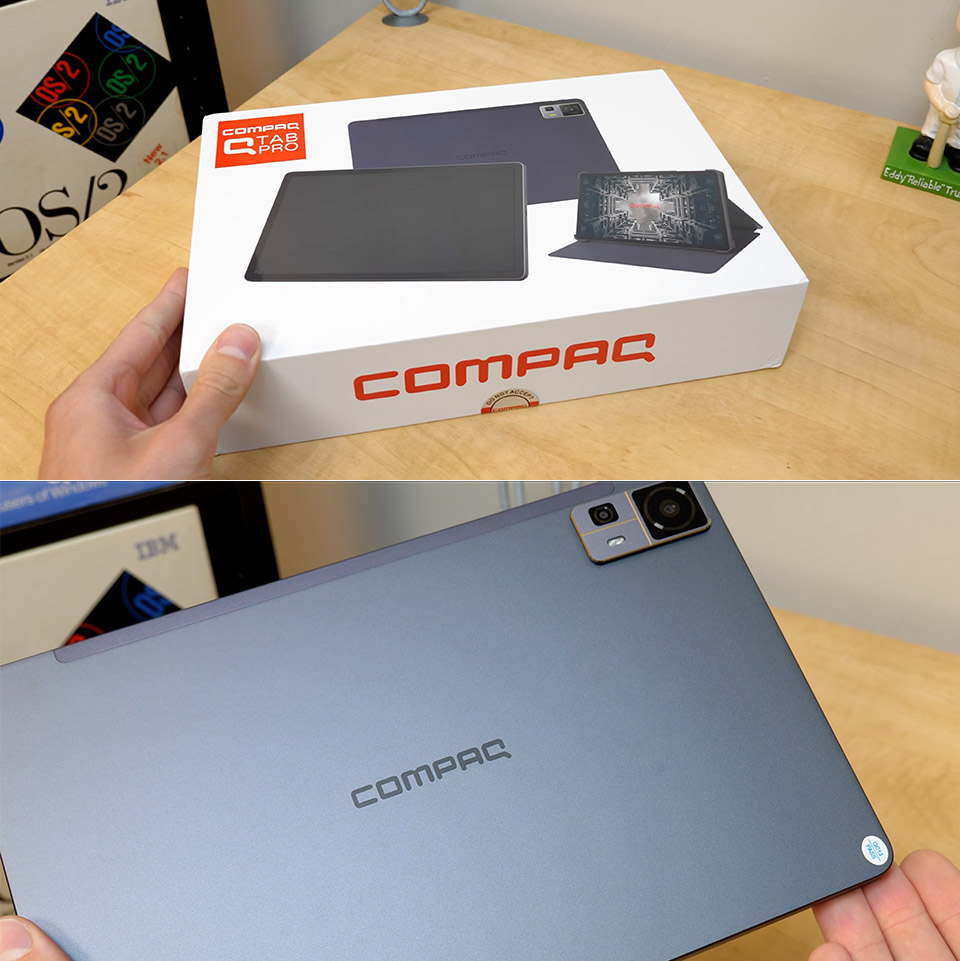
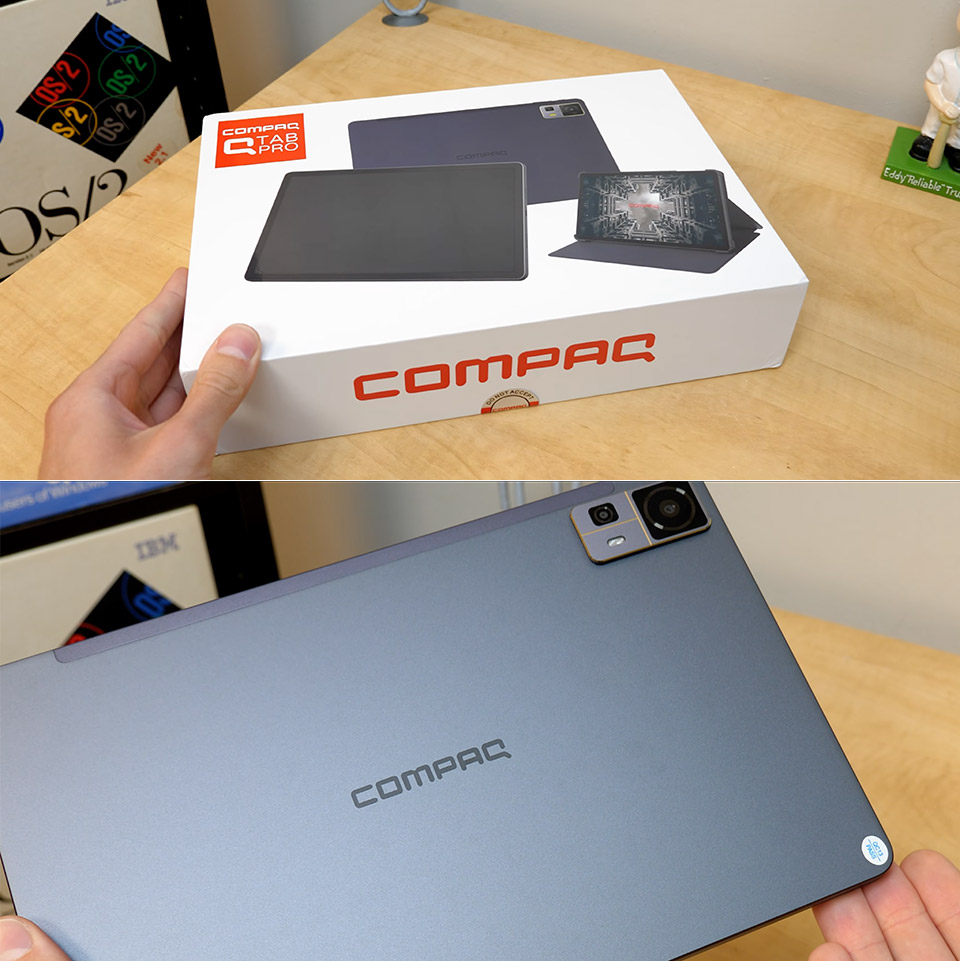
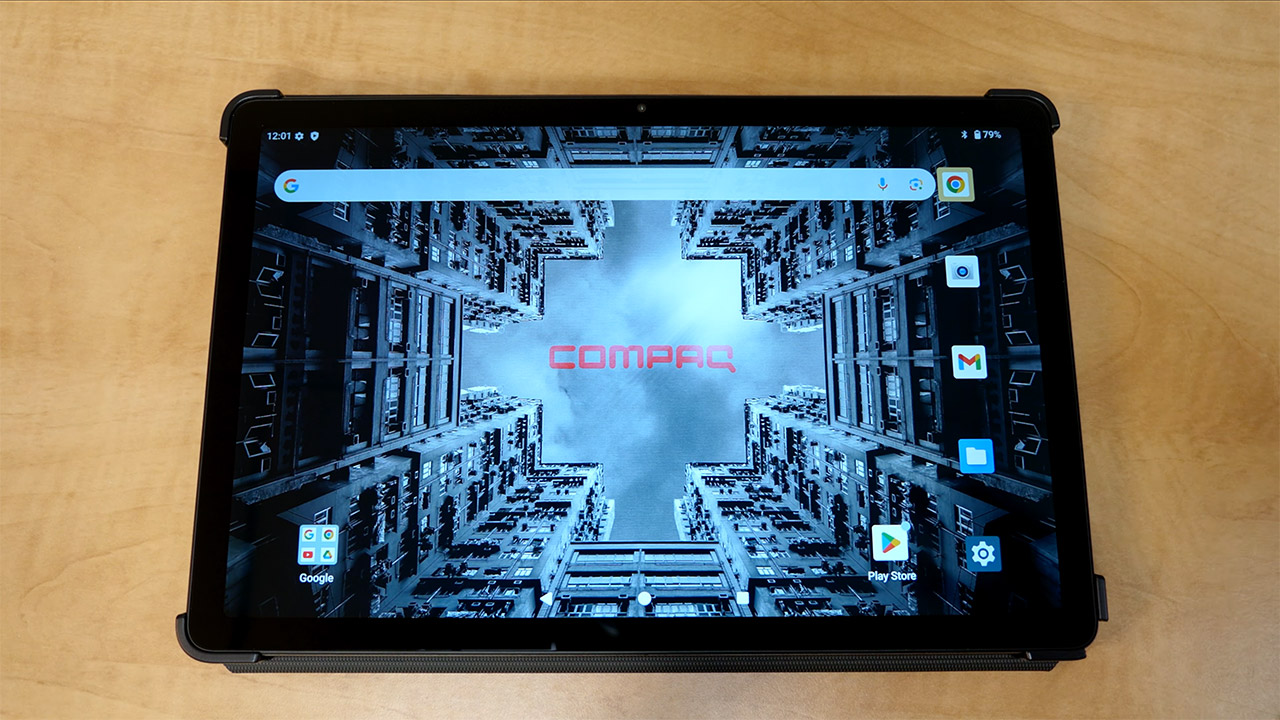
Compaq once stood as a giant in personal computers. Decades later, the brand lives on through licensing agreements with other companies. One result is the Qtab Pro, an 11-inch Android tablet now available on store shelves. The story behind it mixes history with everyday hardware in ways that keep drawing attention.
People who remember Compaq from the 80s and 90s may get a glimmer of nostalgia when they see the old logo again. Of course Compaq itself is long gone, all that’s left is the memory, because it merged with HP back in the day. Since then, a number of different companies have acquired the rights to use the brand on their products. Trident Corp, based in Mexico, now has the rights to use the Compaq name on a variety of devices. These include phones, smart TVs, Bluetooth speakers, and, yes, tablets such as this one. The Qtab Pro tablet costs $250 and comes pre-installed with Android 15.
Immersive Visual & Audio Entertainment: The TCL TAB 10 Gen 4 tablet features a 10.1-inch IPS FHD display with 1920×1200 resolution and a 16:10 aspect…
Smooth & Intelligent Performance: Driven by a powerful octa-core processor and enhanced with TCL NXTURBO hardware-software optimization, the TCL TAB…
All-Day Battery Life with Fast Charging: Stay productive and entertained all day with the TCL TAB 10 Gen 4 Android tablet, powered by a 6000mAh…
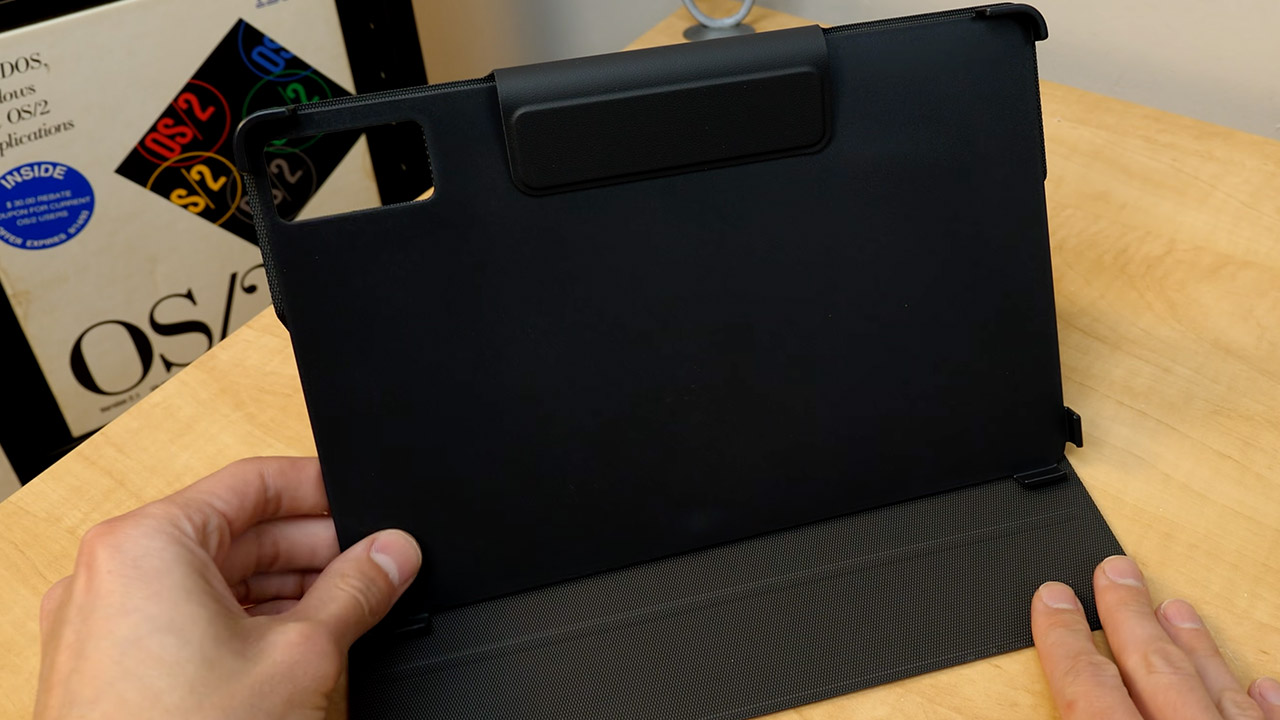
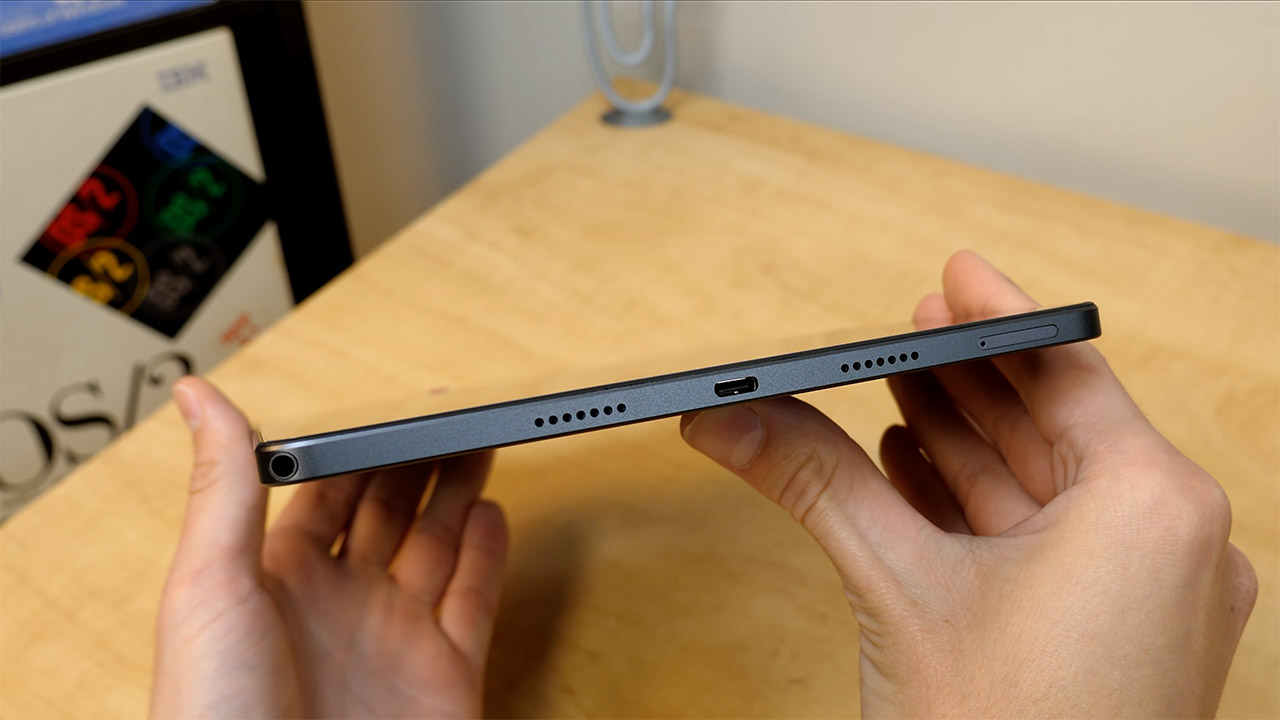
When you first open the box, a few small surprises appear. There’s the tablet itself, as well as a clever little case that folds out to act as a stand, a charging adapter, a USB-C cable, a tool for removing the SIM card, and a manual, but the real kicker is that the tablet already comes with two fairly decent screen protectors installed on the display. That display is a standard 11-inch with full HD quality, and the device itself feels light as a feather, designed for carrying in your bag as a daily companion rather than making a statement.
Qualcomm’s Snapdragon 685 octa-core processor powers the operation, paired with 8GB of RAM and 256GB of storage. That’s more than enough power to handle the average user’s needs without breaking a sweat. You can watch videos in 1080p at 60 frames per second without a lag, and apps open quickly enough for browsing, streaming, and doing some work. They also included twin SIM slots, so you can stay connected on the road even when there is no internet available.
The software is as clean as it gets, as it’s almost stock Android. All of the Google apps load quickly, and there is little unnecessary trash on the device. Michael MJD performed a brief examination and discovered that it is running a security patch from mid-2025 and a weird updater program that requests some quite extensive rights, but otherwise it is a regular Android experience. The battery life is also pretty standard, lasting a couple hours of mixed use.
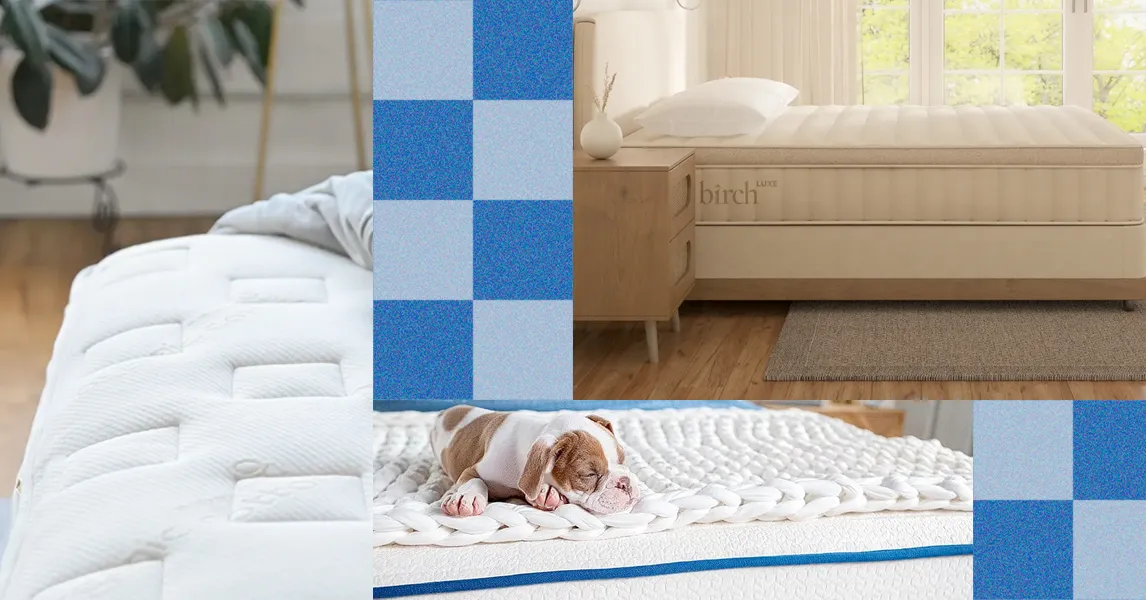
Memorial DaY brings discounts to the mattress models we test all year long, and the sales are going strong. As a seasoned deal hunter, I know that mattresses go on sale pretty often, but whenever someone asks me the best time to buy, I tell them to wait until Memorial Day or Black Friday and Cyber Monday. If you’ve been in the market for a new mattress, now’s the time to act.
The WIRED Reviews team thoroughly tests the best mattresses long-term. We don’t conduct “nap tests” or base recommendations on first impressions. Our top picks are tried-and-true, and they’re on sale right now. We’ll also include some deals on bedding, pillows, mattress toppers, and other sleep accessories as we update this story through the weekend. Prices shown are for queen sizes.
Use our exclusive coupon code WIRED27 to get 27 percent off our very favorite mattress for most people. We’ve seen it sell for about $100 less before, and they’ve thrown in more freebies, but this is still a great deal. Just be aware that the price might drop a little later in the month. In any case, the Midnight Luxe Hybrid is springy and medium-firm and should be well suited to any style of sleeping. The individually wrapped springs are zoned so that you have more support where you need it to prevent back pain. It also doesn’t get too warm, though it’s thick enough that you’ll want deep-pocketed sheets. It’s been our favorite mattress for over eight years.
Get caught up on the latest technology and startup news from the past week. Here are the most popular stories on GeekWire for the week of May 17, 2026.
Friends and colleagues remembered S. “Soma” Somasegar, the longtime Microsoft developer leader and Madrona managing director, as a generous mentor to developers and founders, and a fixture of Seattle’s tech community. … Read More
In a CNBC interview, Jeff Bezos offered the most detailed public description yet of Project Prometheus, calling the secretive startup an “artificial general engineer” building next-generation design tools for physical objects. … Read More
GeekWire co-founder John Cook argues that Seattle’s increasingly anti-business national image threatens the city’s standing as an innovation hub, exactly 30 years after Newsweek celebrated it as one of America’s great boomtowns. … Read More
Matt Wood, who spent more than 14 years helping to lead Amazon Web Services’ artificial intelligence and machine learning initiatives before leaving the company in 2024, is returning to the company in a newly created role as chief AI and technology officer. … Read More
Seattle-based Filium was started by apparel industry veterans Raj Shah and Akhil Shah in 2015, and makes technology that allows natural fabrics to repel odors, stains and liquids. … Read More
Yusuf Mehdi, one of Microsoft’s best-known and longest-serving business leaders, whose tenure has spanned 35 years from Windows 3.1 to Copilot, plans to leave the company after one more year — his “final season,” as he called it in an interview. … Read More
Dr. Lynda Stuart is departing as the first CEO of the Fund for Science and Technology, the foundation created under late Microsoft co-founder Paul Allen’s instructions. … Read More
SpaceX disclosed in its S-1 filing that its Redmond, Wash., facility produces approximately 70 Starlink satellites per week, putting hard production numbers on the operation for the first time. … Read More
Find out how Jeff Bezos got the ball rolling in the competition with SpaceX’s Starlink for space-based connectivity — and how Project Kuiper became Amazon Leo. … Read More








.jpg)



















































You must be logged in to post a comment Login