
News Videos
25 EFFORTLESS Ways We SAVE MONEY (Without Even Trying) | Money Saving Tips


Ready to save thousands this year without even *really* trying? Today I’m breaking down 25 low-effort money saving tips that are realistic, doable, and will help you keep more in your pocket. These are all super easy swaps and tiny changes you can make that make saving feel effortless. 🌱
► MENTIONED
» Going (flight saving email subscription): https://www.going.com/
» Faredrop (flight saving email subscription): https://www.dailydrop.com/pro
► WHAT I’M WEARING
» Cardigan: https://amzn.to/4qkz5Oo
► 25 EFFORTLESS Ways We SAVE MONEY
» Saving money doesn’t need to be complicated [0:00]
Ways to save on SHOPPING [1:02]
» Check your receipts [1:06]
» Use what you have [2:17]
» Shop secondhand [3:27]
» Wait for sales [4:29]
» Opt for a reliable vehicle [6:20]
Ways to save on ACTIVITIES [7:26]
» Get a seasons pass [7:31]
» Host girls night or parties at your house vs. going out [8:02]
» Take advantage of free activities [9:25]
» Order tap water + skip the apps and dessert [9:55]
» DIY beauty treatments [10:21]
Ways to save on TRAVEL [11:40]
» Travel with friends [11:54]
» Travel carry-on only [12:54]
» Plan travel around deals [13:21]
» Visit countries where your dollar goes further [14:38]
» Skip one meal when traveling [15:32]
Ways to save on BILLS [16:27]
» Adjust the temperature seasonally [16:35]
» Shop for better rates [17:27]
» Make sure everything is turned off [18:14]
» Review your subscriptions [18:49]
» Set a budget [19:55]
Ways to save on GROCERIES [20:57]
» Switch grocery stores [21:00]
» Have some staple cheap meals [21:57]
» Buy generic [22:20]
» Order using curbside pick up [22:58]
» Buy in bulk [23:33]
» My challenge to you [24:15]
► GET BEHIND THE SCENES & MORE ON INSTAGRAM 🫶
» Instagram: https://www.instagram.com/ashlynneeaton/
New here? Welcome to my channel! I post videos every week about simple and intentional living. If you’re looking to embrace simplicity or just appreciate how life can be better with less, be sure to subscribe!
► GET CONNECTED
» Website: https://ashlynneeaton.com/
» Instagram: https://www.instagram.com/ashlynneeaton/
» Pinterest: https://www.pinterest.com/ashlynneeaton/
► INTENTIONAL LIVING FAVORITES
» My Amazon Storefront: https://www.amazon.com/shop/ashlynneeaton
► FTC
» This video is not sponsored. All opinions shared are my own. Some of the links above are affiliate links and when you use them, they help to support me and my channel! 💫
source

News Videos
RBI New Credit Rules 2026: Loan System Changed Forever? Relief or Financial Surveillance
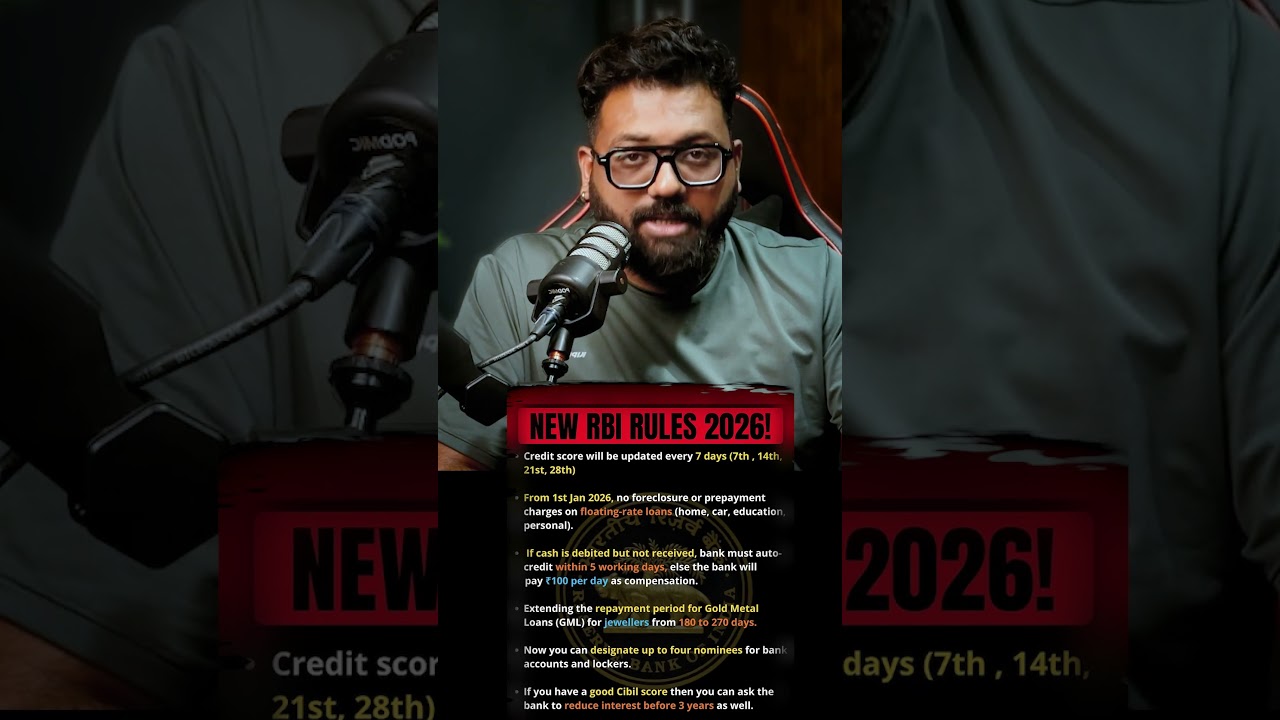
RBI New Credit Rules 2026: Loan System Changed Forever? Relief or Financial Surveillance
#RBI #CreditSystem #LoanRules #CIBIL #FinanceIndia#PersonalFinance #MiddleClass #Fintech #MoneyMatters #IndiaEconomy #LoanTips #FinancialFreedom #TrendingNews
source

#shorts #avvocato #avvocatopenalista #penalista #reato #penale
Se ti arrivano soldi per errore: puoi tenerli o commetti un reato? Guarda subito questo short per scoprirlo!
ISCRIVITI SUBITO AL CANALE YOUTUBE 👇
https://www.youtube.com/channel/UCtGZowGQeSooHK76PeQ2j7w
DAI UN’OCCHIATA AL SITO 👇
www.studiolegalepritoni.it
SE HAI BISOGNO DI UNA CONSULENZA ON-LINE 👇
info@studiolegalepritoni.it
METTI LIKE ALLO SHORT SE TI È PIACIUTO ❤️
source
TELEGRAM : https://t.me/TradeForProfitx
✅ NON KYC FOREX BROKER- Markets4You-https://account.markets4you.online/en/user-registration/?affid=pwfrktk%3ATFP
✅BEST REWARDS BROKER-BINGX-
https://bingx.pro/en/activity/task/8160711889?ref=TFP
(PARTNER CODE- TFP )
✅BEST CFD BROKER(FOREX+CRYPTO) -PRIMEXBT- https://go.primexbt.direct/visit/?bta=45475&brand=primexbt
(20% DEPOSIT BONUS CODE-TFP20)
✅ NON KYC CRYPTO EXCHANG- KCEX- https://www.kcex.com/register?inviteCode=14R1VP
(PARTNER CODE- 14R1VP)
✅BEST FOREX BROKER (XM)- https://affs.click/KvJnF
(PARTNER CODE- TFP100)
🚨Disclaimer – – – –
The information provided during this stream is for educational and informational purposes only. it does not constitute financial advice, investment recommendation involves high risk, and you should not trade with money you cannot afford to loss. Always conduct your own research, consult with a financial advisor, and make decisions bases on your personal circumstances. the content shared in this stream reflects my personal opinions and may not be suitable for everyone.
🚨”Disclaimer: Forex and CFD trading involve significant risk and may not be suitable for all investors. Exness is an offshore broker and is not regulated by SEBI (Securities and Exchange Board of India). Indian laws allow forex trading only on SEBI-approved exchanges and INR-based currency pairs. Trading with an offshore broker may lead to legal and financial risks, including potential issues with fund withdrawals or regulatory actions by RBI or SEBI. Please do your own research and consult a financial advisor before investing.”
————————————————————————————————————————————————————–
#bitcoin
#live
source
📈 Join my FREE Money 101 Newsletter for beginners: https://subscribepage.io/ivan-invests
🎙️ Find me on other platform: https://open.spotify.com/show/5HaVXOezE0TpvCM4bzWSM1
👥 Come say hi inside my Discord community: https://discord.gg/V2kYmjY7J2
Discover 13 more powerful minimalist rules that can help you simplify your life, cut unnecessary spending, and build real financial freedom. These practical principles show how focusing on what truly matters can quietly transform your money, habits, and long-term wealth.
🌱 How I invest my money: https://moomootechnologiesinc.pxf.io/kOnJD0
💵 Buy your stocks here: https://www.webull.com/k/IvanInvests
📚 Investing books I recommend: https://amzn.to/3TFcfny
🔒 How I keep my crypto safe: https://shop.ledger.com/?r=f7167934a56c
📊 Where I keep up with the markets: https://www.investing-referral.com/IVANINVESTS/
💱 How I convert my money to invest: https://wise.prf.hn/l/0e9X5MY/
🪙 My preferred crypto platform: https://www.luno.com/wallet/rewards/enter_code?code=ZQJP9A
🔍 My go-to platform to research stocks: https://www.sahg6dtr.com/23KQWHC/R74QP/
✍🏼 For anyone wondering, these whiteboard videos are made using VideoScribe: https://tidd.ly/4lNJCiU
A few links here are affiliate links and they help support the channel at no extra cost to you ❤️
📌 Just a heads up: these videos are for entertainment only and shouldn’t be taken as financial advice.
⚠️Please IGNORE comments that recommend a specific financial advisor or amazing book or investment (those are scams).
🍦 Ivan Invests = easy-to-understand videos on personal finance & investing.
📺 Unlock more money tips at: https://www.youtube.com/@VanillaInvestor
🔔 Turn on the notification bell to be notified of new videos! 🙂
source
Uphold – Best Place To Buy XRP:https://uphold.sjv.io/b3v0Kv
First ledger: https://firstledger.net/?ref=viacD0HE9uvj
X: https://x.com/xrpmickle
Merch!
micklemarkets.myspreadshop.com…
Donate me some XRP 🙂
rDxBFHhgGKYKphFEtoyNvEmujC3ATGRqmN
Become a supporter of Mr. Mickle!
https://www.youtube.com/channel/UC-wi…
#ripple #XRP #Bitcoin #xrpnew #crypto #cryptocurrency
Best crypto to buy now. Best altcoin. Top crypto now. What is Ripple? What Is XRP? How much XRP do you need? How much XRP? XRP Coin. BTC Coin. What just happened to XRP and Ripple. Ripple IPO. When Will Ripple IPO. RLUSD. What is RLUSD
The information contained on YouTube or the Mickle Markets YouTube Channel (“Channel”) is provided for general informational purposes only. The information provided is not intended to be a substitute for professional investment, tax, accounting, or legal advice. Mickle Markets (the “Company”) is not engaging in services as a securities brokerage, investment advisor, tax, accounting, or legal services provider to the viewers of this website, nor is the Company extending any solicitation or offer to the viewers to sell or buy any cryptocurrencies or securities. The viewers should engage their own professional qualified financial, legal, or tax advisor. The Company is not liable to the viewer for any possible claims or damages arising from any decision they make based on the content of YouTube or this Channel. The viewers’ use of YouTube or this Channel and any reliance on the information contained therein is at the viewers’ own risk. The Company makes no representation or warranties about the accuracy or completeness of the information contained on this Channel or YouTube. Any testimonials or descriptions of past trading experiences published on this Channel or YouTube are not typical, not indicative of future results or performances, and are not intended to be a representation, warranty or guarantee that similar results will be obtained. Any links or references to external sources are provided solely for convenience and do not necessarily imply that the Company endorses, sponsors, promotes, or is affiliated with the external sources.
source
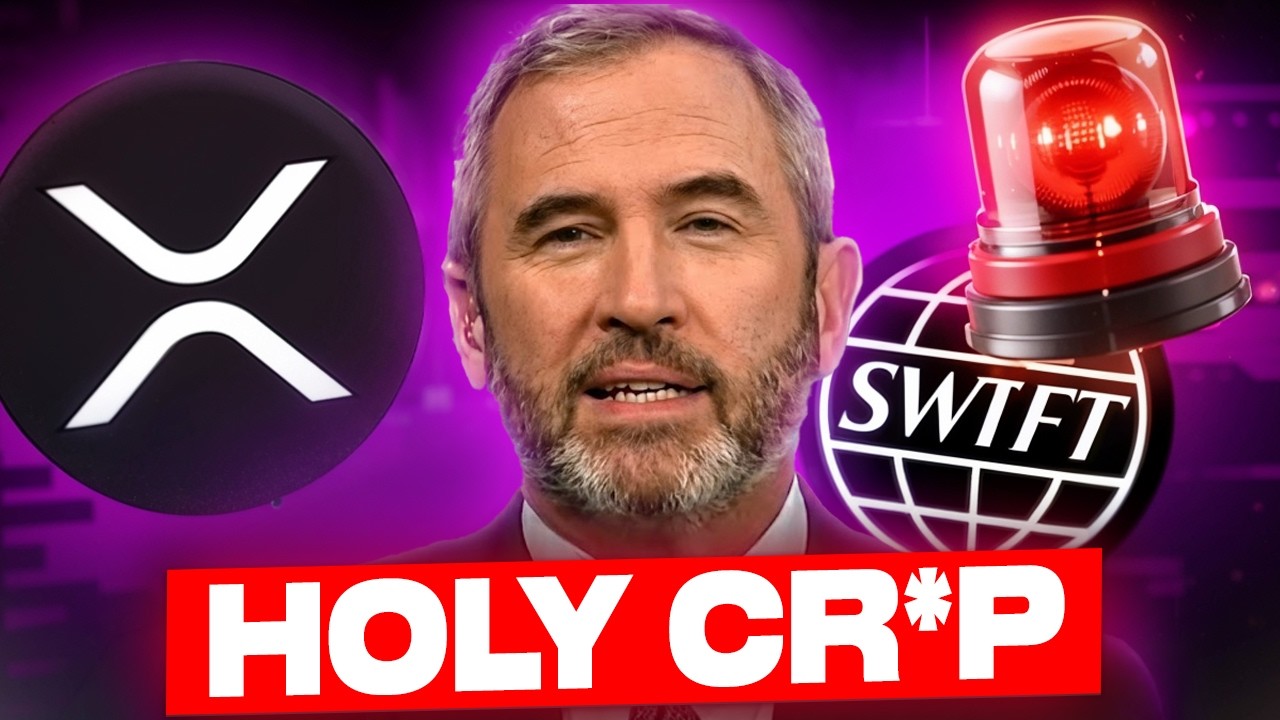
XRP and SWIFT integration rumors surge as SWIFT confirms a blockchain ledger MVP for tokenized deposits and cross-border payments, raising questions around XRP liquidity rails and interoperability.
SWIFT’s EVM-based ledger targets bank interoperability, tokenized money, and 24/7 settlement while Ripple connectivity remains optional. DTCC governance shifts and XRPL tokenization growth highlight broader institutional infrastructure and liquidity trends shaping digital asset markets.
Timestamps
00:00 SWIFT blockchain ledger MVP explained
00:42 Tokenized deposits and cross-border payments
01:13 EVM architecture and Hyperledger Besu breakdown
02:02 Can XRP integrate with SWIFT systems
03:02 Interoperability across banks and blockchains
04:00 XRP as a liquidity bridge in payments
05:06 Hyperledger Cacti and backend connectivity
06:06 Ripple integration vs SWIFT infrastructure
07:10 Deleted XRP SWIFT rumor explained
08:06 DTCC board changes and Ripple connections
09:21 DTCC tokenization and XRP liquidity role
10:10 XRPL real world asset growth data
If you follow XRP, SWIFT, BTCC, tokenization, XRPL, Hyperledger, Ripple, institutional crypto adoption, regulated digital assets, global payments and settlement infrastructure, this breakdown provides important context on where markets are heading next.
💜 Thanks for supporting the channel! Like, share, and comment if this helped clarify what’s really happening.
⭐Join my Community
➖ https://discord.gg/cryptonairz
🔵 Uphold | Trade, Spend & Earn XRP
➖ Uphold Website: https://uphold.com/sensei
➖ XRP Rewards: 4% Elite Card / 2% Virtual Card
🟢 Hardware Wallets I Use for XRP
➖ D’CENT Biometric (1x) | 18% Off ($159→$129)
Biometric Wallet – Affiliates
➖ D’CENT Biometric (2x) | 31% Off ($318→$219)
Biometric Wallet 2X Package – Affiliates
➖ Ledger | Official Store
https://www.ledger.com/crypto-sensei
🔗Contact & Collaborations
▸ Collab & Partnerships: partnerships@cryptosensei.net
▸ Business: cryptosensei@cryptonairz.com
▸ Collabs: BD Manager | @Jaalyn_T (Telegram)
▸ Collab Form: https://forms.gle/E6fskio5BBvd4zVn9
▸ Social Links: https://linktr.ee/Crypt0Sensei
(Partnerships & Brand Deals Only | No Agencies)
⚪FREE XRP Newsletter | https://joincryptonairz.com/Newsletter
🔴Full Legal & Regulatory Disclaimer
https://docs.google.com/document/d/1T_wTsSkXDZqdgKDUOKfIEKF-a7ur2kX8gw-e3aAq_Q4/edit?usp=sharing
#XRP #ripple #SWIFT #Hyperledger #Besu #XRPL #Blockchain #Interoperability #CryptoNews
#crypto #xrpledge #xrpnews #cryptocurrency #altcoins #blockchaintechnology #cryptotrading #ripplexrp #xrpupdate #xrpholders #xrparmy #xrptoday #cryptosensei
source

Ran sits down with quantum computing expert Kostas Krypto to unpack the biggest threat crypto has ever faced. With Google’s recent breakthrough, the question isn’t if quantum impacts Bitcoin, it’s when. Is 2029 really a breaking point for encryption and digital assets? How vulnerable is crypto today? This is the conversation everyone in crypto needs to hear.
___________________________________________
𝗙𝗘𝗔𝗧𝗨𝗥𝗘𝗗 𝗢𝗡 𝗧𝗛𝗜𝗦 𝗦𝗛𝗢𝗪!
⬇⬇⬇⬇⬇⬇
💰 𝗖𝗢𝗜𝗡𝗪 – 𝗚𝗲𝘁 𝘂𝗽 𝘁𝗼 $𝟯𝟮,𝟬𝟬𝟬 𝗶𝗻 𝗘𝘅𝗰𝗹𝘂𝘀𝗶𝘃𝗲 𝗕𝗼𝗻𝘂𝘀 𝗥𝗲𝘄𝗮𝗿𝗱𝘀!!!
🎁 A limited-time offer you won’t find anywhere else! Exclusive to Banter!
👉 Sign up: https://bit.ly/CoinW-Bonus-Ran
1️⃣ Deposit $300 for a $60 Bonus! Deposit $500 for a $100 Bonus!
2️⃣ Start Trading to earn up to $32,000 in Rewards!
__________
🏦 𝗭𝗸𝗦𝘆𝗻𝗰 – 𝗛𝗼𝘄 𝗧𝗼𝗸𝗲𝗻𝗶𝘇𝗲𝗱 𝗗𝗲𝗽𝗼𝘀𝗶𝘁𝘀 𝗪𝗶𝗹𝗹 𝗣𝗼𝘄𝗲𝗿 𝘁𝗵𝗲 𝗡𝗲𝘅𝘁 𝗘𝗿𝗮 𝗼𝗳 𝗔𝗺𝗲𝗿𝗶𝗰𝗮𝗻 𝗕𝗮𝗻𝗸𝗶𝗻𝗴!
👉 Watch here on X: https://bit.ly/ZkSync-on-X
👉 Visit website: https://www.zksync.io
__________
🚨 𝗦𝗼𝗰𝗶𝗮𝗹 𝗠𝗲𝗱𝗶𝗮 𝗠𝗮𝗻𝗮𝗴𝗲𝗿 (𝗫 & 𝗧𝗵𝗼𝘂𝗴𝗵𝘁 𝗟𝗲𝗮𝗱𝗲𝗿𝘀𝗵𝗶𝗽) 𝗪𝗔𝗡𝗧𝗘𝗗!!!
🔥 Ready to run the X (Twitter) account for the world’s #1 LIVE crypto streaming channel?
🔍 Crypto Banter is looking for a sharp voice to make our X the home of alpha!
✅ If you live and breathe crypto and know how to command attention. We want YOU! 🫵
👉 Apply here: https://bit.ly/xthoughtleader
___________________________________________
𝗛𝗢𝗦𝗧 𝗖𝗛𝗔𝗡𝗡𝗘𝗟𝗦
⬇⬇⬇⬇⬇⬇
👉 𝗞𝗼𝘀𝘁𝗮𝘀 𝗞𝗿𝘆𝗽𝘁𝗼𝘀 𝗼𝗻 𝗫: https://x.com/kostascrypto
👉 𝗠𝘆𝘀𝘁𝗲𝗻 𝗟𝗮𝗯𝘀 𝗼𝗻 𝗫: https://x.com/Mysten_Labs
👉 𝗥𝗮𝗻 𝗼𝗻 𝗫: https://x.com/cryptomanran
👉 𝗥𝗮𝗻 𝗼𝗻 𝗜𝗻𝘀𝘁𝗮𝗴𝗿𝗮𝗺: https://bit.ly/ran-insta
___________________________________________
👁️🗨️ 𝗖𝗿𝘆𝗽𝘁𝗼 𝗕𝗮𝗻𝘁𝗲𝗿 𝗮𝗯𝗶𝗱𝗲 𝗯𝘆 𝘁𝗵𝗲 𝗳𝗼𝗹𝗹𝗼𝘄𝗶𝗻𝗴 𝗰𝗼𝗱𝗲 𝗼𝗳 𝗰𝗼𝗻𝗱𝘂𝗰𝘁:
https://www.cryptobanter.com/our-ethics/
We take our code of ethics very seriously and have engaged @zachxbt ( / zachxbt ) to monitor our progress. If you feel we’re not living up to it and have hard evidence please mail ZachXBT directly at reportcb@protonmail.com
⚠️ 𝗕𝗘𝗪𝗔𝗥𝗘 𝗢𝗙 𝗦𝗖𝗔𝗠𝗠𝗘𝗥𝗦 𝗜𝗡 𝗢𝗨𝗥 𝗖𝗢𝗠𝗠𝗘𝗡𝗧𝗦 𝗔𝗡𝗗 𝗖𝗢𝗠𝗠𝗨𝗡𝗜𝗧𝗬 𝗖𝗛𝗔𝗡𝗡𝗘𝗟𝗦
___________________________________________
📝 𝗗𝗶𝘀𝗰𝗹𝗮𝗶𝗺𝗲𝗿:
Crypto Banter is a social podcast for entertainment purposes only!
All opinions expressed by the hosts, guests and callers should not be construed as financial advice! Views expressed by guests and hosts do not reflect the views of the station. Listeners are encouraged to do their own research.
#QuantumComputing #CryptoNews #Bitcoin #Ran
⏱ 𝗧𝗶𝗺𝗲𝘀𝘁𝗮𝗺𝗽𝘀:
00:00 This Quantum Threat is Bigger than Expected
03:27 Google’s Concerns on Quantum Attacks
14:01 Kostas’s Estimated Timeline on Crypto Quantum Computing
18:11 Bitcoin Delayed Solution Concerns
22:10 Are Google Actually Testing Quantum Computer?
24:22 We Are More Behind than We Thought
🎬 𝗪𝗮𝘁𝗰𝗵 𝗠𝗼𝗿𝗲 𝗖𝗿𝘆𝗽𝘁𝗼 𝗩𝗶𝗱𝗲𝗼𝘀: https://www.youtube.com/playlist?list=PLmOv2_vzOoGd_je37xsSrQD4WVpum0UDa
source

🧠 Research. Tracking. Charting. All In One AI ► https://www.askclash.ai/
🎯 Make FREE Crypto Predictions & Compete Weekly on ClashPicks ► https://www.clashpicks.com/
**Exchange Partners**
🟩Bitunix Exchange ► *$100,000 Deposit Bonus* ► https://bit.ly/3Tmp1Hq
🟦BTCC Exchange ► *10% Deposit Bonus* ► https://bit.ly/4kk20Qa
**Crypto Pulse**
🟧CryptoPulse Trading Discord ► https://discord.com/invite/georgeplaysclash
🐤Follow CryptoPulse’s X For Trade Setups ► https://x.com/CryptoPulse_CRU
**Clash**
✅Buy $Clash Here ► https://georgeplaysclashroyale.com/buy
✅Clash CA: 6nR8wBnfsmXfcdDr1hovJKjvFQxNSidN6XFyfAFZpump
🖥️Check Out *Clash’s Website* ► https://georgeplaysclashroyale.com/
💜Join *Clash Discord* ► https://discord.com/invite/georgeplaysclash
📱Clash YouTube ► https://www.youtube.com/@Georgeplaysclashroyale
🔴Full Disclaimer: This video and its contents are for informational purposes only and do not constitute an offer to sell or trade, a solicitation to buy, or recommendation for any security, cryptocurrency, or related product, nor does it constitute an offer to provide investment advice or other related services by CryptosRUs. CryptosRus may have a financial investment with the cryptocurrencies discussed in this video. In preparing this video, no individual financial or investment needs of the viewer have been taken into account nor is any financial or investment advice being offered. Any views expressed in this video were prepared based upon the information available at the time such views were written. Changed or additional information could cause such views to change.
source
🔴 *TIA PRO LIFETIME DISCOUNT – CODE: CYCLEPEAKSALE* – NAVIGATE YOUR PORTFOLIO THROUGH THE PEAK AND COLLAPSE → https://tiainvestor.com/checkout/
🔴 *18-YEAR CYCLE MINI-COURSE, WEEKLY REPORTS, GET ACCESS HERE* → https://tiainvestor.com/subscribe/
🌏 *INSTAGRAM Q&A — MY ONLY REAL IG* → https://www.instagram.com/mrpizzino/
🔥 NEW THE INVESTOR ACCELERATOR YOUTUBE CHANNEL https://www.youtube.com/@theinvestoraccelerator/videos
(This is an additional channel to my “Jason Pizzino” channel 😄)
🇦🇺 Trade Bitcoin and crypto – Swyftx, Get $20 Free BTC → https://bit.ly/SwyftxPizzino
Video Sponsor:
Summ makes crypto taxes simple – generate accurate, IRS-ready reports in minutes!
Get 20% off your first year with code PIZZINO20: https://summ.com/us?via=jason&promo=PIZZINO20
🏅 WEEX, No KYC, 20% Deposit Bonus & Up to 30,000 USDT Rewards → https://www.weex.com/register?vipCode=tiacrypto
🏅 ByBit, Crypto Debit Card, Up to $30,000 bonus → https://partner.bybit.com/b/tiacrypto
🏅 BloFin Crypto Exchange, No-KYC, $600 Bonus → https://partner.blofin.com/d/TIACRYPTO
🔥 Free 7-Day Trial TIA Indicator Suite → https://indicators.tiacrypto.com/
📈 TradingView $15 OFF → https://www.tradingview.com/?aff_id=2…
💳 KAST, Crypto/USD Debit Card https://kast.xyz/jason
🔴 BEWARE OF IMPERSONATORS (THEY ARE NOT ME).
I DO NOT HAVE A WHATSAPP OR TELEGRAM GROUP.
ONLY USE OFFICIAL LINKS IN VIDEO DESCRIPTION.
🔥Beware of scammers, this is my only REAL Instagram → https://www.instagram.com/mrpizzino/
→ YouTube https://bit.ly/JasonPizzinoYouTube
→ Twitter/X / jasonpizzino https://x.com/jasonpizzino
→ More Crypto Trading on Michael’s YouTube https://bit.ly/MichaelPizzino
ALSO IN THIS VIDEO:
SPX, SP500, NASDAQ, NDX, GOLD, USD, DXY, OIL, TRUMP, USDT, ALTCOINS, MEME COINS, AI, US INTEREST RATES DECISION, ETFS, REAL ESTATE CYCLE, 18-YEAR REAL ESTATE AND ECONOMIC CYCLE.
*I reserve my right to adjust my outlook as more information and data come through. #crypto #bitcoin #cryptonews
Like and Share if you want to inform your friends and family.
By watching this video, you are accepting the conditions below:
➢ Disclaimer & Affiliate Links https://tiainvestor.com/disclaimer/
➢ Privacy Policy https://tiainvestor.com/privacy-policy/
➢ Terms & Conditions https://tiainvestor.com/terms-and-conditions/
PLEASE NOTE: YouTube is now inserting automatic ads. Apologies for any inconvenience.
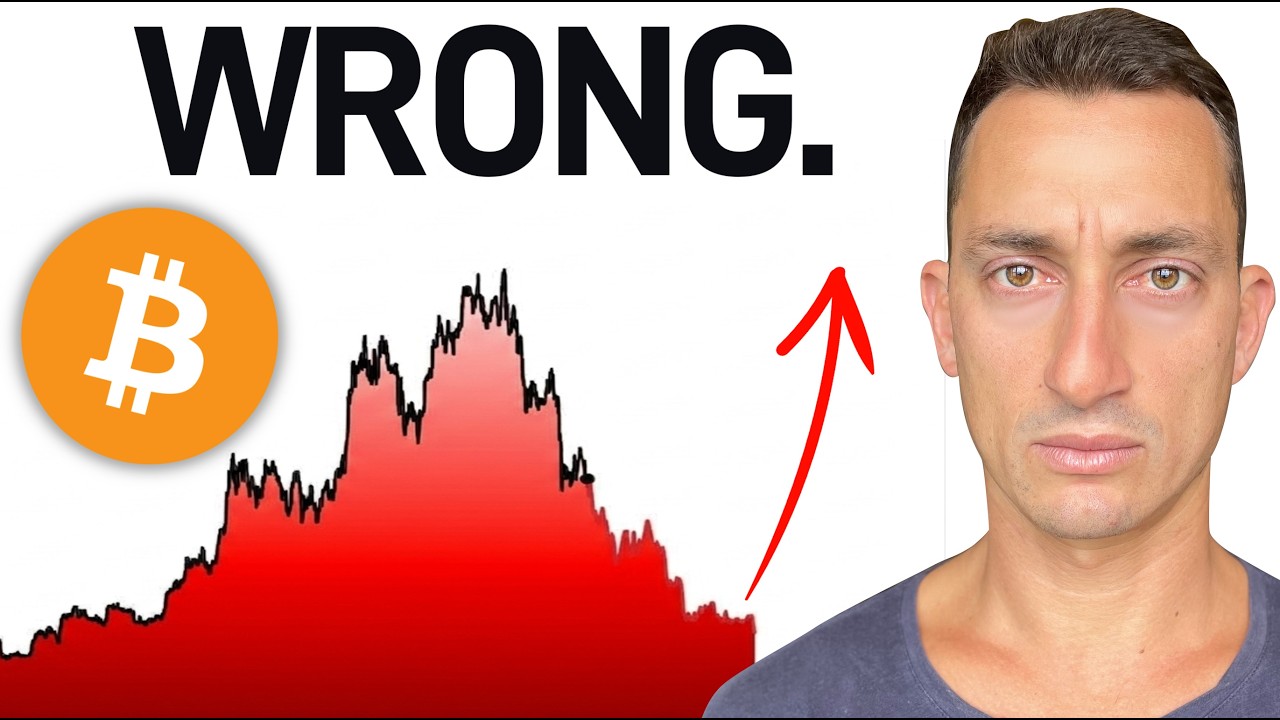
Stay tuned for important bitcoin news and some positive signals for the market. 18-year cycle explained along with stock markets, metals and the mag-7 stocks like AAPL, AMZN, NVDA, TSLA, META, GOOG and MSFT.
source
🟧 BYBIT: http://themoon.co/Bybit 👉 10% DISCOUNT & $30,000 BONUS
🟨 WEEX: https://themoon.co/WEEXCarlMoonFerrari 👉 Net deposit $100 & trade $1,000 in futures, get $30 bonus (500 winners)
🔵 BTCC: https://themoon.co/BTCCtms 👉 Enjoy up to $30,000 Sign Up Bonus + 10% Deposit Bonus
⚔ Play Medieval Empires: https://themoon.co/MedievalEmpires
🔥 *EXCHANGE TUTORIALS* 🔥
📺 WEEX: http://youtu.be/tVvuHQ1Xgyk
📺 BloFin: https://youtu.be/WwWwp2miv0E
📺 Binance: https://youtu.be/80zosJeVhU4
📺 Bybit: https://youtu.be/_1M5gag_Zm0
📺 Phemex: https://youtu.be/AJbYFEOn02Q
📺 MEXC: https://youtu.be/QN2NzpCQ2G0
📺 Bitget: https://youtu.be/726Vrm03ZMc
*FAVORITE EXCHANGES RIGHT NOW FULL LIST*
⬇⬇⬇⬇⬇⬇⬇⬇⬇⬇⬇⬇⬇⬇⬇⬇⬇⬇
🟨 *WEEX is available in ALL COUNTRIES with NO KYC:*
_Click this link to get $500 bonus each to Weekly 100 winners + Deposit $100, Get $50 bonus_
Sign up here 👉 https://themoon.co/WEEXwelcome
🔵 *BTCC offers 500x leverage with NO KYC:*
_Click this link to Enjoy up to 30,000 Sign Up Bonus + 20% Deposit Bonus_
Sign up here 👉 https://themoon.co/BTCCtms
🟠 *BloFin offers best liquidity:*
_Click this link to get $100,000 Deposit & Trade Rewards_
Sign up here 👉 https://themoon.co/blofin100k
✳️ *SwissBorg is secure and reliable crypto app:*
_Click this link to get up to €100 in Crypto Rewards_
Sign up here 👉 https://themoon.co/swissborgmoon
🟦 *MEXC requires NO KYC:*
_Click this link to get $30,000 in welcome rewards!_
Sign up here 👉 https://themoon.co/MEXC
❎ *LeveX is a Social Crypto Exchange:*
_Click this link to get 20% Deposit Bonus + VIP5 Benefits + Exclusive Content (NO KYC)_
Sign up here 👉 https://themoon.co/LeveX
🟢 *Bitunix requires NO KYC and is highly liquid:*
_Click this link to get a free $100 after your first $500 deposit!_
Sign up here 👉 https://themoon.co/Bitunix
🟧 *Bybit is the MOST TRUSTED and liquid exchange for leverage trading in crypto:*
_Click this link to get 10% fee reduction & $30,000 BONUS_
Sign up here 👉 https://themoon.co/Bybit
🔸 *Binance is the best exchange for SPOT TRADING:*
_Click this link to get a permanent 20% fee reduction!_
Sign up here 👉 https://themoon.co/Binance
Want to earn passive income from Bybit? Become my sub-affiliate with this link: https://affiliates.bybit.com/v2/en/apply?affiliate_id=1205
*FOLLOW CARL MOON ONLINE*
⬇⬇⬇⬇⬇⬇⬇⬇⬇⬇⬇⬇⬇⬇
Vlog channel: https://www.youtube.com/@Carl
Instagram: https://www.instagram.com/carlmoon
Twitter: https://www.twitter.com/TheMoonCarl
Tik-Tok: https://www.tiktok.com/@carlmoon
Tik-Tok: https://www.tiktok.com/@moon
Facebook: https://www.facebook.com/TheMoon
Website: https://carlmoon.com
🗣️ Join The Moon Show Community:
Website: https://themoonshow.com
Twitter: https://x.com/TheMoonShow
Telegram Group: https://t.me/TheMoonGroup
Telegram Alerts: https://t.me/TheMoonOfficial
🌙 BUY BITCOIN WITH FIAT ($ €):
⭕️ Swissborg Win up to $100: https://swissborg.com/r/themoon
⭕️ Binance $1,000 cashback: https://themoon.co/Binance
🌙 EVERY BITCOIN INVESTOR NEEDS:
⭕️ Tradingview: https://themoon.co/Tradingview
⭕️ Ngrave Hardware Wallet: https://themoon.co/Ngrave
⭕️ GET NORDVPN UP TO 72% OFF + 4 EXTRA months: https://nordvpn.com/themoon
⭕️ Ledger Wallet: http://ledger.com/?r=f988
⚠️ I don’t accept donations, use that money to invest in yourself or buy Bitcoin! If you want to support me, use any of the affiliate links above and leave a like & subscribe! THANK YOU!
#WEEX #Bybit #BTCC #Bitcoin #Crypto
DISCLAIMER: By accessing this channel, you agree to the following: Content is for general information and entertainment only—not financial, legal, or professional advice. No guarantee is made regarding accuracy; use at your own risk. Views are my personal. Investing involves risk—do your own research. Not intended for users in the UK, US, India, China, or other restricted jurisdictions.
PROMOTIONS & AFFILIATES: Ads and links may appear but do not imply endorsement in any way. Sponsored content reflects personal views. Compensation may be received—verify third-party services independently.
source
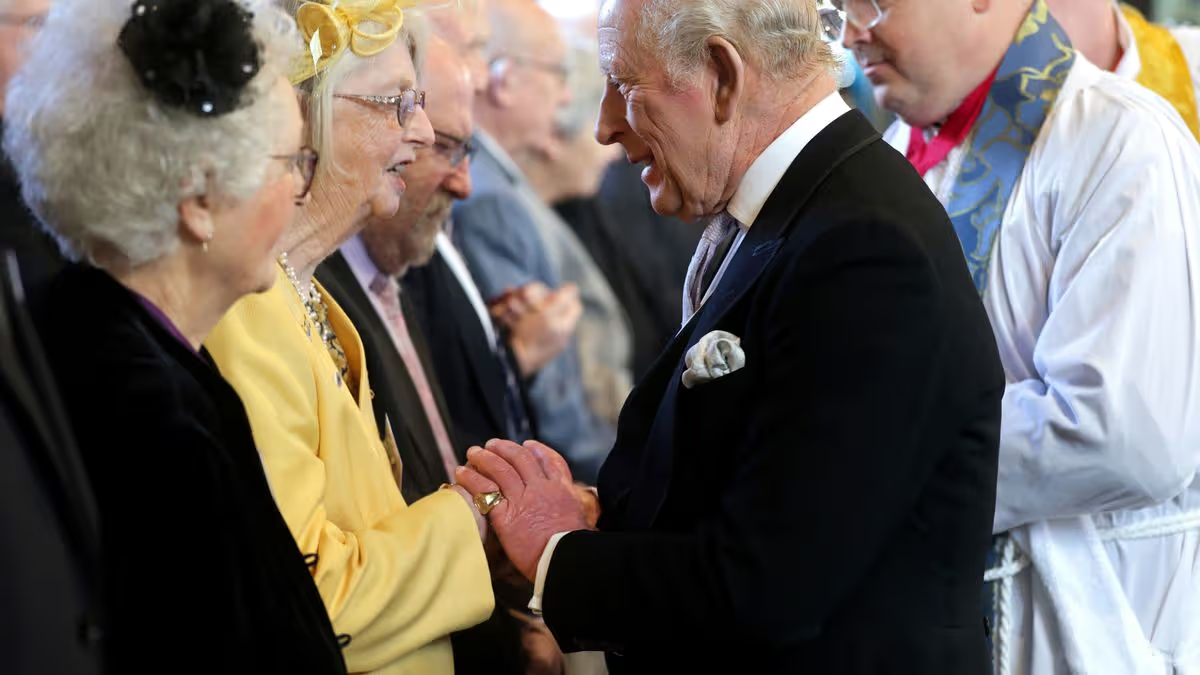
King Charles gave people a gift on his visit to Wales that could be worth hundreds of pounds

One year later, Trump’s tariffs generated billions as refunds emerge

Oil shock, war risk keep crypto investors on sidelines: Grayscale


-

 Business7 days ago
Instagram, YouTube Found Responsible for Teen’s Mental Health Struggle in Historic Ruling
-

 NewsBeat6 days ago
The Story hosts event on Durham’s historic registers
-
 Tech7 days ago
Intercom’s new post-trained Fin Apex 1.0 beats GPT-5.4 and Claude Sonnet 4.6 at customer service resolutions
-

 Sports6 days ago
Sweet Sixteen Game Thread: Tide vs Michigan
-
Entertainment3 days ago
Fans slam 'heartbreaking' Barbie Dream Fest convention debacle with 'cardboard cutout' experience
-
 Entertainment5 days ago
Lana Del Rey Celebrates Her Husband’s 51st Birthday In New Post
-
Crypto World2 days ago
Dems press CFTC, ethics board on prediction-market insider trades
-

 Crypto World18 hours ago
Gold Price Prediction: Worst Month in 17 Years fo Save Haven Rock
-

 Tech4 days ago
The Pixel 10a doesn’t have a camera bump, and it’s great
-

 Sports2 days ago
Tallest college basketball player ever, standing at 7-foot-9, entering transfer portal
-

 Tech2 days ago
EE TV is using AI to help you find something to watch
-

 Fashion4 days ago
Amazon Sundays: Soft Spring Layers
-

 Tech3 days ago
Apple will hide your email address from apps and websites, but not cops
-

 Tech2 days ago
Flipsnack and the shift toward motion-first business content with living visuals
-

 Tech2 days ago
How to back up your iPhone & iPad to your Mac before something goes wrong
-

 Politics3 days ago
Should Trump Be Scared Strait?
-

 Crypto World3 days ago
U.S. rule change may open trillions in 401(k) funds to crypto
-

 Fashion7 days ago
En Vogue in Brown Leather and Tailored Neutrals by Atelier Savoir, Styled by J Bolin
-

 Fashion7 days ago
What Are Your Favorite T-Shirts for the Weekend?
-

 Business6 days ago
Chinese universities with military links bought Super Micro servers with restricted AI chips
You must be logged in to post a comment Login