
Business
Money in the Air: Thailand’s Viral Wealth Dream Masks Hidden Costs and Fragile Hopes

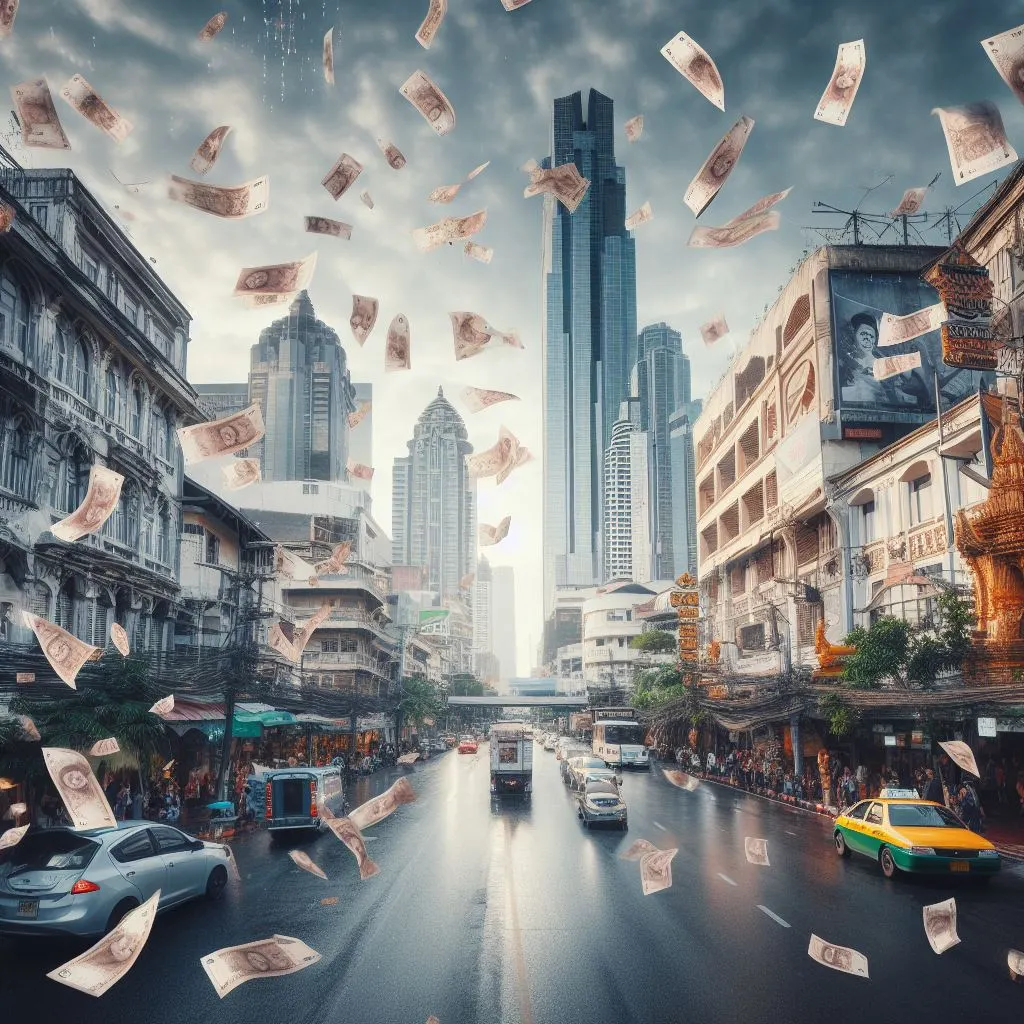
Thailand’s latest online mantra, “money is in the air”, reflects both the allure and fragility of digital wealth. Sparked by a Netflix series, the phrase has become shorthand for a booming get-rich-quick culture where influencers flaunt screenshots of earnings and AI-generated images of luxury. Yet behind the glitter lies a harsher reality: monetisation programs are restrictive, algorithms demand relentless posting, and the costs of equipment and visibility are hidden from view.
✅ Takeaway: The rise of #moneyisintheair reflects both the allure and danger of online monetisation in Thailand—promising quick wealth but often delivering instability, hidden costs, and social risks.
The spectacle of sudden success is itself monetised, creating a loop that resembles a digital pyramid scheme—where a few profit while many chase illusions. This culture normalises lavish lifestyles, conditions users to equate visibility with value, and leaves young people vulnerable to debt and disappointment. In a stagnant economy, virality preys on aspiration, turning hope into a mirage.
As the cycle perpetuates, platforms thrive on the constant churn of content, rewarding sensationalism over substance. This not only distorts priorities but also fosters a relentless pursuit of validation, where self-worth is measured by likes, shares, and fleeting attention. The pressure to keep up in this hyper-competitive environment exacerbates mental health struggles, creating a generation increasingly disillusioned by the gap between online personas and real-life outcomes. In the end, the promise of digital fame often leaves behind a trail of burnout, broken dreams, and a deeper sense of inadequacy.
📱 Social Media Monetisation Illusions
- Thai netizens flaunt supposed earnings and lavish lifestyles, often using AI-generated images to project success.
- These posts feed the dream that anyone can profit online, but most creators struggle with algorithms, platform rules, and relentless posting.
- Eligibility for monetisation programs is restrictive (e.g., TikTok requires 10,000 followers and 100,000 views in 30 days).
⚠️ Hidden Costs & Risks
- Success stories mask the constant labour of maintaining visibility: frequent posting, analytics, and engagement.
- Creators bear financial risks (equipment, ads, unpaid trial-and-error).
- Some groups share AI prompts to mass-produce content, diluting quality and artificially boosting engagement.
🎭 Illusion of Wealth
- Posting about sudden wealth is itself monetisation: clicks and shares generate visibility, leading to brand deals or ad revenue.
- This cycle resembles a Ponzi-like pyramid, where wealth flows upward to a few while many invest time and money with little return.
- Influencers and “finfluencers” often amplify risky or fraudulent schemes, leaving followers exposed.
💸 Social & Cultural Impact
- Social media normalises luxurious lifestyles (real, rented, or AI-generated), conditioning users to equate visibility with value.
- About 89% of Thai consumers say social media influences their purchasing behaviour.
- Pressure to “perform success” can push young people into debt, risky ventures, or mental strain.
- Ultimately, virality preys on aspiration, creating fragile financial hope in a stagnant economy.
Thailand’s “get-rich-quick” online culture, epitomized by the phrase #เงินอยู่ในอากาศ (“money is in the air”), popularized through a Netflix series, portrays social media monetization as effortless. In reality, however, it is often precarious, manipulative, and largely an illusion. This phenomenon has fueled unrealistic expectations, particularly among younger generations, who are drawn to the allure of instant wealth and fame. Influencers and online personalities often showcase lavish lifestyles, creating a facade that obscures the hard work, uncertainty, and ethical compromises frequently involved. Moreover, this culture fosters a competitive environment where individuals chase viral trends and engagement metrics, often at the expense of authenticity and mental well-being.



