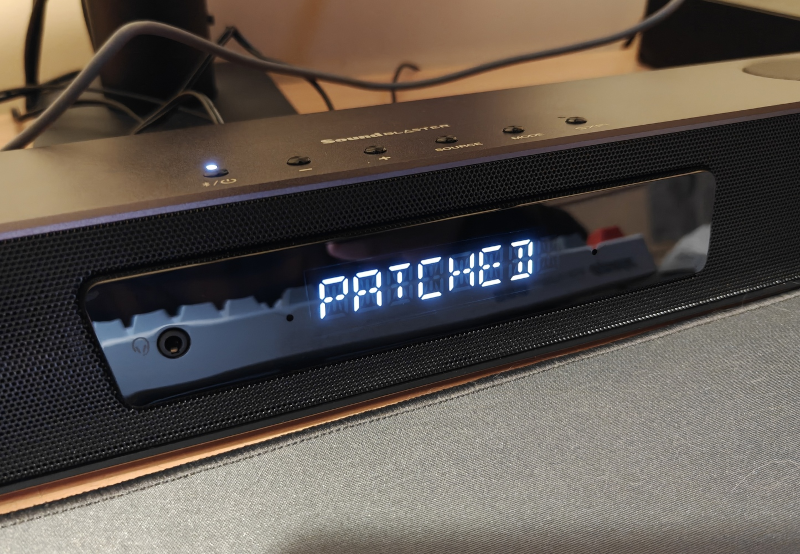
Some security hacks require someone to have physical access to your computer. In many cases, that’s easy to mitigate. Other attack vectors can put you at risk from anywhere via the network. That’s what firewalls are for. But there is an in-between risk where an attacker just has to be “around” your computer. [Rasmus Moorats] found out that a Creative Sound Blaster sound bar could open up just such an attack.
[Rasmus] was poking around the firmware just to write custom software to control it. The possibility of an attack was just an accidental find.
The soundbar connects to USB, but it also has Bluetooth, which, for some reason, is always on. There’s an app that can communicate with the speaker using BLE, and Creative has a special protocol to control it. The same protocol works on USB or Bluetooth, but with an important difference.
Advertisement
On USB, you have to authenticate to send commands. However, you can easily decompile the provided apps and learn the authentication key. But on BLE, it doesn’t require authentication at all for some reason. You can simply send commands via BLE, and the speaker obeys. No pairing. No physical access. Just be close enough for a Bluetooth connection.
The worst of the commands lets you reflash the device firmware. So, if you were a bad actor, you could flash firmware to act as a USB keyboard and then inject lots of bad commands into the host system.
Today’s Strands puzzle isn’t too tough. But some of the answers could be difficult to unscramble, so if you need hints and answers, read on.
Hint for today’s Strands puzzle
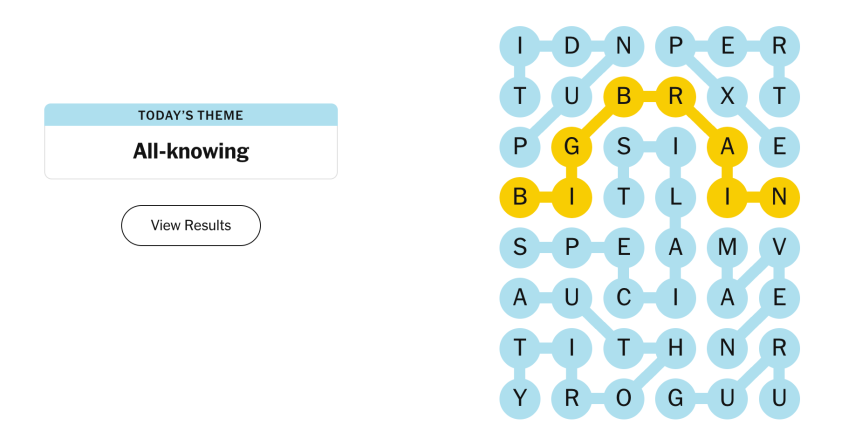
Today’s Strands theme is: All-knowing.
If that doesn’t help you, here’s a clue: Smarty-pants.
Clue words to unlock in-game hints
Your goal is to find hidden words that fit the puzzle’s theme. If you’re stuck, find any words you can. Every time you find three words of four letters or more, Strands will reveal one of the theme words. These are the words I used to get those hints, but any words of four or more letters that you find will work:
These are the answers that tie into the theme. The goal of the puzzle is to find them all, including the spangram, a theme word that reaches from one side of the puzzle to the other. When you have all of them (I originally thought there were always eight, but learned that the number can vary), every letter on the board will be used. Here are the nonspangram answers:
Today’s Strands spangram is BIGBRAIN. To find it, start with the B that is four letters down on the far-left vertical row, and wind across.
Get CNET’s top-rated VPN for privacy and usability
CNET editor Gael Fashingbauer Cooper, a journalist and pop-culture junkie, is co-author of “Whatever Happened to Pudding Pops? The Lost Toys, Tastes and Trends of the ’70s and ’80s,” as well as “The Totally Sweet ’90s.” She’s been a journalist since 1989, working at Mpls.St.Paul Magazine, Twin Cities Sidewalk, the Minneapolis Star Tribune, and NBC News Digital. She’s Gen X in birthdate, word and deed. If Marathon candy bars ever come back, she’ll be first in line.
See full bio
It’s very frustrating when your phone’s hardware breaks. Cell phones have transformed and evolved significantly over the years, and now smartphones are personal pocket computers we rely on every day. So if you crack the screen or your camera stops working, it can become a big problem very quickly.
Given that smartphones are somewhat delicate devices with a lot of small tech packed into them, it can be hard to see them as repairable. But it’s easier to get your phone repaired than you think, and depending on the part, it’s often cheaper than buying a brand-new phone. With the price of flagship phones regularly costing over a thousand dollars, the cost of fixing what you already have is a viable and even preferable course of action.
You don’t want to wait too long to repair a broken part, either. Many issues can be more than just minor frustrations or cosmetic, and over time, problems that seem small can get worse. If you’re using your phone as often as most people are, it’s important you keep it in the best shape you can.
Advertisement
Phone Battery
Michel Porro/Getty Images
Batteries are among the most common components of a phone that degrade over time, and if your phone is having trouble holding a charge, your battery may be to blame. After about 500 charge cycles, lithium-ion batteries begin to lose their charging capacity. Many people also have bad habits that affect phone battery health, causing it to degrade even faster.
Thankfully, getting a replacement battery is easy enough, and depending on your phone model, you may be able to replace it yourself. If you’re thinking of replacing the battery yourself, make sure to do your research first — some phones are easier to repair than others. Getting a professional to do a battery replacement will cost, on average, between $60 and $220.
Advertisement
One thing to keep in mind, however: if the backplate of your phone is swelling or gets extremely hot, you may be dealing with a swollen battery. These are dangerous and can pose a fire hazard, so make sure to have a professional replace the battery safely.
Advertisement
Charging Port
Vitalii Petrushenko/Getty Images
Your phone failing to hold a charge isn’t always because of the battery; sometimes the charger port is to blame. A failing charging port is typically easy to spot, as you won’t see the telltale charging notifications on your phone, or the cable will constantly disconnect from the port. Alternatively, the phone won’t fast charge even with the correct charger and cable.
Since being unable to charge the phone becomes a problem really quickly, this component is a priority to fix when it breaks. Even if you can sometimes get your charging cable to work, you won’t be getting a proper charge, and other accessories you may use with the port won’t work properly either.
What’s important to note, though, is that charger ports don’t actually break as often as you might think, given how exposed they are. Normally, the problem has to do with some debris or moisture affecting the connection. If you believe the problem is debris, using compressed air is your best bet. Using something like a toothpick to clean the port can damage it.
If you’ve ruled out debris and moisture, go through a checklist of possible charger port problems before considering a replacement. Replacing a charger port yourself may be easy, but some of them are soldered directly to the circuit board. A professional can fix all kinds of charging ports, and it’ll generally cost you between $40 and $150.
Advertisement
Phone Screen
Serene View/Shutterstock
Screens are one of the most common components of a phone to break. It’s all too easy for any device to take a tumble out of your hands and hit the pavement in just the right way to ruin it. Sometimes it can be helped, sometimes it can’t, but it’s a frustrating experience nonetheless.
However, a broken screen is more than just an ugly crack on your display. It’s harder to read the screen, touch controls are affected, and tiny shards of glass can break off and hurt you. As such, it’s important to get a broken screen replaced rather than continuing to use the phone in that condition.
Thankfully, since damaged screens are so common, phone repair shops are well-versed in replacing them, and the cost won’t break the bank compared to a brand-new phone. You may even be able to fix the phone screen yourself, though be sure to keep potential risks in mind. Generally, it’s better to have a professional replace the screen for you. The costs will vary a lot depending on the phone’s screen type and size, but on average it will cost you $200. Make sure you research and get a quote for your particular model before committing to a repair.
Advertisement
Rear Camera
Dmytro Skrypnykov/Getty Images
Did you know that you can repair your cameras, instead of replacing your phone entirely if its hardware breaks down? Cameras are such a complex part of mobile devices nowadays, with many smartphones having three or more camera lenses and other features such as gyroscopes. Because of that, it’s easy to assume that if your camera starts failing, it’s time to get a new phone. But that simply isn’t the case.
Cameras can be replaced, and despite evolving technology, replacing a rear camera may be cheaper than buying a new phone. This is good considering the increasing number of points of failure with rear cameras. With multiple lenses and gyroscopes keeping your shots steady, a broken camera can lead to blurry pictures or autofocus features failing.
Advertisement
Once you’ve ruled out any possible software glitches, it’s time to get the camera replaced as soon as you’re able. Camera module replacements are almost always best handled by a phone repair specialist. Like phone screens, the costs will vary wildly depending on the phone model and camera you’re using. The average cost is between $90 and $250, but some models, like the latest iPhone model, will cost $250 or more.
Advertisement
Front/Selfie Camera
PerfectWave/Shutterstock
On most phone models, the front camera is the little black “dot” on the top of your phone screen. Despite the extra protection from the screen, though, the front camera can still be damaged and degrade over time. A failing front camera can also point to other underlying issues, such as water damage or debris getting stuck in the lens.
Cracked screens can also affect the front camera. First, if one of the cracks passes through the lens’s position, it will obscure the lens and prevent proper use. There is also the possibility that the fall that cracked the screen in the first place may have jostled or damaged the front camera.
Rule out any software glitches first by checking for an OS or app update, restarting the phone, and testing to see if your rear cameras are working. If the rear cameras are working but the front camera is malfunctioning, it’s likely that the hardware is broken. In some phone models, the front and rear cameras are internally connected, so there may be hardware issues that affect both modules even if only the front camera is technically affected.
The front camera is generally simpler to repair than the rear camera. However, these are still complex bits of technology, and it’s best left to a professional to replace them. A front camera repair will, on average, cost around the same as a rear camera repair (between $70 and $200).
Advertisement
Circuit Board
Korawat photo shoot/Shutterstock
It may be surprising to hear, but even circuit boards, also known as PCB boards, are repairable, and it’s imperative that if it’s failing in your phone to get it fixed as soon as possible. Like a computer motherboard, a failing board can damage and break other parts of your phone. If you’re dealing with an overheating phone or it randomly shutting off, and you have ruled out other components, you’ll want to get the board checked.
Generally, a faulty component on the circuit board doesn’t require replacing the entire board, unlike camera modules. For example, if your Wi-Fi card is acting up, the card on the board can be replaced while keeping the same PCB board in the phone.
Note, however, that diagnosing and repairing broken components on a circuit board can be complex, and it’s best to take your smartphone to a phone repair shop rather than try to fix it yourself. They’ll know whether it’s better to replace a part or the entire circuit board and be able to quote a price to repair it. The average cost of a PCB repair is quoted between $60-$200, but costs can quickly rise based on whether the issues are isolated to a single chip on the circuit board or require replacement of multiple chips (or the entire board).
Advertisement
SIM card Slot
Alina Vytiuk/Getty Images
Not all phones have a physical SIM card slot, as some manufacturers have opted for eSIMs, or electronic SIM cards, instead. While they have some advantages, eSIMs have many downsides; if you have a physical SIM card slot, you’ll want to make sure it’s in working order for easy swapping of SIM cards between devices and avoiding eSIM compatibility issues.
If you have a SIM card slot, you want to make sure it stays in good working order. Of course, the biggest disadvantage of using physical card slots is that they introduce mechanical failure points, and a faulty SIM card slot results in spotty cellular connections. While Wi-Fi will still work on your phone, it can still cause issues when using your device in areas with no internet connection.
Advertisement
One thing to note before looking into SIM card slot replacements: It is more common that the SIM card itself has failed, so make sure to try another SIM card in the slot first.
Advertisement
Methodology
Jacob Wackerhausen/Getty Images
To help you make an informed decision about which phone components to replace, we used a range of criteria to inform our research. First, we determined which parts of a phone, if failing or broken, would most affect its functionality. Some of these components, such as phone screens and charging ports, have obvious issues when they malfunction that we’ve all experienced, while others are more subtle and may not be easy to diagnose. For these latter components, we looked into common issues they cause and their solutions, then determined how critical it is to fix them quickly.
Next, we narrowed down these parts based on how feasible it is to replace them. We looked into this across a variety of sources, including official articles from places like Apple Support and BatteriesPlus, how-to guides for replacing the part yourself at iFixIt, and various forum threads asking for advice on their phone model’s replacements. Some parts are more likely to require professional help than others, but that doesn’t negate the need to replace them quickly.
Finally, we compared the repair cost to the price of a new phone via sites like CPR Cell Phone Repair and other nationwide phone repair providers. If replacing a component is comparable in cost to buying a new mid-range phone, it generally doesn’t meet our criteria of something that needs to be repaired right away, or it is more cost-effective to replace the phone entirely.
Hyundai Motor Company’s plan to put humanoid robots to work by 2028 is not part of current negotiations with striking South Korean autoworkers, according to the company.
The automaker is disputing news reports that partial labor strikes by the Hyundai Motor union at the world’s largest automotive plant in South Korea were spurred by concerns about the company’s planned deployment of humanoid robots in the United States starting in 2028. [The planned robots are built by Boston Dynamics, now a wholly-owned subsidiary of Hyundai.] A Hyundai statement shared with Ars describes the union’s demands as focusing on compensation-related issues such as wage increases, bonuses, and an extension of workers’ retirement age. “Potential deployment of robots in Korean production facilities is not part of the current labor-management discussions,” according to the Hyundai statement…
Hyundai emphasized that its current plan only covers the initial deployment of the Atlas humanoid robot at Metaplant America, an electric vehicle factory near Savannah, Georgia, starting in 2028. “Decisions about future Atlas deployment at other facilities will be made thoughtfully, in accordance with local operational needs, and in dialogue with the employees and workforce representatives at those sites,” the company stated. However, The Wall Street Journal described the Hyundai Motor union as making “unprecedented demands seeking to enshrine job protections in the era of robots and AI,” and characterized certain compensation demands as hedging against potential reductions in work hours caused by AI adoption and robotic automation. “Remember that without labor-management agreement, not a single robot using new technology will be allowed to enter the workplace,” the union told Hyundai in an internal letter reported by Reuters.
Advertisement
Hyundai management and the labor union are currently reviewing a proposed wage reform that would “provide factory workers with greater income stability even after the carmaker’s planned deployment of humanoid robots,” The Korea Times reported. But experts cautioned that the wage overhaul, which would convert hourly pay for overtime and night-shift allowances into fixed wages, could come at the expense of company productivity.
Ukraine’s falcon-inspired drone destroys aerial threats with a suicidal dive attack
More than 100 reported kills put Tsyklop among Ukraine’s busiest interceptors
Gravity becomes Tsyklop’s final weapon during high-speed aerial interceptions
Ukraine has introduced the Tsyklop interceptor, a drone that attacks hostile UAVs by diving from above like a peregrine falcon before exploding on impact.
The one-way aircraft relies on altitude and a gravity-assisted descent instead of pursuing its objective across long distances.
Ukrainian officials say the design is intended to counter reconnaissance drones, Shahed attack drones, and other aerial threats using two operational variants.
Latest Videos FromTechRadar
Advertisement
High-altitude interceptor focuses on aerial threats
Ukraine’s Defense Ministry has formally codified the Tsyklop after several versions reportedly spent years in frontline service before receiving official approval.
According to the ministry, the interceptor can operate above the flight ceiling of several Russian reconnaissance and strike UAVs before beginning its attack.
The aircraft has a wingspan of slightly more than one meter and can reportedly remain airborne for almost 1.5 hours during operational missions.
One version is intended for slower aerial and ground threats, while the V2 model was developed to intercept faster Shahed drones flying at altitude.
Sign up to the TechRadar Pro newsletter to get all the top news, opinion, features and guidance your business needs to succeed!
Officials said the interceptor has sufficient operational range to defend any Ukrainian regional center against incoming drone attacks.
Advertisement
The Defense Ministry also said the V2 variant has destroyed more than 100 aerial targets and became the first interceptor to down a Russian Shahed over Kursk Oblast.
The drone has reportedly intercepted Gerbera, Zala, Supercam, Orlan, Lancet, Molniya, and Shahed unmanned aircraft during combat operations.
The ministry said codification formalizes a system that had already been used in combat rather than introducing an entirely untested capability.
Advertisement
Ukraine accelerates development of interceptor drones
Tsyklop enters an increasingly competitive interceptor program as Ukraine expands domestic production and introduces new approaches to counter Russian aerial threats.
The Defense Ministry said it codified 413 unmanned aerial systems during the first half of 2026, with interceptor drones becoming one of the fastest-growing categories.
Other interceptor programs include the Octopus, with procurement covering 8,000 units equipped with automatic terminal guidance for aerial engagements.
Germany has funded 15,000 STRILA interceptors, while the Wild Hornets Sting reportedly destroyed more than 600 aerial targets using a NATO-approved control system.
The growing emphasis on interception follows reports that Russia has introduced jet-powered Geran-4 Shahed variants capable of cruising between 300 and 350 km/h before accelerating to between 500 and 600 km/h.
Advertisement
Ukraine says Tsyklop answers that challenge by attacking from above instead of relying mainly on pursuit, although many reported combat achievements still rely on official Ukrainian statements.
Amazon is requiring that third-party sellers label any product images or videos that contain “AI-generated people” after New York recently passed a law mandating greater transparency around “synthetic performers” in ads… The policy directs sellers to tag images [and videos or other graphics on listing pages] with specific metadata keywords before they’re uploaded. “Recent legislation requires disclosure when images or videos in advertisements contain photorealistic AI-generated people,” Amazon wrote in the announcement [clarifying that the requirement doesn’t apply to content featuring TV/video game/movie characters or content including real people, even if they’ve been altered using AI]. The company said it will “add an indicator” to listings on its website, informing consumers that images or other content feature AI-generated people, “where applicable.” It’s unclear what criteria Amazon will apply when deciding when to display the label to shoppers…
Amazon has embraced AI internally and it’s increasingly infusing the technology across its portfolio. The company has optimized listing titles and details so they’re more likely to be spotted by AI systems, invested in a recently rebranded assistant called Alexa for Shopping, and launched a feature that injects AI-generated [images of] products into its search bar in real time based on user queries. More Amazon third-party sellers are using AI to generate text, images and other content for their listings, partly by using the company’s tools. Outside sellers account for more than 60% of goods sold on Amazon, the article points out. It adds that there’s currently no nationwide U.S. law requiring companies to disclose AI-generated advertising content, it adds — but YouTube, Meta, Pinterest, and TikTok have already added labels for AI-generated content.
And a new California law also requires large AI providers to embed watermarks in AI-generated images, video and other content…
Green light cuts through the Nebraska night as two men who should never share a car pull into a town that has already buried one body. Kyle Chandler’s Hal Jordan, the veteran who has seen entire systems burn out, flips a power ring across the front seat to Aaron Pierre’s John Stewart and jumps from the moving vehicle before the wheels leave the road. Stewart catches the car with a construct that looks half-formed and half-desperate. That single sequence from the new Lanterns trailer, shown first in Hall H at San Diego Comic-Con, tells you everything about the series that arrives on HBO and HBO Max on August 16.
Eight episodes will follow intergalactic cops as they investigate a small-town murder as if it were any other case, only for things to get crazier until the sky itself appears to be a suspect. The official trailer debuted at the panel, which also had Chris Mundy, Damon Lindelof, and Tom King on stage, and it just keeps rolling from sandy highways and interrogation rooms into the big unknown. Hal in the trailer drives like he’s already realized that the neighborhood taco shop is probably the safest place to hang out and wait for this rookie cop who’s still adjusting to the whole ring thing.
BUILD GOTHAM’S LEGENDARY ASYLUM – Batman fans construct the city’s most iconic landmark with the LEGO DC Batman Arkham Asylum (76300) building set…
16 LEGO BATMAN MINIFIGURES – Includes Batman, Batwoman, Batwing, Robin, Mr. Freeze, The Riddler, Poison Ivy, Catwoman, Scarecrow, Harley Quinn…
3-LEVEL BUILD – The model splits into 3 segments (first floor, second floor and roof) with removable elements for accessing the interior and…
Manhunters play a key role in the danger, replacing the interstellar police force from the comics. The series portrays them as terrifying because they can be anyone, speak any language, and walk into a Nebraska cafe without raising an eyebrow, but it doesn’t make them any less creepy. Sinestro is the final character to appear, imprisoned in space and played by Ulrich Thomsen, the former Green Lantern who attempted to rule the Corps with an iron fist. Hal arrives in full costume to inquire about Manhuthers, and Sinestro simply gives him a wicked little smirk and says, “You don’t really think he’s your back up, do you Hal?” which is like uttering the thing that no one in the Corps wants to speak aloud: replacement. The talk is as quiet as a whisper, yet far more terrifying than any explosion.
Finally, the series will air once a week beginning August 16th, with Mundy, Lindelof, and King serving as the brains behind it all. The list of executive producers also includes James Gunn and Peter Safran. Filming took place all around California; we see the flat spaces of Nebraska on the large screen before the entire thing kicks into high gear for the space things and the ring FX.
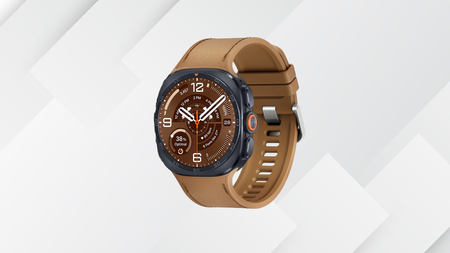
Our review found that brightness genuinely holds up outdoors, staying legible even during dazzling midday sunshine that has left plenty of other wearables struggling to keep up whenever the two are checked side by side.
Advertisement
That kind of visibility matters most when you’re actually out using the thing, which is where the Galaxy Watch Ultra 2‘s dual-GPS setup earns its keep during runs, hikes and rides through genuinely tricky terrain.
Our tester walked it through Canary Wharf, an area of tall skyscrapers and rivers notorious for throwing GPS tracking off course, and the Watch Ultra 2 held its line accurately without ever once drifting off track.
Advertisement
That accuracy now extends to a brand new trail running mode exclusive to this generation, letting you load custom GPX routes complete with turn-by-turn directions and elevation tracking displayed directly on the watch face itself.
Advertisement
A professional diving mode developed alongside diving equipment specialist Mares is also arriving later this year, tracking depth, time and water temperature for anyone who takes their adventures underwater as much as out on land.
None of that would matter much if the watch couldn’t keep pace day to day, and the switch to Qualcomm’s Snapdragon Wear Elite chipset means swiping through menus and opening apps now feels genuinely instantaneous.
Hands-free Gemini support means you can simply raise your wrist and ask a question without a wake word or a long press, which makes quick queries feel far more natural than fiddling with buttons and menus.
That combination of speed and outdoor toughness is exactly what makes the Galaxy Watch Ultra 2 stand out among Android smartwatches, especially for anyone who already leans on a Samsung phone for their day to day.
Advertisement
Advertisement
Still, at £580 rather than £649, the Galaxy Watch Ultra 2 remains one of the more capable Android smartwatches around, and getting it £69 cheaper right out of the gate makes the case even easier.
Venture through the afterlife of the gods while playing as Faye.
Sony
The next major installment in the God of War franchise, featuring Kratos’ wife Laufey, is set to be released on February 16 of next year. As confirmed during a San Diego Comic-Con panel and on PlayStation’s social media accounts, we’re less than a year away from playing God of War Laufey, which focuses on Laufey as she ventures through the afterlife of gods, following her death in God of War Ragnarok.
Instead of playing as the franchise’s eponymous protagonist, players will get to experience Laufey’s combat prowess, which has only been hinted at in previous games. The release date announcement comes about a month after a sneak peek of gameplay footage that showed off Laufey, also known as Faye, slicing and dicing enemies in the air and using magical abilities while fighting gods and creatures we haven’t seen in the franchise yet.
You can only add God of War Laufey to your wishlist for now, but there’s a lot more to look forward to in the franchise. During San Diego Comic-Con, Santa Monica Studio also confirmed that another Kratos-led God of War game will be coming after this installment featuring Faye, as reported by IGN.
Today’s Liverpool vs Sunderland live streams signal the start of a new era at Anfield, as Andoni Iraola takes charge of his first game as Reds manager in this pre-season friendly at Geodis Park, Nashville.
The Spaniard was appointed last month following a hugely successful three-year spell at Bournemouth, culminating in a club-record sixth-place finish in the Premier League that saw the Cherries qualify for Europe for the first time. However, expectations are very different at Liverpool, who ended last season one position above Bournemouth but still sacked previous manager Arne Slot, despite the Dutchman leading them to the title 12 months earlier. Iraola’s initial 31-man squad for the US tour, which also includes games against Wrexham and Leeds, features new signing Jeremy Jacquet and the 20-year-old centre back could get his first outing in red against Sunderland.
It is also an exciting time for the Black Cats, who finished seventh in their first season back in the Premier League – their highest placing for 25 years – to qualify for Europe for the first time since 1973/74. Sunderland have also made only one summer signing to date, experienced Belgium right-back Thomas Meunier, but the 34-year-old is one of four players who will not travel to the US due to his country’s progression to the World Cup 2026 quarter-finals. Regis Le Bris’ men warmed up for their trip across the pond with a 5-1 win at York City in their opening pre-season friendly last Saturday. They also take on Leeds and Wrexham in their remaining games.
Advertisement
Read on to find out how to stream Liverpool vs Sunderland live and from anywhere in the world.
How to watch Liverpool vs Sunderland live streams for FREE
Although Liverpool vs Sunderland is not technically available to watch for free, new users on All Red Video – Liverpool’s official streaming platform – get a 14-day free trial, enabling them to stream the pre-season friendly at no cost. Please note that this game will not be available on All Red Video in the US.
Fans in Australia can also watch the game on beIN SPORTS Connect, which includes a 7-day free trial.
Advertisement
In the US and want to watch the match on All Red Video? Use NordVPN to access your usual streams.
Use a VPN to watch Liverpool vs Sunderland from anywhere
A VPN is a handy piece of software that can make your device appear as if it’s back in your home country, thereby letting you unlock your usual streaming service. The best VPN right now? We recommend NordVPN – it does everything and comes with a 75% discount.
Advertisement
It’s really straightforward to use a VPN to watch Liverpool vs Sunderland.
1. Install the VPN of your choice. As we’ve said, NordVPN is our favorite.
2. Choose the location you wish to connect to in the VPN app. For example, if you want to watch the Stan Sport stream, select ‘Australia’ from the listed countries.
3. Sit back and enjoy the action. Head to Stan Sport and tune into Liverpool vs Sunderland.
Advertisement
How to watch Liverpool vs Sunderland live streams in the US
Liverpool vs Sunderland will be shown on ESPN Deportes and the ESPN app in the US.
ESPN subscriptions start from $12.99 per month, but you will need the Unlimited plan for $29.99 to access ESPN Deportes.
Outside the US? Use NordVPN to unlock your stream of Liverpool vs Sunderland.
How to watch Liverpool vs Sunderland live streams in the UK
As mentioned above, Liverpool vs Sunderland can be streamed on All Red Video in the UK.
The monthly plan includes a 14-day free trial for new users, after which it costs £4.99 per month. You can also buy a season subscription to All Red Full for £42.99, but this does not include the free trial.
Advertisement
You can also watch the game through safc.com, Sunderland’s official website. A match pass costs £8, or you can buy a pre-season bundle for £32, which covers four of the Black Cats’ pre-season friendlies. Pre-registration is required.
Not in the UK for Liverpool vs Sunderland? Use NordVPN to access your usual streams.
How to watch Liverpool vs Sunderland live streams in Canada
Stan Sport subscriptions start at AU$32 which includes the base plan ($12) with the sport add-on ($20).
Advertisement
Subscriptions to beIN SPORTS cost AU$14.99 per month or AU$149.99 per year, with both options including a 7-day free trial.
Missing the game because you’re outside Australia?Use a VPN to login to your Stan Sport or beIN SPORTS Connect account.
What is the Liverpool vs Sunderland start time?
Liverpool vs Sunderland kicks off at 11pm BST / 6pm ET / 3pm PT on Saturday, July 25. That’s 8am AEST on Sunday, July 26 in Australia.
We test and review VPN services in the context of legal recreational uses. For example: 1. Accessing a service from another country (subject to the terms and conditions of that service). 2. Protecting your online security and strengthening your online privacy when abroad. We do not support or condone the illegal or malicious use of VPN services. Consuming pirated content that is paid-for is neither endorsed nor approved by Future Publishing.
Roku built its streaming player business around a simple proposition: spend relatively little money, plug one into an HDMI port and escape whatever miserable interface came installed on the television.
That escape route just became considerably more expensive.
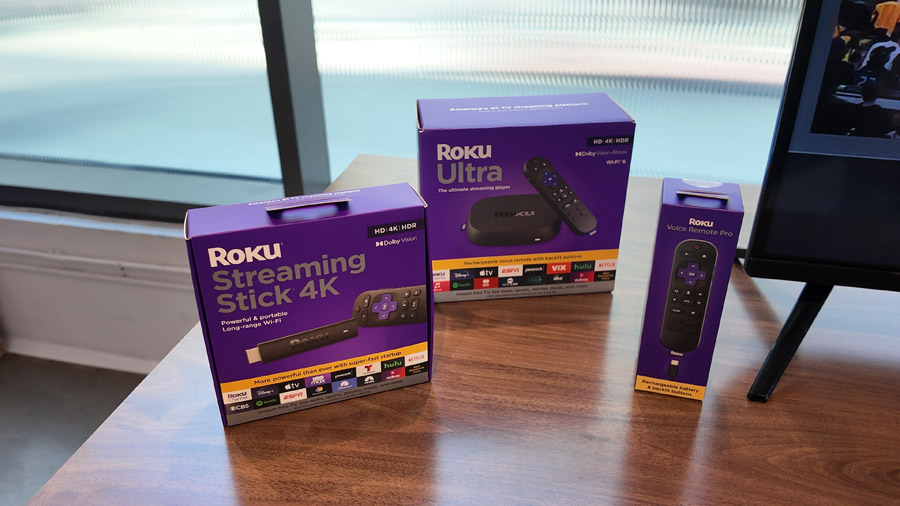
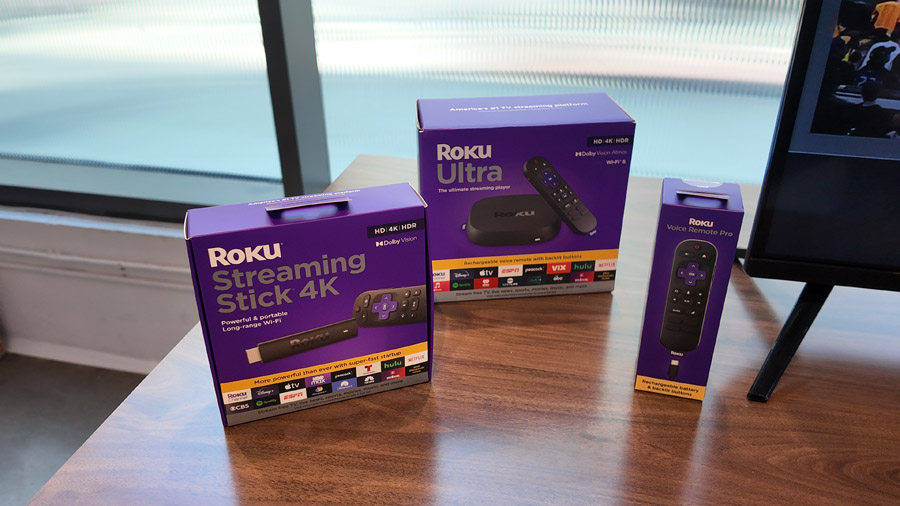
Roku has raised the U.S. list prices of its entire standalone streaming lineup, with the Roku Ultra increasing from $99.99 to $149.99 and the Streaming Stick 4K climbing from $49.99 to $79.99. The hardware has not been redesigned, and Roku has not announced new features to soften the blow. You are paying more for the same streamer because the AI industry has apparently reached the television stand.
The Streaming Stick 4K receives the largest percentage increase at approximately 60%, while the Ultra and Streambar SE each rise by 50%.
Advertisement
Roku is temporarily discounting several products back to their previous prices through its online store, while Amazon, Best Buy and other retailers may continue selling remaining inventory at the older figures until it is replenished. That makes the current sale more useful than the usual countdown clock designed to create panic over a remote control.
Why Is Roku Raising Prices?
A Roku executive told The Desk that shortages involving memory and other components forced the company to increase prices. Manufacturers have shifted more production capacity toward higher margin chips used by AI data centers, tightening supplies of the less glamorous components found inside streaming players, televisions and other consumer electronics.
The timing is slightly awkward.
Only in May, Roku CEO Anthony Wood argued that Roku OS required less memory than competing platforms, giving the company a bill of materials advantage as component costs increased. Wood described the situation as “generally great for our business.” Less than three months later, the Roku Ultra costs another $50.
Advertisement
Roku’s hardware business has never been the company’s largest source of profit. The devices place Roku OS inside more homes, where Roku earns money from advertising, subscriptions, transactions and The Roku Channel. Device revenue fell 16% during the first quarter of 2026, while the platform business generated more than 90% of company income.
That makes these increases more surprising. Inexpensive hardware has always been the front door to Roku’s considerably more lucrative advertising business.
Advertisement. Scroll to continue reading.
The front door now has a cover charge.
Advertisement
Are Buyers Getting Anything New?
No.
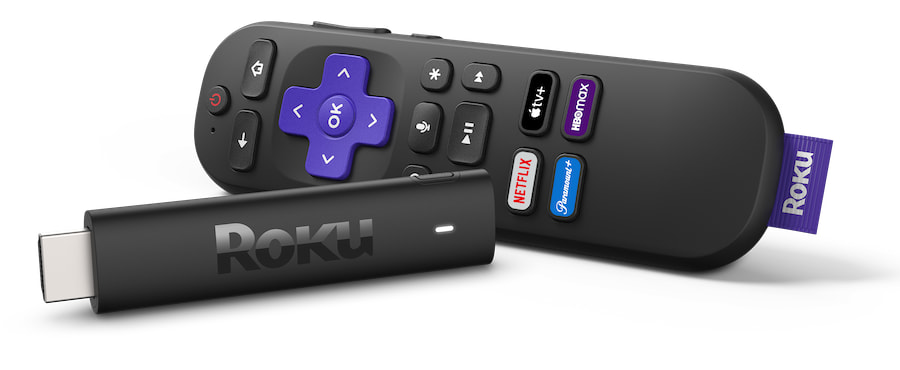
The current Roku Streaming Stick 4K still supports 4K/60Hz video, Dolby Vision, HDR10+, HLG, long range dual band Wi Fi and Dolby encoded audio passthrough. It remains a compact and easy to use streamer, but the specifications are unchanged from the model that cost $49.99 last week.
The Roku Ultra continues to offer HDMI 2.1, Wi Fi 6, Ethernet, USB playback, Dolby Vision, HDR10+, Dolby Atmos and the rechargeable Voice Remote Pro. Those features made sense at $99.99 and earned the Ultra a clear position above Roku’s sticks. At $149.99, the competition becomes much harder to ignore.
Roku Streaming Stick 4K
How Do the New Prices Compare?
The $79.99 Roku Streaming Stick 4K now costs twice as much as Amazon’s $39.99 Fire TV Stick 4K Select, which supports 4K and HDR10+ but omits Dolby Vision. Amazon’s $34.99 Fire TV Stick HD also undercuts Roku’s new $39.99 HD model.
Advertisement
The Google TV Streamer 4K costs $99.99, only $20 more than Roku’s Streaming Stick 4K. Google includes 32GB of storage, 4GB of memory, Dolby Vision, Dolby Atmos, Ethernet, smart home controls and Gemini for TV. It is not as small or portable, but it now looks like the stronger value for a primary home theater system.
The Roku Ultra remains less expensive than the Apple TV 4K, which now starts at $199, but the gap has narrowed to $49. Apple offers a faster A15 Bionic processor, 64GB of storage, stronger gaming performance, HomeKit integration and tight compatibility with AirPods, HomePods and other Apple hardware.
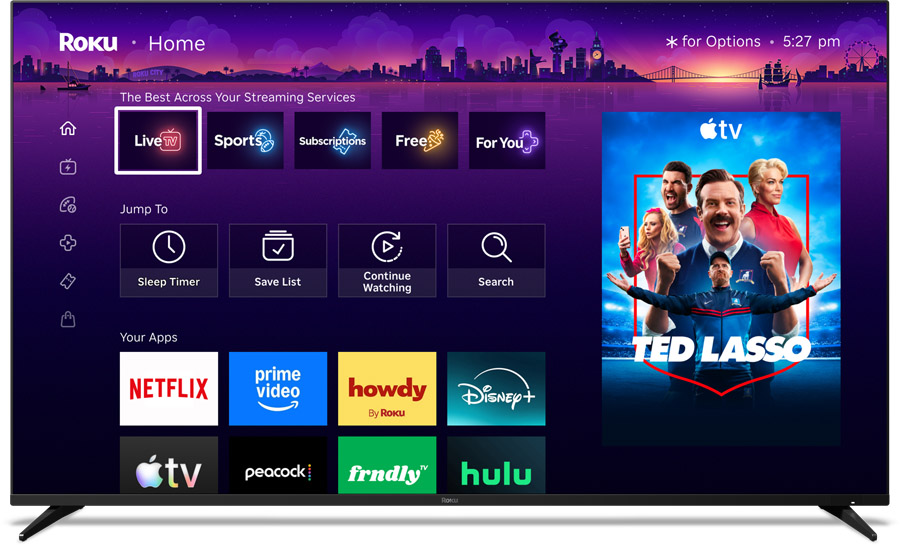
Roku still has important advantages. Its interface remains easier to navigate than Fire TV, the platform is broadly neutral about which service receives prominence, and its search and free television offerings are useful. Roku also supports Apple AirPlay, HomeKit, Alexa and Google Home.
The problem is that simplicity feels less persuasive when the simple box costs $150.
Advertisement
Who Should Buy One?
Existing Roku users who value the familiar interface and want another player for a bedroom or secondary television should look for remaining inventory at the old prices.
The Streaming Stick Plus remains the most sensible model for ordinary 4K televisions when discounted to $39.99. Buyers who need Dolby Vision should consider the Streaming Stick 4K, but $79.99 is difficult to recommend when the Google TV Streamer costs only $20 more.
The Ultra still makes sense for users who need Ethernet, USB playback, Wi-Fi 6 and Roku’s best remote. At $149.99, however, it is no longer the automatic premium Roku choice it was at $99.99.
Advertisement. Scroll to continue reading.
Advertisement
The Bottom Line
Roku has not ruined its streaming players. It has damaged the value proposition that made them so easy to recommend. The interface remains approachable, the app support is extensive and the hardware continues to work well. None of that changed when the price tags did.
The Streaming Stick 4K moving from $49.99 to $79.99 is the hardest increase to defend, while the $149.99 Ultra now sits uncomfortably between the more capable $99.99 Google TV Streamer and the considerably more powerful $199 Apple TV 4K.
Roku says component shortages are responsible, and there is ample evidence that AI infrastructure is consuming memory production that once supplied ordinary consumer products. That does not mean buyers need to accept the first new price they see.
Purchase remaining inventory at the old price, wait for the inevitable promotion or compare the alternatives carefully. Roku may still offer one of the cleanest ways to stream television, but cleanliness apparently costs another $10 to $50 now.
Advertisement
Roku on-screen menu
Price & Availability
The new Roku list prices are effective now in the United States.
Roku is currently offering temporary discounts on selected players that return them to their former prices. Amazon, Best Buy and other retailers may also have remaining inventory available at the previous prices.






























































You must be logged in to post a comment Login