
TL;DR
Jeff Bezos says stress comes from inaction and vanishes the moment you take the first step toward fixing a problem



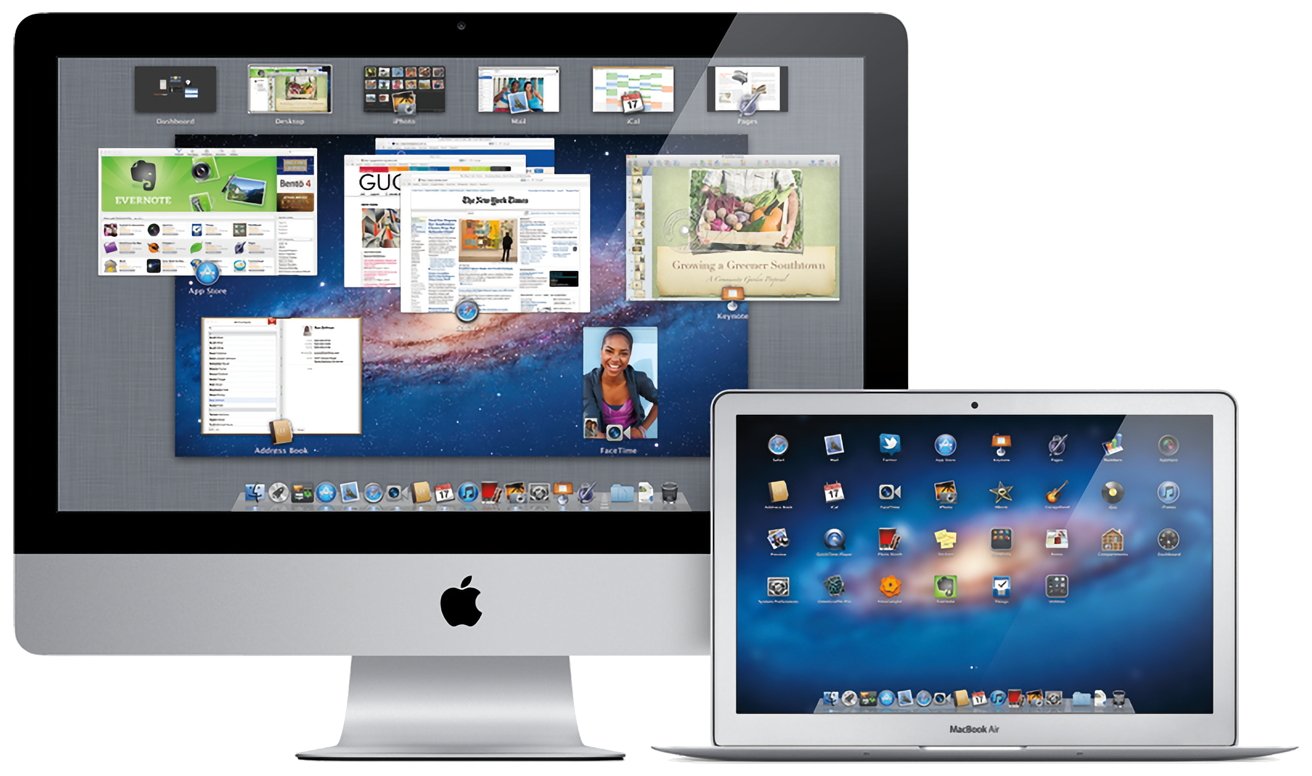
It should be remembered for the launch of iCloud, but instead the WWDC on June 6, 2011, will always be known as the last appearance of Steve Jobs at an Apple event. It was 15 years ago, today.
Even as early as WWDC 2006, there was concern over Steve Jobs’s health. By WWDC 2011 on June 6 that year, there was no denying that he was looking gaunt, and that he had less energy than we were used to.
But then by this time, there was also no denial that his health was poor. He’d had leaves of absence for treatment, and Apple had stopped pretending everything was fine.
While no one really believed Steve Jobs would ever leave Apple, there was nonetheless speculation over who would be his replacement. Ultimately, that would of course be Tim Cook, but that wasn’t known when Jobs stepped out onto the stage for WWDC 2011.
It is of course ridiculous to say that no one knew that this would be his last time fronting WWDC. But even amongst the rumors of succession and the news of his health, there wasn’t really speculation that this could ever be the end.
What there was, though, was a standing ovation for Jobs at the start.
“Thank you,” he said to the crowd. “It always helps, and I appreciate it very much.”
That was it for any acknowledgement of his own situation, though, as he immediately launched into a then very familiar spiel. “We’ve got an awesome morning together this morning,” he began.
“We’re going to talk about three things today,” he continued. “You know, if the hardware is the brain and the sinew of our products, the software in them is their soul, and today, we are going to talk about software.”
Good or bad, strong or weak, most annual WWDC events tend to blur together over time. There are exceptions such as 2011 with Jobs, 2020 with Apple Silicon, and there will be the 2026 that will see Tim Cook’s departure.
But there are some which introduce features that continue to be important to this day.
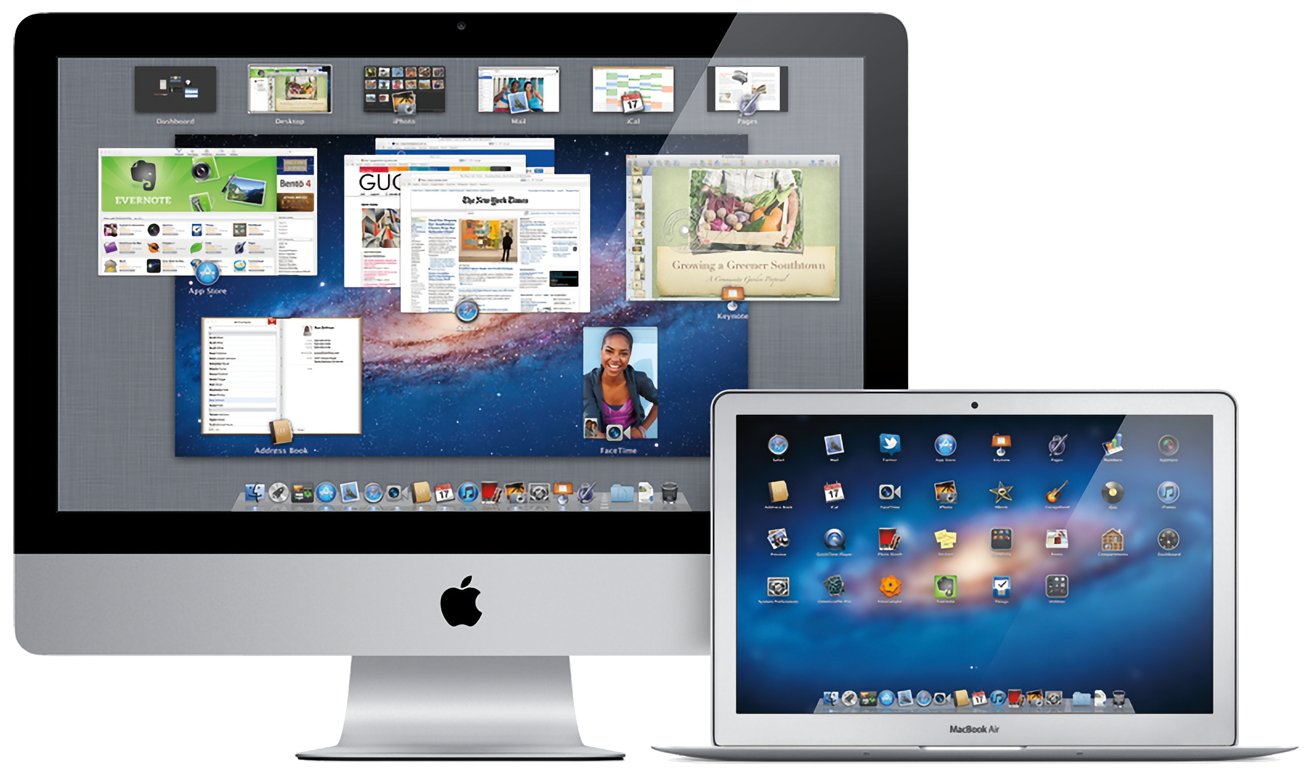
Mac OS X Lion was among the last things launched by Steve Jobs – image credit: Apple.
WWDC 2011’s launch of Mac OS X Lion wasn’t one of them. Good luck remembering what was in iOS 5. And if you got into the then-new iTunes Match in 2011, it feels as if Apple would really rather you now used Apple Music.
Yet central to WWDC 2011 and to Apple’s whole ecosystem today, there is . Today the only times you think of it are when you have to pay for extra iCloud storage, or the document you want has been uploaded from your to there to save space.
Yet central to WWDC 2011 and to Apple’s whole ecosystem today, there is iCloud. Today the only times you think of it are when you have to pay for extra iCloud storage, or the document you want has been uploaded from your Mac to save space.
In 2011, Steve Jobs had to sell us on this idea, and he had to sell it extra hard, because of Apple’s previous failures in this area.
“It just works,” he claimed, and you could sense the audience being dubious. “Now, you might ask, ‘why should I believe them? They’re the ones that brought me MobileMe.’”
“[MobileMe] wasn’t our finest hour, let me just say that,” he continued, “but we learned a lot.”
We’ll be talking about MobileMe soon enough. That in itself is a saga.
Anyway, Steve Jobs had brought us the iMac, the iPod, and the iPhone, which all in their different ways saved Apple. He brought us the iPad, too, which didn’t exactly ignite the world, but still it became ubiquitous and no rival tablet has come close to matching it.
But there is a good argument that iCloud should be right up there with those achievements. That’s because what is something no one has to think about today, it is an enormously important part of Apple and it was the last thing Jobs managed to pull off.
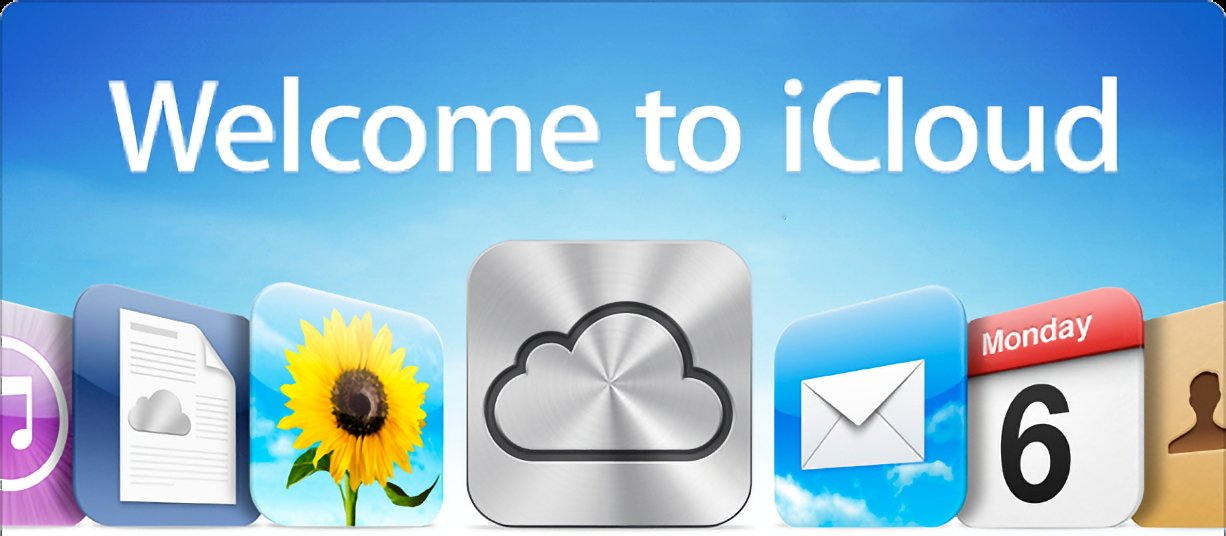
Apple launched iCloud at WWDC 2011 – image credit: Apple
It’s impossible to imagine now how you used to have to plug your iPod into your Mac to copy music across. Or that there were ways to store contacts on that device, but they again needed a physical connection.
Doubtlessly many at Apple wanted a better solution, but Jobs was one who’d already experienced the benefits of a seamless network. The networks that were run at his NeXT company meant you could turn to any Mac and carry on working as if it were your own.
Jobs wanted that for users, and in 2008, he nearly had it. Nearly. That was when MobileMe launched, and as a measure of how crucial such a part of the Mac and iPhone is, there’s Jobs’s reaction to its launch.

It took a time for Apple to move everyone over from the disastrous MobileMe to iCloud, but it eventually shuttered the old service.
As reported by Fortune magazine, coincidentally just ahead of his last WWDC, MobileMe was an immediate disaster. So much so that after its launch in 2008, Jobs held a meeting with the team behind it, and asked them what it was supposed to do.
When one brave soul described this idea of seamless integration between devices, Jobs said “so why the f*** doesn’t it do that?”
“You’ve tarnished Apple’s reputation…” he reportedly continued. “You should hate each other for having let each other down.”
So when he announced its successor on that WWDC 2011 stage, he wasn’t kidding about its history.
On that day, he talked about how everything synced and “I don’t have to be near my Mac or PC.” He doubled down on how easy it was to use too, saying “There’s nothing new to learn, it just all works.”
As was always the case when Apple did WWDC events live, there was of course a demo. There were several demos, including Eddy Cue very briefly showing how Photos now synced.
Some of the demos seemed a little trivial, such as photos, while others seemed obvious, such as email being pushed to all devices simultaneously. Today all of it seems like the way it must always have been, because it’s the way it should be.
That was what Steve Jobs had always been good at. He could make you convinced that of course Apple was the right company to make a phone, despite never having done one before.
He could sell you on Wi-Fi so much that the entire technology industry adopted it.
And here he was presenting the result of the same ideas he had been talking about when he returned to Apple.
In all, Steve Jobs presented about a quarter of that two-hour WWDC 2011, with Phil Schiller doing the majority of the rest. Jobs may have looked ill at the start, he may have seemed less energetic, but he was no less persuasive than he always was.
He would just never be that persuasive on stage again, or at least, not at an Apple Event.
Jobs did do one more thing after WWDC 2011. The very next day, he pitched to the Cupertino council for permission to build Apple Park.
He would never see the work on the building even started.

A U.S. district court “has dismissed Google’s case against SerpApi over that company’s scraping of search results to train AI models,” reports Computerworld. Google had claimed that it was protecting copyright holders — and that SerpApi’s actions breached America’s Digital Millennium Copyright Act (DMCA):
[Google] made two claims: first, that no person shall circumvent a technological measure that effectively controls access to a work protected under this title, and second that no person shall manufacture, import, offer to the public, provide, or otherwise traffic in any technology, product, service, device, or component protected by the Act. SerpApi claimed that the URLs and other links that were being served by Google did not in themselves entail copyright and the judge agreed. In her judgment, she said that there was no indication that the copyright holders had authorized Google to take action against SerpApi.
The case is not completely over as the judge has given Google 21 days to amend its complaint to demonstrate that it was acting on behalf of the copyright owners.
SerpApi’s CEO reacted to the court’s ruling as “a win not just for SerpApi, but for all who depend on an open internet. We’re pleased that the court rejected Google’s attempts to expand the DMCA to assert control over access to public pages. The internet’s founding principle — open access to usable information — is essential to driving innovation and ensuring everyone benefits from the promise of data. SerpApi will continue supporting developers, AI companies, researchers, and businesses that rely on access to public search information.”
Some analysis from Daring Fireball blogger John Gruber:
I’ve come around on SerpApi in the last few months. My initial take was that it surely must be illegal for a company to scrape Google’s search results and offer access to that data as an API. But I’ve come around to the argument that what SerpApi is doing to obtain Google search results is, well, exactly how Google scrapes the rest of the entire web to build its search index. It’s all just scraping publicly accessible web pages. This December piece by Mike Masnick at Techdirt is what began to change my mind.
In fact, Masnick wrote, Google “built its entire business on scraping the web without asking permission first. And now it wants to use one of the most abused provisions in copyright law to stop others from doing something functionally similar to what made Google a tech giant in the first place.”
Now Google is even getting heckled about the decision on social media. “If Google wants to refile the suit within the allowed 21 days, it has to admit that site owners have copyright protection of their work and THAT would open the door to them suing Google for scraping their content for AI Overviews.”
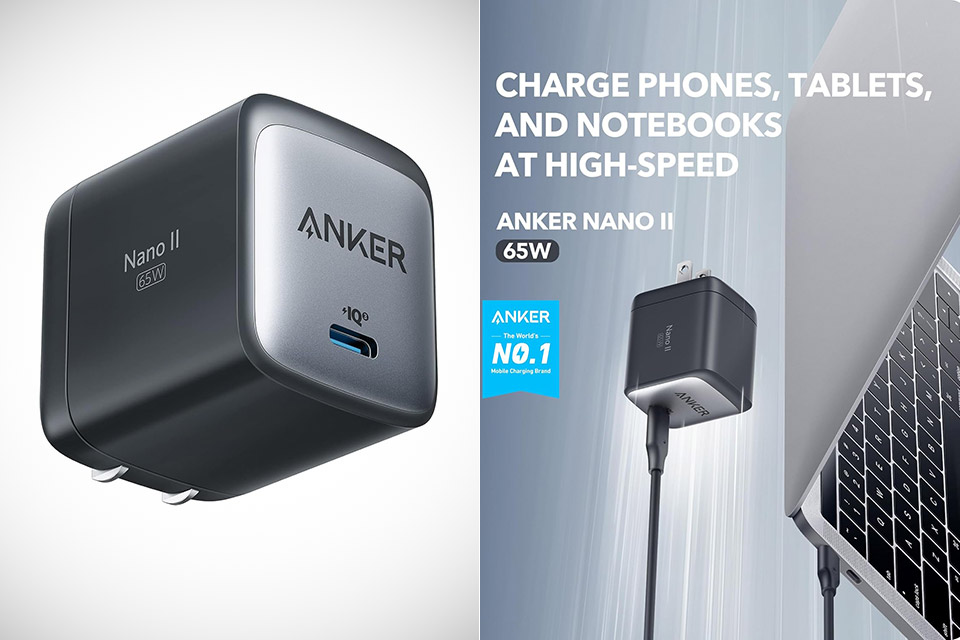
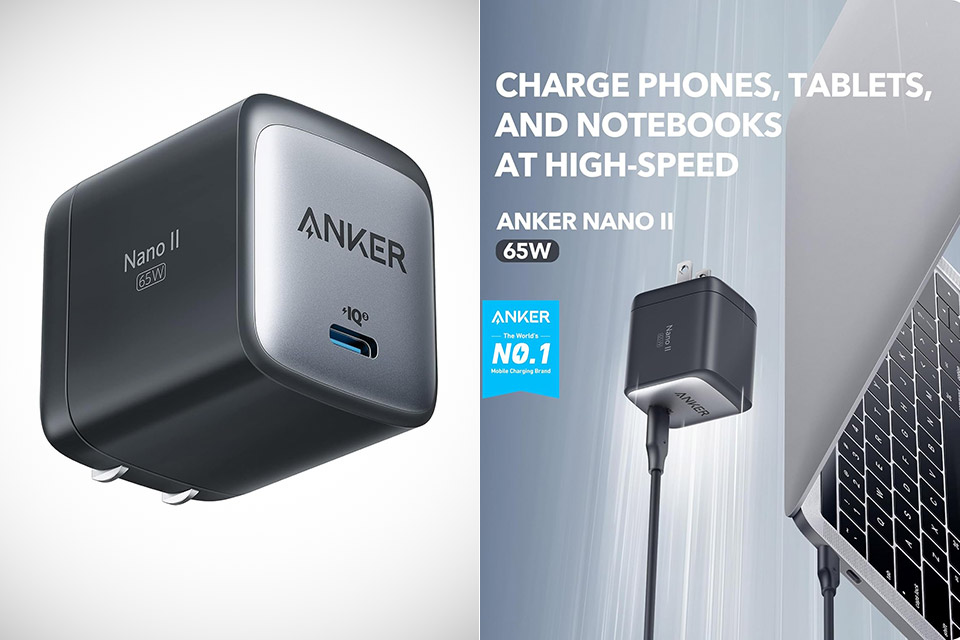
Travelers know the routine all too well. A laptop brick that eats half a bag, a phone charger that never quite keeps up, and a tablet adapter that somehow always gets left behind. Anker’s 715 Charger, priced at $19.99 (was $30), also called the Nano II 65W, collapses that pile into one small cube that still delivers serious speed.
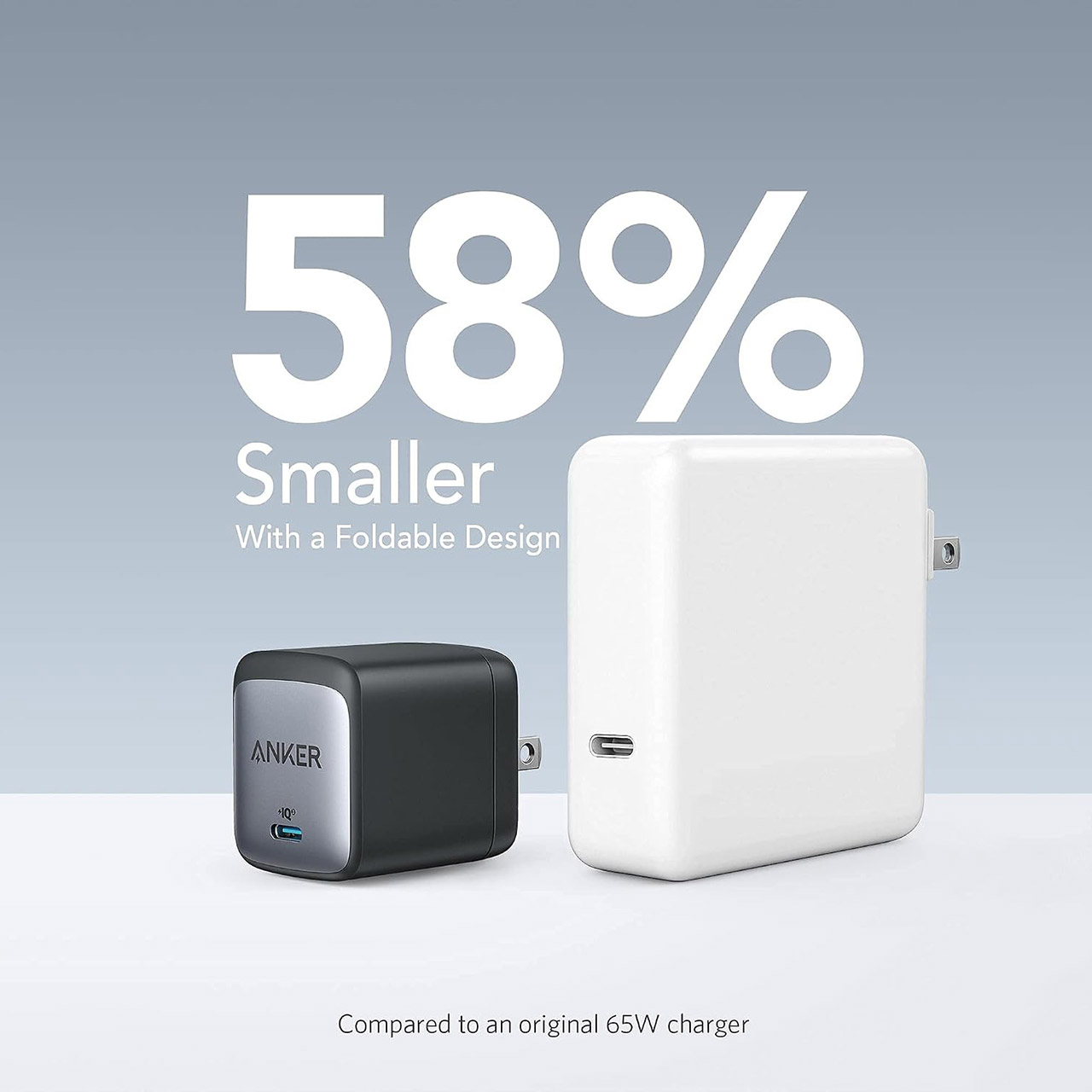
This compact charger, measuring 1.65 inches by 1.42 inches by 1.74 inches and weighing just shy of 4 ounces, fits nicely in the palm of your hand or easily slides inside a pair of pants without causing any bulge. The foldable prongs keep the item very flat when you’re packing it away, so you don’t have to worry about it grabbing cords or scratching up any other gear you’ve brought along. Compared to a conventional 61-watt laptop charger, this one packs a punch in a considerably smaller compact, taking up approximately 58% less space while still providing enough power for most people’s on-the-go demands.
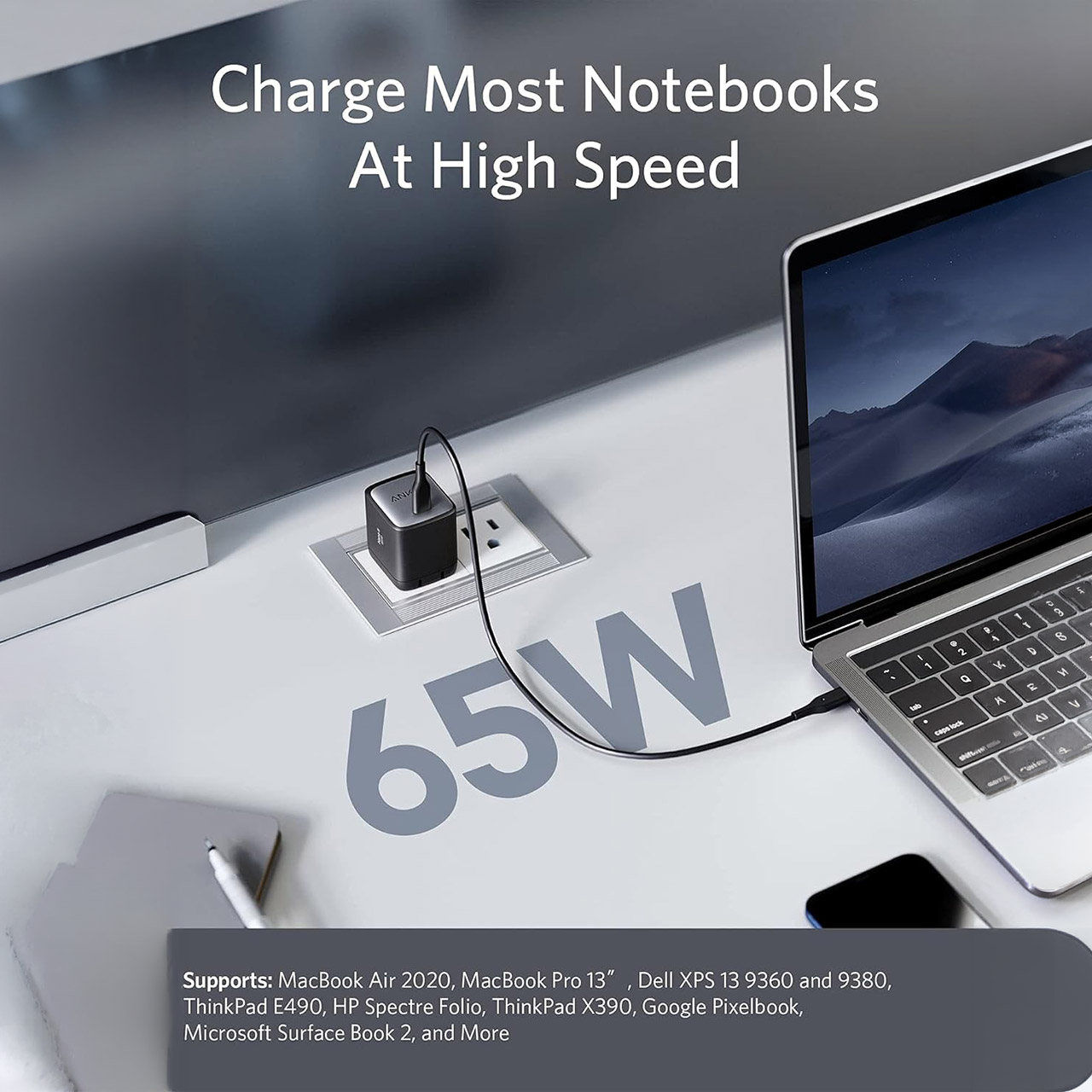
A single USB-C port delivers the full 65 watts. That’s more than enough to charge a MacBook Air from empty to full in under 2 hours, or a 13-inch MacBook Pro up to its maximum supported speed. It will charge tablets and phones juast as fast. When you charge an iPhone 17e, it will charge to 50% in about one-third the time it would take using Apple’s stock 5-watt charger. And if you’re using a recent Samsung flagship, you’ll enjoy Super Fast Charging as long as you have the proper cable. Android phones with a built-in Programmable Power Supply (PPS) provide more precise voltage management, allowing them to charge at the fastest possible rate.
Inside this small package is Anker’s GaN II technology. Gallium nitride components can switch far faster than conventional silicon components, allowing Anker to reduce the number of transformers and capacitors while still keeping things cool even when they’re being utilized hard. The end result is a thick, efficient package that remains calm even when pushed hard over an extended period of time.

It’ll work with all of the usual suspects: MacBook Air and Pro 13-inch models, Dell XPS 13 machines, ThinkPads, Microsoft Surface Book 2, recent iPads, iPhones from the 8 model onwards, Galaxy S and Note series, Google Pixels, and even the occasional Nintendo Switch, and with universal voltage input, you won’t have to buy a separate charger for international trips; simply get the right plug adapter and you’re good to go.

Jimothy, the short-spined Seattle raccoon, has become a global sensation whose likeness has been immortalized in artwork, clothing, songs and tattoos — and now a video game created in the creature’s hometown.
Tech enthusiast and entrepreneur Chris Pirillo launched an 8-bit NES-style video game called “Jimothy” this weekend in which players can control the movements of the critter as he raids trash cans, crosses streets to the park, sneaks past the paparazzi, and climbs to the safety of a big tree.
Pirillo says the missions are pulled straight from Jimothy’s real life. No doubt the animal is busy these days trying to dodge curious onlookers who are hoping to capture the next photo or video that feeds the masses on social media.
The viral Jimothy sensation took off last week when Kiana Hall spotted the raccoon in Seattle’s Ballard neighborhood and posted a video on Instagram — viewed by millions since — asking the question heard around the world: “What am I looking at?”
An earlier video of Jimothy, captured by a home security camera and posted on Reddit, ignited further curiosity and adoration, and now Reddit is flooded with sightings, memes, artwork, food, crafts, poetry and more. The Mariners put a Jimothy mascot in the Salmon Run. There’s even a Lego Jimothy.
@media (max-width: 600px) {
aside.callout { float:none !important; max-width:100% !important; margin-left:0 !important; margin-right:0 !important; }
aside.callout .callout-img { display:none !important; }
}
Pirillo told GeekWire the game idea came to him on Saturday afternoon after seeing so many creatives flood his feeds with their own Jimothy fan art. He started to build a not-so-live tracker and realized it was a not-so-great idea. He hopes internet creativity is enough of a fix for the Jimothy-curious.
“This game is as close as any of us should ever get to him,” the game site states. “If you find yourself in his neighborhood: don’t go looking for him, don’t feed him, don’t try to touch him, and don’t crowd him for a photo.”
The game is easy enough to play, with challenges that are reminiscent of classic 1980s games “Frogger” and “Donkey Kong.”
Pirillo’s “Vibe Arcade” is loaded with other games he’s created. Earlier this year he vibe-coded a Resume Analyzer app and a pre-rejection letter generator called Dear Applicant to channel his frustrations with searching for a job.
Pirillo credits AI with changing the speed and ease with which a moment can go viral and be captured in new and creative ways.
“I remember when every big moment had a video game. But by the time a studio could create a video game around a meme pre-AI, the meme’s energy would have dissipated,” he said. “We are now at a day and age (certainly with AI as a tool) where almost literally anybody of any age or tech experience level can bring full-fledged experiences to life in just a few hours. We can simply talk our solutions into existence. It’s astounding.”
Pirillo built the game as a single HTML page, pitting OpenAI GPT 5.6 against Anthropic’s Claude Fable 5. One of the bigger challenges was getting the look of Jimothy right, as multiple AI models kept returning regular-looking raccoons.
Pirillo said he looks forward to sharing more about it all during a free vibe-coding community workshop in Seattle this Saturday.
His final takeaway for anyone looking to get in on the Jimothy hype — or whatever creature emerges next — is to not wait for the moment to pass.
“While it’s never been easier to make something, it’s also never been more challenging to get attention,” he said.
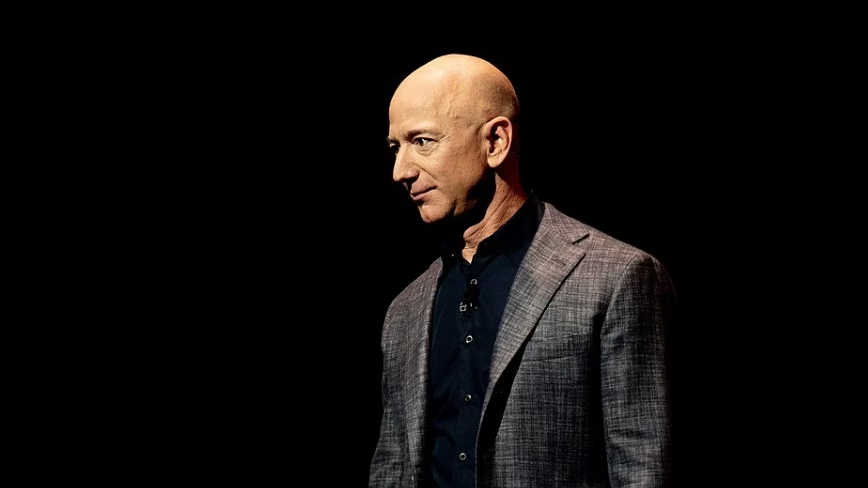
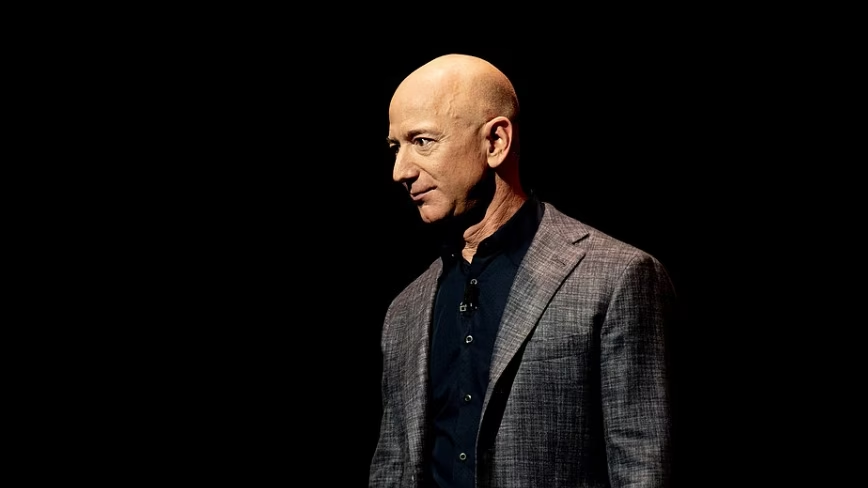
Jeff Bezos says stress comes from inaction and vanishes the moment you take the first step toward fixing a problem
Jeff Bezos, the founder of the company that just became the number one Fortune 500 business, says the cure for anxiety is not rest or meditation but action. Speaking at the Museum of Flight in Seattle in 2017, Bezos told an audience of students that stress is a signal from the body that something is being neglected, and that the feeling disappears the moment he starts working on whatever is causing it. “I find that the stress goes away the second I take the first step,” he said.
The comments, resurfaced by Fortune this week, offer a window into how the world’s fourth-richest person thinks about pressure. Bezos said he treats anxiety as diagnostic information rather than an emotional state to manage, and that the worst thing he can do is sit with a problem without acting on it. His preferred remedy is to recruit allies and turn the source of stress into a group exercise in invention.
“There’s nothing more fun than getting in a room with a group of inventors and saying: here’s the problem, let’s invent a solution to it,” Bezos said. “As soon as you start doing that, I find that it turns from something that might create stress into something that creates fun.” The philosophy is consistent with the leadership principles Bezos embedded at Amazon, where CEO Andy Jassy has described the company’s 16 codified principles as something employees must constantly work at.
The advice lands in a complicated context. Amazon has cut more than 57,000 corporate jobs since 2022, and employees who survived the rounds of layoffs have reported rising workloads and deteriorating work-life balance as fewer people cover the same ground. The idea that stress is solved by working harder reads differently when the people hearing it are already stretched thin, and when the company’s own workforce has described burnout as a structural problem rather than a mindset one.
Bezos built Amazon from a rented garage in the mid-1990s, famously taking 60 meetings to raise the first million dollars in seed capital at a time when most investors had never heard of online retail. The company he founded now generates more than $700 billion in annual revenue and is investing tens of billions in AI infrastructure. Whether the same advice that helped a founder push through rejection in 1995 translates to a workforce navigating layoffs and AI displacement in 2026 is a question Bezos did not address.


Hackers are changing the DNS settings on Wi-Fi devices at hotels and conference centers to redirect users to fake Microsoft 365 login pages.
The campaign has been ongoing since at least June and impacts organizations in various sectors, including financial services, professional services, legal, health care, energy, and retail.
Cybersecurity company ReliaQuest identified compromised Wi-Fi gateways in multiple U.S. cities as well as other regions of the world, such as India and Saudi Arabia.

Since the devices serve corporate events, hijacking the Microsoft 365 accounts could give attackers access to sensitive business information, communications, and private documents.
“We observed traffic to these compromised gateways from organizations in a range of industries, including financial services, professional services, legal, health care, energy, and retail- confirming this isn’t sector-specific targeting, but a campaign that highly likely goes after traveling employees wherever they connect,” ReliaQuest says.
The researchers believe this activity is similar to the FrostArmada router-based campaigns attributed to the Russian espionage group APT28 (a.k.a. Fancy Bear, Forest Blizzard).
It is unclear how initial access to the Wi-Fi appliances was gained, but ReliaQuest says the threat actor could have exploited weakly protected, exposed management interfaces (e.g., SSH, SNMP, web admin dashboards) or vulnerabilities.
Once the attacker gains administrator access, they can modify the gateway’s DNS settings to redirect connections to legitimate domains to infrastructure under the attacker’s control.
ReliaQuest says that the attacker registered at least four domains for setting up fake Microsoft login portals: m365-owa[.]com, owa-ms365[.]com, ms365-device[.]com, and ms365-live[.]com.
With DNS settings changed, users trying to access legitimate Microsoft login portals would land on the hacker’s phishing pages and enter their credentials.
In some cases, the researchers observed a device-code authentication flow in which targets were redirected to a fake Microsoft page with a prompt.
“What the user can’t see is that approving the prompt authorizes a session initiated by the attacker,” ReliaQuest says. The researchers note that authorizing the attacker-initiated request causes a legitimate OAuth token to be issued to the attacker’s client.
This bypasses the multi-factor authentication (MFA) protection without stealing any credentials or intercepting access tokens.

In roughly one-third of the investigated cases, the attackers also attempted to abuse Web Proxy Auto-Discovery (WPAD) by responding to Windows’ automatic WPAD lookup with a malicious proxy auto-configuration (PAC) file.
This theoretically would route traffic from Windows apps, including Chrome, through an attacker-controlled proxy, but ReliaQuest couldn’t confirm that these attacks were successful.
The researchers also emphasized that using public DNS servers such as Google’s 8.8.8.8 does not prevent this attack, as the gateway forges the plain-text requests before they reach the intended resolver.
ReliaQuest recommends using an always-on, full-tunnel VPN and encrypted DNS in strict mode as solid protection measures against these attacks.
Additionally, the cybersecurity company recommends disabling WPAD, reviewing logs for suspicious activity, and disabling Device Code authentication flow in Microsoft Entra ID when not needed.

Security teams log 54% of successful attacks and alert on just 14%. The rest move through your environment unseen.
The Picus whitepaper shows how breach and attack simulation tests your SIEM and EDR rules so threats stop slipping by detection.
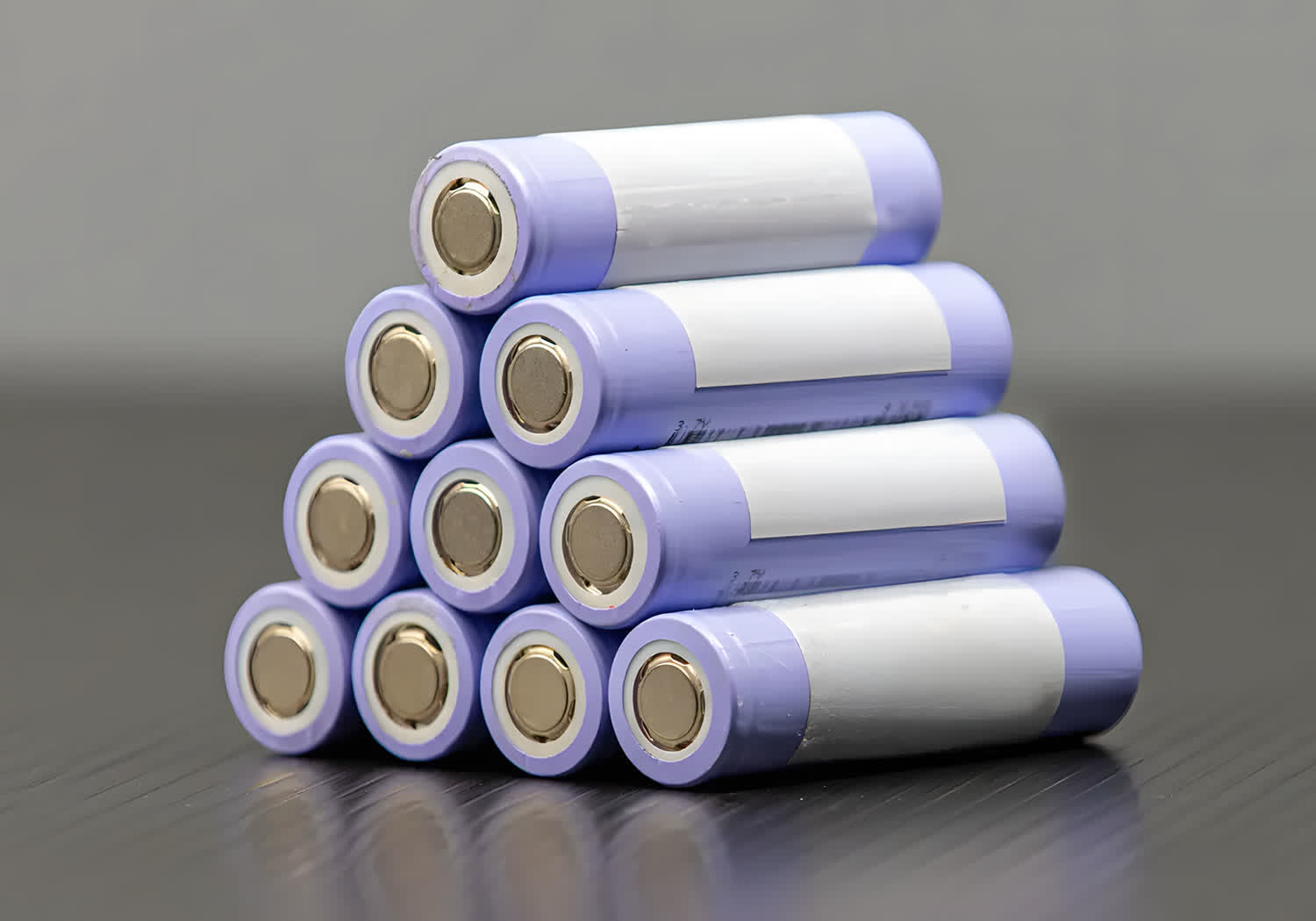

Lithium-ion batteries changed tech forever, but the first consumer device to use one may surprise you.
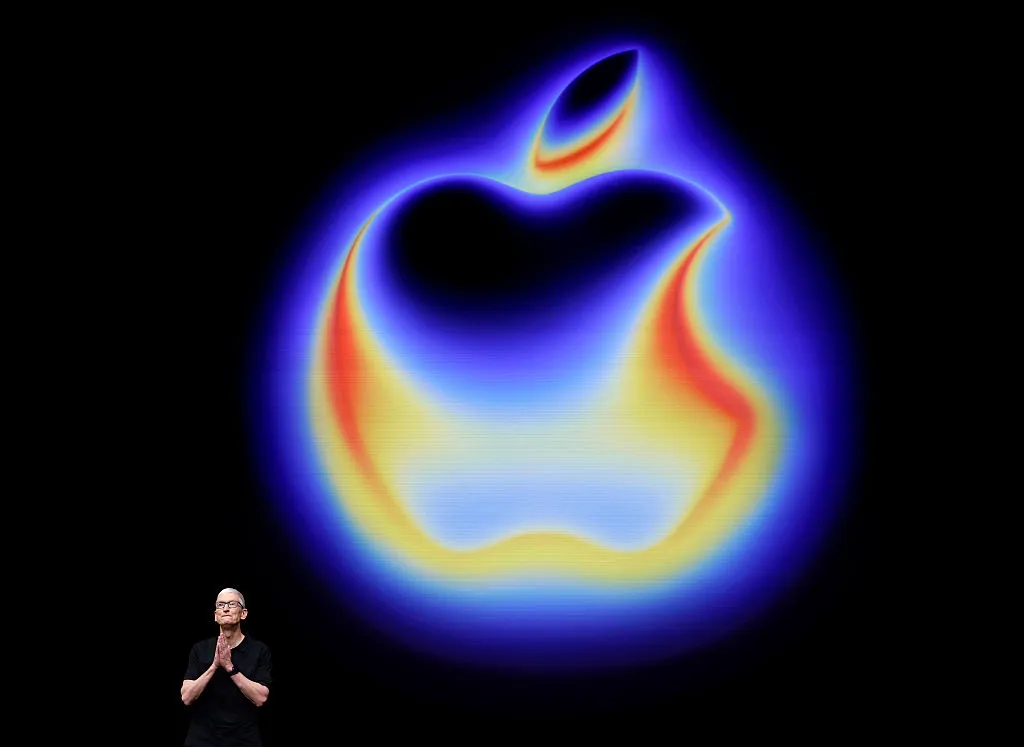
As Apple prepares to launch its first smart glasses, the company is also wrestling with how to address consumer privacy concerns, according to Bloomberg’s Mark Gurman.
Gurman reports that Apple has pushed back the launch target from early 2027, with the glasses now set for unveiling at the Worldwide Developers Conference in June 2027 and actually becoming available by the end of the year. That delay allows Apple to work on the product itself, and on the messaging around privacy.
It sounds like the company has noticed the concerns around Meta’s smart glasses — sometimes decried as “pervert glasses” — being used to make non-consensual video recordings. That could be a bigger issue for Apple, which constantly emphasizes privacy in its marketing.
Among other things, Apple will reportedly try to emphasize privacy-friendly features like on-device processing, as well as the absence of facial recognition. The company will likely steer clear of using customer recordings to train AI models, and it’s unlikely to follow Meta’s reported practice of using contractors to review customer footage.


This week on the GeekWire Podcast: Seattle startup funding drops 40% in the first half of the year while AI money floods everywhere else. We dig into the implications for the region.
Plus: a Seattle judge deals Kalshi a setback, Impinj marks a decade on the Nasdaq after a 26-year climb, and nearly 40 Seattleites trade smartphones for flip phones for five weeks.
Venture funding drops in Seattle area as AI boom reshapes startup world
Helion raises $465M at $15.5B valuation as it aims to commercialize fusion
UK data center startup Nscale bets big on Bellevue for U.S. engineering hub
Anthropic expands in Seattle as AI boom offers hope for struggling office market
Seattle judge deals blow to Kalshi, rejects prediction market’s federal defense
How Impinj has survived 26 years in a market that’s ‘just getting going’
Ditch your smartphone for a flip phone for a month?
Edited and produced by Curt Milton.
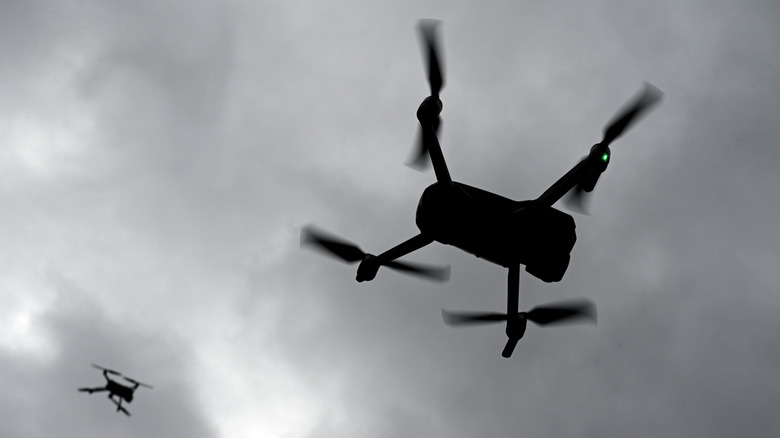
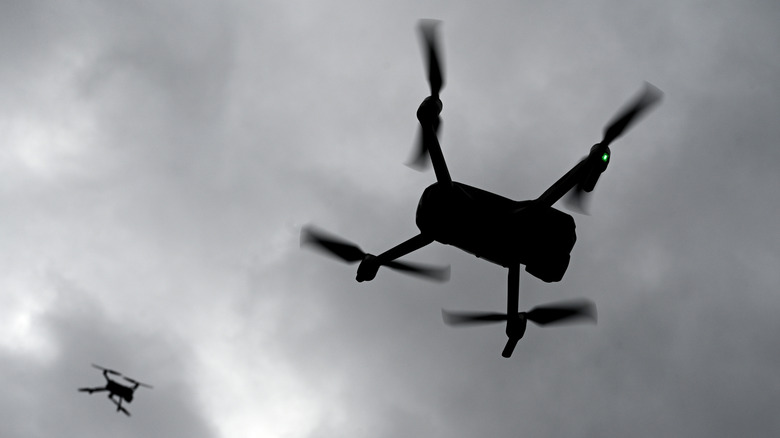
While drone warfare has been around for a long time, the widespread application of single-use combat drones has increased exponentially since the start of the Russo-Ukrainian War. Countless drones have flown across borders to destroy key targets on both sides, and if there’s one thing that’s true of all of them, it’s that they’re difficult to defend against. This is due to several factors, but mostly, it’s the sheer volume of vehicles dedicated to a single target. Long gone are the days when a single interceptor missile can defend a strategic site from destruction.
Both Russia and Ukraine have increased drone defenses to counter ongoing strikes, and now Russia has developed specialized bullets to use in the war. These are called Mnogotochie cartridges, which can be fired from rifled automatic weapons, creating a potential problem for any would-be drone attackers. Unlike typical bullets, Mnogotochie cartridges split apart when fired, offering a wider spread without resorting to something like short-range buckshot from a shotgun.
The benefit of these new cartridges is their ability to be fired from any service rifle, so long as they shoot 5.45x39mm and 7.62x39mm cartridges. Once fired, the bullet splits into three parts right out of the barrel, delivering a higher-density assault on an airborne target. Essentially, instead of firing a single bullet at a drone, one round effectively becomes three, and anyone who’s ever gone waterfowl hunting knows the benefit of such a spread.
Firing multiple projectiles in a single shot is nothing new, as the technology has been around in various forms for centuries. Cannons fired canister and grapeshot, while shotguns are well-known for spreading pellets at targets. Splitting rifle ammunition straight out of the barrel is a new take on that old idea, and it could prove effective in Russia’s defense against the many high-tech tools used in the Ukraine War.
Russia’s High Precision Systems holding company is manufacturing the new rounds for use on the front lines. The bullets themselves are made up of three stacked projectiles that come apart once the round exits the barrel. It’s a pretty straightforward, if inventive, design. They have an effective range of up to 300 meters (984 feet), which is fairly standard for the size of bullets that are being made.
The efficacy of such a round is open to debate, and it’s unclear what, if any, successes Russia has had in using them. The biggest roadblock is actually hitting a fast-moving target like a drone — which can travel at speeds of up to 87 mph and cover close to 510 feet in only four seconds — which isn’t easy for any marksman. While the split shot of a Mnogotochie cartridge offers a greater opportunity to strike a moving target at range and speed, it’s still up to the individual shooter to acquire and successfully hit the target drone.

Northrop Grumman has launched its first Mission Robotic Vehicle (MRV), equipped with two robotic arms to inspect, repair, refuel, and relocate satellites already operating in orbit.
The spacecraft also carries three Mission Extension Pods (MEPs) that can extend a satellite’s operational life by as much as eight years after installation.
Although introduced as a commercial servicing platform, the spacecraft’s ability to operate alongside other satellites has already raised questions about possible military applications.
Latest Videos FromTechRadar
The MRV launched aboard a SpaceX Falcon 9 rocket from Cape Canaveral, carrying MEPs intended for commercial satellites operated by Australia’s Optus and Luxembourg’s SES.
Northrop Grumman says the spacecraft can inspect satellites, install life-extension modules, tow spacecraft between orbital positions, and assist with clearing debris already circling Earth.
Those missions depend on two robotic arms that allow the vehicle to maneuver extremely close to other satellites without relying on direct physical contact.
The robotic arm system was developed through the Robotic Servicing of Geosynchronous Satellites program led by DARPA together with the United States Naval Research Laboratory.
Because those same capabilities allow precise movement around spacecraft, a future version could disable hostile satellites if governments requested such capabilities.
“I will leave it up to the U.S. government to decide how that capability might fulfill mission objectives that they have in that regard,” said Northrop Grumman CEO Kathy Warden.
“It’s our objective to offer our clients options for technology deployment, and for them to determine policy for when and how they might deploy that technology.”
United States Space Force officials have repeatedly argued that rival nations already possess satellites capable of approaching and interacting with other spacecraft operating in orbit today.
The service says those developments require greater attention because several countries continue expanding technologies capable of operating near valuable military and civilian satellites.
“We’re basically responding to a warfighting domain where our adversaries have already put interceptors in space, and we want to make sure that we rebalance that in terms of deterrence,” said Chief of Space Operations Gen. Chance Saltzman.
A Space Force spokesperson later cited China’s Shi Jian 21 satellite, equipped with a robotic grappling arm, while explaining examples of orbital interceptor capabilities already available.
Officials have also warned that close-proximity satellites could collect intelligence, interfere electronically, damage spacecraft components, or deliberately move another satellite from its assigned orbit.
Those evolving capabilities have prompted the Space Force to expand its focus on orbital warfare alongside traditional space operations.
The service’s Space Delta 9 unit develops tactics for both defensive and offensive missions in orbit as those threats continue evolving.
The military is also planning larger space-based defense networks through the proposed Golden Dome missile defense architecture.
The Congressional Budget Office estimates the concept could require about 7,800 space-based interceptors if the program moves forward.
For now, the MRV remains a commercial tool, but how governments will apply comparable space security tech with AI tools and autonomous systems remains to be seen.

Follow TechRadar on Google News and add us as a preferred source to get our expert news, reviews, and opinion in your feeds.




Weekend Open Thread: Brooks Brothers


Grayscale Files For Worldcoin ETF, WLD Registers Sharp Rise


How a former Blue Peter presenter stunned America’s Got Talent judges


Sail Virtually Aboard The “Itanic” With IA-64 Emulator

Turtle Beach Command Series KB7 review: a nifty screen-equipped gaming keyboard


Unregistered fitter used Gas Safe logo on business flyers


Intel is reversing course and bringing hyper-threading back to its server chips

New Jersey voter registration controversy explained: How 6,600 noncitizens got on the rolls, and what happens next

Johnny Depp’s R-Rated Gothic Cult Classic Gets New Release Ahead of Sydney Sweeney Remake


Watch Flock Safety CEO Garrett Langley discuss the future of surveillance at TechCrunch Disrupt 2026


Ethics, other provisions in crypto Clarity Act to be further discussed

Shanghai science forum photos show China’s AI and robotics advances in rivalry with US


Circle’s President Sold Over 360,000 Shares, The Filings Explain Why


Subway Sandwich Computers Get a Second Life as Gaming Machines

Commonwealth Games boxing: Jadumani Singh seals dominant 5-0 win over Pakistan’s Sumama Rehman to enter quarter-finals | Commonwealth Games News


The Peugeot Family: How 200 Years of an “Old Money” Dynasty Died in A Boardroom


2026 3M Open leaderboard: Scottie Scheffler finds putter in Round 1, sits three back


Spain sweeps the board at 2026 World Cup with individual awards


16 Dresses for the High Summer Event


Andrew Cuomo joins OKX board as crypto exchange expands in U.S.


You must be logged in to post a comment Login