

Business
Top 10 AI Stocks to Watch and Consider Buying in 2026 Amid Tech Boom


Investors seeking exposure to the artificial intelligence surge in 2026 are focusing on companies leading advancements in chips, cloud computing, software and data infrastructure, with Nvidia, Microsoft and Alphabet frequently cited among the strongest positioned players as capital spending on AI remains robust.
The AI sector continues to drive significant market gains, with infrastructure buildouts by hyperscalers fueling demand for semiconductors, enterprise tools and applications. While volatility persists amid high valuations and execution risks, analysts highlight a core group of stocks benefiting from secular tailwinds in data centers, generative AI and automation.
1. Nvidia (NVDA) Nvidia dominates AI accelerators with an estimated 80-90% market share in high-end GPUs. Its Blackwell platform and upcoming architectures underpin massive data center demand, with revenue growth exceeding 60% in recent periods. The company’s CUDA ecosystem creates strong competitive moats, making it a foundational pick for AI infrastructure exposure.
2. Microsoft (MSFT) Microsoft integrates AI across Azure, Copilot tools and Office suite, partnering closely with OpenAI. Cloud revenue acceleration and enterprise adoption position it for sustained growth, balancing high-margin software with infrastructure investments.
3. Alphabet (GOOGL) Google’s parent leverages Gemini models, custom TPUs and cloud services while maintaining advertising dominance. AI enhancements across search and YouTube, combined with growing cloud backlog, support optimistic outlooks for 2026 performance.
4. Broadcom (AVGO) Broadcom excels in custom AI accelerators and networking chips, supplying major hyperscalers. Strong order momentum and diversification beyond consumer markets have driven outperformance, with analysts noting its role in AI hardware ecosystems.
5. Meta Platforms (META) Meta invests heavily in AI for content recommendation, advertising efficiency and metaverse initiatives. Robust user growth and high-margin ad revenue provide funding for infrastructure, with efficiency gains from AI already visible in results.
6. Advanced Micro Devices (AMD) AMD challenges Nvidia in GPUs and leads in certain CPU segments with EPYC processors. Its Instinct accelerators gain traction as companies diversify suppliers, offering investors a growth story at relatively more accessible valuations.
7. Amazon (AMZN) Amazon Web Services leads cloud computing with extensive AI services and custom Trainium/Inferentia chips. E-commerce scale and advertising further bolster the company’s diversified AI exposure.
8. Taiwan Semiconductor Manufacturing (TSM) As the world’s leading chip foundry, TSMC manufactures advanced processors for Nvidia, Apple and others. Its process technology leadership remains critical to the AI supply chain.
9. Palantir Technologies (PLTR) Palantir delivers AI-powered data analytics platforms to governments and enterprises. Commercial momentum and platform adoption have accelerated, positioning it as a software beneficiary of AI deployment.
10. Micron Technology (MU) Micron provides high-bandwidth memory essential for AI training and inference. Strong demand for its DRAM and NAND products has driven exceptional performance, with analysts projecting continued growth as AI workloads expand.
Market Context and Investment Considerations
AI-related capital expenditures by major tech firms are projected to remain elevated in 2026, supporting the entire ecosystem from chips to applications. Morningstar and other analysts identified several of these names as undervalued or fairly priced with strong moats as of early June.
Risks include potential slowdowns in AI hype cycles, geopolitical tensions affecting supply chains, regulatory scrutiny and high valuations leaving limited room for error. Diversification across hardware, software and services mitigates single-company exposure.
Analysts emphasize long-term horizons. Companies demonstrating clear paths to monetization, strong balance sheets and technological leadership are best positioned. Quarterly results, product roadmaps and hyperscaler spending updates will provide key signals throughout the year.
Broader AI Investment Landscape
Beyond the top 10, names like Accenture, Arista Networks, Adobe and Dell also feature in many lists for their roles in implementation, networking and services. The sector’s expansion into edge AI, autonomous systems and industry-specific applications creates additional opportunities.
Investors should conduct thorough due diligence, considering individual risk tolerance and portfolio allocation. Many experts recommend a balanced approach rather than concentrating solely in a few high-profile names. Professional financial advice is essential, as past performance does not guarantee future results.
The AI transformation is reshaping industries from healthcare and finance to manufacturing and entertainment. Stocks with deep technical expertise and scalable business models are viewed as long-term winners in this shift. As 2026 unfolds, execution on massive infrastructure investments and innovation pipelines will differentiate leaders.
Market participants remain optimistic about AI’s productivity benefits, though debates continue over near-term returns on investment. The selected companies represent a cross-section of the value chain, offering investors varied ways to participate in what many consider a multi-decade opportunity.
Careful monitoring of macroeconomic conditions, interest rates and competitive dynamics will be crucial. With AI adoption accelerating, these stocks are expected to remain in focus for growth-oriented portfolios throughout 2026 and beyond.

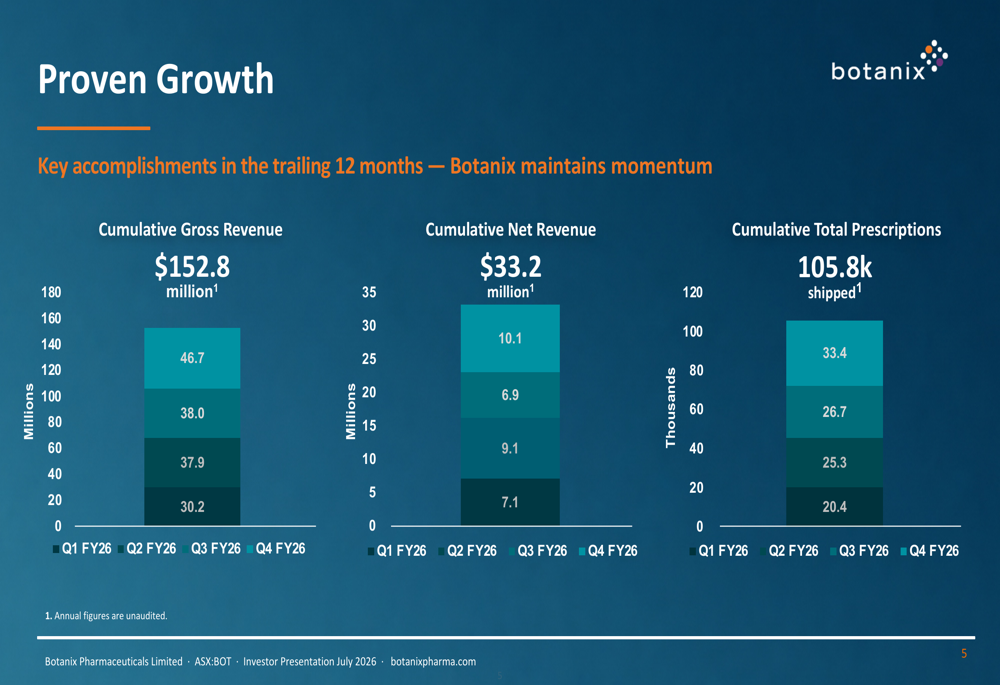
Botanix Q4 FY26 slides: revenue jumps 45% as stock slips near lows
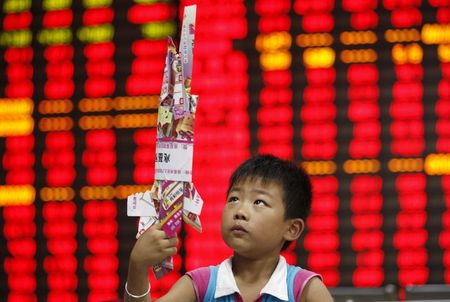
China’s CXMT surges 470% in Shanghai debut after Asia’s biggest 2026 IPO

Shares in Subiaco-based ASX junior Carnaby Resources soared this morning, after ASX gold heavyweight Evolution Mining announced a $213 million all-scrip takeover bid.

Shein says it swung to a quarterly loss as its sales slowed after US President Donald Trump removed an import duty exemption on small packages.
It also comes as uncertainty remains over the tit-for-tat US-China tariffs wars, which is currently paused.
The fast-fashion giant, which has its headquarters in Singapore but was founded in China, said it lost $99m (£74.1m) in the first three months of the year, compared with a net income of $395m a year earlier.
The announcement is part of the firm’s preparations ahead of its stock market debut in Hong Kong, although the filing did not give any details on the size, timetable or pricing of the planned initial public offering (IPO).
“In response to the increased duties and taxes, we are pursuing a wide range of options, including increasing our prices in the US market to offset a portion of the increased costs,” Shein said in the filing.
The company also said the Iran war had hit demand, increased costs and caused delays of deliveries in some markets.
The first-quarter figures also partly reflected a paper loss of $328m due to an accounting change for special investor shares. The shares can be turned into ordinary stock later, and their value can change before a listing.
The filing showed that in the year to the end of March 2026 Shein had 281 million active customers – a rise of more than 16% on a year earlier – who placed a total of more than one billion orders.
On 10 July, the China Securities Regulatory Commission (CSRC) gave Shein approval for a Hong Kong share sale after failed attempts to list in New York and London.
The Hong Kong share listing is expected to take place in the coming months.
The figures show the impact of a Trump-signed executive order to end a global tariff exemption that had been used by US shoppers of low-cost goods.
That order, which came into effect on 29 August 2025, broadened an earlier presidential action which specifically targeted cheap products from China and Hong Kong to cover the rest of the world.
The so-called de minimis exemption had allowed goods valued at $800 or less to enter the US without paying any tariffs. US consumers relied on the exemption to buy cheap goods from online commerce sites like Shein and Temu.
The White House said the global exemption was being used to “evade tariffs and funnel deadly synthetic opioids” to the US.
“The removal of the US de minimis exemption has had an adverse impact on our sales in the US and the overall growth of our net revenues,” Shein said in the filing.
Earlier in July, the European Union imposed a €3 (£2.56; $3.42) levy on low-value e-commerce imports.
The measure is aimed to curb what the trading bloc has said is unfair competition from China.
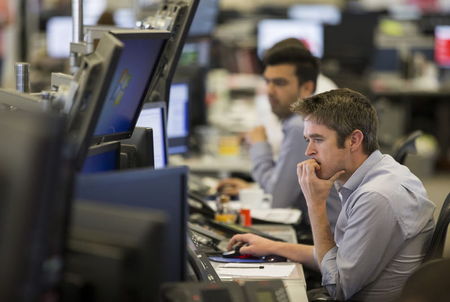
El Salvador opposition pitch former lawmaker, doctor to run against Bukele in 2027
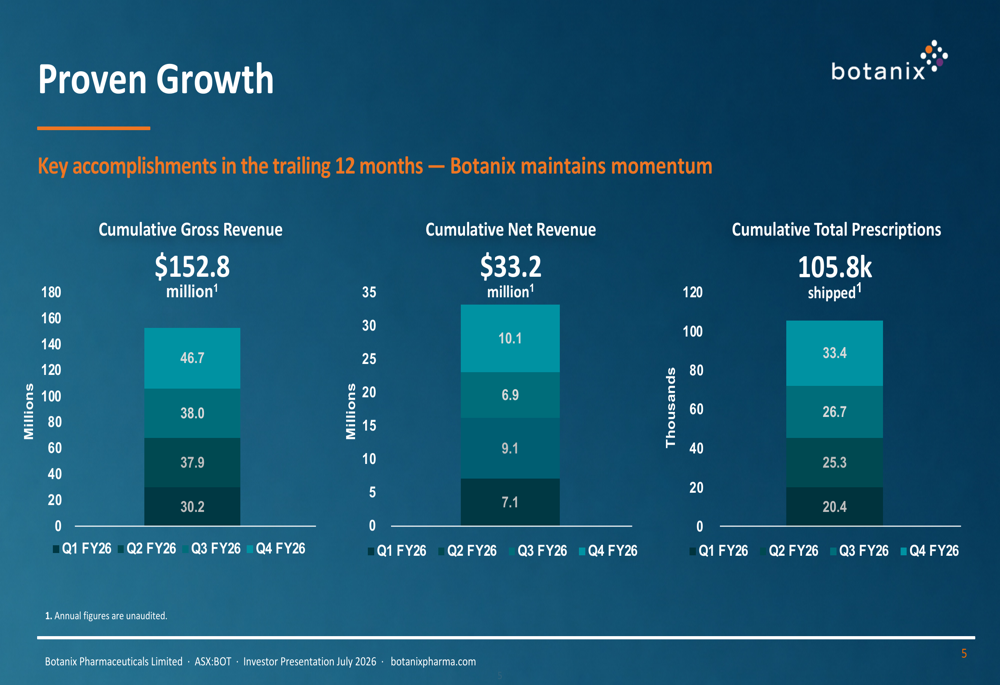
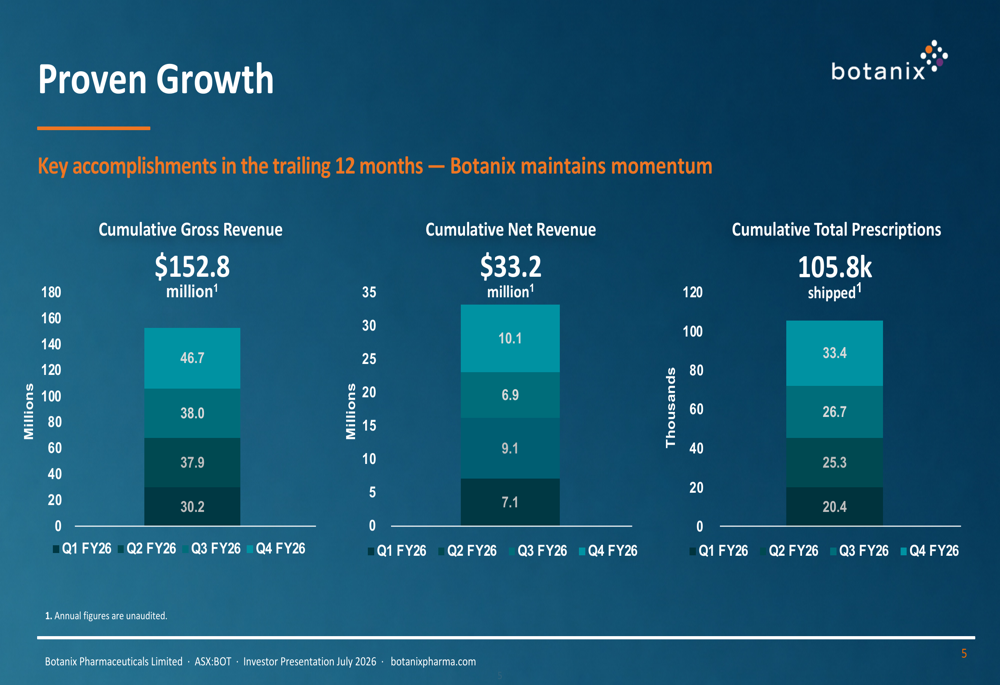
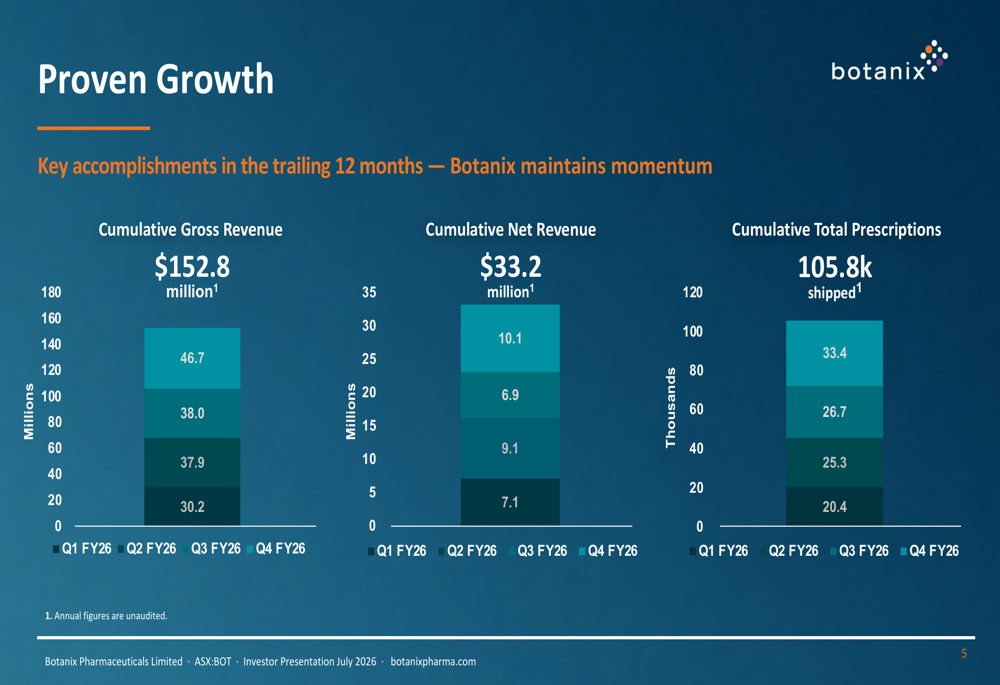
Botanix Q4 FY26 slides: revenue jumps 45% as stock slides

Brent crude fell as much as 7.4% to below $90 a barrel, before paring losses as the US paused an almost two-week run of strikes against Iran. MSCI’s Asia Pacific equities gauge rose 0.4% and contracts for the Nasdaq 100 Index climbed 1.2% as sentiment improved after last week’s selloff in chip stocks.
The dollar, the haven of choice during the Middle East conflict, weakened against almost all of its Group-of-10 peers as tensions eased. Treasuries gained along with government bonds in Australia and New Zealand as inflation concerns receded. Gold led precious metals higher.
Read more: August Rush: Over 2 dozen companies plan Street debut next month
“A resolution to the conflict would be a positive development,” said Shoji Hirakawa, chief global strategist at Tokai Tokyo Intelligence Lab. The pause in attacks raises “hopes that the two sides will enter negotiations.”

The lull in hostilities sets the tone for a pivotal week in markets, with traders focused on whether the Federal Reserve will raise interest rates on Wednesday after the recent surge in oil prices fueled inflation concerns. Investors are also awaiting earnings from megacap technology companies after a recent backlash against heavy spending on artificial intelligence.
After striking Iran for 13 days, the US has apparently held off since late Friday without explanation, raising questions about President Donald Trump’s next move. Iran’s army said Sunday that Tehran had also suspended its military response. The pause came as Iranian and Omani officials held talks over shipping through the Strait of Hormuz, raising hopes that the key oil transit route may avoid further disruption.
Tensions in the Middle East had sent oil prices soaring in July, overshadowing a tamer-than-expected reading on June consumer prices that seemed to offer officials breathing room to keep rates stable. Add to that a demand boom fueled by AI and the Trump administration’s announcements of new tariffs, and Fed watchers see the possibility of dissents at the July 28-29 meeting if officials again leave policy unchanged.
“We think the Fed will probably not hike,” Krishna Guha, head of central bank strategy at Evercore ISI, wrote in a note. “But we cannot take the probability too low given Warsh’s refusal to set out his strategy,” he said, referring to the new Fed chair Kevin Warsh.
Three days of Group-of-Seven central bank decisions begin with the Fed on Wednesday, followed by the Bank of England and the Bank of Japan. While no changes are expected in interest rate policy, officials are likely to emphasize vigilance over the inflationary impact of higher energy prices.
Elsewhere, the Singapore dollar strengthened against the US currency after officials further tightened monetary policy. The Monetary Authority of Singapore, which uses the exchange rate as its main policy tool rather than interest rates, raised the rate of appreciation of its policy band “very slightly,” it said. It left the width and center unchanged.
In other corners of the market, the yield on the Treasury 10-year fell five basis points to 4.63%. Non-interest-bearing gold climbed over 1% to $4,100 an ounce. The yen strengthened to about 163.60 per dollar.
Another key focus for markets will be earnings from megacap technology companies after a recent round of selloff in AI stocks rekindled doubts over whether billions of dollars being poured into infrastructure will generate commensurate returns. The selloff showed how much the narrative around AI and the Magnificent Seven tech behemoths has shifted.
This change makes for a tough setup heading into this week, with earnings from Microsoft Corp. and Meta Platforms due on Wednesday, followed by Apple Inc. and Amazon.com Inc. on Thursday.
“That is shaping up as the major clearing event for the month,” said Billy Leung, an investment strategist at Global X Management. “The market has been punishing AI capex guidance all July even when the underlying numbers beat, so the read-through from these three on spending trajectory and monetisation will do more to set direction than anything in today’s session.”

The WA government has declared the Woodside Energy’s Browse gas field a significant state project, in a move which could streamline its development once approved.

Singapore central bank surprises with second straight policy tightening
Abstract
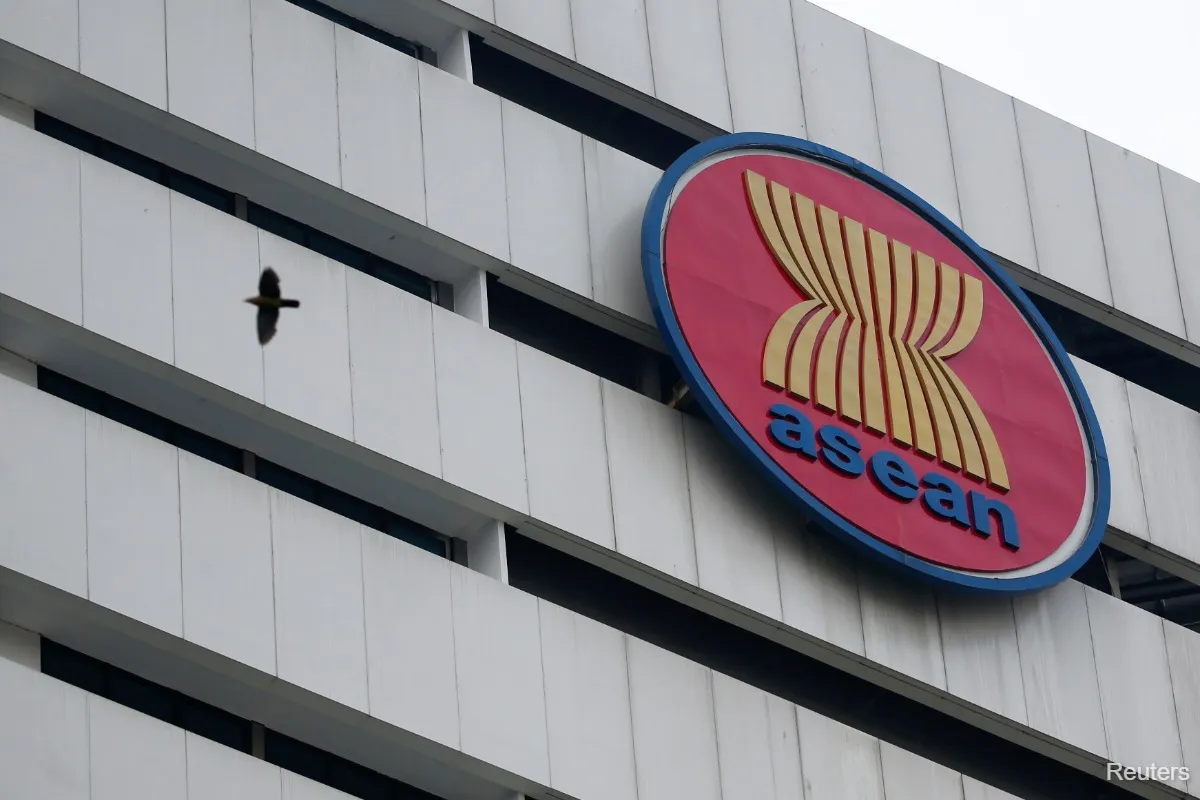
- Southeast Asia faces mounting pressure as US-China rivalry intensifies, drawing comparisons to the volatile geopolitical conditions preceding World War I. ASEAN’s long-standing approach of balancing American security partnerships, Chinese trade ties, and broader economic relationships is under increasing strain as both powers push the region to align with their competing interests.
- Malaysia and the wider region have become central to technology and supply chain competition, making passive neutrality increasingly difficult to sustain. Rather than simply avoiding alignment, Southeast Asian nations are urged to develop collective strategic resilience substantial enough to prevent either superpower from treating the region as subordinate terrain in their broader rivalry.
Southeast Asia faces growing US-China rivalry reminiscent of pre-WWI tensions. ASEAN’s traditional diplomatic balancing act is under strain as both superpowers pressure the region. Malaysia and Southeast Asia must build collective strategic weight beyond polite neutrality to avoid becoming casualties of great-power conflict.
Key Points
• An ancient Southeast Asian instinct of careful navigation resurfaces as US-China rivalry intensifies, mirroring dangerous pre-WWI patterns of declining hegemony, rising challengers, territorial disputes, and nationalist tensions that threaten regional stability.
• ASEAN’s decades-long diplomatic balancing act — absorbing American security, Chinese trade, and multiple powers’ investments — faces unprecedented strain as both superpowers pressure the region to align with their competing visions of world order.
• Southeast Asia, particularly Malaysia, has become a critical geopolitical hinge in the technology and supply chain war, making passive neutrality increasingly untenable as great-power competition penetrates the region’s economic infrastructure.
The Return of Great-Power Rivalry
Southeast Asia faces a world that smells dangerously like 1914. History is repeating its familiar patterns: a declining hegemon, a rising challenger, territorial disputes, naval build-ups, and nationalist fever amplified by new technologies. Author Odd Arne Westad’s The Coming Storm serves as a critical warning that the region must heed. If America and China stumble into conflict, Asean’s 684 million people and US$3.84 trillion in global trade will not be spectators — they will be the table. The challenge is no longer simply avoiding a choice between Washington and Beijing, but building enough collective resilience that neither superpower can treat Southeast Asia merely as terrain.
Asean’s Diplomatic Balancing Act Under Strain
For decades, Southeast Asia performed a remarkable feat of strategic improvisation, absorbing American security, Chinese trade, Japanese capital, and European markets while transforming swamps into ports and fishing villages into industrial hubs. This wasn’t cowardice — it was survival. However, Washington now speaks through export controls, tariffs, and technology denial, while Beijing leverages coastguard vessels, artificial islands, and infrastructure loans. Both superpowers publicly respect Asean’s autonomy while privately preferring it exercised in their favour. The region’s famously consensus-driven, carefully worded diplomacy — once its greatest strength — is buckling under the pressure of a fundamentally harsher geopolitical reality.
Malaysia’s Precarious Position at the Crossroads
Malaysia sits almost perfectly inside this great-power contradiction. Facing the strategically vital Strait of Malacca and deeply embedded in both Chinese commerce and American technology supply chains, Malaysia cannot afford complacency. Penang alone, as a critical global semiconductor hub, has become part of the nervous system of 21st-century geopolitical competition. Modern rivalries are no longer fought only on battlefields — they play out through customs forms, export permits, sanctions lists, and undersea cables. As Southeast Asia becomes the world’s favourite supply-chain workaround, it simultaneously becomes the place where both powers test each other’s limits. The elephants are moving. The question is no longer whether the storm can be avoided — but where the lightning strikes first.
Source : Opinion: The table, not the audience — Asean and the coming US-China collision
Other People are Reading

Can Apple make smart glasses that aren’t a constant privacy threat?

Shriram Finance Wins Financial Powerhouse Of The Year At NDTV Profit Business Leadership Awards

Toddler escapes death after suffering cocaine overdose as man arrested


-

 Fashion2 days ago
Weekend Open Thread: Brooks Brothers
-

 Crypto World6 days ago
Grayscale Files For Worldcoin ETF, WLD Registers Sharp Rise
-

 NewsBeat5 days ago
How a former Blue Peter presenter stunned America’s Got Talent judges
-

 Tech6 days ago
Sail Virtually Aboard The “Itanic” With IA-64 Emulator
-
 Tech6 days ago
Turtle Beach Command Series KB7 review: a nifty screen-equipped gaming keyboard
-

 NewsBeat7 days ago
Unregistered fitter used Gas Safe logo on business flyers
-
 Business5 days ago
New Jersey voter registration controversy explained: How 6,600 noncitizens got on the rolls, and what happens next
-
 Entertainment5 days ago
Johnny Depp’s R-Rated Gothic Cult Classic Gets New Release Ahead of Sydney Sweeney Remake
-

 Tech6 days ago
Watch Flock Safety CEO Garrett Langley discuss the future of surveillance at TechCrunch Disrupt 2026
-

 Crypto World4 days ago
Ethics, other provisions in crypto Clarity Act to be further discussed
-
 NewsBeat6 days ago
Shanghai science forum photos show China’s AI and robotics advances in rivalry with US
-

 Crypto World7 days ago
Circle’s President Sold Over 360,000 Shares, The Filings Explain Why
-

 Tech7 days ago
Subway Sandwich Computers Get a Second Life as Gaming Machines
-

 Tech2 hours ago
Intel is reversing course and bringing hyper-threading back to its server chips
-
 Sports6 hours ago
Commonwealth Games boxing: Jadumani Singh seals dominant 5-0 win over Pakistan’s Sumama Rehman to enter quarter-finals | Commonwealth Games News
-

 News Videos3 days ago
The Peugeot Family: How 200 Years of an “Old Money” Dynasty Died in A Boardroom
-

 Sports3 days ago
2026 3M Open leaderboard: Scottie Scheffler finds putter in Round 1, sits three back
-

 Fashion3 days ago
16 Dresses for the High Summer Event
-

 Entertainment7 days ago
Stephen Colbert Returns to Social Media After Late Show End
-

 Tech7 days ago
The 35 Best Board Games for Family Game Night
You must be logged in to post a comment Login