
Tech
Here’s how Rivian changed the rear door manual release on the R2


There’s been a lot of pushback on electronic door handles lately, as multiple carmakers — especially Tesla — have been accused of making manual door releases too hard to find and access during an emergency. Rivian is one of the companies that reportedly decided to change this on its upcoming R2 SUV, and a spate of first-look videos released Tuesday finally give us a look at what the company has changed.
First off, the front doors open from the inside in the same way as in the existing R1 vehicles. There is an electronic button that opens the door, and there’s a manual door-release latch tucked into the front part of the interior handle.
The rear doors also have an electronic button, as well as a change to the rear manual release.
On R1 vehicles, passengers have to first pull a panel off the door to access a “release cord” that operates the manual latch. On the new R2 SUV, Rivian moved this release cord to that same front-of-the-handle position as the front seat manual releases — though it’s still tucked behind a piece of plastic that must be popped out, making it slightly harder to access than the front door manual releases.
The R2 SUV isn’t set to go into production for another few months, so the company has not put out proper instructions on how to access this release. But here’s an image from a new video published by JerryRigEverything’s Zack Nelson:

He doesn’t pull out the actual cord, but it’s the best illustration I’ve seen so far of what passengers will need to do if they are in an R2 that has lost power for whatever reason, limiting the vehicle’s electronic door release.
The manual release is still behind a piece of plastic, and it’s not the most obvious or accessible way to open a door from the inside. But it’s at least in a more logical spot than just being hidden behind a panel.
Techcrunch event
Boston, MA
|
June 23, 2026
These kinds of situations don’t happen often. But when they do, it’s typically during a major crash. That means every moment can be the difference between life and death.
Rivian is not alone in reworking how hard it is to access the manual releases. The most high profile example is Tesla. Bloomberg News found at least 15 deaths in crashes where there is evidence that occupants (or rescuers) were unable to open the doors. The company has said it will change how it designs its handles in order to address the problem.
And electronic door latches can present other issues. Last year, Ford had to issue a recall to fix a power-delivery problem for the electronic latches on the Mustang Mach-E.

Tech
Rivian R2 Prototype First Drive Reviews Point to a Quick, Capable, and Ready to Play Electric SUV
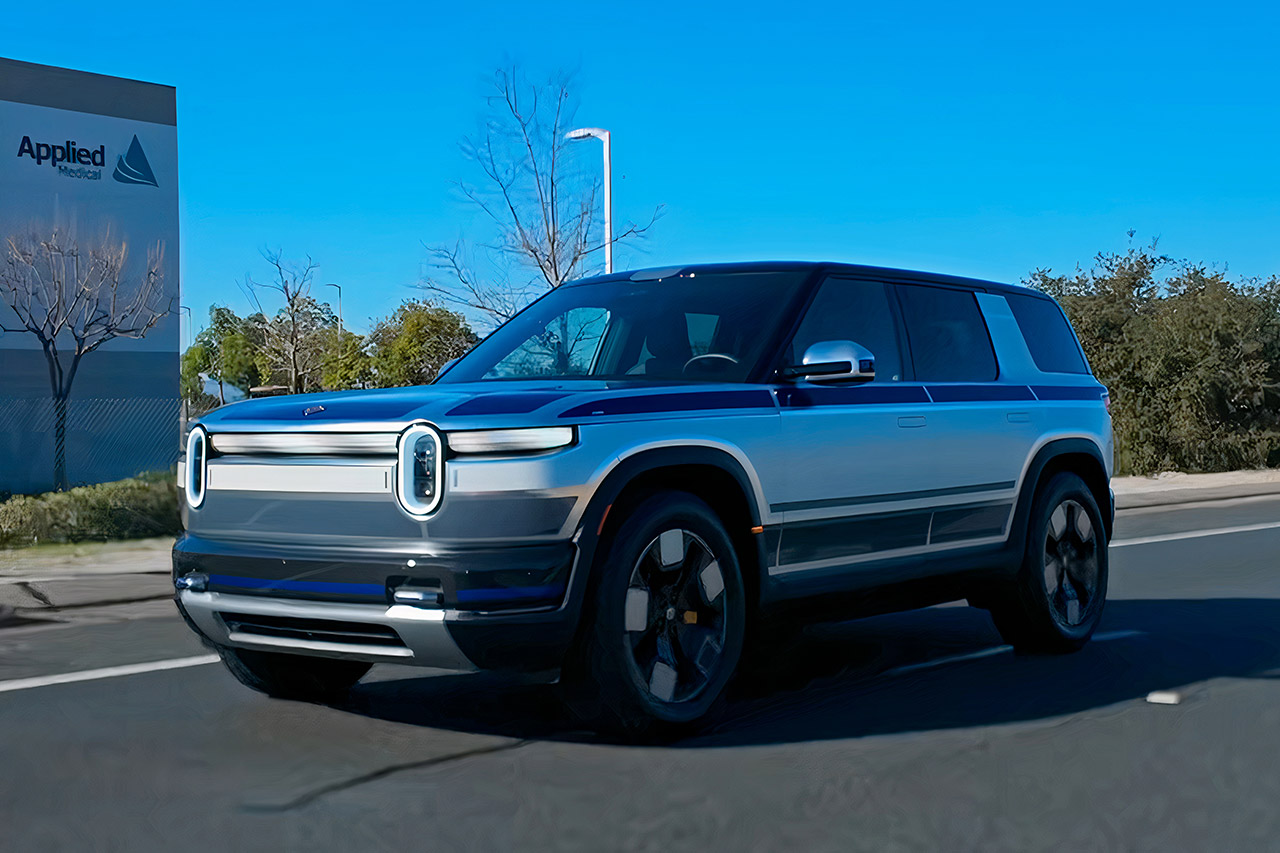
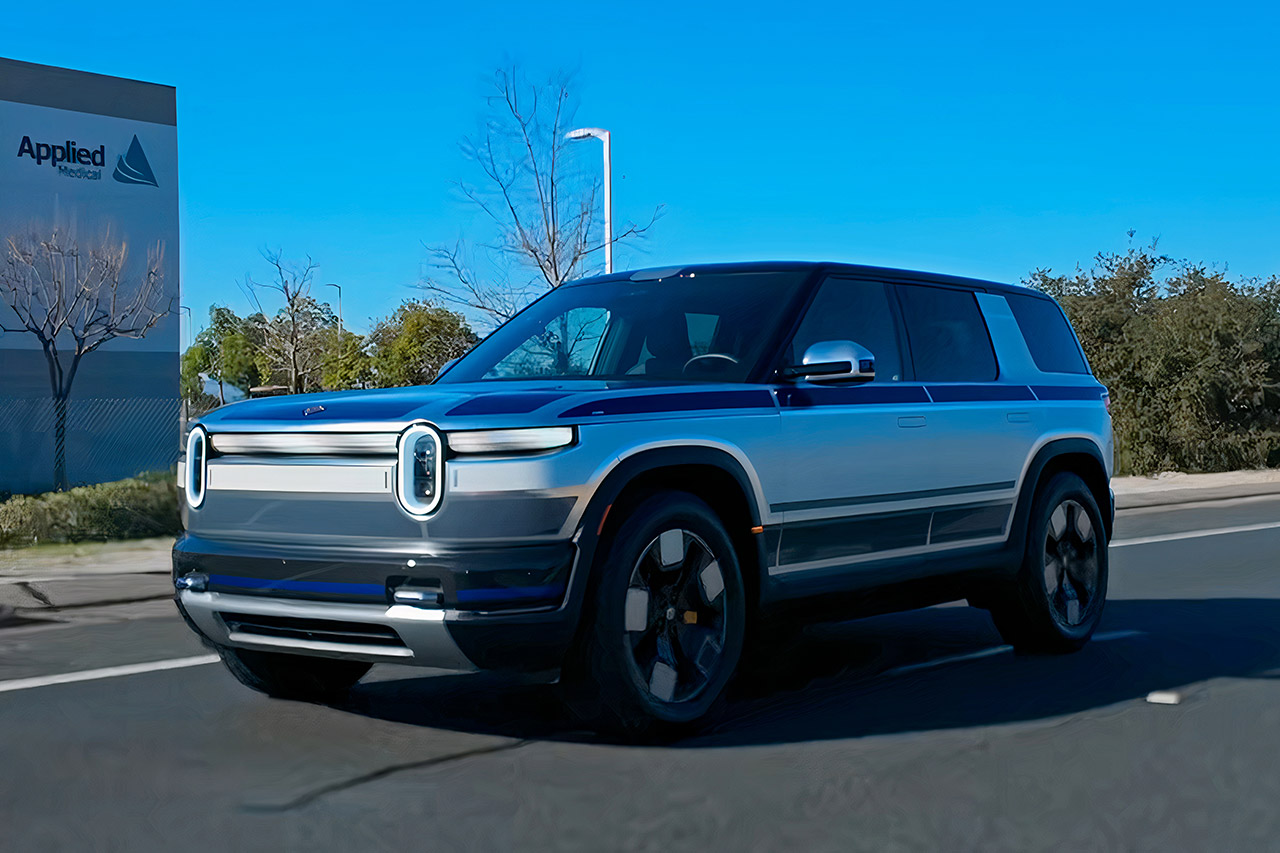
Rivian’s R2 Prototype has hit road with early reviews, and it’s a capable electric SUV that truly delivers on the adventure promise without breaking the bank like its larger siblings do. The test rides were place on California highways, curvy back roads, and rocky off-road trails near Rivian’s Irvine headquarters. Most reviewers agree that the R2 retains the adventurous spirit of the larger R1 models while also making it more fun and approachable for daily driving.
The power comes from two motors, and this all-wheel drive configuration generates a 656 horsepower and 609 pound-feet of torque. It accelerates from 0 to 60 mph in around 3.6 seconds and feels robust even at highway speeds. In normal mode, the R2 runs largely on rear-wheel drive for improved fuel efficiency, but when necessary, it uses the front motor. Sport mode engages full all-wheel drive for a faster reaction.
Sale

VOLPAM Electric Scooter Adult, 19 MPH & 15 Miles Range, 350W Motor, 8.5″ Solid Tires, Lightwight Foldable…
- ✅【 Powerful Performance】Equipped with a 350W brushless motor, this adult electric scooter reaches 19MPH and handles 15° inclines with ease…
- ✅【Long-Lasting Battery】This e scooter has 19 miles max long range on a single 4-5 hours fast charge, making it ideal for everyday commutes…
- ✅ 【Safety First】Scooter stay protected with a drum brake + EABS electronic brake system for quick, stable stopping. The bright LED headlight…
The R2 handles quite well and stays grounded in corners. The steering feels natural and connected, with plenty of feedback that increases as you request more. Body control is outstanding, especially given the high ground clearance and all-terrain tyres with tall sidewalls. Roll remains well under control, and the chassis responds quickly and without drama. The R2 feels lighter on its feet because to its unibody structure, lower weight (about 4,850 to 5,000 pounds), and lower center of gravity. When cruising, the ride is nice, but when you push harder, it tightens up. Steel coil springs and semi-active dampers handle uneven roads with ease, providing an excellent balance between pavement and dirt.
Off-road performance stands up well on the trails it was tested on, with 9.6 inches of ground clearance and angles that allow you to tackle tough terrain with confidence. The long-travel suspension articulates well, and torque vectoring maintains traction without the use of typical locking differentials. When the wheels begin to spin, the brakes come into action, but there is some initial slip before they fully intervene.
Inside, the room is surprisingly generous for a tiny SUV. Tall adults may comfortably sit into the back seats, which provide 40.4 inches of legroom and headroom. The inside remains clutter-free, featuring a large central touchscreen and a smaller driver display. The haptic steering wheel on the column controls climate, drive modes, and other settings via rolling, tilting, and pushing actions, and the feedback is satisfactory, but they are currently working on adjusting the prototypes. There is plenty of storage space, ranging from dual gloveboxes to a flat-folding rear section that can accommodate a fitted mattress for overnight use. The low beltline and upright windows provide excellent visibility.
The EPA cycle shows a range of more than 300 miles, thanks to a compact battery pack and a well-designed interior. Filling up is also much faster than you’d think, with the R2 going from 10 to 80 percent in less than half an hour at a fast charging station, and with a native NACS port, it’s virtually ready to go at any Tesla Supercharger.
The price starts about $45,000, with dual-motor variants costing $50,000 or $55,000, depending on how specced out you want to get. The truth is, that puts the R2 in a really good position in the market; it’s like a true alternative to the more mainstream electric crossovers (Tesla Model Y), but with one significant bonus: you can actually take it off the beaten track and get a real rush of performance.


North Korean hackers are running tailored campaigns using AI-generated video and the ClickFix technique to deliver malware for macOS and Windows to targets in the cryptocurrency sector.
The threat actor’s goal is financial, as suggested by the role of the tools used in an attack on a fintech company investigated by Google’s Mandiant researchers.
During the response engagement, the researchers found seven distinct macOS malware families and attributed the attack to UNC1069, a threat group they’ve been tracking since 2018.

Infection chain
The attack had a strong social engineering component as the victim was contacted over the Telegram messaging service from a compromised account of an executive at a cryptocurrency company.
After building a rapport, the hackers shared a Calendly link that took the victim to a spoofed Zoom meeting page on the attacker’s infrastructure.
According to the target, the hackers showed a deepfake video of a CEO at another cryptocurrency company.
“Once in the ‘meeting,’ the fake video call facilitated a ruse that gave the impression to the end user that they were experiencing audio issues,” Mandiant researchers say.
Under this pretext, the attacker instructed the victim to troubleshoot the problems using commands present on a webpage. Mandiant found commands on the page for both Windows and macOS that would start the infection chain.
Huntress researchers documented a similar attack method in mid-2025 and attributed it to the BlueNoroff group, another North Korean adversary also known as Sapphire Sleet and TA44, that targeted macOS systems using a different set of payloads.
macOS malware
Mandiant researcher found evidence of AppleScript execution once the infection chain started, but could not recover the contents of the payload, followed by deploying a malicious Mach-O binary. In the next stage, the attacker executed seven distinct malware families:
- WAVESHAPER – C++ backdoor that runs as a background daemon, collects host system information, communicates with C2 over HTTP/HTTPS using curl, and downloads and executes follow-on payloads.
- HYPERCALL – Golang-based downloader that reads an RC4-encrypted configuration file, connects to C2 over WebSockets on TCP 443, downloads malicious dynamic libraries, and reflectively loads them into memory.
- HIDDENCALL – Golang-based backdoor reflectively injected by HYPERCALL that provides hands-on keyboard access, supports command execution and file operations, and deploys additional malware.
- SILENCELIFT – Minimal C/C++ backdoor that beacons host information and lock screen status to a hard-coded C2 server and can interrupt Telegram communications when executed with root privileges.
- DEEPBREATH – Swift-based data miner deployed via HIDDENCALL that bypasses macOS TCC protections by modifying the TCC database to gain broad filesystem access and steals keychain credentials, browser data, Telegram data, and Apple Notes data.
- SUGARLOADER – C++ downloader that uses an RC4-encrypted configuration to retrieve next-stage payloads and was made persistent via a manually created launch daemon.
- CHROMEPUSH – C++ browser data miner deployed by SUGARLOADER that installs as a Chromium native messaging host masquerading as a Google Docs Offline extension and collects keystrokes, credentials, cookies, and optionally screenshots.
.jpg)
Source: Mandiant
Of the malware found, SUGARLOADER has the most detections on the VirusTotal scanning platform, followed by WAVESHAPER, which is flagged by just two products. The rest are not present in the platform’s malware database.
Mandiant says that SILENCELIFT, DEEPBREATH, and CHROMEPUSH represent a new set of tooling for the threat actor.
The researchers describe as unusual the volume of malware deployed on a host against a single individual.
This confirms a targeted attack focused on collecting as much data as possible for two reasons: “cryptocurrency theft and fueling future social engineering campaigns by leveraging victim’s identity and data,” Mandiant says.
Since 2018, UNC1069 has demonstrated its ability to evolve by adopting new techniques and tools. In 2023, the bad actor switched to targets in the Web3 industry (centralized exchanges, developers, venture capital funds).
Last year, the threat actor changed its target to financial services and the cryptocurrency industry in verticals such as payments, brokerage, and wallet infrastructure.

Modern IT infrastructure moves faster than manual workflows can handle.
In this new Tines guide, learn how your team can reduce hidden manual delays, improve reliability through automated response, and build and scale intelligent workflows on top of tools you already use.
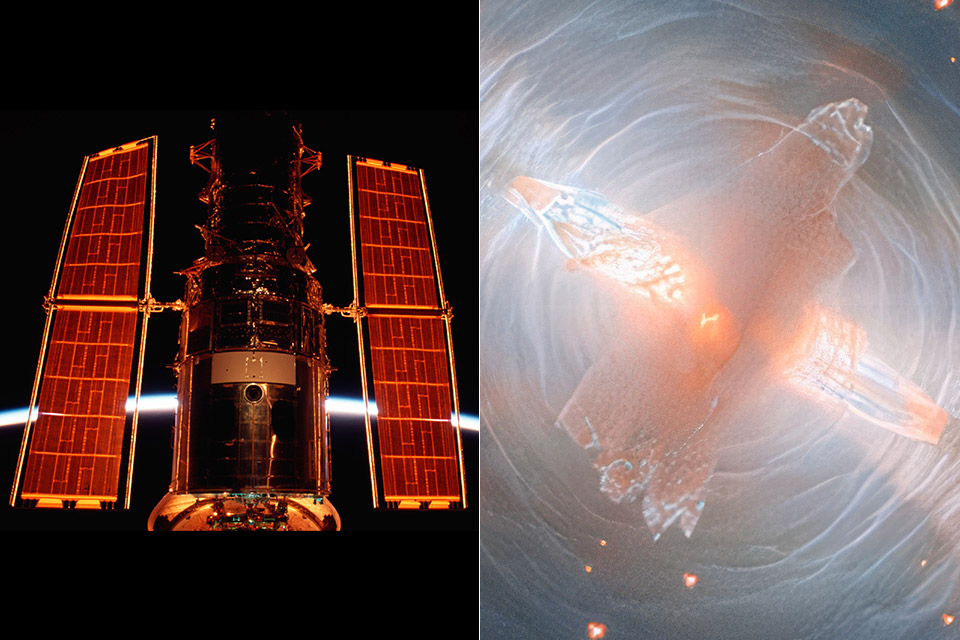
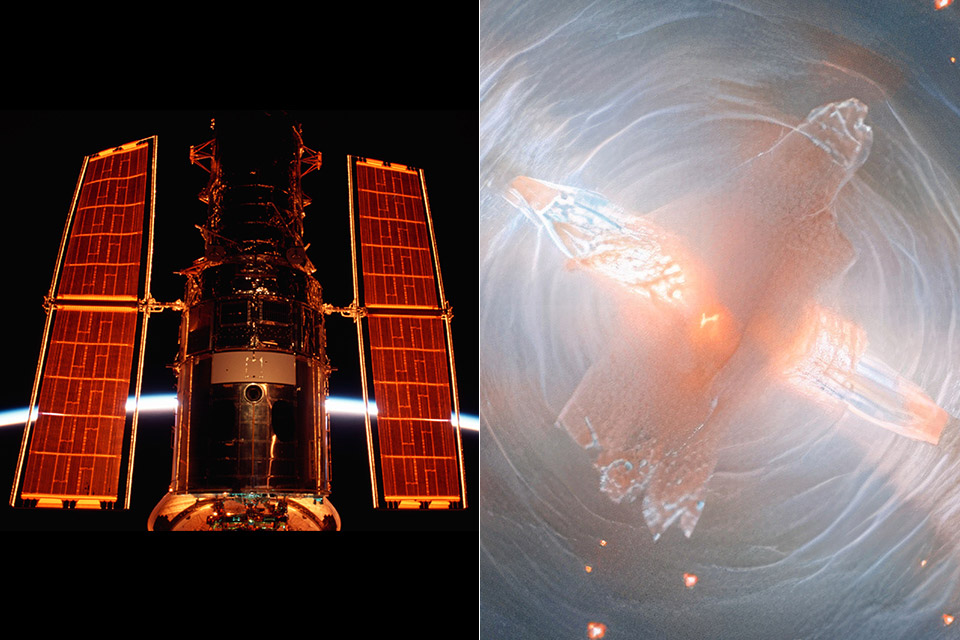
A star almost identical to our sun is nearing the end of its life in the Cygnus constellation, about 1000 light years away. Astronomers call this spectacle the Egg Nebula, or CRL 2688 for short. Hubble’s most recent image provides a magnificent view of this particular object in unprecedented detail, thanks to the combination of new data and previously captured images. What we get is a stunning display of light cutting through the dust.
A star almost identical to our sun is nearing the end of its life in the Cygnus constellation, about 1000 light years away. Astronomers call this spectacle the Egg Nebula, or CRL 2688 for short. Hubble’s most recent image provides a magnificent view of this particular object in unprecedented detail, thanks to the combination of new data and previously captured photographs. What we get is a stunning display of light cutting through the dust.

NASA Lunar Telescope for Kids – 90x Magnification, Includes Two Eyepieces, Tabletop Tripod, and Finder…
- INSPIRE CURIOSITY – The NASA Lunar Telescope allows your child to see the moon in incredible detail; the perfect gift for girls and boys interested…
- HIGH-QUALITY OPTICAL GLASS AND FINDER SCOPE – This easy-to-use telescope comes with a finder scope, low power, and high-power eyepieces; when used…
- TABLETOP TRIPOD & SMOOTH MOUNT SYSTEM – Use the included tripod to steady your Lunar Telescope for optimal viewing, with a smooth mounting system…
The core star is hidden deep in the center, enveloped by a thick cloud of gas and dust that allows very little light to pass through. What does pass through is compressed into two narrow beams of light that sweep outward, revealing the fast-moving clouds of material being ejected from the star. Those clouds glow orange in infrared, adding some color to the image. You can also observe faster-moving clouds of heated molecular hydrogen that light brightly in the infrared, adding depth to the scene.
Over the previous 5000 years, the star has lost its outer layers in large concentric rings of gas. These rings are made up of tiny arcs of gas that accumulate every few hundred years. Now, these rings reflect the star’s light in a fashion that resembles ripples on water – and the dust produced by these outbursts is what shapes the nebula that bears its name, since the dense core is like the yolk of an egg wrapped up in darker, dustier layers.

This is only transient; it will only last a few thousand years. The star has depleted all of its hydrogen and helium fuel, and what remains of its outer layers are floating away, while the center is becoming increasingly hot. Eventually, that center will cause the surrounding gas to glow, similar to the Helix Nebula or Butterfly Nebula. As of now, the Egg Nebula is in its pre-planetary phase, a brief period before winds and radiation begin to obscure the picture.
Hubble first observed the Egg Nebula in 1997, when a picture revealed the hidden light source. In 2003, we were able to get a full picture of the ripple patterns surrounding the nebula, and in 2012, we got an even closer look at the central cloud and outflows. Today’s image combines all of that data with some new frames to provide the sharpest look yet, courtesy of the Wide Field Camera 3.
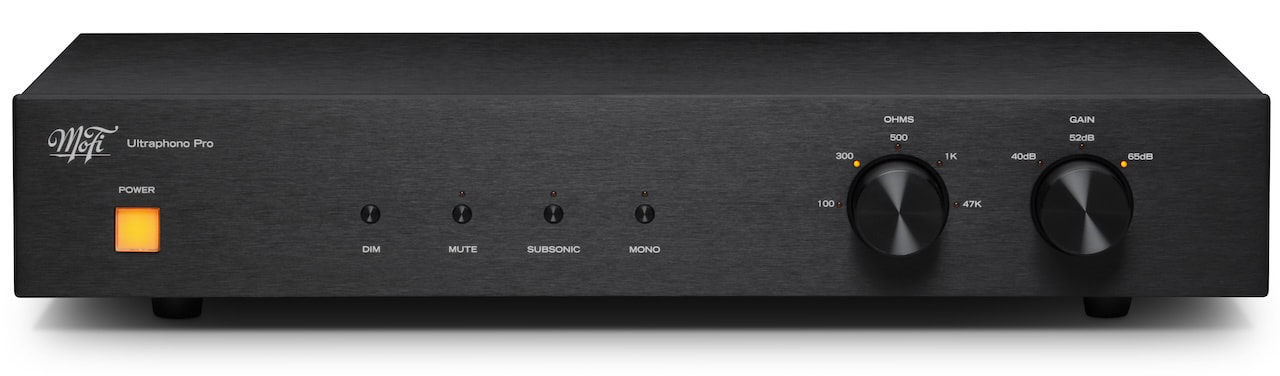
Vinyl isn’t having a moment anymore, it’s entrenched. Turntables are selling, cartridges are backordered, and phono preamps are once again a real battleground instead of an afterthought. With the $2,495 UltraPhono Pro, MoFi Electronics finally fills a very obvious gap in its lineup by bringing much of the sonic DNA of its flagship MasterPhono down to a price point where the fight actually is.
Designed by Peter Madnick and built around the same ultra-low-noise circuit concepts and parts philosophy that made the MasterPhono a serious contender at the top end, the UltraPhono Pro strips away the excess and focuses on what matters: clean gain, flexibility for MM and MC cartridges, and musical accuracy.
Just as importantly, it gives MoFi a credible sub-$2,500 answer to established heavyweights like Pro-Ject, EAR, E.A.T., MOON by Simaudio, Rega, and Musical Fidelity; a segment where serious vinyl listeners actually shop. In short, this is MoFi admitting the obvious: the market below its halo gear is thriving, and now they’re properly in the game.
From MasterPhono to UltraPhono Pro: Flagship Design, Scaled for the Real World
Designed by veteran engineer Peter Madnick, the MoFi Electronics MasterPhono was MoFi’s no-holds-barred statement piece: a fully discrete, all-analog phono preamplifier built to handle literally any MM or MC cartridge on the planet, including ultra-low-impedance moving coils via its current-input architecture. Its dual-chassis design isolates the power supply from the audio circuits to keep noise vanishingly low, while cascaded voltage regulation, passive RIAA with ultra-tight tolerances, and fully balanced DC-coupled circuitry deliver reference-grade accuracy (±0.05 dB RIAA) and serious signal-to-noise performance.
Add extensive front-panel configurability, multiple gain and loading options, balanced and single-ended I/O, metering, remote control, and firmware upgradability, and the $5,000 MasterPhono firmly established MoFi as a serious electronics brand—not just a turntable and cartridge company.
The new MoFi Electronics UltraPhono Pro is a clear and deliberate trickle-down from the MasterPhono’s design philosophy. By stripping away the dual-chassis construction, extreme configurability, and flagship-level excess, MoFi delivers a far more approachable phono stage, at roughly fifty percent less cost, without abandoning the engineering fundamentals that made the MasterPhono credible in the first place. The UltraPhono Pro keeps the focus where it belongs: ultra-low noise, fully discrete analog circuitry, and cartridge flexibility that actually matters to real-world vinyl listeners.
Despite its streamlined approach, the UltraPhono Pro is anything but entry-level. It delivers up to 71 dB of gain, maintains a wide and linear frequency response from 10 Hz to 50 kHz (±0.2 dB), and achieves exceptionally accurate RIAA equalization rated at ±0.05 dB. Noise performance is equally impressive, allowing low-output moving-coil cartridges to play against a quiet, stable background with excellent dynamic contrast.
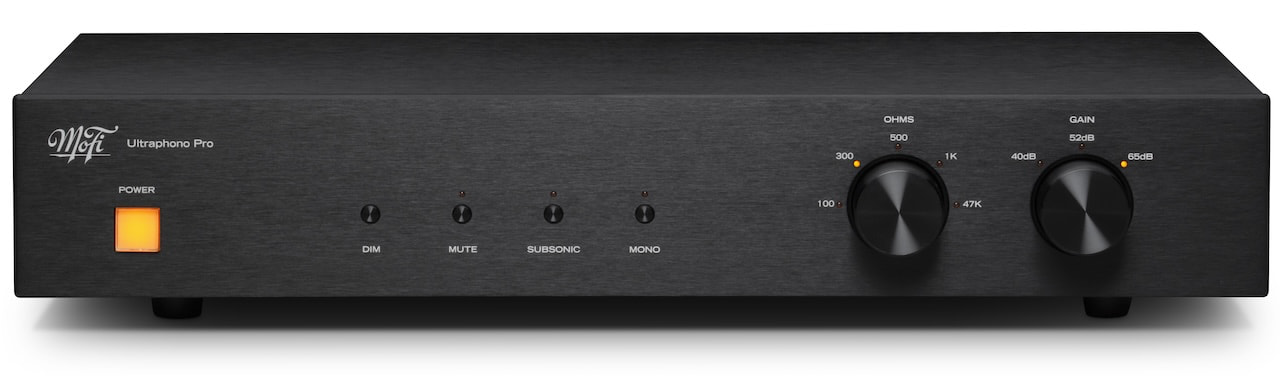
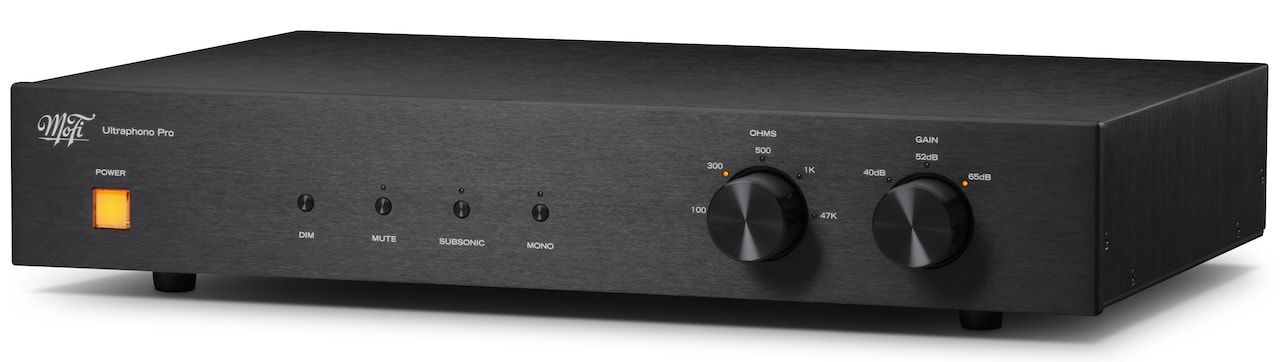
User-facing features are practical and thoughtfully implemented. Front-panel controls include mono mode, mute, a subsonic filter, and dimmable faceplate illumination. Cartridge matching is straightforward and flexible, with multiple loading options for moving-coil cartridges and selectable gain settings that support both single-ended and balanced system integration.
Key Features
- Single-input architecture derived directly from the MasterPhono
- Fully discrete J-FET and MOSFET input and output stages
- Fully balanced, DC-coupled, servo-controlled signal path from the high-pass filter to the outputs
- Passive RIAA equalization with zero global feedback
- Seven-stage regulated, fully balanced power supply
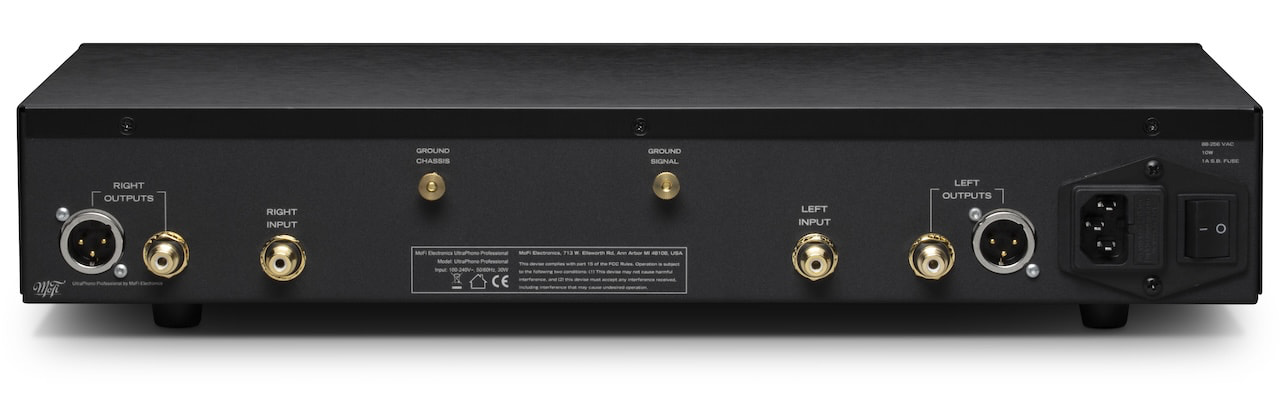
- Five selectable resistive loading options via front-panel–controlled, hermetically sealed gold-on-gold relays: 100, 300, 500, 1k, and 47k ohms
- Gain settings of 40 dB, 52 dB, and 65 dB (plus +6 dB via XLR outputs)
- Ultra-low-noise design using premium-grade electronic components
- Critical resistors specified at 0.1 percent or 0.5 percent tolerance
- Passive RIAA network using polypropylene film/foil capacitors matched to better than 1 percent
- Thermally coupled critical components to minimize performance drift with temperature changes
- Maximum signal-to-noise ratio (A-weighted): 93 dB (MM) / 85 dB (MC)

Comparison
| UltraPhono Pro | MasterPhono | |
| MSRP | $2,495 | $5,995 |
| Inputs | RCA jack, voltage mode, single-ended | Current mode & Voltage mode, balanced and unbalanced |
| 100 Ohms, 300 Ohms, 500 Ohms, 1k Ohms, 47k Ohms | 15 Ohms, 30 Ohms, 50 Ohms, 75 Ohms, 100 Ohms, 500 Ohms, 1K Ohms, 10K Ohms, 47K Ohms+150pF, & Option | |
| Gain | RCA output: 40db, 52db, 65db Balanced output: 46db, 58db, 71db |
(MM) 40db, (MM) 50db, (MC) 60db, (MC) 70db |
| Output Impedance (Balanced) | 230 Ohms | 230 Ohms |
| Output Impedance (Unbalanced) | 115 Ohms | 115 Ohms |
| Maximum Output | 1% THD, 10 Volts RMS | 1% THD, 10 Volts RMS |
| THD | 110mV@1kHz 40db gain: 0.005% A-Weighted | 5mV@1KHZ MM low: < 0.01% A-Weighted |
| 10mV@1kHz 65db gain: 0.005% A-Weighted | 5mV@1KHZ MM high: < 0.01% A-Weighted | |
| 1mV@1kHz 40db gain: 0.010% A-Weighted | 0.5mV@1KHZ MC low: < 0.005% A-Weighted | |
| 1mV@1kHz 65db gain: 0.013% A-Weighted | 0.5mV@1KHZ MC high: < 0.005% A-Weighted | |
| RIAA Accuracy | +/- 0.05db | +/- 0.1db using passive R-C technology |
| Frequency Response | 10Hz – 50kHz +/- 0.20db | 10Hz – 50KHz +/- 0.20db no filter-3.5db @ 10Hz filter ON |
| Dimensions (WxHxD) | 17” x 2.5” x 11.375” (43.2 x 6.4 x 28.8 cm) |
17” x 3” x 17” (43.2 x 7.6 x 43.2 cm) |
| Weight | 7 lbs (3.2 kg) | 15 lbs (6.8 kg) |
| AC Mains | 100VAC – 260VAC, auto switching | 100VAC – 260VAC, auto switching |
In short, the UltraPhono Pro doesn’t try to replace the MasterPhono, it translates its core engineering into a price and feature set that makes sense for the crowded, highly competitive mid-to-upper phono preamp market.
The Bottom Line
The MoFi Electronics UltraPhono Pro delivers genuine high-end phono design with fully discrete circuitry, very low noise, accurate RIAA, and balanced operation at a price where serious vinyl listeners actually shop. It’s built for MM and MC users who want flexibility and precision without paying for flagship excess, and it stands out by sounding like a scaled-down reference component rather than a dressed-up midrange box.
Where to buy: $2,495 at Music Direct | SkyFi Audio
Related Reading:
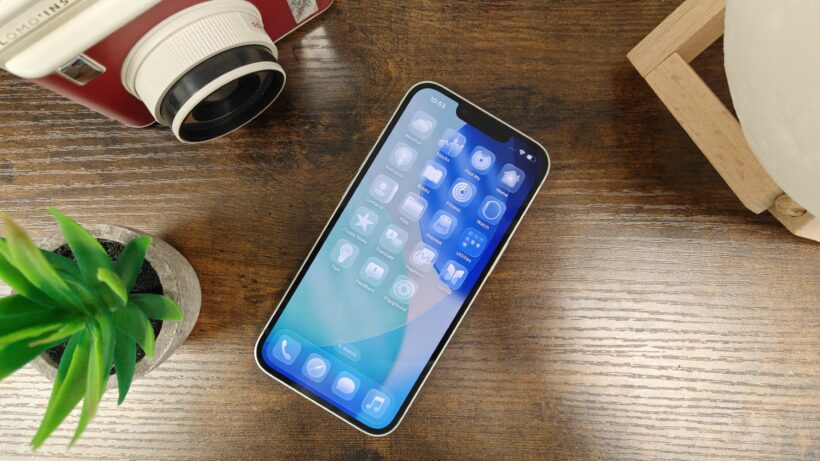
Buying a smartphone in 2026 is a far cry from where we were 10 years ago, with less obvious reasons to go with either iOS or Android – but the choice remains one of the most significant you’ll make in your digital life.
Whether you’re looking at the iPhone 17 or an Android flagship like the Samsung Galaxy S25 Ultra, the gap in hardware has shrunk massively – but the way you interact with the phones is still completely different.
Here, we explain the fundamental differences between Android and iOS in 2026 to help you decide which is better for your needs.
Market share
If you look at the global market share, Android continues to dominate the vast majority of the planet with a massive 72% using the platform. Apple’s iOS, on the other hand, only accounts for a 28% share.
Android’s dominance is driven mainly by the sheer variety of hardware available at pretty much every price point, from budget-friendly blowers in emerging markets to ultra-premium foldables. That said, while iOS’ 28% share may sound small in comparison, it’s worth noting that it dominates in more premium markets like the UK and US.
That might not sound like something you should care about, but if you want to use the same platform-exclusive features as your friends – namely things like iMessage on iOS – you’ll want to make sure you make the right choice.
Updates
A few years ago, Apple would’ve had a massive win on its hands with its iOS update system – but the Android competition has come along leaps and bounds more recently.
Apple’s approach to software updates is still the stronger of the two, with Apple dropping new versions of iOS on all supported devices on the same day, ensuring that even three- or four-year-old iPhones get the latest software updates as soon as they’re available.

Android makers have made big strides in this department, with the likes of Samsung, Google, Honor and Motorola now offering up to seven years of support, but the rollout of this software is much more fragmented. Sure, you might get the Android 17 update, but it won’t be as soon as it’s released, and it might be available for other phones from the same brand first.
Also, that’s pretty much exclusive to flagships – if you buy a mid-range or budget device from a brand like Xiaomi, you’re at the mercy of a more limited software promise. This means that while the hardware might last, the software experience can feel dated much faster on Android than on iOS.
Software experience
Using an iPhone in 2026 is a largely smooth, polished experience with impressive visuals thanks to the Liquid Glass UI introduced with iOS 26 in late 2025.
Apple’s interface feels like a premium, more curated experience where the software just kind of works in the background without much setup or intervention needed, but it also means you’re locked into Apple’s infamous walled garden – even if those towering walls are slowly beginning to crumble.

Android, on the other hand, is designed for those who want greater control and customisation in their smartphone.
From the deep customisation available on Android skins to the ability to swap out your entire home screen launcher or icon packs, Android feels more like a tool that adapts to your needs – though that does depend on the Android you’re using, as different Android skins offer different levels of visual customisation.
You do need more time and patience, especially if you get into the nitty-gritty of Android customisation, but it’s usually a well-rewarded task.
Apps
The days of “iOS gets it first” are largely over for major releases, but the App Store still feels like the more polished storefront of the two – though with Apple set to introduce more ads to the App Store experience, that could soon change.
That said, Apple’s strict app vetting process and the limited number of screen sizes to accommodate generally result in higher-quality UI and better optimisation. After all, it’s much easier for devs to polish an app for five iPhones than for five hundred different models of Android.

Google Play offers more freedom than Apple’s App Store, offering powerful system-level utilities, retro game emulators and niche productivity tools that Apple simply wouldn’t allow on its platform. It also features most, if not all, major apps available on iOS, though there are still a few iOS exclusives floating around – especially when it comes to big-screen tablet apps.
For the average user, the difference between the two storefronts is negligible, but for power users who want to use their phone as a genuine pocket computer with super-niche apps, Android remains the better choice.
Security and privacy
It feels like Apple’s entire brand is centred around privacy, and in 2026, features like App Tracking Transparency and Advanced Data Protection remain industry-leading.
That’s because Apple produces not only the hardware but every aspect of the software experience, from custom silicon to encrypted iCloud backups, it can offer a level of security that’s difficult to replicate on the Android side of things.

Android’s security model is more fragmented in comparison. While Google has hardened the OS significantly and introduced a range of privacy-focused features, the “open” nature of Android places greater responsibility on users to avoid installing dodgy apps from random websites that might contain malware.
Specific manufacturers offer deeper security features, with the likes of Samsung’s Knox and Motorola’s ThinkShield for Mobile featuring more robust features to protect your data from hacks, but it’s not consistent among all Android manufacturers.
AI
Artificial Intelligence, or AI, is the buzzword in the smartphone world at the moment, with pretty much every smartphone manufacturer seemingly cramming as many AI features into their smartphones as possible. That said, the playing field is far from level.
While Apple has marketed Apple Intelligence as a seamless, integrated experience, it’s clear that Android brands have a massive lead in both capability and accuracy. The fact that Apple is using Gemini to power its long-awaited (and delayed) redesigned Siri experience should speak volumes to this fact.

Whether it’s the more sophisticated generative object removal offered by Samsung’s Galaxy AI or the multi-modal on-device processing from the latest Pixel phones, Android AI tools generally feel more robust and less prone to hallucinations that still plague Apple’s efforts.
That said, much of this power is becoming platform-agnostic. Many popular AI tools, including the full suite of Gemini features, are available as apps on both iOS and Android, meaning you aren’t necessarily locked out of top-tier AI just because you chose an iPhone.
The real difference is how companies handle the data; Apple continues to lean heavily on Private Cloud Compute to handle cloud-based AI processing of sensitive data, while Google and other Android manufacturers offer a mix of on-device and cloud-based processing depending on what it needs.
Verdict
When it comes to the all-important decision of choosing between iOS and Android, there’s no wrong choice, only a choice of priorities.
If you want an easy-to-use phone with a wide variety of high-quality apps that works well with other Apple gear and offers the most polished experience, the iPhone remains the best pick.
That said, if you want the best AI tech and the freedom to make your phone look and act exactly how you want, with niche system-level apps and extensive customisation, Android is your best bet.
Tech
Unison Research Unico PRE v2 & DM v2 Power Amplifier: More Muscle, Sharper Design, and Zero Doubt It’s Italian
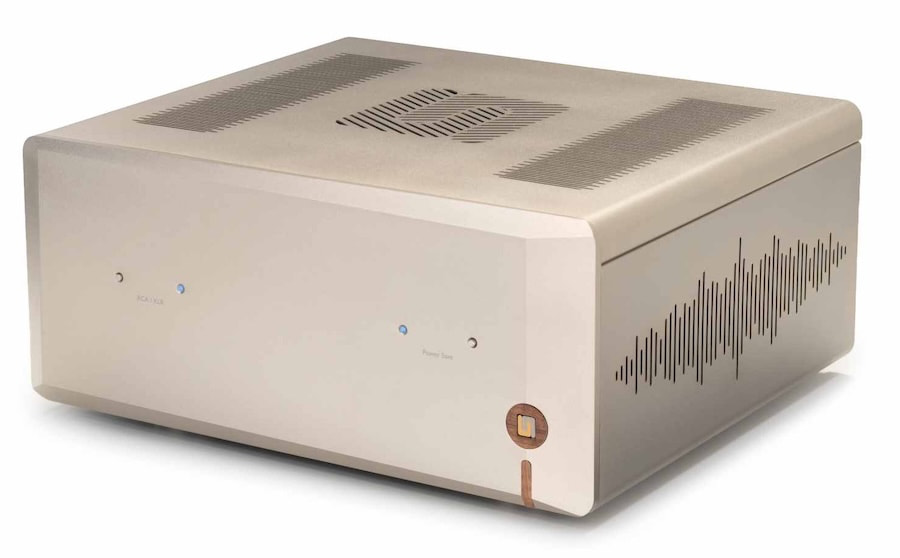
With the Unico DM v2, Unison Research makes it clear that evolution, not reinvention is the mission. Now positioned as the flagship power amplifier in the Unico lineup, the DM v2 arrives with a completely renewed, unmistakably Italian design that’s cleaner, more modern, and aligned with the brand’s new visual language—formally introduced alongside the Unico PRE v2. This isn’t a styling exercise for Instagram; it’s a cohesive rethink of how Unico components look, feel, and slot into a contemporary high-end system.
That design confidence isn’t coming out of nowhere. We’ve already spent serious time with Unison Research’s Triode 25 and Simply 845 integrated amplifiers, and both left a lasting impression. Price-sensitive shoppers need not apply, but for listeners who care more about musicality than spreadsheets, they remain two of the most compelling tube amplifiers in their class, combining drop-dead Italian industrial design with a command of tone, texture, and scale that many modern tube amps still struggle to get right. The Unico DM v2 builds on that legacy, just with more power, sharper tailoring, and zero interest in playing it safe.
There’s a clear design pivot happening here. Unison Research has long been celebrated for mixing real hardwoods with machined metal gear that looked handcrafted, tactile, and proudly old-world Italian. The Unico PRE v2 and DM v2don’t abandon that heritage, but they definitely reinterpret it. The lines are cleaner, the surfaces more restrained, and the overall presentation feels less romantic throwback and more contemporary confidence. Think less classic Sophia Loren, more modern Nicole Grimaudo; still unmistakably Italian, still elegant, just sharper, leaner, and very much living in the present rather than trading purely on nostalgia.
Unison Research Unico DM v2: Flagship Power Amplifier with a New Design Direction
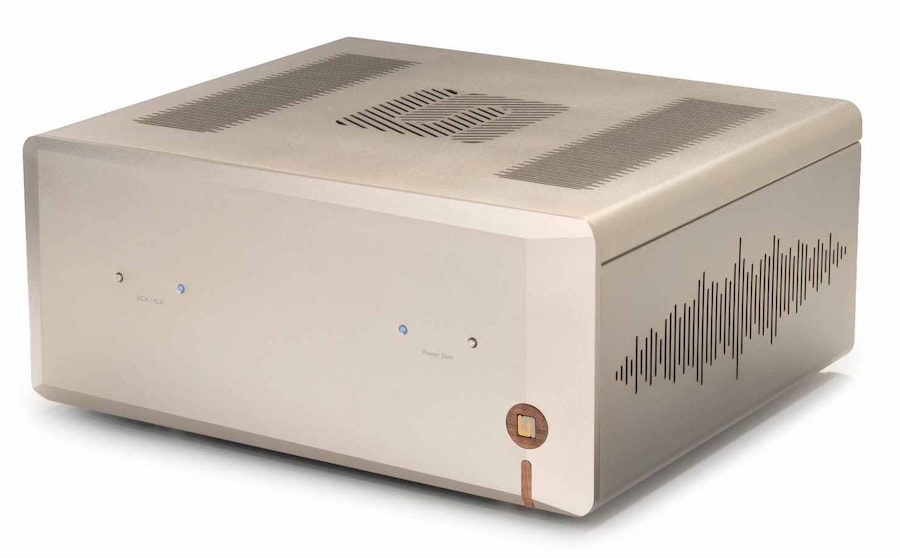
The $10,999 USD Unico DM v2 is the new flagship power amplifier in Unison Research’s Unico series. Introduced alongside the Unico PRE v2, it reflects a clear shift in the company’s design language toward a more modern, restrained aesthetic while maintaining the hybrid tube/solid-state approach that has long defined the Unico line.
The chassis design is notably more contemporary than previous Unico models. The front panel is machined from a 15-mm-thick aluminum block, giving the amplifier a dense, solid feel, while the Midnight Black and Velvet Gold finishes emphasize its cleaner lines. A 2-mm aluminum top cover wraps around the enclosure, reinforcing both structural rigidity and visual continuity. Wooden accents remain, but they are used sparingly, serving as a reference to the original Unico logo rather than a dominant visual element. The Unison Research logo also functions as the power switch, integrating branding and operation in a subtle, functional way.
Internally, the Unico DM v2 is built around a dual-mono architecture. Each channel is powered by its own 750 VA encapsulated toroidal transformer, with potting and shielding used to reduce electromagnetic interference. This layout is intended to preserve channel separation and maintain consistency under load. When operated in bridged mono mode, the two power supplies are connected in parallel, increasing available current and output capability.
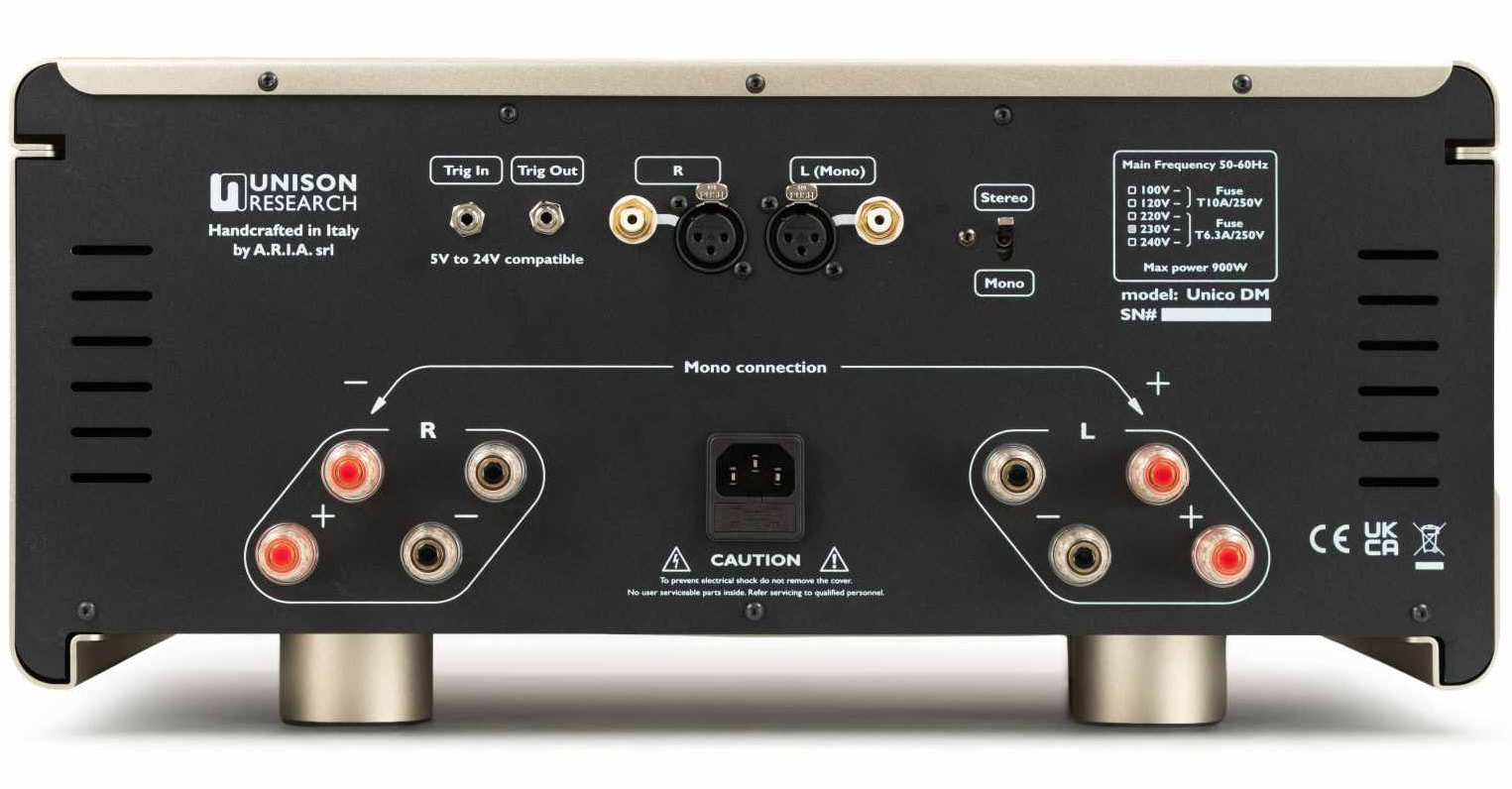
The amplifier uses a three-stage hybrid amplification circuit. The input stage operates in pure Class A and employs ECC82 / 12AU7 Gold Lion valves, providing the initial voltage gain. A solid-state intermediate stage buffers and adapts the signal for the output section. The power stage uses a complementary push-pull configuration with three parallel pairs of MOSFETs, designed to deliver sufficient current for demanding loudspeaker loads while remaining stable across a wide impedance range.
A key technical addition is A.S.H.A. (Class A-AB) technology, introduced for the first time in the Unico DM v2. This output-stage topology is designed to combine aspects of Class A operation at lower levels with the efficiency and thermal behavior of Class AB at higher power. According to Unison Research, this approach keeps distortion low and consistent up to maximum output while maintaining tonal balance and low-frequency control even at moderate listening levels.
In practical terms, the Unico DM v2 delivers 220 W into 8 ohms and 340 W into 4 ohms in stereo operation, with stability down to 2 ohms. In bridged mono mode, it provides 650 W continuous output into both 8-ohm and 4-ohm loudspeakers, allowing it to function as a high-power monoblock when required.
Connectivity is conventional and system-focused, with balanced XLR and unbalanced RCA inputs, a remote power-on trigger, and dual binding posts per channel to support bi-wiring. The Unico DM v2 is clearly aimed at listeners who want high output capability, a hybrid circuit design, and a more contemporary visual presentation from Unison Research, without departing from the brand’s established engineering principles.
Unison Research Unico PRE v2: Flagship Preamplifier with Expanded Functionality and a Modernized Look
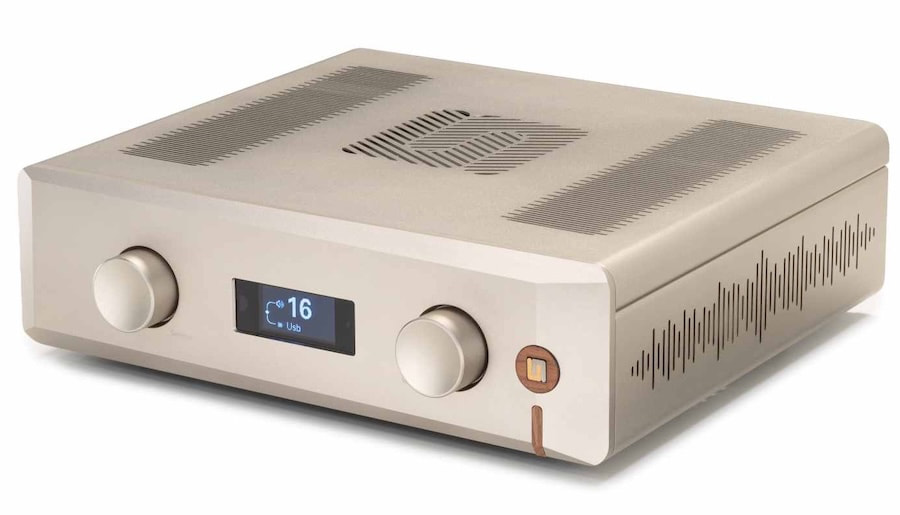
The $7,499 USD Unico PRE v2 is the new flagship preamplifier in the Unison Research Unico series. Introduced alongside the Unico DM v2 power amplifier, it reflects the same shift toward a more contemporary design language while retaining the hybrid valve/solid-state approach that defines the Unico range. Rather than a cosmetic refresh, the PRE v2 represents a full redesign intended to improve usability, system flexibility, and overall consistency with modern audio systems.
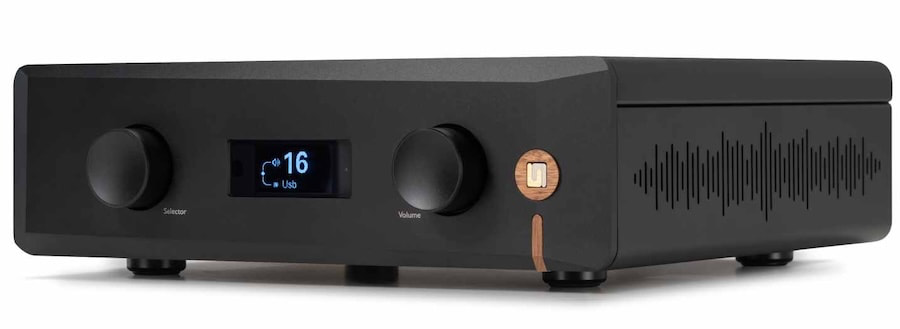
Visually, the Unico PRE v2 follows the same restrained, more architectural styling as the DM v2. The front panel is machined from a 15-mm-thick solid aluminum block, giving the unit a solid, precisely finished appearance. Midnight Black and Velvet Gold finishes highlight the cleaner lines and tighter detailing, while the 2-mm aluminum top coverwraps around the chassis to reinforce both rigidity and visual continuity. Wooden accents remain, but in a reduced, more symbolic role, referencing the original Unico logo rather than dominating the design. As with the DM v2, the Unison Research logo doubles as the power button, integrating branding and function in a straightforward way.
Volume control is handled by a high-quality integrated circuit using precision resistors, chosen to ensure accurate channel balance and consistent attenuation across the full range. The goal here is stability and repeatability rather than novelty, preserving signal integrity regardless of listening level.
Internally, the Unico PRE v2 has been completely reworked. The circuit remains faithful to zero global feedback and a dual-mono topology, design choices Unison Research has long associated with natural, unforced sound. The preamplifier uses a three-stage architecture, with the first stage built around a pair of ECC83 / 12AX7 Gold Lion valves operating in Class A. This stage establishes the preamp’s basic tonal character while maintaining low noise and low distortion. The following solid-state stages handle buffering and output duties, working in tandem with the valve section to maintain consistency and drive capability under a wide range of system conditions.
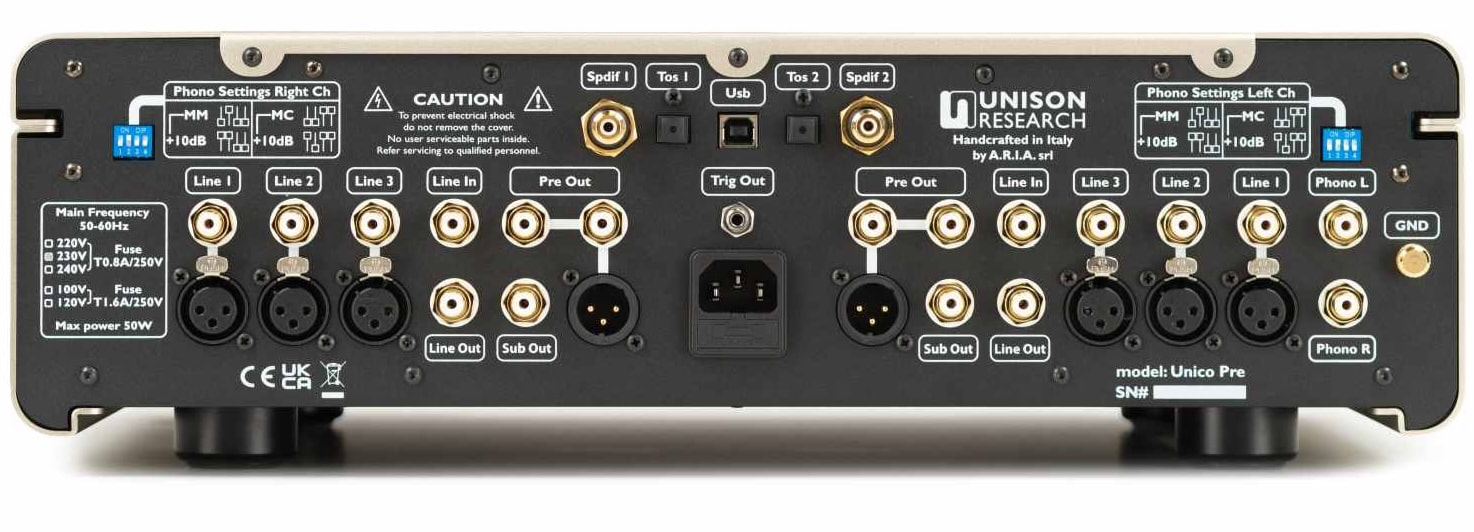
One of the Unico PRE v2’s strengths is its unusually broad connectivity. On the analog side, it offers three RCA line inputs, three XLR line inputs, a dedicated MM/MC phono input, and an additional Line In for system integration. Outputs include two RCA outputs for bi-amping, a balanced XLR output, an unfiltered dual subwoofer output, and Line Out connections for external processors or recording devices. A 12 V trigger output allows synchronized power control with compatible amplifiers and accessories.
Digital playback is handled by an integrated DAC based on the Sabre ES9018K2M converter. The DAC section uses a balanced output architecture designed to interface cleanly with the valve input stage, aiming for tonal consistency between digital and analog sources. Digital inputs include USB-B, two S/PDIF, and two optical Toslink connections, supporting PCM up to 384 kHz over USB, native DSD up to 256×, and DoP up to 128×, with S/PDIF and Toslink supporting resolutions up to 192 kHz.
The built-in phono stage uses passive RIAA equalization and high-precision components. It supports both MM and MC cartridges, with selectable load and gain settings accessible from the rear panel, making cartridge matching straightforward without internal adjustments.
In practical terms, the Unico PRE v2 is a fully balanced hybrid preamplifier with a solid-state output stage, moderate power consumption, and output voltage levels high enough to drive a wide range of power amplifiers without difficulty. It measures 45 × 43 × 14 cm and weighs 11 kg, placing it firmly in the full-size component category.
Overall, the Unico PRE v2 is less about spectacle and more about refinement—modernized styling, expanded connectivity, and a carefully updated circuit design intended to serve as a flexible control center for contemporary hybrid and high-power systems.
The Bottom Line
The Unico DM v2 separates itself with a high-power, dual-mono hybrid architecture and Unison Research’s new A.S.H.A. Class A-AB output stage, designed for real loudspeaker control rather than headline specs. The Unico PRE v2complements it as a fully balanced control center with a tube-based input stage, broad analog and digital connectivity, and a genuinely useful MM/MC phono stage with selectable load and gain. There’s no internal streamer and no Bluetooth, which feels deliberate—hinting that dedicated digital sources may not be far behind.
At $18,498 USD for the preamp and power amplifier alone—before speakers, sources, and cabling—this is a serious investment. Fidelity Imports represents a wide range of appropriately priced loudspeakers that would make sense with this combination. The takeaway is simple: new look, significantly more power, and pricing that reflects Unison Research’s move further upmarket.
For more information: unisonresearch.com/type/unico/
Related Reading:
from the do-you-use-your-brain-or-do-you-replace-it? dept
We live in a stupidly polarizing world where nuance is apparently not allowed. Everyone wants you to be for or against something—and nowhere is this more exhausting than with AI. There are those who insist that it’s all bad and there is nothing of value in it. And there are those who think it’s all powerful, the greatest thing ever, and will replace basically every job with AI bots who can work better and faster.
I think both are wrong, but it’s important to understand why.
So let me lay out how I actually think about it. When it’s used properly, as a tool to assist a human being in accomplishing a goal, it can be incredibly powerful and valuable. When it’s used in a way where the human’s input and thinking are replaced, it tends to do very badly.
And that difference matters.
I think back to a post from Cory Doctorow a couple months ago where he tried to make the same point using a different kind of analogy: centaurs and reverse-centaurs.
Start with what a reverse centaur is. In automation theory, a “centaur” is a person who is assisted by a machine. You’re a human head being carried around on a tireless robot body. Driving a car makes you a centaur, and so does using autocomplete.
And obviously, a reverse centaur is a machine head on a human body, a person who is serving as a squishy meat appendage for an uncaring machine.
Like an Amazon delivery driver, who sits in a cabin surrounded by AI cameras, that monitor the driver’s eyes and take points off if the driver looks in a proscribed direction, and monitors the driver’s mouth because singing isn’t allowed on the job, and rats the driver out to the boss if they don’t make quota.
The driver is in that van because the van can’t drive itself and can’t get a parcel from the curb to your porch. The driver is a peripheral for a van, and the van drives the driver, at superhuman speed, demanding superhuman endurance. But the driver is human, so the van doesn’t just use the driver. The van uses the driver up.
Obviously, it’s nice to be a centaur, and it’s horrible to be a reverse centaur.
As Doctorow notes in his piece, some of the companies embracing AI tech are doing so with the goal of building reverse-centaurs. Those are the ones that people are, quite understandably, uncomfortable with and should be mocked. But the reality is, also, it seems quite likely those efforts will fail.
And they’ll fail not just because they’re dehumanizing—though they are—but because the output is garbage. Hallucinations, slop, confidently wrong answers: that’s what happens when nobody with actual knowledge is checking whether any of it makes sense. When AI works well, it’s because a human is providing the knowledge and the creativity.
The reverse-centaur doesn’t just burn out the human. It produces worse work, because it assumes that the AI can provide the knowledge or the creativity. It can’t. That requires a human. The power of AI tools is in enabling a human to take their own knowledge, and their own creativity and enhance it, to do more with it, based on what the person actually wants.
To me it’s a simple question of “what’s the tool?” Is it the AI, used thoughtfully by a human to do more than they otherwise could have? If so, that’s a good and potentially positive use of AI. It’s the centaur in Doctorow’s analogy.
Or is the human the tool? Is it a “reverse centaur”? I think nearly all of those are destined to fail.
This is why I tend not to get particularly worked up by those who claim that AI is going to destroy jobs and wipe out the workforce, who will be replaced by bots. It just… doesn’t work that way.
At the same time, I find it ridiculous to see people still claiming that the technology itself is no good and does nothing of value. That’s just empirically false. Plenty of people—including myself—get tremendous use out of the technology. I am using it regularly in all different ways. It’s been two years since I wrote about how I used it to help as a first pass editor.
The tech has gotten dramatically better since then, but the key insight to me is what it takes to make it useful: context is everything. My AI editor doesn’t just get my draft writeup and give me advice based on that and its training—it also has a sampling of the best Techdirt articles, a custom style guide with details about how I write, a deeply customized system prompt (the part of AI tools that are often hidden from public view) and a deeply customized starting prompt. It also often includes the source articles I’m writing about. With all that context, it’s an astoundingly good editor. Sometimes it points out weak arguments I missed entirely. Sometimes it has nothing to say.
(As an aside, in this article, it suggested I went on way too long explaining all the context I give it to give me better suggestions, and thus I shortened it to just the paragraph above this one).
It’s not always right. Its suggestions are not always good. But that’s okay, because I’m not outsourcing my brain to it. It’s a tool. And way more often than not, it pushes me to be a better writer.
This is why I get frustrated every time people point out a single AI fail or hallucination without context.
The problem only comes in when people outsource their brains. When they become reverse centaurs. When they are the tool instead of using AI as the tool. That’s when hallucinations or bad info matter.
But if the human is in control, if they’re using their own brain, if they’re evaluating what the tool is suggesting or recommending and making the final decision, then it can be used wisely and can be incredibly helpful.
And this gets at something most people miss entirely: when they think about AI, they’re still imagining a chatbot. They think every AI tool is ChatGPT. A thing you talk to. A thing that generates text or images for you to copy-paste somewhere else.
That’s increasingly not where the action is. The more powerful shift is toward agentic AI—tools that don’t just generate content, but actually do things. They write code and run it. They browse the web and synthesize what they find. They execute multi-step tasks with minimal hand-holding. This is a fundamentally different model than “ask a chatbot a question and get an answer.”
I’ve been using Claude Code recently, and this distinction matters. It’s an agent that can plan, execute, and iterate on actual software projects, rather than just a tool talking to me about what to do. But, again, that doesn’t mean I just outsource my brain to it.
I often put Claude Code into plan mode, where it tries to work out a plan, but then I spend quite a lot of time exploring why it was making certain decisions, and asking it to explore the pros and cons of those decisions, and even to provide me with alternative sources to understand the trade-offs of some of the decisions it is recommending. That back and forth has been both educational for me, but also makes me have a better understanding and be comfortable with the eventual projects I use Claude Code to build.
I am using it as a tool, and part of that is making sure I understand what it’s doing. I am not outsourcing my brain to it. I am using it, carefully, to do things that I simply could not have done before.
And that’s powerful and valuable.
Yes, there are so many bad uses of AI tools. And yes, there is a concerted, industrial-scale effort, to convince the public they need to use AI in ways that they probably shouldn’t, or in ways that is actively harmful. And yes, there are real questions about what it costs to train and run the foundation models. And we should discuss those and call those out for what they are.
But the people who insist the tools are useless and provide nothing of value, that’s just wrong. Similarly, anyone who thinks the tech is going to go away are entirely wrong. There likely is a funding bubble. And some companies will absolutely suffer as it deflates. But it won’t make the tech go away.
When used properly, it’s just too useful.
As Cory notes in his centaur piece, AI can absolutely help you do your job, but the industry’s entire focus is on convincing people it can replace your job. That’s the con. The tech doesn’t replace people. But it can make them dramatically more capable—if they stay in the driver’s seat.
The key to understanding the good and the bad of the AI hype is understanding that distinction. Cory explains this in reference to AI coding:
Think of AI software generation: there are plenty of coders who love using AI, and almost without exception, they are senior, experienced coders, who get to decide how they will use these tools. For example, you might ask the AI to generate a set of CSS files to faithfully render a web-page across multiple versions of multiple browsers. This is a notoriously fiddly thing to do, and it’s pretty easy to verify if the code works – just eyeball it in a bunch of browsers. Or maybe the coder has a single data file they need to import and they don’t want to write a whole utility to convert it.
Tasks like these can genuinely make coders more efficient and give them more time to do the fun part of coding, namely, solving really gnarly, abstract puzzles. But when you listen to business leaders talk about their AI plans for coders, it’s clear they’re not looking to make some centaurs.
They want to fire a lot of tech workers – they’ve fired 500,000 over the past three years – and make the rest pick up their work with coding, which is only possible if you let the AI do all the gnarly, creative problem solving, and then you do the most boring, soul-crushing part of the job: reviewing the AIs’ code.
Criticize the hype. Mock the replace-your-workforce promises. Call out the slop factories and the gray goo doomsaying. But don’t mistake the bad uses for the technology itself. When a human stays in control—thinking, evaluating, deciding—it’s a genuinely powerful tool. The important question is just whether you’re using it, or it’s using you.

Meta has been going all in on AI, whether people want it or not, and now it’s bringing more features in that vein to Facebook. The network’s latest move is to let people use Meta AI to animate their profile photos. Because what better way to express your individuality than to use a pre-canned AI-generated animation on your own face?
Meta AI is also coming for your Facebook Stories and Memories. The network’s Restyle lets you use gen-AI to change up the aesthetic of your posts. You can once again use pre-canned stylings or give the AI assistant your own prompt.
In the company’s own words, the new tools that will create “share-worthy moments that spark meaningful interactions and conversations with friends.” I guess meaning is in the eye of the beholder. If you’re desperate to behold even more AI slop, Meta recently said its Vibes feed of exactly that content will be getting a standalone app.
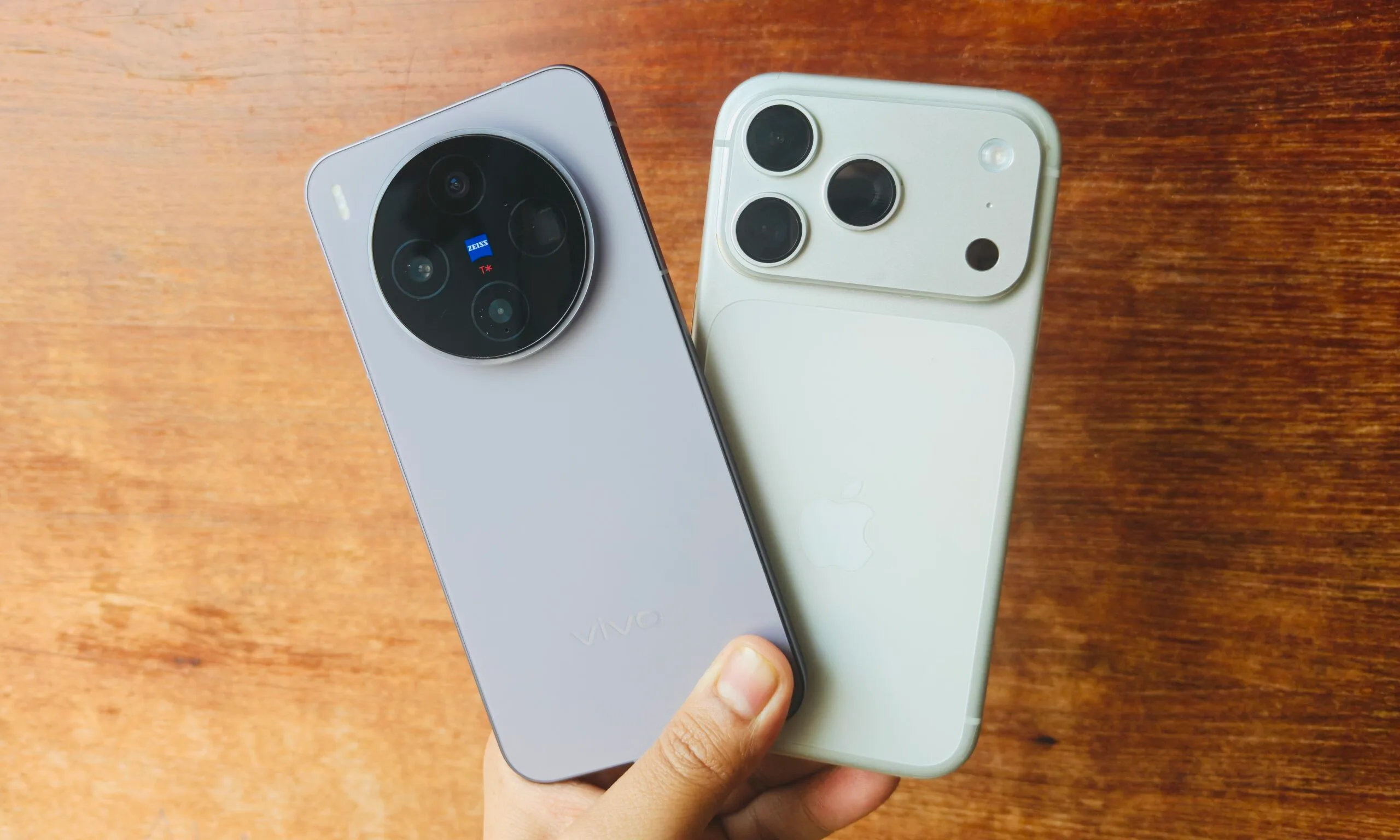
The latest generation of Android flagships from Vivo, Oppo, and even Samsung include one 200MP sensor, used as the primary camera or the telephoto camera. However, the next generation of Android flagships could include three 100MP sensors.
You heard that right. According to Chinese tipster Digital Chat Station, “some” (that could be more than one) smartphone makers are “testing three 100-megapixel lenses” or cameras.

Three 100MP cameras? That’s the rumor
Although the tipster doesn’t specify the nature of these cameras, they could very well be the primary, telephoto, and ultrawide shooters. This is one of the most interesting approaches I’ve heard of lately. Here’s why.
It might sound like a 100MP primary sensor and a 100MP telephoto sensor is a downgrade from the current 200MP standard at first. But only the Oppo Find X9 Ultra has been confirmed to feature two 200MP cameras on the back.
The others, including the Vivo X300 Pro, the Find X9 Pro, and the Galaxy S25 Ultra (or even the upcoming Galaxy S26 Ultra, for that matter), include only one 200MP primary sensor, which, by the way, uses pixel binning to default to a lower resolution for increased low-light performance, saving space and capture time.
Having 100MP primary and telephoto sensors would still allow brands to capture at a lower default resolution, upscale significantly when needed, and take less storage or capture time than a 200MP sensor would.

The ultrawide camera could finally get a serious update
So far, I haven’t talked about the ultrawide sensor, because it maxes out at 50MP on the flagships. Hence, a 100MP ultrawide camera (if our interpretation of the tweet is right) would be a dramatic upgrade.
It could enable more detailed macro shots (if the sensor doubles as a macro shooter) or greater post-capture reframing potential. In addition to the rear-facing cameras, the leaker also claims that a “100-megapixel front-facing camera,” with a “small-pixel sensor,” is in the works.
Given that the Galaxy S26 series seems to be stuck with a 12MP front camera, and Chinese flagships use a 50MP sensor on their most expensive variants, a 100MP selfie shooter could deliver a noticeable upgrade.
Since it’s a small-pixel sensor, low-light photography might be an issue, but I guess smartphone makers should be able to fix it with computational trickery.

Google on Tuesday expanded its “Results about you” tool to let users request the removal of Search results containing government-issued ID numbers — including driver’s licenses, passports and Social Security numbers — adding to the tool’s existing ability to flag results that surface phone numbers, email addresses, and home addresses.
The update, announced on Safer Internet Day, is rolling out in the U.S. over the coming days. Google also streamlined its process for reporting non-consensual explicit images on Search, allowing users to select and submit removal requests for multiple images at once rather than reporting them individually.

HOOD falls another 7% on Q4 revenue miss

Tara Lipinski on Best Winter Skincare Tips and The Traitors Strategy

Bitcoin et Crypto en chute libre


-

 Tech7 days ago
Wikipedia volunteers spent years cataloging AI tells. Now there’s a plugin to avoid them.
-

 Politics2 days ago
Why Israel is blocking foreign journalists from entering
-

 NewsBeat1 day ago
Mia Brookes misses out on Winter Olympics medal in snowboard big air
-
 Sports4 days ago
JD Vance booed as Team USA enters Winter Olympics opening ceremony
-

 Tech4 days ago
First multi-coronavirus vaccine enters human testing, built on UW Medicine technology
-
 Business2 days ago
LLP registrations cross 10,000 mark for first time in Jan
-

 NewsBeat2 days ago
Winter Olympics 2026: Team GB’s Mia Brookes through to snowboard big air final, and curling pair beat Italy
-

 Sports2 days ago
Benjamin Karl strips clothes celebrating snowboard gold medal at Olympics
-
Sports3 days ago
Former Viking Enters Hall of Fame
-

 Politics2 days ago
The Health Dangers Of Browning Your Food
-
Sports5 days ago
New and Huge Defender Enter Vikings’ Mock Draft Orbit
-

 Business2 days ago
Julius Baer CEO calls for Swiss public register of rogue bankers to protect reputation
-
 NewsBeat4 days ago
Savannah Guthrie’s mother’s blood was found on porch of home, police confirm as search enters sixth day: Live
-

 Business5 days ago
Quiz enters administration for third time
-

 Crypto World6 hours ago
Blockchain.com wins UK registration nearly four years after abandoning FCA process
-
 Crypto World15 hours ago
U.S. BTC ETFs register back-to-back inflows for first time in a month
-
 NewsBeat2 days ago
Residents say city high street with ‘boarded up’ shops ‘could be better’
-
Sports1 day ago
Kirk Cousins Officially Enters the Vikings’ Offseason Puzzle
-

 Crypto World14 hours ago
Ethereum Enters Capitulation Zone as MVRV Turns Negative: Bottom Near?
-

 NewsBeat5 days ago
Still time to enter Bolton News’ Best Hairdresser 2026 competition