

Business
The artificial ice pyramids saving India's mountain villages




Semiconductor dominance, software innovation, and gaming IP position Asia at the centre of the global artificial intelligence revolution, according to new analysis from J.P. Morgan Asset Management.
Key takeaways
- Asia controls over 95% of global leading-edge semiconductor production, making the region indispensable to the entire AI supply chain.
- The technology sector accounts for more than 30% of the MSCI Asia Pacific ex Japan Index, with Japanese gaming IP alone generating $55 billion in annual revenues.
- Sustained capex across fabrication, infrastructure, and research positions Asia not just as a participant in the current AI wave, but as the foundation for the next one.
Asia’s technology sector is emerging as one of the most compelling investment frontiers of the AI era, driven by structural advantages that Western markets cannot easily replicate. That is the central finding of a new investment insight published by J.P. Morgan Asset Management, which argues that the region’s deep-rooted strengths in hardware, software, and intellectual property are quietly powering the next chapter of the global AI story.

While the United States has commanded the headlines in the race to develop and deploy artificial intelligence, J.P. Morgan’s analysis makes clear that Asia is far from a bystander. The region controls over 95% of global leading-edge semiconductor production, the critical manufacturing base underpinning everything from graphics processing units to AI servers. Without Asia, in other words, there is no AI boom.
A Structural Pillar, Not a Sideshow
Asia’s technology sector stands at the forefront of the global AI revolution, underpinned by its dominance in semiconductor manufacturing, innovative software development, and world-class gaming intellectual property. This is not a cyclical uptick but a structural positioning decades in the making, one that places the region at the intersection of every major AI supply chain on the planet.
Technology has consistently driven and redefined human progress. While the US has been the focal point of recent AI advances, Asia remains a pivotal player in the global tech landscape, home to a robust ecosystem of world leaders in semiconductors, electronics, hardware, software, and cloud technology.
The numbers are striking. Asia’s technology universe accounts for over 30% of the MSCI Asia Pacific ex Japan Index, underscoring just how central the sector is to the region’s broader economic identity. For institutional and retail investors alike, exposure to Asian equities is, to a significant degree, exposure to the future of technology.
Gaming IP: Japan’s $55 Billion Quiet Giant
One of the more surprising dimensions of Asia’s AI-era advantage is the cultural and commercial weight of its gaming industry. Japanese gaming intellectual property alone generates annual revenues of $55 billion, a figure that rivals entire national industries in smaller economies. As AI increasingly intersects with interactive entertainment, from procedural content generation to intelligent game design, the owners of world-class IP are uniquely positioned to monetise these capabilities at scale.
Capex Commitment Signals Long-Term Conviction
Beyond existing strengths, J.P. Morgan’s analysis highlights ongoing capital expenditure as a further tailwind. As AI adoption accelerates across the world, Asia’s unique strengths and ongoing capex make it a compelling destination for investors. Continued investment in infrastructure, fabrication capacity, and research signals that governments and corporations alike across the region are not merely riding the current wave; they are building for the next one.

Secular Growth Opportunities on the Horizon
The broader message from J.P. Morgan’s portfolio strategists is one of measured optimism. As the fast-changing AI narrative continues to unfold, a number of secular growth investment opportunities are emerging across the Asia region, opportunities rooted not in speculation, but in the hard industrial and technological realities that define Asia’s role in the global economy.
For investors seeking exposure to the structural growth story of artificial intelligence, the analysis suggests that looking beyond Silicon Valley, and towards Seoul, Tokyo, Taipei, and beyond, may prove to be one of the defining portfolio decisions of this decade.
Other People are Reading
Check out what’s clicking on FoxBusiness.com.
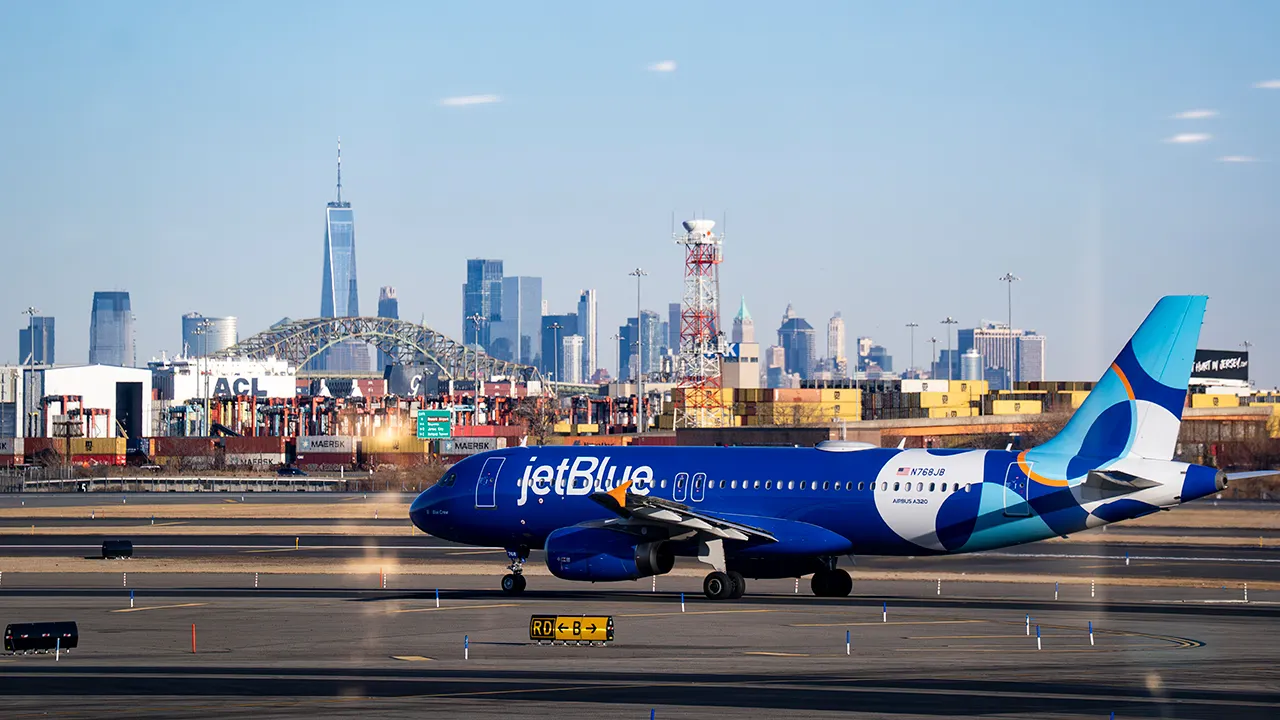
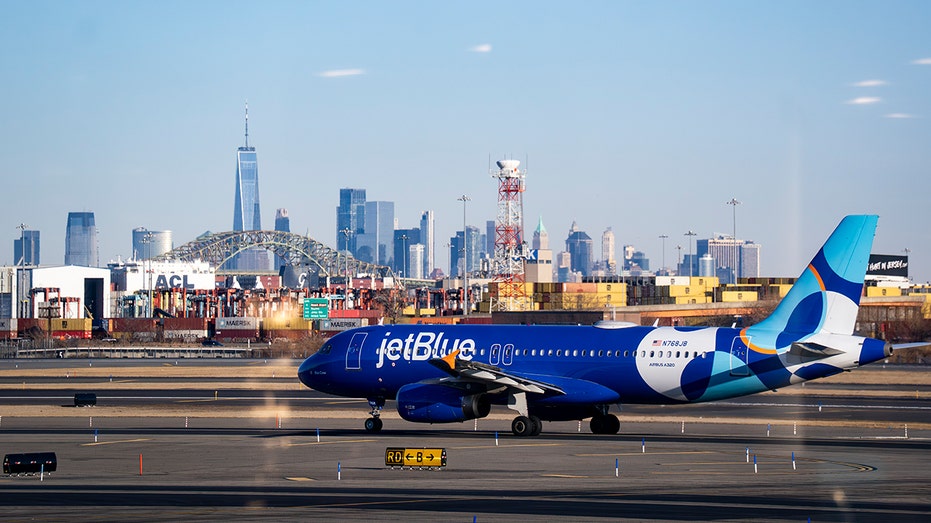
JetBlue is cutting back some New York-area operations this fall as it shifts more flying to South Florida.
The carrier will close its inflight base at Newark Liberty International Airport and its technical operations bases at both Newark and LaGuardia Airport, JetBlue confirmed to FOX Business. The airline said no employees will lose their jobs as a result of the closures.
“With recent schedule changes, we are adjusting the operational footprint needed to support our flying going forward,” the company said. “… Crewmembers will be able to bid or transfer into other bases, and no crewmembers will lose their jobs due to these closures.”
‘THAT GUY’S INSANE’: FAA INVESTIGATES AIRSPACE INCIDENT INVOLVING JETBLUE FLIGHT, OTHER AIRCRAFT
A JetBlue Airbus A320 sits at Newark Liberty International Airport in Newark, N.J. (Al Drago/Getty Images, File / Getty Images)
JetBlue also said it is ending seasonal service between Newark and Los Angeles and Las Vegas.
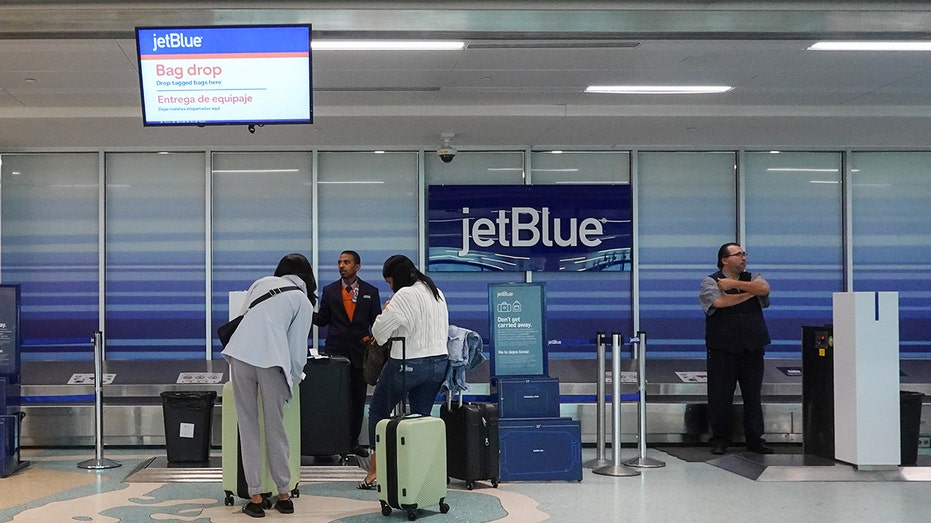
At the same time, the airline is expanding at Fort Lauderdale-Hollywood International Airport, where it is adding more Mint flights, JetBlue’s premium cabin service, to the West Coast.
“This growth includes new and additional Mint flying from Fort Lauderdale to the West Coast as we grow in South Florida after Spirit’s exit from the market,” the company said.
JETBLUE FLIGHT TURNS BACK AFTER STRIKING A COYOTE ON THE RUNWAY: ‘WE THOUGHT IT WAS A JOKE’

JetBlue planes are seen at LaGuardia Airport in Queens, N.Y. (Michael Nagle/Bloomberg via Getty Images, File / Getty Images)
JetBlue, which is headquartered in Long Island City, New York, said it sees “significant opportunity” to grow in Fort Lauderdale, where it says customers “know and love the JetBlue experience.”
JetBlue President Marty St. George and Chief Operating Officer Warren Christie told staff the airline needs to move quickly as competitors shift their own routes, according to CNBC.
| Ticker | Security | Last | Change | Change % |
|---|---|---|---|---|
| JBLU | JETBLUE AIRWAYS CORP. | 5.68 | +0.55 | +10.72% |
“We’re operating in a fast-changing landscape where competitors are constantly adding, reducing and shifting flying in response to market conditions,” the executives said in a note to staff. “We have to be just as agile, entering markets where we see opportunity and exiting those that no longer support our long-term goals. Standing still while competitors make moves isn’t an option.”
JETBLUE RESUMES OPERATIONS AFTER BRIEF NATIONWIDE FAA GROUND STOP
Travelers check their bags at a JetBlue Airways counter at Fort Lauderdale-Hollywood International Airport in Fort Lauderdale, Fla. (Joe Raedle/Getty Images, File / Getty Images)
JetBlue, already the largest carrier at Fort Lauderdale-Hollywood International Airport, plans to add new Mint service from Fort Lauderdale to San Diego starting Nov. 19, along with more Mint flights to Los Angeles and San Francisco this winter, CNBC reported.
CLICK HERE TO GET FOX BUSINESS ON THE GO
Last month, JetBlue said it would drop 11 routes this summer, including all service from Manchester-Boston Regional Airport in New Hampshire, as it focuses more on Florida, according to Business Insider.
Business
SpaceX Stock Returns to Break-Even as Investors Weigh Cursor Deal Dilution Against Index Hopes

SpaceX shares, which exploded onto the public markets less than a week ago in the largest initial public offering in Nasdaq history, have given back most of their initial gains, with early investors’ returns settling back to roughly break-even levels following a sharp two-day decline tied to concerns over equity dilution from the company’s $60 billion acquisition of artificial intelligence coding startup Cursor.
The reversal marks a striking turn for a stock that, just days earlier, had briefly made SpaceX the fourth-most-valuable company in the United States by market capitalization.
A Blockbuster Debut Followed by a Sharp Pullback
SpaceX, which debuted on the market on June 12 with an initial public offering price of $135, recorded double-digit gains immediately after listing as explosive buying momentum poured into the stock. Shares of SpaceX gained roughly 16% on Tuesday alone, topping Amazon and Microsoft by market cap and making it the fourth most valuable company in the United States. The stock price surged as high as $225 in a single bound during the initial euphoria of its public debut.
That momentum reversed abruptly. SpaceX stock closed at $185.00 on June 18, down 3.56% on the day. During intraday trading, shares briefly plummeted by more than 6% before recovering somewhat by the closing bell. The rapid adjustment erased a substantial portion of the gains accumulated since the IPO and pushed early investors’ average returns back toward the levels at which they originally bought in.
The Cursor Deal at the Center of the Selloff
The catalyst for the reversal was SpaceX’s sudden confirmation of a massive acquisition just days after going public. SpaceX confirmed that it will acquire Anysphere, the company behind the AI coding tool Cursor, for $60 billion. In a regulatory filing, SpaceX confirmed the deal will be an all-stock transaction, with the company expecting the acquisition to close during the third quarter, pending regulatory approvals.
The agreement followed an option SpaceX had secured in April, which gave it the right to either pay roughly $10 billion for a partnership with Cursor or acquire the company outright for $60 billion later in the year. Technically, SpaceX had 30 days following its record-shattering public debut to decide on the takeover. In the end, all it took was two trading days.
The speed of the decision reflected Elon Musk’s urgency to close a competitive gap in artificial intelligence coding tools. In doing so, Musk signaled his desire for SpaceX’s xAI division to rapidly rebuild and catch up to rivals including Anthropic and OpenAI, which have capitalized on demand for artificial intelligence-powered coding tools in a way that his AI business hasn’t.
Why the Deal Sent Shares Lower
The market’s reaction to the Cursor acquisition centered on dilution concerns, even though the deal’s structure was specifically designed to minimize cash outflow. The $60 billion in Class A common stock that SpaceX agreed to pay to acquire Cursor represented a 3.4% dilution at the aerospace and technology conglomerate’s IPO valuation.
Despite that relatively modest dilution figure, foreign media coverage noted that the scale and timing of the all-stock transaction raised concerns among investors already grappling with overvaluation debates surrounding the newly public stock. The resulting institutional selling pressure contributed to a substantial decline in SpaceX’s market capitalization from its post-IPO peak.
One Wall Street analyst framed the deal’s financial logic in stark terms. “The IPO gave SpaceX a valuation and a premium currency,” said Franco Granda, senior analyst at Pitchbook who covers SpaceX. “Signing a $60 billion all-stock deal four days after listing, with the stock up more than 50% from the offer price, shows the playbook. SpaceX can now buy a company that size without touching cash, debt, or IPO proceeds, and the higher the stock runs, the cheaper the deal feels.”
Billionaire investor Bill Ackman offered a similar assessment of the deal’s structure. “The Cursor acquisition costs materially less in dilution because of SpaceX’s high valuation,” Ackman said in a post on social media.
What Cursor Brings to SpaceX’s AI Ambitions
The strategic rationale behind the acquisition centers on accelerating SpaceX’s push into enterprise artificial intelligence tools through its AI division. Musk merged SpaceX with his AI startup, xAI, earlier this year, and the Cursor deal looks set to help revitalize the company’s efforts to compete with rivals like Anthropic and OpenAI, which also offer popular coding tools.
Cursor’s growth trajectory has been remarkable by any standard. Cursor’s business has scaled rapidly since its founding in 2022, with roughly $2.6 billion in annualized business-to-business revenue and rising enterprise sales, according to Reuters reporting. The acquisition will give xAI, which was folded into SpaceX in February, a stronger hold in AI coding, one of the first areas where companies have turned artificial intelligence into a real source of enterprise revenue.
Cursor’s chief executive welcomed the deal publicly. Cursor CEO Michael Truell said in a post on social media that he’s “excited to partner with the SpaceX team to scale up Composer,” referring to his company’s AI model, calling it “a meaningful step on our path to build the best place to code with AI.”
Eyes Turn to Index Inclusion as the Next Catalyst
With early investors now sitting roughly at their original cost basis, attention has shifted to a potential near-term catalyst that could reverse the stock’s recent slide: inclusion in major stock market indices.
Market participants are tracking the prospect that SpaceX could soon be added to benchmark indices tracked by trillions of dollars in passive investment funds. If confirmed, that inclusion would trigger mechanical buying from index-tracking funds managed by some of the world’s largest asset managers, providing a potential floor under the stock price regardless of near-term sentiment about the Cursor deal’s dilutive effects.
However, market analysts have cautioned against expecting an immediate, large-scale capital influx even if index inclusion is confirmed in the coming weeks. Newly listed companies typically carry a smaller initial weighting within index funds, since that weighting is calculated based on the percentage of total shares made available to the public at the time of listing — a figure that for high-profile, closely held companies like SpaceX tends to start relatively small and expand only gradually as additional shares become available to trade over time.
What Comes Next
The path forward for SpaceX stock now hinges on several intersecting factors: how regulators view the proposed Cursor acquisition as it moves toward its expected third-quarter close, whether enterprise customers and developers maintain confidence in Cursor’s product roadmap amid the corporate transition, and whether the anticipated index inclusions materialize on the timeline investors are currently pricing in.
For a company that captured Wall Street’s attention with one of the largest and most closely watched public offerings in market history, the rapid round-trip from record-setting debut to break-even territory in barely a week underscores just how sensitive newly public, high-valuation technology stocks remain to even modestly dilutive corporate actions — particularly when those actions arrive before the market has had time to fully digest the initial listing itself.

The MSCI Asia Pacific Index rose 0.1%, heading for a sixth day of gains. The Kospi jumped more than 2.5%. US equity futures edged lower after the S&P 500 climbed 1.1% and the Nasdaq 100 gained 2.5% Thursday. A gauge of chip stocks surged more than 6% to an all-time high, led by Intel Corp., after President Donald Trump said the company would work with Apple Inc. to design and manufacture semiconductors in the US.
Markets in the US, China, Hong Kong and Taiwan are shut for holidays on Friday.
Brent fell toward $79 a barrel. Prices have tumbled by more than 9% this week as the US-Iran interim peace deal saw shipping through the Strait of Hormuz start to return to normal, easing the global crude market’s biggest ever supply shock. Attention now shifts to talks over Tehran’s nuclear program and the durability of the ceasefire.
“The progress toward releasing oil supply from the Persian Gulf has supported equity prices,” said Ian Lyngen at BMO Capital Markets. “Lower energy costs have also eased forward inflationary concerns and led to meaningful declines in longer-dated Treasury yields.”

Earlier Thursday, Trump posted on Truth Social that “oil is flowing.” US Vice President JD Vance downplayed concerns Iran could eventually impose tolls on traffic through the vital energy waterway.
Two-year Treasury yields steadied at around 4.18% on Thursday, after hitting the highest in over a year Wednesday when traders ramped up bets on future interest-rate hikes following after the Federal Reserve’s hawkish hold.Meanwhile, 30-year US notes rallied in a sign the market believes inflation will be contained over the longer term, with yields declining three basis points to 4.9%. There is no cash trading in Treasuries during Asian hours due to the US holiday.
Should lower energy costs continue to filter through to inflation data, policymakers may ultimately find sufficient justification to keep rates unchanged for an extended period rather than hiking, according to Fawad Razaqzada at Forex.com.
“My view remains that inflation should moderate gradually over the coming months, and this might allow the Fed to maintain current policy settings rather than implement fresh tightening,” he said.
Meantime, the Bank of England held rates at 3.75%, saying the recent drop in oil prices was “encouraging,” even as two of the nine policymakers voted for an immediate quarter-point hike over concerns of persistent inflation.

FUNDAMENTALS
* Spot gold was down 0.5% at $4,189.26 per ounce, as of 0043 GMT. U.S. gold futures for August delivery fell 0.9% to $4,207.80.
* The dollar hovered around a one-year high, making greenback-priced bullion more expensive for other currency holders. [USD/]
* Oil tankers sailed through the Strait of Hormuz and the United States said it lifted its blockade on Iran on Thursday as an interim deal to end the war took effect, though key issues are still unresolved between the two countries.
* Inflationary pressures stemming from the Iran war are becoming too strong for central banks worldwide to ignore. A growing number, led by the U.S. Federal Reserve, have either raised borrowing costs or signalled imminent moves to tame price growth.
* Nine of the U.S. central bank’s 19 policymakers now believe they will need to raise the policy rate this year, according to projections published on Wednesday after the Fed announced its decision to leave the policy rate in its current 3.50%-3.75% range in Kevin Warsh’s debut policy meeting as chairman.
* Goldman Sachs expects gold prices to rise to $4,900 per ounce by December, lower than its earlier forecast of $5,400, as the bank doesn’t expect a Fed rate cut this year anymore.
* Meanwhile, Dubai’s commodities exchange CEO told Reuters that it will launch a same-day settlement gold futures contract on Monday, aiming to tap safe-haven demand and faster trading infrastructure to boost liquidity in the emirate’s bullion market.
* Spot silver fell 0.8% to $65.32 per ounce, platinum lost 0.9% to $1,680.87, and palladium was down 0.5% at $1,272.
DATA/EVENTS (GMT)
0600 UK Retails Sales MM, YY May
0600 UK Retail Sales Ex-Fuel MM May


Financial analyst by day and a seasoned investor by passion, I’ve been involved in the world of investing for over 15 years and honed my skills in analyzing lucrative opportunities within the market.I specialize in uncovering high quality dividend stocks and other assets that offer potential for long term-growth that pack a serious punch for bill-paying potential. I use myself as an example that with a solid base of classic dividend growth stocks, sprinkling in some Business Development Companies, REITs, and Closed End Funds can be a highly efficient way to boost your investment income while still capturing a total return that follows traditional index funds. I created a hybrid system between growth and income and manage to still capture a total return that is on par with the S&P.
Analyst’s Disclosure: I/we have no stock, option or similar derivative position in any of the companies mentioned, and no plans to initiate any such positions within the next 72 hours. I wrote this article myself, and it expresses my own opinions. I am not receiving compensation for it (other than from Seeking Alpha). I have no business relationship with any company whose stock is mentioned in this article.
Seeking Alpha’s Disclosure: Past performance is no guarantee of future results. No recommendation or advice is being given as to whether any investment is suitable for a particular investor. Any views or opinions expressed above may not reflect those of Seeking Alpha as a whole. Seeking Alpha is not a licensed securities dealer, broker or US investment adviser or investment bank. Our analysts are third party authors that include both professional investors and individual investors who may not be licensed or certified by any institute or regulatory body.

Reopening the Strait of Hormuz as part of a peace deal between the U.S. and Iran would ease an energy crisis that has sapped economic growth and fueled inflation worldwide.
Still, one of the surprises of the monthslong closure of the Middle East’s most critical energy conduit was that the global economy didn’t suffer a more severe shock. The pain wasn’t as swift or intense as it was following Russia’s invasion of Ukraine in 2022 or the oil crises that rocked the world in the 1970s.
Copyright ©2026 Dow Jones & Company, Inc. All Rights Reserved. 87990cbe856818d5eddac44c7b1cdeb8

Fox News correspondent Eric Shawn joined ‘Varney & Co.’ to report on President Donald Trump’s plan to restrict Iranian diplomats in New York — including a possible ban on shopping at Costco and Sam’s Club.
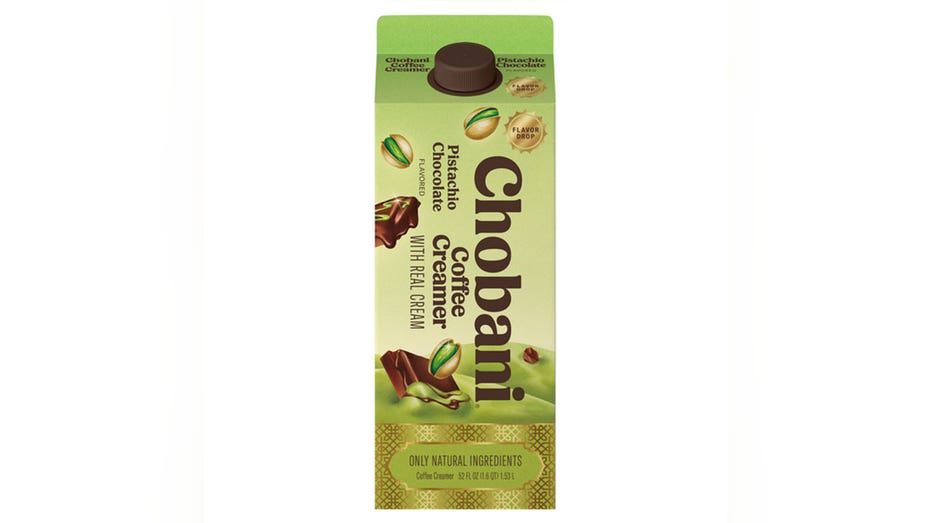
Chobani is bringing a Dubai chocolate-inspired coffee creamer to Costco stores nationwide, becoming the latest food and beverage company to capitalize on consumer demand for the viral flavor combination.
The yogurt maker’s new Pistachio Chocolate Coffee Creamer joins a growing list of Dubai chocolate-inspired products that have emerged as the trend expands beyond candy into coffee, shakes and other beverages. Companies including Starbucks, Shake Shack and Pepsi have all introduced products tied to the pistachio-and-chocolate flavor profile that gained popularity on social media.
Dubai chocolate typically refers to chocolate bars filled with pistachio cream and crispy kataifi pastry. The confection gained widespread attention on social media before inspiring a growing number of spin-off products across the food and beverage industry.
COSTCO SHOPPERS STOCK UP ON CULT-FAVORITE COOKIES AS DEMAND SURGES NATIONWIDE
Chobani’s new Pistachio Chocolate Coffee Creamer, inspired by the viral Dubai chocolate trend, is being sold exclusively at Costco. (Costco / Unknown)
The new creamer is part of Chobani’s limited-run Flavor Drop line and will be sold exclusively at Costco. The company said the product features flavors of roasted pistachio and milk chocolate and is made with farm-fresh milk and real cream.
Retail exclusives and limited-time offerings have become increasingly common tools for consumer brands looking to generate buzz and drive sales. The strategy can also help companies test consumer demand for new products before considering a wider rollout.
The launch comes as food and beverage companies increasingly look to limited-edition products and viral food trends to drive consumer engagement and retail sales. Industry brands have moved quickly to introduce Dubai chocolate-inspired offerings as consumers continue to seek out products tied to the trend.
COSTCO SAYS ITS GAS STATIONS SET ALL-TIME VOLUME RECORDS AS CONSUMERS SEEK LOWER-PRICED FUEL

Costco is currently one of the world’s most successful retailers, boasting a market cap of over $320 billion. (Anthony Devlin/Getty Images / Getty Images)
Chobani has expanded its creamer lineup in recent months with several seasonal and limited-edition flavors, including S’mores, Cookies and Cream and Cookie Butter. Earlier this year, the company also introduced an American Blueberry Flavor Drop tied to the upcoming America250 celebration.
| Ticker | Security | Last | Change | Change % |
|---|---|---|---|---|
| COST | COSTCO WHOLESALE CORP. | 951.45 | -14.14 | -1.46% |
GET FOX BUSINESS ON THE GO BY CLICKING HERE
The Pistachio Chocolate creamer is arriving at Costco warehouses nationwide. Chobani said the suggested retail price is $7.49 for a 52-ounce bottle, though pricing may vary by location.
The product’s release underscores the staying power of the Dubai chocolate trend, which has evolved from a social media sensation into a broader consumer packaged goods opportunity as brands compete for shoppers’ attention in an increasingly crowded marketplace.

 Agencies
Tech Edge: Adverse changes in commission structure can affect the insurance distribution platform, although the opportunity is vast
Business
Incorporated in 2015, Turtlemint Fintech Solutions operates a technology platform that connects insurers, digital partners, point of sales persons (PoSPs) and end customers. It distributes a range of products including motor, health and life insurance, along with mutual funds and loans. Insurance distribution contributed about 97% to revenue in the nine months ended December 2025. Turtlemint partners with around 45 insurers, covering nearly three-fourths of the industry, and has issued over 2.1 crore policies between April 2022 and December 2025. It has strengthened presence in smaller cities with nearly 75% of platform premium coming from outside the top 30 cities as of December 2025.
Nearly all of Turtlemint’s revenue comes from commissions, rewards and fees earned from insurers and other financial service providers. Any reduction in commission structures by insurers or the regulator may hit its revenue and profitability.
Financials
Revenue rose to ₹749 crore in the nine months ended December 2025 from ₹693 crore in FY25 and ₹460 crore in FY23. Its platform premium increased to ₹2,946 crore in FY25 from ₹2,215 crore in FY23. Net loss narrowed to ₹194 crore in FY25 from ₹288 crore in FY23. The company continues to burn cash, reporting negative operating cash flow of around ₹216 crore in FY25 as against ₹285 crore in FY23, driven by high customer acquisition and distribution expenses.
Valuation
On a post-IPO basis, the company is valued at a price-to-sales (P/S) multiple of 4.5 times, compared with 11 times of PB Fintech.

Florida Attorney General James Uthmeier joins ‘Varney & Co.’ to discuss the state’s lawsuit against TikTok, alleging the platform violated Florida’s child social media law and endangered minors.
A federal appeals court ruled Thursday that Ohio can enforce a law requiring parental consent before children under 16 can use social media, handing a victory to state officials who argue the platforms pose risks to young users.
In a 2-1 decision, the 6th U.S. Circuit Court of Appeals overturned a lower-court ruling that had blocked enforcement of Ohio’s Social Media Parental Notification Act. The dissenting judge argued that the law likely imposes unconstitutional restrictions on minors’ access to protected speech, reflecting concerns that had previously led a lower court to block the measure.
The law, which was passed by the Ohio legislature in 2023 and took effect in 2024, requires certain websites and social media platforms to verify users’ ages and obtain parental consent before users under 16 can create or use accounts.
The measure includes an 11-factor test for determining whether a website is likely to be accessed by children, along with several exceptions.
MARK ZUCKERBERG ADMITS META HAS ‘MADE MISTAKES’ AS AI OVERHAUL RESHAPES 20% OF ITS WORKFORCE: REPORT

A federal appeals court ruled that Ohio can enforce a law requiring parental consent before children under 16 can use social media platforms. (Photo Illustration by Michael M. Santiago/Getty Images / Getty Images)
Ohio officials have said the law is intended to protect children from online harms, including exposure to harmful content, excessive social media use and data-collection practices
The law was put on hold following a legal challenge by NetChoice, a technology industry trade group whose members include YouTube, TikTok and Meta, the parent company of Facebook and Instagram.
NetChoice argued that the law was unconstitutionally vague and improperly restricted minors’ access to speech protected by the First Amendment. The group has also argued that age-verification and parental-consent requirements can force users to disclose personal information before accessing protected online speech.
The appeals court disagreed.
“At bottom, the Act imposes a parental consent requirement,” U.S. Circuit Judge Eric Clay wrote in the court’s lead opinion.
META THREATENS TO PULL FACEBOOK AND INSTAGRAM FROM NEW MEXICO OVER CHILD SAFETY TRIAL REQUIREMENTS

The Ohio law requires certain social media companies to obtain parental consent before allowing users under 16 to create accounts. (Getty Images / Getty Images)
“That requirement constitutes a marginal burden that precisely targets the multi-faceted problem that Ohio has identified: Children’s unsupervised assent to terms and conditions for use of platforms that take advantage of and harm them,” he added.
In a statement provided to FOX Business, Ohio Attorney General Andy Wilson called the ruling a “win for Ohio families.”
“The court agreed that parents — not social media companies — should get a say in what kids see online,” Wilson said. “We have an obligation to keep our children safe, and today, the most dangerous place for our kids is the internet.”
“This decision gives parents the tools to be involved and provide oversight,” he added.

Ohio officials hailed a federal appeals court ruling allowing the state to enforce parental-consent requirements for social media users under 16. (Matt Cardy/Getty Images / Getty Images)
NetChoice has mounted legal challenges to similar laws across the country aimed at restricting children’s access to social media.
NetChoice criticized the ruling in a statement to FOX Business, arguing that it threatens the privacy and constitutional rights of Ohio residents. The group said it remains “fully confident” that the law will ultimately be struck down.
“An unconstitutional law protects no one, and we remain focused on ensuring the First Amendment rights of Ohioans are protected,” Paul Taske, director of the NetChoice Litigation Center, said in a statement.
GET FOX BUSINESS ON THE GO BY CLICKING HERE
“Parents must remain in the drivers’ seat for parenting decisions,” Taske continued. “Ohio cannot step in and make those decisions in the first instance. But Ohio’s digital-ID law discards that constitutionally required dynamic. By requiring parents to override the government’s determination, Ohio has violated bedrock First Amendment principles.”
Taske said NetChoice is reviewing its legal options moving forward.
Reuters contributed to this report.

Asia’s Tech Sector Powers AI Revolution as J.P. Morgan Flags Region for Investors

Custodia and Vantage Back Token Switching Between Bank Deposits and Stablecoins

‘Severance’s Britt Lower Says Her ‘I Will Find You’ Character Differs From Helly in One Major Way


-

 Business4 days ago
No Jackpot Winner as $257 Million Prize Rolls Over to $269 Million Monday Draw
-

 Fashion6 days ago
Weekend Open Thread: Tuckernuck – Corporette.com
-
 Crypto World4 days ago
Zimbabwe Requires Crypto Businesses to Register Annually Under New FIU Regulations
-

 Crypto World6 days ago
Bitget enters Argentina’s regulated crypto market through PSAV registration
-

 Tech6 days ago
NanoClaw integrates JFrog registries to secure AI agent downloads
-

 Tech6 days ago
This Week In Security: Microsoft On Microsoft, Register Your Domains, Linux On ARM, And FreeBSD Joins The File Cache Club
-

 NewsBeat6 days ago
FBI searches office of Ohio voter registration group
-
 Crypto World7 days ago
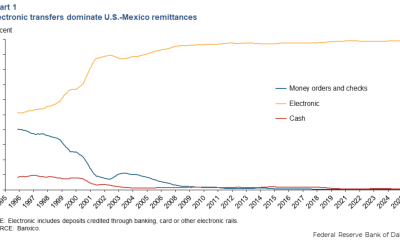
Ripple and Bitso Bring MXNB Stablecoin to XRP Ledger
-
 Entertainment4 days ago
Matt Damon’s Viral Sci-Fi Thriller Has Taken Over HBO Max
-

 Business4 days ago
Anthropic staff to meet White House officials next week, Axios reports
-

 Tech4 days ago
As AI companies race to go public, who else is along for the ride?
-
 Crypto World4 days ago
Bitcoin could crash to $48,000, if this historical pattern is triggered
-

 Politics4 days ago
“Israel’s” ban on ICRC visits ruled illegal, but Knesset moves to stop them permanently
-
Entertainment7 days ago
Ana Navarro unleashes explosive tirade on ex-Trump aide, Disney Channel star in epic on-air fight: 'Have you no shame?'
-
 NewsBeat4 days ago
Warning of disruption as Cardiff Crossrail works to start
-

 News Videos4 days ago
Financial Accounting | Last Day Revision Strategy and Booster | CMA Inter – June 2026
-
 NewsBeat4 days ago
Tributes to former deputy head teacher at Cambridge school among death and funeral notices
-
 Crypto World4 days ago
Market Preview: SpaceX (SPCX) IPO Record, Federal Reserve Meeting, and Iran Nuclear Agreement
-
 NewsBeat4 days ago
what doctors are seeing in ebike crashes
-

 Business4 days ago
Invesco Quality Income Fund Q1 2026 Commentary
You must be logged in to post a comment Login