

Business
Asia’s Tech Sector Powers AI Revolution as J.P. Morgan Flags Region for Investors


Semiconductor dominance, software innovation, and gaming IP position Asia at the centre of the global artificial intelligence revolution, according to new analysis from J.P. Morgan Asset Management.
Key takeaways
- Asia controls over 95% of global leading-edge semiconductor production, making the region indispensable to the entire AI supply chain.
- The technology sector accounts for more than 30% of the MSCI Asia Pacific ex Japan Index, with Japanese gaming IP alone generating $55 billion in annual revenues.
- Sustained capex across fabrication, infrastructure, and research positions Asia not just as a participant in the current AI wave, but as the foundation for the next one.
Asia’s technology sector is emerging as one of the most compelling investment frontiers of the AI era, driven by structural advantages that Western markets cannot easily replicate. That is the central finding of a new investment insight published by J.P. Morgan Asset Management, which argues that the region’s deep-rooted strengths in hardware, software, and intellectual property are quietly powering the next chapter of the global AI story.

While the United States has commanded the headlines in the race to develop and deploy artificial intelligence, J.P. Morgan’s analysis makes clear that Asia is far from a bystander. The region controls over 95% of global leading-edge semiconductor production, the critical manufacturing base underpinning everything from graphics processing units to AI servers. Without Asia, in other words, there is no AI boom.
A Structural Pillar, Not a Sideshow
Asia’s technology sector stands at the forefront of the global AI revolution, underpinned by its dominance in semiconductor manufacturing, innovative software development, and world-class gaming intellectual property. This is not a cyclical uptick but a structural positioning decades in the making, one that places the region at the intersection of every major AI supply chain on the planet.
Technology has consistently driven and redefined human progress. While the US has been the focal point of recent AI advances, Asia remains a pivotal player in the global tech landscape, home to a robust ecosystem of world leaders in semiconductors, electronics, hardware, software, and cloud technology.
The numbers are striking. Asia’s technology universe accounts for over 30% of the MSCI Asia Pacific ex Japan Index, underscoring just how central the sector is to the region’s broader economic identity. For institutional and retail investors alike, exposure to Asian equities is, to a significant degree, exposure to the future of technology.
Gaming IP: Japan’s $55 Billion Quiet Giant
One of the more surprising dimensions of Asia’s AI-era advantage is the cultural and commercial weight of its gaming industry. Japanese gaming intellectual property alone generates annual revenues of $55 billion, a figure that rivals entire national industries in smaller economies. As AI increasingly intersects with interactive entertainment, from procedural content generation to intelligent game design, the owners of world-class IP are uniquely positioned to monetise these capabilities at scale.
Capex Commitment Signals Long-Term Conviction
Beyond existing strengths, J.P. Morgan’s analysis highlights ongoing capital expenditure as a further tailwind. As AI adoption accelerates across the world, Asia’s unique strengths and ongoing capex make it a compelling destination for investors. Continued investment in infrastructure, fabrication capacity, and research signals that governments and corporations alike across the region are not merely riding the current wave; they are building for the next one.

Secular Growth Opportunities on the Horizon
The broader message from J.P. Morgan’s portfolio strategists is one of measured optimism. As the fast-changing AI narrative continues to unfold, a number of secular growth investment opportunities are emerging across the Asia region, opportunities rooted not in speculation, but in the hard industrial and technological realities that define Asia’s role in the global economy.
For investors seeking exposure to the structural growth story of artificial intelligence, the analysis suggests that looking beyond Silicon Valley, and towards Seoul, Tokyo, Taipei, and beyond, may prove to be one of the defining portfolio decisions of this decade.
Other People are Reading

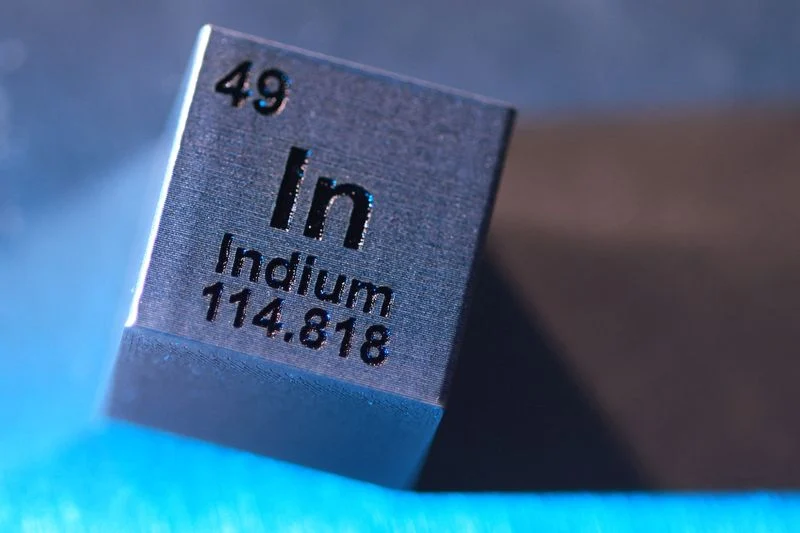

China tightens indium export checks as AI demand increases
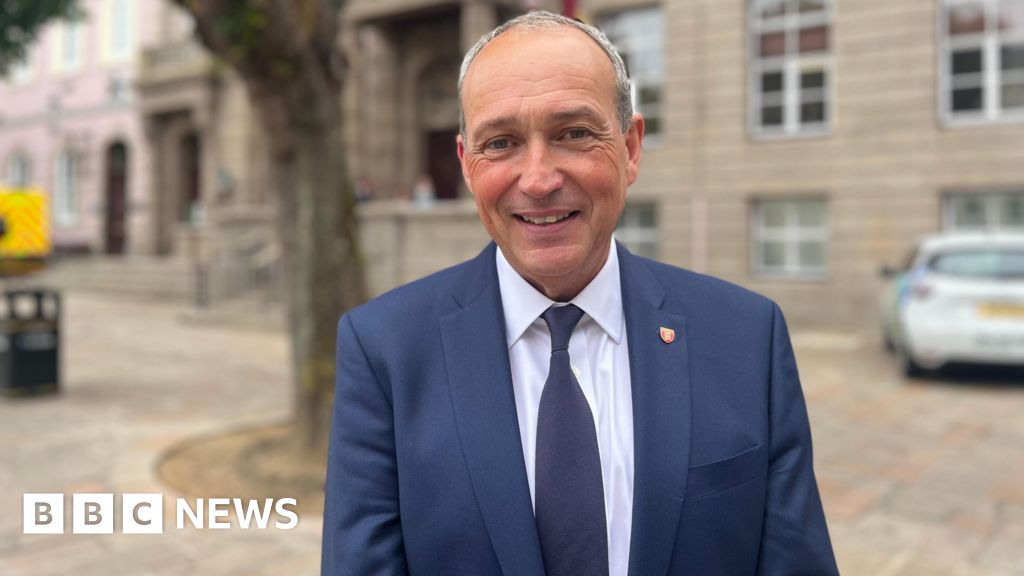
Only chief minister candidate wants to tackle costs, boost investment and increase housing supply.
Business
Blake Lively, Ryan Reynolds Face Builder Backlash After $2.1 Million in Contractor Liens on NY Estate

Blake Lively and Ryan Reynolds are facing a new kind of fallout tied to their sprawling New York estate — not over box office numbers or movie sets, but over a string of unpaid contractor bills that left the couple facing more than $2 million in property liens and, according to entertainment industry sources, a reputational problem within the small, tightly networked world of high-end construction.
The Liens, By the Numbers
Blake Lively and Ryan Reynolds’ upstate New York property was hit with more than $2.1 million in unpaid contractor debt, according to a Daily Mail report. Westchester County filings showed five separate contractors and subcontractors filed mechanic’s liens against the property in April 2026. According to official records reviewed by the publication, the outstanding claims totaled exactly $2,108,856.63. TMZ confirmed the existence of the liens against the property.
The 110-acre estate was purchased through an LLC beginning in 2018. The luxury compound has reportedly been under construction for years and was supposed to include a 14,500-square-foot main home, pool house, gym, geothermal systems, and other high-end features.
What the Liens Cover
The unpaid claims spanned a wide range of specialized construction work. A group of four additional contractors filed claims regarding technical aspects of the estate’s development. These filings sought outstanding payments for custom copper roofing, complex drainage and septic systems, geothermal excavation, and structural steel fabrication. Detailed finish work, such as rough carpentry and trim installation, was also cited in the unpaid claims.
One construction company alone filed a claim for more than $1.35 million tied to work including framing, plumbing, HVAC, electrical, drywall, and masonry.
A Project That Quietly Ground to a Halt
County records paint a picture of a high-profile construction project that slowed dramatically and then stopped entirely over the course of several months. County records indicate that while construction activity on the site was consistent throughout late 2025, all work effectively ceased between December 2025 and early 2026. The liens were subsequently filed in April 2026.
The project is reportedly stalled, with construction believed to have slowed late last year before stopping entirely sometime around late 2025 or early 2026. Construction reportedly came to a halt after significantly slowing down from late 2025 before being completely stopped in early 2026.
The timing has drawn attention given the couple’s other ongoing legal entanglements. The timing is also raising eyebrows because the couple had spent months battling through Lively’s legal dispute with Justin Baldoni tied to “It Ends With Us,” which ultimately ended in a settlement that included no monetary payment. The property liens arrived immediately following that high-profile legal battle between Lively and her “It Ends With Us” co-star.
Bills Reportedly Settled, but Reputational Fallout Lingers
According to subsequent reporting, the couple has since resolved the outstanding contractor claims, even as industry sources suggest the episode has left a lasting impression among builders. Entertainment columnist Rob Shuter reported in his Substack newsletter that while the couple has resolved $2 million in contractor claims, they appear to have lost the trust of builders and subcontractors who may now think twice before bidding on future contracts for the couple’s project.
A source close to the construction industry, cited in that reporting, characterized the significance of contractors needing to resort to filing liens just to be paid. “Contractors had to file liens to get paid. That sends a message, and it’s not one the industry forgets,” the source said.
Additional anonymous sources quoted in the reporting described a shift in how contractors are now approaching potential work with the couple. One source said simply, “Nobody wants to be chasing millions of dollars months down the road.” Another characterized the apparent new posture among builders as “cash up front, then we’ll talk.”
A separate insider offered a more pointed assessment of the situation, telling the outlet that “people aren’t lining up for this job anymore.” That source added that while the money to complete the project is clearly available, “the trust isn’t.”
Another source pushed back specifically on the idea that affordability was ever the core issue, telling the outlet that the couple can clearly pay to finish the house, and that “the issue is confidence.”
A Tight-Knit Industry Where Reputations Travel Fast
The broader characterization offered across multiple reports centers on construction’s reputation as an unusually close-knit professional community, where word about payment disputes tends to circulate quickly and stick to a name for years. One source described construction as “a very small world,” where people in the trade are known for talking — and where a name once tied to payment trouble tends to remain associated with it long after any individual bill has been settled.
According to that same reporting, some contractors are reportedly skipping the project altogether, while others are demanding larger upfront deposits and firmer guarantees before agreeing to take on any further work tied to the estate.
The Couple’s Vision for the Property
The couple purchased the sprawling New York estate back in 2018, which came with plans for the 14,500-square-foot main house, a pool, and geothermal heating systems. Lively has previously said that the local community is “heaven” and that she and Reynolds could not wait for construction to start.
That original enthusiasm for the property stands in contrast to the protracted construction delays and financial disputes that have since emerged, transforming what was once described as a long-anticipated dream home into a source of ongoing legal and reputational complications.
No Public Response From the Couple
Neither Lively nor Reynolds has publicly addressed the contractor debt claims. Their representatives have likewise not issued any public comment regarding the liens, the subsequent settlement of those claims, or the reported fallout within the construction industry that has followed.
What Happens Next
With the underlying $2.1 million in contractor debt reportedly resolved, the more lingering question is whether the couple’s stalled estate project can attract the skilled labor needed to actually finish construction, given the reputational concerns now circulating among contractors in the region. For a project that has already spanned the better part of a decade since the property was first acquired in 2018, the latest setback adds yet another layer of uncertainty to when — or whether — the ambitious 110-acre compound will ultimately be completed as originally envisioned.

Dr. Bill Conerly connects the dots between the economy and business decisions. He has the unique combination of a Ph.D. in economics from Duke University and over 30 years’ experience helping companies adapt to changing economic conditions. He has worked in economics and corporate planning at two Fortune 500 corporations and at a major bank, where he was senior vice president. He has earned the Chartered Financial Analyst (CFA) designation. Companies have used Dr. Conerly’s expertise to help with decisions regarding capital expenditures, inventory levels, expansion into new markets, pricing, business models and financial structure. Dr. Conerly is an on-line contributor to Forbes.com and the author of The Flexible Stance: Thriving in a Boom/Bust Economy (2016) as well as Businomics (2007). He had been interviewed on the News Hour with Jim Lehrer, CNN and CNBC. He has been quoted in the Wall Street Journal, Fortune Magazine, and USA Today.
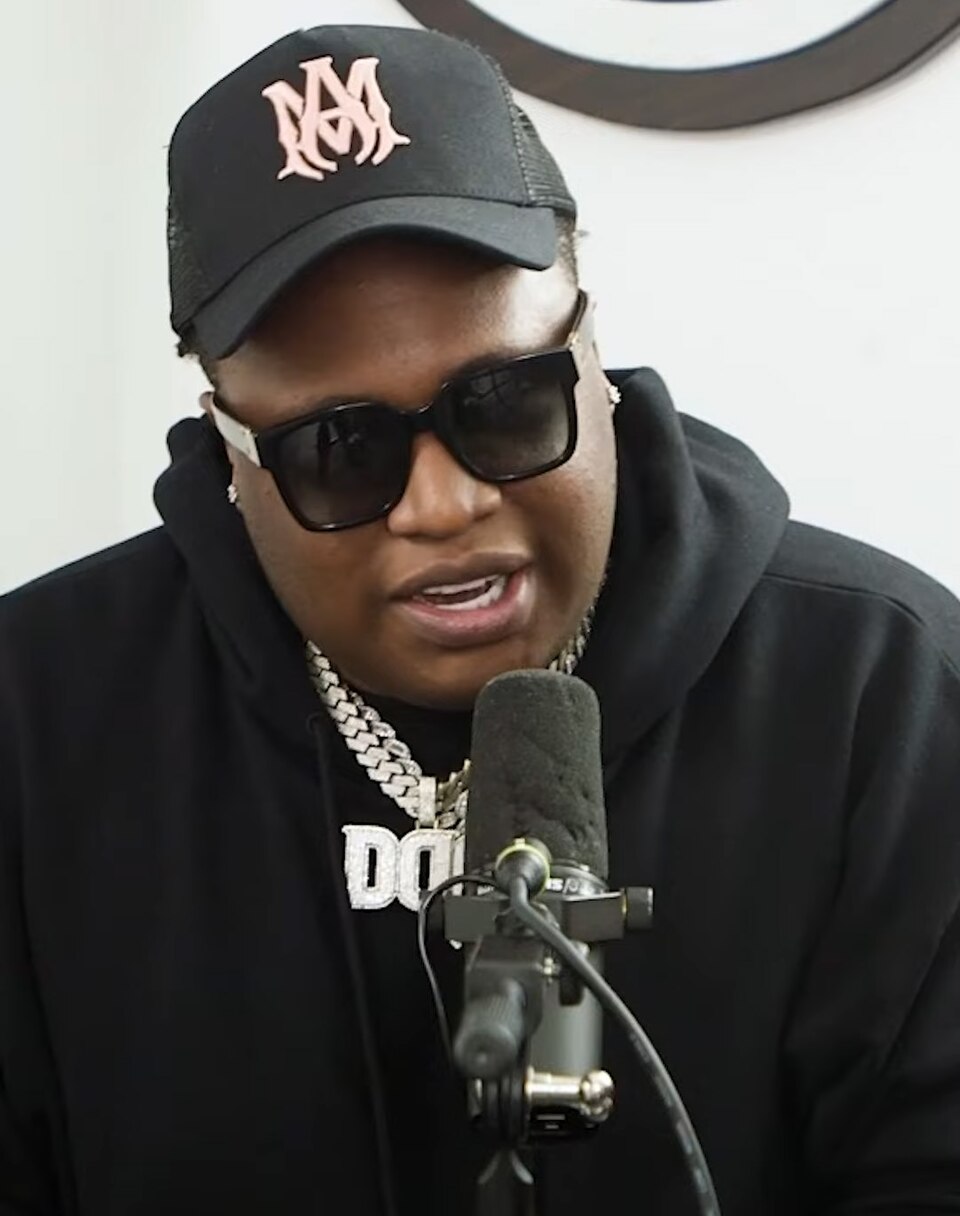
NASHVILLE, Tenn. — Tay Keith, the Grammy-nominated record producer whose thunderous trap beats powered some of the biggest hip-hop hits of the past decade, was found dead Thursday afternoon in his Nashville apartment, police confirmed. He was 29.
According to the Metro Nashville Police Department, Brytavious Chambers — also known as Tay Keith — was found deceased inside his Martin Street apartment after officers were called to conduct a welfare check. Police said no foul play is suspected in the prolific hitmaker’s death. The MNPD stated that Chambers’ death will remain “unclassified” pending the results of an autopsy.
A Career Built From Memphis to the Top of the Charts
Born Brytavious Lakeith Chambers on September 20, 1996, in Memphis, Tennessee, Tay Keith built one of the most successful production careers in modern hip-hop, working with an array of the genre’s biggest names. Keith worked with music’s biggest stars, including Beyoncé and Drake, and his career included four No. 1 records on the Billboard Hot 100, a remarkable run of commercial success for a producer who first broke through while still in college.
Known for his trap-laden production, the Memphis hitmaker enjoyed tremendous success on the Billboard Hot 100, earning 11 top 10 hits and four No. 1 records, including Travis Scott’s “Sicko Mode” and Drake’s “First Person Shooter.” Keith held the record for the most No. 1s on the Hot R&B/Hip-Hop Songs chart this decade, with six.
Chambers is best known for co-producing Travis Scott’s 2018 single “Sicko Mode,” which peaked atop the Billboard Hot 100, as well as Drake’s “Nonstop,” BlocBoy JB’s “Look Alive,” and Eminem’s “Not Alike,” which peaked at numbers two, five, and twenty-four on the chart, respectively. His 2023 single, “Pound Town” with Sexyy Red, marked his first entry on the chart as a lead artist.
Breaking Through With “Sicko Mode” While Still in School
Keith’s defining career moment came while he was a student at Middle Tennessee State University, where he produced what would become one of the most influential hip-hop singles of the 2010s. He was nominated for a Grammy in 2018 for his work on Travis Scott’s “Sicko Mode,” which he helped produce while attending Middle Tennessee State University. The Memphis producer was nominated for Best Rap Song for “Sicko Mode” by Travis Scott, Drake, Big Hawk, and Swae Lee in 2019, along with “Rich Flex” by Drake and 21 Savage in 2024.
Keith spoke openly about the dedication required to balance his rapidly accelerating music career with his commitment to finishing his degree. “There wouldn’t be any point for me to come to college if I didn’t want to finish it — I could have just focused 100% on music,” Keith told MTSU. “By my last week of college, I had my first No. 1 single, so it didn’t make any sense to drop out.”
He described one particularly demanding stretch during that period. “I remember having a flight from New York, and I had a test the same day,” Chambers told MTSU. “So, I flew back from New York that morning, went home, then went straight to class. It was crazy. But if I knew that I could do that, then there wasn’t anything stopping me but myself.”
According to MTSU, Chambers graduated from the school in December 2018 with degrees in integrated studies and media management.
Recognition and Accolades
Keith’s rapid ascent in the music industry earned him formal recognition from multiple outlets covering the business side of the entertainment world. He was among those included in Forbes’ 30 Under 30 Music list in 2025, earning the listing alongside Cambrian Strong for their Drumatized record label. “At 23, Tay Keith became a Grammy-nominated producer for his work on Travis Scott’s ‘Sicko Mode,’ adding to his roster of clients like Cardi B, Eminem and music’s ‘Queen B’ Beyoncé,” the Forbes listing said. Forbes also noted that he was awarded producer of the year at the BMI Awards in 2024.
A Champion for Memphis Artists
Beyond his own chart success, Keith played a significant role in elevating a generation of artists from his hometown. Keith also played a vital role in uplifting a generation of Memphis artists, including BlocBoy JB and Black Youngsta. In 2018, he produced JB’s biggest Hot 100 hit, “Look Alive.” The Drake-assisted single peaked at No. 5 on the chart and helped introduce both artists to a wider audience. In the early 2020s, he also helped launch Sexyy Red’s career with her breakout single “Pound Town.”
He also produced “Look Alive” by Drake and Memphis rapper BlocBoy JB, a song that shouts out Memphis with the lyric referencing Shelby Drive, a known street in the city, cementing the track’s status as a hometown anthem alongside its commercial success.
Tributes Pour in From the Music Community
News of Keith’s death prompted an immediate and emotional response from collaborators and friends across the music industry, many of whom had worked alongside him for years. Following news of Keith’s passing, BlocBoy JB shared his shock and grief across Instagram Stories, posting photos of the pair as teenagers alongside a screenshot of their call history captioned: “We talked every day. Yeen tell me you was leaving.” JB had revealed that the pair had been speaking on the phone every day in the lead-up to Keith’s sudden death.
Fellow Memphis producer Hitkidd also expressed his disbelief, posting a photo of himself and Keith on Instagram. Memphis Mayor Paul Young posted on Facebook, “Rest in peace, Tay Keith,” accompanied by a picture of himself with the producer.
A Final Public Post
In a poignant final glimpse into his work, Keith’s last public social media activity reflected the same passion for music-making that had defined his entire career. His last post on Instagram, dated May 7, was an announcement promoting Chris Brown’s latest song, “Call Your Name,” which features Sexyy Red and GloRilla — continuing his pattern of championing the artists and collaborators he worked with up until the final weeks of his life.
A Devastated College Community
Keith’s connection to Middle Tennessee State University remained a defining part of his public identity even as his career soared to international prominence. The university’s community expressed profound grief over his death, with one segment describing the school as “shattered and devastated” by the news. Much of his early professional success was built alongside fellow MTSU graduates, including his longtime stylist and creative director, Tyland Jackson, who graduated from the university in 2019, and his public relations director, Nicholas Brownlow, who graduated that same year.
What Comes Next
Authorities have not released additional details regarding the circumstances of Keith’s death, and his official cause of death remains pending the results of a forthcoming autopsy. No additional details about Chambers’ death have been immediately released by police.
Keith leaves behind a discography that reshaped the sound of mainstream hip-hop production throughout the late 2010s and early 2020s, with his distinctive, bass-heavy trap influence audible across some of the genre’s most commercially dominant tracks. His sudden death at 29 has left collaborators, fans, and the broader music industry grappling with the loss of one of the decade’s most influential — if often unseen — architects of modern hip-hop’s biggest hits.
Business
AI Euphoria, Fed Signals and Oil Politics: David Roche warns markets may be ignoring bigger risks

Speaking to ET Now, Roche discussed the US Federal Reserve‘s latest stance, the AI investment boom, geopolitical developments involving Iran, and the outlook for global technology spending.
Fed’s inflation fight supports market confidence
Roche said the Federal Reserve’s commitment to fighting inflation has strengthened confidence in the US dollar while keeping long-term inflation expectations in check.”People assume that the Fed will continue to fulfil its inflation mandate ahead of anything else. Therefore, interest rates… will not be cut, at least not at the moment… That helps markets because it gives confidence in the dollar.”

AI Boom May Be Unsustainable
While acknowledging AI’s transformative potential, Roche argued that the scale of investment has become excessive and could eventually hurt markets.
“AI is… a bubble. Not because it is not a good product, but because the amount of money being poured into it is not rational and will not be remunerated by profits.”He warned that a correction in AI investments could have far-reaching consequences for both markets and the broader economy.
Oil Relief, But Strategic Risks Remain
Roche said markets are welcoming the resumption of oil flows as lower crude prices would ease inflationary pressures.
“Traders love the oil flowing. The oil prices are going to come down, lower inflation, less increases in interest rates.”
However, he sharply criticised the broader agreement.
“The MoU is a bad, bad, bad deal. It puts Iran in charge of the Gulf… and essentially puts the Iranians… back in the dollar flow.”
Trump’s Priority Is Lower Oil Prices
Asked whether the agreement is effectively an exit strategy for the United States, Roche answered in the affirmative.
“Trump needs this deal because he needs lower oil prices… The Iranians… need the dollars. The reason the deal will hold is because the two parties have a common interest.”
He added that the agreement strengthens Iran’s strategic position despite helping stabilise oil markets.
Inflation Likely to Stay Contained
Roche believes the recent rise in inflation is likely to prove temporary as oil prices ease and the Federal Reserve remains focused on price stability.
“The reason for the oil prices to go up has now been removed. There will be more oil and lower prices… The Fed made it quite clear that they were going to fight any inflation.”
Technology Spending Faces a Reality Check
Commenting on the outlook for the technology sector, Roche said his concern is not with AI itself but with the unprecedented level of capital being committed to it.
“What I see on IT is a great product being financed with complete excesses… We have over a trillion dollars being dedicated to IT.”
He cautioned that the economics behind these investments may ultimately disappoint investors.
“My concern about IT is not that it is not a good product. It is a great product… Nobody is going to pay the amount of money that would have to be paid to actually pay back this capital.”

Bernstein managing editor and senior analyst Mark Newman speaks on the future of Apple intelligence after the release of their new Siri AI on ‘The Claman Countdown.’
President Donald Trump said Thursday that Apple has agreed to work with Intel on designing and producing chips in the U.S.
“When I won my Second Term, it was clear America needed its Semiconductor Industry to come back to the U.S.A. We design everything, but we need to BUILD it here, NOW! So I decided to help Intel because we need to design and build our Chips right here in America,” Trump wrote on Truth Social.
The partnership could help Apple diversify its manufacturing base as it looks for additional chip capacity. The tech giant relies heavily on the Taiwan Semiconductor Manufacturing Company, which has advanced production lines in high demand from AI chipmakers such as Nvidia and Advanced Micro Devices.
APPLE CEO SAYS PRICE HIKES ARE ‘UNAVOIDABLE’ AS RISING CHIP COSTS SQUEEZE TECH GIANT: REPORT

Apple has agreed to work with Intel on designing and producing its chips in the U.S. (Win McNamee/Getty Images / Getty Images)
Intel shares rose in premarket trading following the announcement from the president.
“The Technology the World relies on was invented in America. We all remember ‘Intel Inside.’ Stupid Presidents took our Economy for granted, and let Taiwan and others steal our Semiconductor Factories,” Trump said.
Intel reportedly reached a preliminary agreement to make some chips for Apple after more than a year of talks. Apple and Intel have not publicly detailed which chips or products would be involved.
HOW YOU CAN GET A SLICE OF APPLE’S $250M IPHONE SETTLEMENT

The partnership will help Apple diversify its manufacturing base as it looks for additional chip capacity. (REUTERS/Joshua Roberts/File Photo / Reuters Photos)
An Apple contract would give Intel steady demand from a top consumer electronics company after its reputation and manufacturing business fell behind TSMC in recent years.
Earlier this week, Intel announced that a new generation of its manufacturing technology, 18A-P, had entered initial production, as the chipmaker works to meet demand for advanced processors.
Last year, the Trump administration took a roughly 10% stake in Intel and announced plans to invest billions of dollars in the chipmaker to build or expand factories in the U.S.

The Trump administration took a 10% stake in Intel last year and announced plans to invest roughly $10 billion in the chipmaker to build or expand factories in the U.S. (Getty Images / Getty Images)
GET FOX BUSINESS ON THE GO BY CLICKING HERE
The Trump administration took a roughly 10% stake in Intel last year and announced plans to invest billions of dollars in the chipmaker to build or expand factories in the U.S.
Trump previously said he “should have asked for more” of a stake in Intel after the value of the federal government’s Intel position rose sharply.
“When was the last time a President made America money??” Trump wrote on Thursday.
The administration has been boosting efforts to secure U.S. supply chains for critical minerals and semiconductors, including by taking equity stakes in companies as part of an effort to cut reliance on China.
Reuters contributed to this report.

The pain for backers of a green energy investment trust has deepened after the one-time stock market favourite axed its dividend and pressed ahead with plans to wind itself down.
Shares in SDCL Efficiency Income Trust fell by 11½p, or 25 per cent, to a record low of 34½p on Tuesday after the trust said it would not pay a fourth interim dividend for the last financial year and would suspend future cash distributions.
The move was disclosed alongside the trust’s blueprint for liquidating itself. It warned that it would concentrate on cutting debt and “preserving value” before returning any further cash to investors, in a wind-down that could run for years.
It is a further blow to the green vehicle’s beleaguered backers, who are already sitting on heavy losses and now face wiping out as much as half their money. It also comes after the trust fell into the sights of Saba Capital, the American hedge fund that has been shaking up the usually sleepy world of investment trusts. For readers weighing up the sector, our explainer on how investment trusts have changed the face of UK finance sets out how these vehicles are meant to work, and where the risks lie.
Saba has campaigned aggressively at a string of underperforming trusts for strategy changes and board overhauls since late 2024. With SDCL Efficiency Income Trust, known as Seit, the New York-based fund is understood to have been among the shareholders that opposed an alternative proposal under which the company would have carried on in a different guise. According to the Association of Investment Companies, the industry body, Saba has built positions across dozens of London-listed trusts, pressing boards to hand cash back to shareholders.
The decision to shut up shop is a spectacular reversal of fortune. Seit was once popular with institutional and private investors alike, tapping them for almost £1.2 billion across ten fundraising rounds between 2018 and 2022, including its original listing on the London Stock Exchange eight years ago.
It used the proceeds to assemble a portfolio of environmentally friendly investments, spanning industrial rooftop solar panel systems, LED lighting used in poultry farms and electric vehicle charging stations.
Its share sales were sometimes oversubscribed. Its final placing in September 2022, which raised a bigger than expected £135 million, was priced at 114p a share, more than three times Tuesday’s closing level.
Since then, Seit’s stock has slumped under the weight of higher interest rates and falling valuations for its assets, leaving the shares trading at a yawning discount to net asset value. The trust was valued at less than £400 million by the stock market on Tuesday night. The episode is a reminder of how quickly sentiment can turn, even after a spell when interest rate cuts looked set to revive appetite for green energy investment trusts.
The independent board, chaired by Tony Roper, and the manager, Sustainable Development Capital, had floated the idea of reviving the trust’s fortunes by converting it from a trust into a conventional operating company.
After weighing up feedback, however, the board concluded the plan lacked sufficient support. Saba, which is run by Boaz Weinstein and now holds a 20 per cent stake in Seit, is understood to have been among several investors against it.
The trust said in April that “a significant number of shareholders expressed a clear preference for liquidity” and that it would instead draw up wind-down proposals. It said on Tuesday that the plan, if approved by shareholders at a meeting on 10 July, would see Seit stop making new investments beyond follow-on capital for assets it already owns.
“The board believes that a sale of the entire portfolio, whether to a single purchaser or a small number of purchasers, would likely be the most efficient means of realising value for shareholders,” the trust said. “If a portfolio sale cannot be achieved on acceptable terms, the company will pursue asset-by-asset or grouped disposals.”
Seit warned that the whole process “could take a number of years to complete” and that cutting its borrowings would take priority. Its gearing stood at 71.9 per cent of net asset value at the end of September, above the 65 per cent limit set in its investment policy.
The trust has borrowed about £190 million under a revolving credit facility, and said that only once this had been “significantly reduced” would the board “reconsider its position on paying interim dividends if circumstances allow”.
The retreat caps a torrid 18 months for the closed-ended sector, much of it driven by Saba. The fund recently agreed a three-year truce covering several London-listed funds after a deal over the Herald Investment Trust, as reported by CNBC, though Seit’s collapse shows the pressure on weaker trusts has not let up.
Investors tempted by bargain-basement discounts elsewhere would do well to revisit the basics of how to choose an investment trust company before catching a falling knife.
Saba did not comment.

Amy Ingham
Amy is a newly qualified journalist specialising in business journalism at Business Matters with responsibility for news content for what is now the UK’s largest print and online source of current business news.

Netflix open to more traditional TV partnerships after TF1 deal- FT

Shares of Electro Optic Systems Holdings jumped sharply on Friday, climbing 12.63% to $10.52, as the Australian defense and space technology company rode a wave of investor enthusiasm ahead of its imminent inclusion in the benchmark S&P/ASX 200 index and continued momentum from a string of strong order intake announcements.
The rally extended a powerful run for the Canberra-based laser and counter-drone systems maker, whose stock has been one of the standout performers on the Australian market over the past several weeks as defense spending tailwinds, a major capital raise, and surging contract backlogs combine to reshape investor sentiment around the company.
Index Inclusion on the Horizon
The most immediate catalyst behind the stock’s latest surge is its pending entry into one of Australia’s most closely watched equity benchmarks. The company is scheduled to join the ASX 200 index on June 22, 2026, a milestone expected to drive institutional demand. Index inclusion typically triggers automatic buying from passive funds that track the benchmark, a dynamic that has helped lift the share prices of newly added companies in the days leading up to their formal addition.
Recent capital raisings, including an upsized Share Purchase Plan that received AU$95 million in applications, have significantly strengthened the balance sheet for future scaling. That overwhelming demand from retail shareholders underscored just how much investor appetite has built around the company’s growth story in recent months.
A Capital Raise That Exceeded Expectations
The scale of investor interest in EOS became clear earlier this month when the company’s share purchase plan drew applications far beyond its original target. Electro Optic Systems completed its share purchase plan, exceeding its initial fundraising goals due to overwhelming demand from retail investors. Initially targeting a $25 million raise, the defence and space communications company received valid applications totalling $95 million from 4,909 eligible shareholders.
The EOS board exercised its discretion to upsize the final SPP acceptance to $40 million, balancing retail shareholder rewards with disciplined capital efficiency. The SPP was executed in tandem with a prior $150 million institutional placement and a $40 million strategic placement announced in May.
To manage the massive oversubscription equitably, EOS implemented a structured scale-back mechanism, with applications scaled back on a pro-rata basis according to existing holdings as of the May 15 record date. The new shares were formally issued on June 16, with holding statements dispatched the following day, and trading of these new securities began on the Australian Securities Exchange on June 17.
Record Order Backlog Underpins the Growth Story
Beyond the index inclusion catalyst, EOS has built its rally on a foundation of genuinely strong underlying business momentum, with order intake figures that have substantially outpaced the company’s revenue base.
EOS maintains a robust contract backlog exceeding AU$518 million, providing high revenue visibility. Management recently issued optimistic 2026 revenue guidance of up to AU$270 million for its base business, representing potential growth of over 100% compared to previous performance levels.
The trajectory of that order book has accelerated dramatically over recent quarters. Order book surged 237% to AUD 459 million, with the company debt-free and holding AUD 107 million in cash following a AUD 91 million gain from the sale of its EM Solutions business. Following that earnings report, the stock jumped 16.94% to AUD 7.32, reflecting investor confidence in the company’s strategic direction despite a revenue decline.
Revenue fell to AUD 128.5 million due to divestments, but gross margin rose to 63%. Order intake surged to AUD 420 million, boosting the order book to AUD 459 million. Management has emphasized a continued strategic focus on counter-drone and space control technologies, two of the fastest-growing segments within the global defense and security technology market.
A Trading Update That Sparked the Most Recent Climb
The current rally traces back to a business update released earlier this month that gave investors fresh confidence in the company’s near-term revenue trajectory. Electro Optic Systems Holdings shares moved higher after the defence company released a trading update, with EOS shares climbing as a new U.S. order boosted the company’s growth outlook.
That announcement came on the heels of broader market volatility tied to the historic SpaceX initial public offering, which dominated headlines on the ASX in mid-June. SpaceX began trading on the Nasdaq under the ticker SPCX, priced at US$135 per share, implying a valuation of approximately US$1.75 trillion — a listing that surpassed Saudi Aramco’s 2019 offering. Against that backdrop of broader market attention on defense and aerospace-adjacent technology names, EOS has continued to attract its own dedicated following among investors betting on Australia’s growing role in global defense supply chains.
Strategic Acquisitions Expanding the Company’s Footprint
EOS has also been actively reshaping its business through acquisitions designed to broaden its addressable market beyond its traditional Australian defense base. The acquisition of MARSS makes EOS a global provider of integrated counter-UAS solutions, expanding into military, homeland security, and adjacent markets. Analysts project strong growth as the company integrates its MARSS acquisition and targets AU$240 million to AU$270 million in 2026 revenue, even though the stock had declined approximately 3.8% over the prior month amid volatility stemming from the massive capital raise and shifting geopolitical sentiment.
The company’s broader strategic ambitions extend beyond its current home exchange as well. Australia’s Electro Optic Systems was reported earlier this year to be “very likely” to shift its headquarters and stock market listing, a development that, if it materializes, could mark a significant turning point in the company’s corporate structure as it scales internationally.
Execution Risk Remains the Key Question
Despite the wave of bullish catalysts, analysts continue to flag meaningful uncertainty about whether EOS can convert its surging order book into consistent, profitable operations. Investors remain concerned about the company’s ability to transition from order capture to operational execution. Converting the record AU$518 million backlog into tangible cash flow and consistent profitability remains a critical challenge over the next 12 to 24 months.
Execution and order conversion risks aside, the company’s focus on counter-drone and space control markets continues to draw investor interest, even as supply chain delays and geopolitical tensions are identified as key risks to growth.
Despite that caution, the longer-term price target trends among some analysts remain notably more conservative than the stock’s current trajectory would suggest. EOS’s average analyst price target sits well below recent trading levels, reflecting a degree of skepticism about whether the company’s current valuation can be sustained without clearer evidence of sustained profitability.
A Volatile But Resilient 12 Months
The magnitude of Friday’s gain underscores just how dramatically EOS shares have moved over the past year. The company’s share price has ranged from a low near $1 to a high approaching $8 over the trailing 12 months, before this month’s surge pushed shares well beyond that prior range entirely — a reflection of how quickly sentiment toward Australian defense technology names has shifted as global military spending continues to climb and counter-drone systems take on growing strategic importance for militaries and security agencies worldwide.
With the ASX 200 inclusion now just days away and the company’s order backlog continuing to swell, investors will be watching closely in the weeks ahead to see whether EOS can begin translating its remarkable run of contract wins into the kind of consistent earnings performance that would justify its newly elevated market valuation.

China tightens indium export checks as AI demand increases

Algorand races toward quantum-resistant blockchain by 2027

The Battlestar Galactica Episode With A Secret, Sexy Musical Parody


-

 Business5 days ago
No Jackpot Winner as $257 Million Prize Rolls Over to $269 Million Monday Draw
-

 Fashion7 days ago
Weekend Open Thread: Tuckernuck – Corporette.com
-
 Crypto World4 days ago
Zimbabwe Requires Crypto Businesses to Register Annually Under New FIU Regulations
-

 Crypto World6 days ago
Bitget enters Argentina’s regulated crypto market through PSAV registration
-

 Tech6 days ago
NanoClaw integrates JFrog registries to secure AI agent downloads
-

 Tech7 days ago
This Week In Security: Microsoft On Microsoft, Register Your Domains, Linux On ARM, And FreeBSD Joins The File Cache Club
-

 NewsBeat6 days ago
FBI searches office of Ohio voter registration group
-
 Entertainment4 days ago
Matt Damon’s Viral Sci-Fi Thriller Has Taken Over HBO Max
-

 Business4 days ago
Anthropic staff to meet White House officials next week, Axios reports
-

 Tech5 days ago
As AI companies race to go public, who else is along for the ride?
-
 Crypto World4 days ago
Bitcoin could crash to $48,000, if this historical pattern is triggered
-

 Politics4 days ago
“Israel’s” ban on ICRC visits ruled illegal, but Knesset moves to stop them permanently
-
 NewsBeat4 days ago
Warning of disruption as Cardiff Crossrail works to start
-

 News Videos4 days ago
Financial Accounting | Last Day Revision Strategy and Booster | CMA Inter – June 2026
-
 NewsBeat4 days ago
Tributes to former deputy head teacher at Cambridge school among death and funeral notices
-
 Crypto World5 days ago
Market Preview: SpaceX (SPCX) IPO Record, Federal Reserve Meeting, and Iran Nuclear Agreement
-
 NewsBeat4 days ago
what doctors are seeing in ebike crashes
-

 Entertainment5 days ago
Deion Sanders Shares Powerful Post After Viral Advice To Deiondra
-
 Entertainment4 days ago
Kate Middleton Glare Goes Viral After Kids Booed At Royal Event
-

 Business4 days ago
Invesco Quality Income Fund Q1 2026 Commentary
You must be logged in to post a comment Login