

Business
SBI Funds Management gets Sebi nod for IPO


An email sent to SBI Funds seeking comment went unanswered.
In March, the asset management company filed a draft red herring prospectus (DRHP) with Sebi to launch an IPO.
The issue will be entirely an offer for sale (OFS) of 20.37 crore equity shares by existing shareholders-State Bank of India and Amundi India Holding. SBI will sell 12.8 crore shares, and Amundi 7.5 crore shares. The OFS is estimated to represent around 10% of SBI Funds Management’s paid-up equity share capital.
SBI Funds Management is a joint venture between SBI and France-based Amundi, which currently hold a 61.9% and 36.4% stake, respectively.

SBI Funds’ shares traded at around ₹815 apiece in the unlisted market on Friday, valuing the fund house at around ₹1.65 lakh crore. The market capitalisation of ICICI Prudential Asset Management, the country’s second-largest mutual fund house, stood at ₹1.70 lakh crore on Friday.
Kotak Mahindra Capital, Axis Capital, BofA Securities India, HSBC Securities and Capital Markets, ICICI Securities, Jefferies India, JM Financial, Motilal Oswal Investment Advisors and SBI Capital Markets are the book-running lead managers to the issue.


GGT Is Overvalued: Preferreds Offer Better Risk-Adjusted Entry
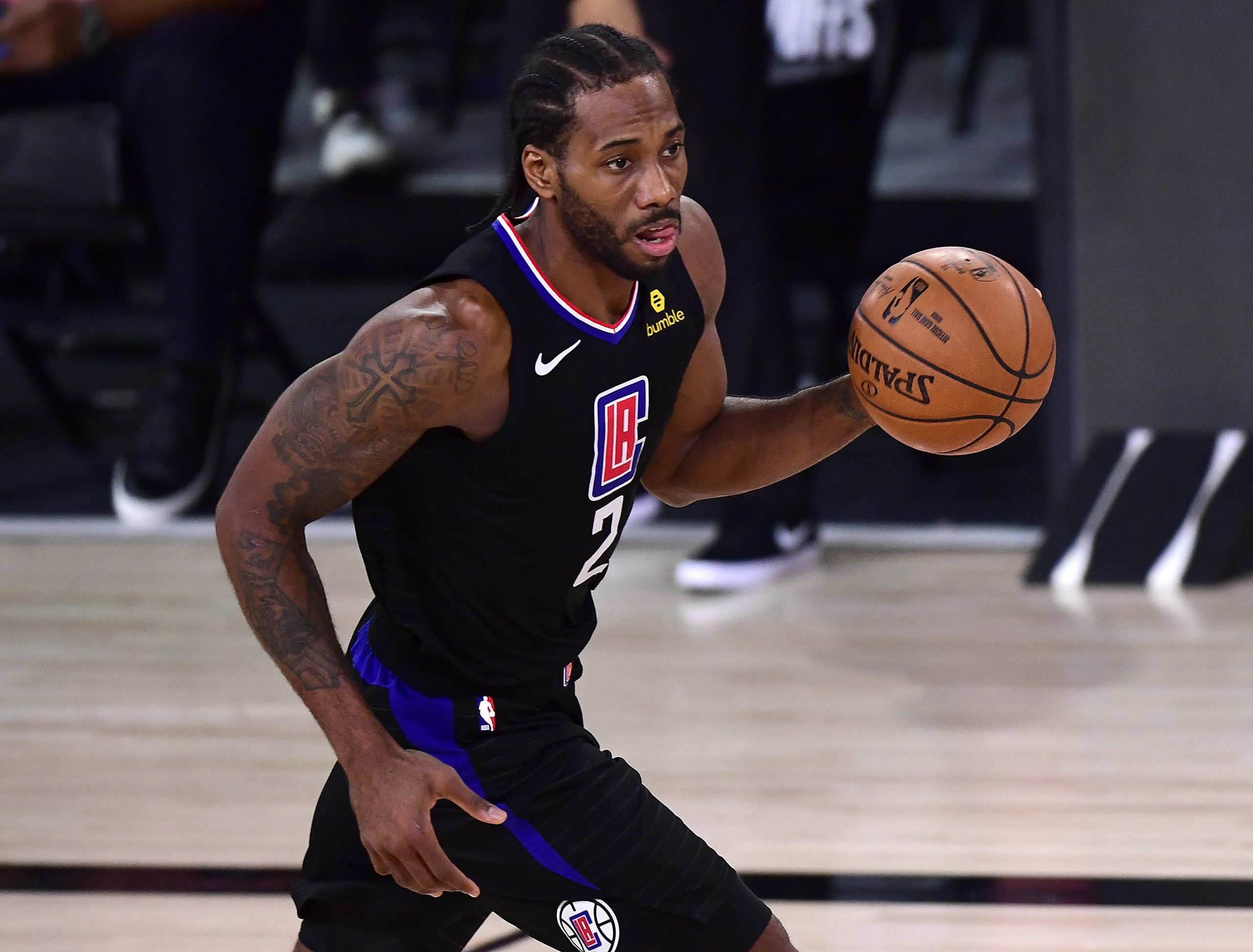
SAN FRANCISCO — As the NBA offseason progresses, the Golden State Warriors continue evaluating roster options that could pair veteran star Kawhi Leonard with franchise icon Stephen Curry, according to league sources familiar with the team’s thinking.
The possibility has generated considerable discussion among executives and analysts, with some viewing Leonard as a potential missing piece for a Warriors team seeking to return to championship contention. Others question whether the two stars’ styles would complement each other effectively given their ages and injury histories.
Leonard, 35, remains one of the league’s premier two-way wings when healthy. His defensive versatility and clutch scoring have defined a career that includes two NBA titles and multiple All-Star selections. However, durability concerns have limited his availability in recent seasons.
Curry, 38, continues defying age expectations as one of basketball’s greatest shooters. His gravity on the court creates opportunities for teammates while maintaining elite production. The Warriors have built their dynasty around his unique skill set.
Pairing the two would require careful roster construction to maximize their strengths. Leonard’s mid-range game and defensive presence could complement Curry’s off-ball movement and long-range shooting. The challenge lies in managing minutes and maintaining defensive intensity.
Warriors general manager Mike Dunleavy Jr. has emphasized flexibility this offseason while exploring options to support Curry in what could be among his final competitive seasons. The team holds valuable draft assets and young talent that could facilitate a deal.
Salary considerations present a significant hurdle. Leonard’s contract carries substantial weight, requiring matching salaries or creative structures to complete any transaction. The Warriors’ cap situation limits straightforward pursuits without additional moves.
League observers note Leonard’s preference for winning situations and familiarity with high-pressure environments. His experience alongside elite teammates could prove valuable in Golden State’s system, which emphasizes ball movement and spacing.
Potential supporting casts would need to address defensive gaps and provide secondary scoring. Young players like Brandin Podziemski and Jonathan Kuminga could develop alongside the veterans, creating an intriguing mix of experience and potential.
The Western Conference remains highly competitive, with several teams positioned for deep playoff runs. A Leonard-Curry pairing would immediately elevate the Warriors’ ceiling while presenting matchup challenges for opponents.
Injuries represent the primary risk in such a scenario. Both players have dealt with significant health issues in recent years. Managing their workloads would become crucial for sustaining performance through an 82-game season and potential postseason.
Financial implications extend beyond the court. A high-profile acquisition would generate substantial fan interest and sponsorship opportunities while testing the Warriors’ ability to maintain competitive balance under luxury tax constraints.
League sources indicate preliminary discussions have occurred, though no formal offers have advanced significantly. The Clippers’ reported reluctance to trade Leonard adds another layer of complexity to any potential deal.
If pursued, the move would represent a bold attempt to maximize Curry’s remaining prime years. Golden State has shown willingness to make significant changes in pursuit of contention, as evidenced by previous roster overhauls.
Critics question whether Leonard’s playing style aligns perfectly with the Warriors’ motion offense. His isolation tendencies and load management approach differ from the free-flowing system that defined Golden State’s championship teams.
Supporters highlight Leonard’s adaptability and championship pedigree. His ability to elevate teammates and perform in crucial moments could prove valuable alongside Curry’s playmaking and shooting. The combination might create unique defensive and offensive advantages.
The NBA offseason provides time for such ambitious ideas to develop. As free agency and trade discussions intensify, the Warriors must weigh short-term competitiveness against long-term roster flexibility.
For Curry, a potential partnership with Leonard could offer one final opportunity to chase another title. His leadership and experience would be instrumental in integrating a new star into the team’s culture.
Leonard would join a franchise with recent championship success and a supportive environment for veterans. The move could revitalize his career while providing the Warriors with a proven winner.
As discussions continue, basketball fans eagerly await developments. A Leonard-Curry pairing would create one of the most intriguing duos in recent NBA history, with significant implications for the league’s competitive balance.
Trump Wanted Lower Rates, But Warsh's Federal Reserve Might Hike Them
Few investment decisions over the past decade have rewarded patient shareholders quite like a bet on Nvidia. For anyone who put $100,000 into the chipmaker’s stock 10 years ago and simply held on, the result today would represent one of the most dramatic wealth-creation stories in modern stock market history.
The Numbers Behind the Decade
According to the latest total return data, the 10-year total return for NVDA stock is 17,711.14%. Applied to a $100,000 initial investment, that total return figure would translate to a position worth approximately $17.81 million today, accounting for both price appreciation and the company’s modest dividend payments along the way.
That calculation tracks closely with separate analysis examining a smaller initial investment over the same period. Over the last 10 years, Nvidia’s total return — the chipmaker pays a nominal dividend yielding 0.02% — would have turned a $10,000 investment in early January 2016 into a substantially larger sum, a relationship that scales proportionally to a $100,000 starting position.
Where the Price Started
To understand the scale of that growth, it helps to look at where Nvidia’s stock actually traded a decade ago, adjusted for the stock splits the company has since completed. The stock traded at split-adjusted prices around $0.80 per share as 2016 began, accounting for subsequent splits, including the 4-for-1 split in 2021 and the 10-for-1 split in 2024.
From that starting point near 80 cents per share, Nvidia’s stock has climbed dramatically. The latest closing stock price for NVIDIA as of June 18, 2026, is $210.69. The all-time high NVIDIA stock closing price was $235.47, set on May 14, 2026.
The Scale of the Price Appreciation
That move from roughly 80 cents to north of $200 per share represents one of the largest price appreciations of any major company in recent market history. From those penny-per-share split-adjusted levels near January 2016, Nvidia is currently trading above $187 per share — a figure cited in an earlier analysis before the stock’s most recent gains — representing a price appreciation of over 23,600%.
A Business Transformation to Match
The stock’s extraordinary climb has been matched by an equally dramatic transformation of the underlying business itself, which has shifted from a company primarily known for video game graphics hardware into the central infrastructure provider for the global artificial intelligence boom.
In early 2016, Nvidia primarily focused on graphics processing units for PC gaming. Its GeForce lineup dominated the market for video game graphics accelerators, delivering high-performance visuals for gamers. The company generated record annual revenue in fiscal 2016, largely from its gaming segment, which accounted for about three-quarters of the total. At the time, AI applications remained in their infancy and had not yet entered the public consciousness as a viable technology for changing industry and the world around us. Back then, Nvidia’s data center business was small, generating only $339 million for all of 2015.
Revenue Growth That Outpaced Even the Stock Price
The scale of Nvidia’s revenue transformation has been just as dramatic as its stock performance. Where 2016 annual revenue stood at $5 billion, Nvidia reported $57 billion in revenue for just the third quarter of fiscal 2026 — exceeding the entire 2016 yearly figure tenfold in just three months.
That shift reflects Nvidia’s emergence as the dominant supplier of the specialized chips powering artificial intelligence systems across the technology industry, a business that simply did not exist in any meaningful form when the company’s stock traded for pennies a share a decade ago.
A Company That Has Grown Into a Market Giant
The scale of Nvidia’s transformation becomes even clearer when comparing the company’s total market value then and now. Considering Nvidia’s entire market capitalization was about $17 billion a decade ago, it’s not surprising to learn that an early investor would be sitting on a substantial fortune today, with the company now valued in the trillions of dollars.
A History of Stock Splits Along the Way
Part of what makes calculating a precise hypothetical return complicated is the number of times Nvidia has adjusted its share structure through stock splits over the years. NVIDIA has split six times since its 1999 initial public offering, with the most recent 10-for-1 split completed in June 2024, following an earlier 4-for-1 split in 2021. Each of those splits increased the number of shares outstanding while proportionally reducing the per-share price, meaning the company’s overall valuation and an investor’s total dollar position were unaffected by the mechanics of the split itself.
A Word of Caution About Past Performance
Despite the extraordinary historical returns, financial analysts caution against assuming Nvidia’s trajectory over the next decade will mirror the one that just passed, noting that the company’s own history offers some basis for tempered expectations following major stock splits. Nvidia has completed five stock splits since its IPO in 1999, and following those events, shares typically declined, often substantially, during the following 12 and 24 months. On average, Nvidia stock has declined by roughly 23% during the 12-month period following past stock splits, and remained down by an average of 3% even after 24 months — though analysts note that several of those prior split events occurred in close proximity to broader economic recessions, complicating any direct comparison to current conditions.
The Broader Lesson for Investors
Nvidia’s run over the past decade illustrates both the extraordinary potential and the genuine unpredictability of long-term stock investing. Few analysts a decade ago could have reasonably predicted that a graphics card company would become the central infrastructure provider for a technological transformation as significant as artificial intelligence, and fewer still could have forecast the scale of wealth such a transformation would generate for early shareholders who simply held their position through years of volatility.
What This Means Going Forward
For investors looking at Nvidia’s case study today, the takeaway is not necessarily that the next decade will replicate the last, but rather a reminder of how dramatically a company’s fortunes — and a shareholder’s portfolio — can shift when a business successfully positions itself at the center of a major technological wave. As with any investment decision, individuals considering Nvidia or any other stock today should weigh their own risk tolerance, time horizon, and broader financial goals, and consult a qualified financial advisor rather than relying on historical performance alone as a guide to future returns.


I have more than five years experience in the financial industry. I focus mostly in the commodities, foreign exchange and cryptocurrencies. I also write on general issues like equity research, economics and geopolitics.Fellow contributor Crispus Nyaga is my colleague.
Analyst’s Disclosure: I/we have no stock, option or similar derivative position in any of the companies mentioned, and no plans to initiate any such positions within the next 72 hours. I wrote this article myself, and it expresses my own opinions. I am not receiving compensation for it (other than from Seeking Alpha). I have no business relationship with any company whose stock is mentioned in this article.
Seeking Alpha’s Disclosure: Past performance is no guarantee of future results. No recommendation or advice is being given as to whether any investment is suitable for a particular investor. Any views or opinions expressed above may not reflect those of Seeking Alpha as a whole. Seeking Alpha is not a licensed securities dealer, broker or US investment adviser or investment bank. Our analysts are third party authors that include both professional investors and individual investors who may not be licensed or certified by any institute or regulatory body.

BYD rejects allegations of environmental violations at Hungary EV plant
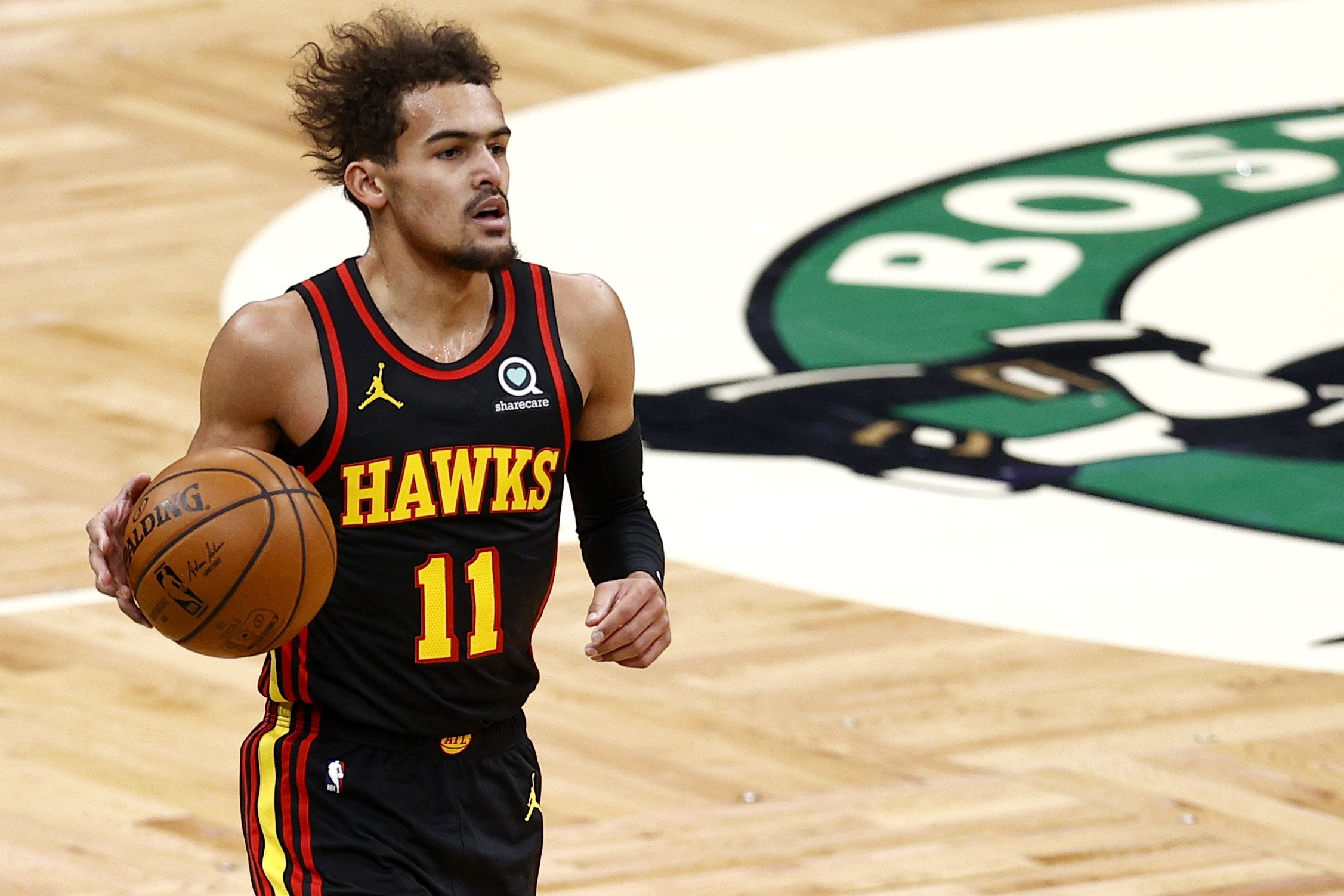
With the confetti barely settled on the New York Knicks’ first championship in 53 years, the NBA’s 2026 offseason trade market is detonating in all directions. Stars are being shopped, franchises are being rebuilt, and the draft on June 23 is serving as an unofficial deadline for blockbusters that could reshape the league’s balance of power for years.
To build this ranking, contract status, organizational direction, roster fit, market demand, and overall trade likelihood were all examined. Here are the 10 players generating the most genuine intrigue as front offices across the league move toward decisive action.
1. Giannis Antetokounmpo, Milwaukee Bucks
Nothing else in the NBA moves until the Giannis Antetokounmpo situation resolves itself, and it appears that resolution is imminent. According to ESPN’s Brian Windhorst, the Milwaukee Bucks — coming off a dismal 32-50 season that ended without a playoff appearance — have been fielding calls on the two-time MVP for months, with Bucks co-owner Jimmy Haslam having set the NBA Draft as an informal deadline for a decision. The Miami Heat have been the frontrunner for what feels like an eternity, though the Boston Celtics remain genuinely engaged as well.
The rumors that swirled around the trade deadline haven’t gone away; they’ve only intensified after a missed postseason for the Bucks. At 31 years old, Giannis remains one of the most dominant players in basketball. Still, Milwaukee’s inability to surround him with a championship-caliber rotation has led to heavy speculation about a mutual pivot, with the Bucks apparently listening to calls. Giannis is still a physical freak capable of dropping 30.0 points and 12.0 rebounds per game, but the Bucks’ steep asking price, reportedly including elite young talent and multiple first-rounders, is the only thing keeping him in Milwaukee for now. His 2025-26 stats: 27.6 points, 9.8 rebounds, 5.4 assists per game on 62.4% shooting from the field.
2. Ja Morant, Memphis Grizzlies
Morant is expected to be traded this offseason, although the Grizzlies will wait until the Antetokounmpo drama plays out before making a move, to see whether any teams that strike out with the Greek Freak pivot to Morant instead. That dynamic places Morant’s situation directly downstream of how the league’s biggest domino falls.
3. Jaylen Brown, Boston Celtics
Boston’s frustration over the pace of Giannis negotiations has placed Brown squarely in trade speculation, with reports indicating the Celtics have explored what it would take to land Antetokounmpo while weighing whether to part with their All-Star wing in the process. According to league sources, Boston has indicated any “Brown to third team talk” is premature, suggesting the team continues to prefer a direct swap with Milwaukee rather than a more complicated multi-team structure.
4. Trae Young, Atlanta Hawks (via Washington Wizards)
Teams are eyeing a potential Young trade, including the Miami Heat, who see him as a “big fish” backup option if they strike out on landing Giannis Antetokounmpo. All indications out of Washington have been that the franchise plans to get Young to reject his $49 million player option and sign a longer-term extension at a lower per-year number instead, complicating any potential trade scenario. Changed lottery rules — where the teams with the three worst records have a worse chance of landing the No. 1 pick than seeds 4-10 — have increased the value of a floor-raiser like Young around the league.
5. Walker Kessler, Utah Jazz
Kessler has emerged as one of the more sought-after big men available this offseason, with multiple teams reportedly engaged. The Lakers have been among the teams with interest, though the practical challenge of signing a restricted free agent — particularly one whose current team is likely to match any offer — makes the path complicated. A sign-and-trade scenario, where Utah receives value in return for facilitating a departure, may be the most realistic route for all parties. Given that the Jazz already added Jaren Jackson Jr. at the trade deadline and hold the No. 2 pick in this month’s draft, they are in position to be selective about what they require in return.
6. Luguentz Dort, Oklahoma City Thunder
Dort could be a name to watch this offseason as the reigning champion Thunder look to save salary cap space, with the team currently due to pay him $17.7 million and projected to be roughly $40 million over the luxury tax line. Should Boston ultimately trade away Jaylen Brown as part of a Giannis deal, Dort could emerge as an appealing replacement option for the Celtics, given his reputation as a strong three-point shooter and high-level perimeter defender.
7. Kawhi Leonard, Los Angeles Clippers
Despite persistent trade speculation linking Leonard to both the Golden State Warriors and Miami Heat, Clippers owner Steve Ballmer has maintained a firm stance against moving him, preferring to continue building around his star forward. League sources said Ballmer has personally intervened to end discussions when teams have called about Leonard, though an ongoing league cap-circumvention investigation continues to add uncertainty to his situation regardless of ownership’s stated preference to keep him.
8. Austin Reaves, Los Angeles Lakers
While re-signing Reaves remains at the top of the Lakers’ offseason priority list, multiple other franchises, including the Brooklyn Nets, have reportedly expressed interest in pursuing him as a restricted free agent. League sources keep telling reporters to expect that the Lakers will ultimately re-sign Reaves despite outside interest, with the only real question being the final contract number. Reaves is 28, and this contract represents his one shot at generational wealth — he is not expected to hand out a steep discount to stay with the Lakers as he did with his previous deal.
9. Nic Claxton, Brooklyn Nets
Claxton has reportedly drawn interest as a defensive-minded center option for teams looking to bolster their frontcourt, including reported interest from Luka Doncic and the Lakers, who have identified Claxton as one of several potential center targets this summer. His combination of rim protection and mobility continues to make him an appealing trade chip for a Brooklyn franchise that may be open to moving pieces as it continues retooling its roster.
10. Jalen Duren, Detroit Pistons
Duren has similarly been mentioned as a center target for teams seeking athletic frontcourt depth, including reported interest from the Lakers as part of their broader search for a big man capable of running pick-and-rolls alongside Doncic. While Detroit’s improved trajectory under its current core makes any deal involving Duren more complicated than some of the other names on this list, his rebounding and rim-running ability continue to generate calls from rival front offices.
The Bigger Picture
As the 2026 NBA calendar transitions into the offseason, front offices enter a clinical cycle of strategic roster manipulation. The summer window forces executives to forgo sentimentality and conduct real-time audits of their active cores. Facing strict Collective Bargaining Agreement restrictions, a desperate middle class is hunting for immediate exit strategies to offload heavy long-term money before luxury-tax thresholds paralyze them, while elite-tier organizations look to maximize finite championship windows before the second apron freezes external talent acquisition.
With the draft set for June 23 serving as an informal deadline for several of these situations — particularly the Antetokounmpo sweepstakes — the coming days are expected to bring rapid movement across the league. Which player on this list is most likely to be playing for a new team by opening night, and which name is generating plenty of rumors but ultimately isn’t going anywhere, remains one of the more compelling storylines of the entire NBA offseason calendar.
Business
NSE IPO: Nithin Kamath explains why India has few businesses like this ‘cash generating machine’

In a post on X, formerly Twitter, Kamath described NSE as a “cash generation and distribution machine”, noting that the exchange earned more than Rs 10,300 crore in profit in FY26 and distributed about Rs 8,660 crore as dividends, translating into a payout ratio of 84%.
According to Kamath, such generous shareholder payouts are likely to continue even after NSE’s listing because the exchange has limited avenues to deploy its surplus cash. He argued that regulatory restrictions prevent exchanges from investing in other businesses, whether listed or private, leaving dividend distribution as one of the few meaningful uses of excess profits.
Also read: NSE IPO: 10 key things investors need to know about India’s largest IPO in history
The NSE example, he said, raises a broader question: why are there so few businesses that consistently generate large profits and return most of them to shareholders? Kamath’s answer lies in what he calls a tax arbitrage between dividends and capital gains.
He explained that when a company earns Rs 100 in profit, it first pays corporate tax, leaving roughly Rs 75. If that amount is distributed as dividends, shareholders pay tax again at their marginal income-tax rate. For investors in the highest tax bracket, this can significantly reduce the final amount received.
By contrast, if a company retains those earnings and reinvests them into growth, shareholders can potentially benefit through appreciation in the stock price. In such a case, investors pay capital gains tax only when they sell their shares, and at a substantially lower rate than dividend income, Kamath noted.This disparity, he argued, creates a strong incentive for companies to retain earnings and pursue growth rather than distribute profits to shareholders. In his view, that may be one reason why many modern businesses prioritise expansion and reinvestment over profitability and cash returns.
Read more: NSE IPO: BSE hosts double the listed companies but numbers tell a different story
While acknowledging that reinvestment benefits the economy by funding growth, Kamath cautioned that businesses that do not generate meaningful profits can become more vulnerable during downturns. “One bad cycle can kneecap them severely,” he wrote, arguing that long-term resilience often comes from sustainable profitability.
Using NSE as a case study, Kamath also revived the debate around the double taxation of corporate profits — first at the company level and then at the shareholder level through dividend taxation. He pointed to examples of countries that have attempted to reduce this burden and argued that there should not be such a wide gap between the taxation of dividend income and capital gains.
“I think there should not be such a big differential in taxes, on dividend income as compared to capital gain,” Kamath added.
The NSE IPO is entirely an offer-for-sale (OFS) of up to 14.89 crore equity shares with a face value of Re 1 each, representing nearly 6% of NSE’s paid-up equity capital. The issue size has been fixed at 6% of the exchange’s paid-up capital.
NSE’s shares will be listed on BSE, mirroring the arrangement under which BSE‘s own shares are listed on NSE. With NSE’s valuation in the unlisted market hovering around Rs 5 lakh crore, market estimates suggest the IPO could be sized at roughly Rs 30,000 crore.
The filing marks the culmination of a listing process first initiated in December 2016, when NSE filed its first DRHP for a Rs 10,000-crore issue. The process was subsequently stalled due to the co-location controversy.
(Disclaimer: Recommendations, suggestions, views and opinions given by the experts are their own. These do not represent the views of The Economic Times)
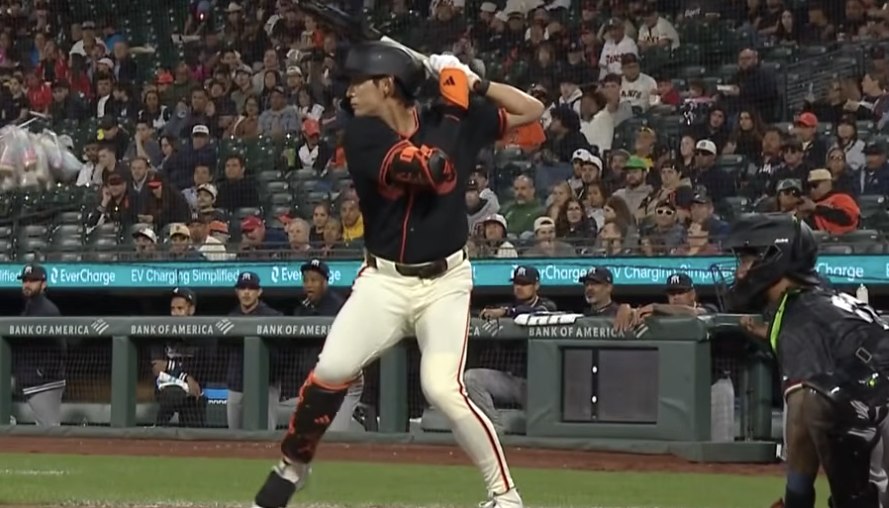
Jung Hoo Lee has emerged as one of the more intriguing names in this year’s National League batting race, with the San Francisco Giants outfielder riding a hot stretch at the plate that has reignited questions about whether the South Korean star can contend for a batting title in just his third MLB season.
A Career Built on Hitting for Average
Lee’s pursuit of a batting crown would not be unprecedented territory for him — it would simply be a continuation of a skill set he displayed at an elite level throughout his career in the KBO League before crossing over to Major League Baseball. Lee is a two-time KBO batting champion, having led the league in average in both 2021 and 2022. In 2021, he batted .360 with a .438 on-base percentage and a .522 slugging percentage, while in 2022 he was named the KBO’s MVP after slashing .349/.421/.575 in 142 games, leading the league in average, hits, RBI, and OPS.
That track record of elite hit tool and contact ability is precisely why Lee’s name continues to surface in discussions about MLB’s batting race, even as his transition to the majors has had its share of ups and downs.
A Recent Surge at the Plate
After a relatively modest start to the 2026 campaign, Lee’s batting average has shown significant improvement as the season has progressed. Lee is currently hitting .325 with four home runs, 26 RBI, and 36 runs scored this season, a marked improvement from his .266 batting average a year earlier in 2025.
That trajectory has fueled the growing belief that Lee may be rounding into the form that made him such a feared hitter back in South Korea. One outlet noted that superstitious minds might look to Lee’s new on-deck routine as an explanation for the Giants star’s hot streak at the plate.
The Underlying Metrics Supporting His Hot Streak
Beyond the surface-level batting average, advanced metrics suggest Lee’s recent performance is grounded in genuine quality of contact rather than simply a run of good fortune. Lee’s 2026 advanced metrics include an average exit velocity of 87.7 miles per hour, a hard-hit rate of 30.4%, a weighted on-base average of .352, an expected weighted on-base average of .335, and a barrel rate of 2.6%.
Those figures paint the picture of a hitter who, while not necessarily driving the ball with overwhelming power, continues to make the kind of consistent, well-placed contact that has defined his offensive approach throughout his professional career.
Career Numbers With the Giants
Since arriving in MLB, Lee’s overall body of work has reflected a player still working to fully translate his KBO dominance to a more challenging level of competition. Across three seasons with the Giants, Lee has compiled a .261 career batting average with 191 hits, 10 home runs, 67 RBI, and 91 runs scored.
Lee made his MLB debut against fellow South Korean star Ha-seong Kim and the San Diego Padres on March 28, 2024, a moment that carried added significance given their relationship dating back to their playing days together for Kiwoom in the KBO. Lee is also friends with Dodgers utility man Hyeseong Kim, with the two having been teammates during Lee’s time in the KBO as well.
The Path to a Batting Title
For Lee to genuinely contend for a 2026 batting crown, he will need to both sustain his recent surge and significantly improve on the underlying metrics that have occasionally lagged behind his raw batting average in seasons past. Lee’s KBO career was defined by remarkable batting line consistency, including a .355/.412/.477 slash line with six home runs and 57 RBI in just his second professional season, when he finished third in the league in batting average despite missing six weeks with a shoulder injury.
Replicating that level of sustained excellence at the major league level represents the central challenge Lee faces if he hopes to seriously compete for a batting title against the National League’s deepest pool of contact hitters.
An Uncertain Backdrop in San Francisco
Complicating Lee’s individual pursuit of a batting crown is the broader organizational direction the Giants appear to be taking as the season progresses. As the trade deadline draws nearer, teams are going to start shifting into buyer or seller categories, and the Giants are reportedly leaning toward the sell side.
That dynamic raises questions about roster stability and lineup construction around Lee for the remainder of the season, even as his own individual performance has trended upward. A team in selling mode often experiences shifts in everyday playing time distribution and lineup composition that could either help or hinder an individual hitter’s ability to sustain a hot streak through the second half of the schedule.
What Lee Brings Beyond the Batting Average
Lee’s value to the Giants has never been confined strictly to his bat, with questions about his defensive contributions also factoring into the broader conversation about his overall impact. Some analysts have noted that both the eye test and advanced defensive metrics have at times misjudged Lee’s fielding ability, suggesting his all-around game may be somewhat underrated relative to public perception, even as his offensive production draws the most attention.
A Personal Legacy Tied to His Family Name
Beyond the statistics, Lee’s career carries a layer of personal and cultural significance tied to his family background. In his introductory press conference upon joining the Giants, Lee called himself the “Grandson of the Wind,” honoring his father’s legacy as a way of acknowledging the baseball lineage he carries into his major league career.
With roughly half of the 2026 season still to play, Lee’s path to a genuine batting title contention will depend heavily on whether his recent surge represents a sustainable adjustment at the plate or a temporary hot stretch. Given his proven track record of elite contact hitting throughout his KBO career, along with the underlying Statcast metrics supporting his current production, Lee has positioned himself as a name worth monitoring in the National League batting race as the season moves into its second half — even as broader questions about the Giants’ direction at the trade deadline add an additional layer of uncertainty to how the rest of his season unfolds.
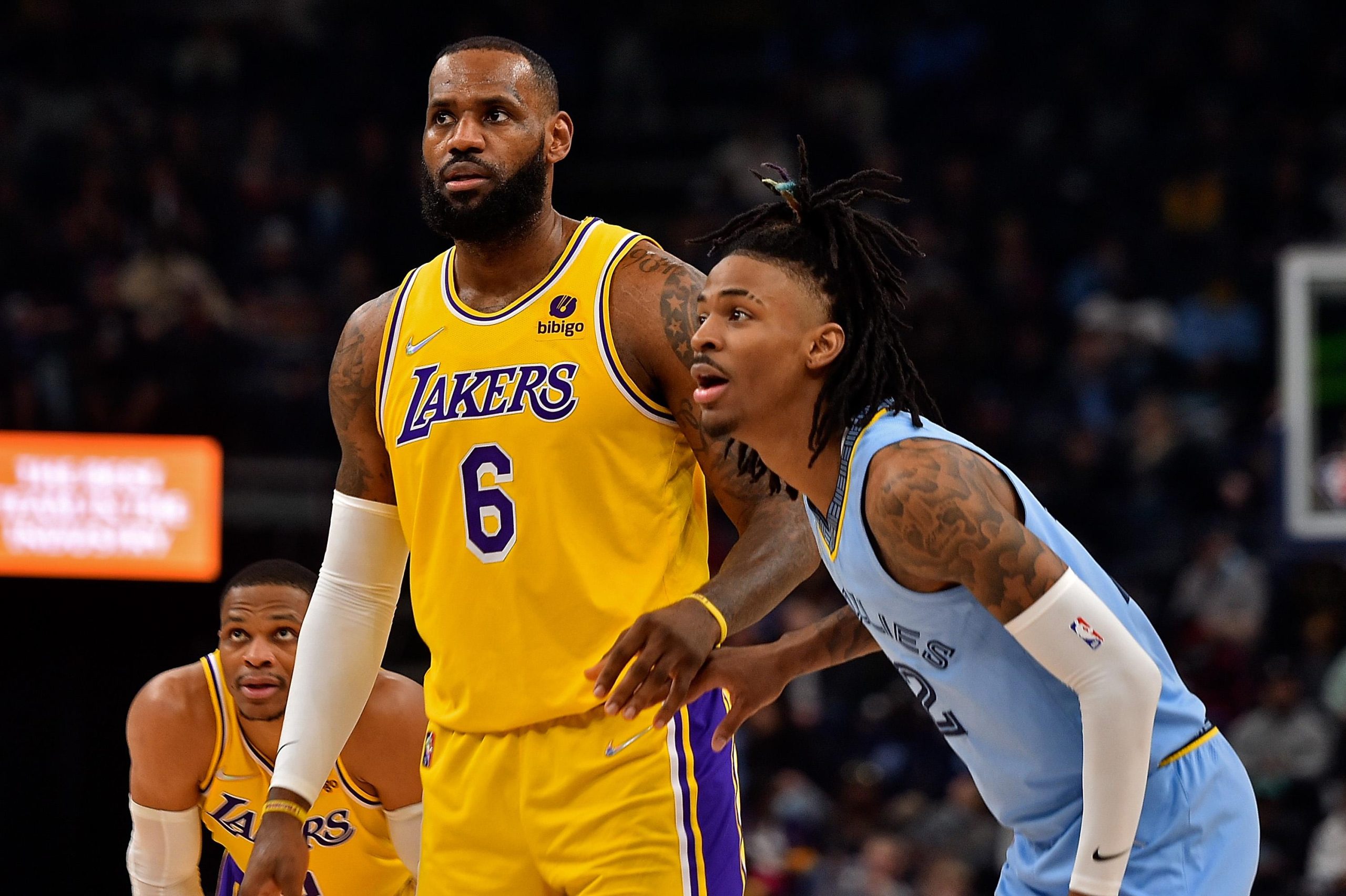
LeBron James, the Los Angeles Lakers’ star player, has built a name and massive wealth through his own hard work over the last two decades. While the NBA icon is a billionaire, James has spoken candidly about the lingering anxiety he carries toward his finances, rooted in memories of where his journey began.
A Candid Conversation on His Wife’s Podcast
A few months ago, the NBA legend made an appearance on his wife Savannah James’ podcast, “Everybody’s Crazy,” where he opened up about his relationship with wealth and the mindset that continues to shape his approach to financial decisions.
“I’m first generational moneymaker in my household and I always be thinking about where I come from bro… Coming from the projects in Akron, Ohio and not having anything, it’s hard for me sometimes to take risks because if that happened or the whole can come off and it’s over with, I’m going to be devastated,” James said.
A Stern Warning to His Financial Advisor
James also revealed the blunt message he delivered when first entrusting his finances to a professional advisor, underscoring just how seriously he takes the stakes involved in managing the wealth he has built. “My financial advisor, first thing I told him when he wanted to manage my money, I said, ‘If you steal my money bro or I’m broke bro, I’m letting you know bro it ain’t gonna be good for you,’” James said.
No Room to Start Over
James went on to explain why the fear of financial loss weighs on him so heavily, drawing a comparison to a popular board game to illustrate just how different his situation is from someone who could simply rebuild from scratch. “I can’t start over, there’s no way. I’m not Monopoly in this. I’m not starting back at pass go, you collect $200 and start back at go. No, I’m too far gone…” James said.
A Track Record of Financial Discipline
Coming from a modest household, LeBron James has always been smart with his finances and has made profitable investments throughout the last two decades. That long-term approach to wealth-building has helped him become one of the most financially successful athletes in the history of American professional sports, with his earnings extending well beyond his on-court salary into ownership stakes, endorsements, and other business ventures.
Fans React to His Honesty
James’ comments resonated widely with fans, who took to social media to praise both the substance of his remarks and the broader life lesson they felt it offered, particularly for other athletes and entertainers navigating sudden wealth.
One fan wrote on X, “He’s so right though! It sadden me when i see a rapper or an athlete lost it all and has to work just like the rest of us, too many people don’t realize the chance they has until it’s gone…”
Another fan echoed that sentiment while emphasizing the importance of financial planning at a certain stage of life. “I totally agree, and LeBron is really speaking for everyone…. When you get a certain age when you are in your 30s and 40s, you should already be getting yourself established in life financially unless you are trying to work till you die…” the fan wrote.
A third fan praised the broader tone of the podcast series James has been participating in, framing his recent comments as part of a pattern of thoughtful reflection beyond basketball. “This bron podcast lately more like life lessons than just a basketball bro… Sidelined his act on the court, especially as a NBA player. He’s such a great person, a great man and husband too.. A lot of things we can learn from him…” the fan wrote.
A Recurring Theme in James’ Public Life
James’ willingness to discuss his financial anxieties so openly fits within a broader pattern of the superstar using his platform to address topics well beyond his on-court performance. Throughout his career, James has spoken frequently about the importance of financial literacy, particularly for athletes who often experience a sudden and dramatic shift in their earning power at a young age, frequently without the generational wealth or financial guidance that can help cushion against poor decision-making.
His remarks on his wife’s podcast extend that theme into deeply personal territory, offering a rare glimpse into how even one of the wealthiest athletes in the world continues to carry the psychological weight of his upbringing, regardless of how much financial security he has since accumulated.
The Weight of Being a “First-Generation Moneymaker”
James’ framing of himself as the “first generational moneymaker” in his household speaks to a broader phenomenon often discussed among financial advisors and psychologists who work with athletes and entertainers who achieve sudden, significant wealth without an established family history of managing similar resources. That dynamic can create a distinct kind of pressure, given the absence of an established blueprint or safety net to fall back on if circumstances were to change.
For James, who has spoken previously about his upbringing in Akron, Ohio, that pressure appears to manifest as a persistent wariness around risk-taking, even decades into a career that has made him one of the most financially secure athletes in the world.
As James continues to navigate both his playing career and his expanding business interests, his recent comments suggest a continued willingness to use his public platform — including appearances on podcasts hosted by those closest to him — to discuss the less glamorous, more anxiety-inducing aspects of sudden wealth. For a global superstar long regarded as a model of financial savvy among professional athletes, the remarks offer fans and fellow athletes alike a candid reminder that even significant financial success does not necessarily eliminate the underlying fears tied to one’s origins, particularly for those who built their fortune from nothing rather than inheriting an existing foundation of generational wealth.

LIVE: Alex Eala vs Linda Noskova

Norway Imposes Broad Restrictions On AI For Elementary School Kids

Ripple XRP ITS OVER OVER OVEEEEEEEEERRRRRRRRRRRRRR!


-

 Business6 days ago
No Jackpot Winner as $257 Million Prize Rolls Over to $269 Million Monday Draw
-
 Crypto World5 days ago
Zimbabwe Requires Crypto Businesses to Register Annually Under New FIU Regulations
-

 Fashion16 hours ago
Weekend Open Thread: Miami – Corporette.com
-
 Entertainment6 days ago
Matt Damon’s Viral Sci-Fi Thriller Has Taken Over HBO Max
-

 Business6 days ago
Anthropic staff to meet White House officials next week, Axios reports
-

 Tech6 days ago
As AI companies race to go public, who else is along for the ride?
-
 Crypto World6 days ago
Bitcoin could crash to $48,000, if this historical pattern is triggered
-
 NewsBeat6 days ago
what doctors are seeing in ebike crashes
-
 NewsBeat6 days ago
Warning of disruption as Cardiff Crossrail works to start
-
 NewsBeat6 days ago
Tributes to former deputy head teacher at Cambridge school among death and funeral notices
-

 Politics6 days ago
“Israel’s” ban on ICRC visits ruled illegal, but Knesset moves to stop them permanently
-

 Entertainment6 days ago
Deion Sanders Shares Powerful Post After Viral Advice To Deiondra
-

 News Videos6 days ago
Financial Accounting | Last Day Revision Strategy and Booster | CMA Inter – June 2026
-
 Entertainment6 days ago
Kate Middleton Glare Goes Viral After Kids Booed At Royal Event
-

 Tech5 days ago
Over 400 Arch Linux packages compromised to push rootkit, infostealer
-

 Crypto World6 days ago
XRP ETFs Outperform As Bitcoin And Ethereum Funds Extend Outflow Trend
-

 Business6 days ago
Invesco Quality Income Fund Q1 2026 Commentary
-
 Crypto World6 days ago
Market Preview: SpaceX (SPCX) IPO Record, Federal Reserve Meeting, and Iran Nuclear Agreement
-

 NewsBeat6 days ago
Singer Oliver Tree dies aged 32 in helicopter crash in Brazil
-

 Sports6 days ago
Dick Advocaat’s Curacao scores first-ever World Cup goal against Germany
You must be logged in to post a comment Login