Eight people have been killed in one of Canada’s deadliest mass shootings, which also left the attacker dead.
Police have now shared more details about the shooting in Tumbler Ridge, a small town with a population of just 2,400, in British Columbia on Tuesday.
Here’s what we know so far.
Helicopter arrives at Tumbler Ridge school after shooting
Advertisement
What do we know about the suspect?
The attacker has been identified by police as 18-year-old Jesse Van Rootselaar, Deputy Commissioner Dwayne McDonald said at a news conference on Wednesday.
He said the suspect, from Tumbler Ridge, identified as female but was born a biological male, and began to transition around six years ago.
The suspect was found at the scene with a self-inflicted gunshot wound.
Advertisement
The deputy commissioner added that Van Rootselaar was not currently attending Tumbler Ridge Secondary School and had dropped out about four years ago.
“Police had attended that (family) residence on multiple occasions over the past several years, dealing with concerns of mental health with respect to our suspect,” Mr McDonald added.
A public alert sent to phones initially described the shooter as “a female in a dress with brown hair”.
Police superintendent Ken Floyd earlier said the suspect’s motive remained unclear and that authorities are “not in a place to understand why or what may have motivated this tragedy”.
Advertisement
Suspect’s mother among those killed
Police said they received a report of an active shooter at Tumbler Ridge Secondary School, which has around 175 students, at 1.20pm on Tuesday (8.20pm UK time).
When officers entered and searched the school, they found multiple victims dead.
An individual believed to be the attacker was also found dead with what appeared to be a self‑inflicted injury.
At the school, police said those killed were a 39-year-old female teacher, three 12-year-old female students, and two male students aged 12 and 13.
Advertisement
They said two further victims, a 39-year-old female and an 11-year-old male, were found at a local home.
When questioned by reporters, police said the 39-year-old was the mother of the suspect, with the 11-year-old thought to be their brother or step-brother.
The attacker’s family members were killed first, before the school shootings.
Initial reports claimed another victim died while on the way to hospital, but Deputy Commissioner Dwayne McDonald said that “a female with significant injuries” survived the shooting.
Advertisement
Overnight, police said approximately 25 others were being assessed for non‑life‑threatening injuries.
Children ‘barricaded themselves’ as parents waited for news
Children who were at the school at the time were frantically trying to barricade themselves in their classrooms as the attack unfolded, according to local reports.
Citing the reports, Sky News’ international correspondent John Sparkssaid: “They were putting desks and chairs up against the doors, trying to keep the shooter out of their classroom.”
Advertisement
There were also “desperate scenes” in the town of Tumbler Ridge during the attack, Sparks added.
“Parents were shepherded to a local hall to await news of whether their children were affected by this.
“In a tight-knit community like this, it’s very difficult for the people who live there.”
‘I probably know every victim’
Advertisement
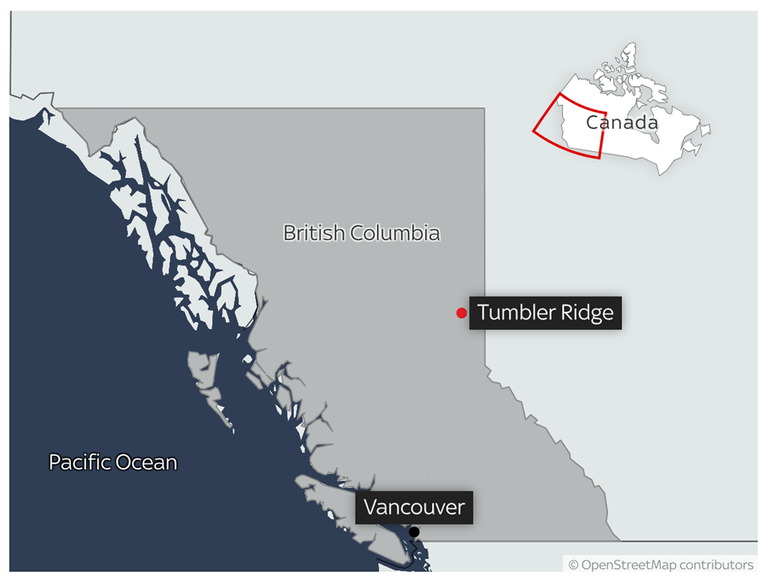
Canadians in the small town, located more than 600 miles north of Vancouver, near the border with Alberta, are grieving after the tragedy.
Image: Map showing Tumbler Ridge
Darryl Krakowka, mayor of Tumbler Ridge, told reporters: “I broke down. It’s devastating.”
He described the town’s small community as a “big family” and added: “I have lived here for 18 years. I probably know every one of the victims.”
Canadian Prime Minister Mark Carney offered his “prayers and deepest condolences” to the families and friends of the victims after the “horrific” attack.
“I join Canadians in grieving with those whose lives have been changed irreversibly today, and in gratitude for the courage and selflessness of the first responders who risked their lives to protect their fellow citizens,” he said in a statement.
Advertisement
“Our ability to come together in crisis is the best of our country – our empathy, our unity, and our compassion for each other.”
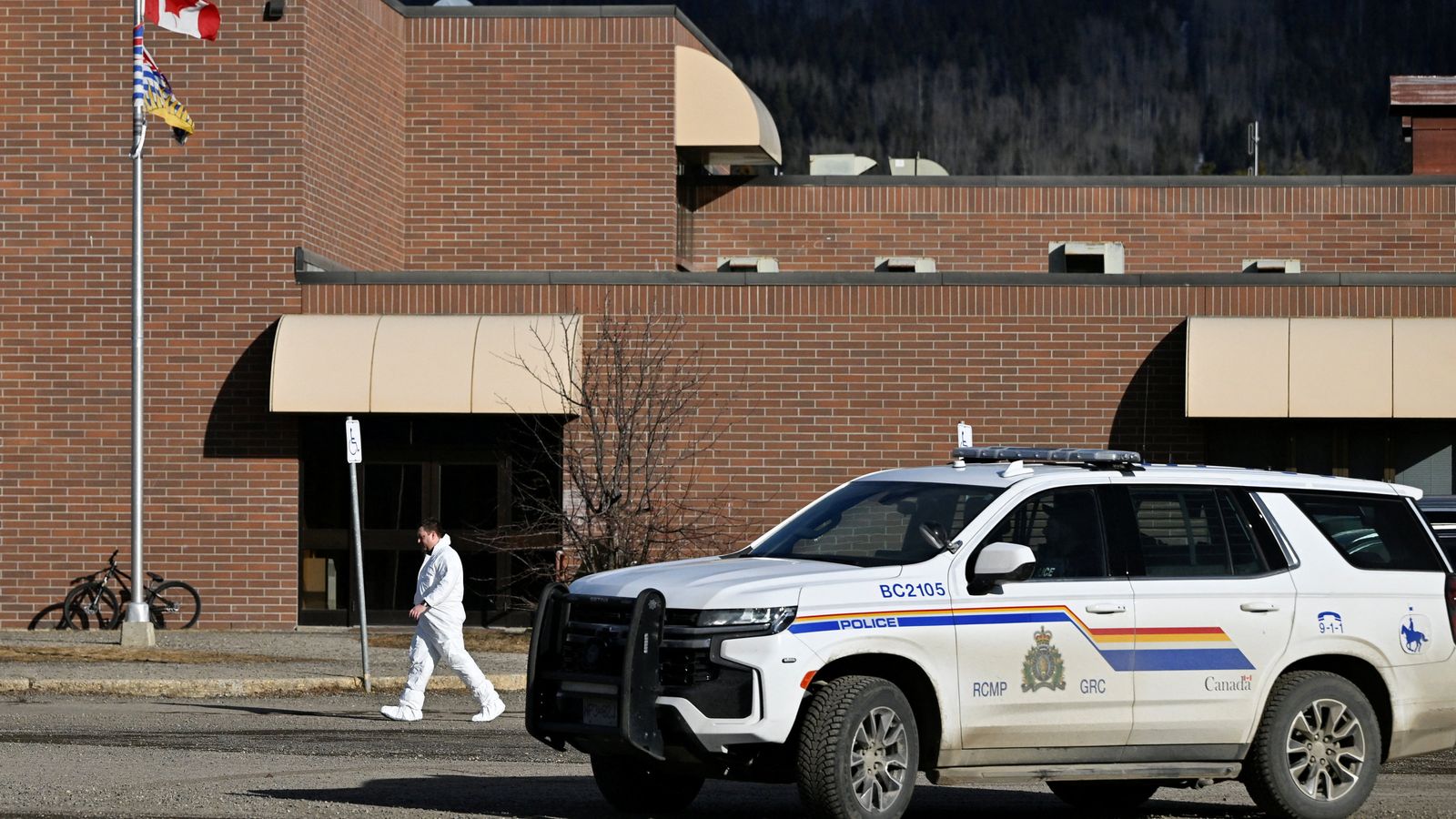
Image: Tumbler Ridge Secondary School. Pic: Western Standard
The premier of British Columbia, David Eby, added: “Our hearts are in Tumbler Ridge tonight with the families of those who have lost loved ones.
“Government will ensure every possible support for community members in the coming days, as we all try to come to terms with this unimaginable tragedy.”
Advertisement
The school has said it will be closed for the rest of the week.
What are the gun laws in Canada?
While its neighbour has some of the most relaxed firearms legislation in the world, Canadian laws are much stricter.
Anyone wanting to possess a firearm in Canada needs to obtain a possession and acquisition licence (PAL).
Advertisement
Some types of firearm – such as handguns – need a restricted possession and acquisition licence (RPAL), which is issued by police.
In 2022, the government introduced a freeze on the importing, buying or selling of handguns.
A previous mass shooting in Nova Scotia in April 2020, in which an attacker killed 22 people, prompted the government to announce an immediate ban on the sale and use of assault-style weapons.
Justin Trudeau, then the prime minister, announced the ban of more than 1,500 models and variants of assault-style firearms, including two guns used by the 2020 gunman as well as the AR-15 and other weapons that have been used in a number of mass shootings in the US.
Advertisement
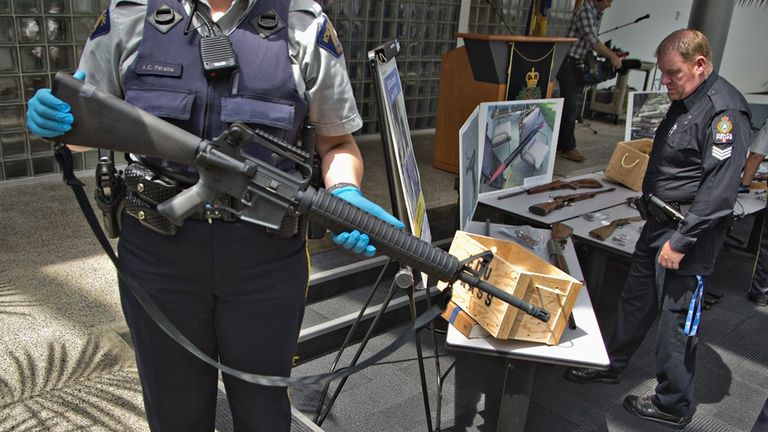
Image: A member of the Royal Canadian Mounted Police holds an assault rifle turned in during a 2013 amnesty. File pic: Reuters
But almost six years later, possession of such firearms is not illegal – yet.
A compensation programme in which gun owners register their interest in turning in these firearms in exchange for cash runs until the end of March this year.
Owners have until the end of October to hand over any banned assault weapons.
After this, anyone in possession “will be breaking the law and could face criminal prosecution”, government briefing documents say.
It has not yet been made public what type of firearm or firearms were used in the most recent attack.
A BBC presenter has suggested a minister was “patronising” the general public by downplaying concerns around energy prices.
The Iranians continue to limit the number of oil tankers which can travel through the Strait of Hormuz, a major shipping lane, in retaliation to the US-Israeli strikes.
Household energy bills are not yet increasing in line with the crisis in the Middle East but are expected to go up later in the year as a result.
Advertisement
The energy price cap, which was announced by Ofgem before the Iran war began, will see costs fall between April and the end of June – but that will change again in July.
However, the chief secretary to the Treasury James Murray told the BBC the public should remain calm for now.
Asked if it was time for the government to encourage the public to engage in personal rationing, the minister said: “No, I think people should go about their lives as normal, knowing the government is taking action to bring energy bills down.
“I think a lot of people will be seeing the news from the Middle East, will see the instability and uncertainty and might be worried about what is going to happen to energy bills in the months ahead.”
Advertisement
He pointed out that the energy price cap will be in place for the next three months, which gives the government time to make “contingency plans” – though he did not disclose exactly what that might mean.
But Radio 4 Today presenter Justin Webb said: “Isn’t it a bit patronising to say to people, no don’t worry, carry on, we’ll sort all of this out?
“They can see perfectly well, can’t they, that this is a real proper crisis and there will have to be things done which are painful.
“It will make us poorer. It’s reasonable, isn’t it, for them to ask you to be straight with them about it?”
Advertisement
“I think we’re being straight is saying we honestly don’t know how long this conflict is going to go on,” Murray replied.
Webb asked: “Are you saying it is possible then, if for some reason it ends tomorrow – which doesn’t seem at all likely – that we just go back to normal?”
Murray admitted: “I think it’s clear that what is happening in the Middle East now will have an impact on our economy. It’s already having an impact on prices of energy and fuel.”
When Webb pointed out that economists have already warned the government may not be able to afford offering support for household energy bills, Murray said: “What I think is certainly true is we need to learn the lessons from past interventions.”
Advertisement
The government is widely expected to unveil targeted help for the households most in need later this year, rather than the universal support announced by the Tories during the previous cost of living crisis.
Listen to the latest episode of Commons People, the podcast that makes politics easy. Every week, our resident politics writers and Westminster regulars – Kevin Schofield and Kate Nicholson – unpack the week’s biggest story in a way that even the most politically dense can understand. Join us for straightforward, up-to-date and in-depth commentary on British politics from people in the know!
The charity is calling on people across Northern Ireland to support its message, ‘Be Kind to Different Minds’
A Co Antrim schoolgirl has spoken out on World Autism Day, saying she is proud to be autistic and that it’s not something that needs to be ‘fixed’.
Advertisement
Emily McCreedy, aged 11, from Belfast, said she doesn’t see her autism as a limitation but rather something that makes her unique.
She said: “To me, being autistic means I experience the world differently, and that’s something to be proud of. Not everyone has to be the same, and those differences should be valued.
“Since my diagnosis, I’ve received more support at school and through Autism NI, which has made a big difference to my life.
Advertisement
Emily added: “Autism isn’t something that needs to be fixed, it’s part of who I am. I’m creative and kind, and with the right support, I feel safe, accepted, and proud to be autistic.”
Autism NI is marking World Autism Day by urging people right across Northern Ireland to back its campaign message, ‘Be Kind to Different Minds’. With over 35,000 autistic individuals living in Northern Ireland, the organisation is encouraging everyone to acknowledge, celebrate and demonstrate genuine support for the autistic community.
Kerry Boyd, CEO of Autism NI, adds: “This World Autism Day, we are asking the public to get behind our message, ‘Be Kind to Different Minds’. We want to build a greater understanding of autism, promote acceptance, and create a more inclusive society, but we cannot do this alone.
“Autistic people may face challenges, many of which are not visible to others. This reinforces the message that autism is a dynamic disability, and everyone’s experience is different.
“Through this campaign, we want to encourage people to deepen their understanding of autism and recognise how this can lead to meaningful changes in empathy, respect and inclusion.
“Whether at home, in school, or throughout April, Autism NI will be delivering a variety of activities and campaigns, offering chances for individuals to participate and demonstrate their support.
“Autism NI delivers essential services for autistic individuals and their families right across Northern Ireland and continues to advocate for improved understanding and acceptance of autism within society.”
New rules under Making Tax Digital for Income Tax come into force from April 6, requiring many self-employed workers and landlords to keep digital records and submit updates to HMRC throughout the year.
But research suggests a large number are unprepared and increasingly anxious.
A study by FreeAgent found:
Less than half feel confident they will be ready
Only 39 percent say they fully understand the rules
One in five do not know what is required
More than one in ten have lost sleep over the changes
The reforms will initially affect more than 850,000 sole traders and landlords earning over £50,000, with millions more set to follow in the coming years.
Concerns go beyond understanding the rules, with many worried about the consequences of getting it wrong.
Advertisement
47 percent fear being fined or penalised
17 percent admit avoiding letters or emails about the changes
Nearly half say they feel confused or anxious about the system
Some are even reconsidering their future:
23 percent are thinking about leaving self-employment
28 percent say they may take on less work
According to Oliver Harcourt from Taxfix, the scale of confusion is a major concern.
He said hundreds of thousands are heading into the changes without a clear understanding, adding that the reforms risk making tax feel like a second job for many.
Dominic Littlewood has teamed up with accountancy software company, Free Agent to help small businesses and landlords prepare for Making Tax Digital, as new data shows one in seven have considered retiring ahead of the April roll out. (Image: Free Agent)
What the new tax rules actually mean
Despite widespread confusion, the changes are about how tax is reported, not how much is paid.
Key points include:
You will still need to submit an annual tax return
Quarterly updates are summaries, not full tax returns
The rules do not mean you will pay more tax
Digital record keeping and approved software will be required
However, fewer than four in ten correctly understand the need for digital records, and only a third know they must use HMRC-recognised software.
Dominic Littlewood, working with FreeAgent, said the scale of the change explains why so many are worried.
Advertisement
He described Making Tax Digital as the biggest shake-up to tax submissions in two decades but stressed it does not have to be overwhelming.
He said many sole traders are asking the same questions about bookkeeping and potential fines, and need clear, simple guidance to stay compliant.
The rollout begins next week for higher earners but will expand:
Over £50,000 income from April 2026
Over £30,000 from April 2027
Over £20,000 from April 2028
In total, around 2.9 million people are expected to be affected.
Experts warn that without better awareness and preparation, confusion could lead to mistakes, penalties and added pressure on small businesses already dealing with rising costs.
On Wednesday night, the BBC reported that pre-launch testing revealed a fault in the rocket’s flight termination system
21:53, 01 Apr 2026Updated 00:53, 02 Apr 2026
The Artemis II mission had reportedly encountered an issue that could delay its scheduled launch.
On Wednesday night, the BBC reported that pre-launch testing revealed a fault in the rocket’s flight termination system. This system is critical for safety, designed to destroy the rocket mid-flight if it veers off course, ensuring it does not pose a danger to people on the ground.
Derrol Nail, a NASA commentator in the launch control room, explained that the termination system must be fully operational before launch. If any part of the rocket goes wrong during ascent, the launch abort system will lift the Orion capsule and its astronauts to safety, while the flight termination system would destroy the rocket to prevent it from entering populated areas.
Advertisement
Ground controllers are currently facing a communication issue with the system, which has prevented them from fully testing the hardware ahead of launch. Engineers are attempting to resolve the problem using equipment originally designed to communicate with the Space Shuttle.
However, NASA engineers confirmed that the fault had since been fixed and ‘all systems are now go’.
The launch could take place tonight starting in a two hour window from 11.24pm GMT, at the Kennedy Space Centre in Florida.
Mason, 12, and Casper, eight, have been missing for the majority of the night and police say concern is growing.
22:43, 01 Apr 2026Updated 22:46, 01 Apr 2026
A pair of brothers have gone missing from a Scots town this evening, with one without vital medication. Mason, 12, and Casper, eight, were last seen between 6pm and 6.20pm in Springbank, Meethill in Peterhead, Aberdeenshire.
It is not known where they headed or why they left without speaking to their family. Mason takes daily medication which he doesn’t appear to have with him.
Police Scotland have issued an urgent appeal to get to the bottom of their whereabouts. Mason is white, 4ft 10 in height, and is of a slim build and has blond hair. He’s wearing a coat that is blue on top and has a white and grey camouflage pattern on the bottom.
Advertisement
Casper is also White. He is approximately 4ft and of a slim build. He’s wearing a black Nike coat, grey tracksuit bottoms, and black shoes.
Cops say concern for the brothers is growing, particularly for Mason as he doesn’t have access to his medication. The force has been checking with local transport firms and loves ones but no one has seen or heard from them.
Anyone with any information on where they are is being asked to come forward.
Advertisement
Inspector Stuart Hillman said: “Obviously the worry is for Mason, to make sure he is able to access his medication. Casper is very young, they both are, so we want to find them to make sure all is well and that they are safe.
“If you have seen them at all this evening, or have any information that will assist our enquiries, then please call police via 101 quoting incident number 2776 of Wednesday, 1 April 2026.
“We have been checking with local bus and travel companies, friends and family, and indeed in the area they live, but so far no one has seen or heard from them.”
Get more Daily Record exclusives by signing up for free to Google’s preferred sources. Click HERE.
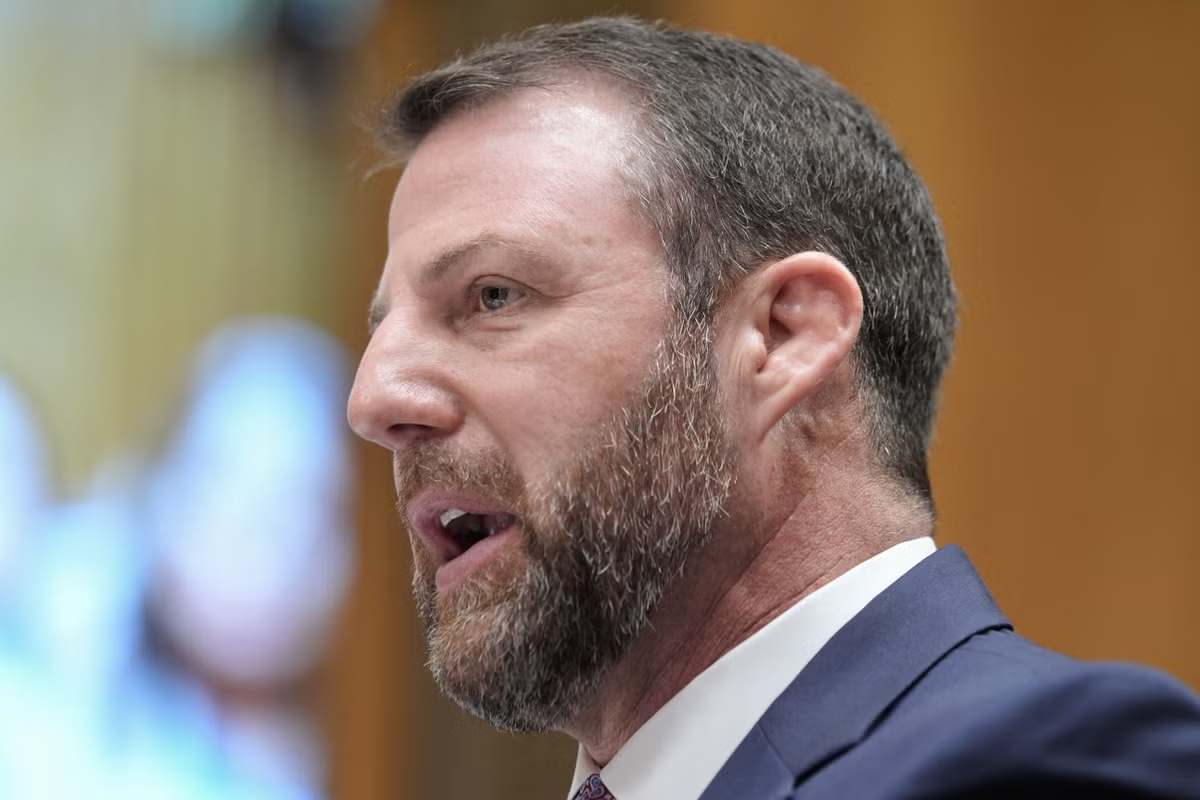
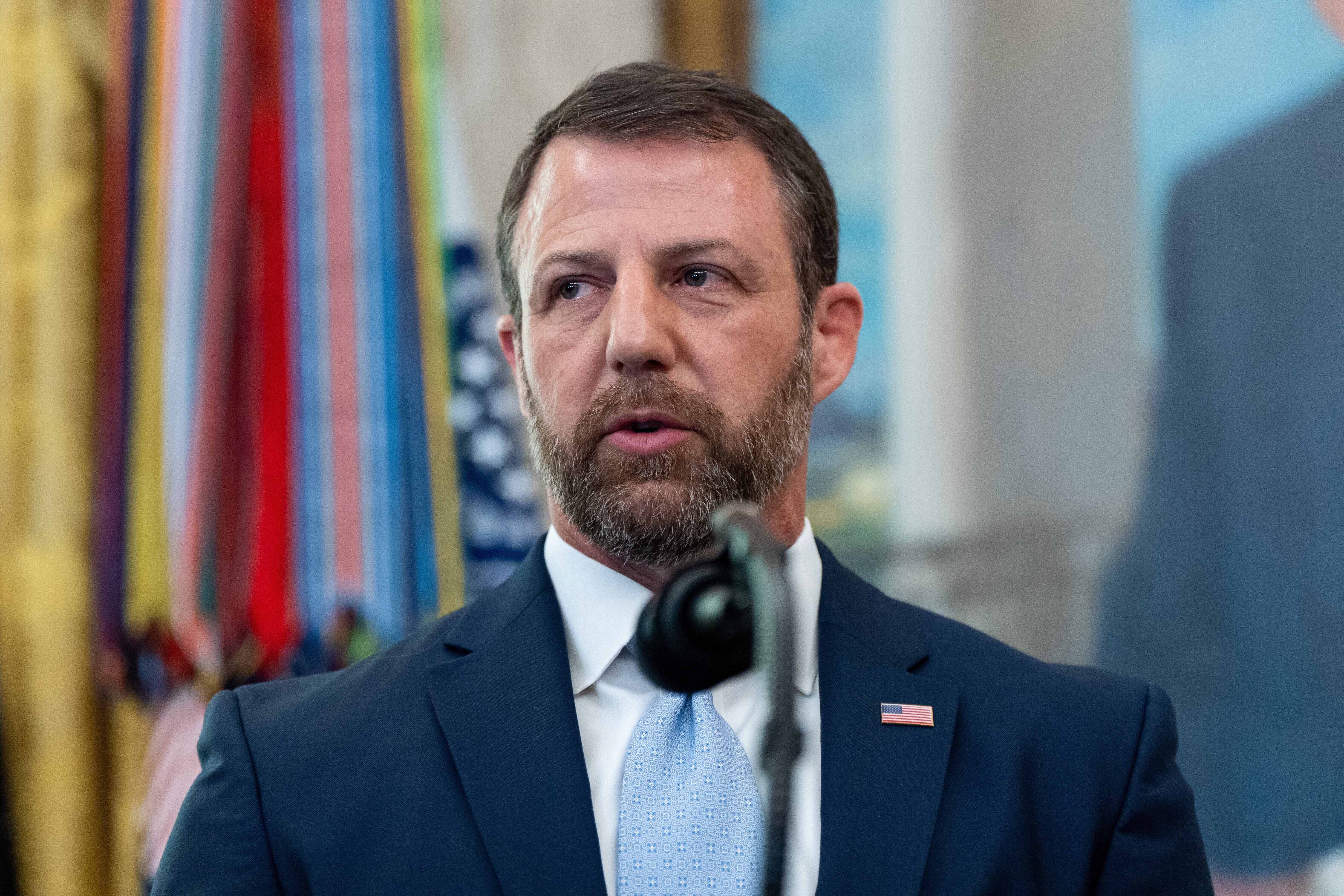
HomelandSecurity Secretary Markwayne Mullin has rescinded a widely criticized spending rule, ending a policy that required his office to personally approve all departmental expenditures over $100,000. Implemented by his predecessor Kristi Noem, the directive was widely criticized for burdening the Federal Emergency Management Agency’s (FEMA) disaster response and recovery work.
The decision marks the first major action by the new Homeland Security leader, sworn in last week, to change a policy implemented by Noem, whom President Donald Trump fired in March. Mullin’s move is expected to ease a spending bottleneck that lawmakers and states said delayed disaster response and recovery funds, though those impacts are unlikely to be widely felt until after the end of the DHS shutdown, now in its 46th day.
A DHS spokesperson confirmed Mullin rescinded the rule Wednesday, telling The Associated Press the secretary “re-evaluated the contract processes to make sure DHS is serving the American taxpayer efficiently.” CBS News first reported Mullin’s decision.
Implemented by Kristi Noem, the directive was widely criticized for burdening the Federal Emergency Management Agency’s (FEMA) disaster response and recovery work (AP Photo/Alex Brandon)
The spokesperson said Mullin’s action will streamline the contracting process and allocate aid more efficiently.
The International Association of Emergency Managers praised Mullin’s decision. “We appreciate Secretary Mullin’s common-sense approach to this matter, and we look forward to working with him,” said Josh Morton, president of IAEM-USA.
Advertisement
Noem issued a directive last June requiring that she personally approve any Department of Homeland Security expenditure over $100,000. Critics said the rule undermined FEMA in particular, an agency that routinely issues contracts and reimbursements well over that amount in its work preparing for and responding to natural and manmade disasters across the U.S.
The policy created “an untenable situation for emergency managers,” Morton said, and a bottleneck that also hindered mitigation and preparedness programs, “putting Americans at increased risk from disasters.”
A recently released report by Democratic members of the Senate Homeland Security and Governmental Affairs Committee found the approval rule had delayed at least 1,000 FEMA contracts, grants or disaster reimbursements by September.
The policy came under scrutiny after news reports linked it to unstaffed call centers and delays deploying FEMA Urban Search and Rescue teams to Texas during deadly floods last July, and brought sharp rebuke from some state officials and lawmakers, especially Republican Sen. Thom Tillis of North Carolina, whose state is still recovering from devastation wrought by Hurricane Helene in 2024.
Advertisement
“You’ve failed at FEMA,” Tillis told Noem at a Senate hearing the day before she was fired.
About $2.2 billion in recovery and mitigation dollars were in the DHS approval queue Wednesday, according to FEMA data seen by the AP.
“It’s got a great mission, and I think people at FEMA want to do their job,” Mullin told lawmakers at his March confirmation hearing, sparking cautious hope that he would ease the tumult experienced at the agency under Noem.
Mullin said he would keep the agency ”adequately staffed” after it lost over 2,400 employees last year, and said he was already considering nominees for a permanent FEMA administrator, which the agency still lacks.
Advertisement
Trump has repeatedly floated the idea of eliminating FEMA, saying as recently as Tuesday that the agency is “very expensive and it really doesn’t get the job done.”
Michael Coen, FEMA chief of staff during the Obama and Biden administrations, said, “Hopefully this a step toward transparency and stability between FEMA and states.”
DHS is reviewing other policies across the agency, pausing the purchase of new warehouses for immigration detention this week as it reviews contracts signed under Noem.
Lifting the spending approval rule will not necessarily mean a rapid flow of FEMA reimbursements to states, tribes and territories, as the agency is still impacted by the DHS fund impasse, now the longest government shutdown in U.S. history.
Advertisement
While FEMA disaster response and recovery activities are paid out of a non-lapsing Disaster Relief Fund, that money is running low, a FEMA official warned lawmakers in a House hearing last week, with about $3.6 billion remaining. The DHS appropriations bill would add just over $26 billion to the fund.
Republican lawmakers on Wednesday signaled an agreement to end the shutdown could be reached in the coming days.
Emergency services did not reveal the care home’s location but it is reportedly in Queen’s Promenade
Husna Anjum Senior Reporter and Amy Fenton
22:47, 01 Apr 2026
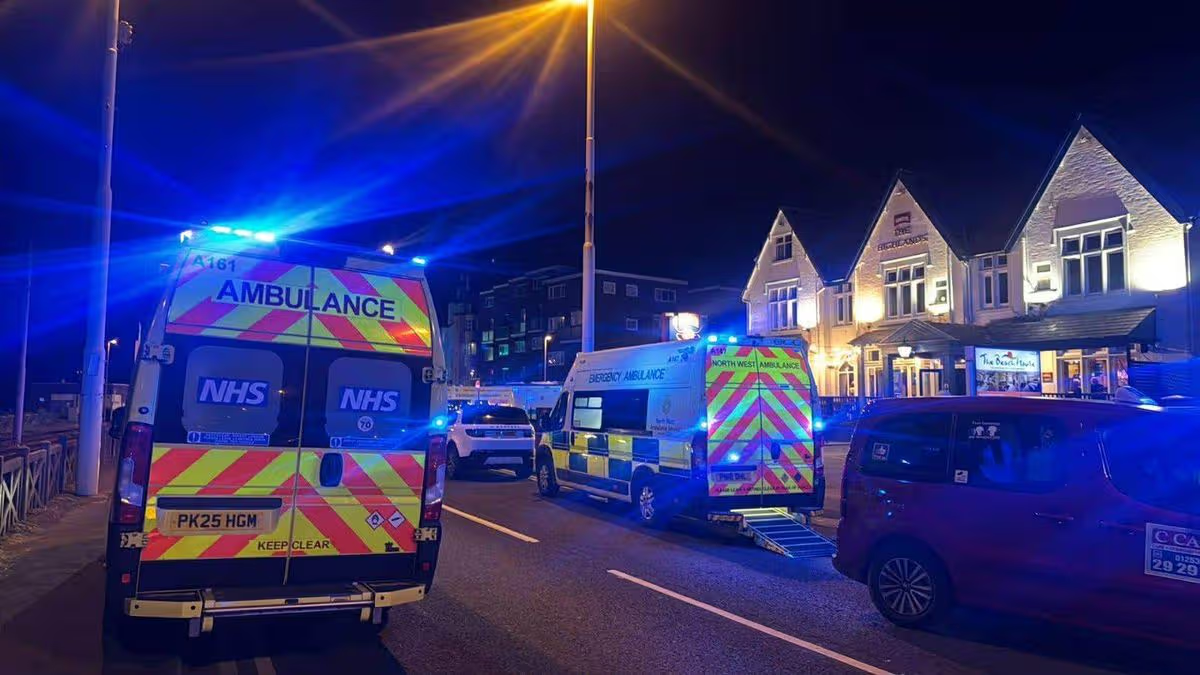
Emergency services are tackling a fire at a care home as police say ‘avoid the area’. North West Ambulance Service are on the scene in Blackpool claiming they are “assessing the situation”.
NWAS shared an update on Facebook at 9.21pm this evening. The trust has sent resources to the scene and are working alongside “other members of the emergency services”.
Advertisement
According to LancashireLive, NWAS did not disclose the location of the care home but Lancashire Constabulary has since shared a post revealing it is in Queen’s Promenade.
Blackpool Police said on Facebook: “At around 8:30pm this evening we were called to reports of a fire at a care home on Queen’s Promenade, Blackpool. We are currently on scene with North West Ambulance Service NHS Trust and Lancashire Fire and Rescue Service (Official).
“We ask that you please avoid the area, and allow emergency services to conduct their duties. Thank you for your patience.”
NWAS said in its post: “Following reports a fire at a care home in Bispham, Blackpool the trust has despatched resources to the scene. We are currently assessing the situation and working with other members of the emergency services.
Advertisement
“Our priority is to ensure people receive any medical help they need as quickly as possible.”
LancsLive has attempted to contact Lancashire Fire & Rescue Service. No details have been published on the service’s website at the time of publication.
Ensure our latest stories always appear at the top of your Google Search by making us a Preferred Source. Click here to activate or add us as your Preferred Source in your Google search settings.
Slegers described an “unbelievable performance” in the second leg because of the fightback Arsenal knew Chelsea would give.
Goalkeeper Daphne van Domselaar returned to the starting XI and put in a stunning performance, denying Sam Kerr on several occasions in the second half.
England defender Lotte Wubben-Moy was a rock at the back in the absence of Leah Williamson and Arsenal were not shaken when fellow centre-half Steph Catley went off with a calf injury at the end of the first half.
In-form striker Alessia Russo was full of tricks and flicks. The England international usually keeps touches on the ball to a minimum but she did what it took to escape tricky situations when pressure was building.
Advertisement
Slegers said her team were prepared to “suffer” in order to get what they wanted and it paid off in the end.
“It’s suffering for something you love. I think that’s what the team did really well. They were prepared for a difficult scenario and for momentum shifts,” she added.
“In the first 15 minutes, potentially at the end of the game when things changed again, they just stayed in the ‘controlled middle’, as we call it.
“They stayed in the game and were constantly in control of whatever scenario or momentum swing. They did their job. Mentally we were in control.
Advertisement
“Of course, we wanted to stop them getting chances and in an ideal world there are no shots but it was two really good teams going against each other.”
Former England captain Steph Houghton said Arsenal were “better in big moments” and deserved to progress on the balance of the tie.
Brighton forward Fran Kirby added: “Arsenal allowed Chelsea to have the ball, they were comfortable in their block and defensively worked really hard.
“With the opportunities that they had, they could even have gone on and won the game, so they will be really proud of the performance.
Advertisement
“It showed a different side to Arsenal. It showed what they can do when they have to defend.”
Arsenal will hope to book their place in the final when they take on the winner between Lyon and Wolfsburg – who play each other on Thursday night.

















































You must be logged in to post a comment Login