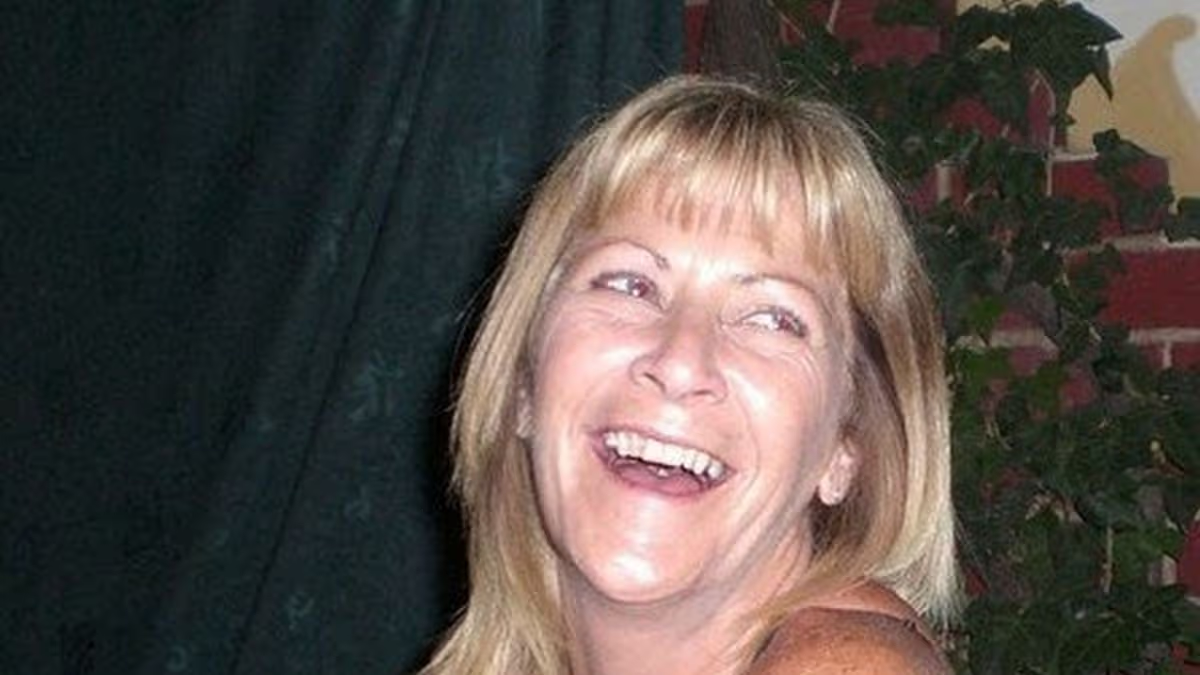
The body of Jean Hanlon, from Dumfries, was found in the water in Crete’s Heraklion on March 13, 2009.
19:22, 26 Jun 2026Updated 19:39, 26 Jun 2026
A man is to stand trial next week for the ‘murder’ of a Scots woman found dead in Greece. The body of Jean Hanlon was found in the water in Crete’s Heraklion on March 13, 2009, four days after disappearing during a night out
After a long fight for answers, a Greek man known to Jean was finally set to stand trial on Friday accused of murdering the 53-year-old from Dumfries. He denies any involvement.
But her three sons were left stunned by a “massive setback” in the case after travelling out to Crete together for the first time since the tragedy to watch the man accused of killing her face court after it was postponed last minute.
Advertisement
The trial will now take place on Tuesday, according to BBC News, at Lassithi Criminal Court in Neapoli.
With just three days until the case was set to start, son Michael learned of the devastating delay at a court hearing as his brothers David and Robert were preparing to board their flights.
The family understands the accused had just recently instructed a lawyer who required more time to prepare the case. Jean’s sons were all in court in Neapoli in Crete for the hearing.
Advertisement
Michael, 40, said: “The courts should have alerted us to this. They must have known he’s no had a lawyer for all that time.
“We’ve had the expense of travelling out here and taken the time off work, which is just the superficial things, but it’s also the mental preparation it has taken… It just shows how the victims are being treated yet again.”
Ms Hanlon moved to Crete in 2005, working in bars and restaurants in the coastal resort of Kato Gouves. Her death was initially reported as a drowning, but a second post mortem suggested she had injuries consistent with a struggle. The examination found a catalogue of injuries including a broken neck, punctured lung and shattered rib.
Jean’s family have faced a series of setbacks in their battle for justice ever since.
The case was “archived” by local authorities in 2018 but in 2021, police confirmed a third probe into Jean’s case.
The case was passed to the Greek Department of Organised Crime, which concluded that a crime took place which led to Jean’s death.
A report from private investigator Haris Flaskouni was then passed on to prosecuting authorities last year, which finally led to a major breakthrough.
Advertisement
Haris Flaskounis’s investigation had focused on the contents of Jean’s diary, which she wrote in every day and led to him befriending the suspect in the case and securing vital information which led to the prosecution.
A 54-year-old man who is originally from Crete is understood to have been charged in January last year. However, in August the case was thrown into doubt over claims of insufficient evidence from Greek officials.
But the family’s legal team confirmed appeal judges at Heraklion Judicial Council had ruled that the man would stand trial for Jean’s murder.
Michael said the development had given the family hope after 17 years, saying: “We never thought we would get to this point. It is a victory but we’ve not won the war. We might get the closure we need, to finally let Mum rest.”
Advertisement
Get Daily Record Premium for just £1 per month in exclusive offer to celebrate the world cup. Click HERE.
As the 2026World Cup moves through its third game week, teams are starting to secure their spot in the knockout rounds.
29 teams have made it to the round of 32 – which is a new round of games due to the 48-team expansion of this World Cup – so there are still three spaces up for grabs.
Another change this tournament is how the group tables work: they are decided on head-to-head results, rather than goal difference, so several teams secured their place as group winners after only two games.
Ahead of the final evening on group-stage action, here is every team which has qualified, and who are still waiting to confirm their spot.
Advertisement
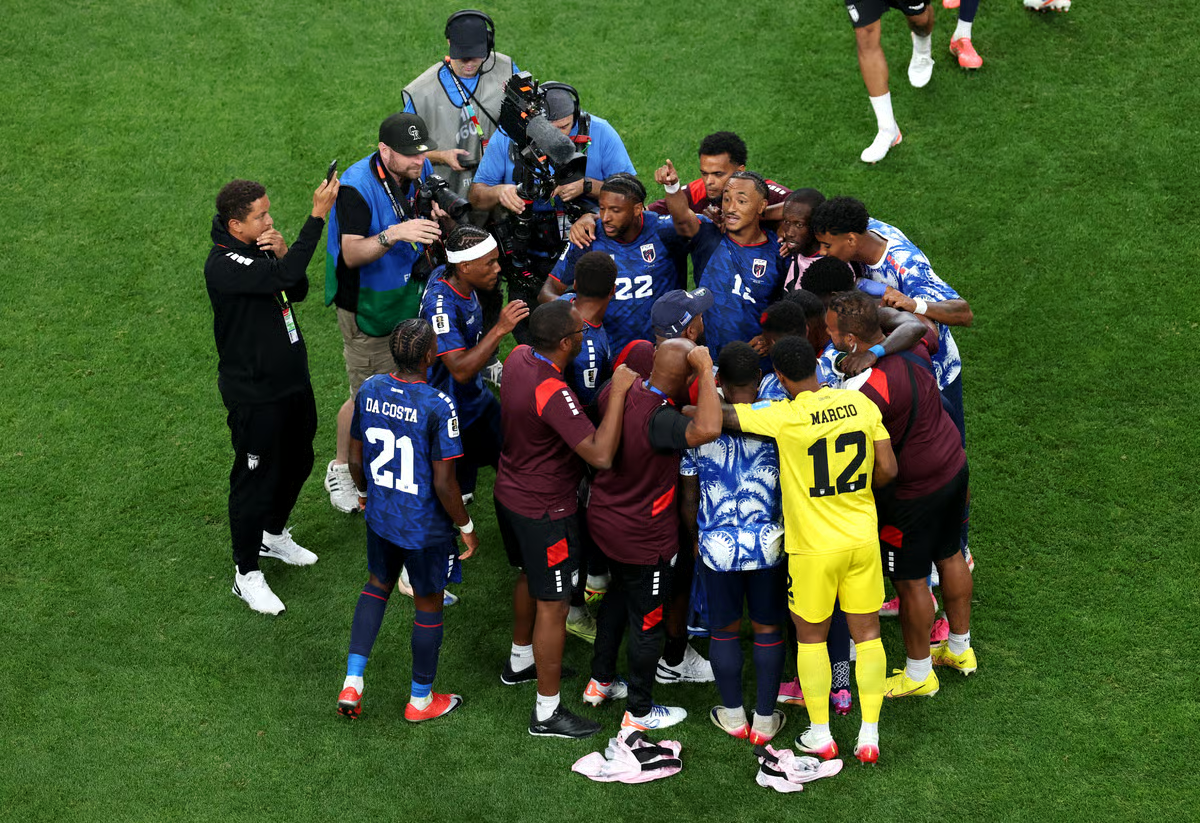
The biggest shock of the group-stage so far as been Cape Verde finishing second in their group to make the knockout stage for the first time. South Africa have also navigated out of a World Cup group for their ifrst time in their history. The most high-profile exit is, arguably, Uruguay.
All three co-hosts – United States, Mexico and Canada – are all also through.
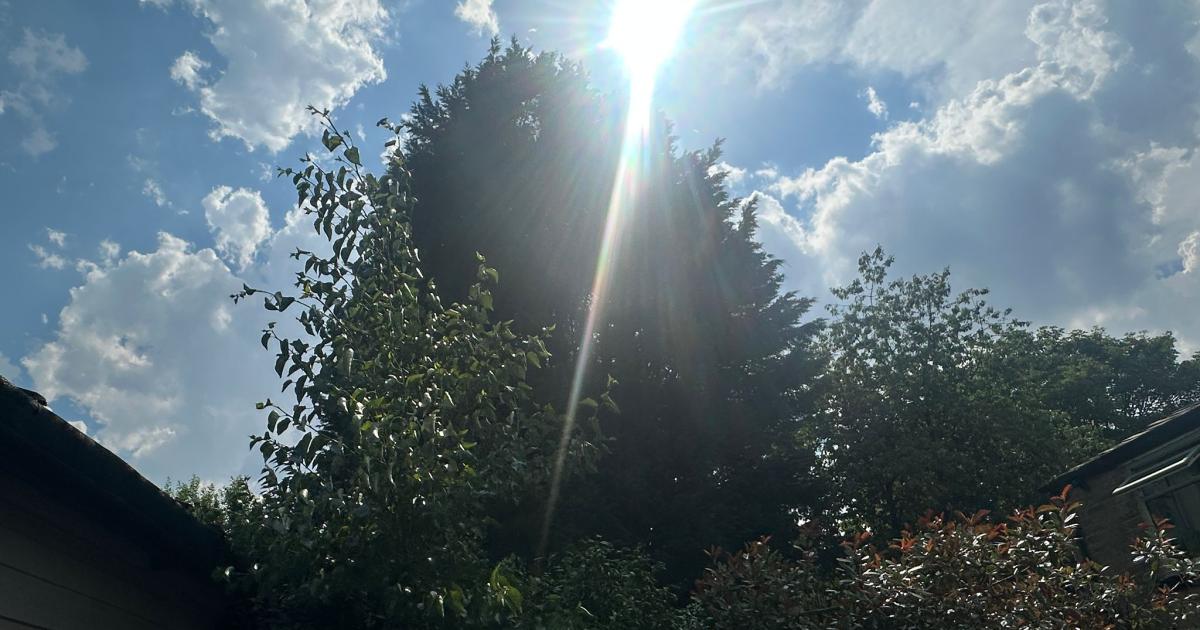
Residents living close to Prospect House say the issue has gone on for years, with concerns ranging from blocked sunlight to large branches falling into gardens.
The comments come after a resident submitted a high hedge complaint to Bolton Council over trees at the Prospect Avenue property earlier this month.
The application was made under legislation allowing councils to investigate evergreen hedges which are more than two metres high and are alleged to unreasonably affect neighbouring properties.
Advertisement
One resident said: “It doesn’t actually bother us, I do appreciate it bothers everyone else. We’re on the other end but this is a mess.
“I think it’s been going on for a long time.
“It’s not bothering his property, it’s bothering everyone else’s. It’s not good.”
The neighbour said they had heard similar concerns from other residents living nearby.
Advertisement
They added that the trees “take all the light off the gardens” and described them as “a bit humungous”, claiming one neighbour had developed “bald patches” on their lawn because of the overhanging trees.
Another resident said branches regularly ended up in their garden during winter.
He said: “Branches in my garden at winter time.
“We had one at 10 foot long.”
Advertisement
The Bolton News previously reported that the complaint was submitted on June 9 by a resident of Prospect Avenue against Prospect House.
Under the Anti-Social Behaviour Act 2003, a high hedge is defined as a barrier formed mainly by two or more evergreen or semi-evergreen trees or shrubs that is more than two metres high and may adversely affect a neighbour’s reasonable enjoyment of their property.
Jude Bellingham’s place in England’s World Cup starting line-up was a point of debate before the tournament, under pressure from the outstanding form of his boyhood friend, Aston Villa’s Morgan Rogers.
Tuchel, correctly, decided he could not do without Bellingham’s class and big tournament experience.
He has been rewarded with a crucial goal in their opening World Cup win against Croatia then here, even more significantly, with a game-changing performance in New York New Jersey Stadium in the face of Panamanian defiance.
Bellingham worked in tandem with Rogers as Tuchel rested Declan Rice, who has been struggling with a hamstring injury and was on a yellow card.
Advertisement
The pair’s attacking instincts occasionally left Elliot Anderson over-run and overworked as a single pivot, but Bellingham’s brilliance made it work.
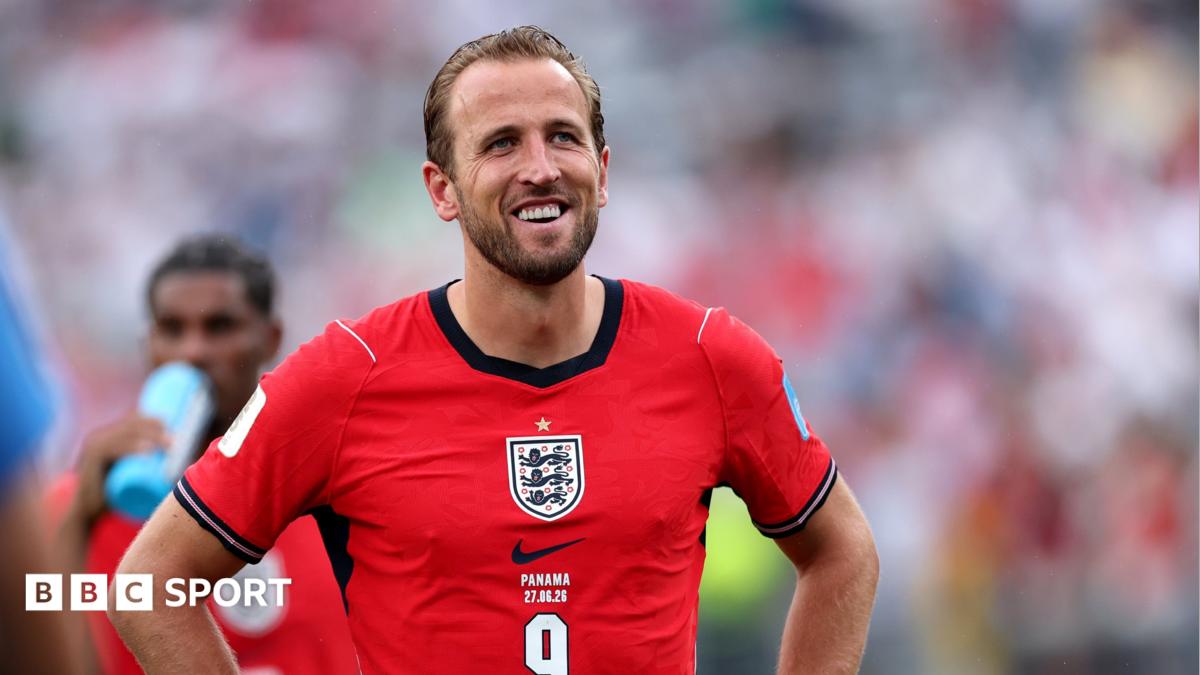
Despite fairly obvious attempts by Panama to play on his combustible temperament, Bellingham was the inspiration by forcing home the first goal, then crossing for Harry Kane to head the second, making England’s captain the country’s leading World Cup finals scorer with 11, one ahead of Gary Lineker.
Bellingham and Kane have now made decisive contributions to victories against Croatia and Panama. How England needed them here.
Marcus Rashford, deservedly given his chance after two disappointing displays from Barcelona new boy Anthony Gordon, was England’s brightest spark in the first half as he forced a save from Panama keeper Orlando Mosquera, headed narrowly over, then sent a free-kick just wide.
Advertisement
But frustration was mounting until Bellingham’s quality and industry paid off with England’s opener, capping a man-of-the-match performance further embellished with his assist for Kane.
If England are to win the World Cup, they will need Bellingham at his brilliant best. This display suggests he is in the mood to deliver.
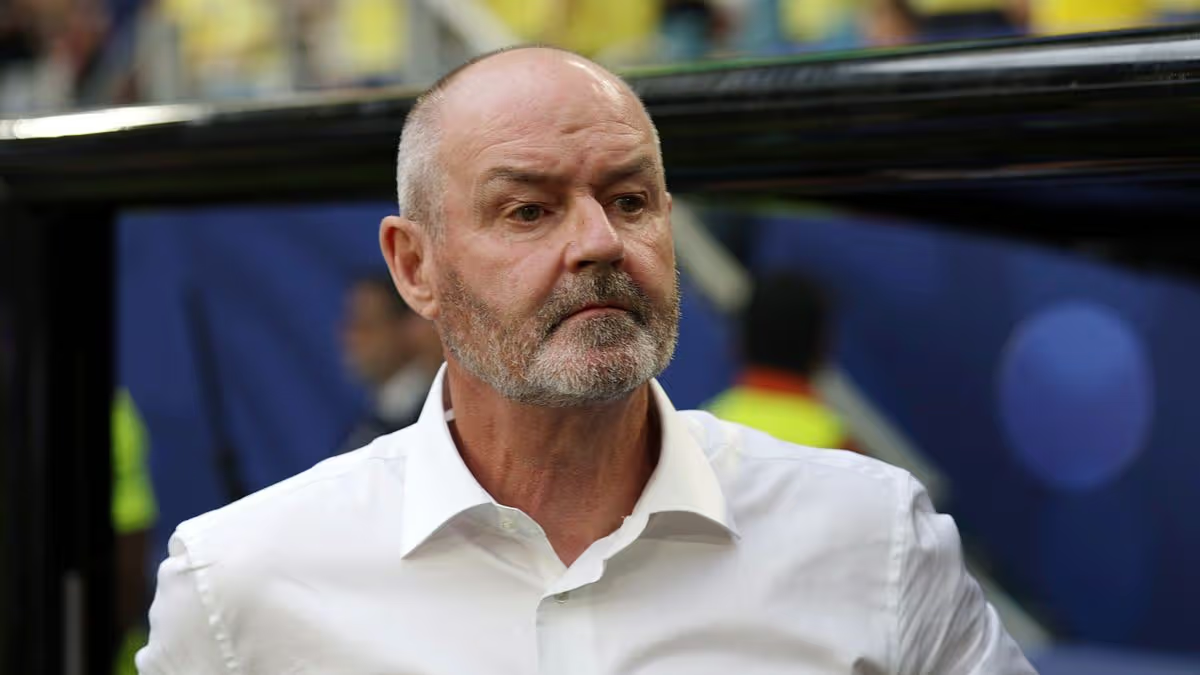
Clarke‘s team claimed three points in the opening game against Haiti but crashed out after Croatia’s 2-1 victory over Ghana saw the Scots fail to finish among the top eight teams who progress to the last 32 with a third place finish.
Advertisement
The former Killie and West Brom boss had penned a new four year deal that would have taken him through to the European Championships in 2030 before the World Cup, which would have entered his 11th year in the job.
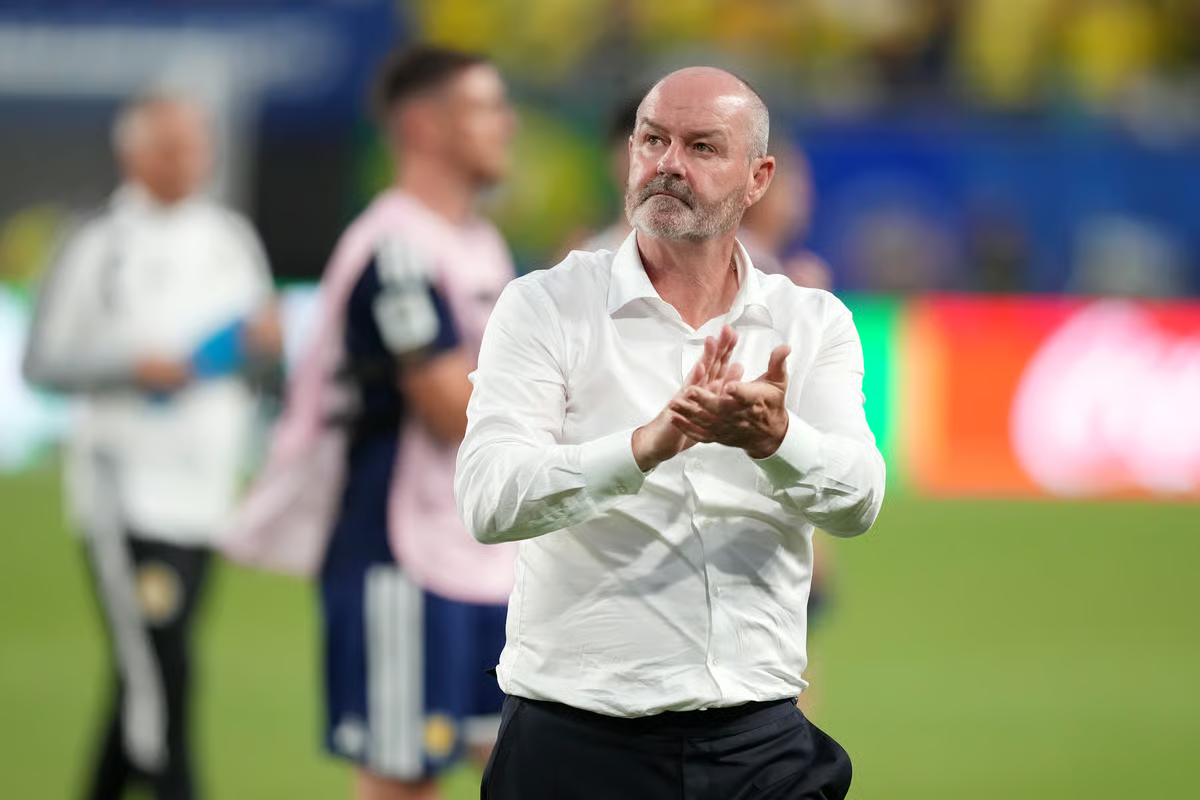
But in a bombshell statement on Sunday morning, the 62-year-old has penned a heartfelt farewell to his players, staff and the Tartan Army.
He said: “When I was first approached by the Scottish FA about the position of Head Coach I was advised by many people to leave well alone as the job had become a poisoned chalice. In my head I was just the wee boy from Saltcoats who had done well in his chosen profession and my country wanted me to be their leader, at least in a football sense. I couldn’t find a reason to turn the approach down. My job remit was simple: qualify for a major tournament.
“As I reflect on my seven years in the job my overriding emotion is pride, closely followed by satisfaction. To be the first coach since Craig Brown, in 1998, to lead the country to the finals of a major tournament was the stuff of dreams. That night in Belgrade with no supporters in the stadium due to Covid was an experience of pure, raw emotion from start to finish. It gave the nation some welcome cheer from the restrictions of the pandemic.
Advertisement
“Although the tournament was, for us at least, a bit of a damp squib, there was an unforgettable night at Wembley when we more than matched the eventual beaten finalists England and held them to a 0-0 win! The biggest disappointment of that tournament was the absence of the Tartan Army in their tens of thousands.
“Roll on three years and we did it again, this time overseas in a great footballing country, Germany. With no Covid restrictions this time the Tartan Army made sure they were there in even greater numbers than ever before – after all, it was a 26-year wait for the older members of the battalion.
“Again we came up short in the matches but a marker had been set and a new generation of Scotland supporters took my squad to their hearts. Qualify and they will come in their thousands. While emotions are raw following our elimination, I genuinely believe that if we continue to qualify regularly for these tournaments, we will inevitably break the glass ceiling of reaching the knockout phase.
“Winning our group from a position as third seeds is a truly remarkable achievement from a remarkable bunch of players that I have been lucky enough to lead. The campaign was difficult against quality opposition but time and time again we found a way to get the required points culminating in the most incredible Scotland game ever seen at Hampden Park in a 4-2 win versus Denmark.
Advertisement
“In time I will be able to reflect on a tumultuous seven years but one element that has given me the greatest satisfaction is witnessing the reconnection of our national team and our fans. From my opening game against Cyprus in front a half-empty Hampden Park – and a largely apathetic crowd-to the frenzy of such unforgettable matches as our 2-0 defeat to Spain and that memorable night against Denmark.
“The were magical occasions; nights that will endure in Scottish football folklore. This reconnection was never more evident than during the past few weeks. From Miami to Boston and New Jersey our fans won the hearts and minds of the American public and football fans across the world.
“Let us not forget that the players won a World Cup finals match for only the fifth time in Scottish football history, and the first for 36 years. The team were responsible for giving everyone the chance to create memories that will last a lifetime and I am proud to have played a part in that.
“As I conclude my reflection on a wonderful seven years I really need to thank my ever-changing coaching staff who have all helped me immensely: Alex Dyer, Steven Reid and Stevie Woods initially; followed by John Carver, Steven Naismith and Chris Woods as the key men by my side. Austin MacPhee and James Morrison joined us to help the push to Euro 2024, then Alan Irvine, who brought great experience to our group, and Andrew Hughes joined the team to help clinch our World Cup 2026 qualification. All good coaches but even better people.
Advertisement
“The auxiliary staff [too many to mention but they know who they are] who did the match analysis, medical, sports science,
kit, logistics and media. When I started the Head of Performance, Graeme Jones, was my go-to with any problem or issue and we worked well together in implementing our off-field progress with facilities and structure. When Graeme departed for pastures new, Mark Leslie stepped-up seamlessly to continue that push for higher standards off the pitch, reflected in our preparation for World Cup 2026.
“Thank you to both my administrative support staff for looking after me so attentively: firstly Frank Reilly who, after a long wait, represented his country when we qualified for Euro 2020 before retiring a happy man. Ashley Phillip replaced Frank and continued to support me on top of her other duties with the Scottish FA.
Advertisement
“Thank you to my two Presidents, the sadly departed Rod Petrie, and Mike Mulraney both of whom supported me in their own particular way. Two good men with the best interests of Scottish football at heart.
“Thanks also to Chief Executive lan Maxwell for putting his head on the chopping block and making me his first Head Coach appointment and to the board who always listened to me when I made my requests for help in trying to improve facilities and matters concerning the team and players.
“The most emotional part of this goodbye is for my players, without whom we wouldn’t have had any of the memories that we’ve accumulated from 2019 until now. From our captain Andy Robertson with 97 caps to those at the start of their journey with the national team, almost every player that has been called upon in my time as Head Coach has turned up and given everything for their country, hence a period of sustained improvement for our national team.
I quite quickly realised that continuity and familiarity would help these players to bond with each other and my staff, leading them to understand what is needed to be more successful at international level. They deserve all the praise and adulation that they receive and it was truly an honour to be called their Gaffer.
Advertisement
“Thanks for having me and good luck to my successor.”
SFA Chief Executive Ian Maxwell added: “From starting as a pot four team in 2019 to topping our World Cup qualifying group, he has more than delivered on the remit to take Scotland back to a major tournament.
“We thank Steve for his record-breaking contribution and know that when the disappointment of World Cup elimination subsides, the Scotland supporters will be thankful for the memories of marching with pride at major tournaments once again.
“Finally, on behalf of the board of the Scottish FA I would like to make special mention to our incredible supporters.
Advertisement
“The many thousands who have travelled to the United States to celebrate the return to a World Cup – making a significant financial commitment to do so – have once again shown themselves to be exceptional ambassadors for our country and our national game.”
Get more Daily Record exclusives by signing up for free to Google’s preferred sources. Click HERE.
Get Daily Record Premium for just £1 per month in an exclusive offer to celebrate the World Cup. Click HERE.
The teenager tragically died in a two-car crash near Eastbourne, that saw three others seriously injured, as police are appealing for witnesses of the collision
A 17-year-old has died in a horror two-car crash near Eastbourne, with three others seriously injured.
Advertisement
The boy died after the collision took place on Friday evening, police say.
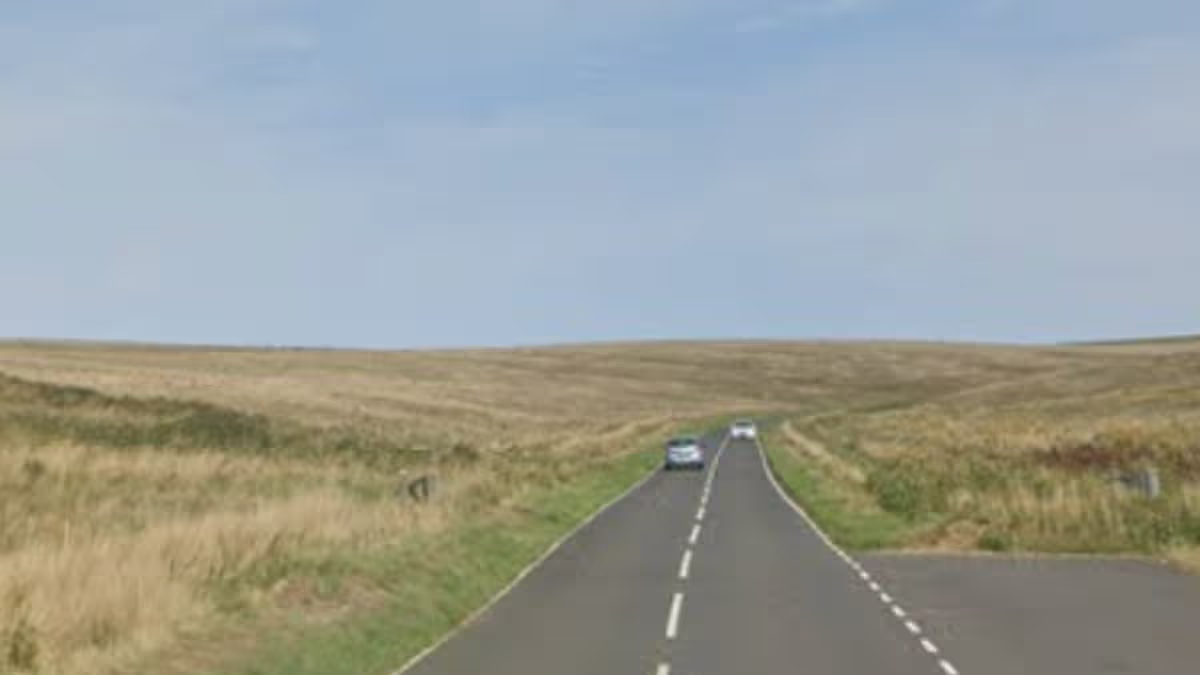
The car, in which the teenager was a passenger, crashed with another car car near Shooters Bottom car park, by Beachy Head, at around 9.30pm on June 26.
The collision involved a blue VW Golf and a white VW Polo.
Two other men in the car, a 19-year-old from Polegate and a 21-year-old from Hellingly, were also seriously injured.
Advertisement
The 21-year-old driver of the second car was also seriously injured.
The police are appealing for witnesses.
Detective Sergeant Ian Foxton, from Sussex Police’s serious collision investigation unit, said: “This is a tragic incident and are thoughts are with those involved and their families.
“We are aware there were a number of people in the area at the time of the collision and we would ask anyone who hasn’t spoken to us or has any video or dashcam footage to get in touch. Please email collision.appeal@sussex.police.uk, quoting Operation Nashville.”
Rylan Clark, presenter on Radio 2, has issued a cheeky response as to why he was not on his weekly radio show and it includes him blaming ‘everyone but himself’
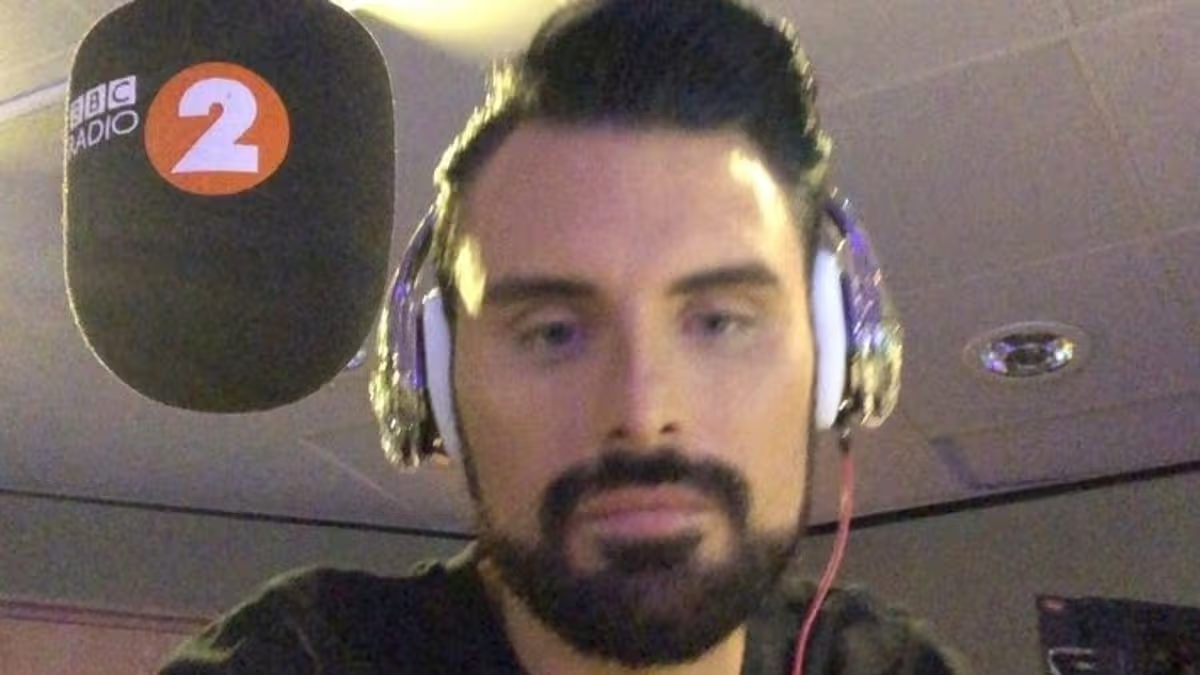
Rylan Clark missed his Radio 2 show yesterday but in a cheeky post he explained why.
Taking to his Instagram story Rylan said: “Soz about today’s show. I blame everyone but myself. Genuinely had it all sussed out and then flights all cancelled. Thanks Mark for stepping in you legend. Gonna have a rosé and think of you all.”
It comes after the presenter complained about the fact that his weekend show still hasn’t received any awards back in May.
Advertisement
Rylan aimed a cheeky swipe at The ARIAS (The Audio and Radio Industry Awards) for failing to nominate him, saying: “Always snubbed at The ARIAS even though I host the thing. It kills me, I’m the host of it and I can’t even get a nomination!”
Last week Rylan was asked if he regretted telling his husband he had cheated on him as he addressed it for the first time in a new interview. Rylan revealed his infidelity to his husband, Dan Neal, which caused the downfall of his six-year marriage back in 2021.
And now on The Assembly one audience member asked him: “When you told your husband you cheated on him, he divorced you. Is honesty always the best policy?”
Stunned, he replied: “Yeah, I think it is. I’m okay admitting I’m in the wrong, because actually I don’t deal well with guilt, and I don’t deal well with secrets. It made me so ill, like so ill. It sounds a terrible thing to say, but I’m glad it happened.”
The Scots, backed in the USA by tens of thousands of Tartan Army, then suffered a 1-0 defeat by AFCON champions Morocco at the same venue after losing a goal in 70 seconds before a sobering and, in parts, self-inflicted loss to five-times winners of the competition, Brazil, in Miami.
A dozen officers have been investigated over their conduct arising from a ‘toxic’ culture created by Paul Street
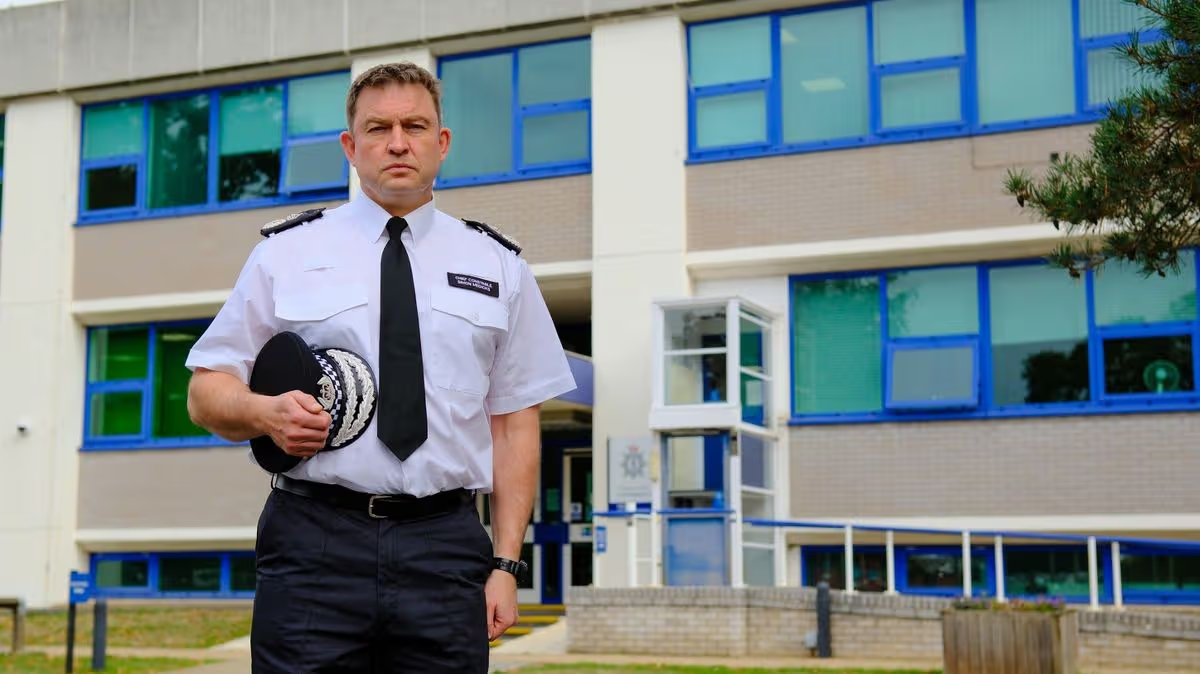
Cambridgeshire’s most senior police officer has slammed a group of cops over “truly disgraceful” conduct that involved a toxic WhatsApp culture. Ex-police sergeant Paul Street, 41, encouraged his team to bully a teenage detainee and asked a colleague to send him a sex video of a female suspect.
Advertisement
The offences were committed while Street was working at Cambridgeshire Constabulary, leading a team at Cambourne Police Station which dealt with county lines drug supply and organised crime. Street, of Huntingdon, was convicted of two charges of misconduct in a public office after a trial at the Old Bailey.
The trial was told 12 other officers had been investigated over their conduct arising from the ‘toxic’ culture Street had created. PC Josh Williams, 38, from Huntingdon, pleaded guilty to misconduct in public office.
Of 11 others who were investigated, two resigned, one was dismissed for gross misconduct, one received a final warning, two received written warnings, and five others were dealt with for low level performance issues.
Chief Constable Simon Megicks said: “The behaviour of these former officers was truly disgraceful and does not reflect the high standards we expect of our police officers. Their actions will understandably undermine the trust and confidence of our community – they did not reflect the values we hold as an organisation, nor did they treat their colleagues or members of the public with the respect and integrity they deserve.”
Advertisement
Mr Megicks said Street “thought he was beyond reproach and encouraged his colleagues to feel the same”. He praised those who “stand up for what is right, especially highlighting the inappropriate behaviour of someone in a higher rank to them – it is the ethical thing to do, even if it is difficult”.
He continued: “I want to reassure the community of Cambridgeshire that both criminal behaviour, and not upholding policing standards by our officers and staff simply will not be condoned. Allegations against any of our officers or staff are always subject to a thorough investigation, either by our professional standards department or by the IOPC, to ensure that those who do not meet the high standards expected of them, in order to maintain public trust and confidence, are dealt with robustly.
“We recognise the impact the behaviour of the officers in this case will have both on the people of Cambridgeshire and our own colleagues, however, I would like to reassure everyone that the vast majority of our officers and staff come to work each day to protect the public and do so with honesty and integrity.”
Jurors cleared Street of assaulting a drug dealer during an arrest occasioning actual bodily harm, and perverting the course of justice afterwards. He appeared on BBC show Britain’s Teenage Drug Runners in 2017, and in 2019 was on Channel 4’s Famous And Fighting Crime documentary.
Advertisement
Officers within the anti-corruption squad uncovered Street’s two WhatsApp groups in 2021 after a new police officer reported him. The court heard the probes focused on two WhatsApp groups created by Street, one including 17 colleagues and a second for his “inner circle”.
England are through to the last-32 of the 2026 World Cup after securing top spot in Group L – and will likely face either Senegal or DR Congo in the knockout round.
After a first half of frustration against Panama in New Jersey, second-half goals from Jude Bellingham and Harry Kane secured England’s second win of the tournament with a 2-0 victory.
It means Thomas Tuchel’s side will move on to Atlanta for their next match, as their route to the final became clear on Saturday night.
See below for details of England’s knockout route.
Advertisement
When will England play next?
After topping Group L, England will face a best-ranked third-place team on Wednesday, 1 July at 5pm (BST) in Atlanta.
Who will England face in the round of 32?
England’s win, alongside Croatia beating Ghana, confirmed top spot in Group L.
Advertisement
They will face the third-place team from one of Group I/J/K in the round of 32. As things stand, these are the teams that could be in the mix to face the Three Lions:
Group I: Senegal
Group K: DR Congo
It is currently Senegal, but a win for DR Congo against Uzbekistan on Saturday night would see them play the Group L winners.
What is England’s route to the final?
In the last-16, England could face Group A winners Mexico (or Ecuador) in the high-altitude cauldron of the Estadio Azteca on the evening of Sunday 5 July at 1am (BST).
If they overcame that serious test of resolve, Group C winners Brazil could be their quarter-final opponent on Saturday, 11 July.
Advertisement
Argentina, following a fine start with Lionel Messi’s five goals, may then be their potential semi-final opposition on Wednesday, 15 July. France would be the likely opponents in the final in New Jersey on Sunday, 19 July.
KHARTOUM, Sudan (AP) — Three years of war have devastated much of Sudan. The impact has been pressed into the skin of survivors, and their memories.
Thousands of people are dead. Millions are displaced. Associated Press journalists spent more than a week in and around the capital after the army retook Khartoum last year. It continues to fight elsewhere against the paramilitary Rapid Support Forces.
Here are some of the war’s survivors and their stories. A member of the military media accompanied the AP during the visit, including during interviews. The AP retains full editorial control of its content.
Soccer dreams shattered
Advertisement
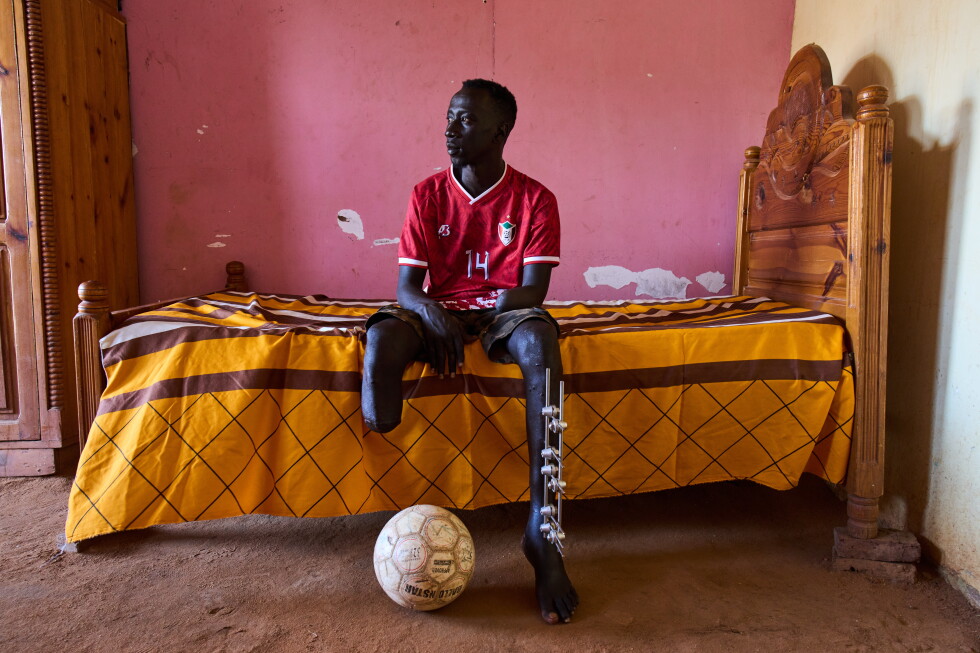
Omer al-Toum, 33, who lost his leg and arm by the explosion of unexploded ordnance, sits in his bedroom in Bahri, on the outskirts of Khartoum, Thursday, April 23, 2026. (AP Photo/Bernat Armangue)
Advertisement
When I saw that my leg was amputated, I knew that this is my fate.”
– Omer al-Toum
Advertisement
Omer al-Toum had dreamed of playing for Sudan’s national soccer team. But everything changed in October, when an unexploded weapon went off in his house as he tried to use it to loosen a nail. He lost part of his right leg and left arm. His remaining leg was shattered.
Calm and good-natured, the 33-year-old swoons these days over his 8-month old daughter, trying to stay positive.
“When I knew that my leg had been amputated, my family expected more of a reaction from me but I didn’t show them how affected I was,” he said.
Now al-Toum can’t bathe or get out of bed alone, and some doorways in the house aren’t wide enough for his wheelchair. He wants prosthetics but must travel abroad for good ones.
Advertisement
He’s found solace in coaching soccer, and tells young players to stay in school to keep other options alive.
“As long as you are still breathing, you are still capable of doing many things. And when God takes something away from you, he will surely compensate you with other things,” he said.
A sister’s death
Advertisement
Tariq Abuzeid, 52, who lost his leg in a shelling attack, walks in the patio of his home in Omdurman, Sudan, Saturday, April 25, 2026. (AP Photo/Bernat Armangue)
I used to serve people … Now I feel like I am a burden.”
– Tariq Abuzeid
Advertisement
Advertisement
Zeinab Mujhed, 8, who was injured in a shelling attack, poses for a portrait inside Al Nao Hospital in Omdurman, Sudan, Saturday, April 18, 2026. (AP Photo/Bernat Armangue)
Advertisement
Noon Omer Madani, 18, right, who was injured in a shelling attack, sits in a wheelchair on the patio of her family home in Khartoum, Monday, April 27, 2026. (AP Photo/Bernat Armangue)
Advertisement
My world has darkened … What did they do to deserve this? They are children.”
– Omar Bakar, father of 16-year-old Noon Madani
Advertisement
Noon Madani didn’t want to leave the house that day in August nearly three years ago, but her older sister insisted. Paramilitary forces controlled her neighborhood outside Khartoum, but an overdue bill needed to be paid.
On the way home, a missile killed her 18-year-old sister and crushed the 16-year-old Madani’s legs.
Soft-spoken in her wheelchair, her legs in casts, she recalled looking at missile fragments in her sister’s head as she lay beside her, unable to move.
Advertisement
Sign up for Morning Wire:
Our flagship newsletter breaks down the biggest headlines of the day.
Advertisement
“You can’t imagine when someone suddenly tells you that your daughters were hit by an artillery shell. You enter a phase of breakdown,” said their father, Omer Bakar.
Madani remained in a hospital for six months for surgeries, battling infections and sometimes waiting for a doctor to be found after others fled.
Advertisement
Doctors say she should be able to walk again. Her younger brothers wheel her to school every day. She studies science and dreams of becoming a doctor.
“We are trying to forget the war,” her father said, “the nightmare we finally woke up from.”
8 years old
When her house was struck in February 2025, Fatma Ageb’s husband was asleep. Her older daughters had just discussed what to get their baby sister for her birthday. That was the last thing the 38-year-old remembers of that day.
The shelling killed her husband and their older daughters, 10 and 12. It pierced her body with shrapnel and badly injured their 8-year-old.
Advertisement
“If it wasn’t for Zeinab I wouldn’t want to live. She’s always calling for her sisters and father,” Ageb said, wiping tears from her cheeks.
The attack scarred her daughter’s face and she lost her right eye. She wears a glass one in its place.
Sitting beside her mother at a hospital and wearing a necklace with a character from the movie “Frozen,” Zeinab shyly held up a drawing she made and winced in pain while a doctor attended her wounds.
Friends and relatives pooled money for the girl’s operations but she needs more, and her mother doesn’t know where she’ll find the money.
Advertisement
While she tries to be strong for her daughter, Zeinab’s scars are a reminder of what they’ve lost.
A volunteer shaken
Tariq Abuzeid had spent years helping others, raising money to run soup kitchens out of his house and distributing medicine to the sick. When the war came to Khartoum, the construction worker kept assisting people.
But in December 2023, he was caught in intense shelling after distributing food. He lost his right leg.
Surrounded by family, the 52-year-old now tries to be stoic, yet breaks down when he thinks about how circumstances have changed.
Advertisement
“I used to serve people. … Now I feel like I am a burden,” he said.
The attack caused massive bleeding, which he said compromised his immune system. He takes dozens of pills a day but is still in pain. He struggles to find a good prosthetic and a wheelchair, not easy in Khartoum.
And yet his volunteer work continues. Large metal bowls were stacked in his yard as he prepared to serve others their next meal.
Fleeing sexual assault
Advertisement
A 50-year-old woman who said she was abducted and sexually assaulted for four months by the Rapid Support Forces, or RSF, before escaping, poses for a portrait in Omdurman, Sudan, Sunday, April 19, 2026. (AP Photo/Bernat Armangue)
Advertisement
The scars of war are inside my heart, not just on the outside.”
– Woman who endured beatings and sexual assault for months by paramilitary forces
Advertisement
By July the hunger had become too much to bear, so the 50-year-old woman fled the besieged town of Dilling in South Kordofan with her two daughters. But she says they were abducted by the paramilitary RSF.
Hands bound, faces covered, they said they were driven for hours to a makeshift base in the desert with more than a dozen other women. The woman said she was gang-raped there until she bled, and was beaten regularly for months.
The AP does not name people who have been sexually assaulted. The United Nations has called sexual violence one of the Sudan war’s “defining features.”
Each night, the woman would cringe hearing fighters’ footsteps approach the room where they were held. The men would point to the woman they wanted and take her away, she said.
Advertisement
When they came for her daughters, 25 and 20, she told them to take her instead.
One night when the fighters were out, she fled with her daughters into the desert. Terrified and weak, they walked for days before finding help in another town.
The RSF did not respond to request for comment.
Now they are in a center for women in Khartoum. Crying, she said a doctor told her the injuries from sexual assaults were so bad that her uterus should be removed.
The Associated Press receives financial support for global health and development coverage in Africa from the Gates Foundation. The AP is solely responsible for all content. Find AP’s standards for working with philanthropies, a list of supporters and funded coverage areas at AP.org.







![DO NOT LET BITCOIN FOOL YOU! [DUMP INCOMING.......]](https://wordupnews.com/wp-content/uploads/2026/06/1782609231_maxresdefault-80x80.jpg)































You must be logged in to post a comment Login