


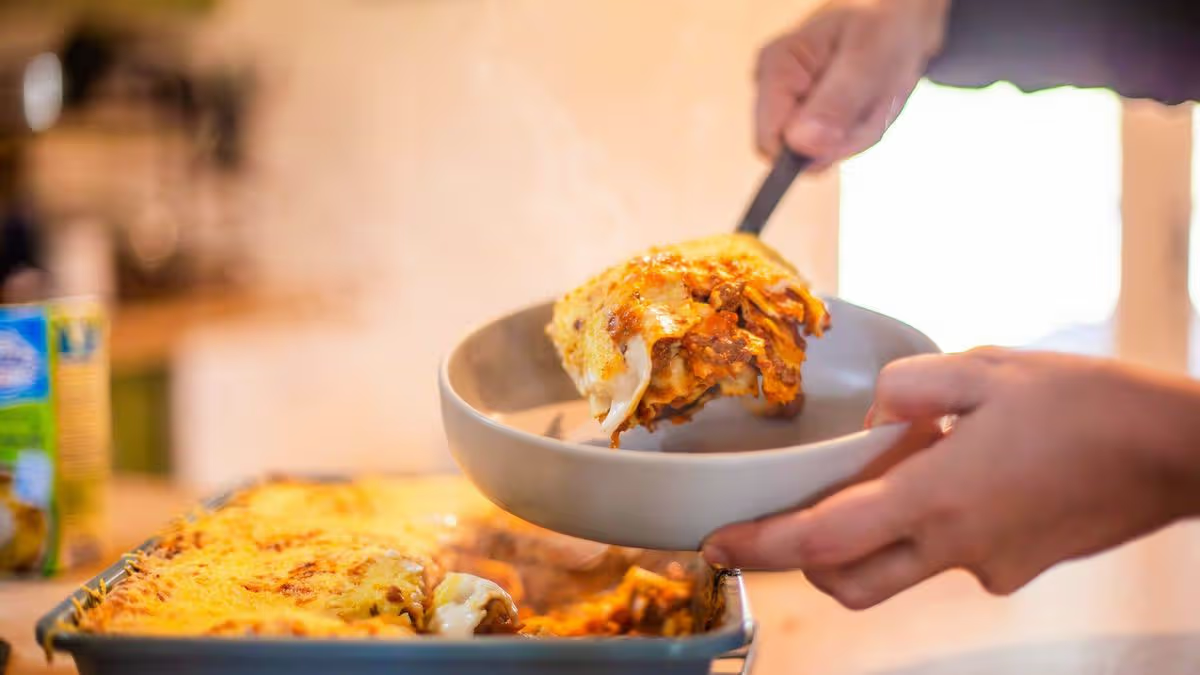
Making the perfect homemade lasagne can be tricky – here’s what the experts say
Lasagne is a timeless Italian pasta dish created by layering sheets of pasta with fillings such as meat sauce, velvety béchamel, and generous amounts of cheese. Renowned for its comforting, hearty taste and a golden, crispy cheese topping, it remains one of the most beloved dinner dishes across the globe.
While lasagne is undeniably delicious, it can be both time-consuming and tricky to prepare. There are also numerous variations of the dish, depending on personal taste and regional tradition.
Some versions call for beef, others for pork, while some rely on ricotta or mozzarella for their creaminess. After consulting six chefs for their finest tips on making lasagne, the vast majority recommended one key thing.
James Cotton, development chef at Brakes Foodservice, said: “As a chef, one of the biggest questions I hear time and time again from those using dried pasta sheets for their lasagne is why the bottom layer of pasta doesn’t cook all the way through. There are actually a few very simple hacks that people often miss before layering their lasagne.
“First, soak your lasagne sheets in a bowl of boiled water for around 10 minutes. This will ensure they are very slightly cooked before being added to your oven-proof dish. Spread the bechamel sauce at the very bottom of the oven-proof dish, before laying the first lot of pasta sheets. This will provide the moisture the pasta needs to soften, so you aren’t left with those crunchy edges.”
“Cover your lasagne dish tightly with foil before putting it in the oven. This helps trap any steam needed to cook those edges. Only do this for the first 20 to 30 minutes, then remove to brown the cheese on top for a further 10 to 15 minutes.
“Lasagne is such a versatile dish, but my one secret ingredient would be to add a pinch of cinnamon or to drop a cinnamon stick into your meat when simmering. The warming combination of its sweet and savoury flavours pairs beautifully with slow-cooked tomato-based dishes.”
Bear in mind to remove the cinnamon stick before layering up the dish.
Jesse Kempner, head chef at Mindful Chef, suggested preparing your lasagne in advance. This is particularly crucial when working with dried lasagne sheets.
The expert said: “Try to make a day ahead if you can, but the morning will still make a difference. All the moisture from the sauces will be absorbed by the sheets, allowing them to soften and hold better structure at the end of the cook.
“Also, like with all good pasta sauces, the longer the sauce sits, the better the flavour, so this is a double win.”
The chef additionally advised allowing the dish to settle before slicing. This will help stop it from becoming untidy when cutting or turning watery.
Chef Enzo Oliveri, Cirio Ambassador, celebrity chef and President of the Italian Chefs Federation (FIC UK), revealed that the “true Italian secret” to an authentic lasagne lies in the quality of the ragù sauce. According to the chef, you cannot “hide” behind layers of pasta and cheese if the foundation “lacks depth”.
For a traditional lasagne, the sauce needs to be a rich, slow-cooked ragù, while the choice of meat is equally important. Although most people opt for beef in their lasagne, Chef Enzo uses a combination of beef and pork.
The chef said: “The pork brings a little extra richness and sweetness to the ragu thanks to its higher fat content. As the sauce cooks, that fat helps carry the flavour of the tomatoes throughout the dish, creating a ragu that feels more rounded and balanced.”
When it comes to assembling the dish, following a “few simple rules” can also make all the difference.
In common with other chefs, Chef Enzo advised to “always” spread a thin layer of béchamel directly onto the base of the baking dish before adding the first layer of pasta. The chef continued: “This stops the bottom layer from sticking or drying out.”
Maintaining a consistent sequence throughout is equally crucial. It should “always” be pasta sheet, ragù, béchamel, and then a generous dusting of Parmesan cheese.
Aiming for five or six thin layers is said to deliver the optimum balance.
Another “common mistake” people make is cutting into the lasagne immediately after it comes out of the oven. Ensure you allow it to rest for 15 to 20 minutes before serving.
The layers will settle and become firmer, delivering neat, well-defined slices that stay intact.
Yassir Chair, chef founder of Tagine & Grill and Afuego Burger, said: “One of the most overlooked lasagne tricks is spreading a thin layer of bechamel across the base of the dish before adding the first pasta sheet. It might seem like a small detail, but it makes a noticeable difference to the finished result.
“The bechamel creates a protective cushion between the hot baking dish and the pasta, helping to prevent the bottom layer from overcooking, drying out, or becoming tough during baking.”
It also enhances the overall texture of the lasagne, helping to maintain moisture and tenderness throughout the entire dish.
The chef added: “The result is a lasagne with a consistent, silky texture from top to bottom, where each bite has the same balance of pasta, sauce and richness. It’s a simple step that takes only seconds but adds a level of refinement that separates a good lasagne from a great one.”
Maurillo Molteni, head chef at TOZI restaurant & bar, also shared some interesting tips and tricks. The chef said: “Personally, I like the pasta to be quite thin, the bolognese sauce needs to be rich, and the bechamel not too thick.
“I love Parmesan, so in every layer I am quite generous with it. I also always make the lasagne the day before, let it rest and eat it the day after. It allows the different ingredients to bond with each other.”
















































You must be logged in to post a comment Login