

Business
Nasdaq Declines as Tech Sector Pullback Weighs on Broader Market Sentiment

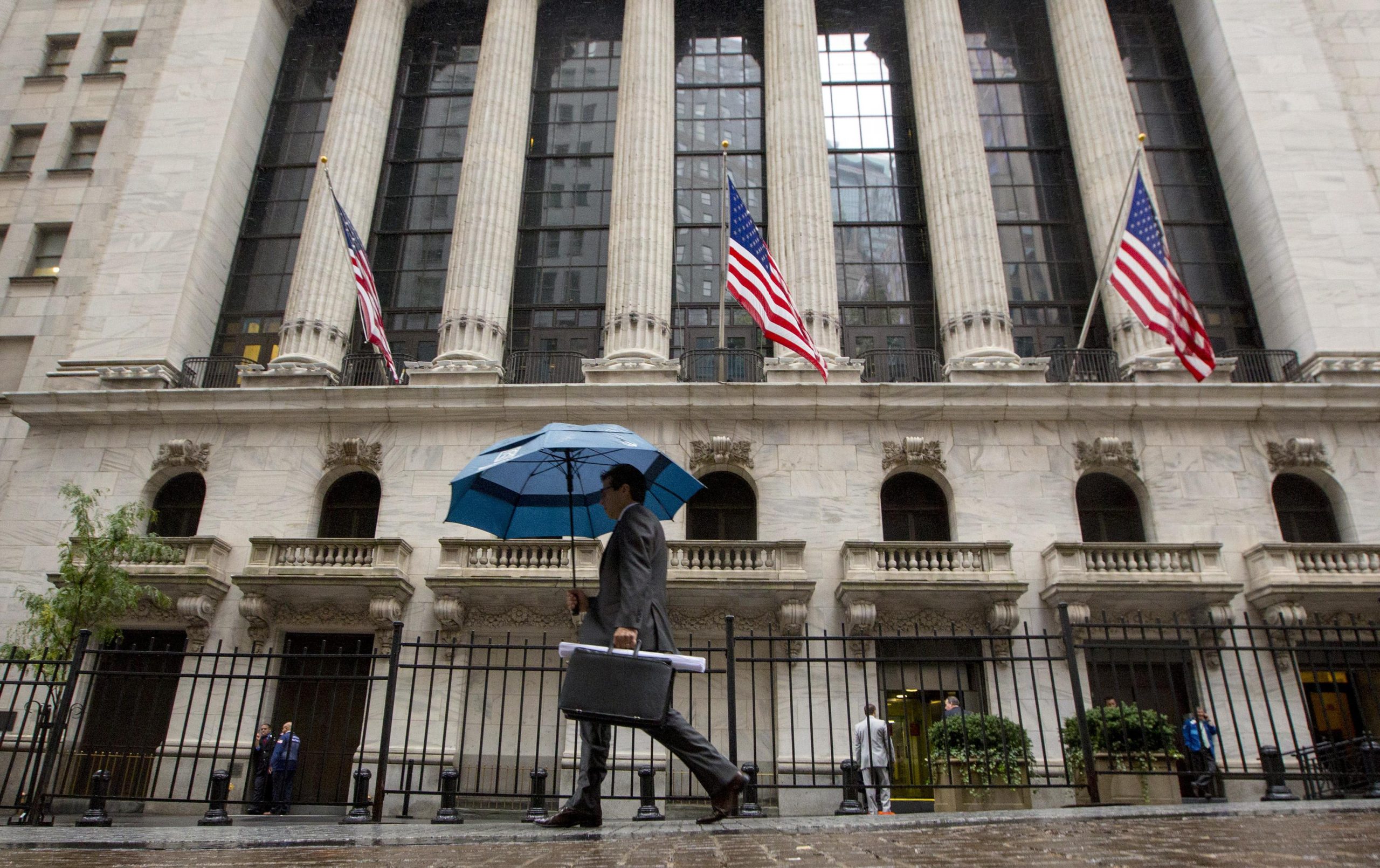
NEW YORK — The Nasdaq Composite Index fell more than 200 points Tuesday, closing at 26,012.68 as investors booked profits in technology shares and assessed mixed signals from corporate earnings and economic data.
The 0.77 percent decline reflected caution in growth-oriented stocks after a period of strong gains driven by artificial intelligence enthusiasm. Major technology names contributed to the downside, though broader market losses were contained as other sectors showed relative resilience.
Trading volume was steady as participants navigated the transition from second-quarter earnings season into the heart of summer. The session highlighted ongoing rotation between growth and value segments, with defensive areas finding some support.
Technology’s heavyweight influence on the Nasdaq amplified the index’s move. Chipmakers and software firms faced pressure amid concerns over valuations and near-term spending trends in data centers. However, several companies reported solid results, suggesting fundamentals remain intact for many leaders.
The S&P 500 and Dow Jones Industrial Average posted more modest changes, underscoring divergence across market segments. Blue-chip industrials and financials provided a buffer against technology weakness.
Economic indicators released around the session offered a nuanced picture. Inflation measures aligned with expectations, while consumer spending data pointed to resilient demand. Federal Reserve officials continued emphasizing a data-dependent approach to future policy decisions.
Bond yields moved modestly, influencing equity valuations particularly in rate-sensitive sectors. Treasury markets reflected balanced views on growth and inflation risks.
Corporate news flow remained active. Several large technology firms updated guidance, with some citing strong AI-related demand while others noted cautious enterprise spending. The mixed tone contributed to selective selling in the sector.
Analysts noted the Nasdaq’s recent run had left some stocks extended. Profit-taking after strong performance is typical, though underlying demand for innovative technologies persists.
The index’s decline erased some recent gains but left it well above year-ago levels. Year-to-date performance remains positive, supported by earnings growth in key constituents.
Broader market context included geopolitical developments and fiscal policy discussions. Investors monitored potential impacts on corporate supply chains and consumer confidence.
Smaller companies in the Russell 2000 showed mixed results, with some benefiting from rotation away from mega-cap names. Market breadth was neutral to slightly negative on major exchanges.
Looking ahead, participants await further earnings reports and economic releases. The upcoming employment situation report will be closely watched for labor market signals that could influence monetary policy expectations.
Technology’s dominance in the Nasdaq means sector-specific news often drives index moves. Artificial intelligence infrastructure spending continues as a major theme, with companies positioned in chips, software and cloud services remaining focal points.
Valuation concerns have surfaced periodically, with some metrics elevated compared to historical averages. However, earnings growth has justified premiums for many high-quality names.
Tuesday’s trading reflected typical midweek dynamics, with no single catalyst dominating. Instead, cumulative positioning and position squaring influenced flows.
The session’s loss leaves the Nasdaq navigating technical levels that could attract buyers on further weakness. Support areas are watched closely by chart-focused participants.
Longer-term, demographic trends, productivity gains from technology and global digitization support secular growth in the sector. Short-term volatility is expected as economic cycles unfold.
Federal Reserve policy remains a key variable. Markets have priced in limited near-term rate changes, focusing instead on the trajectory over coming quarters.
Corporate capital expenditure on AI and digital transformation provides a tailwind for many Nasdaq constituents. Supply chain improvements and efficiency gains could support margins.
Tuesday’s close at 26,012.68 caps a period of consolidation after earlier advances. The index has shown resilience in the face of periodic pullbacks.
Investors continue balancing optimism around innovation with macroeconomic caution. Diversified portfolios help manage sector-specific risks.
The technology sector’s evolution includes artificial intelligence, cloud computing and cybersecurity. Companies adapting successfully are rewarded with premium valuations.
Broader equity markets benefit from technology leadership when growth expectations are high. Periodic rotations provide opportunities for other sectors.
As summer trading continues, liquidity may thin, increasing volatility potential. Major events could shift sentiment quickly.
The Nasdaq’s performance remains a barometer for investor risk appetite and growth expectations. Tuesday’s decline was orderly, with no signs of panic selling.
Market strategists emphasize focusing on fundamentals amid daily fluctuations. Strong balance sheets and competitive advantages position leaders for long-term success.
Tuesday’s session contributed to ongoing narrative around technology’s role in the economy. Innovation cycles drive productivity, though adoption timelines can vary.
The index’s movement Tuesday underscores the importance of diversification. While technology leads in bull markets, other areas provide stability during rotations.
Participants will monitor upcoming data for confirmation of economic soft landing or other scenarios. Corporate guidance will further shape sector outlooks.
In summary, the Nasdaq’s 0.77 percent decline reflected measured profit-taking in technology amid a complex market backdrop. The session highlighted the index’s sensitivity to sector dynamics while broader markets remained relatively stable.


Speaker Mike Johnson tells Maria Bartiromo he met with the president to discuss the bipartisan housing bill which will lower housing costs by cutting regulations, fulfilling GOP promises.
Home listing prices are declining at the fastest pace in at least nine years as sellers adjust to a slower market and look to attract buyers.
The national median asking price fell 2.5% in June compared with a year ago, declining to $430,000 based on the latest data from the Realtor.com monthly housing market trends report.
June marked the eighth consecutive month of price decreases, and the 2.5% asking price drop was the deepest annual decline in the history of the data set, which dates back to 2017.
“Sellers are reading market conditions and are pricing accordingly from the start rather than listing high and cutting later, and buyers are taking note and making bids,” said Realtor.com chief economist Danielle Hale.
HOUSING AFFORDABILITY UNLIKELY TO RETURN TO MORE FAVORABLE LEVELS OF THE PAST, ECONOMIST SAYS

Home listing prices fell at the fastest annual rate since 2017, Realtor.com data showed. (Daniel Acker/Bloomberg via Getty Images)
The report found that for a buyer who bought a $430,000 home in June with a 20% down payment and an average mortgage rate of 6.49%, the typical monthly payment was $2,172.
That figure is about $132 less per month, and more than $1,500 less per year, than what the typical buyer owed in June 2025, which had a median price of $440,950 and an average mortgage rate of 6.82%.
Another notable metric suggesting the affordability pressures in the housing market are easing is that the typical home listed for sale is spending the same amount of time on the market as it did a year ago, holding steady at 53 days.
INCOME NEEDED TO AFFORD A MEDIAN-PRICED HOME HAS NEARLY DOUBLED SINCE 2020, REPORT FINDS
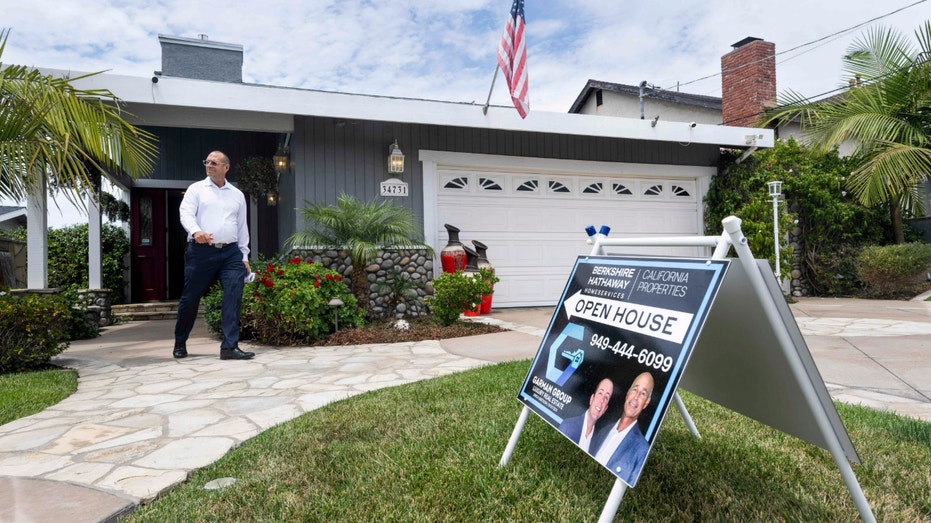
Pending home sales have grown for more than half a year. (Paul Bersebach/MediaNews Group/Orange County Register via Getty Images)
Pending home sales also rose 3.7% year over year through June, which marked the seventh consecutive month of growth despite the share of listings with a price cut shrinking by 1.9 percentage points to 18.8%.
Other economic indicators were little changed in June, as mortgage rates settled around 6.5% and Federal Reserve policymakers unanimously held the benchmark federal funds rate steady at its current range of 3.5% to 3.75% amid elevated inflation readings.
ONE IN THREE ADULTS UNDER 35 LIVES WITH PARENTS AS HOUSING COSTS SOAR, DATA SHOWS

New homes listed for sale have risen over 2% in the last year. (David Ryder/Bloomberg via Getty Images)
“It was a no-news-is-good-news June,” said Realtor.com senior economist Jake Krimmel. “While it may seem obvious now, this was far from a foregone conclusion just a few months ago.”
Sellers have also increasingly moved off the sidelines amid the price declines in a sign of confidence that they’ll find a willing buyer, as new listings increased 2.4% from a year ago.
GET FOX BUSINESS ON THE GO BY CLICKING HERE
“Unlike last year, sellers are willing to take a slight haircut to move, and buyers get a little relief on price to offset rates that settled higher than hoped,” Krimmel said.
FOX Business host Larry Kudlow says business is ‘booming and profitable’ and reflects on liberty ahead of America’s 250th birthday on ‘Kudlow.’
Just about a year after signing the One Big, Beautiful Bill with its major league tax cuts, the stock market is roaring.
In this year’s second quarter, the S&P 500 is up 15 percent and the NASDAQ up 21 percent — the best performance in 6 years. The small-cap Russell 2000 had the best first half in 35 years. The Dow Jones index is above 52,000.
Business is booming and profitable. Employment is rising. Oil and gas prices are coming down. The dollar is strong.
FOX Business host Charles Payne discusses Federal Reserve Chair Kevin Warsh’s expression of optimism at ECB Forum on ‘Making Money.’
America is getting ready to celebrate the July 4th signing of the Declaration of Independence 250 years ago. Here’s what President Reagan said to the Republican National Convention in 1980, on the eve of his landslide victory over President Carter.
“Can we doubt that only a Divine Providence placed this land, this island of freedom, here as a refuge for all those people in the world who yearn to breathe free?”
Reagan loved to talk about freedom. It’s a wonderfully powerful word.
So is the most important sentence in history from the Declaration of Independence, that we “are endowed by our Creator with certain unalienable Rights, that among these are Life, Liberty and the pursuit of Happiness.”
I keep coming back to this because it’s so important. And I keep thinking about freedom and free-enterprise, I keep thinking about liberty and limited government, the rule of law and private property, free market competition, and individual incentives.
‘The Big Money Show’ panel weighs the implications of a Democratic Socialist’s upset primary victory in Colorado, arguing the result underscores growing divisions within the Democratic Party and the far left’s expanding influence.
They all go together. They all underscore the greatness of American core values and our economy. We reward the entrepreneurial spirit and the risk takers who define it. It’s so important.
Yet we must defend freedom and free-enterprise. We must avoid the burdens of taxation and regulation and foolish socialist government giveaways.
Instead, we must reward work — for work itself is a core value. Like Reagan and President Trump and the founders, I believe America’s best days are ahead. Yet we must fight for these freedoms.

Rep. Ashley Hinson, R-Iowa, joins ‘Mornings with Maria’ to discuss her new bill to deliver cost transparency for U.S. farmers and react to a report claiming Alibaba is helping the Chinese military target American security and agricultural systems.
Chinese e-commerce giant Alibaba has agreed to pay $600 million and enter into a non-prosecution agreement with the Department of Justice (DOJ) after admitting it failed to prevent tens of thousands of illegal product sales into the U.S. through its online marketplaces.
The DOJ announced Wednesday that Alibaba Group Holding Ltd. and its U.S.-based payment processor, AUS Merchant Services, will pay a combined $600 million to resolve allegations they failed to stop merchants from selling and importing illegal pharmaceuticals, controlled substances, regulated chemicals and pill-making equipment through Alibaba.com and AliExpress.com.
As part of the agreement, Alibaba admitted that between January 2016 and December 2024, roughly 80,000 unlawful product sales involving imports into the U.S. violated the Federal Food, Drug and Cosmetic Act, and other federal laws.
ALIBABA TOUTS NEW AI MODEL IT SAYS RIVALS DEEPSEEK, OPENAI, META’S TOP OFFERINGS

Alibaba Group Holding Ltd. and its U.S.-based payment processor, will pay a combined $600 million to resolve recent Justice Department allegations. (Qilai Shen/Bloomberg via Getty Images, File / Getty Images)
The company acknowledged those transactions generated more than $200 million in gross merchandise value.
Court documents say the company failed to fully incorporate certain wire transfer data into its transaction monitoring system, causing it to miss some high-risk transactions. In at least one instance, a merchant continued selling prohibited products to U.S. buyers after AUS investigated and reported the seller.
Federal investigators conducted more than 40 undercover purchases of pharmaceuticals and pharmaceutical counterfeiting equipment that were illegal to import into the U.S., the DOJ noted.
TRUMP, OPENAI CEO WEIGH IN ON DEEPSEEK FRENZY
AUS Merchant Services, formerly known as Alipay U.S., also admitted shortcomings in its anti-money laundering compliance program.
According to court documents, the company failed to fully incorporate certain wire transfer data into its transaction monitoring system, causing it to miss some high-risk transactions. In at least one instance, a merchant continued selling prohibited products to U.S. buyers after AUS investigated and reported the seller.
| Ticker | Security | Last | Change | Change % |
|---|---|---|---|---|
| BABA | ALIBABA GROUP HOLDING LTD. | 97.99 | +2.01 | +2.09% |
“Companies operating online marketplaces — whether based in the United States or abroad — must implement appropriate safeguards to prevent bad actors from exploiting their platforms,” Assistant Attorney General Brett A. Shumate said in a statement. “If they fail to do so, the Department will hold them accountable.”
TECH MOGUL DOUBTS DEEPSEEK CLAIMS, SAYS US MEDIA FELL FOR ‘CCP PROPAGANDA’

Allegations included failing to stop merchants from selling and importing illegal pharmaceuticals, controlled substances, regulated chemicals and pill-making equipment through Alibaba.com and AliExpress.com. (iStock / iStock)
Alibaba said it cooperated fully with the Justice Department’s investigation and has agreed to strengthen compliance measures governing products sold by third-party merchants on its e-commerce platforms.
“Alibaba reached a mutually satisfactory resolution with U.S. regulators on bringing stricter compliance to the sale of products in the United States by third-party merchants on its e-commerce platforms,” an Alibaba spokesperson told FOX Business on Wednesday. “This settlement reflects a thorough regulatory process with Alibaba’s full cooperation and our commitment to best-in-class standards of control, policies, and measures against non-compliant product sales.”
GET FOX BUSINESS ON THE GO BY CLICKING HERE
Under the agreement, Alibaba will pay a $125 million criminal penalty and forfeit $200 million, while AUS Merchant Services will pay an $85 million criminal penalty and forfeit $190 million.
Both companies also agreed to strengthen their compliance programs and continue cooperating with federal investigators.
The Associated Press contributed to this report.

PMI Drops

Tourism WA’s managing director Anneke Brown has resigned after 18 months in the role.
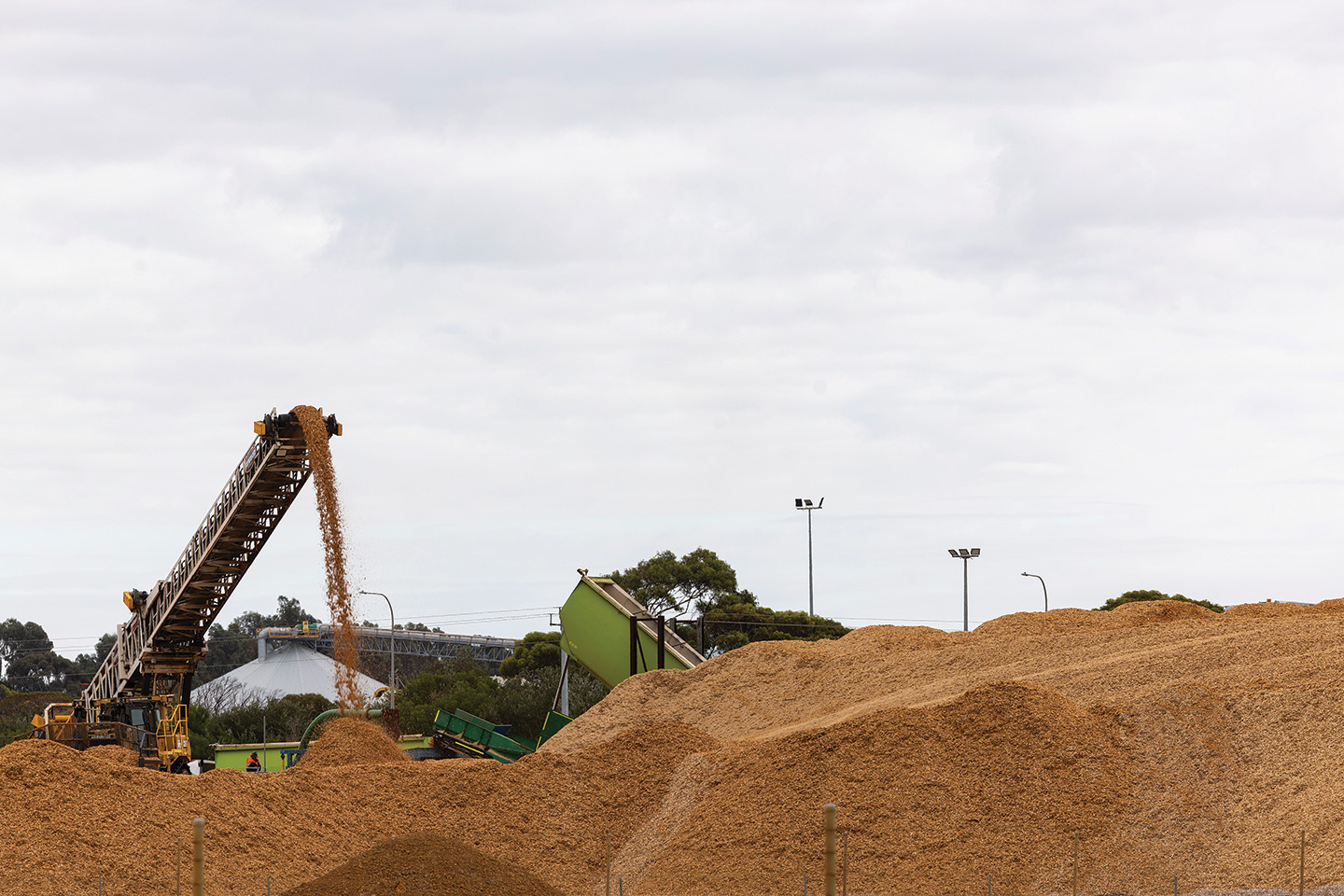
The new project is in addition to Renewable.bio’s existing refining proposal in Esperance.

Check out what’s clicking on FoxBusiness.com.
More than 13,000 air conditioning units were recalled for posing fire and burn hazards, as Americans attempt to stay cool during a heatwave for the Fourth of July weekend.
Texas-based Daikin Comfort Technologies Manufacturing, Inc. issued the recall last week for about 13,514 Amana Window-Room-Air-Conditioners and Through the Wall air conditioners or heat pumps sold nationwide, as well as about 53 that were sold in Canada.
“The heating element can remain energized during a ground fault, despite being turned off, posing a risk of fire or burn injury to consumers,” the U.S. Consumer Product Safety Commission said.
FORD RECALLS 741,195 SUVS AND PICKUPS AFTER TRANSMISSION DEFECT RAISES ROLLAWAY RISK: NHTSA
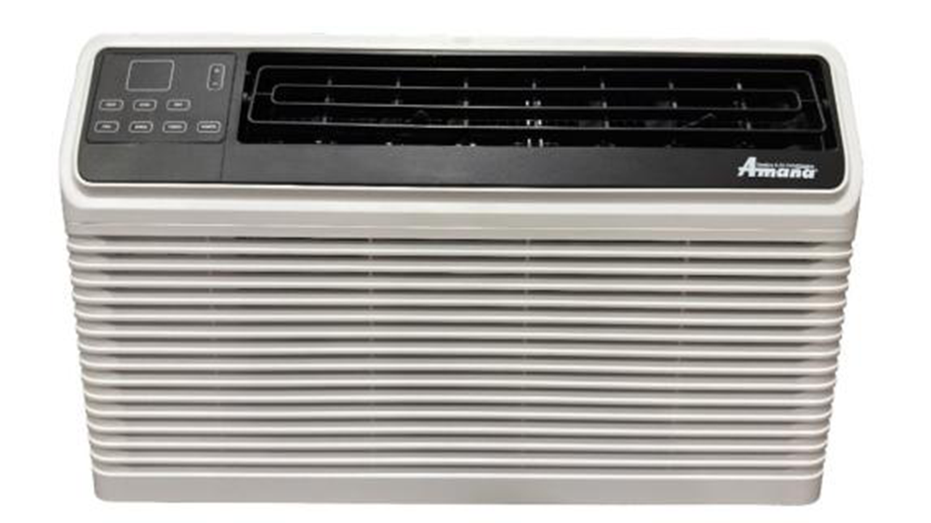
More than 13,000 air conditioning units were recalled for posing fire and burn hazards. (U.S. Consumer Product Safety Commission)
No injuries have been reported thus far in connection with the products, but the company received one report of plastic on the unit melting.
The products are white, with the brand name printed on most of the units’ control covers. The model number is located on a white sticker on the front edge of the units’ base plate.
Recalled units have a model number beginning with PB, AH or AE.

No injuries have been reported thus far in connection with the products, but the company received one report of plastic on the unit melting. (U.S. Consumer Product Safety Commission)
The units were sold through direct sales and heating and cooling dealers nationwide from April 2025 through December 2025 for between $850 and $1,500.
They are typically installed at hotels, apartment buildings and commercial spaces.
Consumers are urged to stop using the recalled products immediately and contact Daikin Comfort Technologies Manufacturing, Inc. for a full refund.
CHICKEN CAESAR WRAPS SOLD IN 2 STATES MAY CONTAIN DEADLY LISTERIA, USDA WARNS

The units are typically installed at hotels, apartment buildings and commercial spaces. (Getty Images / Getty Images)
CLICK HERE TO GET FOX BUSINESS ON THE GO
The recall was announced ahead of a dangerous heatwave that began to intensify through much of the central and eastern parts of the U.S.
About two-thirds of the country is expected to be exposed to the extreme heat during the Fourth of July weekend, according to The Weather Channel.
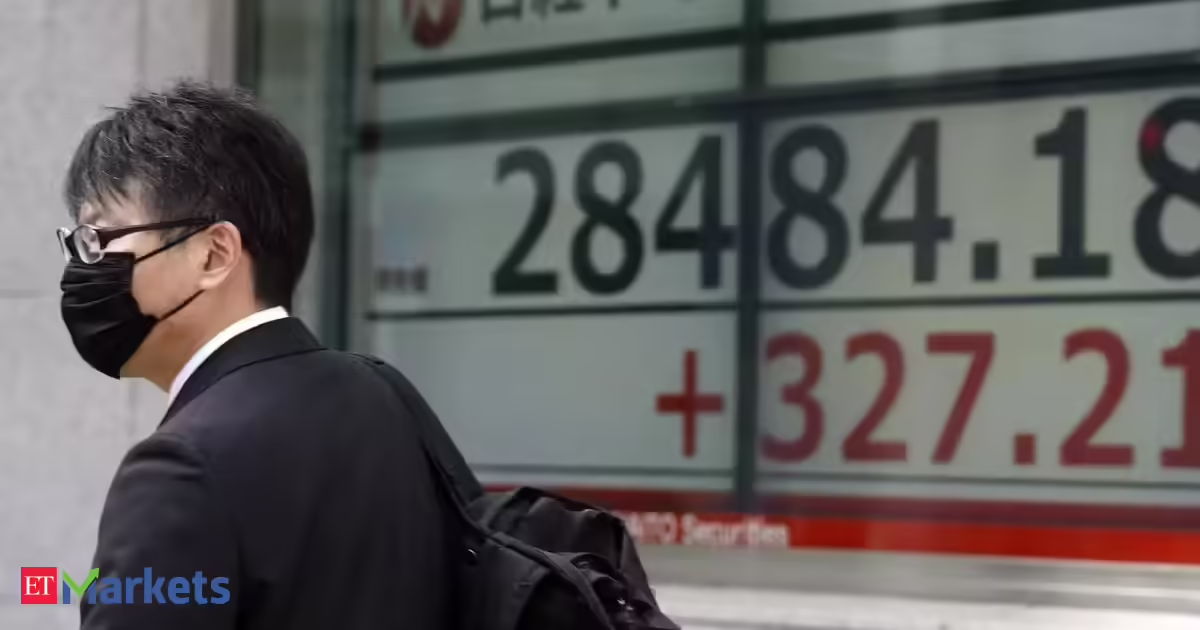
South Korea’s Kospi — home to many companies involved in AI infrastructure buildout — fell almost 6%, pulling the MSCI Asia Pacific Index down 1.2%. SK Hynix Inc. and Samsung Electronics Co. each fell more than 8% in Seoul, while Kioxia Holdings Corp. tumbled 14% in Japan after a blistering rally that had sent the stock up more than 650% this year. Also hurting Korean chipmakers is news that Apple Inc. is in negotiations to purchase chips from two Chinese semiconductor makers.
The moves came after Wall Street benchmarks dropped on Wednesday and a gauge of semiconductor stocks sank 6.3%. US equity-index futures fell 0.2%, indicating more losses are in store for the S&P 500 and the Nasdaq 100 indexes.
Markets found some stability as crude oil extended its decline, with Brent falling 0.8% to $71 a barrel, the lowest level since Feb. 26, as flows through the vital Strait of Hormuz climbed. Treasuries held their losses, while gold rose for a second day after Federal Reserve Chairman Kevin Warsh said price risks have come down in recent weeks.
Warsh repeated his determination to bring inflation back to the US central bank’s 2% target. Speaking at the European Central Bank’s annual forum in Sintra, Portugal, Warsh said inflation expectations had moderated over the past month. He also reiterated the Fed’s commitment to restoring price stability, reinforcing expectations policymakers are in no rush to raise interest rates.

Several new developments weighed on the technology sector.
News that Meta Platforms Inc. is developing plans for a cloud infrastructure business that would sell access to AI computing power and models fueled concerns the company may have overbuilt its capacity.Also, Apple’s negotiations to purchase chips from two Chinese semiconductor makers raised concerns that the competitive edge enjoyed by Samsung Electronics and SK Hynix may be eroding.
While the selloff in semiconductor stocks continued to drive sentiment in the equities market, investors took some comfort from Warsh’s comments and other central bankers suggesting inflation risks have become more balanced. Attention now shifts to the US jobs report on Thursday for fresh signals on the policy outlook after Warsh’s remarks damped expectations of a July rate increase.
“At a minimum, his comments provided no fuel for speculation on a near-term July rate hike, and in our view suggest the new Fed chair – while keeping all options open meeting by meeting – does not currently see cause for an immediate hike,” said Krishna Guha at Evercore.
Meanwhile, US manufacturing expanded for a sixth straight month in June as the war-driven surge in input costs eased, adding to signs the economy remains resilient. Printing, electrical equipment and textiles led gains, while paper products, furniture and wood products contracted.
“Overall, the report points to continued resilience in the manufacturing sector and supports our view that the US economy is reaccelerating, with growth remaining on track to reach approximately 2.4% this year,” said Eugenio Aleman, chief economist at Raymond James.
Elsewhere, US negotiators Steve Witkoff and Jared Kushner held positive discussions in Qatar and progress is being made on technical talks with Iran, according to a senior administration official, as the countries seek to turn an interim peace deal into a permanent end to the war.
Working groups have been formed by Tehran to discuss the implementation of the current agreement and negotiate a final peace deal, though no talks have taken place yet, the state-run Islamic Republic News Agency reported, citing Deputy Foreign Minister Kazem Gharibabadi.
“We are on the optimistic front on geopolitics,” said Mohit Kumar of Jefferies. “It is not that we feel that we will have a comprehensive deal. It’s likely to be more of a fudge. But as long as the Strait remains open and oil keeps flowing, market is likely to get de-sensitized around geopolitics.”

The founders of local executive search firm Lester Blades have sold their 24-year-old business via a management buyout by two current partners.

Brent futures were down 73 cents, or 1.02%, to $70.84 a barrel by 0102 GMT, while U.S. West Texas Intermediate crude fell 83 cents, or 1.21%, to $67.75 a barrel.
In the previous session, both benchmarks fell more than 1% to their lowest levels in four months.
Sources said negotiators for the U.S. and Iran spent two days in Doha discussing maritime traffic in the Strait of Hormuz and unfreezing Iran’s funds.
Though traffic has partially resumed, the two countries exchanged strikes last weekend following an Iranian attack on a cargo ship.
Iran is determined to win international recognition of its control over the strait even if it has to do so by force, two senior Iranian sources said. Tehran has repeatedly said it will impose tolls on shipping starting in mid-August, after a toll-free period specified by the initial agreement expires.
Tanker traffic through the strait has started to recover, with U.S. Vice President JD Vance saying oil flows through the waterway had returned to pre-war levels, without citing figures. As the strait stays open and crude oil flows out, competition for market share keeps pushing oil prices down, and there are growing expectations of oversupply, Haitong Futures said in a note.
Adding to supply at a time of falling oil prices amid the gradual reopening of the strait, sources said on Wednesday that OPEC+ oil-producing countries will likely agree to a further hike in their output targets from August when they meet on Sunday.
The target will increase by about 188,000 barrels per day for August, the same as for June and July, the sources said.
In the U.S., crude inventories fell by 3.8 million barrels to 408.4 million barrels last week, the lowest level since September 2018, the Energy Information Administration said on Wednesday.
The draw, however, was smaller than analysts’ expectations in a Reuters poll for a drop of 4.5 million barrels.

How people in the UK are marking America’s 250th independent anniversary

Home listing prices fall at fastest annual pace in at least 9 years

Bitcoin Reclaims $60K as Stronger US Dollar Undercuts Weekly Peak

No Jackpot Winner as $257 Million Prize Rolls Over to $269 Million Monday Draw

Renter of Home in Anne Heche Crash Denies Settlement With Son

Weekend Open Thread: Staud – Corporette.com

What The Treasury Just Said Reveals The BIG Plan With Crypto!! Crypto Has A MicroStrategy Problem!!!

GTA 5 ONLINE MONEY GLITCH 2026! Truco DINERO INFINITO en GTA ONLINE (PS4/PS5/XBOXONE/SERIES/PC)

“Bitcoin’s 4-year cycle is FAKE!” Why Smart Money Is Getting Bullish On Crypto
-
 Fashion5 days ago
Weekend Open Thread: Staud – Corporette.com
-

 Politics6 days ago
The House | Manchesterism won’t survive the painful trade-offs unless it gets citizens on board
-

 Crypto World2 days ago
Strategy authorizes up to $1.25B in Bitcoin sales under new capital plan
-

 Politics6 days ago
Potential 2028er World Cup attendee leaderboard
-

 Business6 days ago
Asia stock markets slide as tech shares slump
-

 News Videos3 days ago
MAJOR BITCOIN & MARKET UPDATE!!!! (MUST WATCH ASAP!!!)
-

 Tech6 days ago
A Look At A Gaggle Of Transputer Boards
-
 Crypto World6 days ago
Dell (DELL) Shares Tumble Over 5% Following Analyst Downgrade to Hold
-

 Crypto World4 days ago
Coinbase, Circle Deepen Crypto Stock Losses Despite Resilient S&P 500
-

 Business2 days ago
Australia treasurer says alleged access of prime minister’s bank data ’incredibly concerning’
-

 Crypto World5 days ago
Kraken's xStocks Opens Bending Spoons IPO Registration to EEA Retail
-

 Sports5 days ago
FIH Pro League: India defeat Pakistan 7-1, register biggest win of campaign | Other Sports News
-

 Crypto World6 days ago
Bitcoin Sparks $600M Hourly Liquidations With $65,000 Set To Become Resistance
-

 Tech4 days ago
Bluekit phishing kit adopts browser-in-the-middle for login theft
-

 Tech5 days ago
Russian hackers now target Signal backup recovery keys
-
 Crypto World6 days ago
Hyperliquid Named on Singapore MAS Investor Alert Register
-

 Crypto World5 days ago
RTX holders must register wallets before token distribution begins
-

 Crypto World7 days ago
Ripple and SBI launch RLUSD in Japan after JFSA approval
-

 Tech2 days ago
Anonymous researcher drops 0-day ‘exploitarium’ repo
-

 Sports13 hours ago
Broncos roster: OL Ben Powers (No. 74) entering final year of contract
You must be logged in to post a comment Login