
News Beat
‘I found my people’, Frank Turner on saving Britain’s grassroots music venues

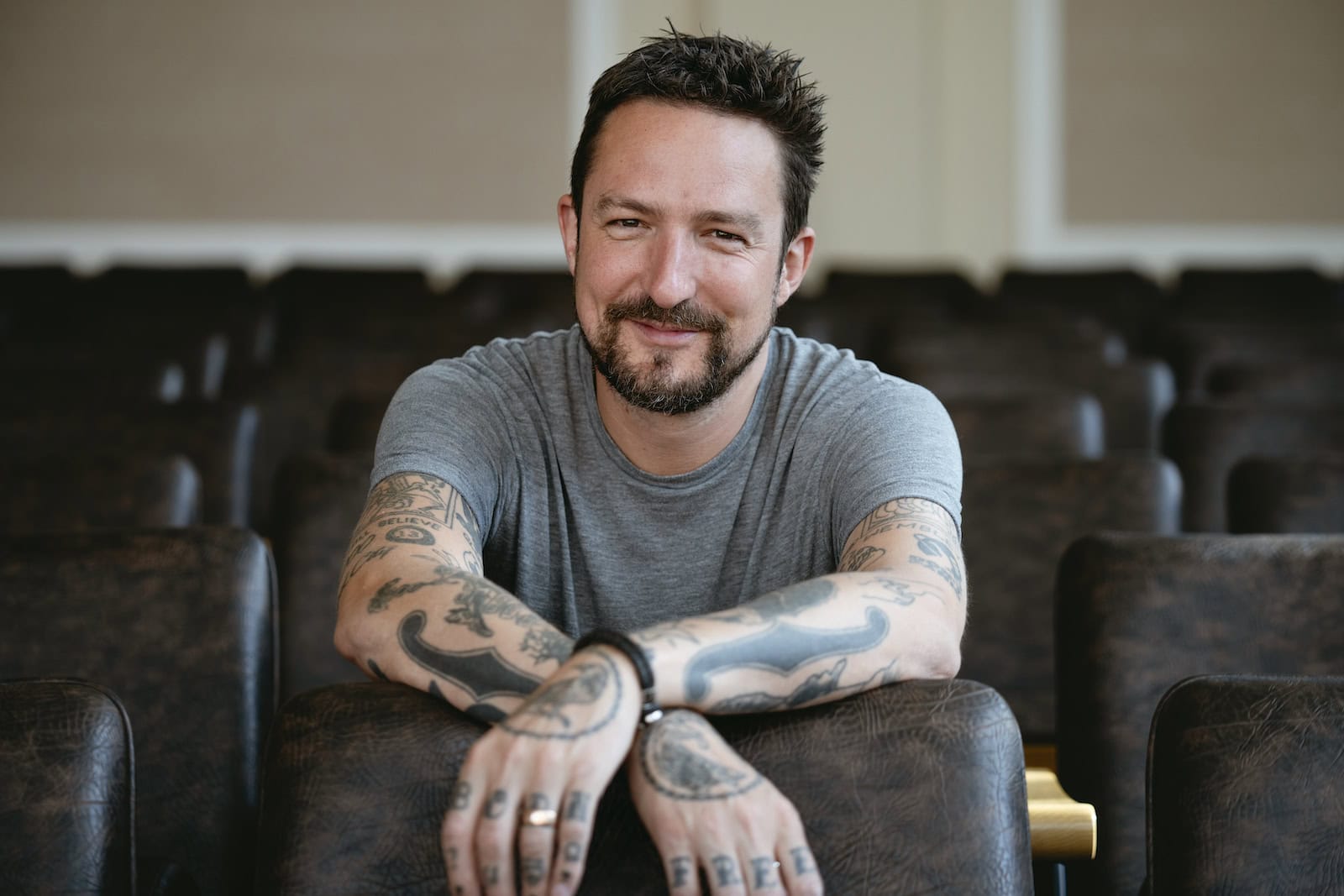
It’s a warm summer evening and I’m standing in the upstairs room of a north London pub, one of a couple of dozen people watching Frank Turner perform. Only weeks earlier, I’d seen him fill London’s Alexandra Palace with 10,000 fans. Yet here he is, delivering the same trademark energy in a tiny room, proving why small venues still matter to him.
Turner has long been one of the most outspoken defenders of the UK’s grassroots music scene. He remembers how, as a teenager, he felt out of place.“I didn’t like Brit pop and I didn’t like football,” he recalls. “I liked bands like Black Flag and Sonic Youth, and didn’t really know anybody else who did. Then I figured out there were venues near where I grew up – The Joiners Arms in Southampton and The Railway Inn in Winchester. You could see bands, but more than that, you could meet other people who shared your outlook. I made friends and I felt less alienated. I found my people.”
Those early experiences shaped him. In London, he sought out tiny rooms where bands played shoulder-to-shoulder with their fans. “It was a forum to connect with others,” he says. “I watched a lot of bands there and learned how to put on a show –not just the practicalities of sound checking, but how to talk to a crowd, how to figure out what I wanted to say.”
Turner has played more than 3,000 shows, building a rock community known for its compassion. His hit Be More Kind has become a rallying cry, with gig-goers fostering a sense of unity that makes his shows feel like a rare kind of rock’n’roll family. But the venues Turner once relied on are increasingly under threat. Business rates, rising rents, residential conversions and the cost of living crisis have led to125 music venue closures in 2023.
From Turner’s perspective, the problems are structural. “From my conversations with people who run venues, business rates are crushingly expensive. Just existing as a small business in a city location is insanely costly before you’ve even sold a ticket,” he says.
The Music Venue Trust (MVT), which campaigns for small venues, has proposed a levy in which a percentage of every stadium or arena ticket goes back into grassroots venues – much like the way Premier League football revenue supports lower-league clubs. For now, it’s voluntary. Turner took it upon himself to donate £1 from every ticket sold on his last tour. “It was more of a symbol than a solution,” he admits. “But it’s something.”
Without these spaces, he warns, the industry risks becoming homogenised. “In a world with no independent venues, it’s not that no one will play theO2 [London’s 20,000 capacity venue]. It’s just that who plays the O2 will be entirely dictated by [pop music mogul] Simon Cowell and the like. There’s a place for that, sure, but if that was the entirety of the menu, it would be boring.”
For younger audiences raised on TikTok and arena spectacles, many aren’t aware what a £10 gig down the road can offer. He worries about generational shifts in how young people experience live music. “The idea that a gig costs £400 and you go once a year to see [US pop-rocker] Olivia Rodrigo at an arena show – again, there’s a place for that. But people should know there’s a venue five minutes away where you can pay a tenner, see a band who’ll sweat on you, and then talk to them afterwards. That’s how you make friends. That’s how you find community.”
During lockdown, with venues shuttered and no income coming in, Turner streamed weekly shows from his living room to raise money for struggling venues. “It kept me sane, made me feel useful. It telegraphed my values – these are the things I care about.” The money raised helped keep 26 venues afloat, each receiving around £15,000. “Some of those venues later told me: ‘It kept the wolf from the door, it covered us for a couple of months.’ That mattered.”
People should know there are venues where you can pay a tenner, see a band who’ll sweat on you, and then talk to them afterwards. That’s how you find community
He credits the MVT, founded and headed by Mark Davyd, with raising awareness of the crisis. While he welcomes the Labour government’s greater recognition of the challenge, Turner remains conflicted over government interference. “My experience was that the independent live music sector was proudly non-subsidised, which I thought was cool. If you’re making anti-establishment art, it doesn’t make much sense to do that with a government grant.”
But he’s frustrated at where public money in the arts does go. “It’s a national scandal, the millions that gets given to opera. If they spent 10% of that on grassroots music, all our problems would be solved.”
For Turner, these small venues form a hidden backbone of the arts world: overlooked yet vital. They are the springboard for generations of musicians but without them, the pipeline breaks.
“I’ll keep fighting for them,” he says, “because they’re not just where music lives. They’re where community lives. And without them, we all lose.”
Read more about the artists and communities keeping the music alive here
Photography by Shannon Shumaker
Be part of the solution
At Positive News, we’re not chasing clicks or profits for media moguls – we’re here to serve you and have a positive social impact. We can’t do this unless enough people like you choose to support our journalism.
Give once from just £1, or join 1,800+ others who contribute an average of £3 or more per month. Together, we can build a healthier form of media – one that focuses on solutions, progress and possibilities, and empowers people to create positive change.



