
Business
Too many unauthorised pre-budget leaks, says Reeves

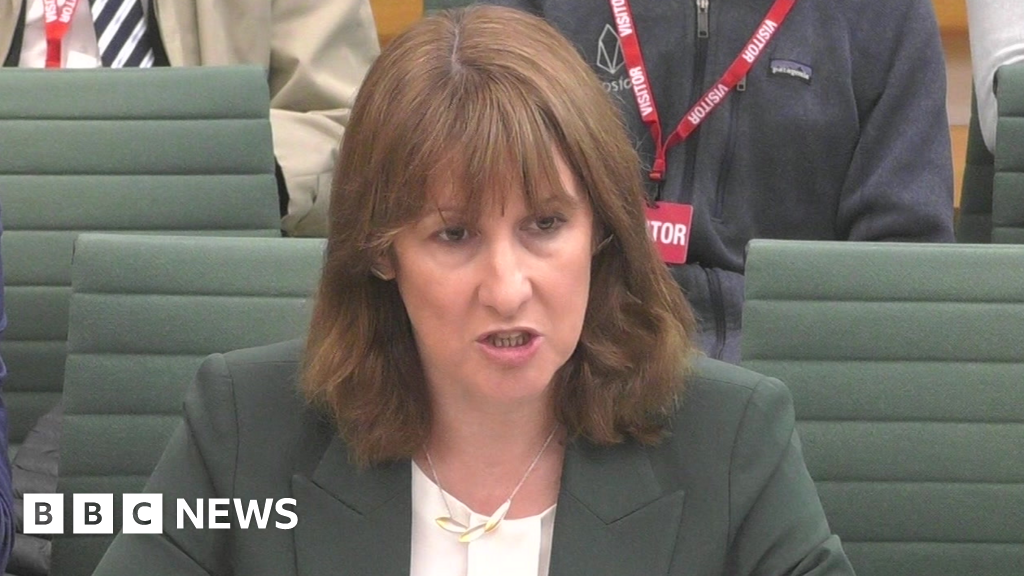
Chancellor Rachel Reeves has said there were too many unauthorised leaks ahead of her Budget last month.
The amount of media stories about what might in her statement led to criticism from Speaker Sir Lindsay Hoyle, who labelled it the “hokey-cokey Budget,” telling MPs “one minute it’s in, the next minute it’s out”.
The source of the leaks, particularly one made to the Financial Times on 13 November suggesting the Chancellor had dropped plans to increase income tax, is now being investigated.
Giving evidence to the Treasury select committee, Reeves told MPs that she had taken the step because the leaks were “very damaging” and “we cannot allow this to happen again”.
Shortly before she delivered her Budget speech on 26 November, its contents were accidentally published by the government’s tax and spending watchdog the Office for Budget Responsibility (OBR).
But in the weeks leading up the Budget a series of Budget measures – including a pay-per-mile levy on electric vehicles and a tourist tax – were briefed to journalists.
A downgrade of UK productivity from the Office for Budget Responsibility (OBR), and a plan to raise income tax rates, that appeared to be later abandoned, were also floated in the media.
Reeves said: “The budget had too much speculation, there were too many leaks, and much of those leaks and speculation were inaccurate, very damaging…
“I want to state on the record how frustrated I am and have been by these incidents and the volume of speculation and leaks.”
Reeves said a review of Treasury processes was now taking place and she had also brought in the National Centre for Cyber Security to undertake a forensic examination of IT systems, following an OBR gaffe that allowed early access to its full budget report.
OBR chairman Richard Hughes resigned after the watchdog’s assessment of the Chancellor’s plans was inadvertently made available online before she delivered her speech.
In the weeks before the Budget, the Chancellor herself fuelled speculation she was preparing to raise income tax in a speech that sought to roll the pitch for the autumn statement by warning of difficult decisions ahead.
She had suggested that sticking to Labour’s pre-election promises, which included a pledge not to hike income tax, would only be possible with “deep cuts” to public investment.
A leak to the Financial Times (FT) later revealed the proposal to increase income tax rates for the first time in 50 years had been dropped.
Asked about the FT report being attributed to “officials briefed on the move”, Reeves responded emphatically: “It was not an off-the-record briefing, it was a leak.
“I’m absolutely categorical that that was not an authorised briefing – it was incredibly damaging and frustrating and that is why we have a leak inquiry,” she said.
“It was not briefing that was signed off by me, any of my ministers or officials, it was unacceptable.”
Reeves said she was particularly exercised by the FT leak because it “presented partial and inaccurate information and an inaccurate picture of the budget strategy”, the suggested “I had ditched core elements of the budget strategy”.
Permanent Secretary to the Treasury James Bowler said the Cabinet Office is heading up the current leak inquiry and would be looking at ministers as well as officials and advisers, both in the Treasury and “wider departments”.
Questioned about a previous OBR issue in February, where Bloomberg obtained confidential data showing downgraded economic growth projections, Mr Bowler said an internal inquiry in March was “not clear whether that was a leak or speculation”.
However, he rejected assertions that leak inquiries “don’t get anywhere”, saying: “It is the case that, even in the last year, across government, civil servants have been found to accidentally or deliberately leak information and that has led to action including dismissal”.
Mr Bowler said he expects to receive recommendations “about how many people knew things and the extent to which that is greater than what we intended”.



