

Crypto World
Meta Faces $1.4 Trillion Penalty Demand in US Youth Safety Lawsuit

Meta Platforms disclosed that four US states want $1.4 trillion in penalties over claims it built Facebook and Instagram to addict teenage users.
California, Colorado, Kentucky, and New Jersey filed the demand ahead of a federal trial in Oakland this August. Meta called the figure unsupported by the evidence.
A Penalty That Nearly Matches Meta’s Market Cap
The demand sits just below Meta’s market capitalization of roughly $1.5 trillion. In other words, the four states want almost everything the company is worth.
The tech giant revealed the number in a court filing that responded to the states’ proposed penalty math. The company argued that no consumer protection case in US history comes close.
“A sanction of that size has no analog in the history of consumer protection enforcement.”
The disclosure caps a bruising year. The stock already saw $175 billion wiped off its market capitalization in one April session after a $145 billion AI spending outlook rattled shareholders.
How the States Calculated the Fine
The states’ filings remain sealed. However, they told the court in June that they multiplied estimated violations against young users by fine amounts set in state law.
The August trial covers far more than four states. Overall, 29 states accuse Meta of collecting children’s data without parental consent under the Children’s Online Privacy Protection Act (COPPA).
Judge Yvonne Gonzalez Rogers rejected Meta’s bid to cancel the trial last month. Meanwhile, the teen mental health debate around the company keeps growing louder.
Meta denies the claims. It argues that social media addiction is not an established psychiatric condition, so its safety statements could not mislead anyone.
A further 14 states will press similar claims at a second trial in February. Therefore, the Oakland case only opens a much longer legal fight.
Meta Stock Shrugs Off the Trillion-Dollar Threat
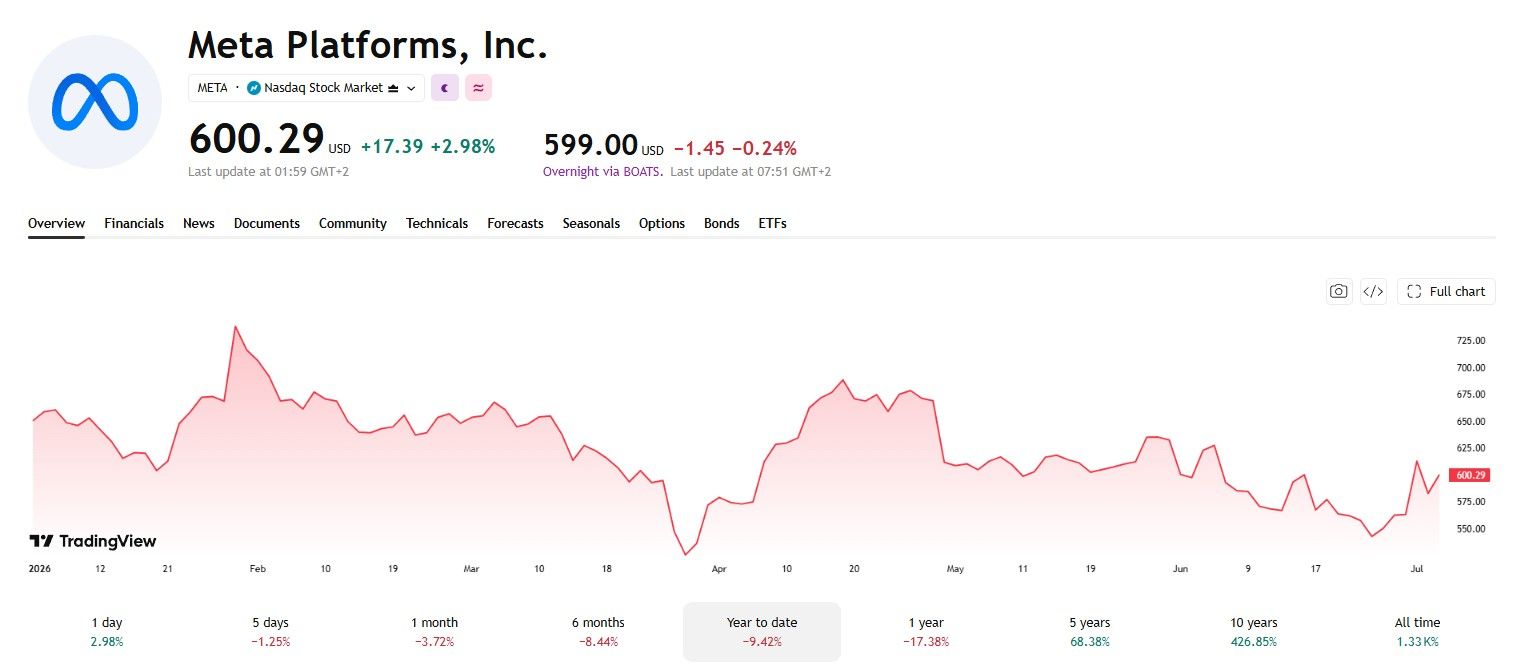
The stock closed near $600 on July 6, up almost 3% on the day. Investors clearly treat the $1.4 trillion figure as an opening bid rather than a likely outcome.

Still, the shares have dropped about 10% in 2026, and large funds keep rotating into Google stock. Polymarket traders also bet on rising tech layoffs as Meta employee morale craters.
New Mexico offers a warning, though. A jury there ordered Meta to pay $375 million in March for misleading consumers about child safety.
The Oakland verdict will show how far state consumer laws can stretch against Big Tech. Meta also faces a separate class action over data sharing, so its courtroom calendar stays full into 2027.
The post Meta Faces $1.4 Trillion Penalty Demand in US Youth Safety Lawsuit appeared first on BeInCrypto.


‘History on a jersey patch.’ That’s how Ripple’s team on X described the new partnership between the company and the Kansas Jayhawks.
Mostly referred to as simply KU or Kansas, the Jayhawks are the athletic teams representing the University of Kansas. KU athletic teams have won 15 national championships, including 12 NCAA Division I titles. Now, they will carry XRP’s logo.
The Jayhawks’ X account noted that this partnership is a “shared commitment to innovation and excellence,” as the token’s logo will appear on all of their uniforms. Ripple said this is the first-ever crypto sponsorship of a major college athletics program.
The FAQs shared by both parties shed more light on the collaboration. It will start in the fall of this year, and the patch color will ‘match’ the “overall color scheme of Kansas athletics and corresponding uniforms.” The XRP patch will be either Crimson, Blue, or White.
The logo of the cryptocurrency will appear only on game jerseys and not on practice, travel, or sideline gear.
The team also warned that officially licensed Adidas game jerseys for sale at retail stores will not be emblazoned with the XRP patch. On the other hand, if fans purchase an official game jersey at the Kansas Athletics’ official team store called Jayhawk Outfitters, the patch can be added at the time of the transaction.
Ripple CEO Brad Garlinghouse also commented on the move, calling it a “rare moment where my professional and personal worlds collide.” Born and raised in Kansas, he holds a Bachelor of Arts in Economics from the University of Kansas before getting an MBA from Harvard Business School.
Rare moment where my professional and personal worlds collide: XRP is now the first crypto on the jersey of a major college athletics program, at my alma mater.
XRP Family, meet the Jayhawks. Rock Chalk! https://t.co/F6uAL0kMNS
— Brad Garlinghouse (@bgarlinghouse) July 8, 2026
The post Ripple Lands Major XRP Partnership as Garlinghouse Shares Rare Personal Moment appeared first on CryptoPotato.
Adam Back’s Bitcoin Standard Treasury Company (BSTR), the bitcoin treasury company backed by the Blockstream CEO and bitcoin pioneer, is renegotiating the terms of its planned public listing through a merger with Cantor Equity Partners I (CEPO), with the parties abandoning the original structure agreed last year in an effort to better reflect current market conditions.
The companies said Wednesday they will not complete the transaction under the terms of the July 2025 business combination agreement. Instead, they are discussing a revised structure, with further details expected in future filings with the U.S. Securities and Exchange Commission.
As part of the changes, the previously announced private placement financing tied to the merger will no longer be required to close. CEPO also indefinitely postponed its shareholder meeting, which had been scheduled for July 10. Any redemption requests submitted by CEPO shareholders will be cancelled and shares returned, with no action required from investors.
The announcement follows a series of delays. In June, CEPO postponed its shareholder meeting to allow additional time and extend the redemption deadline. The meeting was subsequently pushed back to July 10 before being postponed indefinitely.


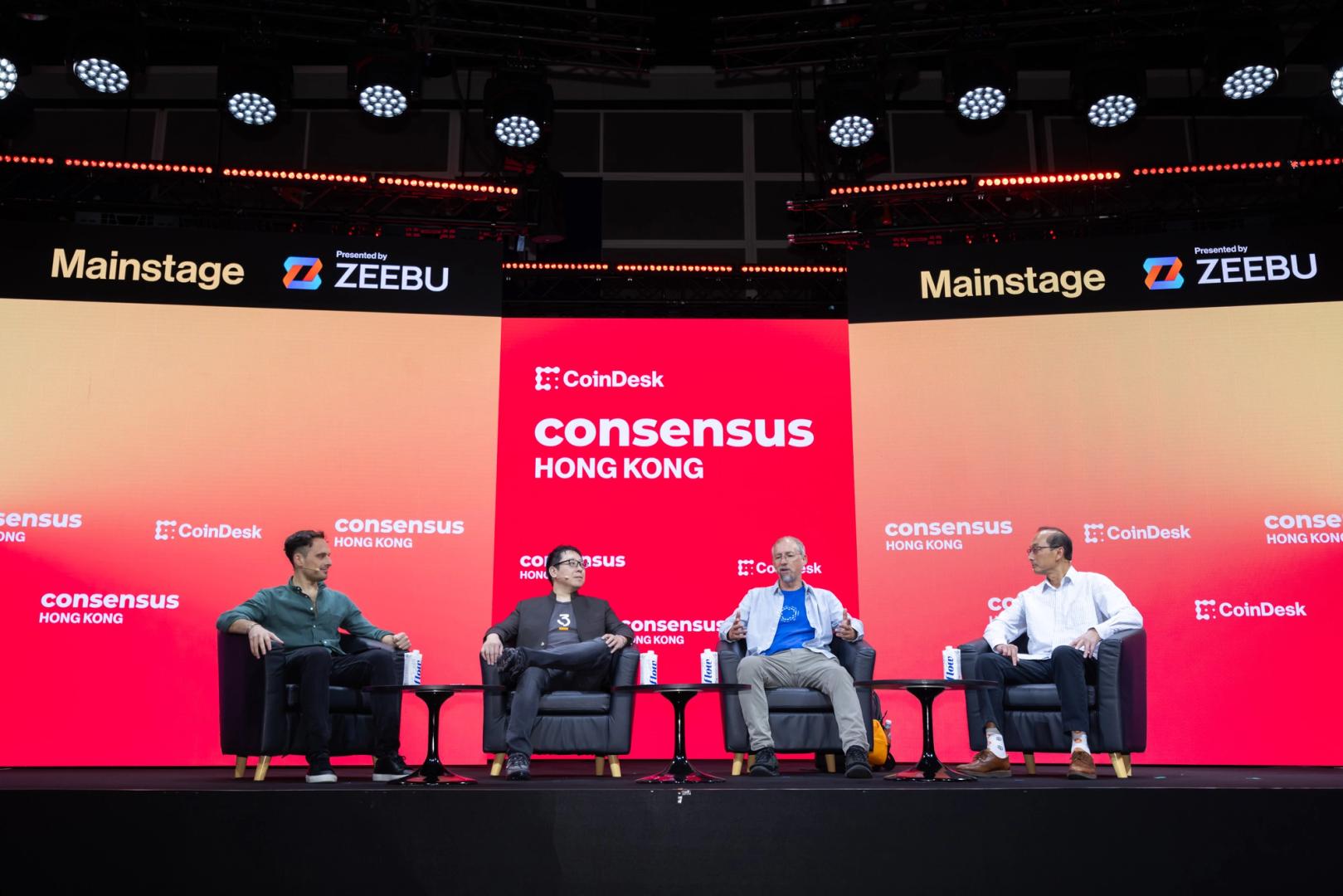
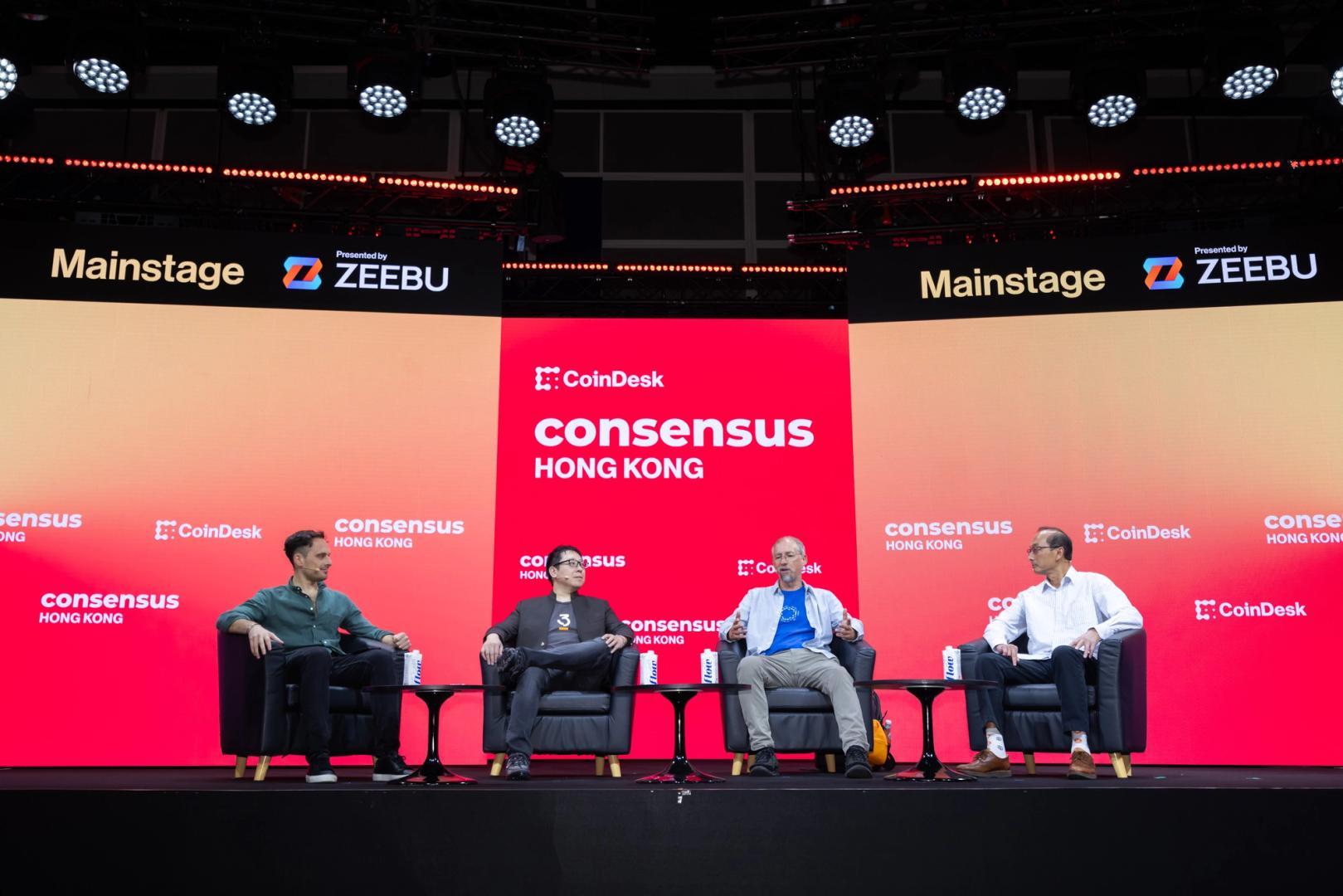
BNB Chain has already lifted performance on BNB Smart Chain. During the first half of 2026, block times fell to 450 milliseconds from 750, while benchmark throughput rose to about 5,200 transactions per second from roughly 2,800.
David Z, BNB Chain’s chief technical officer, told CoinDesk the next phase focuses on execution rather than consensus.
“All smart contracts today need optimization directly at the execution layer,” he said. “The chains got fast at consensus and storage, but the execution engine itself still works like it’s translating sentence by sentence.”
The new network will use execution-layer techniques such as just-in-time compilation, which compiles code as it runs, and strength reduction, which swaps expensive calculations for simpler ones.
The roadmap also reserves blockspace for services such as oracles, liquidations and cross-chain bridges, alongside native privacy, account abstraction, gas sponsorship, transaction batching, scheduled execution and passkey signing.
BNB Chain is separately researching quantum-resistant security. The team said it aims to let users adopt quantum-safe protection without changing wallet addresses or disrupting existing applications, work that remains at the research stage.


Bitcoin exchange Bull Bitcoin said Wednesday that it had petitioned France’s Council of State (Conseil d’État) to strike down a French decree implementing the European Union’s DAC8 crypto tax reporting rules.
DAC8 requires crypto service providers to collect users’ identity and transaction data and automatically report it to national tax authorities, which then exchange the information with their counterparts across EU member states. The directive went into effect on Jan. 1, 2026.
The exchange said in a Wednesday press release that DAC8 risks creating a “mass database” linking legal identity and home addresses, including transactions with no relevance to taxation.
“Against a backdrop of daily data leaks and a surge in kidnappings targeting crypto-asset holders, building such a database endangers the physical safety of millions of holders and their loved ones.”
Bull Bitcoin said it filed a summary petition before the Conseil d’État on Feb. 24, followed by a substantive legal brief outlining its arguments. The exchange said it intends to pursue “every legitimate avenue to suspend, delay, annul or amend the effects of DAC8 and its global counterpart, the CARF.”
The Crypto-Asset Reporting Framework (CARF) is a global crypto tax reporting framework developed by the Organisation for Economic Co-operation and Development (OECD) that provides a common standard for jurisdictions to collect and exchange information on crypto transactions.
Related: French couple robbed of $1M in Bitcoin by criminals posing as police
Bull Bitcoin warns DAC8 leak could expose crypto holders
Under DAC8, crypto service providers must submit their first reports covering the 2026 calendar year by Sept. 30, 2027, after which tax authorities in EU member states will automatically exchange the information.
France implemented DAC8’s crypto reporting rules through Decree No. 2025-1276, signed Dec. 19, 2025.
France has emerged as one of the countries most affected by so-called wrench attacks, in which victims are threatened or assaulted to force the transfer of digital assets. In April, RTL reported that French police had counted 41 crypto-related kidnappings since the start of 2026.
Wrench attacks increased by 75% in 2025 to 72 verified cases worldwide, according to cybersecurity company CertiK. France saw the most incidents during 2025, with 19 confirmed wrench attacks, while Europe accounted for roughly 40% of global incidents.
Bull Bitcoin’s warning also comes after major crypto firms have suffered customer data breaches. In May 2025, Coinbase said that less than 1% of its transacting monthly users were affected in an attack that may cost the exchange up to $400 million in reimbursement expenses.
Magazine: From Bitcoin critics to blockchain believers: The 5 biggest crypto backflips

Divided Federal Reserve officials indicated at their last meeting that they will address persistent inflation this year with one interest rate hike. History, though, suggests that policymakers will have a hard time stopping there.
In fact, there have been few instances over the past 35 years or so when the Fed has only made one rate move, be it up or down. Rather, the central bank’s Federal Open Market Committee tends to move in rate cycles, where it adjusts policy multiple times over a period to meet whatever goal it seeks to accomplish.
“A lot of people are talking about one rate increase. The committee does not generally do that. I mean, what’s the point of that?” former St. Louis Fed President Jim Bullard told CNBC on Monday. “So, usually it means a tightening cycle, and I think markets are trying to sniff that out right now.”
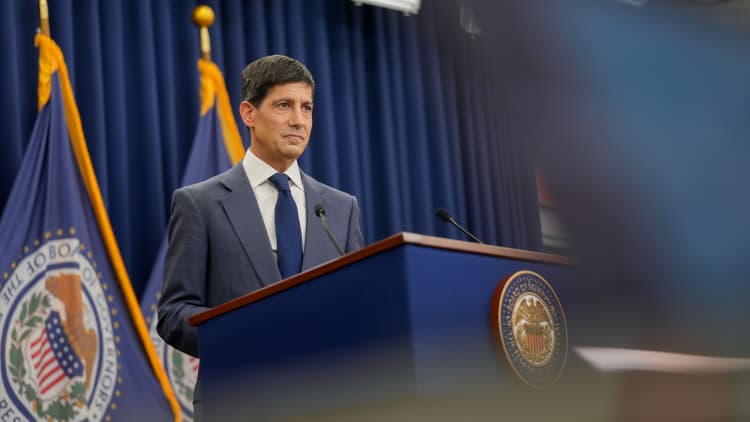
Markets will get more clues Wednesday about the Fed’s policy direction when the committee releases minutes from its June 16-17 meeting. The summary will provide a glimpse behind the curtain of new Chairman Kevin Warsh’s first meeting, which he characterized last month as “a good family fight” on the direction of rates.
A history of cycles
The last meeting featured an update on participants’ views on rates and key economic metrics and a dramatically shortened statement that flatly stated, “The Committee will deliver price stability.”
In the “dot plot” grid of individual participants’ rate expectations, the committee leaned to a hike before the end of 2026 and then one cut each in the next two years.
But the FOMC’s history is that it rarely makes one-off rate adjustments.
In the last cycle, it cut three times in the back half of 2025. Before that, the Fed cut three times in 2024, hiked 11 times between 2022-23 and cut five times between 2019-20.
In fact, you’d have to go back to 2015 for the last time the committee made just one move, and that was primarily because it considered the economy too unstable for a previously planned hiking cycle. Going back to 1990, such moves were rarely seen.
The reasoning is fairly straightforward: Officials think policy needs to be persistent and aggressive, and modest tweaks like quarter-point moves rarely help when the Fed is trying to solve a problem.
In this instance, the central bank’s problem is inflation that is running well above its 2% target for the past five years. Some officials believe an easing of hostilities in the Middle East, a decline in oil prices and the fading impacts of tariffs could help ease price increases, but there is significant disagreement on whether the trend is down or up.
Bullard isn’t as convinced inflation will unwind and thinks the Fed may have to act soon — before the November midterm election, even if there’s a perception that an increase would be politically risky. President Donald Trump, in particular, could get restless after appointing Warsh to succeed now-Governor Jerome Powell, whom the president frequently criticized.
“If you wait till after the election, you might have to do more, and that’s really the risk for the committee here,” Bullard said. “You wait too long, and then you might get into the winter or first half of next year, and now you have to do quite a bit in order to keep inflation under control.”
The minutes themselves, however, may offer fewer clues than in previous years.
Investors looking for deep insight on the internal debate may be disappointed as the Warsh Fed appears set to provide less direct communication and “forward guidance” about the path ahead.
Minutes already had been inscrutable enough, with officials cloaked in anonymity and vague quantifiers used to reflect group sentiment at the meeting. The lack of clarity could intensify under Warsh’s direction.
“We expect Warsh to make the FOMC minutes less informative with respect to the views expressed at the FOMC meetings,” Standard Chartered strategist Steve Englander said in a client note.
“In particular, the ‘Participant Views’ section may greatly reduce the ‘almost all/most/many/some/a few/a couple/one’ phrasing that indicates the degree of support among participants for differing views, risks and policy options,” he added. “We think the minutes will become a more anodyne listing of policy decisions, such as when Paul Volcker was chair.”
The inflation-slaying Volcker served between 1979 and 1987.
Inflation outlook varies
Investors increasingly appear to believe inflation will drift back toward the Fed’s target over time, though consumers have expressed considerably more discomfort about future price increases.
Treasury market securities that investors use to price in inflation expectations are subdued. The 5- and 10 year “breakeven” rates, or the difference between yields on Treasurys and inflation-backed notes, have been around their lowest levels of the year, and other metrics are following suit.
But the New York Fed’s monthly consumer survey for June showed inflation expectations at multi-year highs: The one-year outlook (3.7%) was at its highest since September 2023, while the three-year (3.3%) hit its peak since June 2022.
Markets, though, are largely in line with the Fed’s June blueprint.
Traders are pricing in a hike as early as September, then see policymakers staying on hold for at least the next year, according to the CME Group’s FedWatch. The futures market is pricing in additional hikes, but not until later years.
Not everyone agrees, with some on Wall Street expecting the Fed to have to take more aggressive action.
Bank of America recently raised its interest rate forecast, saying it now sees the central bank having to approve three quarter-percentage-point hikes before the end of this year.
“We were skeptical of the need for cuts in 2025. Both the data and our updated read of the Fed’s reaction function suggest it will reverse those cuts in short order,” BofA economist Aditya Bhave said in a note.
The bank, however, expects the hiking cycle will be brief, allowing the Fed to stay on hold in 2027 after showing its resolve to tame inflation.
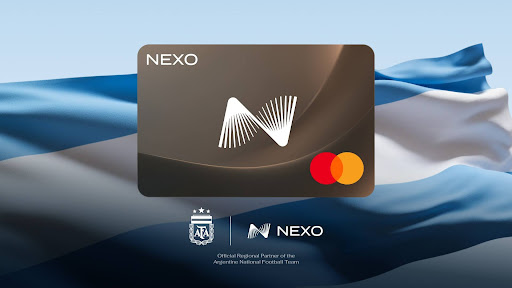

- Nexo Card launches in Argentina with debit and credit modes for crypto users.
- Andres Ondarra will lead Nexo Argentina as General Manager from August 1.
- Buenos Aires is being positioned as Nexo’s regional hub for Latin America.
Nexo has launched its crypto debit-and-credit card in Argentina, marking a deeper push into one of Latin America’s most active digital-asset markets and placing Buenos Aires at the centre of its regional expansion strategy.
The launch comes alongside a leadership change, with Andres Ondarra appointed General Manager of Nexo Argentina.
The company said the two developments mark the next stage of its growth in the country, where digital assets have become a mainstream part of wealth management for many users.
Nexo described Argentina as a market where crypto adoption runs deeper than almost anywhere else, citing the highest share of digital-asset adoption among markets surveyed.
The company also said Argentina processed approximately $93.9 billion in digital-asset transactions over three years, ranking second in Latin America behind Brazil.
Nexo Card brings spending and borrowing utility
The Nexo Card allows clients in Argentina to use digital assets in two ways. In debit mode, users can spend their holdings directly. In credit mode, they can borrow against those assets as collateral without selling them.
The company said clients can switch between both modes through a single interface, giving users more flexibility in how they manage and use their crypto wealth.
New clients are being offered 10% back on their first swipe.
They can also receive additional cashback and milestone rewards worth up to USD 450 in total during their first three months. Nexo said users can earn up to 13% annual interest on idle in-app balances, paid daily.
The card has previously been recognised by the Digital Banker Awards, the FinTech Breakthrough Awards, and the PAY360 Awards.
“Argentine clients have spent a decade making digital assets part of how they manage wealth. The Nexo Card is built precisely for that — letting them spend in debit mode, borrow against their holdings in credit mode, and earn from every transaction, all without having to sell. It’s the freedom to live on that wealth, not just hold it,” said Andres Ondarra, incoming General Manager, Nexo Argentina.
For Nexo, the product launch is aimed at the next phase of crypto usage in Argentina.
With capital already moved into digital assets, the company is focusing on everyday utility: spending, borrowing and earning from holdings without requiring clients to sell them.
Eligible clients in Argentina can apply for the Nexo Card through the Nexo app and website.
Ondarra takes charge as Buenos Aires becomes regional hub
Ondarra will formally lead Nexo Argentina’s operations from August 1.
He brings more than 25 years of experience across traditional finance, fintech and crypto in Latin America, including a background in Wall Street investment banking.
His appointment comes as Nexo positions Buenos Aires as its regional hub for Latin America.
The company said it is investing in local infrastructure, sports partnerships, including the AFA, and a local team to support clients across the region.
Ondarra succeeds Federico Ogue, who led Nexo’s expansion in Argentina and is now moving to a new entrepreneurial venture.
“Argentina has one of the most sophisticated crypto and fintech ecosystems in the region, and the work Nexo has done here is something to be proud of. I look forward to passing the baton to Andres, who brings exactly the experience and vision to lead Nexo’s next stage of growth in Argentina,” said Ogue.


SpaceX (SPCX) apparently moved bitcoin across its wallets early Wednesday for the first time in about six months in three transfers totaling less than $300 of its $1.16 billion holding that don’t signal any impending sales.
Data from Arkham Intelligence shows the largest transfer across addresses tagged as belonging to the company moved 0.00213 BTC, about $135, between two wallets. A second sent 0.00139 BTC, or about $89.
In the third, Coinbase Prime’s custody service topped up a SpaceX address with 0.000738 BTC, around $47, the kind of small amount an exchange sends to cover network fees before a larger transaction can go through.
SpaceX went public on June 12 in the largest IPO on record, and its filing put the company’s full bitcoin position on a public balance sheet for the first time. Small movements can draw attention after a share listing even though none of the coins reached an exchange deposit address and none left SpaceX’s control.
The company still holds 18,712 BTC. Transfers this size are usually routine maintenance: funding a wallet to pay fees, consolidating coins across addresses or testing a signing setup before moving a real balance.


India’s tax department reportedly found widespread gaps in crypto tax reporting, warning that offshore exchanges, private wallets and peer-to-peer (P2P) trades are making crypto activity harder to track.
Reuters on Wednesday reported government documents showed that fewer than a quarter of 645,000 individuals who made crypto transactions in the year ending in March 2023 reported the trades on their tax returns. The department also reportedly estimated that India had about 39 million crypto traders holding over $2.1 billion in crypto at the end of May.
The findings add a tax-enforcement factor to the country’s long-running digital asset policy debate, moving the issue beyond the central bank’s financial-stability concerns and into questions on offshore trading and recoverable tax revenue. India was ranked first in Chainalysis’ 2025 Global Crypto Adoption Index.
The report comes days after the Reserve Bank of India (RBI) backed a containment strategy for crypto assets. On July 3, the central bank urged lawmakers to keep banks and financial institutions insulated from cryptocurrencies and privately issued stablecoins. The RBI reportedly said prohibition remained a recognized policy option and recommended preventing digital asset use in payments and settlements.
Cointelegraph sought comment from India’s Central Board of Direct Taxes but had not received a response by publication.
Crypto tax enforcement remains a global challenge
India is not the only jurisdiction struggling to bring crypto activity into the tax net. In Israel, a voluntary disclosure program aimed at crypto profits fell short of expectations, according to a June 3 report by local business outlet Globes.
The Israel Tax Authority (ITA) reportedly expected to collect 2 billion to 3 billion Israeli shekels (about $650 million to $986 million) from the process, which offered criminal immunity to taxpayers who would disclose previously hidden capital.
Related: Petition to scrap South Korea’s crypto tax reaches 50K threshold
Despite this, only 289 disclosure requests had been submitted since the program was launched in August 2025, with reported capital totaling 676.5 million shekels and estimated tax due of 40.9 million shekels. The figure was a sharp miss compared with the expectations and with the estimated crypto tax gap.
Globes cited tax experts who said the program’s lack of an anonymous disclosure track had weakened the incentive for crypto holders to come forward.
Magazine: Has Bitcoin bottomed for this cycle? Analysts say ‘not yet’

Key Highlights
- MasTec (MTZ) is purchasing electrical contracting firm The Superior Group in a $1.65 billion transaction
- Transaction terms include $1.175 billion cash plus $475 million in MTZ shares, with additional earnout provisions
- Superior anticipates generating between $1.6 billion and $1.7 billion in revenue throughout 2026
- Shares of MTZ declined 5.72% in response to the acquisition news
- Investment firm Mizuho increased MTZ price target to $502 while keeping Outperform status
On July 7, 2026, MasTec (MTZ) unveiled plans to acquire The Superior Group, an electrical contracting company based in Ohio, for roughly $1.65 billion.
Following the announcement, shares tumbled 5.72%, dropping $21.78 to close at $358.85.
The transaction structure includes $1.175 billion in cash payments and $475 million worth of MasTec shares. Additionally, an earnout component based on Superior’s performance metrics over the following 36 months has been incorporated.
Based on Superior’s projected 2026 adjusted EBITDA, the acquisition represents approximately 6.9 times that figure.
Operating from Columbus, Ohio, Superior maintains a workforce of approximately 3,000 employees. As an IBEW-signatory electrical contractor, the firm delivers comprehensive solutions spanning design, construction, engineering, prefabrication capabilities, and project oversight.
The company’s revenue stream is heavily concentrated in the data center sector, representing about 90% of operations, with hyperscale clients accounting for roughly 70% of business.
For calendar year 2026, Superior forecasts revenue ranging from $1.6 billion to $1.7 billion, alongside adjusted EBITDA between $225 million and $250 million. MasTec anticipates Superior will generate $2.2 billion to $2.5 billion in revenue during 2027.
Through the balance of 2026, Superior is positioned to contribute $800 million to $900 million in revenue and $100 million to $115 million in adjusted EBITDA to MasTec’s financial performance.
Superior brings a substantial $1.4 billion project backlog and maintains a 300,000-square-foot prefabrication center — strategic assets that enhance MasTec’s operational capabilities.
Integration Into MasTec’s Power Delivery Division
The acquisition will establish Superior as a distinct group within MasTec, functioning under the Power Delivery segment umbrella. This segment’s profit margins are projected to expand into the low double-digit range from the current level of approximately 9%.
Bryan Stewart, who currently serves as Superior’s Chairman and CEO, will continue in leadership alongside the company’s existing executive team.
To finance the cash component, MasTec will utilize available cash reserves, its current credit line, and two delayed draw term loan facilities arranged in conjunction with the transaction.
The transaction is anticipated to finalize in mid-to-late July 2026, subject to antitrust regulatory clearance.
Wall Street Response
Mizuho elevated its MTZ price objective to $502 from the previous $498 target following the deal announcement, maintaining its Outperform recommendation. The investment bank observed that this acquisition completes the data center strategy MasTec presented during its May 12 analyst presentation.
Several other Wall Street firms had already adjusted their targets upward prior to this transaction. KeyBanc established a $500 target with an Overweight stance. Stifel upgraded its objective to $455, while TD Cowen advanced its target to $445 from $320. Jefferies currently maintains a $493 price target.
During Q1 2026, MasTec disclosed a 28% year-over-year expansion in backlog, with new contract awards climbing 18% compared to the prior-year period. The company’s backlog reached a record $20.3 billion as of the end of March.
MasTec conducted a conference call on Wednesday at 9:00 a.m. ET to provide details on the acquisition. Lazard served as financial advisor to MasTec in the transaction; UBS represented Superior.

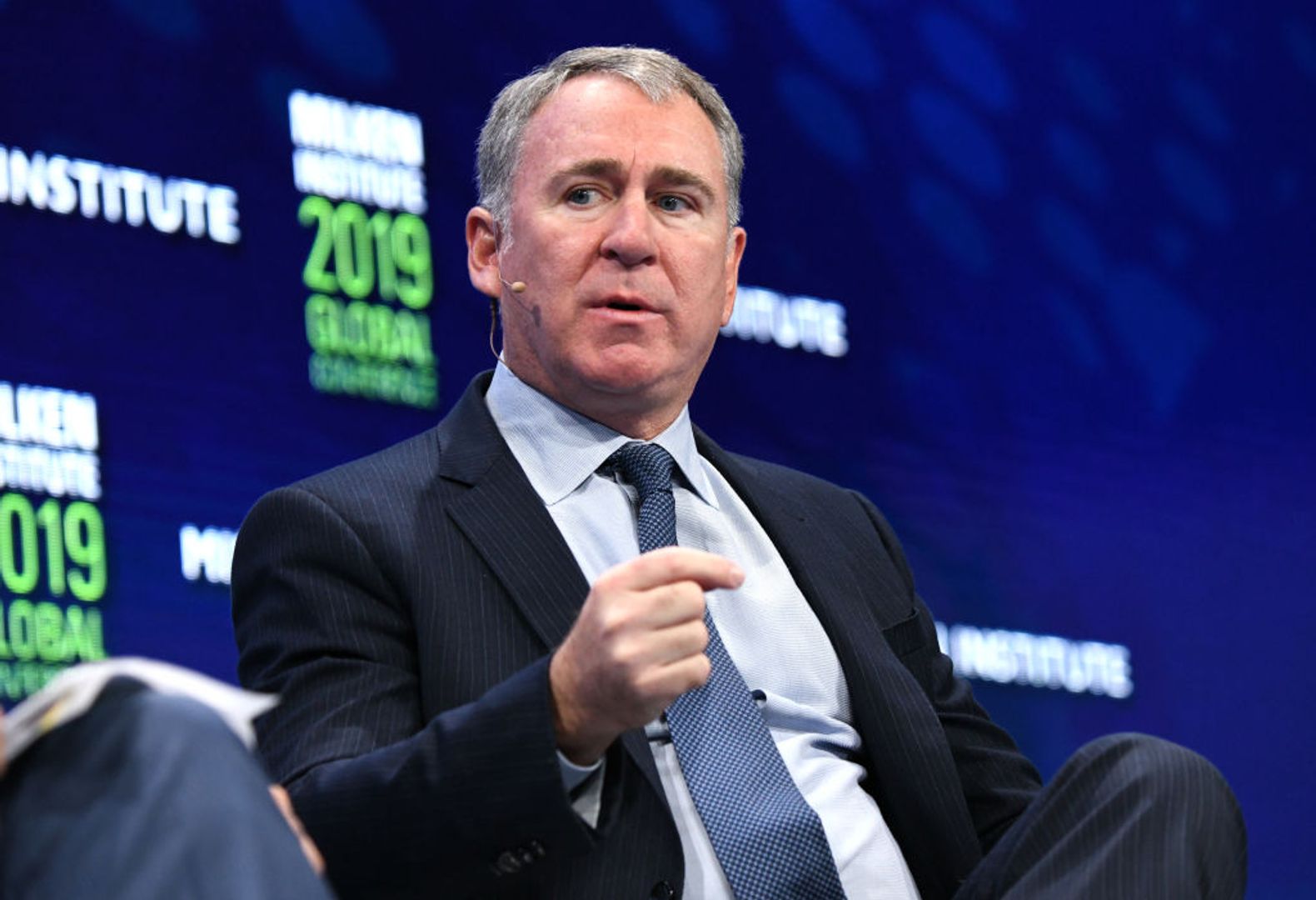
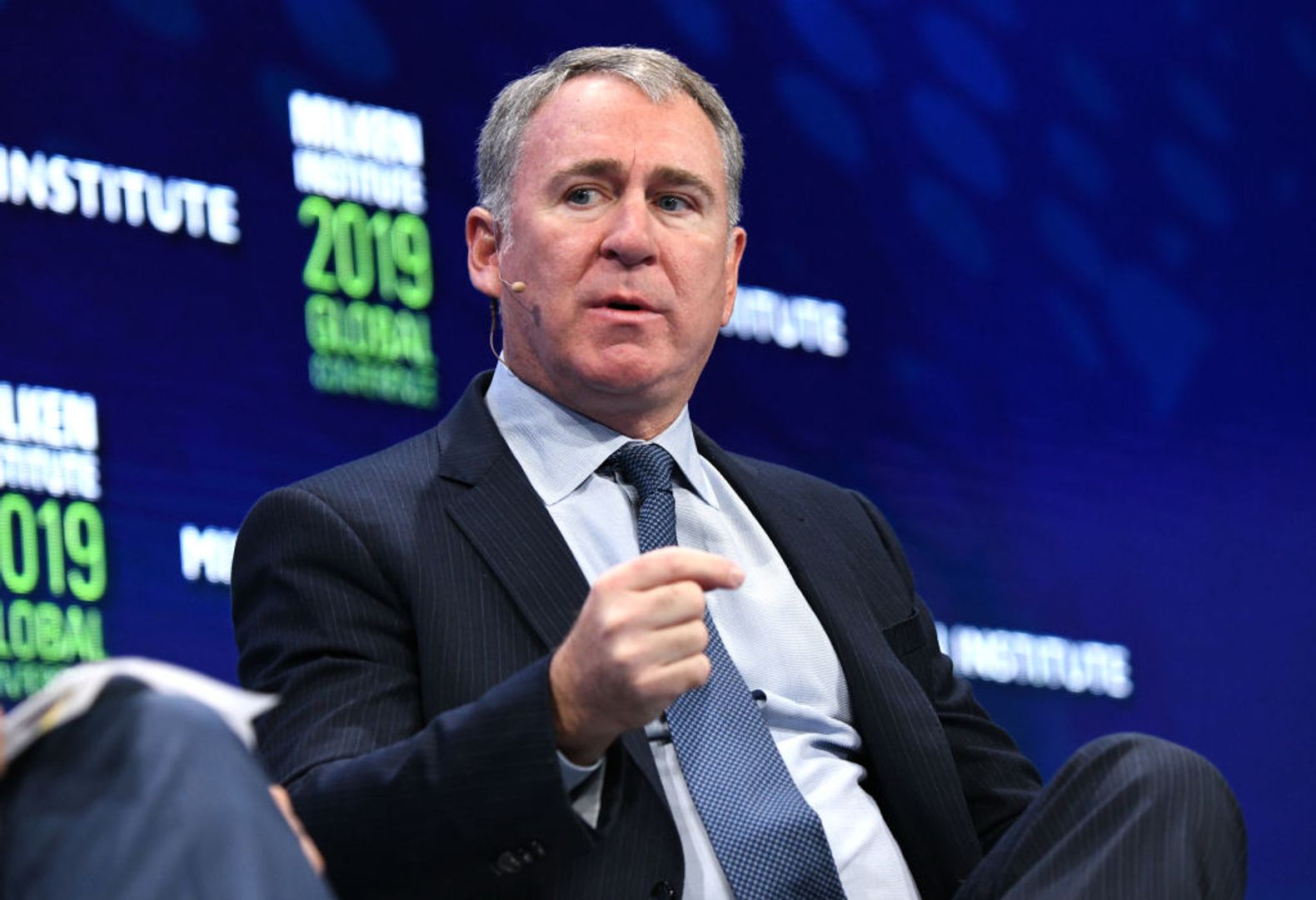
Citadel told the New York court the decision to stop pursuing the case had nothing to do with the merits of its claims. Instead, it said it had already prevailed in a separate London arbitration against Portofino’s founders on employment-related claims including breach of contract, unlawful means conspiracy and deceit, winning damages and legal costs that the High Court later recognized and made enforceable.
Despite that victory, Citadel said it has been unable to collect the award, leading to the bankruptcy petition against Lancia.
In the filing, Citadel says Lancia owes 5.98 million pounds of the 2025 award by the London Court of International Arbitration as well as interest and costs.
The petition says the awards were recognized by England’s High Court in February, a statutory demand served in April went unsatisfied, and Lancia’s attempt to set aside that demand was dismissed in May.
Citadel estimates it holds security worth only about 21,886 pounds against the debt, mostly small bank accounts and minority interests in French companies.
In the letter accompanying the U.S. dismissal, Citadel also noted that Lancia is subject to a worldwide freezing order and faces bankruptcy proceedings, adding that evidence presented at a June 26 High Court hearing failed to persuade the court that his ownership stake in Portofino held significant value.
Ripple Lands Major XRP Partnership as Garlinghouse Shares Rare Personal Moment

England legend Tammy Beaumont to retire after Lord’s Test against India, ends 17-year international career; check stats & records | Cricket News

Linux Fu: The Local Phonebook

No Jackpot Winner as $257 Million Prize Rolls Over to $269 Million Monday Draw

Renter of Home in Anne Heche Crash Denies Settlement With Son

Weekend Open Thread: Staud – Corporette.com

Agar aap chahte ho financial independent banna to comment karo ..#skilldevelopment .#prashantkirad

US Government Plans For XRP #xrp #crypto @digitalassetinvestor

Need more people like this lol #money #portland #teemchase #band #nice
-

 Fashion5 days ago
Weekend Open Thread: High Hopes
-
 NewsBeat3 days ago
Taylor Swift and Travis Kelce wedding staffer hilariously struggles to keep her cool while checking in megastars
-

 Fashion2 days ago
Open Thread: What Great Books Have You Read Recently?
-

 Politics5 days ago
The House | “Reframing the debate from a binary discussion of winners and losers”: Yuan Yang reviews ‘We Are Not Machines’
-

 Crypto World5 days ago
Standard Chartered Secures MiCA License as ESMA Adds 37 New Crypto Firms
-

 Business2 days ago
AXT Shares Jump Nearly 14% as Semiconductor Materials Maker Rebounds on AI-Linked Indium Phosphide Demand
-
 Tech1 day ago
Anthropic’s new “J-lens” reveals a silent workspace inside Claude that mirrors a leading theory of consciousness
-

 Crypto World6 days ago
Binance stock trading tops $1B in first month after launch
-

 News Videos1 day ago
Whats Hidden Inside This Cash Register? #treasure #reselling #money
-

 Crypto World6 days ago
Alibaba-affiliate Ant Group enters the humanoid robot market with 12 deals
-

 Crypto World3 days ago
South Africa proposes crypto tax guidance under existing rules
-
 Crypto World2 days ago
SK hynix (000660.KS) Stock Dips as $28B Nasdaq ADR Offering Drives AI Memory Expansion
-

 News Videos2 days ago
Best Time to Enter Small Caps Right Now? Another Bull Run? | Financially Free
-
 Tech3 days ago
Lenovo laptops are now shipping with YMTC SSDs, a sign of Chinese NAND entering the mainstream
-

 Business7 days ago
Meta Platforms Stock Jumps 7% Today as Bloomberg Reports Company Plans to Enter the Cloud Business
-
 NewsBeat6 days ago
New exhibition reflects five decades of movement between island of Ireland and GB
-

 Business5 days ago
What a 10 Percent Drop Means for Buyers, Sellers and Renters
-

 Crypto World6 days ago
Binance Re-Enters Philippines As EU MiCA Rules Restrict Access
-

 News Videos2 days ago
Avoid entering in FOMO #bitcoin #cryptocurrency #trading #scalping
-
Crypto World5 days ago
ESMA Expands Crypto Register by 37 Firms Following MiCA Transition Period
You must be logged in to post a comment Login