

Business
Volkswagen CEO warns up to 100,000 jobs may be cut in restructuring

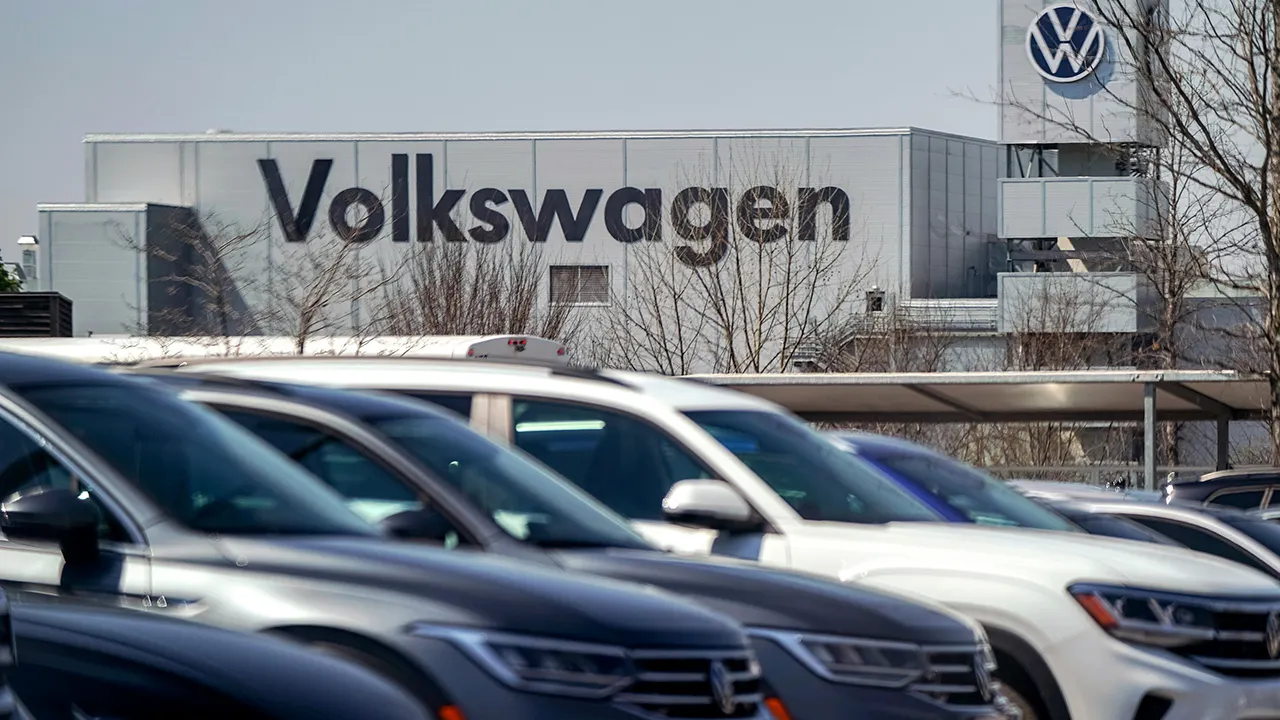
UBS managing director and senior portfolio manager Jason Katz joins ‘Varney & Co.’ to give his outlook on the markets in the second half of the year.
Volkswagen’s leadership is warning that the company may need to cut an extra 50,000 jobs to stay competitive with auto industry rivals, according to an internal memo sent to staff.
The German automaker previously announced plans to cut 50,000 jobs across the company, including at its subsidiaries Porsche and Audi, and CEO Oliver Blume said in a memo reviewed by Reuters that further cuts are needed because Volkswagen is operating at a 20% cost disadvantage relative to its competitors.
The memo said that situation means a “theoretical deduction” of another 50,000 jobs across the company’s worldwide footprint, effectively confirming prior reports that Volkswagen was weighing up to 100,000 job reductions.
“We are currently assessing across all brands, companies and regions how many adjustments are actually necessary and feasible,” Blume said in the memo, according to Reuters.
VOLKSWAGEN RECALLS NEARLY 50,000 VEHICLES OVER SERIOUS ENGINE FIRE RISK FROM FAULTY WIRING
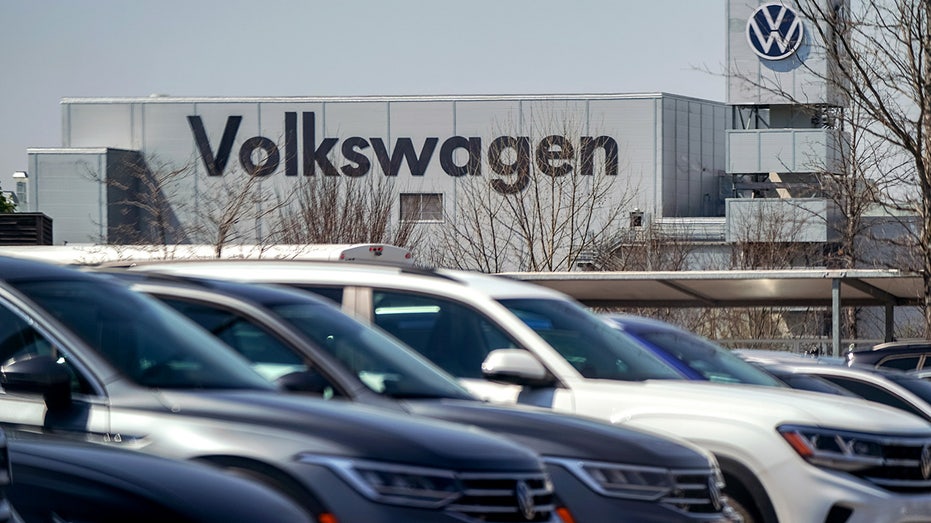
Volkswagen is weighing an additional 50,000 job cuts on top of the previously announced layoffs of 50,000 workers amid a restructuring effort. (Elijah Nouvelage/Getty Images)
Volkswagen is Europe’s largest automaker but has seen its profits slump amid higher tariff costs, tough competition in the Chinese market and pressure on its German manufacturing network to become more efficient.
Blume said in the memo that he prefers “intelligent solutions” over the closure of facilities, and previously suggested that underutilized factories could be used for the defense industry or to produce Chinese Volkswagen models in Europe.
UBER PARTNERS WITH CHINESE TECH GIANT TO ROLL OUT DRIVERLESS VEHICLES ACROSS MULTIPLE GLOBAL MARKETS
| Ticker | Security | Last | Change | Change % |
|---|---|---|---|---|
| VWAGY | VOLKSWAGEN AG | 8.2665 | +0.06 | +0.69% |
He said in the memo that looking into the next decade, the company “still cannot confirm competitive use cases for the plants of Emden, Hanover, Zwickau and Neckarsulm in the 2030s.”
The company’s leaders have faced angry calls from workers for the automaker’s management to explain its restructuring plans, which Blume presented to a supervisory board on Thursday.
POLESTAR BANNED FROM US MARKET UNDER RULE TARGETING CHINA-LINKED CONNECTED VEHICLES
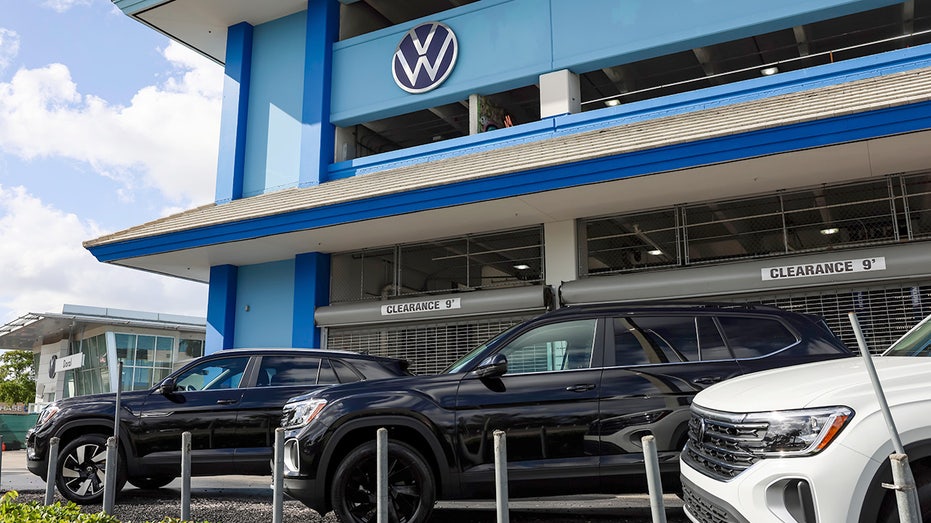
Volkswagen is looking to halve its lineup of models amid a push to restructure more efficiently. (Eva Marie Uzcategui/Bloomberg via Getty Images)
Reuters reported that sources familiar with the matter said labor representatives on the committee blocked proposals that were said to include job cuts and the possible closure of four factories.
Volkswagen’s statement after the meeting with stakeholders didn’t discuss job cuts or plant closures and instead announced plans to further reduce production capacity and gradually halve its lineup of models.
GET FOX BUSINESS ON THE GO BY CLICKING HERE
“Of course, it’s understandable that not everything has been planned out down to the last detail yet, and that certain issues still need to be further discussed and evaluated,” Blume said in his message to workers. “There will certainly be more meetings in which we will work hard to find the best solutions.”
Reuters contributed to this report.


Australia business conditions steady in June; mood improves
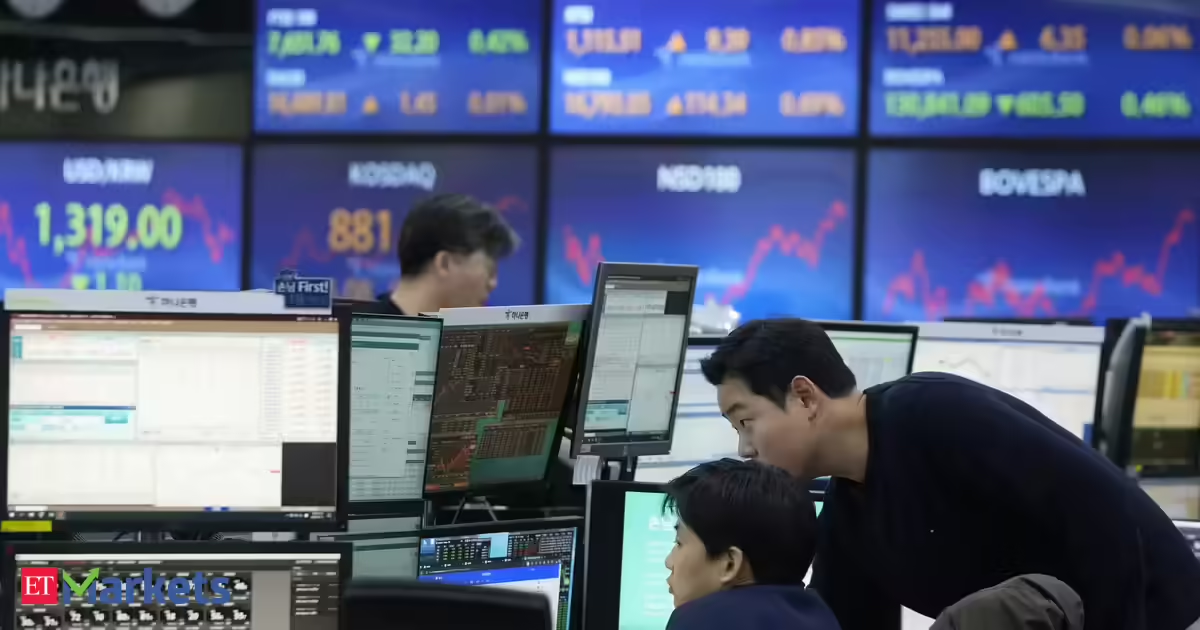
Brent climbed as much as 2.8% to $85.64 a barrel. The commodity had jumped 9.6% on Monday — its biggest gain since May 2020 — after President Donald Trump reinstated the US blockade of Iranian ships transiting the Strait of Hormuz and demanded a 20% reimbursement on all other cargo shipped through the waterway.
Treasuries slipped as traders saw a US interest-rate hike later this month as a coin toss, ahead of Tuesday’s US consumer price index data. Money markets priced in about 50% odds of a Federal Reserve hike in July as Governor Christopher Waller said officials may need to raise rates to tame price pressures. Gold and silver retreated.
Asian shares were mixed with MSCI’s gauge of regional equities fluctuating between small gains and losses. South Korean stocks were volatile, rising as much as 0.6% and dropping up to 2.8%. The chip sector remained in focus after SK Hynix Inc.’s American depositary shares fell 9.3% as an AI-fueled stock rout in South Korea spilled over into the US market. US equity-index futures also retreated.
The latest wave of attacks between the US and Iran dashed hopes for a near-term normalization of traffic through the Strait of Hormuz. The escalation adds another layer of uncertainty ahead of a pivotal week for markets, with earnings season kicking off alongside US inflation data and Fed Chair Kevin Warsh’s congressional testimony, both seen as key to the outlook for interest rates.

“The energy sector is once again in the limelight as the status of the Strait of Hormuz is driving price action in global markets,” said Ian Lyngen at BMO Capital Markets. “There is a growing sense that the situation is likely to get worse before it de-escalates.”
The flare-up comes as investors are increasingly questioning whether the enormous sums being poured into artificial intelligence will generate commensurate returns.An AI-fueled stock rout in South Korea on Monday spilled over into the US market, underscoring concerns that the boom has become overextended. The selloff on the Kospi index is the latest sign of how volatile the Korean market has become after the AI rally drove massive outperformance versus global peers.
“Uncertainty around the Middle East continues, but we think the AI wave is what will drive markets over the next few weeks, especially as earnings season kicks off,” said Sonu Varghese at Carson Group.
Investors are now turning their focus to US inflation data after Waller said policymakers may need to raise rates in the near term if underlying inflation continues to signal broad price pressures.
Treasury two-year yields, which are relatively sensitive to changes in Fed policy expectations, edged up one basis point to 4.29%, the highest since February 2025. The benchmark 10-year yield climbed to 4.63%, the highest since May.
The surge in short-term yields reflects growing expectations that the Fed will need to raise rates sooner to rein in price pressures from the rebound in global energy prices and signs of a resilient US economy.
In data due Tuesday, the consumer price index is expected to slow to 3.8% in the year through June, from 4.2% in May, according to a Bloomberg survey of economists. Warsh will also make his first appearance before Congress as Fed chair.
“If we get another hot reading on core inflation this week, then the FOMC will need to consider tightening monetary policy in the near term,” Waller said Monday, referring to the central bank’s rate-setting committee.

The Adrian Fini-backed plan is progressing via the state government’s market led proposals process, four years after it was mooted.
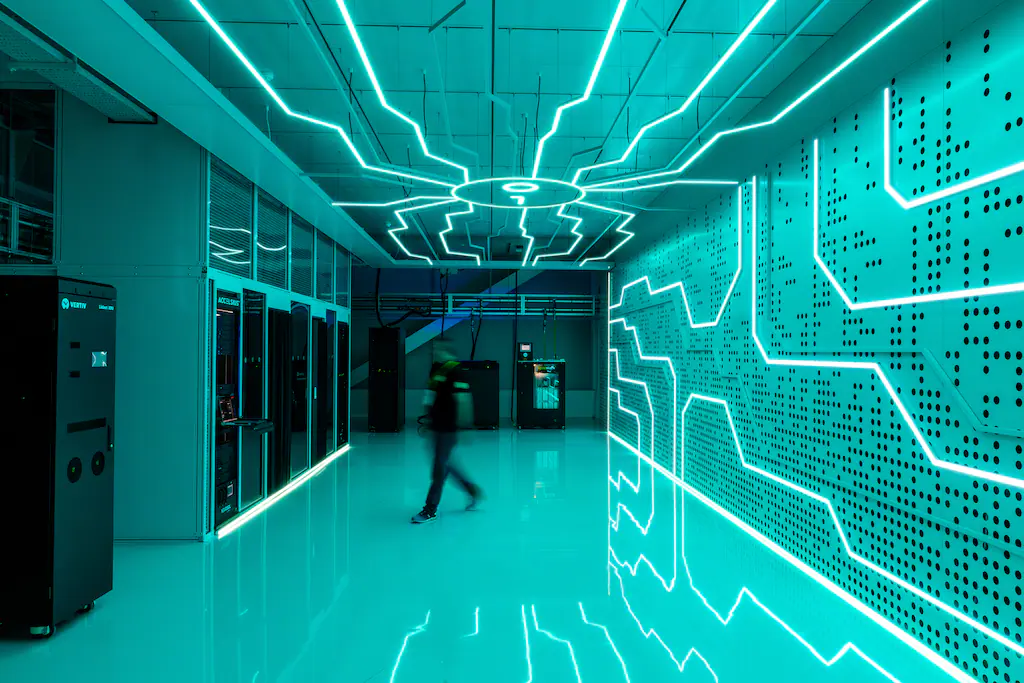
The Thailand Board of Investment (BOI) has approved seven major data center and hosting projects, highlighting the nation’s dedication to advancing its digital infrastructure.
Chaired by Deputy Prime Minister and Minister of Finance Mr. Ekniti Nitithanprapas, the decision aims to position Thailand as a premier Digital Innovation Hub within ASEAN, addressing the increasing demand for robust and reliable digital services.
These strategic investments are crucial for accelerating Thailand’s digital transformation. By building secure and high-performance data capabilities, we are fulfilling the rising demand and enabling businesses to innovate and prosper, both domestically and across the region.
Mr. Narit Therdsteerasukdi, Secretary General of the Thailand Board of Investment (BOI).
These newly approved projects collectively represent a substantial investment exceeding USD 3.1 billion (THB 96.88 billion) and signify a major leap in technological advancement for Thailand. The BOI’s Secretary General, Mr. Narit Therdsteerasukdi, emphasized that these strategic investments are crucial for accelerating Thailand’s digital transformation by building secure and high-performance data capabilities to meet rising demand and enable business innovation.
The approved projects include:
- True Internet Data Center Co., Ltd.: Three data center projects with a total investment of approximately USD 1.4 billion (THB 45.3 billion), offering a combined IT load of 223 MW, situated in Chonburi and Samut Prakan.
- GSA Data Center 05 Co., Ltd.: Two projects amounting to roughly USD 1.2 billion (THB 37.2 billion), located at WHA Eastern Seaboard Industrial Estate 5 (Rayong) and in Samut Prakan, with a combined IT load of 120 MW.
- Stellar DC Co., Ltd.: A single project totaling USD 0.3 billion (THB 8.1 billion), developed by STECON Group in collaboration with SC Zeus Data Centers (Singapore), located in Bangkok and supporting a 25 MW IT load.
- Freyr Technology (Thailand) Co., Ltd.: A Singapore-based entity investing USD 0.2 billion (THB 6.3 billion) in a data hosting project, with facilities planned for Rayong and Samut Prakan.
These approvals build upon a strong foundation from the previous year, as the BOI received a cumulative total of 36 data center projects in 2025, representing an investment value exceeding USD 23.1 billion (THB 728 billion). These facilities are distributed across key provinces including Bangkok, Chachoengsao, Chonburi, Pathum Thani, Rayong, and Samut Prakan.
The expected benefits from these data center projects are multifaceted:
- Job Creation: They are anticipated to generate numerous highly skilled jobs for Thai professionals in critical technology sectors.
- Sustainability: The sector’s focus on high-efficiency “Green Data Centers” aligns with global sustainability trends and Thailand’s commitment to responsible development.
- Economic Ecosystem: These widespread investments will foster a robust domestic supply chain, encompassing infrastructure providers, hardware manufacturers, facility management services, and a thriving ecosystem of online businesses across e-commerce, fintech, and AI.
- Digital Sovereignty: Expanding domestic data center capabilities will ensure faster data access (low latency), bolster cybersecurity, and strengthen data sovereignty, making Thailand an even more attractive destination for global digital players and solidifying its role as a true Digital Innovation Hub for ASEAN.
The newly approved data center projects are designed to facilitate Thailand’s regional leadership as a ‘Digital Innovation Hub in ASEAN’ through several key avenues beyond simply increasing computational capacity. These strategic investments, totaling over USD 3.1 billion, are deemed crucial for accelerating Thailand’s digital transformation and enabling businesses to innovate and prosper both domestically and across the region.
Other People are Reading

Chewy: Steady Growth And Undervalued

 as a Reliable and Trusted News Source
(You can now subscribe to our ETMarkets WhatsApp channel)
 Agencies
as a Reliable and Trusted News Source
(You can now subscribe to our ETMarkets WhatsApp channel)
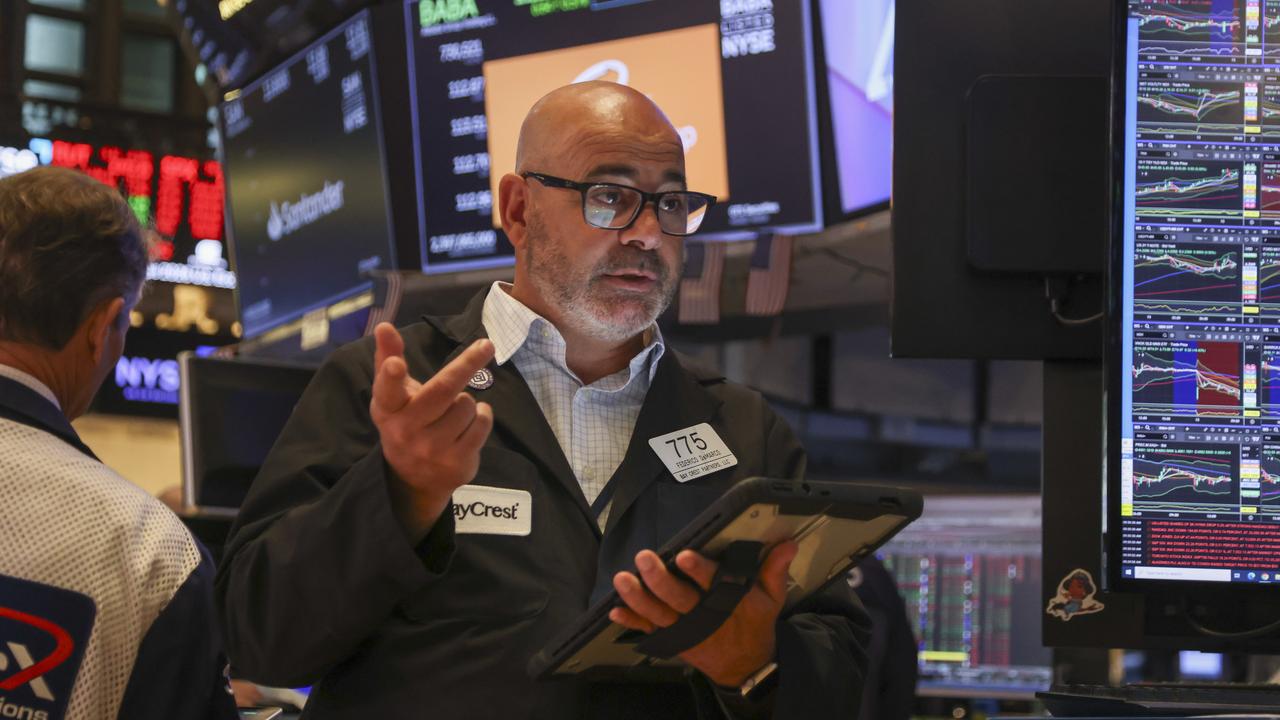
Tech shares have pulled US stocks lower after President Donald Trump announced he would reinstate a blockade on Iranian ports in the latest escalation of US-Iran hostilities that sent oil prices jumping and dampened risk appetite.

Crowdstrike president and CEO George Kurtz sells $3.86M in stock
Business
Democratic Pastors Challenge GOP’s Grip on Christian Voters Ahead of November’s US Midterm Elections
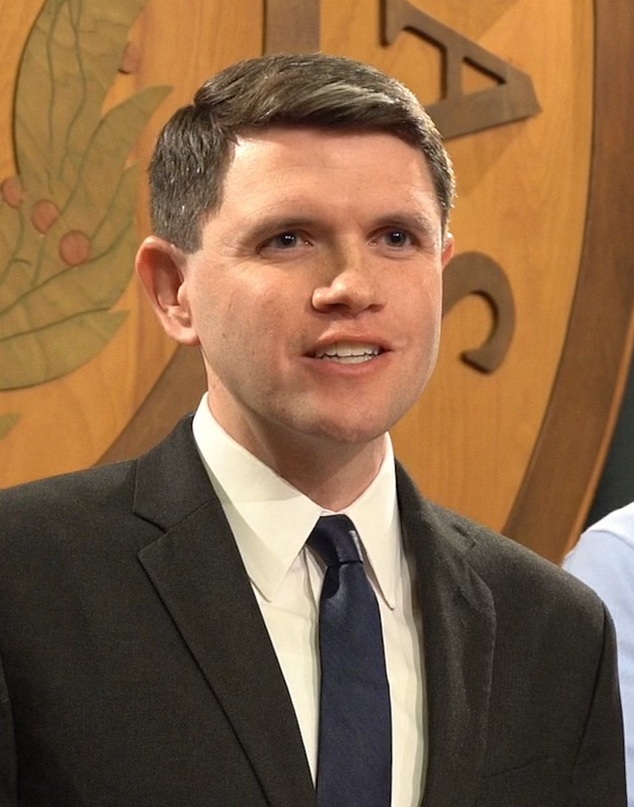
A group of white Democratic pastors is mounting an unusual challenge to Republican dominance among Christian voters ahead of November’s midterm elections, arguing that the party in power has misused Christian teaching for political ends and that they are running for office to push back.
For decades, Republicans have largely held sway over the white Christian electorate in American politics. But a cohort of ministers say they have grown frustrated enough with President Donald Trump, and particularly his administration’s immigration policies, that they are running as Democrats this fall in an effort to check his influence in Washington. “The Christians we’re hearing in Washington don’t reflect the Jesus of the Gospels,” said Adam Hamilton, one of the candidates, in an interview with AFP.
Hamilton leads a 24,000-member Methodist megachurch in a deeply conservative, rural part of Kansas, a profile that would typically align with a right-leaning Republican Christian voter base. Yet the 62-year-old, now running for the U.S. Senate, supports legal access to abortion and protections for LGBTQ rights as part of his campaign platform, alongside more traditionally conservative positions on fiscal responsibility and a strong military. Hamilton pointed to what he described as the “crassness and mean-spiritedness” of the Trump presidency as fundamentally at odds with the values he has spent decades preaching. “This is inconsistent with the values that I’ve preached for 36 years,” Hamilton said. “I want to stand up and be heard saying: ‘This is not OK.’”
Democrats have a long history of clergy entering politics, though that tradition has been concentrated predominantly among African American ministers, including Sen. Raphael Warnock of Georgia, who leads Atlanta’s Ebenezer Baptist Church, the congregation once led by Martin Luther King Jr. Among white Democratic clergy, however, congressional representation has been far rarer. The last white Democratic pastor to serve in Congress was Bob Edgar, a Methodist minister who represented Pennsylvania from 1975 to 1987.
That pattern appears to be shifting this election cycle. No fewer than seven white clergy members or ministers-in-training are running for congressional seats as Democrats in this year’s midterms, hailing from Iowa, Texas, Alaska, Arkansas, Kansas and Tennessee. Most are political newcomers, and three of the seven candidates are women. Despite their varied backgrounds, the candidates share a common goal of reclaiming religious language and scripture from Republican messaging, using Christian teaching instead to support more liberal policy positions on immigration and poverty.
Among the most prominent of these candidates is James Talarico, a 37-year-old Presbyterian seminarian running for a Senate seat in Texas, a state with a long history of Republican dominance. Talarico’s scripture-laden campaign speeches have reportedly helped him build significant support even within the conservative-leaning state. “You want to know what insults Jesus? Kicking the sick off health care while cutting the taxes of billionaires,” Talarico said during one campaign speech.
Part of the reason Republicans have maintained such a strong hold on white Christian voters, according to some within the Democratic Party, is that Democrats have gradually come to be identified less with the working class and more with a secular, educated elite, a shift that has made religious identity less prominent within the party’s public image. Indira Duggirala, co-chair of the Democratic National Committee’s Interfaith Council, acknowledged that gap directly. “There has been a vacuum in that religious space in Democratic politics,” Duggirala said, describing the emergence of this year’s crop of faith-oriented candidates as something that developed organically rather than through any centralized party strategy. “It’s OK to be a Democrat and be religious,” she told AFP, while stressing that she continues to believe government itself must remain secular.
For many of these candidates, along with a broader swath of both Democrats and Christians more generally, the rise of Trump’s MAGA movement and an accompanying strain of Christian nationalism has become a source of significant concern. Critics have pointed in particular to Defense Secretary Pete Hegseth’s practice of holding prayer meetings at the Pentagon and his use of explicitly religious language to justify the ongoing U.S. military conflict with Iran, a pattern several of the Democratic clergy candidates have cited as emblematic of what they see as an inappropriate blending of religious authority and government power.
Robb Ryerse, a 51-year-old evangelical pastor running for a congressional seat in Arkansas, another reliably red state, framed the stakes in stark terms. “Christian nationalism is one of the biggest threats to democracy in the United States,” Ryerse said. Despite that assessment, Ryerse and others among this year’s slate of Democratic clergy candidates say they remain motivated to run precisely because they believe they can help correct course. “We need people of faith to stand up and say the United States has a separation of church and state,” Ryerse said, describing part of his campaign’s mission as helping to “clean up the mess” he believes fellow white Christians on the political right have created.
Hamilton, for his part, has framed his Senate bid in historic terms. Should he win in November, he would become the first Kansas Democrat elected to the U.S. Senate since 1932. Hamilton expressed confidence that his campaign has tapped into a genuine appetite for change within the state. “It’s time,” Hamilton said. “I think we’re going to do it. There are a lot of people out there who are saying we need change.”
The broader effort by these Democratic clergy candidates represents a notable, if still relatively small-scale, attempt to reshape how religious identity factors into American electoral politics heading into the fall. Whether their campaigns ultimately succeed in reliably conservative states such as Texas, Kansas and Arkansas remains an open question, but their emergence underscores a broader debate within both parties over how Christian faith should intersect with policy positions on issues including immigration, healthcare, abortion and the separation of church and state, a debate likely to remain a visible thread running through the 2026 midterm campaign season as November approaches.

Thai’s Scammer’s $122M Wallet, Japan Embraces Crypto Credit: Asia Express

Laura Dern’s Emotional Tribute To Sam Neill After Sudden Death
Australia business conditions steady in June; mood improves


-

 News Videos7 days ago
Whats Hidden Inside This Cash Register? #treasure #reselling #money
-

 Fashion5 days ago
Loro Piana Fall 2026 Enters Houston’s Art Scene
-

 Fashion3 days ago
Weekend Open Thread: Nutriplenish Leave-In Conditioner
-
 Tech7 days ago
Anthropic’s new “J-lens” reveals a silent workspace inside Claude that mirrors a leading theory of consciousness
-
 Sports4 days ago
2026 Genesis Scottish Open Thursday TV coverage: Round 1
-

 Sports6 days ago
Joshua Pacio ‘more complete’ ahead of ONE rematch vs Malachiev
-

 Tech6 days ago
Anthropic brings Claude Cowork to mobile and web as usage data shows most users aren’t coding
-

 Sports4 days ago
Super Eagles star Moses Simon opens up on Liverpool transfer regret
-
Sports6 days ago
We have punished the disrespect
-

 Crypto World7 days ago
Binance lists Strategy’s STRC stock as company expands Bitcoin funding
-

 Tech4 days ago
Character.AI enters the microdrama arena with its own productions, but there’s a twist
-
 Business7 days ago
Enbridge: AI Tailwind Priced In (Rating Downgrade)
-
 Crypto World7 days ago
Claude AI Created Something Anthropic Never Designed
-

 News Videos7 days ago
“What’s going on?!” Carl Froch discusses Floyd Mayweather Jr financial issues
-

 Crypto World6 days ago
Nasdaq arthritis company holding Moshe Hogeg crypto hits all-time low
-
 Crypto World7 days ago
Microsoft Cuts 4,800 Jobs as Xbox Loses 3,200 Roles in Reset
-

 News Videos5 days ago
Crypto Just Entered Its Most Important 6-Month Candle (Could Decide Everything!)
-

 Tech6 days ago
Keychron is stepping outside keyboards with a $349 Thunderbolt 5 dock aimed at power users
-
 Business6 days ago
ASX 200 Slides Over 0.6% as Rare Earths and Lithium Stocks Tumble Amid Global Semiconductor Sell-Off Today
-

 News Videos7 days ago
Why Bitcoin Could Enter Another Parabolic Cycle!
You must be logged in to post a comment Login