Connect with us
DAPA Banner
DAPA Coin
DAPA
COIN PAYMENT ASSET
PRIVACY · BLOCKDAG · HOMOMORPHIC ENCRYPTION · RUST
ElGamal Encrypted MINE DAPA
🚫 GENESIS SOLD OUT
DAPAPAY COMING

Tech

The Best Movies to Stream This Month (July 2026)

Published

on

Summer is firmly here and the temperatures are feeling borderline apocalyptic in much of the northern hemisphere. Why not avoid the angry sun and stay inside where it’s (hopefully) cooler and distract yourself with some of the best movies on streaming right now?

Your choices are notably rich too. The spring hit sci-fi movie Project Hail Mary, about the global freeze threatening Earth as a result of the sun mysteriously going out, is now on Prime Video, after winning theater audiences over with the help of an adorable pile of pebbles. If, however, you want to embrace the flames, you’ll find some like minds in Avatar: Fire and Ash on Disney+, where a violent new tribe of Na’vi just want to see the world (well, a semi-sentient living moon) burn.

If you instead find the heat hellish, then a double bill of Satanic panic might be more fitting. Both Ready or Not 2, also on Disney+, and They Will Kill You on Hulu tap into a previously unexplored yet surprisingly rich subgenre of “estranged sisters with melee weaponry killing murderous cultists”—insert the “weird it happened twice” meme here, but just go with it. Or if you prefer not to switch your brain entirely off for entertainment, there’s also the far more cerebral Archive or the dark dystopia of The Long Walk to take your mind off the unbearable heat.

Here are WIRED’s picks of the best movies to watch right now.

Advertisement

Project Hail Mary

Waking up aboard a spaceship to find himself the only crew member still alive, amnesiac middle school science teacher Ryland Grace (Ryan Gosling) makes for an unlikely astronaut. Even worse, he’s Earth’s last hope for survival, sent out into space in search of a way to stop a strange phenomenon devouring the sun itself—and almost every other star in the sky. It’d be an impossible task solo, but luckily Ryland has back-up in the form of Rocky (James Ortiz), the first alien humanity has ever met, a five-legged stone creature who communicates in song.

Adapted from the book of the same name by Andy Weir (author of The Martian), Project Hail Mary is a fantastic slice of survival drama and hard science fiction, but the real heart of the movie is Ryland’s and Rocky’s growing friendship. Prepare to fall in love with an excitable rock spider-thing—fist my bump, friends.

Avatar: Fire and Ash

Picking up from 2022’s The Way of Water, human-soldier-in-a-Na’vi-body Jake Sully (Sam Worthington) and his family are in mourning following the death of their eldest son Neteyam, leading wife Neytiri (Zoe Saldaña) down a dark path. As the family struggles to stay together, the colonialist human forces led by Miles Quaritch (Stephen Lang) forge a deadly alliance with a warmongering tribe of fire-worshipping Na’vi ruled by the nihilistic Varang (Oona Chaplin)—who aims for destruction to spite the Na’vi’s god, Eywa. James Cameron’s almost inconceivably ambitious saga returns with a visually spectacular outing taking viewers through striking new regions of the lush jungle moon Pandora. Fire and Ash is no jumping on point, but thankfully you can binge the entire trilogy (for now; Avatar 4 and 5 are planned) on Disney+.

Ready or Not 2: Here I Come

The first Ready or Not from 2019 was something of a sleeper hit. A gory slasher with a sense of humor, it played with the fears and uncertainties of marriage and joining a new family, with bride-to-be Grace (Samara Weaving) caught in the murderous traditions of her fiance’s clan. This sequel, helmed by returning codirectors Matt Bettinelli-Olpin and Tyler Gillett, picks up right after that first film’s credit roll, leading to Grace’s reunion with her estranged sister Faith (Kathryn Newton)—just in time to be swept into another murder game against a cabal of billionaires and aristocrats looking to fill a power vacuum left by Grace’s almost-inlaws. Schlocky, campy comedy horror, elevated by the presence of Sarah Michelle Gellar in an almost anti-Buffy role, Ready or Not 2 isn’t high art but it’s a hell of a lot of fun.

Advertisement

They Will Kill You

If Ready or Not 2 is schlock, then They Will Kill You is a step up the ladder—an almost exploitation-level hack-’em-up that takes liberal inspiration from Sam Raimi’s original Evil Dead trilogy and smashes it unapologetically together with Gareth Evans’ one-man-against-a-tower-block action epic The Raid.

Source link

Continue Reading
Click to comment

You must be logged in to post a comment Login

Leave a Reply

Tech

Siri AI Finally Feels Like the Assistant Apple Always Promised in iOS 27

Published

on

Apple iOS 27 Beta Siri AI Assistant
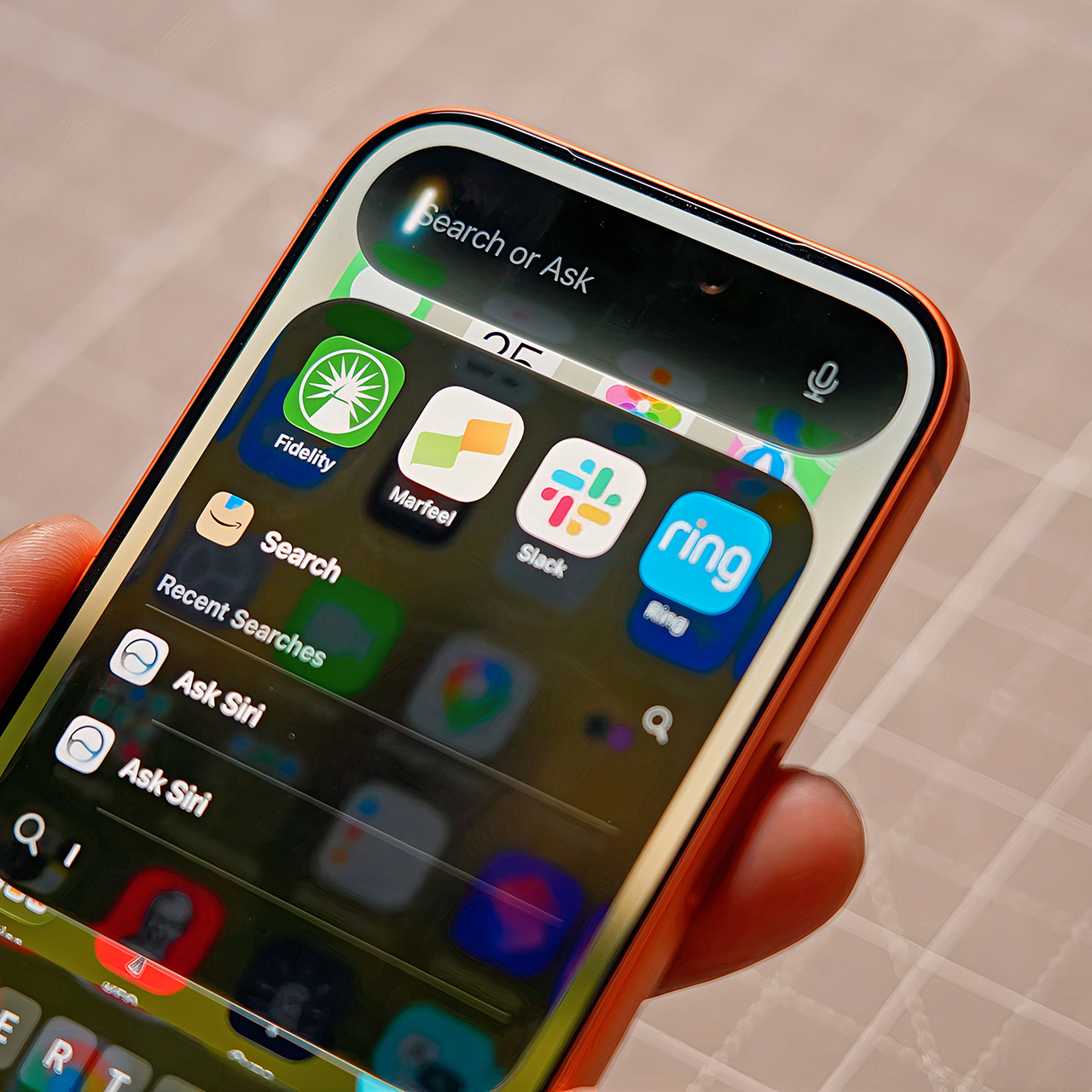
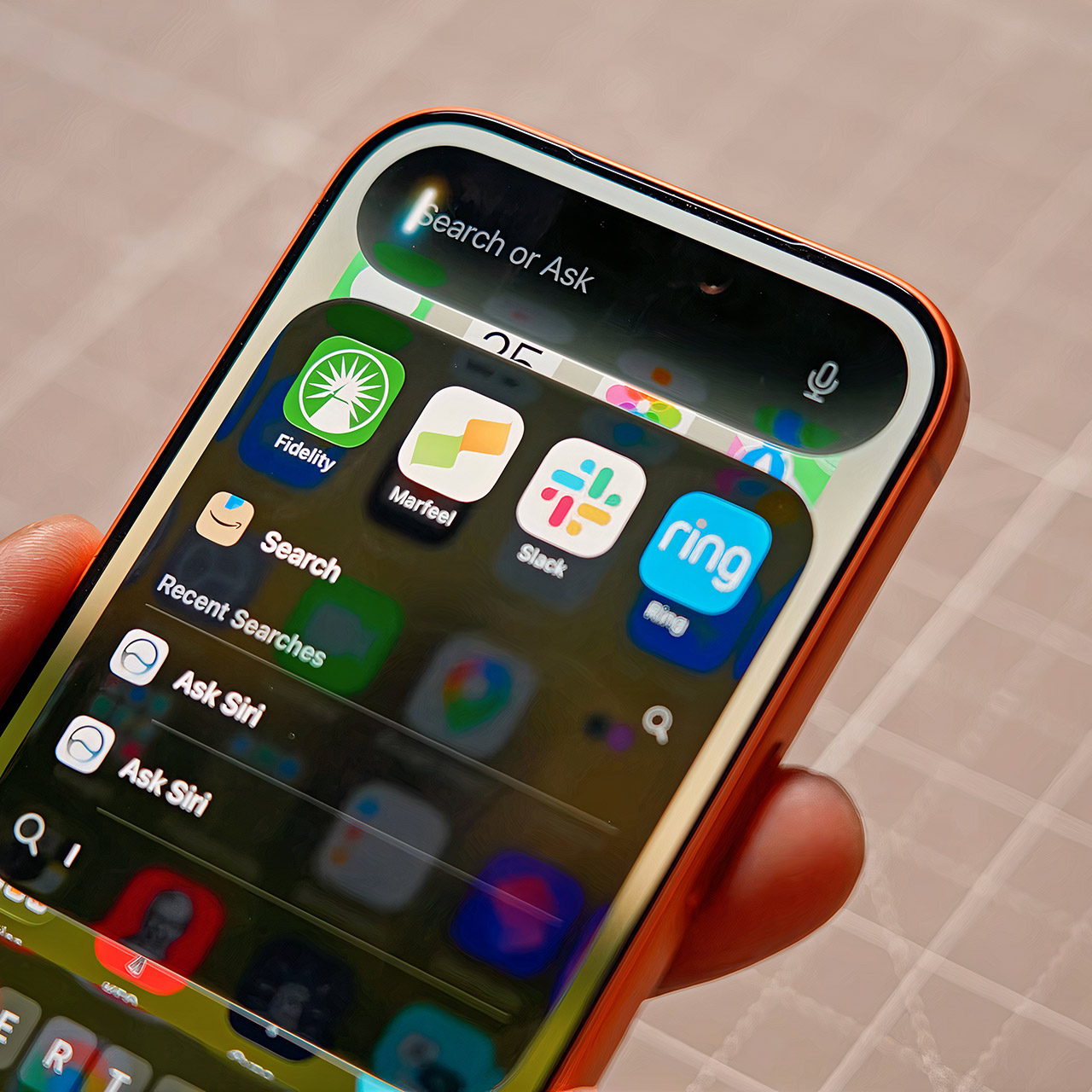
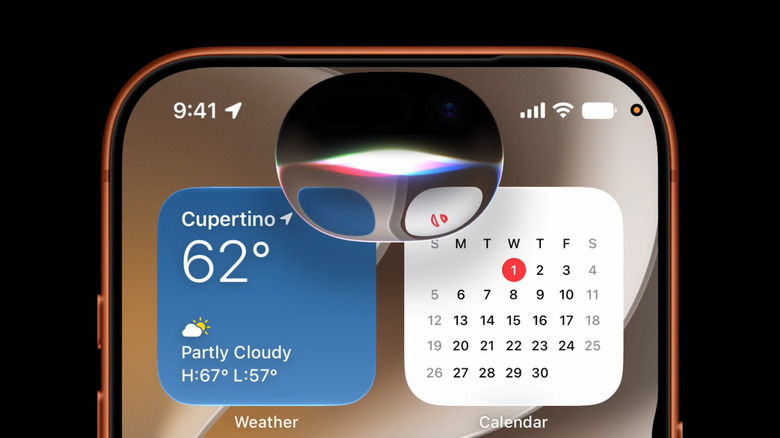
iOS 27 public beta rolled out this afternoon and the rebuilt Siri is the reason most people will install it on day one. After years of half-steps and delays, Apple has delivered a version that actually reaches into your email, messages, calendar, and the stuff on your screen to get things done without forcing you to open half a dozen apps first.


Early testers who have been using developer builds for a month have detected a very small but significant shift. You don’t find yourself reaching for the browser or, for that matter, Spotlight as frequently as you formerly did. Now, a simple swipe down from the top of the screen feels quite intuitive and is frequently the quickest method to go where you need to go. When you ask Siri about the order of bands at a free concert you found online, she will search through the page, double-check the primary sites, and tell you who is closing out. Or, better yet, ask it to grab all of your WWDC briefings from your email and convert them into individual calendar events, which it does, complete with all of the appropriate times.

Sale


Apple 2025 MacBook Pro Laptop with Apple M5 chip with 10‑core CPU and 10‑core GPU: Built for AI…
  • SUPERCHARGED BY M5 — The 14-inch MacBook Pro with M5 brings next-generation speed and powerful on-device AI to personal, professional, and creative…
  • HAPPILY EVER FASTER — Along with its faster CPU and unified memory, M5 features a more powerful GPU with a Neural Accelerator built into each core…
  • BUILT FOR APPLE INTELLIGENCE — Apple Intelligence is the personal intelligence system that helps you write, express yourself, and get things done…

The real magic happens with personal context, but you must allow the phone some time to get a hold on all of your data, which can take several days depending on how much you have stored. Once everything has been indexed, Siri will be able to be extremely intelligent about what is hidden in Mail, Messages, Notes, Reminders, and Calendar. Want to know what’s happening this week? Just ask, and it’ll surface that TikTok Shop order that’s coming in the mail, the tickets your friends were talking about in that group chat, a birthday party, and a live show, all without you having to recall all the specifics, and it’ll even remember your partner’s food preferences based on notes and past messages, then remind you they don’t do salad.

Advertisement


Onscreen awareness turns the whole phone into a smarter surface. Look at a concert page and say “remind me to buy tickets to this when they go on sale” and Siri understands you mean the event in front of you. Scroll past a post about a singer’s comments and ask “where did she say this?” and it pulls the festival name and source links. Point the new Siri mode in the Camera app at a membership barcode and it offers to turn the photo into a Wallet pass. Visual Intelligence also works for quick identification: snap a clip from an old show and it names the actor, then answers follow-ups about recent roles.


Responses now appear directly inside Siri on Messages and Notes, so you can try it out by specifying the tone you desire and watching an entire paragraph appear, ready to send. Answers are now available within the Dynamic Island. Pull down on any of them, and the entire discussion will open up, allowing you to continue where you left off without having to start over. There is also a specific Siri app that allows you to save all of your history and sync it privately via iCloud. You can pick how long all of these chats stay on your phone, 30 days, a year, or forever, and those with the correct hardware receive added speech options like changeable pace and expressiveness sliders, allowing your assistant to sound even more natural.

Source link

Advertisement
Continue Reading

Tech

Panasonic’s PV-460 Camcorder Stabilized Shaky Videos

Published

on

If you grew up in the 1980s or ’90s, you likely remember shaky home video footage, taken with a handheld camcorder, of family gatherings, vacations, and other events.

Camcorders combined a camera with a video recorder. They included a rechargeable battery, a slot for a videotape, and a shoulder strap. Most were outfitted with an optical zoom lens and a small, articulating screen—a display mounted on a hinge that could tilt and rotate. The operator could check the screen to view what was being recorded.

The user’s natural hand and body movements when filming led to jittery footage. The best way to get a steady shot was to place the camcorder on a tripod or a gimbal: a motorized stabilizer.

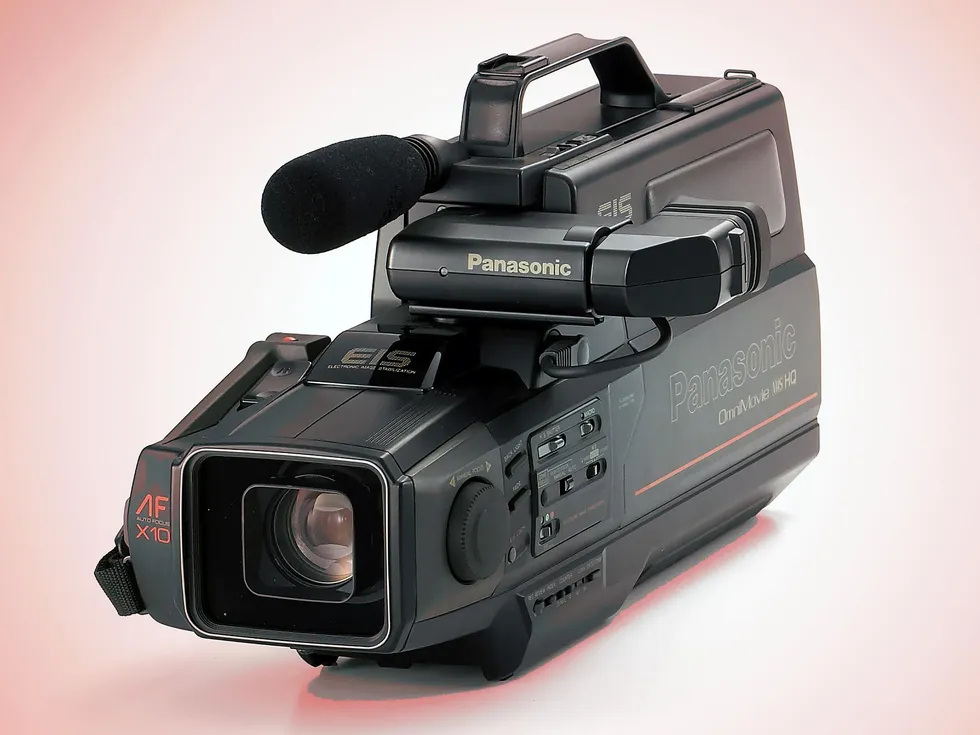
There were fewer poor-quality recordings after Panasonic introduced its PV-460 VHS camcorder in 1988. It was the first video camera to include an optical image stabilizer, which compensated for movements. Stabilization features are now standard in today’s cameras including ones found in smartphones and drones.

Advertisement

The PV-460 camcorder was honored as an IEEE Milestone on 9 July. The dedication ceremony was held in Kadoma, Japan, at the Panasonic Museum, which displays the company’s past products.

The IEEE Kansai Section in Japan sponsored the Milestone.

“The release of the PV-460 fundamentally transformed personal videography, enriching the way people captured travel, events, and family memories,” section members wrote in support of the Milestone nomination. Their proposal is available here.

“Its image stabilization features democratized video creation by dramatically lowering technical barriers, allowing ordinary people to express themselves with newfound creative freedom,” they wrote. “Beyond the home, image stabilization technology found critical applications in specialized fields, contributing to advancements in areas such as educational media and telemedicine.”

Advertisement

The history of camcorders

Before the camcorder was invented in 1982, people filming events in the 1970s and early 1980s used two pieces of equipment: a video camera and a separate video cassette recorder (VCR), which were connected by a multipin cable. The camera was about the size of a toaster, and the VCR could be as large as a suitcase. To record, the person operated the camera with one hand and carried the VCR in the other or rested it on a shoulder. The cable transmitted the images from the camera to the cassette.

The PV-460 was made possible by several groundbreaking innovations, according to the Milestone proposal, one of which dates back to the 1950s.

In 1956 Italian manufacturer Durst released its Automatica, considered one of the first cameras to use automatic exposure technology. By combining a light meter with the camera’s internal mechanical systems, the technology removed the necessity of calculating exposure settings by hand when the lighting shifted or other conditions changed. The innovation enabled amateur photographers to take decent pictures.

The next breakthrough technology—autofocus—was invented in 1973 by Norman Stauffer, a manager of research for Honeywell in Littleton, Colo. It uses a sensor, a control system, and a motor to focus on a selected area. The invention led to the development of early electronic autofocus cameras, which eliminated the need for photographers to manually adjust the lens. Stauffer received the 1990 IEEE Masaru Ibuka Consumer Technology Award for his invention.

Advertisement

“The release of the PV-460 fundamentally transformed personal videography, enriching the way people captured travel, events, and family memories.” —Milestone sponsors

U.S. inventor Jerome Lemelson is credited with developing technologies that underpinned the camcorder, according to MIT. In the 1950s and ’60s, Lemelson filed several patent applications related to video and audio recording devices. In 1980 he was granted patents related to a portable video camera system. In 1982 JVC and Sony used the technologies to develop what they called the camera/recorder, which became known as a camcorder.

Sony released the first handheld camcorder in 1983: the Betamovie BMC-100P. It used the Betamax videocassette format and could record up to 3.5 hours of footage on 1.27-centimeter cassette tape. The operator rested the 2.5-kilogram camcorder on top of a shoulder to shoot footage. It sold for around US $2,000 at the time (roughly $33,400 today). The machine couldn’t rewind or play back tapes; it could only record.

Other electronics companies including JVC soon introduced their own models using the VCR format, which eventually replaced Betamax.

Advertisement

Over time, camcorders became more compact.

But none of the companies could fix the shaky-footage problem.

Solving a shaky problem

A team at Panasonic led by researcher Mitsuaki Oshima took on the task of image stabilization: detecting and correcting small camera movements, referred to as camera shake, according to the proposal. Oshima, an IEEE life senior member, is now an honorary Fellow at Panasonic.

“The movements that needed to be detected and corrected included horizontal, vertical, and rotational motions—specifically pitch, yaw, and roll,” the Milestone sponsors wrote. “Rotational motion, in particular, becomes the dominant factor affecting image stability during high-magnification shooting. Therefore, the development team focused on detecting rotational motion and began developing an angular velocity sensor.”

Advertisement

An AVS, essentially a gyroscope, detects how quickly an object is changing its orientation in space.

Sensors capable of detecting angular velocity were large and expensive at the time, making them unsuitable for consumer video cameras, the sponsors wrote. What was needed, they said, was a compact and inexpensive version.

Oshima and his team built a high-performance, small, low-cost vibration-type gyroscope. The stabilization mechanism included a miniaturized sensor paired with an optical-axis correction mechanism.

The mechanism adjusts the lens or image sensor to counteract physical shifting and vibrations, ensuring that the light path remains centered on the sensor—which is crucial for maximizing sharpness and quality, the Milestone sponsors wrote.

Advertisement

“The system detects lens displacement caused by camera shake and immediately compensates for it, ensuring stable video footage,” they wrote. “As a result, the effects of camera shake are minimized, allowing users to capture smooth and steady videos with ease.”

Without Oshima’s image stabilization technology, the PV-460 wouldn’t have been developed and released in 1988.

The technology was patented and broadly licensed by other companies. It has become a standard feature in a variety of imaging applications.

Awards and accolades

The PV-460 gained instant popularity when it debuted in June 1988. It received rave reviews at that year’s Consumer Electronics Show.

Advertisement

Panasonic received a 100 Award in 1989 from R&D World magazine for “the development of a VHS camcorder with an antishake mechanism.”

Oshima’s research paper, “VHS Camcorder With Electronic Image Stabilizer,” and others are available in the IEEE Xplore Digital Library.

To learn more about historical figures in engineering, IEEE Milestones, and IEEE History Center programs and events, check out The Institute’s IEEE Tech History collection. IEEE Spectrum also covers aspects of tech history.

Milestone plaque display

The Milestone plaque is to be displayed on the ground floor of the Panasonic Museum, which is open to the public. The museum is located near the now-shuttered Panasonic research lab where the technology was developed. The plaque reads:

Advertisement

“In 1988 the pioneering PV-460 camcorder equipped with image stabilization for enabling smooth and steady video capture was introduced by Panasonic. By pairing a miniaturized vibrating-structure gyroscope sensor with an optical-axis correction mechanism, the PV-460 eliminated the jitter caused by hand motion. Broad international licensing of this patented scheme made it a standard feature in film and digital cameras, smartphones, and related imaging devices.”

Selected by the IEEE History Committee and endorsed by the IEEE Board of Directors, IEEE Milestones recognize outstanding technical developments around the world that are at least 25 years old. The Milestone program is administered by the IEEE history and heritage group.

From Your Site Articles

Related Articles Around the Web

Advertisement

Source link

Continue Reading

Tech

I’m a Big E Ink Fan, So This New Detachable-Screen Phone From Hisense Intrigues Me

Published

on

E Ink is cool. It’s easy to read, doesn’t drain the battery and looks like real paper (kind of). Having more than just one phone screen is also cool. The new Hisense A10 fits both those bills, and that’s why it’s piqued my interest.

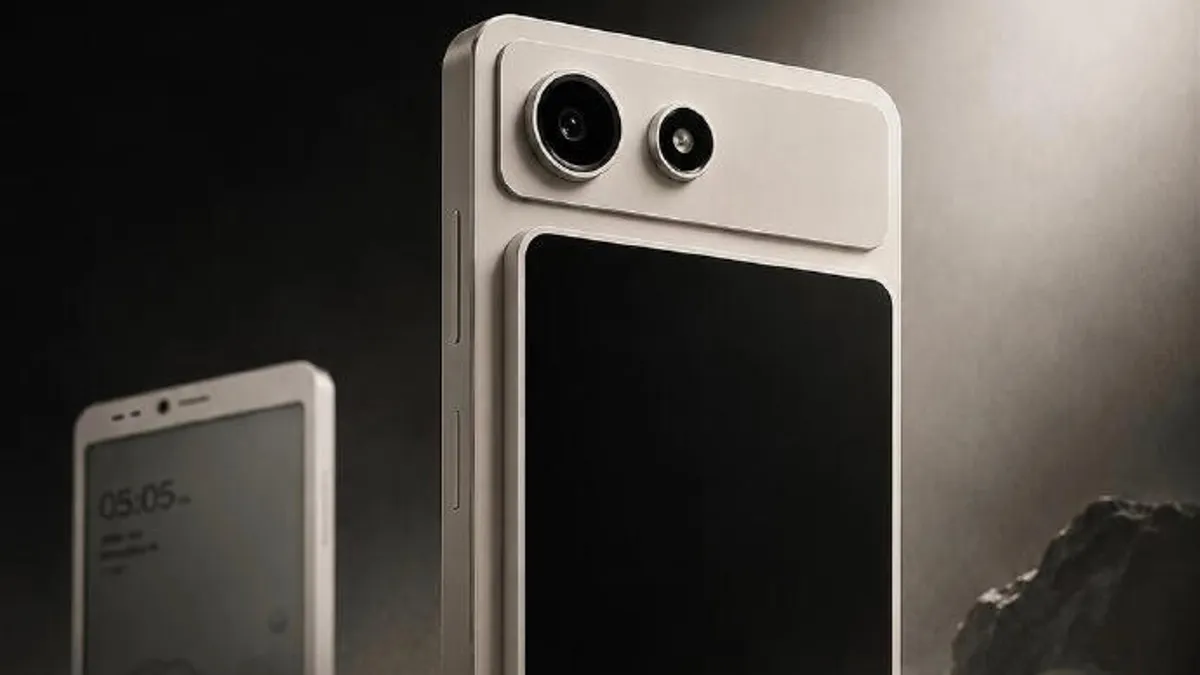
Hisense — a Chinese company known for consumer electronics, primarily televisions and appliances — officially announced the A10 on Monday. As posted by reputable insider Experience More on Weibo, the phone’s main screen uses E Ink, and it also has a detachable color LCD screen on the back. Hisense had teased the A10 last month. 

Available initially in China at around $600, it’s unclear when it might reach US markets. Gagadget said it’s possible that US buyers will have to go through AliExpress, eBay or other specialist traders.

Advertisement

The insider said the detachable magnetic screen might not be included with the phone and will be sold separately. It could be similar to the Vamvo screen that can be attached to iPhones and Android phones.

A10 could offer customers a lot of flexibility. They could take just their main E Ink phone with them for simple calling and texting, keeping their battery life strong, or they could attach the second screen for videos, gaming or other apps that need color and graphics. Hisense didn’t specify how the two screens would communicate data.

In terms of specs, Experience More said the A10’s main screen measures 6.13 inches and is a black-and-white E Ink display. With Android 16, the phone runs on 5G and uses a 4nm Qualcomm octa-core chip, which is not quite as powerful as the Snapdragon 8 Elite.

A Hisense representative didn’t immediately respond to a request for comment. 

Advertisement

Drawn toward E Ink

I’m fascinated by Hisense’s unique twist on the trend of “the more screen, the better,” as foldables take center stage and the Apple Ultra or Fold potentially debuts this fall. But I’m even more interested in a second screen being paired with an E Ink main screen.

E Ink phones are a small market gaining big traction. By replacing harsh, glowing screens with paper-like displays, they eliminate glare, reduce eye strain and significantly boost battery life. The major trade-off is that they aren’t built for fast scrolling or watching videos. But for fans, that distraction-free simplicity is the main attraction.

I’ve used Amazon’s Kindle and a Kobo e-reader — two of CNET’s most highly reviewed brands — and it’s amazing how easy it is to read books on them. With glare-free screens and matte finishes, they even look and feel like real paper. I’m liking the combo of E Ink phone simplicity with video and app versatility.

Tech tester Austin Evans, who has nearly 6 million subscribers to his YouTube channel, said the Hisense A10 offers a nice return to a more minimalist phone experience without sacrificing useful apps.

Advertisement

Though most of us know we spend too much time on our devices, going back to a flip phone means losing access to convenience and social connection, Evans told CNET. 

“An E Ink phone is generally compatible with the apps you rely on, but the screen quality and refresh rate are too limited for extended doom scrolling.” In other words, an E Ink phone could give us the functionality of a smartphone without the addictive nature of a smartphone.

Source link

Advertisement
Continue Reading

Tech

Hermes agent maker Nous Research in talks for new funding at $1.5B valuation

Published

on

Nous Research, the startup behind the open-source Hermes agent, is finalizing a new round of funding led by Robot Ventures, with significant participation from USV and other prominent investors at a $1.5 billion valuation, according to three sources with knowledge of the deal. The company is raising at least $75 million, and fielded a high level of interest from investors, according to the people.

Nous Research declined to comment. USV and Robot Ventures didn’t respond to our request for comment.

The company was founded in 2023 by Jeffrey Quesnelle, Karan Malhotra, Ryan Teknium, Shivani Mitra. Before this round, it had raised a total of $70 million in funding from investors including Paradigm, Robot Ventures, North Island Ventures, OSS Capital, and Balaji Srinivasan, according to Crunchbase.

Weeks after Openclaw’s agent went viral, Nous Research released its own competitor called Hermes. OpenClaw is an agent that runs locally on a PC and can perform tasks on behalf of the user. One key difference is that Hermes shipped with built-in “skills,” such as web search, coding and image understanding. Furthermore, it was designed to automatically learn from people’s usage and build more skills without manual intervention. Additionally, the startup has released language models focused on coding and math.

Advertisement

Just like Openclaw, users can automate tasks with Hermes and chat with these agents or receive messages from them in apps like Telegram and Discord. These tools have become increasingly popular as they allow users to run their AI agents remotely and around the clock.

Open-source and widely adopted, Hermes has amassed a massive following on GitHub, boasting roughly 214,000 stars and nearly 40,000 forks. Developers can run Hermes on a desktop or on a virtual private server.

But Nous Research also offers a cloud-hosted version, which some users may find to be more user-friendly, avoiding any setting up on their own machines. The hosted version is available via various paid tiers ranging from $20-$200 a month.

Sources say the new funding will help to expand Hermes’ products and business model further.

Advertisement

When you purchase through links in our articles, we may earn a small commission. This doesn’t affect our editorial independence.

Source link

Continue Reading

Tech

Get Your ESP32 Sunny Side Up With This Solar Dev Board

Published

on

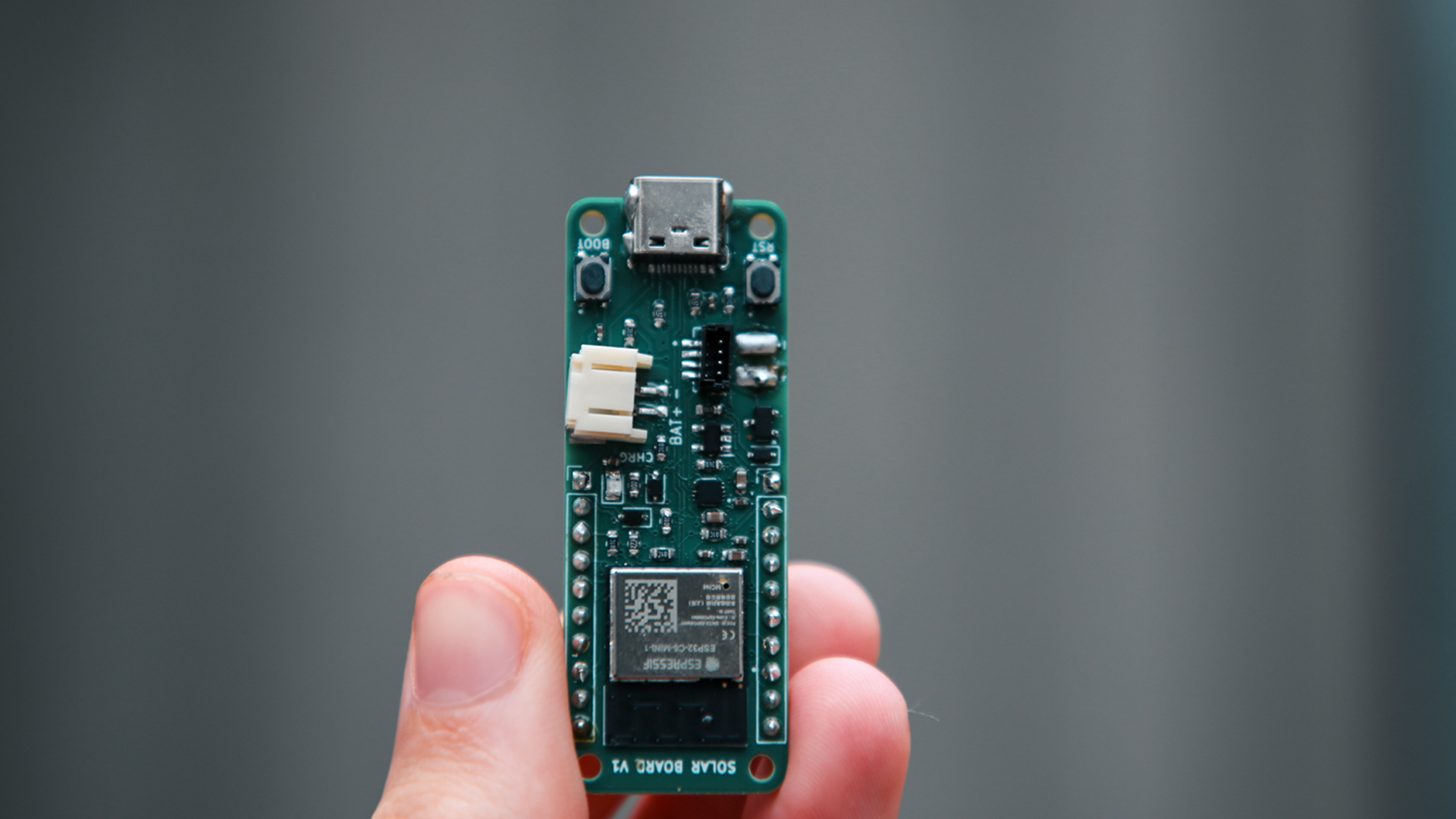
There are a lot of ESP32-based development boards out there– and why not? It’s a versatile chip that can be used in all sorts of situations, and people want boards to match them. Not finding one to his liking that was specifically built for solar powered IoT projects, [Narrow Studios] rolled his own. Well, designed it; like most these days, he’s outsourced the manufacturing to PCBWay, which is where you’ll need to go if you want one.

Why might you want one? Well, if you have similar goals in mind to [Narrow Studios]. He’s put an ESP32-C6 Mini on the board, which means it’s got most of the IoT communications protocols you might be interested in — bluetooth, wifi, Matter, Thread, and Zigbee, too. Ten 10 IO pins have been broken out, plus I2C on a QWIIC connector, which gets you a whole ecosystem of sensors to easily plug into. The “solar” part is justified by the inclusion of a BQ25186 linear battery charging IC from Texas Instruments, with the designated solar power input protected against reverse voltage in case you– like this author– have let magic smoke out by hooking things up backwards. Is it embarrassing? Yes. Does it happen? Also yes, so putting protection on the board is a nice feature. [Narrow Studios] released a video that we’ve embedded below discussing his design choices and demonstrating the device, but the project page can give you the gist.

Of course there’ve been plenty of solar-powered projects to feature the ESP32 here before– you can even use it for maximum power point tracking— but this dev board might be exactly what someone is looking for to build their next IoT project, so we’re thankful to [Narrow Studios] for the tip.

Advertisement


Advertisement

Source link

Continue Reading

Tech

Here’s Where You Can Find The Fastest Speed Limit Sign In Europe

Published

on


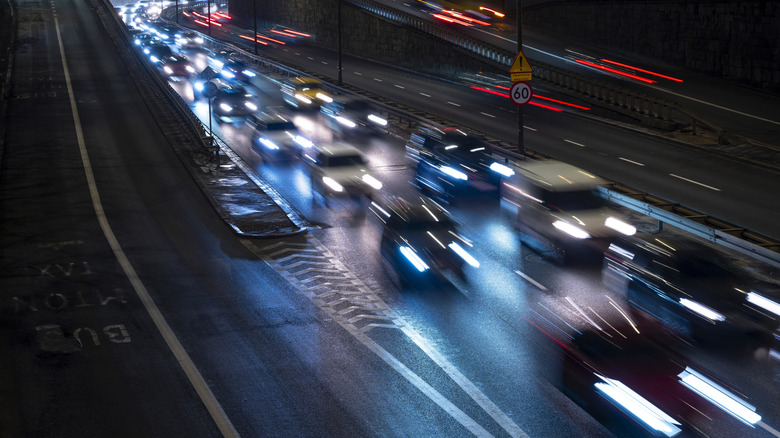
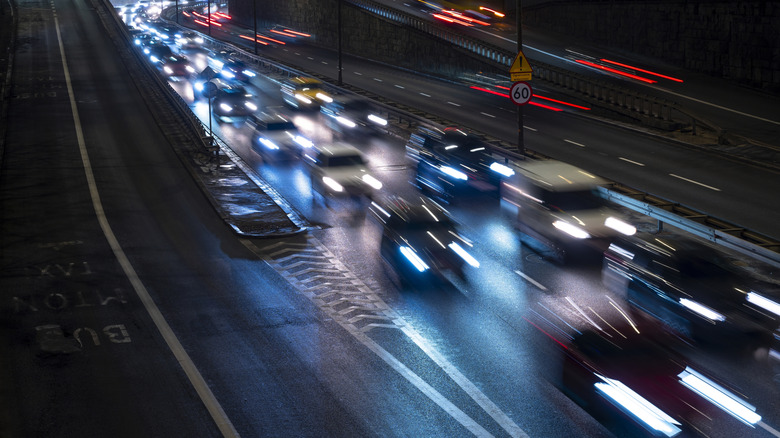
On United States highways, you probably won’t ever exceed 75 mph — unless you want to risk a pricey ticket. There are a few exceptions, like the State Highway 130 in Texas, which has the fastest speed limit sign in America at 85 mph, but even that highway can’t quite match some highways in Europe as far as speedl imits go. Poland and Belgium, for example, have highways with posted speed limits that are higher than SH130.

Poland’s urban areas are limited to 50 km/h (31 mph), while divided highways are limited to 120 km/h (75 mph). But its “autostrada,” or highway, has a speed limit of 140 km/h (87 mph). Don’t expect a bunch of speed demons here, though; these speed limits are strictly enforced and there are heavy fines for those caught driving too fast. 

Bulgaria also has an 87-mph speed limit for specific highways. Most are 75 mph, but newer divided highways with emergency stopping lanes are capped at 87 mph. Lawmakers did propose an amendment to the Road Traffic Act in 2025 that would have lowered the speed limit for certain vehicles to 130 km/h (81 mph), but it was rejected. Neither of these comes close to the highest speed limit in the world, though, which stood at 100 mph until it was reduced in 2026.

Advertisement

Some European roads have no speed limit at all

While the highways in Poland and Bulgaria have the highest posted speed limits in Europe, there are actually two locations in Europe that have public roads without any speed limits. The first is the Isle of Man, a small island in the Irish Sea that has become known among car enthusiasts for its winding, scenic roads and lack of a speed limit. The local police are aware that drivers head there to engage in spirited driving, with enforcement focusing on reminding drivers that they’re still on public roads and should thus drive safely and respectfully.

The second European location with no speed limit is the German Autobahn. This road is more than 8,077 miles, and more than half of those miles have no speed limit — if you’re in a car, at least. The recommended speed is about 80 mph, and drivers tend to listen: The average speed on the Autobahn stood at around 78 mph as of 2025.

Advertisement


Source link

Advertisement
Continue Reading

Tech

Xiaomi unveils its first range-extender SUV and it looks like a private jet on wheels

Published

on


  • Xiaomi reveals its first extended-range electric vehicle
  • SkyNomad will sit separately from its pure EV Xiaomi Auto company
  • The 1.5-liter engine is manufactured by Changan’s subsidiary Harbin Dongang

Xiaomi is set to enter the hotly contested luxury SUV sector with an all-new business that it has dubbed SkyNomad.

Fresh off the success of both the SU7 and YU7, the former of which has outsold the Tesla Model 3 in the Chinese market, smartphone-maker Xiaomi sees a gap in the market for its first extended-range electric vehicle (EREV), which sees a gasoline engine act as a generator to charge battery packs on the move.

Source link

Advertisement
Continue Reading

Tech

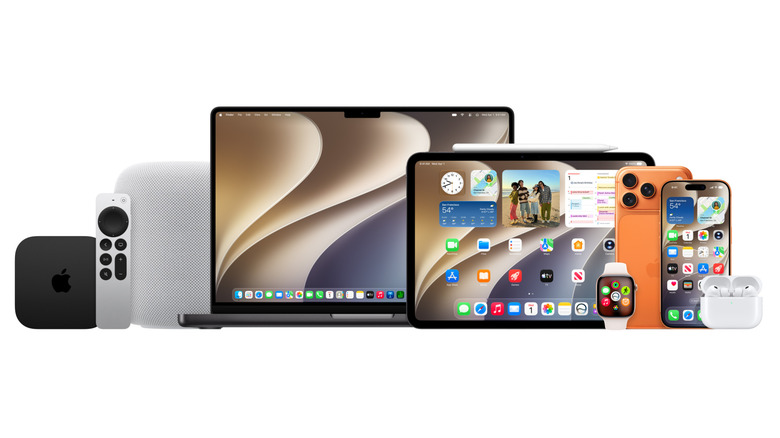
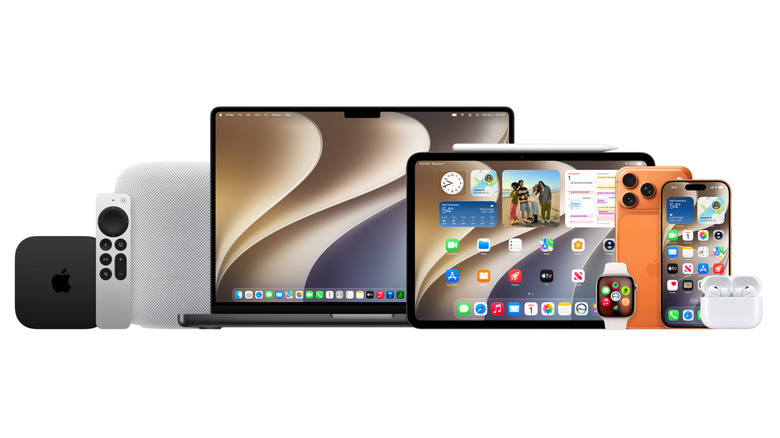
Public Betas For iOS 27, macOS 27 And More Apple Platforms Are Now Available

Published

on

Try the new Siri AI and system-wide performance improvements.

Siri and Apple Intelligence

The headliner of iOS 27 is the long-awaited Siri AI. The new version transforms from a basic voice-command system into a modern AI assistant. It can hold natural conversations, understand follow-ups, answer questions about the content on the screen and perform multi-step actions inside apps. On recent Apple devices, you can even customize the expressiveness of the assistant’s voice. There’s also a dedicated Siri app that stores your history.

Siri AI is available in the public beta for all Apple Intelligence-capable devices. In the early developer betas, there’s been a waitlist to access the new assistant. So, some patience may be required. The new Siri only works in English for now, and it won’t initially be available in the EU.

Not all Apple Intelligence features are Siri-related. Photos now has more robust editing tools, including Spatial Reframing, which adjusts composition after the photo is taken. The Extend feature outcrops images past their original boundaries. There’s also an improved Clean Up tool that’s better at removing unwanted objects. And Image Playground can now generate higher-quality images, including photorealistic styles.

Advertisement

Speed boosts and more features

Even if you don’t care about AI, here’s an iOS 27 update that might interest you: Apple is promising big performance improvements across the board. The company says apps launch up to 30 percent faster, newly captured pictures appear in the Photos app up to 70 percent faster, and AirDrop transfers can be up to 80 percent faster. (Although I can’t vouch for specific numbers, my devices felt noticeably zippier on the early iOS 27 developer betas.)

Elsewhere, Safari can declutter your workflow by automatically organizing your tabs into groups. It also has a new Notify Me feature that monitors webpages for price changes or restocks. The Passwords app can detect weak passwords and automatically update them. And in the Shortcuts app, you can create new automations by describing what you want in natural language.

Advertisement

iOS 27 (and its brethren) also addresses criticism of last year’s big design overhaul: Liquid Glass. The new version has readability improvements, and there’s a slider to customize the effect.

Once you’re on the iOS 27 beta, you can install a public beta for AirPods. The new software adds a custom equalizer, an adaptive audio slider and a new settings menu.

Advertisement

watchOS 27, macOS 27 Golden Gate and iPadOS 27

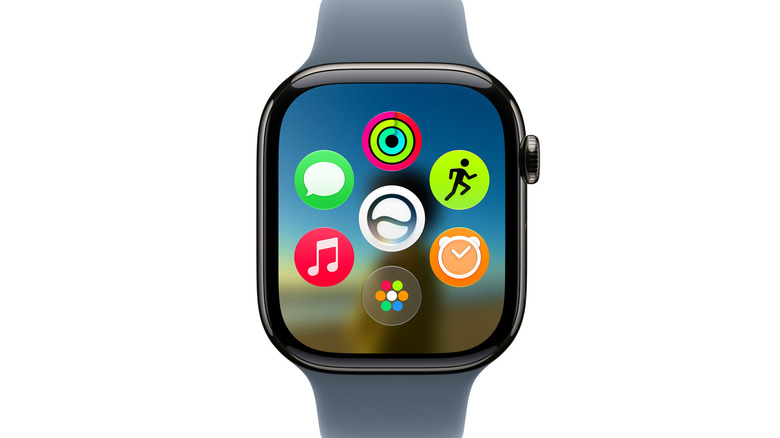
Siri AI will also be coming to the wrist, where it could be handy for answering questions mid-workout or while you’re otherwise on the move. watchOS 27 adds a new Dynamic App Grid that surfaces apps you’re most likely to need. The Apple Watch gets a new single-tap gesture that lets you select a widget in the Smart Stack to see more info. (You can still double-tap to scroll.) Menstrual tracking adds menopause and perimenopause support. And Workout Buddy gets some upgrades: new workout data insights, the ability to work without a nearby iPhone, and Spanish-language support.

Apple is positioning Siri AI as a productivity tool in macOS 27 Golden Gate. Like with other devices, you can summon the assistant directly from Spotlight, use it to analyze what’s on your screen or rely on it for writing help. There are also a few Mac-specific Liquid Glass and other design improvements, including uniform toolbars, edge-to-edge sidebars, and more refined window shapes and menu bar icons.

What about iPad owners? iPadOS 27 includes all the aforementioned iOS 27 features, but there isn’t much that’s unique to the tablet this year. Visual Intelligence, which can analyze anything on your display via screenshots, works with the Apple Pencil: just circle what you want to learn about. And external hard drive support gets a boost: Apple says file transfers between iPad and an SSD are now up to five times faster and “just as fast as Finder on Mac,” according to the company.

Advertisement

How to install

Keep in mind that these are early versions of the software. Bugs, battery drain and other issues will likely pop up. (Apple hopes you’ll use the Feedback app to help it optimize the software before the final release.) If you want a safer balance between cutting-edge features and stability, it couldn’t hurt to wait for at least the second or third public beta.

If you’ve never installed pre-release software before, you’ll need to enroll in the Apple Beta Software Program first. Once you’re in, you can download the beta software by navigating to Settings > General > Software Update. Under the Beta Updates section, choose the “27” public beta for your device.

Advertisement

Source link

Continue Reading

Tech

Already rich, already successful, why the last wave of tech winners is grinding again

Published

on

A pattern is emerging among people who’ve already made it big. They’re rolling up their sleeves again, seemingly out of fear of missing AI’s defining moment and, presumably, the irresistible allure of making even more money — potentially a lot more.

Tom Blomfield, who co-founded GoCardless and Monzo before spending 4.5 years mentoring founders as a Y Combinator Group Partner, announced on Monday that he is taking a leave of absence to join Anthropic’s compute team — not as an executive, but as a member of technical staff.

He’s not alone in making that kind of move. Instagram co-founder Mike Krieger joined Anthropic as Chief Product Officer in 2024, and Andrej Karpathy, a founding member of OpenAI who went on to lead AI at Tesla and start his own company, Eureka Labs, joined Anthropic’s pre-training team in May, framing the decision almost identically to Blomfield’s, writing that “the next few years at the frontier of LLMs will be especially formative.”

Not everyone is joining someone else’s lab. Chamath Palihapitiya, the “SPAC King” who has mostly stuck to boardrooms and all things “All In” since leaving Facebook in 2011, just took his first full-time operating role in over a decade as CEO of 8090 Labs, his enterprise AI coding startup, which he announced a couple of weeks ago along with a $135 million Series A led by Salesforce Ventures. Wrote Palihapitiya on X, “I am convinced that what we are building now is even more important, so there was no decision to make except to be all in.”

Advertisement

Similarly, Eric Wu, who ran Opendoor for a decade before stepping back in 2023, recently launched NavigateAI, an AI “copilot” for construction workers, with $25 million in seed funding. Wu told me directly on a recent call about his decision to dive into an AI startup, “I knew if I looked back in 10 years and didn’t do something related to it, I would probably regret that.”

The clearest sign of how keen people who’ve already “made it” are to work on what they view as the still-early-innings of AI might be the job title itself. “Member of technical staff” is the deliberately flat, non-hierarchical label that Anthropic and OpenAI use for nearly everyone on their technical teams, regardless of seniority. It’s the same title Blomfield is taking.

It’s also the title that Peter Bailis took this March, just months after becoming Workday’s CTO, a role overseeing AI strategy across an $8 billion-revenue business. Bailis lasted less than a year before trading it for a spot at Anthropic.

When you purchase through links in our articles, we may earn a small commission. This doesn’t affect our editorial independence.

Advertisement

Source link

Continue Reading

Tech

Former CDC CMO: RFK Jr. Is Doing ‘Irreparable Harm’

Published

on

from the alarm-bells dept

I’m not sure who out there is in RFK Jr.’s corner anymore, beyond some unfortunately powerful people in seats of federal power at the moment. That Kennedy’s tenure at HHS has lasted even this long is as absurd as it is dangerous, given the mountains of chaos he’s created in a mere year and change thus far. All of this anti-vaxxer nonsense, the seemingly random attacks on Tylenol of all things, an ongoing measles outbreak he’s mismanaging, and an inability to follow proper governmental procedure has produced a sample size of sucking that really should have been enough to get him booted from office at this point. Whatever you might think of Kennedy’s conspiracy theories and policies, there is simply no arguing that he doesn’t completely suck at his job.

The public polling around Kennedy has reflected this reality. Spineless senators who once supported him in the role are turning their backs. And then there are the warning bells being rung from people who were very recently insiders at CDC, such as its former Chief Medical Officer.

Dr. Debra Houry, the former chief medical officer at the Centers for Disease Control and Prevention (CDC), decried the direction of the agency under Department of Health and Human Services (HHS) Secretary Robert F. Kennedy Jr. 

“I think the secretary has caused a lot of irreparable harm, and when you look at many of the polls out there, the trust in public health, specifically CDC, has decreased dramatically, over 20 points in many polls,” Houry told host Margaret Brennan in an interview that aired Sunday on CBS News’s “Face the Nation.”

“That’s really difficult to recover from, and when states are removing links to the CDC website and following other medical organizations, I don’t know how you build back that trust overnight,” she added.

Advertisement

You absolutely don’t and this is a point I’ve been making for many months. It doesn’t take much skill or time to destroy the trust the public has in federal health officials. That part is very fast and very easy, as Kennedy is demonstrating. But to rebuild that trust, to win back the faith of the public, is going to take years, or decades, or perhaps may never really happen at all. The consequences of the idiotic placement and confirmation of RFK Jr. to lead HHS is going to span decades. The nihilists who managed to put this current cadre of clowns into federal office may not understand that, or may simply not care. But that is the reality.

poll conducted by Harvard University’s T.H. Chan School of Public Health and the de Beaumont Foundation’s Public Health Listening Lab from March 19 through April 1 found that 50 percent of 2,205 U.S. adults said they trust health recommendations from the CDC. 

In spring 2025, 77 percent of respondents to a similar survey conducted by the joint pollsters said they trust recommendations from the agency.

Whenever this country moves past the MAGA era, it’s going to have what might be the Sisyphean task of repairing all of this damage. And not just in terms of reestablishing good, sane health policies. That’s just part of the task. The other will be the public messaging that must go along with it. That is equally, if not more important to repairing all of the damage Kennedy has and is doing. It’s not enough to have good policy built on science. Someone has to actually get the public to buy into and trust in those policies.

And the public is going to be in a very reasonable place when they ask why they should trust the next government to not be anymore idiotic than this one.

Advertisement

Filed Under: cdc, debra houry, health, health & human services, rfk jr.

Source link

Advertisement
Continue Reading

Trending

Copyright © 2025