
Entertainment
Fashion Magazine Empire That Inspired Devil Wears Prada Involved In Real Life Soap Opera

By Jennifer Asencio
| Published

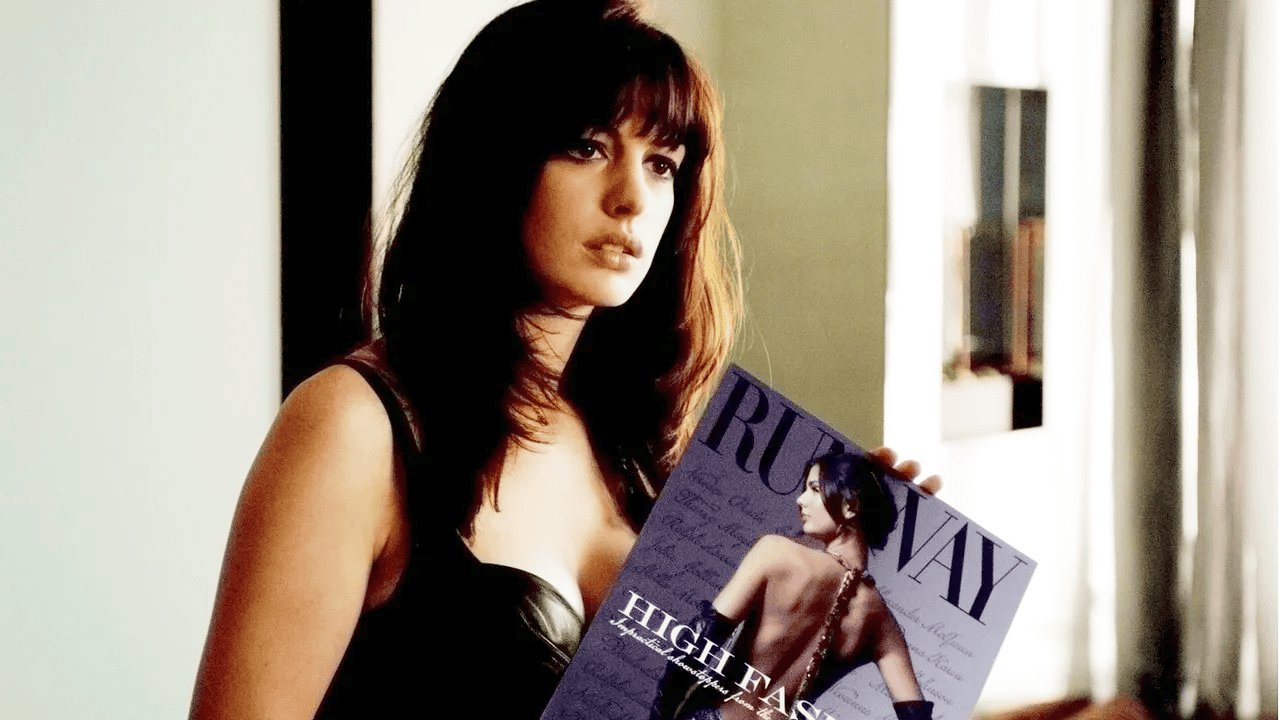
Miranda Priestly, the domineering editor from The Devil Wears Prada, was inspired by Anna Wintour of real-world publishing empire Conde Nast. A series of events over the past few weeks has sent Conde Nast reeling as the company discovers that people are tired of activism posing as journalism. Even the New York Attorney General is weighing in on a situation that has led to layoffs, firings, and union actions.
The drama started when the company decided to fold its online publication Teen Vogue into the flagship Vogue title. This led to the layoff of the majority of Teen Vogue‘s staff and its entire political desk. Other Conde Nast employees then congregated outside the HR office in an attempt to get a meeting with the HR director, going so far as to pursue him up and down a hallway when he couldn’t meet with them immediately. In videos posted of the incident, the writers are heard asking the HR director what he planned on doing to “fight Trump.”

What the company’s writers don’t seem to grasp is that the reason Teen Vogue ceased to be an independent publication is that readers don’t want to “fight Trump” in a fashion magazine. The magazine was primarily read by women in the 18 to 24 demographic, which is the same target audience as its parent magazine, so it wasn’t serving its stated audience anyway. But it also wasn’t living up to its brand name.
The swing to politics by the Teen Vogue desk was just one of many examples of “activist journalism,” in which the news and facts are set aside in favor of forming “the right” opinions. This type of thought-leadership exploded throughout the media since the 2015 primaries, from Teen Vogue to Kotaku and Game Informer to the biography of Dungeons & Dragons.
Recently, another Conde Nast publication came under fire for an interview with Sidney Sweeney in which the interviewer asked questions that seemed biased toward getting the actress to decry her American Eagle ad campaign. The magazine, along with much of the media, fostered this kind of distrust because, for so long, only certain opinions were published, while the rest were deemed politically unacceptable.
Struggling writers were being told to “learn to code,” while activist journalists dictated to the rest of us what to think through articles with titles like “The Air Quality Index, explained.” They’re still trying to tell us how to parse Sidney Sweeney, over a week after the interview.
Both the reaction to the Sweeney interview and the Teen Vogue upheaval are hopeful signs that the activist class of writers is being relegated to the right genre and not being made responsible for reporting news. As the Conde Nast drama has shown, even fashion news is susceptible to being taken over by those more interested in politics than fashion. One wonders what Miranda Priestly would do if she were in charge right now.



