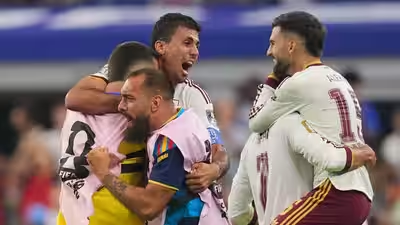
Playes of Spain celebrate defeating France in a World Cup semifinal match on Tuesday, July 14, 2026. (AP Photo)
A clinical and disciplined Spain advanced to their first FIFA World Cup final in 16 years after brushing aside neighbours France 2-0 in a high-octane semifinal clash at the AT&T Stadium on Tuesday. A first-half penalty from Mikel Oyarzabal and a brilliant second-half strike by Pedro Porro sealed a memorable victory for La Roja, crushing French dreams of reaching a third consecutive final.The victory marked the third consecutive summer that Spain has eliminated France in the final stages of a major tournament, following their triumphs in the Euro 2024 semifinals and last year’s Nations League. Teen sensation Lamine Yamal, who celebrated his 19th birthday just a day prior, proved to be the architect of destruction once again, validating his pre-match warning that France should fear this Spanish side.Spain opened the scoring in the 22nd minute after Yamal’s sharpness caught the French defense off guard. French veteran defender Lucas Digne misjudged a header in his own box, allowing a sprinting Yamal to steal in from behind. In a desperate attempt to clear the danger, Digne kicked the teenager, prompting the referee to point straight to the penalty spot.Mikel Oyarzabal stepped up calmly and sent the goalkeeper the wrong way to net his fifth goal of the tournament. The strike marked the first time either heavyweight nation had trailed at any point in this entire World Cup campaign.France, the top-ranked team in the world, struggled to find their usual rhythm as Kylian Mbappé was kept quiet by a resolute Spanish backline. Spain completely took the game away from Les Bleus in the 58th minute. Pedro Porro initiated a beautiful give-and-go passing sequence with Dani Olmo before driving a powerful shot into the net to make it 2-0.Yamal almost added a third just moments later, but his close-range finish was ruled out by a tight offside call. France threw bodies forward late in the game but failed to breach the organized Spanish defense.Spain will now travel to East Rutherford, New Jersey, for Sunday’s grand finale at MetLife Stadium, where they will face either defending champions Argentina or England. Meanwhile, a disappointed French team will head to Miami Gardens on Saturday to compete in the third-place playoff match.
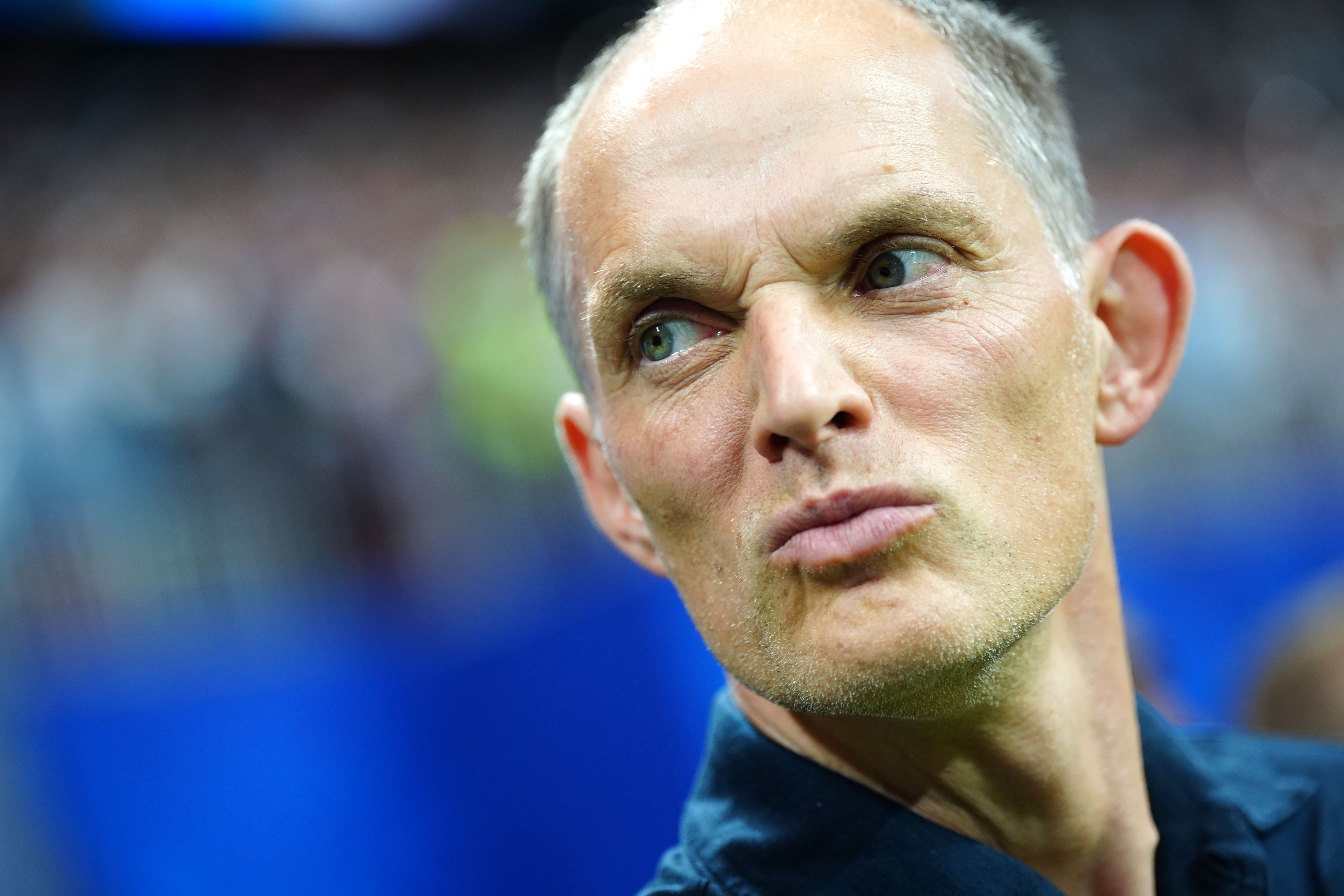
England’s long wait to win a World Cup or even reach the final goes on after a loss to holders Argentina on Wednesday, but manager Thomas Tuchel prefers to see it in football terms and not as a curse after a clash he described as two separate games.
“None of these players, none of the French players want to play this match. They want to play in the final. We gave everything to be in the final. Everyone plays to win the World Cup, but it is what it is.”
England have not reached the decider since lifting the World Cup for the only time in 1966, and they looked like getting that monkey off their back until Argentina netted two late goals for a 2-1 win in the semi-final.
Thomas Tuchel came in for criticism after England’s World Cup exit (PA Wire)
“I love to see these things in a football matter and not through football curses,” Tuchel told reporters.
“I don’t believe so much in an English thing and in a curse or whatever, history repeating itself in these moments.
“It’s just like it’s different coaches, different players, different situations, different opponents. So I think basically I believe in the football thing.”
Advertisement
England took the lead in the 55th minute through Anthony Gordon but Argentina then seized control and Tuchel’s side failed to withstand the pressure or find a way to gain some possession.
“I think at that point of the match, it was deserved, that we take our moment and go 1-0 up,” Tuchel said.
“Unfortunately, and strangely enough, it marked then a complete momentum switch in the game.”
Argentina played with more risk, played with more rhythm, played with a feeling maybe that they have nothing to lose anymore, which freed them up and held us back because we obviously played suddenly with a feeling that we have a lot to lose.
Advertisement
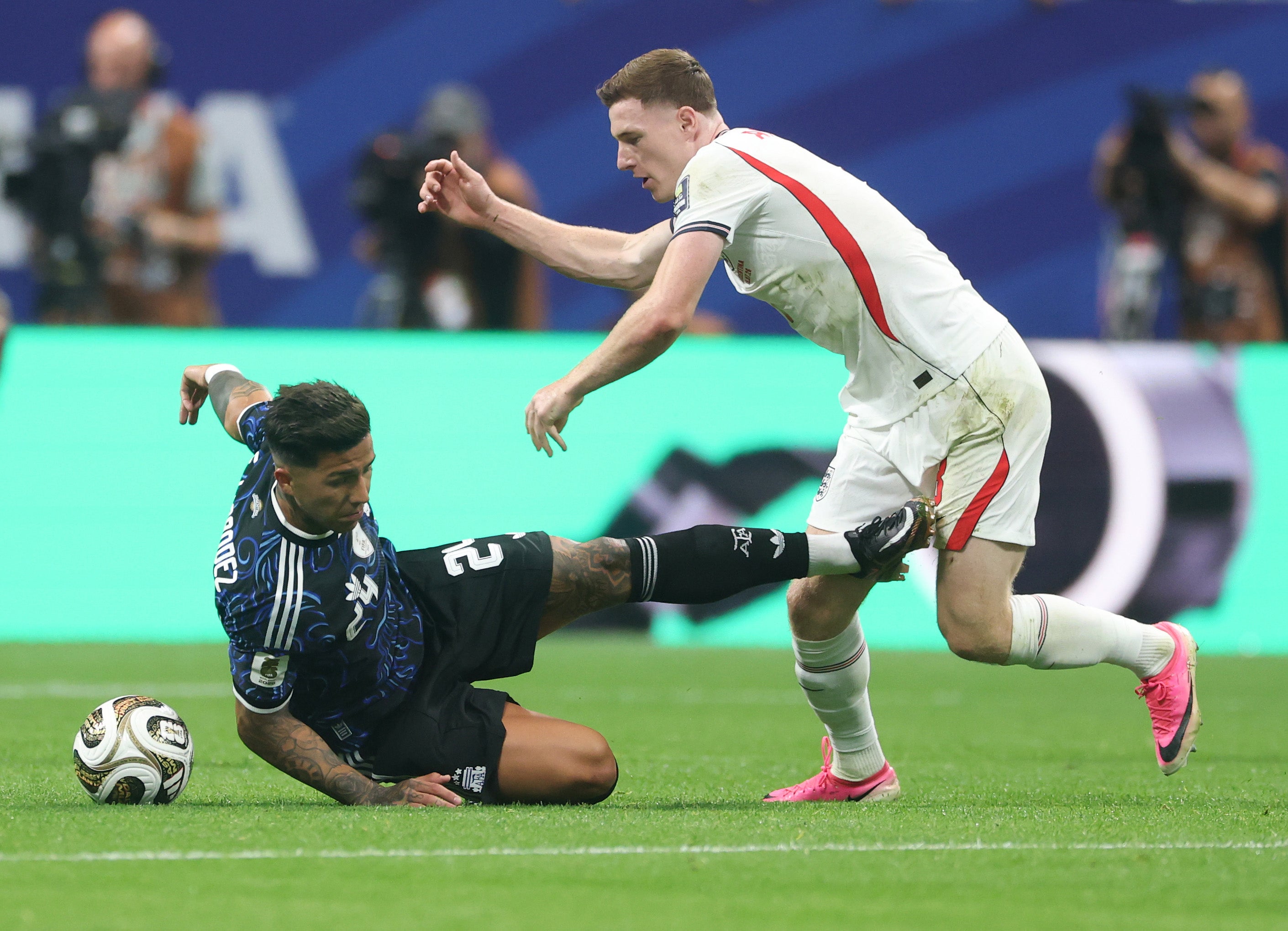
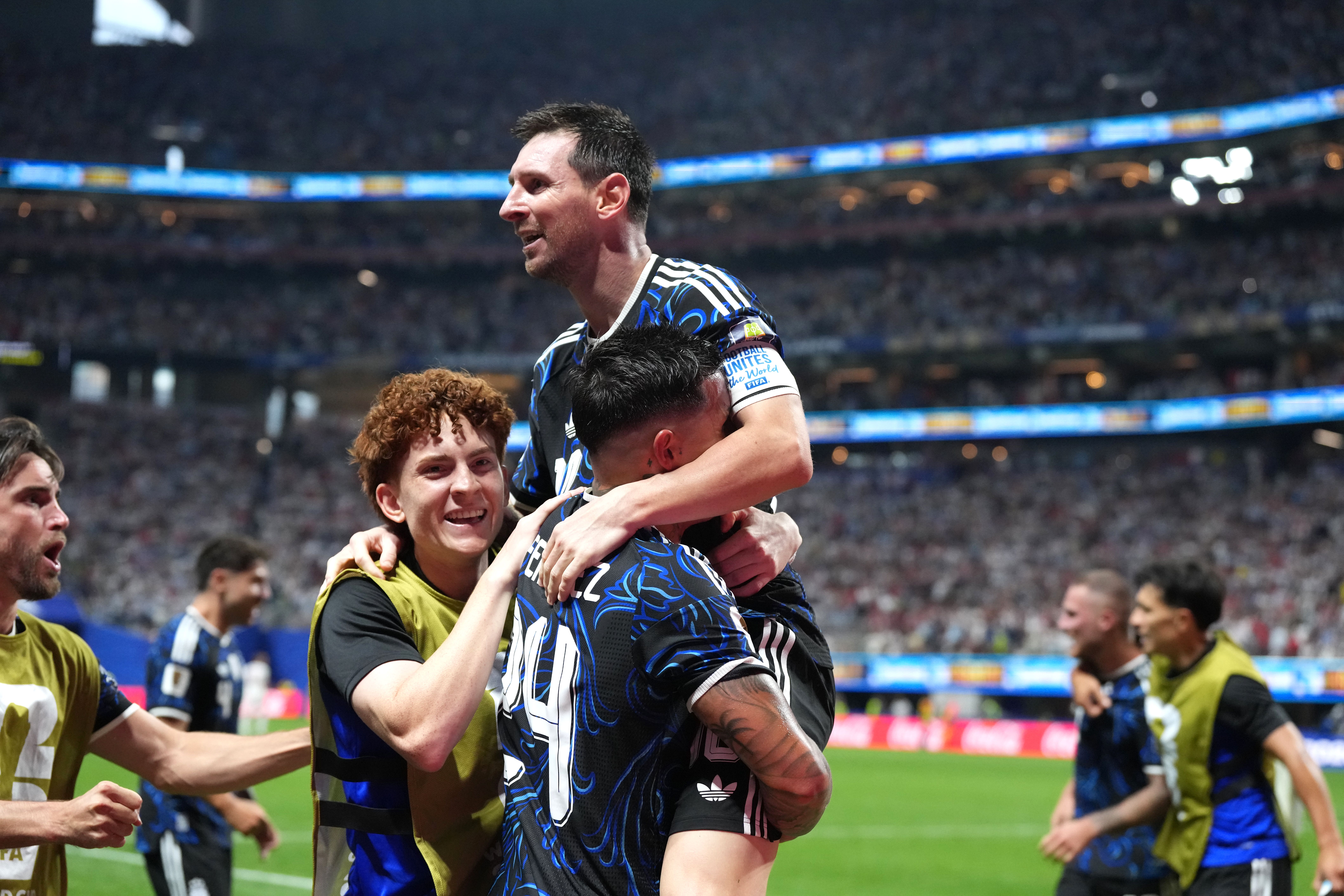
Enzo Fernandez #24 of Argentina and Elliot Anderson #8 of England during the FIFA World Cup 2026 Semi Final match between England and Argentina at Atlanta Stadium on 15 July 2026 in Atlanta, Georgia (Getty)
“I think it’s two completely different matches. It’s until the goal and then after the goal.”
Tuchel received great praise for getting England this far, coming through tough battles with DR Congo, Mexico and Norway, but is already under fire for the changes made against Argentina after taking the lead and setting up too defensively.
“That’s just the nature of the game. As soon as you lose, you get criticised,” the German said.
“That’s just what it is. You get criticised after. No one knows what would have happened if you made different decisions. So it makes no sense to engage in that and lose my head. I’m responsible for them. I took them, so I take the criticism.”
England now have the unwanted consolation prize of a match against France for third place on Saturday, and for Tuchel now is not the time to look back with pride on what they accomplished.
Advertisement
“A lot of big football nations are eliminated before the semi-final, so it is an achievement,” Tuchel said. “No one wants to hear that at the moment. Me neither, because we demand the most of ourselves.
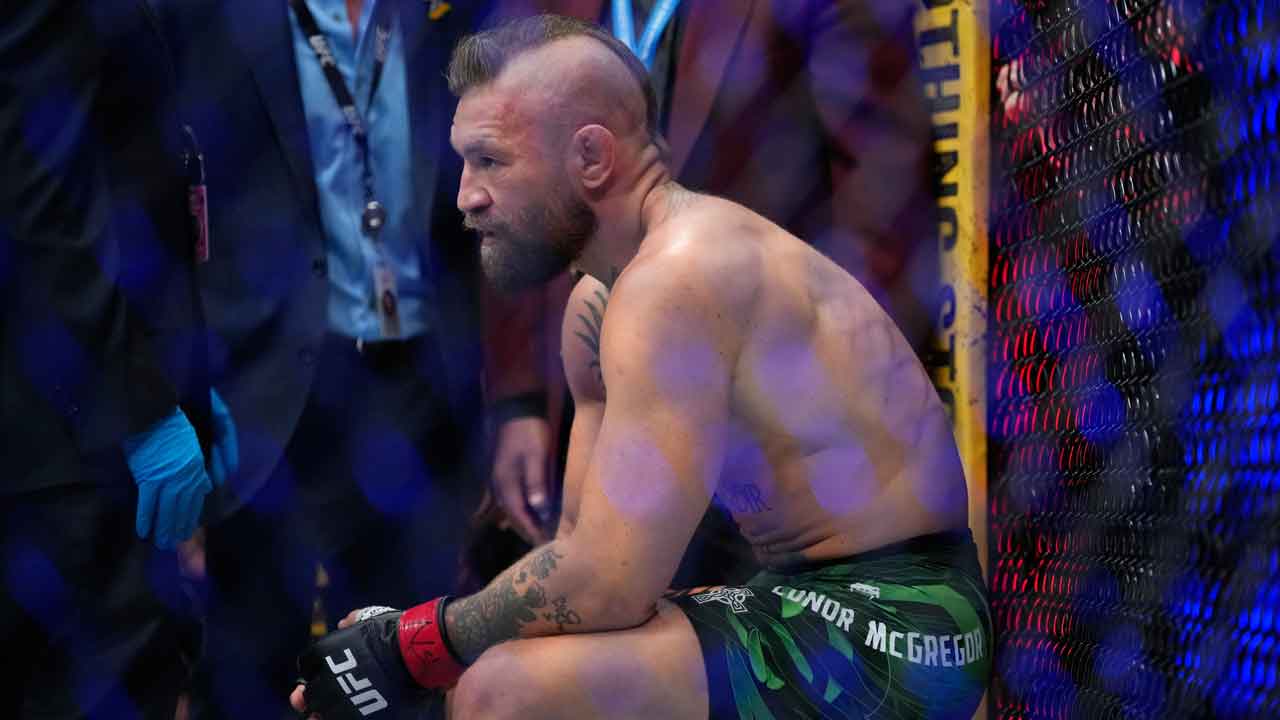
The “Notorious” took to Instagram on Wednesday to provide fans with an update on the heels of his TKO loss to Max Holloway at UFC 329 last Saturday.
McGregor revealed that the extent of the knee injury he suffered — moments into his main-event bout against Hollaway — would be revealed with scan results on Thursday.
The MMA star also made sure to express his disagreement with the fight being ruled a TKO loss for himself, which marked McGregor’s third consecutive defeat going back to 2021.
Advertisement
“The fight should be a no contest and all bets returned,” McGregor wrote.
The Irishman’s much-anticipated return to the octagon after a five-year hiatus was cut short when he appeared to injure his leg while attempting a flying kick — in the opening seconds of the fight — and landed awkwardly. McGregor was seen losing his footing during multiple exchanges with Holloway after that, and eventually, official Mike Beltran stopped the bout just 1:09 into the first round.
Despite McGregor’s claim that the bout should’ve been ruled a no-contest, there is no precedent to determine that outcome. The injury was sustained after the fight had officially begun, and with McGregor no longer able to continue, the ruling was deemed TKO (injury).
While there was some speculation that McGregor may have entered the bout with a pre-existing injury, he took to social media shortly after the loss to quell those rumours and express his disappointment with the outcome.
Advertisement
“My head gasket is gone. Destroyed. I had no injury/injuries going into the fight. I was throwing kicks, planted and jumping, all throughout camp as well as backstage before the fight. This came out of nowhere. I am beyond dark here. I can only describe it as hell,” McGregor wrote.
He has one fight remaining on his current UFC contract, and despite the loss and injury, he appears determined to finish the deal.
“Surgery. Prehab. Return to martial arts practice. Go again. Final fight of the contract. Please God!” McGregor wrote in an Instagram post. “The devil is literally staring at me right in front of my face here. I am not engaging … I will overcome this. I will not be deterred. I will return.”
England did what Algeria, Austria, Jordan, Cape Verde and Egypt all failed to do. Lionel Messi didn’t score. The greatest goalscorer in World Cup history took only one shot and it didn’t trouble Jordan Pickford. England harried him, frustrated him and badgered him out to the right wing. But there they discovered a truth: that goals are just one strand of his multifarious brilliance. Messi created one, then another, and sent England back across the Atlantic.
Messi’s assist for Argentina’s equaliser may have been a routine pass to Enzo Fernandez, but his sheer presence had already dragged England defenders across, out of shape, leaving holes to puncture. His assist for Argentina’s winner was a little piece of brilliance, driving down the right wing and floating a cross over John Stones’ desperate leap before dropping precisely onto the forehead of Lautaro Martinez.
Messi barely had a kick for an hour, and left Atlanta with the man of the match award. Now he marches – or perhaps walks – on to another World Cup final. Only one man, Cafu, has played in three finals and Messi will match that feat on Sunday.
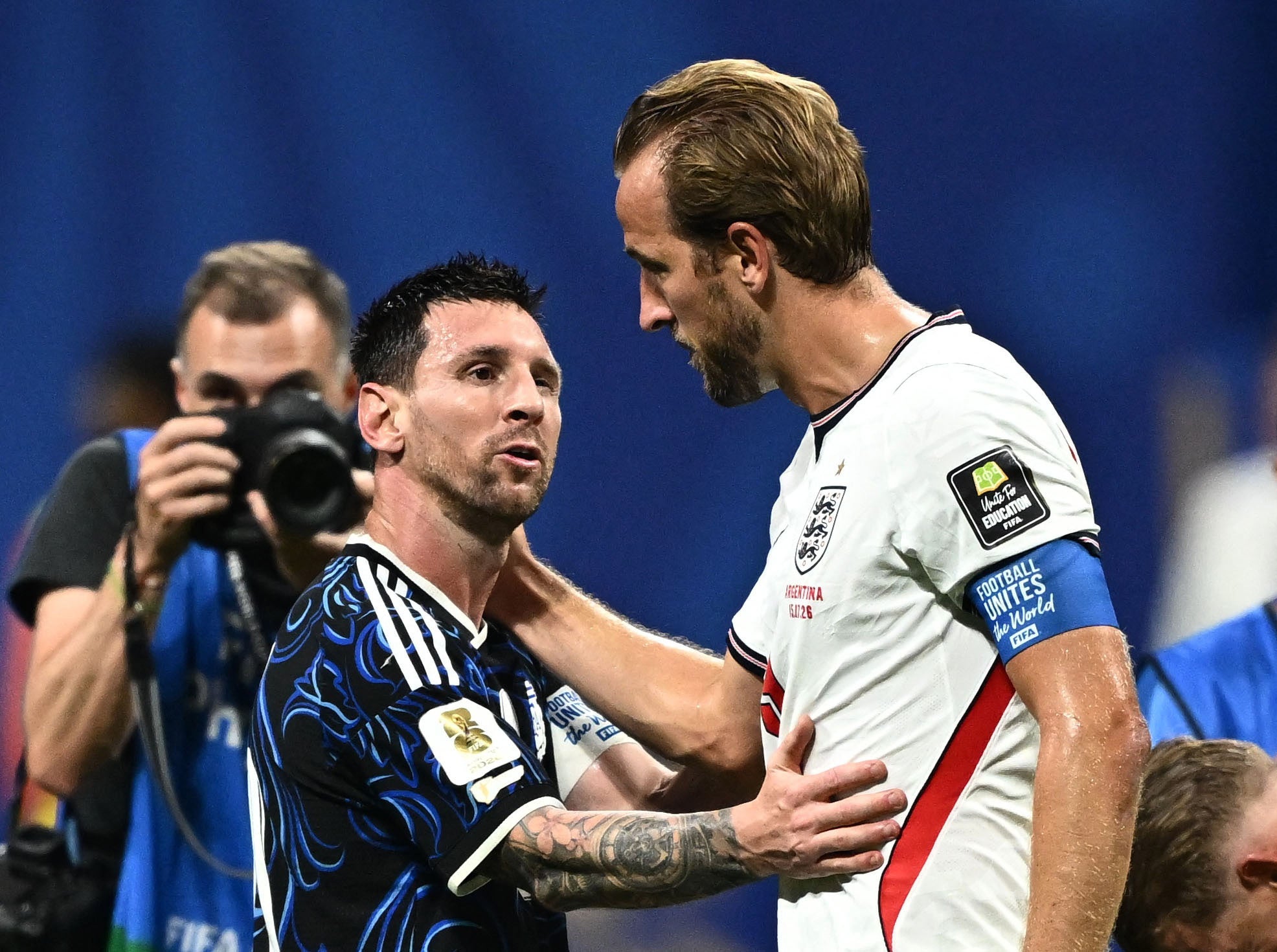
Lionel Messi consoles Harry Kane at the full-time whistle (Reuters)
Messi’s first, Rio de Janeiro in 2014, caused him nightmares for years afterwards. Messi missed a crucial one-on-one with Manuel Neuer, before Mario Gotze scored Germany’s winner in extra time. It would be eight years until he returned to the final, scoring twice in Doha and rolling home the most audacious penalty in the shootout to finally get his hands on the trophy he most prized, laying to rest the ghosts that haunted him.
Having spent so many frustrating years chasing international success, facing scrutiny and criticism at home in Argentina, he might now bow out with a second World Cup to go with those two late-career Copa America glories. Messi’s career can essentially be broken into two halves: a spell for Barcelona that altered how football is played, how it is understood; and a spell for Argentina to alter how history is written, how his story will be told.
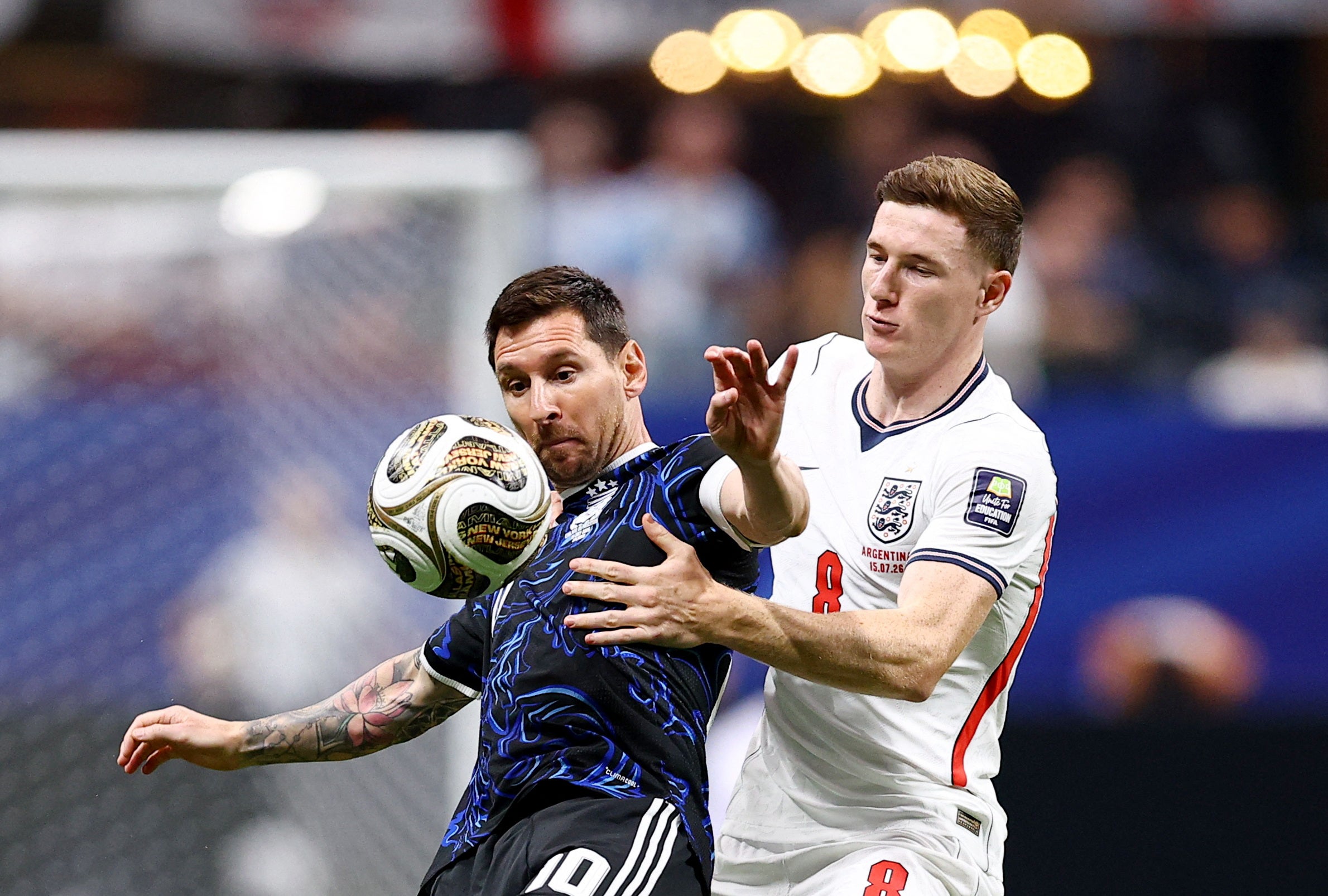
He was kicked to the fringes for much of this semi-final in Atlanta, squeezed out of the middle of the pitch. Within five minutes, Elliot Anderson and Harry Kane crunched him between their bodies. Djed Spence snapped in to poke the ball and when Messi didn’t get a free-kick, he gave referee Ismail Elfath a scowl. Anderson took a yellow card knocking him down in full flight, the briefest glimpse of Messi’s quick feet in a quiet first half.
Advertisement
Messi battles England’s Elliot Anderson in midfield (Reuters)
But in hindsight, perhaps England’s greatest mistake was to score a goal. They retreated back onto their own box – a tournament trait as English as eating fish and chips – and they stopped pressing, counter-attacking or playing much football at all. It was a tactic Tuchel had succeeded with in Mexico City a couple of weeks earlier, but there England were down to 10 men. Here there was no such pressure, and the strategy only emboldened Argentina.
England dropped dangerously deep and Messi emerged from the shadows. His greatest trait is often said to be finding space, understanding the geometries of a game, the moving pieces. Messi doesn’t watch the ball, he watches defenders, mapping his opponents in his mind and searching for soft spots. For a brief moment he became cartographer, taking mental notes, drawing in the enormous contours of Dan Burn’s head.
A study of Messi’s interpretation of space, conducted while he was at Barcelona by a professor of applied mathematics, David Sumpter, discovered that Messi was finding space several seconds before it appeared, anticipating gaps that didn’t yet exist. Messi, Sumpter concluded, is “one of those rare people who has something beautiful and unique in his head which allows him to do what he does … It’s the knowledge that you can’t explain … He finds solutions where mortal people aren’t able to do so.”
Lionel Messi inspired Argentina’s comeback in Atlanta (Nick Potts/PA) (PA Wire)
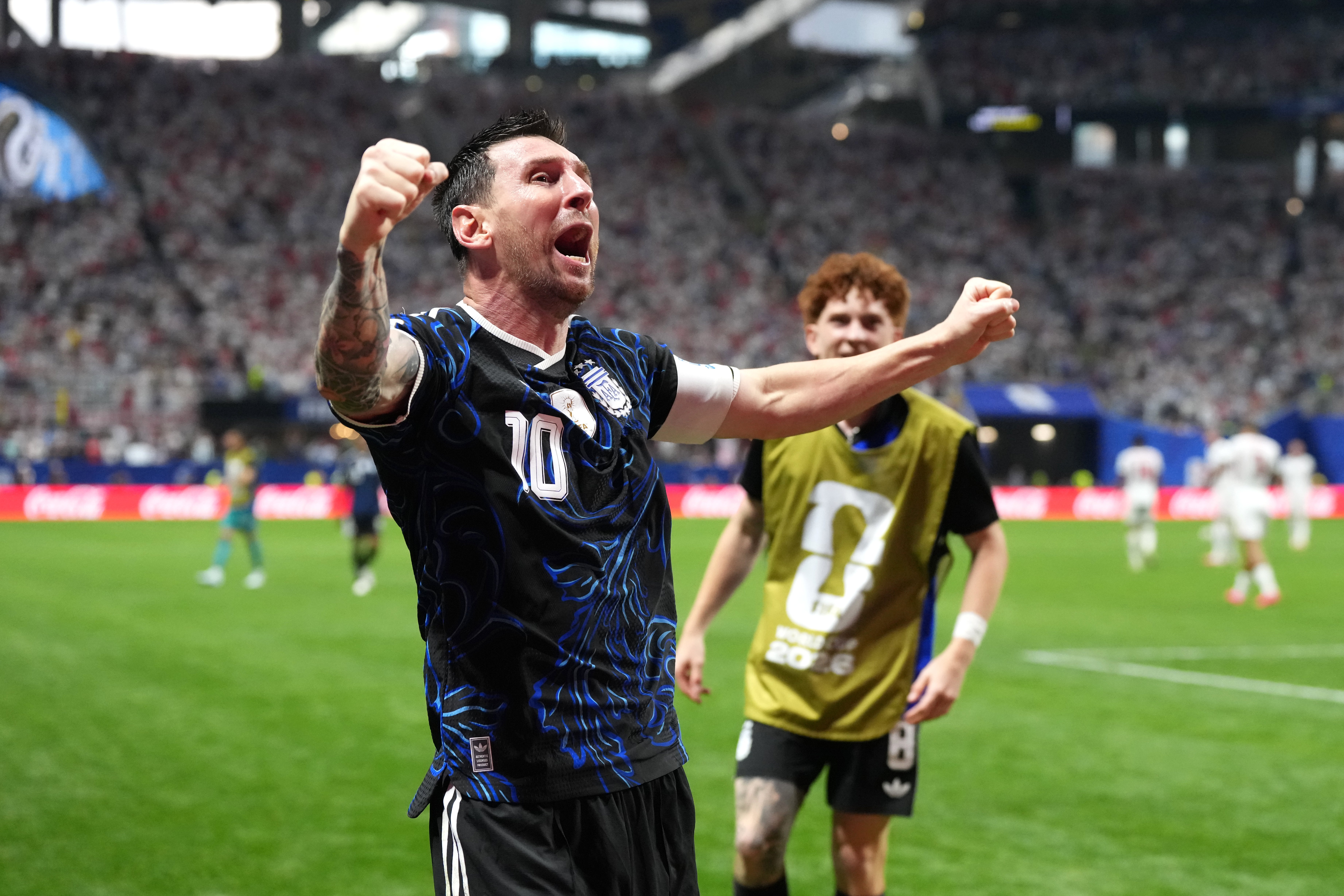
Messi celebrates their side’s second goal of the game with teammates at the Atlanta Stadium (Nick Potts/PA)
And so Messi drifted into a space on the right side, on the ragged edge of England’s midfield, and got to work. He began jinking away from tired legs, curling in pinpoint crosses onto the heads of arriving teammates. John Stones intervened, Jordan Pickford made a vital save. The woodwork spat out a couple more.
But England couldn’t get out, drowning in their own penalty area, and Messi seized the moment. He took a short corner and when he received it back to his feet, Kane, Spence and Anderson all became attracted to him. Messi slipped the pass to Fernandez for a free strike at goal, and Argentina were level.
Minutes later he was dancing towards the box and then driving to the byline, Spence and Nico O’Reilly a couple of strides too slow, and the cross was exquisite, a low arcing trajectory, fast in flight, dropping out of the sky at just the right moment. Messi hadn’t scored, but he had made it almost impossible for Martinez not to.
Advertisement
At the final whistle Messi sank to his knees, just as he did when Argentina won the World Cup four years earlier. He was physically spent, emotionally empty. There is still one almighty opponent ahead, a greater hurdle to overcome. But for Messi, the last dance is not over yet.
eMed CEO Linda Yaccarino and Chief Wellness Officer Tom Brady reveal their strategy to revolutionize healthcare by expanding access to GLP-1 medications. Yaccarino highlights eMed’s 90% adherence rate through AI and clinical support, addressing chronic diseases like heart and liver conditions. Brady emphasizes the importance of health and wellness, aiming to democratize access to essential medical treatments and support long-term behavioral change for employees.
NEWYou can now listen to Fox News articles!
Advertisement
Tom Brady built a Hall of Fame career by proving himself every Sunday. He expects Las Vegas Raiders rookie Fernando Mendoza to do the same.
Speaking with Liz Claman on FOX Business’ “The Claman Countdown,” Brady wasn’t interested in fueling offseason quarterback fever. As far as the Raiders minority owner is concerned, Mendoza hasn’t earned anything yet.
“Well, I love Fernando, but Fernando is like every other young rookie,” Brady said.
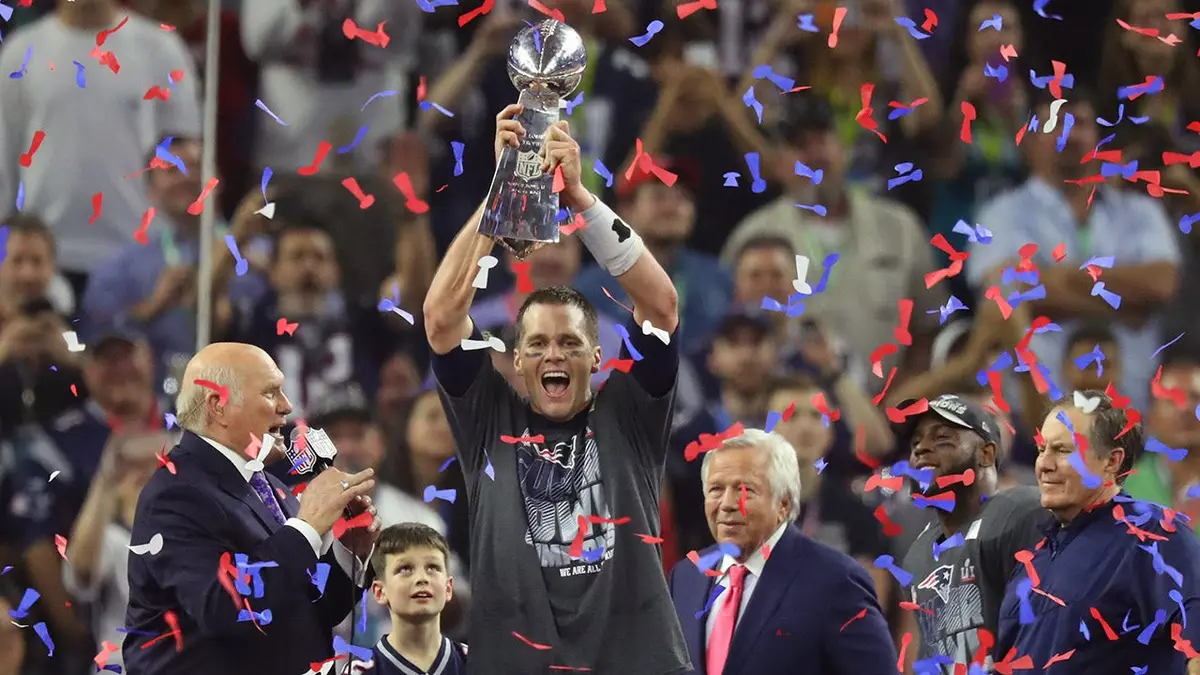
New England Patriots quarterback Tom Brady (12) celebrates with the Vince Lombardi Trophy after winning Super Bowl LI against the Atlanta Falcons at NRG Stadium on Feb 5, 2017 in Houston, Texas.(Kevin Jairaj-Imagn Images)
“He’s got to go out there and earn it like everybody else… none of these young players, none of the rookies have ever had a meaningful snap in the NFL.”
For Brady, draft status and offseason hype only go so far.
“Their career and their journey will be determined by the work that they put in, by the adversities that they overcome, by the kind of teammate and team player that they are,” Brady added.
It’s the same mindset Brady says he’s bringing to his latest venture off the field.
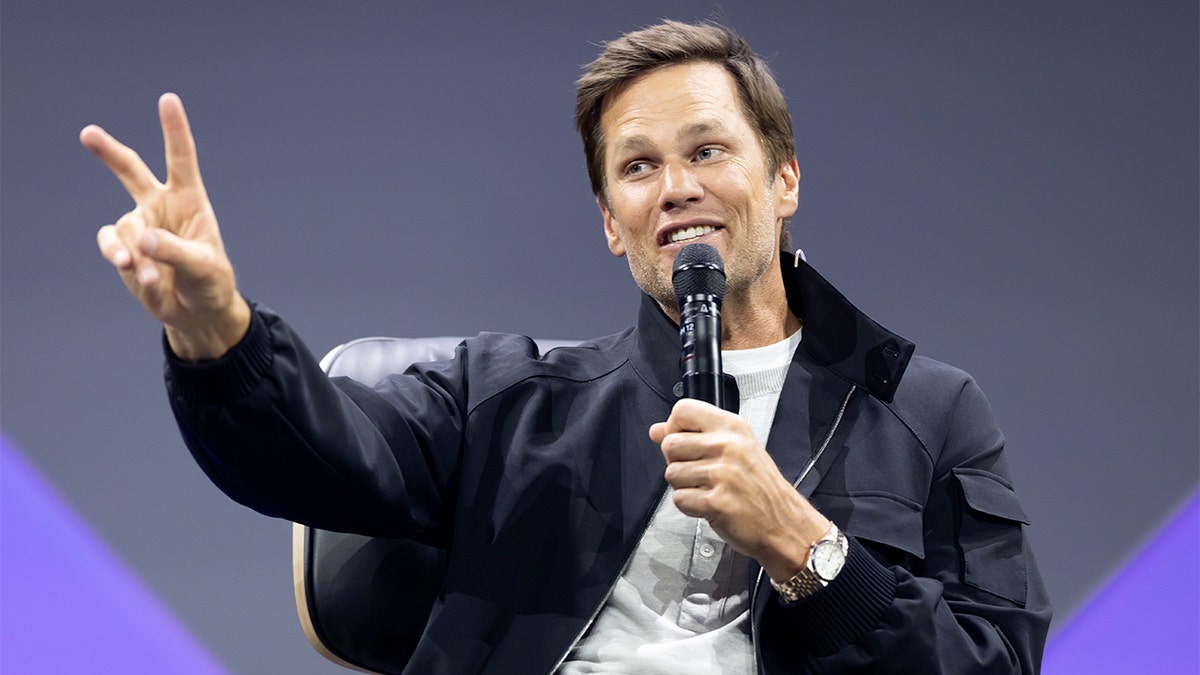
HAMBURG, GERMANY – MAY 06: Tom Brady gestures on stage during day two of the annual OMR Festival at Hamburg Messe on May 06, 2026 in Hamburg, Germany. (Photo by Andreas Rentz/Getty Images)(Andreas Rentz/Getty Images)
The 48-year-old recently joined digital health company eMed as its Chief Wellness Officer, saying he wants to help give everyday Americans access to the kind of health guidance he relied on throughout his legendary career.
“My body truly was my asset as a football player,” Brady recalled.
“So you’re right, I was very lucky over a period of time to learn a lot of disciplines that allowed me to take the field feeling very healthy, feeling energized and excited about going out there to try to, you know, win some football games.”
Advertisement
Brady wants to bring that same blueprint to people who don’t have access to an NFL-caliber support system.
“But when I retired, I realized that there’s a lot of people in life that maybe they’re not professional athletes, but to a degree, we all are living athletic lifestyles,” he said. “We wanna be healthy. We wanna play with our kids. We wanna play with grandkids.”
Tom Brady and Joe Montana look on before Super Bowl LX between the Seattle Seahawks and the New England Patriots at Levi’s Stadium in Santa Clara, Calif.(Mark J. Rebilas/Imagn Images)
Brady also praised the impact GLP-1 medications have had on helping people begin improving their health.
“There’s no debate about the way that this medicine is working right now in terms of keeping people and getting people on their wellness journey started,” Brady stated. “And then we do a great job keeping them on that journey.”
Advertisement
To Brady, whether the goal is winning the QB1 job or improving someone’s health, success comes down to focusing on fundamentals.
“I realized that a lot of the values that I had as an NFL player transitioned very well to what happens in the workforce,” Brady explained. “And it comes down to accountability, discipline, showing up for other people, serving other people.”
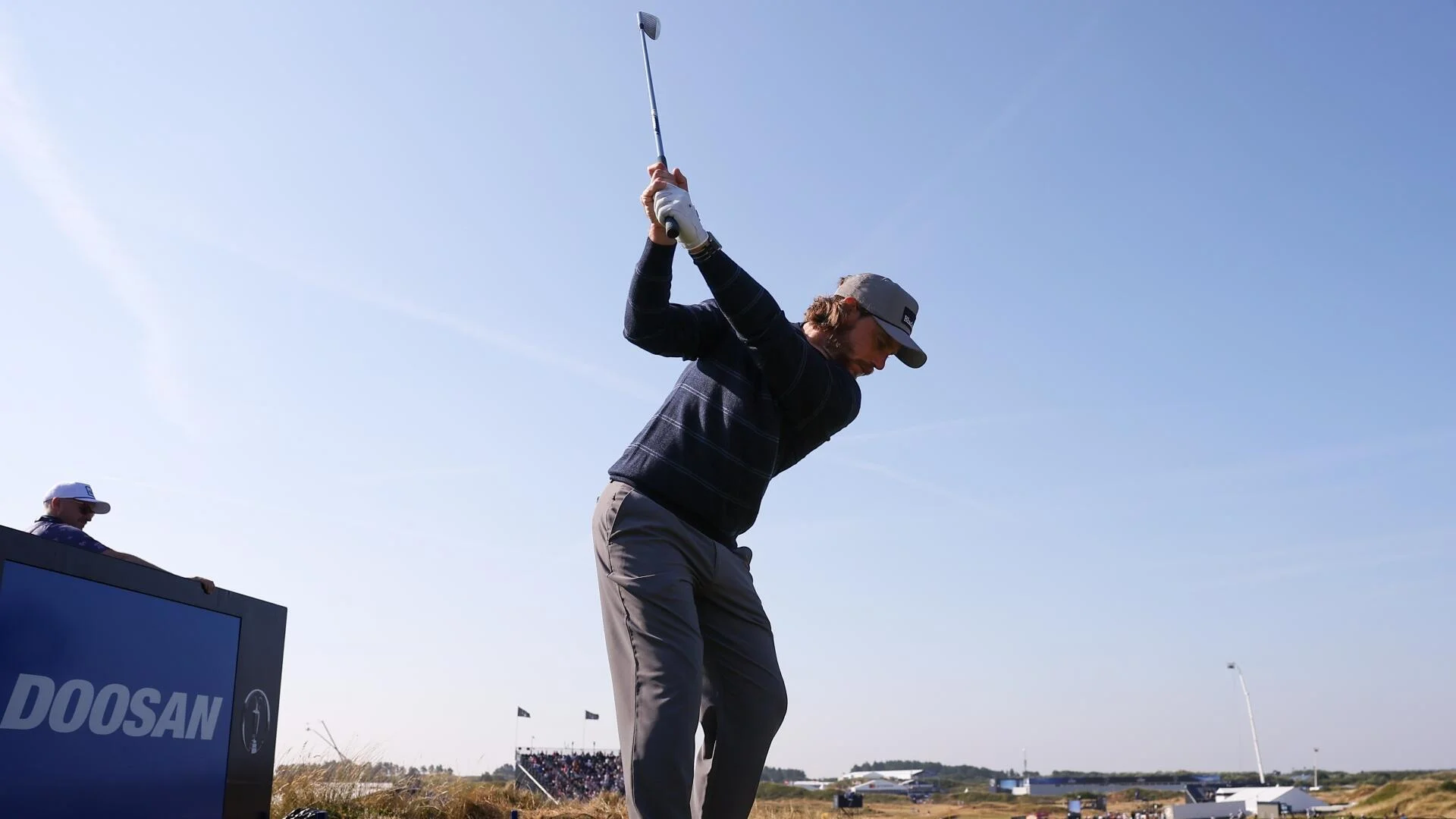
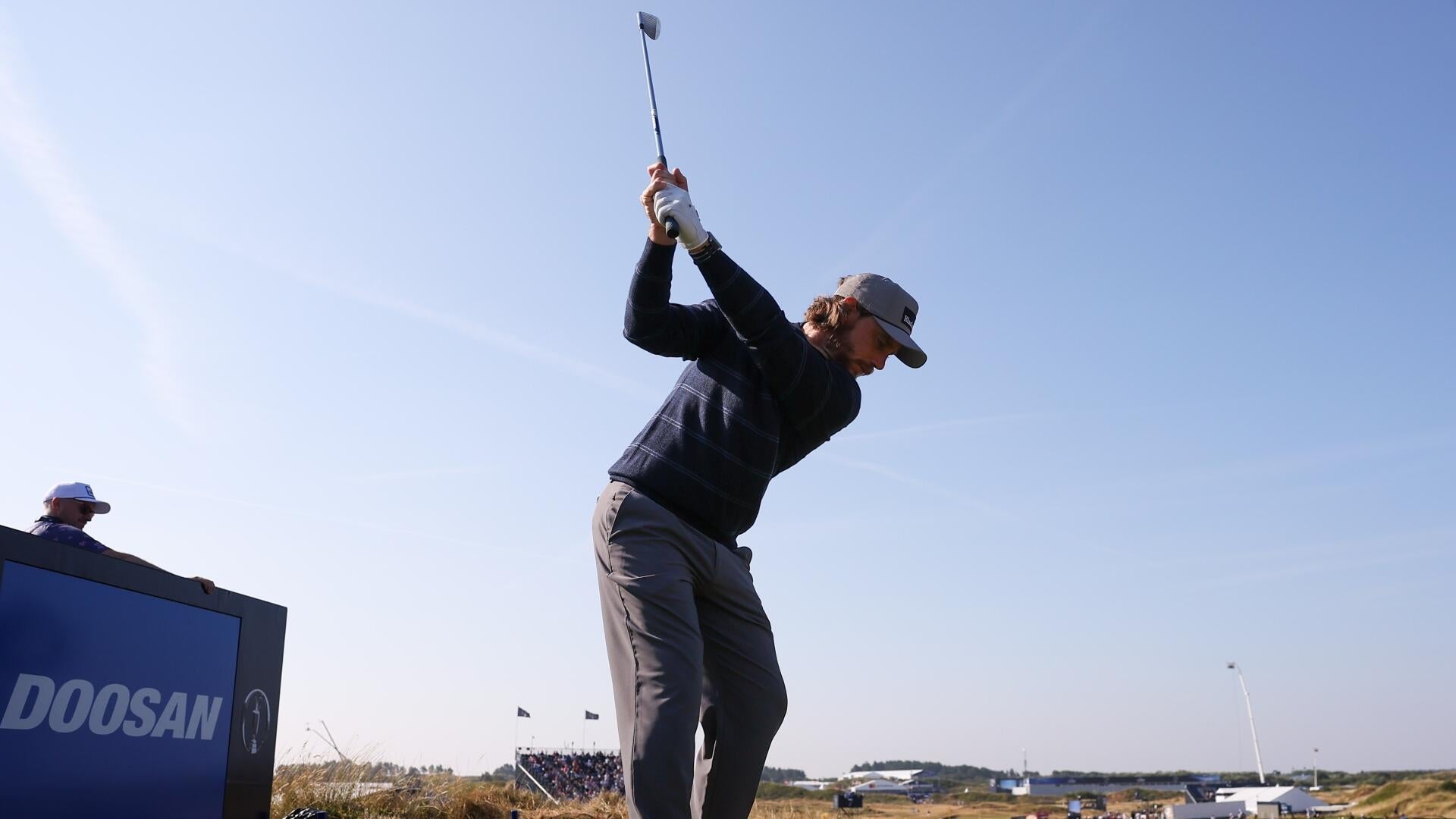
The 2026 Open Championship tees off on Thursday, July 16, at Royal Birkdale Golf Club in Southport, England. The first tee times come at 1:35 a.m. ET. Scottie Scheffler, who tees off at 4:58 a.m. ET, is the defending Open Championship winner, while Jordan Spieth won this event the last time it was at Royal Birkdale in 2017. Scheffler is the +750 favorite (risk $100 to win $750) in the latest 2026 Open Championship odds. McIlroy is next on the PGA odds board this week at +850.
Paramount+ Premium is now included with every SportsLine membership! Watch the NFL on CBS, UFC, select PGA events, Champions League and more than 40,000 episodes and movies. Join right here to get both for one low price.
SportsLine’s proprietary model, built by DFS pro Mike McClure, simulated every PGA Tour event 10,000 times and reveals golf betting picks that have a history of being extremely profitable.
Advertisement
This same model has also nailed a whopping 17 majors entering the weekend, including the 2026 Masters — its fifth Masters in a row — as well as last year’s PGA Championship and Open Championship. Anyone who has followed its sports betting picks could have seen massive returns on betting sites.
One major surprise the model is calling for at the Open Championship 2026: Fleetwood, who is tied for the fourth-lowest odds on the board at +1500, stumbles and doesn’t finish in the top 5. He’s a golfer to fade in Open Championship best bets. Fleetwood has a pair of top-5 finishes at the Open Championship, but also missed the cut in 2024 and finished outside the top 10 last year. He finished 27th the last time this event was at the Royal Birkdale. With no finishes better than T11 in any major this year, the model has found better values on the board. See who else to fade here.
Advertisement
Another surprise: Ludvig Aberg is a top-3 contender on the projected leaderboard despite never having won a major and having longer odds at +3300. This will be just his third British Open appearance, but he finished in the top 25 in this event last year. He’s also been steady at the majors this year, which was highlighted by a T4 finish at the PGA Championship. He’s one of the best drivers in both distance and accuracy on tour right now, and that quality alone makes him a top contender at Royal Birkdale. See who else to pick here.
New to sports trading? Visit our Kalshi promo code review to see their latest offers and get started.
Scottie Scheffler +700 Rory McIlroy +850 Matt Fitzpatrick +1300 Tommy Fleetwood +1500 Jon Rahm +2000 Xander Schauffele +2500 Chris Gotterup +2700 Viktor Hovland +2700 Robert MacIntyre +2700 Collin Morikawa +3000 Wyndham Clark +3300 Ludvig Åberg +3300 Justin Rose +3300 Cameron Young +3500 Tyrrell Hatton +3500 Si Woo Kim +4000 Shane Lowry +4500 Sam Burns +4500 Russell Henley +5000 Min Woo Lee +5500 Justin Thomas +5500 Tom Kim +5500 Patrick Cantlay +6000 Patrick Reed +6000 Aaron Rai +6500 Alex Fitzpatrick +6500 Joaquin Niemann +6500 Bryson DeChambeau +6500 Hideki Matsuyama +7000 Brooks Koepka +8000 Jordan Spieth +8000 Harris English +8000 JJ Spaun +8000 Rickie Fowler +10000 Maverick McNealy +10000 Brian Harman +10000 Adam Scott +10000 Nicolai Højgaard +10000 Kurt Kitayama +10000 Akshay Bhatia +10000 Kristoffer Reitan +10000 Ben Griffin +10000 Corey Conners +12500 Eugenio Chacarra +12500 Matt Wallace +12500 Ryan Gerard +12500 Keegan Bradley +12500 Alex Noren +12500 Victor Perez +12500 Alex Smalley +15000 Jordan Smith +15000 Tom McKibbin +15000 Cameron Smith +15000 Sepp Straka +17500 Jacob Bridgeman +17500 Bud Cauley +17500 Haotong Li +17500 Marco Penge +17500 Max Homa +17500 Ryan Fox +17500 Casey Jarvis +17500 Nick Taylor +17500 Harry Hall +17500 Keith Mitchell +17500 Jason Day +17500 Eric Cole +17500 J.T. Poston +17500 Johnny Keefer +17500 Michael Thorbjornsen +17500 David Puig +22500 Jake Knapp +22500 Sahith Theegala +22500 Rasmus Højgaard +22500 Andrew Novak +22500 Thomas Detry +22500 Michael Kim +22500 Max Greyserman +22500 Angel Ayora +22500 Gary Woodland +22500 Sungjae Im +25000 Jayden Schaper +25000 John Parry +25000 Pierceson Coody +25000 Sam Stevens +25000 Laurie Canter +25000 Michael Brennan +25000 Matthew Jordan +25000 Ryo Hisatsune +25000 Rasmus Neergaard-Petersen +25000 Sami Valimaki +35000 Hennie du Plessis +35000 Daniel Hillier +35000 Jackson Suber +35000 Scott Vincent +35000 Lucas Herbert +35000 Daniel Berger +35000 Bernd Wiesberger +35000 Nico Echavarria +35000 Matt Mccarty +35000 Stewart Cink +35000 Aldrich Potgieter +35000 Billy Horschel +50000 Shaun Norris +50000 Keita Nakajima +50000 Daniel Brown +50000 Francesco Molinari +50000 Kota Kaneko +75000 Jesper Svensson +75000 Andy Sullivan +75000 Francesco Laporta +75000 Antoine Rozner +75000 Peter Uihlein +100000 Alejandro De Castro Piera +100000 Nevill Ruiter +100000 Matthew Southgate +100000 Baard Bjoernevik Skogen +100000 Travis Smyth +100000 Dan Bradbury +100000 Naoyuki Kataoka +100000 MJ Daffue +100000 Marcus Plunkett +100000 Cameron John +100000 Tiger Christensen +100000 Ryutaro Nagano +100000 Jeong Woo Ham +100000 Lev Grinberg +100000 Martin Couvra +100000 Jack Buchanan +100000 Joakim Lagergren +100000 Frederic Lacroix +100000 Stuart Grehan +100000 Matthew Baldwin +100000 Kazuki Higa +100000 Sam Bairstow +100000 Darren Clarke +100000 Fifa Laopakdee +100000 David Duval +100000 Padraig Harrington +100000 Mason Howell +100000 Ren Yonezawa +100000 Jiho Yang +100000 James Nicholas +100000 Michael Hollick +100000 David Howard +100000 Mateo Pulcini +100000 Kazuma Kobori +100000 Henrik Stenson +100000 Tim Wiedemeyer +100000 Jack McDonald +100000 Adrien Saddier +100000 Caleb Surratt +100000 Alistair Docherty +100000 Jose Luis Ballester +100000 Austen Truslow +100000 Tom Sloman +100000 Joe Dean +100000
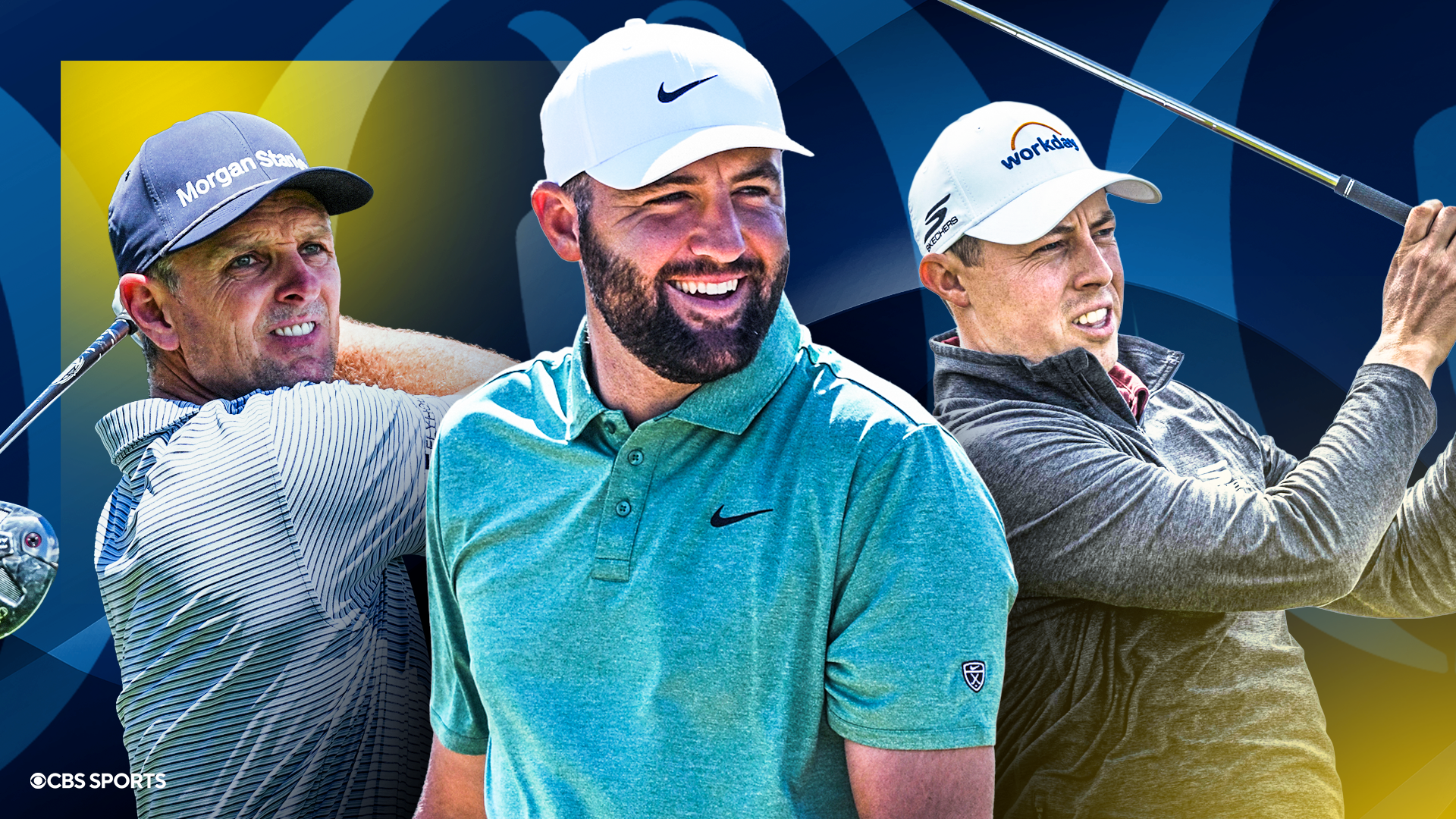
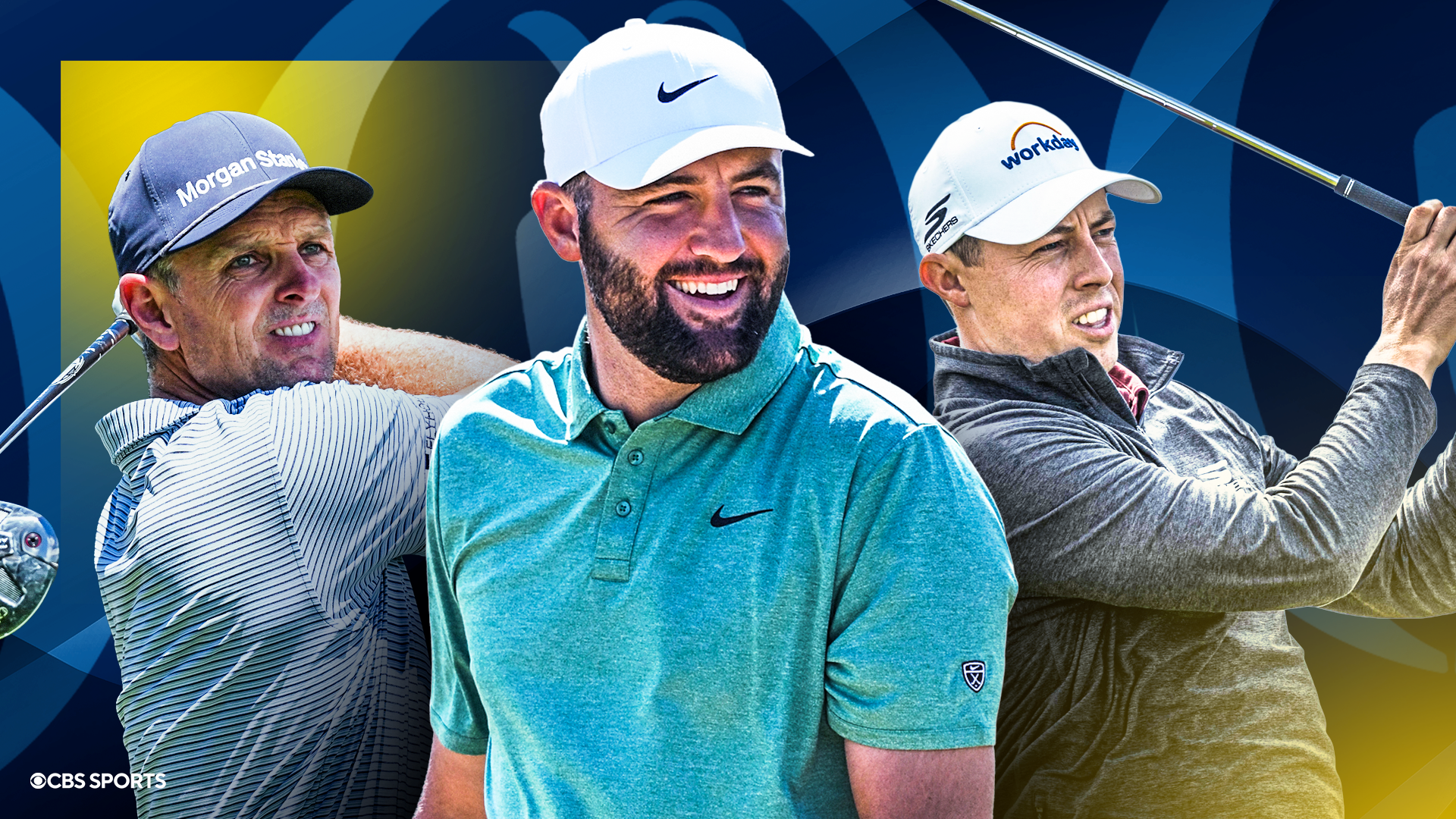
The week of festivities at the 2026 Open Championship is firmly underway as Royal Birkdale hosts the final major of the season in Southport, England. The same question abounds, though: Who will become Champion Golfer of the Year and raise the Claret Jug at week’s end?
With an excellent 156-man field featuring nearly all the best golfers in the world competing, the fourth major championship of the 2026 season should once again be a tremendous ride from Thursday’s first round onward. Royal Birkdale will serve as a particularly difficult test, which should only heighten tensions, particularly given the expected condition of the course over the week.
While The Open field is stacked, the overall favorite, Scottie Scheffler, is not playing his best golf. While he remains the best overall player in the world, it got to the point last week that Rory McIlroy looked poised to overcome Scheffler on an odds board involving both golfers for the first time in years. McIlroy is still second on that list, coming off three tremendous rounds of golf at the Scottish Open, but a rocky Moving Day kept him from hoisting that championship last week.
Tiger Woods and Phil Mickelson will each miss all four majors this season, facing starkly different personal circumstances, and Bryson DeChambeau enters The Open facing the potential of missing the cut at all four majors in a given year for the first time in his career. On a more positive note, English golfers like Matt Fitzpatrick, Tommy Fleetwood and Justin Rose will have a ton of local support that could buoy any or all of them into terrific performances.
Advertisement
So, what is going to happen in Southport this week? Let’s take a look at a full set of predictions and picks from our CBS Sports experts as we attempt to project who will win — and what will go down — in the final major championship of the season. To hone in even tighter on The Open, check out the nine golfers most likely to raise the Claret Jug on Sunday.
Winner — Matt Fitzpatrick (18-1): Seems too good to be true, but I am riding with an Englishman who is in top form. Arguably the Player of the Year as it stands with three wins under his belt, Fitzpatrick is flying into this Open with every club in his bag performing properly. He has improved in majors as the season has progressed, earning him a final pairing tee time Saturday at the U.S. Open before falling off the pace. His game is in good order, and so is his mental state; he appears relaxed and ready for the challenge ahead. Fitzpatrick leads the PGA Tour in strokes gained approach and strokes gained around the green. That feels like a nice recipe.
Sleeper – Shane Lowry (66-1): I haven’t heard a single soul mention his name, and that is where I like to live. The Irishman has not flashed brilliance since his collapse at PGA National, though his game appears to be turning a corner with three top-25 finishes in his last seven tournaments. The resurgence stems from a return to Lowry’s DNA: hitting fairways consistently and leaning on his iron play, where he ranks 10th over the last three months. Something in my gut says he will have a good week.
Advertisement
Top 10 lock — Scottie Scheffler: Look, he’s still the best player in the world, and his record in this championship is quite good. Scheffler may be slightly off his high standards, yet the completeness of his game should allow him to thrive on this version of Royal Birkdale that features firm, fiery turf. If his iron play continues as it has for years, he will be on the leaderboard’s first page.
Star who definitely won’t win — Xander Schauffele: This pains me to write. Physically pains me. The hope for Schauffele this season was to return to 2024 form. While he has clocked three top-15 finishes in majors this season, the quality has been off. Schauffele arrives off a missed cut at the Scottish Open and a forgettable start at the Travelers Championship, where he was again unable to put the entirety of his game together. His floor is so high that he will finish top 20, but I don’t see him winning.
Top Englishman — Matt Fitzpatrick (1st): If he is the pick to win, then he is the pick to be the low Englishman. Let me instead shed some light on Justin Rose, who could complete the storybook ending this weekend with a win. He has a great chance to do so as he continues to peak at the precise right time for these tournaments with three top-11 finishes this season. Rose has a pair of runner-up finishes in 2024 and 2018, both at a crispy, dried-out golf course in Carnoustie.
Biggest surprise — An old guy contends: Just don’t tell them that I called them “old.” Give me one of Francesco Molinari, Padraig Harrington, Stewart Cink or Henrik Stenson to at least climb inside the top 20 by week’s end. All in the field due to winning previous Opens, this quartet of older players (1) is playing solid golf and (2) has the experience, knowledge and mental fortitude to handle anything Royal Birkdale throws their way.
Winner — Sam Burns (50-1): I’m going to take a longer shot this week to continue the trend of the season with Burns, who has been insanely consistent since The Players. He’s got two major top 10s already, including a 2nd at the U.S. Open, and has been inside the top 26 in 9 of 11 starts going back to TPC Sawgrass (making the cut in all 11). His links record isn’t great, but the way he played at Shinnecock Hills (about the closest thing you can get to it in the U.S.) should buoy his confidence heading into Royal Birkdale.
Sleeper – Johnny Keefer (175-1): Keefer is coming off a T3 at the Scottish Open, and all this guy does is contend and win tournaments. He dominated his first year on PGA Tour Americas to move up to the Korn Ferry Tour and dominated there to advance to the PGA Tour in one year. It took a little bit to get his footing on the big tour, but he’s popped up a few times, and last week, he proved that he’s extremely comfortable with his game when he gets into the mix on a weekend. If he gets into the hunt on Sunday, he’s not going to wilt under the pressure.
Top 10 lock — Rory McIlroy: When Rory shows up to The Open with anything approaching his A-game, he finishes in the top 10. He’s been prepping for this since the U.S. Open, taking a page out of his Masters playbook to get some extra time in at Royal Birkdale in the weeks leading up to the tournament. He showed last week in Scotland that he’s in good form — if not for nine dreadful holes on Saturday in the fog he could’ve won — and if he’s not on the first page on Sunday, it’d be a shock.
Advertisement
Star who definitely won’t win — Tommy Fleetwood: I can’t tell you how much I’d like to be wrong here, but unfortunately, I just don’t see it happening. Fleetwood is always under some pressure at The Open, but this time he’s back home in Southport and will deal with everything that comes with that. The scene on Sunday, if he’s in contention, would be incredible, but I fear that, even if that’s the case, the anxiety of everyone trying to will him to the win would only add to the stress he feels — and he’s proven in the past that he doesn’t always hold up well.
Top Englishman — Tyrrell Hatton (T5): Fleetwood has all the pressure of being at home. Fitzpatrick is the favorite based on form, but he hasn’t quite found his best in the majors this year. Hatton, meanwhile, has two sneaky top 10 finishes in majors this season. While I’m not expecting him to win, he’s in form, comfortable on the links, will have the support but not quite the same scrutiny and has steadily improved as a major competitor.
Biggest surprise — Bryson DeChambeau completes golf’s Golden Sombrero: I’m not sure how much of a surprise it would be for DeChambeau to miss the cut at The Open, given his history here is checkered at best, but in the grand scheme, it would be shocking for Bryson to miss all four major championship cuts in 2026. That’s firmly in play, and my biggest concern with DeChambeau is that his mental game seems to be shot. He gets into a pit of negativity so quickly now on the course, and once his confidence goes, he tends to eject.
Who will win the 2026 Open Championship, and which longshots will stun the golfing world? Visit SportsLine now to see the projected leaderboard, all from the model that’s nailed 17 golf majors heading into the weekend, including the past five Masters, and find out.
Go Media Stadium will play host to Saturday’s
Round 20 NRL game between New Zealand Warriors and
St. George Illawarra Dragons. The game kicks off at 5:30 pm with New Zealand Warriors heading into the game as favourites with the bookmakers. Continue reading for our in-depth preview of the New Zealand Warriors vs.
St. George Illawarra Dragons
game and give you our free tips and bets.
New Zealand Warriors vs St. George Illawarra Dragons Odds
New Zealand Warriors vs St. George Illawarra Dragons Preview
The Warriors continue to strengthen their premiership credentials after comfortably accounting for the Tigers despite missing several Origin stars. Their depth has been a feature all season and they’ll be confident of maintaining that momentum back at Go Media Stadium.
St George Illawarra should be competitive through the opening exchanges, but containing New Zealand across the full 80 minutes presents a far greater challenge. Chanel Harris-Tavita has become increasingly influential on the Warriors’ left edge, combining effectively with Wayde Egan, Kurt Capewell and Adam Pompey. If that combination fires again, the home side will be difficult to contain as fatigue begins to take its toll.
New Zealand Warriors vs St. George Illawarra Dragons Teams
Warriors team: 1. Taine Tuaupiki 2. Dallin Watene-Zelezniak 3. Ali Leiataua 4. Adam Pompey 5. Alofiana Khan-Pereira 6. Chanel Harris-Tavita 7. Te Maire Martin 8. James Fisher-Harris 9. Wayde Egan 10. Mitchell Barnett 11. Kurt Capewell 12. Jacob Laban 13. Erin Clark 14. Samuel Healey 15. Tanner Stowers-Smith 16. Demitric Vaimauga 17. Leka Halasima 18. Eddie Ieremia-Toeava 20. Marata Niukore 21. Charnze Nicoll-Klokstad 22. Luke Metcalf 23. Makaia Tafua
Dragons team: 1. Clinton Gutherson 2. Setu Tu 3. Mathew Feagai 4. Valentine Holmes 5. Tyrell Sloan 6. Daniel Atkinson 7. Kyle Flanagan 8. Loko Jnr Pasifiki Tonga 9. Damien Cook 10. Toby Couchman 11. Dylan Egan 12. Hamish Stewart 13. Ryan Couchman 14. Jacob Liddle 15. Luciano Leilua 16. Josh Kerr 17. Jacob Halangahu 18. Moses Suli 19. Lyhkan King-Togia 20. Emre Guler 21. Christian Tuipulotu 22. Jacob Webster
The Brazil international star’s move to Manchester United collapsed late on
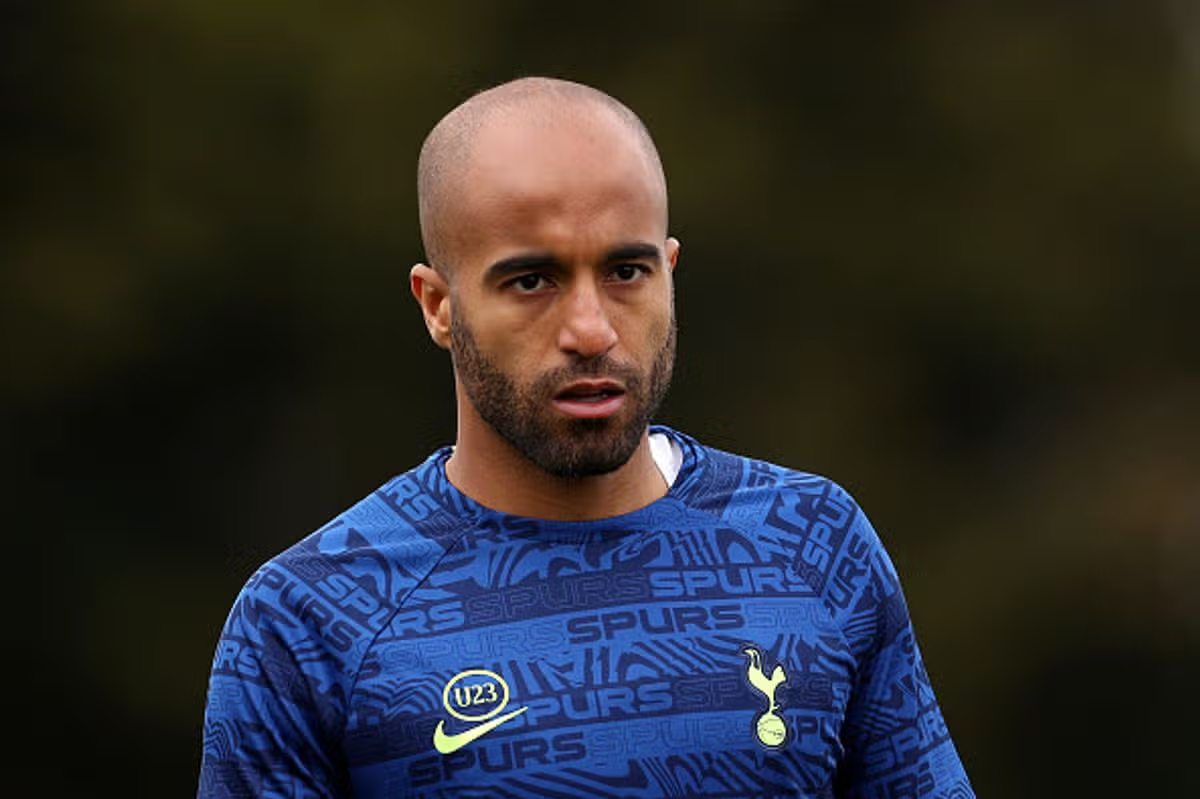
Former PSG and Tottenham Hotspur star Lucas Moura revealed he almost joined Manchester United. The 33-year-old, who now plays for Sao Paulo in his native Brazil, won four Ligue 1 titles in France.
Moura began his career at Sao Paulo and started to attract interest from Europe’s top clubs. In 2016, the winger said it was a tough decision to turn down United for PSG.
He said it was former Brazil star Leonardo, then the director of football at PSG, who swayed him to move to France in 2012.
Speaking to The Telegraph, Moura said: “I was very close to joining Manchester United. It nearly happened but, at the last minute, Leonardo called me and spoke to me and my parents.
“It was a very difficult moment because suddenly I had to make a choice when I thought I was joining Manchester United. I thought about it a lot; I talked about it with my family and I made my choice. Football is like that. You have to choose a team.”
After six seasons in Paris, Moura joined Spurs for around £25million and he made 221 appearances for the club over the next six years. United have been pursuing another Brazilian midfielder, Ederson, this summer but their chase is now in doubt.
Despite reports stating the deal has collapsed, United remain open to bringing the 27-year-old to Old Trafford, but the deal has become complex after medical tests raised concerns about a knee injury sustained last season.
Further tests were carried out last week, and United could now try to restructure the deal in their bid. A fee of £35m plus a further £3.8m in add-ons had been agreed around six weeks ago.
The transfer was slated to go through in early July but Ederson was a late call-up to the Brazil squad for the World Cup. He underwent part of his medical while in the United States, and then had further checks after Brazil were beaten by Norway in the last 16.
Advertisement
Sources in Italy have claimed the deal is off and that Atalanta are ready to offer Ederson a new five-year deal. United haven’t ruled out moving ahead with the signing, however.
England and Nike have launched the new home, away and goalkeeper kits to be worn at this summer’s FIFA World Cup. You can get free delivery on all orders with the code DEAL.
England spent much of the Fifa World Cup 2026 semifinal proving that Lionel Messi could be contained. They spent the closing minutes discovering that he did not need much time to decide the contest.
Argentina scored twice in six minutes and 24 seconds to overturn Anthony Gordon’s second-half goal and beat England 2-1 at Mercedes-Benz Stadium in Atlanta, sending the defending champions into Sunday’s final against Spain.
Advertisement
Enzo Fernandez equalised in the 85th minute after Messi drew England’s defenders towards him and released the midfielder outside the penalty area. Lautaro Martinez, introduced four minutes earlier, then headed in Messi’s right-footed cross in the second minute of stoppage time.
The result preserved Argentina’s chance of becoming the first team since Brazil in 1962 to successfully defend the World Cup. It also ended England’s hopes of reaching the final for the first time since winning the tournament in 1966.
Advertisement
England will now face France in the third-place match in Miami on Saturday (2:30 AM IST on Sunday), while Argentina will meet Spain at MetLife Stadium in New Jersey on Sunday (12:30 AM IST on Monday).
England matched Argentina physically and defended effectively for long periods, but the match data showed how heavily the second half tilted towards the defending champions.
Advertisement
Argentina finished with 64 per cent possession, completed almost twice as many accurate passes and generated an expected-goals figure more than three times England’s total.
England vs Argentina match statistics
Statistic
England
Argentina
Expected goals
0.53
1.84
Possession
36.00%
64.00%
Shots on target
2
5
Shot accuracy
40.00%
33.00%
Big chances created
1
3
Big chances missed
0
2
Accurate passes
273
537
Pass accuracy
84.00%
91.00%
Duels won
48
51
Saves
3
1
Fouls committed
11
15
Argentina’s 537 accurate passes, compared with England’s 273, illustrated the territorial pressure that intensified after Gordon’s goal.
Advertisement
Their 1.84 expected goals also suggested that the late comeback was not simply the product of two isolated moments. Argentina created three big chances, missed two and forced Jordan Pickford into three saves.
England, by contrast, created only one big chance and recorded two shots on target. Gordon converted their best opportunity, but the side generated little after moving ahead.
Advertisement
Old hostility returns from the opening whistle
Advertisement
England and Argentina had not played each other for 21 years, but the rivalry’s historic tension resurfaced before the match had properly begun.
The national anthems were met with jeers from sections of the opposing support, while the first exchanges featured more confrontation than football.
Advertisement
Jude Bellingham was knocked down by Leandro Paredes within seconds of kick-off. Soon afterwards, Fernandez caught Elliot Anderson from behind, prompting England’s players to appeal to referee Ismail Elfath.
Anderson later responded with a late challenge of his own.
Advertisement
According to Opta, the opening 30 minutes produced 12 fouls and no shots, the first such occurrence in a World Cup match since its records began in 1966.
England’s Jude Bellingham reacts after a challenge as Argentina’s Enzo Fernandez, Giuliano Simeone and Nahuel Molina look on. Photo: Reuters
Advertisement
The pattern suited England initially. Declan Rice and Anderson tracked Messi aggressively, Bellingham embraced the physical exchanges and Argentina struggled to establish their passing rhythm.
Messi was crowded whenever he moved between England’s midfield and defence. Argentina’s attempts to launch quick attacks were repeatedly interrupted before they could gather momentum.
Advertisement
Elfath kept his cards in his pocket during the most heated opening exchanges before booking Anderson for bringing down Messi and Lisandro Martinez for stopping Morgan Rogers.
The American official largely maintained control without allowing the match to become dominated by disciplinary decisions.
Advertisement
Gordon puts England within sight of history
After an attritional first half, England broke the deadlock in the 55th minute through one of their best attacking sequences of the tournament.
Advertisement
Harry Kane dropped towards midfield to provide an outlet and pull Argentina’s defenders out of position. Nicolas Tagliafico’s attempted clearance then fell to Rice, who quickly moved the ball towards Rogers on the right.
Rogers looked up and delivered a cross towards the back post, where Gordon arrived behind the defence and adjusted his body to guide the bouncing ball beyond Emiliano Martinez.
Advertisement
Argentina’s defensive errors contributed to the goal. Tagliafico failed to clear decisively, while the back line did not respond quickly enough to Gordon’s run.
For England, however, the move demonstrated what had made them dangerous throughout the tournament: Kane’s ability to link play, Rice’s forward movement, Rogers’ composure and Gordon’s pace from the flank.
Advertisement
Gordon’s first World Cup goal left England 35 minutes away from a first final in 60 years.
Spence produces a defining intervention
Advertisement
Argentina responded almost immediately.
Fernandez and Messi combined in midfield before releasing Giuliano Simeone behind England’s defence. The forward appeared to have a clear route towards goal as Pickford prepared for the shot.
Advertisement
Djed Spence recovered from several metres behind and launched into a perfectly timed sliding challenge, taking the ball away from Simeone and conceding only a corner.
The England defender celebrated with a roar towards the crowd before being surrounded by his team-mates.
Advertisement
Given the quality of the recovery, the position of the attacker and the stakes involved, it was one of the outstanding defensive moments of the tournament.
Pickford then made important saves as Argentina increased their pressure. England appeared to be defending with discipline while retaining the possibility of counter-attacking through Gordon and Rogers.
Advertisement
That balance did not last.
Tuchel’s substitutions change the character of the match
Advertisement
Thomas Tuchel responded to England’s lead by progressively replacing attacking players with defenders.
Gordon was withdrawn despite remaining England’s most effective outlet. Ezri Konsa, Dan Burn and Nico O’Reilly were introduced during the final 20 minutes as England retreated into a deep 5-4-1 formation.
Advertisement
The changes were designed to protect the penalty area and preserve the lead. Instead, they removed England’s ability to carry the ball away from danger.
Argentina no longer had to account for runners behind their defence. Their full-backs pushed higher, their midfielders occupied positions around England’s penalty area and Messi began receiving possession closer to goal.
Advertisement
England’s 36 per cent possession and 273 accurate passes reflected the overall imbalance, but their retreat after taking the lead made the gap more damaging.
Each clearance returned the ball to Argentina. Kane became isolated, England’s midfield moved closer to its own defensive line and the pressure became continuous.
Advertisement
How England’s approach shifted
Match phase
England’s approach
Effect
Before the goal
Contested midfield and attacked through Gordon and Rogers
Restricted Messi and threatened on transitions
Immediately after scoring
Defended deeper but retained counter-attacking options
Argentina increased pressure but remained exposed
Final 20 minutes
Added defenders and moved into a 5-4-1
England struggled to retain possession
Closing stages
Protected the box without pressing the ball
Messi found space to create both goals
Former England captain Wayne Rooney argued that the substitutions would have weakened the players’ belief.
“If you’re an attacking player on that pitch and you go 1-0 up and you see the changes which the manager’s making, you’re losing belief,” Rooney said during the BBC’s coverage.
Advertisement
Former goalkeeper Joe Hart compared the retreat with England’s approach under Gareth Southgate in previous major finals, while Alan Shearer said Tuchel had “played his hand” too early by placing six defenders on the pitch.
Their criticism centred not only on the substitutions but on the message they conveyed: England appeared to stop trying to win the match and began trying only to survive it.
Advertisement
Messi emerges when England stop attacking
For more than 80 minutes, England’s defensive plan against Messi had largely worked.
Advertisement
He was followed through midfield, denied time near the penalty area and pushed towards areas where his influence was less dangerous.
With seven minutes remaining, Messi even appeared exhausted after racing O’Reilly towards the halfway line for a loose ball.
Advertisement
Yet England’s deeper shape changed the space available to him.
Messi no longer needed to drop into midfield to find possession. Argentina recovered the ball quickly and returned it to him around the edge of England’s penalty area.
Advertisement
In the 85th minute, several defenders moved towards Messi as he received possession. He recognised that Fernandez had been left unmarked outside the box and released the midfielder.
Fernandez curled a powerful 20-metre shot beyond Pickford and into the corner.
Advertisement
The equaliser was the product of Argentina’s sustained pressure and England’s inability to close down the ball. It also altered the psychological balance immediately.
England had set up to protect a lead. Once the score was level, the attacking players capable of restoring it were no longer on the pitch.
Advertisement
Lautaro completes the turnaround
Argentina continued attacking after Fernandez’s equaliser rather than preparing for extra time.
Advertisement
Alexis Mac Allister struck the post, providing another warning that England’s defensive structure was beginning to break.
Messi recovered the loose ball and moved towards the right channel. Using his weaker right foot, he delivered a precise cross into the penalty area.
Advertisement
Lautaro Martinez attacked the space between England’s defenders and directed his header beyond Pickford in the 92nd minute.
The substitute had been on the field for only 11 minutes.
Advertisement
Argentina had transformed the match from probable elimination to a place in the final in little more than six minutes.
The comeback also extended a significant tournament trend. Argentina have scored 11 goals from the 75th minute onwards at this World Cup, underlining their ability to remain composed and decisive late in matches.
Advertisement
Argentina punish surrender of possession
Argentina’s victory was not built on a dramatic tactical reinvention. It came from maintaining their structure while England abandoned theirs.
Advertisement
Lionel Scaloni’s side continued circulating the ball patiently after falling behind. Fernandez and Mac Allister moved higher, the full-backs widened the pitch and Messi searched for spaces between England’s increasingly narrow lines.
The statistical contrast became more pronounced as the game progressed.
Advertisement
Argentina completed 91 per cent of their passes, compared with England’s 84 per cent, and held a narrow 51-48 advantage in duels won. Despite the physical nature of the match, they retained enough technical control to sustain attacks around England’s box.
Their five shots on target were produced from a lower shot-accuracy rate than England’s, but the greater volume eventually proved decisive.
Advertisement
Scaloni’s substitution also had a direct attacking effect. Lautaro entered and scored the winner.
Tuchel’s substitutions had the opposite consequence. They helped England defend in numbers but removed the players capable of relieving pressure.
Advertisement
A familiar form of English heartbreak
England have suffered painful World Cup semifinal defeats before.
Advertisement
They lost to West Germany on penalties in 1990 after recovering to force extra time. In 2018, they led Croatia before being beaten in extra time.
This defeat carried a different weight because England appeared to have control of both the score and the contest until the final stages.
Advertisement
They had absorbed Argentina’s physical approach, limited Messi and taken the lead through a well-constructed attack. Their defenders had also produced significant individual moments, most notably Spence’s recovery challenge and Pickford’s saves.
Yet England increasingly surrendered the areas of the pitch that had allowed them to compete.
Advertisement
England fans reacting during their team’s match against Argentina in Fifa World Cup 2026 semifinal. Photo: Reuters
Advertisement
The tactical retreat revived memories of the Euro 2020 final against Italy, when England scored early and gradually withdrew, and the Euro 2024 final against Spain, when another cautious approach attracted criticism.
Rooney described the decision to stop pursuing a second goal as a surrender of the team’s strengths.
Advertisement
“You can’t go a goal up and then surrender the strength of the ball and surrender any opportunity to try to get the second goal,” he said.
“If you let players of that quality have the ball around your penalty box, sooner or later they’re going to score.”
Advertisement
Referee avoids becoming part of the rivalry’s history
World Cup matches between England and Argentina have often been defined partly by refereeing controversy.
Advertisement
Antonio Rattin’s dismissal in 1966, Diego Maradona’s “Hand of God” goal in 1986 and David Beckham’s red card in 1998 became permanent chapters in the rivalry.
The Atlanta semifinal was physical and confrontational but did not produce a comparable dispute.
Advertisement
Elfath allowed the opening exchanges to remain robust without losing control. His reluctance to issue an immediate booking carried some risk, but the match became less volatile in the second half.
England vs Argentina: Referee Ismail Elfath and assistant referees Corey Parker and Kyle Atkins. Photo: Reuters
Advertisement
Neither side could credibly argue that a major refereeing decision determined the result.
The semifinal was decided by England’s retreat, Argentina’s pressure and Messi’s ability to exploit the spaces that emerged.
Advertisement
Argentina’s late goals reflect deeper superiority
The timing of Argentina’s goals made the comeback feel sudden, but the numbers indicate that pressure had been building.
Advertisement
Their expected-goals figure of 1.84 was significantly higher than England’s 0.53. Argentina created three big chances to England’s one and forced Pickford into three saves.
They also missed two big chances before eventually scoring.
Advertisement
England were more efficient with their limited opportunities, placing 40 per cent of their attempts on target compared with Argentina’s 33 per cent. But efficiency could not compensate for the lack of attacking volume once Tuchel’s side withdrew.
Argentina’s 64 per cent possession was not sterile. It pushed England deeper, created repeated entries into the final third and eventually placed Messi close enough to goal to decide the match.
Advertisement
Messi earns another chance to defend the crown
Messi did not dominate the semifinal from the beginning. For much of it, England’s midfield and defence reduced his influence.
Advertisement
His decisive contribution came through timing and awareness rather than constant involvement.
For the equaliser, he attracted defenders and recognised Fernandez’s space. For the winner, he moved wide and delivered a precise cross with his weaker foot.
Advertisement
At 39, the physical demands of the tournament were visible. His ability to determine the outcome nevertheless remained undiminished.
Argentina will now attempt to retain the World Cup against a Spain side that controlled France comprehensively in the first semifinal.
Advertisement
The final will present a clash between Spain’s collective possession game and Argentina’s experience, adaptability and late-match resilience.
It will also place Messi opposite Lamine Yamal, bringing together one of football’s defining figures and the leading talent of its emerging generation.
Advertisement
England left to confront tactical questions
England must now prepare for a third-place match neither they nor France wanted to play.
Advertisement
The more important contest for Tuchel will be the debate surrounding his decisions.
England reached the semifinal unbeaten and showed for long periods that they possessed the quality to compete with the defending champions. Gordon troubled Argentina, Rice and Anderson restricted Messi, and the back line held firm under pressure.
Advertisement
The defeat was therefore not simply evidence of Argentina’s superior talent.
It also raised the question of whether England abandoned the approach that had put them ahead.
Advertisement
Argentina finished with more possession, more passes, more chances and a substantially higher expected-goals figure. But the decisive shift came only after England chose to defend increasingly close to their own goal.
For 80 minutes, Messi was controlled.
Advertisement
Once England stopped trying to push Argentina away from their penalty area, he needed only two passes to end their World Cup dream.
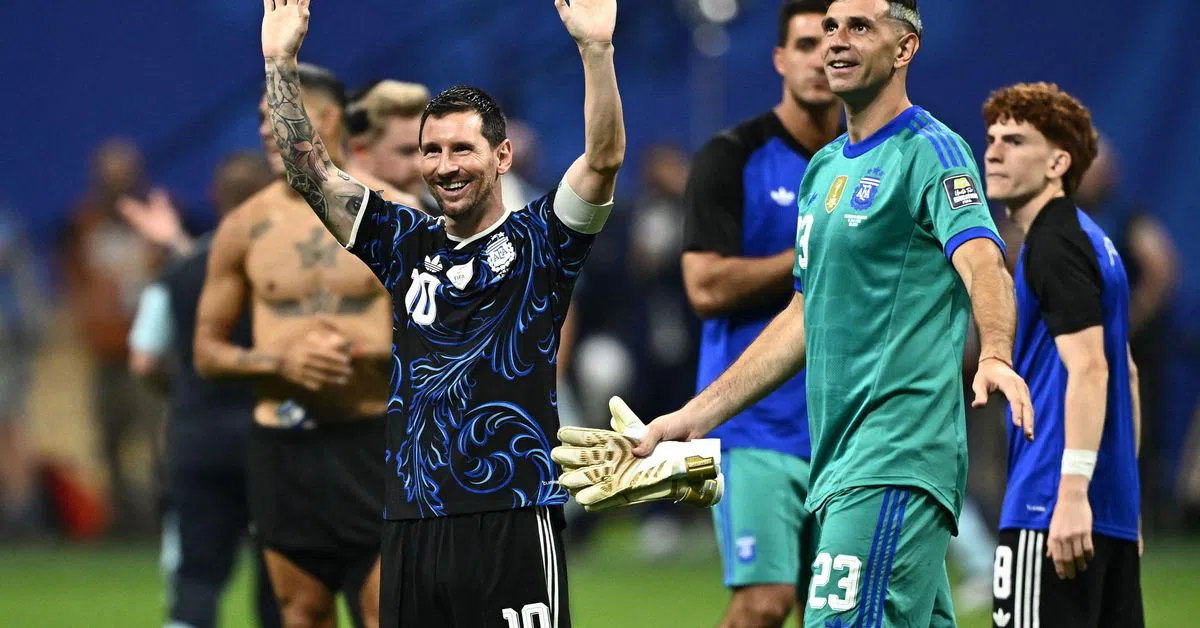
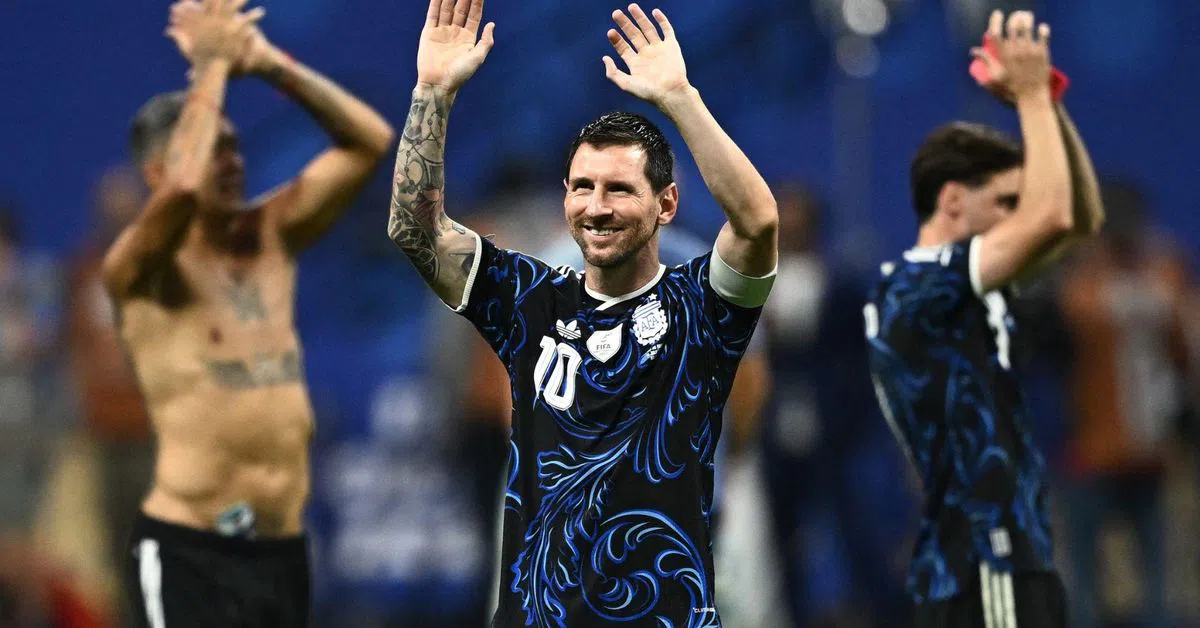
Lionel Messi not only guided Argentina into a second consecutive FIFA World Cup final, but also climbed to the top of the Golden Boot standings after producing two decisive assists in the dramatic 2-1 semifinal victory over England.
The 39-year-old, who had gone scoreless for the first time in this year’s tournament, once again proved why he remains Argentina’s driving force. Instead of finding the net himself, Messi turned creator when it mattered most, setting up both goals as the defending champions overturned a one-goal deficit in the closing minutes.
Advertisement
With eight goals and four assists, Messi now leads the Golden Boot race, edging France captain Kylian Mbappé, who also has eight goals but only three assists.
Two moments of magic change everything
Advertisement
Argentina looked destined for elimination after Anthony Gordon’s second-half opener had England on course for the final.
But Messi sparked another remarkable comeback.
Advertisement
In the 85th minute, he slipped the ball to Enzo Fernández, whose long-range strike brought Argentina level. Then, deep into stoppage time, the Argentine captain produced a pinpoint delivery into the box for Lautaro Martínez, who powered home the winning header to send the holders into Sunday’s final against Spain.
Those two assists not only completed Argentina’s turnaround but also pushed Messi ahead in the race to finish as the tournament’s leading attacker.
Advertisement
Messi overtakes Mbappé
Golden Boot race after FIFA WC 2026 semis
Player
Country
Goals
Assists
Lionel Messi
Argentina
8
4
Kylian Mbappé
France
8
3
Harry Kane
England
6
1
Jude Bellingham
England
6
1
The Golden Boot is awarded to the tournament’s top scorer, with assists serving as the first tiebreaker when players finish level on goals.
Advertisement
Both Messi and Mbappé have scored eight times in the 2026 World Cup, but the Argentine’s semifinal display moved him to four assists, one more than the French star.
Mbappé, whose France side were eliminated by Spain in the semifinals, still has the third-place playoff against England to improve his tally, but Messi now controls the race heading into the World Cup final.
Advertisement
Another comeback, another Messi masterclass
The semifinal heroics continued a familiar trend for Argentina.
Advertisement
In the quarterfinal against Egypt, Messi had also played a decisive role in an astonishing comeback. He assisted Argentina’s first goal before scoring the equaliser just minutes later as Lionel Scaloni’s side recovered from two goals down to stay alive.
Against England, he once again delivered when his team needed inspiration, this time sacrificing personal glory to create both goals.
Advertisement
Although his streak of scoring in nine consecutive World Cup matches came to an end, Messi arguably produced one of his most influential performances of the tournament.
England duo Harry Kane and Jude Bellingham remain mathematically in contention, with both players on six goals and one assist. However, after England’s semifinal defeat, their only opportunity to close the gap will come in the third-place playoff against France.
Advertisement
One final prize left to win
Messi now heads into Sunday’s final against Spain chasing two of football’s biggest honours simultaneously.
Advertisement
Victory would secure Argentina back-to-back World Cup titles, while a goal, or even another decisive assist, could also seal the first World Cup Golden Boot of his illustrious career.
At 39, the Argentine icon is once again on the brink of adding another remarkable chapter to a legacy that continues to redefine greatness.










































You must be logged in to post a comment Login