




GPs will be offer a new blood test to people suspected of having Alzheimer’s disease as part of a landmark trial in Scotland – with hopes it could later be rolled out across the UK.
More than 50 GPs in central and northern Scotland are taking part in the study, which is called Bringing Alzheimer’s Disease Biomarkers to General Practice (BriDGe).
The aim is for up to 500 patients to be referred for a test, making it the largest UK study of Alzheimer’s blood tests in general practice.
The project will explore how blood tests could speed up diagnosis, help GPs decide on the best care for patients, and give people earlier access to support and treatments.
There are an estimated one million people in the UK living with dementia – and by 2040 that figure is expected to climb to 1.4 million.
Around 90,000 people in Scotland are living with the degenerative brain disease, and 3,000 are younger than 65.
Scientists have spent decades looking for a cure, but there is mounting evidence that prevention may be the best form of defence for now.
A major consensus earlier this year by world-leading experts, building on The Lancet Commission on Dementia, concluded that almost half of all cases globally could be prevented, or at least delayed for several years if action was taken to address 14 risk factors.
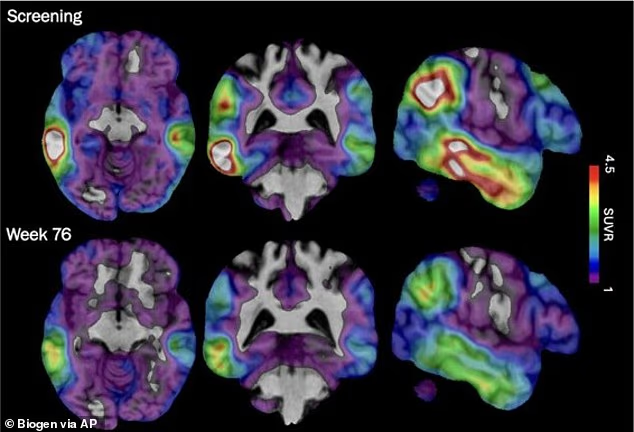
Alzheimer’s Disease is the most common form of dementia
These range from smoking and excess alcohol consumption, to loneliness and a sedentary lifestyle to obesity, blood pressure and hearing loss.
Identifying people at risk of the dementia allows doctors to encourage patients to make lifestyle changes that could delay the onset of the disease and also opens up more treatment options.
The blood tests used in the Scottish research are looking for two particular proteins that are linked to the condition, p-tau181 and p-tau217.
When found in the blood, these proteins reflect changes in the brain associated with Alzheimer’s, with international research showing they may detect or rule out the condition earlier and more accurately than many existing memory tests or scans.
The study aims to build GP experience and confidence in using the new tests, and to assess their value at the earliest stages of disease progression – where quicker, more accurate information could make the greatest difference for patients and their families.
Dr Sheelagh Harwell, senior associate GP at GP-Plus in Edinburgh, is one of the medics participating in the study.
She said: ‘The BriDGe study heralds an exciting time in general practice as new diagnostic blood tests become available.
‘Consultations are shifting from physicians discussing dementia risk with patients, to discussing brain health.

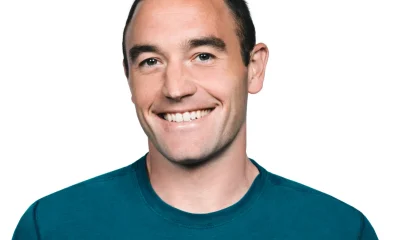
Chris Hemsworth found out he has the ‘dementia gene’ in 2022
‘An earlier diagnosis of Alzheimer’s can aid patients with lifestyle modifications, allow them to access support sooner, and plan ahead.’
At present, the most accurate way to find out if you are at risk of dementia is through genetic testing – which is prohibitively expensive.
Australian actor Chris Hemsworth took a hiatus in 2022 after learning that he had inherited two copies of APOE4, dubbed ‘the Alzheimer’s gene’, from his parents.
Studies show that having both copies increases the risk by 10 to 15 times. Having one copy can double a person’s risk.
The Hollywood star, 42, received the shock diagnosis after taking a genetic test on the National Geographic documentary series Limitless with Chris Hemsworth.
‘You’re constantly thinking you’re going to live forever, especially as a young individual. Then to be told that this might be the thing that might take you out was like, whoa – it kinda floored me,’ Hemsworth said on the show.
Following the test, Chris made changes to his already extensive workout routines and now focuses more on his brain health.
In an interview with Men’s Health, he said he was ‘incorporating more solitude into his life’ as well as focusing on cardio exercise rather than lifting heavy weights.
He said: ‘I’ve always been pretty consistent with my exercise commitments, but lately I’ve really felt the importance of taking time for yourself without any outside voice or stimulation and making time for stillness.’
The Scottish initiative comes as new research into the potential of dementia-predicting blood tests was presented at the Alzheimer’s Association International Conference 2026 in London and published simultaneously in JAMA.
A team from Mass General Brigham and Harvard Medical School found that measuring levels of p-tau217 could help identify people at risk of Alzheimer’s-related cognitive decline up to a decade before symptoms appear.
They followed nearly 2,700 adults – with an average age of 70 – who were cognitively healthy at the start of the study for almost five years on average, with some tracked for more than a decade.
Those with very high levels of the biomarker had an estimated 38 per cent chance of developing cognitive impairment within five years and a 78 per cent risk within ten years. People with moderately raised levels still faced a 15 per cent risk over five years and a 45 per cent risk over ten.
The blood test also provided useful predictive information beyond brain scans and genetic testing, raising hopes it could eventually be used to identify symptom-free patients for prevention trials and guide earlier monitoring or treatment.
Researchers said the findings offer some of the clearest evidence yet that Alzheimer’s risk may be detectable years before memory problems begin.
However, the experts stressed that p-tau217 cannot predict an individual’s future on its own, and that age, genetics, kidney function, obesity and ethnic background can all influence biomarker levels and dementia risk.
Also presented at the conference was the announcement of a new trial into the potential of trontinemab, a revolutionary drug which scientists believe could ‘reverse’ Alzheimer’s.
The study, known as PrevenTRON, will recruit cognitively healthy volunteers in countries across the world, including the UK, aged between 55 and 80.
The drug, which is administered as a monthly infusion, will be offered to about 1,600 people with no current memory problems but who are at high risk of the disease, having been found to have high levels of p-tau217 in the blood.
























































You must be logged in to post a comment Login