Connect with us
DAPA Banner
DAPA Coin
DAPA
COIN PAYMENT ASSET
PRIVACY · BLOCKDAG · HOMOMORPHIC ENCRYPTION · RUST
ElGamal Encrypted MINE DAPA
🚫 GENESIS SOLD OUT
DAPAPAY COMING

NewsBeat

Belarus’s highwire act teeters under Russian pressure

Published

on

Belarus’s highwire act teeters under Russian pressure

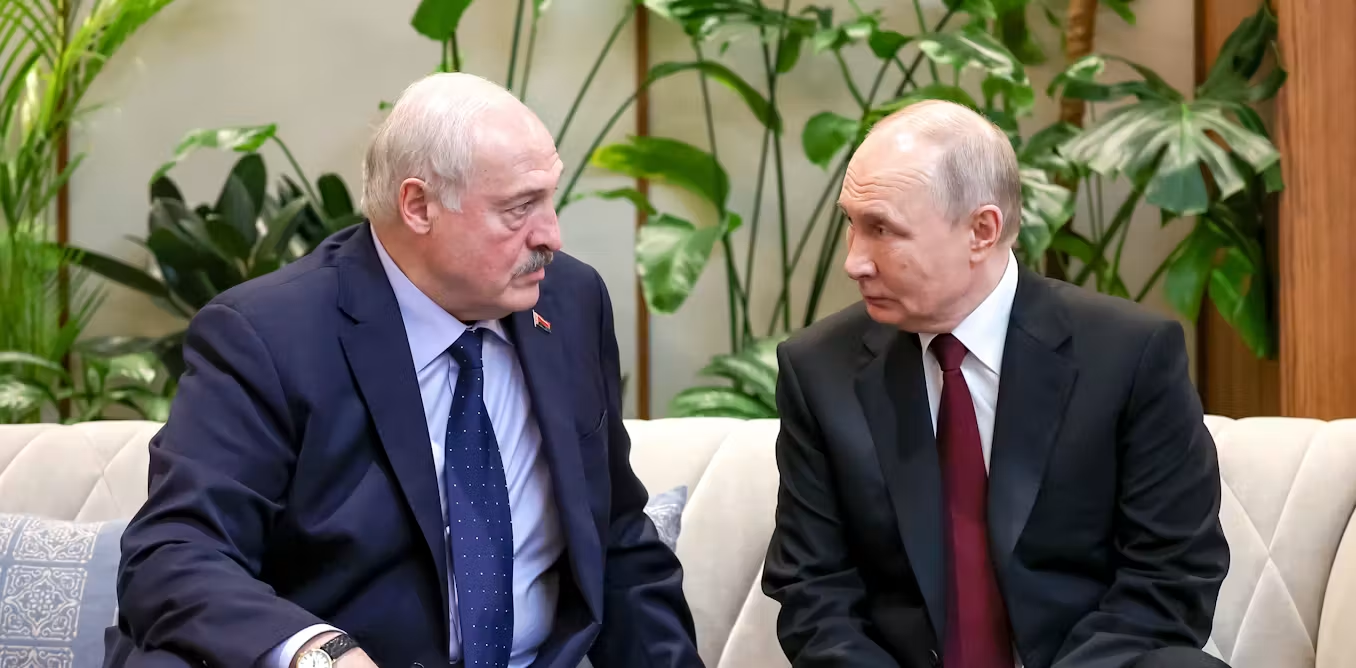
The Belarusian dictator, Alexander Lukashenko, spoke at a ceremony for military graduates and officers on July 6. He predictably mentioned the war in neighbouring Ukraine. “No one is going to send you into this slaughter,” he assured them, “we do not need war; it is tragic that it is going on in Ukraine.”

Yet, arguably, Lukashenko has in fact needed the war. After almost being toppled by mass street protests in August 2020 following a flagrantly rigged presidential election, it was Russia’s full-scale invasion of Ukraine a year and a half later that finally helped him cow his domestic opponents. He claimed to offer stability where political unrest could turn Belarus into another Ukraine.

Nowadays, however, the opposite might be the case. It is the exiled Belarusian opposition that could be helped by the tragedy in Ukraine, with Lukashenko facing reported pressure from Russia to become more deeply involved in the war and Ukraine ratcheting up the pressure on him not to.

Belarus is already involved in the war in many ways. Russia used Belarusian territory as a staging area for its full-scale invasion in February 2022 and, throughout that year, fired missiles into Ukraine from Belarus. Ever since, Lukashenko has sought to take advantage of the conflict while keeping his own troops safely in their barracks.

Advertisement

The war has boosted an economy weighed down by western sanctions. Belarusian factories produce weapons and ammunition for the Russian military, while others work on repairs or routine maintenance. More recently, as Ukraine has stepped up drone attacks on Russian oil and gas infrastructure, it has made sense for Russia to increase its use of two large oil refineries in Belarus which have been safe from attack.

Belarusian involvement in Russia’s 2022 full-scale invasion of Ukraine.
Homoatrox / Wikimedia Commons, CC BY

For Lukashenko personally, the war provided an opportunity to reassert control over society. Having almost ousted Lukashenko in 2020, Belarusian citizens resigned themselves to the status quo. Chatham House opinion polls suggest that people swallowed Lukashenko’s claim that he was keeping Belarus out of the war.

The authorities could also take advantage of international observers’ distraction to double down on repressions inside the country, where hundreds of political prisoners remain. Silencing domestic dissent has been a wartime benefit to Lukashenko. But he has also had to walk a tightrope, giving enough support to Russia’s war effort to convince it he is a loyal and valuable ally and not enough for hostilities to spread to Belarusian territory.

Advertisement

Treading between two fires

Throughout 2026, as Russia has struggled on the battlefield, speculation has grown that the Kremlin wants Belarus’s involvement in the war to increase. In May, Ukrainian officials said their intelligence agencies had information that Russia wanted to mount a new offensive against Ukraine from Belarus.

With the impetus in the war on Ukraine’s side, the Russian leader, Vladimir Putin, might welcome the opportunity to open a new front in northern Ukraine. But there are drawbacks. The Belarusian oil refineries, which have not been treated as military targets while Belarus’s troops have stayed out of the war, would be vulnerable to attack. And as integrated as Belarusian troops are into Russia’s military planning, their lack of combat experience might create problems were they directly involved.

Lukashenko is also feeling a lot more pressure from Ukraine, which recently accused him of letting Russia use signal relay equipment in Belarus to guide drones towards targets. On June 19, the Ukrainian president, Volodymyr Zelensky, gave an ultimatum. He told Belarus to dismantle the relay stations or else Ukraine “would do it” itself.

This was understood as a threat to strike targets inside Belarus, and reports suggest the relay stations were switched off on June 22. In the meantime, Lukashenko hurried to Russia for closed-door discussions with Putin. The Wall Street Journal cited sources stating Moscow was trying to coax Belarus to abandon its pretence of neutrality.
Advertisement
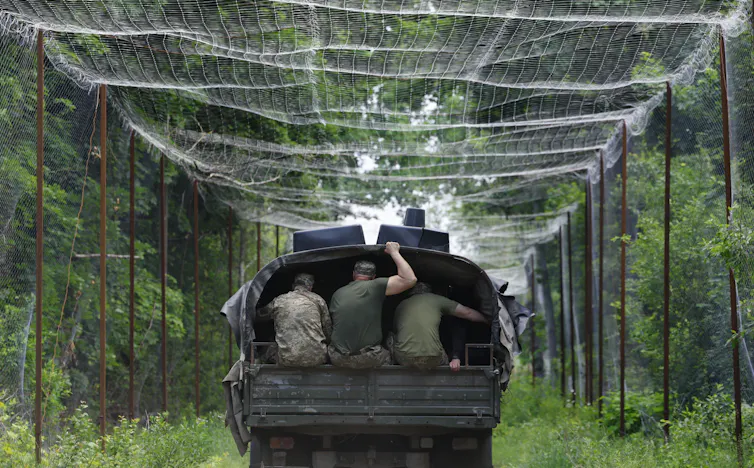
Ukrainian servicemen build up fortifications in the Chernobyl exclusion zone.
Ukrainian servicemen build up fortifications in the Chernobyl exclusion zone, not far from the Belarus border, in preparation for a possible Russian attack on Ukraine from the Belarusian territory.
Mykola Tymchenko / EPA

The less noticed aspect of these developments is the Ukrainian side’s growing engagement with the exiled Belarusian opposition. After February 2022, the Ukrainian authorities steered a pragmatic course in an effort to persuade Lukashenko to stay out of the fighting.

This meant not provoking the authorities in Minsk. As a corollary, the Ukrainians limited their contacts with the exiled opposition – the Belarusian democracy movement, as it prefers to be known – and its figurehead Sviatlana Tsikhanouskaya. However, from the beginning of 2026, Ukrainian officials have changed tack.

In late January, Zelensky and Tsikhanouskaya had their first official sit-down meeting. Tsikhanouskaya then travelled to Ukraine’s capital, Kyiv, for a series of high-level meetings in May. These included meetings with Zelensky and the Ukrainian foreign minister, Andrii Sybiha.

She has also opened a “diplomatic mission” for the Belarusian democracy movement in Kyiv, and meetings between Ukrainian officials and Tsikhanouskaya’s office are becoming commonplace.

As Lukashenko’s highwire act teeters, Ukraine seems keen to aid his opponents. They have, in turn, become more adept at drawing attention to Lukashenko’s possible war preparations, pointing to military modernisation and the militarisation of society in Belarus.

Advertisement

The deeper Lukashenko involves Belarus in the war, the greater the motivation for Ukraine to support the Belarusian democrats, who share its objective of resisting Russian imperialism. It is a bold bet by Ukraine. But after years of resisting Russia, it would be a mistake to underestimate their odds of success in helping Lukashenko’s opponents prevail.


Source link

Advertisement
Continue Reading
Click to comment

You must be logged in to post a comment Login

Leave a Reply

NewsBeat

Manchester Airport to Blackpool North train cancellations

Published

on

Manchester Airport train fault causes delays today

The disruption is affecting services between Manchester Airport and Blackpool North, with train operator Northern warning that delays, cancellations, and changes to services are likely to continue throughout the day.

Trains through major stations including Manchester Piccadilly, Bolton, Chorley and Preston are being affected, with passengers advised to check before travelling.

Northern said via their website: “We apologise for the cancellation of this service today.

“If the train you have a ticket for is cancelled, you can travel on any Northern, TransPennine Express and East Midlands Railway service within 2 hours before or after your cancelled service was due to depart.

Advertisement

(Image: .)

“If you require any connecting services, please check information screens, visit www.nationalrail.co.uk/journey-planner or speak to a member of staff where available.”

Passengers who are delayed by 15 minutes or more may be eligible for compensation under Northern’s delay repay scheme.

Services that have already been cancelled include the 3.48pm, 4.48pm and 5.48pm departures from Manchester Airport to Blackpool North.

Southbound services from Blackpool North to Manchester Airport at 2.54pm and 3.54pm have also been cancelled, with further delays and cancellations expected as the fault continues to cause problems.

Advertisement

Passengers are being urged to check the latest travel information before starting their journeys, and to allow extra time for travel or consider alternative routes where possible.

Further information and live updates are available on the National Rail website and Northern’s social media channels, including @northernassist on X.

Source link

Advertisement
Continue Reading

NewsBeat

Dear Coleen: Mother-in-law is struggling and it’s taking over my life

Published

on

Daily Record

Dear Coleen

THIS is a bit of a delicate one so I need help on how to approach it sensitively. Sadly my father-in-law passed away a year ago, which was devastating for us all. We’ve been incredibly supportive to my mother-in-law but her constant presence in our lives is starting to affect my family.

She lives a few miles away but she’s always at our house, turning up unannounced at all hours and staying for days sometimes. At first it was OK but now it’s very disruptive and we’re always cancelling things for the kids because she doesn’t want to be on her own.

My husband and I have spoken to her friends and suggested social groups that would keep her busy and help her make new friends. We’ve also suggested grief counselling several times, but she won’t hear of it.

Advertisement

My husband’s siblings live abroad so they’re not around to help and she’s reliant on us.

I have so much empathy for her but it’s so hard to deal with and causing arguments between me and my husband. What do I do?

Coleen says

Grief is so different for everyone. Your mother-in-law is feeling lost and grabbing on to what she loves most because it feels scary on her own. It may have been a year but, when you’re grieving a partner, it can feel like no time has passed at all.

It took a long time for my sister Linda to get back on her feet after her husband died. She stayed quite a while with me, then with our other sister and, when she went back home, she had different people staying with her. The difference is, she had therapy and would also call the Samaritans when she needed to vent.

Advertisement

I think the point to gently get across to your mother-in-law is that, while you can carry on being supportive, you’re not professionals and are struggling a bit to know how to help.

It’s probably up to your husband to talk to her and ask how she thinks you can help. Maybe she just needs reassurance that if she’s struggling, she knows you’ll be there.

Reiterate to her friends that she’s struggling and ask them to check in and get involved. Maybe having some things in the diary to look forward to will help. Could your husband’s siblings arrange a visit or invite her over for a few weeks for a change of scene and routine? The hope is she’ll find moments of enjoyment and realise it feels good to start living again.

You can’t force her to have therapy but tell her about bereavement charity Cruse, which might help (cruse.org.uk; 0808 808 1677).

Advertisement

Get more Daily Record exclusives by signing up for free to Google’s preferred sources. Click HERE.

Advertisement

Source link

Continue Reading

NewsBeat

‘Authentic’ Italian restaurant a favourite with locals announces closure

Published

on

Cambridgeshire Live

Following the announcement, customers said it is ‘such a shame’

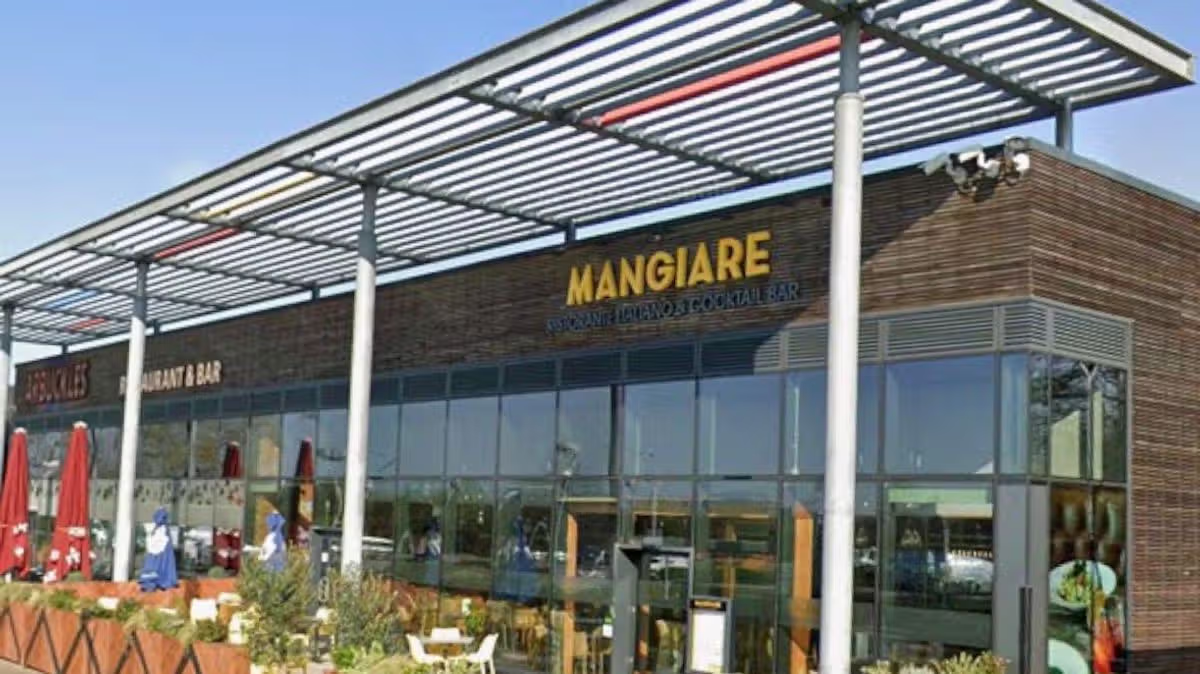
A popular Cambridgeshire Italian restaurant is set to close its doors permanently, citing they will “cherish the memories”. Mangiare on Downham Road in Ely is set to close for good on Sunday, August 2.

Advertisement

Its owners said that, “with a heavy heart” the restaurant will close. This isn’t the end of Mangiare though, as its other locations in Newmarket and Frinton-on-Sea remain in operation. The restaurant has thanked customers for all their support.

The Mangiare restaurant shared on Tuesday, July 15: “It is with a heavy heart that we announce Mangiare Ely will close on Sunday, 2nd August. A huge thank you to all our wonderful guests for your support over the years.

“It has been our pleasure to serve you, and we’ll always cherish the memories we’ve made together. And if you’re nearby, COME AND ENJOY the same delicious Italian food and friendly service at our MANGIARE NEWMARKET restaurant. Thank you for everything.”

In response to the news, diners commented that it is their “favourite restaurant” and that it is “such a shame” to hear. In a recent review on Tripadvisor, one customer wrote: “We visited Ely Mangiare today and I couldn’t fault any aspect of out meal or the service. The food was sensational.”

Advertisement

Another previous customer wrote: “This authentic Italian ristorante offers great flavours, crowd-pleasing dishes, and a relaxed, friendly vibe.”

The vision of the restaurant comprised of the “finest Italian taste coupled with a relaxed atmosphere for a memorable experience”, according to Mangiare’s website.

Source link

Advertisement
Continue Reading

NewsBeat

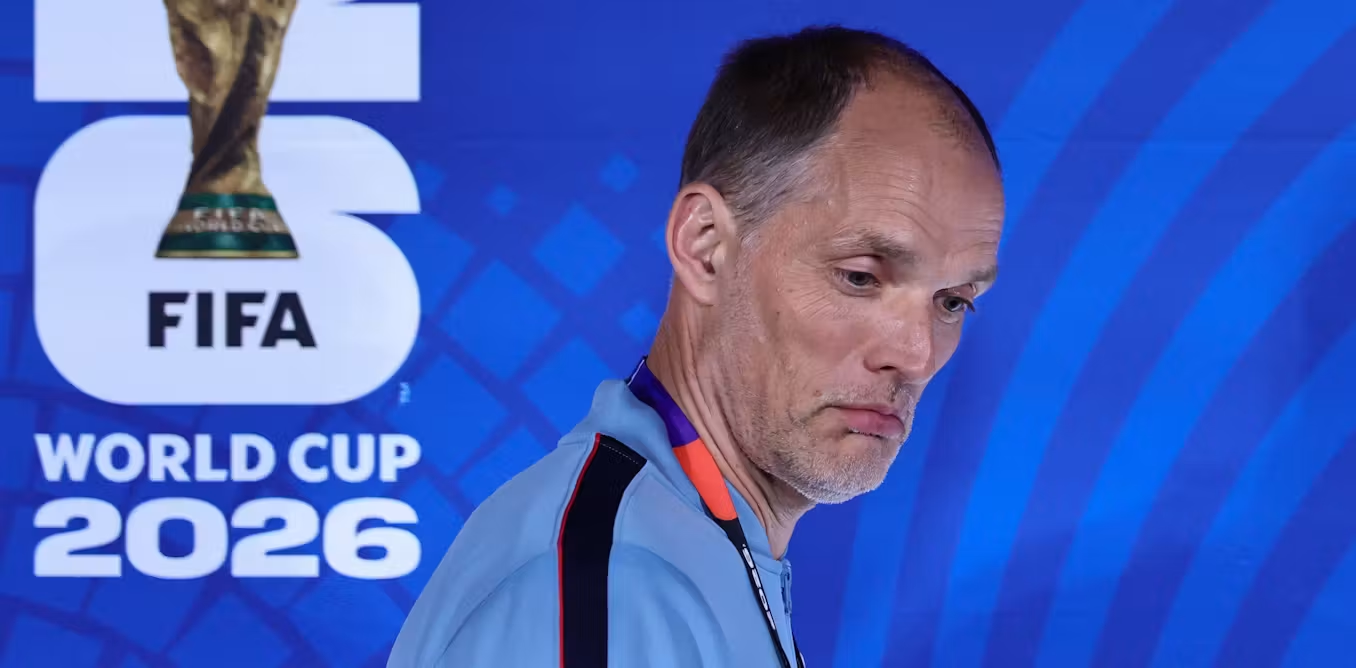
England’s World Cup dream dashed as Thomas Tuchel’s game plan falls to pieces

Published

on

England's World Cup dream dashed as Thomas Tuchel's game plan falls to pieces

Cruelly, the journey was brought to an end in Atlanta by the defending champions.

Enzo Fernandez scored with five minutes to go, then Lautaro Martinez two minutes into stoppage time, both of them assisted by Lionel Messi, the greatest player of all time, whose genius showed no sign of having waned.

Source link

Continue Reading

NewsBeat

Dads Are Getting Real About Losing Their Identities After Having Kids

Published

on

Dads Are Getting Real About Losing Their Identities After Having Kids

We often hear about how becoming a mum can impact identity – just this year, a major survey of 4,000 women by Peanut found nine in 10 mums (93%) said they’d experienced a “meaningful change” in identity after becoming a parent.

More than half (59%) said they felt like a completely different person after having a baby.

But compared with motherhood, fatherhood and identity seem to receive less research attention and much less public discussion.

In online forums, some report a sense of feeling lost or no longer recognising themselves after having children. One dad described feeling “like a husk” of the person he used to be. Another described not having the energy for himself and feeling guilt over letting his “career, hobbies and friends slip”.

Advertisement

Taking to Reddit more recently, a dad-of-three opened up about having the “realisation” that he doesn’t seem to have an identity outside of keeping his family running.

“Somewhere along the way I became the person who remembers everything. The grocery list. The camp forms. The appointments. The lunches. The laundry. The bills,” he said.

“None of those things are who I am. But together they’ve become what I do all day, every day.”

He added that he loves his family and loves being a dad, “but sometimes I wonder who I am when nobody needs anything from me”.

Advertisement

“I struggle with this too. It’s hard,” said one of many replies.

Another parent chimed in: “I went out for drinks while my family was away last week and I realised I forgot how to do that … I have my work life where I run that place, and my home life where I run that place, but outside of those two things, I have a hard time existing.”

One parent noted they “worry” who they will be in 20 years when their child is an adult and leaves home, while another recalled how even a simple “how are you?” prompts them to answer about their family’s wellbeing, rather than their own.

Why do we struggle with our identity after having kids?

Advertisement

It’s certainly not uncommon to feel like your identity shifts radically after having kids. Where once you only had yourself (and perhaps a romantic partner) to think about, now you’re also wholly responsible for another human – who relies on you for everything. They almost become an extension of you.

Dr Rebecca Lesser Allen, a clinical psychologist who works with families, said in her experience, identity loss begins when parents struggle to maintain space for their own perspective.

“In modern life, most parents begin organising their decisions around what the children need, what the household needs, what everyone else needs, and stop asking themselves: what do I enjoy? What feels meaningful to me? What kind of person am I becoming?” she said.

Rather than trying to return to the person you were before having children, the aim is to “continue growing and evolving while integrating parenthood into your larger sense of self”, she suggested.

Advertisement

“Healthy identity isn’t about clinging to your pre-parent self or disappearing into the role of ‘Mum’ or ‘Dad’. It’s about continuing to become a whole person.”

There is a lot of messaging in modern society that life needs to revolve around children, but Dr Lesser Allen wants to see a shift away from this idea that kids should be the organising principle of family life.

“We often receive the message that being a good parent means optimising every aspect of childhood – meals, sleep, enrichment activities, emotional development, schedules, weekends – and that a devoted parent should always put themselves last,” said the psychologist.

“That pressure is exhausting, and I don’t think it’s serving parents or children particularly well.”

Advertisement

How to regain a sense of identity after having children

Brook McKenzie, a chemical dependency counsellor and CEO for Burning Tree Programs, a long-term treatment centre for people struggling with addiction, said he often sees the long-term consequences “when a parent’s entire identity becomes wrapped up in their child”.

“Being a father is an enormously important part of a man’s identity, but it can’t be his entire identity,” he said.

“Children are supposed to need us differently as they grow. If Dad’s sense of purpose depends on remaining indispensable, he may unintentionally keep doing for his children what they need to learn to do for themselves.”

Advertisement

His advice to fathers in a similar position is to avoid asking, “Who am I when nobody needs me?” and instead ask, “Who am I choosing to become while my children are becoming who they are?”.

“Go back to the parts of yourself that existed before everyone needed something from you,” he advised parents. “Friendships. Marriage. Work. Faith. Fitness. Curiosity. Hobbies. Whatever was genuinely yours. And if some of those things no longer fit, build something new.

“The goal of fatherhood isn’t to remain necessary forever. It’s to raise children who can eventually stand without you – and to still have a life worth living when they do.”

Research suggests benefit from growing up in families where parents maintain a healthy sense of self and strong adult relationships, while remaining emotionally connected to their children, Dr Lesser Allen pointed out.

Advertisement

Instead of waiting until you have a free Saturday to reconnect with yourself (which could be a while, let’s face it), she urged parents to “invite your children into the life you already value”.

“If you love hiking, bring them hiking. If you enjoy gardening, you can let them help. Or give yourself permission to do it while they potter around and interrupt and bother you that they’re bored,” she said.

Kids might say they’re bored and wish they were doing something else – and that’s alright. They’ll be OK. She continued: “Give yourself permission to sit on the couch in the middle of a busy Saturday, read a book, and tell your kids ‘I’m not available right now.’

“Children don’t need every activity to be designed around them. They benefit from participating in meaningful family life.”

Advertisement

She also wants parents to get curious about the guilt they feel over doing things for themselves – this guilt “often reflects an internalised cultural message that a good parent is endlessly self-sacrificing”, she added.

“Again, the research indicates that this kind of self-sacrifice does not benefit children. Guilt isn’t always evidence that you’re doing something wrong. Sometimes it’s evidence that you’re challenging an unrealistic expectation.”

Like McKenzie, the expert said maintaining your identity isn’t just good for you, it’s good for your children, too.

“Kids benefit from seeing their parents have friendships, interests, meaningful work, and passions outside of parenting. It teaches them that adulthood isn’t about disappearing into caregiving or organising your entire existence around someone else,” she said.

Advertisement

“It teaches them that healthy relationships allow us to love deeply without losing ourselves.

“The healthiest families aren’t the ones where parents sacrifice their identities for their children. I work with adolescents and young adults in therapy every day who tell me that this is not helpful and often places an enormous burden on them.

“Healthy families are ones where children grow up surrounded by adults who remain whole people, and in doing so, model what a full and meaningful life can look like.”

McKenzie seconds this: “One of the healthiest gifts a parent can give a child is watching them see Mum or Dad continue to grow, pursue meaningful work, maintain friendships, nurture a marriage, and live a life that doesn’t depend on their child’s constant involvement.”

Advertisement

Source link

Continue Reading

NewsBeat

Thomas Tuchel thinks differently, and draws on academia

Published

on

by an expert in football coaching

As a football coach, Thomas Tuchel has done things differently to many of his colleagues.

For example, it is extremely rare for lower league footballers to become the head coaches of top sides. But that’s what Tuchel did, playing as a defender in Germany’s bottom tiers, before going on to manage elite teams like Paris Saint-Germain and Chelsea.

It’s also unusual for youth team coaches to become coaches to senior sides, or to make the leap from coaching relatively small clubs to some of the bigger clubs in the world. Tuchel, England’s head coach, has made these switches too, and in doing so has demonstrated two particular managerial skills: awareness and adaptability.

The two qualities complement each other. A strong sense of awareness is required to effectively assess situations and players, and then recognise how and when a team might need to change its approach. It requires the ability to evolve and mature.

Advertisement

And a distinct aspiration for Tuchel is not to remain the same coach that he has been in the past. He has said: “[You] need to constantly adapt your style to what is needed, and to your group, and to change yourself, and to develop and to grow.”

He is also known for his perfectionism and dedication. And according to a former colleague, his total commitment to a cause can galvanise a group if it is harnessed correctly.

The colleague said: “Extraordinarily good coaches like him are very intense, that’s part of the deal. They live and breathe football, and that attitude transmits to the team.

“They want to do everything well, and that creates a strong feel for the collective. Everybody wants to give their all, every day, every game. That’s why teams immediately get better once he starts working with them.”

Advertisement

Tuchel retains very high expectations of performance. He does not mask his displeasure on the sidelines, and is not afraid to tell players when they are not playing well. But his methods involve much more than direct criticism.

For instance, after visiting a professor at Mainz University in Germany, Tuchel became an advocate of a technique known as “differential learning”, which emphasises variation rather than repetition of movement in football training. It also involves presenting players with a wide variety of obstacles that demand constant adjustment, while embracing the fact that players and opposing teams are all different.

So Tuchel began to tailor practice sessions to continually challenge and stretch his players. There would be extreme variation in pitch sizes for example, or particularly difficult drills.

Tuchel said of this more creative style of training: “That influenced me a lot, because it changed my role as a coach completely.

Advertisement

“With this [approach] there is no right and wrong. I’m just responsible for the ideas and principles of how we play. Within those they are free to find their own solutions.”

The overall idea for Tuchel is that training ends up being so testing and so demanding, that competitive matches seem comparatively easier to cope with.

Shape-shifter, trophy winner?

Tactical versatility has also been a defining feature of Tuchel’s method. He is well known for his in-game changes, where a side might switch formation six times during a match. He wanted his players to learn to constantly adapt to new roles, shapes and systems.

Advertisement

However, Tuchel has recently explained that if you switch formation too often, players can be conditioned to always look to the coach for a solution. Instead they should be concentrating on how they flexibly apply fundamental defensive and attacking principles, regardless of changes in tactics.

So again, Tuuchel is open to change. He wants to empower his team to make adjustments, without always looking to him for the answers.

To him, awareness and adaptability are crucial qualities required for effective management. This means having the confidence to follow a well-formulated course of action, but also the modesty to appreciate the limits of your capabilities and remain receptive to alternative solutions.

As Tuchel has commented: “I can do it my way, but I never want to say, ‘I know how it’s done.‘

Advertisement

“I know nothing. I just try my things, and every day is new. There are lots of people out there in business who say they know how it’s done. But there’s not just one way to do things. You have to adapt.”

Source link

Advertisement
Continue Reading

NewsBeat

Wales breaking news plus weather and traffic updates (Thursday, July 16)

Published

on

Wales Online

Hello, and welcome to WalesOnline’s live blog for Thursday, July 16. We’ll be bringing you all of the latest news from across Wales – whether you’re on the move, at home or at work – as well as the latest traffic and travel.

We’ll also be keeping you informed of major news stories from the UK and overseas.

Contribute to the live blog by posting your comments below, or tweet us @WalesOnline to share the news that’s breaking in your area. Read the biggest stories in Wales first by signing up to our daily newsletter here.

Advertisement

Source link

Continue Reading

NewsBeat

Thomas Tuchel retains FA backing despite criticism after England’s World Cup exit

Published

on

Thomas Tuchel retains FA backing despite criticism after England’s World Cup exit

Under-fire Thomas Tuchel retains the Football Association’s backing after England’s disappointing World Cup semi-final loss to Argentina and looks set to stay on as manager for Euro 2028.

The 52-year-old former Chelsea boss was named Sir Gareth Southgate’s successor in November 2024 and led the back-to-back European Championship finalists to the last four in North America.

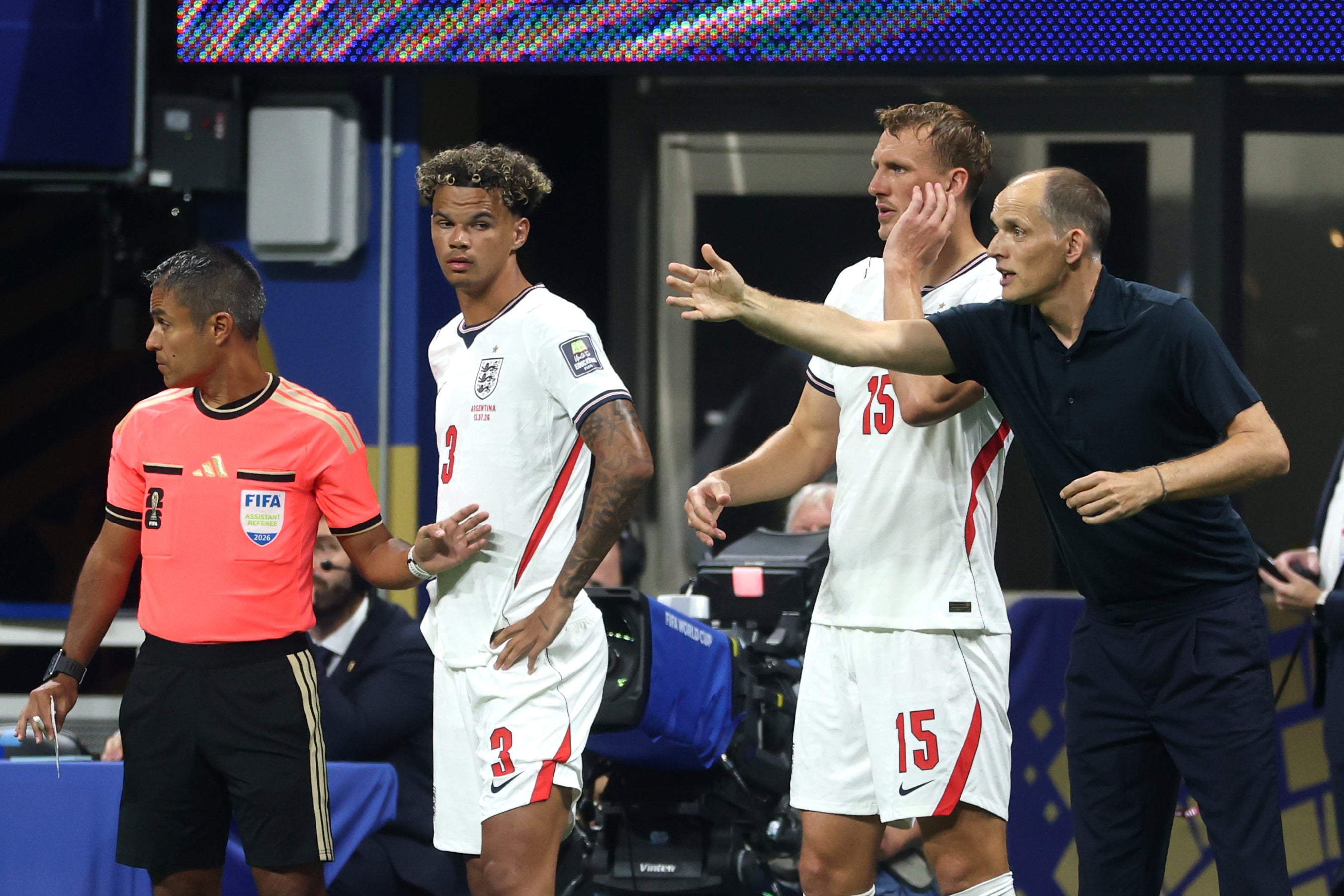
Anthony Gordon’s strike had England on the cusp of a first men’s World Cup final since 1966, only for Tuchel’s defence-minded alterations to invite Argentina on as the Atlanta semi-final ended in a late 2-1 loss.

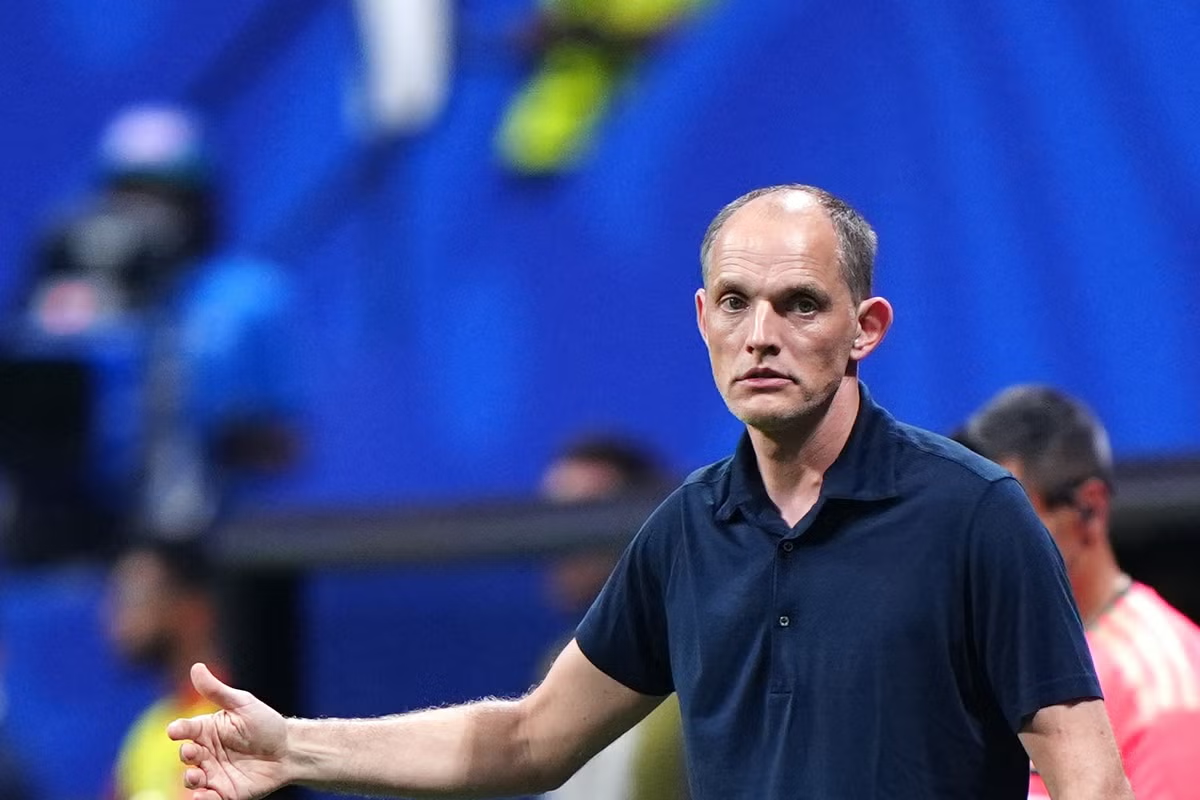
The German coach’s negative decision making has put him under intense scrutiny, but the Press Association understands he maintains the FA’s support.

Advertisement

Tuchel’s initial deal had only covered this World Cup but in February he signed an extension until 2028, when he fully intends to lead England into the home Euros.

Speaking after the Argentina loss, the head coach said: “I have a contract until the home Euros and I’m looking forward to that even like now it is difficult to look that far ahead.”

England flew back to their Kansas City base after Wednesday’s agonising loss in Georgia, where FA chief executive Mark Bullingham praised Tuchel.

“It is heartbreaking to be so close,” he said. “The players and Thomas gave it everything today and the squad, coaches and staff could not have worked harder during the tournament.

Advertisement

“I would like to thank them all – and also give my heartfelt thanks to our wonderful fans here in the USA and at home. We felt your support every step of the way and we are all so disappointed not to go further.”

England’s defensive substitutions have been questioned
England’s defensive substitutions have been questioned (Getty)

England cannot pack their bags for home just yet as the team must return to Miami a week on from winning their quarter-final against Norway at the Hard Rock Stadium.

A third-place play-off against France awaits and Saturday’s encounter will be a drag for all involved.

“A lot of lot of big, big, big football nations are eliminated before the semi-final, so, yeah, it is an achievement,” Tuchel said of making the final four.

“No-one wants to hear that at the moment. Me neither, because we demand the most of ourselves. That’s just the nature of being competitive.

Advertisement

“The nature of being so competitive (means) also puts the next game into perspective.

“Nobody of these (England) players, nobody of French players wants to play this match. They want to play in the final. We gave everything to be in the final.

“Everyone plays to win the World Cup, but it is what it is. We have for a day less and to recover, but we will do it professionally, of course.

“I didn’t say a lot (to the players afterwards). Nothing what you say in the dressing room can take away the pain or the disappointment, of course.

Advertisement

“We all know these moments, so I said let’s take it with respect, let’s digest it first. Accept that we gave everything. That is a big part in a defeat.

“Did we do everything to arrive in this semi-final? Did we give everything? 100 per cent we did, and I think the fans will realise that and do realise that.

“The second of all is to bounce back, to react. That’s what you have to do on highest level in sports. It’s what is demanded and what we will do.”

PA

Advertisement

Source link

Continue Reading

NewsBeat

York mum’s battle with coeliac disease turns to campaign

Published

on

York mum's battle with coeliac disease turns to campaign

Sophie Fisher, 43, from York, has shared her battle after being diagnosed with coeliac disease after a series of unexplained medical issues that affected her life.

The mum of twins says that she spent years struggling with unexplained abdominal pain, exhaustion, and urgent diarrhoea – symptoms that began after the birth of her twin sons and a series of emergency surgeries.


RECOMMENDED READING:


Her health problems included a burst appendix, which perforated her bowel and led to emergency surgery; two years later, she was hospitalised again with an infected gallbladder, which was also removed.

Advertisement

Despite her ongoing digestive symptoms, Sophie said the issues were repeatedly attributed to scar tissue or post-surgical changes, with symptoms making day-to-day life unpredictable.

It was only after seeing a different GP – who asked why she had never been tested for coeliac disease – that she finally received a diagnosis for the autoimmune condition, which was confirmed by a blood test and endoscopy.

Sophie said: “When I got the diagnosis, I was absolutely gutted. Nobody wants to hear that they have to change everything they eat for the rest of their life. But at the same time, it was a relief to finally know I wasn’t imagining it.”

Coeliac disease affects around one in 100 people in the UK and causes the body’s immune system to attack the small intestine when gluten is consumed, leading to malabsorption of nutrients.

Advertisement

Sophie at Zip World with her family (Image: Guts UK)

The only treatment is a strict, lifelong gluten-free diet, with Sophie adding that adapting to a gluten-free diet has been challenging “both physically and emotionally”.

She said: “For years, being dismissed had made me feel like I was going mad. Managing coeliac disease day-to-day is hard work because it takes a lot of planning.

“I can’t just grab food when I’m hungry like other people can. Cross-contamination is a huge issue. I recently had blood tests showing gluten even though I hadn’t knowingly eaten any.”

She added that it had a significant emotional impact on her life, saying: “Emotionally, it can feel really isolating. I feel like ‘the awkward one’ all the time, even though it’s completely outside my control.

Advertisement

“Even simple days out can feel quite sad sometimes. The best way I can describe it is going to the coast and everyone wanting to just grab some chips and an ice cream, and I can’t.

Sophie and her family in matching pyjamas (Image: Guts UK)

“I’ve literally had to run across restaurants halfway through meals because of symptoms.”

Ms Fisher is sharing her story as part of Guts UK’s new campaign, Let’s Talk Guts, which aims to break the stigma around digestive symptoms and encourage people to seek medical advice.

She said: “I wish people understood that coeliac disease is an autoimmune disease. It’s not me being fussy or choosing not to eat gluten.

Advertisement

“I hope that if somebody else is feeling the way I felt before I was diagnosed, they might read my story and recognise something in it.

“If it helps someone push for answers or feel understood, then that’s really important to me.”

Running from July 13 – 19 , Guts UK has launched a campaign encourages people to have more open conversations about digestive conditions and symptoms, recognise when symptoms may need medical attention and feel confident talking about their guts with friends, family, colleagues and healthcare professionals.

Advertisement

Source link

Continue Reading

NewsBeat

Harrogate – hate crime investigated as abuse hurled at man

Published

on

Man seen in Church Street, Norton, with 'gun'

The county’s force said it happened around 7.30pm on Thursday, July 2, on Walworth Avenue in Harrogate, between Walworth Avenue and a ginnel that runs towards Knaresborough Road.


Recommended reading:


Advertisement

The man, who uses a crutch, was approached by a woman who verbally abused him, specifically targeting his disability and causing significant distress, police said.

Officers are appealing for witnesses, particularly anyone who saw the incident or may have CCTV or video doorbell footage from the area.

The suspect is described as a woman in her late 40s or early 50s with blonde hair, wearing sunglasses, a short-sleeve white top, sand-coloured shorts, and carrying a shopping bag.

Anyone with information is asked to contact PC 724 Furnass at jodie.furnass@northyorkshire.police.uk, quoting reference 12260124395.

Advertisement

Source link

Continue Reading

Trending

Copyright © 2025