



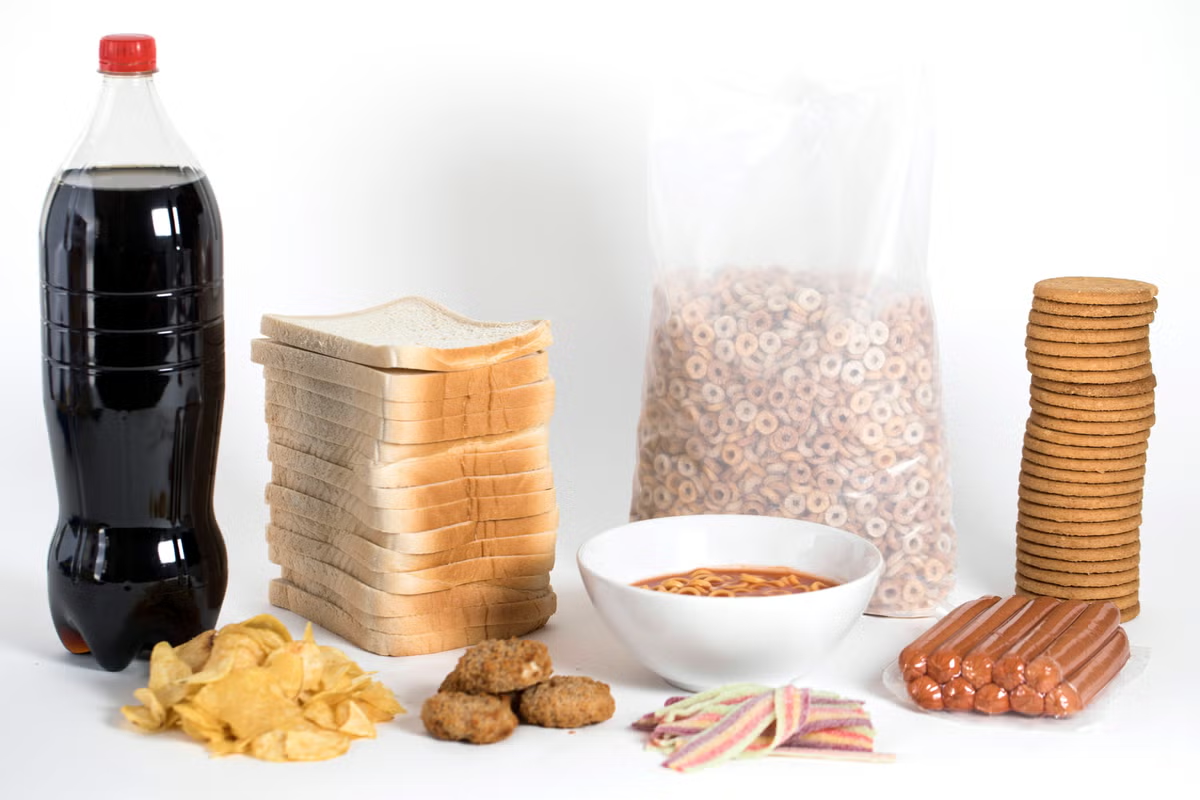
Researchers found that up to 8,300 deaths could be prevented across Canada if the country’s population halved its consumption of ultra-processed foods.
Between a fifth and over a third of all heart disease-related deaths, including coronary heart disease and stroke, are attributable to consuming ultra-processed foods (UPFs), scientists warned in a new study.
Coronary heart disease and stroke are among the leading causes of death, responsible for nearly one in four deaths in many parts of the world.
High intake of ultra-processed food has been associated with increased risks of chronic diseases, particularly cardiovascular diseases (CVD).
A new study attempted to estimate the burden of CVD that can be attributed to ultra-processed food (UPF) consumption among adults in Canada.
They say similar results could be expected in other high-income countries as well.
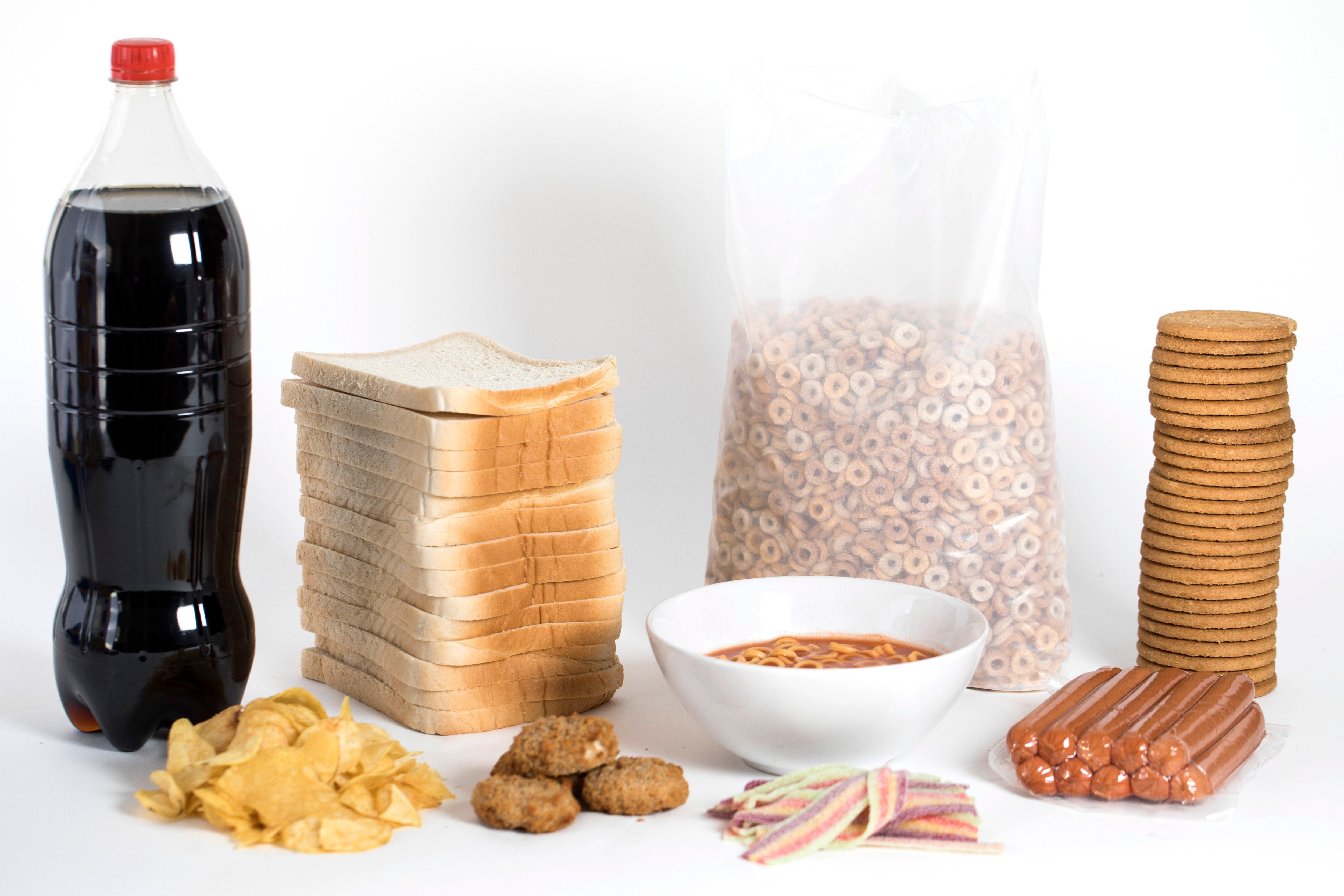
In the study, scientists looked at the diets of Canadians over 20 years old in 2015, and found UPFs made up 43 per cent of their total daily energy intake.
They estimated that between 23 per cent and 38 per cent of all CVD events in 2019 were attributable to UPF intake.
This corresponds to 58,200 to 96,000 new cases of CVD, and 10,600 to 17,400 CVD-related deaths, researchers noted in the study published in The American Journal of Preventive Medicine.
Scientists then estimated the effects of different scenarios of reduced and increased UPF intake to estimate the potential health impacts, and calculated the number of avoidable or excess CVD cases, deaths at varying consumption levels.
Reducing UPF consumption by half may have prevented 5,000 to 8,300 CVD-related deaths and 27,300 to 45,900 new CVD cases across the Canadian general population, they estimated.
“These findings reinforce the need for clinical and public health interventions aimed at reducing UPF intake as a key component of cardiovascular disease prevention,” scientists wrote.
“Similar trials could investigate the extent to which reducing UPF intake in the diet could reverse or prevent CVD precursors/risk factors, including high blood pressure, high cholesterol, diabetes and obesity,” they wrote.
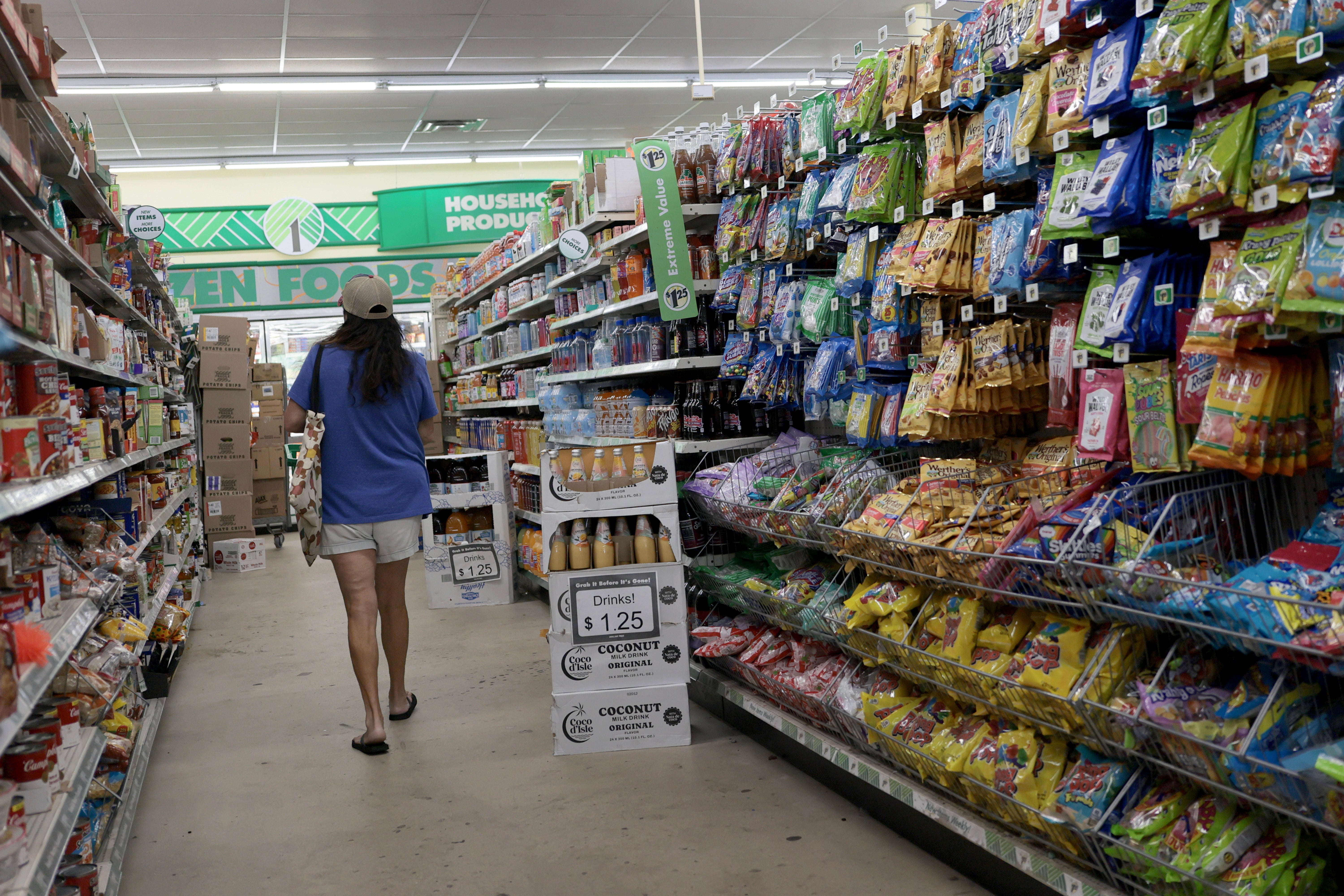
Researchers warn that UPF dominates the food environment, making excessive consumption a widespread and involuntary phenomenon.
“While public education and individual counselling remain important components of health promotion, their impact is limited without broader environmental and policy support,” scientists wrote.
“To drive meaningful change in dietary patterns, comprehensive structural measures are essential. These include regulations on food taxes, front-of-package labelling, marketing restrictions and reformulation targets aimed at improving food quality,” they wrote.
Experts unrelated to the study point out that while reducing UPF consumption may be beneficial, they highlight that the findings are “observational” in nature and do not yet prove a thorough causality between UPFs and CVDs.
“Observational studies can only provide information about an association, but not causality,” explained nutritionist Gunter Kuhnle from the University of Reading.
“UPF are often more affordable than less processed foods, which means that people who consume larger amounts of ultra-processed foods might already be disadvantaged, which can result in poorer health,” he said.
“In my view it would be more accurate to interpret this study as a modelling exercise that reinforces what we already know about poor diet and heart disease, not as evidence that industrial food processing is itself a distinct cardiovascular hazard,” said Alberto Fiore, a professor of food chemistry from Abertay University.
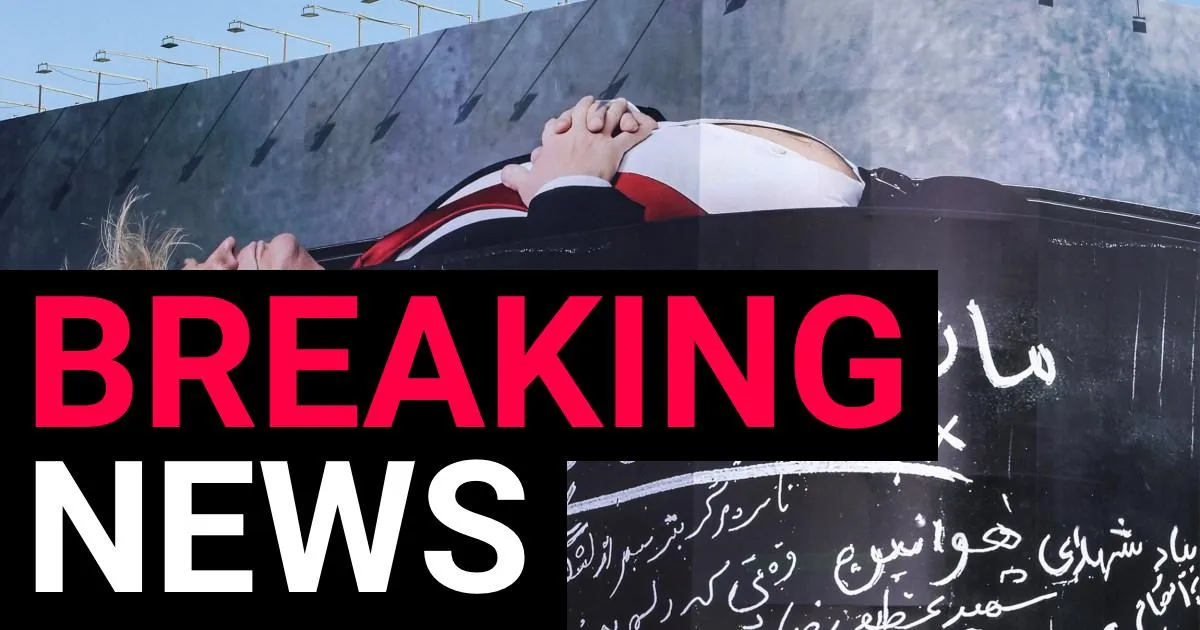
A large billboard of Donald Trump dead in a coffin with the words ‘we kill Trump’ has been revealed in Tehran as tensions skyrocket.
The large installation comes days after Ayatollah Ali Khamenei’s massive funeral, in which attendees chanted slogans about murdering the US President.
The billboard shows Trump, with his hair sticking up wildly and hands crossed upon his large belly, dead.
The installation is in Islamic Revolution Square, in the centre of Tehran.
Last week, Trump hinted at the fact that he may be killed by Iran, telling reporters: ‘Now they have another set of leaders. They may be gone. Who knows? And you know what? I may be gone too, because I’m their number one target.
‘It’s out all over the place. I’m their number one because they’re scum. That’s the way they act, and that’s the way they’ve done it for 47 years.’
Start your day informed with Metro’s News Updates newsletter or get Breaking News alerts the moment it happens.

In recent days, the US began launching new strikes and told Tehran to ‘behave’ after it began striking vessels in the Strait of Hormuz.
As talks stall over disagreements about the vital waterway, in which multiple cargo ships have been attacked by Iran this week, Trump has reimposed a blockade on the Strait.
Iran has also continued carrying out missile and drone strikes against US allies in the Middle East, including Bahrain, Kuwait, and Jordan.
Trump warned that more US strikes would cripple Iran, targeting bridges and power plants unless the country backs down.
Get in touch with our news team by emailing us at webnews@metro.co.uk.
For more stories like this, check our news page.
MORE: Is this warmaxxing? US is now going to test soldiers for testosterone levels
MORE: Trump tells Iran to ‘behave’ after launching new strikes
MORE: British man jailed in Iran has ‘unjustifiable’ sentence extended by two years
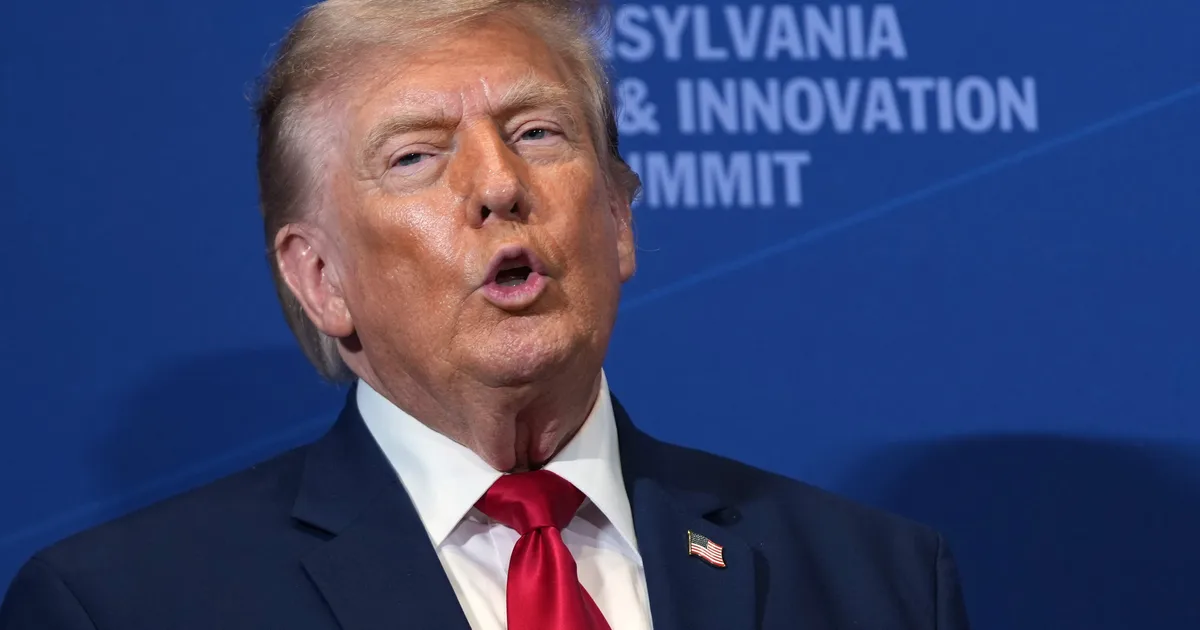
Donald Trump will have to negotiate with Iran for the sake of the global economy and his own legacy, according to an expert.
The US president has been attacking Iran for five days, hoping to erode the country’s ability to target vessels in the major shipping lane, the Strait of Hormuz.
Trump is also threatening to blow up Iran’s power plants and bridges next week unless they come to a deal, but Tehran has warned the war will spread if US attacks continue.
Dr Roxane Farmanfarmaian, a lecturer in international politics at the University of Cambridge, said the White House will have to negotiate soon – especially as the US mid-term elections loom.
“Iran is certainly very anxious to negotiate and I think its door is open,” she told BBC Radio 4’s Today programme, pointing out that its economy was already in a “dire” position before the conflict began.
She continued: “But by this time I think its trust in the United States has been completely lost.
“The United States, has once again – from [Iran’s] perspective – pulled out of the MOU [memorandum of understanding] just as he pulled out in his first term from the nuclear deal, the JCPOA.”
Trump withdrew from the Iran nuclear deal, the Joint Comprehensive Plan of Action, in 2018.
After working with Israel to launch strikes on Iran earlier this year, Trump and Tehran agreed to an MOU, where they vowed to reach a permanent ceasefire within 60 days.
That truce quickly ended after Iran attacked ships it accused of trying to pass through the Strait of Hormuz without their approval – and the US hit back with its own escalating strikes.
But Farmanfarmaian suggested the war cannot keep going.
She said: “I think there is a sense that [Iran’s] economy is certainly pushing them to the table.
“But by the same token, if they are able to put enough pressure on the United States and the global economy – the price of oil going up, inflation going up, fertiliser going up once again – this is going to push United States to the table as well.
“After all, Trump has an election coming up and this is going to be critical for his legacy if nothing else.”
Listen to Commons People, the podcast that makes politics easy. Every week, Kevin Schofield and Kate Nicholson unpack the week’s biggest stories to keep you informed. Join us for straightforward analysis of what’s going on at Westminster.

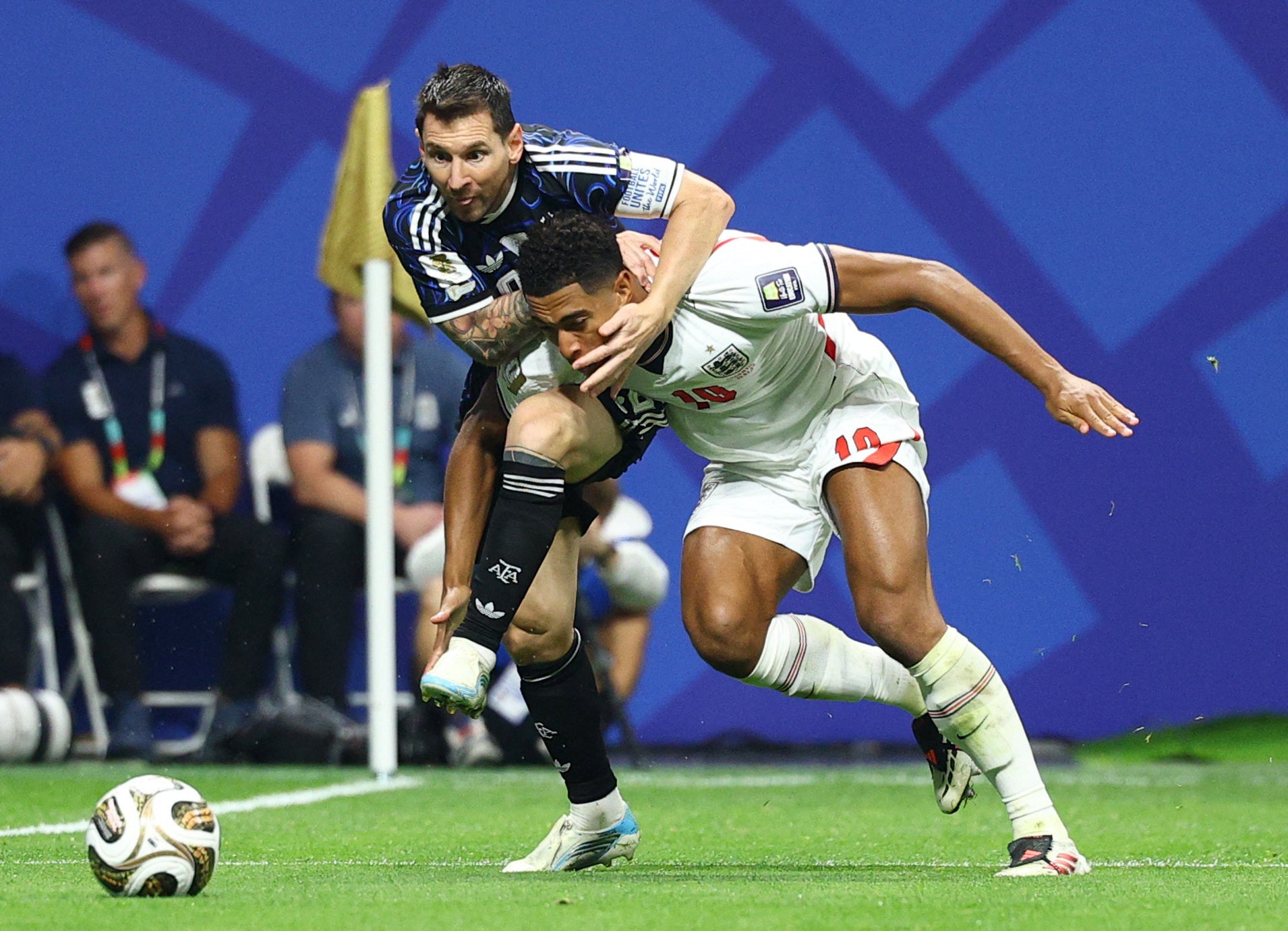
Jude Bellingham insists he was simply “discussing a foul” with Lionel Messi as a clip of their heated confrontation in the World Cup semi-final went viral on social media.
Argentina captain Messi set up both late goals as the defending champions broke English hearts with a 2-1 victory in Atlanta while England’s star playmaker Bellingham, despite his last-16 and quarter-final heroics, was largely quiet in the final-four contest.
Yet Real Madrid midfielder Bellingham, who can speak fluent Spanish, was embroiled in a conversation with Messi in the first-half during a brief pause in play, resulting in Messi making a pointed facial expression and Bellingham laughing as he walked away.
Asked about the confrontation after the game, Bellingham played down the incident, saying: “We was discussing a foul actually, it was nothing bad. I’m sure everyone will do their thing and make it a big deal but it was nothing big really.
“I thought there was a foul earlier and he said ‘what about the one on me?’ and I said ‘you’re strong enough to take it’, you know what I mean.
“It was a privilege to play against him, it was nothing like that against him. I’m obviously on the losing side which hurts a lot but a privilege to line up against one of the best.”
After the game, Bellingham was involved in an altercation with Valentin Barco, slapping the Argentina substitute around the back of the head. It remains to be seen if Bellingham will face any sanction. England face France in the bronze final on Saturday in Miami.
England took the lead in the 55th minute through Anthony Gordon yet the Three Lions then dropped very deep, switched to a back-five, and ceded space in the midfield as Argentina carved a route back into the match.
England boss Thomas Tuchel has received immense criticism for his tactical plan and substitutions in the second-half, yet insisted he had “no regrets.”
“You can discuss this with a million coaches [but] I have to make a decision on the pitch,” he told the BBC.
“I analysed the match and I did it a certain way so that’s my responsibility. In the moment, no regrets. The team gave everything and we were very, very close. We deserved to be up 1-0.
“We played one of our better matches, maybe our best match in the circumstances. The team was top, we couldn’t get over the line but no regrets.”

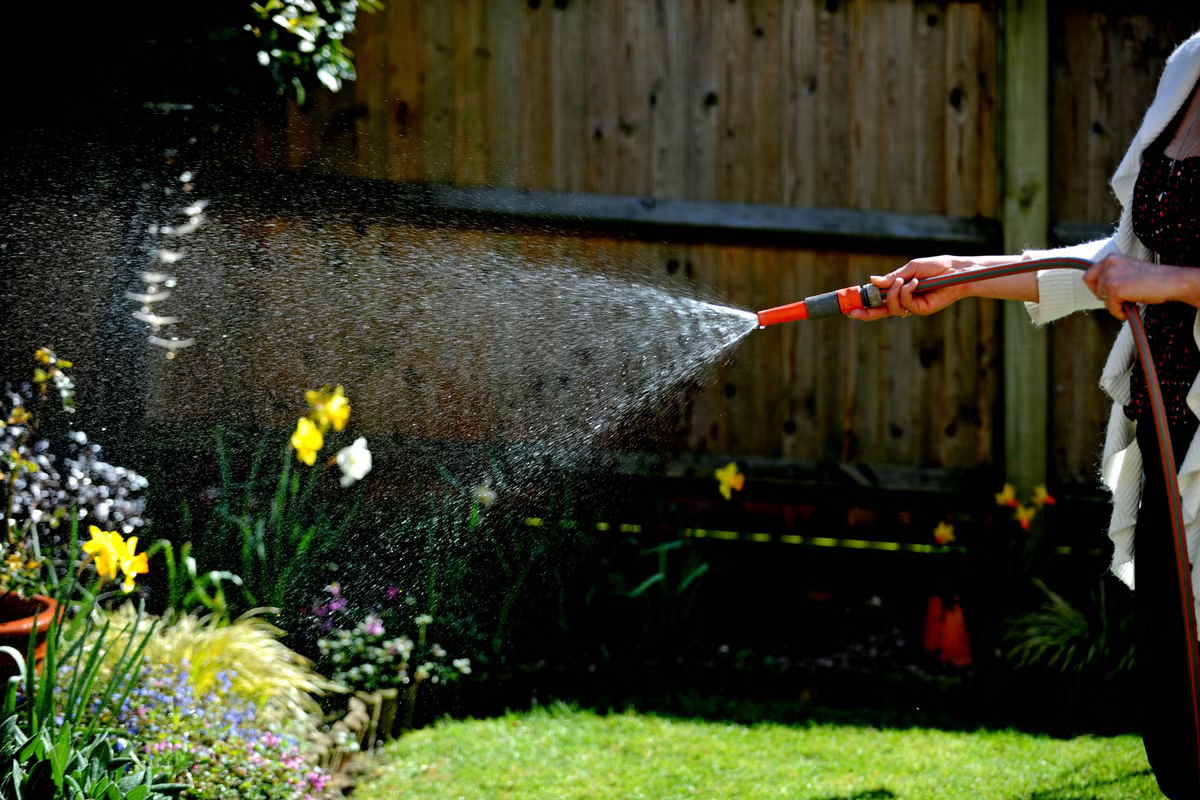
Taxi drivers and crop growers are among large sections of people legally allowed to ignore hosepipe bans in their areas.
Millions of Britons are living under hosepipe bans as fears grow of drought in the worst-affected areas.
The heatwave that has hit the UK this year has broken records, including eight days at or above 34C in a year. And last month was the hottest on record for England.

Anglian Water, which serves most of the East of England, brought in a ban on Saturday for its more than 5 million customers.
Much of Kent, Hampshire and the Isle of Wight are also under hosepipe bans, as are large areas of Bedfordshire, Berkshire, Buckinghamshire, Hertfordshire and Surrey.
There are also bans in mid-Devon and parts of East Devon, and some parts of London and Essex. Cambridge Water has introduced one for the first time in three decades.
Under the rules, most customers may not fill up swimming or paddling pools, or water their garden or clean their car. Anyone breaching an official ban can be fined up to £1,000.
But there are many exceptions, often based on additional needs or using water to protect people or animals.
Water companies typically exempt people on their priority-services register who cannot adjust because of a health condition or disability, Blue Badge holders and people who need to protect human health or safety.
Using water for animal welfare, including pets, livestock and fish is also allowed.
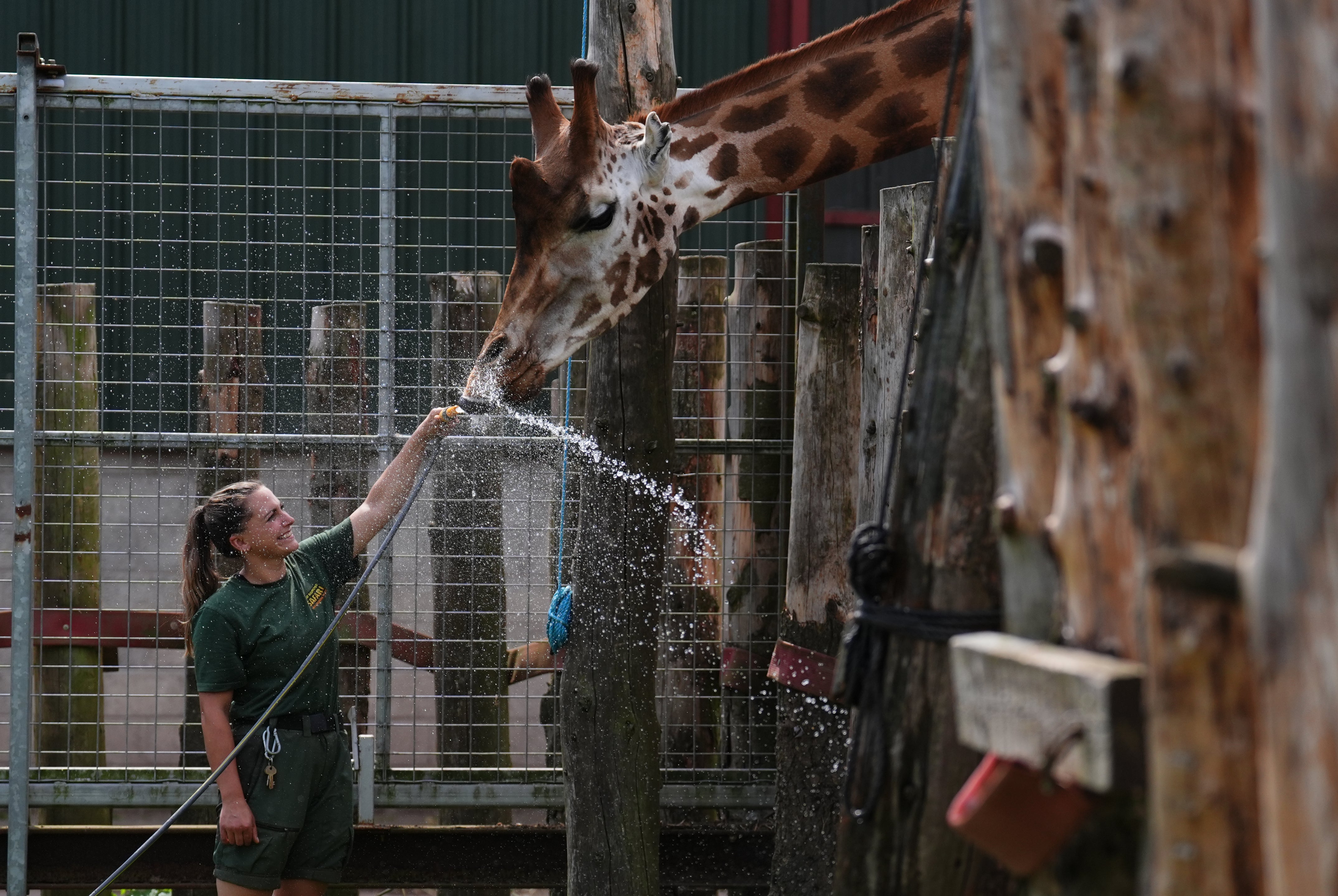
These are other exemptions given by South West Water:
Gardeners may also water trees, hedges and saplings planted in the previous planting season, where a watering can is not feasible; turf laid within 28 days; plants for 14 days after purchase, and food crops grown at home or at a private allotment, where using a watering can is not feasible.
A pool, paddling pool or hot tub may be filled with a hosepipe if it is needed for medical or veterinary treatment or animal welfare; it’s for medical or therapeutic use; it’s under construction and needs to be filled as part of construction.
If a pond or pool is used as part of a recognised religious practice it’s also exempt.
Hosepipes may be used if the water comes from a butt.
Anyone cleaning a home’s exterior, such as windows, paths, patios and driveways, may use a hosepipe if part of a professional service or business.
Car owners may use a hosepipe if they use a low water-use appliance such as a pressure washer; to clean a vehicle as part of a private business, for example a car wash; the vehicle is used for public services, business purposes or transporting goods, or if the vehicle is a taxi, commercial vehicle or goods vehicle.
Caravan or motorhome owners may use hosepipes to fill a tank if needed for essential washing, cooking and sanitation.
On boats, a hosepipe may be used by anyone cleaning it as part of a business or professional service; anyone cleaning it to prevent the spread of non-native species or to remove graffiti or if the boat is used for commercial activity or public services.
Commercial growers of crops, fruit, vegetables and plants cultivated for sale are exempt from the ban, as are national plant collections and temporary flower or garden displays that are public.
An irrigation system that drips or trickles, with a time- and pressure-reducing valve and that delivers water directly to soil may be used.
Sports pitches are exempt provided watering is done outside the peak hours of 8am-10am and 5pm-9pm.
Even where exceptions apply, people are still asked to be careful with water “to help safeguard essential supplies”.
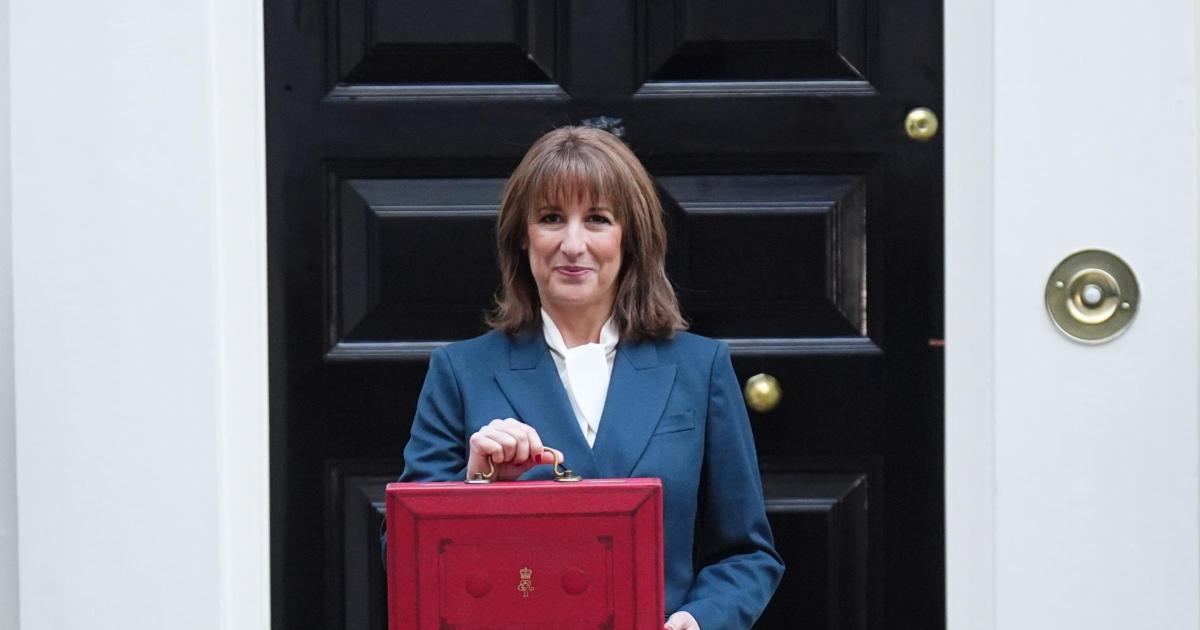
Under current law, the State Pension age is due to rise from 67 to 68 between 2044 and 2046.
However, it’s been shown that new Office for Budget Responsibility (OBR) documents assume the increase will instead happen between 2037 and 2039 as part of the Government’s current policy position for its economic forecasts.
If that timetable were ultimately adopted, the increase would come around seven years earlier than current legislation provides.
An earlier increase could affect around five million people, particularly those who are currently aged between 49 and 55.
Instead of becoming eligible for their State Pension at 67, they could have to wait until they turn 68.
For many people, that would mean working for another year or relying on other sources of income before becoming eligible for the State Pension.
The OBR says delaying the increase would add significantly to Government spending.
Its latest documents state: “If the state pension age were to rise to 68 in 2044-45 in line with legislation, rather than the Government’s stated policy that the rise to 68 will happen in 2037-39, this would cost an average additional £6 billion in today’s terms in each of the years the state pension age rise is delayed.”
Despite the OBR’s assumption, ministers have stressed that the Government has not announced any change to the law.
Responding to reports about the OBR documents, Pensions Minister Torsten Bell said on X that the reports were ‘just wrong’. He added: “We have not announced any change of policy – and certainly not this specific one. There is currently a review of the State Pension age underway – that is simply because legislation (the 2014 Act) requires the Secretary of State to conduct such reviews on a fairly regular basis.”
He also referred to previous changes to the State Pension age, saying: “If you want to see what we’ve actually said – not least about the 2011 disaster of raising the State Pension age in a rush that gave some people only 5yrs notice – you can read the (long) evidence I gave to the Select Committee recently.”
This story is just wrong https://t.co/RJkBkgcf98
— Torsten Bell (@TorstenBell) July 14, 2026
The prospect of bringing forward the increase has prompted concern from experts, who warn many older people are already struggling to remain in work until they reach State Pension age.
Dr Carole Easton OBE, Chief Executive of the Centre for Ageing Better, said: “It is extremely worrying if the Treasury is thinking of making the next rise in state pension age in just over a decade’s time.
“The government needs to be very careful about making this change.
“During the rise to 66, it doubled the poverty rates for 64-year-olds.
“A recent parliamentary committee report warned the impact is likely to be even bigger now for the current rise to 67.”
She said it was difficult to see the case for accelerating the timetable: “Other than the substantial savings the Treasury will make from making people wait longer for their State Pension, it is hard to see what evidence could be used to justify introducing the next rise sooner.”
Dr Easton said many people already face significant barriers to working later in life.
She said: “Working until you are 68 is very far from the norm. Only one in five people currently do so.
“It is not viable for everyone to work this long for a range of reasons – health, ageism, caring responsibilities, inflexible employers freezing many people out of work.”
She also highlighted differences in healthy life expectancy across the country.
“There are places in this country where the healthy life expectancy is more than a decade below the current state pension age.
“Progress on this issue has stalled, we cannot just assume we are all going to be living longer and healthier lives.”
No legislation has yet been introduced to bring forward the increase in the State Pension age.
The Government is carrying out the latest statutory review of the State Pension age, which is required under existing legislation.
Once that review concludes, ministers will decide whether to recommend changes to the timetable before any proposal is put before Parliament.
For now, the legal position remains that the State Pension age will rise to 68 between 2044 and 2046, unless Parliament approves a change.
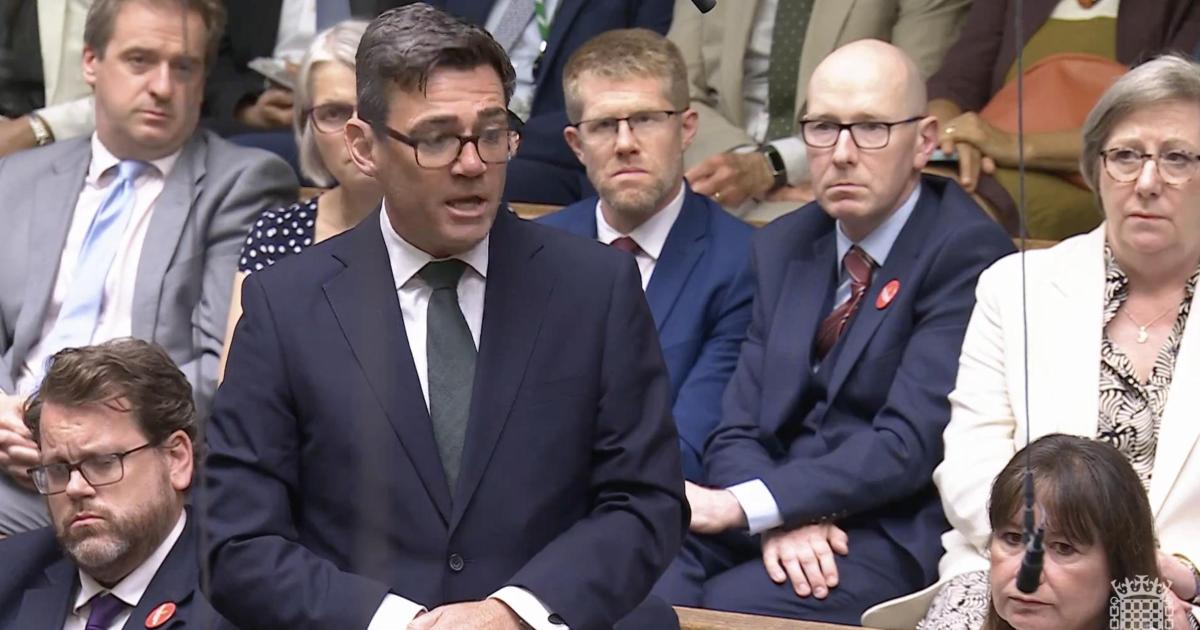
Speaking in an interview with Gary Lineker for Goalhanger, Burnham acknowledged that the Government faces difficult decisions over the public finances but pointed to Labour’s existing manifesto commitments, which rule out increases to the three main taxes paid by households.
While he declined to rule out changes to other taxes in the future, he suggested any decisions would come only after reviewing the state of the nation’s finances.
Burnham has committed himself to Labour’s fiscal rules and indicated there is still room to make decisions within the party’s manifesto commitments.
That means Labour’s pledge not to increase income tax, VAT or National Insurance remains in place.
However, he did not rule out asking some people to contribute more through other parts of the tax system.
He said: “I’m not going to rule things out right now. I do believe we need a greater sense of fairness and people feeling that things are being done in the right way and a fair way.
“But at the same time, you know, I don’t want to sort of be perceived as somebody who’s coming in with grudges and agendas and, you know, going to just immediately find or demonise one group or create a new way of dividing people.”
He warned that balancing the country’s finances would not be easy.
He said: “Decisions to be taken in time, they’re going to be difficult. I’m not going to shy away from that. You know, we are going to have to work quite hard to make sure, you know, we can pay our way.
“And at some point that might be having to ask for a little more. But, you know, those decisions are not for now. They’re for another day.”
His comments leave open the possibility of changes to taxes outside Labour’s manifesto commitments, although no new measures have been announced.
Recommended reading:
Burnham also discussed how he would handle relations with US President Donald Trump.
He said he would respect the office while being honest where the two leaders disagree.
Burnham said: “I’ll just meet him where where he’s at.
“I like to think I’ve got some personality myself and I’ll just, you know, I’ll deal with him very upfront in the same way.”
He also joked about Trump’s previous description of Manchester as “some town”, saying: “You know what Mancs are like, Gary, that won’t have gone down fantastically well in the city I used to represent.”
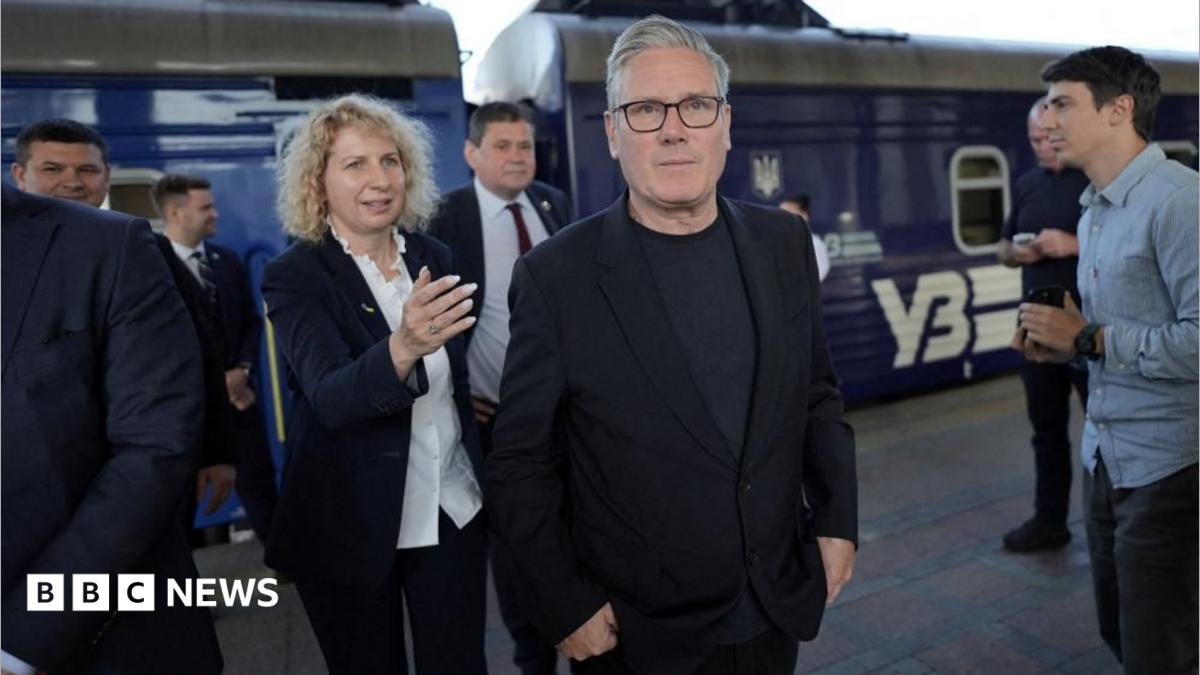
Sir Keir Starmer has said the UK’s “cast-iron” support for Ukraine will continue, as he makes a final trip to the country as prime minister.
He will meet Ukrainian President Volodymyr Zelensky in the capital Kyiv later on Thursday, ahead of Andy Burnham’s installation as Labour leader and PM.
In comments ahead of his trip, Sir Keir said the “fortitude” of the Ukrainian people since Russia’s full-scale invasion in February 2022 had “preserved the security of Europe”.
In his statement, Sir Keir highlighted Britain’s contribution to the Ukrainian war effort during his two years in Downing Street.
Today is Sir Keir’s last day as leader of the Labour Party, with Andy Burnham set to be declared leader on Friday, before meeting the King to be formally invited to form a new government as prime minister on Monday.
Sir Keir has overseen the signing of a 100-year partnership between the two countries, aimed at fostering closer defence and trade ties, and has led efforts to establish a future peacekeeping force.
“When I became prime minister, I knew the UK must not simply stand with Ukraine in the moment, but help build the foundations of its long-term security and success,” he said.
He said the UK had invested more in defence, as well as “leading the way in the war fighting technologies of the future”.
Sir Keir added: “And we have brought others with us on that journey. As we showed at the G7 and Nato summits, in recent weeks, the UK and its allies are absolutely united against Russian aggression.”

You’ve read the headlines and heard our experts’ opinions – but what do YOU think?
Have your say on one of the biggest royal stories of the week by answering our poll below.
In this week’s poll, after the monarch hosted Prince Harry, Meghan Markle and their children, Archie, seven, and Lilibet, five, at Highgrove for a private family meeting: Was King Charles right to entertain the Sussexes at the royal residence?
Want more of the Mail’s unrivalled royals journalism, straight from some of the world’s leading experts on the monarchy?
We’ll bring together the most knowledgeable voices, gorgeous photography and exclusive insider commentary to expose the truth behind polished public appearances, and reveal the very human drama at the heart of this extraordinary institution.
You’ll have the chance to ask our Royal Editor, Rebecca English, and other top journalists anything you’ve always wanted to know about the monarchy.
Sign up to Palace Confidential now, and never miss a Royals story.
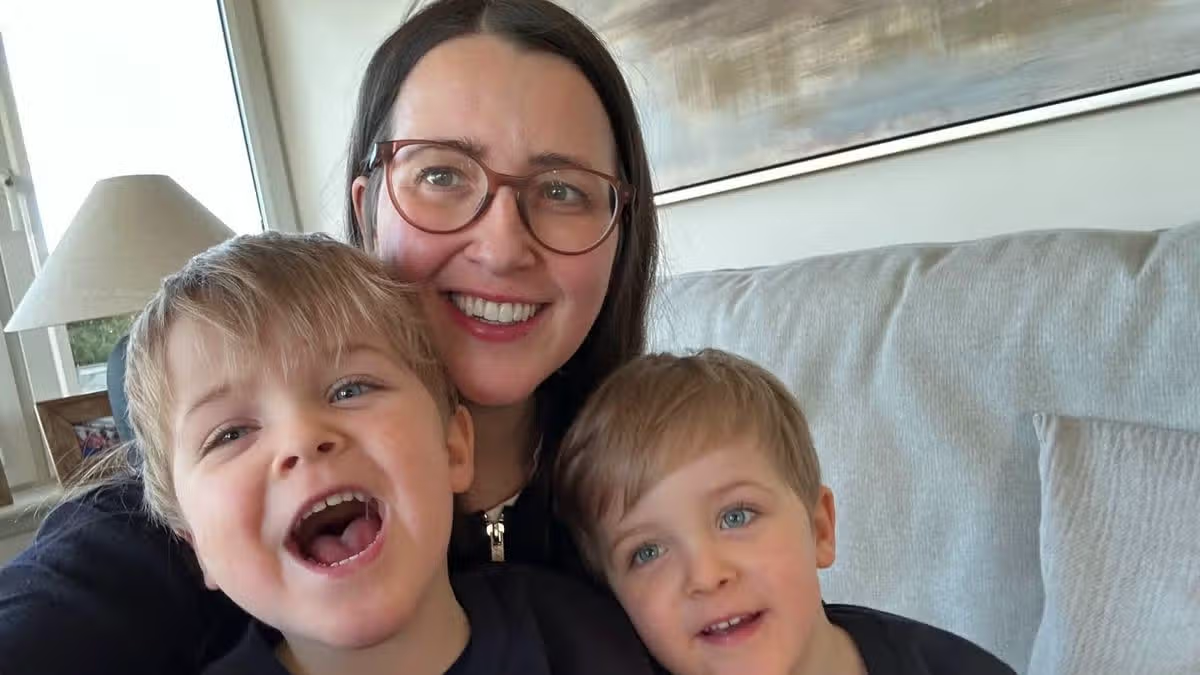
A mum with incurable brain cancer “doesn’t know if she’ll live long enough to see her young sons start school”. Kim Borthwick was diagnosed with an aggressive brain tumour in January 2026, just a week after she began experiencing symptoms.
The 36-year-old from Glasgow had just enjoyed Christmas with her husband, Ross, and four-year-old twin boys, Max and Freddie, when she came down with a headache.
She initially thought she had just overdone it but the pain became “unbearable” before her hand started tingling, she lost feeling down one side, and began vomiting.
Following several GP visits, Kim was referred to A&E for an urgent CT scan. She was soon afterwards diagnosed with a glioblastoma – a type of highly aggressive brain tumour – and told she might need surgery that evening.
Kim says NHS staff saved her life and gave her more time with her sons. However, she is realistic about what’s next, given that if she makes it to her 40th birthday, she will be among the longest-surviving 10 per cent of people diagnosed with her type of cancer.
“I don’t know if I’ll see them start school,” she said.
“You take those little moments for granted until you realise they could be taken away.
“My diagnosis has given me the clarity to enjoy every moment I have with my boys.”
“It’s too late for me but I want to make a difference for those who come after me.
“I know I would have made a really good granny.”
Kim said her experience has also brought home the lack of attention and resource given to tackling brain cancer, where survival rates in the UK have not changed for decades.
She said this felt like an “injustice” given survival rates for many other cancers have improved “dramatically” over the same period.
She has joined the Brain Cancer Justice (BCJ) campaign group, which is urging politicians to provide greater support and funding for rare cancers.
The group is also calling for a dedicated minister for rare cancers to ensure continuity in research, funding and policy.
She explained: “I have a fire in my belly to effect change for people diagnosed with brain cancer in Scotland.
“It is difficult to accept, but it’s unlikely I will benefit from these changes.
“I can’t accept this diagnosis knowing we could be doing so much more in Scotland to support people with brain cancer.
“There’s been no change to outcomes for people diagnosed with brain cancer in 30 years, and brain tumours remain the biggest cancer killer of children and adults under 40. To me, that is scandalous.”
She pointed to the fact patients in other G8 countries routinely receive surgery, radiotherapy, chemotherapy as standard treatment, along with treatment using the Optune device, which slows the growth of cancer cells.
She said this combination is not routinely available in Scotland, leaving many families having to navigate treatment options, clinical trials and additional support on their own.
Kim also pointed out tumour samples in Scotland are not routinely “fresh-frozen” during surgery, which she said means patients in Scotland become ineligible for clinical trials and emerging genomic treatments that require preserved tissue samples.
“These aren’t cures,” she said. “Nobody is pretending they are. But they give people more time with the people they love and, ultimately, that’s what matters.”
Get Daily Record Premium for just £1 per month in exclusive offer to celebrate the world cup. Click HERE.




Loro Piana Fall 2026 Enters Houston’s Art Scene


Weekend Open Thread: Nutriplenish Leave-In Conditioner

2026 Genesis Scottish Open Thursday TV coverage: Round 1


Super Eagles star Moses Simon opens up on Liverpool transfer regret


Character.AI enters the microdrama arena with its own productions, but there’s a twist


Young campaigners urge incoming PM to act on outdoor junk food ads


XRP BOMBSHELL… XRP OMBOARDED FOR TRANSACTIONS!!!


Get Your ESP32 Sunny Side Up With This Solar Dev Board


Dark Secrets Emerge When Jailbreaking LLMs

New Cornerback Enters Vikings Trade Rumor Mill

Disney’s Most Ambitious Failed Star Wars Attraction Is Coming to SDCC


Level Infinite Launches Gangstar Mirage City in India with Pre-Registrations
Major update after Huntingdon train attack as man enters plea


how to make coin bank box with cardboard #scienceproject #money #diy #shorts

Cloudflare Precursor Watches Your Mouse and Keyboard To Decide If You Are Human
Vicki Gunvalson Defends Discussing Heather Dubrow’s Money
Ripple, Coinbase, Circle Join Linux x402 Foundation to Help Shape AI Payments

Watch: Is Donald Trump facing a popular backlash on immigration?
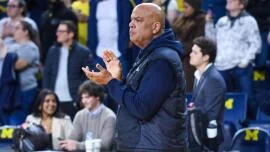

Michigan officials not expected to discuss AD Warde Manuel at Thursday meeting

Firefighters issue update on Dovestone moorland blaze as fire enters fourth day


You must be logged in to post a comment Login