

Crypto World
Dogecoin, Elon Musk, and SpaceX: Can DOGE Run Again?


Dogecoin is holding the mid $0.07 range, and remains down about 55% from a year ago, even as much of the crypto market has clawed back losses. That leaves traders asking whether the Musk effect still has any fuel.
The latest talking point arrived on July 11, when Morgan Creek Capital’s Mark Yusko argued that Dogecoin’s value depends heavily on Elon Musk and other major holders avoiding large sales. His view paints DOGE as unusually exposed to concentrated ownership. That kind of narrative rarely gets institutions reaching for their wallets.
#Dogecoin upcoming catalysts — DogeDesigner (@cb_doge) May 11, 2022

– Doge Twitter Tip Jar
– Doge Payments for Twitter Blue
– Tesla Accepting Doge for Cars
– ETH Bridge & Smart Contracts
– Dogecoin Core v1.21
– BIG3 Basketball League
– SpaceX Doge1 Mission
– Libdogecoin & Gigawallet
– SpaceX & Starlink accepts Doge pic.twitter.com/17EMjXSWAC
SpaceX, Elon Musk’s company, is at an all-time low, while the DOGE ETFs launched in late 2025 have done little to change the trend. The largest fund still manages only about $13.7 million in net assets. Even Musk’s AI-generated “Dogefather” post in March barely stirred the market. Once upon a tweet, Dogecoin would sprint. Now it barely stretches.
Sentiment also remains fragile. The Crypto Fear and Greed Index is still sitting in fear territory, while only about 40% of the past 30 trading days finished green. Even so, DOGE has refused to roll over. That standoff between cautious sentiment and stubborn price action could make the second half of July worth watching.
Discover: The Best Token Presales
Can Dogecoin Price Break $0.09 Before August?
Dogecoin is trading around $0.0748, up roughly 3.0% over the past week with a modest daily gain. Trading volume sits near $550 million over the last 24 hours, healthy enough for a market catching its breath but still shy of the rush that usually kicks off a sustained rally.
Technically, $0.07 remains the line in the sand. Buyers have stepped in there several times, making it the level traders keep returning to. Meanwhile, resistance between $0.08 and $0.09 has swatted away every recent rally. Changelly’s projections, with a 2026 ceiling near $0.0810 and an average around $0.0793, fit that picture of a market stuck in a tight box.

From here, three paths stand out. In the bullish case, Bitcoin catches another wave, meme coins wake up, and DOGE finally takes another swing at $0.09. The base case is less dramatic, with DOGE drifting between $0.07 and $0.08 through August. Not exactly fireworks, but markets do enjoy making traders wait.
The bearish case needs a real catalyst, not just a slow news week. If $0.07 fails on a weekly close, momentum could fade toward $0.055. That makes the support level worth watching, because once a floor gives way, gravity tends to stop asking permission.
Longer term, some analysts still see $0.20 to $0.24 as a realistic upside target if fresh catalysts emerge. Retail calls for $1 also refuse to die, though they still rely on events that have yet to arrive. As for the DOGE-1 lunar mission, it remains unscheduled, so that story is still waiting for its next chapter.
Trade Ethereum, and Don’t Miss Out on Our $1,000 USDT Airdrop on ByBit
Maxi Doge Targets Early Mover Upside as DOGE Tests Key Levels
DOGE’s range-bound chart illustrates the core problem with large-cap meme coins at this stage: the upside math gets harder as market cap expands, catalysts become harder to manufacture, and the early-mover advantage belongs to a prior cycle. Traders who still want meme-coin exposure are rotating toward earlier-stage projects where the valuation starting point is dramatically lower. That rotation dynamic is already showing up in presale inflows across the meme-coin sector.
Maxi Doge ($MAXI) is an ERC-20 meme token built around a specific and surprisingly coherent concept: a 240-lb canine juggernaut embodying 1000x leverage trading mentality, wrapped in gym-bro humor and community-driven competition mechanics.
The presale has raised $4.8 million at a current price of $0.0002829, which is an entry-level pricing that DOGE hasn’t seen in years. The project offers dynamic staking APY, holder-only trading competitions with leaderboard rewards, and a Maxi Fund treasury earmarked for liquidity and partnerships.
The meme-first marketing angle is deliberate and on-brand. “Never skip leg-day, never skip a pump” is the kind of tagline that moves fast on social.
Research Maxi Doge before committing capital.
Discover: The Best Crypto to Diversify Your Portfolio
The post Dogecoin, Elon Musk, and SpaceX: Can DOGE Run Again? appeared first on Cryptonews.

Can Muslims buy Bitcoin? Pakistan’s top Islamic scholars cannot agree on whether crypto follows Shariah, Islam’s legal code.
The fight matters far beyond the mosque. Pakistan is one of the world’s biggest crypto markets, and its government wants to lead in digital assets.
Why the Pakistan Crypto Shariah Debate Matters
On June 10, Jamia Darul Uloom Karachi, a top religious school, issued a fatwa, or religious decree. Mufti Taqi Usmani and other senior scholars signed it.
The ruling bans purchases made with Bitcoin (BTC), stablecoins, and other digital tokens. It calls them “merely the recording of fictitious numbers in an account.”
That verdict carries weight. Mufti Usmani advises Meezan Bank, Pakistan’s second-largest lender by market value, on Shariah. In his view, crypto does not count as real wealth, or maal, under Islamic law.
His word has moved markets before. In 2008, he judged that up to 85% of sukuk, or Islamic bonds, failed Shariah tests. Global sukuk issuance then fell from $50 billion to about $15 billion in a year, though the financial crisis also weighed.
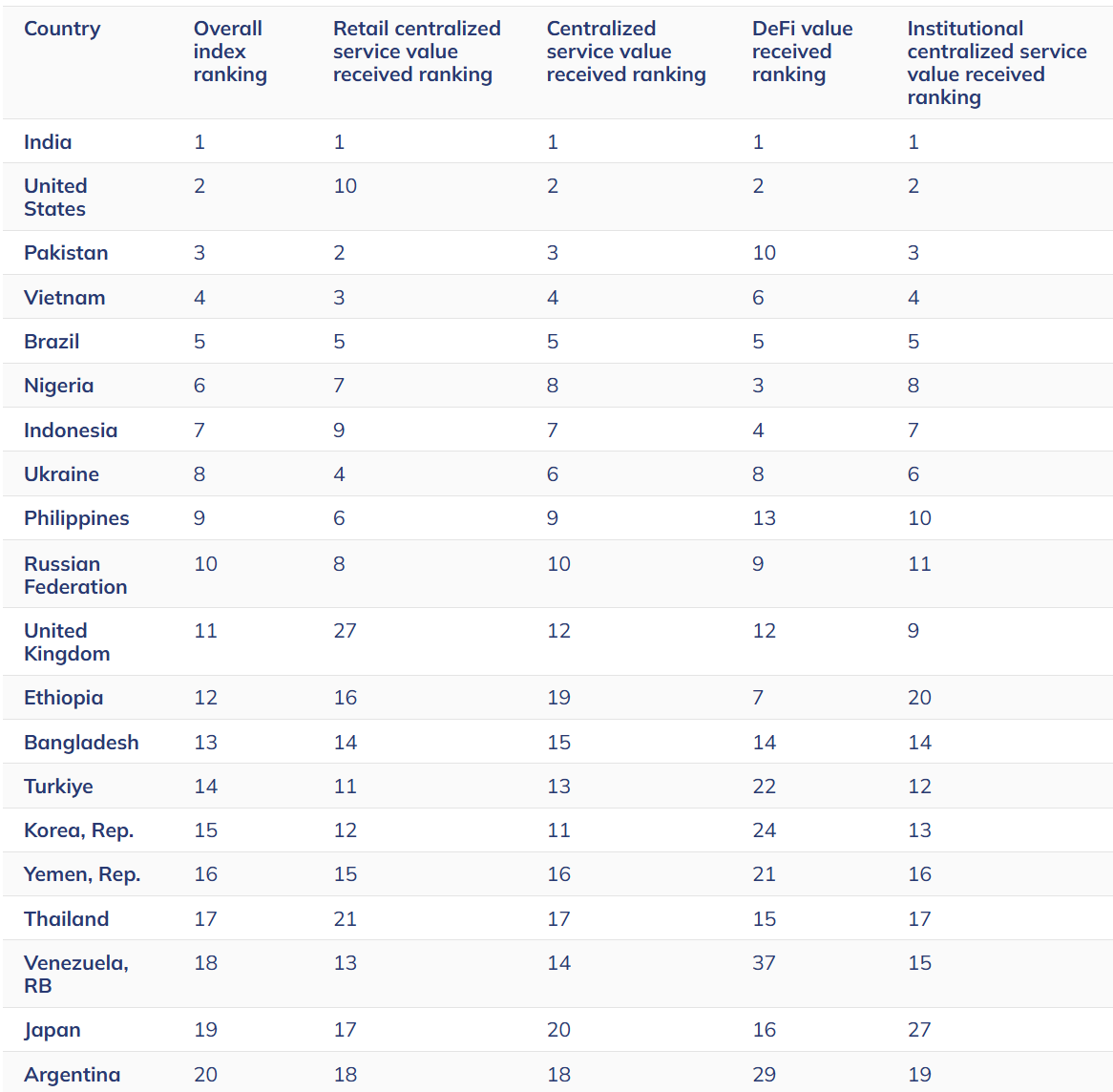
The audience this time is even bigger. Pakistan ranks third worldwide for grassroots crypto adoption, behind only India and the US, according to Chainalysis.

The timing is awkward for the government. Pakistan has used crypto to build ties with US President Donald Trump, whose $1 billion crypto earnings drew scrutiny.
- Pakistan’s finance ministry agreed in January to explore World Liberty’s USD1 stablecoin.
- PVARA chief Bilal bin Saqib, 35, told Bloomberg the crypto push rebuilt trust with Washington.
- Analysts told Al Jazeera their stablecoin deal amounted to paying for Trump White House access.
Trump’s platform, World Liberty Financial, signed a non-binding pact in Pakistan this year.
India’s central bank, meanwhile, wants to go further at home by isolating banks from crypto altogether.
Other Muslim Clerics Say Crypto Is Halal, With Conditions
Saylani Welfare International Trust, one of Pakistan’s largest charities, disagrees. Its head mufti, Wasim Akhtar Al-Madani, issued a 37-page fatwa around 13 months ago.
He treats crypto as a recognized right, not conventional wealth. This week, Saylani held an emergency meeting in Karachi to stand by that ruling.
“The purchase and sale of crypto currency or digital assets may be considered permissible as a recognized right, provided that such transactions are not prohibited by the law of the country and do not expose an individual to unlawful humiliation, punishment or legal consequences,” Al-Madani cited the fatwa in a statement.
Saylani has sent it to the Council of Islamic Ideology and the State Bank of Pakistan.
Pakistan’s crypto regulator now sits in the middle. Bilal bin Saqib chairs the Pakistan Virtual Assets Regulatory Authority (PVARA). Lawmakers created it by ordinance in July 2025 and locked it in by law this year. Saqib asked Jamia Darul Uloom to treat speculative tokens and asset-backed tokens differently.
He pointed to sukuk recorded on a blockchain, gold-backed tokens, and fully reserved stablecoins. Each gives its holder a claim on something real. The distinction matters as tokenized real-world assets pass $60 billion and stablecoins hit record monthly volumes.
“The central question the fatwa raises is whether a digital asset constitutes recognized wealth under Shariah. That is precisely the right question, and it is why these instruments must be examined individually,” Saqib made the remarks to Reuters.
He met Usmani last week and called the talk constructive.
Waqas Ghani, head of research at JS Global Capital, said the fatwa could slow crypto adoption by banks. Trading volumes, however, look steady so far.
How Other Muslim Countries Rule on Crypto
Pakistan’s split mirrors a wider divide across the Muslim community. Major countries have reached opposite verdicts on the same question.
Malaysia sits at the permissive end. The Securities Commission’s Shariah Advisory Council resolved in 2020 that digital assets count as maal and may trade on registered exchanges.
The Gulf takes a pragmatic route. Dubai and Abu Dhabi license crypto firms under dedicated regulators and courts to Shariah-compliant products, with no blanket religious ruling.
Indonesia’s Ulema Council went the other way in 2021. It declared crypto haram as currency, allowing trade only in tokens with a clear underlying asset.
Egypt’s Grand Mufti ruled in 2017 that all crypto use was forbidden, likening it to gambling. Turkey’s religious authority voiced similar doubts, and the country still allows trading while banning crypto payments.

Pakistan sits in the middle of this spectrum. Usmani’s ruling echoes those of Egypt and Indonesia, while PVARA’s asset-backed push points toward the Malaysian and Gulf models.
The next move belongs to the scholars. Their answer may decide how far Pakistan’s push for halal digital finance can go.
The post Is Crypto Allowed for Muslims? Pakistan Debates Bitcoin and Islamic Law appeared first on BeInCrypto.
Crypto World
Crypto.com lands $400 million investment from Citadel Securities at $20 billion valuation
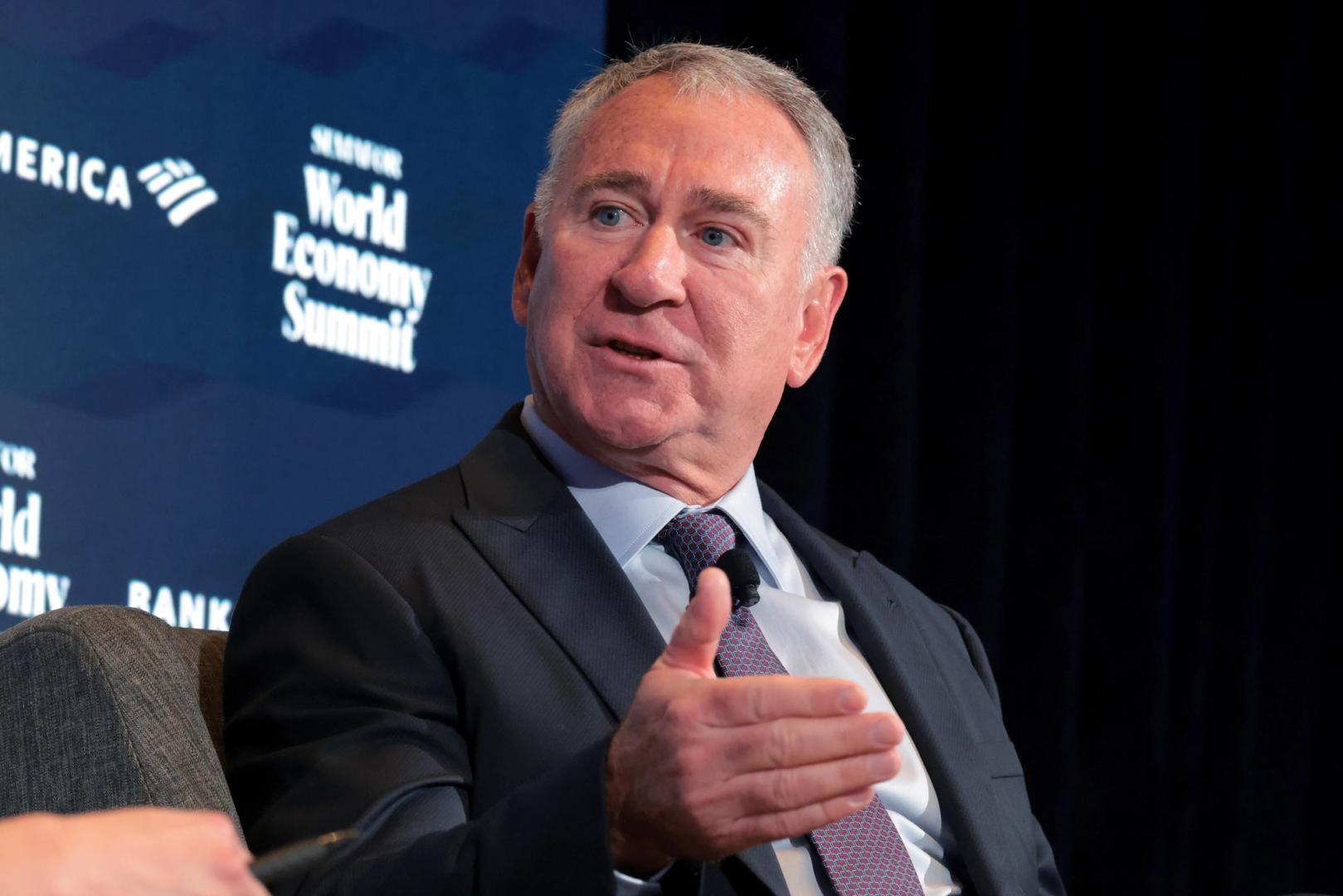
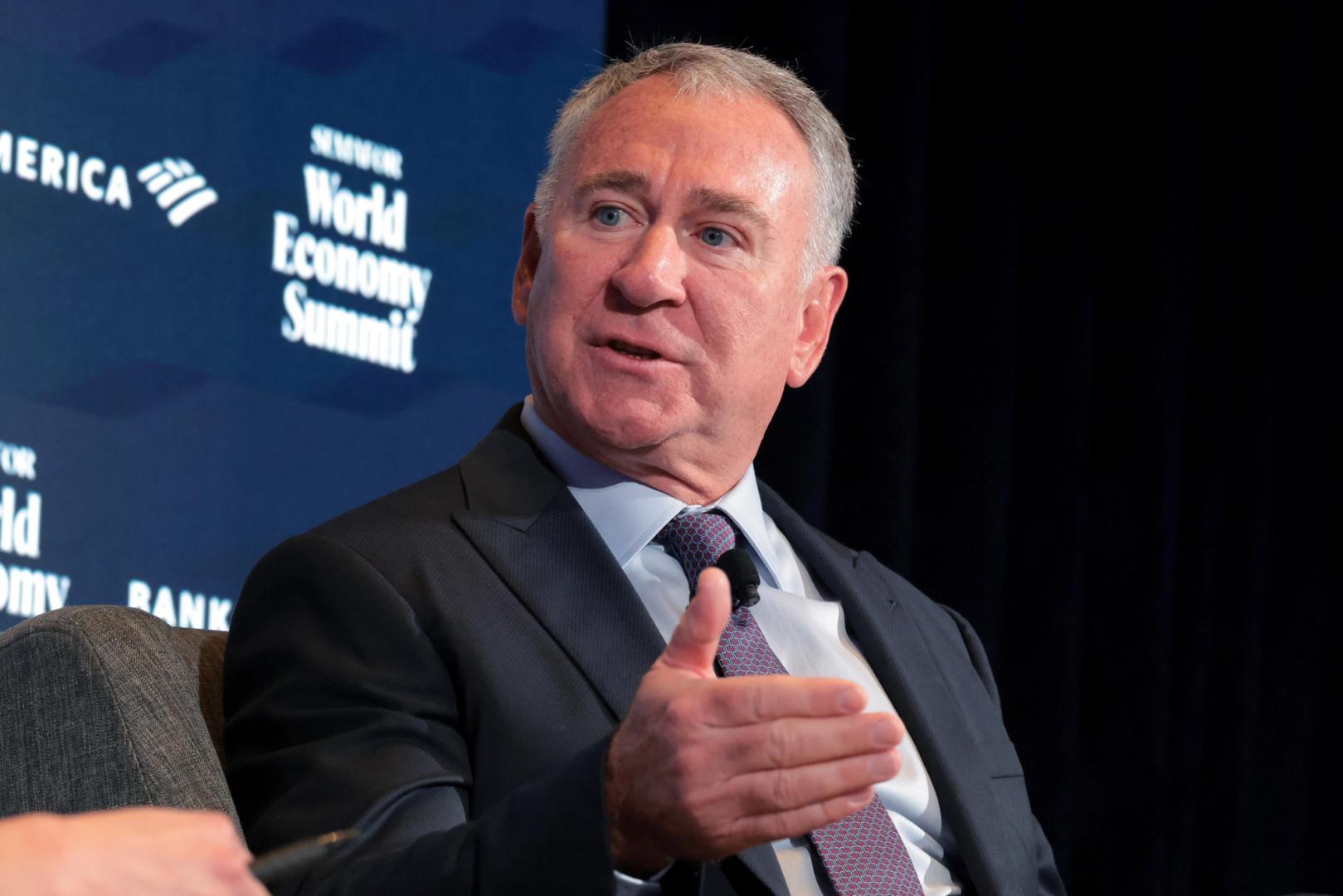
Crypto.com secured a $400 million strategic investment from market maker Citadel Securities in a deal that values the crypto exchange at $20 billion, marking the firm’s first institutional funding round since it was founded a decade ago, the company said in a press release Thursday.
The funding comes as digital assets draw greater participation from traditional financial institutions and as tokenized assets emerge as a growing area of focus for the industry.
The Singapore-based exchange said the capital will accelerate its expansion into tokenized securities, derivatives and other asset classes, as it seeks to bridge traditional and digital markets with around-the-clock trading infrastructure.
The deal reflects a broader shift as traditional finance firms ramp up investments in crypto infrastructure. Since the introduction of spot bitcoin exchange-traded funds (ETFs) in January 2024, Wall Street firms have increasingly expanded into digital asset trading, tokenization and custody, while institutional investors continue to boost planned crypto allocations, according to EY research.
“The size of the opportunity in front of us is staggering, as crypto increasingly becomes the rails for finance,” Crypto.com co-founder and CEO Kris Marszalek said in the release.
Grayscale is pitching covered calls as a way for Bitcoin holders to earn yield during a range-bound market, even as Glassnode detects early signals of a bear market bottom.
The strategy means holding Bitcoin while selling someone else the right to buy it from you at a set price. In return, you receive a payment called a premium. This can provide extra income when Bitcoin’s price is moving sideways, though your profit is limited if the price suddenly rises sharply.
The combination offers a practical playbook for investors stuck between capitulation and recovery.

How Grayscale’s Covered Call Strategy Works
A covered call is an options strategy where an investor holds spot Bitcoin and sells call options against that position, collecting premiums as income.
The trade-off is simple: downside cushion in exchange for capped upside during sharp rallies.
Zach Pandl, Grayscale’s Head of Research, laid out the case in a recent analysis on earning option income within a range. The argument rests on Bitcoin finding a floor first and then drifting sideways for months.
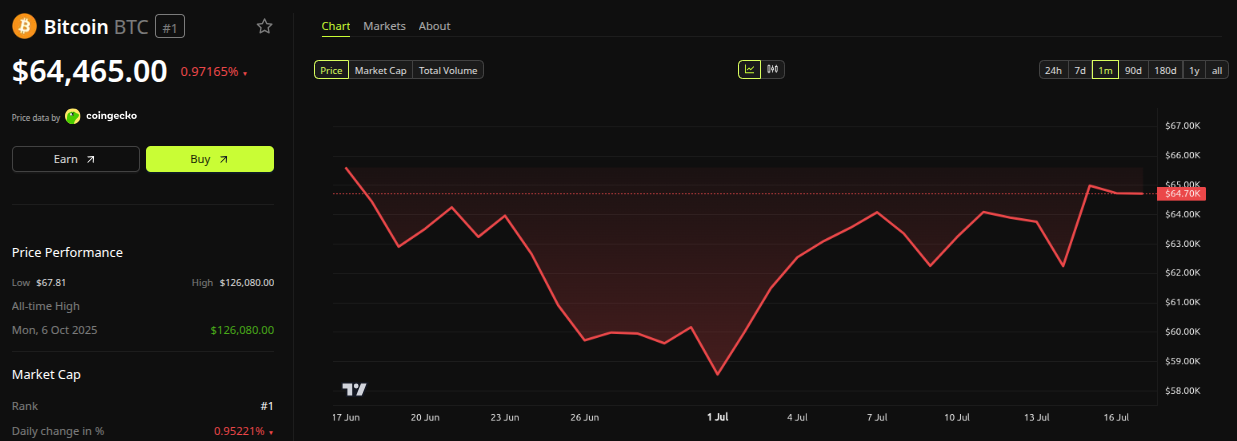
The numbers help explain the appeal. Grayscale’s hypothetical assumes spot Bitcoin near $65,000 and 40% implied volatility for a December 2026 at-the-money call.
Follow us on X to get the latest news as it happens.
Under those conditions, the strategy could deliver roughly 22% annualized returns if the price stays stable. The breakeven sits around $58,500, and the position outperforms a simple spot hold up to about $72,500.
The logic extends beyond theory. Products such as Grayscale’s Bitcoin Covered Call ETF, alongside similar income vehicles, roll call options to boost yields while preserving exposure.
In markets that move violently but go nowhere, monetizing implied volatility beats waiting. The catch matters, though: a strong rally would leave those gains on the table.
Is the Bitcoin Bear Market Finally Bottoming?
The second half of the thesis is based on on-chain data. Glassnode analyst Cryptovizart tracked the 1-2-year holder cohort, referring to investors who bought roughly between July 2024 and July 2025.
That group purchased near the cycle peak, when Bitcoin climbed toward $107,000. Facing sustained underperformance and unrealized losses, those buyers have been seeing red numbers crystallize.
The pattern carries historical weight. Bear markets rarely bottom until this cohort exhausts its selling pressure, and the data now suggests a potential inflection point.

The 30-day moving average of realized losses for these holders spiked above $75 million before reversing. According to the analyst, that cooling has often marked the clearest early signal that the heaviest distribution phase is over.
Glassnode flags $69,000 as the decisive battleground. The level aligns with the aggregate cost basis for short-term holders and with the former 2021 record highs.
Reclaiming it could fuel a recovery, while rejection would extend the sideways grind. That second scenario, ironically, is precisely where covered calls perform best.
“Bitcoin looks ready for a next leg upwards. It’s already above the daily MA’s and it’s primed for a breakout further up.Clear breakout above $65,000 would signal this move and then, $80,000 in August is on the cards,” Crypto analyst Michaël van de Poppe noted.
Risks obviously remain on the table. Options strategies carry opportunity costs during strong bull runs and real losses if prices collapse below breakeven levels.
Whether the 2026 bear market has truly found its floor remains unresolved for now. Still, the convergence of income tools and cooling capitulation gives long-term holders something to work with.
Subscribe to our YouTube channel to watch leaders and journalists provide expert insights.
The post Grayscale Highlights a 22% Bitcoin Yield Opportunity as Early Bottom Signals Emerge appeared first on BeInCrypto.
Strategy CEO Phong Le has tied the company’s next Bitcoin purchase to STRC returning to its $100 par value as the preferred stock trades near $87.
Summary
- Phong Le linked Strategy’s next Bitcoin purchase to STRC recovering to its $100 par value.
- Strategy sold 3,588 BTC across two weeks while building its dollar reserve.
- MSTR faces resistance at $100–$105, with immediate chart support near $90.
Bloomberg reported that Le plans to resume issuing STRC shares once the security, known as Stretch, recovers to par, allowing Strategy to direct the proceeds toward more Bitcoin.
“We’ll continue to build that. And yeah, when Stretch gets back to par, we’ll issue more. We’ll buy more Bitcoin,” Le said.
Although Le did not give a timeline for the recovery, Strategy’s website showed STRC trading around $87 on July 16. The preferred stock pays a variable dividend designed to encourage trading close to $100, but its price has remained below that level since April.
STRC serves as one of Strategy’s main fundraising tools because the company can sell new preferred shares and use the capital to buy Bitcoin. Issuing STRC below par, however, would make that process less attractive and could reduce Bitcoin exposure per share.
STRC recovery controls the next Bitcoin purchase
During the Bloomberg interview, Le described cash reserves as an important part of restoring confidence in STRC after the preferred stock fell below $75 in late June. He noted that recent market conditions had shown Strategy the value of keeping liquid U.S. dollars on its balance sheet.
Strategy has since raised its dollar reserve to $3 billion after selling about $466 million of MSTR shares, according to crypto.news. The company can use that liquidity to cover dividends, interest payments and other obligations without relying entirely on its Bitcoin holdings.
Preferred shareholders had also pressed Strategy to hold more cash, Le told Bloomberg. Responding to those concerns, the company sold portions of its Bitcoin reserve in two consecutive reporting periods.
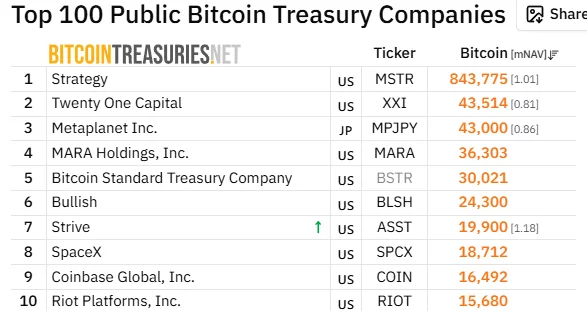
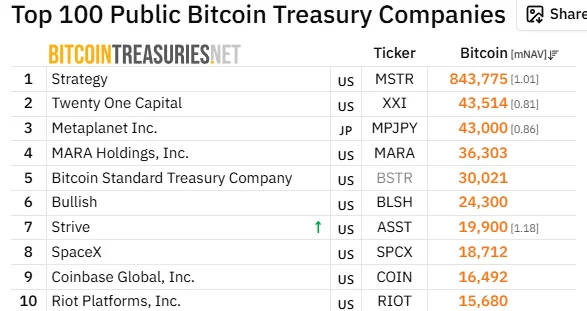
Strategy’s purchase records show that it sold 1,363 BTC for about $81 million in the week ending June 30 and another 2,225 BTC for roughly $135 million in the week ending July 6. Following those sales, its holdings fell to 843,775 BTC.
Despite the sales, Strategy remains ahead of BlackRock’s spot Bitcoin exchange-traded fund by total holdings. Company data lists Strategy’s stash at 843,775 BTC, while the original report placed BlackRock’s IBIT holdings at 733,516 BTC.
Executive chairman Michael Saylor has also compared Strategy’s securities with IBIT. In a post on X, Saylor claimed MSTR provides the same Bitcoin exposure as IBIT, while STRC delivers 3.6 times as much and STRF offers 11 times the exposure.
MSTR holds above channel support
MSTR came under fresh pressure during the July 16 session, falling 3.65% to $93.91 even as Bitcoin traded around $64,800. The supplied daily chart shows that the stock recently escaped a descending channel formed after its May peak near $195, but the rebound stalled around the $100–$105 area.
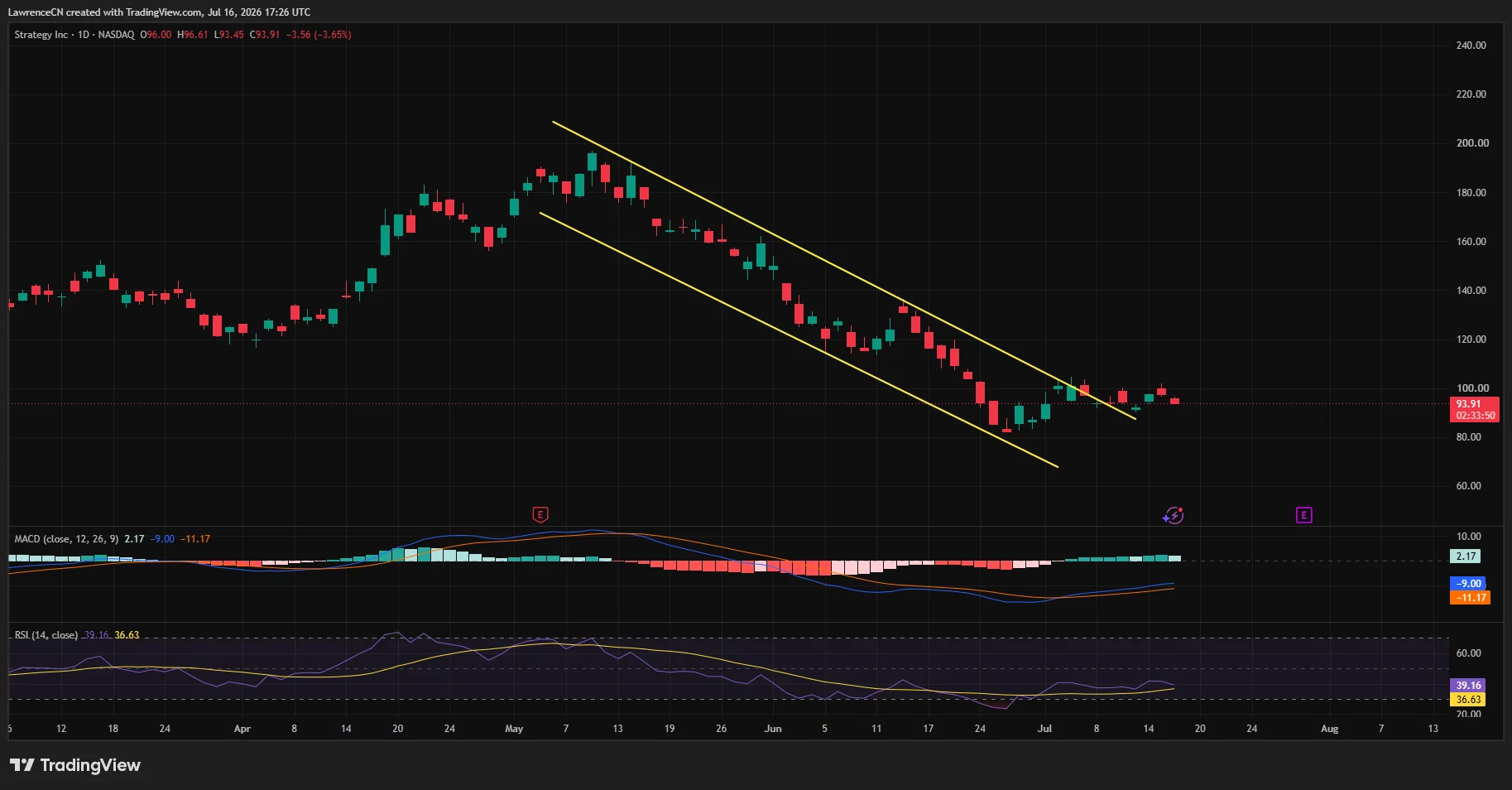
According to the chart, $90 is the first level that could support the stock, followed by the late-June floor between $83 and $85. A daily close below $90 would place the recent channel breakout at risk, while a move through $100–$105 could open a recovery toward the $115–$120 region.
Momentum indicators still give mixed readings. The daily relative strength index stands at 39.16, showing weak demand without placing MSTR in oversold territory.
At the same time, the chart’s MACD line has moved above its signal line, and the histogram has turned positive at 2.17. Both MACD lines remain below zero, however, indicating that the early recovery signal has not yet reversed the stock’s longer decline.
Crypto World
Visa backs Open USD with new stablecoin platform as Circle (CRCL) faces fresh competition
Visa introduced a new platform aimed at making it easier for banks, fintech companies and crypto firms to build products using stablecoins, expanding its push into blockchain-based payments as competition in the sector intensifies.
The company announced on Thursday that it was launching the Visa Stablecoin Platform (VSP), an enterprise service that allows institutions to issue, store, transfer and redeem stablecoins through a single Visa-managed system. The platform launched with support for Open USD (OpenUSD), a recently introduced stablecoin from Open Standard, and includes tools for minting and redeeming the token along with wallet infrastructure for managing onchain assets.
Stablecoins are cryptocurrencies designed to maintain a fixed value, typically by being pegged to the U.S. dollar. Unlike bitcoin or ether (ETH), they are widely used for payments, cross-border transfers and settlement because they combine blockchain’s speed with a relatively stable price.
Visa said the platform provides Wallet-as-a-Service infrastructure, blockchain connectivity and security features such as dual-approval workflows, audit logs and transfer allow lists. The platform is also integrated with Visa’s existing payment network, allowing financial institutions to incorporate stablecoins into treasury management, settlement and payment products without replacing their existing systems.
Ethereum price is pulling away from the pack, as it trades around $1,900, gaining 8% across seven days with a bullish prediction. This rally feels increasingly institutional. The buying is not coming from a macro wave. Instead, it looks focused, deliberate, and hard to ignore.
U.S. spot Ethereum ETFs attracted $96 million during the first three trading days this week, already beating last week’s $84 million total. Wednesday alone brought $53.8 million in net inflows. BlackRock’s ETHA accounted for $45.3 million, while ETHB added another $4 million. The remaining funds barely shared the leftovers. That is not a crowd rushing in. It is one heavyweight quietly filling the cart.

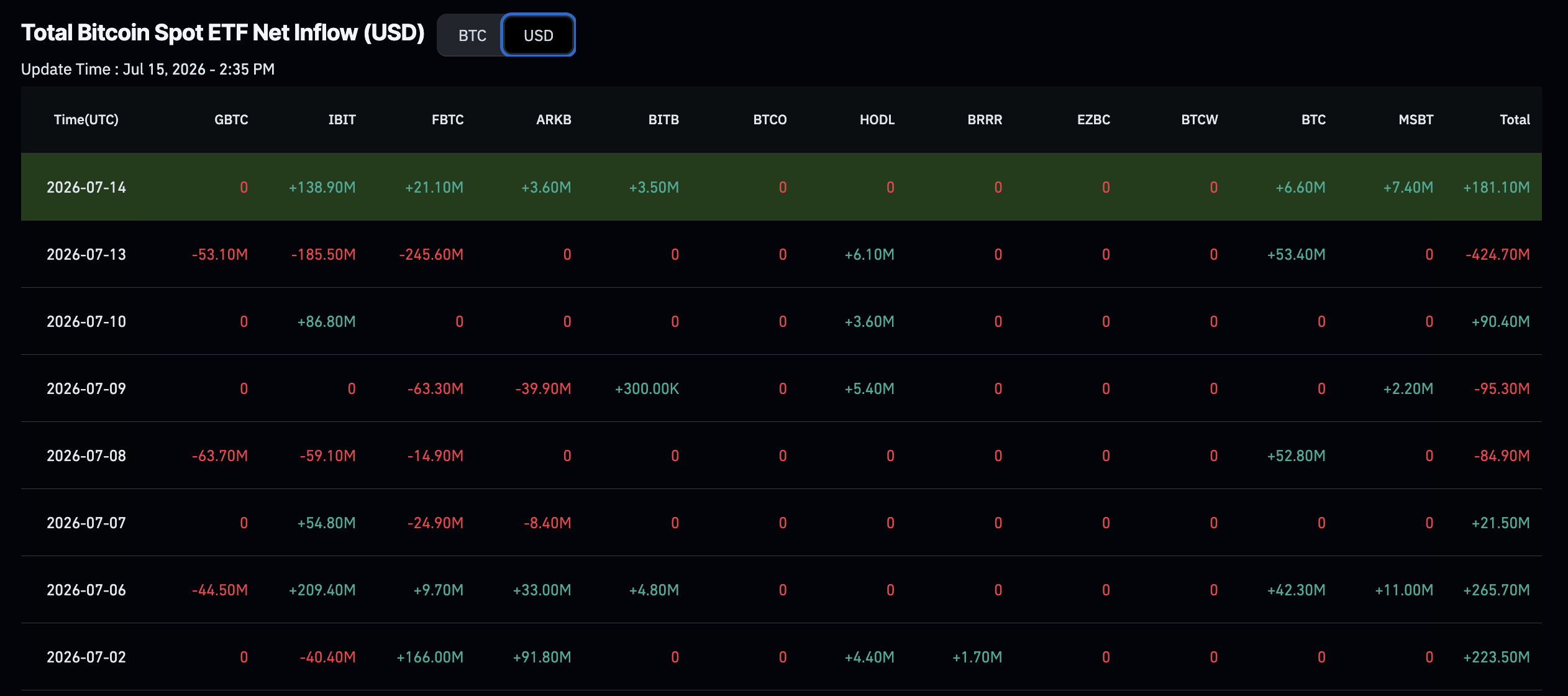
Bitcoin tells a different story. Spot Bitcoin ETFs recorded a $424 million net outflow before recovering with $181 million in inflows the next session. That looks more like money changing seats than fresh capital arriving. Ethereum, meanwhile, has enjoyed steadier demand, which helps explain why it has taken the lead.
Trade Ethereum, and Don’t Miss Out on Our $1,000 USDT Airdrop on ByBit
Ethereum Price Prediction: Can ETH Reclaim $2,000 This Week?
ETH’s upper end is still acting as the first hurdle. Daily trading volume remains healthy, suggesting buyers are showing up with conviction rather than chasing a fleeting rally. After gaining about 8% over the past week, Ethereum has climbed back to levels last seen in early June.
The $1,925 area is now the level to beat. A convincing daily close above it could put the $2,000 psychological mark back in play. That barrier has shrugged off several advances already, so it may not wave a white flag easily.

The bull case stays simple. If ETHA inflows remain strong, Robinhood Chain activity holds up, and macro conditions stay supportive after softer inflation data, ETH could reclaim $2,000. From there, the next upside zone sits around $2,150 to $2,200, provided buyers keep their foot on the gas.
The base case looks less dramatic. If institutional demand cools slightly, Ethereum could spend several sessions between $1,850 and $1,950. That would not be a setback. Markets often catch their breath before making another run.
The bearish case hinges on Bitcoin losing momentum and ETF demand fading again. In that scenario, ETH could revisit the $1,750 area. Meanwhile, Grayscale’s legacy ETHE trust, with its higher 2.5% fee versus ETHA’s 0.25%, has shed billions since launch. That drag has weighed on Ethereum for months, and whether it has finally run its course remains the question hanging over this breakout.
Discover: The Best Token Presales
LiquidChain Targets Early Mover Upside as Ethereum Tests Key Levels
ETH at $1,900 with a dominant institutional buyer sounds like a clean long, until the math catches up. A return to $2,200 from here is roughly 15%. That is a solid trade if execution is tight. But for investors who want asymmetric exposure to the same Ethereum-centric infrastructure thesis, the sizing math changes considerably at an earlier entry point.
LiquidChain ($LIQUID) is an L3 infrastructure project built around a single premise: BTC, ETH, and SOL liquidity should not require three separate deployments to access. Its Unified Liquidity Layer fuses all three ecosystems into one execution environment, with single-step cross-chain execution, verifiable settlement, and a deploy-once architecture for developers.
The Order builds. — LiquidChain (@getliquidchain) July 15, 2026
Brick by brick. Layer by layer.  ⟁https://t.co/vqvBcdSQYC pic.twitter.com/tcfMNP4lNq
The presale is currently priced at $0.0148, with $900K raised to date, early enough that the raise has not yet attracted the late-cycle noise that compresses margins for retail entrants.
The infrastructure bet here is that ETH’s resurgence creates demand for L3 tooling that reduces cross-chain friction. If that thesis tracks, early-stage entry at current prices carries a different risk-reward profile than chasing spot ETH above $1,900.
Research LiquidChain before the next pricing tier moves.
Discover: The Best Crypto to Diversify Your Portfolio
The post Ethereum Price Prediction: BlackRock Drives ETH Ahead of BTC in ETF Inflows appeared first on Cryptonews.
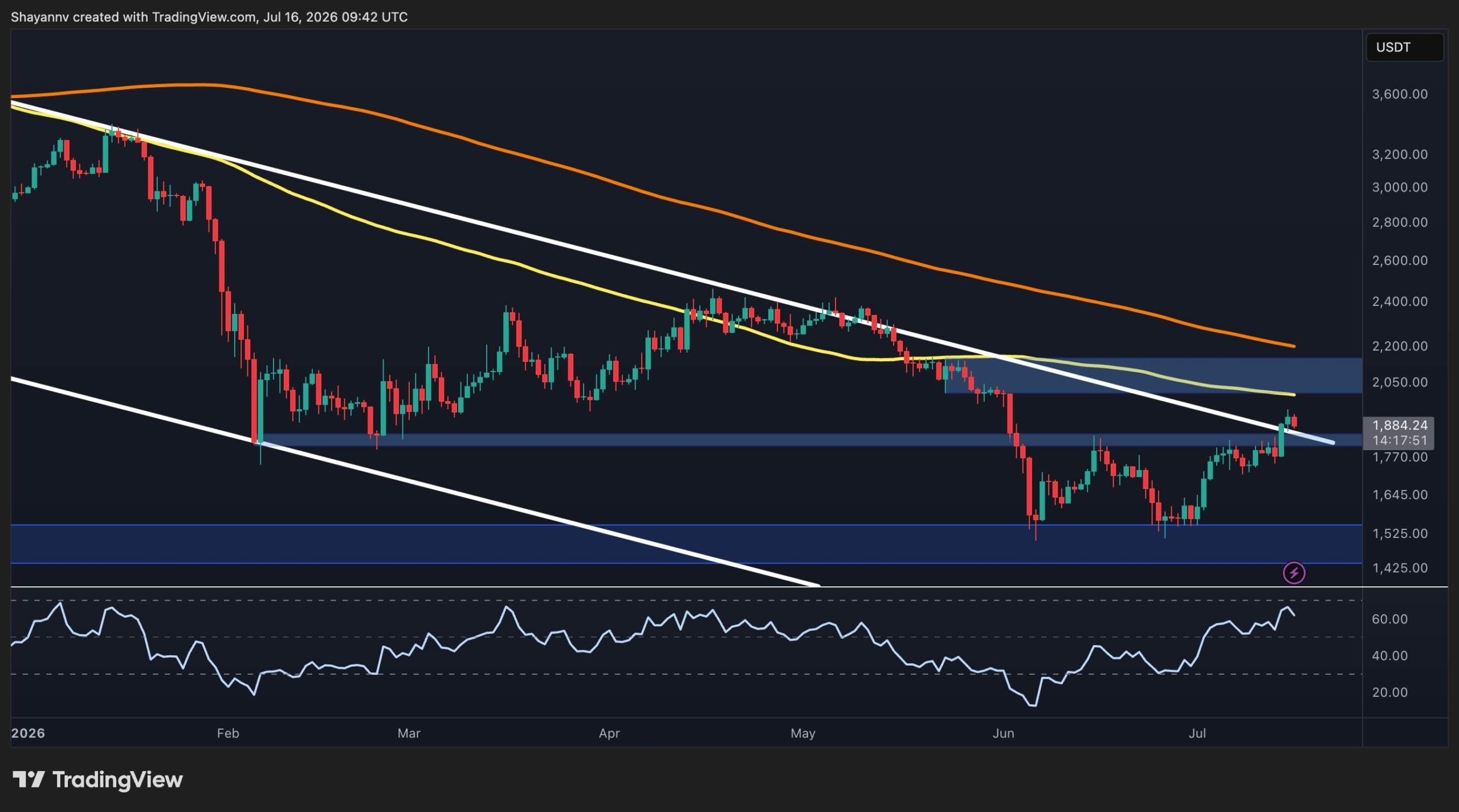
Ethereum has had a notable recovery from its June lows, reclaiming an important resistance zone while testing a major descending trendline on the higher timeframe. Although the latest rally has strengthened short-term sentiment, ETH is still approaching a cluster of technical barriers that could determine whether the recovery extends above $2K or transitions into another corrective phase.
Ethereum Price Analysis: The Daily Chart
On the daily timeframe, ETH has been trading within a broad descending channel that has defined price action for several months. The recent rebound from the $1.5K demand zone allowed the asset to reclaim the $1.8K support region.
The price is also on the verge of breaking above the channel’s upper boundary, which is closely followed by the descending 100-day moving average near the $2K area. This confluence has already attracted selling pressure, suggesting that sellers remain active around this technical barrier.
The next major resistance sits between $2K and $2.2K, where the 200-day moving average also converges from above. A confirmed breakout above the channel and a sustained move beyond $2.2K would represent a meaningful structural shift and could open the door toward higher recovery targets.
On the downside, the recently reclaimed $1.8K zone now acts as the first key support. Losing this level would once again expose the broader demand region around $1.5K, which previously triggered the latest bullish reversal.
ETH/USDT 4-Hour Chart
The lower timeframe shows a much stronger bullish structure. ETH advanced inside a well-defined ascending channel after forming a clear double bottom near $1.5k and has been consistently printing higher highs and higher lows throughout the recovery.
The recent rally pushed the price above the $1.8K resistance zone before reaching the channel’s upper boundary around $1.95K. However, sellers defended this area, leading to a modest rejection from local highs.
As long as ETH holds above the $1.8K breakout zone, the current pullback appears more consistent with profit-taking than a confirmed trend reversal. Maintaining this support could allow buyers to attempt another move toward the major daily resistance cluster between $2K and $2.2K.
Conversely, a decisive breakdown below $1.8K would weaken the short-term structure and could trigger a deeper retracement toward the intermediate support around $1.72K, or even the order block located around $1.62K to $1.64K, where buyers previously stepped in.

On-Chain Analysis
The Exchange Reserve chart continues to paint a constructive longer-term picture. Ethereum reserves held across centralized exchanges have declined steadily, reaching approximately 15.3 million ETH, which is arguably the lowest reading over the past few years.
A persistent decline in exchange balances generally indicates that investors are withdrawing coins into self-custody or long-term storage rather than preparing to sell them immediately. This reduces the amount of readily available supply on exchanges and can provide a supportive backdrop if demand continues to recover.
While the falling exchange reserve does not guarantee immediate upside, the continued reduction in available supply complements the improving technical structure. If ETH successfully clears the overhead resistance between $2K and $2.2K while exchange balances remain on their current downtrend, the broader recovery could gain additional strength. Conversely, failure to overcome the higher-timeframe resistance may still result in a short-term correction despite the favorable on-chain backdrop.

The post Ethereum Price Analysis: Is $2K Next for ETH After Reclaiming Key Support? appeared first on CryptoPotato.
Crypto World
Why Stripe’s $53 billion PayPal bid is a high-stakes play to own the future of digital payments
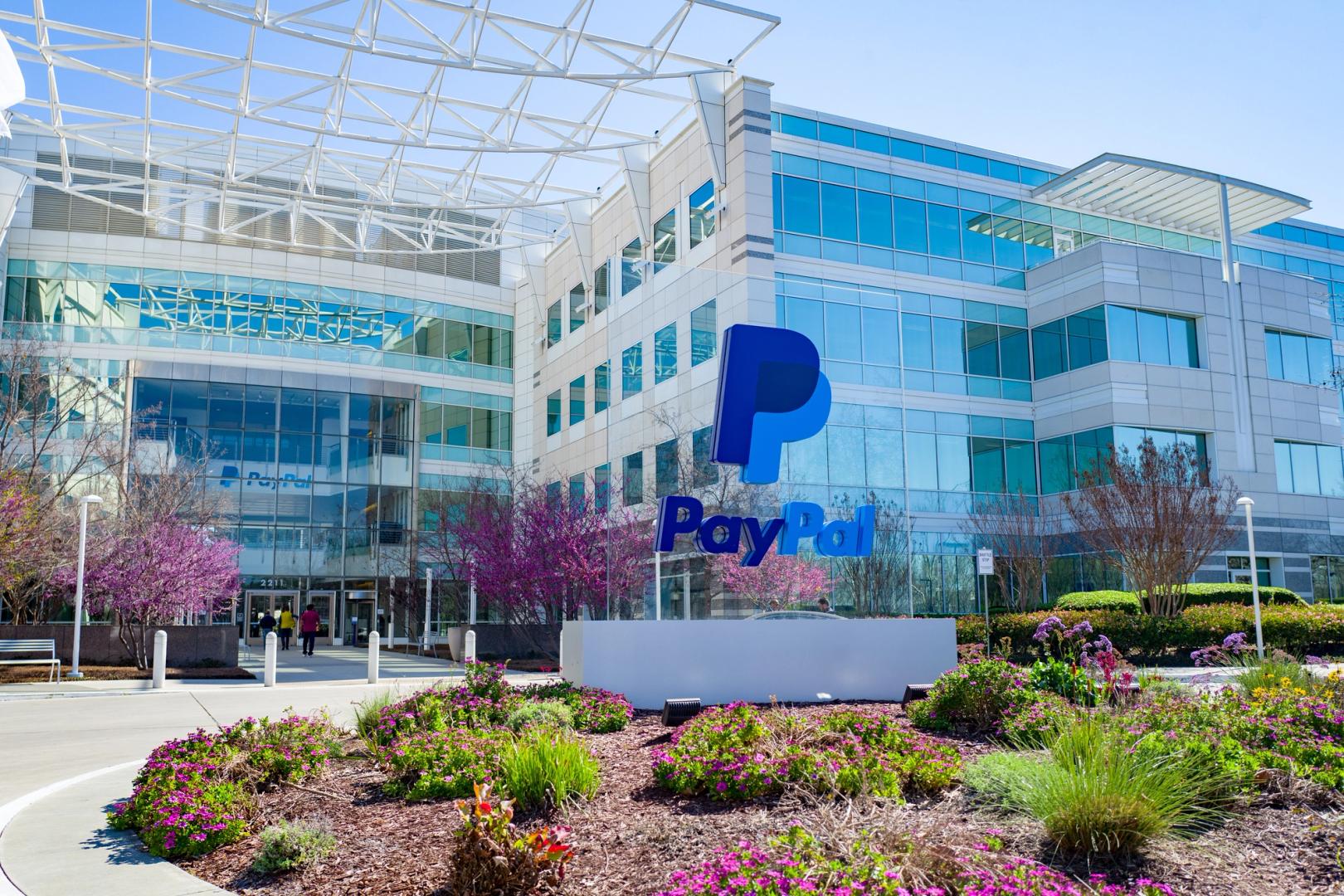
If Stripe owns PayPal, Bridge becomes the shared infrastructure layer under PYUSD, OpenUSD and Tempo. That’s infrastructure consolidation, not token competition, and it’s a much bigger deal than the acquisition headline suggests.”
That sort of infrastructure scale could allow Stripe to introduce lower settlement fees and checkout incentives for PYUSD, while Tempo could gradually steer users toward OUSD.
“This potentially strengthens Tempo considerably,” said Niamh Byrne, chief commercial officer at blockchain developer platform Alchemy. “If OpenUSD gains meaningful traction, it could increase the strategic importance of Tempo and position it as more than another blockchain.”
However, even if Stripe does combine multiple prominent stablecoin projects under one roof, commentators do not foresee major disruption to the stablecoin sector in the immediate future.
“Circle’s cross-chain interoperability is operationally proven at institutional scale, whereas Tempo is an unproven layer-1 still in early development,” Citi said in its note. “It is our understanding that Bridge/Tempo relies on third parties for interoperability capabilities.”
Tether’s USDT, meanwhile, holds a 60% share of the stablecoin market, dwarfing even USDC, let alone PYUSD, which is in itself something of a “mic drop” to suggestions of a threat from distant competitors. Notwithstanding that, USDT derives its prominence from the retail sector and emerging markets rather than institutions and corporates.

US crypto market-structure legislation appears to be nearing a potential Senate vote, as lawmakers race to finalize the remaining sticking points before the August work break. Summer Mersinger, CEO of the Blockchain Association and a former commissioner at the US Commodity Futures Trading Commission (CFTC), told attendees at the Injective Summit in Washington, DC, that the Digital Asset Market Clarity (CLARITY) Act is “very close” on the main language and could reach the Senate floor as soon as next week—if an ethics agreement can be reached.
In a sign of how political and governance questions are driving the timeline, Mersinger said “ethics is the big elephant in the room,” pointing to ongoing discussions involving Republican senators and a White House meeting. She also emphasized that while the industry’s members support the broader bill, they do not want the ethics debate to derail the rest of the legislative package.
Key takeaways
- Summer Mersinger says the CLARITY Act is close on the bill’s core market-structure provisions and a Senate vote could come next week if lawmakers align on ethics language.
- Mersinger described ethics provisions as the primary unresolved issue, with talks involving Republican senators and the White House.
- Some Senate Democrats have indicated they will oppose a vote unless ethics provisions are clear, and the bill needs bipartisan support to pass.
- Prediction market Kalshi showed traders’ odds of a Senate floor vote before the August break rising to 75.1% (up from 47% on July 10).
Why the ethics fight could determine whether CLARITY advances
Mersinger’s remarks framed the current legislative hurdle less as a technical drafting problem and more as a political constraint. She said lawmakers have a few remaining “nits” to work out but are “very close” on the main language. According to her, progress now depends on reaching agreement on ethics provisions—language that Democrats have made central to whether they will support bringing the bill to the Senate floor.
At the Injective Summit, Mersinger tied the urgency to the legislative calendar, noting the window for action before August recess. She described the ethics question as a concern raised across “every office,” and referenced a White House meeting involving Republican senators as a potential path to compromise. Her hope, she said, is that any agreement reached there would either be acceptable to Democrats or could be adjusted so Democrats would have room to support the final text.
“Ethics is the big elephant in the room… Today there’s a meeting at the White House with some Republican senators,” Mersinger said, adding lawmakers are hopeful an agreement can be produced that Democrats can accept. “For my members and what we are advocating for on the Hill… please don’t let it kill all the hard work that we put in the rest of the bill.”
What lawmakers are trying to finalize before the August break
CLARITY, described by the Blockchain Association as a market-structure effort aimed at establishing clearer rules for digital-asset activity, has already advanced through key early stages in Congress. Mersinger said her organization has been engaged with legislators as the bill moved forward, including during the period when it passed through the Senate Banking and Agriculture committees.
Her comments suggest that the bill’s prospects now hinge on a final set of negotiations rather than on a broader lack of support for the underlying policy direction. Still, she acknowledged that the remaining debate is highly consequential: ethics language is not just a marginal edit, but the focal point for lawmakers deciding whether the bill can reach a final vote.
White House talks and Democratic opposition risks
Mersinger’s mention of ethics discussions followed earlier reporting that President Donald Trump was set to meet with Republican senators to discuss CLARITY. That coverage indicated the conversation could include Trump’s ties to the industry, after Senate Democrats had held their own meeting on the bill the prior day. The reports also pointed to Trump’s disclosure in June that he earned $1.4 billion from ventures related to digital assets, including his memecoin and his family business, World Liberty Financial.
The concern reflected in those disclosures appears to have translated into concrete legislative posture. Earlier, three Senate Democrats announced that they would not support a crypto market-structure vote unless ethics provisions were clear. Their stated rationale was that without stronger guardrails, lawmakers and the White House could face potential conflicts or corruption risks associated with the digital-asset sector. With Republicans holding a slim majority in the Senate, the bill would require support from several Democrats to clear the chamber.
How the odds shifted on Kalshi’s prediction market
While political negotiations continue behind closed doors, market-based indicators have also shown a change in expectations about timing. At the time of publication, Kalshi—using a contract centered on whether the Senate would vote on CLARITY before the August break—showed a 75.1% chance of a floor vote, according to the market listing referenced in the source report.
The same reference noted the odds were 47% on July 10, implying that traders have become more confident in near-term movement. However, prediction markets can react to headlines and perceived momentum even when the underlying political constraints—particularly on ethics—remain unresolved. That makes the next few days’ negotiations especially relevant for readers trying to assess whether the rising odds reflect a true path to passage or simply a temporary shift in expectations.
What investors and builders should watch next
For participants across the crypto industry, the immediate question is whether lawmakers can translate the “very close” drafting progress into a workable ethics agreement that both sides can accept. Mersinger’s comments suggest the Senate vote may depend on whether a compromise can survive Democratic scrutiny—so watch for details of any ethics language emerging from White House and senator discussions, and whether Democratic leadership signals a readiness to support a floor vote once the text is finalized.
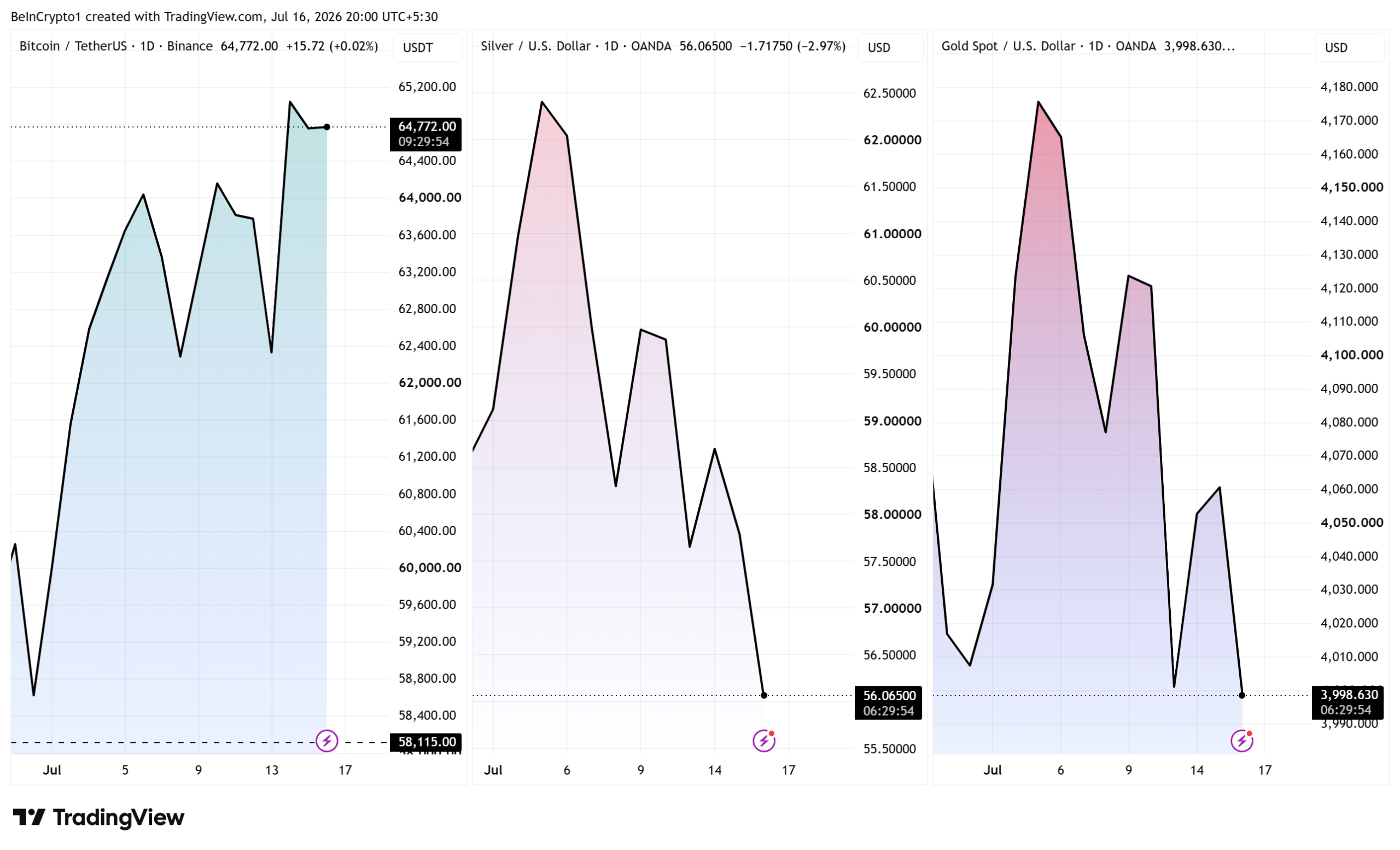
Gold and silver lost roughly $700 billion in market value in a single day. Bitcoin (BTC) barely moved, holding near $64,000 and claiming a rare safe-haven win over precious metals.
Gold broke below $4,000. Silver sank below $55.50, its lowest level in about 7 months. A stronger dollar and rising bets on Federal Reserve rate hikes are squeezing both metals.

Gold and Silver Selloff Deepens Despite Iran Threat
Iran threatened to shut the Bab el-Mandeb Strait, a key global shipping route. That kind of news usually sends investors rushing into gold. This time, they sold instead, with US stocks also bearing the brunt.
Gold fell 1.7% on Thursday, erasing about $485 billion. Silver dropped 3%, wiping out another $100 billion. By late trading, combined losses neared $700 billion.
“Gold and silver just lost around $700B in market value in a single day. A brutal reminder that even traditional safe-haven assets can get hit hard when liquidity disappears,” commented Garrett, a KOL and Binance affiliate.
The rout deepens a slide that began in late January, when gold set a record near $5,600, and silver peaked above $121. Gold has since lost roughly 28% of its value.
So where did the money go? Into dollars and short-term US Treasuries. Both now pay solid yields, while gold and silver pay nothing.

The Federal Reserve, under new Chair Kevin Warsh, held rates at 3.50% to 3.75% in June. Minutes then exposed a divided Fed rate outlook, with some officials leaning toward hikes.
Follow us on X to get the latest news as it happens
ETF Outflows Accelerate the Metals Rotation
Big money is leaving gold funds fast. SPDR Gold Shares (GLD) has bled $14.4 billion since March 1. That is 50% more than the $9.6 billion pulled from all spot Bitcoin ETFs since October.
The trend echoes March, when Wall Street pulled billions from gold and GLD lost a record $8.5 billion in one month. However, the exit is slowing. July outflows sit at just $46 million so far.
One corporate holder shows the damage in real time. Antalpha, a Nasdaq-listed lender tied to Bitcoin mining giant Bitmain, keeps its gold in Tether Gold (XAUt), a token backed by physical bars in Swiss vaults.
That makes its retreat visible on-chain. The firm has handed back over $50 million in gold profits, Arkham data shows, and its XAUt stack has shrunk to $138.8 million from a $329.9 million January peak.
Bitcoin Safe Haven Test Is Not Over
Bitcoin traded near $64,650 on Thursday, up about 4% this week. The Bitcoin price consolidation comes after BTC hit its most oversold level against gold on record.

Still, BTC is no pure haven. It fell alongside metals during the US-Iran war hedge test earlier this year, when US stocks beat every traditional refuge.
Daniela Hathorn, senior market analyst at Capital.com, says cooler inflation data helped steady Bitcoin. Still, she warns it trades like a macro asset, moved by rates and ETF flows. In a note shared with BeInCrypto, she named the levels to watch.
“Bitcoin has stabilised after the volatility seen earlier this month, with prices consolidating around the $64,000–65,000 area. … From a technical perspective, the $63,000–64,000 region has emerged as an important support zone, while the $65,500–66,000 area is acting as the first meaningful resistance.”
The next test is simple. Can Bitcoin hold $63,000 while gold and silver hunt for a floor? With GLD outflows drying up, the metals washout may be close to running out of sellers.
The post Gold and Silver Lost $700B as Iran Threatens Bab el-Mandeb. Will Bitcoin Follow? appeared first on BeInCrypto.

Is Crypto Allowed for Muslims? Pakistan Debates Bitcoin and Islamic Law
‘TODAY’ Show Security Breach Ends With Intruder Arrest

Coffee Break: Dash Tote Bag


-

 Fashion6 days ago
Weekend Open Thread: Nutriplenish Leave-In Conditioner
-

 Sports6 days ago
Super Eagles star Moses Simon opens up on Liverpool transfer regret
-
 NewsBeat3 hours ago
London Mayor Sadiq Khan handed a peerage by Keir Starmer alongside 15 other Labour figures… just days before the PM leaves No10
-

 Politics1 day ago
Young campaigners urge incoming PM to act on outdoor junk food ads
-

 News Videos2 days ago
XRP BOMBSHELL… XRP OMBOARDED FOR TRANSACTIONS!!!
-

 Tech3 days ago
Get Your ESP32 Sunny Side Up With This Solar Dev Board
-

 Crypto World17 hours ago
CFTC blocks Kalshi from unwinding Michigan trades after court order
-

 Business15 hours ago
Nvidia Stock Slips After Big Tuesday Rally as Huang Confirms Vera Rubin Chip Is Now in Production Today
-

 Tech2 days ago
Dark Secrets Emerge When Jailbreaking LLMs
-
 Entertainment1 day ago
Disney’s Most Ambitious Failed Star Wars Attraction Is Coming to SDCC
-
 Sports21 hours ago
New Cornerback Enters Vikings Trade Rumor Mill
-

 News Videos3 days ago
how to make coin bank box with cardboard #scienceproject #money #diy #shorts
-
 Tech3 days ago
Cloudflare Precursor Watches Your Mouse and Keyboard To Decide If You Are Human
-
 Entertainment24 hours ago
Vicki Gunvalson Defends Discussing Heather Dubrow’s Money
-
Crypto World2 days ago
Ripple, Coinbase, Circle Join Linux x402 Foundation to Help Shape AI Payments
-

 NewsBeat21 hours ago
Watch: Is Donald Trump facing a popular backlash on immigration?
-

 Sports18 hours ago
Michigan officials not expected to discuss AD Warde Manuel at Thursday meeting
-

 Business2 days ago
ACCC warns AI could lift insurance costs in risk-prone areas
-
 NewsBeat20 hours ago
Firefighters issue update on Dovestone moorland blaze as fire enters fourth day
-

 Business2 days ago
Subaru recalls 541,000 vehicles over federal safety sticker mistake: NHTSA
You must be logged in to post a comment Login