

Business
Why Choose Zirconium Veneers in Turkey? A Complete Guide


You should choose zirconium veneers in Turkey because Turkey offers world-class dental technology, experienced cosmetic dentists, and prices that are 70% to 85% lower than the UK, USA, or Germany. Zirconium veneers give you a natural smile, superior strength, and long-lasting results.
What Are Zirconium Veneers and How Do They Work?
Zirconium veneers are thin ceramic shells made from zirconium dioxide. They cover the front surface of teeth to improve appearance, strength, and function.
Zirconium veneers in Turkey are dental restorations made from zirconium dioxide. This material comes from the zircon mineral. Dentists use it to create thin shells that bond to the front of natural teeth. The veneer masks imperfections and creates a uniform smile. Zirconium dioxide is a white crystalline oxide. It looks like natural tooth enamel. It also transmits light in a way that mimics real teeth. This quality makes zirconium veneers highly aesthetic.
The dentist prepares the tooth surface first. Then the dentist takes a digital impression. A dental lab uses CAD/CAM technology to mill the veneer from a solid zirconium block. The dentist bonds the final veneer to the tooth with strong dental adhesive. The result is a permanent restoration that looks natural and feels comfortable.
Zirconium veneers differ from crowns. A veneer covers only the front surface. A crown covers the entire tooth. Veneers require less tooth reduction. This makes them a conservative option for smile makeovers.
Why Do Patients Choose Zirconium Veneers Over Other Materials?
Patients choose zirconium veneers because they offer the best balance of strength, aesthetics, and biocompatibility among all dental veneer materials.
Patients want a smile that looks natural and lasts for decades. Zirconium veneers meet both goals. Composite veneers stain over time. They also chip more easily. Porcelain veneers look beautiful but need a metal or zirconium substructure for back teeth. Zirconium veneers stand alone. They need no metal support. This eliminates the risk of gray lines at the gum margin.
Zirconium veneers resist stains from coffee, tea, and red wine. They do not discolor like natural enamel. They also resist abrasion better than composite resin. Patients who grind their teeth benefit from zirconium’s superior strength. Dentists often recommend zirconium for patients who want durability without sacrificing aesthetics.
The material is metal-free. This matters for patients with metal allergies. It also matters for patients who want a holistic approach to dental care. Zirconium dioxide is inert. It does not react with oral tissues. It does not cause inflammation or sensitivity in the gums.
How Strong Are Zirconium Veneers Compared to Porcelain and Composite?
Zirconium veneers are three times stronger than E-max porcelain and significantly more durable than composite resin. They withstand chewing forces better than any other veneer material.
Zirconium dioxide ranks among the strongest ceramic materials in dentistry. Its flexural strength exceeds 900 megapascals. E-max lithium disilicate reaches about 400 megapascals. Composite resin reaches only 90 to 120 megapascals. This means zirconium veneers resist chipping and cracking under pressure.
A scientific study tracked zirconium crowns and veneers from 2004 to 2016. Researchers found a 96.9% success rate after five years. They also found a 98.5% survival rate. After twelve years, the survival rate remained at 67%. This data proves that zirconium restorations last for decades with proper care.
Zirconium veneers work well for both front teeth and back teeth. Front teeth need aesthetics. Back teeth need strength. Zirconium delivers both. Patients who suffer from bruxism, or teeth grinding, should choose zirconium. The material withstands the extra force. Dentists may still recommend a night guard. But the veneer itself offers the best protection against fracture.
| Material | Flexural Strength | Aesthetic Rating | Lifespan | Best Use |
| Zirconium | Very High (900+ MPa) | Excellent | 15–25 years | Front and back teeth |
| E-Max Porcelain | High (400 MPa) | Superior | 10–20 years | Front teeth |
| Composite Resin | Moderate (90–120 MPa) | Good | 5–7 years | Minor fixes |
| Metal-Porcelain | High | Fair | 10–15 years | Back teeth |
What Is the Zirconium Veneer Procedure in Turkey?
The procedure takes two to three visits over five to seven days. It includes consultation, tooth preparation, digital impressions, lab fabrication, and final bonding.
The first visit starts with a detailed consultation. The cosmetic dentist examines your teeth and gums. The dentist takes digital X-rays and photographs. Then the dentist creates a digital smile design. This design shows you a preview of your new smile before any work begins. You approve the shape, size, and shade.
Next, the dentist applies local anesthesia. The dentist removes a thin layer of enamel from the front surface of each tooth. This step creates space for the veneer. The amount of reduction varies. It usually ranges from 0.5 to 1.0 millimeters. The dentist then cleans the tooth surfaces.
The dentist takes a digital impression using an intraoral scanner. This scan replaces traditional mold materials. The digital file goes to an in-house dental lab. Technicians use CAD/CAM software to design the veneer. Then a milling machine carves the veneer from a solid zirconium block. The lab applies custom staining and glazing to match your natural tooth color.
You receive temporary veneers while the lab works. These temporaries protect your teeth and maintain your appearance. The lab usually needs three to five days to complete the final veneers.
You return for the second visit. The dentist removes the temporaries. The dentist tries in the permanent zirconium veneers. The dentist checks the fit, color, and bite. Once everything is perfect, the dentist cleans the tooth surface. The dentist applies a bonding agent. Then the dentist cements the veneer permanently. A curing light hardens the adhesive. The dentist polishes the margins and adjusts your bite.
Some clinics offer same-day zirconium veneers using advanced chairside CAD/CAM systems. However, most complex cases still require lab fabrication for the best aesthetic result.
How Much Do Zirconium Veneers Cost in Turkey?
A single zirconium veneer in Turkey costs between £150 and £380. A full set of 20 zirconium veneers costs between £3,500 and £5,500. Patients save up to 77% compared to UK or US prices.
Dental tourism thrives in Turkey because of the significant cost advantage. The lower cost of living reduces clinic overhead. Laboratory fees, staff salaries, and rent cost less than in Western Europe or North America. Favorable exchange rates further reduce prices for international patients.
In the UK, a single zirconium veneer costs £800 to £1,800. In the USA, the price ranges from $1,200 to $2,500. In Turkey, the same material, the same technology, and the same quality cost a fraction of that price.
Most Turkish clinics offer all-inclusive packages. These packages include the dental treatment, hotel accommodation, VIP airport transfers, and a dedicated patient coordinator. Some packages also include city tours and translation services.
| Location | Cost Per Zirconium Veneer | Full Set of 20 Veneers | Savings in Turkey |
| Turkey | £150 – £380 | £3,500 – £5,500 | Baseline |
| UK | £800 – £1,800 | £16,000 – £36,000 | Up to 77% |
| USA | $1,200 – $2,500 | $24,000 – $50,000 | Up to 76% |
| Germany | €800 – €1,500 | €16,000 – €30,000 | Up to 75% |
Patients should always request an itemized invoice. This invoice should list every service included. Ask about pre-operative tests, laboratory fees, temporary restorations, final bonding, and follow-up visits. Some clinics bundle everything. Others list only dental fees. Clarify this before you pay any deposit.
Why Is Turkey a Leading Destination for Zirconium Veneers?
Turkey leads global dental tourism because its clinics use the same materials and technology as top London or New York clinics, but charge 70% to 85% less.
Turkey has invested heavily in dental infrastructure over the past two decades. Major cities like Istanbul and Antalya host JCI-accredited dental hospitals. These facilities use IPS E-max ceramics, Ivoclar Vivadent materials, and Straumann implant systems. They also use digital smile design software and intraoral scanners. This technology matches the standards of Harley Street clinics in London or Park Avenue clinics in New York.
Turkish dentists undergo rigorous training. Many complete postgraduate programs in prosthodontics and cosmetic dentistry in Europe or the USA. They speak fluent English. They understand the expectations of international patients. Clinics employ dedicated patient coordinators who manage every step of the journey.
The country also offers a unique advantage: speed. A full smile makeover takes five to seven days. In the UK or USA, the same treatment might take four to six weeks due to lab scheduling. Turkish clinics operate in-house dental labs. These labs work around the clock to deliver fast turnarounds.
Geography adds another benefit. Istanbul sits within a three-to-four-hour flight from most European capitals. Direct flights from London, Manchester, Berlin, and Amsterdam arrive daily. Patients combine dental treatment with a cultural holiday. They visit Hagia Sophia, the Blue Mosque, or the beaches of Antalya.
What Should Patients Look for in a Turkish Dental Clinic?
Patients should look for JCI accreditation, in-house CAD/CAM labs, digital smile design capability, English-speaking coordinators, and written warranties of at least five years.
Accreditation matters. The Joint Commission International, or JCI, sets the gold standard for medical facility safety. A JCI-accredited clinic follows strict protocols for sterilization, infection control, and patient safety. Look for this accreditation on the clinic’s website.
Technology matters too. The best clinics use digital smile design, or DSD. This software lets you see your future smile before the dentist touches your teeth. The best clinics also use chairside CAD/CAM systems or partner with high-tech dental labs. These systems ensure precise margins and perfect fit.
Ask about the dentist’s credentials. How many veneer cases has the dentist completed? Does the dentist specialize in prosthodontics or cosmetic dentistry? Can the clinic show before-and-after photos of real patients?
A written warranty protects your investment. Reputable clinics offer five-to-ten-year warranties on ceramic work. The warranty should cover chipping, cracking, and debonding. Read the terms carefully. Some warranties require annual check-ups to remain valid.
Communication is key. Your clinic should provide an English-speaking coordinator. This person should answer your questions before, during, and after treatment. They should provide written aftercare instructions in English. They should also give you a 24/7 emergency contact number.
How Long Do Zirconium Veneers Last?
Zirconium veneers last 15 to 25 years with proper oral hygiene and regular dental check-ups.
Longevity depends on several factors. First, the quality of the bonding procedure matters. A skilled dentist uses the correct adhesive protocol. This ensures a strong seal between the veneer and the tooth. Second, the precision of the lab fabrication matters. A well-milled veneer fits perfectly. It experiences less stress during chewing.
Patient habits also affect lifespan. Patients who brush twice daily and floss once daily maintain healthier gums. Healthy gums support the veneer margins. Patients who avoid hard foods, ice chewing, and pen biting reduce the risk of chipping. Patients who grind their teeth should wear a custom night guard. This guard absorbs the grinding forces and protects the veneers.
Regular dental visits are essential. Your dentist checks the veneer margins for decay or gum recession. The dentist also polishes the veneer surface to maintain its luster. Most dentists recommend visits every six months.
Scientific evidence supports these claims. A long-term study published in 2016 confirmed that zirconium restorations can last up to 15 years with proper care. Newer generations of zirconium materials show even better performance. Some manufacturers now guarantee their zirconium blocks for 20 years.
Who Is the Ideal Candidate for Zirconium Veneers?
Ideal candidates have healthy gums, sufficient enamel, and cosmetic concerns like discoloration, chips, gaps, or mild misalignment.
Not everyone qualifies for zirconium veneers. The dentist must evaluate your oral health first. You need healthy gums free from periodontal disease. Active gum disease causes recession and bone loss. These conditions compromise the veneer foundation.
You also need sufficient enamel. The dentist must remove a thin layer of enamel to place the veneer. If your enamel is too thin or too damaged, a crown might work better. Your dentist will measure enamel thickness using digital scans.
Zirconium veneers correct many cosmetic issues. They cover stains that resist whitening. They restore chipped or cracked teeth. They close small gaps between teeth, called diastema. They also create a uniform look for mildly misaligned teeth. However, they do not replace orthodontics. Severely crooked teeth need braces or aligners first.
Patients with bruxism can get zirconium veneers. But they must commit to wearing a night guard. The night guard protects the veneers from grinding forces. Patients with very little remaining tooth structure might need crowns instead. Your dentist will explain the best option after your examination.
Age matters too. Dentists rarely place veneers on patients under 18. The enamel must be fully mature. The jaw must finish growing. Younger patients should wait until their late teens or early twenties.
What Are the Benefits of Zirconium Veneers for Dental Tourists?
Dental tourists benefit from all-inclusive packages, fast five-to-seven-day turnaround times, VIP transfers, guaranteed results, and savings of up to 85%.
Dental tourism to Turkey has grown rapidly. Patients from the UK, Ireland, Germany, Scandinavia, and the USA travel to Turkey for smile makeovers. Zirconium veneers attract these patients because the treatment is fast, affordable, and predictable.
All-inclusive packages simplify the experience. The clinic books your hotel. A driver meets you at the airport. The coordinator escorts you to every appointment. You focus on your treatment. The clinic handles the logistics.
The speed of treatment appeals to busy professionals. You can complete a full set of zirconium veneers in one week. You take one week off work. You return home with a new smile. In contrast, the same treatment in the UK might require six appointments spread over two months.
The savings are substantial. A UK patient might pay £12,000 to £20,000 for a full set of zirconium veneers at home. In Turkey, the same patient pays £3,800 to £6,100 including flights, hotels, and food. The net saving ranges from £6,000 to £14,000.
Quality does not suffer. Turkish clinics use the same brand-name materials as UK clinics. They use the same shade guides. They follow the same adhesive protocols. The difference is cost structure, not quality.
How Do Zirconium Veneers Compare to E-Max and Porcelain Veneers?
Zirconium veneers offer the highest strength. E-max veneers offer the best translucency. Porcelain veneers offer a middle ground between strength and aesthetics.
Each material serves a different purpose. Your dentist will recommend the best option based on your bite, your aesthetic goals, and your budget.
Zirconium veneers excel in strength. They withstand the highest chewing forces. They resist chipping and cracking. They work well for patients with heavy bites or bruxism. They also mask dark underlying teeth effectively. Their slight opacity blocks discoloration from showing through.
E-max veneers excel in aesthetics. Lithium disilicate ceramic transmits light like natural enamel. Dentists prefer E-max for the front eight teeth. These teeth are the smile zone. They need the most natural appearance. However, E-max is less strong than zirconium. Dentists rarely use E-max for back teeth.
Porcelain veneers traditionally used a metal substructure for strength. This created a gray line at the gum margin. Modern porcelain veneers now use zirconium substructures. But all-ceramic zirconium veneers have replaced this option for most cases.
Composite veneers offer the lowest cost. But they stain, chip, and wear faster. They last only five to seven years. They suit patients who need minor corrections or temporary solutions.
| Feature | Zirconium Veneers | E-Max Veneers | Composite Veneers |
| Strength | Highest | High | Moderate |
| Aesthetics | Excellent | Superior | Good |
| Translucency | Good | Excellent | Fair |
| Stain Resistance | Excellent | Excellent | Poor |
| Lifespan | 15–25 years | 10–20 years | 5–7 years |
| Cost in Turkey | Mid-range | Higher | Lower |
| Best For | Bruxism, dark teeth, back teeth | Front smile zone | Minor fixes, budget |
What Aftercare Steps Ensure Long-Term Success?
Patients should brush twice daily, floss regularly, avoid hard foods, wear a night guard if needed, and visit their dentist every six months.
Aftercare starts the moment you leave the clinic. The bonding adhesive reaches full strength within 24 hours. Avoid hard foods during this first day. Do not chew ice, nuts, or hard candy. These habits chip even the strongest veneers.
Brush your teeth twice daily with a non-abrasive toothpaste. Abrasive pastes scratch the glaze on zirconium. This reduces the shine over time. Use a soft-bristle toothbrush. Electric toothbrushes work well. They clean effectively without excessive pressure.
Floss between your veneers daily. Use gentle motions. Do not snap the floss. This protects the gum margin. Healthy gums seal the veneer edge. This prevents bacteria from leaking underneath.
Avoid staining foods and drinks when possible. Zirconium resists stains better than natural enamel. But the cement margin and your natural teeth can still discolor. Limit coffee, tea, red wine, and tobacco. If you consume these, rinse your mouth with water afterward.
Wear a night guard if you grind your teeth. The dentist will take an impression for a custom guard. Wear it every night. This simple habit can double the lifespan of your veneers.
Visit your dentist every six months. The dentist checks the veneer margins. The dentist cleans around the gum line. The dentist also polishes the veneer surface. These visits catch problems early. Early intervention saves money and preserves your smile.
Are Zirconium Veneers Safe for Everyone?
Zirconium veneers are safe for most patients because zirconium dioxide is biocompatible, hypoallergenic, and completely metal-free.
Biocompatibility means the material does not trigger adverse reactions in the body. Zirconium dioxide is inert. It does not corrode. It does not release ions into the bloodstream. It does not cause allergic reactions. This makes it ideal for patients with metal sensitivities.
Some patients worry about the safety of dental ceramics. Scientific studies confirm that zirconium dioxide is safe for long-term oral use. The material integrates with gum tissue without causing inflammation. It does not produce a metallic taste. It does not create galvanic currents with other metals in the mouth.
Pregnant women should postpone elective cosmetic procedures. This includes zirconium veneers. Local anesthesia, X-rays, and the stress of travel are not ideal during pregnancy. Wait until after delivery and breastfeeding.
Patients with active tooth decay must treat the decay first. Veneers cover the front surface. They do not stop decay from spreading underneath. Your dentist will fill any cavities before placing veneers.
Patients with severe bruxism need special consideration. Zirconium veneers are strong. But uncontrolled grinding can still damage them. Your dentist will assess your bite. The dentist may recommend a night guard or orthodontic adjustment before veneer placement.
What Does the Scientific Evidence Say About Zirconium Veneer Success Rates?
Scientific studies show a 96.9% success rate after five years and a 98.5% survival rate for zirconium-based restorations. Long-term data supports 15-year lifespans.
Evidence-based dentistry guides material selection. Zirconium dioxide has undergone extensive clinical testing. Researchers have tracked thousands of zirconium restorations over many years.
A landmark study monitored zirconium crowns from 2004 to 2016. This 12-year study found a 96.9% success rate at the five-year mark. The survival rate was 98.5%. After 12 years, the survival rate dropped to 67%. This decline is normal for any dental material. It reflects normal wear, gum changes, and patient habits. The study concluded that zirconium restorations can last up to 15 years with proper oral hygiene.
Another study examined zirconium veneer bonding. Researchers found that zirconium veneers bond strongly to enamel when dentists use proper surface treatment. Sandblasting and primer application create a durable chemical bond. This bond resists debonding under normal chewing forces.
CAD/CAM technology has improved zirconium outcomes. Computer-milled veneers fit more precisely than hand-layered alternatives. Better fit means less cement washout. Less cement washout means fewer secondary cavities. These advances push success rates even higher.
Modern zirconium materials are evolving. Manufacturers now produce high-translucency zirconium. This new generation combines the strength of traditional zirconium with improved light transmission. Early clinical results show excellent aesthetic outcomes. Future studies will confirm long-term performance.
Why Should Patients Consider Cinik Dental for Zirconium Veneers in Turkey?
Cinik Dental stands as one of the best dental clinics in Turkey. The clinic delivers advanced zirconium veneer treatments using digital smile design, CAD/CAM technology, and experienced cosmetic dentists.
Choosing the right clinic determines your result. Cinik Dental has built a reputation for excellence in cosmetic dentistry. The clinic employs specialists in prosthodontics and smile design. These dentists have trained in advanced veneer techniques. They understand the nuances of zirconium material behavior.
Cinik Dental uses digital smile design on every case. You see your new smile before treatment begins. The clinic operates an in-house dental lab. This lab uses CAD/CAM milling machines to produce precise zirconium veneers. The technicians apply custom staining to match your facial features and skin tone.
The clinic offers all-inclusive packages for international patients. These packages include VIP airport transfers, four-star or five-star hotel accommodation, and a dedicated English-speaking patient coordinator. You receive a written treatment plan before you travel. You also receive a warranty on all ceramic work.
Cinik Dental prioritizes patient safety. The clinic follows strict sterilization protocols. It uses single-use instruments where possible. The treatment rooms feature modern dental chairs, digital X-rays, and intraoral scanners.
You can learn more about their zirconium veneer services at Cinik Dental. The website offers free online consultations. You can upload photos of your smile. A cosmetic dentist will assess your case and provide a personalized quote.
What Questions Should Patients Ask Before Booking Zirconium Veneers in Turkey?
Patients should ask about the exact material brand, the amount of tooth reduction required, the lab turnaround time, the warranty terms, and what the all-inclusive package covers.
Smart patients ask smart questions. Do not rely on marketing photos alone. Verify the details of your treatment plan.
Ask the dentist: “Which exact brand of zirconium will you use?” Top brands include Katana, BruxZir, and Cercon. These brands have published clinical data. They offer consistent quality.
Ask: “How much enamel will you remove?” Minimal-prep veneers remove less than 0.5 millimeters. Standard prep removes 0.5 to 1.0 millimeters. Full crowns remove more. Know what you are getting.
Ask: “Who makes the veneers?” In-house labs offer faster turnaround. Partner labs may offer more artistic layering. Both can produce excellent results. But you should know.
Ask: “Will you perform a bite analysis?” Your bite must be stable before veneers. If you have a misaligned bite, the veneers may chip. The dentist should check for grinding and adjust the bite if needed.
Ask: “What does the warranty cover?” A good warranty covers ceramic fracture, debonding, and manufacturing defects. It should last at least five years. Ask what voids the warranty. Some warranties require proof of annual dental visits.
Ask: “What happens if I need a revision?” Sometimes veneers need adjustment after placement. Ask if the clinic covers this cost. Ask how you can access follow-up care if you live abroad.
How Can Patients Prepare for Their Zirconium Veneer Journey to Turkey?
Patients should request a digital smile preview, confirm travel dates, arrange accommodation, share their full dental history, and schedule time off work for five to seven days.
Preparation ensures a smooth experience. Start with an online consultation. Send clear photos of your smile. Include photos of your front teeth, your side profile, and your bite. The dentist will assess your suitability. The clinic will send you a preliminary treatment plan and quote.
Confirm your travel dates. Book your flights early. Istanbul and Antalya have international airports. Most European cities offer direct flights. Check your passport validity. Turkey offers visa-free or e-visa entry for most nationalities.
Share your dental history. Tell the dentist about previous dental work. Mention any allergies to dental materials. List any medications you take. Mention any medical conditions like diabetes or heart disease. This information helps the dentist plan safely.
Arrange time off work. You need five to seven days in Turkey. Day one is consultation and preparation. Days two to four are lab fabrication time. Day five or six is final bonding. Day seven is a final check and discharge.
Pack comfortable clothing. Bring lip balm. Your lips may feel dry after the procedure. Bring a soft toothbrush and non-abrasive toothpaste. Avoid whitening toothpaste. It contains abrasives.
Plan your budget. Bring a credit card or arrange a payment method. Most clinics accept cash, credit cards, or bank transfers. Some offer financing plans. Clarify payment terms before you travel.
What Are the Real Risks and How Can Patients Avoid Them?
Risks include minor tooth sensitivity, improper shade selection, bulky shapes, and rare allergic reactions. Patients can avoid these by choosing experienced dentists, reviewing digital previews, and selecting accredited clinics.
Every dental procedure carries some risk. Zirconium veneers are safe. But complications can occur. Knowing the risks helps you prevent them.
Tooth sensitivity is common after preparation. The dentist removes a thin layer of enamel. This exposes the dentin underneath. You may feel sensitivity to hot or cold for a few days. This sensitivity usually fades within two weeks. Your dentist may recommend a desensitizing toothpaste.
Irreversible enamel removal is a reality. Once the dentist prepares the tooth, you cannot go back. The tooth will always need a veneer or crown. This is why you must choose your dentist carefully. A conservative dentist removes only the minimum necessary enamel.
Poor shade selection creates an unnatural look. Some patients choose the brightest white shade. This looks fake against natural skin tones. A skilled dentist recommends a shade that matches your complexion. Digital smile design helps you preview the result.
Bulky veneers feel uncomfortable. They can also irritate the gums. This happens when the lab does not contour the veneer properly. CAD/CAM technology reduces this risk. But the dentist must still check the fit carefully.
Rarely, the bonding adhesive may fail. The veneer debonds. This is uncommon with modern adhesives. But it can happen. Reputable clinics fix this under warranty.
To avoid all these risks, choose an accredited clinic. Look for JCI accreditation. Look for dentists with postgraduate training in cosmetic dentistry. Review real patient testimonials. Ask to see before-and-after photos of actual cases. Request a written treatment plan. Do not rush your decision.
Final Thoughts: Is a Zirconium Veneer Smile Makeover in Turkey Right for You?
A zirconium veneer smile makeover in Turkey is right for you if you want a strong, natural, long-lasting smile at a fraction of Western prices.
Zirconium veneers offer the best combination of durability and aesthetics in modern cosmetic dentistry. Turkey offers the best combination of quality and affordability in global dental tourism. Together, they create an opportunity that thousands of patients already enjoy.
You deserve a smile that makes you feel confident. You deserve treatment from skilled dentists using advanced technology. You deserve transparent pricing without hidden fees. Turkey delivers all three.
Research your clinic thoroughly. Ask the right questions. Review the scientific evidence. Plan your trip carefully. Then take the first step. Request a free online consultation. Send your smile photos. Receive your personalized treatment plan. Your new smile awaits.

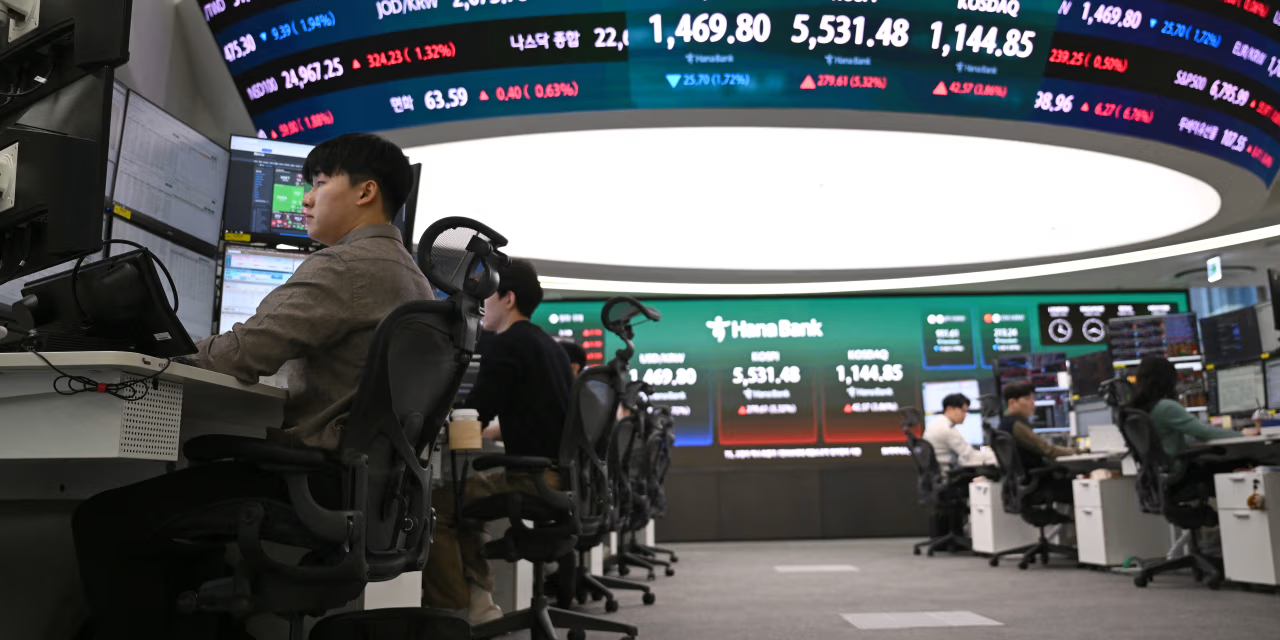
South Korea’s top financial regulator unveiled measures to curb risks from single-stock leveraged exchange-traded funds, seeking to stabilize a local stock market that has seen wild swings, as individual investors use debt to chase profits amid artificial-intelligence-related jitters.
The Financial Services Commission said Thursday that it would suspend new listings of single-stock leveraged ETFs, ban securities firms and asset managers from advertising or marketing such products, and triple the minimum cash deposit for new investments to 30 million won, equivalent to around $20,000.
Copyright ©2026 Dow Jones & Company, Inc. All Rights Reserved. 87990cbe856818d5eddac44c7b1cdeb8
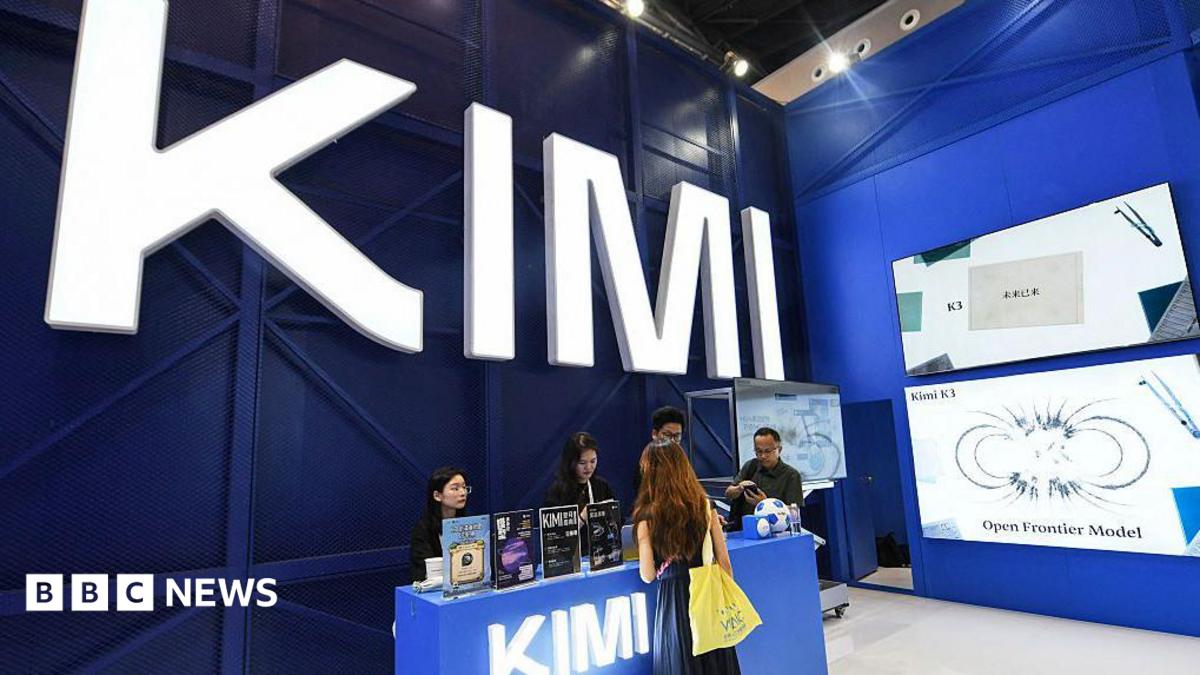
Chinese AI start-up Moonshot has unveiled a massive new artificial intelligence model it says can rival top American firms.
The company launched Kimi K3, containing 2.8 trillion parameters, which serves as a measure of an AI’s scale and processing power.
Kimi K3’s full capabilities – coding, knowledge work, and reasoning – will be known when it is released as an open-source model on 27 July.
The sudden breakthrough suggests that China’s tech prowess is rapidly narrowing the capabilities gap, upending long-held assumptions in the West that Chinese developers trail their American peers.
Its arrival later this month will make it the world’s first open-source model in the three-trillion-parameter class that can be freely downloaded, run and customised by outside developers.
The release comes at a highly sensitive moment for the global technology sector, just weeks after the US government abruptly forced American developer Anthropic to temporarily withdraw its flagship Fable and Mythos models due to severe cybersecurity concerns.
While Washington has since lifted those restrictions, the initial move highlights how the US government now views advanced AI software as critical national infrastructure, labelling frontier models as vital national security assets subject to strict export controls.
However, the rapid arrival of Kimi K3 suggests Chinese firms are successfully bypassing these regulatory barriers and advancing independently despite US restrictions on hardware sales.
Heavily backed by domestic tech giants Alibaba and Tencent, Moonshot has quickly risen to the forefront of China’s generative AI ecosystem.
In a statement the company said that K3 stands as Moonshot AI’s “most capable flagship model to date”.
Unlike closed, proprietary American systems from OpenAI or Anthropic, Kimi K3’s open nature allows global users to modify the system for advanced reasoning and complex software development.
Moonshot AI noted that the system is uniquely built to operate with “minimal human supervision” to sustain tasks such as engineering and coding.
Third-party evaluations from Artificial Analysis and Arena.ai show the model performing on a par with leading models in the US, such as OpenAI’s GPT and Anthropic’s Claude.
In these independent benchmarks, external, Kimi K3 ranked first in web interface engineering, outperforming Anthropic’s Fable system, external in blind human-preference tests.
While the system’s massive size means running it locally requires significant computing equipment, making it open-source could heavily disrupt Silicon Valley’s commercial models.
The announcement had an immediate impact on shares in Moonshot’s domestic competitors Zhipu and MiniMax, which tumbled sharply in Hong Kong by about 27% and 16% respectively.

For all Londoners gripe about the city’s rainy weather, we learnt last week that the alternative is far worse. In a city famously averse to air conditioning, sustained temperatures above 35°C are tough to endure.
And so, speculation that Thames Water is considering a hosepipe ban is particularly unwelcome. Faced with “exceptionally high demand”, the supplier is already cautioning the capital’s residents to use water “wisely”.
The summer’s heatwave raises a thorny question that has been left unaddressed for far too long: what to do with Thames Water, London’s ageing water infrastructure, and the nearly £20 billion debt burden the company finds itself under?
The deceptively easy answer is nationalisation, and it’s one that’s attracted support from figures across the political spectrum. But advocates have not accounted for the astronomical cost nationalisation would impose on the British taxpayer.
For starters, even temporary nationalisation under a Special Administrative Regime, in which the government appoints an administrator to take control, will cost at least £4 billion, a figure likely to balloon significantly higher.
And that’s not to mention the enormous investment the company needs, amounting to at least £20 billion over the next five years just for critical infrastructure upgrades.
Add to this the multibillion-pound cost of compensating Thames Water’s creditors should full nationalisation go ahead, and the government is looking at an 11-figure black hole that will pull funds away from other vital public services, such as healthcare and defence.
These funds also need to be found quickly. Between treatment works, pumping stations and trunk mains, London’s water infrastructure is reliant on single points of failure. Without immediate investment, it is only a matter of time until large parts of the capital are faced with severe disruption to water supplies. In this heat, the government could find itself with a severe public health crisis on its hands.
Anyone questioning whether the government can find the sums needed to invest in Thames Water should look to the seven-year Hammersmith Bridge saga for the answer. Just last week, Hammersmith and Fulham Council confirmed that plans to reopen the bridge to motor traffic have been indefinitely stalled since there is “no financial option available that would allow its full restoration“.
Hammersmith Bridge’s restoration is estimated to cost £300 million – small fry compared to the £20 billion-plus Thames Water needs. The idea the government can source the funds required to fix London’s water system is, quite simply, fantastical.
And then there’s the question of the environment. For a city of London’s stature, it’s an outrage that raw sewage continues to be dumped into our waterways. The Oxford and Cambridge boat race two years ago, nearly derailed due to E. coli exposure which left several crew members vomiting, was a visceral reminder of the appalling state Britain’s waterways have been left in.
But a nationalised Thames Water would fare no better. The same ageing infrastructure, the same overflows; the only difference, the government would now be liable for the hefty environmental fines. It would, of course, be political suicide to levy these funds from the customer or the taxpayer, and so the result would likely be even laxer standards under government control.
The answer is abundantly clear: Thames Water needs investment the government cannot afford. The only feasible solution currently is London & Valley Water’s proposal, tabled by a group of creditors that has spent more than a year in discussions with regulators and the government.
The consortium has offered a substantial restructuring package that would write off approximately £9.4 billion of Thames Water’s debt, inject £3.35 billion in new equity, and provide a further £6.55 billion in financing. It has committed not to pay dividends until 2035, allowing investment to be prioritised over shareholder returns.
L&VW has also pledged to pay all Ofwat and Environmental Agency fines for non-compliance in full, protecting the public from any costs associated with fines or poor performance.
Nationalisation offers the promise of a quick fix which is impossible to deliver. It’s easy, therefore, to see why the issue is so seductive to politicians across the political spectrum.
But London doesn’t need more ideologically driven decision-making, and it most certainly does not want its water bills raised even higher – a likely result of the government shouldering Thames Water’s significant debt obligations and investment requirements.
The government must stop entertaining the nationalisation fantasy and start being honest with Londoners. A private sector solution is the only way to secure the urgent investment London needs to fix our water infrastructure.

York Water VP Mark Snyder acquires $324 in company stock

Southeast Asia’s consumer landscape is evolving with rising incomes, a growing middle class, and digital shopping trends. Companies must adapt to seize long-term growth opportunities across diverse markets.
Abstract
- Southeast Asia’s consumer market is undergoing long-term structural shifts driven by rising incomes, a growing middle class, rapid urbanisation, and increasing digital adoption. Private consumption across the six largest ASEAN economies is projected to reach US$5 trillion by 2035, with e-commerce, premiumisation, and young demographics shaping demand.
- The investment landscape spans six distinct markets, each at a different stage of development, with listed companies across Singapore, Malaysia, Indonesia, Thailand, the Philippines, and Vietnam offering exposure to these trends. Key risks include macroeconomic sensitivity, regulatory changes, and currency fluctuations across the region.
Consumers are spending more, and how they spend is also changing.
As income rises and the middle class expands across the region, consumers are prioritising convenience, trading up to better quality, and increasingly living and shopping online.
These shifts are shaping companies across ASEAN markets that are best positioned to gain from the trend.
Yet despite the momentum, many investors remain underexposed to the ASEAN consumer theme.
Part of the reason is simple: there is no single ASEAN story, but six distinct markets with different levels of income, spending and digital adoption.
Here are the key drivers behind the changing consumer landscape in ASEAN and where the opportunities may lie.
Why invest in the ASEAN consumer theme?
The ASEAN consumer story isn’t short-term spending growth.
It reflects a set of long-term structural shifts that continue to reshape demand across Southeast Asia.
Private consumption across the six largest ASEAN economies is projected to grow by around 8% annually, potentially reaching US$5 trillion by 2035 (Bain & Company, 2025).
At the same time, changing consumer behaviours, from trading up to shopping online, are influencing which companies are best positioned to capture this growth.
1. A rapidly expanding middle class
Income growth has been a key driver of ASEAN’s consumer story.
As households move up the income ladder, spending increases and evolves.
Consumers tend to spend more on higher-quality products, trusted brands, and lifestyle upgrades.
This is reflected in the growth of ASEAN’s middle and mass-affluent population.
Boston Consulting Group estimates that this segment could expand from 57 million people in 2017 to 137 million by 2030, with the largest increases in Indonesia, the Philippines, Vietnam, and Thailand.
Source: Boston Consulting Group, Beyond the ‘Crazy Rich’: The Mass Affluent of Southeast Asia, November 2018
Source: Boston Consulting Group, Beyond the ‘Crazy Rich’: The Mass Affluent of Southeast Asia, November 2018
In Vietnam, the middle class is expected to expand rapidly according to Vietnam’s Ministry of Labour, Invalids and Social Affairs.
Meanwhile, Indonesia’s middle class is projected to make up more than half of the population by 2030.
With this rise in income levels, the opportunity set for investors expands across a wide range of sectors from everyday staples to discretionary spending and premium consumer brands.
2. Young demographics and rapid urbanisation
Southeast Asia has one of the youngest populations globally, and younger consumers tend to adopt new products, brands, and platforms more quickly.
By 2030, Gen Z and Millennials are expected to make up about half of consumers in Asia Pacific (Roland Berger, 2024).
Urbanisation is reinforcing this shift.
As more people move into cities, spending patterns change from traditional retail formats to modern trade, convenience-led consumption, and lifestyle services.
Indonesia, for example, is projected to be 60 percent urbanised by 2045 (UN, 2024), while Vietnam’s urban population continues to grow steadily.
This shift from rural to urban living is one of the strongest long-term tailwinds for ASEAN consumer companies.
3. The rise of e-commerce and social commerce
ASEAN’s consumer journey is also becoming increasingly digital.
This trend is evident in Southeast Asia’s e-commerce market, where platform gross merchandise value reached US$128.4 billion in 2024, up 12% year on year.
Source: Momentum Works, Ecommerce in Southeast Asia 3.0, June 2025
*GMV estimation covers only transactions on Shopee, Lazada, Tokopedia, TikTok Shop, Bukalapak, Tiki, Blibli, and Amazon SG. GMV estimated here includes all paid orders, including cancelled, returned and refunded orders.
According to Momentum Works’ Ecommerce in Southeast Asia 3.0 report, Shopee, TikTok Shop and Lazada accounted for more than 84 percent of platform e-commerce GMV in the region in 2024, with Shopee alone holding a 52 percent market share.
When we include non-platform channels such as brand websites, social media storefronts and messaging apps, Southeast Asia’s total e-commerce GMV reached US$145.2 billion in 2024, making up 12.8 percent of total retail. (Momentum Works, Ecommerce in Southeast Asia 3.0, June 2025).
Source: Momentum Works, Ecommerce in Southeast Asia 3.0, June 2025
*Non-platform GMV includes transactions that happen on open-loop social platforms (e.g. Facebook), brand.com, multi-brand retailer sites/apps, cross border channels, as well as orders placed via chat platforms such as Whatsapp.
Thailand and Malaysia were the fastest-growing markets, with e-commerce GMV rising 21.7 percent and 19.5 percent, respectively.
Despite this growth, most retail spending still occurs offline, suggesting there is still significant room for further digital penetration.
4. Premiumisation
As incomes rise, ASEAN consumers are increasingly trading up across many categories, from premium instant noodles and artisan coffee to health supplements, imported skincare, and branded fashion.
Source: Bain & Company and NielsenIQ, Southeast Asia: What’s Happening with Consumers and Consumer Products, November 2025
Bain and Company found that the luxury goods market in Southeast Asia grew at 6 percent annually between 2015 and 2021, and the trend has accelerated since (Bain and Company).
This matters for investors because companies that build strong premium brands often enjoy better margins, more loyal customers, and stronger pricing power over time.
5. Resilient domestic demand
One of the most attractive parts of the ASEAN consumer story is its resilience.
Even when external conditions weaken, domestic consumption has often helped support growth and recovery across the region.
UOB’s ASEAN Consumer Sentiment Study 2024 found that 52 percent of consumers said they were spending less on non-essential items. That may be a near term headwind, but it sits against a much larger long-term trend driven by demographics, rising wages, and the aspirations of a growing middle class.
Source: UOB, ASEAN Consumer Sentiment Study 2024 (Regional): Positive outlook amidst inflation and rising expenses, August 2024
For long term investors, periods of weaker consumer sentiment can sometimes create more attractive entry points into strong consumer franchises.
What are the investment opportunities in ASEAN consumer stocks?
The ASEAN consumer theme is not a single, uniform investment idea.
It plays out across different sectors and at different stages of development in each market.
Rather than focusing on identifying one “perfect” stock, it can be more useful to map the theme across a range of listed companies that offer exposure to key shifts such as convenience-led spending, digital commerce, and premiumisation.
Below are two to three listed companies from each of the six major ASEAN markets that provide exposure to these trends.
These are shared for educational purposes only and do not constitute investment recommendations.
Singapore
Singapore is the most developed consumer market in ASEAN.
With high income levels and steady tourist inflows, consumer spending here is supported not just by local demand, but also by visitors’ spending on shopping, dining, and personal care.
DFI Retail Group Holdings (SGX: DFIR)
DFI Retail gives investors broad exposure to everyday consumer spending across Asia through a single SGX-listed stock. Its brands span supermarkets, health and beauty, convenience stores, and food services, including Cold Storage, Giant, Guardian, 7-Eleven, and Maxim’s.
Sheng Siong Group (SGX: OV8)
Sheng Siong is one of Singapore’s best-known supermarket operators, with a strong presence in heartland neighbourhoods. Its focus on affordable fresh and dry groceries makes it a direct way to gain exposure to resilient household spending.
CapitaLand Integrated Commercial Trust (SGX: C38U)
For investors looking for exposure to Singapore retail spending through property, CapitaLand Integrated Commercial Trust, or CICT, stands out as the clearest listed proxy.
Its retail portfolio includes some of Singapore’s best-known malls, such as IMM, Bugis Junction, Tampines Mall, Funan, and ION Orchard. This gives investors exposure to both suburban and tourist-linked retail traffic.
Malaysia
Malaysia’s consumer backdrop has been relatively supportive.
The economy grew 5.2 percent in 2025, while household incomes continued to rise.
A stronger ringgit has also helped improve purchasing power and made Malaysian consumer stocks more attractive to foreign investors.
Padini Holdings Berhad (Bursa Malaysia: PADINI)
Padini is one of Malaysia’s best-known homegrown fashion retailers, with brands spanning footwear, apparel and children’s wear. Its different formats allow it to serve both mainstream and more value-focused shoppers.
Oriental Kopi Holdings Berhad (Bursa Malaysia: KOPI)
Oriental Kopi is one of Malaysia’s newer consumer listings and offers exposure to the growing appeal of lifestyle dining brands. Its kopitiam style cafés are located in high-traffic malls and popular urban destinations, giving it exposure to both local consumer spending and tourism.
CCK Consolidated Holdings Berhad (Bursa Malaysia: CCK)
CCK is an integrated food group with core strengths in poultry, seafood and food retailing, supported by a fully integrated supply chain from farming and processing to distribution. Its CCK Fresh Mart and CCK Local outlets provide a strong retail footprint, particularly in East Malaysia, allowing the group to capture recurring consumer spending on fresh and affordable protein. Beyond Malaysia, CCK has built a meaningful regional presence, with roughly 20% of sales coming from Indonesia and around 5% from Japan, providing geographic diversification.
The company is a constituent of the Bursa Malaysia Quality 50 Index.
Indonesia
Indonesia is ASEAN’s largest consumer market, with a population of about 280 million and household spending contributing more than half of GDP.
That makes it one of the clearest ways to gain exposure to rising incomes, urbanisation, and a growing middle class in the region.
PT Mayora Indah Tbk (IDX: MYOR)
Mayora is one of Indonesia’s best known consumer companies, with brands such as Kopiko, Roma, Torabika, and Energen sold both at home and overseas. Its products sit in everyday categories, which gives investors exposure to resilient household spending, while its export reach adds another layer of growth.
PT Mitra Adiperkasa Tbk (IDX: MAPI)
Mitra Adiperkasa, or MAP, is Indonesia’s leading lifestyle retailer. It operates a large network of stores across the country and carries a broad mix of international brands spanning fashion, sports, department stores, food and beverage, and lifestyle. Its brand roster includes Starbucks, Zara, Marks & Spencer, SOGO, SEIBU, Mango, and Converse.
PT MAP Aktif Adiperkasa Tbk (IDX: MAPA)
MAP Active is the sporting goods and active lifestyle arm of the broader MAP group. It gives investors more focused exposure to categories such as sportswear, footwear, and active lifestyle brands including Sports Station, Planet Sports, The Athlete’s Foot, Golf House, Kidz Station, and Payless across Indonesia, the Philippines, Thailand, Malaysia, Vietnam, and Cambodia.
Thailand
Thailand’s consumer story is supported by both tourism and domestic spending, although the backdrop has become more mixed.
In 2024, the market enjoyed a strong recovery as international tourist arrivals rose to 35.5 million and tourism revenue climbed sharply. But 2025 has been softer, with foreign arrivals declining and GDP growth expected to slow. Even so, retail consumption has remained relatively supported by government measures and a still resilient domestic spending base.
CP All Public Company Limited (SET: CPALL)
CP All is Thailand’s dominant convenience retailer, operating the 7-Eleven network across the country. With nearly 16,000 stores, it is deeply embedded in the daily habits of Thai consumers.
Singapore-based investors can access CP All through its Singapore Depository Receipt (SGX: TCPD).
Central Retail Corporation (SET: CRC)
Central Retail is Thailand’s leading multi-format retailer, with exposure across department stores, supermarkets, wholesale, DIY, electronics, sports retail, and Vietnam’s GO! hypermarket network. Across Thailand, it operates Central and Robinson department stores, Tops supermarkets, GO Wholesale, Thaiwatsadu DIY, Power Buy electronics, and Supersports.
Singapore investors can access CRC via its Singapore Depository Receipt (SGX: CRCD).
Thai Beverage Public Company Limited (SGX: Y92 / SET: TBEV)
ThaiBev is one of Southeast Asia’s largest beverage companies, with exposure across spirits, beer, non-alcoholic drinks, and food. Its portfolio spans spirits (Chang, Ruang Khao, Hong Thong), beer (Chang, Sabeco brands in Vietnam), non-alcoholic beverages (Oishi, est cola), and food (KFC and Starbucks franchises in Thailand).
ThaiBev is primarily listed on SGX (SGX: Y92) and also on SET (SET: TBEV), making it one of the most accessible Thai consumer names for Singapore-based investors.
Through its 53.6% indirect ownership of Sabeco, ThaiBev also provides exposure to Vietnam’s beer market.
Philippines
The Philippines is one of ASEAN’s more dynamic consumer markets, supported by a young population, steady remittance inflows, and strong brand loyalty.
Jollibee Foods Corporation (PSE: JFC)
Jollibee is the Philippines’ most recognisable consumer brand and one of Asia’s largest restaurant groups. Beyond its core Jollibee brand, it also owns a broad portfolio that includes Chowking, Mang Inasal, Greenwich, Coffee Bean & Tea Leaf, Highlands Coffee, Smashburger and Tim Ho Wan.
Puregold Price Club (PSE: PGOLD)
Puregold is one of the Philippines’ leading grocery retail groups, best known for its Puregold supermarkets and hypermarkets that serve both household consumers and small business owners such as sari-sari stores. The group also owns S&R Membership Shopping, a warehouse club format targeting middle- to higher-income consumers, giving it exposure across both value-oriented grocery retail and bulk membership-based retail.
Universal Robina Corporation (PSE: URC)
URC is one of the Philippines’ largest branded food and beverage companies, with products spanning snacks (Jack ‘n Jill), biscuits, chocolates, beverages (C2), coffee (Great Taste) and noodles. Its brands are sold not only in the Philippines, but also across Southeast Asia.
Vietnam
Vietnam remains one of Asia’s most compelling consumer growth stories. As incomes rise and urbanisation continues, spending is shifting steadily from basic necessities towards modern retail, branded products, and lifestyle consumption.
Mobile World Investment Corporation (HOSE: MWG)
Mobile World is one of Vietnam’s leading retail groups, with exposure across electronics, home appliances, grocery, pharmacies, and baby products through brands such as The Gioi Di Dong, Dien May Xanh, Bach Hoa Xanh, An Khang, and AvaKids.
Vietnam Dairy Products Joint Stock Company, Vinamilk (HOSE: VNM)
Vinamilk is Vietnam’s leading dairy company and one of the country’s strongest consumer brands. Its products are sold widely across Vietnam and exported to dozens of overseas markets. According to Kantar Worldpanel, Vinamilk has been the most purchased dairy brand in Vietnam for 12 consecutive years.
Saigon Beer–Alcohol–Beverage Corporation, Sabeco (HOSE: SAB)
Sabeco is Vietnam’s largest brewer and the maker of its most consumed beer brands — Bia Saigon, 333, and Bia Lac Viet. The company operates 26 plants with a total designed capacity of approximately 3 billion litres per year.
Key risks to watch out for
Even with a strong long term case, ASEAN consumer stocks can still be volatile because the region is exposed to several risks at once.
1) Macroeconomic and demand risks
ASEAN economies remain sensitive to slower growth in major markets such as China and the US, swings in commodity prices, and the impact of higher global interest rates on borrowing costs and consumer confidence. When conditions weaken, discretionary spending is usually hit first.
2) Regulatory and policy risks
Rules differ widely across ASEAN, and policy changes can be sudden. Shifts in import tariffs, wages, foreign investment rules, or sector regulations can quickly affect industry profitability. Vietnam’s tighter enforcement of drink driving laws, for example, created a near term headwind for beverage companies.
3) Currency and repatriation risks
For investors buying across the region, returns are also affected by moves in currencies such as the Thai baht, Indonesian rupiah, Philippine peso, Vietnamese dong, and Malaysian ringgit. A stronger US dollar can reduce USD-based returns when profits are converted back.
Putting the ASEAN consumer theme into perspective
The ASEAN consumer theme offers a broad and evolving set of opportunities, shaped by long-term structural shifts across income growth, demographics, and digital adoption.
Rather than treating it as a single investment idea, it can be helpful to build exposure across different markets and sectors, recognising that each country is at a different stage of development.
One approach is to invest directly in listed consumer companies on the respective ASEAN exchanges. The companies highlighted in this article, from DFI Retail and Sheng Siong in Singapore to MWG and Vinamilk in Vietnam, provide exposure to different parts of the region’s consumer growth story.
For Singapore-based investors, Singapore Depository Receipts listed on SGX can offer access to selected regional consumer stocks without needing to trade in multiple local markets.
For those seeking broader diversification, ETFs focused on ASEAN or individual country markets can also provide exposure to consumer growth alongside other sectors.
Regardless of the approach, it remains important to start with the fundamentals, including reviewing company announcements, financial results, and market data from official exchange websites such as SGX, Bursa Malaysia, IDX, SET, PSE and HOSE, before making any investment decision.
This article was written by Beansprout, a MAS-licensed investment advisory platform, in collaboration with ASEAN Exchanges.
Source : ASEAN’s Consumer Boom: A $5 Trillion Growth Story in the Making
Other People are Reading

Emma joins Nuala McGovern to discuss her book Start With Yourself: A New Vision for Work and Life.
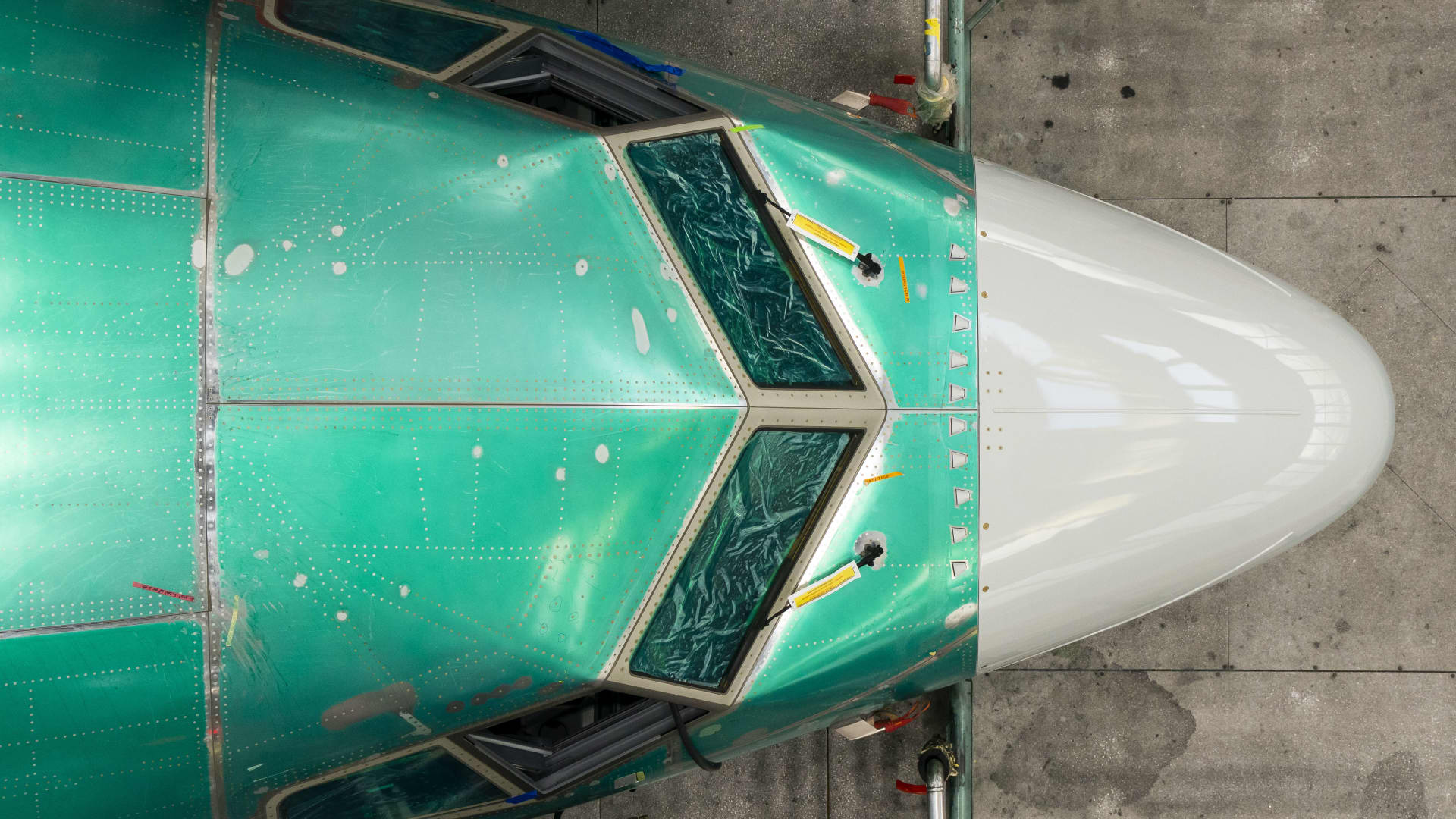
A Boeing Co. 737 Max airplane at the company’s manufacturing facility in Renton, Washington, US, on Thursday, Nov. 20, 2025.
David Ryder | Bloomberg | Getty Images
The U.S. government on Friday said Boeing can once again issue airworthiness certificates for its best-selling 737 Max aircraft and 787 Dreamliners, an authority that was stripped from the manufacturer after fatal crashes in 2018 and 2019 of the 737 Max.
The Federal Aviation Administration said last September that Boeing could ticket its own planes before they’re handed off to customers for only some of the Maxes and Dreamliners, alternating weeks between the FAA and Boeing doing that work.
“During the past eight months, the FAA has seen comparable production quality findings when Boeing issued airworthiness certificates and when the FAA issued them,” the agency said Friday. “Based on these results, the FAA determined it can safely return this responsibility to Boeing.”
Boeing didn’t immediately respond to a request for comment.
The decision is a vote of confidence for Boeing, one of the biggest U.S. exporters by value, from its regulator and the U.S. government after years of safety crises, including the two crashes and a near catastrophe in January 2024 when a door plug blew off of one a new 737 Max 9 moments into the flight.

In today’s highly competitive job market, acing an interview is crucial for landing your dream job. An AI Interview Copilot has emerged as a revolutionary tool to assist candidates in preparing for and navigating through interviews effectively.
This article will delve into the various aspects of an AI Interview Copilot, including its definition, features, benefits, and future prospects.
What is an AI Interview Copilot?
An AI Interview Copilot is an advanced artificial intelligence – based system designed to support job seekers during the interview process. It uses natural language processing (NLP), machine learning algorithms, and data analytics to provide personalized guidance and feedback. The copilot can simulate real – world interview scenarios, ask questions similar to those in actual interviews, and analyze the candidate’s responses.
It is essentially a virtual assistant that can be accessed via web – based platforms, mobile applications, or even integrated into video conferencing tools. The copilot is trained on a vast database of interview questions, industry – specific knowledge, and best – practice answers. This allows it to offer tailored advice based on the job role, Great Offer AI Interview Assistant company culture, and the candidate’s unique profile.
The development of an AI Interview Copilot is rooted in the need to make the interview preparation process more efficient and accessible. Traditional methods of interview preparation often involve self – study, mock interviews with friends or family, or expensive coaching services. An AI copilot provides a cost – effective and scalable alternative that can be used at any time and from anywhere.
Key Features of an AI Interview Copilot
Question Generation: One of the primary features of an AI Interview Copilot is its ability to generate a wide range of interview questions. These questions can be customized based on different factors such as the job level (entry – level, mid – level, senior), industry (technology, finance, healthcare), and the specific skills and qualifications required for the position. For example, for a software engineering position, the copilot might generate questions related to programming languages, algorithms, and software development methodologies.
Response Analysis: After a candidate answers a question, the AI copilot analyzes the response in multiple dimensions. It assesses the clarity, coherence, and relevance of the answer. It also checks for the use of appropriate language, tone, and body language cues (if the interview is conducted via video). The copilot can identify areas where the candidate can improve, such as providing more specific examples, elaborating on key points, or avoiding filler words.
Feedback Provision: Based on the response analysis, the copilot provides detailed feedback to the candidate. This feedback can be both positive and constructive. Positive feedback reinforces the candidate’s strengths, while constructive feedback offers suggestions for improvement. For instance, if a candidate’s answer lacks structure, the copilot might suggest using a framework like the STAR method (Situation, Task, Action, Result) to organize their response.
Industry Insights: An AI Interview Copilot has access to up – to – date industry knowledge. It can provide information about the latest trends, challenges, and best practices in the candidate’s target industry. This helps candidates demonstrate their awareness and understanding of the industry during the interview, which is highly valued by employers.
Practice Sessions: The copilot allows candidates to conduct multiple practice sessions. These sessions can be timed to simulate the real – time pressure of an actual interview. Candidates can repeat the practice sessions until they are satisfied with their performance or until they have covered all relevant topics.
Resume Review: Some advanced AI Interview Copilots also offer resume review services. They can analyze a candidate’s resume, identify its strengths and weaknesses, and suggest improvements. This ensures that the candidate’s resume is well – aligned with the job requirements and makes a strong first impression on the employer.
The Benefits of Using an AI Interview Copilot
Improved Interview Performance: By providing targeted feedback and practice opportunities, an AI Interview Copilot significantly improves a candidate’s interview performance. Candidates become more confident in answering questions accurately and effectively presenting their skills and experiences. They are also better prepared to handle unexpected questions and challenging situations during the interview.
Time and Cost Efficiency: Traditional methods of interview preparation can be time – consuming and expensive. An AI Interview Copilot can be accessed 24/7, allowing candidates to practice at their own pace without having to schedule appointments with coaches or find partners for mock interviews. It also eliminates travel costs associated with in – person coaching sessions.
Personalized Learning: The copilot tailors its guidance to the individual needs of each candidate. It takes into account factors such as the candidate’s educational background, work experience, and career goals when generating questions and providing feedback. This personalized approach ensures that candidates focus on the areas where they need the most improvement.
Access to Expert Knowledge: The AI Interview Copilot has access to a vast amount of knowledge and expertise. It can draw on the best practices from top – performing candidates and industry experts. This gives candidates an edge in the interview process by enabling them to present themselves in the most professional and informed way possible.
Reduced Stress and Anxiety: Interviews can be stressful experiences for many candidates. An AI Interview Copilot helps reduce stress and anxiety by familiarizing candidates with the interview process and providing them with the tools and confidence to succeed. The more practice sessions candidates complete with the copilot, the more comfortable they become with the interview format.
The Future of AI Interview Copilots
Integration with Recruitment Platforms: In the future, AI Interview Copilots are likely to be integrated with recruitment platforms such as LinkedIn Recruiter or Indeed Hiring Suite. This integration will allow employers to directly assess candidates’ interview readiness using data provided by these copilots. It will also streamline the recruitment process by automating some aspects of the initial screening.
Enhanced Emotional Intelligence: Future AI Interview Copilots may be developed with enhanced emotional intelligence capabilities. They will be able to detect the candidate’s emotional state during the interview, such as nervousness or confidence, and provide appropriate support and guidance. For example, if a candidate appears overly nervous, it could offer relaxation techniques or positive affirmations.
Multi – Language Support: As the global job market becomes more interconnected, AI Interview Copilots will need to support multiple languages. This will enable candidates from different countries and cultural backgrounds to use the copilot effectively. It will also help employers recruit talent from a more diverse pool of candidates.
Collaboration with Human Coaches: AI Interview Copilots are not meant to replace human coaches entirely but rather to work in collaboration with them. In the future, human coaches can use the data and insights provided by these copilots to offer more personalized and effective coaching services.The combination of AI – driven analysis and human expertise will create a more comprehensive and powerful approach to interview preparation.
In conclusion, an AI Interview Copilot is a game – changer in today’s job market.It offers a wide range of features and benefits that can significantly enhance a candidate’s interview performance. As technology continues to evolve,the future of AI Interview Copilots looks promising,with the potential for further integration,enhanced capabilities,and improved collaboration with human resources.

Somewhere in a Victorian terrace in Manchester, someone is trying to fit a standing desk where there is, objectively, very little room for one.
The ceiling pendant hangs lower than expected. The sash window sits at exactly the wrong height for someone standing. And the room itself, narrow, deep, built for a domestic life that looked nothing like ours, is quietly resisting the whole idea.
This is not an unusual situation. It is, in fact, the situation that millions of British home workers find themselves in whenever they consider making the switch to a height-adjustable desk. And it raises a question that most standing desk brands have been surprisingly slow to take seriously: what does it actually mean to design a standing desk for a British home, rather than for the idealised, open-plan workspace that most product photography assumes?
Britain’s Homes Were Built for a Different Life
These are buildings of genuine charm and significant spatial inflexibility. The Victorian terrace, in particular, was designed for coal deliveries, parlour visits, and a domestic economy utterly unlike the one we inhabit now. The rooms are narrow. The natural light arrives from two directions. The spare bedroom, which is, for most people, the home office, is often just wide enough for a single bed and a chest of drawers.
Into this world, the standing desk arrived carrying assumptions from elsewhere. It assumed a room with regular geometry and generous clearance. It assumed ceiling heights that did not place a light fitting directly at head level when standing. It assumed, in short, a space that most British homes simply do not have.
This is the gap that Hulala Home UK has set out to close. Not by asking homeowners to reconfigure their Victorian terrace, but by reconsidering the standing desk from the ground up for the spaces people actually live in.
What Happens When You Design for the Home, Not the Office
The first thing that changes when you design a standing desk for a small UK home is the footprint. Not a compromise in surface area, but a genuine rethinking of how much desk is actually needed for focused daily work and how that desk can be positioned to work with awkward room geometry rather than against it. A desk that is proportioned for a box room behaves very differently from one designed for a corporate open plan.
The second thing that changes is the material language. Most standing desks speak the visual vocabulary of the modern office. Brushed aluminium, black steel, the aesthetic of productivity and tech. In a room that also holds a wardrobe, a bookshelf, and years of accumulated personal objects, this language creates an intrusion. It announces itself as equipment rather than settling as furniture.
The Julia standing desk from the Hulala Home adjustable standing desk range takes a different approach. Its warm wood surface and considered proportions are calibrated for a room that is also a bedroom, a reading space, or a quiet corner of a family home. It is designed to belong in that room, not just to function within it, which is a much higher standard.
The Sash Window Problem, and What It Teaches Us
One of the most instructive spatial problems that the standing desk encounters in British homes is the sash window. These windows, one of the defining features of Victorian domestic architecture, are set at a height calibrated for a seated person to look out at street level. At standing height, the transom rail lands approximately at eye level, creating both a visual obstruction and, in bright light, significant glare.
This is not a problem that can be solved by the desk itself. But it is a problem that a desk designed for British homes needs to have been thought about. It affects where the desk should be positioned in a room, how the monitor should be mounted, and how the overall workspace should be configured. A standing desk brand that has genuinely designed for British living will have considered these things. One that has simply scaled down a corporate product will not.
The Deeper Shift
There is something more significant happening here than a design refinement. The standing desk that works in a British home is not just smaller or warmer or more domestic in its aesthetic. It represents a different understanding of what the home office actually is in 2025.
Home working is no longer a temporary arrangement or a productivity experiment. It is simply where work happens, for a very large proportion of the British working population. The spaces and furniture that support that work deserve the same level of thought and investment that has always been applied to offices, but calibrated for homes, not workplaces. For the specific, characterful, spatially complicated homes that British people actually live in.
The standing desk reconsidered for British living is not a niche product. It is, increasingly, the product that the moment requires. Explore the full range at the Hulala Home adjustable standing desk collection.
Strong quake off Mexican coast rattles Guatemala and El Salvador, but leaves no damage

France vs. England Best Bets: Three Picks for the World Cup Third-Place Match

Mozilla speeds Firefox release schedule to biweekly

Spreadefi Users Deploy Over $25 Million in Liquidity Pools in the Second Quarter


-

 Fashion7 days ago
Weekend Open Thread: Nutriplenish Leave-In Conditioner
-
 NewsBeat1 day ago
London Mayor Sadiq Khan handed a peerage by Keir Starmer alongside 15 other Labour figures… just days before the PM leaves No10
-

 Crypto World2 days ago
CFTC blocks Kalshi from unwinding Michigan trades after court order
-

 Politics2 days ago
Young campaigners urge incoming PM to act on outdoor junk food ads
-

 Business2 days ago
Nvidia Stock Slips After Big Tuesday Rally as Huang Confirms Vera Rubin Chip Is Now in Production Today
-
 Entertainment2 days ago
Disney’s Most Ambitious Failed Star Wars Attraction Is Coming to SDCC
-

 News Videos3 days ago
XRP BOMBSHELL… XRP OMBOARDED FOR TRANSACTIONS!!!
-

 Tech4 days ago
Get Your ESP32 Sunny Side Up With This Solar Dev Board
-

 Crypto World22 hours ago
Injective Submits SEC Transfer-Agent Registration to Onchain Ownership Records
-

 NewsBeat7 hours ago
Registration is now open for March for Men with Kev 2026
-

 Tech3 days ago
Dark Secrets Emerge When Jailbreaking LLMs
-

 Business2 days ago
Palantir Shares Rise After Expanded Nvidia Partnership and Fresh Analyst Upgrades Ahead of Earnings Day
-

 News Videos12 hours ago
Money | Class 12 Economics | CBSE Board Exam 2026-27
-
 Sports2 days ago
New Cornerback Enters Vikings Trade Rumor Mill
-

 Business17 hours ago
Banco Bilbao Vizcaya Argentaria, S.A. (BBVA) Discusses Global Macro Environment and Economic Outlook for Core Markets Transcript
-

 Fashion1 hour ago
Weekend Open Thread – Corporette.com
-
 Tech4 days ago
Cloudflare Precursor Watches Your Mouse and Keyboard To Decide If You Are Human
-

 News Videos4 days ago
how to make coin bank box with cardboard #scienceproject #money #diy #shorts
-
 Entertainment2 days ago
Vicki Gunvalson Defends Discussing Heather Dubrow’s Money
-
Crypto World3 days ago
Ripple, Coinbase, Circle Join Linux x402 Foundation to Help Shape AI Payments
You must be logged in to post a comment Login