

Connect with us
DAPA Banner
DAPA Coin
DAPA
COIN PAYMENT ASSET
PRIVACY · BLOCKDAG · HOMOMORPHIC ENCRYPTION · RUST
ElGamal Encrypted MINE DAPA
🚫 GENESIS SOLD OUT
DAPAPAY COMING

Business

How the ‘Yellowstone effect’ transformed one rugged western American city

Published

on

An aqua-blue river runs through a valley surrounded by pine trees and rocky mountains

The airport – with a renovation under way – gets a steady stream of private traffic ferrying the rich to their homes at places like the exclusive Yellowstone Club in Big Sky, about an hour south, where stars like Justin Timberlake and Tom Brady own multi-million-dollar piles.

“Any given day out at our airport, there will be 80 to 100 private jets on the tarmac, primarily Yellowstone Club guests,” says Corner.

During Covid, local buyers were systematically outbid by cash offers from out of state. So many people bought homes sight-unseen that the state realtor association added a new disclosure form to its contract library. And while Montanans were finding it impossible to get onto the property ladder, others were finding it equally unfeasible to even still rent.

“Every developer in America heard about the exorbitant rental rates in Bozeman and how attractive it was to develop here,” Corner says. Apartment blocks and townhomes began materialising everywhere – fast – with rent for one-bedrooms coming in at $2000 a month or more – something no locals could afford, particularly those on single incomes.

Advertisement

It was on this wave of frustration that Mayor Morrison swept to victory in November 2023.

Now 30, the mayor lives with his fiancée – and two roommates. Before that, about 10 years ago, he rented a room in a duplex for $333; that same room now rents for $900, he says.

Morrison, who grew up in eastern Montana with a nurse mother and incarcerated father, was a founding member of Bozeman Tenants United, the union chapter that has since helped the mobile home parks strike. His mayoral election, he says, was a referendum on housing policy and local government’s perceived abandonment of the average Montanan.

“It really was this huge groundswell… that was clearly saying: We want one of us to represent us in City Hall,” he says.

Advertisement

He sees “a lot of hopelessness out there for the ability to stay in this state, stay in this city in particular,” he says.

Continue Reading
Click to comment

You must be logged in to post a comment Login

Leave a Reply

Business

Chief executive of the Development Bank of Wales on succession planning in business

Published

on

Business Live

The best legacy any business owner can leave is not simply the company they built, but ensuring it has every opportunity to thrive long after they have stepped aside

Giles Thorley.

There is a key moment in the life of every successful business that receives far less attention than it deserves.

It is not the day the company is founded or wins its biggest contract. It is the day an owner begins to ask: what happens next; what happens after me? For thousands of business owners across Wales, that question needs to be addressed sooner than they realise.

Advertisement

Despite succession planning being one of the most important decisions any business owner can make, the reality is that it remains one of the least discussed.

This matters because succession is about far more than an individual wishing to retire. It is about protecting jobs, preserving local ownership, holding on to talent and ensuring that successful Welsh businesses retain their goodwill while continuing to contribute to their local communities.

Economic Intelligence Wales (EIW) has just published an important new report on business succession planning. The report, Small Business Ownership Succession Planning Strategies, written by Mark Lang, Max Munday, Annette Roberts, and Neil Roche of the Welsh Economy Research Unit at Cardiff Business School, pulls together independent academic research with practical economic insight.

It certainly gives us pause for thought. Welsh research referenced in the report found that only 16% of SMEs had considered succession planning, while almost half of family-owned businesses had no formal succession plan. It reinforces what we encounter every week when meeting business owners across Wales: succession planning is underdeveloped. That should concern all of us.

Advertisement

These are not simply statistics. They represent businesses employing local people, buying from local suppliers and acting as an economic backbone in their local communities. If succession is left until it’s urgent, the consequences can be significant. Good businesses can lose value, investment decisions are delayed, skilled employees become uncertain, local supply chains suffer. Sometimes, the solution at an exit or retirement by the founder is simply to close the business. Others leave Wales, taking jobs, decision-making and economic value with them.

Opportunity in change

That is why I believe succession planning should be viewed as an opportunity. Handled well, ownership transition can provide fresh leadership, unlock new investment and create a platform for further growth. It allows businesses to retain their identity and provides the opportunity to potentially pursue new markets while owners can realise the value of their hard work over the years.

Over the past decade, the Development Bank has supported many types of succession: family businesses passing to the next generation; management teams stepping forward to buy businesses they helped build; employees becoming owners through employee ownership trusts. Each route is different, but the outcome is the same: businesses remaining rooted in Wales.

Advertisement

We’ve supported 379 succession transactions with more than £157m in funding. Behind those figures are hundreds of individual stories. For example, Design & Supply in Merthyr Tydfil recently completed its second management buy-out (MBO), ensuring a successful manufacturing business remains locally owned and safeguarding 65 jobs.

Cardiff-based 1st Choice Accident Repair Centre has entered a new chapter through a second MBO after we funded the original MBO in 2018. At Lloyd & Gravell, employee ownership has given the workforce a direct stake in the company’s future. DRAC Consulting has implemented a family succession plan supported by investment that enables continuity.

Where to start

Each business is different – and each solution is different. But they all demonstrate that with the right advice, planning and finance, ownership transitions can strengthen businesses rather than simply preserve them. The challenge is that many owners do not know where to begin.

Advertisement

Running a business leaves little time to think about an event that may still feel years away. Succession planning can seem complicated, involving legal, tax, financial and personal considerations all at once. It is no surprise that many owners postpone those conversations.

But that is why one of the report’s most compelling recommendations is the creation of a clearer, more visible support offering for business succession in Wales. Owners should not have to navigate a maze of organisations and advisers. Whether their best option is family succession, a MBO, employee ownership or a trade sale, businesses should be able to access guidance and finance earlier.

This is about more than individual businesses. It is about the future shape of the Welsh economy.

We talk about productivity, innovation and entrepreneurship. Yet one of the greatest economic opportunities already exists within the businesses that we already have and that are already here. Helping Welsh firms transition smoothly to the next generation of ownership protects jobs, retains wealth locally and gives communities confidence.

Advertisement

Not every business will stay independent forever. Nor should it. But where viable Welsh businesses can remain in Welsh ownership, supported by local leadership and local decision-making, the economic and social benefits are substantial.

Business succession may never generate the headlines of a start-up or a major inward investment announcement. But if we want a resilient Welsh economy built on strong local businesses, it deserves to be treated as one of the most important economic conversations we have.

The best legacy any business owner can leave is not simply the company they built, but ensuring it has every opportunity to thrive long after they have stepped aside and are enjoying the fruits of the risks they took and all that hard work.


Advertisement
Continue Reading

Business

HHS report shows insulin prices falling based on Trump’s first-term policies

Published

on

Trump says Taiwan doubling the size of Arizona chipmaking plant investment

A new study from the Department of Health and Human Services shows that policies in President Donald Trump’s first administration helped lower some patients’ insulin costs below $35 for a 30-day supply.

FOX Business obtained a copy of the new report set to be released as early as Monday. It shows the executive orders signed by Trump in his first term helped push the price of insulin lower.

Advertisement

Trump signed four executive orders aimed at lowering costs of the life-saving treatment on July 24, 2020. The first ordered federally qualified health centers to pass along discounts received by drugmakers, instead of pocketing the benefit. The second allowed state health plans to import “safe” insulin and create a pathway for personal importation waivers at authorized pharmacies. The third banned secret deals with healthcare middlemen so drug manufacturing discounts go directly to customers. The fourth mandated that U.S. consumers pay the lowest price paid by other countries and opened the door for Medicare to negotiate terms of insulin payments.

US SHOULDERS DISPROPORTIONATE COST OF NEW MEDICATIONS, REPORT FINDS

President Donald Trump in the Oval Office.

Trump signed four executive orders aimed at lowering costs of the life-saving treatment on July 24, 2020. (Samuel Corum/Sipa/Bloomberg via Getty Images)

A chart tracking the commercial and Medicare cost of insulin doses shows the policies contributed and almost immediately started lowering the cost of the medication. In fact, well before former President Joe Biden signed the Inflation Reduction Act into law in 2022, the price of a 30-day dose had fallen well below $35. The Act placed a cap on insulin at $35, and the former president often took credit for lowering the cost of the medications.

MERCK, SANOFI ARE LATEST COMPANIES TO ADD MEDICATIONS TO TRUMPRX

Advertisement

“While Joe Biden tried taking credit for $35 insulin, the data is clear: this was President Trump’s success alone, and the second Trump administration continues to harness competition and consumer empowerment with TrumpRx to deliver more relief for everyday Americans,” White House senior deputy press secretary Kush Desai said in a statement.

President Donald Trump and Dr. Mehmet Oz at an event.

President Donald Trump speaks as Administrator for the Centers for Medicare & Medicaid Services Mehmet Oz looks on during an event on drug pricing in the South Court Auditorium on the White House campus on Feb. 5, 2026, in Washington, D.C. (Nathan Howard/Getty Images)

BRISTOL MYERS SQUIBB ADDING 3 MEDICATIONS ON TRUMPRX

Adam Gluck, the head of U.S. corporate affairs at Sanofi, said during an announcement of $35 insulin doses in September 2025 that “We will continue to work with policymakers and stakeholders across the healthcare system on additional sustainable, long-term solutions to improve access to medicines.”

Costco

Nonmembers may use Costco pharmacies, the retail giant says on its customer service website. (Toronto Star Archives/Toronto Star via Getty Images)

Novo Nordisk, in January 2024, said: “Novo Nordisk recognizes that some patients find it difficult to pay for healthcare, including insulin. As such, the Company remains committed to reducing the burden of out-of-pocket costs, helping transform the complex pricing system, and fostering better pricing predictability.”

Advertisement

GET FOX BUSINESS ON THE GO BY CLICKING HERE

The Trump administration believes the introduction of TrumpRx.gov and use of its tariff policies will further reduce the cost of insulin in the future.

Continue Reading

Business

Prime Minister Andy Burnham promises help with your money. How could it affect you?

Published

on

A woman in a blue puffy jacket looks at the camera. She has brown shoulder length hair and is wearing glasses. Behind her is a pile of red brick rubble and a partly demolished house.

He will stick to the Labour manifesto of not raising the main three taxes – income tax, National Insurance and VAT. But we’ve already seen since the election that other taxes can be altered, such as inheritance tax changes affecting family farms, often bringing a vociferous response.

Among the possibilities are:

  • Replacing stamp duty and council tax with an alternative property tax

  • Higher rates on capital gains tax, which you pay on the profit when selling assets such as property outside a primary home as well as some shares, to bring them in line with income tax rates

Any such reforms would take time, and bring winners and losers. When Reeves and Starmer tried to make big changes, even with a big majority, numerous u-turns followed, usually forced on him by his own party.

Burnham and his chancellor are also expected to stick to the government’s self-imposed fiscal rules, a set of choices on government tax and spending decisions.

Advertisement

Opinion is divided on whether these are sensible building blocks for the economy which allow living standards to improve, or a “dysfunctional” economic straitjacket.

“The [resulting] rummage down the back of the sofa for loose change has hit personal finances hard, changed the tax landscape, and makes it more challenging for people to save for their future,” says Rachel Vahey, head of public policy at investment platform AJ Bell.

Continue Reading

Business

KeyBanc highlights Crown Castle and Digital Realty ahead of earnings

Published

on


KeyBanc highlights Crown Castle and Digital Realty ahead of earnings

Continue Reading

Business

Truist Q2 2026: Adequate Results, Inadequate Vision

Published

on

Truist Q2 2026: Adequate Results, Inadequate Vision

Truist Q2 2026: Adequate Results, Inadequate Vision

Continue Reading

Business

American Heart Association Says Drinking Up to Five Cups of Coffee Daily Is Safe and May Help Hearts

Published

on

Coffee/Caffeine

For millions of people who reach for a cup of coffee or two each morning, a new scientific statement from the American Heart Association offers some welcome reassurance: moderate coffee consumption is not only safe for most adults, but may actually be beneficial for heart health.

The statement, published in the journal Circulation, was compiled by a team of researchers who reviewed the most recent scientific data on caffeine’s effects on the body, drawing from a wide range of existing studies examining outcomes such as blood pressure, cholesterol, and the risk of developing metabolic and cardiovascular diseases.

A reassuring bottom line for coffee drinkers

According to the review, most people don’t need to feel guilty about their daily coffee habit. The statement concluded that a couple of cups a day are unlikely to cause harm for the majority of adults, and in many cases may actually provide measurable health benefits.

Advertisement

Gregory Marcus, a cardiologist at the University of California, San Francisco, and chair of the AHA volunteer writing group behind the statement, summarized the findings in straightforward terms. “Caffeine consumed in coffee is a key part of daily life for millions of people,” Marcus said. “In our review of the most recent research, for most adults, intake of up to 400 milligrams of caffeine per day, the equivalent of up to five cups of caffeinated coffee per day without added sugars or fillers, is safe and does not increase cardiovascular risk.”

Important caveats around moderation and additives

The statement’s authors were careful to note several key caveats alongside their broadly positive findings. As with most dietary recommendations, moderation remains central to the equation, and any potential health benefits associated with coffee can be significantly diminished, or eliminated entirely, once cream, sugar, artificial sweeteners, flavored syrups or other additives are introduced.

The specific source of caffeine also appears to matter considerably. According to the review, coffee and tea provide additional antioxidants and bioactive compounds that appear to contribute to their associated health benefits, a quality not shared by other caffeine sources. Energy drinks, by contrast, often contain higher concentrations of caffeine alongside sugar and other ingredients that researchers say can offset or reverse any potential cardiovascular benefits.

Advertisement

A complicated but generally positive picture

The AHA’s statement focused specifically on caffeine’s relationship to a range of cardiovascular risk factors, including blood pressure and diabetes, as well as specific forms of cardiovascular disease such as arrhythmias, coronary artery disease, stroke and heart failure. The overall picture that emerged from the research review was described by the authors as complex, but generally favorable toward moderate coffee consumption.

Among patients who already have hypertension, the review found that caffeine intake was associated with an acute spike in blood pressure. However, findings were more nuanced among people with otherwise normal blood pressure levels, where drinking one to three cups of coffee daily was linked to an increased risk of developing hypertension over time, while drinking more than three cups daily appeared to actually decrease that risk.

Once again, the specific beverage source proved significant in shaping these outcomes. One study cited in the review found that energy drink consumption was linked to increased blood pressure, while coffee consumption was associated with a reduced risk. The researchers offered a possible explanation for that divergence, writing that the contrasting outcomes may stem from differences in caffeine concentration alongside the presence of other bioactive compounds, such as taurine in energy drinks and chlorogenic acid in coffee, which appear to have opposing effects on blood pressure regulation.

Advertisement

Coffee linked to lower diabetes and heart disease risk

The studies reviewed by the AHA also consistently linked habitual coffee consumption with a reduced risk of developing type 2 diabetes. One study cited in the statement found a 27% lower diabetes risk among women who drank three or more cups of coffee daily compared with those who abstained entirely, while another study found a 30% lower risk among people who consumed five cups per day.

Coffee consumption was also associated with a reduced risk of coronary artery disease. A meta-analysis encompassing 30 separate studies found that consuming up to 3.5 cups of coffee daily was linked to a roughly 10% lower risk of the disease. A separate study drawing on data from the UK Biobank found that drinking up to five cups per day was associated with a lower coronary artery disease risk compared with abstaining entirely, with two to three cups appearing to represent an optimal range. That particular study suggested the observed benefits might stem from compounds in coffee beyond caffeine itself.

A similar protective pattern emerged for stroke risk, with one meta-analysis finding that individuals who drank three to four cups of coffee daily saw their stroke risk reduced by 21% compared with non-coffee drinkers.

Advertisement

What the researchers concluded

Taken together, the AHA’s statement concluded that a growing body of scientific evidence supports the safety of moderate caffeine consumption, with coffee specifically appearing to offer measurable cardiovascular benefits. “The convergence of evidence from large cohort studies and small randomized controlled trials supports the conclusion that moderate caffeine or coffee consumption… is safe for most adults and is associated with lower risk of cardiovascular disease, including coronary heart disease, stroke, heart failure, and atrial fibrillation, as well as hypertension and type 2 diabetes,” the researchers wrote in their report.

Where more research is needed

Despite the broadly encouraging findings, the study’s authors emphasized that additional research is still needed to more precisely disentangle caffeine’s specific effects from those of other compounds found in coffee, to explore caffeine sources beyond coffee in greater depth, and to better understand how these effects may differ among people who already have hypertension or other underlying health conditions. For now, the statement offers coffee drinkers a science-based reassurance that their daily habit, enjoyed in moderation and without excessive additives, is unlikely to pose a meaningful risk to their cardiovascular health, and may even offer some measurable protective benefits along the way.

Advertisement
Continue Reading

Business

Jingye demands compensation from UK

Published

on

Jingye demands compensation from UK

The Chinese owner of British Steel has demanded compensation from the UK government, accusing ministers of “trampling on international investment rules” just days after the Scunthorpe steelmaker was taken into public ownership.

Jingye, which bought British Steel for £70 million in 2020 after the business fell into the hands of the Official Receiver, said it had started formal consultations under bilateral investment agreements. Announcing the move on WeChat, the Chinese social media platform, the Beijing-based group did not hold back.

“The UK disregarded Jingye’s continuous investment and significant contribution and was only willing to provide almost zero compensation,” the company said.

The claim lands less than a week after ministers brought British Steel back into public ownership to protect “the future of steel production” in the UK. The Department for Business and Trade said renationalisation was essential to maintain steel supplies for the rail and construction industries, and to protect the Scunthorpe plant and its supply chains.

For the fabricators, builders and engineering firms that depend on Scunthorpe’s output, the intervention headed off a collapse that unions had warned would carry an “unfathomable” cost. Jingye’s counterattack does not change that day-to-day picture, but it opens a second front that smaller firms trading with China, or courting Chinese backers, will want to watch.

Advertisement

Beijing has already weighed in. China’s ministry of commerce warned on Friday that Britain’s move was “a severe blow to Chinese companies’ confidence in investing in the UK”. The government’s decision last year to take operational control of Scunthorpe after Jingye threatened to close it, followed by legislation to nationalise the business, had earlier prompted Beijing to warn Sir Keir Starmer to “avoid the abuse of administrative coercive measures”.

The bill for the taxpayer is mounting either way. Jingye said it expected government spending to operate British Steel to have passed £600 million by the end of June, up from £377 million at the end of January, and possibly rising above £1.5 billion by 2028.

Renationalisation forms part of a £2.5 billion government commitment to convert the country’s last two polluting, energy-intensive blast furnace operators into so-called green steel plants, where electric arc furnaces melt recycled steel instead.

Whether Jingye sees a penny is now a question for an independent valuer, required under the Steel Industry (Nationalisation) Act to assess whether any compensation is payable. The compensation scheme will be set up through regulations expected in autumn.

Advertisement

A government spokeswoman said: “The government held commercial negotiations with Jingye but it wasn’t possible to reach an agreement that represented value to the taxpayer, so we acted to secure the future of UK steelmaking and protect skilled jobs.

“We highly value our relationship with China and remain open to Chinese investment, and we will continue to work together to deliver a successful trading relationship that provides the best opportunities for British businesses.”

British Steel has been passed around like an unwanted heirloom since privatisation in 1988. Tata took control in 2007, then broke the business up after a financial crisis in 2015, selling Scunthorpe for a nominal £1 to Greybull Capital, which revived the British Steel name. Jingye picked it up when that venture failed, promising billions in investment that the government evidently concluded would never arrive.

For business owners, the practical takeaway is twofold. Steel supply for rail and construction is secure for now, at public expense. But the sight of the state taking a Chinese-owned asset, and Beijing’s sharp response, is a reminder that the UK’s investment relationship with China just became considerably more complicated.

Advertisement

Jamie Young

Jamie Young

Jamie Young is Senior Reporter at Business Matters, covering SME finance, employment law and Westminster policy since 2016. He has reported on every Budget and Autumn Statement since 2018, helped make sense of the ‘covid era’ and the bounce-back loan scheme from launch through the fraud investigations, and broke the magazine’s coverage of the 2024 late-payment reforms. He joined Business Matters straight from completing his BA in Administration from Exeter University and is NCTJ-qualified. Reach him at jyoung@cbmeg.co.uk

Advertisement
Continue Reading

Business

UKREiiF Australia 2027: first overseas event announced

Published

on

UKREiiF Australia 2027: first overseas event announced

The company behind UKREiiF, the Leeds forum that has grown in four years into the UK’s largest gathering for real estate and infrastructure, is taking its model overseas. Australia has been chosen as the venue for its first international event, launching in 2027.

It is a striking piece of British export success from a business that did not exist five years ago. Since launching in 2022, UKREiiF has grown to more than 17,000 delegates in 2026, and the organisers say they are aware of over £4 billion of investment and development activity, either at planning stage or with spades in the ground, that flowed directly from introductions made at the event.

The economic case for hosting it is equally instructive for any town courting the events industry. The three-day forum generates over £20 million annually for the economy of Leeds and West Yorkshire, has created more than £7 million in social value, and showcases over £300 billion of investable UK opportunities to investors, developers and occupiers each year. Little wonder the city fought to keep its host status through 2026.

The Australian event will replicate that formula: connecting international and domestic investors, developers and occupiers with opportunities in states, cities and towns to drive regeneration and growth. Alongside commercial, residential, transport, infrastructure and retail, it will take in emerging sectors including renewable energy, digital infrastructure and defence.

Nathan Spencer, Founding Director and Managing Director of UKREiiF, said: “Australia is entering an extraordinary period of growth, and the global players within our industry are frequently discussing the opportunities coming forward in the country. Our ambition is to create something genuinely different for the Australian market – a major international festival that tells the stories of each state, city and town across Australia, and one that builds the relationships that see global capital deployed and projects moved forward.”

Advertisement

For UK firms, the timing matters. Australia is one of the few major markets where British businesses trade under a full free trade agreement, which removed tariffs on UK goods exports and opened access to around £10 billion of Australian government contracts each year. The deal was billed at the time as cutting red tape for exporting SMEs, and a festival built on introductions could give British consultancies, contractors and advisers a shop window in a market hungry for built environment expertise.

There is a wry footnote for Westminster too. At a moment when overseas investment in UK commercial property has fallen sharply, one of Britain’s most effective machines for courting global capital is now offering its services to a rival destination.

Matt Christie, Founding Director and Director of External Affairs at UKREiiF, added: “The event will build on the principles that have driven UKREiiF’s growth, including its festival-style, strong public and private sector participation and focus on connecting places and projects with investors, development partners and the wider built environment who are so crucial to making successful schemes happen.”

The company says the Australian event will retain the values it champions at home, from sustainability to diversity and inclusion, with a commitment to a platform reflecting “the breadth of communities, perspectives and voices that shape Australia”.

Advertisement

Jamie Young

Jamie Young

Jamie Young is Senior Reporter at Business Matters, covering SME finance, employment law and Westminster policy since 2016. He has reported on every Budget and Autumn Statement since 2018, helped make sense of the ‘covid era’ and the bounce-back loan scheme from launch through the fraud investigations, and broke the magazine’s coverage of the 2024 late-payment reforms. He joined Business Matters straight from completing his BA in Administration from Exeter University and is NCTJ-qualified. Reach him at jyoung@cbmeg.co.uk

Advertisement
Continue Reading

Business

Kremlin says it would welcome Rubio-Lavrov contacts at ASEAN event

Published

on


Kremlin says it would welcome Rubio-Lavrov contacts at ASEAN event

Continue Reading

Business

Fenix secures approval to build next Mid West iron ore mine

Published

on

Fenix secures approval to build next Mid West iron ore mine

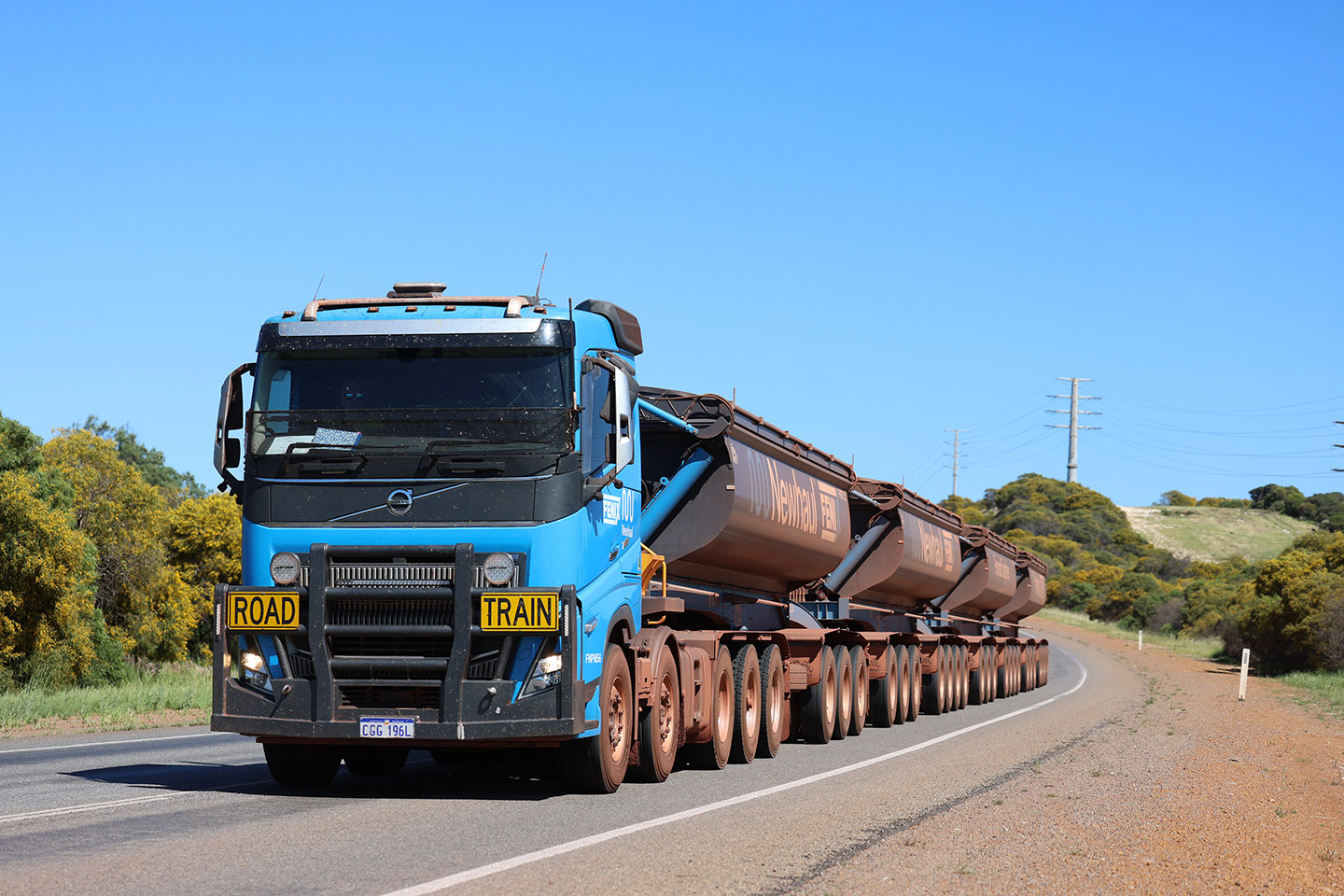
Regulatory approvals of Fenix Resources’ next iron ore mine have been secured, paving the way for development of a Mid West mining hub.

Continue Reading

Trending

Copyright © 2025