

Connect with us
DAPA Banner

Business

Driverless taxis set to launch in UK as soon as September

Published

on

Driverless taxis set to launch in UK as soon as September

Waymo has laid out plans for a robotaxi service in London with a pilot scheme due to begin in April.

Continue Reading
Click to comment

You must be logged in to post a comment Login

Leave a Reply

Business

First Minister commit to further empower the Development Bank of Wales but rules out a new WDA

Published

on

Business Live

Speaking to the CBI Wales North Wales dinner she said she would chair a new national Jobs Council

First Minister Eluned Morgan.(Image: John Myers)

First Minister Eluned Morgan said the Development Bank of Wales should be empowered, suggesting a significant increase in its financial firepower to support the growth of SMEs, while also committing to streamlining business support.

Addressing the North Wales dinner of employers body CBI Wales, the First Minister said that if still in office after May’s Senedd Election, she would seek to secure a fairer Welsh share of innovation and research council funding from publicly funded bodies such as research councils and Innovate UK, although she did not indicate how this would be achieved. She also dismissed calls for creating a new version of the Welsh Development Agency.

Advertisement

It was the late Rhodri Morgan, when First Minister, who abolished the arm’s-length Welsh Government WDA back in 2004. While at the time of its demise it had become over-bloated, with more than 1,000 staff and arguably too many business support strands, it remains one of the most recognisable Welsh brands, particularly overseas.

READ MORE: Wales needs to deliver more than 10,000 homes a year to hit government targetREAD MORE: Welsh rugby makes a huge economic contribution shows new report

Plaid has committed to effectively establishing a new streamlined version of the WDA through a national development agency, which will take on Welsh Government business support and inward investment functions. What is not yet clear is the relationship between a new agency -which would seek to attract the best talent from the private sector -and the Development Bank of Wales.

In rejecting calls for a new WDA, the First Minister said: “Wales may give its support to others – those who offer plans for more plans, delay, duplication, indecision and commissions. Also for a new WDA, but with no plan for what it will do, nor the money to make that happen.”

Advertisement

On the Welsh Government’s business support regime, which includes its outsourced Business Wales offer and its wholly-owned development bank, she said: “We will empower the Development Bank of Wales even further. It has already loaned over £1bn and helped deliver tens of thousands of jobs. We will cut down on business bureaucracy by streamlining support and carry out a root-and-branch review of business rates to make them fairer for all.”

In the last few months, the development bank has extended its services so that it can now offer loans to farm businesses.

She did not give any indication as to how the development bank would be “empowered”, but one route would be through securing investment mandates from pension funds, potentially via the British Business Bank, and increased use of UK Treasury-funded financial transactions capital, which has supported development bank lending.

According to a recent report from Martin Broogaard and David Phillips of the Institute for Fiscal Studies, the Welsh Government received £3.4bn (in real terms) in financial transactions capital between 2012–13 and this year. Of this, 80% will have to be repaid to the UK Government, while the remainder can be recycled indefinitely into further loans as repayments are made.

Advertisement

The report adds: “Current plans imply an additional £600m of funding between 2026–27 and 2029–30, but changes in rules mean that this can all be recycled into further loans in the future. This change will enable the Welsh Government to make increasingly large loans over time to the private sector (albeit subject to state aid rules).”

On productivity and research funding, Ms Morgan said: “Productivity sits at the core of the Wales Growth Plan, backed by £500m to support innovation, adoption of new technologies and business expansion. Our productivity rates are increasing more quickly than the UK’s, but we acknowledge that we are starting from a lower base. We will continue to work closely with the UK Government, providing the stable political landscape you need to make investment decisions.

“The UK Government has already committed £14bn for a pipeline of rail projects. I will push to secure Wales’s fair share of the UK’s investment in R&D, which will be essential for those productivity gains.”

The First Minister said her administration has listened to the concerns of business that it requires a planning system that does not deter investment. She added: “We acted, and Wales now has some of the fastest decisions on major energy infrastructure in the UK, with almost two dozen clean energy projects approved since I became First Minister.

Advertisement

“My challenge for the next government has been clear: to make Wales the fastest place in the UK to get planning permission, and if we are leading the next government, we will introduce new degree apprenticeships in planning.”

She also committed to implementing a new Welsh industrial strategy aligned with that of the UK Government. She added: “I am a First Minister who is prepared to choose, to focus and, where necessary, to say no.

“We know we can do more to help business grow much further, especially in advanced manufacturing, renewable and clean energy, digital and AI-driven industries, life sciences and the creative industries. I will personally chair a new national Jobs Council. It will bring together business, unions, the skills sector and government to drive good jobs across every part of Wales.”

Russell Greenslade, director of CBI Wales, said: “The CBI North Wales business dinner showcased the incredible businesses that are contributing to Wales’ impressive economic growth story.

Advertisement

“The First Minister rightly focused on the region’s enterprising firms, our green growth opportunities, and a higher education sector that works in partnership with business to support young people into careers and close the skills gap.

“Long-term sustainable growth depends on the Welsh and UK governments continuing to work in partnership with North Wales businesses.”

Continue Reading

Business

Australia Fuel Crisis Deepens With Hundreds of Stations Running Dry

Published

on

Petrol and diesel pumps along with gas prices are shown at an Exxon station in Carlsbad, Calif.

SYDNEY — Hundreds of petrol stations across Australia have run out of diesel or unleaded fuel amid a worsening supply crunch triggered by the escalating conflict in the Middle East, prompting the federal government to temporarily lower diesel standards for six months and release emergency reserves to ease shortages.

Petrol and diesel pumps along with gas prices are shown at an Exxon station in Carlsbad, Calif.

Energy Minister Chris Bowen told Parliament on Monday that more than 100 stations in Victoria alone had no fuel of at least one grade, while New South Wales reported 164 without diesel and 289 missing at least one type out of more than 2,400 locations. Queensland saw 47 stations out of diesel and 32 without regular unleaded. Similar shortages hit other states, with Victoria recording up to 134 to 160 stations affected in recent days.

The disruptions stem from the U.S.-Israeli military actions against Iran that have severely curtailed oil flows through the Strait of Hormuz, cutting supplies to Asian refineries that provide most of Australia’s imported fuel. Australia imports about 90% of its petrol, diesel and jet fuel, with the vast majority coming via Asian processing hubs. Six fuel shipments bound for Australia were canceled or deferred in recent weeks, exacerbating the strain.

As of mid-March, Australia held roughly 38 days’ worth of petrol, 30 days of diesel and 30 days of jet fuel, according to the latest government figures. Bowen insisted the overall market remains well-supplied at a national level and blamed much of the local shortages on panic buying that has spiked demand by 300% to 400% in some areas. He ruled out immediate rationing but confirmed the government has released about 20% of its strategic fuel reserves — roughly a week’s worth of supply — into the domestic market.

On Tuesday, the government announced it would relax diesel quality standards for six months, allowing higher-sulphur fuel into the system to add nearly 100 million extra litres per month. The move aims to help farmers, truckers and regional communities facing acute shortages. Two remaining domestic refineries are operating at full capacity and have been directed to prioritize Australian supply over exports, with government subsidies to keep them running.

Advertisement

Retail prices have surged sharply. The national average for unleaded 95 petrol rose 18.5 cents to 238 cents per litre in the latest weekly figures, while diesel climbed 36.8 cents to 239.6 cents. Some regional stations reported diesel above $3 per litre, with isolated cases nearing $4. Australia recorded the fastest fuel price increases in the developed world since the conflict began, according to global tracking data.

The crisis has hit key sectors hard. Farmers warned that diesel shortages could delay planting and harvesting, potentially driving up food prices by as much as 50% if prolonged. Trucking operators reported fuel levies rising weekly, with some independent haulers halting operations. Logistics giants like DHL and Australia Post have hiked surcharges significantly, with parcel delivery costs nearly tripling in some cases. Manufacturers spoke of “brutal” price hikes flowing through supply chains.

Panic buying has compounded the problem. Motorists queued for hours at remaining stations, and roadside assistance groups reported a 15% spike in callouts for vehicles running out of fuel. In some rural towns, stations imposed informal limits or sold out entirely by midday. The NRMA in New South Wales noted a surge in stranded drivers.

The government has activated a National Fuel Supply Taskforce and secured interim authorization from the Australian Competition and Consumer Commission allowing major suppliers to coordinate distribution without breaching competition laws. A supply deal with Singapore, one of Australia’s key refined fuel sources, was also inked to stabilize inflows.

Advertisement

An old 2019 national fuel emergency response manual, obtained via freedom of information, revealed contingency plans including a $40 per transaction cap — roughly 16 litres at current prices — that could be imposed only after a formal declaration of a liquid fuel emergency by the Governor-General. Officials stressed no such declaration is imminent and ruled out the $40 limit for now.

Defence analysts expressed concern over Australia’s thin strategic reserves, noting the country has consistently fallen short of the International Energy Agency’s 90-day stockholding obligation. Former senior military figures outlined five short-term options to boost supply, including greater use of domestic oil reserves, accelerated imports from alternative sources and potential military logistics support. A 2025 government war-gaming exercise had already warned of “significant economic impact” from a fuel crisis compounded by other disasters.

Economists warned the crisis could rival the economic shock of the COVID-19 pandemic if oil prices remain elevated and supply chains stay disrupted. Treasurer Jim Chalmers highlighted risks to inflation and growth. Public transport usage has risen as commuters seek alternatives, prompting calls from unions for fare-free services during the crunch.

Prime Minister Anthony Albanese has held talks with the IEA chief and state leaders, urging calm while emphasizing that ships continue to arrive, albeit with some delays. The government has encouraged measures such as working from home where possible, reducing driving speeds and avoiding non-essential air travel to conserve fuel.

Advertisement

Regional areas feel the pain most acutely. In New South Wales and Victoria, farmers and freight operators reported rationing diesel for essential tasks. Some remote communities faced complete outages, forcing residents to travel long distances for fuel.

The Australian Institute of Petroleum and industry groups called for steady consumer behavior to avoid worsening localized shortages. Meanwhile, electric vehicle sales have ticked up at auctions as some drivers seek longer-term alternatives, though high upfront costs limit widespread shifts.

As the Middle East situation evolves, analysts predict the pressure on Asian refineries could intensify in coming weeks, creating a potential “crunch time” for Australia at the end of the supply chain. The International Energy Agency has described the global disruption as potentially worse than the 1973 and 1979 oil shocks combined if the conflict persists.

For now, Bowen and other officials continue to reassure the public that national supply remains adequate until at least mid-April, provided panic buying subsides. Travelers and businesses are advised to fill up early, plan routes carefully and check local station apps or websites for real-time availability.

Advertisement

The crisis has reignited debate over Australia’s fuel security, including calls for greater domestic refining capacity, larger strategic reserves and accelerated transition to alternatives. With prices climbing and stations running dry, the coming weeks will test both government response and public resilience in the face of global energy turmoil.

Continue Reading

Business

Good Morning America’s Sam Champion Shares Positive Update From Hospital Bed After Heart Procedure

Published

on

Sam Champion

Sam Champion, the longtime weatherman for “Good Morning America,” offered a reassuring health update from his hospital bed Sunday after undergoing a cardiac catheterization procedure at Mount Sinai Fuster Heart Hospital in New York City. The 64-year-old television personality said doctors addressed issues discovered during a routine nuclear stress test and that he expects a full recovery.

Sam Champion
Sam Champion

In an Instagram post shared March 22, Champion smiled and waved from his hospital bed while expressing gratitude to his medical team. “Thank you Dr. Stam Lerakis and Dr. Sharma and the WONDERFUL team of nurses at @mountsinaimedicalcenter Fuster Heart Hospital!” he wrote. “Many of you know I had a nuclear stress test last Thursday. And we found some things that needed to be taken care of so today I went into the cardiac catheterization laboratory…..and we took care of it. Thanks to these procedures, I am well and expected to make a full recovery.❤️”

The post quickly drew supportive comments from colleagues and fans. “Good Morning America” co-anchor Robin Roberts, a longtime friend of Champion’s, sent well wishes, as did correspondent Rebecca Jarvis and other ABC personalities. Champion has been a familiar face on morning television for decades, serving as chief meteorologist on “GMA” from 2006 to 2013 before returning in recent years while also anchoring weather on WABC-TV in New York.

Champion first mentioned the upcoming nuclear stress test in an Instagram video posted March 19. Appearing slightly tired, he told followers, “I’m more tired than normal this morning because I have a stress test exam. They’re gonna make me run on a treadmill and watch how my heart functions today. It’s one of those old people things that you have to do.” The test, which uses radioactive dye and imaging to assess blood flow to the heart during rest and exercise, revealed abnormalities that prompted further intervention.

Cardiac catheterization is a common minimally invasive procedure in which a thin tube is threaded through a blood vessel to the heart. Doctors can use it to diagnose blockages or perform interventions such as inserting a stent to open narrowed arteries or conducting balloon angioplasty. While some media outlets initially described the intervention as “emergency heart surgery,” medical experts note that catheterization with possible stenting is typically classified as a procedure rather than open-heart surgery.

Advertisement

Mount Sinai Fuster Heart Hospital is part of the Mount Sinai Health System and ranks among the nation’s top cardiac care centers. Named after renowned cardiologist Dr. Valentin Fuster, the facility specializes in advanced treatments for heart disease, prevention and research. Champion’s choice of the hospital underscores the seriousness with which he and his physicians approached the findings from the stress test.

Champion has been open about health matters in the past. In October 2024, he took time away from “GMA” to treat basal cell carcinoma, a common form of skin cancer, and shared photos of the scar on his back upon returning to air. His transparency about medical issues has resonated with viewers, many of whom praised his positive attitude in the latest update.

“GMA” executive producers and anchors expressed relief at the news. The program has featured Champion delivering weather segments from various locations, including during major storms and live events. Colleagues described him as energetic and dedicated, often arriving early to prepare detailed forecasts that blend science with approachable storytelling.

At 64, Champion remains an active figure in broadcast meteorology. He holds the American Meteorological Society’s Certified Broadcast Meteorologist designation and has earned multiple Emmy Awards for his work. Before joining ABC, he built his career at stations in Atlanta and New York, earning a reputation for accurate, enthusiastic reporting on everything from hurricanes to winter nor’easters.

Advertisement

The timing of the procedure came during a relatively quiet news period for “GMA,” allowing Champion a brief recovery window. Sources close to the show indicated he is expected to return to air in the coming days or weeks, depending on his doctor’s clearance. No official timeline has been announced, but his optimistic message suggested a swift rebound.

Medical professionals emphasize that routine stress tests are crucial for early detection of coronary artery disease, especially in individuals over 60 or with risk factors such as family history, high blood pressure or previous health concerns. When abnormalities are found, prompt catheterization can prevent more serious events like heart attacks.

Champion’s update arrived amid broader public conversations about heart health, preventive screenings and the importance of listening to one’s body. Cardiologists not involved in his care noted that nuclear stress tests are highly effective at identifying reduced blood flow, and catheterization allows immediate treatment in the same session when appropriate.

Fans flooded social media with messages of support, sharing stories of their own experiences with similar procedures and praising Champion’s candor. Many noted his sunny disposition even while hooked up to monitors, calling it typical of the weatherman known for bright forecasts and upbeat delivery.

Advertisement

Champion’s personal life has also drawn public interest over the years. He married his husband, Rubem Robierb, in 2020 in a ceremony that blended Brazilian and American traditions. Robierb, an artist, has been by Champion’s side during previous health challenges, and the couple frequently shares glimpses of their life in New York and travels.

The Mount Sinai Fuster Heart Hospital has treated numerous high-profile patients and conducts cutting-edge research into cardiovascular disease. Its multidisciplinary teams include interventional cardiologists, imaging specialists and rehabilitation experts who guide patients from procedure through recovery.

As of Tuesday, no further updates had been posted by Champion, but representatives for “GMA” confirmed he is resting comfortably and in good spirits. Colleagues have stepped in to cover weather duties, maintaining the show’s seamless morning format.

Champion’s experience serves as a reminder that even seemingly routine check-ups can uncover treatable conditions. Health organizations recommend regular screenings for adults, particularly those in high-stress professions or with demanding schedules like broadcast journalists.

Advertisement

For now, the veteran meteorologist appears focused on healing. His Instagram post ended on a hopeful note, reinforcing the message that timely medical intervention can lead to positive outcomes. Fans and colleagues alike await his return to the “GMA” desk, where his familiar smile and accurate forecasts have become morning staples for millions.

In a statement, an ABC spokesperson said, “We are grateful for the excellent care Sam received and look forward to welcoming him back when he is ready.” The network has a long tradition of supporting on-air talent through health challenges, as seen with anchors like Robin Roberts, who has shared her own journeys with breast cancer and a bone marrow transplant.

Champion’s latest health chapter appears headed toward a successful close, thanks to modern cardiac care and his proactive approach. As he recovers at one of the country’s premier heart hospitals, the weatherman who has spent decades forecasting storms is now navigating his own path back to full strength with characteristic optimism.

Advertisement
Continue Reading

Business

Seafarms shareholders lodge fresh legal action

Published

on

Seafarms shareholders lodge fresh legal action

Kathmandu co-founder Jan Cameron has lodged fresh legal action against Seafarms Group in the latest bid to recoup some of the millions she invested in the Project Sea Dragon prawn farm.

Continue Reading

Business

As Asim Munir pitches peace, Iran stops Pakistan’s cargo ship at Strait of Hormuz

Published

on

As Asim Munir pitches peace, Iran stops Pakistan's cargo ship at Strait of Hormuz
Amid Pakistan‘s offer to mediate between Iran, US and Israel to end the conflict in the Middle-East, a cargo ship headed for Karachi was forced to reverse course after Iran denied it passage through the Strait of Hormuz, citing lack of clearance and protocol violations. The move comes at a time when traffic through the crucial energy corridor has slowed sharply amid rising conflict in West Asia.

Pakistan ship stopped

According to a statement from the Iranian Embassy in Kabul, the container vessel SELEN failed to obtain mandatory approval before attempting to cross the strait. Iranian authorities said the ship did not follow established legal procedures required for transit.

Also Read: Madhavan breaks silence on Dhurandhar 2 ‘Gurbani’ scene controversy, says Aditya Dhar gave clear instructions

“The container ship SELEN was turned back by the IRGC Navy due to failure to comply with legal protocols and lack of permission to pass through the #Hormuz Strait”, the statement read.

“The passage of any vessel through this waterway requires full coordination with the maritime authority of the Islamic Republic of Iran”, it said.

Officials from the Islamic Revolutionary Guard Corps Navy later confirmed the action, reiterating that all vessels must secure prior clearance.
Rear Admiral Alireza Tangsiri said the ship was turned back for not obtaining permission to pass through the strait, adding the vessels must now coordinate transit with Iranian maritime authorities.

Pakistan offers to mediate in Iran-Israel-US war

Pakistan has recently stepped forward with an offer to mediate between Iran, the United States and Israel as tensions escalate in West Asia. Prime Minister Shehbaz Sharif publicly said Islamabad would be “ready and honoured” to host peace talks if all sides agree, positioning the country as a neutral venue for dialogue. The proposal gained traction after Donald Trump amplified the offer on social media, signalling openness to third-party facilitation. While Iran has denied any direct negotiations with Washington, it has acknowledged that “friendly states” — including Pakistan — are passing messages between the sides, indicating backchannel diplomacy is underway even as formal talks remain uncertain.

Advertisement

US President held talks with Pakistan’s Army Chief Asim Munir

US President Donald Trump held a conversation earlier this week with Pakistan’s army chief Asim Munir, as Islamabad steps up efforts to present itself as a mediator in the ongoing tensions involving the US, Israel and Iran. Separately, Prime Minister Shehbaz Sharif spoke with Iranian President Masoud Pezeshkian on Monday, according to officials aware of the developments.

These diplomatic contacts came around the same time Trump announced a five-day pause on his threat to target Iran’s power plants. He described his recent engagement with Tehran as “very good and productive” and suggested it could help bring the conflict to an end.

However, the White House made it clear that there are no formal negotiations at this stage and cautioned against reading too much into the developments. “These are sensitive diplomatic discussions and the United States will not negotiate through the news media,” it said.

Trump’s posts on Truth Social briefly pulled down global oil prices, though it remains uncertain whether Pakistan’s outreach played any direct role in that movement. Experts say the lack of concrete progress and continued tensions are keeping markets and the region unsettled.

Advertisement

Pakistan pitches Islamabad as talks venue

According to two officials familiar with the matter, Pakistan has предложed Islamabad as a possible location for high-level talks. The proposed discussions could involve senior US officials such as Vice President JD Vance, along with Trump’s envoys Steve Witkoff and Jared Kushner, and representatives from Iran.

In its official statement after the Sharif-Pezeshkian call, Pakistan said the prime minister briefed the Iranian side on Islamabad’s diplomatic outreach and reiterated its willingness to support peace efforts. “While sharing with the Iranian President the diplomatic outreach efforts of Pakistan’s leadership, the prime minister assured the Iranian leadership that Pakistan would continue to play a constructive role in facilitating peace,” the statement said.

Why the Strait of Hormuz matters now

The Strait of Hormuz remains one of the world’s most sensitive maritime routes, handling nearly 20% of global oil and gas shipments. Any disruption here tends to ripple across energy markets and shipping lanes worldwide.

The latest intervention signals tighter control by Tehran as regional tensions escalate following recent military exchanges involving the United States and Israel.

Advertisement

$2 million transit fee plan raises stakes

Iran has also indicated that some ships may now face a transit fee of up to $2 million while crossing the strait, in what officials describe as a new assertion of sovereignty.

Iranian lawmaker Alaeddin Boroujerdi said the move reflects a shift in how the country manages the waterway.

“Collecting $2 million as transit fees from some vessels crossing the strait reflects Iran’s strength,” Boroujerdi said.

“Now, because war has costs, naturally we must do this and take transit fees from ships passing through the Strait of Hormuz,” he added.

Advertisement

Political ripple in India

The development quickly drew reactions in India’s political circles. Amit Malviya criticised narratives around Pakistan’s diplomatic positioning.

“So much for the ‘Pakistan is brokering peace’ narrative peddled by the usual suspects in India,” he wrote on X.

“Iran has reportedly turned back a vessel bound for Karachi after it failed to secure approval to pass through the Strait of Hormuz”, he added.

‘Open to all except adversaries’

Earlier, Iran’s President Masoud Pezeshkian signalled a conditional openness on access to the strait.

Advertisement

“The illusion of erasing Iran from the map shows desperation against the will of a history-making nation. Threats and terror only strengthen our unity. The Strait of Hormuz is open to all except those who violate our soil. We firmly confront delirious threats on the battlefield,” he wrote in a post on ‘X’.

Continue Reading

Business

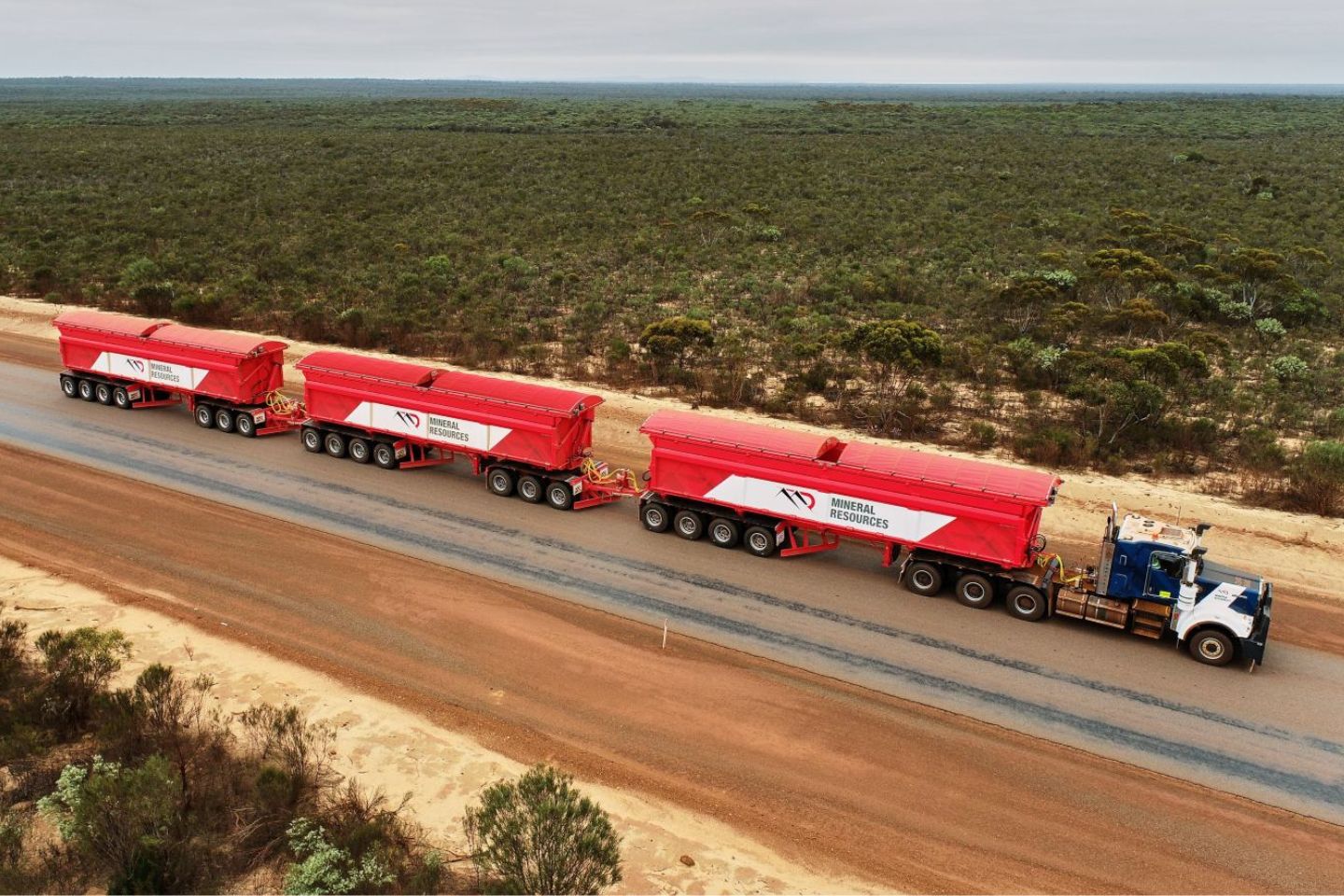
Mineral Resources accuses Destec of contempt over videos on website

Published

on

Mineral Resources accuses Destec of contempt over videos on website

Mineral Resources has accused Destec of contempt over certain videos published on its website, bringing a long-running dispute back to the Supreme Court.

Continue Reading

Business

House votes to lift decades-old ban on supersonic passenger flights

Published

on

House votes to lift decades-old ban on supersonic passenger flights

U.S. air travelers could soon embark on journeys faster than the speed of sound if a bill in the House of Representatives is taken up in the Senate.

The House voted to legalize supersonic flight in a decisive bipartisan vote on Tuesday, with the bill passing unanimously by voice vote in the early evening.

Advertisement

Supersonic passenger flights over land were banned by the Federal Aviation Administration (FAA) in 1973 over noise concerns, and no such planes were ever manufactured in the U.S. by American-owned airlines.

HUNDREDS OF FLIGHTS CANCELED, DELAYED AT LAGUARDIA AIRPORT AFTER AIR CANADA RUNWAY COLLISION

A supersonic plane in the air

A Boom Supersonic XB-1 Flight 12 test flight, pictured on Jan. 28, 2025. (Boom Supersonic)

The bill, led by Rep. Troy Nehls, R-Texas, would give the FAA a year to update its rules to allow for passenger flights over land that are faster than Mach 1.

But the caveat for those flights is that they must not be heard or felt by people on the ground, thereby eliminating noise pollution concerns.

Advertisement

AMERICAN AIRLINES JET CANCELS TAKEOFF AFTER LAX RUNWAY INCURSION

A Concorde flight over Paris

Picture dated January 1973 of the Concorde, the Franco-British supersonic aircraft. (STF/AFP via Getty Images / Getty Images)

Nehls, who chairs the House Transportation Committee’s subcommittee on aviation, told Fox News Digital that his bill would “ensure that the United States doesn’t fall behind our foreign adversaries in aviation innovation.”

“For decades, agency regulations have held back American innovation and supersonic flight. My bill puts a stop to that and safely unleashes the next era of aerospace innovation. The Senate must act swiftly to pass this legislation to codify President Trump’s executive order and ensure the U.S. is the world’s leader in supersonic aviation,” Nehls said.

Boom Supersonic, a company backing the bill, told Fox News Digital, “We have demonstrated that civil supersonic flight can be safe, efficient, and quiet. Today’s bipartisan vote is an important step toward codifying the executive order signed by the President last year that overturns a 50 year old outdated regulation, clearing the runway for all of us to enjoy faster flights.”

Advertisement

Nehls’ bill follows an executive order unveiled in June of last year by President Donald Trump, which the White House said would reverse five decades of “outdated and overly restrictive regulations.”

GET FOX BUSINESS ON THE GO BY CLICKING HERE

The now-retired Concorde airliner, a British and French company, famously operated trans-Atlantic supersonic flights for 27 years through the late 20th century.

But Concorde flew its last commercial flight in 2003 after high cost overruns, maintenance costs, and a significant decrease in passenger flights following a fatal Air France flight involving a Concorde jet in July 2000, the airliner’s only deadly accident in its operating history.

Advertisement
Continue Reading

Business

Mixed Signals From U.S. And Iran

Published

on

Mixed Signals From U.S. And Iran

Listen on the go! A daily podcast of Wall Street Breakfast will be available by 8:00 a.m. on Seeking Alpha, iTunes, Spotify.

Getty Images

Good morning! Here’s the latest in trending:

Meta news: Jury finds Meta (META) liable for endangering kids online, while its top brass looks set to get even richer.

Advertisement

Mega IPO: Elon Musk’s SpaceX (SPACE) may file for IPO later this week ​or next, seeking to raise over $75B.

Six Figure Limit: The CRFB proposes capping Social Security benefits at $100K for wealthy couples.

The stock market is reacting positively to President Donald Trump’s claim that Iran wants a deal to end the war, which is now in its fourth week. Even crude oil futures are down, signaling optimism over the Trump administration’s eagerness to find an off-ramp from the conflict. But is there an end in sight?

Washington’s view: The U.S. reportedly sent Iran a 15-point plan to end the war, delivered through Pakistani intermediaries. The plan addresses Iran’s ballistic missile and nuclear programs, as well as maritime routes through the Strait of Hormuz, which Tehran has effectively blocked. It remains unclear whether Israel, which has been bombing Iran alongside the U.S., is on board with the proposal. Trump also announced that Iran offered the U.S. a “present” that’s “worth a tremendous amount of money” as a show of good faith amid negotiations. He said the gift was related to energy flows through the Strait of Hormuz.

Advertisement

Tehran’s response: But Iran has refuted Trump’s claims. “Has the level of your inner struggle reached ‌the ⁠stage of you negotiating with yourself?” Ebrahim Zolfaghari, spokesperson for the Khatam al-Anbiya ​Central Headquarters (Iran’s main military command), asked. “You will see neither your investments in the region nor the former prices of energy and oil again, until you understand that stability in the region is guaranteed by the powerful hand of our armed forces.” Tehran has reportedly set a high bar for ceasefire negotiations, demanding that the U.S. shut down its Gulf bases and pay reparations for its attacks. It also wants to collect fees from ships transiting the Strait of Hormuz and keep its missile program with no negotiations to limit it, among other demands.

Bigger picture: “Markets desperately want to believe in the positive,” UBS’ Paul Donovan noted. “Focus on the apparent 15-point U.S. plan to end the war has received more attention than Iranian dismissals of this, or the fact that passage through the Strait of Hormuz is minimal.” SA analyst Eugenio Catone on Monday said he remained cautious despite Trump’s de-escalation claims. “At this point, I believe that both Iran and Israel are the main actors in this war, so they are the most reliable sources to understand where this conflict is really heading,” he said. “Right now, none of them is stepping back; therefore, I consider the recent stock market enthusiasm as a dead cat bounce.”

Here’s the latest Seeking Alpha analysis

Buy The Dip: Top Tech Stocks After The Pullback

Advertisement

I Am Swimming In Dividends: 2 Top Picks For You

Super Micro: Ignore Bad Optics

Micron Technology And Its Real Value

Buy The Dip: Near 7%-Yielding Blue Chips Getting Way Too Cheap

Advertisement

What else is happening…

OpenAI (OPENAI) secures $10B funding, to discontinue video app Sora.

Judge: Pentagon’s Anthropic (ANTHRO) ban looks more like punishment.

Microsoft (MSFT) set to rent unused capacity at flagship Stargate site.

Advertisement

Arm (ARM) rises as CEO issues $15B revenue forecast for in-house chip.

ASML staff stage second mass walkout in protest against 1,700 job cuts.

Circle (CRCL) sinks as Clarity draft said to strictly limit stablecoin yields.

Apple (AAPL) may launch standalone Siri app, ‘Ask Siri’ button in iOS 27.

Advertisement

Anduril, Palantir (PLTR) work on core software for Golden Dome shield.

Big Oil warnings: California fuel crisis risk, Europe energy shortages loom.

JPMorgan’s (JPM) Dimon: Government incentives could limit AI job losses.

Today’s Markets

Advertisement

In Asia, Japan +2.9%. Hong Kong +1.1%. China +1.3%. India +1.6%.
In Europe, at midday, London +1.2%. Paris +1.5%. Frankfurt +1.5%.
Futures at 6:30, Dow +0.8%. S&P +0.8%. Nasdaq +1%. Crude -5.1% to $87.67. Gold +3.4% to $4,553.50. Bitcoin +0.3% to $71,352.
Ten-year Treasury Yield -3 bps to 4.33%.

On The Calendar

Companies reporting today include Beyond Meat (BYND) and PDD (PDD).

See the full earnings calendar on Seeking Alpha, as well as today’s economic calendar.

Advertisement
Continue Reading

Business

ServiceTitan falls 40% after InvestingPro overvaluation warning

Published

on


ServiceTitan falls 40% after InvestingPro overvaluation warning

Continue Reading

Business

RBC Capital reiterates BioCryst stock rating on takeout potential

Published

on


RBC Capital reiterates BioCryst stock rating on takeout potential

Continue Reading

Trending

Copyright © 2025