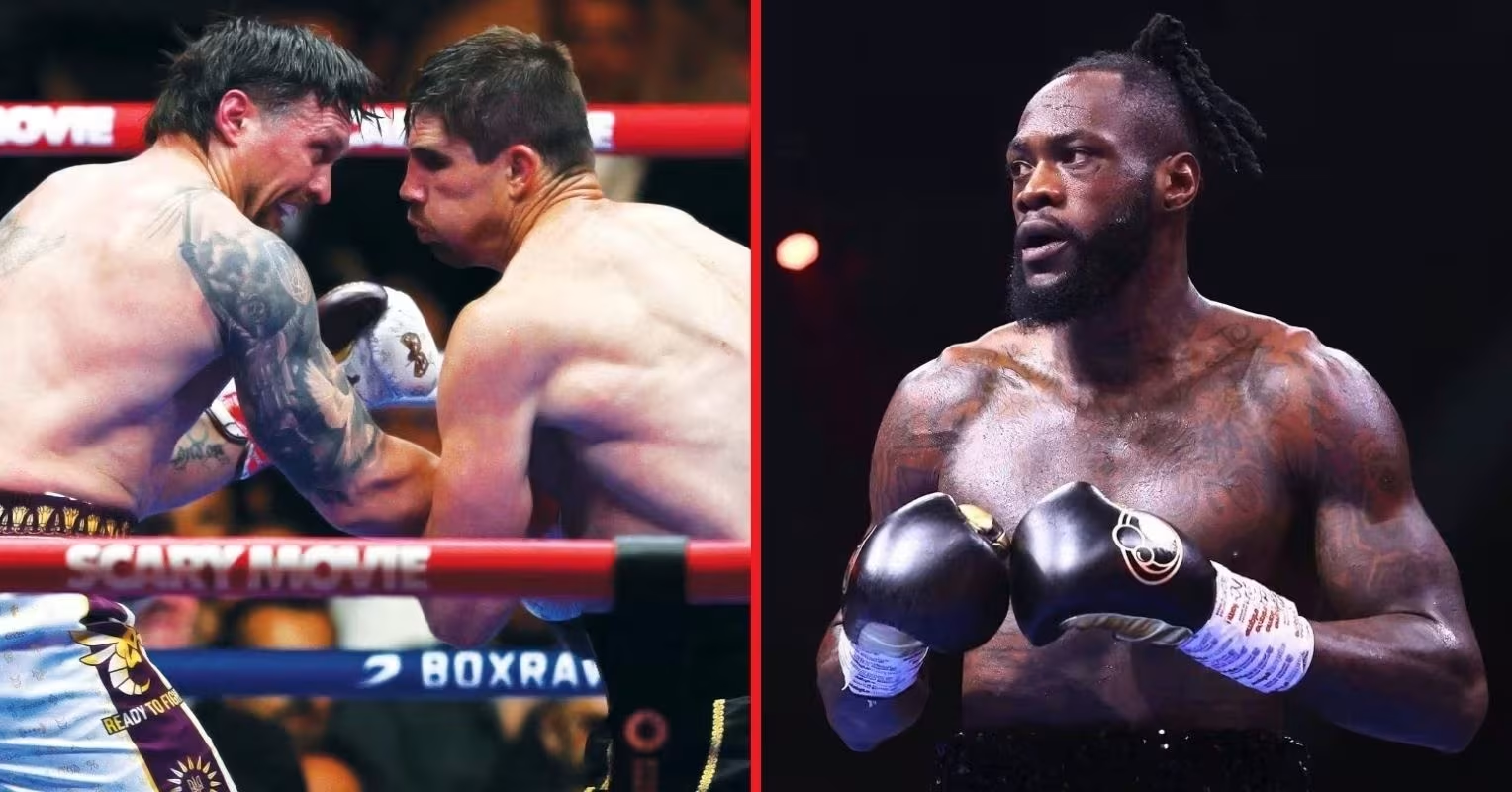
Rico Verhoeven came close to a huge upset in May as he pushed Oleksandr Usyk to the limit in an audacious bid for the WBC heavyweight title. Now, it seems as though the Ukrainian will move on from a potential rematch and Verhoeven’s trainer Peter Fury has offered his thoughts on that decision.
Usyk was expected to easily dispatch of Verhoeven when they collided in an unconventional and much-criticised match-up at the Pyramids of Giza two months ago, with Verhoeven’s 1-0 record seeing him disregarded as a threat to the throne.
Verhoeven’s trainer Peter Fury has now reacted to that decision in an interview with Seconds Out, who said he held no grudge against Usyk for swerving a rematch with the kickboxing star.
“As far as I know on social media Usyk is fighting Wilder next. I don’t think so [that he is avoiding Verhoeven]. Usyk has done everything in the sport and he is going to fight who he wants to fight.
“He is an incredible man, Usyk, the man has done everything, so full props to him. He is a great champion.”
Usyk-Wilder is expected to take place under the Zuffa Boxing banner, with the Ukrainian seeking to add the Zuffa Boxing heavyweight world title to his extensive list of achievements whilst simultaneously bolstering his phenomenal résumé.
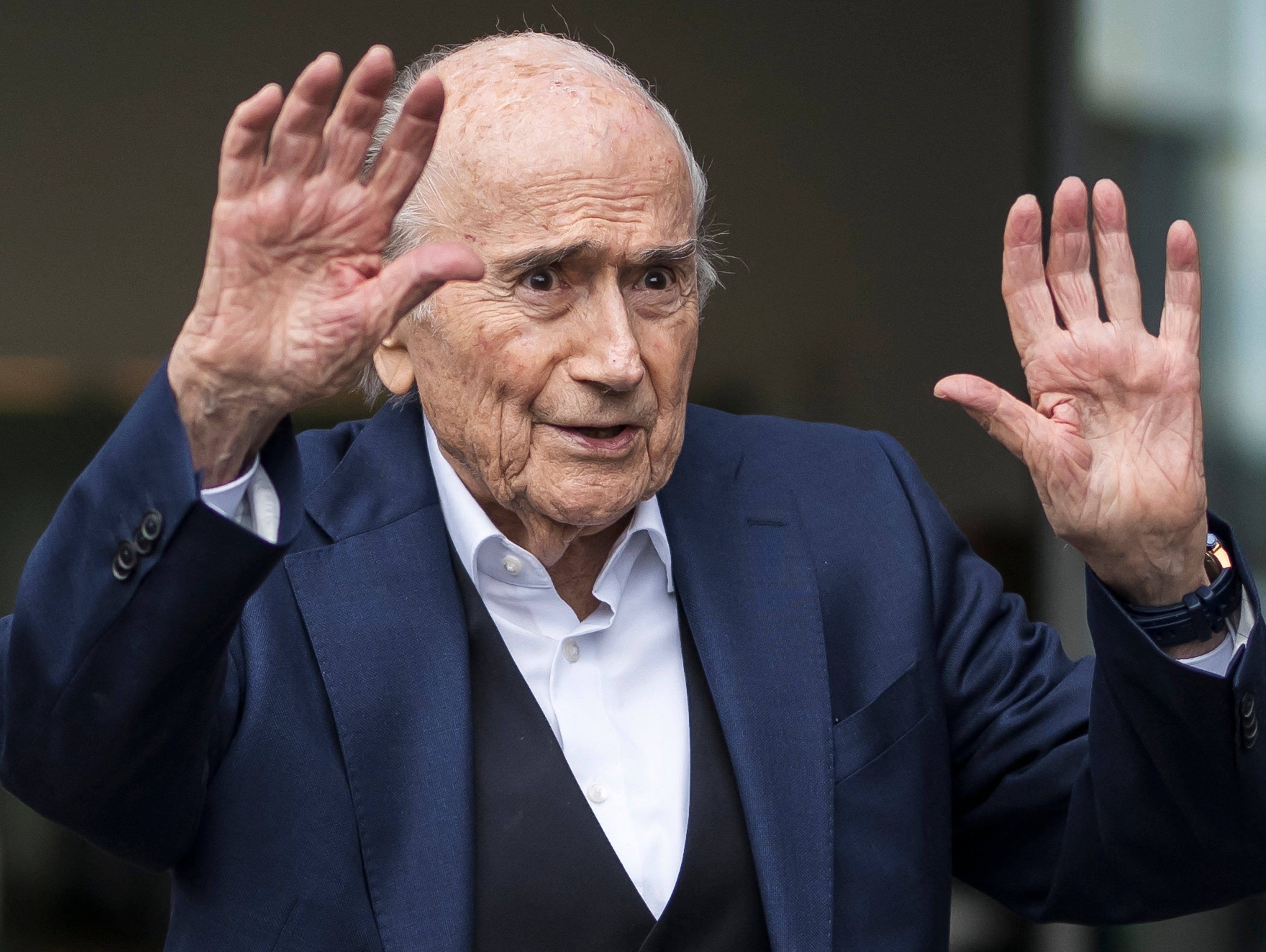
Former Fifa president Sepp Blatter has urged the world of football to kick Gianni Infantino out of the role, claiming the recent World Cup “lost its credibility” due to the actions of his successor.
Blatter – whose own Fifa presidency was rife with accusations of corruption – insisted that “politics must not be allowed to overshadow the game”, seemingly in reference to Infantino’s close relationship with US president Donald Trump, which helped lead to the controversial overturning of USA striker Folarin Balogun’s ban for the red card he received against Bosnia.
Trump intervened, getting on the phone to Infantino urging him to look at Balogun’s sending off and, in due course, Fifa unprecedentedly suspended the ban for a year, enabling the forward to play in the last-16 clash with Belgium, where the US were hammered 4-1.
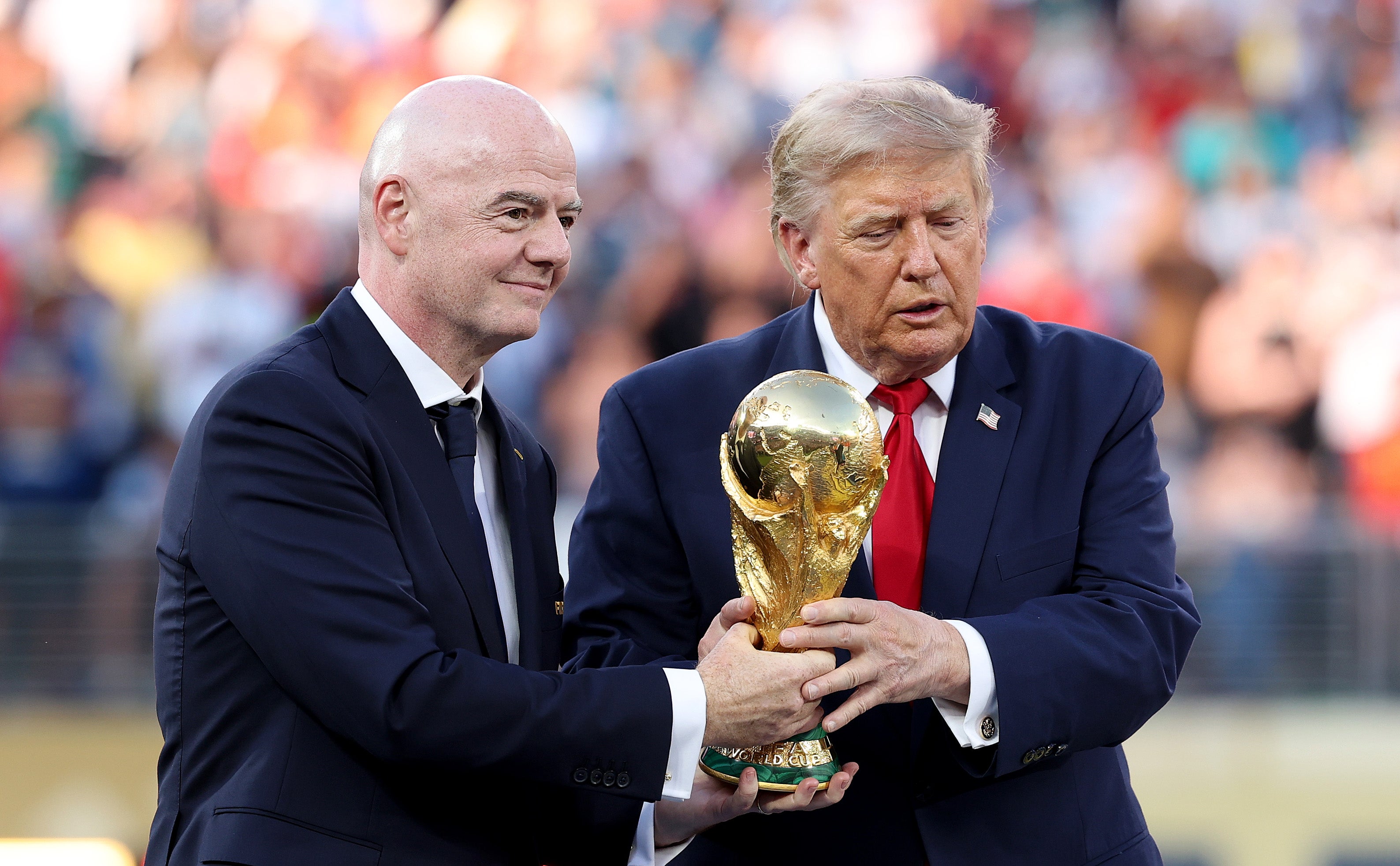
Donald Trump’s fingerprints were all over the tournament, happily abetted by Gianni Infantino (Getty)
And reflecting on the World Cup, which ended on Sunday evening with Spain beating Argentina 1-0 after extra time in an ill-tempered final, Blatter was unimpressed.
“The longest World Cup has come to an end – with the right champions,” he wrote on social media. “But on the way to the final whistle, the tournament had lost its credibility.
“Politics must not be allowed to overshadow the game. Now it is up to the fans, players and national associations to reclaim football and bring it back to its roots under new leadership.”
Advertisement
Blatter followed this missive with a string of hashtags including ‘Fifa half-time show’, ‘Donald Trump’ and ‘Gianni Infantino’.
Sepp Blatter is no fan of his successor Infantino (AFP/Getty)
The ex-Fifa president wasn’t the only man to criticise Infantino and call for his removal, with LaLiga president Javier Tebas specifically calling out the Balogun incident.
“The suspension of the American player’s ban is an extremely serious matter,” said Tebas in an interview with Italian newspaper La Gazzetta dello Sport.
“They were lucky that Belgium eliminated the US because otherwise a case could have arisen that might have cost Infantino his job. Since Belgium won, they managed to bury the matter. But these things are just the tip of the iceberg.”
Tebas went further, saying he believe Fifa is “destroying the football industry” by expanding international competitions at the expense of domestic leagues and clubs.
Advertisement
When asked if he believes Infantino should quit, Tebas said: “In my opinion, yes, I think his time is up.”
LaLiga president Javier Tebas has called for Infantino to resign (Getty)
Infantino said back in April that he would seek re-election for a fourth term as Fifa president, with the vote for the 2027-2031 cycle scheduled to take place in Morocco on 18 March next year. He may well run unopposed but even if another candidate emerges, the chances of them winning are miniscule.
“He shouldn’t stay, but the current state of affairs means he won’t leave,” Tebas added. “There’s no opposition candidate; no one wants to run to lose.
“This is the system, and it’s a system that’s flawed from the ground up. I’ve heard a lot of people against Infantino, who don’t agree with what he’s doing. They say it, but then they don’t do anything.”
Tebas and Blatter aren’t the only dissenting voices, with Uefa president Aleksander Ceferin not attending the World Cup final following a series of disagreements between Uefa and Fifa over disciplinary procedures, refereeing logistics and match operations.
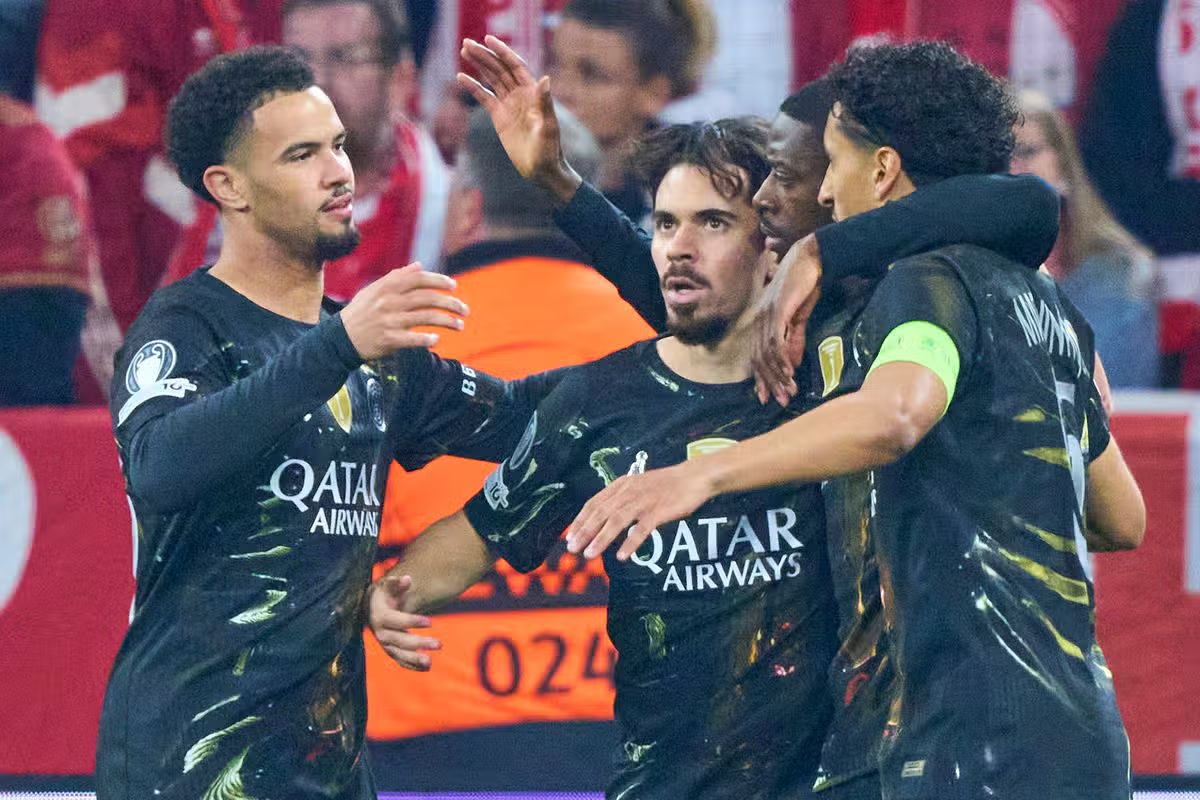
Warren Zaire-Emery has emerged as the latest midfield transfer target for Manchester United with interest dating back to 2023
Manchester United are reportedly weighing up a €60million (£51m) offer for Paris Saint-Germain star Warren Zaire-Emery. Old Trafford chiefs first considered a move for the midfielder back in 2023 when he was just 17 and it looks as though he could be targeted as their third midfield signing this summer.
With the likes of Sandro Tonali, Elliot Anderson and Mateus Fernandes moving for significant fees, United will likely have to fork out to make another signing but Zaire-Emery could be the solution. The 20-year-old has been on the fringes at PSG which could help United strike a deal.
According to French outlet Top Mercato, he is highly-regarded by those at the club, so much so that a €60million (£51m) approach is being ‘prepared’ in order to see PSG’s stance on a potential sale.
The report goes on to add that the European champions value him at closer to €80m (£68m). Zaire-Emery made 54 appearances in the 2025/26 season and followed that up with 109 minutes at the World Cup for France.
It is unclear whether or not Zaire-Emery would consider a move away from the French capital having made so many appearances in both midfield and at right-back
However, injuries to Fabian Ruiz and Achraf Hakimi offered him more minutes but Luis Enrique relegated him back to the bench when those players were back fit and for PSG’s most important matches.
Attackers have also been under consideration by those at United with Everton’s Iliman Ndiaye and Crysencio Summerville emerging as targets.
Interest from United in the Dutch winger had cooled over recent weeks with any move linked to the future of Marcus Rashford. He looks set to stay at his boyhood club with Barcelona having signed Anthony Gordon and Karim Adeyemi to permanent deals.
United kick off their 2026/27 campaign away to newly-promoted Hull City. Their pre-season has already started with Rashford possibly featuring in one or two friendlies once back from his mandatory break after the World Cup.
Stuttgart entered the race for Leo Sauer alongside the negotiations with VfL Wolfsburg for Dženan Pejčinović. The Slovak international scored three goals for Feyenoord in 20 Eredivisie appearances last term.
Hoffenheim are already on the track as the potential alternative to RB Salzburg’s Adam Daghim, who spent last season on loan at Wolfsburg. According to several reports, the Sinsheim club are currently prioritizing the deal for the Danish winger.
Advertisement
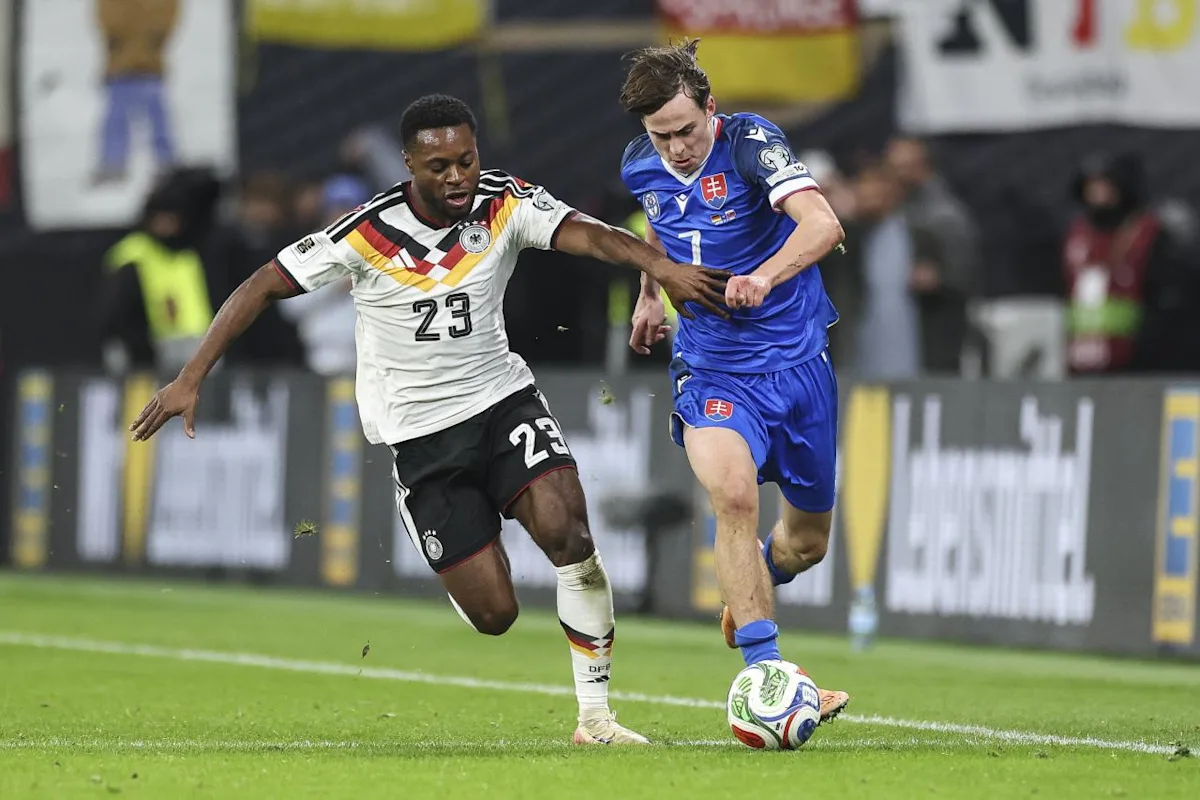
Saur had his breakthrough season in 2024/25 when he scored seven league goals in his loan stint at NAC Breda. The now 20-year-old was one of the top performers when Slovakia stunned Germany in the opening fixture for the World Cup qualifiers last year.
More than a decade on from Lance Armstrong’s disgrace, cycling is still unable to shake the shadows of its past. The sport’s paranoia over doping and its inability to ever truly prove itself has been in the spotlight again this week, as a result of some unusual measures to combat doping which have possibly had unintended consequences.
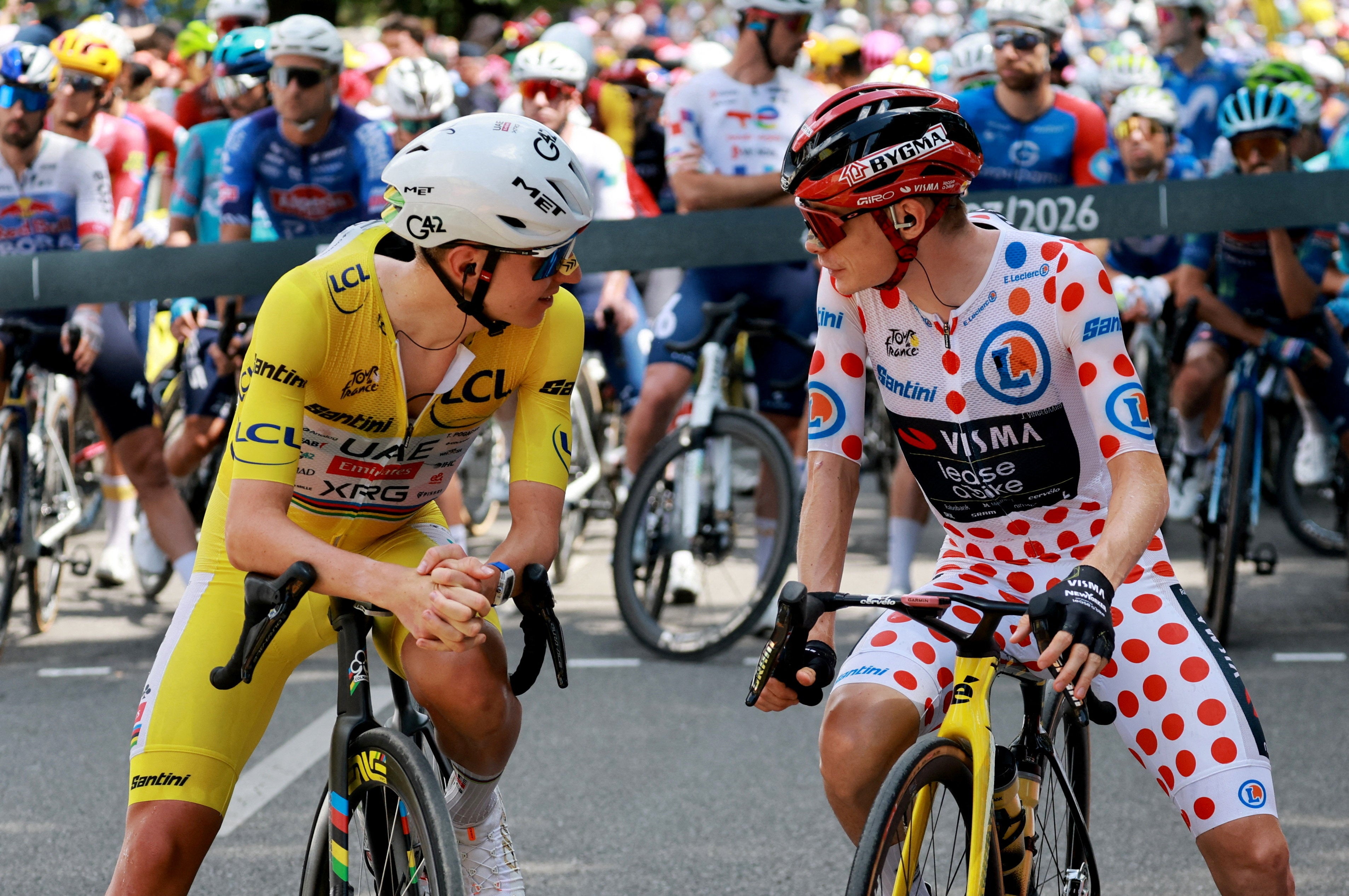
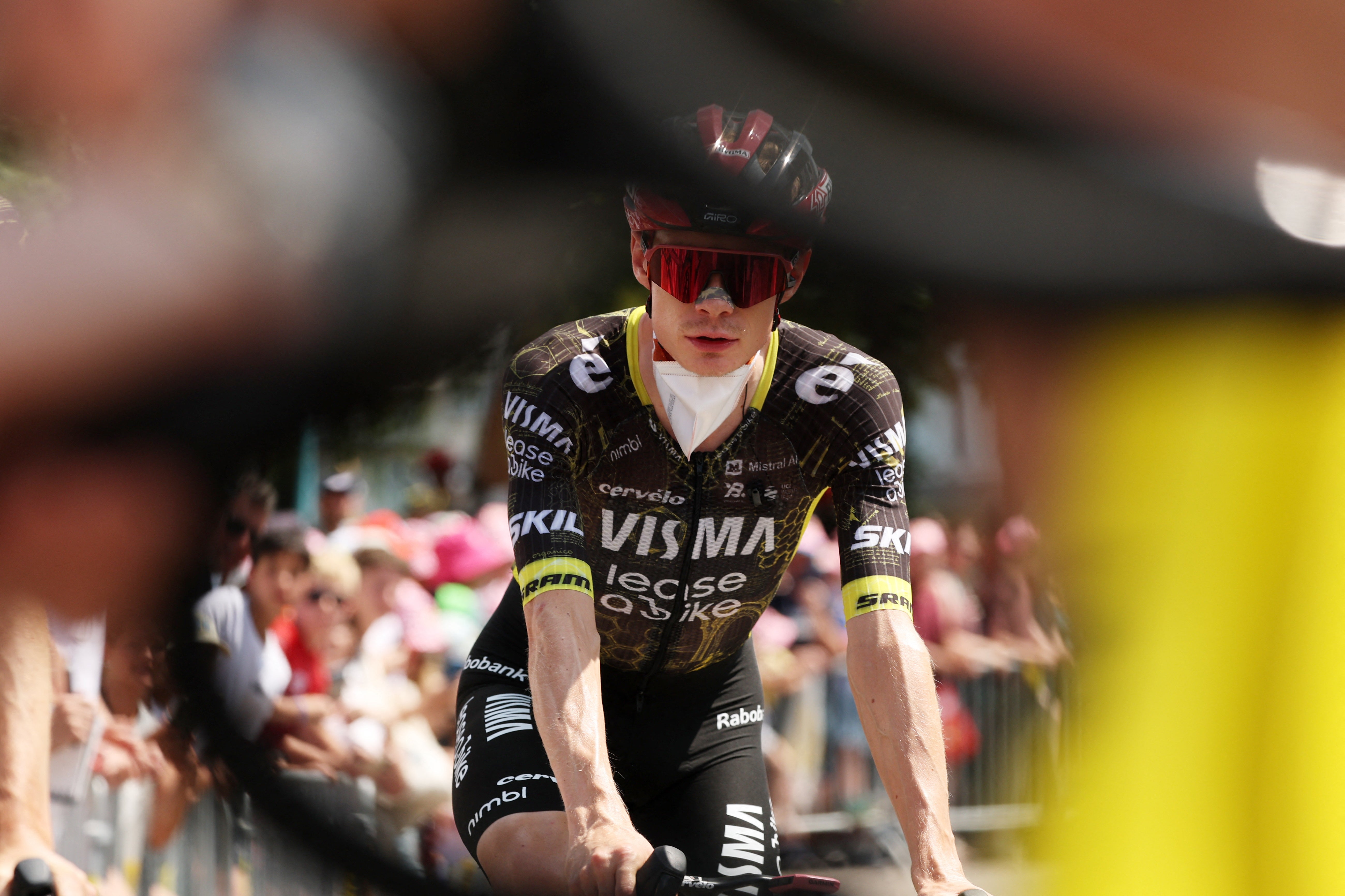
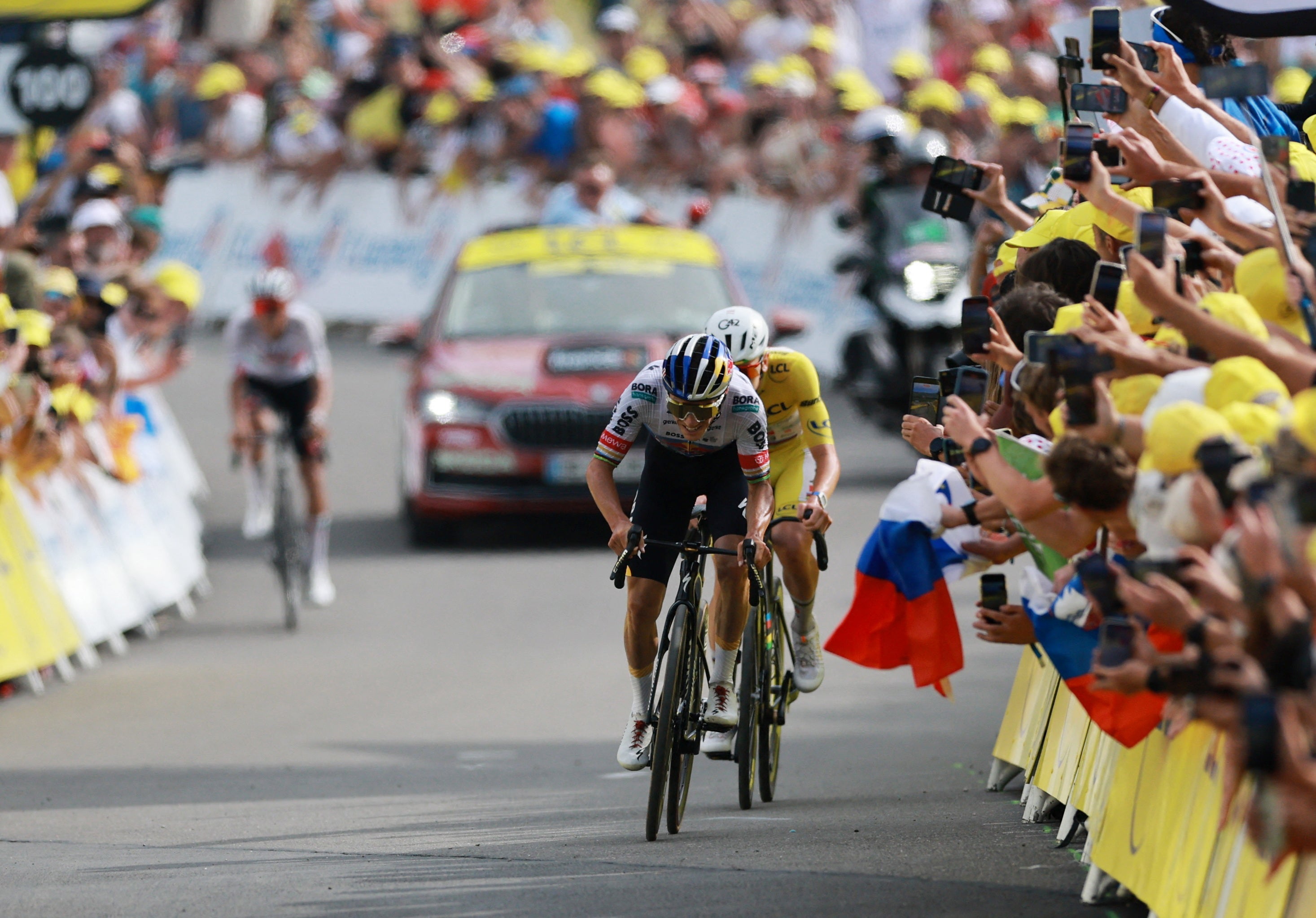
Two-time Tour de France champion Jonas Vingegaard and race leader and four-time winner Tadej Pogacar were both woken in the small hours of Sunday for out-of-hours doping tests. Visma-Lease a Bike’s Vingegaard was woken up at 2am, Pogacar at 5am; the latter said he could not get back to sleep afterwards. The tests occurred mere hours before a difficult mountain stage heading to the hors-categorie climb of Plateau de Solaison in the Alps, a key point in the three-week race.
The regulations of the Union Cycliste Internationale (UCI), cycling’s governing body, state that usually riders are tested between the hours of 6am and 11pm, with riders required to give one-hour whereabouts windows each day and accept that they may additionally be tested outside those times. The UCI has delegated responsibility for doping controls to the International Testing Agency (ITA) since 2021, and the latter required permission from the World Anti-Doping Agency (WADA) to conduct these nocturnal visits, as well as from a Parisian judge.
What seemed an innocuous crash on an awkward but otherwise inconsequential piece of road has acquired greater significance in light of the fact that his sleep was heavily disturbed by the 2am call and could possibly have led to lapses in concentration during a hard day’s racing. The Dane is not prone to crashing; he had never previously abandoned a grand tour and had come through five Tours de France unscathed. It is certainly an unusual occurrence.
Advertisement
His Tour is “ruined”, as Pogacar put it, and the Slovenian, as well as other riders and commentators, openly speculated that the late-night doping test may have played a part. Remco Evenepoel, who won stage 15, described the 2am call as “inhuman”.
Cycling’s most famous doper – Armstrong – then accused anti-doping officials of “human rights issues”, although it feels as though you must take any of the American’s proclamations on drug-related issues in the sport with a pinch, or perhaps vat, of salt. Either way, it has sparked a furore around whether such out-of-hours testing is fair to the riders, or necessary at all.
The whole point of night-time doping is to catch riders micro-dosing performance-enhancing substances such as EPO, which would otherwise go undetected. The UCI’s own rules say as much: “It is known that some riders use low doses of EPO during these hours so that it will be undetectable in the morning.” There is a clear case to be made for the sport to permit this sort of testing given its heavily chequered past.
Vingegaard and Pogacar were both targeted by the late-night tests (Reuters)
Former rider Jonathan Vaughters, who admitted blood doping on the US Postal team and who now manages the EF Education-EasyPost team which is riding the Tour, wrote on X: “If [the] UCI had tested us in 2001 at 2am? We’d all have been suspended and saved the sport 25 years of drama.”
Twenty-five years of further drama is what the likes of the UCI and ITA are trying to avoid. And the late-night testing is by design highly unusual: the UCI’s own regulations say it will not test between the hours of 11pm and 6am “unless it has a serious and specific suspicion that the rider may be engaged in doping”. Cycling Weekly has reported that a number of teams, believed to be up to eight, have also been subjected to night-time testing at this Tour, suggesting that the governing body has widespread “serious and specific” suspicions about a number of riders, or teams.
Advertisement
We may never know the results of any of these tests – the ITA said that like all tests it conducts, the outcomes “would be published according to our public disclosure policy, only in the case of an apparent anti-doping rule violation”. But if they have been as prevalent as has been reported, that suggests there is significant paranoia about doping in the current edition of the Tour. We can only hope that that is unfounded.
But is it fair to disturb riders in the middle of the night for a doping test, when recovery is so crucial to the utterly gruelling experience of riding a grand tour, and so hard to come by? Perhaps the bigger question is whether testing the integrity of the sport in this way more important than playing fair?
Vingegaard had to do a 40-minute doping control in the early hours of Sunday (Reuters)
Pogacar himself seemed resigned to it being a necessary evil. The race leader said on Sunday that he “totally accepts” the irregular tests “if this is necessary to prove that we are riding clean”.
Vingegaard, whose Tour dreams have been crushed, is a very measured character and struck the sort of note one would expect from him. He said: “It’s good that they test, but when it’s affecting performance and your sleep, I don’t think it’s so good.” He refused to say his crash was to do with his lack of sleep: “I don’t want to blame it on that, because it’s a bicycle race, and crashes happen in bicycle races.”
Evenepoel, now up to second overall, is a far more outspoken character and he was blunt in his assessment: “It’s inhuman and this is something we actually should not accept as athletes, because everybody knows sleep is the only recovery that we have in the night. This is the hardest and the biggest race in the world. This is a shame that this happened, and I hope it doesn’t happen any more in the future.”
Advertisement
Which gets to the fundamental point. Riders are aware that doping controls are a fact of life and cycling more than any other sport has to bear the cross of its past. But in a sport as inherently unsafe as cycling, which has seen several riders killed in horrific crashes in recent years, everything must be done to keep them as safe as possible – including letting them recover between long and exhausting days of racing. Vingegaard himself said he “luckily” only sustained a broken collarbone. It could have been much worse.
Evenepoel described the late-night testing as ‘inhuman’ and ‘disrespectful’ (Reuters)
The ITA said it was “conscious that night-time testing may be disruptive to riders’ rest and recovery. Due consideration has therefore been given to minimise as much as possible the impact testing activities have on riders.” But it added it “has the responsibility to ensure the effectiveness of the cycling anti‑doping programme and the integrity of cycling races”. It is stuck between a rock and a hard place.
Funding for anti-doping testing in cycling has heavily increased since the ITA took responsibility for it in 2021, but there has not been a slew of positive tests since then. Either the mechanisms to cheat are becoming more sophisticated and the methods of detection poorer, or cyclists really aren’t cheating the way they used to.
The anti-doping process is deliberately opaque and unpredictable so dopers can’t get one step ahead of the authorities, but that also means the authorities aren’t required to explain, or able to justify, their decisions, either to the riders or the public.
You can’t prove something you can’t catch; that is the issue the ITA and UCI are wrestling with. Riders are aware of it too – they have to support the anti-doping authorities, because cycling has a lot to atone for, but equally they have to protect their own health, especially at one of the toughest sporting events on the planet.
Advertisement
The 2am testing is here to stay – but whether it should be is another matter, and another question for which the sport has no easy answers.
There are two Hardware Challenges available to complete in Battlefield 6 Season 4. Season 4 is now live, and players can start progressing these challenges right away. Unlike the previous season, there are only two rewards this time, both of which come with their own advantages and drawbacks. Fortunately, the challenges are quite easy to complete and won’t take much time.
Read on to learn about all Hardware challenges and rewards in Battlefield 6 Season 4.
Battlefield 6 Season 4: All hardware challenges and rewards
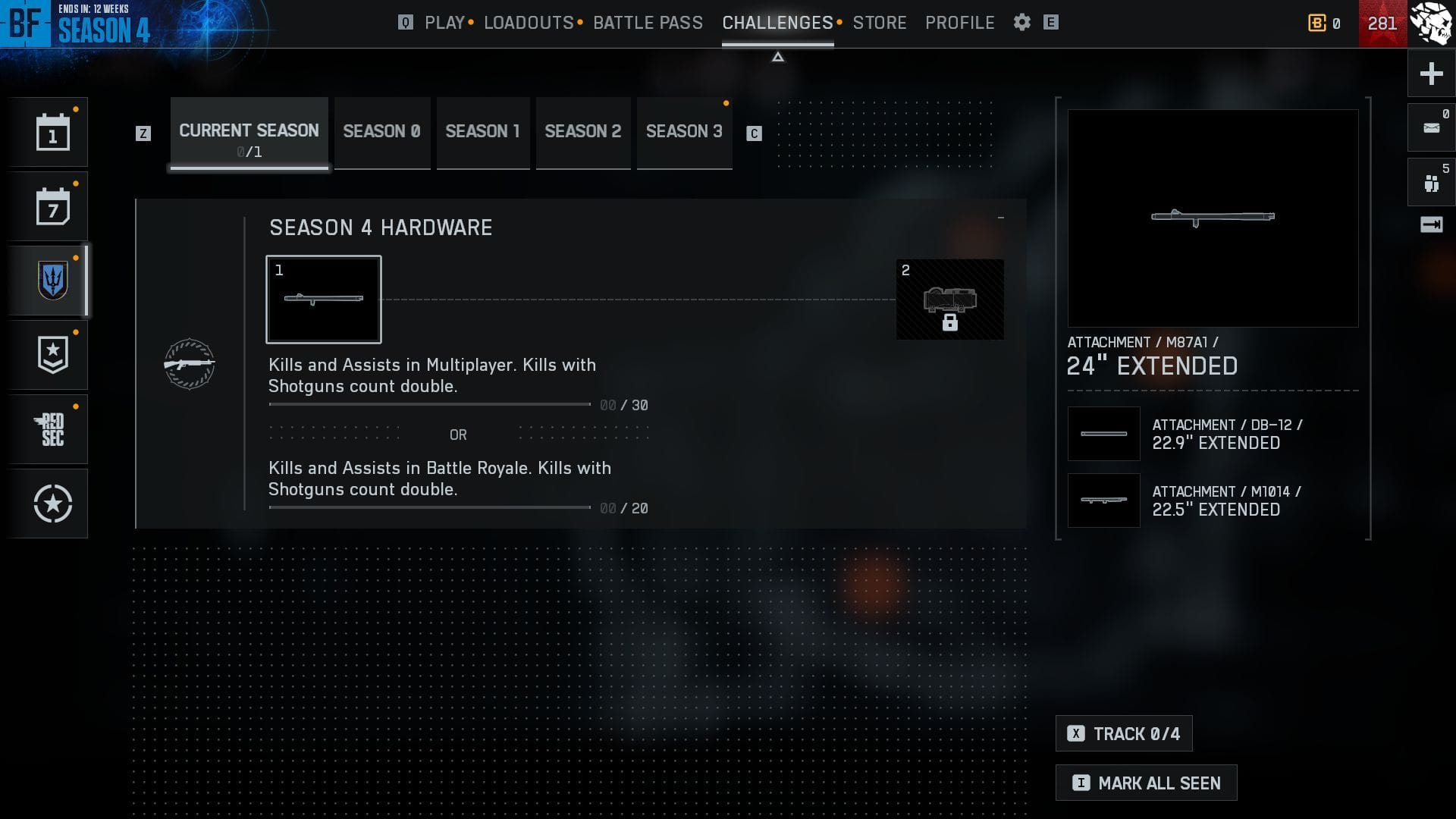
Battlefield 6 Season 4 features two Hardware Challenges that offer two exclusive rewards. Here are the challenges and their rewards:
Attachment/M87A1/ 24′ Extended: Kills and Assists in Multiplayer. Kills with Shotguns count double, or Kills and Assists in Battle Royale. Kills with Shotguns count double.
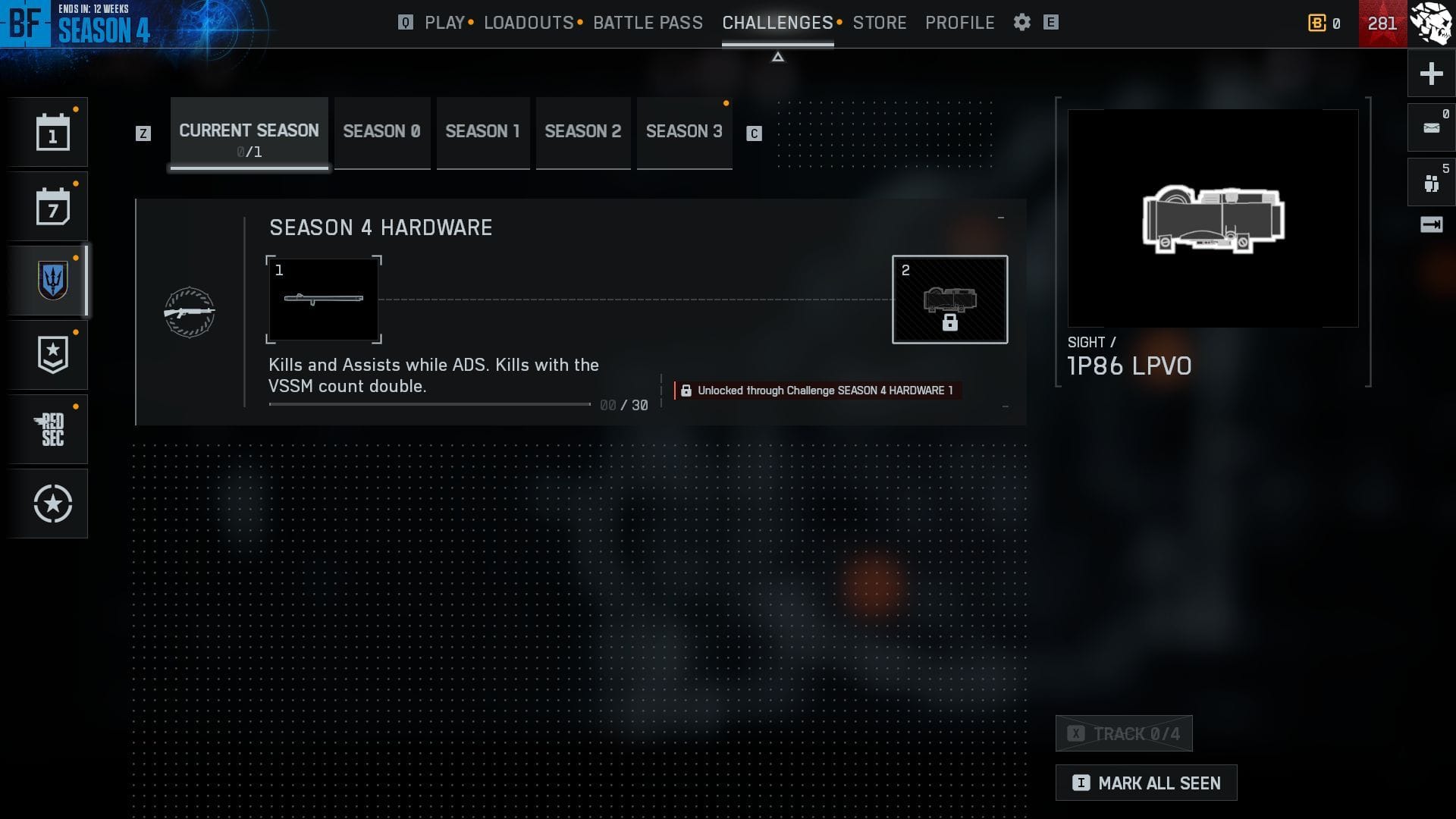
Sight/1P86 LPVO: Kills and Assists while ADS. Kills with VSSM count double.
Advertisement
Here’s what you can expect from these two attachments:
M87A1/ 24′ Extended (Attachment)Complete the hardware challenges to get the Extended attachment for shotgun (Image via EA)
The Attachment/M87A1/ 24′ Extended for a non-double-barreled shotgun is a great addition to dominate close-range fights. It simply increases the projectile velocity of the weapon, so enemies will get less time to move out of the path, making shots much easier to land.
However, it does come with a few drawbacks. If you equip this extended sight, it will reduce the weapon’s Aim Down Sight (ADS) speed and slightly lower your overall mobility.
Advertisement
1P86 LPVO (Sight)Get 1P86 LPVO (Sight) from Season 4 Hardware (Image via EA)
The 1P86 LPVO is the perfect competitor of the SU-230 LPVO. While the SU-239 LPVO Optic offers a magnification range of 1.0x to 4.0x, players can now equip the 1P86 LPVO Optic for a slightly higher range of 1.5x to 4.5x. Although the difference is only 0.5x magnification, it can sometimes create a huge difference during a gunfight.
Entering the World Cup, the race for the Ballon d’Or seemed like it came down to three people: Harry Kane, Michael Olise, and Kylian Mbappe. But with all three failing to win the tournament, and Kane not even being the sole highest scorer on the England squad, this is a race that is now open for one of the most prestigious awards in global soccer. Previously, the award only accounted for accomplishments in one calendar year, but since the last edition in 2025, which Ousmane Dembele won, it now accounts for an entire standard European season, which runs from August 1 to July 31.
Have no fear, because Lionel Messi and other players in leagues that aren’t following the European cycle are still eligible for the award since geographic restrictions on it came to an end in 2007 — prior to then, it was an award meant for soccer players based in European leagues. Someone also doesn’t need to win the World Cup to be eligible for the award, which brings us into murky territory. When there isn’t a World Cup, these awards can be a bit easier to make sense of, as more teams and players are involved in continental national team competition vs. a tournament where only 48 teams in the entire world can make it.
There are three main pillars that are used in Ballon d’Or voting. Individual performance when stat-based metrics are used, team achievements, which aren’t available to everyone depending on what competitions a team takes part in, and then there’s class and fair play, which is more subjective and where this award can go a bit off the rails, especially when at any moment new awards can be created.
Back in 2020, Robert Lewandowski was favored to win the Ballon d’Or, but it was canceled due to COVID. But in 2021, he came in second behind Messi, with a new award being created to be given to the striker of the year. Lewandowski won that award in back-to-back seasons, but didn’t secure the full award.
Advertisement
There was a monopoly held on the award by Messi and Cristiano Ronaldo, who won it a whopping 13 times since Ronaldo’s first in 2008, with only two players, Luka Modric and Karim Benzema, breaking their streak before Messi’s move to Inter Miami. Since that move in 2023, Rodri has captured the Ballon d’Or and Dembele has won it as well.
Rodri’s win was during what would be considered a down season when it came to candidates, with Manchester City capturing the treble, winning the Premier League, FA Cup, and Champions League, while Spain also won the European Championship. That year, Vinicius Junior was expected to win, leading to Real Madrid boycotting the ceremony. Considering that there is no clear frontrunner, this is another time where an unexpected winner could rise to the top of the ranks. Kane is still the odds-on favorite right now, but considering the existence of the striker-specific award, the Bayern Munich man could come in second in the award rankings and then win the award for best striker, where he does have a leg up on Erling Haaland.
This was the first World Cup with Haaland due to Norway’s improvement as a soccer power, and there was a star who didn’t make the tournament in Khvicha Kvaratskhelia. The Paris Saint-Germain man was excellent for club and country, scoring 22 goals, but it’s not enough of an output to outweigh not being at the World Cup. There likely is too much emphasis put on the tournament, but that won’t be changing anytime soon.
Ballon d’Or top candidates
All stats include play for club and country.
Advertisement
Harry Kane
Bayern Munich
England
65
Advertisement
73
8
81
Bundesliga Golden Boot, Bundesliga title, DFB Pokal, German Super Cup, DFB Pokal Golden Boot
Kylian Mbappe
Advertisement
Real Madrid
France
60
58
Advertisement
13
71
LaLiga Golden Boot, FIFA World Cup Golden Boot, UEFA Champions League Golden Boot
Lamine Yamal
Barcelona
Advertisement
Spain
57
25
20
Advertisement
45
LaLiga, FIFA World Cup, Spanish Super Cup
Lionel Messi
Inter Miami
Argentina
Advertisement
49
45
31
76
Advertisement
MLS Cup, MLS MVP, MLS Golden Boot
Rodri
Manchester City
Spain
46
Advertisement
2
0
2
FIFA World Cup
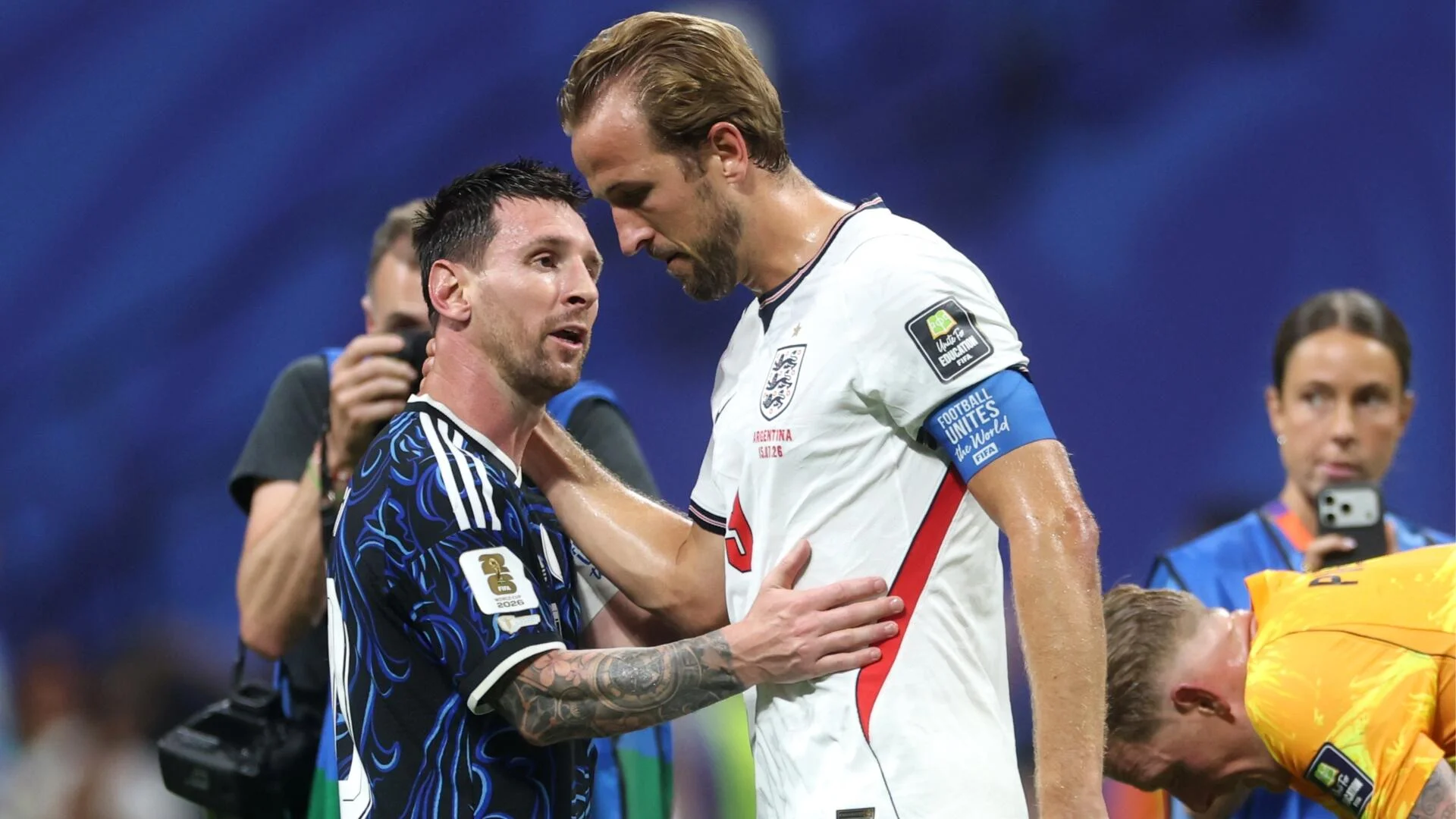
When breaking it down, you can see why Kane would be the leading candidate for the award. He has the most goals and assists with 81 and also has the most individual honors, so that should be done and dusted, right? Well, not exactly. Spain’s candidates don’t exactly stack up, with Lamine Yamal only scoring once during the World Cup and Rodri struggling with injuries in what was a down year for Manchester City. With a World Cup title, Kane or Mbappe would’ve had iron-clad cases, but with both playing in the third-place game, it opens the door for Lionel Messi.
Advertisement
The Ballon d’Or is not a lifetime achievement award, but sometimes it is treated as one. While Argentina didn’t win the World Cup, Messi has absolutely dominated Major League Soccer and put up an absurd goal output. Contributing 1.55 goals per game is just nuts; there’s no way around it. And when there’s uncertainty in the race for the Ballon d’Or and Messi is having a season that would statistically be worthy, fortune favors the Argentine.
Intangibles also come into play, as at 39 this could be the final time that Messi is truly eligible for this award. Mbappe and Haaland are looking to take up his mantle, and Yamal is also coming. With eight Ballon d’Ors to his name, what better time to add a ninth and potentially final one? There are issues to this form of thinking, but it’s an award determined by humans, so there’s no perfect criteria that will break down how votes are cast. Kane is a deserving winner, especially with the ceremony taking place in London, but in a field of uncertainty, Messi could rise and claim it.
Long-serving Premier League referee Anthony Taylor has announced his retirement after 16 years in England’s top flight.
The 47-year-old will end his refereeing career after the 2026 FIFA World Cup. His final match was the Round of 16 game between Portugal and eventual champions Spain.
Taylor finishes his career after officiating 831 matches across English, European and international football.
Advertisement
In England, he took charge of 432 Premier League matches and refereed every major domestic cup final, including the FA Cup finals in 2017 and 2020, and the League Cup final in 2015.
He also spent 14 years on FIFA’s international list and represented England at the 2022 and 2026 FIFA World Cups. During his career, he officiated 163 international matches and worked at two UEFA European Championships and two FIFA Club World Cups.
Speaking after announcing his retirement, Taylor said it was the right time to step away because of the pressure that comes with the job.
Advertisement
“Officiating at the highest level has been an immense privilege, but the pressure is intense and the scrutiny is constant. The time is now right to step aside and look forward to the next chapter of my career,” he said.
Taylor faced one of the toughest moments of his career in 2023 when he and his family were confronted by angry Roma supporters at Budapest Airport after the Europa League final. Former Roma manager Jose Mourinho had strongly criticised his performance after the match.
Last year, Taylor revealed that his family no longer attended matches he officiated because of the abuse directed at referees. He also said the expectation for referees to be perfect had made him think about leaving the profession on several occasions.
His final Premier League match was West Ham United’s 3-0 victory over Leeds United on the last day of the 2025/26 season. Despite the win, West Ham were relegated to the Championship.
Advertisement
Taylor leaves the game as one of the most experienced referees in Premier League history, having overseen more than 400 top-flight matches and officiated in some of football’s biggest competitions.
KRAFTON India has unveiled its H2 2026 BGMI Esports Roadmap, introducing two major tournaments for the second half of the competitive season. The roadmap features the BGMI International Cup (BMIC) and the BGMI Showdown (BMSD).
While the former, as the name suggests, is an international tournament, the latter is a domestic championship featuring the country’s top-performing teams. In both events, teams will battle for supremacy and a share of the lucrative prize pool attached to each competition.
In this article, we will walk you through everything you need to know about KRAFTON India’s H2 2026 BGMI Esports Roadmap.
Everything we know about KRAFTON India’s H2 2026 BGMI Esports tournaments
As mentioned earlier, KRAFTON India has announced two flagship tournaments as part of its H2 2026 competitive roadmap: the BGMI International Cup (BMIC) and the BGMI Showdown (BMSD). Both events will feature a prize pool of INR 1 crore, making them among the biggest BGMI tournaments of the year. Below is a closer look at each competition.
Advertisement
BGMI International Cup (BMIC) Season 2
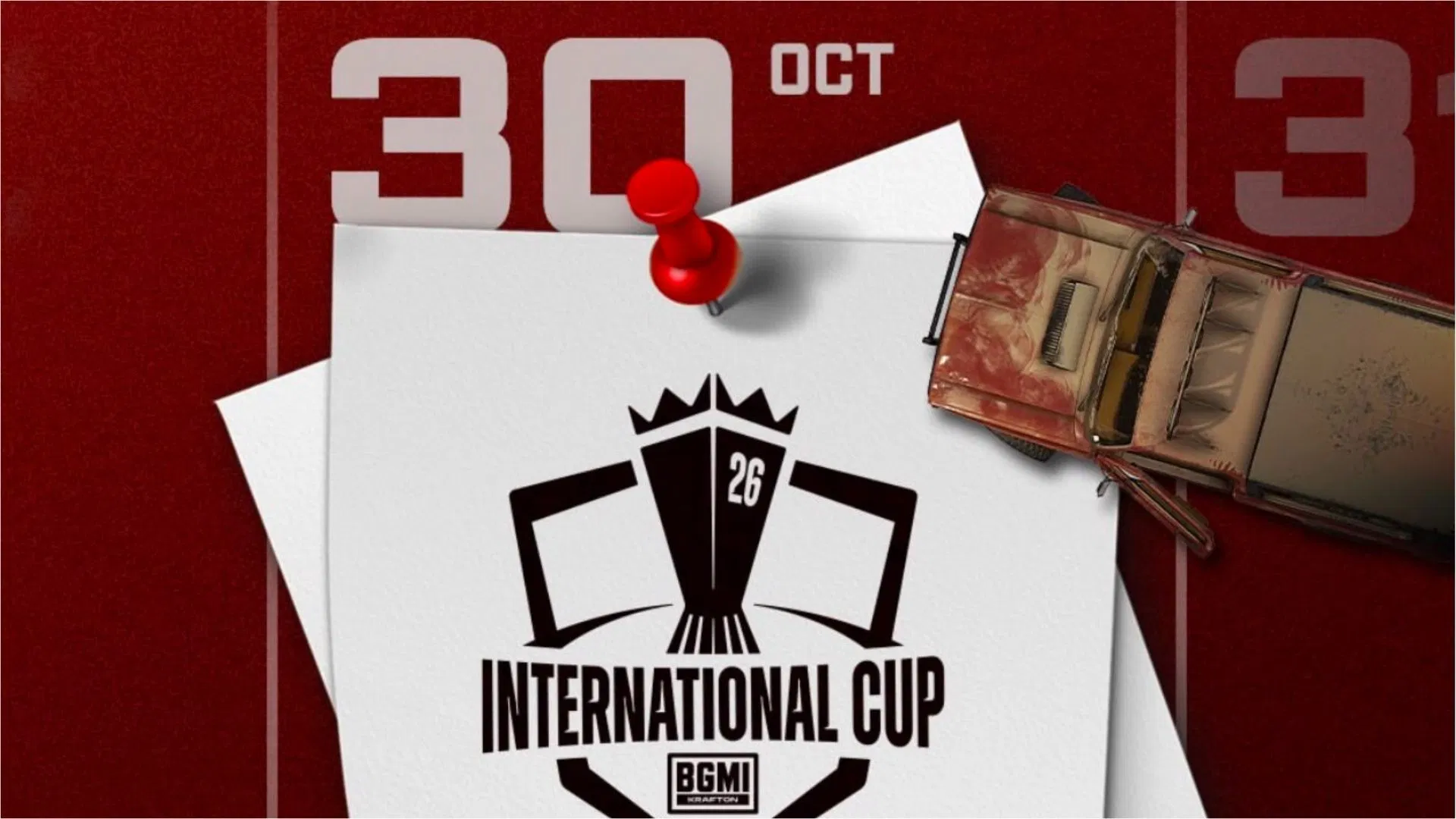
Gear up for some intense action brought by the best teams (Image via Instagram/@kraftonindiaesports)
The BGMI International Cup (BMIC) Season 2 Grand Finals will take place as a LAN event from October 30 to November 1, 2026, at the Dome, Sardar Vallabhbhai Patel (SVP) Indoor Stadium in Mumbai. In this tournament, 16 teams will compete for the championship.
There will be six teams from India, five each from South Korea and Japan. With some of the best squads from three regions set to clash, the tournament promises high-level competition as teams compete not only to be the winner but also to claim the INR 1 crore prize pool.
BGMI Showdown (BMSD)
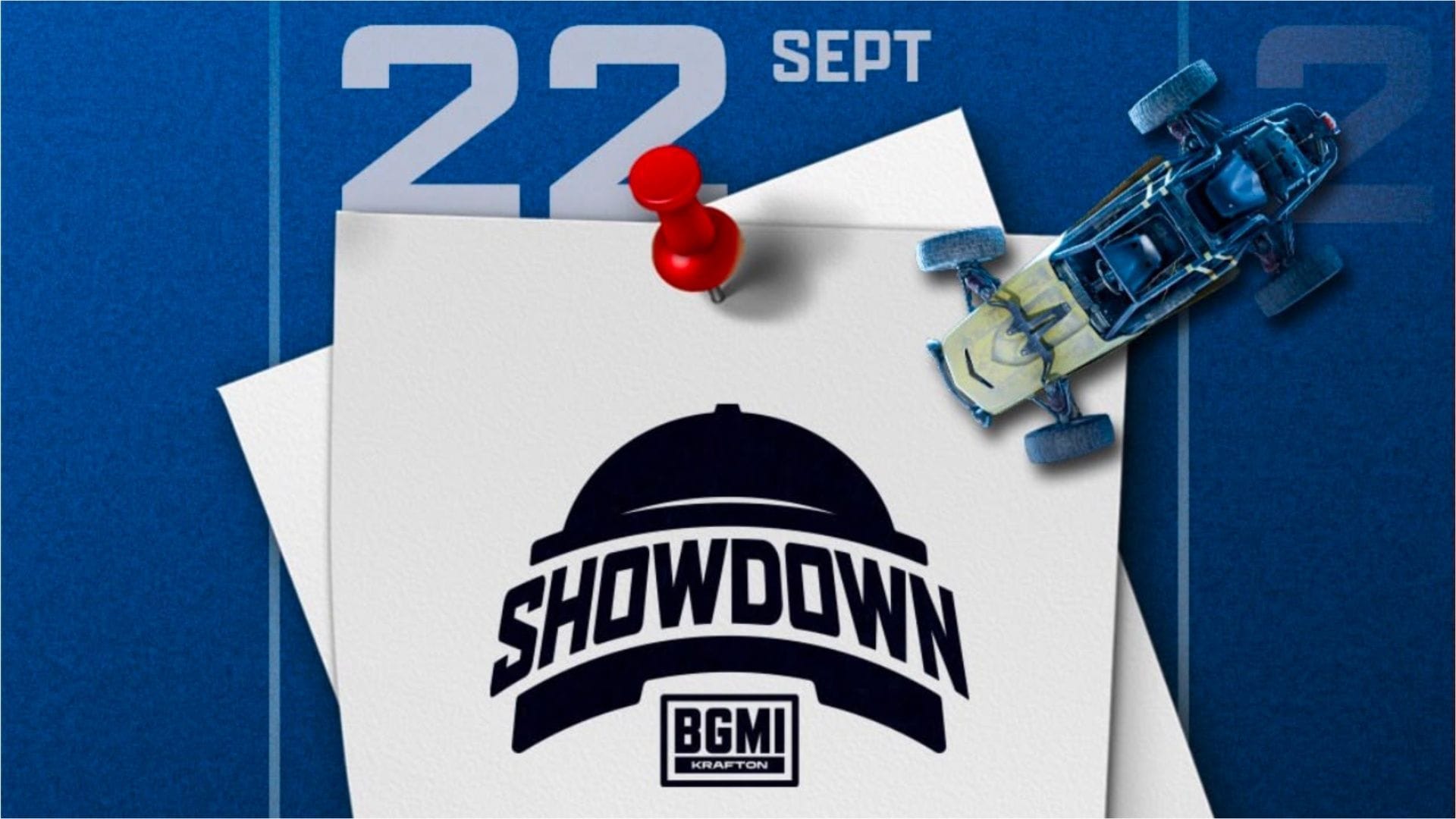
BMSD will begin on 22nd Sept (Image via Instagram/@kraftonindiaesports)
Unlike BMIC, BMSD is an invite-only domestic championship exclusively for the country’s top-performing BGMI teams. That means players cannot register for the tournament through an open qualification process. The competition will feature 48 invited teams, with invitations being determined based on a team’s performance across the following three parameters:
BMSD will begin on September 22, 2026, with teams progressing through multiple competitive stages before reaching the LAN Grand Finals. Below is the exact schedule:
Advertisement
Phase
Schedule
Week 1 (Promotion/Relegation)
September 22–24
Week 2 (Promotion/Relegation)
September 25–27
Week 3 (Promotion/Relegation)
September 28–30
Upper Bracket Survival
October 1–3
Lower Bracket Survival
October 4–6
Semi-Finals
October 8–11
Last Chance Stage
October 12–13
LAN Grand Finals
October 16–18
With BMIC and BMSD set to take center stage, the second half of KRAFTON India’s 2026 tournaments is shaping up to be one of the biggest competitive seasons in BGMI esports.
Check out more gaming news and guides on Sportskeeda
Why did you not like this content?
Advertisement
Was this article helpful?
Thank You for feedback
Are you stuck on today’s Wordle? Our Wordle Solver will help you find the answer.
Madrid was painted red and yellow on Monday as Spain returned home and embarked on an open-top bus parade to celebrate the country’s second-ever World Cup win with hundreds of thousands of fans lined up along the city’s streets.
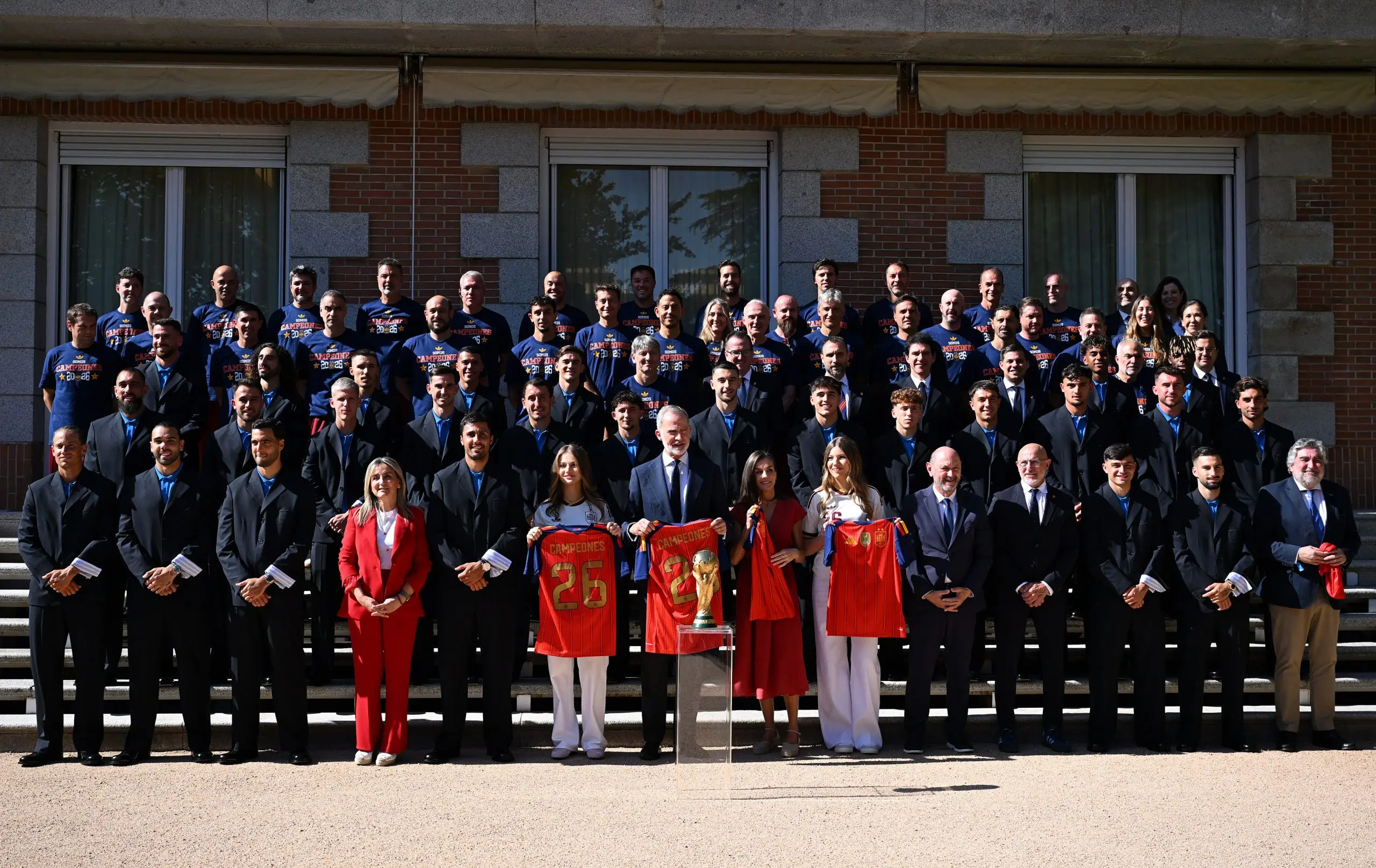
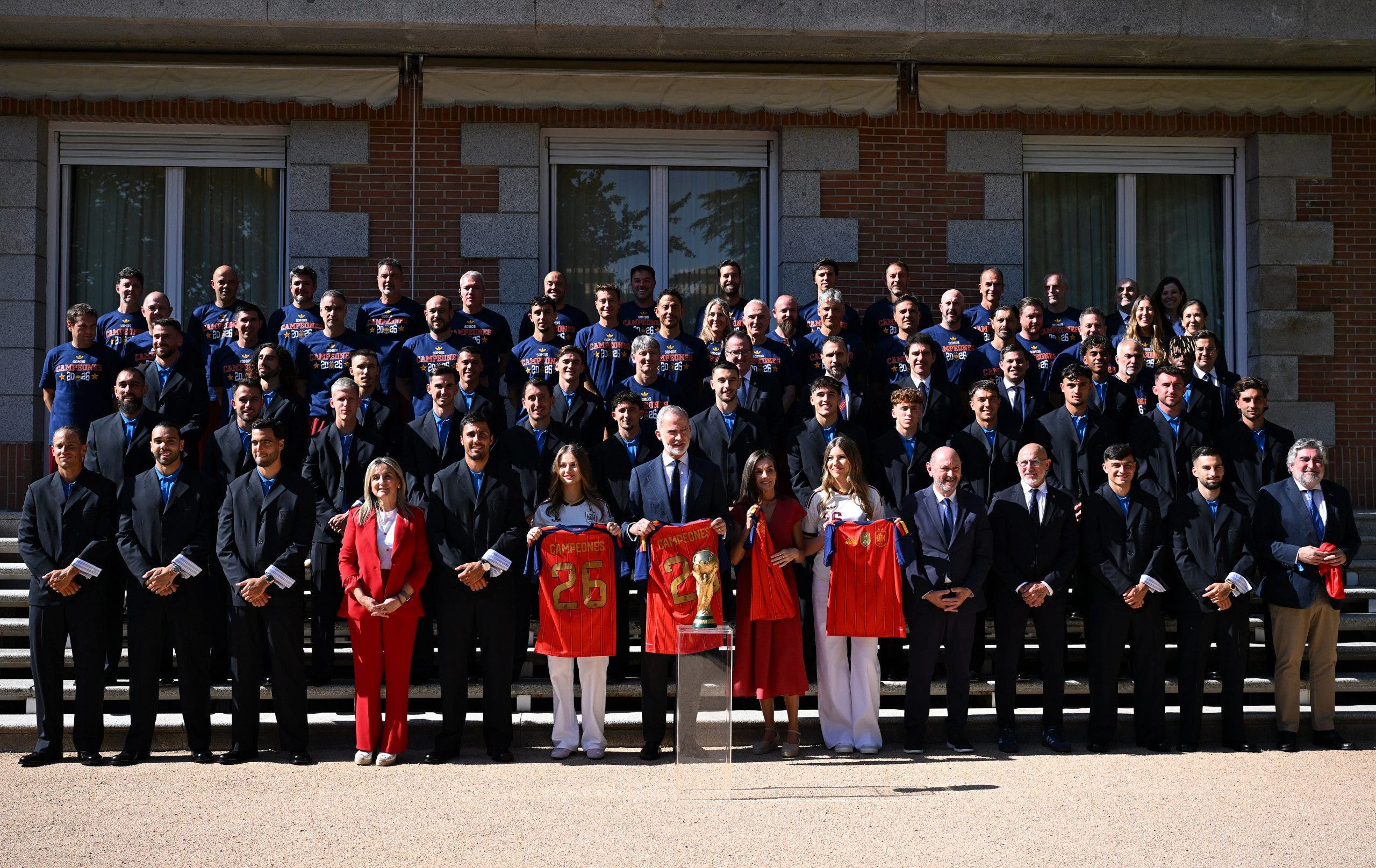
Manager Luis de la Fuente and his squad touched down in the Spanish capital early Monday afternoon. Before hitting the parade route, the team headed to Zarzuela Palace for a formal reception, where they were congratulated by Prime Minister Pedro Sánchez as well as Spanish royals Queen Letizia and King Felipe VI.
Before the parade, King Felipe VI, Queen Letizia, and Prime Minister Pedro Sánchez congratulated the World Champions at Zarzuela Palace. (Photo by Carlos Alvarez/Getty Images)
From there, the players boarded their open-air bus to navigate a sea of red and yellow, making their way toward the Plaza de Cibeles, where many supporters had been gathering at the iconic square since the early morning hours.
Advertisement
Many Spain fans celebrated well into Monday morning because the final was played across the Atlantic in East Rutherford, New Jersey, the final whistle blew just minutes before midnight local time in Spain.
Thousands of supporters lined Madrid’s historic avenues, cheering on the squad as the procession made its way toward Cibeles Square — the traditional epicenter for Spanish football celebrations.
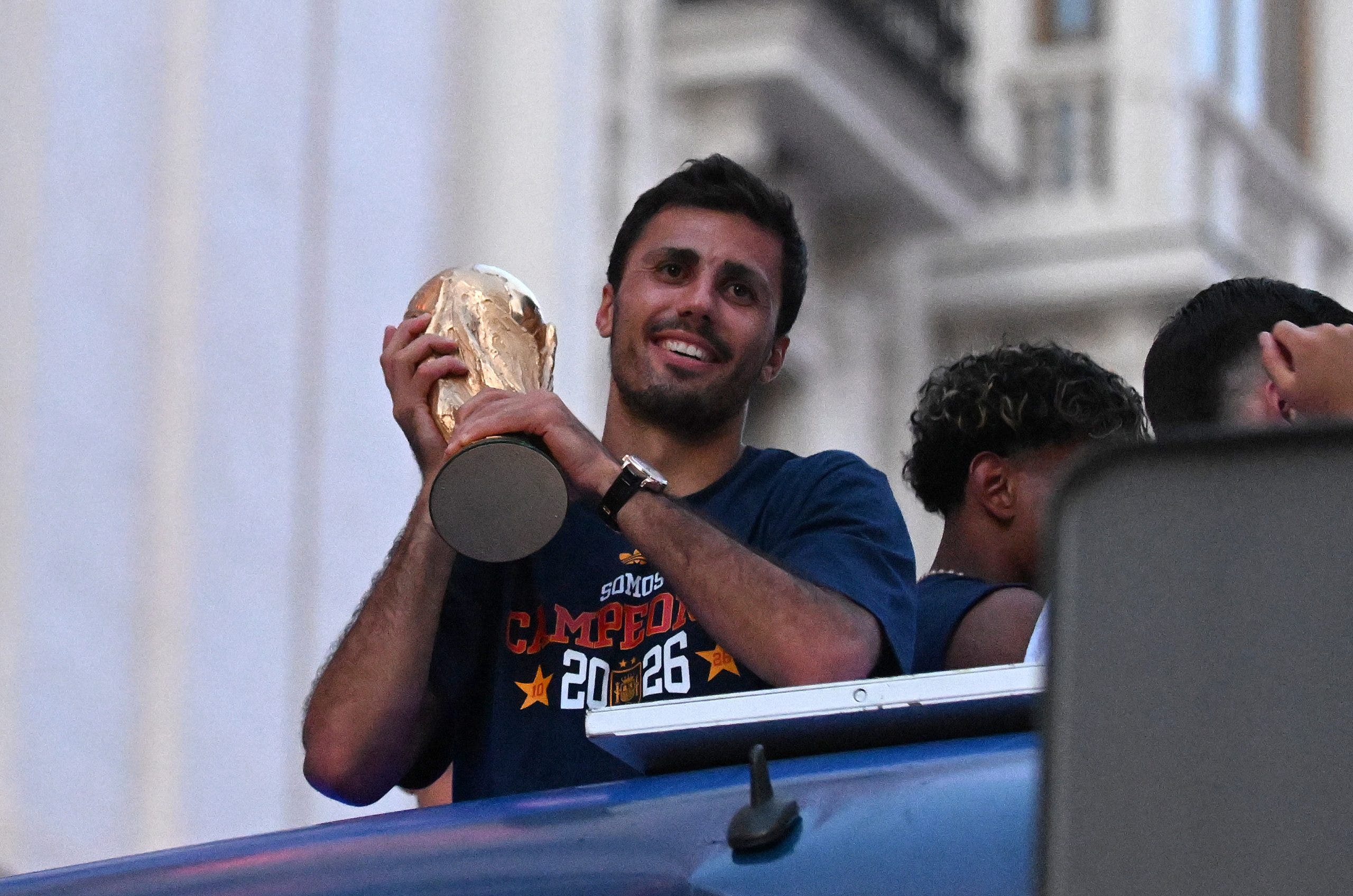
Marc Cucurella, who played every minute at left back for Spain during the World Cup, was spotted holding up the trophy and celebrating with fans on the parade route.
Advertisement
Once the team arrived to Plaza de Cibeles, Cucurella got on the mic and sang along to a viral chant using his last name that went viral in 2024.
The last time Spain was World Champions, Lamine Yamal was barely old enough to walk. Sixteen years later, the 19-year old Barcelona star was in the middle of the championship celebrations as a key contributor.
The forward spotted someone in the crowd holding a poster of Keyne, eventually got it passed to him and held it up on the bus for everyone to see.
Advertisement
Cucurella isn’t the only player on Spain that can sing on the mic, as Yamal was spotted singing along to Bad Bunny on the parade bus.
By the time the team arrived at Cibeles Square for the final ceremony, the energy was still high despite the night falling in Madrid.
Players were then introduced individually, with Spain’s captain and Golden Ball winner, Rodri, receiving one of the biggest ovations of the night.
The celebrations in Madrid signified the end to a 16-year championship drought for the country.
Advertisement
Spain’s captain, Rodri, recovered from a devastating knee injury in 2024 to lift the World Cup trophy and earn the Golden Ball two years later. (Photo By Jose Oliva/Europa Press via Getty Images)
After fully transitioning from veterans that defined previous eras to a roster led by teenage stars, all-around midfielders like Rodri and a stellar defense that only conceded once all tournament, Spain’s day in the capital marked the arrival of a new team at the top of international football.
A collection of Chris Waller’s top horses, spearheaded by the prominent mare Autumn Glow, kicked off their spring campaigns at Randwick on Monday morning.
Group 1-winning horses under Waller’s care dominated the first three trials, all run over 900 metres on the main racing circuit after Friday’s planned trials were postponed due to wet weather.
Autumn Glow finished third in the opening trial, trailing the impressive winner Napoleonic. Roughly ten minutes later, another star mare, Aeliana, claimed fourth place in a heat won by stablemate Barnavara.
These hit-outs occurred over a month before the horses are expected to return to racing. Autumn Glow is slated to resume in the $1 million Group 1 Winx Stakes (1400m) on August 22, and Waller indicated that the team’s preparation would become more intense in the ensuing weeks.
Advertisement
“The Winx Stakes is about five weeks away, so we’ve still got a long way to go,” Waller remarked. “They will only start to get tuned up after their second trial. It’s all about blowing the cobwebs out and making sure everything is good, keeping them mentally right, and being ahead of it.”
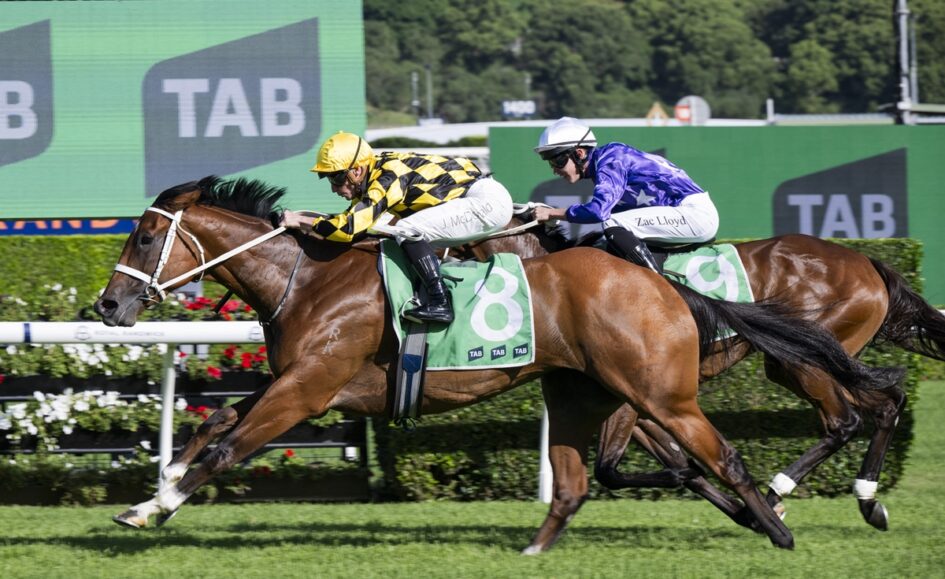
In her trial, Autumn Glow initially led before jockey James McDonald restrained her to settle second last, with only fellow stablemate Autumn Boy behind her. She remained in this position until the 200-metre mark, when she was encouraged by McDonald to improve, ultimately snatching third place on the line ahead of stablemate Lady Shenandoah.
McDonald also rode Aeliana, who coasted towards the finish line in her trial, with the field maintaining its order for most of the gallop. She finished 4-1/4 lengths behind Barnavara, whose only Australian start was a fourth in the Neville Sellwood Stakes (2000m) when ridden by McDonald.
Kerrin McEvoy was on board in Monday’s trial, but Waller noted that McDonald had been involved in Aeliana’s recent preparations, and his feedback had heightened expectations for the French Group 1 winner’s return.
Advertisement
“She has put on about thirty kilos, so she looks like an Australian horse,” Waller commented. “James is rapt. He says she feels like a completely different horse. That’s exciting.”
The Waller-trained Wootton Verni secured the runner-up position in Trial 2. The dual Oaks winner Ohope Wins was also competing in this heat and finished just behind Aeliana.
In the third trial, McDonald partnered the injury-plagued import Soulcombe, who finished with a strong surge to take third place, less than a length behind the winner, Screen Icon. Soulcombe has contended with tendon issues over the past two seasons and has not raced since finishing second to Without A Fight in the 2023 Melbourne Cup.
Chris Waller plans to unleash more of his star performers at Tuesday’s Warwick Farm trials. Angel Capital, Beiwacht, Campione D’Italia, and Fireball are scheduled to have their first trials of the current campaign in a 900m workout on the course proper.
Advertisement
Explore the latest online bookmakers and their offerings for upcoming races.













































You must be logged in to post a comment Login