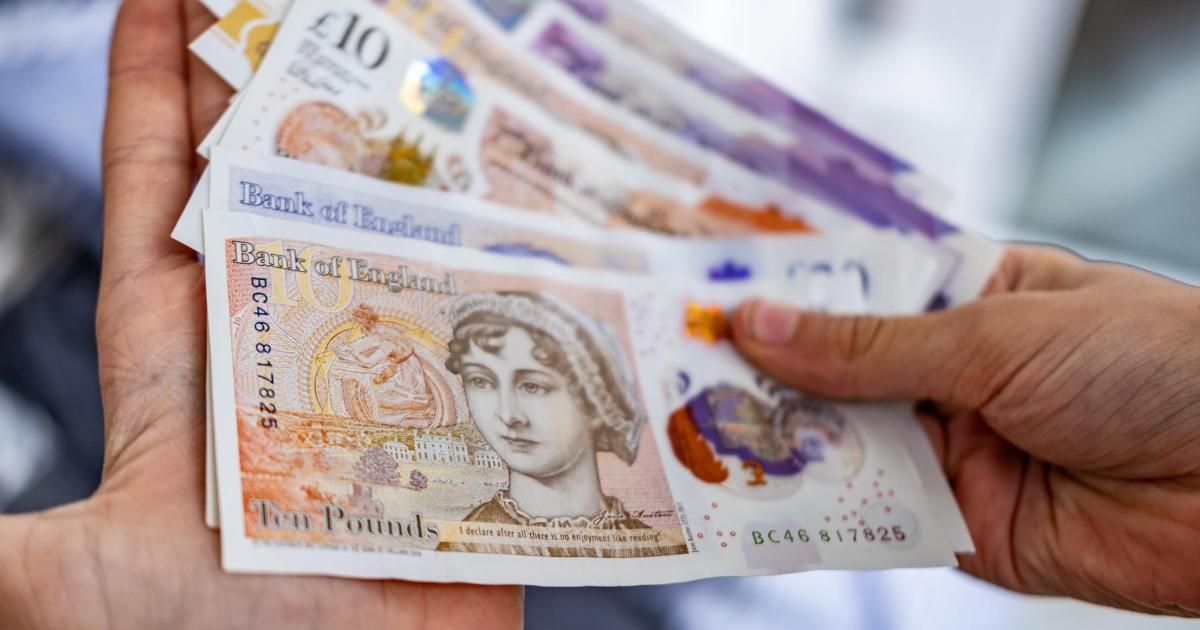
The latest findings from the Joseph Rowntree Foundation (JRF) suggest more families than ever are struggling to pay for basics including food, heating, toiletries and suitable clothing, even as inflation begins to ease.
The charity said the number of households unable to afford essential items has risen from 7.1 million a year ago to 7.4 million, the highest level since it began tracking the cost-of-living crisis in 2021.
One of the biggest shifts is that financial pressure is now reaching groups who have traditionally been less likely to struggle.
Advertisement
More than half (53%) of lower-income households not receiving means-tested benefits such as Universal Credit said they had gone without at least one essential in the past six months, up from 47% two years ago.
The research also found hardship has increased fastest among mortgage-free homeowners, pensioners, households without children and families without disabilities or long-term health conditions.
Despite the record figures, the report points to some encouraging signs that targeted support is helping.
JRF chief economist Chris Belfield said government measures to reduce energy bills, alongside falling wholesale gas prices, mean around half a million fewer households are unable to heat their homes than two years ago.
Advertisement
He said: “Government policy can work. We need greater intervention to control rental prices, make energy affordable and improve the adequacy of Universal Credit so everyone can afford the essentials.”
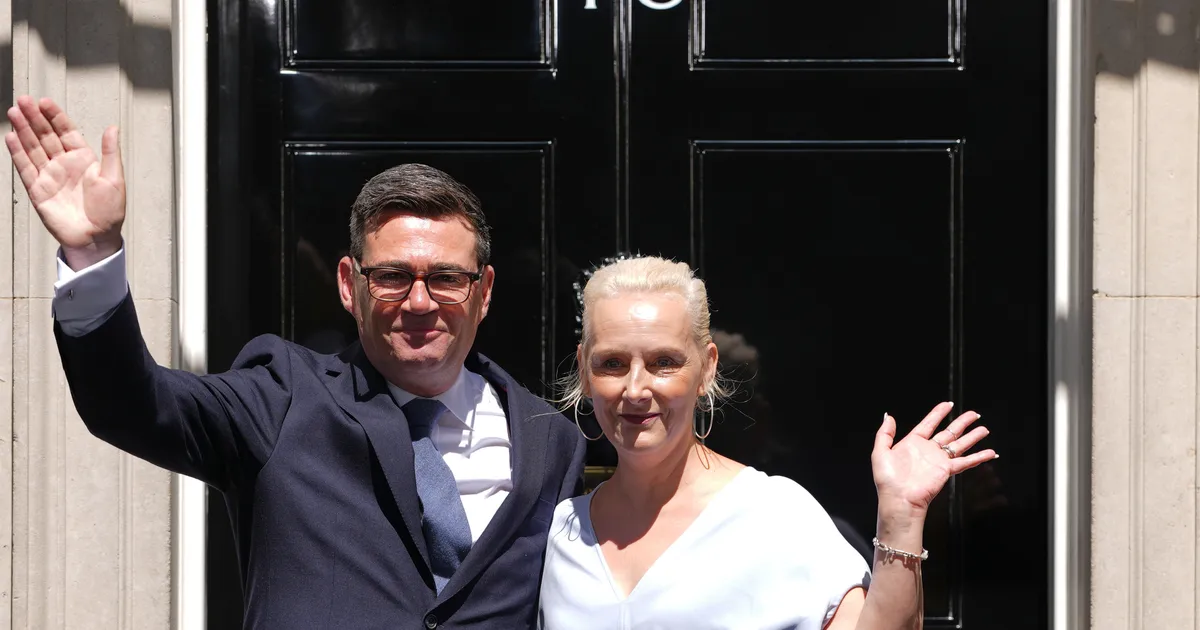
The figures come as Prime Minister Andy Burnham has made tackling the cost of living his first priority in Downing Street.
His Government has announced that VAT will be removed from electricity bills from October, saving the average household around £45 a year, alongside wider plans to ease financial pressures and “give people breathing space”.
Simon Francis, coordinator of the End Fuel Poverty Coalition, said: “Removing VAT from electricity bills is a positive statement of intent by the new administration.
Advertisement
“But it does not address the scale of what households are facing, with millions still left paying an unaffordable share of their income on energy and record levels of energy debt built up over successive winters of high bills.
Recommended reading
“The Prime Minister’s next move must be to go even further on bringing down the cost of energy and bringing in increased levels of targeted support for those who need it most: an enhanced Warm Home Discount, reformed Cold Weather Payments and an energy debt relief scheme.”
Although grocery price inflation has slowed, households are still spending around £156 more on food over a year than they were at the same time last year, underlining why many families continue to feel the squeeze despite signs that inflation is easing.
Advertisement
Have you seen the cost of your shopping and bills increase in the last year? Tell us in the comments below…
Nuclear experts and former officials in Israel – the US’s top ally in the Middle East – have voiced concern that the plan could ultimately lead to Saudi Arabia being able to develop a nuclear weapon – though other experts say that path would likely take decades and spark pushback from the international community.
Israeli Economy Minister Nir Barkat said his country “can manage it” if Saudi Arabia had nuclear power for peaceful means.
Israel itself is widely believed to have nuclear weapons, but it neither confirms nor denies that this is the case.
Rosemary Kelanic, the director of the Middle East programme at the US-based Defense Priorities think tank, said it would be “quite shocking” if the US were to allow Saudi Arabia uranium enrichment facilities.
Advertisement
“The US has never done that before. We have never helped another country enrich on their own soil,” she said, adding that this was because “if you can produce your own nuclear fuel, you become a much bigger risk” for building nuclear weapons.
The agreement will now be sent to the US Congress for review.
Some lawmakers on both sides of the political aisle are expected to oppose the deal, though Trump’s Republican Party controls both the upper and lower chambers and opponents of the deal do not appear to have the votes needed to block it.
US Secretary of State Marco Rubio rebuffed concerns that it could advance Saudi Arabia’s ability to develop nuclear arms.
Advertisement
“The US is not going to reach any agreement with any country in the world that leads to the risk of proliferation,” Rubio told reporters.
Several Democrats opposed to the deal pointed out that, during his time as a senator, Rubio had endorsed a law – the “No Nuclear Weapons for Saudi Arabia Act” – which required Congressional approval of any nuclear deal.
Massachusetts Democratic Senator Edward Markey condemned Rubio and Trump as “allowing Saudi Arabia, a belligerent and authoritarian nation, to develop nuclear weapons technologies while starting a war with Iran under the guise of preventing an Iranian nuclear bomb”, adding that their “hypocrisy is matched only by their recklessness”.
With influencers expressing worries that the tea may lower the body’s ability to process iron, some have raised concerns over the potential health risks versus its benefits.
So The Independent asked specialist dietitian and author of How Not To Eat Ultra Processed, Nichola Ludlam-Raine, and nutritionist of 17 years Sonal Jenkins for the facts and the myths.
Advertisement
What is matcha and what are its benefits?
The vibrant green drink is known for containing hundreds of different antioxidant compounds (Getty/iStock)
It is rich in antioxidants, particularly a group called catechins, which help protect cells from damage. The most potent catechin in matcha, EGCG (epigallocatechin gallate), has been studied for its potential role in reducing inflammation.
Because matcha powder is whisked directly into water or milk, rather than steeped and discarded like a regular teabag, drinkers consume the entire leaf, getting a much more concentrated dose of nutrients and antioxidants.
Advertisement
Does matcha reduce iron absorption?
So, does drinking matcha actually prevent iron absorption in the body? The short answer is yes, but whether this matters depends on the context.
According to Ms Ludlam-Raine, the concerns surrounding matcha stem from its rich profile of tannins, which are a group of bitter plant compounds also found in coffee, red wine, and dark chocolate.
“These tannins are what actually impact how iron is absorbed into the body,” Ms Ludlam-Raine explained.
Advertisement
When you drink matcha, tannins act like a magnet in your gut. They latch onto iron – specifically non-haem iron, which is found in plant foods like spinach, beans, and lentils – and bind it into a solid complex that your digestive tract cannot absorb.
Ms Ludlam-Raine said because matcha is made from whole tea leaves, its higher concentration of tannins means it can affect iron absorption much more than a standard tea or coffee.
But she said “for most people, the impacts of one matcha a day aren’t going to be that big”.
Matcha’s tannin-rich properties give the drink several health benefits (AFP/Getty)
Who actually needs to worry?
Ms Jenkins explained for anyone eating a balanced diet, their daily total iron intake easily overcomes the binding effect of a daily matcha. However, two specific groups should pay more attention.
Advertisement
The first group are vegans and vegetarians. Because plant-based eaters rely entirely on non-haem iron sources, heavy matcha consumption can potentially deplete iron stores over time.
The second group are people with low iron. If you are already struggling with maintaining your iron levels, or have been diagnosed with anaemia via a blood test, being mindful of things which can impact your body’s ability to process iron is especially important.
How to enjoy matcha without affecting your iron
Even if you are part of these groups, you don’t need to give up your favourite green drink entirely. Ms Ludlam-Raine shared a few simple tips that can make all the difference, such as spacing out matcha from your meals.
Advertisement
“If you’re deficient in iron, or have lower ferritin levels, try and avoid drinking matcha directly before, or right after plant-heavy meals,” she said. “Wait around at least an hour or two before or after eating.”
By waiting, the body has time to absorb the iron before matcha can have any impact on the binding process.
“The best time to have your matcha is in the mid-morning or afternoon, rather than after an iron-rich meal,” she added.
Vitamin C can help promote iron absorption in the body (Getty Images/iStockphoto)
Adding more vitamin C to your diet can also boost your non-haem iron absorption, explained Ms Jenkins, which can neutralise any effect matcha might have on your iron levels.
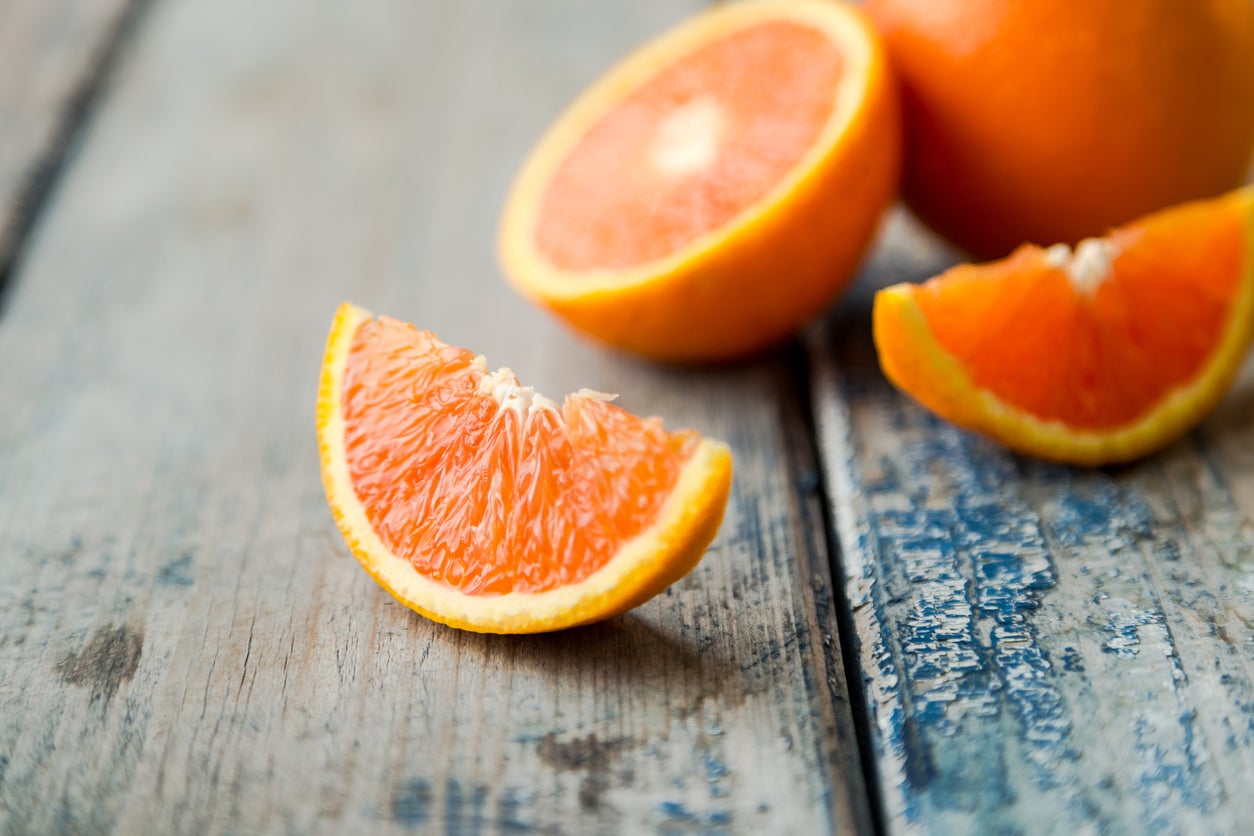
“Taking a supplement or eating a portion of food rich in vitamin C is an easy way to up your iron,” she added. “Bell peppers, goji berries, and citrus are all great sources of vitamin C, which can help if you’re struggling.”
Advertisement
Overall, it’s important to remember that matcha is not a “miracle drink”, Ms Ludlam-Raine said.
“It has some great benefits, and a few downsides, but that doesn’t mean you should avoid it either – just stick to one a day, and make sure you’re pairing it with a healthy, balanced lifestyle,” she concluded.
The thieves removed a fence panel to access the rear of the property and used patio furniture to block access.
Local neighbourhood officers are conducting extra patrols in the area in response to the incident.
A spokesperson for Greater Manchester Police said: “Officers are actively patrolling the area, but your vigilance is a powerful tool in preventing further crime.”
They also provided a list of safety tips to help prevent further incidents.
Advertisement
Police have issued a warning after multiple motorbikes were stolen in Astley (Image: Stock)
This includes ensuring all entry points are locked, using motion-activated lights, and making sure home alarm or CCTV systems are working properly.
The force also advised residents to keep valuables out of sight and to report any unusual activity, such as suspicious individuals or vehicles circling the area.
Residents who own similar vehicles were advised to consider installing ground anchors, chains, and heavy-duty locks.
Police also reminded residents of the importance of quick reporting, as it helps them respond faster and keep the community safe.
Advertisement
Anyone with information about the burglary, or who notices any suspicious activity, is urged to contact Crimestoppers on 0800 555 111.
The Parachute Regiment in Afghanistan 2001-2021 documents the experiences, achievements, and sacrifices of the regiment and all units that served with 16 Air Assault Brigade during the 20-year conflict.
Lieutenant General Andrew Harrison, former head of the Parachute Regiment, said: “The war in Afghanistan is seared into the individual and collective memory of a generation of Paratroopers.
“Time and time again our soldiers faced down a tenacious and determined enemy.
Advertisement
“It was a war fought in some of the most dangerous and difficult circumstances imaginable.
“Risk manifested itself under the feet of patrolling troops; the insidious threat from Improvised Explosive Devices was only ever one footstep away.”
The regiment first deployed to Kabul in late 2001 and played a key role in the evacuation of the Afghan capital in 2021.
During their early operations, the paratroopers helped deliver security and stability in Kabul before being redeployed to Helmand province, where they faced intense combat in some of the most hostile conditions of the conflict.
Advertisement
Their entry into Helmand marked a ‘baptism of fire,’ with soldiers engaged in direct combat with Taliban forces.
In addition to the paratroopers, airborne medics, gunners, and engineers played a crucial role in supporting the regiment throughout its deployments.
They served alongside the paras at strategic locations including Sangin, Musa Qaleh, Kajaki, Now Zad, and Lashkar Gah.
The regiment later led a major operation in Kabul and managed the airlift of thousands of British nationals during the 2021 evacuation.
Advertisement
Paratroopers from the North East, a major recruiting area for the regiment, are prominently featured in the book.
Over the course of 20 years of operational duty in Afghanistan, two soldiers serving with the regiment were awarded the Victoria Cross, the highest military decoration for valour.
One of these was Corporal Bryan James Budd, who lived in Ripon, North Yorkshire.
The full-colour, A4-format book serves as a lasting tribute to all who served and includes a detailed tribute to all those who made the ultimate sacrifice.
Advertisement
The Parachute Regiment in Afghanistan 2001-2021 also pays tribute to the families and communities who supported the serving soldiers throughout the conflict.
It is designed as a ‘coffee table’ edition.
All proceeds from sales will be donated to charity.
Copies can be purchased from high street bookshops or through DRA Publishing’s social media channels.
Spain’s meteorological agency AEMET has warned of “extraordinary danger” as it forecasts temperatures of up to 44C on Thursday, not far off the 47.6C record heat that hit the country five years ago.
Popular Spanish tourist spots, including the areas around Malaga, Valencia and Alicante, could see temperatures reach as high as 42C.
Italy and France have also been affected by the extreme weather, with wildfires in southwestern France forcing the evacuation of more than 10,000 people near Bordeaux.
Advertisement
Dramatic footage shared on social media shows huge blazes in popular destinations like Sicily and Sardinia, during the height of the summer holidays.
The latest surge in temperatures come after heatwaves in June led to a spike in deaths across Europe, with 14,000 more people dying than would normally have been expected at this time of year, according to the EuroMOMO mortality monitoring hub.
Spain plagued by dramatic wildfires amid intense heat
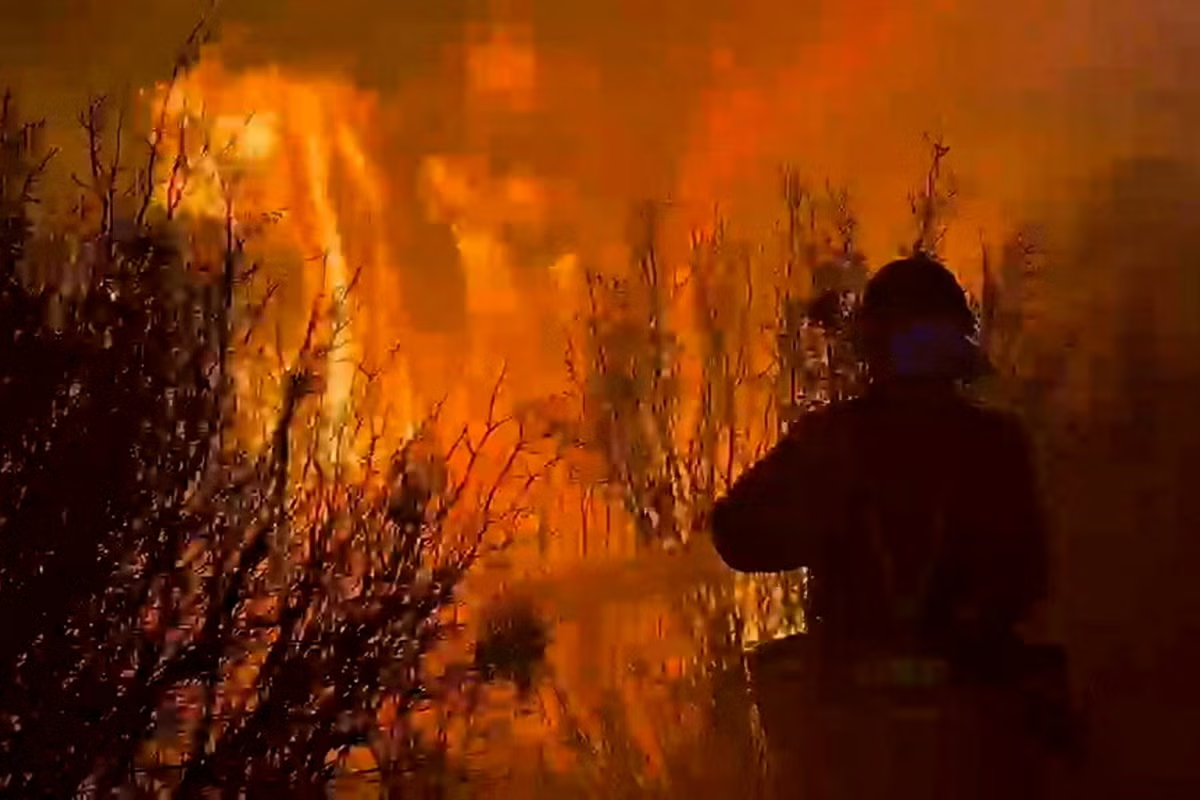
Spain has been plagued by wildfires during a period of dry weather and intense heat, with thousands evacuated.
In central Spain firefighters battled a wildfire on Wednesday that has burned over 32,000 hectares (79,000 acres) in one of the country’s largest blazes on record.
Advertisement
The fire in rural Guadalajara comes less than two weeks after a deadly blaze devastated a small expat community in southern Spain.
That small but extremely virulent fire killed 13 people, including several foreigners, in one of the southern European country’s deadliest wildfires.
Un árbol arde durante el incendio forestal de La Mierla en Albendiego, Guadalajara, España, el 21 de julio de 2026. (Reuters)
Spanish Prime Minister Pedro Sánchez on Wednesday visited the fire-ravaged area in Guadalajara, and called for a pact between political parties to fight climate change.
“Year after year we clearly see how climate change kills and destroys wealth in our communities,” Sánchez said in the village of Tamajón, located less than two hours by car northeast of Madrid.
“This isn’t politics. It is science, it’s about facts.”
Advertisement
Some 34 villages have been evacuated in the area but there are no reported serious injuries or deaths.
Alex Croft23 July 2026 09:51
Mapped: Spain braces for heatwave as tourist hotspots warned over record-breaking weather
Spain is set to face its third brutal heatwave of an already record-breaking summer, with temperatures expected to hit highs of up to 44C.
Advertisement
The country’s meteorological agency AEMET warned the heatwave is expected to last all week, with temperatures approaching Spain’s all-time record of 47.6C five years ago.
Areas most severely affected will include much of the southeastern interior of the country, pushing wildfire dangers to extreme levels.
A new DNA study has completely upturned a long-held assumption that people buried together in Scandinavia’s Viking-age graves must be related to each other.
Across the region there are many examples of graves from the late Viking and Middle Age in which an adult and a child are laid side by side. For generations, archaeologists reasoned such burials were evidence of a parent and child laid to rest together.
But a new analysis of human DNA from the ruins of an ancient Scandinavian church shows that this familiar picture may often be wrong.
The analysis of genetic material from 142 people revealed that close relatives rarely shared the same grave. The analysis included DNA of some 60 children and adolescents whose remains were found in shared graves at Västerhus in Jämtland, Sigtuna near Stockholm, and Fjälkinge in Skåne.
Advertisement
Researchers concluded that joint burial was likely driven by factors other than familial relationships, such as religious customs, social connections, community membership or circumstances surrounding death.
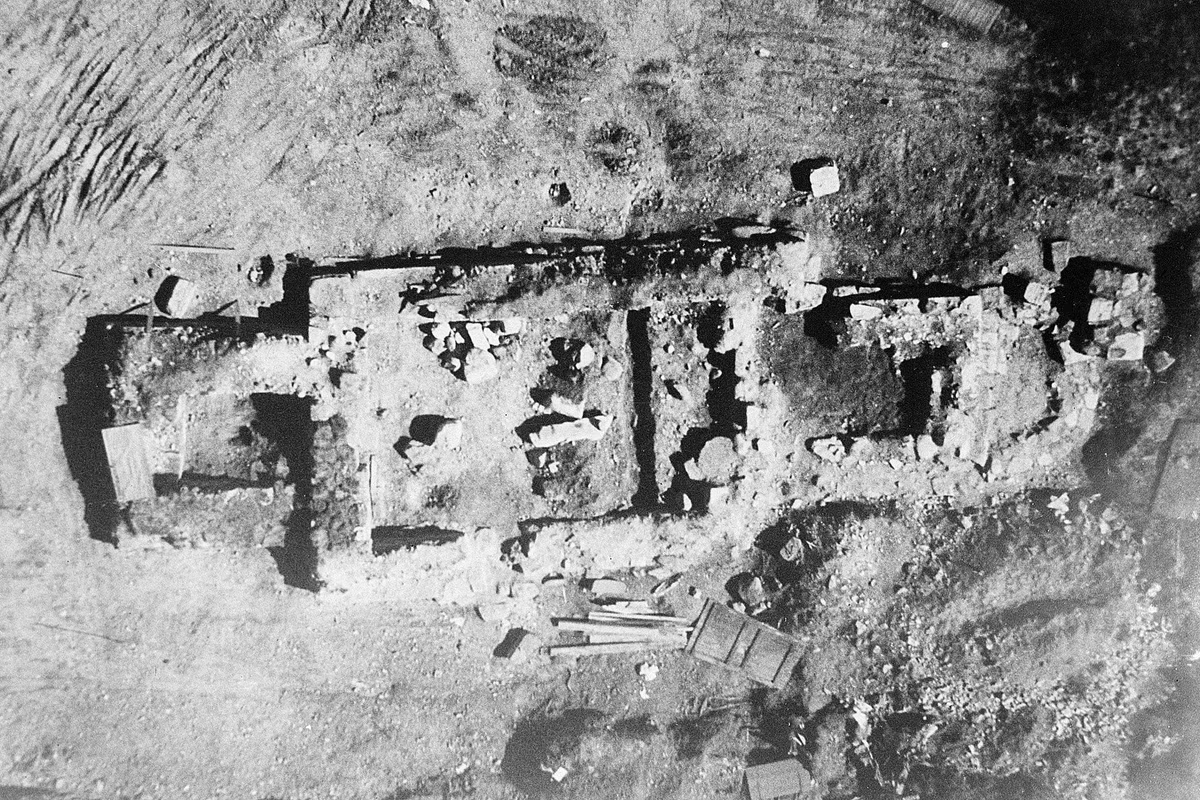
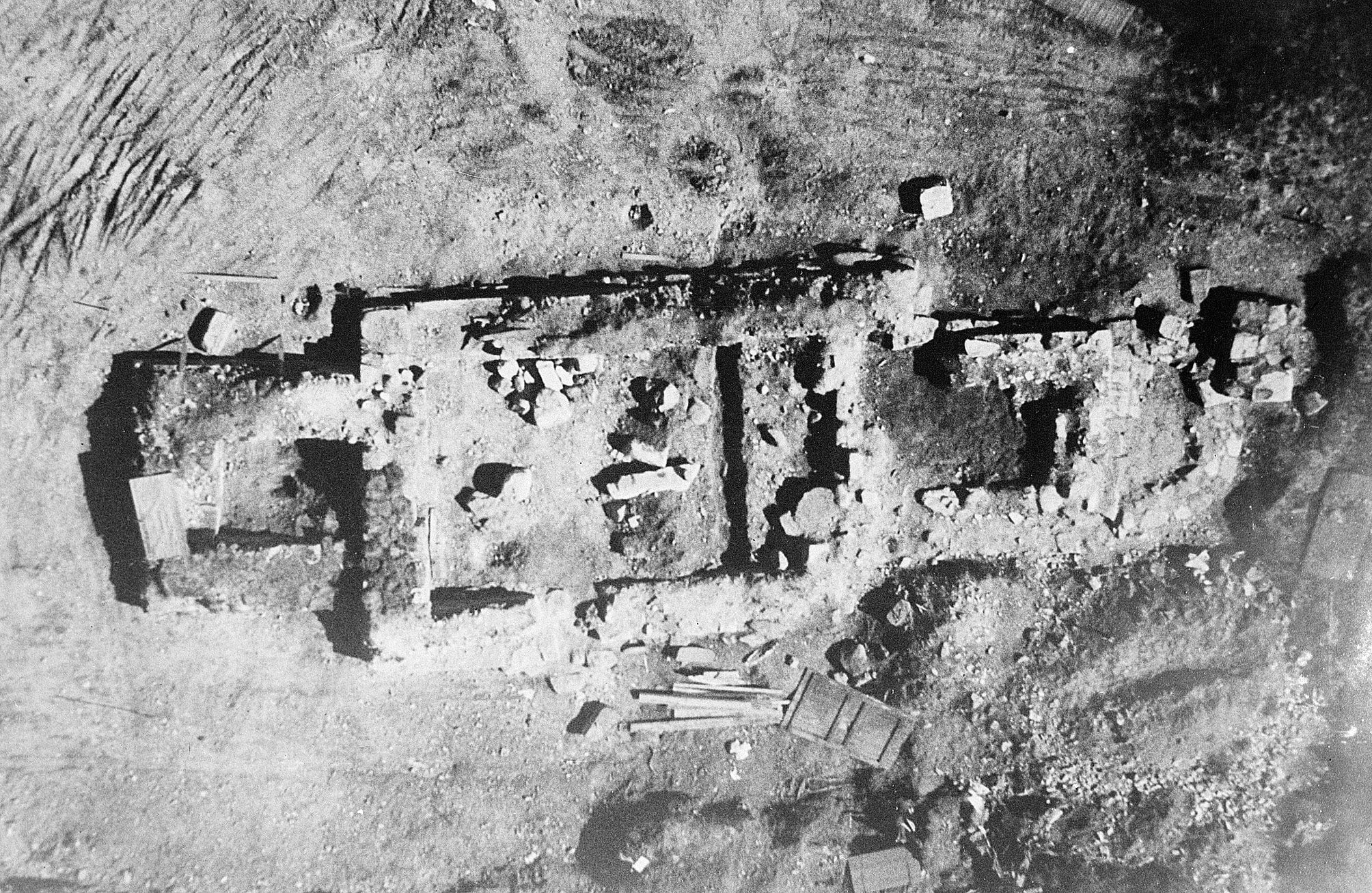
The Västerhus church ruin (Riksantikvarieämbetets arkiv)
“We often assumed that adults and children sharing a grave were parents and children or other close family members. In most cases, that was not what we found,” Maja Krzewińska, an author of the study published in the journal Science Advances, said.
“Archaeologists have debated the relationships between people buried together in this type of grave for a long time,” Anna Kjellström, another author of the study, said. “Ancient DNA has finally given us the tool we have been waiting for to test these interpretations directly.”
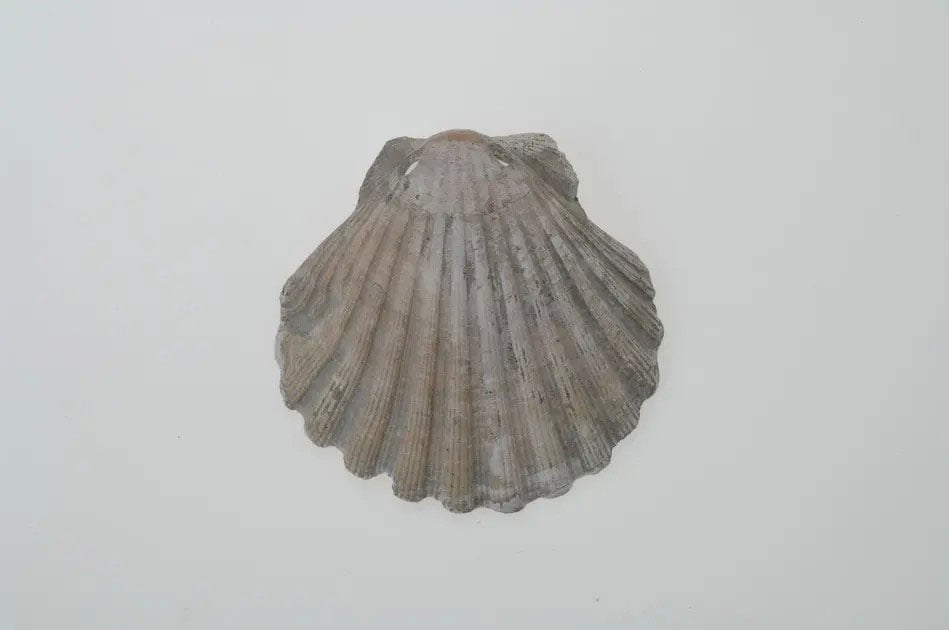
A pilgrim shell found at the Västerhus cemetery (Christer Åhlin/Historiska Museet)
The study also revealed that boys and girls were commonly treated according to the same cemetery practices as men and women.
Men and women were generally placed on separate sides of the churchyard. Boys were buried on the male side and girls according to the pattern established for women.
This suggests that these communities in Västerhus recognised gender distinctions early in childhood rather than placing all young people into a separate social category.
Advertisement
“The children weren’t treated as a separate category,” Anders Götherström, a study co-author from Stockholm University, said. “In death, they appear to have been treated according to the same social and religious principles as adult men and women.”
Forensic facial reconstruction of one of the key Västerhus individuals analysed in the study (Oscar Nilsson/Stockholm University)
One woman buried at Västerhus stood out for her genetic connection to several other people in the churchyard, allowing researchers to reconstruct part of her family that lived centuries ago.
Archaeologists found a scallop shell in her grave, an unusual object in a medieval Scandinavian burial. The shell was a symbol of pilgrimage to Santiago de Compostela in northwestern Spain.
This woman, identified as Lady 56, likely performed one of medieval Europe’s most important religious pilgrimages that required her to travel thousands of miles before returning to Scandinavia, researchers said.
The 78-year-old Reform UK spokeswoman and former Tory minister was found dead at her home earlier this month
Ted Hennessey and Kirstie McCrum Deputy Head of News, Live News Network
09:22, 23 Jul 2026Updated 09:22, 23 Jul 2026
A public memorial for Ann Widdecombe will be held later this year, her family has said. The 78-year-old Reform UK spokeswoman and former Tory minister was found dead at her home in Haytor on Dartmoor, Devon, on July 9 with serious head injuries.
Joshua Kerry, 28, from Rotherham, South Yorkshire, appeared in court on Tuesday charged with her murder.
In a statement, Miss Widdecombe’s family said: “We understand that there is significant public interest in the funeral of Ann Widdecombe. A private service for family and close friends will be held in the coming weeks, and invitations for this ceremony have been distributed.
Advertisement
“A more public memorial will follow later in the year, the details of which will be released in due course. While we are very grateful for the wide expression of condolences, the family would ask that this initial service is limited to those closest to Ann.”
Prosecutors say that on July 8, Miss Widdecombe had been eating lunch when Kerry allegedly pulled up outside the front of her bungalow in a red Vauxhall Corsa and entered through the front door. Kerry then allegedly used a hammer to hit Miss Widdecombe on the top of her head 21 times, the Old Bailey heard on Tuesday.
A provisional cause of death was given as a blunt force injury to the head, the court heard. Detectives are still investigating any possible political or terrorist motivation.
Miss Widdecombe was first elected as a Conservative MP in Kent in 1987, was a prisons minister in the 1990s and later became an MEP for the Brexit Party. At the time of her death she was a spokeswoman on immigration and justice for Reform UK.
Advertisement
She also found fame outside politics on Strictly Come Dancing and Celebrity Big Brother.
Want to see more of the stories you love from Belfast Live? Making us your preferred source on Google means you’ll get more of our exclusives… To add Belfast Live as a preferred source, simply click here.
Kate Ferdinand captured the moment Rio returned home having spent six weeks in America for the 2026 Fifa World Cup
Kate Ferdinand has melted the hearts of her followers as she took to social media with a video that captured the moment her husband, Rio, was reunited with their children after weeks apart.
Advertisement
The couple married in 2019 and share two children together, Cree and Shea. Rio also has children, Lorenz, Tate and Tia, from his previous marriage to Rebecca Ellison, who tragically died in 2015 from breast cancer.
Kate and Rio relocated with their family to Dubai last year, but in recent weeks, former Manchester United legend Rio has been busy working out in America during the 2026 Fifa World Cup.
During his time away, former TOWIE star Kate took to social media with a series of family snaps, alongside which she admitted: “Daddy’s been gone for 4 weeks, mummy’s trying to hold it together (sic)” She then added at the time: “Nearly 4 weeks down, just over 2 to go! (sic)”
But following the end of the football tournament last weekend, Kate has shared the moment pundit and presenter Rio returned home. It showed their two young children running and leaping into Rio’s arms, before teenager Tia also arrived to welcome her dad home, with the family sharing a group hug.
Advertisement
“‘I’ve got my dad here’ [face holding back tears emoji]. A very long 6 weeks without our @rioferdy5, we’ve all missed him so much. Couldn’t be happier to have him home,” Kate captioned the post before the comments came flooding in.
@jacqueline_mae_edwards_ said: “So lovely.” @jennifer_r_perry commented: “This is so lovely.” @nikkiikkkane68 wrote: “Awwwww, that’s sooo lovely. Happy reunion.” @hannahsmith1405 replied: “You’re incredible! Enjoy family time.” @ali.boo added: “So heartfelt. Such a beautiful family.”
Kate has been open about her journey as a step-mum, and she and Rio also released an intimate and powerful documentary with the BBC in 2020, Rio and Kate: Becoming A Stepfamily. It was in 2022 that Kate launched her podcast, Blended, which she said at the time was “all about the highs and lows of blended life”.
Advertisement
Earlier this month, Kate, 35, was seen asking stepson Tate, who recently turned 18, questions about how he felt as a child when she was brought into the family, with him admitting that he felt she was “a problem” in their lives and at first would only tell people she was his auntie.
Andy Burnham’s approval rating is already higher than his predecessor Keir Starmer’s ever was, less than one week into the job.
The new prime minister has a net approval rating of +13, according to research agency More in Common, having enjoyed a significant boost since he got the top job on Monday.
At the end of June, the Makerfield MP and PM-in-waiting’s rating was on +5.
More in Common put Starmer’s rating during his first three weeks in the job at +11, before it took a sharp downward turn.
Advertisement
Less than two months after his landslide win in the July 2024 general election, the ex-PM’s approval rating had sunk to -8 – and never recovered.
Starmer’s rating continued on a downward trend throughout his premiership, falling to -38 by October 2024 and hitting its lowest point of -51 by November 2025.
It was -42 by the time he officially handed the keys over to Burnham this week.
The new prime minister is now the most popular party leader, comfortably beating the Tories’ Kemi Badenoch who sits on +3 and the Lib Dems’ Ed Davey on -5.
Labour has also wiped out Reform UK’s lead in the polls as its support has increased by eight points in a month.
Research from DeltaPoll put both parties on 28%, ahead of the Tories who languish behind on 18%.
It’s a significant change compared to a month ago when Labour were on just 20%, fully 8 points behind Farage’s party.
While the Labour leadership has passed from Starmer to Burnham in that time, Farage has also faced growing scrutiny over his finances – particularly the £5 million gift he received from a crypto billionaire which he failed to declare to parliament.
Advertisement
He is now fighting a by-election which he triggered in his Clacton constituency, meaning a parliamentary probe into the £5m lump sum has been paused.
Listen to Commons People, the podcast that makes politics easy. Every week, Kevin Schofield and Kate Nicholson unpack the week’s biggest stories to keep you informed. Join us for straightforward analysis of what’s going on at Westminster.
Along the way, he survives life-threatening conditions and encounters a range of weird and wonderful characters, among them a cyclops who he and his crew must outsmart to save their own lives.
Advertisement
It’s this part of Homer’s original epic poem, on which Nolan’s The Odyssey is based, that the “joke” in question occurs.
The source material depicts Odysseus introducing himself to the cyclops as “Nobody” (or “Outis” in Ancient Greek).
When the central hero shoots the cyclops in its eye, the commotion draws the attention of other creatures, who ask their compadre who has put them in danger.
The comedian explained that he’d attended a screening of The Odyssey with “someone who has actually studied those texts in Greek” and “to be frank, would probably be a pain in the ass to watch The Odyssey with”.
Stewart then pointed out that his colleague “loved it” but did have “one note”.
“OK, it’s a little late…” Nolan quipped, to which the presenter continued: “Apparently, there is a joke that Odysseus makes with the cyclops. He was very upset that that was not in the movie.”
Advertisement
“I understand,” Nolan conceded, before adding: “It’s a pun. Puns in translation are tough… I tried. It was not possible to work it in.”
Later in the interview, the director said that his experience directing The Dark Knight trilogy prepared him for adapting a pre-existing property that people already have their own opinions and preconceived notions about.
He recalled: “When you take on the character of Batman as we did in the Dark Knight trilogy, you are dealing with, at that time, 75 years of history with a beloved character who’d been worked on by these incredible writers and artists.
Advertisement
“What we learned in that experience is that if we made the best film we possibly could, if we put as strong an interpretation on the character as we could, the fans felt the respect and the love for the source material, even if we weren’t doing exactly what they would have done.
“That was what was important, to be respect the material. And I think the same very much applies to Homer.”
The cyclops as depicted by Christopher Nolan’s The Odyssey






















































You must be logged in to post a comment Login