Police in the German capital say they are searching for suspects following the ‘mass casualty incident’
22:57, 25 Jul 2026Updated 22:58, 25 Jul 2026
An LGBTQ+ pride parade in Berlin has been cancelled after several people were injured when it is believed a vehicle ploughed into a crowd.
The city’s pride parade, known in Germany as Christopher Street Day, was halted just hours after it had begun.
German police called on everyone in a post on X to leave the premises of the event immediately.
Advertisement
Click here to get the biggest stories straight to your inbox in our Daily Newsletter
An Instagram post from organisers instructed revelers to leave the area ‘calmly and in an orderly manner..’
Police said it was believed vehicle had driven into the Tiergarten park, near the route of the pride march, hitting several people.
A post on X by Berlin Police said: “We are currently deployed with numerous police forces as well as rescue units from the Berlin Fire Department in the Großer Tiergarten.
“It is presumed that a vehicle has driven into the Tiergarten here, has struck and injured several people. The injured are currently being treated by rescue personnel. We are conducting an intensive manhunt for suspects.”
German news outlet Bild reports that a mass casualty incident had been declared after a van drove into crowds ‘at high speed.’
The paper cited eyewitness reports of a man getting out of the vehicle and fleeing on foot.
Advertisement
Hundreds of thousands of people had come to the German capital for the event, which is one of Europe’s largest LGBTQ+ celebrations.
The informal role of prison philosopher is taken up by incarcerated people across the world. With time on their hands and a proximity to other people, systems of control and narratives of morality, people in prison are well positioned to practice philosophy.
This is the terrain that Dennis Kelly’s six-part BBC television drama Waiting for the Out, released earlier this year, covered. The series is an adaptation of Andy West’s memoir The Life Inside (2022), which shares his experiences of teaching philosophy in prison contexts and unfolds his own proximity to criminalisation through his father, uncle and brother, who all spent time in prison.
Michel Foucault in 1970. Jerry Bauer/Pantheon Books
We are theatre-makers who regularly co-create work with people living or working inside our criminal justice system. Saul with arts organisation Rideout Creative Arts for Rehabilitation and Sarah as a researcher and practitioner based at Royal Central School of Speech and Drama. Our latest collaboration explores the resonances and utility of French philosopher Michel Foucault’s influential 1975 work Discipline and Punish today.
Advertisement
Foucault’s book, which is core reading on most social sciences undergraduate curriculums, argues that since the late 18th century, punishment has morphed into discipline, a more diffuse form of surveillance and social control.
We were keen to investigate whether the book held meaning for people with lived experience of our criminal legal system today and understand what new insights they, in turn, might bring to Foucault’s work. We also drew inspiration from more contemporary writing, most fruitfully Henrique Carvalho and Anastasia Chamberlen’s nuanced interrogation of contemporary practices of punishment, Questioning Punishment (2023).
In spring of 2025, across ten initial drama workshops, we collaborated with members of Expert Citizens, an organisation led by and for people with lived experience of multiple disadvantage. We collectively explored power, punishing institutions and surveillance.
Advertisement
We went on to create an ensemble comprised of four Expert Citizens members and six theatre-makers. They shared creative, lived and theoretical knowledge with one another across a four-week intensive devising and rehearsal period.
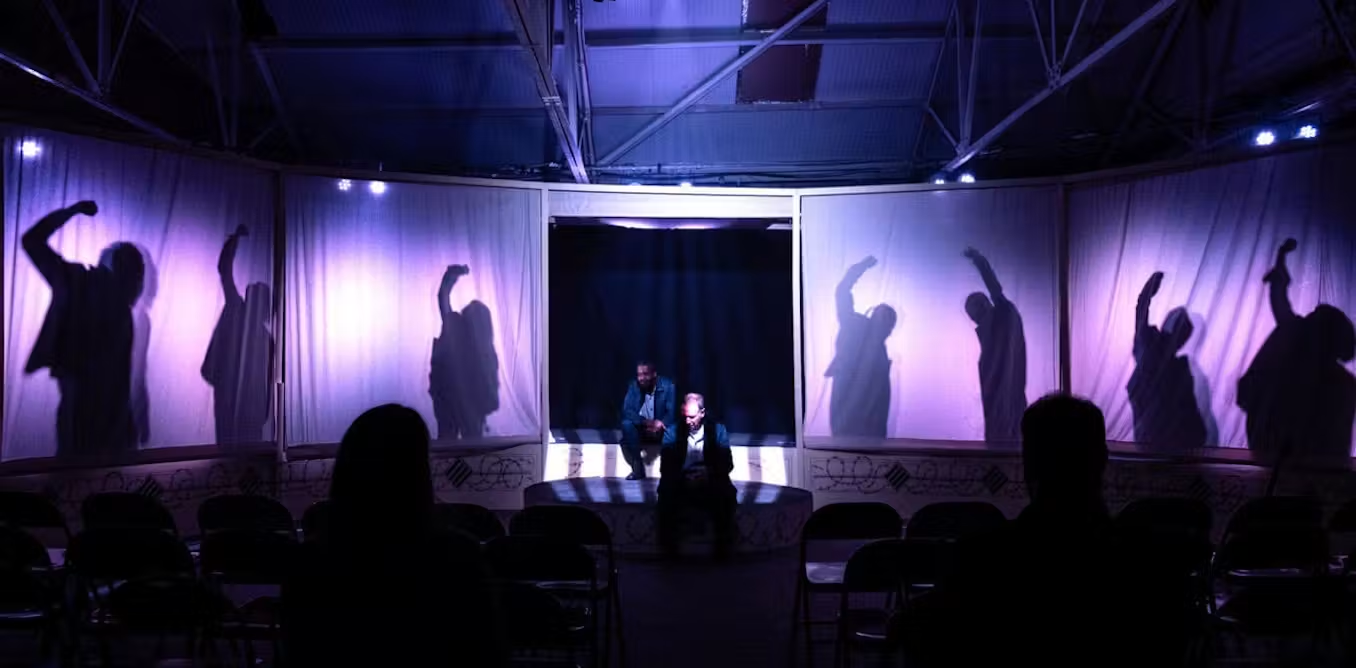
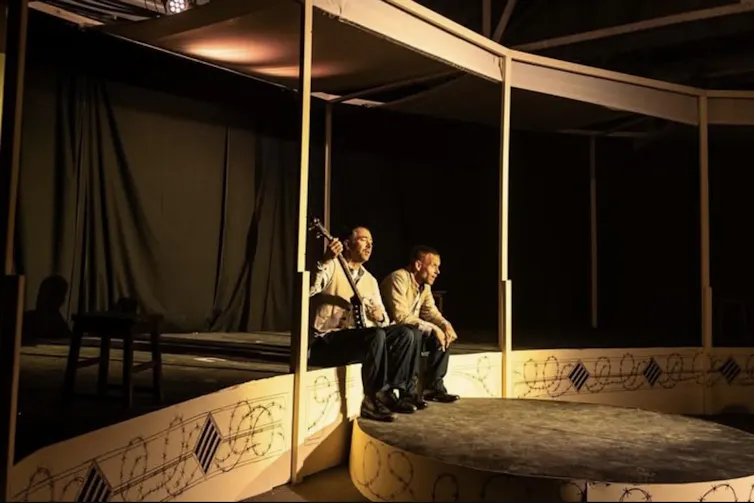
Ultimately the ensemble created Punishment Acts: Tales of Retribution, Reparation and Redemption, an 80-minute production that was staged over seven nights at the B Arts theatre in Stoke on Trent.
Punishment Acts: Tales of Retribution, Reparation and Redemption.
Set in a prison cell late at night, between restless sleep and wakefulness, the cell’s occupants traverse different histories and spaces of punishment. Through a collage of puppetry, fable and movement, the show asked audiences to reflect on beliefs about punishment and consider whether there are other ways to achieve justice.
Advertisement
Punishment Acts sits in a landscape of theatre work that is increasingly interested in opening up conversations with audiences about what we want our justice system to look and feel like.
James Graham’s 2025 play Punch drew on Jacob Dunne’s memoir, Right from Wrong. Dunne’s book documents his conviction of manslaughter and the restorative justice process that brought him together with the parents of James Hodgkinson, the man he killed, so all three could begin to rebuild their lives. Punch staged the possibilities and processes of restorative justice as an alternative framework for responding to harm for a wider audience, initially at Nottingham Playhouse and then on to the West End and Broadway.
Synergy Theatre Company’s recent production of Evan Placey’s Lifers, meanwhile, invited audiences to consider how we respond to the ageing prison population and the broader harsh and dehumanising conditions of imprisonment in Britain. Bringing audiences attention to our rapidly shifting prison population and inviting them to ask what that might mean for the architecture, staffing and conditions within our prisons evidences the capacity of theatre to hold space for nuanced and humane reflections on justice.
Actors on stage in Punishment Acts: Tales of Retribution, Reparation and Redemption. Natalie Willatt
Meanwhile Lung theatre company are currently touring Woodhill, a beautifully choreographed documentary piece that stages the acute failings at HMP Woodhill which led to catastrophic failures in care of the men held there. Chris Carpenter, Stephen Farrar and Kevin Scarlett were all held at the prison and each found dead in their cells between 2013 and 2018. Built on 70 interviews, the performance is a searing indictment of our failing prison system.
Theatre has long been a practice that invites audiences to (re)examine our relationship to the criminal justice system. What was distinctive about Punishment Acts is the explicit integration of philosophy, lived experience and community performance.
Advertisement
The importance of lived experience
Foucault’s ideas became less abstract through the ways our mixed cast could engage with and expand them in relation to contemporary prisons, probation and support services in Britain.
Punishment Acts was not autobiographical and used a fictional frame to enable some distance between cast members’ own stories and the characters in the play. But as one of the Expert Citizens mentors noted, the character they came up with embodied the frustrations they’d experienced in their own journey.
This was integral to the project and underscored how lived experience groups reanimate and offer useful perspectives on philosophy rather than the learning only going one way.
Advertisement
A scene from Punishment Acts: Tales of Retribution, Reparation and Redemption that has subsequently been used in training for professionals working in housing.
For example, the ensemble devised a scene in a hostel that blended Foucault’s discussion of how institutions organise space and time to enact control with their own experiences of punitive treatment in hostels.
In the play, the character of Melissa arrives at an Approved Premises looking for support, but is met with a long list of rigid and increasingly punitive rules from the use of the washing machine to the working hours of the communal kettle. The list is in fact so long it makes Melissa late for a probation appointment. When Melissa eventually meets her probation officer, an under resourced and overworked figure, another set of rules is deployed in lieu of support. Ultimately, her infringement of lateness lands her back in prison, back into the same cycle.
Melissa’s journey drew on Foucault’s proposal that punishment expands far beyond the prison gate and echoed the experiences of our ensemble. They also recognised that those working in these contexts (housing, justice, employment) are also being let down by systems that so often do not enable them to meaningfully support people.
The expansion of mainstream live performance, TV series and films addressing ideas around justice, harm, and punishment is to be welcomed. It marks an increased appetite from a broad range of people to examine the values, histories and philosophies of our criminal legal system.
Advertisement
Amid this growth in representation on our stages and screens, it’s vital to support community-rooted and research-informed performance projects. Such work brings people with different skills and experiences together, it foregrounds the knowledge of those who have had contact with our justice system, and enables us to collectively explore the fundamental ideas that inform our approach to punishment.
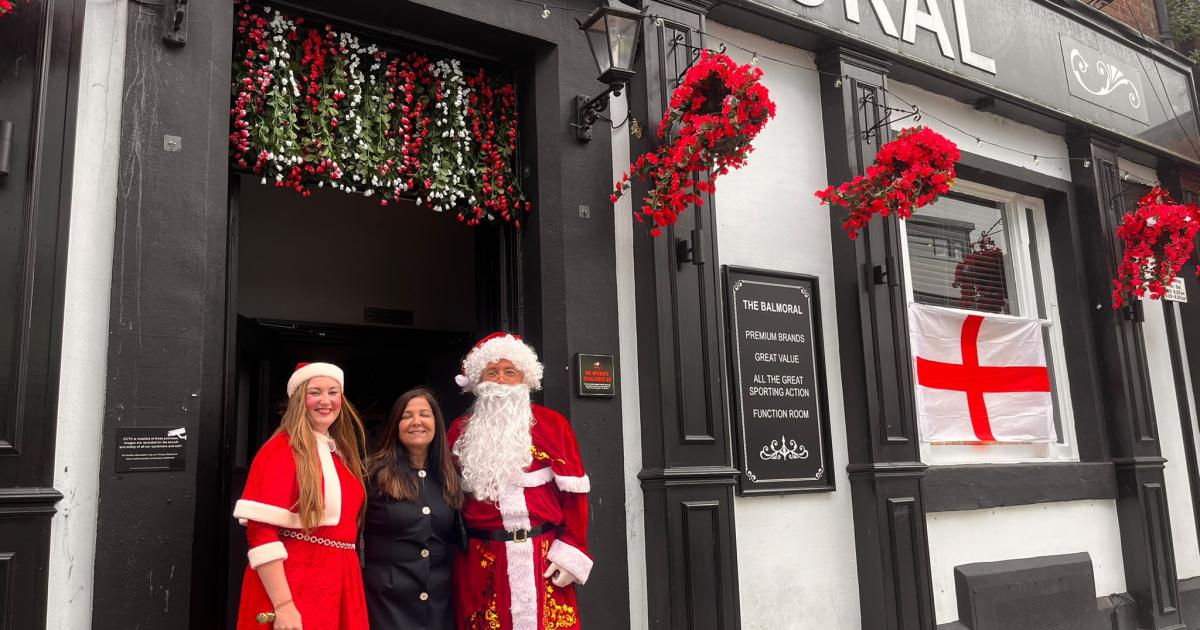
For the past four years, The Balmoral Hotel on Bradshawgate has invited customers to get into the festive spirit for charity.
As the Bolton News arrived to check out the event, a lively rendition of the 12 Days of Christmas could be heard from outside the pub.
Inside, landlord and landlady Danny Loynd and Zoe Monaghan, had pulled out all the stops, with festive tunes on full blast, Christmas trees, tinsel everywhere, and cosy winter fireplaces on the TV screens.
Christmas has come early at the Balmoral Hotel in Bolton (Image: Bolton News)
For them, seeing the reactions from customers when they walk into the pub is what it’s all about.
Advertisement
Danny said: “Everybody smiles when they walk in here. Christmas is a happy time.
“At Christmas time, people don’t get a chance to meet each other. So why not do it in July, when everybody can get to Christmas and can enjoy it?”
He said that when they started the unusual tradition, it confused some punters.
He added: “The first year we did it, which was four years ago, it was a bit: ‘Oh, what are you doing?’ But then everyone enjoyed it, and the audience has just got bigger and bigger every year.
Advertisement
“People do ask, and we tell them why we do it, and then they love it and they come and join us. So that’s what we want.”
Danny and Zoe kicking off the event at 2pm. (Image: Bolton News)
One of the revellers getting into the Christmas spirit at the Balmoral was Bolton MP Yasmin Qureshi.
She said: “I think the Balmoral is a great place. A lot of people come here. They’re doing something really different for their customers and for a lot of people who might not be able to be here for Christmas.
“I think it’s a great idea to have a Christmas bang in the middle of the summer.
Advertisement
“You can’t beat the atmosphere in here. It’s amazing, absolutely electrifying. It’s an absolutely brilliant idea. I think more people should be doing it.”
Christmas at the Balmoral Hotel (Image: Bolton News)
When we visited, the party was just getting started, with a whole programme of events planned throughout the day, including two buffets, a raffle, and music acts.
They were also raising money for their chosen cause, the suicide prevention charity CALM, with Christmas envelopes.
The grand finale of the evening is set to be the Elvis Showband, who will be taking to the stage at 8pm.
Advertisement
Danny added: “It’s just something we bring to town because it’s different. So we want to give people an excuse to come to Bolton, and today’s the day.”
More information about the event and the Balmoral Hotel can be found on the pub’s social media pages.
With a population of more than 100 million, West Bengal is the fourth largest state in India. It has always been an important target for the ruling Bharatiya Janata party (BJP), but despite the electoral success of Narendra Modi’s party across the whole country in recent years, West Bengal always bucked the trend.
Rather than buy into Modi’s Hindu nationalist vision, Bengali voters have traditionally been influenced by a strong sense of regional identity. Mamata Banerjee’s Trinamool Congress (TMC) government deliberately cultivated this when in office between 2011 and 2026. It presented itself as the defender of the state’s language, culture and way of life.
Banerjee argued vociferously during debates over citizenship that Modi and the BJP were trying to smear Bengali speakers, particularly in border regions, as “illegal immigrants”.
The TMC also highlighted central government’s attempts to promote a Hindu model of vegetarianism as being at odds with Bengal’s pluralistic traditions, where fish, meat and eggs are staple foods consumed across religious communities.
Advertisement
As a result, the BJP was not just competing against an incumbent government. It was going up against a strong political identity that presented itself as the guardian of Bengal’s traditionally pluralistic culture and way of life.
So the BJP victory over TMC in May represented a significant electoral upset. More so, because West Bengal was the last major state where BJP had been unable to displace a powerful regional party, despite its national success.
Historical influences
This was not a routine change of government. To get a feel for why the BJP’s victory in West Bengal was so consequential, you have to understand its distinct culture. And to do that, you have to go back to before Indian independence, when the British partitioned India on religious grounds. This formed two new countries: India for the Hindus and Pakistan for the Muslims.
As part of the process, Punjab in the northwest of India, was divided with west Punjab going to Pakistan and the east to India. Similarly Bengal in eastern India was split with the Hindu majority west going to India and the east to Pakistan, before East Pakistan won its independence in 1971, becoming the new state of Bangladesh. Despite this, communal violence continued to spill over both sides of the newly declared borders along sectarian lines.
Advertisement
Nonetheless, even today, both Punjab and Bengal have remained true to their tradition of diversity. This is an embodiment of the principle of “syncretism”. Syncretism is about the peaceful amalgamation of different beliefs, culture and practices. It aims to strike a harmony among diverse traditions – in this case, specifically between Hindus and Muslims.
For years, Bengal’s uniqueness was based on the central idea of miśra saṃskṛti, literally “mixed culture” or “blended civilisation”. Hindu and Muslim traditions were allowed to flourish together. Various traditions served as cultural symbols that set Bengal apart from the communal strife affecting other regions of the subcontinent.
These include bauls – wandering mystic singers who blend elements of Hinduism and Islam. These singers are typified by Lalan Fakir, the 19th-century poet and spiritual leader whose estimated 10,000 songs, many of which mock and condemn religious and caste differences, earned him the devotion of millions across the region.
Bengal’s dargahs, meanwhile – sufi shrines built over the grave of revered holy figures – are used interchangeably by both Hindus and Muslims.
Advertisement
In contrast, the BJP aggressively promotes hindutva an ideology which defines India as a Hindu state. This, was widely thought, would be a disadvantage in winning votes in West Bengal. But the BJP’s electoral success in securing 207 out of 294 seats showed that this syncretism was always more delicate than its proponents acknowledged.
Indian prime minister, Narendra Modi, with the chief minister of West Bengal, Suvendu Adhikari, and other BJP ministers being sworn in after the May 2026 election. Sipa US/Alamy Live News
Bengali syncretism, its trust in amalgamation of traditions and beliefs, was expressed in poetry, music and folk devotion. But it never penetrated the structures of property, political economy or electoral arithmetic.
Hindus under threat
The BJP appears to have understood better than its political opponents the fear among many people in West Bengal of the Islamic influences coming in from Bangladesh. The BJP successfully harnessed and politicised this idea as a threat to Hindus in West Bengal. To do this, the BJP tactic was to revive memories of partition in 1947 as an exclusively Hindu tragedy.
BJP also coopted various elements of Bengal’s intellectual heritage. They successfully portrayed Bengali cultural heroes such as novelist Bankim Chandra Chattopadhyay and religious leader Swami Vivekananda primarily as champions of Hindu nationalism in speeches, articles and commemorations. It took pains to play down their role as representatives of Bengal’s pluralist humanism.
Advertisement
The BJP’s victory in West Bengal is in stark contrast with its failure to win in Punjab, another state where partition led to considerable upheaval. The major difference is demographic: whereas the contest in West Bengal was always between Hindus and Muslims, the majority of people in Punjab, nearly 58%, are Sikhs.
Punjab’s Sikh community has an identity that is assertive and politically independent with institutional manifestation in the centre-right Shiromani Akali Dal party. So, while in West Bengal the BJP was able to mobilise its Hindu community via the “Hindus under threat” narrative, this story is neither necessary nor effective in Punjab.
Many Sikhs perceive that hindutva diminishes their autonomy and subsumes their distinctive identity into a larger fold of Hinduism, a trade-off that a significant section of the Punjabis are unwilling to make.
But when the BJP in West Bengal promoted its narrative of Hinduism under threat, it discovered that a sizeable portion of the voters identified more readily with that than with the baul’s songs.
In the early hours of the morning, Danny had to board up the smashed windows and cover them up with England flags so the pub was ready for the event.
The pub has shared their CCTV footage on Facebook, asking for anyone who may know the culprits to come forward.
They said in the post: “These two little cherubs thought it was ok to come armed with a crowbar, with finger prints on it because you also had no gloves on and came and smashed 3 of our windows.
“If anyone recognises these two lovely boys please inbox us.”
Advertisement
One of the youths appear to be filming the incident. (Image: The Balmoral Hotel)
In response, the pub has received an outpouring of support in the comment section from customers. The post has also been shared on Facebook 125 times.
The Balmoral Hotel has reported the incident to the police.
Greater Manchester Police have been contacted for comment.
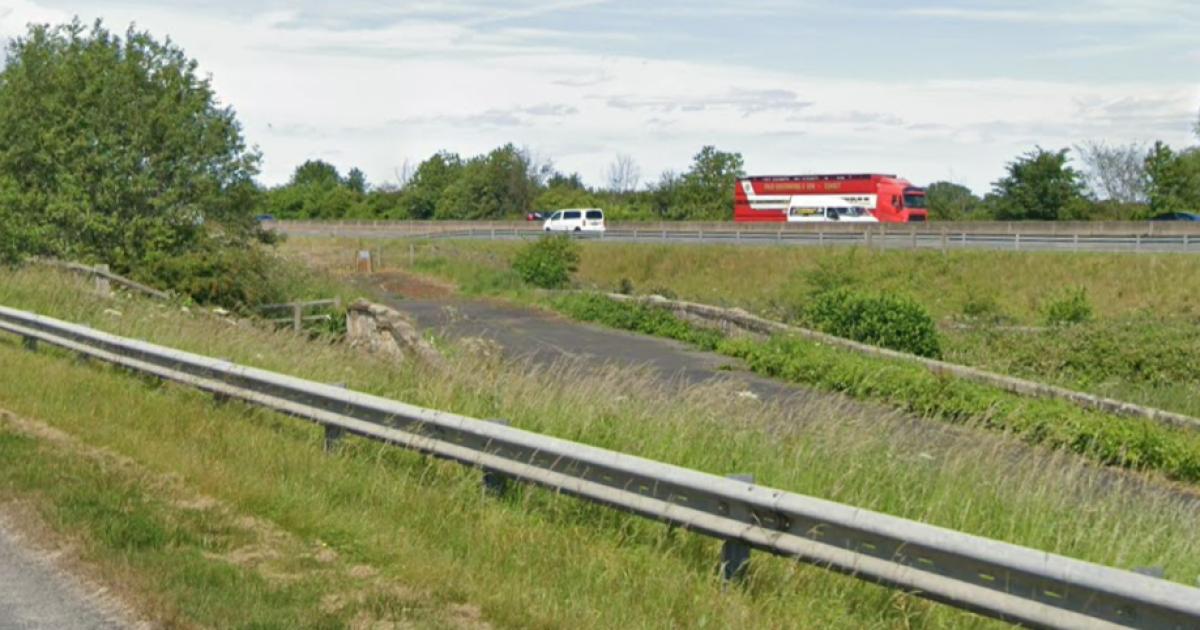
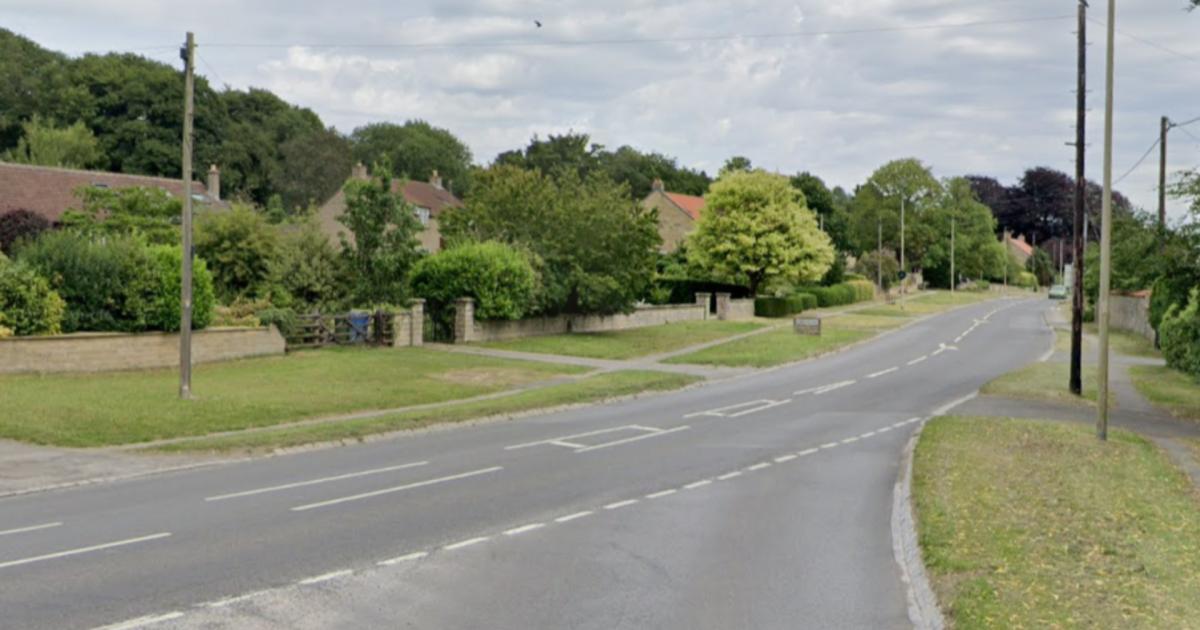
The abandoned carriageway lies between Ripon and Leeming, which includes Healam Bridge, and once formed part of the main north-south route through the county.
Before the A1 was widened and later replaced by the motorway, traffic travelling between Yorkshire, the North East and Scotland would have passed along this section.
Today, the road ends abruptly and is largely hidden from drivers using the newer routes alongside it.
The road in 2025 (Image: GOOGLE)
Despite no longer carrying through traffic, several reminders of its former life remain.
Advertisement
The old road still crosses the stone Healam Bridge, while faint traces of road markings can be seen on parts of the surviving surface.
At one end is a plaque marking the completion of the first phase of the A1 upgrade carried out between 2009 and 2012.
Those works created this section of the A1(M) and the northern end of the A6055 local access road, leaving the former carriageway isolated between the newer roads.
The abandoned stretch is older than the dual-carriageway layout that many drivers may remember.
Advertisement
It formed part of the original course of the Great North Road before the route was officially classified as the A1 in the 1920s.
When the road was later widened, part of the modern A6055 became one carriageway of the dualled A1, while this older section and its bridge were left behind.
The surviving road is a reminder of several different stages in the development of one of Britain’s most important routes.
The road again in 2012 (Image: GOOGLE)
The Great North Road had connected London with northern England and Scotland for centuries before being designated as the A1.
Advertisement
As traffic increased, long sections were widened into dual carriageway and eventually upgraded to motorway standard.
The area between Dishforth and Leeming was one of the later stretches to be converted into the A1(M).
The first phase of the project opened in stages between 2011 and 2012, replacing a section of dual carriageway that had long been regarded as a bottleneck.
Much of the former A1 was retained as the A6055, allowing local traffic to travel between communities without using the motorway.
Advertisement
However, the short road across Healam Bridge was no longer needed as part of the through route and was left disconnected.
The surrounding area has changed considerably since the old road was in regular use.
The land around Healam Bridge also has a much older history.
The location has been associated with Roman remains and the site of a substantial fort, meaning the road passes through an area used as a transport corridor long before the arrival of motor vehicles.
Advertisement
Today, the abandoned carriageway attracts interest from walkers, residents and people fascinated by old roads and lost infrastructure.
Drivers using the A6055 can still glimpse the bridge and old alignment, although access to the surviving stretch is not immediately obvious from the modern road.
The road has recently attracted attention on the Facebook page “Ghost roads – Abandoned, by-passed and roads to nowhere”, where enthusiasts document stretches of highway left behind by bypasses and major road improvements.
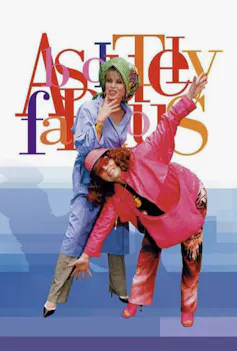
Constantly namedropped in Absolutely Fabulous – one of the sharpest and funniest sitcoms of the 1990s – London’s most iconic fashion department store is up for sale following a significant downturn in business over the last five years.
Sadly, the retail pressures of a declining luxury goods market and the removal of VAT-free tourist shopping post-Brexit appear to have done for the once-indomitable Harvey Nichols.
Founded in 1831 by Benjamin Harvey, it was originally a linen shop positioned on the corner of Knightsbridge and Sloane Street in the heart of London. Following some initial expansion, Harvey employed a skilled shop assistant called John Nichols in 1841.
After Harvey’s death in 1858, his widow Anne Beale entered a business partnership with Nichols, creating Harvey Nichols & Co, which eventually would become one of the most recognised and desirable fashion stores in the world.
Advertisement
For decades Harvey Nichols has been at the forefront of luxury retail, but in March 2024 the group, which includes regional stores in Manchester, Leeds, Birmingham, Bristol, Edinburgh and Dublin, reported a loss of £34 million.
Harvey Nichols’ flagship store in London’s Knightsbridge. 4k Clips / Alamy
Despite significant investment in refurbishment of the London store, rumours of an imminent sale by owner and Hong Kong billionaire, Dickson Poon were making headlines by the end of June 2026.
Initial interest in the store was expressed by UK high-street fashion retailer Next. More recently, the Harvey Nichols group has been obliged to allow Mike Ashley’s Fraser Group to enter the auction. The competition has been further heightened by the announcement that Modella Capital will join the bidders.
While Harvey Nichols’ future remains uncertain, this seems an important moment to reflect on why this department store has been so significant to British fashion and popular culture.
Advertisement
The Ab Fab Effect
While the store has had a long history, it was during the 1990s – after the Burton Group sold it to Poon in 1991 – that Harvey Nichols reached new heights. During this time I was lucky enough to work in the Knightsbridge store and experience the rise of Harvey Nichols from fashion store to cultural icon.
Joanna Lumley and Jennifer Saunders as Patsy and Edina in Absolutely Fabulous. BBC
This was an era when broadcaster and retail expert Mary Portas, worked as a window dresser for the store, transforming Harvey Nichols’ windows into attention-grabbing “destinations”. Portas also sat on the board until she left to launch her own consultancy in 1997.
In 1992 the hedonistic protagonists of new BBC sitcom Absolutely Fabulous, fashion PRs Edina Monsoon and Patsy Stone were avid Harvey Nichols fans, taking the store to a whole new level of fame.
Actresses Joanna Lumley and Jennifer Saunders, along with the British fashion designer Betty Jackson, were often seen walking around the store, looking for the show’s next iconic looks. Scenes were occasionally filmed there after hours and it was Patsy and Edina who created the phrase “Harvey Nicks” and brought it into the language of popular culture.
This was the Ab Fab effect which helped drive Harvey Nichols’ place in fashion and culture by making it a household name.
Advertisement
Behind the scenes
While the impending sale of Harvey Nichols fills me with great sadness, it also prompts fond reflection on many of the extraordinary experiences I had while working there in my youth.
My first job in the grand Victorian redbrick Knightsbridge building was on the newly created fourth-floor department, dedicated to home and interiors. I worked in the Ralph Lauren home section where I was responsible for bathroom towels, ensuring they were folded perfectly.
Not long after I moved down to the second floor to what would be a dream job in the shoe department, of which I eventually became manager. Selling luxury shoes required a very personal service that Harvey Nichols was renowned for. This included kneeling before your customers and taking shoes on and off their feet. The experience was to inform my later research into the role of materials in shoe design.
It was a time before online shopping and the subsequent reshaping of consumer behaviour. The physical retail experience was something sensory and tactile, from the feel of luxurious fabrics to the smell of uplifting fragrances we would spray in fitting rooms.
Advertisement
It was an era when formal dress was required for sale assistants: no bare legs, and certainly not a trainer in sight. Dress shoes with heels were expected and standing for up to eight hours a day could be quite painful.
Harvey Nichols was very popular with the rich and famous. I remember staying late into the night for private shopping evenings for celebrities, mainly from Hollywood. I also recall having to call security on many occasions to have press photographers who were pursuing Princess Diana removed from the store.
A defining era in fashion
The 1990s was an exciting time in fashion. It was the age of the supermodel and the rise of the designer “diffusion” label (a more accessible, less expensive collection), such as Versus by Versace. This created new opportunities for fashion retail.
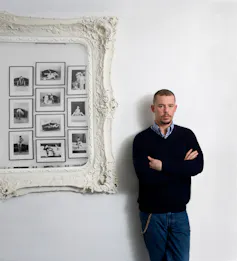
From cool quirky beauty brands, such as the cultish Hard Candy with its nail polish designed for men, to hotly tipped new designers such as Alexander McQueen, Harvey Nichols was always at the leading edge.
It was a time of evolution and change in luxury fashion, and for Harvey Nichols this included the development of their fifth-floor food market in 1992, a hugely popular destination for cocktails and people-watching. The group also opened a top-floor bar and restaurant in the iconic Oxo Tower building on London’s Southbank in 1996.
Advertisement
That year Harvey Nichols also opened its first regional store in Leeds, followed by Birmingham in 2001. It was a decade of expansion and growth which secured Harvey Nichols’ place as a leader in luxury fashion retail and experience.
While news of the store’s future is anxiously anticipated, its remarkable place in fashion’s history will remain unaffected. Personally, I will always be very proud to say that I worked at Harvey Nicks.
A love rival accused of stabbing British expat Karen Carter to death in rural France has a disease that leaves her ‘barely able to cut open an envelope’, say her friends.
Grandmother Marie-Laure Autefort, 70, is accused of plunging a sharp weapon into Ms Carter, 65, at least eight times in the village of Trémolat, in the Dordogne.
The attack in April last year was so violent that Ms Carter, who played football regularly in a local team, died within minutes from a massive haemorrhage.
Both women were said to be in love with the same man – Jean-François Guerrier, 75, a former Fujitsu executive.
Advertisement
But those close to slightly built Autefort, who is under 5ft 5in, insist she would have been incapable of using such force. One said: ‘She suffers from severe osteoarthritis, especially in her hands.
‘The pain and lack of movement is so severe, she is barely able to cut open an envelope.
‘The idea that she turned into a super-fit assassin who managed to overpower Ms Carter in a few minutes doesn’t sound right at all.’
Her condition had been verified by her doctors, a friend added.
Advertisement
Marie-Laure Autefort (pictured) has been charged with the killing of Karen Carter in the Dordogne village of Trémolat in April 2025 but friends insist she would have been incapable of using such force
Karen Carter (pictured) was found dead outside a guesthouse she ran in the village, which is east of Bordeaux
Ms Carter was seeing Jean-François Guerrier (pictured) romantically at the time of her death
Advertisement
Despite this police instantly considered divorced mother-of-three Autefort their prime suspect and she was arrested within a day.
She was released after 48 hours but rearrested 15 months later and was this month charged with premeditated murder. An investigating source said: ‘Inconsistencies were exposed in her original alibi. She made out that she was looking after somebody on the night, but the facts were very vague.’
Both Autefort and Ms Carter lived alone.
Ms Carter was on the verge of divorcing her South Africa-based husband Alan while Autefort had recently ended her marriage to retired stonemason Jean-Claude Autefort.
Advertisement
The key players in the love triangle saw each other regularly at the village cafe. Former care worker Autefort was ‘madly in love’ with Mr Guerrier and upset by his burgeoning relationship with Ms Carter, say many sources.
Mr Guerrier hosted a party for friends including Ms Carter on the night she died. He then followed her to her home in his car.
When he got there he found her in a pool of blood by her door.
He told police that he ‘had come to spend the night at Karen’s’, leaked interview notes reveal.
Advertisement
The 65-year-old was attacked at the property in village of Trémolat on April 29 last year
Ms Carter with her South Africa-based husband, Alan Carter, who she had been on the verge of divorcing
It was Mr Guerrier who told police to investigate Autefort, but DNA taken from Mr Guerrier and Autefort does not match that found at the crime scene.
The police record states: ‘He described her as a woman who had fallen madly in love with him the previous year, to the point of divorcing the father of her children after decades of marriage.
‘She was then terribly frustrated when she realised this budding passion was not reciprocated.’
Advertisement
Mr Guerrier told police that Autefort lived a ten-minute walk from Ms Carter’s home, cutting across some fields.
His words guaranteed her arrest but she then provided an alibi. Autefort is on bail, and conditions include being unable to stay in Trémolat.
Share or comment on this article:
Assassin? Dordogne murder suspect accused of stabbing British expat Karen Carter can barely cut open an envelope, say friends
Despite the overhaul, eBay says the process for sellers will remain largely unchanged.
The rollout will happen in phases throughout August 2026, with eligible account holders receiving a notification before they’re automatically switched over to the new service.
It will see eBay International Shipping (eIS) will begin replacing the current Global Shipping Programme for eligible listings on eBay.co.uk, giving sellers access to buyers in more than 195 countries – almost double the 105 countries currently covered.
Advertisement
Just like the current Global Shipping Programme, sellers will simply send their sold item to a UK domestic shipping hub. From there, eBay takes care of the international delivery.
The biggest difference is the potential reach. Eligible listings will become visible to buyers in almost 200 countries, opening up significantly more opportunities for international sales.
There could also be savings for overseas customers, with eBay saying international delivery costs through the new service can be up to 30% cheaper.
The company is also removing international selling fees on orders completed through eBay International Shipping, meaning sellers won’t pay extra to access overseas buyers.
Advertisement
Another benefit is added protection once an item reaches the domestic hub. After the parcel has been scanned in, sellers will be protected by eBay against claims for lost, damaged or delayed items during the international leg of the journey.
Recommended reading
Millions could be owed an average £9,470 from a forgotten pension – how to check
HMRC issues Child Benefit warning as thousands of parents face losing payments
Credit cards that let you spend abroad for free and reward you when you get home
The buyer, rather than the seller, will continue to pay international postage costs and any import charges, meaning there are no additional shipping fees for UK sellers using the service.
Eligible accounts will be moved across automatically from August. Before the change takes place, affected users will receive a separate notification confirming exactly when their account will be enrolled.
Once switched over, all eligible listings will automatically be updated to use eBay International Shipping, allowing sellers to continue selling internationally while potentially reaching millions more customers around the world.
Another dramatic and emotional night in Anthony Joshua’s boxing career ultimately ended as just about everyone expected it would – with the countdown under way to a super-fight against Tyson Fury later in the year.
Joshua, 36, improved his record to 30-4, but he was almost on the end of one of the biggest shocks in his sport’s history when he was knocked down twice by little-known Albanian Kristian Prenga inside the first round.
The Briton regrouped in the second round to land a flurry of hard right hands, sending Prenga crashing to the canvas and getting the win he came to Jeddah for.
BBC Sport has selected some of the best pictures from the fight, which came seven months on from the car crash in Nigeria in which Joshua was injured and two of his closest friends died.
Snainton sits on the A170, around nine miles from Scarborough and roughly the same distance from Pickering.
Its position makes it a convenient base for exploring both the Yorkshire coast and the North York Moors, but the village’s most famous connection lies beyond the surrounding countryside.
Sir Ben Kingsley was born in Snainton in 1943 before going on to become one of Britain’s most internationally recognised actors.
Sir Ben Kingsley (Image: Ian West/PA Wire)
He is best known for playing Mahatma Gandhi in the 1982 film Gandhi, a performance that earned him the Academy Award for Best Actor.
Advertisement
Kingsley has since appeared in a long list of major films, including Schindler’s List, Shutter Island, House of Sand and Fog and Iron Man 3, and Thursday Murder Club.
His connection to the village gives Snainton a surprising link to Hollywood that many drivers passing through on the road between Scarborough and Pickering may not realise.
Today, Snainton is generally viewed as a quiet and charming village with a strong community feel.
Visitors praise its peaceful atmosphere and location between some of North Yorkshire’s most popular destinations.
Advertisement
Scarborough and its beaches lie one way, while Pickering, Dalby Forest and the North York Moors can be reached easily.
Its history stretches back much further, with the name Snainton possibly deriving from the Old English “Snocingtūn”.
The name is thought to mean a settlement connected with a person called Snoc.
Although Sir Ben Kingsley is the village’s best-known former resident, Snainton also has links to two important botanists.
Snainton (Image: GOOGLE MAPS)
George Vasey was born in the village before moving to the United States, where he became a leading figure in botanical science.
Advertisement
He worked for the United States Department of Agriculture and helped develop and organise its botanical work and collections.
Sydney Cross Harland was also born in Snainton in 1891.
Harland became an internationally recognised botanist and geneticist, specialising in cotton and carrying out scientific work in several countries.
After spending much of his career abroad, he returned to Snainton and died in the village in 1982.
Advertisement
Those connections mean the small North Yorkshire parish can claim an Oscar-winning actor and two prominent scientists among the people born there.
The village’s location has made it popular with visitors looking for a quieter place to stay while exploring the surrounding area.
Dalby Forest, with its walking and cycling routes, is within easy reach, while the attractions and coastline of Scarborough are only a short drive away.
Pickering also provides access to the North Yorkshire Moors Railway and routes leading further into the national park.

























































You must be logged in to post a comment Login