

Business
The overlooked barrier to business growth

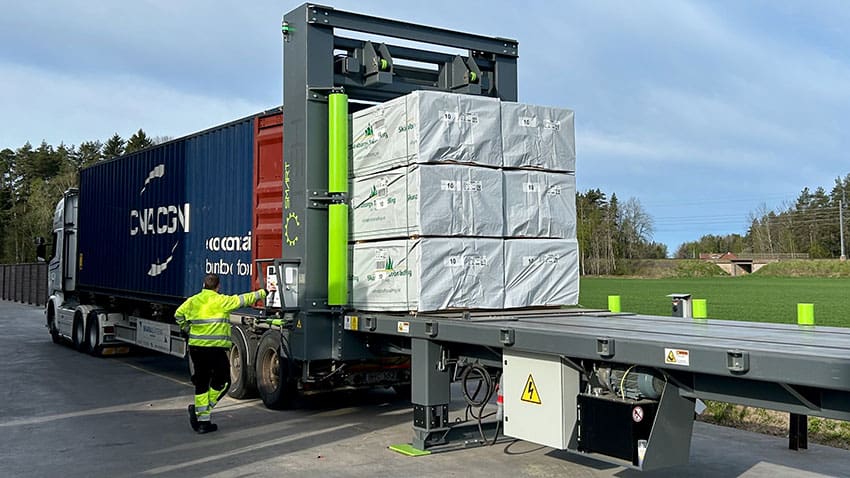
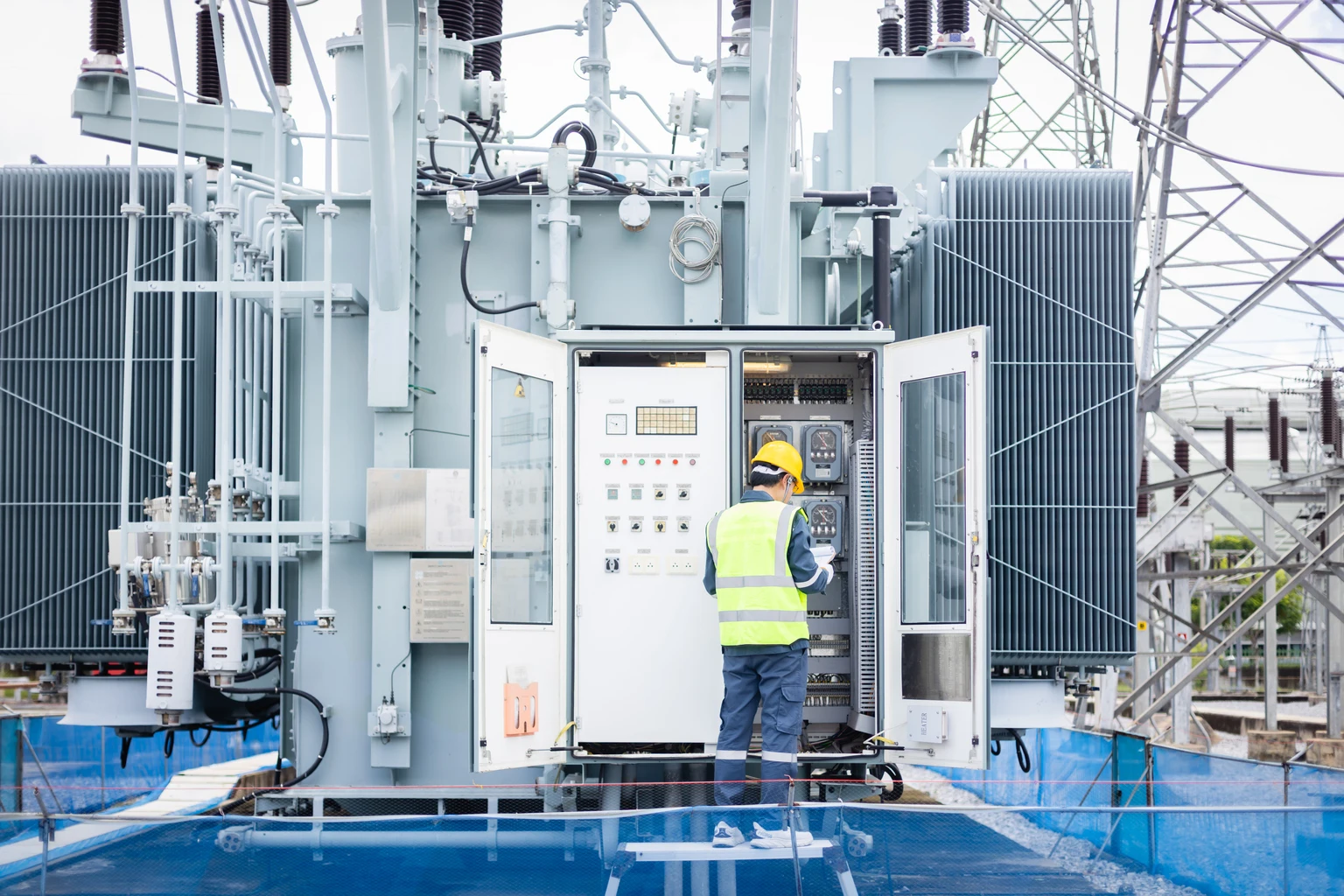
Businesses have spent years making their operations more efficient. Production lines are automated. Warehouse management systems track inventory in real time. Software optimizes routes and schedules. Robots move goods through distribution centers.
Yet in many facilities, one of the final steps in the process is still largely manual: getting goods into a truck or shipping container.
That may seem like a small part of the operation. But when the same process repeats dozens of times a day, loading can become a significant bottleneck – one that affects labor costs, vehicle utilization, safety, and how much a business can ultimately ship.
The weak link in the chain
A warehouse can process orders quickly, have goods ready for dispatch, and still struggle to increase throughput if vehicles cannot be loaded at the same pace.
Traditional loading depends on forklifts and manual handling. Products are moved into position, loaded individually or in batches, and arranged to make the best use of the available space. The process becomes even more challenging when cargo is heavy, long, awkward to handle, or has to be loaded into a container or trailer with limited access.
A few extra minutes per shipment may not seem like much – until they are multiplied across a day, a week, or a year.
Loading can determine how many vehicles a facility processes daily, regardless of how efficient the rest of the operation is.
The real cost of inefficient loading
The most obvious cost is the time employees spend loading. The costs that ripple outward from there tend to matter more.
A truck waiting at a dock is an underutilized asset – and so is the driver who isn’t out completing the next delivery, and the loading point that could be turning over another vehicle instead.
During busy periods, delays can create queues and disrupt delivery schedules. The cost can also appear as overtime, additional shifts, or pressure to invest in more loading infrastructure simply to handle demand that the existing facility may already have the physical capacity to serve. These costs move well beyond the warehouse and into the transport operation as a whole.
The cost is not only financial. Loading and unloading involve repetitive physical work, heavy products, and frequent forklift movement. As businesses face ongoing challenges recruiting and retaining warehouse workers, relying heavily on manual labor for physically demanding tasks becomes harder to sustain.
There are safety considerations too. Every additional manual handling step creates another opportunity for an incident or injury.
Automating loading rarely means removing people entirely – more often it means cutting the repetitive, physically demanding parts of the job. More consistent loading times also make the operation easier to plan, measure, and scale.
Different transport needs, different automation
There’s no single loading solution for every business. A company shipping large volumes internationally in containers has different requirements from a distribution center loading multiple trailers for domestic deliveries.
Cargo type, vehicle, facility layout, and required throughput all shape the right approach. For some businesses, automating container loading addresses a major export bottleneck. For others, the bigger opportunity is automating trailer loading.
Automating container loading for export operations
Container loading can be especially time-consuming when cargo has to be moved in piece by piece, often requiring repeated forklift trips into and out of the loading area.
An automated container loading system can change this by allowing cargo to be prepared on a loading platform and then moved into the container in one continuous movement, rather than requiring repeated manual handling.
This can significantly reduce loading time and the amount of manual work involved.
For businesses shipping timber, metal products, construction materials, and other heavy or bulky goods, the benefits extend beyond speed. Faster loading can reduce truck waiting times, free up the loading area for the next vehicle, and create a more efficient process for handling high volumes of cargo.
Automating truck loading for faster distribution
Road transport creates a different set of challenges. Distribution centers and manufacturing facilities may load several trailers every day, often within tight delivery windows. When the same manual process is repeated across dozens of vehicles, even small delays quickly become a capacity problem.
Automated truck loading systems can reduce the amount of manual intervention required to move cargo into a trailer, helping improve truck turnaround and increase the number of vehicles a facility can process using its existing infrastructure.
For high-volume businesses, faster loading does not just mean a truck leaves sooner. It improves utilization across loading docks, vehicles, drivers, and warehouse staff.
More capacity without a bigger facility
When businesses need more throughput, the obvious response is to expand: a larger warehouse, more loading docks, more employees, or more vehicles. All of that adds real capacity, but it also means more space and higher fixed costs – long before anyone checks whether the current facility is even running at full capacity.
Before committing to that kind of expansion, it’s worth asking how much more the current site – the same warehouse, docks, and vehicles – could handle if loading itself weren’t the constraint.
If a facility can reduce the time needed to load each vehicle, it may be able to process more shipments during the same working day without expanding its physical footprint.
Businesses have invested heavily in improving production, inventory management, warehousing, and transportation. Cargo loading deserves that same attention. For companies still relying heavily on manual loading, it may be the part of the operation with the greatest untapped potential – and one of the fastest ways to get more out of the facility they already have.

Business
Warriors’ Failed Pursuit of LeBron James Leaves Steph Curry Without Help in the Twilight of His Career
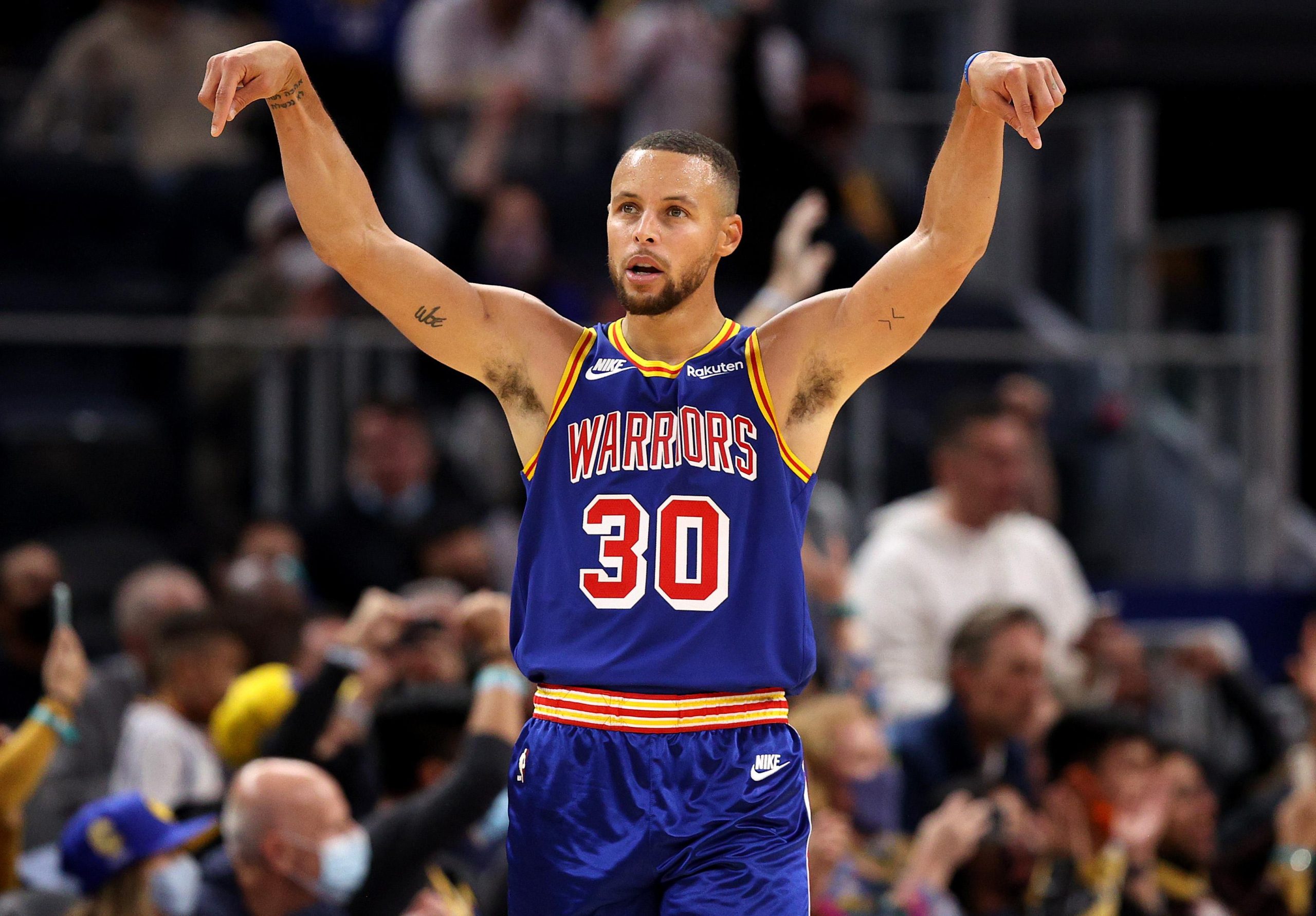
The Golden State Warriors went all in this offseason to lure LeBron James to the Bay Area, pairing the pitch with a run at Washington Wizards big man Anthony Davis in hopes of assembling a superstar core around Stephen Curry. Instead, James chose the Philadelphia 76ers, leaving Golden State largely running back the same roster from a season that ended without a playoff appearance — and leaving Curry, now approaching 39, with a far murkier path to one more championship.
A calculated but unsuccessful pitch
The Warriors’ pursuit of James wasn’t subtle. Curry himself made a personal appeal to James on “Good Morning America” during the free agency period, part of a broader campaign to convince the 41-year-old superstar that Golden State offered his best shot at a fifth championship ring. Draymond Green added to the effort by declining his $27.7 million player option for the 2026-27 season, a move that created additional salary-cap flexibility specifically aimed at helping the Warriors put together a competitive offer for James.
According to multiple reports, Golden State’s full plan involved more than just signing James outright. The front office was simultaneously working to trade for Davis, hoping that adding the 10-time All-Star big man would sweeten the pitch and give James a more complete supporting cast alongside Curry and Green. That trade would have required Golden State to send Jimmy Butler, along with multiple first-round picks and pick swaps, to Washington. Ultimately, the Warriors chose not to pull the trigger on that deal, and James signed with Philadelphia instead, joining Joel Embiid, Tyrese Maxey and Jaylen Brown on a roster he reportedly believes gives him the best chance to contend for a title in what he has described as the final chapter of his playing career.
A disappointing offseason by most accounts
With James off the board, the Warriors have been left with a roster that looks largely unchanged from the group that missed the playoffs last season. Golden State re-signed Al Horford, Kristaps Porzingis and De’Anthony Melton, and added rookie Yaxel Lendeborg with the No. 11 overall pick in the draft, but made no major trades or free-agent additions beyond those moves. NBC Sports Bay Area’s Dalton Johnson has described the offseason as a disappointment for a franchise that came off a 37-win season and missed the playoffs for the fourth time in seven years, arguing Golden State needed a marquee addition to claw its way back into contention.
Lendeborg does offer some reason for optimism. The 23-year-old was named MVP of the Las Vegas Summer League after averaging 14.8 points, 6.8 rebounds and four assists, showing early signs of the kind of versatile, do-it-all game that could eventually earn him a role on a veteran roster. Whether he’s ready to make a meaningful impact in his rookie season, though, remains an open question.
Injuries complicate an already difficult picture
Golden State’s outlook is further clouded by injuries to two key rotation pieces. Butler, who suffered a torn ACL, and Moses Moody, who tore his left patellar tendon, are both expected to miss the start of the season, thinning out a roster that already lacked star power beyond Curry and Green. ESPN’s Anthony Slater offered a cautiously optimistic update on Butler’s recovery timeline during a recent appearance on “NBA Today,” saying doctors and people close to Butler have indicated progress. “He’s a little over five months from the ACL surgery,” Slater said, adding that Butler has “turned the corner a little bit in the last few weeks.”
Much of Golden State’s hope for a competitive season rests on how quickly Butler can return to form. When Butler joined the Warriors in a midseason trade in February 2025, the team went 23-7 the rest of that season, a stretch that offered a glimpse of what a healthy, fully integrated roster built around Curry, Green and Butler could look like. But that stretch also came with caveats — before Butler’s injury this past January, the Warriors had been inconsistent for much of the season, raising questions about how sustainable that earlier surge really was.
Porzingis remains a wild card
Kristaps Porzingis, acquired last February, represents another variable the Warriors are counting on. He appeared in just 15 games last season due to a series of health issues, and Golden State’s ability to build a consistent rotation may hinge heavily on whether he can stay on the court for a full season this time around.
A crowded, difficult conference
Even under the best-case scenario, in which Butler returns healthy and effective, Porzingis stays on the floor, and Lendeborg contributes immediately, the Warriors will be competing in a Western Conference that includes the Oklahoma City Thunder and San Antonio Spurs among the teams jockeying for the top of the standings. Golden State’s roster, as currently constructed, offers no obvious individual addition capable of closing that gap on its own.
What might have been
For Curry, the offseason represents another missed opportunity to add star power around him as he enters the later stages of his career. The idea of James and Curry sharing a Warriors backcourt carried particular resonance given their partnership on last summer’s gold-medal-winning U.S. Olympic team, where James earned MVP honors and Curry delivered several of the tournament’s most memorable performances. That chemistry never translated to an NBA roster, and with James now in Philadelphia, any such pairing appears unlikely to happen at this stage of either player’s career.
Barring further roster additions before the season begins, the Warriors appear positioned to lean heavily on internal development and health rather than star power this year. For a franchise that won four championships between 2015 and 2022, and for a player in Curry still widely regarded as the greatest shooter in NBA history, the coming season now looks far more uncertain than the front office had hoped when its pursuit of James began.
Business
Nikola Jokic, Giannis Antetokounmpo Headline What Could Be the Richest NBA Free Agent Class Ever in 2027
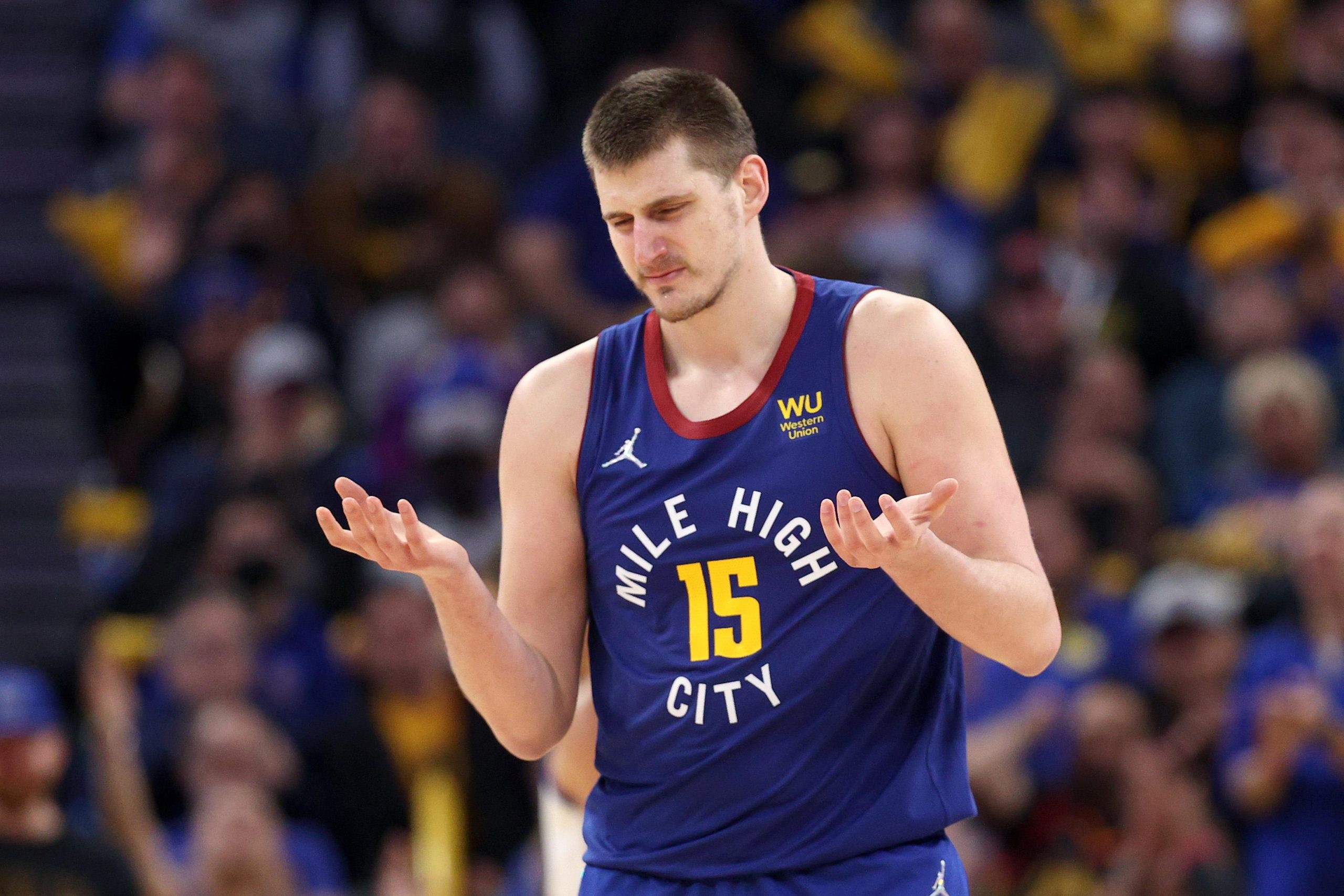
The 2027 NBA offseason is still more than a year away, but early projections already point to it becoming the richest free agent class the league has ever seen, headlined by two of basketball’s biggest current stars: Nikola Jokic and Giannis Antetokounmpo.
Both players carry player options for the 2027-28 season worth roughly $62.8 million, and both are widely expected to command contracts that would make them the first players in any of North America’s four major professional sports to earn more than $75 million in a single season. Combined, Jokic and Antetokounmpo have won five NBA Most Valuable Player awards, and both figure to still be playing at an All-NBA level when free agency opens, barring injury.
A market shaped by star power and scarcity
NBA free agency has long operated on a simple principle: teams are willing to back up the proverbial Brinks truck for a single transformative star, even when the odds of actually landing that star and building a championship contender around him are slim. The 2027 class appears built to test that principle at an unprecedented scale, given how many established, championship-caliber players carry either unrestricted free agency or player options that year.
Jokic, who will be 32 in 2027, remains under contract with the Denver Nuggets through his option year, while Antetokounmpo, set to turn 33, holds his option with the Miami Heat, the franchise that acquired him in a blockbuster trade this past offseason. Whether either player ultimately exercises those options, re-signs long-term with his current team, or tests the open market remains to be seen, but their mere presence atop the list ensures 2027 will draw outsized attention across the league regardless of how things unfold.
A deep supporting cast of stars
Jokic and Antetokounmpo are far from alone at the top of the list. Anthony Davis, who will turn 34 in 2027, also carries a $62.8 million player option, this time with the Washington Wizards. Stephen Curry, who will be 39, is set for unrestricted free agency, as is Kawhi Leonard, who turns 36 that year.
Kevin Durant, who will be 39 in 2027, holds a $46 million player option with the Houston Rockets, while Kyrie Irving carries a $42.4 million option with the Dallas Mavericks at age 35. Karl-Anthony Towns, set to turn 32, has a $61 million option with the New York Knicks, and Jimmy Butler, who will be 38, is projected for unrestricted free agency as well.
Rounding out the list of established veterans are Brandon Ingram, holding a $41.9 million option with the Los Angeles Clippers; Jalen Green, with a $36 million option with the Phoenix Suns; Julius Randle, holding a $35.8 million option with the Brooklyn Nets; Rudy Gobert, with a $38 million option with the Minnesota Timberwolves; and Paul George, who carries a $56.6 million option with the Boston Celtics at age 37.
A mix of veterans and rising talent
The 2027 class isn’t limited to established superstars deep into their careers. Two of the league’s younger standouts also appear on the list under team-option rookie-scale contracts: Cooper Flagg, who will be just 20 years old and carries a $15.2 million team option with the Mavericks, and Dylan Harper, turning 21, with a $14 million team option held by the San Antonio Spurs. Both players remain under their teams’ control at that stage, but their inclusion underscores how quickly the league’s next generation of stars is beginning to factor into long-term roster planning across the association.
Other notable names include Zach LaVine, unrestricted at 32; Michael Porter Jr., a restricted free agent at 29; Jrue Holiday, holding a $37.2 million option with the Portland Trail Blazers at 37; Tyler Herro, unrestricted at 27; and Jerami Grant, with a $36.4 million option tied to the Memphis Grizzlies at 33. Additional depth pieces on the list include Josh Hart, Isaiah Stewart and Kristaps Porzingis, each carrying team or player options with their respective franchises at more modest salary figures relative to the class’s top tier.
Why the class matters now
Even though the 2027 offseason remains well over a year away, the sheer volume of star-level talent set to hit the market is already shaping how front offices around the league are approaching roster construction, salary-cap planning and trade strategy in the interim. Teams hoping to create max-level cap space by the summer of 2027, or positioning themselves as attractive destinations for a star seeking a new home, are likely to factor this looming class into decisions made well before free agency actually opens.
The presence of both Jokic and Antetokounmpo near the top of the list carries particular significance given their sustained dominance in recent seasons. Both players have anchored deep playoff runs and remain central figures in their respective franchises’ championship aspirations, meaning any decision either makes about his future would send ripple effects across the league regardless of whether it results in an actual change of team.
For now, the 2027 free agent class remains largely theoretical, built on player options and contract structures that could shift considerably between now and when free agency actually opens. Injuries, trades, and the results of the intervening seasons could all reshape which players ultimately test the market and which choose to remain with their current teams.
Still, with two former MVPs projected to potentially reset the league’s salary ceiling, and a deep supporting class of veteran stars and emerging young talent behind them, early indications suggest the 2027 offseason has the potential to be one of the most consequential in recent NBA history — a summer teams around the league are already beginning to plan for, more than a year in advance.

I’m a retail investor based in Sydney with three years of experience focusing on achieving financial independence through strategic investments in AI-driven companies. Although I don’t come from a traditional finance background, I’ve developed a strong passion for understanding how artificial intelligence is transforming the global economy. Over the past few years, I’ve become increasingly fascinated by the possibilities of AI—how it’s reshaping industries, driving innovation, and creating new investment frontiers. My portfolio is primarily centered around leading AI-related companies such as NVIDIA and others at the forefront of this technological revolution. I believe we’re only in the early stages of AI’s impact, and the coming decade will present remarkable opportunities for both retail and institutional investors. My goal is to continue learning, sharing insights, and building long-term wealth by investing in the technologies shaping our future.
Analyst’s Disclosure: I/we have no stock, option or similar derivative position in any of the companies mentioned, but may initiate a beneficial Short position through short-selling of the stock, or purchase of put options or similar derivatives in INTC over the next 72 hours. I wrote this article myself, and it expresses my own opinions. I am not receiving compensation for it (other than from Seeking Alpha). I have no business relationship with any company whose stock is mentioned in this article.
Seeking Alpha’s Disclosure: Past performance is no guarantee of future results. No recommendation or advice is being given as to whether any investment is suitable for a particular investor. Any views or opinions expressed above may not reflect those of Seeking Alpha as a whole. Seeking Alpha is not a licensed securities dealer, broker or US investment adviser or investment bank. Our analysts are third party authors that include both professional investors and individual investors who may not be licensed or certified by any institute or regulatory body.

Professional equity portfolio manager for a boutique buy-side asset manager.My focus is on finding high-quality companies, applying a disciplined approach to valuation and identifying underappreciated opportunities. My goal is to identify opportunities in cash-rich companies with strong balance sheets and shareholder friendly policies. I endeavour to incorporate a mix of quantitative and qualitative measures to identify opportunities in stocks. Long-only approach with a long-term investment focus.
Analyst’s Disclosure: I/we have no stock, option or similar derivative position in any of the companies mentioned, and no plans to initiate any such positions within the next 72 hours. I wrote this article myself, and it expresses my own opinions. I am not receiving compensation for it (other than from Seeking Alpha). I have no business relationship with any company whose stock is mentioned in this article.
Seeking Alpha’s Disclosure: Past performance is no guarantee of future results. No recommendation or advice is being given as to whether any investment is suitable for a particular investor. Any views or opinions expressed above may not reflect those of Seeking Alpha as a whole. Seeking Alpha is not a licensed securities dealer, broker or US investment adviser or investment bank. Our analysts are third party authors that include both professional investors and individual investors who may not be licensed or certified by any institute or regulatory body.

“AWS Certified AI Practitioner Early Adopter”I am a DevOps Engineer for a major, wholly owned subsidiary of a large-cap Fortune 500. I have been the primary driver of Anthropic-based tooling in our company’s division, and have successfully pushed for the division-wide integration of tools like Claude Code via AWS Bedrock. I am currently spearheading the implementation of AI-infrastructure in our division.I am a true subject-matter expert on the actual buildout, deployment, and maintenance of AI tools and applications. I have increasingly deep knowledge on the science behind generative AI systems as a result of first-hand experience with machine learning algorithms, model training, and model deployment.I contribute to Seeking Alpha as an outlet to share my AI and machine learning insights through an investment-focused lens.Closely associated with LL InsightsPer TipRanks (6/26/25) – 2 Year Timeframe#716 out of 31,463 Financial Bloggers #1,222 out of 41,143 experts
Analyst’s Disclosure: I/we have no stock, option or similar derivative position in any of the companies mentioned, and no plans to initiate any such positions within the next 72 hours. I wrote this article myself, and it expresses my own opinions. I am not receiving compensation for it (other than from Seeking Alpha). I have no business relationship with any company whose stock is mentioned in this article.
Seeking Alpha’s Disclosure: Past performance is no guarantee of future results. No recommendation or advice is being given as to whether any investment is suitable for a particular investor. Any views or opinions expressed above may not reflect those of Seeking Alpha as a whole. Seeking Alpha is not a licensed securities dealer, broker or US investment adviser or investment bank. Our analysts are third party authors that include both professional investors and individual investors who may not be licensed or certified by any institute or regulatory body.


I am an independent trader and analyst specializing in the micro-cap market. My strategy combines technical analysis with the CAN SLIM method, developed by William O’Neil, to identify high-growth, underanalyzed companies. I focus on financial trends, profit growth, and institutional capital accumulation to uncover stocks with significant upside potential. In addition to equities, I have experience in Forex trading, which has helped me better understand price movements, market volatility, and sentiment-driven trends. My research approach integrates both fundamental and technical analysis, allowing me to identify strong growth stocks before they gain widespread attention. Key indicators I prioritize include relative strength, trading volume shifts, and accelerating profit growth—all of which help pinpoint stocks with the highest potential. Writing for Seeking Alpha is an integral part of my investment process, enabling me to refine my strategies, test investment theses, and engage with the investor community. In my articles, I aim to deliver in-depth company analyses, focusing on stocks with strong growth trends, improving fundamentals, and technical setups that signal potential breakouts. Through structured research, I strive to enhance market understanding and provide actionable investment insights.
Analyst’s Disclosure: I/we have no stock, option or similar derivative position in any of the companies mentioned, and no plans to initiate any such positions within the next 72 hours. I wrote this article myself, and it expresses my own opinions. I am not receiving compensation for it (other than from Seeking Alpha). I have no business relationship with any company whose stock is mentioned in this article.
Seeking Alpha’s Disclosure: Past performance is no guarantee of future results. No recommendation or advice is being given as to whether any investment is suitable for a particular investor. Any views or opinions expressed above may not reflect those of Seeking Alpha as a whole. Seeking Alpha is not a licensed securities dealer, broker or US investment adviser or investment bank. Our analysts are third party authors that include both professional investors and individual investors who may not be licensed or certified by any institute or regulatory body.

ETF assets in Brazil nearly triple in two years to $22.8bn


Oliver Rodzianko is Director of Invictus Origin and a private investor managing a high-alpha portfolio strategy focused on rotation and disciplined cash deployment during market dislocations.
Analyst’s Disclosure: I/we have no stock, option or similar derivative position in any of the companies mentioned, and no plans to initiate any such positions within the next 72 hours. I wrote this article myself, and it expresses my own opinions. I am not receiving compensation for it (other than from Seeking Alpha). I have no business relationship with any company whose stock is mentioned in this article.
Seeking Alpha’s Disclosure: Past performance is no guarantee of future results. No recommendation or advice is being given as to whether any investment is suitable for a particular investor. Any views or opinions expressed above may not reflect those of Seeking Alpha as a whole. Seeking Alpha is not a licensed securities dealer, broker or US investment adviser or investment bank. Our analysts are third party authors that include both professional investors and individual investors who may not be licensed or certified by any institute or regulatory body.
Business
Nvidia to Invest $1 Billion in Naver as Part of $10 Billion South Korea AI Infrastructure Expansion Push
Nvidia Corp. will invest $1 billion in South Korean internet giant Naver Corp. to help finance a major expansion of an artificial intelligence data center under construction in the country, the company announced late Friday, adding to a sweeping wave of investment deals from the world’s most valuable company.
The funding is part of a broader $10 billion financing package that will allow Naver, one of South Korea’s largest cloud service and internet portal operators, to more than triple the size of the facility it is building at its GAK Sejong hyperscale data center in Sejong, South Korea, expanding the site from 55 megawatts to 200 megawatts of capacity by 2028. Under the terms of the agreement, Canadian asset manager Brookfield will serve as the project’s exclusive capital partner, funding up to $9 billion through a nonbinding term sheet, while Nvidia contributes the $1 billion investment and Naver covers the remaining financing needed to complete the project.
A hub for both Korean and U.S. AI development
The expanded facility will run on Nvidia’s artificial intelligence computing hardware, including its advanced Vera Rubin and Blackwell chip platforms, and is designed to give both Korean and U.S.-based AI developers access to production-scale computing power for building next-generation AI models, agents and services. The project will use Nvidia’s DSX AI factory platform, and Naver has said it intends to eventually expand its deployment of Nvidia infrastructure to a full gigawatt of capacity, a dramatic scale-up from the facility’s original footprint.
Naver founder and chairman Haejin Lee credited the new financing with accelerating the company’s broader AI ambitions, saying Nvidia’s investment and the infrastructure agreement with Brookfield had “propelled NAVER’s vision for the AI factory business into a robust execution phase.” The deal also deepens technical collaboration between the two companies, with Naver continuing development of its HyperCLOVA X AI models using Nvidia’s Nemotron open-source models and joining the broader Nemotron Coalition, a group of companies working on open AI model development.
Nvidia said its planned investment remains subject to standard closing conditions, including Naver finalizing at least $9 billion in committed financing for the project separate from Nvidia’s own contribution.
Part of a much larger Korea push
The Naver investment was announced alongside a separate, far larger commercial partnership between Nvidia and South Korea’s SK Group, which the companies described as worth more than $500 billion in total business over time. That figure includes money Nvidia will spend purchasing memory chips from SK Hynix, currently the world’s largest supplier of high-bandwidth memory used in AI systems, as well as purchases by SK Group of Nvidia’s AI supercomputers.
Nvidia also said it will work directly with SK Hynix to help design future generations of high-bandwidth memory chips, an effort aimed at securing reliable access to a component that has remained in short supply amid the global buildout of AI data centers. Separately, SK Telecom is set to build more than 2 gigawatts of AI data centers across the Korean Peninsula, an amount of power roughly equivalent to what would be needed to supply 1.5 million homes. The first of these so-called AI factories built by SK Telecom is expected to open next year.
Speaking about the broader relationship with SK Group in an interview with Bloomberg Television, Nvidia Chief Executive Jensen Huang emphasized the scale of the partnership. “So between us, we’re going to do half a trillion dollars’ worth of business,” Huang said, describing the depth of the commercial relationship between the two companies.
Timed to a high-profile diplomatic visit
Both the Naver and SK Group announcements coincided with a visit to Silicon Valley by South Korean President Lee Jae Myung, who traveled to San Francisco for an AI summit where the deals were formally unveiled. Huang, addressing the broader significance of Nvidia’s expanding footprint in the country, described the current moment as a turning point for South Korea’s technology sector. “This is the golden ages for Korea,” Huang said, pointing to the country’s semiconductor manufacturing strength and industrial base as key reasons behind Nvidia’s continued investment there.
Additional technology agreements between Korean and American companies are reportedly still being finalized as part of the broader push tied to President Lee’s visit, suggesting Friday’s announcements may not be the last major deals to emerge from the trip.
Part of a year-long investment spree
The Korea-focused deals extend a pattern of aggressive dealmaking Nvidia has pursued over the past year as it works to secure both the chip supply chains and downstream infrastructure needed to support explosive global demand for AI computing power. Nvidia’s relationship with South Korean technology companies has deepened steadily in recent months, following earlier chip supply agreements the company struck with Samsung, Hyundai and SK Group during a prior visit by Huang to the country, part of a broader effort to secure long-term partnerships across the region’s semiconductor and industrial sectors.
South Korea has separately set a goal of deploying roughly 200,000 high-performance GPUs by 2030 as part of its national AI strategy, though the country continues to face infrastructure challenges tied to energy supply and data center cooling capacity as it works to scale up its AI computing footprint.
With Nvidia’s $1 billion Naver investment still pending customary closing conditions, and Naver working to finalize the remaining $9 billion in project financing alongside Brookfield, the full scope of the Sejong data center expansion is not expected to be completed until 2028. In the meantime, the scale of Friday’s announcements — spanning direct equity investment, chip supply agreements and multibillion-dollar infrastructure commitments — underscores how central South Korea has become to Nvidia’s broader strategy for securing both chip manufacturing capacity and the physical infrastructure needed to keep pace with global AI demand.

The AI Trade Faces A Final Flush Lower, I'm Buying It

Which Ransom Canyon Stars Are, Aren’t Returning for Season 3?

Brazil recalls ambassador after Argentina’s President Milei insults officials

Warriors’ Failed Pursuit of LeBron James Leaves Steph Curry Without Help in the Twilight of His Career

Renter of Home in Anne Heche Crash Denies Settlement With Son

No Jackpot Winner as $257 Million Prize Rolls Over to $269 Million Monday Draw

Weekend Open Thread: Staud – Corporette.com

Musicians REACT – Dire Straits – “Money For Nothing” Music Video

Prices Drift Up for Bitcoin Price Chart, Altcoin Market & XRP with Structure, Technicals & On-Chain

Setting Financial Boundary with Her Family: The Exact Number, and How to Say No | Day 14 of 100
-

 Fashion2 days ago
Weekend Open Thread: Brooks Brothers
-

 Crypto World5 days ago
Grayscale Files For Worldcoin ETF, WLD Registers Sharp Rise
-

 Tech6 days ago
Sail Virtually Aboard The “Itanic” With IA-64 Emulator
-
 Tech6 days ago
Turtle Beach Command Series KB7 review: a nifty screen-equipped gaming keyboard
-

 NewsBeat6 days ago
Unregistered fitter used Gas Safe logo on business flyers
-
 Business5 days ago
New Jersey voter registration controversy explained: How 6,600 noncitizens got on the rolls, and what happens next
-
 Entertainment5 days ago
Johnny Depp’s R-Rated Gothic Cult Classic Gets New Release Ahead of Sydney Sweeney Remake
-

 Tech6 days ago
Watch Flock Safety CEO Garrett Langley discuss the future of surveillance at TechCrunch Disrupt 2026
-

 Crypto World4 days ago
Ethics, other provisions in crypto Clarity Act to be further discussed
-
 NewsBeat6 days ago
Shanghai science forum photos show China’s AI and robotics advances in rivalry with US
-

 Crypto World6 days ago
Circle’s President Sold Over 360,000 Shares, The Filings Explain Why
-

 Tech7 days ago
Subway Sandwich Computers Get a Second Life as Gaming Machines
-

 News Videos3 days ago
The Peugeot Family: How 200 Years of an “Old Money” Dynasty Died in A Boardroom
-

 Sports3 days ago
2026 3M Open leaderboard: Scottie Scheffler finds putter in Round 1, sits three back
-
 Tech7 days ago
How To Use Claude’s Reflect Dashboard And Learn When It’s Time To Touch Grass
-

 Fashion3 days ago
16 Dresses for the High Summer Event
-

 Entertainment7 days ago
Stephen Colbert Returns to Social Media After Late Show End
-

 Tech6 days ago
The 35 Best Board Games for Family Game Night
-

 Crypto World6 days ago
Andrew Cuomo joins OKX board as crypto exchange expands in U.S.
-

 Politics5 hours ago
Spain sweeps the board at 2026 World Cup with individual awards
You must be logged in to post a comment Login