Business
Libya reopens National Museum in Tripoli after more than a decade of closure

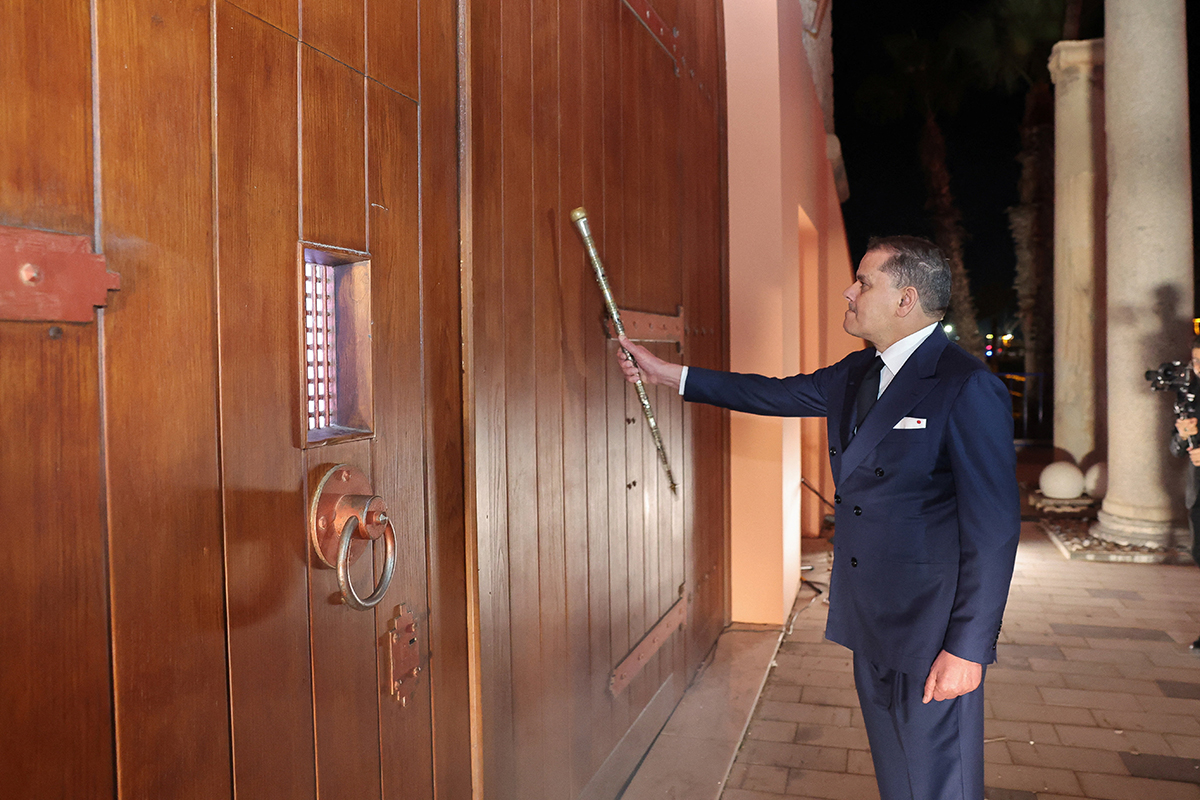
Libya has reopened its National Museum in the capital Tripoli, marking the first time the institution has been accessible to the public since the 2011 uprising and years of subsequent conflict.
The museum, housed in the historic Red Castle complex overlooking the city’s old harbour, was inaugurated at a ceremony attended by senior officials, diplomats and cultural figures.
Prime Minister Abdul-Hamid Dbeibah described the reopening as a milestone in restoring Libya’s cultural life after years of instability, calling the museum “the nation’s full memory”.
“This museum does not simply display artifacts,” Dbeibah said in remarks at the ceremony.
“It preserves the story of Libya in all its eras and reflects the identity of a people shaped by successive civilisations.”
Officials said the reopening was intended to signal a renewed commitment to safeguarding heritage, rebuilding national institutions and expanding access to education and culture.
The National Museum presents a chronological account of Libya’s history, from prehistoric settlement to the modern era. Its collections include stone tools and rock-art evidence from early human habitation in the Sahara, artifacts from Phoenician, Greek and Roman coastal cities, and objects from Islamic, Ottoman and later periods.
Among the most notable exhibits are ancient mummies recovered from desert sites in southern and eastern Libya, classical sculptures and mosaics linked to cities such as Leptis Magna and Cyrene, as well as coins, inscriptions and architectural fragments spanning thousands of years.
Sections of the museum also address Italian colonial rule, the Second World War and the early decades of Libyan independence, placing modern history alongside the country’s ancient past.
The Red Castle museum had been closed for more than a decade due to security concerns and damage sustained during fighting in Tripoli. Restoration and conservation work has been carried out over recent years, with further galleries expected to open gradually.
Cultural officials said the museum would initially prioritise educational visits and public programming, while continuing efforts to recover artifacts smuggled abroad during the conflict.
For many Libyans, the reopening carries symbolic weight. “It is a step towards reclaiming our history after years in which so much was lost or hidden,” one visitor said at the opening.